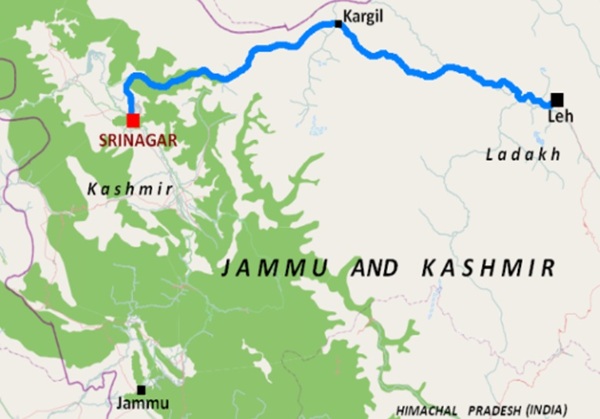
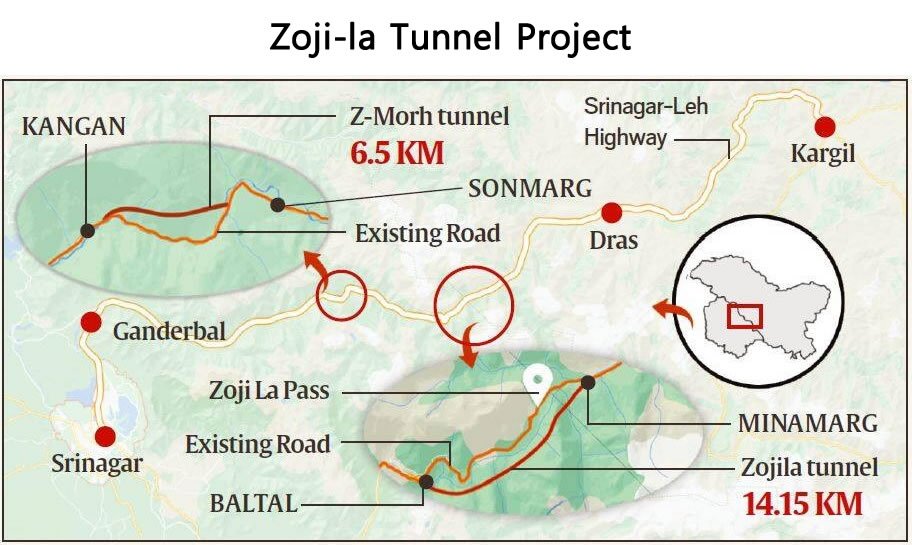
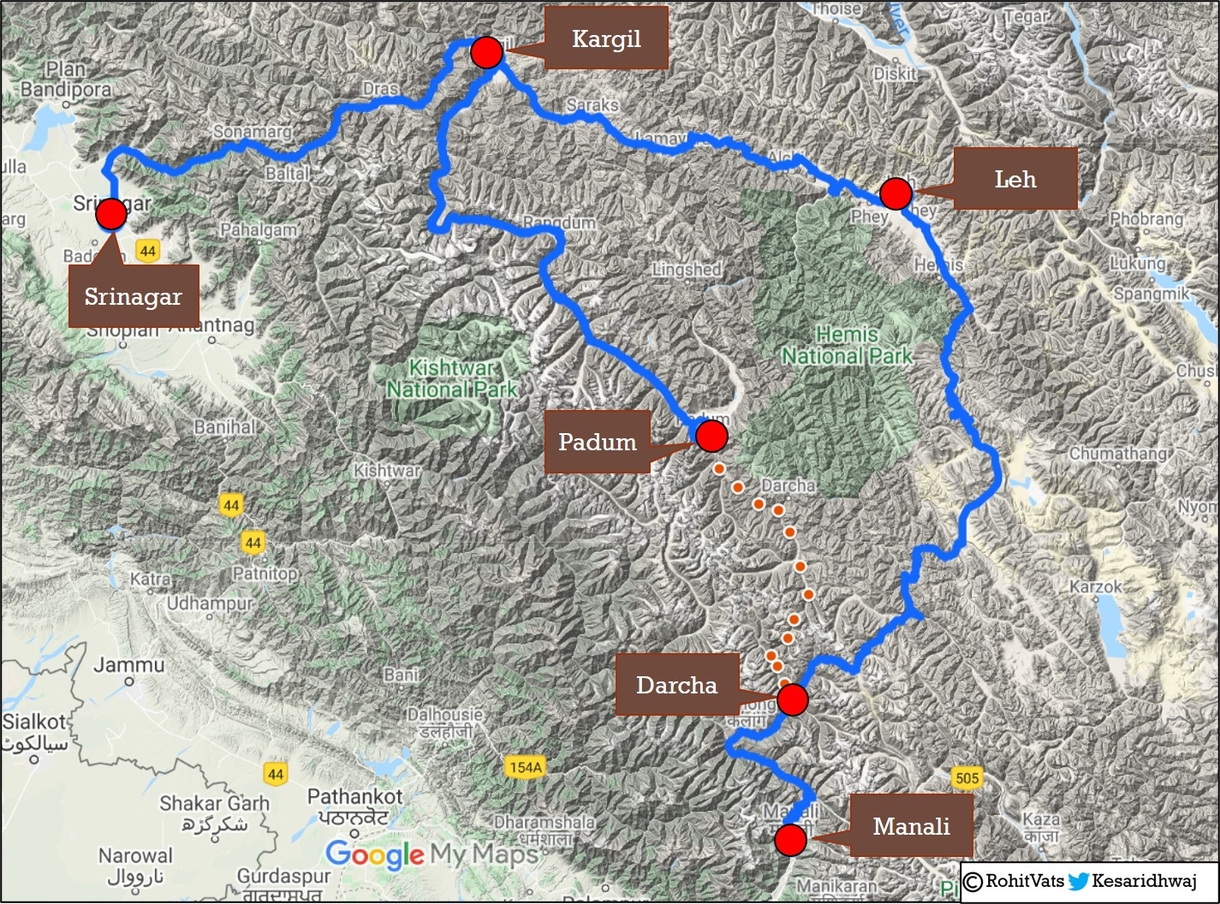
India’s nearly 9-kilometer Zojila Tunnel under the Zojila Pass is designed to keep the Kashmir–Ladakh road open year-round. While framed as a civilian logistics fix, the project carries security implications that Pakistan must assess carefully, given the tunnel’s proximity to sensitive sectors near the Line of Control (LoC) and historic flashpoints such as Kargil.
What Changes—and What Does Not
What changes:
- Seasonal disruption is reduced. Ground movement between the Kashmir Valley and Ladakh becomes more predictable.
- Logistics continuity improves. Fuel, rations, and routine rotations can proceed without winter shutdowns.
What does not:
- Force balance remains constrained by terrain. High altitude, narrow approaches, and weather still limit rapid massing.
- Geopolitical fundamentals are unchanged. Infrastructure alone does not alter deterrence dynamics or political disputes.
Pakistan’s Security Perspective
From Pakistan’s viewpoint, the tunnel’s relevance is logistical, not transformational.
1) Western Sector Logistics
The tunnel primarily stabilizes India’s ground supply reliability toward Kargil-adjacent areas during winter. This:
- Reduces reliance on airlift in cold months
- Improves predictability of routine movements
It does not by itself enable sudden large-scale offensives, which would still face terrain, surveillance, and escalation constraints.
2) Early-Warning and Transparency
Because the tunnel supports steady, routine traffic, it may actually increase observability of patterns over time. Persistent movement tends to produce regular signatures, aiding monitoring rather than masking activity.
3) Limited Crisis Acceleration
In crises, mobilization speed depends on multiple corridors, staging areas, and weather windows. A single tunnel lowers winter friction but does not remove bottlenecks across the broader mountain network.
LoC Stability and Risk Management
Historically, winter closures reduced accidental encounters by limiting movement. Year-round access:
- Increases day-to-day activity
- Raises the importance of communication mechanisms and confidence-building measures to prevent miscalculation
For Pakistan, this underscores the need to maintain de-escalation channels and calibrated responses rather than mirror infrastructure races.
China Factor—Indirect, Not Direct
While Ladakh also relates to India–China tensions, the Zojila corridor:
- Serves the western axis more than eastern Ladakh
- Has indirect effects on overall posture by improving sustainment, not deployment scale
Pakistan’s assessment should therefore remain sector-specific, avoiding overgeneralization.
Net Assessment
- Operational effect: Smoother winter logistics for India on the Kashmir–Ladakh road.
- Strategic effect: Incremental, not decisive.
- Risk profile: Manageable with monitoring, transparency, and crisis-management tools.
In short, the tunnel reduces uncertainty created by weather, but it does not rewrite the strategic map.
Conclusion
From a Pakistan-focused security lens, the Zojila Tunnel is best seen as a logistics stabilizer rather than a game-changer. It modestly improves year-round sustainment on a sensitive route, while leaving broader balances, deterrence, and escalation thresholds largely intact.
Prudent policy lies in measured assessment, enhanced monitoring, and sustained diplomatic and military communication—rather than alarmism.