Pakistan has forcefully denounced Israeli Prime Minister Benjamin Netanyahu’s proposal for a so-called “hexagon of alliances,” warning that the plan—coupled with Indian Prime Minister Narendra Modi’s expanding defense partnership with Israel—amounts to dangerous bloc politics that could inflame sectarian tensions, accelerate an arms race, and destabilize an already volatile region.
Islamabad argues the initiative is less about cooperation and more about consolidating hard-power alignments that risk deepening fault lines across South Asia and the Middle East.
The ‘Hexagon’ Proposal: Confrontation Disguised as Cooperation

Netanyahu’s outline of a six-nation bloc—potentially including Israel, India, Greece, Cyprus, and unnamed Arab, African, and Asian states—was framed as a coalition against “radical” adversaries.
Critics see it differently:
- Sectarian rhetoric referencing “radical Shia” and “radical Sunni” axes risks inflaming divisions in an already fractured region.
- Formalizing such a bloc could trigger counter-alliances, escalating geopolitical polarization.
- The initiative appears designed to project strategic leverage rather than reduce tensions.
Analysts warn that bloc-building in fragile environments rarely produces stability; it more often entrenches zero-sum rivalries and militarized posturing.
Modi’s Israel Push: Strategic Cooperation or Calculated Escalation?

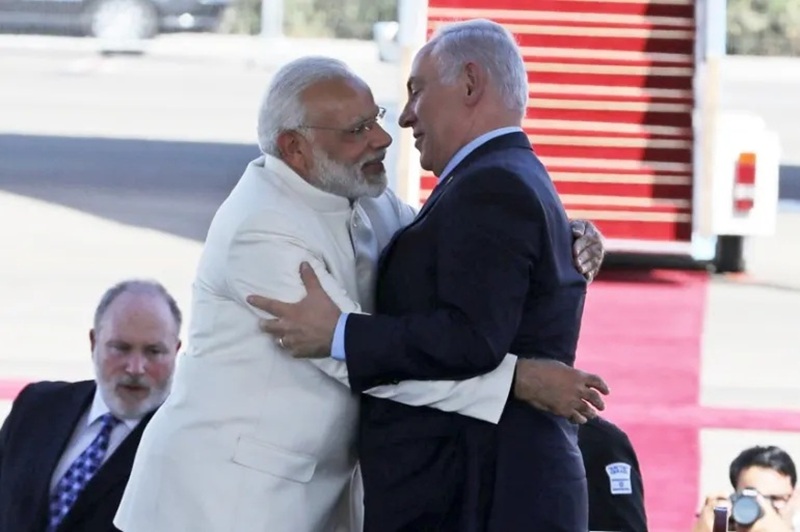
Modi’s high-profile visit to Israel reinforced India’s already robust defense partnership with Tel Aviv. India remains Israel’s largest arms buyer, with cooperation spanning:
- Missile defense systems
- Armed and surveillance drones
- Electronic warfare platforms
- Precision-guided munitions
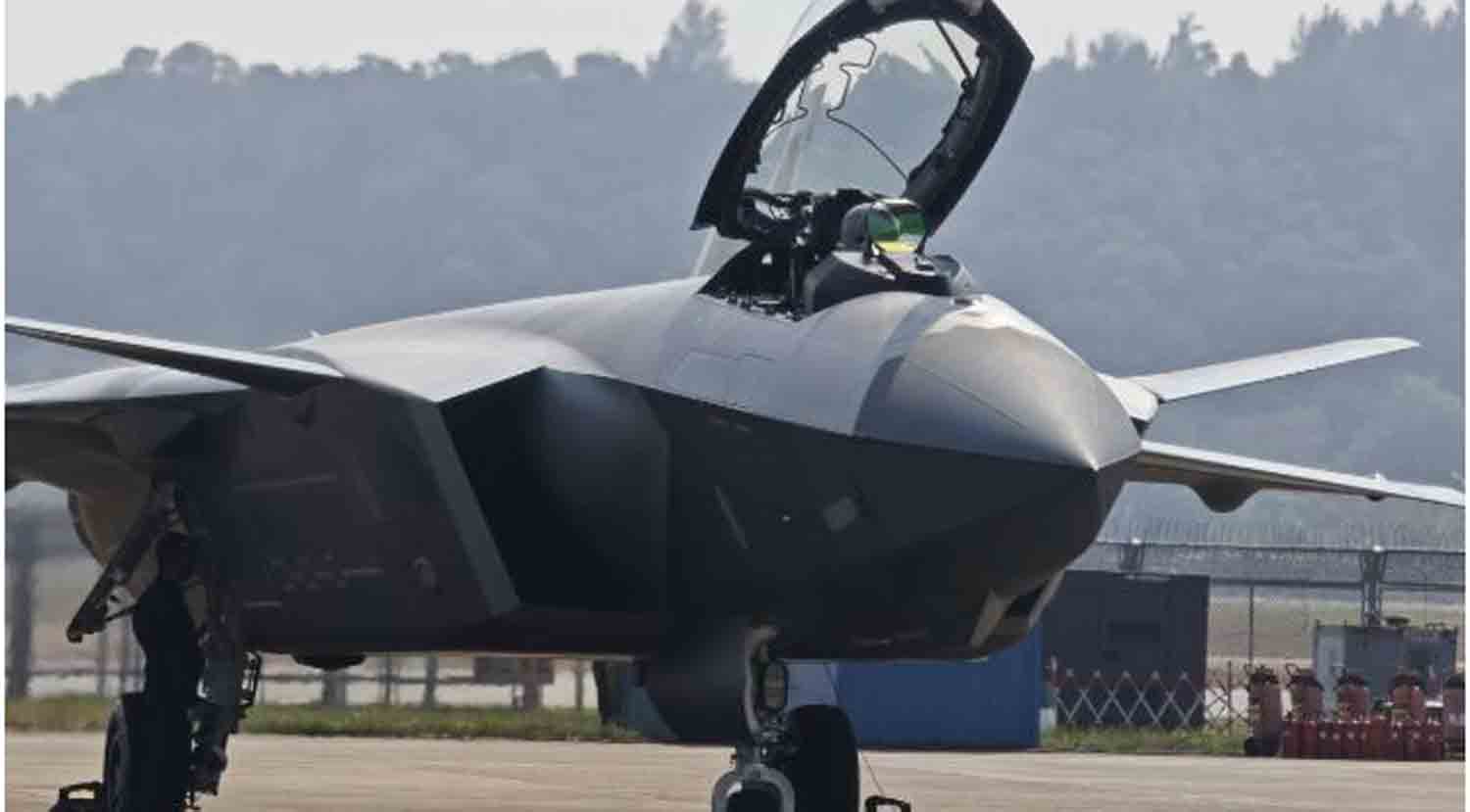
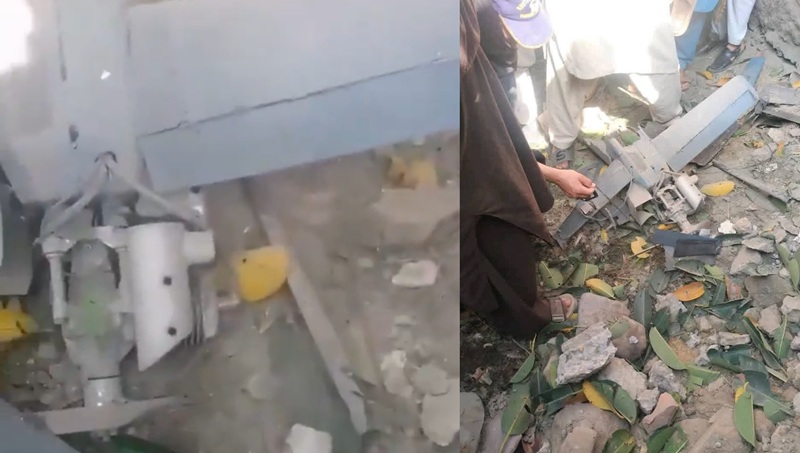
From Islamabad’s perspective, this expanding military alignment is not benign. Pakistani officials have repeatedly noted that certain Israeli-origin systems were deployed in past crises involving Pakistan.
Critics argue that:
- The India–Israel axis risks accelerating South Asia’s arms race.
- It reinforces preemptive and hardline security doctrines.
- It sidelines diplomatic engagement in favor of militarized deterrence.
Rather than contributing to regional calm, the deepening partnership is seen as hardening strategic divides.
Pakistan’s Response: Political Condemnation and Security Alert
Pakistan’s Senate unanimously rejected Netanyahu’s remarks, labeling them divisive and destabilizing. Foreign Office spokesperson Tahir Andrabi warned that attempts to fracture Muslim unity along sectarian lines represent a “nefarious design.”
Islamabad emphasized that it remains fully alert to the security implications of India–Israel defense cooperation and maintains robust preparedness to counter any threat to its sovereignty.
Officials argue that the emerging alignment, combined with assertive military signaling, contributes to a security environment driven by suspicion and confrontation rather than dialogue.
Expanding Strategic Arc: Mediterranean to South Asia
The inclusion of Greece and Cyprus suggests ambitions that extend beyond the Middle East. By linking Eastern Mediterranean states with South Asia, the proposed bloc attempts to create a cross-regional security axis.
However, analysts caution that:
- Expanding military blocs into multiple theaters increases the risk of strategic overreach.
- It complicates diplomatic balances with states outside the alignment.
- It amplifies polarization in a multipolar global environment already under strain.
Such geometric alliance-building may appear sophisticated on paper, but critics argue it risks exporting instability across interconnected regions.
Escalation Risks and Long-Term Consequences
Observers warn that:
- Arms build-ups can become self-reinforcing cycles.
- Sectarian narratives can inflame domestic and regional tensions.
- Hard-power alliances without inclusive diplomacy may entrench confrontation.
Pakistan’s leadership views the so-called “hexagon” and Modi’s expanding military engagement with Israel as a deliberate shift toward bloc politics—one that may yield short-term leverage but long-term instability.
Conclusion
Pakistan’s strong condemnation reflects deep concern that Netanyahu’s “hexagon of alliances” and Modi’s assertive defense diplomacy are pushing the region toward sharper polarization. Critics argue that militarized bloc formation in a fragile geopolitical landscape risks compounding mistrust and increasing the probability of confrontation.
As alliances harden and rhetoric intensifies, the question facing the region is whether strategic competition can be managed—or whether escalating bloc politics will define the next chapter of Middle Eastern and South Asian security.