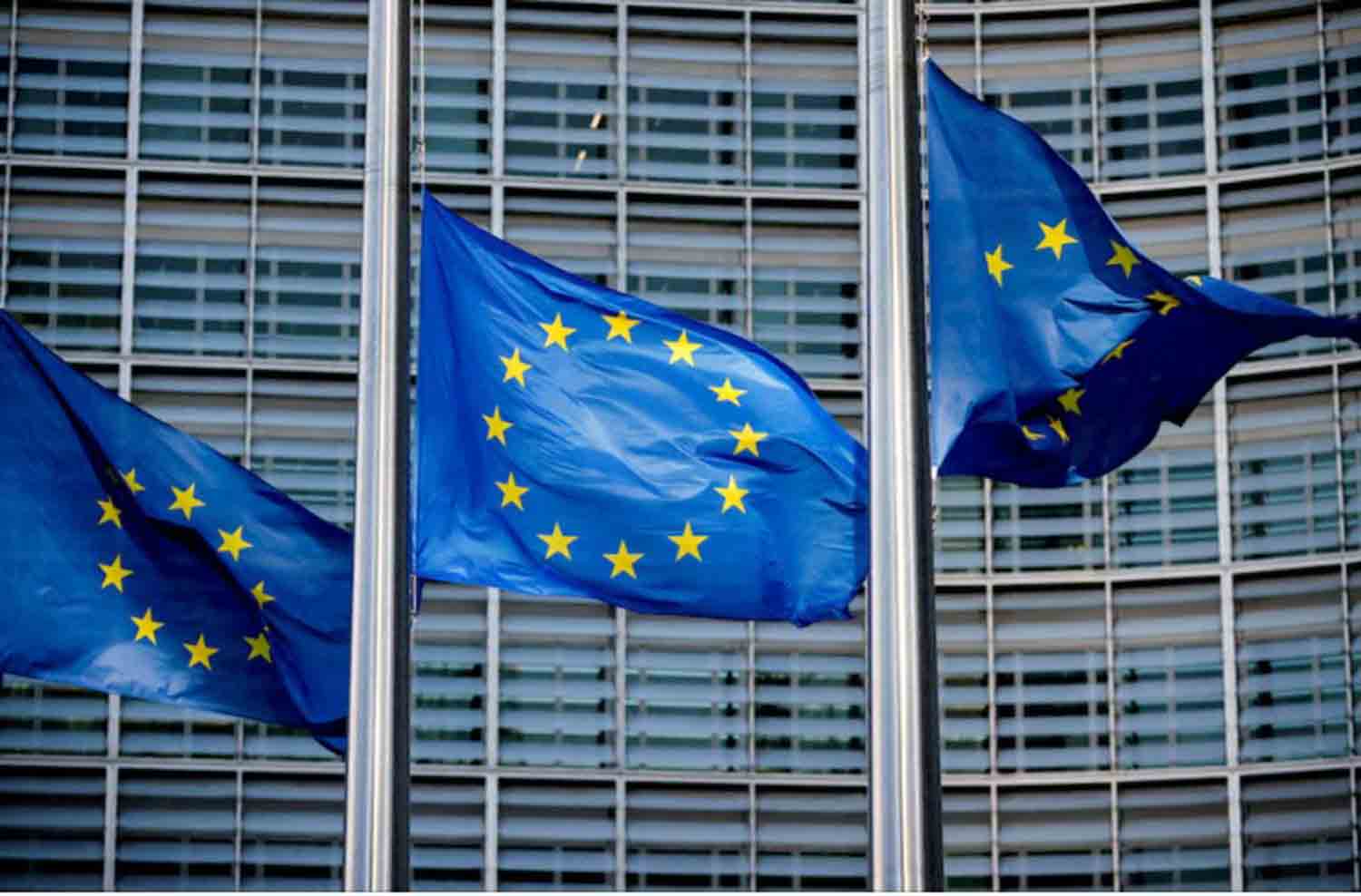
The European Union is facing renewed pressure to activate its powerful Anti-Coercion Instrument (ACI) as tensions rise with the United States over Greenland, following threats by US President Donald Trump to impose tariffs. Often described in Brussels as a “bazooka” or even a “nuclear option,” the mechanism is designed to protect EU member states from economic intimidation by foreign powers.
What is the Anti-Coercion Instrument?
The Anti-Coercion Instrument is a legal and economic tool adopted by the EU to deter and respond to economic coercion — situations where a non-EU country attempts to pressure the EU or one of its 27 member states into changing policy through trade restrictions, tariffs, boycotts, or investment barriers.
The instrument allows the EU to retaliate collectively, rather than leaving an individual member state to face pressure alone. This reflects a broader EU strategy of strengthening “economic sovereignty” amid growing geopolitical competition.
Why Is It Called a “Bazooka” or “Nuclear Option”?
The ACI earns its dramatic nicknames because of the wide range of countermeasures it enables. These can include:
- Imposing retaliatory tariffs or quotas
- Restricting access to EU public procurement
- Limiting trade in services
- Suspending intellectual property protections
- Restricting foreign investment
Because these measures can significantly impact major economies, Brussels has framed the tool as a deterrent first, rather than something meant for frequent use.
Why Is Greenland at the Center of the Dispute?
Greenland, an autonomous territory within the Kingdom of Denmark, has long held strategic importance due to its location, mineral resources, and Arctic access. President Trump’s renewed rhetoric — including threats of tariffs — has reignited concerns in Europe that economic pressure could be used to influence EU or Danish policy choices related to the territory.
Denmark, as an EU member state, would fall under the ACI’s protection, making the issue a test case for how far the EU is willing to go to defend its members against pressure from even close allies like the United States.
How Would the EU Decide to Use the Instrument?
The process involves several steps:
- Assessment by the European Commission to determine whether economic coercion is taking place
- Consultations with the targeted country to seek de-escalation
- Approval by EU member states if countermeasures are deemed necessary
The emphasis remains on dialogue, with retaliation seen as a last resort.
Why Is the EU Hesitant to Trigger It?
Despite growing calls to act, many EU capitals remain cautious. Deploying the ACI against the United States — the EU’s largest trade partner — could escalate into a broader trade conflict, with serious economic and political consequences.
Still, supporters argue that failing to act could weaken EU credibility, signaling that even its strongest defensive tools are off-limits when pressure comes from powerful allies.
What’s at Stake?
The debate over the Anti-Coercion Instrument goes beyond Greenland. It touches on:
- The EU’s ability to act as a geopolitical actor
- The balance between transatlantic relations and European autonomy
- Whether economic coercion will become a normalized tool in global politics
As tensions persist, Greenland may become the first real test of whether the EU is prepared to pull the trigger on its most powerful trade defense mechanism.