Monday, April 6, 2026
Home Blog Page 144

Iran tells Hezbollah Chief Israel will face devastating response after assaults on communication systems

0

Hossein Salami, the Commander of Iran’s Revolutionary Guards, conveyed to Hezbollah Chief Hassan Nasrallah on Thursday that Israel will encounter “a devastating response from the axis of resistance,” as reported by state media.

This statement follows recent assaults on the communication systems of Lebanese Hezbollah. The term “axis of resistance” encompasses Iran-aligned militant groups across the Middle East, including Hezbollah in Lebanon, the Houthis in Yemen, and the Popular Mobilisation Forces in Iraq.

Hezbollah and Lebanese officials have attributed the attacks on Tuesday and Wednesday, which resulted in 37 fatalities and approximately 3,000 injuries, to Israel. However, Israel has not issued a direct statement regarding these incidents, which security experts suggest may have been executed by its Mossad intelligence agency.

Salami remarked, “These terrorist actions are a clear indication of the Zionist regime’s (Israel) desperation and ongoing failures. A formidable response from the axis of resistance is imminent, and we will witness the downfall of this bloodthirsty and criminal regime.”

The longstanding tensions between Iran and Israel often lead to mutual threats of regime destruction, a situation that escalated last April when Iran launched drones and missiles at Israel following a lethal Israeli attack on its embassy in Syria.

On Thursday, Nasrallah declared that the recent attacks, which targeted Hezbollah’s communication devices, “crossed all red lines” and could be interpreted as a “declaration of war.”


US impose sanctions against 5 organizations and an individual related to Russia and North Korea

0

On Thursday, the United States announced sanctions against a network comprising five organizations and an individual for facilitating financial transactions between Russia and North Korea, which support Moscow’s military efforts in Ukraine and Pyongyang’s armament initiatives, as stated by the Treasury Department.

The Treasury emphasized that this action holds accountable those who have aided the Democratic People’s Republic of Korea (DPRK) and Russia in evading sanctions. These measures reflect the U.S. commitment to dismantling networks that enable the funding of the DPRK’s illicit weapons of mass destruction (WMD) and missile programs, as well as supporting Russia’s unlawful aggression in Ukraine.

State Department spokesperson Matthew Miller remarked that the increasing financial ties between Russia and North Korea pose a direct threat to global security and the international financial system. He noted that Russia is becoming more reliant on the DPRK amid its escalating battlefield setbacks and growing global isolation. The newly imposed sanctions reveal how President Vladimir Putin’s administration employs illicit financial mechanisms to allow North Korea access to the global banking system, contravening U.N. Security Council sanctions, according to the Treasury.

This U.S. action follows a recent meeting between North Korean leader Kim Jong Un and Russian security chief Sergei Shoigu, where they discussed enhancing strategic cooperation, as reported by state media KCNA on Saturday.

The United States, Ukraine, and independent analysts assert that Kim is aiding Russia by providing rockets and missiles in exchange for economic and military support from Moscow. The sanctions are aimed at disrupting financial operations linked to North Korea’s state-run Foreign Trade Bank (FTB) and Korea Kwangson Banking Corporation, both of which have previously faced U.S. sanctions.

One particular scheme, coordinated by the Central Bank of Russia, involved MRB Bank, located in Georgia’s South Ossetia region, facilitating a covert banking relationship with North Korea’s Foreign Trade Bank on behalf of a designated Russian bank.

Additionally, another scheme included the Russian Financial Corporation Bank JSC, which is also under U.S. sanctions, collaborating with the FTB to create a Moscow-based entity to access frozen North Korean assets held in inactive Russian banks, according to the Treasury.

Russian legislator warns West of nuclear war over Ukraine

0

A prominent Russian legislator stated on Thursday that Ukrainian attacks on Russia utilizing Western missiles could escalate into a global conflict involving nuclear arms, asserting that Moscow’s retaliation would be severe and involve more advanced weaponry.

Vyacheslav Volodin, the chairman of the Duma, Russia’s lower house of parliament, warned that if the West sanctioned such strikes deep within Russian borders, it would result in a “global war with the use of nuclear weapons.”

Volodin, a close associate of President Vladimir Putin and a voice for Kremlin perspectives, emphasized that “Russia will respond decisively with more powerful weapons.” His comments followed a vote by the European Parliament supporting Ukraine’s ability to target Russian sites with Western military equipment.

He remarked that it seemed the West had overlooked the significant sacrifices made by the Soviet Union during World War II.

He said Europeans should understand that it would take just 3 minutes and 20 seconds for Russia’s RS-28 Sarmat intercontinental ballistic missile, known to some as Satan II, to hit Strasbourg.

The war in Ukraine has sparked the biggest confrontation between Russia and the West since the Cuban Missile Crisis in 1962 – considered the closest the two Cold War superpowers came to intentional nuclear war.

Israeli military says it is targeting Hezbollah positions in Lebanon

0

The Israeli military announced on Thursday that it was targeting Hezbollah positions in Lebanon, just prior to a scheduled speech by the group’s leader. The military also indicated that the chief of staff had sanctioned operational plans for Israel’s northern region, which shares a border with Lebanon.

According to the military, Hezbollah has transformed southern Lebanon into a battleground. “For many years, Hezbollah has utilized civilian residences for military purposes, constructed tunnels beneath them, and employed civilians as human shields,” the statement read. “The IDF (Israel Defense Forces) is taking action to ensure the safety of northern Israel, facilitating the return of residents to their homes and achieving all military objectives.”

Additionally, a separate military announcement revealed that Lieutenant General Herzi Halevi, the Chief of the General Staff, had recently finalized plans for operations in the northern sector.

These statements were issued shortly before Sayyed Hassan Nasrallah, the leader of Hezbollah, was set to speak for the first time since a series of explosions involving booby-trapped radios and pagers targeted the Iran-aligned group.

Israeli aircraft are producing significant sonic booms over Beirut, according to a witness from Reuters. Lebanese citizens, already anxious due to recent explosions throughout the country attributed to Israel by the group, experienced heightened panic amid fears of a potential escalation.

The assaults on Hezbollah’s communication systems resulted in 37 fatalities and approximately 3,000 injuries, heightening concerns of an impending large-scale conflict. While Israel has not officially acknowledged its involvement in the attacks, various security sources have indicated that they were executed by the Mossad, Israel’s intelligence agency.

aircraft carrier Liaoning was on a training mission, China rejects Tokyo accusation

0

China said Thursday that its aircraft carrier Liaoning was on a routine training mission in the western Pacific, rejecting Tokyo’s accusation that the ship and its escorts had entered Japanese territorial waters.

In the latest incident in a long-running dispute between China and Tokyo over maritime activities, Japan’s Defense Ministry said on Wednesday that an aircraft carrier and two accompanying destroyers had sailed between the southern islands of Yonaguni and Iriomote in waters it controls.

The Ministry of Defense in China replied on Thursday and said that the court had conducted an exercise corresponding to related international law. It did not give the exact location of the fleet. “There is no need for the parties involved to over-interpret this,” the Defense Ministry said in a statement.

Japan’s Deputy Chief Cabinet Secretary, Moriya Yutaka, said on Wednesday that the incident was “completely unacceptable” and that the Japanese government had expressed serious concerns to the Chinese government. Japan will continue to closely monitor the activities of Chinese military vessels in adjacent waters, Moriya said.

Increased Chinese military activity near Japan and around the island of Taiwan has worried Tokyo in recent years. Japan has responded by beefing up its defenses, which it says are aimed at deterring China from using military force to advance its territorial claims in the region.

Last month, Japan lodged a protest with Beijing after a Chinese naval survey vessel entered Japanese territorial waters. He also accused the Chinese spy plane of violating his airspace.


Citizens fear carrying explosives in their pockets after pager explosions in Lebanon

0

The detonation of numerous mobile communication devices associated with Hezbollah has instilled widespread fear throughout Lebanon, with many citizens anxious about the possibility of carrying explosives in their pockets. At least 37 individuals lost their lives, and over 3,000 were injured following two waves of explosions involving first pagers and then walkie-talkies utilized by Hezbollah members on Tuesday and Wednesday. Both Lebanon and Hezbollah attribute the attacks to Israel.

Following these incidents, unfounded rumors have circulated regarding other mobile phones and even household appliances potentially exploding. Mustafa Jemaa, an electronics shop owner in the southern city of Sidon, stated that he had removed certain stock from his store. “We had some devices here that we believed were completely safe, but out of an abundance of caution, we decided to take them out… because we became concerned,” he remarked.

On Thursday, the Lebanese army urged citizens to report any suspicious items, noting that they were conducting controlled detonations of pagers and other devices suspected of being rigged. Additionally, Lebanese civil aviation authorities announced a ban on walkie-talkies and pagers being taken on flights or shipped by air, as reported by the National News Agency.

The casualties from Tuesday’s explosions included Hezbollah fighters, medical personnel, and administrative staff, with at least two children among the deceased, killed by the explosion of pagers owned by their fathers. “Naturally, we are frightened; my children, my siblings’ children, all of us. Who can feel secure in this environment?” expressed Mustafa Sibai, a resident of Beirut.

“Upon learning about the events of yesterday, I left my phone on my motorcycle and walked away,” he stated. Ziad Makari, the information minister in Lebanon’s caretaker government, acknowledged that panic was a natural response, emphasizing that the attack represented “a new type of crime for the Lebanese” and had impacted individuals in their homes, workplaces, and daily routines.

However, he also remarked, “There are numerous rumors circulating—claims of an intercom explosion, a solar power system explosion, a television explosion, and a smartphone explosion.” He added, “There is a significant amount of misinformation… a lot of fake news, and this is not helpful in any way.”

Drone production will be increased to 1.4 million, says Putin

0

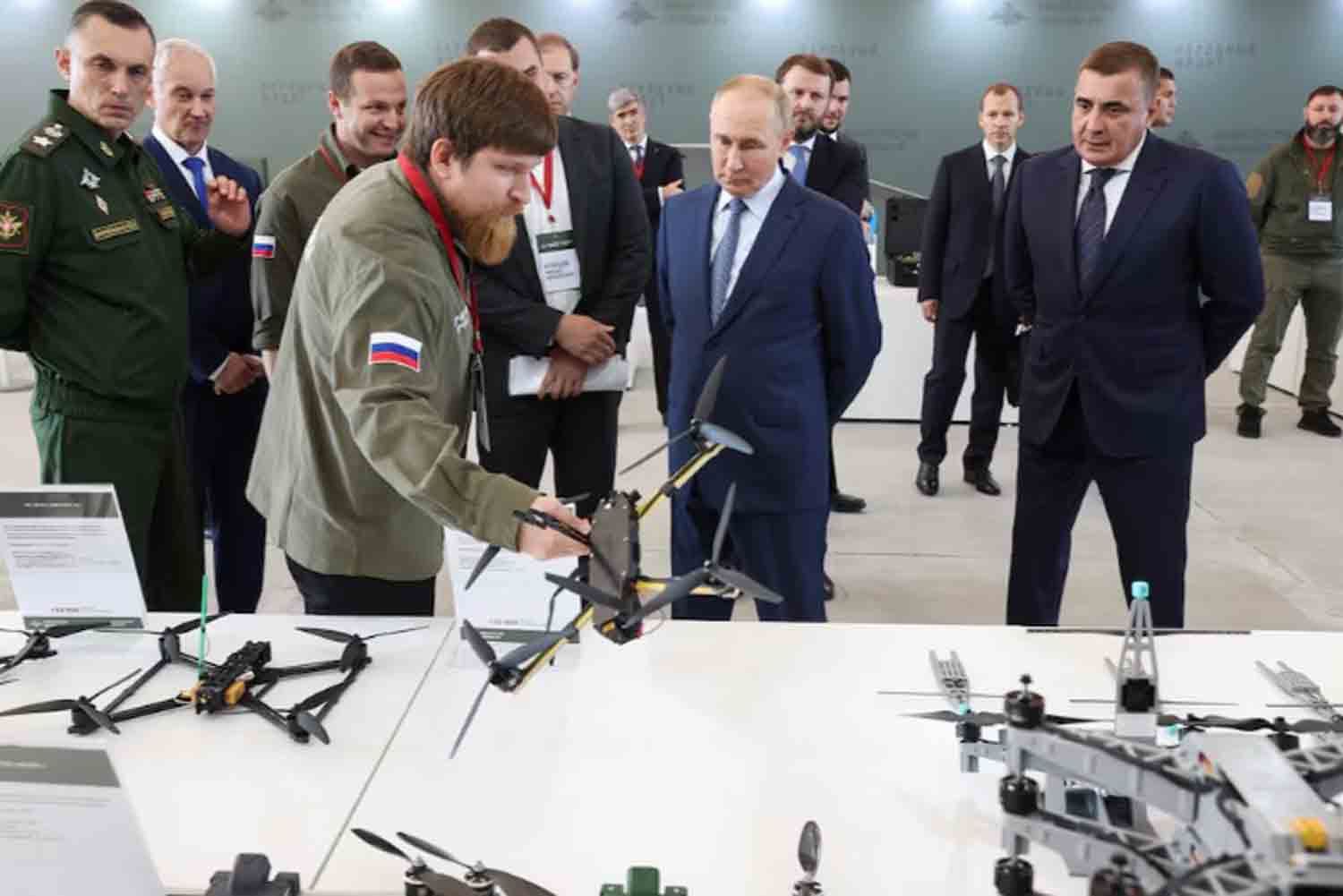
On Thursday, President Vladimir Putin announced that Russia is significantly increasing its drone production, aiming to boost output nearly tenfold to approximately 1.4 million units this year, in a bid to secure victory for the Russian armed forces in Ukraine.

“This year, we have delivered around 140,000 unmanned aerial vehicles of various types to our military,” Putin stated. “We plan to substantially enhance drone production, nearly by a factor of ten.” He emphasized the importance of rapid response on the battlefield, saying, “The side that adapts more swiftly to these demands will prevail,” during a meeting in St. Petersburg focused on advancing drone manufacturing.

Since the onset of the conflict in February 2022, which saw Russia deploy tens of thousands of troops to Ukraine, the war has primarily revolved around intense artillery exchanges and drone operations along a heavily fortified 1,000-kilometer front, involving hundreds of thousands of personnel.

Both Russia and Ukraine have procured drones from international sources while also increasing their domestic production to target various objectives, including artillery, supply depots, energy infrastructure, and naval vessels.

UN committee says Israel violated child rights Treaty in Gaza

0
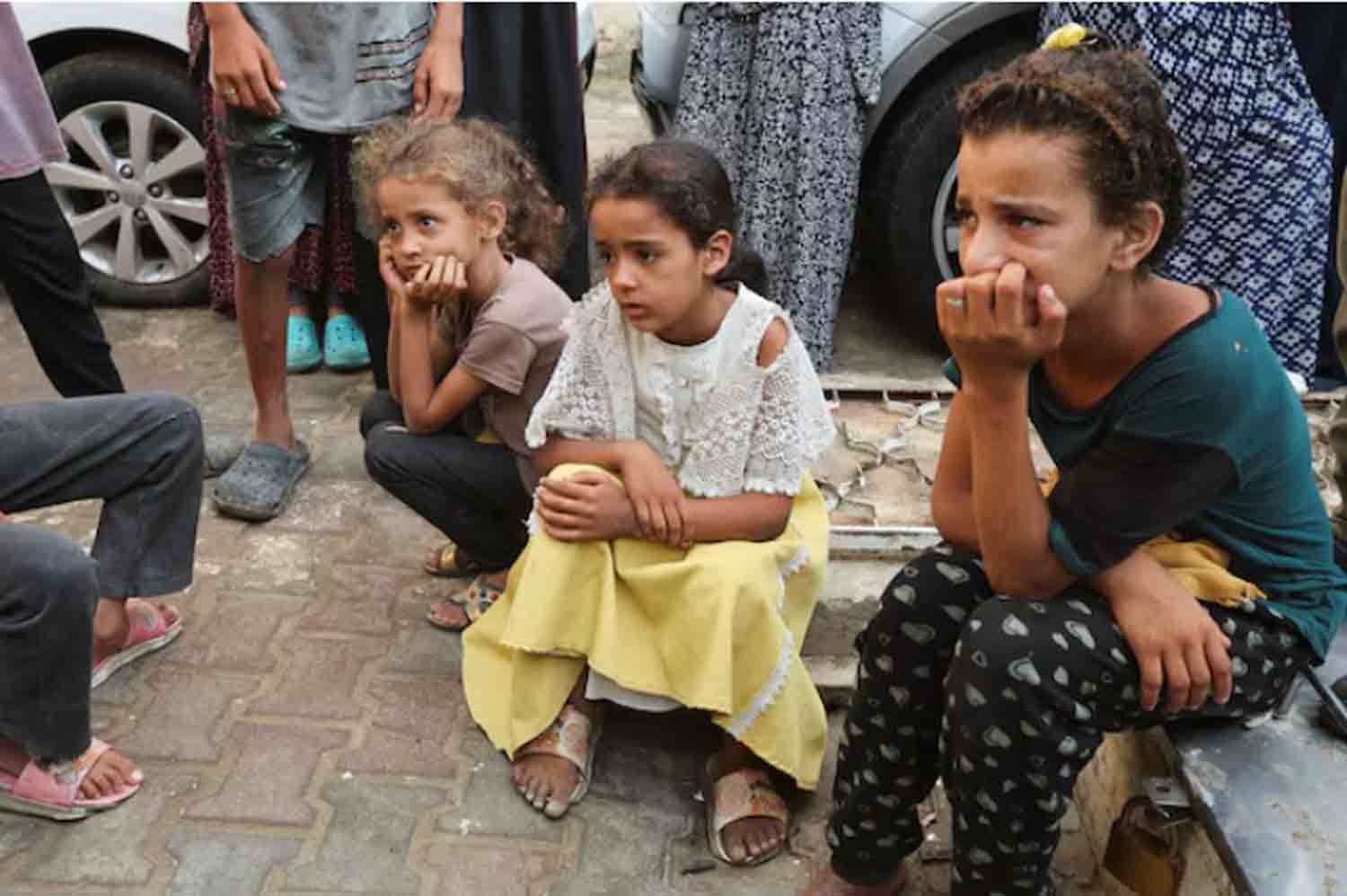
Children at tent camp for displaced people in Gaza

A United Nations committee on Thursday condemned Israel for “severe” violations of an international treaty aimed at safeguarding children’s rights, asserting that its military operations in Gaza have had a “catastrophic” effect on children and represent some of the most significant breaches in recent history.

Since the onset of Israel’s military campaign in response to Hamas’s cross-border attacks on October 7, which resulted in 1,200 fatalities and 250 hostages, over 41,000 individuals have lost their lives in Gaza. Palestinian health officials reported earlier this week that among the deceased, 11,355 are children, based solely on verified death records.

“The shocking loss of children’s lives is nearly unprecedented. We are witnessing an extremely dark chapter in history,” stated Bragi Gudbrandsson, Vice Chair of the Committee, during a press briefing. “The scale of the violations we are observing in Gaza is unparalleled. These are profoundly serious breaches that are rarely encountered,” he added.

Israel’s representatives contended during a series of U.N. hearings earlier this month that the treaty is not applicable in Gaza or the West Bank, asserting their commitment to upholding international humanitarian law. They stated that their military operations in Gaza are focused on dismantling the Hamas leadership in the Palestinian enclave, emphasizing that civilians are not the targets, although they claim that militants are often concealed among them, a point that Hamas disputes.

The four-member U.N. Committee is responsible for overseeing compliance with the 1989 Convention on the Rights of the Child, a widely recognized treaty designed to safeguard individuals under the age of 18 from violence and various forms of abuse.

Turkey reassessing communication devices after deadly explosions in Lebanon

0

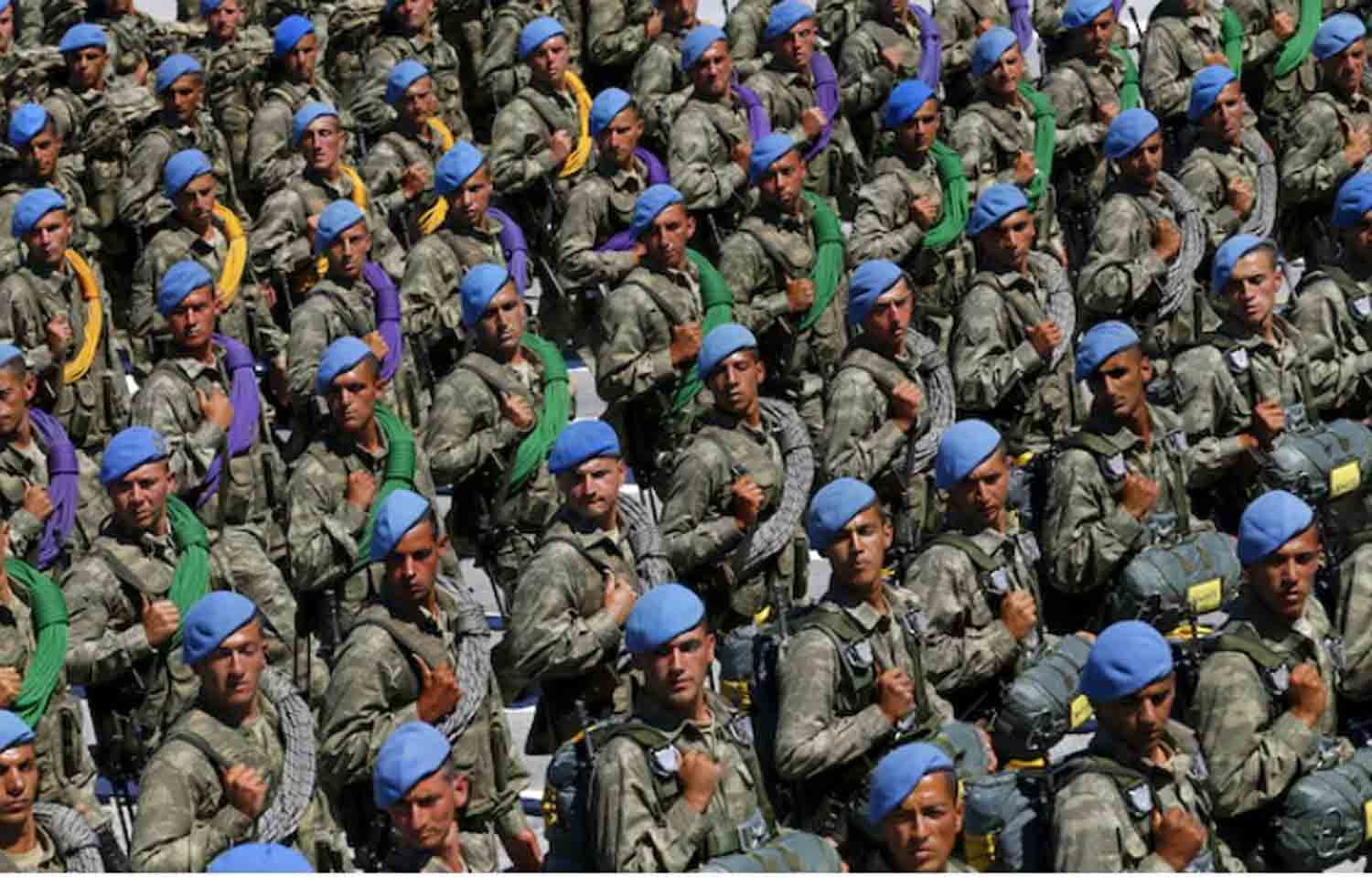
Turkey is reassessing its protocols for securing communication devices utilized by its armed forces in light of the recent deadly explosions in Lebanon, according to a Turkish defense ministry official on Thursday.

Hand-held radios employed by the armed group Hezbollah detonated on Wednesday in southern Lebanon, marking the deadliest day in the region since cross-border hostilities began nearly a year ago between Hezbollah and Israel. This incident heightened tensions following similar explosions involving the militants’ pagers the previous day. The blasts seemed to disrupt Hezbollah, which is Iran’s most influential proxy in the Middle East, coinciding with Israel’s ongoing conflict with Palestinian Hamas militants in Gaza and raising concerns about potential escalation and regional conflict.

The Turkish official, who requested anonymity, noted that Turkey’s military relies solely on domestically manufactured equipment, but additional control measures are implemented when third parties are involved in the procurement or production of devices. “In light of our operations, the ongoing war in Ukraine, and the situation in Lebanon, we continuously review and develop new measures based on lessons learned from each incident,” the official stated. “In response to this event, our Defense Ministry is conducting the necessary assessments,” the individual added, without disclosing further information.

According to sources, the explosions on Tuesday were triggered by Israeli operatives who remotely activated explosives they had previously placed in a shipment of 5,000 pagers intended for Hezbollah before it crossed into the country.

Turkish Foreign Minister Hakan Fidan informed the state-owned Anadolu news agency that the government is prioritizing the establishment of an independent cyber-security agency, emphasizing that President Tayyip Erdogan views this initiative as essential.

Lebanon bans carrying pagers and walkie-talkies on flights

0

On Thursday, Lebanese authorities implemented a ban on walkie-talkies and pagers for flights departing from Beirut airport, as reported by the National News Agency. This decision follows a tragic incident in which numerous such devices detonated during a recent attack on Hezbollah.

The Lebanese Civil Aviation Directorate has instructed airlines to inform passengers of the prohibition on these devices until further notice. Additionally, the shipment of walkie-talkies and pagers by air has also been restricted, according to the state news agency.

The attacks, which occurred on Tuesday and Wednesday, resulted in at least 37 fatalities and over 3,000 injuries due to the explosions of devices utilized by Hezbollah members.

Lebanon and Hezbollah, an Iran-backed militant group, have accused Israel of orchestrating the attacks, although Israel has not acknowledged any involvement.

On Thursday, the Lebanese army announced it was conducting controlled detonations of pagers and other suspicious telecommunications equipment in various locations, urging citizens to report any unusual devices.

Tensions have been escalating along the Lebanese-Israeli border, with ongoing exchanges of fire between Hezbollah and Israel, a situation exacerbated by the recent conflict in Gaza.

World leaders will meet at UN General Assembly next week

0

Next week, over 130 global leaders will convene at the United Nations, confronted with the potential for escalating conflicts in the Middle East and Europe, frustration over the sluggish pace of peace initiatives, and intensifying climate and humanitarian challenges.

The ongoing strife between Israel and Hamas in the Gaza Strip, along with Russia’s invasion of Ukraine, is expected to take center stage during the annual high-level U.N. General Assembly. However, diplomats and analysts express skepticism regarding any significant advancements toward peace.

Richard Gowan, U.N. director at the International Crisis Group, noted, “The crises in Gaza, Ukraine, and Sudan will be the primary focal points at the General Assembly, but breakthroughs seem unlikely.”

U.N. Secretary-General Antonio Guterres recently remarked to Reuters that the situations in Gaza and Ukraine remain “stuck with no peaceful solutions in sight.”

Tensions have heightened regarding the potential spillover of the Gaza conflict into the wider Middle East, particularly after Hezbollah accused Israel of triggering explosions during two days of violent incidents. Israel has not responded to these allegations.

Guterres emphasized the urgent need to prevent a significant escalation in Lebanon, stating, “There is a serious risk of a dramatic escalation, and all efforts must be made to avert it.”

The conflict in Gaza, which has been under siege, was ignited by a Hamas assault on Israeli civilians on October 7, 2023, occurring two weeks after the conclusion of last year’s annual gathering of world leaders. Despite ongoing mediation efforts by the United States, Egypt, and Qatar, a ceasefire has not been achieved, and global patience is diminishing as the death toll in Gaza surpasses 41,000, nine months after the U.N. General Assembly’s strong call for a humanitarian truce.

Israeli Prime Minister Benjamin Netanyahu, who has consistently criticized the U.N. for its perceived bias against Israel, and Palestinian President Mahmoud Abbas are both set to speak at the General Assembly on September 26.

Diplomatic speed-dating

The annual assembly, which marks the start of a new session, is often likened to diplomatic speed-dating, featuring six days of speeches from leaders, while much of the significant interaction occurs in numerous bilateral meetings and side events aimed at highlighting critical global issues.

This year, the potential impact of a new U.S. administration looms large, as Republican Donald Trump, who previously reduced U.N. funding and labeled the organization as ineffective during his presidency from 2017 to 2021, is set to face Democratic Vice President Kamala Harris in the upcoming election on November 5. “The presence of Donald Trump will undoubtedly be a topic of concern,” noted Gowan, emphasizing that many private discussions during the General Assembly will revolve around the implications of Trump’s actions on the organization.

Additionally, this year’s side events will address the ongoing war and humanitarian crisis in Sudan, the international response to gang violence in Haiti, and the Taliban’s repression of women’s rights in Afghanistan.

On Wednesday, Guterres humorously acknowledged his limitations, stating he possesses “no power and no money.” The Secretary-General of the United Nations possesses two key assets, which I must emphasize I have been actively utilizing,” he informed the press. “The first is my voice, which cannot be silenced. The second is the ability to bring together individuals of goodwill to tackle and resolve issues.”

This year’s U.N. General Assembly is overshadowed by Western allegations regarding Iran’s involvement in the Middle East, particularly with groups like Hamas, Hezbollah, and the Houthis in Yemen, as well as its support for Russia’s actions in Ukraine.

European nations are aiming to renew efforts to control Iran’s nuclear ambitions, with Iranian and European officials scheduled to meet in New York next week to explore their willingness to engage in dialogue.

Iran’s relatively moderate new president, Masoud Pezeshkian, is set to address the United Nations on Tuesday. According to a senior Iranian official, Pezeshkian “will emphasize the importance of detente, fostering global confidence, and de-escalation,” while also asserting “Iran’s right to respond” to any threats from Israel if necessary.

Ukrainian President Volodymyr Zelenskiy will speak at the high-level General Assembly for the third time since the onset of the Russian invasion. He is expected to address a Security Council meeting on Ukraine on Tuesday and the General Assembly on Wednesday. Zelenskiy has formulated a strategy aimed at compelling Russia to seek a diplomatic resolution to the conflict, which he intends to present to U.S. President Joe Biden this month, as well as to both of Biden’s potential successors, Harris and Trump.

Certain U.S. officials have already received briefings regarding aspects of the plan. “We believe it outlines a viable strategy and plan. Our goal is to explore how we can advocate for this as we interact with the heads of state from various countries who will be present in New York… we remain optimistic about making some advancements,” stated U.S. Ambassador to the U.N. Linda Thomas-Greenfield during a press conference on Tuesday.

Although Russian President Vladimir Putin addressed the General Assembly virtually in 2020 due to the COVID-19 pandemic, he has not attended the event in person since 2015. Instead, Russian Foreign Minister Sergei Lavrov is scheduled to address the General Assembly on September 28.

South Korea’s Yoon optimistic for completion of nuclear deal with Czech Republic

0

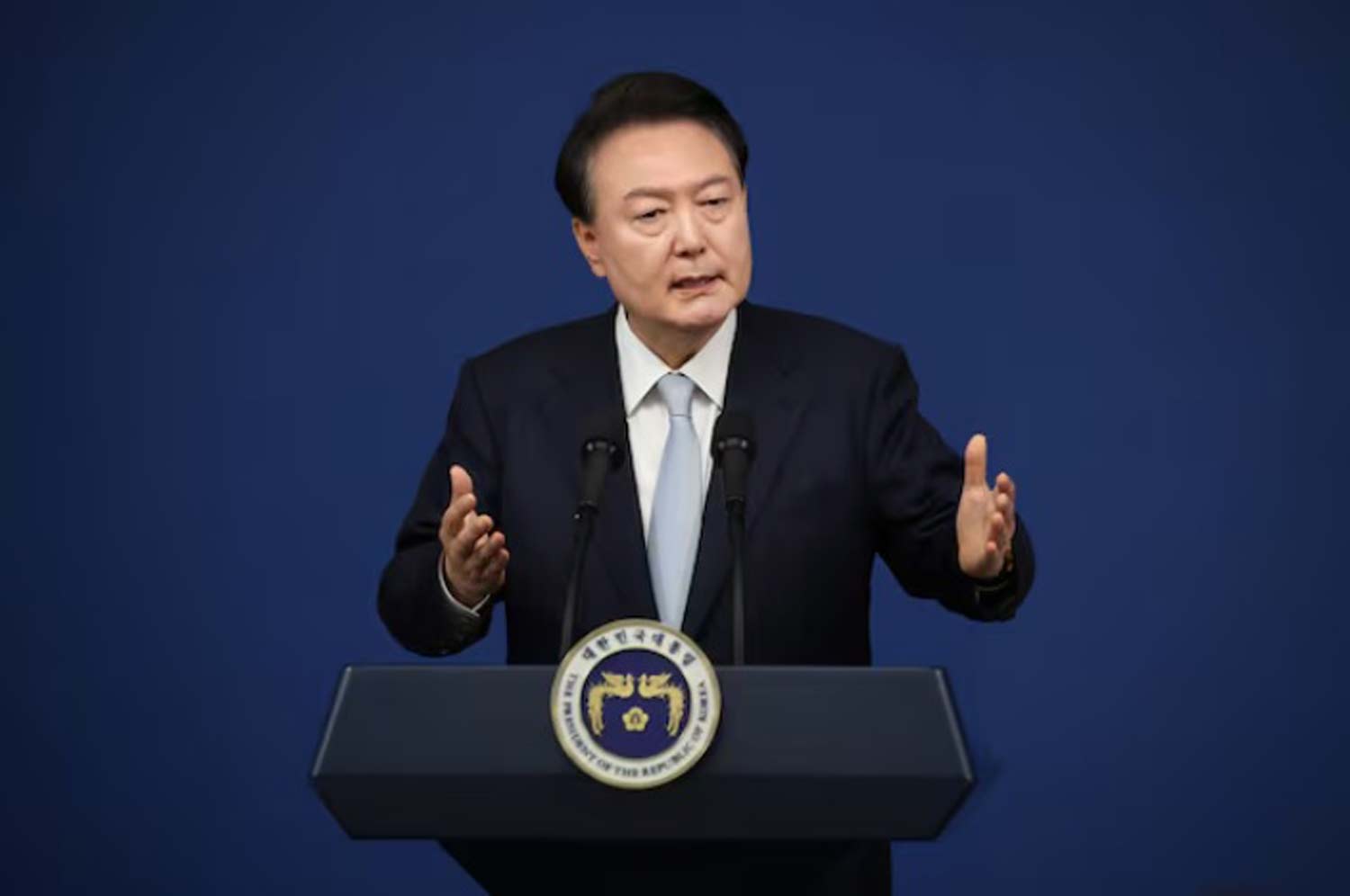
South Korea is optimistic about overcoming challenges related to its multi-billion dollar nuclear plant project in the Czech Republic, despite objections from EDF and Westinghouse, as stated by President Yoon Suk Yeol in an interview with Reuters.

In a written response prior to his visit to the Czech Republic from September 19-22, Yoon emphasized that part of his trip’s purpose is to ensure the seamless finalization of the contract, highlighting the project’s significance as “paramount.”

In July, the Czech Republic selected Korea Hydro & Nuclear Power (KHNP) to construct two new nuclear power units, marking its largest energy investment initiative to date. However, Westinghouse’s appeal, claiming that KHNP does not possess a licensing agreement to export reactors utilizing its technology, poses a potential challenge. Additionally, France’s EDF has also contested the Czech decision following its loss in the final tender round.

Yoon noted that both Seoul and Washington are collaborating to foster a “friendly atmosphere” among nuclear energy businesses to resolve any intellectual property disputes and enhance cooperation. “I am confident that this initiative will lead to a smooth resolution of any issues that may arise between the parties involved,” he remarked. “There is no cause for concern regarding the construction of the nuclear power plant in the Czech Republic.”

Yoon’s visit coincides with the 35th anniversary of diplomatic relations between Seoul and Prague. His agenda includes discussions with Czech President Petr Pavel and Prime Minister Petr Fiala, as well as a tour of nuclear energy facilities in Plzen, according to his office.

Since assuming office in 2022, Yoon has aimed to strengthen security partnerships with European nations and NATO, driven in part by the increasing military collaboration between North Korea and Russia. Seoul and Washington have accused Pyongyang of supplying missiles, munitions, and other weaponry to Moscow for use in the conflict in Ukraine, in exchange for economic and military support.

Both Moscow and Pyongyang have refuted these claims. On Wednesday, North Korea launched several short-range ballistic missiles, marking the second such event in a week.

The South Korean military has indicated that last week’s test of what North Korea referred to as a new 600-mm multiple launch rocket system may be intended for export to Russia.

Yoon expressed his intention to collaborate with Czech leaders to formulate joint strategies aimed at countering North Korea’s advancements in nuclear and missile technology, as well as its growing military dealings with Russia.

He emphasized, “The illicit military and economic collaboration between these nations highlights the urgent need to enhance partnerships with European countries like the Czech Republic, which align with our values.”

Following the establishment of a strategic partnership treaty between North Korea and Russia this year, Yoon’s administration indicated a potential reconsideration of its stance on providing lethal aid to Ukraine, which would mark a departure from its current focus on humanitarian and economic support, should Moscow transfer advanced weaponry to Pyongyang.

While Yoon refrained from detailing specific thresholds, he asserted that both North Korea and Russia would incur repercussions if they jeopardized South Korea’s security. “We cannot accept any actions that endanger the safety and lives of our citizens,” he stated.

US has no plans to remove Typhon missile system stationed in Philippines, sources

0

The United States currently has no plans to remove a mid-range missile system stationed in the Philippines, despite requests from China, and is evaluating its potential role in a regional conflict, according to informed sources. The Typhon system, which can be fitted with cruise missiles targeting Chinese locations, was introduced for joint military exercises earlier this year and has since remained in the region.

The Philippines, located south of Taiwan, plays a crucial role in U.S. strategic interests in Asia and would serve as a vital base for military operations to support Taipei in the event of a Chinese aggression. Both China and Russia have criticized the initial deployment of this system in the Indo-Pacific, accusing the U.S. of escalating an arms race.

On Thursday, China’s foreign ministry expressed significant concern regarding the decision to maintain the system, stating that it poses a serious threat to the security of regional nations and exacerbates geopolitical tensions, as articulated by spokesperson Lin Jian during a press briefing.

The recent deployment, details of which have not been disclosed earlier, occurs amid rising tensions between China and the Philippines, a defense treaty ally of the U.S., over disputed areas in the South China Sea. In recent months, there have been multiple confrontations at sea and in the air within this strategically significant region.

Philippine officials reported that Filipino and U.S. forces are actively training with the missile system located on Luzon’s northern island, which overlooks the South China Sea and is in proximity to the Taiwan Strait. They indicated that there are no immediate plans for its withdrawal, despite the conclusion of joint exercises at the end of this month.

Colonel Louie Dema-ala, a spokesman for the Philippine army, informed Reuters on Wednesday that training is ongoing, and the duration of the missile system’s presence is at the discretion of the United States Army Pacific (USARPAC). A USARPAC public affairs officer noted that the Philippine army has indicated the Typhon could remain beyond September, with soldiers having trained with it as recently as last week, focusing on discussions regarding its operational integration with local support.

A senior official from the Philippine government, along with another source familiar with the situation, revealed that the U.S. and the Philippines are assessing the system’s viability for potential conflict scenarios and its effectiveness in that specific environment, both speaking on the condition of anonymity.

A government representative stated that the Typhon, designed for mobility and adaptability, was in the Philippines to assess its feasibility for deployment. This would ensure that it can be readily utilized when necessary.

The office of Philippine President Ferdinand Marcos Jr. did not provide a response to a request for comment.

In April, the U.S. Army transported the Typhon, capable of launching missiles such as the SM-6 and Tomahawk with ranges exceeding 1,600 km (994 miles), to the Philippines, marking what they described as a “historic first” and a “significant advancement in our partnership with the Philippines.”

A satellite image captured on Wednesday by Planet Labs, a commercial satellite company, and analyzed by Reuters, revealed the Typhon at Laoag International Airport in Ilocos Norte province. The senior government official who spoke with Reuters indicated that there are no immediate plans for its withdrawal. “If it is ever removed, it will be because the objective has been met, and it may return after necessary repairs or construction,” the official noted, emphasizing the strategic importance of maintaining the system to deter China. “We aim to keep them on edge.”

anti-ship weapons

The United States has been accumulating a range of anti-ship weaponry in Asia as it seeks to rapidly advance in the Indo-Pacific missile competition, where China currently holds a significant advantage, according to a report by Reuters. While the U.S. military has not disclosed the exact number of these weapons to be stationed in the Indo-Pacific, government documents indicate plans to acquire over 800 SM-6 missiles within the next five years.

Additionally, several thousand Tomahawk missiles are already part of U.S. stockpiles. China has repeatedly criticized the deployment of the Typhon system, with Wu Qian, a spokesperson for the Chinese defense ministry, stating in May that the actions of Manila and Washington have introduced “huge risks of war” to the region.

In June, Russian President Vladimir Putin referenced this deployment when he announced the resumption of production for intermediate- and shorter-range nuclear-capable missiles.

Philippine Foreign Affairs Secretary Enrique Manalo reassured his Chinese counterpart in July that the missile system’s presence in the Philippines does not threaten China and will not destabilize the region.

The U.S. has reported that China has fully militarized at least three of the islands it constructed in the South China Sea, which it claims almost entirely, despite a 2016 arbitral ruling favoring the Philippines, equipping them with anti-ship and anti-aircraft missiles.

China maintains that its military installations in the Spratly Islands are solely for defensive purposes and asserts its right to act within its territory.

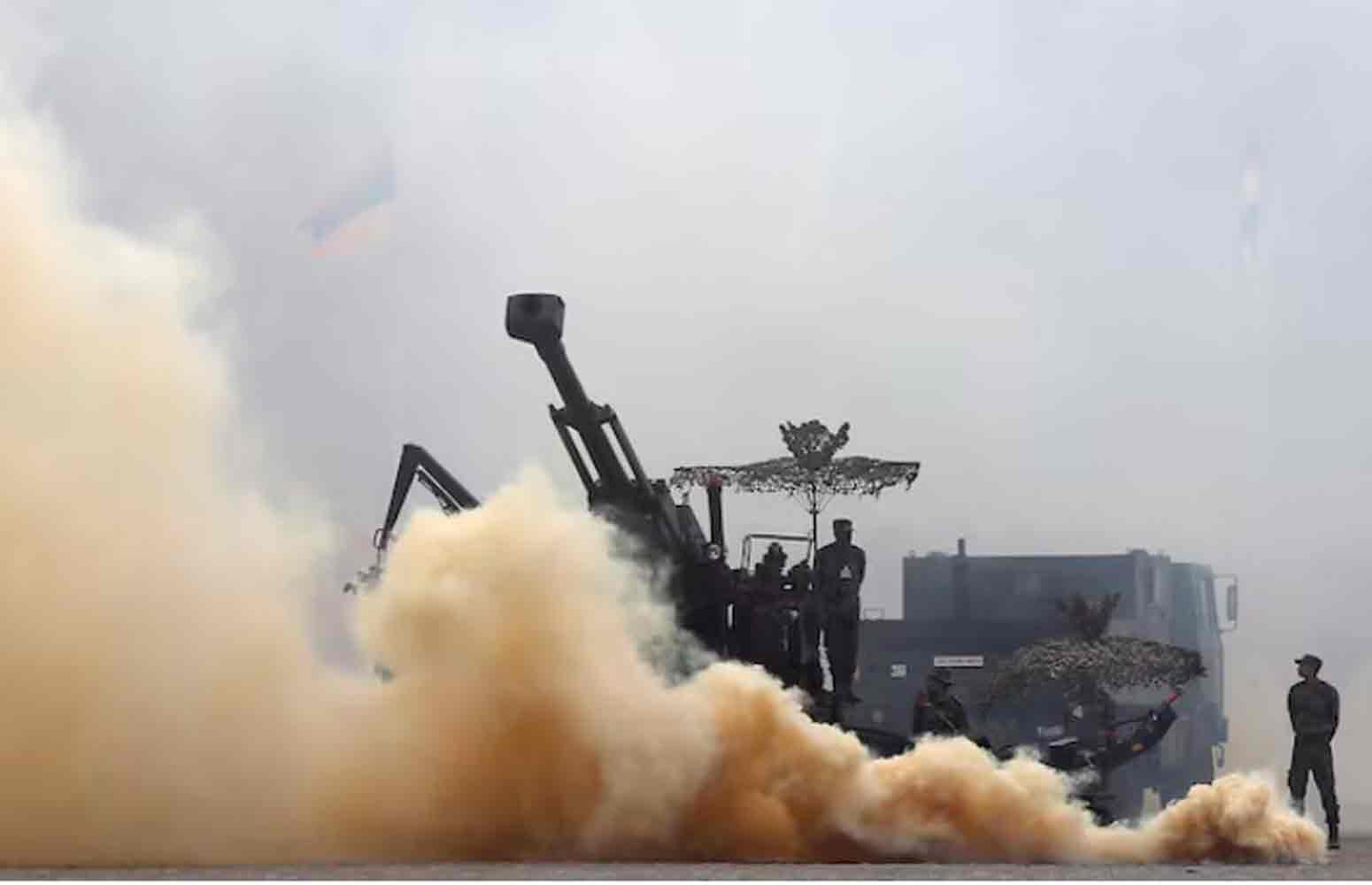
Indian arms shipped to the Ukraine despite objections from Moscow

0

Indian arms manufacturers have been supplying artillery shells that have subsequently been redirected by European clients to Ukraine, with New Delhi refraining from intervening in this trade despite objections from Moscow. This information comes from eleven officials in Indian and European governments and the defense sector, along with a Reuters analysis of publicly accessible customs data.

According to these sources and the customs records, the transfer of munitions to bolster Ukraine’s defense against Russia has been ongoing for over a year. Indian regulations governing arms exports stipulate that weaponry must be used solely by the declared buyer, who may face the risk of losing future sales if unauthorized transfers are detected. The Kremlin has addressed this matter on at least two occasions, including during a meeting in July between Russian Foreign Minister Sergei Lavrov and his Indian counterpart, as reported by three Indian officials.

This marks the first time Reuters has disclosed details regarding these ammunition transfers. Neither the foreign nor defense ministries of Russia and India provided responses to inquiries. In January, Indian foreign ministry spokesperson Randhir Jaiswal stated at a news conference that India had not supplied or sold artillery shells to Ukraine.

Two sources from the Indian government and the defense industry informed Reuters that the amount of ammunition produced by Delhi for use in Ukraine is minimal, with one official estimating it to be less than 1% of the total arms imported by Kyiv since the onset of the conflict. The news agency was unable to ascertain whether the munitions were sold or donated to Kyiv by European clients. Among the European nations supplying Indian munitions to Ukraine are Italy and the Czech Republic, which is spearheading an initiative to provide Kyiv with artillery shells sourced from outside the European Union, as reported by a Spanish official, a senior Indian official, and a former high-ranking executive at Yantra India, a state-owned enterprise whose munitions are currently utilized by Ukraine.

The Indian official indicated that Delhi is closely monitoring the situation. However, along with a defense industry executive with firsthand knowledge of the transfers, he noted that India has not taken steps to restrict the supply to Europe. Like many of the 20 individuals interviewed by Reuters, they requested anonymity due to the sensitive nature of the issue. The defense ministries of Ukraine, Italy, Spain, and the Czech Republic did not respond to inquiries for comment.

Recently, Delhi and Washington have enhanced their defense and diplomatic collaboration, particularly in light of the growing influence of China, which both nations consider their primary adversary. India maintains strong relations with Russia, its longstanding arms supplier, and Prime Minister Narendra Modi has opted not to participate in the Western-led sanctions against Moscow. However, as the world’s largest arms importer, India views the ongoing conflict in Europe as a chance to bolster its emerging arms export industry, according to six Indian sources familiar with government perspectives.

Ukraine, currently engaged in a struggle to counter a Russian offensive towards the eastern logistics center of Pokrovsk, faces a critical shortage of artillery ammunition. The White House refrained from commenting, while the U.S. State Department directed inquiries regarding India’s arms exports to the Indian government.

Data from the Stockholm International Peace Research Institute indicates that India exported slightly over $3 billion in arms from 2018 to 2023. Defense Minister Rajnath Singh announced at an August 30 conference that defense exports exceeded $2.5 billion in the previous fiscal year, with a goal to reach approximately $6 billion by 2029.

Customs records reveal that in the two years leading up to the February 2022 invasion, three prominent Indian ammunition manufacturers—Yantra, Munitions India, and Kalyani Strategic Systems—exported only $2.8 million in munitions components to Italy, the Czech Republic, Spain, and Slovenia, where defense contractors have heavily invested in supply chains for Ukraine. However, between February 2022 and July 2024, this figure surged to $135.25 million, including completed munitions that India began exporting to these four countries.

Arzan Tarapore, a defense expert from Stanford University, noted that India’s initiative to expand its arms exports significantly influenced the transfer of its arms to Ukraine.

The unlisted Italian defense contractor Meccanica per l’Elettronica e Servomeccanismi (MES) has been identified as one of the companies receiving Indian-manufactured shells for Ukraine, according to a former senior official from Yantra. MES is the largest foreign client of Yantra, with the executive noting that the Rome-based firm purchases empty shells from India and subsequently fills them with explosives.

While several Western companies possess the capability to fill explosives, they lack the manufacturing capacity to produce artillery shells on a large scale, the executive explained. In its annual report for 2022-23, Yantra disclosed a partnership with an unnamed Italian client to establish a production line for L15A1 shells, which the former Yantra official confirmed to be MES. Neither MES nor Yantra India responded to requests for comments via email. Customs data reveals that Yantra exported $35 million worth of empty 155mm L15A1 shells to MES from February 2022 to July 2024.

Additionally, customs records indicate that in February 2024, the U.K.-based arms company Dince Hill, which has a senior MES executive on its board, shipped $6.7 million in ammunition from Italy to Ukraine. Among these exports were 155mm L15A1 shells, which the customs declaration stated were produced by MES for the Ukrainian Defense Ministry, aimed at enhancing Ukraine’s defense capabilities and mobilization readiness. Dince Hill did not respond to an email inquiry, and its new owner, Effequattro Consulting based in Rome, was unavailable for comment.

In a separate incident, Spain’s Transport Minister Oscar Puente publicly shared an end-user agreement in May, signed by a Czech defense official, which permitted the transfer of 120mm and 125mm ammunition shells from Munitions India to the arms dealer Czech Defence Systems. Pro-Palestinian activists had claimed that the Borkum, a vessel carrying Indian-made arms that docked in a Spanish port, was transporting these weapons to Israel.

In May, the Spanish newspaper El Mundo reported that the ultimate destination of certain munitions was Ukraine. A Spanish official, along with another source familiar with the situation, confirmed to Reuters that Kyiv was indeed the final recipient. Munitions India and CDS did not provide responses to inquiries. Customs records from March 27 indicate that Munitions India shipped 10,000 rounds of 120mm and 125mm mortar shells, valued at over $9 million, from Chennai to CDS.

Russia, which accounts for more than 60% of India’s arms imports, is considered a key ally for New Delhi. In July, Prime Minister Modi selected Moscow for his first bilateral international visit following his re-election to a third term. During a meeting that same month in Kazakhstan, Indian Foreign Minister Subrahmanyam Jaishankar and Russian Minister Lavrov discussed the use of Indian munitions by Ukrainian forces, with Lavrov expressing concerns about some being produced by state-owned Indian companies, as reported by an Indian official with direct knowledge of the discussion. The official did not disclose Jaishankar’s reply.

Walter Ladwig, a security expert specializing in South Asia at King’s College London, noted that the diversion of a relatively small quantity of ammunition serves a geopolitically advantageous purpose for India. “It enables India to demonstrate to Western partners that it is not aligned with Russia in the ongoing Russia-Ukraine conflict,” he stated, emphasizing that Moscow has limited influence over India’s strategic choices.

Israel’s covert Unit 8200 in spotlight, why?

0

The recent mass pager assault on Hezbollah in Lebanon has brought attention to Israel’s covert Unit 8200, the intelligence division of the Israel Defense Forces, which, according to a Western security source, played a role in orchestrating the operation.

Israeli officials have not commented on the bold intelligence initiative that resulted in 12 fatalities and injured thousands of Hezbollah members. On Wednesday, an additional casualty occurred when handheld radios utilized by Hezbollah exploded.

A senior Lebanese security official and another source informed Reuters that Israel’s Mossad was behind a complex operation that involved embedding a small amount of explosives in 5,000 pagers procured by Hezbollah. A Western security source indicated to Reuters that Unit 8200, a military unit distinct from the spy agency, contributed to the planning phase of the operation, which took over a year to execute. This source noted that Unit 8200 was engaged in the technical aspects of determining how to incorporate explosive materials into the manufacturing process.

Israeli military has refrained from commenting, and the prime minister’s office, which oversees Mossad, did not provide an immediate response to inquiries. Yossi Kuperwasser, a former military intelligence officer and current research director at the Israel Defense and Security Forum, stated that there is no confirmation of the military intelligence unit’s involvement in the attack.

He remarked that the members of Unit 8200 represent some of the most talented and capable individuals within the Israeli military, operating in a unit that is crucial to Israel’s defense infrastructure. “The challenges they encounter are significant and highly demanding, necessitating the involvement of the finest personnel,” he stated.

This unit, along with its carefully selected group of young soldiers, is responsible for the development and operation of intelligence-gathering technologies and is often compared to the U.S. National Security Agency. In a rare public disclosure regarding the unit’s functions, the IDF noted in 2018 that it played a role in preventing an airstrike by Islamic State against a Western nation. At that time, the IDF described the unit’s activities as encompassing intelligence collection, cyber defense, and “technological attacks and strikes.”

Although Israel has not officially acknowledged its participation, Unit 8200 has been reported to have taken part in the Stuxnet operation, which incapacitated Iranian nuclear centrifuges, as well as several other notable missions beyond Israel’s borders.

The unit serves as Israel’s primary early warning mechanism and, similar to other sectors within the defense and security framework, has faced criticism for its inability to foresee Hamas’ attack on October 7 in southern Israel. Last week, its commander announced his resignation, stating in a letter to the media that he felt he had not accomplished his objectives.

Renowned for fostering a culture of innovative problem-solving, the unit has contributed to the development of Israel’s high-tech industry and some of its largest enterprises. Avi Shua, an alumnus of 8200 who co-founded Orca Security, a leading cloud security firm, remarked, “Whether it’s addressing software vulnerabilities, mathematical challenges, encryption issues, or hacking, you must be able to tackle these problems independently.”

Kobi Samboursky, another former member of 8200 and Managing Partner at Glilot Capital Partners, noted the unit’s high turnover, with young recruits frequently replacing seasoned veterans. He emphasized that the most important aspect is the prevailing ‘can-do’ mentality, where anything is achievable.

Israel bombs Lebanon, says it disrupted an assassination plot

0

On Thursday, Israel conducted airstrikes in southern Lebanon, claiming to have disrupted an assassination plot linked to Iran. This action followed a series of explosions involving Hezbollah radios, which occurred a day earlier and raised tensions between the two adversaries, pushing them closer to potential conflict.

The targeted strikes on communication devices utilized by the Iran-supported group Hezbollah have created significant chaos in Lebanon, leading many to believe that a return to full-scale war, last seen 18 years ago, is imminent.

On Wednesday, hand-held radios belonging to Hezbollah exploded throughout southern Lebanon, marking the deadliest day since the onset of cross-border skirmishes between the militants and Israel, which began nearly a year ago alongside the Gaza conflict. The day prior, a simultaneous detonation of hundreds of pagers—used by Hezbollah to avoid mobile phone tracking—resulted in the deaths of 12 individuals, including two children, and left nearly 3,000 others injured.

Israel has refrained from making a direct statement regarding the recent attacks; however, various security sources indicate that they were executed by the Mossad, Israel’s intelligence agency.

On Thursday, Israeli security services announced the arrest of an Israeli citizen last month on suspicions of being involved in an assassination plot backed by Iran. The individual, a businessman with ties to Turkey, reportedly participated in at least two meetings in Iran to plan the assassination of Prime Minister Benjamin Netanyahu, the defense minister, or the head of the Shin Bet intelligence agency.

In a separate development, Israeli jets and artillery targeted several locations in southern Lebanon, according to the military. The strikes reportedly hit Hezbollah positions in Chihine, Tayibe, Blida, Meiss El Jabal, Aitaroun, and Kfarkela, along with a Hezbollah weapons storage site in Khiam. Israeli media have reported that several civilians were injured due to anti-tank missile fire from Lebanon, although this has not been officially confirmed.

On Wednesday, Hezbollah launched approximately 20 projectiles into Israel, most of which were intercepted by air defense systems, resulting in no reported injuries, according to the military.

Israel and Hezbollah have been engaged in cross-border exchanges of fire along the Israeli-Lebanon frontier, coinciding with Israel’s military operations in Gaza against Hamas. As a result, tens of thousands of individuals have been compelled to evacuate from the border region on both sides.

Prime Minister Netanyahu pledged on Wednesday to ensure the safe return of evacuated Israelis to their residences. On the same day, Israeli Defence Minister Yoav Gallant indicated that the conflict is entering a new phase, with additional resources and military units being redeployed to the northern border.

Israeli officials report that the forces being sent to this area include the 98th Division, an elite unit comprising commandos and paratroopers that has been actively engaged in Gaza.

Following the Hamas attack, Hezbollah initiated missile strikes against Israel, leading to a sustained exchange of fire that both parties have managed to prevent from escalating into a full-scale war.

Nevertheless, the evacuation of tens of thousands continues on both sides, and there is increasing pressure within Israel for the government to facilitate the return of evacuees to their homes.

Hezbollah’s hand-held radios detonated across Lebanon, 3 dead, numerous injured

0

Hand-held radios utilized by Hezbollah detonated on Wednesday in southern Lebanon and the southern suburbs of Beirut, according to a security source and a witness, escalating tensions with Israel just one day after similar explosions triggered by the group’s pagers.

Reports from the state news agency indicate that three individuals lost their lives in Lebanon’s Bekaa region, with numerous others injured in the recent blast. At least one explosion occurred near a funeral held by Iran-backed Hezbollah for those who died the previous day when thousands of the group’s pagers exploded nationwide, injuring many of its fighters.

Following the chaos caused by the pager incidents, Hezbollah announced on Wednesday that it had launched rockets at Israeli artillery positions, marking its first offensive against its long-standing adversary since the blasts injured thousands of its members in Lebanon, raising concerns about a potential escalation of conflict in the Middle East.

A security source revealed that the hand-held radios were acquired by Hezbollah five months ago, coinciding with the purchase of the pagers.

Israel’s intelligence agency, Mossad, known for its intricate operations abroad, reportedly placed explosives within pagers imported by Hezbollah several months prior to the detonations that occurred on Tuesday, according to a senior Lebanese security official and another source who spoke to Reuters.

The death toll from the blasts has now reached 12, including two children, as confirmed by Lebanese Health Minister Firass Abiad on Wednesday. The attack injured nearly 3,000 individuals, among them numerous fighters from the militant group and Iran’s envoy to Beirut.

UN High Commissioner for Human Rights, Volker Turk, has called for an independent inquiry into the circumstances surrounding the exploding pagers.

A Taiwanese manufacturer of pagers has refuted claims that it produced the devices involved in this bold attack, which has heightened fears of a potential full-scale conflict between the Iran-supported Hezbollah and Israel. Gold Apollo stated that the devices were manufactured under license by a company named BAC, located in Budapest, Hungary.

There has been no immediate confirmation regarding the timing of Hezbollah’s latest rocket attack; however, the group typically announces such actions shortly after execution, indicating that the strikes were likely directed at Israeli artillery positions on Wednesday.

Hezbollah has pledged to retaliate against Israel, which has refrained from commenting on the explosions. Since the onset of the Gaza conflict last October, both parties have been involved in cross-border hostilities, raising concerns about a potential broader conflict in the Middle East that could involve the United States and Iran.

Jordan’s Foreign Minister Ayman Safadi has accused Israel of escalating tensions in the region, pushing it toward the brink of a wider war.

Mohanad Hage Ali from the Carnegie Middle East Center noted that while Hezbollah aims to avoid a full-scale war, the significant impact on families and civilians may create pressure for a more robust response.

Hezbollah, recognized as Iran’s most influential proxy in the region, stated it would continue to support Hamas in Gaza, warning Israel to expect a reaction to the “massacre” that resulted in numerous casualties among fighters and civilians.

A Hezbollah official described the incident as the group’s “largest security breach” in its history. Footage from hospitals depicted individuals with various injuries, including facial wounds and severe injuries to limbs, likely caused by the pagers.

Sources indicated that the plot had been in development for several months, following a series of targeted assassinations of Hezbollah and Hamas leaders attributed to Israel since the beginning of the Gaza conflict.

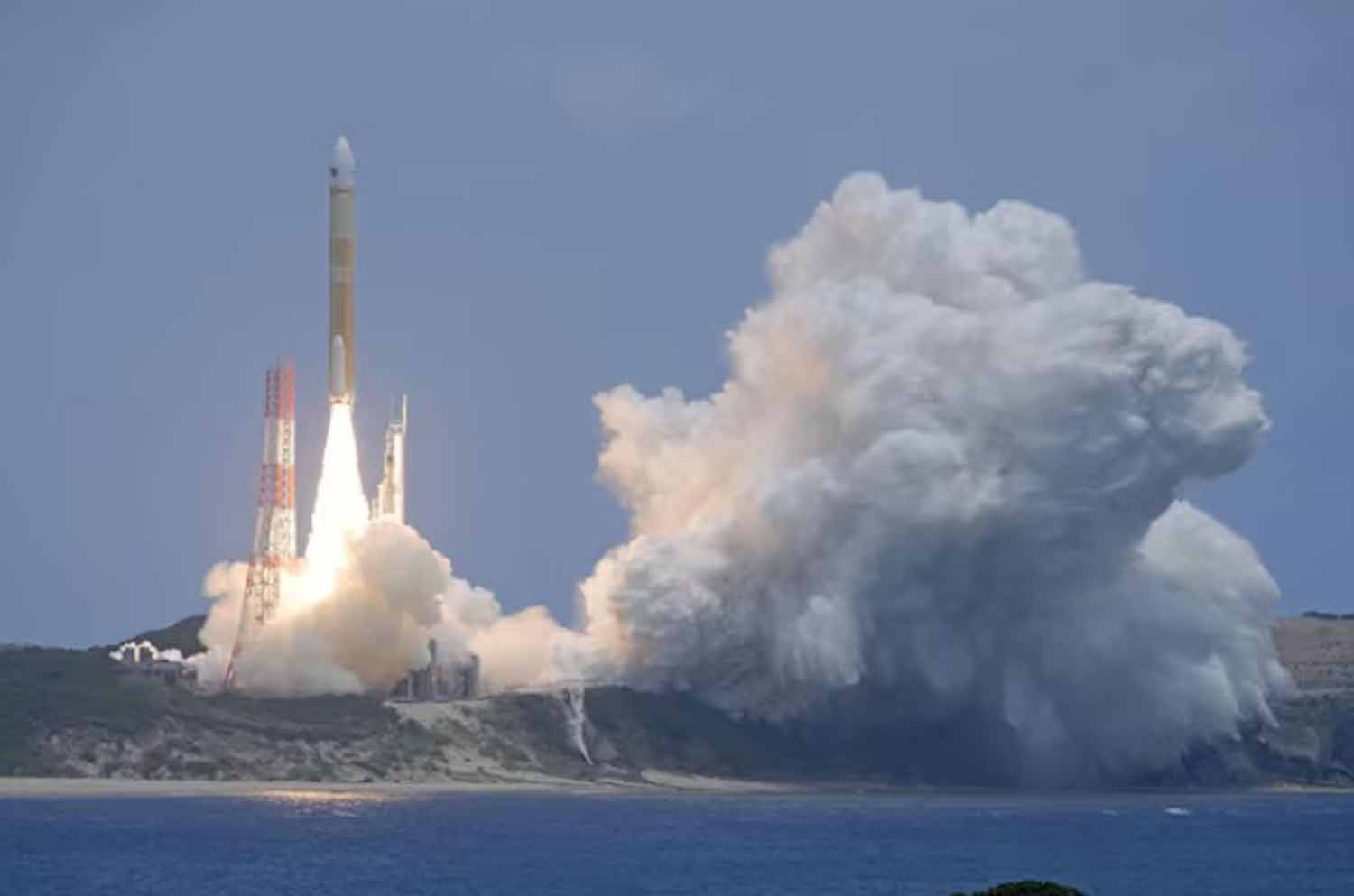
Japan’s Mitsubishi will supply H3 rockets to France from 2027

0

Mitsubishi Heavy Industries (MHI) of Japan has announced an agreement to conduct multiple H3 rocket launches for the French satellite company Eutelsat Group, starting in 2027.

This development marks a significant international achievement for Japan’s H3 rocket project, which is backed by 220 billion yen ($1.55 billion) in state funding and successfully completed its inaugural flight in February after overcoming a previous failure.

Eutelsat, recognized as the third-largest satellite operator globally by revenue, will be the second international client for the H3, following Britain’s Inmarsat. While a spokesperson for MHI refrained from disclosing specific details regarding costs and the orbital parameters for Eutelsat’s satellite launches, the company has previously indicated its goal to lower the per-launch expenses to 5 billion yen and to increase the annual launch frequency to ten.

For both MHI and the Japanese government, the H3 rocket represents a key asset for Japan’s satellite and exploration initiatives, positioned as a competitively priced option amid the growing global demand for launch services, particularly with the rise of commercial operators like SpaceX.

Following its merger with OneWeb last year, Eutelsat is now in competition with SpaceX’s Starlink, led by Elon Musk, in the market for low-earth orbit communications satellites. This year has seen the introduction of several new rockets.

The Vulcan rocket, developed by the joint venture United Launch Alliance, which includes Boeing and Lockheed Martin, successfully completed its inaugural flight in January. Meanwhile, the Ariane 6, created by Airbus and Safran’s ArianeGroup for the European Space Agency, made its first flight in July.

Additionally, Blue Origin, founded by Jeff Bezos, anticipates the launch of its New Glenn rocket by the end of this year, which is being developed for Amazon’s satellite internet initiative, Kuiper.

Biden administration to host global summit on artificial intelligence safety

0

The Biden administration announced on Wednesday its intention to host a global summit focused on artificial intelligence safety, amid ongoing challenges in Congress regarding the regulation of this technology.

Commerce Secretary Gina Raimondo and Secretary of State Anthony Blinken will lead the inaugural meeting of the International Network of AI Safety Institutes in San Francisco on November 20-21, aiming to foster international collaboration for the responsible and secure advancement of artificial intelligence.

The network comprises members from Australia, Canada, the European Union, France, Japan, Kenya, South Korea, Singapore, the United Kingdom, and the United States. The rise of generative AI, capable of producing text, images, and videos from open-ended prompts, has generated both enthusiasm and concerns about its potential to disrupt employment, influence elections, and pose significant risks to humanity.

Raimondo initially unveiled the International Network of AI Safety Institutes during the AI Seoul Summit in May, where participating nations committed to prioritizing safety, innovation, and inclusivity in AI development. The upcoming San Francisco meeting aims to initiate technical collaboration in preparation for the AI Action Summit scheduled in Paris for February.

Raimondo emphasized the goal of fostering “close, thoughtful coordination with our allies and like-minded partners.” She further stated, “We aim for the principles governing AI to be founded on safety, security, and trust.”

The upcoming meeting in San Francisco will bring together technical experts from each member’s AI safety institute or equivalent government-supported scientific organization to identify key focus areas and promote global collaboration and knowledge exchange regarding AI safety.

Recently, the Commerce Department announced a proposal to implement stringent reporting requirements for advanced AI developers and cloud computing providers to ensure the safety of these technologies and their resilience against cyber threats.

This regulatory initiative arises amid a standstill in legislative efforts concerning AI in Congress. In October 2023, President Joe Biden signed an executive order mandating that developers of AI systems that could pose risks to U.S. national security, the economy, or public health and safety must submit the results of their safety assessments to the U.S. government prior to public release.

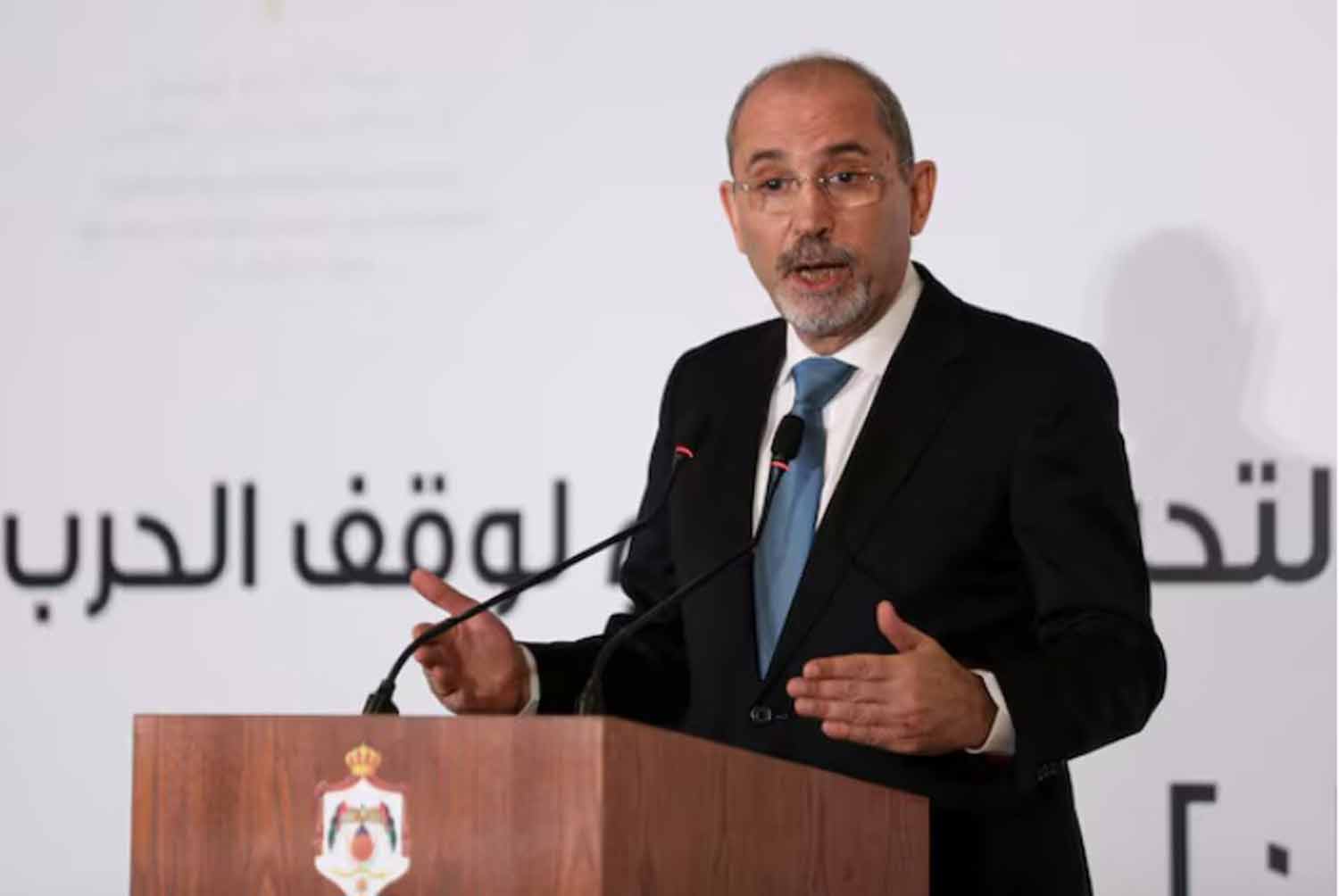
Jordan says Israeli escalation pushing Middle East to regional conflict

0

On Wednesday, Jordan’s foreign minister stated that Israel is driving the entire Middle East towards the edge of regional conflict due to its ongoing dangerous escalation on multiple fronts.

Following a meeting in Amman of an Islamic and Arab ministerial contact group aimed at advocating for a ceasefire in Gaza, Ayman Safadi emphasized that lasting peace cannot be achieved without a two-state solution.

Safadi has retained his position in the newly appointed Jordanian cabinet announced on the same day.