Tuesday, April 7, 2026
Home Blog Page 17

Türkiye Plans Extraordinary Measures to Block Potential Refugee Influx from Iran

0

Türkiye is preparing extraordinary contingency measures to prevent a potential mass influx of refugees from Iran in the event of political collapse in Tehran, according to a report by Middle East Eye, citing officials briefed during closed-door sessions in parliament.

Senior officials from Türkiye’s foreign ministry reportedly outlined multiple crisis scenarios involving Iran, warning lawmakers that Ankara is ready to act before any large-scale migration reaches Turkish territory.

‘Beyond Standard Border Controls’

According to participants in the briefing, Turkish officials signalled a willingness to go well beyond routine border security measures. One lawmaker said officials explicitly mentioned the possibility of creating a “buffer zone” on the Iranian side of the border, while another source said the term was not formally used but the intent was clearly conveyed.

“They believe everything possible should be done on the Iranian side to ensure that those who might flee remain there,” one source told Middle East Eye.

Border with Iran Fully Reinforced

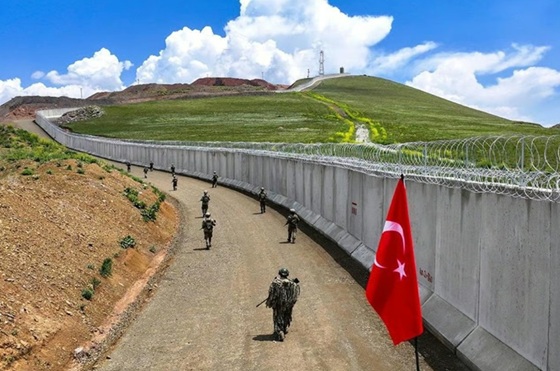
Türkiye has already significantly strengthened security along its 560-kilometre border with Iran. Earlier this month, the defence ministry confirmed the installation of a high-tech border barrier system, including:

  • Hundreds of surveillance and observation towers
  • Continuous drone and aircraft patrols
  • Integrated reconnaissance systems
  • Modular concrete wall segments

Officials say the border is now monitored 24/7 through interconnected surveillance and intelligence platforms.

Iran Unrest Raises Alarm in Ankara

During the same parliamentary briefing, officials reportedly told lawmakers that recent protests across Iran have resulted in:

  • Around 4,000 deaths
  • More than 20,000 injured

The unrest has been driven by rapid inflation, economic collapse, and the sharp devaluation of the Iranian rial. While some protests reportedly turned violent, multiple investigations and video evidence suggest Iranian security forces used disproportionate force, along with internet shutdowns, to suppress demonstrations.

Türkiye Rejects Foreign Intervention in Iran

Turkish Foreign Minister Hakan Fidan has publicly stated that Ankara opposes any foreign military intervention in Iran, urging the United States to prioritise diplomacy.

However, concerns in Ankara have grown after reports that Washington is weighing potential strikes on senior Iranian officials, according to a Gulf source cited by Middle East Eye.

The US has recently increased its military presence in the region, deploying warplanes, air defence systems, and naval assets. The arrival of the USS Abraham Lincoln aircraft carrier in Middle Eastern waters this week further heightened anxiety among Turkish officials.

Fear of Another Refugee Crisis

Türkiye remains highly sensitive to the prospect of new refugee flows after hosting millions displaced by conflicts in Syria and Iraq over the past decade.

Officials estimate that a full-scale conflict involving Iran could push up to one million people toward the Turkish border.

Sources say Ankara has abandoned any “open-door” refugee policy and is unlikely to accept new arrivals except in cases of urgent humanitarian need.

However, the situation is complicated by the presence of an estimated 12 million Azerbaijani Turks living in Iran, whose potential movement toward Türkiye could create political, humanitarian, and ethnic sensitivities if large numbers reach the border.

Strategic Balancing Act

Türkiye’s preparations reflect a delicate balancing act:

  • Preventing uncontrolled migration
  • Avoiding direct military involvement
  • Managing regional escalation
  • Protecting domestic stability

As tensions around Iran continue to rise, Ankara appears determined to contain any fallout beyond its borders.

Turkey’s KAAN P1 and P2 Prototypes to Begin Flight Tests in 2026

0
KAAN fifth-generation fighter jet.

Turkey’s ambitious fifth-generation fighter jet program KAAN is entering a critical new phase, as P1 and P2 prototypes are scheduled to begin flight operations in 2026, according to Turkish Aerospace Industries (TUSAŞ) CEO Mehmet Demiroğlu.

The announcement marks a major milestone in Ankara’s push for defence self-reliance and positions Turkey among a small group of nations developing an indigenous next-generation combat aircraft.

KAAN Program: From Prototype to Fifth-Generation Fighter

KAAN, formerly known as TF-X, is Turkey’s flagship aerospace project aimed at replacing the aging F-16 fleet while delivering advanced stealth, sensor fusion, and network-centric warfare capabilities.

The aircraft’s first prototype successfully conducted its maiden flight in 2024, proving the basic aerodynamic and flight-control design. The upcoming P1 and P2 prototypes represent a more advanced stage of development, incorporating improvements based on initial test data.

What Makes P1 and P2 Important?

Unlike early proof-of-concept aircraft, the P1 and P2 prototypes are expected to:

  • Feature refined stealth shaping and materials
  • Integrate more mature avionics and mission systems
  • Advance radar, electronic warfare, and sensor fusion testing
  • Expand the flight envelope, including high-speed and high-altitude trials

These aircraft will be central to validating KAAN’s performance as a true fifth-generation fighter, rather than a technology demonstrator.

Engines and Systems Development

In its early phases, KAAN prototypes are powered by U.S.-origin General Electric F110 engines, similar to those used on Turkish F-16s. However, Turkey is simultaneously working on a domestically developed engine for future production variants, aiming to reduce reliance on foreign suppliers.

KAAN is also designed to carry:

  • AESA radar
  • Advanced electronic warfare suites
  • Infrared search and track (IRST)
  • Secure data links for network-centric operations
  • Internal weapons bays to preserve stealth

Strategic Significance for Turkey

The KAAN program is not only a military project but a strategic statement. Following Turkey’s removal from the F-35 program, Ankara accelerated efforts to build an indigenous alternative that could:

  • Ensure long-term air superiority
  • Support independent foreign and defence policy
  • Strengthen Turkey’s domestic defence industry

With KAAN, Turkey aims to join an elite group of nations — including the United States, China, and a handful of others — capable of designing and producing fifth-generation fighter aircraft.

Export Potential and International Interest

Although KAAN is primarily intended for the Turkish Air Force, officials have repeatedly signaled export ambitions, particularly to friendly nations seeking alternatives to Western or Chinese platforms.

The successful flight of multiple prototypes will be critical for:

  • Boosting international confidence
  • Attracting industrial partners
  • Demonstrating long-term program viability

What Comes After 2026

Following the P1 and P2 flights:

  • Additional prototypes are expected to enter testing
  • Weapons integration and operational testing will accelerate
  • Low-rate initial production could follow later in the decade

If development stays on track, KAAN could begin replacing F-16s in Turkish service during the early 2030s.

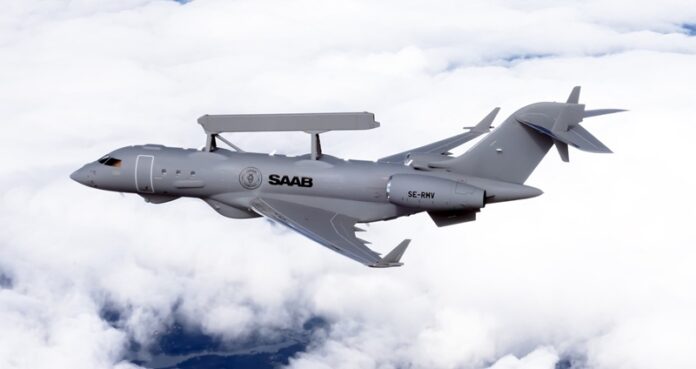
Sweden Donates Erieye AEW&C Aircraft to Ukraine, Leaving Shortfall Until GlobalEye Delivery

0

In a move that underscores both military solidarity and capability transition, Sweden has donated its Saab 340 AEW&C aircraft equipped with Erieye radars to Ukraine, leaving its own Air Force temporarily without airborne early warning and control (AEW&C) platforms.

The decision was part of Sweden’s largest military aid package to Ukraine since Russia’s full-scale invasion began, announced in May 2024. The two Saab 340 AEW&C aircraft — designated ASC 890 and fitted with active electronically scanned Erieye surveillance radar — provide long-range air, land, and maritime detection and command and control support. They are already being integrated into Ukrainian operations.

Why Sweden Donated Its AEW&C Aircraft

The Erieye-equipped Saab 340 platforms offered Sweden a capable airborne sensor that could detect and track targets at considerable distances. But Stockholm decided to transfer these assets to Kyiv to help strengthen Ukraine’s air defence and surveillance — particularly as Ukraine prepares to integrate Western fighter aircraft such as F-16s into its air force.

Sweden’s defence minister noted that the transfer would temporarily reduce its own surveillance capability, but that this would be addressed through procurement and accelerated delivery of next-generation systems.

GlobalEye: Sweden’s Future AEW&C Backbone

To fill the capability gap left by the donation, Sweden placed an order with Saab in 2022 for two GlobalEye airborne early warning and control aircraft, based on the Bombardier Global 6000 platform and featuring advanced Erieye ER extended-range radar. These aircraft are scheduled for delivery starting in 2027.

Additionally, in 2024 Sweden ordered a third GlobalEye AEW&C aircraft, expanding its future airborne surveillance fleet and increasing the pace at which the capability will be restored.

Short-Term Gap and Long-Term Strategy

While Sweden’s defence budget — approximately US$11–12 billion annually — supports modernisation and reinvestment, the transfer of its legacy AEW&C platforms means Sweden must rely on NATO and allied warning networks in the interim. However, Stockholm’s enhanced GlobalEye buy and accelerated delivery plans aim to restore and expand sovereign airborne surveillance capabilities later this decade.

A Strategic Choice in European Security

Sweden’s AEW&C gift to Ukraine reflects a broader strategic commitment to European collective security, even at the cost of a temporary capability shortfall at home. It also highlights the rapid transition underway in airborne early warning technology as older platforms make way for more advanced sensor systems like GlobalEye.

UK Selects Seven Firms for Apache Wingman Drone Program Under Project NYX

0

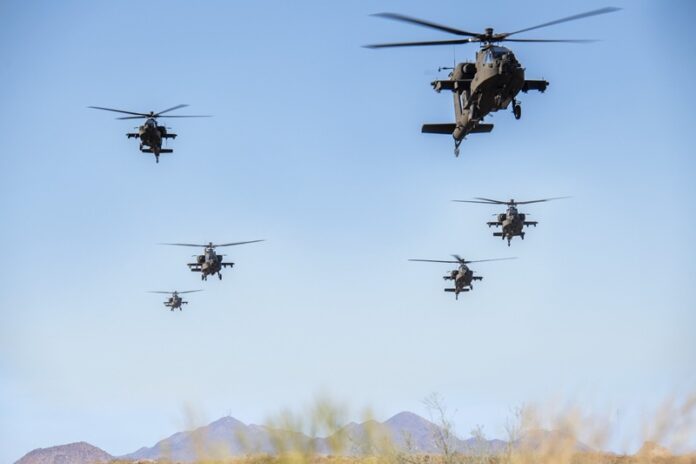
The United Kingdom has taken a significant step toward next-generation battlefield aviation by selecting seven British defence and technology companies to support the Apache “Wingman” drone program, a key initiative under Project NYX.

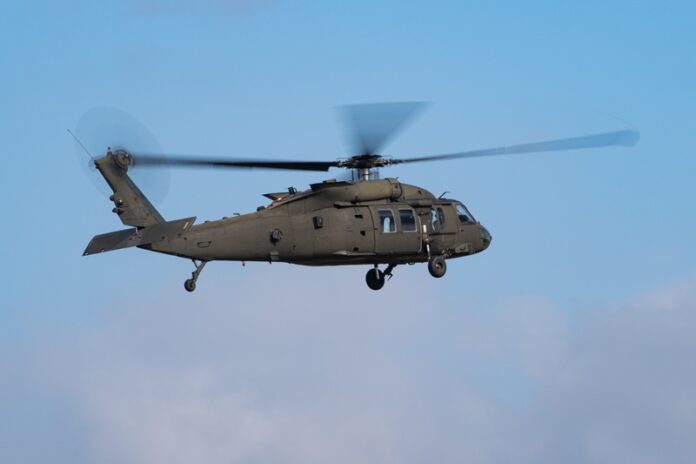
The program is designed to enhance the lethality, survivability, and operational reach of the British Army’s Apache AH-64E attack helicopter fleet by integrating uncrewed aerial systems (UAS) that can operate alongside crewed platforms.

What Is the Apache Wingman Concept?

The Apache Wingman concept falls under the broader Manned-Unmanned Teaming (MUM-T) doctrine, where piloted aircraft collaborate with autonomous or semi-autonomous drones during combat missions.

These uncrewed “wingman” platforms are expected to:

  • Extend battlefield awareness
  • Detect and track enemy targets
  • Conduct reconnaissance in high-risk environments
  • Provide targeting data
  • Potentially carry out precision strikes

By delegating high-risk or repetitive tasks to drones, Apache crews can remain at safer distances while maintaining tactical superiority.

Project NYX: The Strategic Framework

Project NYX is a UK Ministry of Defence (MoD) initiative focused on rapidly developing and testing advanced uncrewed systems that can integrate seamlessly with existing crewed platforms.

Under Project NYX, the Apache Wingman drones are being explored as:

  • Sensor nodes to penetrate contested airspace
  • Force multipliers that expand combat coverage
  • Survivability enhancers by reducing exposure of manned aircraft

The project emphasizes speed of innovation, modular design, and rapid experimentation rather than traditional long procurement cycles.

Role of the Selected UK Companies

The seven selected domestic firms will contribute across multiple technological domains, including:

  • Autonomous flight and control systems
  • Secure data links and communications
  • Artificial intelligence and sensor fusion
  • Electronic warfare resilience
  • Payload integration and mission systems

By relying on UK-based companies, the MoD aims to:

  • Strengthen sovereign defence capabilities
  • Reduce reliance on foreign suppliers
  • Accelerate innovation within the domestic defence industry

Why This Matters for the British Army

The integration of wingman drones represents a major shift in how attack helicopters will be used in future conflicts. Modern battlefields are increasingly saturated with:

  • Advanced air defences
  • Electronic warfare systems
  • Long-range precision weapons

Uncrewed systems provide a critical advantage by absorbing risk, confusing adversary sensors, and enabling faster decision-making through real-time data sharing.

For the Apache fleet specifically, this could mean:

  • Deeper penetration into hostile territory
  • Greater survivability against modern threats
  • Enhanced effectiveness in both conventional and hybrid warfare scenarios

Part of a Broader Global Trend

The UK’s Apache Wingman effort mirrors similar developments worldwide. The United States, European allies, and regional powers are all investing heavily in loyal wingman concepts for helicopters, fighter jets, and ground forces.

As warfare becomes more data-driven and autonomous, the UK’s early investment under Project NYX positions it to remain competitive in future high-intensity conflicts.

What Comes Next

Initial phases will likely focus on:

  • Flight testing
  • Systems integration with Apache platforms
  • Live exercises and operational experimentation

If successful, the program could lead to full operational deployment of wingman drones alongside Apache helicopters later in the decade.

Military Operations and Political Fallout in Khyber Pakhtunkhwa: How PTI Shaped a Lasting Narrative

0

For the past 47 years, two major wars fought in neighboring Afghanistan have turned Khyber Pakhtunkhwa into a launching pad for global power proxies and a focal point of Pakistan’s national security architecture. This unfortunate reality pushed the province into a cycle of intense religious militancy that deviated society from its natural political and social evolution. Particularly after 9/11, violent movements plunged the province’s political traditions, tribal complexities, and state policies into nearly two decades of continuous turmoil.

A critical flaw in the state’s counterterrorism strategy was its overwhelming reliance on military operations while largely ignoring their political consequences. As a result, militarized responses to terrorism proved politically counterproductive. An unending cycle of operations turned Swat, Bajaur, Mohmand, and North and South Waziristan into deep wounds in Pakistan’s collective body.

Between 2008 and 2013, the Awami National Party (ANP) government in Khyber Pakhtunkhwa assumed political ownership of military operations against militants in Swat and South Waziristan. This decision proved devastating for the party. In retaliation, militant groups unleashed systematic violence against ANP leaders and workers, effectively dismantling a political culture nurtured over nearly a century. While military operations provoked militants into targeting unarmed political workers, they simultaneously restricted civil liberties, undermined social freedoms, and forced mass displacements, turning public anger against the ANP.

At the same time, Pakistan Tehreek-e-Insaf (PTI) leadership was actively mobilizing public opinion against military operations in the tribal areas and opposing U.S. drone strikes. For communities suffering displacement, economic disruption, and constant fear, Imran Khan’s narrative appeared to validate their grievances and offer political relief. This moment marked a decisive shift: a relatively new political party displaced both the seasoned ANP and the entrenched religious forces like JUI, allowing PTI to form the provincial government in 2013.

PTI’s rise was not merely an electoral victory; it represented a profound ideological and cultural shift that marginalized traditional nationalist and religious forces long dominant in Pashtun politics.

A similar pattern emerged in 2015 during Operation Zarb-e-Azb in North Waziristan, when political ownership was placed on Prime Minister Nawaz Sharif. Once again, mass displacement, security checkpoints, economic paralysis, and restrictions on civil freedoms generated public resentment. Although the operation was portrayed as a military success, its political consequences were negative. Already weak in the province, PML-N suffered further political alienation, becoming yet another party to pay the political price of military operations.

Between 2018 and 2022, during Imran Khan’s tenure as prime minister, counterterrorism policy took a dramatic turn. Instead of decisive military action, reconciliation and reintegration were prioritized. Negotiations with the TTP, proposals to mainstream militants, and controversial statements about allowing offices in Khyber Pakhtunkhwa fragmented the national consensus against terrorism. While this narrative temporarily benefited PTI politically, it produced damaging consequences for national security, allowing militant groups to regroup and unleash a renewed wave of violence that claimed the lives of police officers, security personnel, and civilians across the province.

Following his removal from power, Imran Khan reverted to the narrative that had previously served him well: aggressive opposition to military operations in Khyber Pakhtunkhwa, sharp criticism of the establishment, and framing state policies as the root cause of public suffering. This discourse successfully obscured PTI’s governance failures and repositioned military operations as the central theme of public debate.

Undeniably, whether through terrorism or counterterrorism operations, the greatest cost has been borne by ordinary citizens. Forced displacement, erosion of civil liberties, violations of fundamental rights, and the breakdown of social structures inflicted collective trauma. Governance paralysis also bred resentment within the civil bureaucracy and police toward federal institutions. In this environment, parties that supported military operations faced public backlash, once again allowing PTI to capitalize politically by opposing such actions.

This leads to a fundamental question: was all this merely coincidental, or part of a deeper strategic design? A pattern emerges in which traditional political parties, religious groups, and nationalist forces were systematically sidelined, while PTI retained its political relevance in Khyber Pakhtunkhwa. Despite apparent tensions between Imran Khan and the establishment, there is little evidence of a serious attempt to politically dismantle PTI as a party. The repeated shifting of political ownership of military operations to the federal government—while leaving PTI positioned to harvest public sympathy at the provincial level—reinforces the perception that PTI’s political presence in Khyber Pakhtunkhwa is being preserved in one form or another.

Iranian Drone Swarms Challenge U.S. Aircraft Carrier Dominance in the Persian Gulf

0
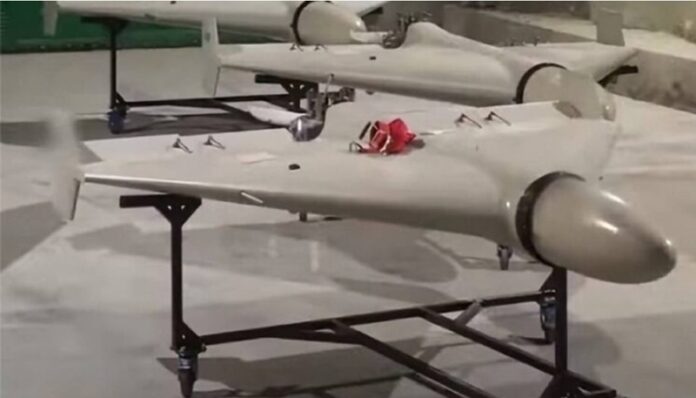
Shahed Kamikaze drone

The deployment of the USS Abraham Lincoln (CVN-72) into U.S. Central Command waters has once again brought attention to a critical shift in modern naval warfare: the rising effectiveness of low-cost Iranian drone swarms against some of the world’s most expensive and technologically advanced military platforms .

According to Cameron Chell, CEO and co-founder of U.S. drone manufacturer Draganfly, Iran’s unmanned aerial vehicle (UAV) capabilities now represent a “credible and serious danger” to U.S. carrier strike groups operating near the Persian Gulf. His warning underscores a broader reality—technological superiority no longer guarantees immunity when faced with saturation attacks built on cost asymmetry.

Cost Asymmetry and the New Economics of Warfare

Iran’s drone ecosystem, developed under decades of sanctions, prioritizes quantity over survivability. Tehran has reportedly invested between USD 30–50 million in mass-produced, attritable UAVs—an amount negligible when compared to the more than USD 13 billion cost of a single Nimitz-class aircraft carrier .

This imbalance creates a strategic dilemma for U.S. naval forces. Intercepting inexpensive drones with multi-million-dollar missiles rapidly becomes unsustainable during prolonged engagements. A single SM-6 interceptor can cost more than USD 4 million, while Iranian one-way attack drones such as the Shahed-136 are estimated at USD 20,000–50,000 per unit.

USS Abraham Lincoln: Power and Vulnerability

The USS Abraham Lincoln, a 100,000-ton supercarrier embarked with more than 90 aircraft including F-35C Lightning II fighters and E-2D Hawkeye early-warning planes, remains a cornerstone of U.S. power projection. However, its immense radar signature and predictable operational patterns make it a conspicuous target in contested littoral environments like the Strait of Hormuz .

While escorted by Aegis-equipped destroyers and cruisers, the carrier strike group’s layered defenses were designed to counter limited numbers of high-value threats—not hundreds of low-altitude drones arriving simultaneously from multiple directions.

Iran’s Swarm Doctrine and Combat Experience

Iran’s UAV doctrine relies on coordinated swarm tactics that combine reconnaissance, electronic warfare, and one-way strike drones. Platforms such as the Mohajer-6 provide targeting and battlefield awareness, while Shahed-type loitering munitions overwhelm defenses through sheer numbers .

Operational lessons from Ukraine have validated this approach. There, mass drone attacks have forced defenders to exhaust air-defense interceptors and accept infrastructure damage once defensive systems became economically strained.

Iran has also expanded its drone operations into the maritime domain, converting commercial vessels into UAV carriers and conducting exercises involving more than 150 drones over strategic waterways.

Proxy Warfare and Real-World Validation

Iranian-supplied drones used by the Houthis in the Red Sea have already demonstrated the disruptive potential of unmanned systems against global shipping. Persistent attacks have compelled U.S. and allied navies to divert assets, maintain high-alert postures, and absorb rising operational costs—without Iran engaging directly .

These incidents show that drones do not need to sink warships to achieve strategic success. Disruption, deterrence erosion, and psychological impact can be equally effective.

Strategic Implications for the Persian Gulf

The Persian Gulf remains one of the world’s most sensitive maritime chokepoints, with nearly 20 percent of global oil supply passing through the Strait of Hormuz. Any perceived vulnerability in U.S. naval dominance could trigger energy market volatility and undermine regional deterrence.

Iran’s leadership appears acutely aware that even limited drone penetration against a U.S. carrier would have consequences far beyond the battlefield—affecting global markets, alliance confidence, and geopolitical signaling .

The Future of Carrier Warfare

The growing threat from Iranian drone swarms highlights a watershed moment in naval doctrine. Aircraft carriers remain powerful symbols of deterrence, but their survivability can no longer be assumed.

As the United States races to deploy counter-UAS technologies such as lasers, electronic warfare systems, and interceptor drones, the contest remains dynamic and uncertain. Attackers retain the initiative, continuously adapting faster than defenses can evolve.

In this emerging era of unmanned saturation warfare, naval power will increasingly be defined not by the size of ships, but by adaptability, resilience, and the ability to manage cost-imposing threats.

CENTCOM Briefly Reveals Egyptian Military Presence at U.S.-Led Gaza Coordination Center in Israel

0

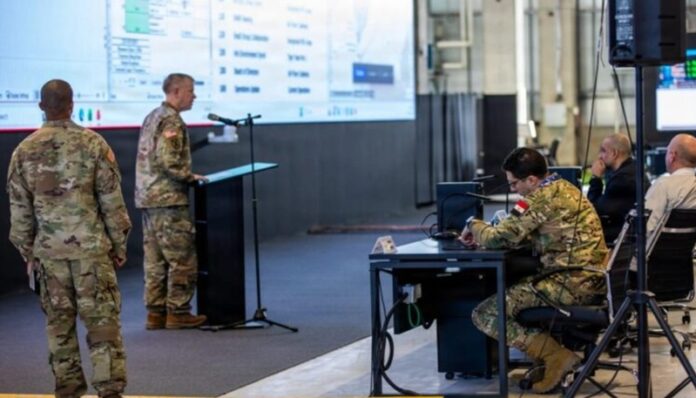
A brief and quickly retracted release by U.S. Central Command (CENTCOM) has unintentionally revealed a highly sensitive reality of Middle East security diplomacy: the operational presence of Egyptian military officers inside an Israel-based, U.S.-led Gaza Civil-Military Coordination Center (CMCC) .

The incident, involving photographs and video footage published and then deleted in January 2026, offered the first public visual confirmation that Egyptian officers are physically embedded within a coordination hub on Israeli soil—an exposure that immediately triggered diplomatic concern in Cairo due to its profound domestic and regional political implications .

Why the Images Were Politically Explosive

According to reporting outlined in the document, Egyptian authorities swiftly contacted U.S. counterparts, warning that the footage could create a “bad impression” at a time when Cairo must carefully balance quiet security cooperation with Israel against its public posture of unwavering support for Palestinian civilians in Gaza .

While Egypt has long maintained discreet military coordination with Israel—particularly on Sinai security, border control, and Gaza ceasefires—visible imagery of Egyptian officers operating inside Israel crosses a long-standing political red line for Egyptian leadership, which remains acutely sensitive to domestic opinion and Islamist opposition narratives.

What Is the Gaza CMCC?

The Civil-Military Coordination Center (CMCC) is located in Kiryat Gat, Israel, and was established in mid-October 2025 following a Gaza ceasefire that took effect around October 10, 2025 .

The center was formalized through a declaration signed in Sharm el-Sheikh on October 13, 2025, alongside U.S. President Donald Trump and leaders from Turkey, Qatar, and Egypt, forming part of Washington’s effort to internationalize Gaza’s post-war stabilization framework .

Operationally, the CMCC:

  • Monitors ceasefire compliance
  • Coordinates humanitarian aid flows averaging 800+ trucks per day
  • Oversees approval of reconstruction materials
  • Hosts multinational working groups on security, engineering, and governance

The facility is structured as a three-story building, with separate floors for Israeli personnel, U.S. forces, and international delegations—designed to enable coordination while minimizing political friction.

Egypt’s Role: Essential but Politically Invisible

The images confirmed what regional analysts have long suspected: Egypt is not merely a mediator but an embedded operational stakeholder in Gaza’s post-war security architecture .

Egypt’s value to the CMCC lies precisely in its dual identity:

  • An indispensable security partner for Israel and the U.S.
  • A publicly distanced Arab actor that must avoid normalization optics

This duality allows Cairo to:

  • Enforce border security and restrict arms smuggling
  • Pressure Hamas behind the scenes
  • Retain credibility as a ceasefire mediator

However, that balance depends entirely on deniability and discretion, both of which were threatened by CENTCOM’s brief publication.

CENTCOM as Political Buffer

CENTCOM’s leadership of the CMCC provides political insulation for Arab participants by placing coordination under an American umbrella rather than direct bilateral Egyptian-Israeli mechanisms .

Yet the incident exposed a structural tension: U.S. military transparency norms clash with regional partners’ preference for strategic ambiguity.

The rapid deletion of the imagery demonstrated how even carefully curated disclosures can destabilize sensitive coalitions when domestic political realities outweigh operational logic.

Israeli and Regional Reactions

The exposure also fueled internal Israeli criticism, with hard-line figures such as Finance Minister Bezalel Smotrich reportedly arguing that the CMCC undermines Israeli sovereignty and should exclude states perceived as insufficiently aligned with Israel’s security priorities .

By contrast, U.S. officials see multinational participation—particularly Egypt’s—as essential to:

  • Sharing political risk
  • Sustaining humanitarian access
  • Preventing Gaza instability from spilling into Sinai

The disagreement underscores the fragility of the CMCC’s legitimacy across multiple political audiences.

Why Egypt Reacted So Quickly

Egyptian President Abdel Fattah el-Sisi governs amid:

  • Economic pressure
  • Persistent public discontent
  • Islamist narratives framing cooperation with Israel as betrayal

Visible proof of Egyptian officers operating on Israeli soil risked becoming a rallying symbol for opposition groups and could have weakened Egypt’s regional standing amid competition with Qatar, Türkiye, and Iran for influence over the Palestinian issue .

The phrase “bad impression” thus encapsulated fears of street backlash, social media mobilization, and erosion of mediator credibility.

A Lesson in Middle East Power Politics

The CENTCOM imagery incident illustrates a core reality of Middle Eastern security cooperation:
The most consequential alliances often function only when they remain unseen .

While the CMCC remains central to Gaza’s ceasefire management, humanitarian access, and reconstruction planning, its effectiveness depends on controlled invisibility rather than public acknowledgment.

As long as Gaza’s future rests on fragile truces and contested governance frameworks, U.S.-facilitated coordination among Egypt, Israel, and regional partners will remain essential—but politically combustible.

In this environment, a single image can be as destabilizing as a battlefield failure.

US Deploys EA-37B Electronic Warfare Jet Amid Escalating Iran Tensions

0
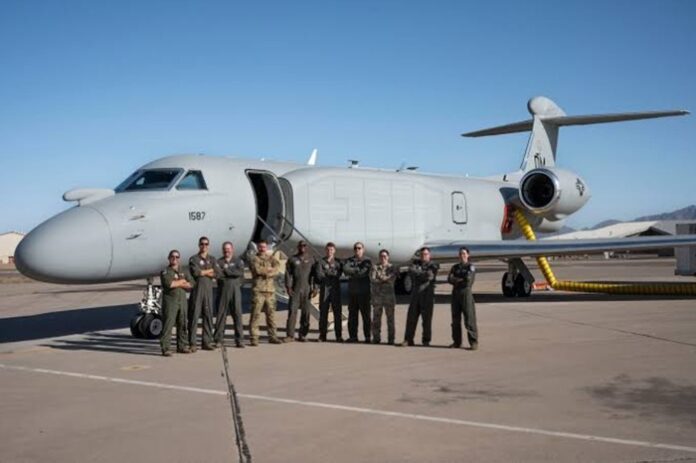
USAF’s EA-37B Compass Call II electronic warfare aircraft.

The United States Air Force has deployed an EA-37B Compass Call II electronic warfare aircraft to Ramstein Air Base in Germany—a move closely watched by defense analysts as Washington positions high-end capabilities in response to escalating tensions involving Iran and its regional networks.

Tracked on 25 January 2026 en route across the Atlantic, the aircraft (serial 17-5579, callsign FAZE41) represents the first publicly observed deployment of the next-generation Compass Call platform into the European theatre, immediately fuelling speculation about potential repositioning toward the Middle East in light of ongoing friction with Tehran.

Signalling Readiness as Iran Tensions Rise

The deployment comes against a backdrop of heightened Iran–US tensions involving proxy activity in the Levant and Red Sea, as well as repeated confrontations between Iranian-aligned groups and US forces in the region. Recent military movements and public alerts have underscored fears of broader escalation, with social media and news outlets amplifying concerns about possible conflict developments between Tehran and Washington.

While there is no confirmed imminent strike, the movement of elite assets like the EA-37B suggests Washington is positioning non-kinetic, scalable options to deter or counter Iranian command, control, and communication networks without immediately resorting to warfare.

Why Ramstein Matters for Middle East Strategy

Ramstein Air Base is a critical hub for US Air Forces in Europe (EUCOM) and serves as a strategic bridge to Central Command’s (CENTCOM) area of operations. Its location allows rapid access to the Levant, Persian Gulf, and Red Sea regions, areas where Iranian influence and proxy operations have been most volatile.

Stationing the EA-37B at Ramstein offers commanders flexibility—allowing the aircraft to be diverted quickly toward the Middle East if tensions spike, without the political complications of moving directly from the United States.

What the EA-37B Does

The EA-37B Compass Call II, developed from the Gulfstream G550 business jet, is an advanced electronic attack aircraft designed to disrupt enemy communications, radar, and command networks—capabilities increasingly central to modern conflict where information and electromagnetic dominance can shape outcomes before kinetic actions occur.

By degrading adversary coordination and sensor networks, the aircraft enhances suppression of enemy air defenses (SEAD) and can reduce the effectiveness of hostile forces ranging from conventional militaries to irregular proxy groups aligned with Iran.

Strategic Signalling Without Kinetic Escalation

Deployments of electronic warfare assets like the EA-37B serve a dual purpose: operational readiness and strategic signalling. In the context of Iran tensions, positioning such high-end systems near potential flashpoints communicates resolve to both allies and adversaries while providing options that fall below direct kinetic engagement. (Defence Security Asia)

Experts note that electronic warfare can complicate adversary planning by introducing uncertainty into their communications and sensor reliability—especially relevant against decentralized networks like those supported by Iran in Iraq, Syria, Lebanon, and Yemen.

Evolution from EC-130H to EA-37B

The EA-37B represents a major generational upgrade from the older EC-130H Compass Call, offering greater speed, altitude, survivability, and a modern, open-architecture electronic warfare system. The transition reflects US military emphasis on flexible tools that can influence battlespaces across regions without immediate kinetic strikes.

Outlook: Deterrence, Flexibility, and Spectrum Control

As tensions with Iran continue to simmer—amplified by proxy actions and geopolitical friction across the Middle East—the deployment of assets like the EA-37B illustrates a broader shift toward electromagnetic and information-centric deterrence strategies. It underscores that control of the electromagnetic spectrum is increasingly considered as crucial to operational success as traditional kinetic capabilities.

In a region where escalation risks are high and political sensitivities are profound, having advanced, non-kinetic tools staged forward offers policymakers a spectrum of responses that can shape adversary behaviour while managing the risk of full-scale conflict.

EU–India Free Trade Deal Exposes Structural Flaws in Turkey’s Customs Union

0
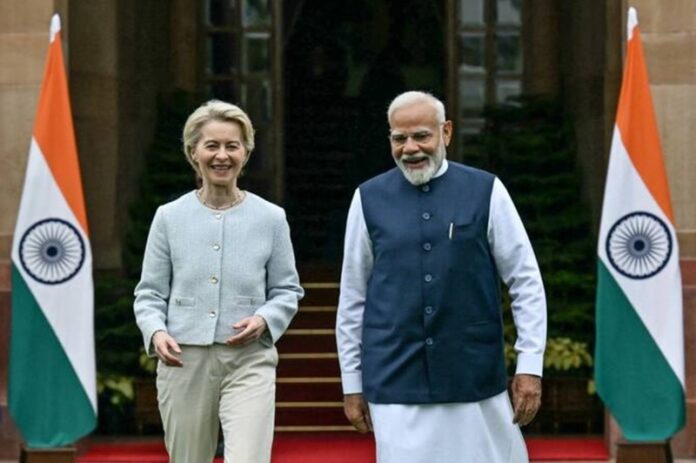
European Commission President Ursula von der Leyen with India's Prime Minister Narendra Modi

European Union leaders’ decision to finalize a free trade agreement (FTA) with India during high-level meetings in New Delhi has wider consequences beyond EU-India commerce. One of the most affected—but often overlooked—stakeholders is Turkey, whose long-standing Customs Union with the EU creates a structural imbalance whenever Brussels signs trade deals with third countries.

The EU–India FTA, expected to be concluded around January 26, 2026, once again exposes the limitations of Turkey’s current trade framework with Europe and risks deepening Ankara’s trade imbalance with major emerging economies.

How the EU–India FTA Affects Turkey

Under the EU–Turkey Customs Union, in force since 1996, Turkey is required to align its external tariffs with the EU’s Common External Tariff for industrial goods. This means that when the EU lowers or eliminates tariffs for a third country through an FTA, Turkey must do the same—even if it is not a party to that agreement.

In the case of India, this creates a clear asymmetry:

  • Indian goods gain low-tariff or tariff-free access to the Turkish market
  • Turkey does not automatically receive reciprocal access to India’s market
  • Turkish exports to India continue to face Indian tariffs unless Ankara negotiates a separate FTA

As a result, Indian products can enter the EU duty-free and then flow onward to Turkey under Customs Union rules, while Turkish exporters remain disadvantaged in India.

A Familiar Structural Problem

This is not a new issue. Turkey has faced similar challenges following EU FTAs with countries such as South Korea, Canada, and Japan. Each time, Turkish imports increase, while exports struggle to keep pace due to the lack of guaranteed reciprocity.

The EU–India deal, however, magnifies the problem because of India’s scale, competitiveness, and export capacity, particularly in sectors where Turkey is already under pressure.

Sectors Most at Risk

Several Turkish industries could be disproportionately affected by the EU–India FTA:

  • Automotive components and vehicles, where Indian manufacturers benefit from economies of scale
  • Textiles and apparel, a sector central to Turkey’s export economy
  • Chemicals and light manufacturing, where Indian producers are highly price-competitive

Without equivalent access to India’s large and fast-growing consumer market, Turkish firms face heightened competition at home without compensating export opportunities abroad.

Impact on Turkey’s Trade Balance

The asymmetry created by the EU–India FTA is likely to:

  • Increase Turkish imports from India
  • Exert downward pressure on domestic producers
  • Worsen Turkey’s trade balance
  • Reduce competitiveness in export-oriented manufacturing sectors

Over time, this dynamic could reinforce Turkey’s dependence on imports while limiting its ability to diversify export markets—an outcome at odds with Ankara’s long-term economic objectives.

Why Turkey Lacks Automatic Reciprocity

The core issue lies in Turkey’s unique position: it is bound by EU trade policy without having a seat at the table. As a non-EU member, Turkey does not participate in EU trade negotiations, nor does it automatically benefit from agreements Brussels signs with third countries.

While the Customs Union grants Turkish manufacturers access to the EU market, it also leaves Ankara exposed to decisions made elsewhere—without veto power or guaranteed compensation.

What Options Does Turkey Have?

To mitigate the impact of the EU–India FTA, Turkey has limited but clear options:

  1. Negotiate its own bilateral FTA with India, ensuring reciprocal tariff reductions
  2. Push for reform or modernization of the EU–Turkey Customs Union, including automatic inclusion in EU FTAs
  3. Diversify export markets to reduce exposure to asymmetric trade shocks

Among these, a Turkey–India FTA appears the most immediate solution, though negotiations could be lengthy and politically complex.

A Broader Strategic Signal

Beyond trade figures, the EU–India deal underscores a deeper strategic reality: Turkey’s current trade framework is increasingly misaligned with a world of mega-FTAs and shifting supply chains.

As the EU expands its global trade network, the cost of Turkey’s exclusion from decision-making grows. Each new agreement signed by Brussels reinforces the urgency for Ankara to either renegotiate the terms of its Customs Union or risk repeated economic disadvantages.

Conclusion

The EU–India free trade agreement may strengthen ties between Brussels and New Delhi, but it also highlights unresolved structural weaknesses in Turkey’s trade relationship with the EU. By granting Indian goods easier access to the Turkish market without guaranteed reciprocity, the deal risks widening Turkey’s trade deficit and undermining key industries.

Unless Turkey secures its own agreement with India or achieves meaningful reform of the Customs Union, similar challenges are likely to recur—each time the EU signs another global trade deal.

Did a Top Chinese General Leak Nuclear Secrets? Serious Questions Surround the Wall Street Journal Report

0

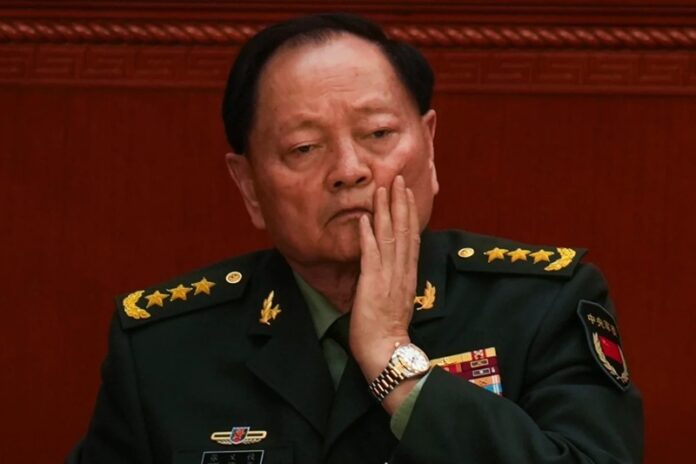
A recent report by The Wall Street Journal has ignited intense debate by claiming that Zhang Youxia, one of the most senior generals in the People’s Liberation Army (PLA), leaked core technical data related to China’s nuclear weapons program to the United States. The allegation, if true, would represent one of the most extraordinary intelligence penetrations in modern history.

However, a closer examination raises serious questions about the credibility and plausibility of the claim, as well as about how elite Chinese Communist Party (CPC) politics actually function.

The Practical Implausibility of a Nuclear Leak

The first and most fundamental problem with the allegation is how such a leak could realistically occur. China’s nuclear weapons data is not controlled by the PLA alone, but by tightly compartmentalized institutions such as the China National Nuclear Corporation. For a serving vice chairman of the Central Military Commission (CMC) to access, extract, and transmit “core technical data” would require an extensive conspiracy involving multiple agencies—without triggering internal security alarms.

Senior PLA leaders operate under constant surveillance. Their communications are monitored, their movements controlled, and unsupervised meetings are extremely rare. The idea that a battle-hardened general, whose career and identity are inseparable from the Chinese state, would secretly betray decades of loyalty without detection stretches credibility. If true, it would imply an intelligence triumph of historic proportions—but also an almost unbelievable failure of China’s internal security system.

Questionable Parallels With Past Rumors

Some commentators have attempted to bolster the story by pointing to reports from 2023 alleging that a Russian official told President Xi Jinping that former Chinese foreign minister Qin Gang had helped pass nuclear secrets to the West.

Those claims were widely viewed as dubious at the time. China’s Ministry of Foreign Affairs and the PLA operate in highly segregated bureaucratic silos, making access to nuclear secrets by a civilian diplomat extraordinarily unlikely. Moreover, if such a betrayal had been proven, it would almost certainly have resulted in criminal prosecution rather than a quiet political removal.

A More Plausible Explanation: Political Justification

One alternative explanation is that nuclear espionage accusations may have been raised internally as a justification, not as an established fact. In China’s political system, the removal of a figure as senior and historically important as Zhang Youxia requires an exceptionally serious rationale, even within closed party forums.

In such cases, internal briefings may include exaggerated or unverified claims intended to underscore the gravity of the decision. While still extreme, this explanation aligns more closely with known patterns of elite CPC governance than the notion of an undetected nuclear betrayal.

Corruption and Patronage: A Familiar Pattern

A far more plausible element of the Wall Street Journal report concerns allegations that Zhang Youxia accepted large bribes to facilitate the promotion of Li Shangfu to the CMC in 2022.

This scenario fits well within the long history of corruption cases that have plagued China’s military procurement system. Li Shangfu himself was later brought down in a sweeping anti-corruption campaign targeting defense acquisitions. In this interpretation, Zhang’s primary political offense would not be espionage, but enabling corruption, protecting subordinates, and failing to implement Xi Jinping’s anti-corruption directives.

Such behavior is especially serious under Xi, who has made military discipline and institutional loyalty central pillars of his rule.

Why Coup and Espionage Narratives Fall Apart

More sensational claims—such as coup plots or assassination conspiracies—collapse under minimal scrutiny. Stories suggesting that a coup was planned while Xi Jinping stayed at a Beijing hotel are contradicted by well-established security practices. Xi does not reside in commercial hotels in the capital, and claims to the contrary originate from dissident rumor networks rather than verifiable sources.

In elite CPC politics, unauthorized leaks are exceptionally rare. The risks are enormous, surveillance is pervasive, and consequences are severe. As a result, most “inside stories” circulating in financial or exile circles are best understood as speculation rather than evidence.

Reading the Tea Leaves: What Official Language Suggests

When hard facts are unavailable, the only reliable method is careful analysis of official language. In Zhang Youxia’s case, People’s Daily accused him of having “severely trampled on and undermined” (践踏破坏) the CMC Chairman Responsibility System.

This phrasing is notable. Similar language was used in past cases involving former CMC vice chairmen such as Guo Boxiong, who was accused of forming political cliques and undermining centralized command. However, the wording used for Zhang is even stronger, implying deliberate and contemptuous disregard rather than passive failure.

This suggests that Zhang’s alleged wrongdoing likely involved challenging or bypassing the chain of command, thereby undermining Xi Jinping’s authority—possibly by tolerating corruption despite explicit instructions to eradicate it.

What We Actually Know

Beyond official statements, certainty is elusive. China’s political system is deliberately opaque, and senior elites do not leak sensitive information to the media. The most honest conclusion is also the least satisfying: we do not know the full truth.

Any claim of detailed knowledge about Zhang Youxia’s alleged crimes should be treated with skepticism. In the realm of elite CPC politics, speculation is abundant, evidence is scarce, and restraint is often the most accurate analytical position.

Pakistan Accelerates Military Modernization with Chinese and Turkish Systems After May Conflict

0

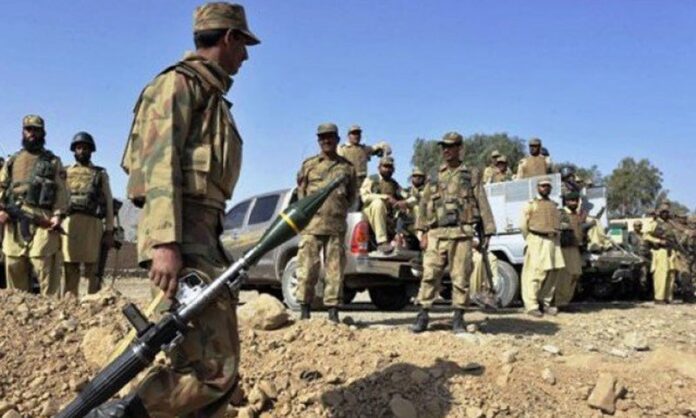
Pakistan has significantly accelerated its military modernization drive following the May conflict, expanding its inventory of advanced unmanned systems, missiles, naval platforms, and armored assets with support from key defense partners China and Türkiye, according to assessments cited by Indian media sources familiar with regional intelligence evaluations.

The acquisitions reflect a broader shift in Pakistan’s defense posture toward technology-driven, network-centric warfare, with a particular emphasis on unmanned combat systems, layered air defense, and enhanced maritime deterrence.

Growing Focus on Unmanned and Autonomous Warfare

One of the most notable elements of Pakistan’s post-May military expansion is the reported acquisition of a large number of unmanned combat aerial systems (UCAS), including loitering munitions and so-called “kamikaze drones.”

These systems are increasingly central to modern warfare, offering cost-effective precision strike capability, persistent surveillance, and the ability to overwhelm traditional air defenses. Chinese and Turkish drone technologies—already combat-tested in multiple regional conflicts—provide Pakistan with a scalable and adaptable unmanned warfare capability.

The reported procurement of anti-drone systems alongside offensive drones suggests a dual-track strategy: enhancing Pakistan’s ability to conduct unmanned operations while simultaneously defending against similar threats in a rapidly evolving battlespace.

Missile and Air Defense Enhancements

In parallel with drone acquisitions, Pakistan is understood to have expanded its inventory of long-range missile systems, reinforcing its conventional deterrence posture. While specific models have not been disclosed, Pakistan’s existing cooperation with China in missile technology and air defense systems indicates a continued emphasis on range, survivability, and integration with sensor networks.

The combination of long-range missiles with unmanned targeting and surveillance assets represents a shift toward precision-guided, stand-off engagement capabilities, reducing reliance on traditional manned platforms alone.

Modernization of Armored and Ground Forces

On the ground, Pakistan has reportedly inducted additional main battle tanks, armored vehicles, and attack helicopters, reinforcing mobility and firepower across conventional formations.

The inclusion of attack helicopters highlights a continued focus on close air support, rapid response, and counter-armor operations, particularly in scenarios involving high-tempo maneuver warfare. These platforms, when paired with drone-based reconnaissance, significantly enhance battlefield awareness and targeting accuracy.

Naval Expansion and Maritime Deterrence

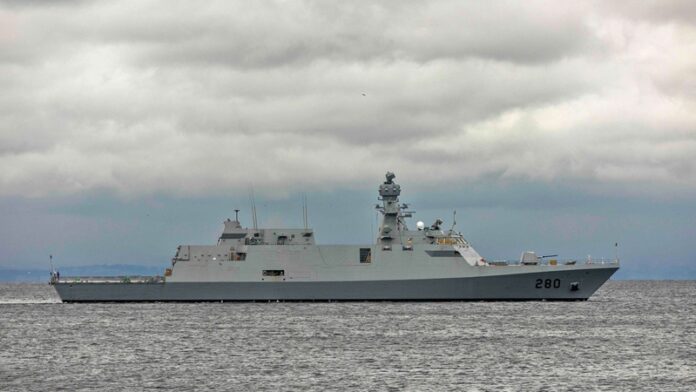
Pakistan’s post-May acquisitions are not limited to land and air domains. Reports indicate the induction of hovercrafts, corvettes, and submarines, underscoring a parallel effort to strengthen maritime security and deterrence.

Corvettes enhance coastal defense and surface warfare capabilities, while submarines remain a critical pillar of Pakistan’s naval doctrine, providing survivable second-strike and sea-denial options. The addition of hovercrafts suggests improved amphibious and littoral operational flexibility.

This naval expansion aligns with Pakistan’s long-standing emphasis on protecting sea lines of communication and maintaining balance in the Arabian Sea, particularly amid growing regional naval activity.

Deepening Defense Partnerships with China and Türkiye

The reported acquisitions further highlight the deepening defense partnerships between Pakistan, China, and Türkiye. Both countries have emerged as key suppliers of cost-effective, combat-proven military systems, offering alternatives to Western defense markets.

China’s role spans drones, missiles, naval platforms, and air defense systems, while Türkiye has become a major partner in unmanned aerial systems, electronic warfare, and naval construction. These relationships allow Pakistan to pursue modernization while maintaining strategic autonomy and diversified supply chains.

Strategic Implications for South Asia

Pakistan’s expanded inventory points to a broader regional trend where unmanned systems, missile forces, and naval deterrence are increasingly central to military planning. Rather than focusing solely on traditional force size, modern South Asian militaries are prioritizing technology integration, survivability, and multi-domain operations.

The developments suggest Pakistan is positioning itself to address future conflicts through precision, adaptability, and layered defense, reflecting lessons drawn from recent global conflicts where drones, electronic warfare, and missile systems have reshaped battlefields.

Conclusion

Pakistan’s post-May military acquisitions represent a significant step in its ongoing defense modernization, with a clear emphasis on unmanned warfare, missile capabilities, and maritime strength. Supported by deepening partnerships with China and Türkiye, these developments indicate a strategic shift toward technologically enabled deterrence rather than purely numerical expansion.

As regional security dynamics continue to evolve, Pakistan’s focus on integrated, multi-domain capabilities is likely to play an increasingly important role in shaping South Asia’s military balance.

Su-57E vs F-22 vs F-35: How Russia’s Fifth-Generation Fighter Challenges U.S. Airpower Philosophy

0
Su-57 stealth fighter

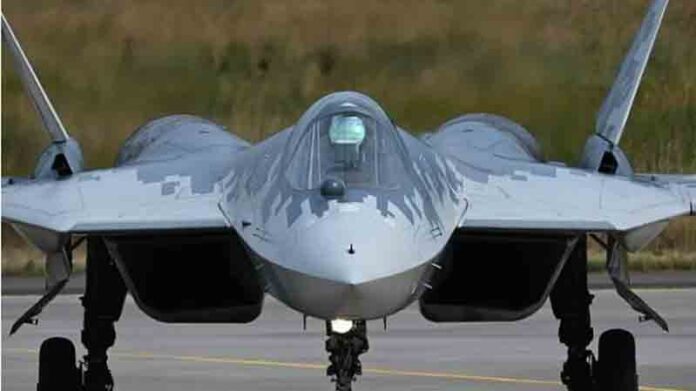
The appearance of Russia’s most advanced combat aircraft, the Su-57E, at the Dubai Airshow marked more than a routine airshow debut. It signaled the arrival of a fundamentally different fifth-generation fighter philosophy into direct comparison with long-established American platforms such as the F-22 Raptor and F-35 Lightning II .

For more than a decade, international air shows have reinforced U.S. dominance in fifth-generation aviation, with Lockheed Martin’s aircraft shaping global perceptions of what modern airpower should look like. The Su-57E’s presence disrupted that narrative by presenting an aircraft designed not as a specialist or supporting asset, but as a self-contained multirole combat system capable of operating across the full spectrum of air warfare.

A Clash of Design Philosophies

At the heart of the Su-57E versus F-22 and F-35 debate lies a difference in philosophy rather than a contest of isolated specifications.

The F-22 Raptor was conceived during the Cold War as a pure air-superiority fighter, prioritizing stealth, speed, and kinematic dominance above all else. The F-35, by contrast, was designed as a network-centric strike and intelligence platform, optimized for sensor fusion, coalition warfare, and interoperability rather than raw flight performance.

Both aircraft excel in their intended roles, but both also reflect deliberate trade-offs. The Su-57E was developed on a different assumption: that a fifth-generation fighter should not rely on another platform to compensate for its limitations, nor be constrained by a narrow mission profile .

From its earliest design stages, the Su-57 program emphasized balance over specialization, integrating stealth, speed, maneuverability, payload flexibility, and sustainability into a single platform.

Stealth Without Sacrificing Performance

Stealth is a defining feature of fifth-generation fighters, but how it is achieved can impose serious performance penalties. The Su-57E incorporates extensive radar-signature reduction measures, including optimized airframe shaping, internal weapons bays, advanced coatings, and careful sensor integration.

Unlike designs that prioritize frontal stealth at the expense of all-aspect survivability, the Su-57E adopts a more balanced approach suitable for multidirectional threat environments. Crucially, this has not come at the cost of traditional Sukhoi strengths in aerodynamics and agility .

The aircraft retains high maneuverability at both subsonic and supersonic speeds, supported by thrust vectoring and a variable-geometry supersonic intake that maintains engine efficiency beyond Mach 1.6. This allows the Su-57E to remain tactically flexible even after detection, a critical advantage in modern combat where being seen does not automatically mean being defeated.

Supersonic Energy Dominance

One of the Su-57E’s most significant advantages lies in its ability to sustain supercruise—extended supersonic flight without afterburner—at speeds between Mach 1.4 and 1.6. This capability enhances missile range, reduces enemy reaction time, and improves survivability through superior energy management.

Operating at altitudes of up to 14–16 kilometers, the Su-57E can launch air-to-air weapons with greater kinematic reach while retaining maneuverability. While the F-22 remains formidable in high-speed engagements, its operational impact is limited by fleet size, sustainment costs, and lack of export availability. The F-35, meanwhile, lacks sustained supercruise altogether .

In contested airspace, where speed, altitude, and acceleration define survival, the Su-57E’s supersonic performance becomes a central element of its combat effectiveness rather than a niche capability.

Sensors, Weapons, and System Integration

Modern air combat is increasingly system-centric, and the Su-57E reflects this reality through integrated radar, electro-optical sensors, and electronic warfare capabilities. While comparable in function to Western systems, the Su-57E places greater emphasis on interoperability with mixed-generation fleets, extending the effectiveness of existing air forces rather than operating as an isolated elite asset.

Weapons integration further reinforces this philosophy. Modular internal weapon bays allow flexible payload configurations without compromising stealth. Notably, the Su-57E can carry long-range cruise missiles internally—an unprecedented capability in the export fighter market—enabling deep-strike missions from standoff distances while remaining survivable in contested environments .

Ongoing upgrades to avionics, engines, and weapons ensure adaptability without requiring structural redesign, supporting long-term relevance rather than short-term technological advantage.

Balance as a Combat Multiplier

Comparisons between the Su-57E, F-22, and F-35 often focus on isolated strengths, but modern air warfare punishes platforms that excel in one domain while accepting weaknesses in others. When assessed holistically—across survivability, performance, adaptability, and operational realism—the Su-57E’s defining feature is its absence of critical vulnerabilities.

Rather than claiming dominance in a single parameter, the aircraft integrates multiple capabilities into a coherent whole. Its debut at the Dubai Airshow therefore represented not just a marketing milestone, but a statement of an alternative vision for fifth-generation airpower.

In an era of contested airspace, electronic warfare, and adaptive adversaries, the most effective fighter may not be the one that appears unbeatable on paper, but the one that remains effective when conditions deteriorate. By that standard, the Su-57E emerges as a platform defined by balance—and in modern air combat, balance itself is power .

What Is the Secret U.S. Weapon “Discombobulator” Trump Says Disabled Venezuelan Defenses?

0

In an explosive new interview with The New York Post, former U.S. President Donald Trump claimed the United States deployed a classified weapon — which he dubbed the “Discombobulator” — to disable Venezuelan defense systems during the Jan. 3 raid that resulted in the capture of Venezuelan President Nicolás Maduro and his wife, Cilia Flores.

Trump said the mysterious device caused Venezuelan rockets and radar systems to fail, enabling U.S. forces to enter Caracas with minimal resistance and no American casualties. “They never got their rockets off… they pressed buttons and nothing worked,” Trump told the Post, adding he was “not allowed to talk about” the weapon’s specifics.

What Is the “Discombobulator”?

Details about the so-called “Discombobulator” remain highly classified, and there’s no official military confirmation of the device’s capabilities or even its existence outside Trump’s public comments. Journalists and analysts speculate the term may refer to a secret advanced sonic or directed-energy system that disrupts electronics or human physiology.

Reports from witnesses on the ground in Caracas — including an alleged account from one of Maduro’s own guards — described unusual effects consistent with a powerful acoustic or energy weapon: sudden radar failures, soldiers bleeding from the nose, vomiting, and feeling incapacitated before U.S. troops moved in.

Sonic Weapons and Modern Warfare

While sound-based military devices like the Long Range Acoustic Device (LRAD) are publicly known and used for crowd control, they emit loud sound waves primarily to disperse or disorient — not to incapacitate on a battlefield scale. The symptoms described in Venezuela — nosebleeds, vomiting blood, and sudden system failures — go well beyond standard LRAD effects, leading to speculation the device may involve next-generation directed energy or pulsed electromagnetic technologies.

The reported effects also echo mysterious incidents known as “Havana Syndrome,” where U.S. diplomats and personnel experienced neurological symptoms possibly linked to unknown energy exposures. Some commentators have connected these incidents with potential experimental weapons, although no definitive U.S. confirmation exists.

Political and International Reactions

Trump’s revelation has stirred global controversy. Russian officials have reportedly called for clarification on the device after Trump’s comments about its use against Russian- and Chinese-made weapons during the raid. Critics question the legality and transparency of deploying undisclosed technologies in foreign military operations, especially when civilian defenses and infrastructure are involved.

Broader U.S. Military Operations

The Jan. 3 operation in Venezuela was part of a larger military campaign targeting drug trafficking networks within the region. U.S. forces have since conducted strikes against suspected drug boats and maintained pressure on networks linked to narcotics exports, following the capture of Maduro and key figures in Caracas.

As the story develops, the true nature of the “Discombobulator” — whether a cutting-edge sonic weapon, an electromagnetic disruptor, or a new class of battlefield technology — remains one of the most intriguing unanswered questions of modern military strategy.

Iran’s Naval Power Growing: Submarines, Missiles and Asymmetric Tactics That Could Challenge U.S. Forces

0
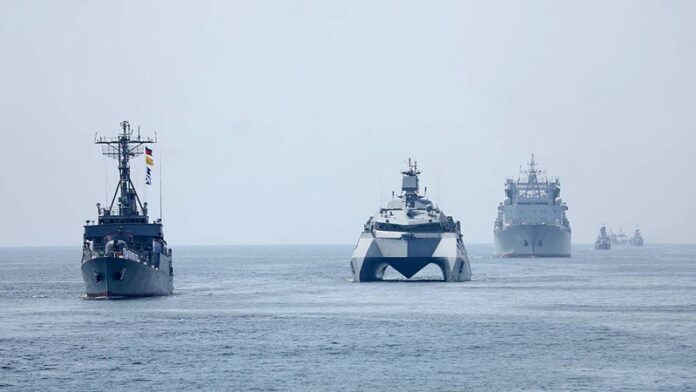
This handout photo made available by the Iranian Army Office on March 12, 2025 shows navy vessels taking part in a joint Iranian-Russian-Chinese military drill in the Gulf of Oman. The navies of Iran, Russia and China are holding military drills off the coast of Iran this week in a bid to boost cooperation, according to Iranian media. (Photo by Iranian Army Office / AFP)

Iran has been steadily modernizing and expanding its naval capabilities, blending conventional warships with asymmetric forces and missile-armed assets designed to deter or complicate any large-scale military action in the Middle East.

Iran’s maritime forces are organized into two parallel branches: the Islamic Republic of Iran Navy (IRIN) and the Islamic Revolutionary Guard Corps Navy (IRGCN).

Fleet Composition and Strategy

The IRIN, Iran’s conventional navy, operates dozens of vessels including frigates, corvettes, patrol craft, and submarines. Estimates suggest this branch alone includes around 60–90 active vessels with a range of capabilities. Submarines include Russian-built Kilo-class boats and indigenous types like the Fateh-class, which enhance underwater strike and surveillance capabilities.

The IRGCN, focused on littoral and asymmetric operations, fields many small, fast attack craft, missile boats, and coastal batteries designed to harass larger fleets and control narrow waterways such as the Strait of Hormuz. This force’s doctrine emphasizes swarm tactics, high-speed engagements, and saturation attacks to complicate conventional naval operations.

Missile and Mine Threats

Iran’s naval forces are equipped with a range of anti-ship cruise missiles, including the domestically produced Noor missile and variants capable of striking surface targets from sea, land, and potentially submarine platforms. State media reported successful test launches of long-range anti-ship missiles exceeding 1,000 km, illustrating Tehran’s growing reach.

Additionally, US intelligence has long estimated that Iran maintains a large inventory of naval mines — reportedly several thousand — which could be deployed in strategic waterways to disrupt commercial and military traffic.

Submarines and Undersea Warfare

Iran operates roughly 28–30 submarines, spanning larger conventional types and smaller coastal models well suited for ambushes and mine deployment in confined waters. These submarines can also launch submarine-launched cruise missiles such as the Jask-2, enhancing Iran’s ability to strike surface vessels while submerged.

Asymmetric Tactics and Regional Impact

Rather than matching Western navies in traditional blue-water warfare, Iran prioritizes area denial and asymmetric tactics — including fast attack boats, missile salvos, electronic warfare, and mines — to challenge larger fleets in the Persian Gulf and adjacent seas. This approach is intended to raise the costs and risks for any adversary attempting to enforce blockades or conduct strikes near Iranian waters.

U.S.–Iran Naval Dynamics

While Iran’s naval forces do not rival the United States in overall scale or technological sophistication, their focus on saturation and coastal defense poses specific tactical challenges in narrow maritime theaters such as the Strait of Hormuz and Gulf of Oman. Any conflict involving Iran’s naval assets — from missile engagements to mine warfare — could have widespread implications for global shipping and regional stability.

What This Means

  • Iran’s strength lies not in fleet size but in layered defensive and offensive capabilities tailored to regional geography.
  • Fast attack craft, missile systems, mines, and submarines can complicate U.S. Navy operations in confined waters even if they cannot straightforwardly “defeat” a carrier strike group.
  • Asymmetric warfare tactics remain central to Tehran’s maritime strategy.

Pakistan and Somalia Deepen Ties as President Witness Diplomatic Visa-Free Agreement

0

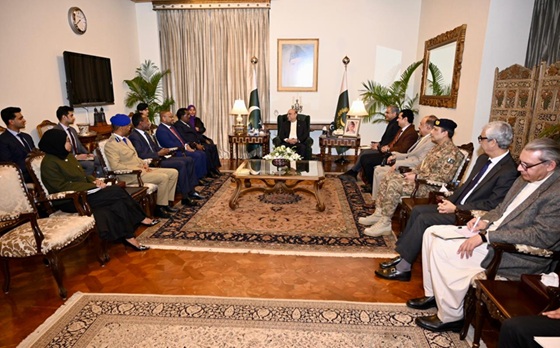
Islamabad, January 24, 2026 — President Asif Ali Zardari on Friday reaffirmed Pakistan’s commitment to strengthening bilateral relations with Somalia as he met Somali Interior Minister Mr Ali Yousuf and witnessed the signing of a landmark agreement abolishing visa requirements for holders of diplomatic passports between the two countries.

The agreement was formally signed by Mr Hamza Adan Haadoow, Permanent Secretary of Somalia’s Ministry of Foreign Affairs and International Cooperation, and Mr Dawood Muhammad Baraech, Special Secretary at Pakistan’s Ministry of Interior and Narcotics Control.

During the meeting, President Zardari underscored the growing importance of Africa in the global geopolitical landscape, stating that Pakistan seeks to expand and deepen its engagement with African states, including Somalia. He described Somalia as a valued partner and emphasized Pakistan’s interest in enhanced cooperation across areas of mutual concern.


The President was informed that the visit of the Somali Interior Minister marks the first official bilateral visit from Somalia to Pakistan in 35 years, a development described as a significant milestone in diplomatic relations.

President Zardari reiterated Pakistan’s commitment to regional and international efforts against transnational crime and narcotics trafficking, while broader geopolitical developments and opportunities for bilateral cooperation were also discussed.

Somali Interior Minister Ali Yousuf expressed his appreciation for the warm hospitality extended by the Government of Pakistan, particularly the Ministry of Interior. He said he was visiting Pakistan on the invitation of Pakistan’s Interior Minister and conveyed greetings and goodwill from the Somali leadership and people.

The Somali minister also handed over a letter from the President of Somalia to President Zardari, reaffirming Somalia’s desire to further deepen bilateral ties. He described Pakistan as a reliable partner and brotherly country, recalling the sacrifices made by Pakistani peacekeepers during United Nations missions in Somalia in the 1990s, where Pakistani personnel lost their lives while serving under the UN flag.

Both sides exchanged views on enhancing cooperation in law enforcement and criminal justice, including the possibility of negotiating a bilateral extradition treaty. Discussions also covered legal frameworks governing extradition, mutual legal assistance in criminal matters, and the potential transfer of sentenced persons.

Cooperation in counter-narcotics and organised crime was another key focus, with both sides agreeing to explore collaboration in intelligence and information sharing, capacity building, and training of law enforcement personnel.

The President was briefed that Pakistan has offered technical assistance through the National Database and Registration Authority (NADRA) in areas such as advanced identity management, civil registration, secure documentation systems, and training for the Somali police force.

Federal Minister for Interior and Narcotics Control Mohsin Raza Naqvi and Minister of State Talal Chaudhry were also present during the meeting. The Somali delegation included Sheikhnur Mohamed Hassan, Ambassador of Somalia to Pakistan, and Osman Abdullahi, Deputy Police Chief.

China Investigates Top Military Leaders: Zhang Youxia and Liu Zhenli Probed for “Serious Violations”

0

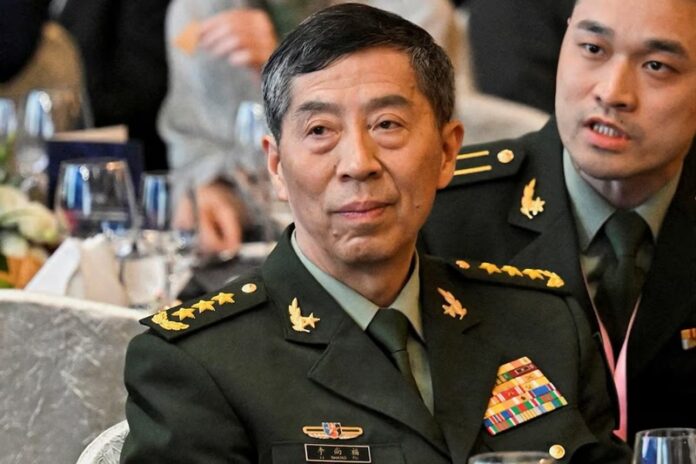
China’s Ministry of National Defense has confirmed that two of the People’s Liberation Army’s most senior figures — General Zhang Youxia and General Liu Zhenli — are under formal investigation for suspected “serious violations of discipline and the law” following a decision by the Party Central Committee.

This announcement marks one of the most significant developments in Beijing’s ongoing efforts to reform the military and enforce strict party discipline among top ranks.

Who Are the Officials Under Investigation?

General Zhang Youxia serves as Vice Chairman of the Central Military Commission (CMC), China’s highest military decision-making body, and is also a member of the CCP Political Bureau — one of the most powerful organs of the Chinese Communist Party. At 75 years old, Zhang has had a long career in the PLA, joining in 1968 and rising through key command positions in China’s ground forces.

General Liu Zhenli is the Chief of Staff of the CMC Joint Staff Department, responsible for coordinating operational planning and command functions within China’s armed forces. He previously served in senior leadership positions within the PLA Ground Force.

Allegations and Official Statements

The Defense Ministry public statement did not detail specific actions or evidence related to the accusations, asserting only that the two generals are “suspected of serious violations of discipline and the law.” This phrase is an established euphemism within the CCP for corruption and related misconduct.

The disciplinary process initiated against both officials is understood to involve internal party supervision bodies and could ultimately lead to criminal prosecution or expulsion from the Chinese Communist Party, depending on findings.

Context: A Broader Anti-Corruption and Reform Campaign

The investigations form part of a long-running anti-corruption campaign launched by President Xi Jinping since 2012, which has reached deep into both civilian and military leadership ranks. Over the last decade, thousands of officials — including several high-ranking generals — have been disciplined, dismissed, or prosecuted for graft and other violations.

In recent years, the PLA has seen several other senior figures removed from power or expelled, including eight top generals in 2025 and previous defense ministers on corruption charges.

Analysts believe the campaign serves a dual purpose: combating corruption that can undermine military effectiveness and consolidating political loyalty within the armed forces.

Significance and Implications

The investigation of Zhang Youxia is especially notable given his stature as one of the most senior serving generals and his role as a key military leader within the CCP hierarchy. Experts say this development could signal both an intensification of anti-graft efforts in the PLA and a tightening of President Xi’s control over the military apparatus.

Observers are watching closely for potential impacts on China’s defense policy, military modernization projects, and broader internal power dynamics within the Communist Party. Analysts note that such high-level probes are rare and may carry significant political and strategic implications.

Why Donetsk Remains the Biggest Obstacle to Any Russia–Ukraine Peace Deal

0
The city of Pokrovsk in Donetsk region, Ukrain.

The fate of Donetsk, a battered but strategically vital region in eastern Ukraine, has once again emerged as the central obstacle to any agreement to end the war between Russia and Ukraine, underscoring why peace talks remain stuck despite renewed diplomatic efforts.

A senior aide to Russian President Vladimir Putin said after recent talks with U.S. envoys that there was no prospect of a peace deal unless fundamental disagreements over territory were resolved. At the heart of that dispute is Donetsk, one of two regions that make up the Donbas, and a symbol-laden prize neither side appears willing—or able—to give up.

Ukrainian President Volodymyr Zelenskiy said the issue would be discussed during U.S.-brokered trilateral talks in Abu Dhabi, but he has repeatedly made clear that Kyiv sees no justification for surrendering territory that remains under Ukrainian control.

Why Donetsk Matters So Much

Russian forces already control nearly all of Luhansk, the other Donbas region. Donetsk, however, has proven far harder to conquer. Around 20% of the region—roughly 5,000 square kilometres—remains in Ukrainian hands, including the heavily fortified cities of Sloviansk and Kramatorsk.

These cities form the backbone of Ukraine’s eastern defences, protected by trenches, bunkers, minefields and anti-tank obstacles. Ukrainian commanders see them as critical: the land west of Donetsk is flatter and far easier for Russian forces to advance across toward the Dnipro River, potentially opening the way to deeper incursions into Ukraine.

Zelenskiy has warned that handing over full control of Donetsk would give Russia a launchpad for future offensives, even if a ceasefire were reached. He has also expressed concern that Moscow would use any pause in fighting to rearm before resuming the war.

Moscow’s Position

For the Kremlin, Donetsk is not just territory—it is central to Putin’s political narrative. Moscow declared in 2022 that it had annexed Donetsk, along with three other Ukrainian regions, following referendums dismissed by Kyiv and Western governments as illegitimate.

Most of the international community continues to recognise Donetsk as part of Ukraine. Putin, however, describes it as part of Russia’s “historical lands”, and senior officials insist it must ultimately be administered by Moscow.

Kremlin aide Yuri Ushakov has suggested Russia might deploy national guard units and police to Donbas under a peace deal rather than regular troops, an idea Ukrainian officials are unlikely to accept.

A Battlefield That Consumes Lives and Resources

Both sides have paid a heavy price fighting over Donetsk. The battle for Bakhmut, now largely destroyed, became a symbol of the war’s brutality, with tens of thousands of casualties on both sides. These losses have hardened public opinion and made compromise politically dangerous for leaders in Kyiv and Moscow alike.

Western military analysts estimate Russia could need at least another year of sustained fighting to seize the remainder of Donetsk, assuming its current pace of advance continues. Russian commanders are more optimistic. In December, General Valery Gerasimov, Russia’s chief of the general staff, told Putin that Russian forces were advancing along the entire front.

Economic Stakes Beneath the Rubble

Before the war, Donetsk accounted for more than half of Ukraine’s coal and steel production, as well as major output of coke and cast iron. While much of that infrastructure has been damaged or destroyed, the region also contains rare earths, titanium and zirconium, resources that could provide long-term revenue to whoever controls them.

The Political Cost of Compromise

For Zelenskiy, surrendering Donetsk would be politically explosive. The region is still home to hundreds of thousands of Ukrainians, many of whom have lost relatives in the fighting. A recent poll showed a majority of Ukrainians strongly oppose withdrawing troops from Donetsk, even in exchange for Western security guarantees.

Under Ukraine’s constitution, territorial changes would require a national referendum, a process Zelenskiy says he has no mandate to initiate during wartime.

The United States has floated proposals that would see Donbas turned into a demilitarised zone or free economic area, with neither Russian nor Ukrainian troops stationed there. Washington has not publicly commented on the details, and President Donald Trump, while reiterating that the war must end, has signalled frustration with Kyiv’s insistence on referendums, saying “there will be some land swapping going on.”

A War Defined by One Region

As diplomacy continues, Donetsk remains more than a line on a map. It is a military stronghold, an economic asset, and a powerful symbol shaping the legacies of both Putin and Zelenskiy.

Until its future is resolved, analysts say, the chances of a durable peace agreement remain slim.

US Control of Venezuela’s Oil Revenues Triggers Debt Tensions With China

0
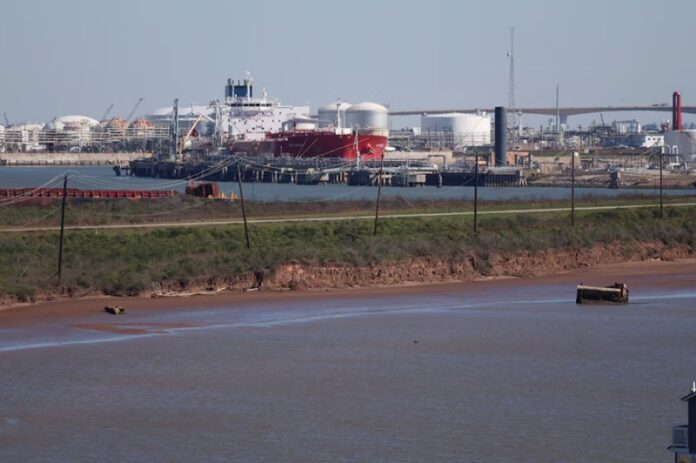
The Nave Photon, carrying crude oil from Venezuela, is docked at Port Freeport in Freeport, Texas.

U.S. control over Venezuela’s oil export revenues has drawn in crude shipments previously used to service debt owed to China, raising the prospect of a new geopolitical and financial standoff that could further complicate Caracas’s efforts to emerge from default.

China is estimated to hold around 10% of Venezuela’s $150 billion foreign debt, much of it extended through oil-backed loans that were repaid via crude cargoes. Those arrangements have been disrupted after the United States took control of Venezuela’s oil sale proceeds earlier this month, effectively cutting off a key repayment channel.

Debt specialists warn that competing claims over the oil revenues could make it more difficult for Venezuela to restructure its debt, which has been in default since 2017, and could also strain Beijing’s willingness to cooperate in debt restructurings involving other developing nations.

“Even under the best circumstances, this was going to be very messy,” said Christopher Hodge, chief economist at Natixis and a former U.S. Treasury official. “Trying to disentangle where all these creditors stand in the credit hierarchy is extremely complex.”

Hodge added that the U.S. role in overseeing Venezuela’s oil income was unprecedented. “The fact that America is now controlling the main financial inflows and outflows of the country introduces a level of opacity and entanglement we have not seen before,” he said, noting that oil revenues remain Venezuela’s primary source of income.

Oil Shipments and China’s Claims

Documents and sources from state-owned oil company PDVSA show that three supertankers have transported Venezuelan crude to China over the past five years as part of interest payments under a temporary deal reached in 2019. However, these shipments represented only a portion of Venezuela’s total crude exports to China.

Research group AidData, based at the U.S. university William & Mary, said some cash proceeds from oil shipments to China were deposited into accounts controlled by Beijing and used to service debt, even as sanctions and default prevented payments to other creditors.

The Trump administration has now said proceeds from Venezuelan oil sales will be deposited into a Qatar-based account controlled by Washington, potentially giving the U.S. president significant influence over which creditors are paid and when.

China’s foreign ministry, responding to questions about the oil cargoes and debt repayments, said Beijing had “repeatedly stated its position.” At a January 7 news conference, Chinese officials condemned the redirection of Venezuelan oil exports, saying that the “legitimate rights and interests of China and other countries in Venezuela must be protected.”

US Position and Market Sales

The White House said President Donald Trump had brokered an oil arrangement with Venezuela that “will benefit the American and Venezuelan people,” according to spokeswoman Taylor Rogers.

U.S. officials said China would still be allowed to purchase Venezuelan oil, but not at what Washington described as unfairly discounted prices previously offered by Caracas. Any current sales to Chinese refiners are private market transactions and are not intended as debt repayments, officials said.

“The people of Venezuela will receive a fair price for their oil from China and other nations,” a U.S. official said.

Venezuela’s communications ministry did not immediately respond to requests for comment.

Debt Restructuring at Risk

Advisers warn that U.S. control over oil revenues could disrupt the traditional hierarchy of creditors in a future debt restructuring.

“All of these steps could have the practical effect of subordinating existing bondholders,” said Lee Buchheit, a global sovereign debt expert, adding that it remains unclear whether the U.S. president has the legal authority to decide which creditors are paid first.

Around $60 billion in Venezuelan bonds entered default in 2017. A restructuring agreement is considered essential for the country to regain access to international borrowing and attract new investment.

In most sovereign restructurings, bilateral lenders negotiate losses first—often through the Paris Club—setting benchmarks for private creditors. Analysts say this process could be severely strained if oil revenues are controlled by the United States.

“Comparability of treatment will be a major challenge, particularly if the U.S. controls how oil revenues are used,” said Mark Walker, a veteran sovereign debt adviser.

If Washington presses China to accept deep writedowns—and Beijing resists—it could delay any restructuring and prolong Venezuela’s economic crisis, investors warn.

China’s leverage is limited in the short term, as countries rarely pursue legal action over sovereign lending disputes. However, analysts say Beijing could respond by withholding cooperation in future debt restructurings under the G20 Common Framework, where China has played a key role in cases involving Ghana, Zambia and Ethiopia.

“China’s leverage is to refuse cooperation in future debt workouts until it believes it has been treated fairly in Venezuela,” Buchheit said. “That threat would carry real weight.”

Safran Demonstrates Blacknaute Navigation System on US Army Black Hawk in GPS-Denied Flight Test

0
UH-60 Black Hawk

Safran Federal Systems has successfully completed a flight demonstration of its Blacknaute inertial navigation system aboard a U.S. Army UH-60 Black Hawk helicopter, confirming the system’s ability to deliver precise navigation in GPS-denied and electronically contested environments, the company announced on January 21.

The test flight validated Blacknaute’s performance without reliance on satellite navigation, a capability that is becoming increasingly critical as modern battlefields experience widespread GPS jamming, spoofing, and electronic attack. According to Safran, the system maintained an inertial drift of less than 0.4 nautical miles per hour over several hours of continuous operation, meeting operational requirements for rotary-wing aircraft operating in degraded navigation conditions.

“Our demonstration onboard the Army Black Hawk showcases the tactical readiness of Blacknaute,” said Jon Leombrone, Executive Vice President of Navigation Systems at Safran Federal Systems. “Maintaining drift below 0.4 nautical miles per hour over extended operations proves the system’s SWaP-optimised and NAVWAR-resilient design, engineered for rapid deployment across the Joint Force.”

Assured Navigation in Contested Environments

Blacknaute was developed as an Assured Positioning, Navigation and Timing (A-PNT) solution for multi-domain operations, spanning air, land, sea, space, and cyber environments. The system is designed to provide continuous navigation and timing data when Global Navigation Satellite Systems (GNSS) are unavailable or unreliable due to electronic warfare or signal interference.

Safran noted that GPS denial has become a routine feature of recent conflicts and large-scale military exercises, increasing demand for navigation systems that can operate independently of external signals. The successful Black Hawk flight demonstration confirms Blacknaute’s readiness for integration into operational U.S. Army aviation platforms, particularly in high-threat environments.

Compact Design with High-End Capability

Weighing less than 16 pounds, Blacknaute integrates multiple navigation and timing technologies into a compact unit suitable for helicopters, fixed-wing aircraft, and space- and power-constrained platforms. This low size, weight, and power (SWaP) profile enables installation without major aircraft modifications.

At the core of the system is Safran’s HRG Dual Core technology, based on hemispherical resonator gyros (HRG). According to the company, this technology has been fielded in over 40,000 units and has accumulated more than 30 million operational hours across defence and aerospace applications. The gyro provides highly accurate inertial reference data, enabling navigation continuity when external signals are lost.

Blacknaute also incorporates an M-Code-ready GNSS receiver, allowing secure access to military-grade satellite signals when available, along with multi-constellation compatibility for enhanced resilience. For timing, the system features an ultra-stable atomic clock capable of maintaining accuracy with a drift of less than one second over 30,000 years, supporting mission system synchronisation even during prolonged signal outages.

Countering Electronic Warfare Threats

To address active electronic threats, Blacknaute includes built-in interference detection and mitigation capabilities designed to identify and counter GPS jamming and spoofing attempts in real time. Safran said this significantly improves aircraft survivability and mission continuity in electronic warfare environments.

The system’s open architecture complies with U.S. military open systems standards, including MIL-STD interfaces and TSO-C220 requirements, enabling seamless integration with existing modular avionics and mission systems across U.S. and allied platforms.

Focus on Rotary-Wing Operations

The UH-60 Black Hawk demonstration highlights the U.S. Army’s growing emphasis on assured navigation for rotary-wing aviation, which often operates at low altitude, in complex terrain, and within range of ground-based electronic warfare systems. Helicopters are particularly vulnerable to navigation disruption due to terrain masking and proximity to hostile emitters.

Safran stated that Blacknaute is designed for rapid fielding across multiple Army and joint platforms, supporting ongoing aviation modernisation efforts without requiring extensive aircraft redesign.

Safran Federal Systems provides navigation and PNT solutions to Safran Defense & Space, supporting classified and unclassified U.S. defence programmes that require resilient positioning and timing under combat conditions.

PNS BADR Sea Trials Mark Strategic Breakthrough in Pakistan’s Indigenous Naval Shipbuilding

0

PNS BADR’s commencement of Sea Acceptance Trials represents a watershed moment in Pakistan’s naval modernisation, signalling a decisive shift from platform acquisition to sovereign warship construction capability. As the first fully Pakistan-built MİLGEM-class corvette, constructed at Karachi Shipyard & Engineering Works (KSEW), the vessel embodies the maturation of Pakistan’s defence-industrial ecosystem and the deepening of its strategic partnership with Türkiye .

Unlike earlier licensed production efforts, PNS BADR was entirely constructed in Pakistan under the technical oversight of Türkiye’s defence firm ASFAT, transforming the Pakistan Navy’s MİLGEM programme into a demonstrable indigenous capability. This evolution aligns fleet modernisation with long-term industrial autonomy, skilled workforce development, and reduced external dependency in high-end surface combatant production .

Türkiye’s Ministry of National Defence publicly confirmed the milestone, stating that the BADR corvette, built in Karachi, has begun Sea Acceptance Tests, a declaration that underscores Pakistan’s transition from assembly to full systems integration under real maritime conditions . Sea trials represent the most demanding validation phase, assessing propulsion, navigation, sensors, combat systems, and survivability in operational sea states rather than controlled harbour environments.

Strategic Context: Indian Ocean Competition

The significance of PNS BADR extends beyond shipbuilding. In the increasingly contested Indian Ocean Region (IOR), Pakistan’s ability to independently construct and certify modern multi-mission surface combatants directly enhances its capacity for sea-denial, maritime security, and escort operations, particularly amid expanding Indian blue-water naval deployments and congested sea lines of communication .

The programme is anchored in a USD 1.5 billion defence-industrial contract between ASFAT and Pakistan’s Ministry of Defence Production, designed not merely to induct four corvettes, but to permanently elevate Pakistan’s naval industrial base. Two vessels were built in Türkiye, while two—including PNS BADR—were constructed in Karachi, ensuring irreversible transfer of shipbuilding and systems-integration expertise .

Rear Admiral Ather Saleem, Managing Director of KSEW, has previously described the MİLGEM corvettes as the most technologically advanced platforms of the Pakistan Navy, framing them as foundational assets of a next-generation maritime combat architecture rather than incremental fleet additions .

From Turkish Concept to Pakistani Doctrine

Originally launched by Türkiye in the early 2000s, the MİLGEM project was designed to reduce foreign dependence through stealth shaping, modular combat systems, and strong anti-submarine warfare credentials. Pakistan’s 2018 decision to adopt and localise the design was driven by fleet obsolescence, widening regional naval asymmetries, and the need for sustained blue-water endurance in the Arabian Sea .

The Pakistan Navy’s variant, designated the Babur-class, displaces roughly 2,900–3,000 tonnes, features a CODAD propulsion system, exceeds 26 knots in speed, and offers a range of approximately 3,500 nautical miles. The class is optimised for multi-domain operations, from escort missions and anti-submarine warfare to maritime security and sea-lane protection .

PNS BADR: Industrial Sovereignty in Action

Named after the historic Battle of Badr, PNS BADR represents the programme’s most consequential phase. Its keel was laid in October 2020, launched in May 2022, and fitted out entirely at KSEW, testing Pakistan’s growing competence in complex naval integration. The start of Sea Acceptance Trials on January 19, 2026, marks the final validation step before commissioning, expected by mid-2026 .

Equipped with HAVELSAN’s ADVENT combat management system, ASELSAN sensors, a 76mm naval gun, anti-ship missiles, lightweight torpedoes, a 16-cell vertical launch system for surface-to-air missiles, and aviation facilities for helicopters and UAVs, the Babur-class offers layered defence and network-centric warfare capability .

Broader Implications

ASFAT’s simultaneous sea trials of another combat vessel in Turkish waters highlight industrial scalability and sustainment confidence, reinforcing Pakistan’s long-term assurance in upgrades and future joint programmes. As PNS BADR advances toward commissioning, the Pakistan MİLGEM programme stands as a case study in how deep technology transfer—rather than off-the-shelf procurement—can reshape naval power and deterrence credibility.

In strategic terms, the Sea Acceptance Trials of PNS BADR confirm that Pakistan has crossed a threshold: from naval modernisation to sustained naval power generation, with industrial sovereignty now firmly embedded in its maritime doctrine .