Sunday, April 12, 2026
Home Blog Page 38

Saudi Arabia asked that normalization with Israel be excluded from Trump’s visit agenda, sources say

0
U.S. President Donald Trump speaks with Saudi Arabia's Crown Prince Mohammed bin Salman during family photo session with other leaders and attendees at the G20 leaders summit in Osaka, Japan.

Saudi Arabia has established a clear guideline for US President Donald Trump and his team prior to their upcoming visit in May: discussions regarding normalization with Israel should be excluded from the agenda.

This directive was communicated by Saudi Foreign Minister Prince Faisal bin Farhan al-Saud during his recent trip to Washington DC, where he coordinated plans for Trump’s visit, as well as in subsequent talks among senior officials, according to two Arab officials familiar with the discussions. While it is typical for diplomats to outline the topics for discussion before a state visit, the Saudi request highlights the kingdom’s concern that Trump’s spontaneous approach could lead to an uncomfortable situation for Crown Prince Mohammed bin Salman during the visit.

The crown prince has publicly accused Israel of committing genocide in Gaza, reflecting the outrage of his citizens over the Israeli military actions in the region, which have reportedly resulted in over 52,000 deaths, predominantly among women and children, as stated by Palestinian officials.

Saudi Arabia is determined not to be misled into any discussions regarding Israel during the forthcoming visit. This was clearly communicated in Washington,’ remarked one Arab official. Prince Farhan also met with US Secretary of State Marco Rubio at the State Department on April 9. Although this meeting was public, the Saudi initiative to establish guidelines to prevent discussions on normalization prior to Trump’s visit has not been previously disclosed. The Saudi embassy in Washington did not provide a response to requests for comments.

US State Department ‘sidelined’

A second Arab official indicated that Farhan departed the meeting feeling a sense of ineffectiveness within the US State Department. He later informed officials that Rubio and his department had been entirely ‘sidelined’ from decision-making by Trump.

On Thursday, Rubio was designated as the ‘interim’ national security advisor while maintaining his position as the chief diplomat, following Trump’s dismissal of Mike Waltz. Both Rubio and Waltz have faced scrutiny from ‘America First’ supporters of Trump.

Trump has openly supported Israel’s choice to withdraw from a January ceasefire and resume hostilities in Gaza. However, prior to his visit to the Gulf, he has somewhat softened his stance. ‘We need to be considerate towards Gaza… These individuals are suffering,’ Trump stated he conveyed to Israeli Prime Minister Benjamin Netanyahu last week.

On Thursday, State Department spokesperson Tammy Bruce remarked, ‘we want aid to resume’ when questioned about Gaza.

Abraham Accords

Crown Prince Mohammed bin Salman and Trump shared a close relationship during the US leader’s initial term, appearing to have a mutual understanding. The crown prince had a personal rapport with Trump that made career diplomats envious, often communicating with Trump’s son-in-law and former advisor Jared Kushner. This time, Steve Witkoff has become Trump’s primary envoy. Saudi Arabia was the first nation Trump visited as president in 2017.

According to two Arab officials, the risks for Saudi Arabia are heightened during this trip due to Israel’s ongoing conflict in Gaza. They indicated that Riyadh is meticulously managing the itinerary at a technical level to avoid any surprises or unexpected requests, whether in public or private.

The officials noted that Saudi Arabia is focusing on three key areas during Trump’s visit: military agreements, the Iranian nuclear program, and economic matters. In April, Reuters reported that the Trump administration was considering a $100 billion arms deal with Saudi Arabia, which includes discussions about Riyadh acquiring F-35 fighter jets. Trump agreed to visit Saudi Arabia as his first international trip after the crown prince committed to investing $100 billion in the U.S. over the next four years.

Historically, Trump has used meetings with global leaders to create dramatic moments, such as publicly admonishing Ukrainian President Volodymyr Zelensky alongside Vice President JD Vance in February. In an April meeting with Netanyahu, he announced nuclear negotiations with Iran and praised Turkish President Recep Tayyip Erdogan.

Trump has frequently speculated on the potential for expanding the Abraham Accords. Notably, in a February meeting with Netanyahu, he contradicted Saudi Arabia’s official stance by stating that Riyadh was not insisting on a Palestinian state as a condition for normalizing relations with Israel, asserting that ‘everyone is demanding one thing – peace.’ In an interview with Time Magazine on April 22, he expressed confidence that Saudi Arabia would join the Abraham Accords.

Trump regards the 2020 Abraham Accords, which facilitated diplomatic relations between Israel and the UAE, Bahrain, and Morocco, as a hallmark of his foreign policy. The previous Biden administration sought to build upon the Accords to strengthen relations with Riyadh after Biden labeled Crown Prince Mohammed bin Salman a ‘pariah’ due to the murder of journalist Jamal Khashoggi.

This strategy of isolating the kingdom backfired on Biden when Russia’s invasion of Ukraine caused energy prices to surge and nuclear negotiations with Iran stalled. The US aimed to broker a deal in which Saudi Arabia would establish diplomatic relations with Israel in return for US security assurances, expedited arms sales, and support for its civilian nuclear initiatives.

Throughout 2023, numerous media reports indicated that the US and Saudi Arabia were nearing a significant agreement. Republican Senator Lindsey Graham, who acted as a liaison between Riyadh and the Biden administration, warned that if Saudi Arabia did not formalize relations with Israel by 2023 or early 2024, ‘the window may close’ indefinitely, without elaborating on the reasons.

Analysts and certain Arab officials suggest that one of the motivations behind the Hamas-led attacks on southern Israel on October 7, 2023, was to obstruct a normalization agreement between Israel and Saudi Arabia, thereby re-establishing the Palestinian issue on the Arab agenda. During a hearing at the International Court of Justice, Mohamed Saud Alnasser, the director of legal affairs at the Saudi foreign ministry, accused Israel of ‘appalling actions’ in Gaza and imposing a ‘cruel’ blockade on the territory.


Pakistan’s military announces a training missile launch

0
Indian Border Security Force personnel stand guard near the India-Pakistan Wagah border post.

On Saturday, Pakistan‘s military announced the successful training launch of the Abdali Weapon System, a surface-to-surface missile capable of reaching 450 kilometers, which has heightened tensions with its long-time rival, India.

This development follows accusations from New Delhi that Islamabad supported a recent attack on tourists in Indian-administered Kashmir, leading to increased hostilities between the two nuclear-armed nations.

The military’s statement emphasized that the launch was intended to ensure troop readiness and to validate critical technical aspects, such as the missile’s advanced navigation and enhanced maneuverability.

Additionally, Pakistan’s Chief of Army Staff, General Syed Asim Munir, held a meeting with senior commanders to discuss the ongoing standoff with India, stressing the need for heightened vigilance and readiness.

In response to the April 22 attack in Pahalgam, which resulted in 26 fatalities, Indian Prime Minister Narendra Modi declared that his military has been granted full operational freedom to retaliate and pursue those responsible. Pakistan has denied any involvement and has issued warnings of potential air strikes from India, asserting its commitment to respond forcefully to any aggression.

Both nations, which have a history of conflict over the Kashmir region, are facing international calls to resolve their issues through dialogue, as they have engaged in a series of diplomatic exchanges and border closures since the attack, which marked one of the deadliest incidents involving civilians in years.

For nine consecutive nights, two nuclear-armed nations have engaged in gunfire along the militarized Line of Control, which serves as the de facto border, as reported by Indian defense sources.

The Muslim-majority region of Kashmir, home to approximately 15 million residents, is divided yet fully claimed by both Pakistan and India, who have fought three major wars since their partition in 1947.

Ukrainian FPV drones reveal vulnerabilities in the Russian S-300V during the Crimea operation

0
Russian-made S-300 PMU2 air defense system

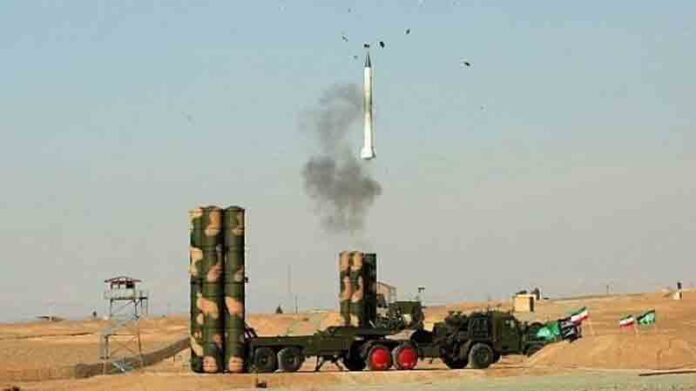
On May 1, 2025, the Ukrainian Military Intelligence, referred to as GUR, shared footage via the Clash Report social media account that depicted first-person view (FPV) drone strikes aimed at Russian S-300V air defense systems and their associated radars in Crimea. The operation targeted key components of Russia’s air defense network, including an S-300V launcher, an Obzor-3 radar, Kasta-2E2, ST-68, and Imbir radar systems.

This operation took place in Crimea, a strategically important peninsula that Russia annexed in 2014, highlighting a significant challenge for contemporary militaries: the susceptibility of costly, advanced ground-based systems to inexpensive, nimble drones. These strikes not only have immediate tactical consequences for the ongoing conflict but also provoke critical discussions about the future of warfare, where asymmetric technologies could disrupt established military hierarchies.

It raises the question of why systems designed to counter sophisticated threats are faltering against drones that are a fraction of their cost, and what implications this has for global defense strategies. The emergence of FPV drones marks a transformative change in combat methods.

Initially created for civilian racing and hobbyist use, these small, camera-equipped unmanned aerial vehicles have been repurposed for military applications with significant impact. Priced between $500 and $2,000, FPV drones come with high-resolution cameras and can carry small explosive payloads, enabling operators to guide them accurately through real-time video feeds.

Their agility, affordability, and ease of production make them particularly effective for targeting high-value assets. In the strikes in Crimea, Ukrainian forces showcased how these drones can infiltrate defended airspace, taking advantage of vulnerabilities in systems designed to counter larger, more conventional threats. The capability of FPV drones to fly at low altitudes, often beneath the detection capabilities of traditional radars, enhances their operational effectiveness.

Reports from previous operations in 2025, as noted by Militarnyi, reveal that Ukrainian drones have consistently targeted Russian radar systems such as the Kasta-2E2 and Podlet, indicating a strategic effort to undermine air defense capabilities. The S-300V, a key component of these systems, serves as a fundamental element of Russia’s air defense framework. Originating from the Soviet era and undergoing continuous enhancements, the S-300 family is engineered to defend against a variety of aerial threats, including ballistic and cruise missiles, as well as aircraft.

The S-300V variant, specifically designed for military units, offers mobile, long-range air defense for ground forces. It features launchers equipped with 9M82 and 9M83 missiles, which can engage targets at distances of up to 100 kilometers and altitudes of 30 kilometers. The system’s radar suite, which includes the 9S15 Obzor-3 for long-range surveillance and the 9S19 Imbir for missile guidance, allows it to track multiple targets at once. The Kasta-2E2, another target of the strikes, is a mobile radar system optimized for detecting low-altitude threats, with a detection range of 150 kilometers and the capability to monitor targets up to 6 kilometers in altitude. The ST-68 radar, utilized for air surveillance, enhances these systems by providing early warning and target acquisition.

Collectively, these elements create a layered defense network that is theoretically capable of countering advanced aerial attacks. However, the strikes in Crimea have exposed significant vulnerabilities within this architecture. Although the S-300V and its radars are mobile, they require time to reposition, rendering them susceptible during setup or when stationary. FPV drones, characterized by their small radar signatures and ability to fly close to the ground, take advantage of these weaknesses. Unlike manned aircraft or larger drones, FPV drones are challenging to detect until they are alarmingly close. Traditional countermeasures, such as electronic warfare systems, also face difficulties against drones that utilize fiber-optic guidance or jam-resistant communication channels.

A report from Militarnyi in January 2025 emphasized Ukraine’s initiatives to combat Russian fiber-optic drones, revealing that both parties are adjusting to this emerging threat. The economic contrast is significant: an S-300V launcher costs tens of millions of dollars, whereas a drone capable of neutralizing it can be produced at a much lower cost. This imbalance enables smaller forces to deliver disproportionate damage, a strategy that Ukraine has honed during the conflict.

The susceptibility of ground-based systems is not exclusive to Russia. In 2020, Azerbaijan effectively utilized Turkish Bayraktar TB2 drones against Armenian armored units and air defenses in Nagorno-Karabakh, illustrating how unmanned systems can dominate conventional forces. Likewise, Houthi rebels in Yemen have deployed inexpensive drones to strike Saudi Arabia’s Patriot systems, which, similar to the S-300, are designed to counter high-altitude threats.

The U.S. military has encountered comparable issues, with reports from 2019 highlighting drone breaches over restricted airspace in Ohio and New Jersey, revealing vulnerabilities in domestic air defenses. These occurrences highlight a widespread challenge: military equipment developed for Cold War-era conflicts is poorly suited to address the rise of low-cost, widely available technologies. The Pentagon has recognized this issue, investing in counter-drone technologies such as the Coyote interceptor and laser-based defense systems, although these are still in the initial phases of implementation.

In Crimea, the loss of S-300V components and radar systems carries immediate strategic consequences. The region is crucial for Russia’s Black Sea Fleet and air operations, making strong air defenses vital.

The elimination of radars such as the Kasta-2E2 and Imbir results in gaps within Russia’s surveillance framework, potentially enabling Ukrainian missiles or larger drones to launch attacks with reduced opposition. A report from Euromaidan Press in March 2025 cited aviation expert Valerii Romanenko, who indicated that similar assaults had ‘effectively dismantled’ Crimea’s air defense capabilities, revealing weaknesses throughout the area.

The psychological ramifications are also considerable. Successful drone attacks undermine trust in Russia’s highly promoted air defense systems, which have been advertised worldwide as nearly invulnerable. Nations like India and China, which utilize S-300 variants, may now reconsider their dependability against contemporary threats. Historically, air defense systems have found it challenging to adapt to advancing threats.

During the 1991 Gulf War, Iraq’s Soviet-supplied air defenses were outmatched by U.S. stealth aircraft and precision-guided munitions. In 2019, a drone and missile strike on Saudi Arabia’s Abqaiq oil facility, attributed to Iran, circumvented sophisticated Patriot systems, resulting in considerable damage. These instances underscore a persistent issue: air defenses tend to be reactive, built to address known threats rather than anticipating emerging ones.

The emergence of FPV drones intensifies this dilemma, compelling military forces to reevaluate their strategies. Russia has reacted by deploying short-range systems like the Pantsir-S1, which has also been targeted in previous Ukrainian attacks, yet even these have shown vulnerabilities. A Defense Express report from June 2023 highlighted that 18 Pantsir systems had been destroyed in Ukraine, frequently by the drones they were designed to counter.

The wider consequences of these strikes reach far beyond the combat zone. The democratization of drone technology has made it easier for non-state actors and smaller nations to access these tools. Organizations like ISIS have utilized commercial drones to deploy explosives in Iraq and Syria, while Iran has provided drones to its proxies throughout the Middle East. This spread of technology poses a challenge to the supremacy of conventional military powers, which have heavily invested in large, costly platforms.

For example, the U.S. allocates billions to systems like the F-35, yet it faces threats from drones that can be constructed in personal workshops. In response, NATO nations are investigating new technologies, including directed-energy weapons and AI-based counter-drone systems. A 2023 RAND study indicated that laser weapons could effectively neutralize drone swarms at a lower cost, but the challenge remains to scale these systems for use in combat.

Ukraine’s achievements with FPV drones can be attributed in part to its innovative ecosystem. Crowdfunding initiatives, as noted by Defense Express in 2023, have allowed civilians to provide drones to the military, enhancing state efforts. This grassroots strategy stands in contrast to Russia’s more centralized procurement process, demonstrating how flexibility can outperform sheer scale.

The Katran X1 naval drone from Ukraine, which may have played a role in the Crimea strikes by serving as a relay platform, illustrates this adaptability. According to a March 2025 article from Defense Express, the Katran X1 is capable of carrying multiple FPV drones, increasing their operational range and facilitating strikes deep within Russian-controlled areas. This integration of maritime and aerial drones highlights the changing dynamics of combined arms warfare, where low-cost systems enhance the effectiveness of traditional military forces.

The strikes in Crimea signify a notable change in military strategy. Ukraine’s approach of neutralizing air defenses prior to executing larger operations, such as the missile attacks on Sevastopol in September 2024, indicates a strategic intent to weaken Russia’s defensive capabilities. This tactic is reminiscent of U.S. military strategies in previous conflicts, where the suppression of enemy air defenses was essential for achieving air dominance.

However, Ukraine is accomplishing this with significantly fewer resources, relying more on creativity than sheer force. According to a report from The War Zone in March 2025, these strikes may be preparing the ground for a more extensive aerial offensive against Russia, although Ukraine’s limited resources make a comprehensive assault on Crimea improbable in the near future.

The implications for global military forces are significant. Investing heavily in centralized systems without adequate counter-drone measures is a risky strategy. The U.S. Army’s Joint Counter-small Unmanned Aircraft Systems Office, created in 2020, is working on developing multi-layered defenses that include electronic jammers and kinetic interceptors.

Nevertheless, as highlighted in a 2024 report by the Government Accountability Office, these initiatives encounter issues related to coordination and scalability. Other countries, such as Israel, have developed sophisticated counter-drone technologies like the Drone Guard, which employs radar and jamming systems to mitigate threats.

However, no system is infallible, and the rapid advancement of drone technology necessitates ongoing adaptation. The events in Crimea encapsulate a broader shift in warfare, illustrating how technology, once exclusive to superpowers, is now within reach of smaller entities, thereby equalizing the battlefield in unforeseen manners.

For Russia, the loss of S-300V systems and radar capabilities represents a tactical disadvantage, but for the global community, it serves as a cautionary tale. Militaries must find a balance between investing in advanced systems and establishing defenses against low-cost threats. Neglecting this balance could lead to obsolescence in an era where a drone priced lower than a smartphone can incapacitate a multimillion-dollar weapon.

Russia Revives MiG-35: The Overlooked Fighter Returns Amid NATO Tensions and Military Challenges

0
Russia’s more advanced fifth-generation systems, the MiG-35

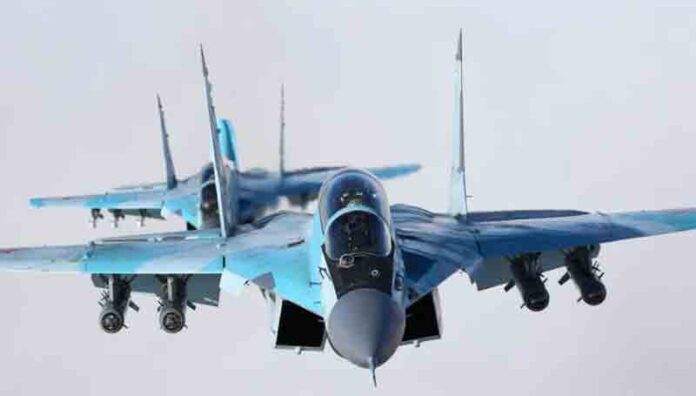
The MiG-35 ‘Fulcrum Foxtrot,’ a significantly enhanced multirole fighter based on the renowned MiG-29 design, has reportedly finished its final qualification tests with Russian defense officials, signaling a possible shift in the aircraft’s prolonged path toward active service.

Designed to serve as a link between older fourth-generation fighters and Russia‘s more sophisticated fifth-generation technologies, the MiG-35 has been subjected to real-world combat assessments, including its use in the ongoing conflict in Ukraine, indicating its readiness to move from prototype status to mass production. Insiders from the Russian aerospace industry have confirmed that the aircraft’s development program is still in progress, with the state-owned United Aircraft Corporation (UAC) continuing test flights and field operations as part of a larger initiative to confirm the MiG-35’s effectiveness in combat scenarios.

Previous reports indicate that UAC has officially signaled its preparedness to start production and meet potential orders from the Russian government, bolstering expectations that the MiG-35 will soon be integrated into the Russian Aerospace Forces. In a statement made last year, UAC CEO Yuri Slyusar emphasized that full-scale production of the MiG-35—designated as a 4+++ generation fighter—would commence shortly, in light of the increasing operational needs of the Russian Air Force amid escalating regional and global tensions.

This announcement underscores the growing concern within Moscow’s defense circles that, should a high-intensity conflict arise with NATO forces led by the United States, Russia may lack adequate fighter aircraft to maintain air superiority across various conflict zones. The significant losses incurred during the war in Ukraine—where open-source intelligence and Western assessments indicate that Russia has suffered a considerable number of aircraft losses—have intensified the urgency to rapidly rebuild and modernize the nation’s combat aviation capabilities.

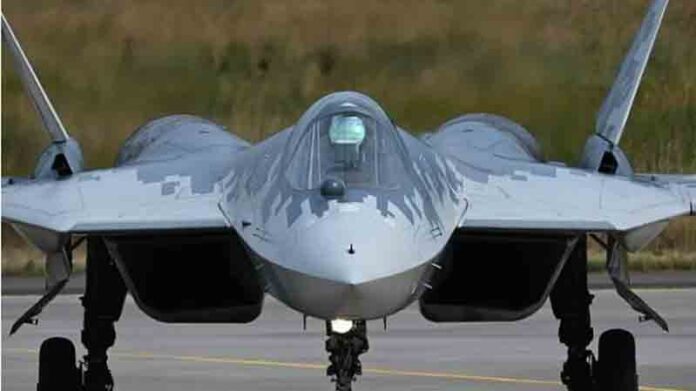
Russian defense strategists regard the MiG-35 as more than just a temporary solution; they see it as a valuable asset that can enhance frontline units while the fifth-generation Su-57 ‘Felon’ is still in limited supply and the Su-75 ‘Checkmate’ is years away from being fully operational. In light of increasing concerns about tensions along NATO’s eastern border, Russia seems to be hastening its efforts to restore its airpower capabilities, with the MiG-35 positioned as a key option to address the shortfall caused by combat losses and delays in stealth fighter production.

Recent reports indicate that the MiG-35 has already been deployed in combat operations over Ukraine, a development analysts interpret as both a revival of the previously sidelined fighter and a practical showcase of its upgraded avionics, weaponry, and survivability features. Russian state media RIA Novosti quoted Sergey Korotkov, Chief Designer at United Aircraft Corporation, confirming the MiG-35’s involvement in combat, which adds weight to the speculation that the aircraft is nearing formal operational status. He mentioned that ‘Further extended flight tests will be conducted before the Russian Ministry of Defence makes its final decision on the matter,’ highlighting the thorough evaluation process necessary before serial production can be approved.

Korotkov also noted that the MiG-35 meets the requirements set by international customers, reflecting UAC’s ongoing efforts to promote the aircraft to foreign buyers seeking affordable multirole options.

This statement underscores the notion that the deployment of the MiG-35 in Ukraine is more about demonstrating its combat readiness to potential international buyers than fulfilling strategic needs. Currently, the Russian Aerospace Forces operate six MiG-35 units, which are mainly used for developmental testing, system evaluations, and pilot training in controlled environments.

The United Aircraft Corporation has been actively pursuing exports, focusing on current MiG-29 operators like the Indian Air Force and the Royal Malaysian Air Force—both of which have older Fulcrum fleets—but these initiatives have not yet resulted in any export contracts.

In a prior diplomatic gesture, Russian President Vladimir Putin extended an offer of the MiG-35 to former Malaysian Prime Minister Tun Dr Mahathir Mohamad during a significant bilateral meeting, reflecting Moscow’s interest in Southeast Asian defense markets. Despite extensive marketing efforts, the aircraft has had difficulty attracting foreign buyers, with experts suggesting that the lackluster interest is due to competition from advanced Western fourth-plus generation fighters such as the F-16V, JAS-39 Gripen E, and Dassault Rafale.

Nonetheless, Russian defense analysts continue to promote the MiG-35’s technical adaptability, emphasizing that its open architecture allows for the seamless integration of next-generation avionics, precision munitions, and data link systems from various suppliers. In contrast to older MiG-29 models, the MiG-35 is equipped with a cutting-edge “ZHUK-AM” Active Electronically Scanned Array (AESA) radar, enhancing its capabilities to rival advanced Western aircraft like the Eurofighter Typhoon and F/A-18E/F Super Hornet. “The quicker an enemy aircraft is detected—especially with advanced radar systems—the sooner it can be neutralized.”

Russian defense analysts report that the ZHUK-AM radar can detect targets at distances of up to 220 kilometers, with the capability to identify stealth aircraft like the F-22 Raptor at ranges of approximately 80 kilometers under specific radar cross-section conditions. The MiG-35 is equipped with two Klimov RD-33K afterburning turbofan engines, achieving a maximum speed of Mach 2.25 and a service ceiling of 67,000 feet, which aligns its performance with that of most fourth-generation Western fighters. It features a 30mm GSh-30-1 autocannon and can carry up to 6.5 tonnes of munitions across nine hardpoints, designed for a wide range of precision strikes in multi-domain operations.

Its versatility allows it to deploy various air-to-air, air-to-ground, anti-ship, and anti-radiation missiles, facilitating air superiority, ground interdiction, maritime strike, and suppression of enemy air defenses (SEAD) missions with tactical adaptability. Among its air-to-air weapons are the short-range R-73 (AA-11 Archer) known for its high off-boresight maneuverability, and the R-77 (AA-12 Adder), which is Russia’s main beyond-visual-range (BVR) missile featuring active radar homing.

The MiG-35 also carries the longer-range R-27 series, available in both radar and infrared-guided versions, providing BVR engagement capabilities against high-value aerial targets. For ground attack missions, it can utilize Kh-29T/L (TV and laser-guided missiles) and Kh-25ML/MPU for tactical and anti-radiation strikes, ensuring operational flexibility against both stationary and moving targets.

Its maritime strike capabilities are enhanced by the Kh-31A, a supersonic anti-ship missile designed to breach layered naval air defenses, while SEAD missions are supported by the Kh-31P, a Mach 3.5 anti-radar missile optimized to counter advanced systems like the MIM-104 Patriot and S-300.

The MiG-35, equipped with precision-guided munitions like the KAB-500 and KAB-1500—operating through laser guidance or GLONASS satellite—broadens its capabilities for land strikes, while traditional unguided rockets such as the S-8, S-13, and S-25 continue to support close air operations. Its defensive capabilities are bolstered by an integrated Electronic Warfare pod, sophisticated radar warning systems, and infrared search and track (IRST) technology that facilitate passive detection and tracking of targets.

In summary, the MiG-35 is positioning itself as Russia’s practical solution to immediate airpower deficiencies, providing a flexible, resilient, and export-capable platform aimed at ensuring combat effectiveness in a high-threat, multi-theatre conflict scenario.

The outcome of Moscow’s investment in the MiG-35, in terms of ongoing domestic use and international interest, is yet to be determined; however, as the world prepares for potential high-intensity conflicts, the Fulcrum Foxtrot could very well regain its significance in Russia’s future air warfare strategy.

Turkish Naval Ship Docks in Karachi: Boosting Ankara-Islamabad Military Relations Amid India-Pakistan Strains?

0
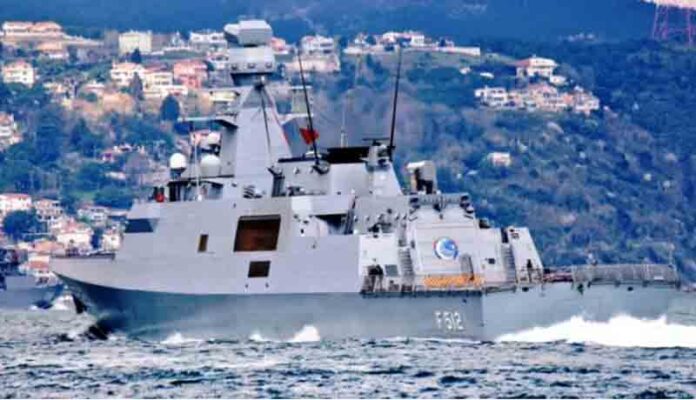
Turkish Navy’s TCG Buyukada

As South Asia stands on the edge of potential conflict following the Pahalgam attack in Jammu and Kashmir that resulted in 26 fatalities, the upcoming visit of the Turkish Navy’s TCG Buyukada to Karachi from May 4 to 7 is anticipated to exacerbate an already tense geopolitical situation. The arrival of this Ada-class corvette, a modern and stealthy surface combatant designed for anti-submarine warfare and patrol operations, is perceived as a symbolic act of solidarity between Turkey and Pakistan, further strengthening a defense alliance that has been expanding in both scope and importance.

India, currently engaged in a critical security standoff with Pakistan, is likely to regard the presence of the Turkish warship with considerable suspicion, interpreting it as a subtle indication that Ankara may provide military support to Islamabad should tensions escalate along the Line of Control.

Admiral Zeki Akturk, the Public Relations and Media Advisor for the Turkish Ministry of National Defence, confirmed that TCG Buyukada is on its way to participate in the Langkawi International Maritime and Aerospace Exhibition (LIMA 2025), with planned port calls in Oman and Pakistan. “Alongside carrying out various missions and operations, the Turkish Armed Forces are continuously conducting training and exercises to improve their deterrence, operational readiness, and personnel skills,” the admiral stated, emphasizing Ankara’s ongoing regional engagement.

TCG Büyükada (F-512) is the second ship in the Ada-class of anti-submarine warfare corvettes operated by the Turkish Navy. The vessel is named after Büyükada Island, which is part of the Princes’ Islands archipelago situated in the Sea of Marmara, southeast of Istanbul.

It was designed, developed, and built by the Tuzla Naval Shipyard in Istanbul as a component of Türkiye’s indigenous MILGEM warship initiative. The Büyükada was laid down on January 22, 2008, launched on September 27, 2011, and officially entered service on September 27, 2013. The deployment of this Turkish warship follows closely after a contentious landing of a Turkish Air Force C-130E military transport aircraft in Karachi, which sparked a flurry of speculation on social media regarding a potential covert arms shipment to Pakistan amid escalating regional tensions.

Reports, referencing open-source flight tracking data and OSINT sources, indicated that the Hercules C-130E had traversed the Arabian Sea on April 28 before landing in Pakistan, with some sources suggesting it was carrying undisclosed military supplies. Heightening concerns, Indian media claimed that as many as six Turkish C-130E aircraft may have landed in Pakistan during the same period, causing significant alarm on the social media platform X, where Indian defense analysts, scholars, and geopolitical commentators questioned Ankara’s motives.

In response, Türkiye’s Presidential Directorate of Communications categorically rejected the claims, advising caution against speculative reporting that lacks official confirmation. “A Turkish cargo plane landed in Pakistan for refueling and then proceeded with its scheduled flight. Speculative news not originating from official authorities or institutions should not be taken seriously,” the statement emphasized, aiming to alleviate regional concerns.

Despite Ankara’s denial of any arms shipments, the strengthening defense relationship with Islamabad is clear. The collaboration includes advanced technologies in naval, aerospace, and unmanned systems, positioning Turkey as one of Pakistan’s key strategic defense allies. A notable project is Pakistan’s procurement of four MILGEM-class stealth corvettes, known locally as Babur-class warships, which is a $1.5 billion initiative and one of Turkey’s largest naval exports.

This program, developed under a technology transfer agreement between Turkey’s STM and Pakistan’s Karachi Shipyard & Engineering Works (KS&EW), involves the construction of two ships in Istanbul and two in Karachi, enhancing local shipbuilding capabilities and increasing Pakistan’s naval strength. Additionally, both nations are collaborating on the fifth-generation TAI TF Kaan stealth fighter program, with Ankara suggesting the establishment of a domestic production line in Pakistan to further integrate their defense industries.

The Pakistan Air Force (PAF) has also incorporated Turkey’s Bayraktar TB2 unmanned combat aerial vehicles (UCAVs), which have proven effective in various conflicts, demonstrating their real-time ISR and precision-strike capabilities. Satellite images from April 2022 confirmed the presence of Bayraktar TB2s at PAF Murid Air Base, where several drones were observed alongside ground control stations and logistical support, indicating the acquisition of at least two to six units. The operational deployment of the TB2 was further validated during PAF’s air defense exercises in September 2022, highlighting its complete integration into Pakistan’s command-and-control framework and its strategic importance in contemporary network-centric warfare.

The drones are equipped with domestically produced BARQ laser-guided missiles from Pakistan and MAM-L smart munitions supplied by Turkey, greatly enhancing their offensive capabilities against both stationary and moving targets in contested areas. Turkish media reports indicate that the integration of the Bayraktar TB2 into Pakistan’s air defense system highlights the platform’s growing effectiveness in intelligence, surveillance, reconnaissance (ISR), and precision strike operations, providing the Pakistan Air Force (PAF) with a significant edge in both asymmetric and conventional conflicts.

The defense partnership between Turkey and Pakistan transcends mere transactions; it is founded on shared religious ties, historical connections, and a common goal of strategic independence from Western-dominated military-industrial frameworks. Ankara’s unwavering support for Islamabad regarding the Kashmir issue—including its outspoken advocacy in international platforms such as the UN and OIC—has created tensions with New Delhi, which perceives Türkiye’s stance as a threat to its regional interests and sovereignty.

Recently, a high-ranking delegation led by Lieutenant General Yasar Kadioglu, Chief of Intelligence of the Turkish General Staff, met with Pakistan’s Air Chief Marshal Zaheer Ahmed Baber Sidhu during his visit to Air Headquarters in Islamabad. From India’s strategic viewpoint, the developing Turkey-Pakistan alliance—further strengthened by Ankara’s growing relationship with Beijing and its criticism of Indian domestic policies—poses an increasing multi-faceted threat to New Delhi’s security framework and regional dominance.

As South Asia evolves into a battleground for competing power dynamics involving NATO allies, China, and regional adversaries, the presence of Turkish warships in Pakistani ports and unmanned combat aerial vehicles (UCAVs) at its airbases indicates a shift in Islamabad’s strategic dependencies and highlights Ankara’s expanding defense influence beyond the Mediterranean.

National security adviser Waltz is reportedly being removed from his White House position

0
Mike Waltz, speaks during a hearing on Capitol Hill.

Mike Waltz, the national security adviser to U.S. President Donald Trump, is being removed from his position, according to four sources familiar with the situation, marking the first significant change in Trump’s close team since he assumed office in January.

Additionally, Waltz‘s deputy, Alex Wong, an expert on Asia and a former State Department official focused on North Korea during Trump’s first term, is also departing, as reported by two individuals to Reuters.

Waltz, a 51-year-old ex-Republican lawmaker from Florida, faced internal criticism within the White House after being implicated in a March incident involving a Signal chat among senior Trump national security officials. It remains uncertain who will succeed Waltz, but one potential candidate is U.S. special envoy Steve Witkoff, who has participated in both Russia-Ukraine negotiations and Middle Eastern affairs, according to one source. Deputy Secretary of State Christopher Landau was also mentioned as a possible successor, the same source indicated.

The role of national security adviser is influential but does not require Senate confirmation. The NSC serves as the primary entity for presidents to coordinate security strategies, with its staff often making critical decisions regarding America’s response to the world’s most unstable conflicts.

Waltz was criticized for inadvertently including the editor of The Atlantic magazine in a private discussion about an upcoming U.S. bombing operation in Yemen, a mistake reported by The Atlantic. During a later Cabinet meeting where Waltz was present, Trump indicated his preference for conducting such discussions in secure environments, signaling his dissatisfaction.

However, at that time, he and others in the White House expressed their trust in Waltz. Waltz also participated in Trump’s televised Cabinet meeting on Wednesday.

Democrats who expressed outrage over the Signal scandal reacted positively to the news regarding Waltz. ‘It’s about time,’ remarked Democratic Senator Adam Schiff.

Sources indicated that the Signal controversy was not the only issue surrounding Waltz. An insider familiar with the Cabinet’s internal workings noted that Waltz’s hawkish stance was at odds with the war-averse Trump, and he was perceived as ineffective in coordinating foreign policy across various agencies, which is a crucial responsibility of the national security adviser.

‘The system isn’t functioning properly,’ the source stated, requesting anonymity. Waltz’s departure may raise concerns among U.S. allies in Europe and Asia, who viewed him as a proponent of traditional alliances like NATO and as someone who moderated the more confrontational perspectives held by some of Trump’s other advisors, according to a foreign diplomat in Washington who also spoke on the condition of anonymity.

China Boosts Marine Corps with Advanced Amphibious Anti-Tank Vehicle Armed with HJ-10 Missiles

0
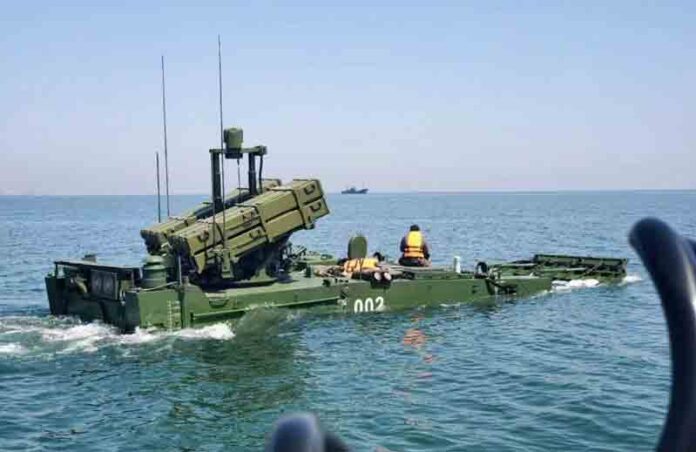
The latest ZTD-05-based anti-tank missile vehicle undergoing sea trials, equipped with dual blocks of HJ-10 anti-tank guided missiles.

On April 27, 2025, newly released images on Telegram showcased China‘s latest development in amphibious warfare: a self-propelled anti-tank missile system mounted on the tracked chassis of the ZTD-05 amphibious assault vehicle. Equipped with the formidable HJ-10 Anti-Tank Guided Missile (ATGM) system, this vehicle represents a major advancement in the modernization of the People’s Liberation Army Navy Marine Corps (PLANMC), enhancing its capability to execute precise strikes against armored targets during sea-to-shore operations.

The ZTD-05 amphibious light tank, created by the Chinese defense firm Norinco, is a highly mobile and seaworthy platform designed for swift deployment from amphibious assault ships. Its aluminum alloy hull, reinforced with composite armor, offers protection against small arms fire and shell fragments while maintaining a lightweight profile crucial for amphibious operations. Powered by a high-performance diesel engine, the ZTD-05 can achieve speeds of up to 65 km/h on land and between 28 to 30 km/h in water, utilizing twin waterjets for outstanding maritime maneuverability.

In this new anti-tank configuration, an advanced missile launch module has replaced the conventional 105mm gun turret. The turret is equipped with two blocks of six containerized missile launchers, each containing a single HJ-10 missile. This arrangement provides the vehicle with twelve ready-to-fire missiles, significantly enhancing its capacity to deliver sustained, long-range anti-armor firepower. The enclosed containerized design safeguards the missiles from environmental exposure and facilitates rapid rearming in combat situations.

The HJ-10 missile, referred to as the AFT-10 in its export form, stands as one of China’s most sophisticated long-range anti-tank guided missiles (ATGMs). It is engineered to neutralize contemporary main battle tanks and fortified installations with a tandem high-explosive anti-tank (HEAT) warhead that can penetrate over 1,200 mm of rolled homogeneous armor (RHA) after overcoming explosive reactive armor (ERA).

With an effective range of about 10 kilometers, the HJ-10 delivers essential standoff capabilities, allowing for the engagement of enemy armored units from a safe distance. The missile is guided by an advanced system that integrates inertial navigation, imaging infrared (IIR) or television guidance, and a two-way fiber-optic data link, providing various engagement options. It can function in a fire-and-forget mode, enabling autonomous targeting, or utilize man-in-the-loop guidance for real-time trajectory adjustments, including post-launch retargeting.

This adaptability is crucial in dynamic battlefield scenarios where threats may be hidden or rapidly changing. Additionally, the system’s capacity to strike from concealed positions enhances its survivability and tactical advantage. The deployment of this amphibious anti-tank system significantly boosts the firepower and operational capabilities of China’s naval infantry, allowing the People’s Liberation Army Marine Corps (PLANMC) to target enemy armor and fortifications from offshore or during land advances without direct exposure. This capability is especially pertinent in potential conflict areas like the Taiwan Strait or South China Sea, where amphibious operations necessitate swift, precise strikes against fortified targets.

The newly developed ZTD-05-based anti-tank missile system exemplifies the PLA’s strategic transition towards modular, network-centric, and precision strike warfare. By incorporating sophisticated ATGM features into a rapid, amphibious platform, China is enhancing its naval forces’ capabilities to excel in intricate, multidomain combat scenarios. This vehicle, integral to the PLA’s modernization efforts, not only bolsters China’s anti-access/area denial (A2/AD) strategy but also transforms the function of amphibious assets in intense warfare situations.

US Air Force has begun testing its first unmanned fighter jets to improve the F-22 and F-35’s combat effectiveness

0
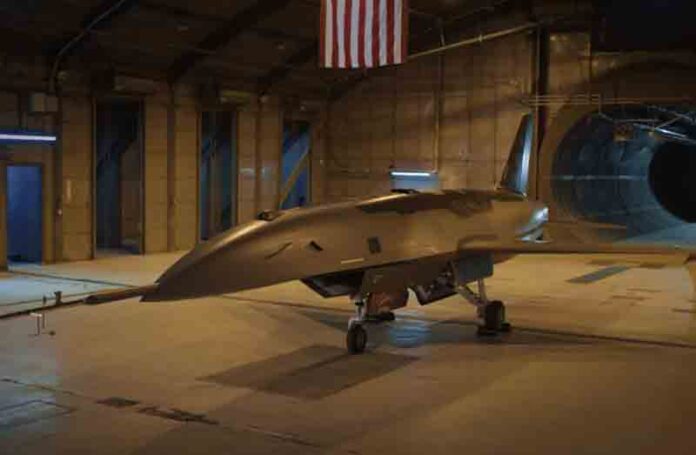
unmanned fighter jet YFQ-44A

On May 1, 2025, the US Air Force commenced ground testing for the Collaborative Combat Aircraft (CCA) program, marking a significant milestone in its initiative to integrate autonomous systems into future combat operations. This program is a crucial element of the Next Generation Air Dominance (NGAD) strategy and has now entered the ground validation phase with its two initial production-representative test vehicles: the YFQ-42A from General Atomics and the YFQ-44A from Anduril Industries.

Concurrently, the Air Force has identified Beale Air Force Base in California as the preferred site for the inaugural Aircraft Readiness Unit (ARU) dedicated to the CCA fleet. The ground testing will evaluate propulsion, avionics, autonomy integration, and control systems for both the YFQ-42A and YFQ-44A platforms.

These assessments aim to reduce risks prior to the commencement of flight testing later in 2025 and will inform future system architecture and performance standards. Official sources indicate that the aircraft will enhance future missions by working alongside crewed fighters like the F-22 and F-35, carrying additional air-to-air munitions and improving operational flexibility in contested environments.

Both vehicles are classified under the Mission Design Series: “Y” for prototype, “F” for fighter, “Q” for unmanned, followed by their respective sequence numbers (42 and 44) and version indicator “A.” The “Y” prefix will be dropped once production begins.

The YFQ-42A, created by General Atomics Aeronautical Systems, is based on the XQ-67A experimental model developed for the Air Force Research Laboratory’s Off-Board Sensing Station initiative. It belongs to the Gambit series of unmanned systems and has been enhanced for endurance, internal weapon storage, and a modular software framework. Its design features a dorsal inlet, an elongated fuselage, V-tails, and internal compartments suitable for AIM-120 AMRAAM missiles.

The platform prioritizes adaptability and integration with manned aircraft. General Atomics has announced that production of the first YFQ-42A commenced in 2024, following a successful flight of the XQ-67A on February 28 of that year. The YFQ-44A is derived from the Fury platform, which was initially developed by Blue Force Technologies and acquired by Anduril Industries in 2023. Originally called Grackle and later renamed REDmedium, this platform was designed to function as an aggressor aircraft for training and simulation purposes.

It boasts swept trapezoidal wings, a chin-mounted inlet, a cruciform tail with stabilators, and external hardpoints. Its estimated specifications include a length of 20 feet (6.1 meters), a wingspan of 17 feet (5.2 meters), a maximum takeoff weight of 5,000 pounds (2,268 kilograms), and is powered by a Williams FJ44-4M turbofan producing 4,000 lbf of thrust (17.8 kilonewtons). It is anticipated to reach speeds of up to Mach 0.95 at an altitude of 50,000 feet (15,240 meters) and maintain 4.5g at 20,000 feet (6,096 meters), with a maximum of 9g. Anduril has revealed plans to produce the platform at a facility in Columbus, Ohio, and aims to incorporate its proprietary Lattice software into the aircraft’s autonomous system.

Both platforms are intended to operate within the CCA operational framework, where uncrewed systems collaborate with crewed fighters to enhance firepower and survivability. They are designed for conventional takeoff and landing, but future iterations may explore alternative launch methods, such as air-launch or ground-based systems that do not depend on traditional runways.

The CCA initiative aligns with the Air Force’s Agile Combat Employment (ACE) strategy, which focuses on distributed operations and minimizing reliance on extensive fixed infrastructure. Beale AFB’s status as a preferred ARU site reflects these operational needs. The ARU will keep CCAs in a fly-ready state with minimal sortie generation, which is anticipated to reduce personnel and maintenance requirements compared to current aircraft fleets. General Allvin noted that the CCA program signifies a shift in acquisition priorities towards flexibility and iterative enhancements.

The Air Force has shifted its focus from long-term sustainment to modular design and expedited fielding timelines. Increment 1 encompasses production-representative test vehicles and is set to conclude with a competitive selection in FY2026. Approximately 200 aircraft are projected to be produced by 2028.

Funding is allocated from the NGAD program line, with the Senate Appropriations Committee recommending a $557.1 million transfer from the NGAD platform account to the CCA line in FY2025, due to a delay in the NGAD manned platform contract award. The total planned funding for CCA from FY2025 to FY2029 is $8.89 billion, which includes $494.9 million in FY2026, $1.65 billion in FY2027, $3.05 billion in FY2028, and $3.1 billion in FY2029.

The program is designed to expand to a fleet of up to 1,000 aircraft, based on planning assumptions that involve two CCAs for each advanced manned fighter. These numbers are utilized for organizing training, maintenance, and operational strategies. The platforms are not deemed expendable; however, their lower cost—estimated between $25 and $30 million per unit—compared to manned fighters allows for a higher tolerance of operational risk.

The Air Force has confirmed that CCAs will initially be deployed in air-to-air roles to enhance the limited internal weapons capacity of stealth fighters. Future increments may introduce additional mission types, including electronic warfare, strike, and reconnaissance. Development for Increment 2 is set to commence in FY2026.

Initially envisioned as a high-end, stealth-capable advancement of Increment 1, the current strategy is considering a blend of both low-end and high-end solutions. Maj. Gen. Kunkel noted in April 2025 that wargaming suggested that larger quantities of simpler platforms could be more effective than smaller numbers of complex systems, especially in Indo-Pacific scenarios. Consequently, Increment 2 may prioritize cost-effectiveness and scalable production. The Air Force plans to involve over 20 industry partners in this phase and has begun discussions regarding potential international collaboration.

The concept of Collaborative Combat Aircraft (CCA) is intricately linked to manned-unmanned teaming (MUM-T), where a human operator manages or collaborates with unmanned systems. In this setup, uncrewed aircraft can function as sensors, shooters, or decoys, assisting the human pilot who acts as the mission commander. The Air Force states that AI-driven software will enable CCAs to operate with a degree of autonomy while remaining under human supervision. This operational model has been tested with platforms such as the XQ-58A Valkyrie and in simulated environments like the Joint Simulation Environment.

Although CCAs are primarily designed for the U.S. Air Force, similar initiatives are being developed worldwide. Australia has introduced the MQ-28 Ghost Bat, while China is working on the GJ-11 and LJ-1, potentially integrating them with a two-seat variant of the J-20 stealth fighter for control. Other countries are also making strides, including Japan with its F-X-linked wingman drone, India’s CATS Warrior, Turkey’s Anka-3, and the UK’s previously shelved Mosquito project.

International design strategies differ, with some nations favoring modular drones launched from crewed platforms, while others focus on creating autonomous aircraft equipped with stealth and weaponry. Analysts have observed that China’s strategy, which includes dual-seat fighters and drone control from frontline aircraft, may impact Western developments.

The U.S. legislative branch has also taken an interest, as the FY2025 National Defense Authorization Act (H.Rept. 118-529) urged the Air Force to utilize existing propulsion systems and requested updates on the integration of modular open systems architectures in CCA and related Navy initiatives. Additionally, Congress members are exploring the ramifications of large-scale deployment, including logistics, storage, transport, and governance of autonomy.

The YFQ-42A and YFQ-44A were initially showcased as full-scale prototypes at the Air, Space & Cyber Conference in September 2024. These models are the result of a comprehensive selection process that commenced in January 2024, when contracts were awarded to five companies: General Atomics, Anduril, Lockheed Martin, Boeing, and Northrop Grumman.

By April 2024, the Air Force had narrowed the candidates down to General Atomics and Anduril for Increment 1 testing. Those vendors not chosen will still have the opportunity to compete in future increments. A definitive production decision is anticipated by FY2026.

The Department of the Air Force has indicated that the readiness of Collaborative Combat Aircraft (CCAs), their cost structures, and their operational roles will continue to develop through ongoing experimentation, simulation, and iterative acquisition processes.

These aircraft aim to enhance capacity at a lower cost, extend the operational range of manned fighters, and contribute to the overarching goal of ensuring air superiority in contested environments.

US Boosts B-21 Raider Stealth Bomber Initiative with $4.5 Billion Funding

0
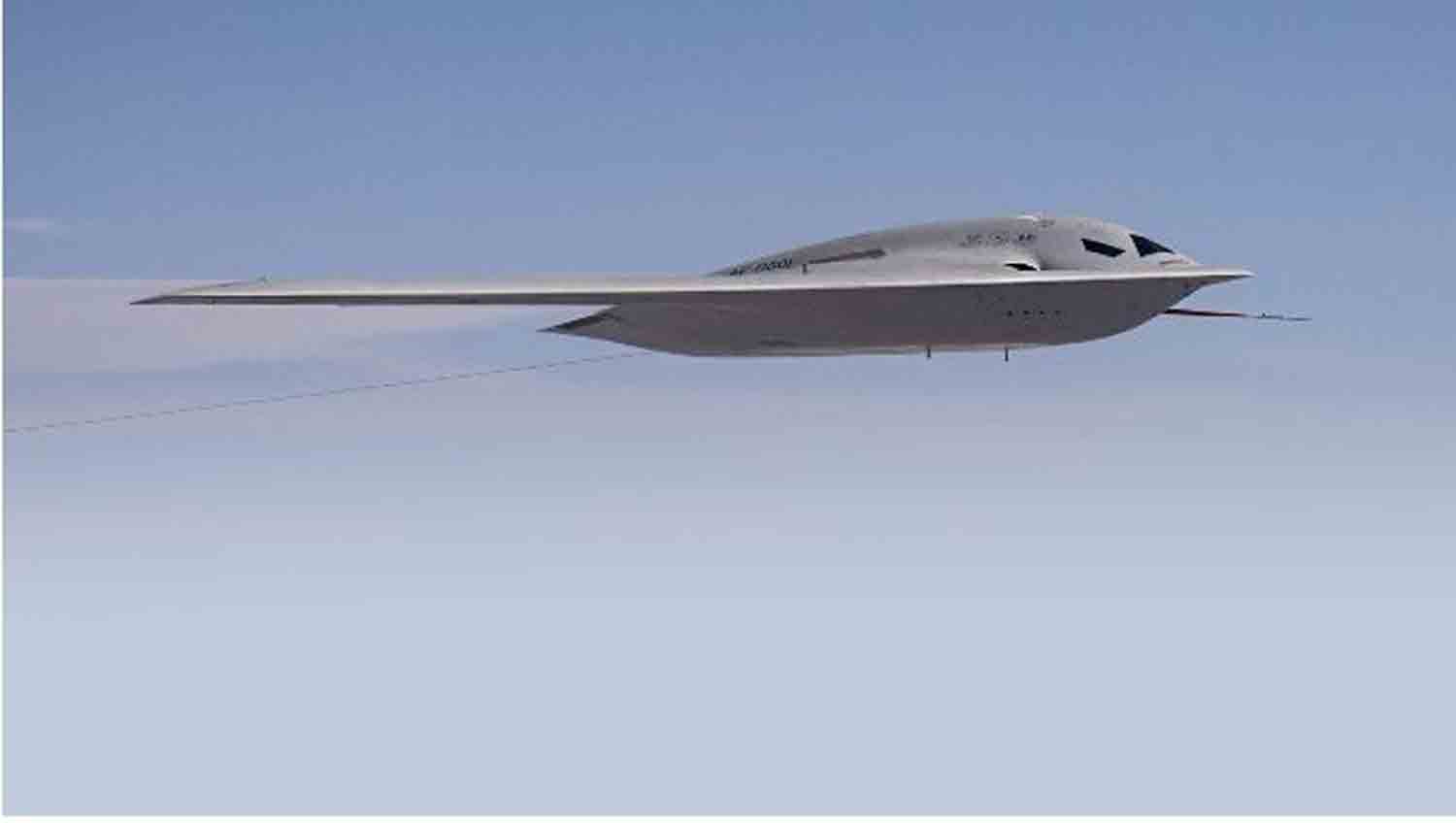
B-21 Raider stealth bomber.

On April 27, 2025, the U.S. Department of Defense revealed a comprehensive $150 billion supplemental defense budget, which includes a notable $4.5 billion earmarked for the expedited development of the new B-21 Raider stealth bomber program by the U.S. Air Force.

This investment highlights the essential role of the B-21 in shaping the future of American airpower and nuclear deterrence. As a state-of-the-art long-range stealth bomber, the B-21 Raider is engineered to breach advanced enemy air defenses, deliver both conventional and nuclear payloads, and maintain U.S. strategic dominance amid escalating great-power rivalry.

The B-21’s development began in the early 2010s with the launch of the Long Range Strike Bomber (LRS-B) program, initiated due to concerns regarding the aging fleets of B-52H Stratofortress, B-1B Lancer, and B-2 Spirit bombers, which were becoming costly to maintain and less effective in high-end conflict scenarios.

The LRS-B program sought to create a new class of bombers with enhanced deep-strike capabilities, resilience in contested environments, and the flexibility for future technological advancements. Following a competitive selection process, the U.S. Air Force awarded the development contract to Northrop Grumman in October 2015, outpacing a competing team of Boeing and Lockheed Martin.

The contract included cost controls and performance incentives to prevent the delays and budget issues that had affected previous major procurement efforts. Shortly thereafter, the aircraft was officially designated the B-21 “Raider” in tribute to the Doolittle Raiders of World War II, symbolizing daring long-range missions into enemy territory.

The B-21 design builds on the insights gained from the B-2 Spirit, featuring notable enhancements. Its open systems architecture facilitates the integration of new technologies, while its stealth capabilities include significantly lower radar and infrared signatures compared to earlier models.

This aircraft is designed for both manned and unmanned operations and is anticipated to incorporate future technologies such as directed energy weapons, autonomous flight, and advanced electronic warfare systems. Capable of carrying both precision-guided conventional munitions and nuclear weapons, the B-21 offers versatility across a wide range of strategic deterrence scenarios. Northrop Grumman commenced the assembly of the initial test units at Air Force Plant 42 in Palmdale, California, where the B-21 was publicly unveiled in December 2022.

The inaugural flight occurred on November 10, 2023, representing a significant achievement in the program’s development. The aircraft took off from Palmdale and landed at Edwards Air Force Base, where the Air Force’s 412th Test Wing initiated an extensive flight testing program. These evaluations are confirming the aircraft’s aerodynamic capabilities, radar cross-section, stealth characteristics, systems integration, and mission software. Defense officials report that the flight tests have met or surpassed initial expectations, although many specifics remain classified.

Alongside flight testing, ground evaluations have been carried out, which include trials for electromagnetic interference, tests for climate survivability, and verification of stealth integrity. Several additional B-21 aircraft are in different phases of assembly, and the program is steadily advancing towards low-rate initial production.

The first operational B-21 units will be stationed at Ellsworth Air Force Base in South Dakota, which is currently undergoing infrastructure enhancements to accommodate the Raider fleet. The Air Force intends to acquire at least 100 B-21 bombers, although recent strategic evaluations indicate that this figure could increase to between 145 and 200 to completely replace the current bomber fleet and meet the requirements of simultaneous global operations.

The aircraft’s extensive range and deep-penetration strike capabilities make it a vital asset for future missions in both the Indo-Pacific and European regions, where adversaries have established advanced A2/AD networks.

This new $4.5 billion funding increase will facilitate ongoing development, scaling up production, training personnel, and expanding the supply chain. It is also anticipated to expedite base construction and long-term sustainment planning, allowing for a smoother transition to full operational capability by the decade’s end.

Notably, the program’s focus on digital engineering and lifecycle affordability positions the B-21 as a financially sustainable pillar of American airpower for many years ahead. The new U.S. B-21 Raider stealth bomber signifies more than just a new aircraft—it embodies the future of American strategic deterrence and global power projection.

Its development guarantees that the United States remains equipped to tackle the security challenges of the 21st century with unparalleled reach, resilience, and technological superiority, while closely aligning with the capabilities and operational doctrines of allied forces worldwide.

United States equips India with SeaVision to address China’s maritime aspirations

0

On April 30, 2025, the U.S. Department of Defense made a notable advancement in its strategic alliance with India by approving a $131 million sale of SeaVision software along with associated support services aimed at bolstering India’s maritime domain awareness.

This transaction, conducted through the Foreign Military Sales program, encompasses software upgrades, training, remote analytical assistance, and access to documentation, thereby providing India with a robust tool to oversee and protect its extensive maritime boundaries.

Although the sale of software may appear less glamorous compared to high-profile transactions involving fighter jets or missile systems, the capabilities of SeaVision have the potential to alter the power dynamics in the Indo-Pacific, a region increasingly characterized by rivalry and tension. For American audiences, this situation prompts an important inquiry: could a software solution, rather than a new warship, be pivotal in addressing escalating threats in one of the globe’s most disputed maritime areas?

SeaVision transcends the notion of ordinary software; it is an advanced platform engineered to deliver real-time situational awareness across expansive oceanic territories. Created by the U.S. Navy and utilized by over 30 nations, including key allies, it amalgamates data from various sources—satellites, radar systems, Automatic Identification System [AIS] transponders, and even electro-optical sensors—to construct a thorough overview of maritime activities.

The system monitors vessels, discerns patterns, and identifies potential threats, ranging from smuggling and illegal fishing to military operations. For India, with its 7,500-kilometer coastline and strategic location along vital trade routes, SeaVision provides a means to oversee everything from commercial vessels in the Arabian Sea to naval ships near the Malacca Strait.

In contrast to conventional radar or patrol systems, SeaVision excels in its capacity to analyze extensive datasets and provide actionable insights, facilitating quicker and more informed decision-making. The agreement includes Technical Assistance Field Team (TAFT) training and remote support, ensuring that Indian operators are fully prepared to utilize the system’s capabilities, a process that may take several months but promises significant long-term operational benefits.

The timing of this transaction is strategic, as the Indo-Pacific region has emerged as a geopolitical hotspot, with China‘s increasing naval presence and assertive maneuvers in the South China Sea raising concerns among neighboring nations. India, a pivotal member of the Quadrilateral Security Dialogue (Quad) alongside the United States, Japan, and Australia, is positioning itself as a counterbalance to China’s ambitions.

The SeaVision agreement is particularly relevant amid escalating regional tensions, including China’s expanding maritime activities in the Indian Ocean, where it has established strategic footholds through port developments in Sri Lanka, Pakistan, and Djibouti as part of its Belt and Road Initiative.

Discussions on social media platforms have underscored worries about Chinese naval incursions in the area, reflecting public sentiment regarding the necessity for enhanced maritime security. Additionally, India’s relationship with Pakistan remains tense following a recent terrorist incident in Pahalgam, Kashmir. This unstable environment highlights India’s urgency to enhance its capacity to monitor its waters and address threats from both state and non-state actors, such as pirates and smugglers.

To appreciate SeaVision’s importance, it is essential to explore its technical features and how they align with India’s strategic objectives. The software is capable of tracking thousands of vessels at once, effectively differentiating between normal commercial traffic and suspicious activities.

For India, this capability is essential, particularly in regions like the Andaman and Nicobar Islands, a strategically important archipelago located near the entrance to the Malacca Strait, through which approximately one-third of global trade transits. The system’s analytical tools facilitate predictive modeling, allowing naval commanders to foresee threats, including Chinese submarines operating in the Indian Ocean or illegal shipments of arms and drugs.

In comparison to similar systems, such as China’s maritime surveillance platforms, SeaVision stands out due to its integration with U.S. and allied data networks, providing India with access to a more extensive intelligence framework. Although China’s systems are sophisticated, they are primarily proprietary and lack the interoperability that SeaVision provides through collaborations like the Quad’s Indo-Pacific Partnership for Maritime Domain Awareness (IPMDA).

Historically, maritime domain awareness has been fundamental to naval strength. During the Cold War, the U.S. Navy depended on advanced sonar networks and satellite reconnaissance to monitor Soviet submarines, ensuring dominance over crucial sea routes. Today, the situation is more intricate, with non-state actors, hybrid threats, and great power rivalry converging in areas like the Indo-Pacific.

India’s implementation of SeaVision builds upon this historical foundation, adapting it for a digital era where data is as vital as military might. The U.S. Navy’s utilization of SeaVision, especially in exercises such as RIMPAC, showcases its dependability in high-pressure scenarios. For India, this system will enhance existing capabilities, including its P-8I Poseidon maritime patrol aircraft and domestically produced corvettes, forming a multi-layered defense network.

The sale also encompasses software upgrades customized to India’s requirements, although specific details remain classified. These enhancements may include tailored algorithms for monitoring particular threats, such as China’s Type 039A submarines, or integration with India’s homegrown surveillance systems.

The introduction of SeaVision could significantly alter the operational capabilities of India’s navy. Imagine a situation in the Arabian Sea where a suspicious vessel is detected approaching India’s western coastline. With SeaVision, Indian operators would be able to ascertain the ship’s origin, monitor its trajectory, and compare its actions against established smuggling or espionage patterns.

If deemed a threat, the system could transmit its coordinates to a nearby frigate or drone for a swift response. In the event of a larger conflict, such as a naval standoff in the Malacca Strait, SeaVision could facilitate coordination among India’s fleet, offering real-time intelligence on enemy locations while sharing information with Quad allies. This level of interoperability is crucial, especially as the Quad emphasizes maritime security through initiatives like the Maritime Initiative for Training in the Indo-Pacific [MAITRI], which India is set to host in 2025.

The U.S. State Department has highlighted that this sale will enhance the strategic partnership between the U.S. and India, reinforcing a major defense ally that plays a vital role in maintaining stability in the Indo-Pacific and South Asia. Furthermore, the implications of the SeaVision sale extend beyond India. Pakistan, already cautious of India’s expanding military strength, may interpret this agreement as a shift in the regional power dynamics.

The tensions between the two countries, heightened by the Pahalgam attack, could worsen if Pakistan views India’s improved surveillance capabilities as a threat to its maritime operations, especially near Gwadar port, a crucial element of China’s Belt and Road Initiative.

In response, China is likely to intensify its maritime surveillance initiatives, potentially deploying more sophisticated systems to counter the influence of SeaVision. The recent collaboration with Pakistan at Beijing’s Tiangong Space Station highlights China’s ambition to lead in space-based surveillance, an essential aspect of contemporary maritime awareness.

The transaction underscores the United States’ strategic shift towards the Indo-Pacific region, where it has enhanced partnerships through initiatives such as Balikatan 2025 with the Philippines and the deployment of the HMS Prince of Wales Carrier Strike Group. The evolving role of the Quad, which includes planned joint Coast Guard operations for 2025, further contextualizes this agreement.

The transition towards software-centric solutions like SeaVision illustrates a significant trend in U.S. defense exports. Unlike previous decades dominated by hardware sales—such as tanks, aircraft, and missiles—the Pentagon is now focusing on systems that facilitate data-driven warfare. This strategy presents multiple benefits: software is generally more affordable than hardware, simpler to upgrade, and less likely to incite backlash compared to offensive weaponry.

Nevertheless, it carries inherent risks. SeaVision’s dependence on interconnected data renders it susceptible to cyber threats, a rising concern as state actors like China and non-state hackers target essential infrastructure. The U.S. has encountered similar issues with its systems, exemplified by the 2020 SolarWinds breach, which revealed weaknesses in government networks. India must invest in strong cybersecurity measures to safeguard SeaVision, a challenge that the TAFT training may help address but will not completely resolve.

From an economic perspective, SeaVision could provide India with advantages beyond security. The Indian Ocean serves as a crucial channel for global trade, facilitating 80% of the world’s maritime oil shipments and a third of its bulk cargo. By combating illegal fishing and piracy, SeaVision could protect India’s fishing sector, which supports millions of jobs, and secure trade routes vital to its $3.5 trillion economy.

Additionally, the system’s capability to monitor environmental hazards, such as oil spills or climate-related changes, aligns with India’s leadership role in the Indian Ocean Rim Association, which it will chair in 2025. For the U.S., this sale enhances economic relations with India, a market anticipated to emerge as the world’s third-largest economy by 2030.

The $131 million agreement, though relatively small compared to multi-billion-dollar arms transactions, reflects a growing confidence in India’s capacity to integrate advanced technologies, as highlighted by the Defense Security Cooperation Agency. Looking forward, the SeaVision sale prompts considerations about the evolution of warfare and international alliances. If a single software system can alter the maritime equilibrium, what implications does this hold for conventional naval dominance?

The U.S. and its allies are wagering that data-centric systems will characterize the forthcoming phase of conflict, while adversaries such as China are also advancing. China’s investments in artificial intelligence and satellite infrastructure indicate its readiness for a similar trajectory, where information becomes the paramount weapon.

This deal underscores that the Indo-Pacific is not a remote battleground but a pivotal area influencing global trade, energy, and security. India’s expanding influence, supported by innovations like SeaVision, positions it as a vital ally in this strategic competition. However, as the U.S. intensifies its engagement in the region, it must carefully manage the potential for escalation, especially concerning Pakistan and China, where misjudgments could lead to wider conflicts.

Is SeaVision a move towards stability, or does it bring the Indo-Pacific closer to a digital arms race? The future remains uncertain, but it is evident that the contest for maritime supremacy is increasingly being waged in data centers as much as on the high seas.

United States has unexpectedly released a $50 million arms package for Ukraine

0

On Wednesday, the Trump administration informed Congress of its plan to permit the export of defense-related goods to Ukraine via Direct Commercial Sales (DCS) exceeding $50 million, as reported by Kyiv Post citing diplomatic sources. This action, the first since President Donald Trump resumed office over 100 days ago, signifies a notable change in U.S. policy regarding the ongoing Russia-Ukraine conflict.

Occurring just weeks after the administration halted all military assistance to Ukraine for evaluation, this decision indicates a strategic shift: utilizing arms sales not only to aid a wartime ally but also to enhance U.S. influence over both Kyiv and Moscow.

Fundamentally, this situation poses a vital question: Are these weapons intended as instruments for peace through diplomacy, as emphasized by Trump, or as a means to strengthen Washington’s control over the course of one of the most significant conflicts of the 21st century? The announcement comes after a turbulent phase in U.S.-Ukraine relations.

In early March, the Trump administration suspended all military aid to Ukraine, impacting over $1 billion in arms and ammunition, including essential systems like Patriot air defense missiles and HIMARS rockets, according to The New York Times.

This pause, described by Ukrainian officials as ‘painful but not fatal,’ aimed to pressure Kyiv into engaging in peace talks with Russia, following a contentious Oval Office meeting between Trump and Ukrainian President Volodymyr Zelenskyy. The suspension caused significant concern in Ukraine and among its European allies, with some in Kyiv characterizing it as a ‘betrayal,’ as reported by Reuters.

By mid-March, the administration decided to lift the suspension after Ukraine expressed willingness for a 30-day ceasefire, facilitated by discussions in Saudi Arabia, as reported by PBS News. This swift change highlights the administration’s strategy of using military aid as both an incentive and a deterrent to influence Kyiv’s diplomatic stance.

The choice to resume arms sales through the Direct Commercial Sales (DCS) process, which permits U.S. defense contractors to engage directly with foreign governments under the oversight of the State Department, is particularly significant. Unlike the conventional Foreign Military Sales (FMS) that involve government-to-government agreements, DCS transactions are typically less visible, providing a level of confidentiality.

A security analyst from the research organization Tochniy noted in an interview with Kyiv Post’s Washington correspondent, “All DCS are quiet; they don’t get announced publicly like Foreign Military Sales.” This lack of transparency enables the U.S. to retain adaptability in its foreign policy, a characteristic of Trump’s international relations strategy.

The $50 million DCS license, filed under the Arms Export Control Act, encompasses defense articles, technical data, and services, although the specific systems were not detailed in the notification reviewed by Kyiv Post. Understanding the geopolitical context of this decision is essential for grasping its ramifications. Since Russia’s full-scale invasion of Ukraine in February 2022, the United States has emerged as Kyiv’s largest single source of military assistance, providing over $66.5 billion, according to the U.S. Department of State.

This support has included advanced systems such as the Patriot air defense system, which can intercept cruise missiles, ballistic missiles, and aircraft, as well as the High Mobility Artillery Rocket System (HIMARS), capable of striking targets up to 300 kilometers away with precision-guided munitions.

In the midst of this stalemate, Trump has consistently voiced his aspiration for a ‘lasting ceasefire,’ a goal that necessitates influence over both Kyiv and Moscow, as noted by Dr. Michael Cecire, a defense and security researcher at the Rand Corporation, in comments to the Kyiv Post. The revival of arms sales through DCS is a strategic decision aimed at enhancing U.S. leverage in this intricate situation.

By persistently supplying Ukraine with defense materials, the United States ensures that Kyiv remains reliant on American weaponry, spare parts, and technical assistance. This reliance creates a tactical edge, enabling Washington to sway Ukraine’s choices during negotiations.

‘If American military support for Ukraine persists—whether through the continuation of the existing package or further use of presidential drawdown authorities—it will amplify U.S. leverage,’ Cecire stated to the Kyiv Post. The potential to suspend aid, as illustrated in March, acts as a significant pressure point to encourage Kyiv to make concessions, such as agreeing to a ceasefire that might entail territorial compromises, a notion that remains highly contentious in Ukraine.

At the same time, the arms sales convey a message to Moscow. By ensuring a continuous supply of weapons to Ukraine, the U.S. reaffirms its dedication to countering Russian aggression, which could compel the Kremlin to pursue diplomatic avenues.

The administration’s focus on a ceasefire, along with its readiness to resume aid, indicates a dual approach: bolstering Ukraine’s defense while facilitating negotiation channels with Russia. This strategy mirrors historical U.S. efforts to mediate conflicts, such as the Camp David Accords in 1978, where military assistance to Israel and Egypt was leveraged to achieve a peace agreement. Nevertheless, the Russia-Ukraine conflict poses distinct challenges, given Moscow’s territorial ambitions and Kyiv’s fundamental struggle for sovereignty.

Utilizing DCS as a delivery method introduces an additional layer of complexity. Since 2015, the U.S. has approved over $1.6 billion in defense exports to Ukraine via DCS, highlighting the program’s importance, as reported by Kyiv Post. These transactions have encompassed a variety of equipment, ranging from small arms like .50 caliber machine guns to technical services that bolster Ukraine’s military infrastructure.

The .50 caliber machine gun, including models like the Browning M2, is a versatile weapon adept at targeting light vehicles, personnel, and low-flying aircraft. When mounted on vehicles or tripods, it provides sustained firepower with an effective range of up to 2,000 meters, making it a crucial component of Ukraine’s defense against Russian infantry and drones.

Although not as advanced as systems like HIMARS or Patriot, these weapons are vital for Ukraine’s ground forces, which are under constant attack from Russian forces in eastern areas such as Donetsk. In comparison to Russian counterparts like the Kord 12.7mm heavy machine gun, the Browning M2 is noted for its superior reliability and compatibility with NATO allies, enhancing its global interoperability.

The Kord, while effective, is bulkier and less suited for mobile operations, which restricts its effectiveness in Ukraine’s rapidly changing combat environment. The U.S. decision to incorporate such systems into DCS packages helps ensure that Ukraine retains a qualitative advantage in specific tactical situations, even as Russia fields larger numbers of less advanced equipment. The broader ramifications of this policy reach beyond the battlefield, as the Trump administration seeks to balance military assistance with diplomatic goals, navigating the tensions between domestic isolationist factions advocating for reduced foreign involvement and interventionists who view support for Ukraine as essential in countering Russian expansion.

The earlier suspension of aid by Trump, which provoked strong reactions from both Democrats and some Republicans, underscored the existing tension, as highlighted by The New York Times. The reinitiation of sales through DCS, a less prominent channel, may serve as a strategy to appease both factions while maintaining strategic flexibility.

For Ukraine, the ongoing supply of U.S. weaponry presents a complex situation. It enhances Kyiv’s capacity to counter Russian advances but simultaneously increases its dependence on American assistance, which could restrict its independence in future negotiations.

Zelenskyy’s declaration in April regarding Ukraine’s plans to acquire $30-50 billion worth of air defense systems and weaponry from the U.S., as reported by Kyiv Post, emphasizes this reliance. Systems like the Patriot, which costs around $1 billion per battery, necessitate continuous U.S. maintenance and munitions, binding Ukraine to American supply chains for many years.

This situation is reminiscent of historical instances, such as U.S. support for South Vietnam in the 1960s, where military aid fostered a client state heavily swayed by Washington’s interests. The administration’s emphasis on achieving a ceasefire also prompts inquiries about the conditions of any prospective agreement.

Trump’s special envoy, Keith Kellogg, recently asserted that Kyiv had accepted 22 specific conditions for concluding the war during discussions in London, according to a report by Kyiv Post. Although the specifics of these conditions remain undisclosed, they likely entail concessions that could challenge Ukraine’s domestic backing.

In Moscow, Kremlin spokesperson Dmitry Peskov characterized the halt of U.S. aid as a move towards peace, indicating that Russia perceives Trump’s pressure on Kyiv as a chance to obtain favorable terms, as reported by Politico.

This evolving situation establishes the U.S. as a mediator with unmatched influence, capable of directing the conflict’s resolution through carefully managed arms supplies. The choice to emphasize Direct Commercial Sales (DCS) further underscores the program’s strategic benefits.

In contrast to Foreign Military Sales (FMS), which often require protracted congressional approval, DCS transactions can be carried out more rapidly, enabling the U.S. to address Ukraine’s urgent requirements while keeping a low profile. The Arms Export Control Act, which regulates these transactions, provides the president with extensive authority over defense exports, a power that Trump has utilized to further his foreign policy objectives.

This adaptability was apparent in the swift resumption of aid in March, following Ukraine’s agreement to engage in ceasefire discussions, as noted by NPR. The long-term implications of this policy are significant. For Ukraine, reliance on U.S. military support may limit its capacity to forge independent alliances, such as deeper ties with the European Union or NATO.

While European partners are increasing their military assistance, they do not possess the capability to fully substitute U.S. contributions, especially for advanced systems like Patriot and HIMARS, according to Al Jazeera. This disparity highlights the persistent importance of American influence in the conflict. For the U.S., this strategy entails risks, including the possibility of escalation if Russia views ongoing arms sales as a provocation.

The intricate balance between supporting Ukraine and engaging with Moscow will challenge Trump’s diplomatic skills in the coming months. From a wider perspective, the Trump administration’s strategy embodies a pragmatic, albeit contentious, vision of American leadership. By leveraging arms sales, the U.S. is not only assisting an ally but also positioning itself as a key player in a conflict with far-reaching global consequences.

The focus on diplomacy, coupled with the potential suspension of military aid, indicates a shift away from the indefinite commitments seen in prior administrations. However, the use of discreet strategies such as DCS demonstrates a deliberate attempt to exert influence while avoiding the political repercussions associated with prominent interventions.

Although this approach may yield short-term success, it prompts concerns regarding its long-term viability. Is it possible for Trump to negotiate a durable peace without distancing Ukraine or empowering Russia? The outcome may depend on his skillful management of the leverage afforded by these arms sales.

US Navy’s $58.8 million upgrade revitalizes the aging F-16 and F-5 aircraft

0

On April 30, 2025, the U.S. Department of Defense revealed that STS Systems Defense LLC, a relatively obscure entity in the defense sector, has been awarded a $58.8 million contract to enhance the avionics and systems of the U.S. Navy’s F-16 and F-5 aircraft. In an era where advanced stealth fighters like the F-35 and next-generation systems dominate military expenditures, one might question the Navy’s investment in aircraft that were designed decades ago.

The rationale is rooted in the lasting versatility of these reliable jets and the Navy’s strategic imperative to sustain a strong, adaptable force for both training and operational missions.

This contract is not merely a standard procurement; it underscores a dedication to keeping legacy platforms relevant amidst evolving global threats and intricate training demands. The F-16 Fighting Falcon, initially developed by General Dynamics in the 1970s, continues to be one of the most widely produced fighter jets globally.

With over 4,600 units manufactured since its debut in 1976, this single-engine, supersonic multirole aircraft has transformed from a lightweight day fighter into a multifaceted platform capable of air-to-air combat, ground assault, and electronic warfare. Its frameless bubble canopy provides outstanding visibility, while a side-mounted control stick and fly-by-wire technology improve maneuverability.

Equipped with a single turbofan engine, the F-16 features an internal M61 Vulcan 20mm cannon and 11 hardpoints for various munitions. As of 2025, around 2,084 F-16s are operational worldwide, making it the most prevalent fixed-wing military aircraft in service, according to data from the Wikipedia entry on the F-16 Fighting Falcon.

The jet’s versatility has ensured its continued use by 25 nations, including NATO allies and partners in the Middle East and Asia. In recent conflicts, such as Ukraine’s defense against Russian aggression, F-16s have demonstrated their effectiveness, with Ukrainian pilots reportedly intercepting Russian cruise missiles using the jet’s cannon and missiles, as highlighted in a BBC Ukraine report from April 2025.

Equipped with twin engines and capable of reaching a maximum speed of Mach 1.6, the F-5 is primarily utilized as an aggressor aircraft in training exercises conducted by the Navy’s Fighter Composite Squadron (VFC) units. These aircraft mimic enemy fighters, such as the Russian MiG-29 and the Chinese J-10, providing U.S. pilots with realistic training scenarios.

Despite its age, the F-5’s low operating costs and high maneuverability make it well-suited for this purpose. The Navy maintains a fleet of F-5s at locations like Naval Air Station Fallon in Nevada, which is known for the prestigious TOPGUN program, where they replicate enemy tactics to sharpen the skills of American pilots.

A contract has been awarded to STS Systems Defense LLC to modernize the avionics and systems of these aircraft, ensuring they are equipped for current operational demands. For the F-16, upgrades will enhance the store management system, which oversees weapon deployment, and the fire control system, which integrates radar and targeting information for accurate strikes.

The contract outlines improvements to radar systems, including the older APG-66 and APG-68, as well as the advanced APG-83 Scalable Agile Beam Radar (SABR). Developed by Northrop Grumman, the APG-83 features active electronically scanned array (AESA) technology, which allows for longer-range target detection, enhanced tracking capabilities, and greater resistance to electronic jamming. This radar advancement brings the F-16’s capabilities closer to those of modern fighters like the F-35, enabling it to engage threats in contested environments.

Additional upgrades will address mission planning systems, data transfer equipment, moving map displays, targeting pods, electronic warfare systems, communication networks, data links, radar warning receivers, cockpit displays, and GPS navigation. These enhancements ensure that the F-16 remains a relevant platform within the Navy’s specialized fleet, primarily used for adversary training and testing missions.

Enhanced radar detection and warning systems enable F-5 pilots to replicate the sensor profiles of aircraft such as the Russian Su-35 or Chinese J-20, offering a more authentic training environment. Improved communication and data links facilitate seamless collaboration with other Navy assets during training exercises, while upgraded cockpit displays and GPS technology enhance pilot situational awareness.

These advancements ensure that the F-5 remains a cost-effective resource for training U.S. pilots to confront advanced threats, especially in the Indo-Pacific region, where China’s air force is deploying sophisticated fighters.

The selection of STS Systems Defense LLC for this contract raises interesting questions regarding the Pentagon’s procurement strategy. Unlike major players like Lockheed Martin or Boeing, STS Systems Defense is a smaller company, part of the STS Aviation Group, which focuses on aircraft maintenance, repair, and overhaul (MRO) services. Located in Jensen Beach, Florida, the firm has a proven history of supporting military aviation, including a $100 million contract in 2024 to deliver engineering services for the Air Force’s F-16 fleet at Hill Air Force Base, Utah, as reported by GovCon Wire.

Its choice over larger competitors indicates that the Navy may have prioritized specialized knowledge or cost-effectiveness. The contract’s structure—an indefinite-delivery/indefinite-quantity agreement—provides flexibility, allowing the Navy to request upgrades as necessary over time. This strategy reflects a wider trend in Pentagon contracting, where smaller, nimble firms are increasingly engaged for specialized projects, potentially lowering costs and encouraging innovation.

The Navy’s role in this contract, as opposed to the Air Force, is another noteworthy aspect. While the Air Force operates the majority of the U.S. F-16 fleet, the Navy retains a limited number of F-16s and F-5s for specific missions.

The F-16s, mainly older Block 15 and Block 25 variants, are utilized by the Naval Strike and Air Warfare Center in Fallon for adversary training and as chase aircraft for testing new systems. The F-5s, operated by squadrons such as VFC-13 and VFC-111, serve as dedicated aggressor platforms.

The Navy’s commitment to these aircraft highlights their critical role in preparing pilots for high-pressure missions. By mimicking the tactics and capabilities of near-peer adversaries, these jets effectively bridge the gap between theoretical training and actual combat, especially in situations involving advanced air defenses or contested airspace.

This contract also mirrors larger geopolitical trends. The widespread use of the F-16 solidifies its status as a fundamental element of U.S. alliances, with countries like Taiwan, Poland, and Morocco depending on the aircraft for their air force needs. Enhancements made to the Navy’s F-16s could influence export initiatives, allowing allies to upgrade their fleets with advanced systems such as the APG-83 radar.

For instance, Taiwan’s F-16V program, which integrates similar avionics improvements, boosts its capability to counter China’s expanding air power in the Taiwan Strait. Although the F-5 is less prevalent globally, it remains operational in nations like Thailand and Brazil, where comparable modernization efforts could enhance its effectiveness.

By investing in these platforms, the U.S. not only bolsters its own military capabilities but also reinforces a network of allies confronting regional threats. Historically, both the F-16 and F-5 have been pivotal in U.S. military operations. The F-16 first engaged in combat during Operation Desert Storm in 1991, executing thousands of sorties, delivering precision-guided munitions, and engaging Iraqi aircraft.

Its adaptability has made it a staple in conflicts ranging from the Balkans to Afghanistan, where it provided close air support to ground forces. Although the F-5 was phased out of U.S. combat roles by the 1980s, it served as a vital export fighter during the Cold War, equipping allies such as South Vietnam and Iran.

Analyzing the F-16 and F-5 in comparison to their global counterparts underscores their lasting significance. The F-16 competes closely with Russia’s MiG-29 and China’s J-10, both of which possess comparable multirole functions but fall short in terms of avionics and network integration. For example, the MiG-29 utilizes outdated radar technology and does not feature the AESA capabilities found in the APG-83, providing upgraded F-16s with a superior situational awareness advantage.

Although the J-10 is outfitted with contemporary avionics, it struggles with engine reliability and faces export limitations, which restrict its international presence. The F-5 serves as an aggressor platform, mimicking aircraft such as the MiG-21 or early Su-27 models, which are still operational in countries like North Korea and Syria.

By modernizing these aircraft, the Navy ensures that its pilots are equipped to handle a diverse array of threats, ranging from older fighters to advanced stealth technologies. The focus of the contract on electronic warfare and data connectivity indicates a proactive strategy. In modern aerial combat, the reliance on networked operations is increasing, allowing aircraft to exchange real-time information with satellites, drones, and ground control.

Systems like the Link 16 tactical data link, which the Navy is enhancing through additional contracts with companies like L3Harris, facilitate the integration of F-16s and F-5s with platforms such as the F-35 or E-2D Hawkeye. This level of connectivity is essential in situations where U.S. forces need to counter sophisticated air defense systems, such as China’s HQ-9 or Russia’s S-400, which combine long-range missile capabilities with advanced radar technology.

By bolstering the electronic warfare features of its legacy aircraft, the Navy is gearing up for conflicts where tactics like jamming, deception, and sensor fusion are as crucial as sheer firepower.

The Pentagon’s recent announcement leaves one question unanswered: does this contract indicate broader, undisclosed initiatives? Is the Navy considering the integration of F-16s or F-5s with cutting-edge technologies like unmanned wingmen or AI-driven mission planning?

Although the contract primarily addresses avionics, its flexible nature permits future adjustments, potentially including undisclosed systems. The Navy’s recent investments in autonomous platforms, such as the MQ-25 Stingray tanker drone, indicate a growing interest in hybrid manned-unmanned operations.

Upgraded F-16s could act as experimental platforms for these ideas, utilizing their reliability and cost-effectiveness to test new strategies before implementing them on stealth fighters.

The choice to modernize these aircraft also prompts inquiries about the Navy’s long-term objectives. With the F-35C and F/A-18E/F Super Hornet as the core of carrier-based aviation, why invest in older aircraft? The likely explanation is cost and versatility. Operating an F-16 or F-5 is significantly cheaper than the F-35’s $20,000-per-flight-hour expense, making them suitable for training and secondary missions.

Furthermore, the Navy’s aggressor squadrons are experiencing heightened demand due to rising tensions in areas like the South China Sea and Eastern Europe. By upgrading its F-5 fleet, the Navy can replicate a broader spectrum of threats, from stealth fighters to swarms of low-cost drones, ensuring pilots are prepared for any situation.

As the U.S. navigates a complex global environment, the decision to enhance the F-16 and F-5 illustrates a practical approach to military modernization. These aircraft, despite their Cold War origins, continue to be essential assets for training, testing, and supporting allies.

The agreement with STS Systems Defense LLC illustrates that even older platforms can evolve to address contemporary challenges, given appropriate funding. Moving forward, the effectiveness of this initiative will hinge on the successful implementation of these enhancements, especially in demanding training scenarios.

Currently, the Navy’s dedication to its older aircraft conveys a strong message: amidst swift technological advancements, dependability and adaptability remain crucial. However, as financial constraints increase and threats change, will these improvements suffice to compete with adversaries who are heavily investing in advanced systems? Only time will reveal the answer.

Medvedev claims the minerals deal with Ukraine shows Trump forced Kyiv to fund U.S. aid

0
Dmitry Medvedev, deputy chairman of Russia’s National Security Council

Dmitry Medvedev, a senior Russian security official, stated on Thursday that the recent minerals agreement between Ukraine and the United States indicates that U.S. President Donald Trump has compelled Kyiv to compensate for future military assistance from the U.S.

The agreement, finalized in Washington on Wednesday, will provide the U.S. with preferential access to new mineral deals from Ukraine and support investments in the country’s reconstruction.

According to the Kyiv Post, citing diplomatic sources, the Trump administration also informed Congress on Wednesday of its plan to approve the export of defense-related products to Ukraine through direct commercial sales exceeding $50 million, marking the first such initiative since Trump’s return to the White House.

Medvedev, who previously served as Russia’s president and is now the deputy chairman of the Security Council, remarked on Telegram, ‘Trump has subjugated the Kyiv regime to the extent that they will have to exchange mineral resources for U.S. aid.’ He further stated, ‘Now the Ukrainians will need to trade their national wealth for military supplies from a country that is fading away.’

Once seen as a liberal pro-Western reformer during his presidency from 2008 to 2012, Medvedev has since become one of the most vocal anti-Western figures following the onset of Russia’s war in Ukraine in 2022.

The minerals agreement comes at a time when the U.S. is increasingly frustrated with the lack of progress in peace negotiations between Moscow and Kyiv. While Moscow claims it is prepared for direct discussions with Ukraine and is open to a lasting peace agreement, it asserts that the complexities of the issues involved mean the process cannot be expedited. Kyiv, on the other hand, is calling for an immediate and unconditional ceasefire lasting at least 30 days.

Russian President Vladimir Putin has expressed his general agreement with this idea but noted that numerous issues must be clarified before it can be realized. He has also declared a three-day ceasefire from May 8-10 to coincide with Russia’s celebrations of the 80th anniversary of victory over Nazi Germany in World War II.

The Kremlin has indicated that Russia possesses significant mineral resources and has suggested the possibility of collaborative agreements with the U.S. in the Arctic and other regions. However, it has not yet addressed the minerals agreement involving Ukraine.

Sergei Markov, a former adviser to the Kremlin, expressed his belief that the arrangement between Washington and Kyiv would complicate Russia’s efforts to fulfill its objectives in Ukraine through diplomatic negotiations, as Trump established a framework to ‘rationalize’ increased military expenditure.

Markov predicted that ‘the U.S. is starting to view itself as a quasi-co-owner of Ukraine, which will lead it to adopt a stance it deems supportive of Ukraine.’

India seeks accountability for the attackers in Kashmir, as stated by the foreign minister to Rubio

0
A Pakistan flag is seen on Pakistan Rangers' Post near the Attari-Wagah border crossing

India’s Foreign Minister has informed Secretary of State Marco Rubio that those responsible for the recent deadly attack in Kashmir must face justice, as the U.S. aims to ease tensions between nuclear-armed India and Pakistan.

The U.S. reported that Rubio addressed the strained relations between the two countries during separate phone calls on Wednesday, encouraging them to collaborate in order to ‘reduce tensions.’

He expressed support for India’s fight against extremism and urged Pakistan to assist in the investigation of the attack that resulted in 26 fatalities, according to the State Department.

Indian Foreign Minister Subrahmanyam Jaishankar stated on X that he conveyed to Rubio that the ‘perpetrators, backers, and planners’ of the April 22 attack ‘must be held accountable.’

Pakistan’s Prime Minister Shehbaz Sharif called on the U.S. to encourage India to ‘reduce the rhetoric and act responsibly,’ as per a statement from his office. Last week, Islamist attackers targeted a tourist-filled meadow in Kashmir’s Pahalgam area, separating men, inquiring about their names, and shooting Hindus at close range, according to officials and survivors.

At least 26 individuals, primarily tourists, lost their lives. India has identified the three attackers, including two Pakistani nationals, as ‘terrorists’ involved in a violent insurgency in Muslim-majority Kashmir. Islamabad has denied any involvement and requested a neutral investigation.

Both India and Pakistan claim full sovereignty over Muslim-majority Kashmir, although each governs only a portion of the region. They have engaged in two wars over Kashmir, with New Delhi accusing Pakistan of supporting and financing an anti-government uprising in Indian Kashmir that began in 1989 but has since diminished.

Pakistan asserts that it only provides diplomatic and moral backing for the Kashmiri quest for self-determination. Following the Pahalgam attack, the long-standing rivals have taken reciprocal actions, with India suspending a crucial river water-sharing treaty and both nations closing their airspace to each other’s airlines.

For the past seven nights, troops from both sides have engaged in small arms fire along their border, although India has reported no casualties thus far. Pakistan has not provided a comment on the situation. The United Nations has urged both nations to refrain from escalating tensions. Earlier this week, China, a significant regional player, called for restraint.

The leader of the Pakistan-administered region of Kashmir has requested international mediation and indicated that his administration is preparing a humanitarian response in the event of further escalation. The Indian navy has issued warnings regarding several firing exercises in the Arabian Sea near the coasts of Maharashtra and Gujarat, the latter of which shares a border with Pakistan.

The navy has not commented on these warnings. Additionally, Indian Prime Minister Narendra Modi informed his military leaders earlier this week that they have the authority to determine the nation’s response to the Pahalgam attack, according to a government source. Pakistan has claimed that military action from India is imminent.

Ukraine and United States finalize a minerals agreement pursued by Trump

0
U.S. Treasury Secretary Scott Bessent and Ukrainian First Deputy Prime Minister Yulia Svyrydenko sign a deal that will give the United States preferential access to new Ukrainian minerals deals and fund investment in Ukraine's reconstruction, in Washington, D.C., U.S.

On Wednesday, Ukraine and the United States finalized a significant agreement, heavily advocated by President Donald Trump, which grants the U.S. preferential access to new mineral deals in Ukraine and allocates funds for the country’s reconstruction efforts.

The accord was signed in Washington following months of challenging negotiations, with uncertainty lingering until the last moment due to a last-minute complication. This agreement establishes a joint investment fund aimed at supporting Ukraine’s reconstruction as Trump seeks to facilitate a peace resolution in the ongoing conflict with Russia.

The deal is crucial for Kyiv’s attempts to restore relations with Trump and the White House, which had deteriorated since his inauguration in January. Ukrainian officials are optimistic that this agreement will help secure ongoing U.S. support for Ukraine’s defense against Russian aggression. A photo shared on X by the U.S. Treasury depicted U.S. Treasury Secretary Scott Bessent and Ukrainian First Deputy Prime Minister Yulia Svyrydenko signing the agreement, which the Treasury stated clearly signals the Trump Administration’s commitment to a free, sovereign, prosperous Ukraine.

Svyrydenko stated that the agreement empowers Ukraine to decide on extraction methods and locations, affirming that the subsoil resources remain under Ukrainian ownership. Ukraine possesses abundant natural resources, including rare earth metals essential for consumer electronics, electric vehicles, and military uses.

Currently, China dominates the global rare-earth mining sector, amidst a trade conflict with the U.S. following significant tariff hikes during Trump’s administration. Additionally, Ukraine holds substantial reserves of iron, uranium, and natural gas.

Ukraine governs extraction decisions

Svyrydenko emphasized that under the agreement, Ukraine has no debt obligations to the United States, a crucial aspect of the protracted negotiations between the two nations. She also noted that the deal aligns with Ukraine’s constitution and its aspirations to join the European Union, which are vital components of Ukraine’s negotiating strategy.

While the minerals agreement and U.S. peace initiatives have been discussed separately, they both reflect Washington’s stance towards Ukraine and Russia. Trump’s administration has altered U.S. policy by adopting a more lenient approach towards Russia and occasionally misattributing the war’s blame to Ukrainian President Volodymyr Zelenskiy.

U.S. peace proposals have suggested acknowledging Russia’s claim to Crimea, annexed from Ukraine in 2014, along with potentially four other Ukrainian territories. Zelenskiy has firmly stated that Kyiv would never agree to this, as it would violate Ukraine’s constitution.

Svyrydenko remarked on X that the Agreement importantly signals to global partners that long-term cooperation with Ukraine is not only feasible but also dependable. A draft of the U.S.-Ukraine agreement reviewed by Reuters earlier indicated that Ukraine successfully eliminated any obligation to repay the U.S. for previous military aid, a point Kyiv had vigorously contested.

However, the draft did not offer any definitive U.S. security assurances for Ukraine, which was one of its primary objectives. In a separate discussion, Ukraine has been in talks with European allies about establishing an international force to bolster Ukraine’s security contingent upon a peace deal with Russia.

Pakistan Positions Chinese SH-15 Howitzers at India Border

0
SH-15 Howitzers

In a significant enhancement of its artillery capabilities, the Pakistan Army has stationed numerous newly acquired SH-15 155mm self-propelled howitzers at key points along the Line of Control (LoC) with India, amid escalating regional tensions. According to local defense media, Pakistan has deployed around 80 SH-15 artillery systems to strengthen its forward positions, a strategy aimed at countering India’s increasing superiority in long-range precision fire.

The SH-15, produced by China’s defense giant NORINCO, provides the Pakistan Army with a mobile, rapid-response artillery platform capable of engaging targets up to 50 kilometers away, thereby enhancing the effectiveness and reach of its ground forces. The introduction of these advanced artillery systems significantly boosts Pakistan’s capacity for delivering powerful counter-battery and interdiction fire along one of the most heavily militarized borders globally.

In 2019, Islamabad signed a pivotal contract with NORINCO to acquire a total of 236 SH-15 155mm/52 caliber self-propelled howitzers, marking a strategic pivot towards Chinese-made, integrated ground combat systems. The first shipment of SH-15s arrived in Pakistan in January 2022, and the system was publicly showcased during the Pakistan Day military parade on March 23, 2022, underscoring its vital role in the nation’s artillery modernization initiatives.

By April 2023, a second batch of 56 SH-15 units had been delivered, significantly enhancing Pakistan’s ability to deploy mobile long-range fire capabilities across various operational theaters.

The SH-15 is an export variant of the Chinese PCL-181 system, mounted on a Shaanxi 6×6 armored truck chassis. This design merges mobility, protection, and firepower into a highly survivable platform tailored for rapid maneuver warfare. Equipped with a 52-caliber barrel, the SH-15 can fire standard NATO 155mm artillery rounds to distances over 53 kilometers when utilizing Extended Range Full Bore–Base Bleed (ERFB-BB) munitions, providing a significant stand-off strike capability. The system features a fully digital fire control system, complemented by satellite-guided GPS and inertial navigation technologies, allowing for quick target engagement with minimal setup time, which is crucial for effective shoot-and-scoot tactics that help avoid enemy counter-battery fire.

Its wheeled design offers the SH-15 enhanced strategic and operational mobility compared to conventional tracked howitzers, making it particularly effective for deployment in Pakistan’s diverse landscapes, ranging from the rugged Himalayas and the Thar Desert to intricate semi-urban combat zones.

Military experts view Pakistan’s acquisition of the SH-15 as a strategic response to India’s artillery force expansion, especially with the introduction of the South Korean K9 Vajra-T self-propelled howitzer and the domestically produced Dhanush gun. Notably, the SH-15’s compatibility with precision-guided munitions, including GPS-guided artillery shells, significantly boosts Pakistan’s capability to conduct high-precision strikes against key enemy targets such as command centers, logistics facilities, and troop concentrations.

The strategic ramifications of this capability are significant, considering the high density of military and civilian infrastructure on both sides of the Line of Control (LoC), where tensions could quickly escalate into a larger conflict.

The acquisition of the SH-15 not only highlights its technical capabilities but also emphasizes the strengthening defense relationship between China and Pakistan, which has evolved from fighter jets and submarines to include advanced land-based strike systems, further cementing Beijing’s position as Islamabad’s main strategic ally. This diversification illustrates Pakistan’s practical approach to lessen its reliance on Western arms suppliers, whose transactions are increasingly subject to political influences, sanctions, and technology restrictions in the current multipolar global landscape.

Presently, the SH-15 serves as a fundamental element of Pakistan’s developing artillery strategy, offering a mobile, adaptable, and lethal platform that can excel in both conventional warfare and cross-domain operations along its eastern and western borders.

Defense analysts assert that the deployment of the SH-15 significantly enhances Pakistan’s deterrent capabilities, especially amid rising instability in South Asia, driven by India’s aggressive border strategies and the precarious situation in Afghanistan.

The SH-15’s high mobility and rapid-firing features provide the Pakistan Army with enhanced tactical flexibility in shaping the battlefield, enabling quicker concentration of firepower and swift repositioning to evade counteractions.

The deployment of SH-15 units in close proximity to Lahore, just 50 kilometers from Amritsar in India, has caused significant concern among Indian military officials. They fear that key strategic locations could be targeted by accurate long-range strikes if conflict arises.

Importantly, the SH-15’s capability to launch GPS-guided munitions over a distance of 53 kilometers puts major Indian military bases, supply lines, and civilian facilities within striking distance, thereby fundamentally changing the operational strategies of the Indian Northern Command.

Russia’s stealth Su-57 acquires a deadly new missile as revealed in leaked footage

0
Su-57 stealth fighter

In a time when hypersonic weapons and autonomous drones dominate global discussions, Russia‘s announcement of a new cruise missile for its Su-57 stealth fighter prompts inquiries that go beyond the weapon’s technical details. On April 27, 2025, Russian state media released footage of an unnamed cruise missile, which was examined by former president Dmitry Medvedev at a military testing facility, indicating its potential integration with the Su-57, Russia’s most sophisticated fighter jet.

The Kremlin’s timing, set against a backdrop of ongoing geopolitical strife and internal issues, implies that this revelation serves not only to enhance military capabilities but also to project strength.

What implications does this new weapon hold for Russia’s strategic goals, and how does it align with the wider context of global airpower rivalry? The Su-57, referred to by its NATO designation ‘Felon,’ represents Russia’s effort to introduce a fifth-generation stealth fighter that can rival Western models such as the U.S. F-35 Lightning II and F-22 Raptor.

Developed by Sukhoi, the Su-57 made its inaugural flight in 2010 and began limited operations with the Russian Aerospace Forces in 2020. It is engineered for air superiority, ground attack, and reconnaissance missions, featuring cutting-edge avionics, supercruise capability, and a minimized radar cross-section.

The aircraft’s dimensions include a length of approximately 20 meters and a wingspan of 14 meters, powered by two Saturn AL-41F1 engines, with future upgrades planned to the more advanced Izdeliye-30 engines for enhanced thrust and efficiency.

The Su-57 features internal weapon bays essential for its stealth capabilities, allowing it to carry various air-to-air and air-to-ground munitions, such as the K-77M missile for aircraft engagement and the Kh-69 cruise missile for precision attacks. However, the program has encountered significant obstacles, resulting in only a limited number of operational aircraft due to high expenses, technical difficulties, and Western sanctions affecting component availability.

A new cruise missile, briefly shown in footage reported by The Mirror, remains largely unknown. Russian officials have not disclosed specific details about its capabilities, but analysts have noted its visual resemblance to the Kh-101 cruise missile, a long-range weapon widely used in Ukraine.

War analyst Kirill Fyodorov, cited in the same report, pointed out that while the missile’s tail unit resembles the Kh-101, it appears different, indicating it could be a new design or a modified prototype. The Mirror also reported that the missile is equipped with a jet engine and an ‘enhanced warhead,’ although these assertions lack independent confirmation.

Given the Su-57’s design, the missile is likely intended for internal storage to maintain the aircraft’s stealth features, which are crucial for operating in contested airspace. In contrast to the Kh-101, which is generally launched from strategic bombers like the Tu-95, this new missile would need to fit within the Su-57’s limited weapon bays, suggesting it may be smaller or have a folding-wing design.

To grasp the importance of this development, it is essential to consider the Su-57’s position in Russia’s military strategy. Unlike the U.S., which has deployed hundreds of F-35s across various allied nations, Russia’s Su-57 fleet is relatively small, with estimates indicating fewer than 20 operational aircraft by early 2025. Production delays have been worsened by sanctions that have hindered access to foreign components, including microelectronics that were previously obtained from countries like Japan and Ukraine.

The announcement’s timing, occurring shortly after a surge in Russian missile strikes in Ukraine, introduces additional complexity. According to a report by The New York Times on April 28, 2025, there has been a notable increase in Russian missile and drone assaults in recent weeks, targeting Ukrainian cities such as Kharkiv and Sumy, despite ongoing U.S.-led peace negotiations. The introduction of a new weapon during this time may be seen as a message to both domestic and international audiences.

For domestic viewers, it strengthens the Kremlin’s portrayal of military might, countering critiques regarding Russia’s economic difficulties and setbacks on the battlefield. On the international stage, it highlights Russia’s capacity to exert influence, especially in light of NATO’s growing presence in Eastern Europe.

A comparison of the Su-57’s new missile with Western counterparts sheds further light on the situation. The U.S. utilizes the AGM-158 JASSM-ER, a stealthy cruise missile with a range exceeding 600 miles, launched from aircraft such as the F-15E Strike Eagle and B-2 Spirit. The precision and low-observable characteristics of the JASSM-ER set a standard for contemporary air-launched munitions.

Likewise, the UK and France deploy the Storm Shadow/SCALP missile, which has been effectively utilized by Ukrainian forces against Russian positions. Both systems benefit from established production lines and extensive combat experience, advantages that Russia’s new missile may not possess.

If the new missile is indeed a variant of the Kh-101, it could have a range nearing 1,500 miles, but its effectiveness would hinge on guidance systems and countermeasures, areas where Russia has traditionally fallen short compared to Western rivals. The development history of the Su-57 provides further context; initiated in the early 2000s as part of Russia’s PAK FA program, the aircraft was designed to succeed aging Soviet-era fighters like the Su-27 and MiG-29.

While its stealth features are advanced for Russia, they are regarded as less effective than those of the F-35, which benefits from a more sophisticated low-observable design and sensor capabilities.

The N036 Byelka radar on the Su-57 utilizes active electronically scanned array technology; however, its effectiveness against contemporary electronic warfare systems has yet to be validated. The aircraft’s first operational use in Syria in 2018 was primarily symbolic, involving minimal combat, which raises concerns regarding its preparedness for intense conflicts. In contrast, the F-35 has proven its capabilities in various combat zones, including Iraq and Syria, and benefits from a strong logistical support system among NATO allies.

The human and financial aspects of the Su-57 program are also significant. Russian engineers and designers, constrained by a sanctioned economy, are under considerable pressure to produce advanced technology with limited resources. The Su-57’s high production cost, estimated between $40-50 million per unit, places additional strain on Russia’s defense budget, which also needs to fund ongoing operations in Ukraine and the modernization of other military sectors.

If the new missile advances beyond the prototype phase, it will likely encounter similar obstacles. The development of a new weapon system necessitates thorough testing and integration, processes that could extend over several years given the current economic climate. The Kremlin’s choice to announce the missile prior to completing such testing indicates a strategic consideration: the announcement may hold more significance than the weapon’s immediate operational effectiveness.

Caution is advisable when assessing Russia’s assertions regarding its new missile, as the Kremlin has a track record of overstating its military capabilities, exemplified by the Kinzhal hypersonic missile, which was claimed to be ‘invincible’ but has been intercepted by Ukrainian air defenses.

The absence of comprehensive details regarding the new cruise missile, along with its limited showcase in controlled footage, suggests it may be a mockup or an early prototype instead of a finalized product. The Mirror’s report highlighted speculation that the missile might not be operational yet, a sentiment supported by analysts who doubt Russia’s capacity to swiftly develop new systems amid sanctions.

In the absence of independent verification of successful tests, the missile’s capabilities remain uncertain, and its compatibility with the Su-57—an aircraft still facing technical difficulties—adds to the ambiguity. The geopolitical ramifications of this announcement reach beyond Russia. The Su-57 has garnered interest from potential export markets, including India, which initially collaborated with Russia on the project but later withdrew due to concerns over cost and performance.

Other countries, such as Algeria and Turkey, have shown interest, but sales have been constrained by Russia’s limited production capacity. A new cruise missile could boost the Su-57’s attractiveness in the global market, especially for nations looking for cost-effective alternatives to Western systems.

However, competition from China’s J-20 and forthcoming sixth-generation fighters from the U.S. and Europe may overshadow Russia’s initiatives, particularly if the Su-57 does not fulfill its expected capabilities. Additionally, the broader context of Russia’s military modernization efforts is significant, as the Kremlin has made substantial investments in strategic weapons, including the Poseidon nuclear torpedo and the Burevestnik cruise missile, both of which have encountered developmental hurdles.

The Su-57 and its newly developed missile exemplify a trend of ambitious military projects aimed at demonstrating power, yet they frequently do not meet expectations. Although the Russian Aerospace Forces possess strengths in certain domains, they face challenges in pilot training, maintenance, and operational readiness, which could hinder the Su-57’s effectiveness, even if the missile is successful. In contrast, the U.S. Air Force benefits from a vast network of bases and allies, allowing it to deploy fifth-generation fighters more effectively.

Historically, Russia’s focus on advanced fighter jets and precision munitions has stemmed from a desire to equal or exceed Western military capabilities. During the Cold War, Soviet aircraft such as the MiG-25 and Su-27 posed significant challenges to U.S. supremacy, often compelling NATO to revise its strategies. The Su-57 carries on this legacy, yet the current global security landscape has evolved.

Asymmetric threats, cyber warfare, and unmanned systems are increasingly influencing modern warfare, prompting a reevaluation of the necessity for costly manned fighters. Russia’s choice to focus on the Su-57 and its new missile may indicate a dedication to conventional airpower, but it also risks reallocating resources away from urgent priorities, such as addressing drone swarms or enhancing electronic warfare capabilities.

Furthermore, the introduction of the new missile coincides with ongoing discussions regarding arms control and escalation, as evidenced by Russia’s concerns over Western missile provisions to Ukraine, including Germany’s potential supply of Taurus cruise missiles, highlighting the delicate nature of long-range strike systems.

On April 17, 2025, Reuters reported that Maria Zakharova, spokesperson for the Russian Foreign Ministry, warned that such arms deliveries could implicate Germany directly in the Ukraine conflict. The introduction of a new Russian missile may serve as a reaction to these events, indicating that Moscow still possesses the capability to respond with sophisticated weaponry. This reciprocal dynamic complicates the efforts to reduce tensions, especially as ceasefire negotiations stall.

The importance of Russia’s new cruise missile and its compatibility with the Su-57 extends beyond its technical specifications; it also reflects Moscow’s strategic priorities. The Kremlin’s choice to showcase this weapon amid economic difficulties and challenges on the battlefield indicates a deliberate attempt to influence perceptions both domestically and internationally.

Should the missile fulfill its potential, it could enhance the Su-57’s effectiveness in regional conflicts and strengthen Russia’s standing in the global arms market. Conversely, if it turns out to be another exaggerated initiative, it may deepen skepticism regarding Russia’s competitiveness against Western technology.

As the international community observes Russia’s forthcoming actions, a critical question remains: is the new missile for the Su-57 a true transformative advancement, or simply a reflection of aspirations limited by practical constraints?

Iran, UK, France, and Germany are set to engage in nuclear discussions this Friday

0
Iranian Foreign Minister Abbas Araghchi gives a briefing on the sidelines of a UN event in Lisbon, Portugal.

Iran is set to engage in nuclear discussions in Rome on Friday with representatives from Britain, France, and Germany, as stated by Foreign Minister Abbas Araqchi on Wednesday. The objective is to enhance strained relations amid critical nuclear negotiations between Tehran and Washington.

This meeting will take place prior to a fourth round of talks this weekend between Iran and the United States, also scheduled in Italy. Araqchi expressed that the three European nations have diminished their influence in the nuclear discussions due to misguided policies, although he emphasized Iran’s willingness to engage in dialogue in Rome.

According to Reuters, Tehran has suggested a meeting with the E3 countries, which are signatories to Iran’s 2015 nuclear agreement that was abandoned by U.S. President Donald Trump in 2018. The E3 political directors have confirmed their participation in the meeting on Friday.

Trump has issued threats of military action against Iran unless a new nuclear agreement is reached. Since the U.S. withdrawal, Iran has significantly surpassed the limitations set by the 2015 deal, raising concerns among European nations that Tehran may pursue nuclear weapons.

Iran maintains that its nuclear program is for peaceful purposes. A U.N. Security Council resolution endorsing the 2015 agreement will expire in October, and France’s foreign minister indicated on Tuesday that Paris would not hesitate to reinstate international sanctions if negotiations fail.

Jean-Noel Barrot warned that such sanctions would severely restrict Iran’s access to technology, investment, and the European market, leading to catastrophic consequences for its economy. In response, Iran’s U.N. representative stated that if France and its allies genuinely seek a diplomatic resolution, they must cease their threats.

Additionally, on Tuesday, the U.S. Treasury Department announced new sanctions targeting a network in Iran and China accused of supplying ballistic missile propellant materials to Iran’s Islamic Revolutionary Guard Corps.

Araqchi stated that the U.S. sanctions imposed during the negotiations conveyed an inappropriate message. Trump has expressed his belief in securing a new agreement that would prevent Iran from developing a nuclear weapon.

Kremlin suggests Putin is open to a peace deal with Ukraine but warns against rushing it

0

President Vladimir Putin is receptive to the idea of peace in Ukraine, and there is ongoing collaboration with the United States. However, the complexity of the conflict makes it challenging to achieve the swift progress that Washington desires, according to the Kremlin’s statement on Wednesday.

U.S. President Donald Trump, who aims to be recognized as a peacemaker, has consistently expressed his desire to put an end to the ongoing ‘bloodbath’ of the war in Ukraine, which has lasted over three years. Nevertheless, Washington has indicated its frustration over the inability of Moscow and Kyiv to agree on terms to conclude the deadliest land conflict in Europe since World War II.

Kremlin spokesperson Dmitry Peskov informed reporters that the Russian president is still open to political and diplomatic avenues for resolving the conflict. He mentioned that Putin has shown a willingness to engage in direct discussions with Ukraine, but has yet to receive a response from Kyiv. Peskov emphasized that Russia’s objectives must be met regardless, with a preference for achieving them through peaceful means.

He acknowledged Washington’s eagerness for a quick resolution, but noted that the underlying issues of the Ukraine war are too intricate to be settled in a single day.

Putin’s decision to deploy tens of thousands of troops to Ukraine in 2022 marked the most severe confrontation between Moscow and the West since the Cuban Missile Crisis in 1962. Former U.S. President Joe Biden, along with Western European leaders and Ukraine, has characterized the invasion as an imperialistic land grab and has repeatedly pledged to defeat Russian forces.

Putin views the war as a pivotal moment in Moscow’s relationship with the West, which he claims has humiliated Russia since the Soviet Union’s collapse in 1991 by expanding NATO and encroaching on what he perceives as Moscow’s sphere of influence, including Ukraine.

In March, Putin indicated that Russia was in principle supportive of a U.S. proposal for a ceasefire in Ukraine, but emphasized that hostilities could not be suspended until several key conditions were established or clarified. On Monday, he announced a three-day ceasefire in May to mark the 80th anniversary of the Soviet Union’s victory over the Nazis in World War II.

Ukrainian President Volodymyr Zelenskiy stated that any advancement in resolving the conflict hinged on Russia’s willingness to agree to an unconditional ceasefire. On Tuesday, Trump expressed his belief that Putin desires to end the war in Ukraine, asserting that without his influence, Russia would aim to seize the entire country. ‘If it weren’t for me, I think he’d want to take over the whole country,’ Trump remarked.

U.S. Secretary of State Marco Rubio stated on Tuesday that it is now crucial for Moscow and Kyiv to present concrete proposals to conclude the war, warning that the U.S. would withdraw as a mediator if no progress is made. Trump declined to comment on whether the United States would cease military assistance to Ukraine if it withdrew from negotiations.

Italy’s latest G550 aircraft to evaluate cutting-edge military surveillance technology

0
Gulfstream G550 jet

Italy has made a significant advancement in enhancing its defence capabilities by acquiring an additional Gulfstream G550 aircraft. This aircraft will function as a specialized platform for testing advanced intelligence-gathering and electronic warfare systems developed by the national industry.

This development, highlighted by various sources including posts on X, represents a crucial step in Italy‘s ongoing efforts to strengthen its technological independence and position itself as a prominent player in specialized military areas such as signals intelligence (SIGINT), airborne early warning and control (CAEW), and electronic attack (EA).

This decision is part of a larger multi-billion-euro initiative that emphasizes Italy’s goal to decrease dependence on foreign technology while reinforcing its role within NATO and the European defence framework. The attention surrounding this single aircraft purchase raises questions about Italy’s strategic priorities in a rapidly changing global security landscape.

The Gulfstream G550, a twin-engine business jet manufactured by General Dynamics’ Gulfstream Aerospace division in Savannah, Georgia, is well-known for its military applications. It has a maximum takeoff weight of around 91,000 pounds and is powered by two Rolls-Royce BR710 turbofan engines, each providing 15,385 pounds of thrust. The G550 has a range of approximately 6,750 nautical miles and can operate at a service ceiling of over 51,000 feet.

The aircraft’s exceptional high-altitude capabilities, reaching speeds of up to 488 knots and boasting impressive endurance, position it as an optimal choice for specialized missions that necessitate extended loitering and advanced sensor systems. The Honeywell Primus Epic PlaneView flight deck, featuring state-of-the-art avionics, significantly improves situational awareness for crews navigating complex operational environments.

Since its inaugural flight in 2002 and subsequent FAA certification in 2003, the G550 has been modified for a variety of military applications globally, including the U.S. Air Force’s C-37B for VIP transport and the EA-37B Compass Call for electronic warfare, along with Israel’s Eitam CAEW and SEMA configurations equipped with the EL/W-2085 radar system from Israel Aerospace Industries.

Italy’s recent decision to procure an additional G550 builds upon this established success, customizing the platform to meet its unique requirements through domestic innovations spearheaded by Leonardo, a prominent Italian aerospace and defense firm. The newly acquired G550, as noted in updates on X on April 28, 2025, will be exclusively allocated for the research, development, and testing of SIGINT and EA systems created by Leonardo, rather than being utilized as an operational asset.

This distinction is vital. In contrast to the Italian Air Force’s current fleet of G550s, which includes two CAEW aircraft delivered in 2016 and 2017 and two AISREW platforms obtained in 2022, this new aircraft will serve as a national testbed. Its purpose is to validate and enhance cutting-edge technologies, ensuring that Italy’s defense sector can autonomously develop systems that align with the requirements of contemporary warfare.

Leonardo’s role is pivotal, as the company is responsible for developing advanced sensor suites and electronic warfare capabilities that may eventually be integrated into Italy’s operational fleet or sold to allied nations.

The emphasis on Leonardo, as opposed to other companies like ELT Group, underscores Italy’s goal to unify its technological capabilities under a single national leader, which is expected to yield economic advantages such as job creation and industrial development. A document from the Italian Ministry of Defense in 2020 indicates that the overarching initiative aims to generate up to 200 jobs through maintenance and support for Italy’s G550 fleet, which may also cater to other Gulfstream users in Europe and the Middle East.

This acquisition is part of the third phase of Italy’s P-MMMS (Piattaforma Multi-Missione, Multi-Sensore) program, a multi-year project valued at 1.632 billion euros, with 638 million euros already allocated. This phase aims to achieve Full Mission Capability (FMC) for Italy’s special-mission G550 fleet, which currently consists of two CAEW aircraft and two AISREW platforms, with six additional ‘green’ airframes pending conversion.

The term ‘green’ refers to unmodified airframes that can be configured for various roles, including CAEW, SIGINT, or EA. The allocated 638 million euros will facilitate the upgrade of four aircraft to FMC standards, ensuring they are fully equipped with mission systems and supported by initial logistics. Although the new G550 testbed is not explicitly detailed in budget allocations, it represents a strategic enhancement to this phase, allowing Italy to test next-generation systems prior to their operational deployment.

The program’s initial phase, valued at 1.2 billion euros, encompassed the acquisition of two FMC aircraft and six green airframes, while the second phase, worth 925 million euros, facilitated the modification of four aircraft, as reported by The Aviationist in 2023. Italy’s investment in the G550 testbed illustrates a broader strategic vision that has been developing since the early 2000s. The Italian Air Force’s interest in special-mission aircraft dates back to 2009, when the Ministry of Defense recognized the necessity to replace its outdated G-222VS SIGINT platform with contemporary systems.

The 2020-2022 Defense Policy Document established this requirement, detailing the Joint Airborne Multi-Sensor Multi-Mission System (JAMMS) program. The JAMMS initiative is designed to develop a fleet of up to ten G550 aircraft, each customized for functions such as SIGINT, CAEW, or EA, and integrated into a C4ISTAR (Command, Control, Communications, Computers, Intelligence, Surveillance, Target Acquisition, and Reconnaissance) framework.

The first two Fully Mission Capable (FMC) aircraft, delivered in 2022, were modified by L3Harris Technologies under a U.S. Foreign Military Sale (FMS) approved in December 2020, featuring systems like the Leonardo Osprey 50 AESA radar and L3Harris’ Rio communications intelligence suite. However, the G550 testbed emphasizes domestic development, aiming to lessen Italy’s dependence on foreign contractors such as L3Harris or Israel Aerospace Industries, which had previously provided the CAEW platforms as part of a 2012 agreement linked to Israel’s acquisition of 30 Leonardo M-346 jet trainers.

The G550’s function as a testbed is particularly crucial in the realm of electronic warfare, an area where swift technological progress is transforming contemporary conflicts. SIGINT entails intercepting and analyzing adversary communications and radar signals, while EA aims to disrupt these systems through jamming or deception. Leonardo’s advancement of these capabilities may encompass sophisticated active electronically scanned array (AESA) radars, software-defined radios, and networked targeting systems, akin to those utilized on the U.S. EA-37B Compass Call.

The EA-37B, which is based on the G550 airframe, is engineered to incapacitate enemy command-and-control networks, radars, and navigation systems, providing enhanced speed, altitude, and range compared to its predecessor, the EC-130H. Italy’s G550 testbed may investigate similar technologies, potentially incorporating cognitive electronic warfare systems that adapt to emerging threats in real-time.

In a statement from 2022, Chris O’Donnell, the Deputy Assistant Secretary of Defense for Platform and Weapon Portfolio Management, highlighted the necessity for innovative capabilities to address advanced threats, indicating that Italy’s testbed could lead to similar developments. By fostering domestic system development, Italy seeks to strengthen its technological independence, enabling its military to function autonomously in contested areas.

The strategic ramifications of this acquisition reach beyond Italy, establishing the nation as a significant contributor to NATO and the European Union’s efforts for strategic autonomy. Given the geopolitical tensions in the Mediterranean, there is a pressing need for robust intelligence and surveillance capabilities. Italy’s G550 fleet, which includes the new testbed, enhances its capacity to monitor various threats, from maritime smuggling to regional conflicts, as evidenced by the deployment of CAEW aircraft in Eastern Europe after Russia’s invasion of Ukraine in 2022. Reports from

The Aviationist indicate that one of Italy’s CAEW G550s undertook a surveillance mission over Romania in March 2022, underscoring its contribution to NATO’s enhanced Air Policing initiative. The testbed’s development of advanced SIGINT and EA systems could further improve these operations, delivering real-time intelligence to allied forces.

Additionally, Leonardo’s innovations may enable Italy to emerge as a potential exporter of advanced defense technologies, competing with industry leaders such as Lockheed Martin and Raytheon. A 2020 document from the Italian Ministry of Defense suggested that Italy’s G550 maintenance operations could support other operators in Europe and the Middle East, indicating a potential economic impact that could strengthen the nation’s defense sector.

Its capability to function effectively at elevated altitudes and speeds enhances its survivability in anti-access/area-denial (A2/AD) scenarios, a feature that Italy is likely eager to emulate. The Eitam CAEW from Israel, outfitted with the EL/W-2085 radar, can monitor up to 100 targets at once within a 243-nautical-mile range, refreshing its data every 2-4 seconds—setting a benchmark that Leonardo’s systems may strive to meet or surpass.

In contrast, Russia’s A-50 Mainstay, which utilizes a rotodome-based AWACS system, depends on outdated technology and is more susceptible to detection due to its mechanically scanned radar. Although China’s KJ-500 is advanced, it does not match the G550’s range and endurance, which restricts its operational versatility. These comparisons highlight the G550’s superiority as a flexible, high-performance platform, and Italy’s testbed is expected to further advance by incorporating state-of-the-art national systems.

Italy’s historical pursuit of specialized aircraft demonstrates a long-term dedication to enhancing its air force capabilities. The G-222VS, utilized for SIGINT in the 1980s, served as a temporary solution that underscored the necessity for more advanced platforms. The acquisition of two CAEW G550s from Israel Aerospace Industries in 2012 represented a significant advancement, facilitated by a trade agreement in which Israel acquired 30 Leonardo M-346 trainers. Since then, Italy’s G550 fleet has expanded consistently, highlighted by the 2022 delivery of the first AISREW aircraft and ongoing modifications of new airframes.

The testbed G550 signifies the next stage, prioritizing research and development over immediate operational deployment. This strategy is akin to those adopted by other countries, such as Australia’s MC-55A Peregrine, a SIGINT-configured G550 developed by L3Harris, which bears resemblances to Italy’s AISREW platforms.

By establishing a dedicated testbed, Italy is not only improving its military capabilities but also setting the stage for future innovations that may transform its defense sector. The financial magnitude of Italy’s P-MMMS program highlights its dedication to this vision. The third phase, with an allocation of 638 million euros, builds upon the 1.2 billion euros from the first phase and the 925 million euros from the second, demonstrating a consistent investment in specialized mission capabilities.

Although these amounts are significant, they are minor compared to the defense budgets of larger nations like the United States, which allocated $877 billion for defense in 2022, as reported by the Stockholm International Peace Research Institute. Italy’s more modest budget, around $30 billion in the same year, requires strategic prioritization, and the G550 program exemplifies a focus on high-impact, niche capabilities.

However, this focus raises concerns regarding resource distribution. Could the prioritization of specialized platforms like the G550 divert resources from other essential areas, such as cybersecurity or unmanned systems?

The Italian economy, still recovering from post-pandemic challenges, may come under scrutiny regarding the sustainability of such investments, especially if economic growth stagnates. From a geopolitical standpoint, Italy’s G550 testbed enhances its position within NATO, where interoperability and intelligence-sharing are crucial.

The CAEW aircraft’s incorporation of NATO-standard systems, including the Link 16 datalink and Multifunctional Information Distribution System [MIDS], ensures smooth coordination with allies, as highlighted in a 2019 Key.Aero article.

The testbed’s development of new systems could further improve this interoperability, potentially enabling Italy to take the lead in joint operations in the Mediterranean or beyond. Nevertheless, the dependence on U.S. and Israeli technology in earlier phases of the P-MMMS program underscores a tension between autonomy and interdependence.

The aircraft, equipped with state-of-the-art features and a reliable history, serves as an excellent foundation for Leonardo to create innovative systems that could transform Italy’s position in contemporary warfare. By prioritizing research and development, Italy is not only bolstering its military strength but also promoting economic advancement and establishing itself as a frontrunner in specialized defense technologies.

The significant investment in the P-MMMS program demonstrates a long-term dedication to this goal, yet it also prompts concerns regarding sustainability and resource allocation in a constrained setting. As Italy faces these obstacles, the success of the G550 testbed will hinge on Leonardo’s capacity to produce groundbreaking systems that compete with those of international rivals.

Will Italy’s investment in specialized platforms yield positive results, or will it overextend its resources amid changing threats? The future remains uncertain, but for the moment, the G550 testbed represents a significant leap forward in Italy’s pursuit of technological and strategic importance.