Sunday, April 12, 2026
Home Blog Page 45

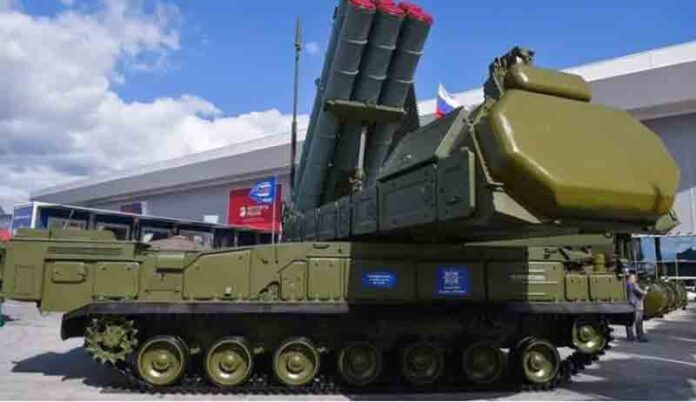
Moscow’s BUK-M3 Viking Missile Defense System Claims Ability to Counter F-35s, Cruise Missiles, and Hypersonic Threats

0
Russia's Missile Shield: BUK-M3 Viking

In a decisive and strategic announcement highlighting its advanced air defense capabilities, Russia‘s state arms export agency, Rosoboronexport, has claimed that its BUK-M3 Viking system—known as SA-27 Gullum by NATO—can effectively counter some of the most sophisticated aerial threats present in contemporary warfare, including fifth-generation stealth aircraft like the American F-35 Lightning II and F-22 Raptor.

This latest version of the established BUK air defense series has been designed as a versatile, medium-range surface-to-air missile (SAM) system, providing strong protection against a variety of airborne threats, including cruise missiles, tactical ballistic missiles, precision-guided munitions, helicopters, and low-flying unmanned aerial vehicles (UAVs).

With a maximum engagement range of 65 kilometers and a vertical kill capability extending up to 25 kilometers in altitude, the Viking offers layered and mobile air defense for both fixed installations and agile battlefield units operating in high-risk environments.

A key aspect of its battlefield functionality is the system’s proficiency in intercepting short-range tactical ballistic missiles at ranges of up to 50 kilometers, serving as a crucial defense for forward-deployed units and vital strategic assets facing the risk of rapid strikes.

Its ability to target objects flying as low as 10 meters—such as terrain-hugging cruise missiles or drones—illustrates its effectiveness in addressing low-profile, high-speed threats while maintaining the necessary altitude range to engage high-flying reconnaissance platforms and strategic bombers.

Developed by the Russian aerospace and defense giant Almaz-Antey, the BUK-M3 Viking signifies the most advanced iteration of the BUK family, incorporating substantial improvements in radar technology, command-and-control systems, and missile effectiveness.

The export-oriented “Viking” variant utilizes combat-tested technologies that have been in service with Russian forces since 2016, while also incorporating upgraded electronics, improved target acquisition systems, and a new generation of missiles designed to resist jamming and electronic countermeasures. This development highlights the increasing significance of electromagnetic spectrum control in contemporary warfare.

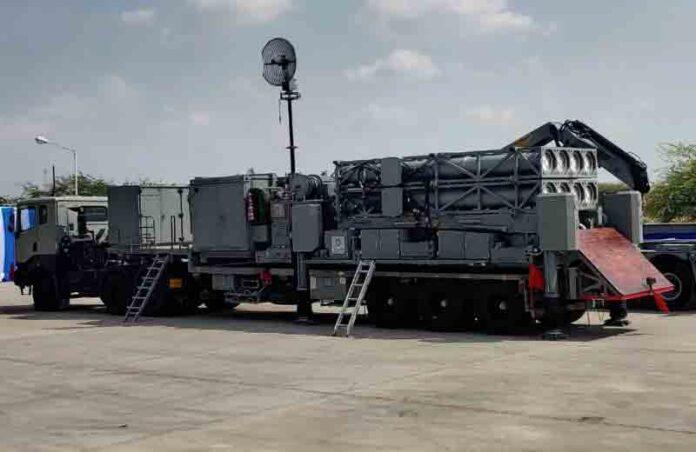
Central to this system is the 9A317M transporter-erector-launcher-and-radar (TELAR), which is equipped to carry six ready-to-launch 9M317M missiles. These missiles utilize Active Radar Homing guidance, enabling precise mid-course adjustments and terminal accuracy, even in challenging combat scenarios.

The Viking is further enhanced by sophisticated fire-control algorithms and thermal imaging target acquisition systems, allowing it to effectively track, lock onto, and neutralize multiple high-speed threats in environments with low visibility, clutter, or electronic interference.

As reported by Rosoboronexport, the BUK-M3 Viking can simultaneously detect, track, and engage up to 36 airborne targets across various trajectories, including those operating over land and sea. This capability reinforces its role as a versatile multi-domain defense asset.

Designed for seamless integration within comprehensive layered air defense networks, the Viking is fully compatible with other Almaz-Antey systems, such as the long-range Antey-2500. This interoperability enables operators to create a cohesive and adaptable anti-access/area denial (A2/AD) framework tailored to their national defense requirements.

India, with its established military-technical partnership with Russia, contributes significant operational expertise to the BUK ecosystem. The country has integrated the navalized Shtil-1 variant into its frontline warships, enhancing its layered maritime air defense capabilities.

The BUK-M3 Viking stands out in the global arms market due to its combination of extended range, altitude versatility, multi-target engagement, and battlefield mobility, making it one of the most adaptable and powerful mid-tier air defense systems available today.

Its proficiency in targeting both high-speed, low-altitude threats like sea-skimming missiles and UAVs, as well as high-altitude, slow-moving dangers such as reconnaissance aircraft, renders it an essential asset for nations aiming for comprehensive defensive coverage in increasingly contested airspaces.

Since its official introduction into the Russian Armed Forces in 2016, the BUK-M3 has proven to be consistently reliable in operations, and its modular design continues to draw interest from international clients looking for scalable and advanced air defense solutions.

As modern warfare increasingly involves saturation attacks that combine manned and unmanned threats, the BUK-M3 Viking’s ability to execute rapid, simultaneous, and accurate interceptions reinforces its strategic importance in the changing landscape of multi-domain warfare.

BUK-M3 “Viking” – Technical Overview

Designation:

BUK-M3 “Viking” (Export Version)
NATO Reporting Name: SA-27 “Gullum”
Developer:
Almaz-Antey Air and Space Defence Corporation (Russia)

System Classification:

Medium-range, mobile surface-to-air missile (SAM) system
Capable of engaging multiple targets in all weather conditions
Missile: 9M317M
Missile Type: Active Radar Homing Surface-to-Air Missile
Dimensions: Length – Approximately 5.2 meters, Diameter – 0.36 meters
Weight: Approximately 710 kg
Warhead: High-explosive fragmentation (HE-FRAG) with proximity fuse
Guidance Mechanism: Active radar homing with inertial mid-course correction
Engagement Range (Aerodynamic Targets): Up to 65 km
Engagement Range (Tactical Ballistic Missiles): Up to 50 km
Engagement Altitude: 10 m to 25 km
Speed: Exceeds Mach 4
Launcher Platform: 9A317M TELAR

Missile Capacity: 6 ready-to-fire 9M317M missiles
Radar System: Phased-array radar integrated into the TELAR
Target Engagement Capability: Up to 36 targets simultaneously (system-level)
Target Tracking Range: Up to 160 km
Response Time: 10 seconds (from detection to launch)

Key Features:

Ability to engage fifth-generation stealth aircraft (e.g., F-35, F-22)
Interception of cruise missiles, precision-guided munitions, UAVs, and both rotary-wing and fixed-wing aircraft
Capability to counter tactical ballistic missiles
Resilient against jamming and electronic countermeasures
Operational in all weather conditions, day and night
High mobility and quick redeployment capabilities

System Configuration (Standard Battery)

TELAR Units (9A317M): Maximum of 6 units per battery
Transporter-Loader Vehicles (TLVs): Facilitate quick reloading
Command Post Vehicle: Manages engagement information and target prioritization
Target Acquisition Radar (TAR): Provides sector or panoramic monitoring

Integration & Interoperability

Works seamlessly with the S-300/400 and Antey-2500 systems
Can be integrated into layered Integrated Air Defence Systems (IADS)
Suitable for deployment in both national air defense and battlefield protection scenarios

US races to respond as China halts supply of essential minerals for fighter jets

0

China’s recent choice to implement export limitations on rare earth elements vital for advanced U.S. military technology has created significant concerns within the American defense industry, particularly affecting the development of the Next Generation Air Dominance (NGAD) program, a next-generation fighter jet initiative.

This decision, part of a wider reaction to U.S. tariffs, specifically targets materials crucial for avionics—advanced electronic systems that facilitate navigation, communication, and precise targeting in modern aircraft.

Given China‘s substantial control over global rare earth processing, these restrictions prompt critical inquiries regarding the vulnerabilities in the U.S. defense supply chain and the future of its air superiority goals. The implications are considerable, as these materials serve not merely as components but as the foundation of advanced systems that characterize contemporary warfare.

Rare earth elements, a collection of 17 metals, are not as rare as their name implies; however, their extraction and processing are intricate and pose environmental challenges. Elements such as neodymium, dysprosium, yttrium, and gadolinium are essential for the avionics of the NGAD.

For example, neodymium and dysprosium are utilized to manufacture powerful magnets that drive electric motors and actuators, allowing for precise control of the aircraft’s systems. Yttrium enhances laser systems that are crucial for targeting and communication, while gadolinium boosts the effectiveness of radar technologies, including active electronically scanned array (AESA) systems that enable pilots to identify threats from long distances.

The absence of these materials could jeopardize the NGAD’s functionality in contested environments, where stealth, speed, and situational awareness are critical. Currently under development, the NGAD is designed to surpass the capabilities of the F-35 Lightning II by incorporating cutting-edge sensors, artificial intelligence, and possibly directed-energy weapons to address the evolving threats posed by adversaries such as China and Russia.

The NGAD initiative embodies the U.S. Air Force’s goal of preserving air superiority amid increasing global competition. Unlike previous models, the NGAD is envisioned as a system of systems, which may include manned aircraft, unmanned drones, and interconnected platforms operating collaboratively.

Its avionics are anticipated to process extensive data, integrating information from satellites, ground stations, and other aircraft to generate a real-time overview of the battlefield. The aircraft’s radar, likely an advancement of the AN/APG-81 used in the F-35, will depend on rare earth elements to achieve exceptional resolution and jamming resistance.

In contrast, the F-35 utilizes approximately 920 pounds of rare earth materials, and the NGAD is expected to require even more due to its sophisticated features. China’s restrictions on materials such as samarium, gadolinium, terbium, dysprosium, lutetium, scandium, and yttrium pose a direct threat to the production of these systems, as the U.S. currently lacks adequate domestic processing capabilities to fulfill the demand.

This vulnerability has historical roots, dating back several decades. In the 1980s, the United States was at the forefront of rare earth production, with the Mountain Pass mine in California supplying a significant portion of global needs.

By the 1990s, China started to take control of the market, utilizing its lower labor costs and lenient environmental regulations to outprice its rivals. By 2002, Mountain Pass had closed its doors, unable to match the competitive pricing from China. Currently, China is responsible for processing nearly 90 percent of the world’s rare earth elements, granting it significant influence.

In the United States, there is only one active rare earth mine—Mountain Pass, which is now owned by MP Materials—but it lacks the necessary infrastructure to refine most heavy rare earth elements domestically. This reliance was not coincidental; it stemmed from a focus on immediate economic benefits rather than long-term strategic stability.

As noted by David Merriman, an analyst at Project Blue, in a Reuters article, China’s grip on heavy rare earth elements is particularly strong, with only one non-Chinese operation in Myanmar providing a limited alternative, which is still subject to Beijing’s influence.

The Next Generation Air Dominance (NGAD) program’s dependence on these materials highlights its technological aspirations. The aircraft is engineered to function in highly contested environments where adversaries utilize advanced air defense and electronic warfare systems.

Its stealth capabilities, likely exceeding those of the F-22 Raptor, will rely on specialized coatings and composites that include rare earth elements. Additionally, the jet’s propulsion system, which may feature an adaptive-cycle engine, will necessitate lightweight, heat-resistant components made possible through scandium-aluminum alloys.

In contrast to Russia’s Su-57 and China’s J-20, the Next Generation Air Dominance (NGAD) program focuses on enhanced sensor fusion and connectivity, enabling it to work in tandem with loyal wingman drones—unmanned aircraft that augment its operational range and firepower.

While the J-20 features sophisticated avionics, it falls short in engine performance, and the Su-57 is hindered by production setbacks. The NGAD’s advantage stems from its incorporation of cutting-edge technologies; however, without dependable access to rare earth elements, this advantage may diminish.

Moreover, the limitations on rare earths pose a risk to a wider range of U.S. defense initiatives. Hypersonic missiles, which depend on these materials for their guidance systems, could experience delays. The Navy’s electromagnetic railguns, currently in the prototype phase, also rely on magnets made from rare earths.

Satellites, essential for communication and surveillance, utilize rare earths in their solar panels and sensors. The impact of these restrictions extends to commercial sectors, including electric vehicles and wind turbines, but the urgency is particularly pronounced in the defense industry.

Although the Pentagon has stockpiled certain rare earths, industry insiders have informed Reuters that these reserves are not enough to support contractors in the long term. The Aerospace Industries Association, which includes companies like Lockheed Martin and Northrop Grumman, has consistently highlighted supply chain vulnerabilities, yet efforts to achieve self-sufficiency have progressed slowly.

Efforts to mitigate this dependency are currently in progress but encounter considerable challenges. The Biden administration has activated the Defense Production Act to finance domestic rare earth initiatives, including a $120 million grant to Lynas Rare Earths for a heavy rare earth processing facility in Texas.

Simultaneously, MP Materials is broadening its operations with plans to manufacture magnets in Fort Worth by the end of 2025. General Motors has formed a partnership with MP to ensure a steady supply for its electric vehicles, a strategy that defense contractors might consider replicating. However, establishing a comprehensive supply chain—from extraction to processing to production—requires years of development, not just months.

Australia’s Mount Weld mine presents opportunities, yet its processing capabilities are still limited. Canada and Europe are investigating potential solutions, but their efforts are still in the early stages. Another possibility is recycling rare earth elements from outdated electronics, although existing technologies are both inefficient and expensive.

The human aspect of this crisis is frequently neglected. Workers at Mountain Pass, many residing in nearby towns like Baker, California, are facing uncertainty as the mine increases production amid geopolitical pressures.

In China, rare earth mining has been associated with environmental damage and health hazards, raising ethical concerns regarding global supply chains. At the same time, engineers at Lockheed Martin and Boeing, who are responsible for designing the Next Generation Air Dominance (NGAD) system, must contend with possible material shortages that could delay prototype development or necessitate expensive redesigns.

These challenges raise a significant strategic question: how can a nation effectively balance innovation with resilience? The Pentagon’s initiative for cutting-edge technology relies on a consistent supply of raw materials, a premise that is now uncertain.

China’s intentions go beyond merely responding to U.S. tariffs. By tightening its grip on rare earth elements, Beijing enhances its influence in Asia, providing preferential access to allies such as South Korea and Japan while exerting pressure on others to conform to its agenda.

This approach mirrors its 2010 restrictions on Japan, which caused turmoil in global markets until the World Trade Organization stepped in. However, the current restrictions are more extensive, affecting not only raw materials but also processed goods like permanent magnets.

As Mark A. Smith, CEO of NioCorp Developments, stated to the Investing News Network, China’s maneuvers represent a “precision strike” against U.S. defense capabilities, taking advantage of a vulnerability that has been overlooked for too long. Nonetheless, attributing the issue solely to China overlooks the U.S.’s historical decision to relinquish control of this market decades ago.

Rare earth elements have long been a point of geopolitical contention. During the Cold War, the U.S. depended on domestic mines to develop its military capabilities, from radar technology to early computing systems. The rise of Chinese dominance in the 1990s coincided with the height of globalization, as American companies outsourced production to reduce expenses.

The Pentagon’s emphasis on immediate threats, particularly counterterrorism post-2001, shifted focus away from long-term challenges such as dependency on resources. By 2010, when China temporarily suspended rare earth exports to Japan, it raised significant concerns in Washington. However, subsequent initiatives, including the 2012 reopening of Mountain Pass, struggled due to market dynamics. This history indicates that addressing the current crisis necessitates not only financial investment but also a consistent political commitment.

Despite these obstacles, the development of the Next Generation Air Dominance (NGAD) program is ongoing, with prototypes reportedly undergoing testing. Its rivals, such as China’s J-20, are also facing limitations, including dependence on Russian engines and issues within their domestic supply chains.

Russia’s Su-57, affected by sanctions, finds it challenging to compete with Western avionics. However, the success of the NGAD relies on more than just technological advancements; it demands a fundamental rethink of how the U.S. secures its resources. Research into synthetic materials, which could lessen reliance on rare earth elements, is still in its infancy.

Asteroid mining, although still in the realm of speculation, has garnered interest as a potential long-term solution, with companies like AstroForge seeking funding to investigate extraterrestrial resources. While these concepts may seem far-off, they underscore the pressing need for alternative solutions.

Companies such as Lockheed Martin and Raytheon are making adjustments, although details remain closely held. Some have begun stockpiling materials, while others are pursuing collaborations with suppliers outside of China.

The Pentagon is also taking steps to diversify its supply chain, awarding contracts to firms in Australia and Canada. However, these actions serve as temporary measures rather than comprehensive solutions. The intricate nature of the defense industry—where a single aircraft relies on thousands of components from various global suppliers—makes it challenging to swiftly reduce dependence on China.

According to an industry insider speaking to Reuters, aerospace manufacturers that rely solely on China for rare earth materials are particularly vulnerable, a situation worsened by the opaque nature of supply chains.

The wider consequences of China’s restrictions extend to national security and economic stability. The U.S. Geological Survey has projected that a complete ban on specific rare earths could result in economic losses amounting to billions, not including potential disruptions to defense operations.

The Pentagon’s modernization efforts, which encompass advancements in hypersonics and cyber warfare, depend on a steady supply of these materials. A shortage could lead to delays, increased costs, or diminished capabilities in various programs. For the Next Generation Air Dominance (NGAD) initiative, this might necessitate a reduction in goals—such as fewer drones in its integrated system—or a reliance on outdated technologies, compromising its competitive advantage.

Looking forward, the U.S. must decide whether to invest in domestic production or to accept a scenario where China exerts significant influence over its military future. The former option requires not only investment in mining operations but also in the education and training of scientists, engineers, and workers to revive an industry that has been inactive for many years.

This approach also calls for bipartisan support, which is challenging in the current politically divided environment. The alternative risks losing strategic ground, as China’s dominance in rare earths could be used to manipulate global alliances. While some remain hopeful about innovations—such as new materials, advancements in recycling, or even mining on the moon—skeptics caution that time is limited and China’s control is strong.

Currently, the Next Generation Air Dominance (NGAD) represents a testament to American innovation, crafted to excel in the battlefields of the future. However, its operational capabilities are closely linked to a supply chain that extends across the Pacific, where decisions made in Beijing could hinder advancements in Washington.

This situation highlights a long-ignored reality: technology by itself cannot guarantee a secure future. The foundations of warfare must be built on resilience, foresight, and adaptability. Whether the United States can meet this challenge or will once again postpone the essential work of achieving self-sufficiency is still uncertain, a question that will influence not only the NGAD but also the global balance of power for years ahead.

UK and Norway launch significant drone initiative for Ukraine as part of a $585 million aid effort

0

The United Kingdom and Norway have unveiled a collaborative military assistance package for Ukraine, valued at around 450 million pounds, or approximately 590 million U.S. dollars. This initiative aims to enhance Ukraine’s defense capabilities amid its ongoing conflict with Russia.

The aid package encompasses funding for vehicle support, radar systems, anti-tank mines, and a strong focus on supplying hundreds of thousands of drones. This announcement, made by the British Ministry of Defense, highlights the sustained commitment of Western nations to Ukraine as the war enters its third year, with both countries combining resources to meet urgent battlefield requirements.

The magnitude of this package and its emphasis on advanced technology indicate a strategic move to counter Russian advances while adapting to the changing dynamics of modern warfare. The decision to prioritize drones in this assistance reflects their pivotal role in the conflict.

Drones have become integral to Ukraine’s military approach, facilitating accurate strikes, reconnaissance, and disruption of Russian supply lines with relatively low costs and minimal risk to personnel. The announcement mentions “hundreds of thousands” of drones, implying a variety of systems designed for different battlefield functions.

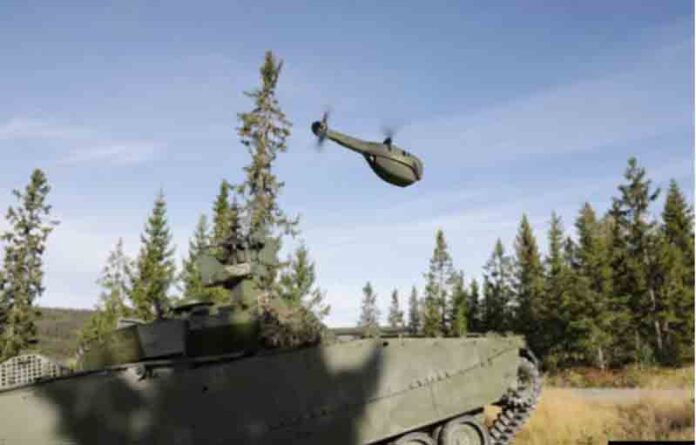
Among the potential options are small, nimble drones like the Black Hornet, a nano-drone created by Teledyne FLIR, which is only 6.6 inches long and weighs less than 70 grams. These drones, previously provided by Norway and the UK to Ukraine in 2022, are adept at covert surveillance, delivering real-time video feeds to operators in challenging environments such as urban areas or forests.

With a battery life of approximately 25 minutes and a range of about one mile, they are well-suited for short-range tactical operations, including scouting enemy positions or directing artillery fire.

Larger systems may also be incorporated, potentially resembling loitering munitions such as the U.S.-manufactured Switchblade 300 or 600. The Switchblade 300, which weighs approximately 5.5 pounds, is equipped with a small explosive payload and can loiter for up to 15 minutes, striking targets with precision from distances of up to six miles.

In contrast, the Switchblade 600 enhances the operational range to 24 miles and is capable of targeting armored vehicles, making it an adaptable asset against Russian tanks and fortified positions. Although the specific models included in this package have not been revealed, the focus on quantity indicates a combination of low-cost, expendable drones alongside more advanced systems.

Ukraine has already showcased its resourcefulness in this area by deploying domestically manufactured drones that utilize fiber-optic cables to bypass Russian electronic jamming, which interferes with GPS signals. This strategy has proven effective for strikes conducted up to 12 miles behind enemy lines.

The strength of these drones lies in their versatility. Unlike conventional manned aircraft, drones can function in contested environments where air defenses present considerable threats. Since the onset of the war in 2022, Ukraine’s drone operations have rapidly advanced, with operators utilizing commercially available models like the DJI Mavic for reconnaissance and adapting them for combat purposes.

The arrival of drones supplied by Western nations enhances these initiatives by offering standardized systems that minimize the need for improvised modifications. Nevertheless, the challenge of countering Russian electronic warfare persists.

Russian military forces have introduced systems such as the Krasukha-4, which can jam radar and communication signals within a 300-mile range. This situation compels Ukraine to focus on drones equipped with anti-jamming capabilities, including inertial navigation and optical guidance. The aid package is likely designed to address these threats, aiming to provide drones that can operate effectively in a highly contested electromagnetic environment.

In addition to the drones, the package also encompasses radar systems that are essential for Ukraine’s air defense strategy. Although details are limited, these systems may be similar to counter-battery radars like the British-supplied MSTAR (Man-portable Surveillance and Target Acquisition Radar), which identifies incoming artillery fire and determines its source for swift counterattacks.

Such technologies have proven crucial in Ukraine’s efforts to counter Russian artillery strikes, especially in the Donbas region, where positional warfare is prevalent. The inclusion of anti-tank mines indicates a strategy focused on strengthening defensive positions against Russian armored assaults.

These mines could feature advanced designs, such as the UK’s L9 Bar Mine, which is engineered to incapacitate tanks using a shaped charge, or even remotely activated systems that enable Ukrainian forces to control the timing of detonation, thereby enhancing tactical effectiveness.

Vehicle support, while not extensively detailed in the announcement, is expected to include maintenance and spare parts for Ukraine’s varied fleet of Western-supplied vehicles, including the British Husky Tactical Support Vehicle and the Norwegian-supplied M113 armored personnel carriers.

Ukraine’s dependence on a mix of donated equipment—from Leopard tanks to Bradley fighting vehicles—creates logistical challenges, and this funding is intended to ensure these assets remain operational. The diversity of the systems included in the package underscores its purpose to meet immediate battlefield requirements while establishing a foundation for ongoing resistance.

The timing of this announcement is strategically significant. As the conflict approaches its fourth year, Ukraine is under increasing pressure from Russian offensives in the east and south, alongside concerns regarding the stability of Western support.

The United States, a key supporter, has experienced heightened political discussions regarding aid levels, especially with changes in administration priorities. The collaborative effort between the UK and Norway demonstrates a European commitment to address potential shortfalls, strengthening NATO’s eastern defenses while countering Russian influence in the Arctic and Baltic regions.

Norway, sharing a border with Russia, has a strong interest in curbing Moscow’s ambitions, particularly in the High North, where Russian naval operations have intensified. The UK has also positioned itself as a leader in supporting Ukraine’s defense, committing 4.5 billion pounds in military aid for 2025, as stated by Defense Minister John Healey in February.

This partnership builds on previous initiatives, such as the UK-led International Fund for Ukraine, to which Norway has made substantial contributions since 2022. In September of that year, the two countries jointly provided Black Hornet drones worth 9.26 million dollars, a deal that included training and spare parts, according to reports from Reuters.

The current initiative, partially financed by this fund, enhances the existing partnership by utilizing economies of scale to provide a greater quantity of equipment. It is also in line with the Drone Capability Coalition, co-chaired by the UK and Latvia, which has successfully raised 73 million pounds to deliver 30,000 drones to Ukraine since its establishment in 2024.

These initiatives are part of a larger European effort to industrialize defense production, with nations such as Germany and the Netherlands increasing their production of munitions and drones to fulfill Ukraine’s needs.

However, the challenge of supplying such a large number of drones and other equipment is significant. While Ukraine’s military is skilled at improvisation, integrating these new systems into an already overextended force, affected by attrition and supply chain issues, is a complex task.

Training personnel to operate various types of drones, ranging from nano-drones to loitering munitions, demands considerable time and resources, especially since many new recruits may not have prior technical skills. Additionally, maintenance is a significant challenge; drones like the Black Hornet require specialized components, and even robust systems like the Switchblade need regular calibration to maintain their effectiveness.

The logistical demands of managing “hundreds of thousands” of drones could overwhelm Ukraine’s infrastructure, particularly in frontline regions where Russian attacks frequently target supply depots.

Russian countermeasures add further complexity to the situation. Moscow has made significant investments in anti-drone technology, including the deployment of systems like the Tor-M2 air defense, capable of targeting low-flying objects at distances of up to 10 miles, as well as portable jammers that interfere with drone control signals.

In response to Ukraine’s effective use of drones, Russia has adapted by enhancing its jamming capabilities, with reports indicating the development of advanced mesh-net jamming systems that create overlapping interference zones, making entire regions inaccessible to GPS-guided drones.

The emphasis on radar systems in the aid package indicates an effort to bolster Ukraine’s capacity to detect and monitor Russian defenses, yet the ongoing electronic warfare remains a dynamic and escalating challenge.

Drones have historically transformed warfare long before the current conflict in Ukraine. The United States was a pioneer in their use for reconnaissance during the 1991 Gulf War, utilizing the RQ-2 Pioneer to provide real-time imagery that informed coalition operations. Meanwhile, Israel’s Harpy drone, introduced in the 1990s, paved the way for loitering munitions that autonomously target radar emissions.

However, the conflict in Ukraine represents a significant shift, with drones being utilized on an unprecedented scale and with remarkable versatility. In contrast, Russia’s drone inventory, which includes the Lancet-3 and Orlan-10, lacks diversity but makes up for it with mass production. The UK-Norway aid package aims to shift this balance, providing Ukraine with both numerical and technological advantages, but its effectiveness will depend on overcoming Russia’s adaptive defenses.

The implications of this assistance reach far beyond Ukraine itself. The increasing use of drones in this conflict is transforming military strategies on a global scale. NATO allies, taking note of Ukraine’s methods, are reassessing their own military approaches, with nations like Poland and Finland investing in drone capabilities to counter Russian threats.

In the United States, initiatives such as “Artemis” are exploring the integration of long-range drones designed in Ukraine for possible use. This exchange of expertise could significantly alter the landscape of Western military forces, reminiscent of how the Spanish Civil War foreshadowed tank warfare in World War II. For the UK and Norway, providing drones serves a dual purpose: aiding Ukraine while simultaneously collecting data to enhance their own defense strategies.

Russia’s reaction to this support is expected to escalate the technological arms race within the conflict. Moscow has already ramped up its drone manufacturing, with reports indicating that the Lancet-3 has been successfully targeting Ukrainian positions from distances of up to 40 miles.

The surge of Western drones may compel Russia to introduce more sophisticated systems, such as the Okhotnik-B stealth drone, which is still under development and is being promoted as a means to counter NATO’s air dominance.

Alternatively, Russia might adopt asymmetric strategies, focusing on disrupting Ukraine’s supply chains or increasing cyberattacks on Western infrastructure, as indicated by recent UK intelligence warnings regarding potential Russian sabotage in the North Sea.

The commitment of the UK and Norway represents a strategic risk. By supplying Ukraine with a significant number of drones and supporting technologies, they intend to bolster Kyiv’s defense while demonstrating to Moscow that Western determination remains strong.

However, the success of this initiative hinges on Ukraine’s capacity to effectively integrate and utilize these resources under continuous Russian pressure. Although the outcome of the conflict is still unclear, this assistance highlights a transition towards technology-centric warfare, where nimble, smaller systems can have an impact comparable to that of conventional heavy armaments.

As the conflict continues, the reliance on drones prompts concerns regarding escalation and long-term viability. Will Ukraine be able to harness this influx to regain its strategic advantage, or will Russia’s counteractions diminish its effectiveness?

The resolution to these questions depends not only on the technology itself but also on the resilience of Ukraine’s military forces and the unity of its allies. For the time being, the airspace over Ukraine is set to become increasingly active, reflecting a conflict where innovation and attrition intersect, with implications that extend well beyond the battlefield.

Putin announces a $100.54 billion initiative to revamp the Russian Navy

0
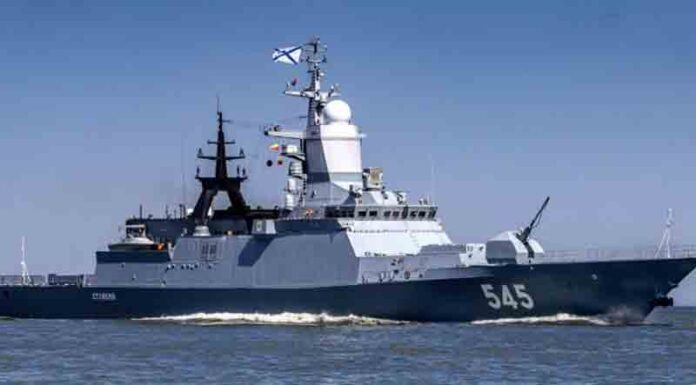
Russia’s Stoyki corvette

Russian President Vladimir Putin has declared that Russia plans to allocate 8.4 trillion rubles, approximately $100.54 billion, over the next ten years to enhance its naval capabilities, as reported by the state news agency TASS.

During a speech centered on the nation’s maritime strength, Putin emphasized the strategic significance of the navy, particularly its nuclear forces, which he asserted are fully modernized.

However, the announcement lacked specific details regarding the allocation of funds or the prioritization of projects, raising concerns about its practicality and underlying motives. In light of current economic difficulties and geopolitical tensions, the timing of such a substantial commitment prompts questions about Russia’s maritime ambitions.

The vagueness of Putin’s remarks is notable. Unlike previous statements that provided clear outlines of shipbuilding initiatives or modernization objectives, this announcement left many in the dark. Russia’s navy, a key element of its global stature, has historically served as a means of power projection from the Arctic to the Mediterranean.

Transforming this ambitious rhetoric into tangible outcomes will require overcoming a myriad of economic obstacles, industrial constraints, and international pressures. This pledge emerges amid Western sanctions, variable energy revenues, and ongoing military obligations, all of which cast doubt on Moscow’s capacity to fulfill its promises.

To grasp the significance of this announcement, it is essential to consider whether Russia can sustain such an investment, which capabilities it may prioritize, and the intended audience for this message.

In recent years, Russia’s economy has encountered considerable challenges. Sanctions from the United States and its allies, particularly following the 2022 invasion of Ukraine, have limited access to global markets and advanced technologies. The World Bank projected Russia’s GDP at $2.24 trillion in 2023, a stark contrast to the United States’ $25.46 trillion.

Energy exports, crucial for Moscow’s economy, have experienced fluctuations due to global market changes affecting oil and gas prices. The International Energy Agency noted a 24% decline in Russia’s oil revenues in 2023 compared to the previous year, despite attempts to shift exports towards Asia. The ongoing war in Ukraine has already strained military budgets, consuming a significant share of national finances.

The Stockholm International Peace Research Institute reported that Russia’s defense spending reached $84 billion in 2023, accounting for approximately 5.9% of its GDP. If an additional $10 billion is allocated annually to the Navy—assuming this investment is spread evenly over ten years—this figure could increase, raising concerns about long-term sustainability.

Previous commitments, such as the 2011 initiative to construct 100 warships by 2020, have often been unmet, with only a small number completed due to financial constraints and production delays. The lack of clarity surrounding Putin’s recent promises leads to doubts about their authenticity and whether they represent a true commitment or a tactical ploy.

Should the funding be realized, it raises the question of Russia’s objectives. The navy’s strategic nuclear capabilities, particularly those based on ballistic missile submarines, are of utmost importance. The Borei-class submarine, a key element of this strategy, is designed to carry up to 16 Bulava intercontinental ballistic missiles, each capable of reaching over 5,000 miles and delivering multiple warheads.

Intended to replace outdated Soviet-era submarines, the Borei class is built for stealth and endurance, capable of operating beneath Arctic ice or in the depths of the Pacific Ocean. According to Naval News, Sevmash, the main shipyard located in Severodvinsk, has launched five Borei-class submarines since 2013, with three more currently under construction.

Each submarine is estimated to cost around $700 million, a significant investment for a navy managing various demands. The Yasen-M class, a nuclear-powered attack submarine, is also a key area of focus. Equipped with Kalibr cruise missiles, these submarines can target land positions up to 1,500 miles away, thereby enhancing Russia’s power projection capabilities.

The Yasen-M, with a unit cost exceeding $1 billion, has four submarines currently in service, with plans for an additional five by 2030. Their adaptability poses a threat in contested areas such as the Atlantic, where NATO has a strong presence.

In contrast, Russia’s surface fleet is not as advanced. The Admiral Gorshkov-class frigate, a contemporary design featuring anti-ship and land-attack missiles, marks a step forward, yet only four are operational, with six more under construction.

These 5,400-ton frigates, each costing approximately $400 million, are armed with Zircon hypersonic missiles that can reach speeds of Mach 9, posing challenges to missile defense systems. In comparison, the U.S. Navy’s Arleigh Burke-class destroyers, which number over 70, displace 9,200 tons and are equipped with sophisticated Aegis radar systems, providing enhanced firepower and survivability.

Russia’s sole aircraft carrier, the Admiral Kuznetsov, has faced numerous issues and is currently undergoing a refit that is unlikely to be completed before 2027. Plans for new carriers, such as the proposed Shtorm class, remain in the conceptual stage, with estimated costs of $5 billion per ship—comparable to the price of the U.S. Gerald R. Ford class. Meanwhile, Russia’s shipyards, hindered by outdated infrastructure, struggle to scale production effectively.

In 2023, the United Shipbuilding Corporation indicated that sanctions have hindered engine supplies, causing delays in projects such as the Karakurt-class corvettes. With a budget of $100 billion allocated over a decade, Russia could potentially construct 10 Borei-class submarines or 20 frigates; however, historical delays imply a more limited outcome.

The technological environment presents additional challenges. Russia has focused its investments on specialized areas like hypersonic weapons and electronic warfare, competing with other global powers. The deployment of the Zircon missile on Yasen-M submarines and Gorshkov-class frigates highlights this strategic emphasis.

However, advancements in naval technology are lagging behind. Western navies, including those of the U.S. and China, are actively developing unmanned vessels and artificial intelligence for maritime operations. The U.S. Navy’s Task Force 59, operating in the Middle East, is incorporating drones into its fleet strategies, a capability that Russia has not yet achieved on a large scale.

China’s Type 055 destroyer, equipped with 112 missile cells and sophisticated sensors, surpasses Russia’s surface vessels in both firepower and technological advancement. Should Russia focus its investments on next-generation systems—such as autonomous underwater drones or laser defense systems—it could potentially alter the naval power dynamics.

Nevertheless, without well-defined priorities, there is a risk that funding will be spread too thin across outdated projects, such as the upkeep of aging Kirov-class cruisers, which consume resources with minimal strategic benefit.

The timing of Putin’s announcement implies a larger strategic agenda. Russia’s navy is organized into five fleets—the Northern, Pacific, Baltic, Black Sea, and Caspian Flotilla—with modernization efforts primarily concentrated on the Northern and Pacific fleets.

The Arctic region, abundant in resources and vital shipping routes, has become a central area of focus. Russia’s Arctic policy for 2023 prioritizes control over the Northern Sea Route, utilizing icebreakers and naval forces to safeguard its economic interests. The Borei-class submarines of the Northern Fleet, stationed in Murmansk, conduct patrols in these waters to counter NATO’s influence.

In the Pacific, ongoing disputes with Japan and the United States regarding territorial islands are prompting increased investment in the fleet based in Vladivostok. This announcement may indicate a determination to assert strength against these rivals, especially in light of setbacks in Ukraine, where the Black Sea Fleet has suffered losses from drone attacks.

A report from the Center for Strategic and International Studies in 2024 highlighted that Ukraine’s achievements compelled Russia to move vessels from Crimea, revealing significant vulnerabilities. By promoting naval investments, Putin may seek to bolster domestic confidence in Russia’s resilience while simultaneously deterring potential adversaries.

Historically, Russia’s naval ambitions have fluctuated between aspiration and overextension. The modern navy was established by Peter the Great in 1696, who envisioned Russia as a formidable maritime power. The Soviet period saw significant growth, with the Red Navy operating over 1,400 ships by the 1980s, including the massive Typhoon-class submarines.

However, the collapse of the Soviet Union in 1991 severely diminished funding, leading to the deterioration of many vessels. The tragic Kursk submarine incident in 2000, which resulted in the loss of 118 sailors, highlighted the consequences of post-Soviet neglect. Recovery efforts began in the 2000s, driven by oil revenues, but advancements have been inconsistent. The annexation of Crimea in 2014 enhanced the strategic importance of the Black Sea Fleet, yet ongoing losses in Ukraine reveal enduring weaknesses.

Previous modernization initiatives, such as the State Armament Program for 2018-2027, aimed to produce 50 ships annually but only managed to deliver around 30, according to TASS. This historical context tempers expectations regarding the new commitments, as promises often exceed actual implementation.

Geopolitically, the announcement has implications that extend beyond Moscow. The U.S. Navy, with a budget of $236 billion for 2024, operates 11 aircraft carriers and 88 major warships, significantly outmatching Russia’s military capabilities.

However, Russia’s submarines and missile systems present asymmetric threats, enabling them to target U.S. assets from considerable distances. NATO’s planned exercises in the Baltic and Arctic in 2024, which will involve 20,000 troops, indicate an increased state of alert. Meanwhile, China, which has a complicated partnership with Russia, boasts a navy of 370 vessels, including two aircraft carriers, and may interpret Moscow’s actions as an attempt to maintain parity.

India, a purchaser of Russian military equipment, could sway Moscow’s focus towards collaborative projects such as frigates rather than ambitious aircraft carriers. Additionally, this commitment may serve as a distraction from domestic challenges—Russia’s inflation rate reached 9.1% in 2024, according to the Central Bank, impacting living standards. By prioritizing naval development, Putin aims to convey stability, although the absence of detailed plans raises questions about credibility.

The success of this investment will depend on effective implementation. Sevmash and Zvezda, Russia’s primary shipyards, are grappling with labor shortages and delays due to sanctions. A 2023 analysis from Wavell Room highlighted that localizing engine production for large vessels could take up to a decade, which would hinder overall output. In contrast, smaller ships like the Buyan-M corvettes have performed better, with 11 currently in service equipped with Kalibr missiles.

These 950-ton vessels, constructed in Zelenodolsk, cost $150 million each and are designed for coastal operations, providing operational flexibility. However, expanding to a blue-water fleet requires infrastructure that Russia currently lacks. In comparison, the U.S. produces Virginia-class submarines at two facilities, delivering two units annually at a cost of $3 billion each. Russia’s dependence on a limited number of production sites poses a risk of bottlenecks, particularly if financial resources are not managed effectively.

Public sentiment in Russia, as reflected by state media, portrays the commitment as a matter of patriotism. Admiral Alexander Moiseyev, as reported by TASS, stated, “The navy guarantees our security,” aligning with official perspectives. In contrast, Western analysts advise caution. Dmitry Gorenburg noted in a 2023 article for Maritime Executive that “Russia’s shipbuilding challenges are systemic,” pointing to issues such as sanctions and a lack of skilled labor.

The Pentagon’s 2024 budget, which allocates $49 billion for shipbuilding, highlights the disparity. The United States’ Columbia-class submarine, set to replace the Ohio class, costs $9 billion each and benefits from a strong supply chain. While Russia’s ambitions are commendable, they encounter significant obstacles.

This situation presents a scenario of intent overshadowed by uncertainty. The $100 billion figure attracts attention, but its effectiveness hinges on unspecified priorities. Submarines like the Borei and Yasen-M enhance deterrence capabilities, yet advancements in surface vessels and new technologies are lagging. Although the announcement may strengthen alliances and create unease among adversaries, history indicates that Russia’s naval aspirations frequently fall short.

In the coming year, keep an eye out for contracts, keel layings, or missile tests—concrete indicators of advancement. In their absence, the commitment risks becoming just another entry in a long list of unmet promises. Will Russia overcome its limitations to transform its naval presence, or will this ambition dissipate before it can make an impact?

Pakistan Advances with China’s Fifth-Generation J-35A While India Falls Behind

0
J-35A stealth aircraft

The recent visit of Pakistan’s Chief of Air Staff, Air Chief Marshal Zaheer Ahmad Babar, to Beijing has sparked increased speculation regarding Islamabad’s potential acquisition of the Chinese-made fifth-generation stealth fighter, the J-35A. This visit coincided with rising regional tensions and a strategic shift, particularly as India announced a substantial US$36 billion (RM33.4 billion) deal to acquire 26 Rafale Marine and Rafale B fighter jets to enhance its naval aviation capabilities.

On April 8, Air Chief Marshal Zaheer engaged in significant discussions with China’s Defence Minister Dong Jun in Beijing, focusing on bolstering military cooperation amid the evolving security landscape in the region.

This meeting clearly indicates Pakistan’s deepening strategic partnership with China, particularly in advanced defense technologies and fifth-generation airpower. Reports from late last year suggested that Islamabad was preparing to acquire as many as 40 J-35A stealth fighters from China, with anticipated deliveries within two years, potentially accelerating Pakistan’s entry into the fifth-generation fighter arena.

If this deal is finalized, it would represent China’s inaugural export of a fifth-generation combat aircraft, marking a significant achievement that highlights Beijing’s aspirations to compete with Western dominance in the global fighter jet market.

The news of this potential sale followed a discreet visit to Islamabad in November 2023 by General Zhang Youxia, Vice Chairman of China’s Central Military Commission, who reportedly engaged in private discussions with Pakistan’s Chief of Army Staff, General Asim Munir.

Following Air Chief Marshal Zaheer’s recent visit to Beijing, discussions on Pakistani social media and among local defense analysts have indicated that China may be contemplating a faster delivery timeline for the J-35A jets, with the initial batch potentially arriving as soon as next year.

Beijing is reportedly cognizant of Pakistan’s pressing need to enhance its airpower capabilities in light of India’s swift acquisition of advanced 4.5-generation aircraft and has shown a readiness to expedite the transfer of these jets.

If the J-35A is integrated into the Pakistan Air Force (PAF), it could significantly alter the aerial power dynamics in the region, providing Islamabad with a substantial upgrade in stealth, survivability, and multi-role capabilities compared to India’s existing fleet.

Despite India’s strong arsenal of Su-30MKIs and French Rafales, it currently lacks a fifth-generation combat aircraft, which could create a notable technological gap if Pakistan moves forward with the J-35A procurement.

PAF officials initially indicated their plans to incorporate the stealth aircraft, developed by China’s Shenyang Aircraft Corporation, into their operations in early 2024, highlighting its role as a key element of Pakistan’s future air combat strategy. Later that year, Air Chief Marshal Zaheer publicly affirmed that the aircraft would soon be operational within the PAF.

Negotiations are underway to facilitate the acquisition of the J-35A, which is set to join the Pakistan Air Force soon, he remarked.

Recent reports from various Pakistani media indicate that PAF pilots are currently receiving operational training in China for the J-35A, suggesting that the program is advancing swiftly behind the scenes.

The deployment of pilots for initial conversion training not only reflects Islamabad’s commitment but also demonstrates China’s assurance in the aircraft’s operational readiness and potential for export.

The J-35A, created by Shenyang Aircraft Corporation (SAC), is a twin-engine stealth multirole fighter designed for both air superiority and ground-attack missions, catering to both land-based and carrier-based operational needs.

Its introduction into the Pakistani arsenal is part of a larger modernization initiative aimed at retiring older fourth-generation aircraft, such as the American F-16 and French Mirage 5, which have historically been the backbone of the PAF.

Once operational, the J-35A will enhance Pakistan’s current fleet of JF-17s and J-10Cs—both of which are also linked to Chinese projects—thereby strengthening an air combat framework based on Sino-Pakistani technological collaboration.

This developing partnership not only upgrades Pakistan’s air combat capabilities but also deepens its defense-industrial ties with Beijing, which is increasingly replacing the United States as Pakistan’s main arms supplier.

If Pakistan secures the full 40 units under consideration, the strategic ramifications for the air landscape in South Asia will be significant, particularly as India has yet to deploy or finalize its own fifth-generation fighter program.

Confronted with the PLA Air Force’s Chengdu J-20 “Mighty Dragon,” New Delhi may soon find itself caught between two neighboring air forces equipped with advanced, low-observable fifth-generation strike capabilities.

Retired Air Commodore Zia Ul Haque Shamshi, a former high-ranking official in the Pakistan Air Force, asserts that the acquisition of the J-35A could provide Islamabad with a substantial aerial superiority over India for more than a decade.

“India is unlikely to achieve fifth-generation fighter capabilities within the next 12 to 14 years, which would give the Pakistan Air Force a distinct strategic advantage,” he stated.

Equipped with stealth features and sophisticated avionics, the J-35A would enable Pakistan to execute deeper penetration missions into contested airspace while successfully avoiding modern air defense systems and enemy radar networks.

The J-35A is China’s second fifth-generation aircraft, following the larger and heavier J-20, and it signifies Beijing’s effort to create a more cost-effective, export-oriented stealth fighter for international markets.

While specific technical details remain classified, publicly available intelligence has shed light on the aircraft’s impressive capabilities.

Design and Role:

The J-35A is a twin-engine, stealth-enabled multirole combat aircraft designed for all-weather operations, capable of both air superiority and strike missions.

Speed:

The aircraft is reported to reach speeds of up to Mach 2.0, exceeding the F-35’s maximum speed of Mach 1.6, which offers a significant advantage in both pursuit and evasion situations.

Engines:

Its dual-engine setup provides enhanced thrust, improved survivability, and better maneuverability in dynamic combat scenarios.

Stealth Features:

The J-35A incorporates an internal weapons bay, radar-absorbent materials, and a minimized radar cross-section, allowing it to undertake missions with a reduced likelihood of detection.

Avionics and Sensors:

The aircraft is anticipated to be equipped with advanced radar and sensor fusion technologies, which will enhance situational awareness, support network-centric warfare, and facilitate precise targeting.

Variants:

It is thought that two versions of the aircraft are under development—one intended for the PLA Air Force (PLAAF) and another designed for the PLA Navy (PLANAF), which will include compatibility for catapult launches.

With its stealth capabilities, long-range strike potential, and versatility across multiple domains, the J-35A is set to become a game-changing asset in the region, particularly if Pakistan deploys it ahead of India’s fifth-generation aircraft initiatives.

A stealth fighter dubbed ‘Frankenjet,’ made from parts of two destroyed warplanes, has joined the US Air Force’s inventory

0
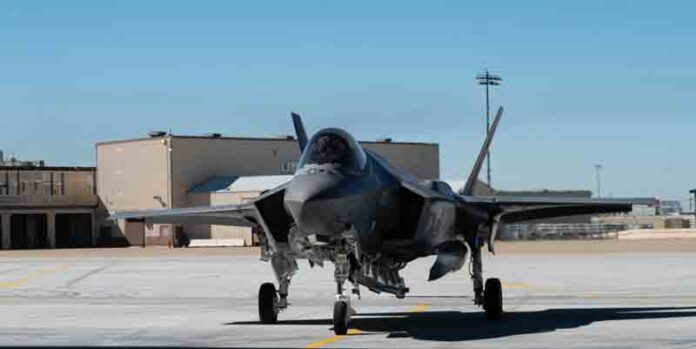
The F-35A Lightning II, dubbed a “Frankenjet” and assigned to the 388th Fighter Wing, returns to Hill Air Force Base, Utah.

The US Air Force refers to it as the “Frankenjet,” a stealth fighter crafted from the components of two F-35s that were damaged in accidents and is now operational and ready for combat.

According to a report from the military’s F-35 Joint Program Office (JPO) released on Wednesday, the “Frankenjet” is fully functional and prepared to assist the warfighter.

This repurposed aircraft has its roots in 2014, when an F-35A, designated AF-27, experienced a “catastrophic engine failure” just before takeoff during a training exercise at Eglin Air Force Base in Florida, as detailed in an Air Force report.

The aircraft suffered significant damage to its rear section. An investigation revealed that fragments from a broken engine rotor arm penetrated the engine’s fan case, engine bay, an internal fuel tank, and hydraulic and fuel lines before exiting through the upper fuselage of the aircraft.

The ensuing fire consumed the rear two-thirds of the fighter jet.

On June 8, 2020, another F-35A, known as AF-211, encountered a failure of its nose landing gear upon landing at Hill Air Force Base in Utah, leading to extensive damage to that aircraft as well.

As a result, the Air Force was left with two salvageable sections from the $75 million fighter jets: the nose of AF-27 and the rear of AF-211.

In a strategic move in 2022, teams opted not to discard both jets as losses. Instead, they decided to detach the nose from AF-27 and attach it to AF-211, aiming to optimize savings and reintegrate an operational aircraft into the fleet, as reported by the F-35 Joint Program Office.

Scott Taylor, the lead mechanical engineer at Lockheed Martin, provided context for this initiative in a 2023 news release.

“Theoretically, all sections of the aircraft can be separated and reassembled, but this has never been accomplished before,” Taylor stated. “This marks the first F-35 ‘Franken-bird’ in history.”

The modifications took place at Hill Air Force Base, utilizing “entirely new, unique specialized tooling, fixtures, and equipment,” according to a 2023 Air Force press release.

After nearly two and a half years of repairs, the Frankenjet successfully took to the skies for the first time in January, flying from Hill AFB to Lockheed Martin’s F-35 facility in Fort Worth, Texas.

“The inaugural flight of the rebuilt aircraft pushed the limits of its performance envelope, and it operated as if it had just come off the production line,” said Jeffrey Jensen, the lead engineer for the F-35A variant, in a press release.

At the end of last month, the Frankenjet returned to Hill AFB and was assigned to the 338th Fighter Wing, the same unit that originally operated AF-211.

The military reported that the cost of the Frankenjet project was $11.7 million, resulting in a savings of $63 million for the Pentagon and taxpayers compared to the expense of acquiring a new replacement aircraft.

According to the International Institute for Strategic Studies, the US Air Force currently has 383 F-35As in its inventory.

The F-35A is one of three variants of the US military’s stealth fighter. The Marine Corps operates the F-35B, which is capable of short take-offs and vertical landings, while the Navy utilizes the F-35C, designed for aircraft carrier operations.

F-35s have gained popularity among US allies and partners, with 17 other nations either operating or in the process of acquiring these jets, as noted by Lockheed Martin.

Is the deployment of B-2 bombers a message to Iran? The Pentagon chief says, “We’ll let them decide”

0
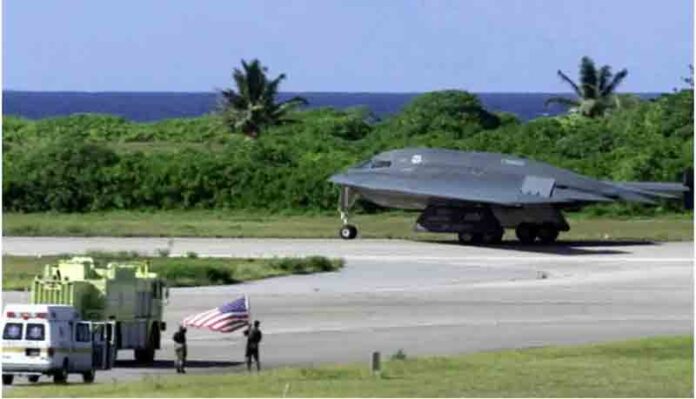
B-2 Spirit

U.S. Defense Secretary Pete Hegseth stated that it is up to Iran to interpret the recent deployment of B-2 bombers as a signal, expressing optimism that negotiations regarding Tehran’s nuclear program could reach a peaceful resolution.

Reports from U.S. officials to Reuters indicate that up to six B-2 bombers were moved in March to a U.S.-British military facility located on Diego Garcia, an island in the Indian Ocean, amid ongoing U.S. airstrikes in Yemen and escalating tensions with Iran.

With only 20 B-2 bombers in the Air Force’s fleet, their usage is typically limited. Experts suggest that the B-2s, known for their stealth capabilities and ability to carry the heaviest U.S. munitions and nuclear arms, are well-suited for operations in the Middle East.

When asked if the B-2s were intended to convey a message to Iran, Hegseth remarked, “We’ll let them decide.” He added, “It’s a valuable asset… it communicates a message to everyone,” during a press briefing in Panama.

He emphasized that President Trump has been clear in his stance that Iran should not possess a nuclear weapon, expressing hope that the President is committed to achieving this goal through peaceful means.

On Monday, Trump unexpectedly announced that the U.S. and Iran were set to initiate direct discussions regarding Tehran’s nuclear program on Saturday, cautioning that Iran would face “great danger” if the negotiations failed.

Iran, which has resisted Trump’s demands in recent weeks, indicated that indirect talks would take place in Oman, highlighting the ongoing rift between the two nations. On Wednesday, Trump reiterated his threat to consider military action if Iran does not agree to halt its nuclear ambitions.

“I’m not asking for much… but they cannot have a nuclear weapon,” Trump stated to reporters. “If military action is necessary, we will pursue it. Israel will, of course, take the lead on that. We operate independently.” He did not specify when any military action might commence.

While B-2 bombers have previously been used to target Houthi positions in Yemen, many experts believe that deploying the stealth bomber in this context is excessive.

The B-2 bomber is capable of carrying the 30,000-pound GBU-57 Massive Ordnance Penetrator, which is specifically designed to target and destroy facilities located deep underground.

Experts suggest that this weapon could potentially be employed against Iran’s nuclear program. Western nations have accused Iran of pursuing a secretive plan to develop nuclear weapons by enriching uranium to levels they deem excessive for a legitimate civilian nuclear energy initiative.

In response, Tehran maintains that its nuclear program is solely intended for peaceful energy generation.

Bangladesh to Expand Drone Fleet Amid Rising Tensions with India Over Bayraktar TB2 Deployments

0
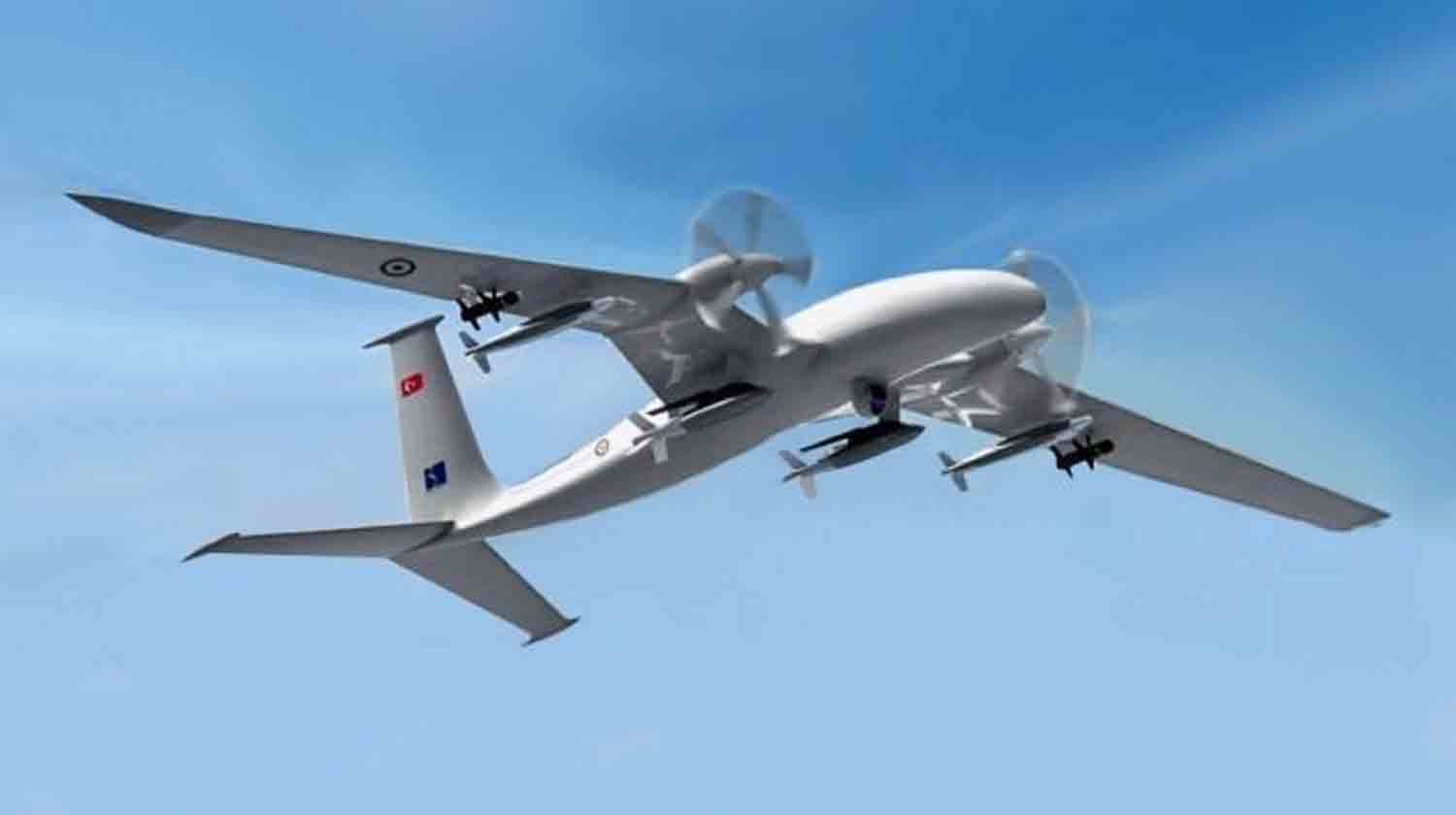
Bayraktar Akinci drone Turkey

Reports indicate that the Bangladesh Navy is contemplating the acquisition of Turkish-made Bayraktar TB2 drones, likely influenced by the impressive performance and effective use of these drones by the Bangladesh Army. This potential acquisition aims to enhance the Navy’s ability to monitor the Bay of Bengal and address emerging maritime threats, representing a strategic effort to bolster the country’s naval capabilities in a geopolitically sensitive area.

Insider sources reveal that the aviation wing of the Bangladesh Navy is particularly interested in the Bayraktar TB2, which has already demonstrated its effectiveness in military operations with the Army.

In addition to the standard Bayraktar TB2 model, the Navy is also considering a more advanced version that can operate from shorter runways, thereby increasing operational flexibility from naval vessels or smaller airbases. The Bayraktar TB2, developed by Turkey’s Baykar Technology, is recognized as one of the leading Medium Altitude Long Endurance (MALE) drones currently available.

Initially designed for deployment from Turkey’s first drone carrier, the TCG Anadolu, this drone is capable of executing a variety of missions, including intelligence gathering, surveillance, and precision strikes. The upcoming Bayraktar TB3 variant, which can launch and land on shorter decks, further highlights the adaptability and strategic potential of these unmanned aerial vehicle systems.

The Bangladesh Army has announced an expansion of its Bayraktar TB2 drone fleet, with plans to acquire a total of 12 units from Turkey.

Since 2023, six of these drones have been operational, and an additional six are anticipated to be integrated into the fleet soon. These drones are vital for intelligence, surveillance, and reconnaissance (ISR) missions, as well as for precision offensive operations, thereby bolstering Bangladesh’s military capabilities in both conventional and asymmetric warfare.

The strategic significance of the Bayraktar TB2 drones within Bangladesh’s defense framework was underscored shortly after Pakistan obtained similar drones for deployment near its disputed border with India. For Bangladesh, these unmanned aerial vehicles (UAVs) are considered a defensive resource, although neighboring countries have expressed growing apprehensions regarding their implications in the region.

India has particularly raised alarms about the presence of these drones close to its border with Bangladesh. Indian military officials have stated that any UAV operating within a 10-kilometer radius of the border would be regarded as an airspace violation, potentially leading to defensive measures.

A senior Indian military official emphasized, “We possess the capability to track and neutralize any drone or object that infringes upon India’s airspace,” highlighting the perceived threat from such drones, especially if utilized for ISR missions near sensitive border regions. The Bayraktar TB2 drone, identified by its transponder TB2R1071, was spotted flying in the strategically significant areas of Meghalaya, Tripura, and Mizoram. This drone, reportedly launched from Tejgaon Air Base in Dhaka, was conducting routine surveillance operations for the Bangladesh Army’s 67th Division.

This prompted an immediate reaction from Indian radar systems, which monitored the drone operating at high altitudes, well beyond visual detection.

“This drone operated at an extremely high altitude, rendering it invisible to the naked eye,” stated an Indian security official, who confirmed that the Indian Air Force (IAF) radar had identified the drone’s presence.

“The IAF will address this matter with the authorities in Bangladesh,” the official continued, emphasizing the ongoing tensions surrounding drone activities along the border.

This occurrence is part of a broader trend. Indian security sources have observed a rise in drone activity near the West Bengal border, a situation that has intensified as Bangladesh enhances its drone fleet and surveillance capabilities.

Given the shifting security landscape, particularly in light of political instability in Bangladesh, the presence of these drones near the border poses a growing challenge to regional stability. While these drones have not breached Indian airspace, their close proximity to the border has raised concerns within India’s defense community.

As tensions escalate in the region, the Indian government is under increasing pressure to implement proactive strategies to protect its airspace and prevent any further drone incursions.

India’s bilateral relations with Bangladesh have been on a downward trajectory since the collapse of Prime Minister Sheikh Hasina’s government in August 2024, triggered by widespread protests. The transition to the current administration led by Nobel laureate Muhammad Yunus has resulted in heightened diplomatic tensions, particularly concerning extradition matters and regional security dynamics.

India’s apprehensions regarding the strengthening ties between Bangladesh and China have become increasingly pronounced, especially in light of China’s strategic ambitions in the area. In response, India has implemented crucial measures to enhance its defense capabilities along the strategically vital Siliguri Corridor, often referred to as the “Chicken Neck.” This narrow land corridor connects India’s northeastern states to the rest of the nation, representing a significant vulnerability in India’s defense framework.

The introduction of the Russian-made S-400 air defense system and Rafale fighter jets in the region highlights the importance of this corridor within India’s overarching security strategy. The bolstered military presence, including the deployment of a Rafale fighter squadron at Hashimara Air Base, directly addresses perceived threats from both China and Bangladesh, which have increased their aerial activities near the Siliguri Corridor.

Historically viewed as a weak point in India’s defense, this area has become the focal point for enhanced security measures, particularly due to the growing military collaboration between Bangladesh and China. The expanding influence of China in Bangladesh, especially under Yunus’s leadership, has further complicated relations with India. Reports indicating that Bangladesh may establish an airbase in Lalmonirhat with Chinese assistance have exacerbated these concerns. Given its proximity to the Siliguri Corridor, such a development would significantly alter India’s strategic calculations in the region, heightening tensions in an already precarious security landscape.

As of April 2025, there are unconfirmed reports indicating that Bangladesh might advance this proposal, potentially altering the regional power dynamics. Should this airbase come to fruition, it could emerge as a focal point of strategic competition between India and Bangladesh, carrying broader consequences for the geopolitical environment in South Asia.

Ukraine’s F-16 fleet is currently confronted with the lethal threat posed by Russia’s S-400 system

0
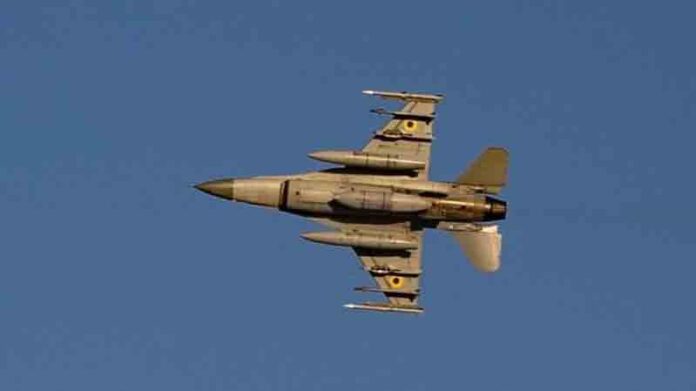
F-16 fighters Ukraine

Army General Christopher G. Cavoli, the leader of the U.S. European Command (EUCOM), announced that the Ukrainian Air Force has markedly increased its deployment of F-16 fighter jets in operations against Russia.

In a briefing with journalists, Cavoli stated that Ukrainian pilots are now operating these advanced jets on a daily basis, benefiting from their enhanced proficiency with the aircraft and supported by additional supplies from European partners such as the Netherlands and Denmark.

This development represents a crucial turning point in Ukraine’s defense strategy, occurring more than three years into Russia’s extensive invasion, as Kyiv aims to challenge Moscow’s air superiority. The information highlights a transformation in the conflict’s dynamics, prompting inquiries about how these aircraft will alter the battlefield and their implications for the wider war.

The F-16, commonly referred to as the Fighting Falcon, is a single-engine multirole fighter developed by General Dynamics (now Lockheed Martin) in the early 1970s. Originally designed for air superiority, it has transformed over the years into a flexible platform capable of performing a variety of missions, including air-to-air combat and precision ground attacks.

Its compact structure, featuring a cropped delta wing and a maximum speed exceeding Mach 2, provides the F-16 with remarkable maneuverability. The aircraft is typically armed with a 20mm M61 Vulcan cannon and can be outfitted with various munitions, including AIM-9 Sidewinder and AIM-120 AMRAAM missiles for aerial engagements, as well as precision-guided munitions like the JDAM (Joint Direct Attack Munition) for ground operations.

With a combat radius of approximately 340 miles on internal fuel, which can be extended with external tanks, the F-16 represents a significant enhancement for Ukraine compared to its outdated Soviet-era fleet of MiG-29s and Su-27s, which do not possess the same advanced avionics and weaponry integration.

The integration of the F-16 into Ukraine’s military operations is significantly reshaping the tactical environment. General Cavoli highlighted that these jets are deployed “every day” to target Russian missile threats and conduct strikes in eastern Russia, a claim supported by reports from the Ukrainian Air Force dating back to late March.

Earlier this year, a Ukrainian pilot stated that more than 80 percent of missiles fired from F-16s successfully hit their intended targets, effectively neutralizing threats such as Shahed drones and cruise missiles launched from Russian territory. This high level of accuracy is attributed to the aircraft’s sophisticated radar and fire-control systems, particularly the AN/APG-66 or the upgraded AN/APG-68 radar, which facilitate precise targeting over long distances.

The AIM-120 AMRAAM, a radar-guided missile with a range of up to 65 miles, allows Ukrainian pilots to engage Russian aircraft or incoming threats from a safer distance, contrasting sharply with the shorter-range R-73 missiles used on their older aircraft.

In addition to air defense, the F-16’s capability for ground strikes is proving to be revolutionary. Recently, Ukraine has outfitted these jets with GBU-39 Small Diameter Bombs (SDB) and JDAM-ER kits, which transform unguided bombs into GPS-guided munitions with ranges exceeding 40 miles.

This enhancement enables Ukrainian forces to target Russian command centers, supply routes, and fortifications while minimizing the risk to pilots from the extensive surface-to-air missile systems positioned near the front lines. Analysts also suggest that the F-16 may be taking on roles in Suppression of Enemy Air Defenses (SEAD), a mission area where the aircraft excels due to its electronic warfare capabilities.

Outfitted with AN/ALQ-131 jamming pods, the F-16 has the capability to interfere with Russian radar systems, including the S-300 and S-400, thereby creating opportunities for other aircraft or drones to operate effectively. Although there has been no official confirmation of Suppression of Enemy Air Defenses (SEAD) missions in Ukraine as of early April, the F-16’s historical deployment in similar roles during NATO operations in the Balkans and the Middle East provides a framework for understanding its potential effectiveness.

However, maintaining these advanced aircraft in a combat zone poses significant challenges for Ukraine. In contrast to its Soviet-era planes, which were built for harsh environments and could be serviced with readily available local parts, the F-16 requires a sophisticated supply chain and specialized support infrastructure.

General Cavoli alluded to the logistical efforts involved, mentioning that more jets are “prepared to be deployed” and that additional pilots are undergoing training, although he did not disclose specific numbers. European allies, especially Denmark and the Netherlands, have played a crucial role in this initiative.

For example, the Netherlands has committed to supplying 24 F-16s, with deliveries set to commence in 2024, while Denmark has offered an undisclosed number from its surplus fleet. These nations have also provided spare parts, munitions, and technical assistance, likely coordinating repairs at facilities outside Ukraine to mitigate the risk of Russian attacks on airbases.

The specifics regarding the servicing and maintenance of these jets remain unclear. Many of Ukraine’s current airbases, which largely date back to the Soviet era, were not designed to accommodate Western aircraft like the F-16, which necessitate smooth runways and advanced maintenance facilities.

Earlier reports indicate that Kyiv has modified some of its facilities, but it is also possible that makeshift airstrips—such as segments of highways repurposed for MiG-29 operations—are being utilized. This approach is reminiscent of tactics employed in other conflicts, such as Sweden’s use of road bases during the Cold War. Nevertheless, the logistical challenges are substantial.

Each F-16 fighter jet necessitates approximately 16 hours of maintenance for every hour of flight, as per U.S. Air Force guidelines, and depends on a consistent supply of parts such as engines, avionics, and countermeasures. It is likely that European allies have implemented a hub-and-spoke model for repairs, with maintenance operations taking place in NATO member states like Poland or Romania, although this has not been officially confirmed.

In response to Ukraine’s enhancement of its air capabilities, Russia is taking action. The Kremlin has consistently regarded the introduction of F-16s as a critical threshold, with officials warning of potential escalation since the aircraft were first promised in 2023.

Consequently, Russian military forces seem to be modifying their strategies. Open-source intelligence from late March reveals heightened activity of S-400 systems along the front lines, which can engage targets at distances of up to 250 miles using the 40N6 missile. These systems represent a considerable threat to the F-16, compelling Ukrainian pilots to operate at lower altitudes or near the peripheries of contested airspace to evade detection.

Additionally, there are indications that Russia is repositioning its advanced fighter jets, including the Su-35S and MiG-31BM, to address this emerging threat. The Su-35, a 4.5-generation fighter equipped with a thrust-vectoring engine and R-77 missiles, presents a significant challenge, with a radar cross-section and agility that compete with those of the F-16.

Moscow’s approach may also encompass strategies beyond direct confrontations. Russian forces have a track record of targeting Ukrainian airbases with Iskander ballistic missiles and long-range drones, aiming to incapacitate aircraft on the ground before they can take flight. A Ukrainian F-16 was reportedly lost in August 2024, attributed to friendly fire rather than Russian action, highlighting the vulnerability of these assets.

To address this challenge, Ukraine is likely distributing its limited fleet of F-16s—currently estimated at 16 to 18 jets—across various locations, a strategy that has proven effective with its Soviet-era aircraft. However, Russia’s significant numerical superiority in both aircraft and munitions means that each F-16 mission carries considerable risk.

The significance of the F-16 in Ukraine extends beyond the battlefield, impacting NATO’s strategic considerations and the overall direction of the conflict. General Cavoli’s remarks regarding the influx of additional jets and pilots indicate a continued commitment from European allies, despite fluctuations in U.S. support during the Trump administration.

In March, Forbes reported that the U.S. halted assistance for the jets’ electronic warfare systems, a decision that may hinder their effectiveness against Russian radar systems. France has provided support with the delivery of Mirage 2000 jets in February, yet the F-16 remains a crucial component of Ukraine’s Western-supported air force. Its operational success could influence future aid strategies.

A series of victories could lead NATO to expedite the provision of advanced fifth-generation fighters like the F-35, known for its stealth capabilities and superior sensor integration, although its cost of over $80 million per unit makes this a long-term consideration. On the other hand, significant losses could strengthen the argument that older platforms like the F-16 are not well-suited for contemporary, high-intensity warfare.

In contrast, Russia’s air force boasts a diverse array of aircraft that far exceed Ukraine’s fleet in size, though they differ in capabilities. The Su-35, equipped with the advanced Irbis-E radar and 12 weapon hardpoints, directly competes with the F-16, although it does not offer the same level of compatibility with NATO-standard munitions.

The MiG-31, originally designed as an interceptor, is equipped with long-range R-33 missiles and can achieve speeds of Mach 2.83. However, its initial flight in 1975 has rendered it less versatile. The recent acquisition of F-16 Block 70 jets by Western allies like Bulgaria, as reported by Newsweek, underscores the ongoing relevance of this platform.

Bulgaria’s upgraded models, featuring AESA radar and Link 16 data-sharing capabilities, demonstrate the evolution of the F-16 since its introduction, setting a standard for what Ukraine could accomplish with additional enhancements.

The F-16 has a proven combat history, having demonstrated its effectiveness in various conflicts. In Operation Desert Storm in 1991, U.S. F-16s conducted over 13,000 sorties, successfully targeting Iraqi air defenses and infrastructure with minimal casualties. During the 1999 Kosovo War, they led SEAD operations against Serbian surface-to-air missile sites, highlighting their versatility.

Ukraine’s situation is distinct, as it confronts a well-resourced adversary, but the F-16’s history indicates it can perform effectively when operated by skilled pilots and supported adequately. Ukrainian pilots, trained in the U.S. and Europe since 2023, combine Soviet-style adaptability with Western precision, creating a hybrid strategy that could enhance the F-16’s effectiveness.

The overall impact on the conflict will depend on how well Ukraine utilizes this asset. The arrival of the jets has already lifted spirits, with President Volodymyr Zelensky describing their deployment as a “new chapter” in Ukraine’s defense following the first delivery last summer.

Strategically, these aircraft serve as a counterbalance to Russia’s dominance in the air, which has facilitated continuous attacks on Ukrainian urban areas. However, their availability is still limited, falling significantly short of the 200 to 220 fighters that experts believe Ukraine requires to effectively contend with Moscow’s air capabilities. While upcoming deliveries from Belgium and ongoing training initiatives will provide some support, the escalating situation on both fronts indicates a prolonged conflict.

Ultimately, the F-16’s significance for Ukraine may extend beyond its combat capabilities; it symbolizes a pathway to NATO integration and reflects the steadfast commitment of Western nations.

Russia’s capacity to adapt—evident in its adjustments to radar operations and increased strikes on airfields—means that the F-16 is not a guaranteed solution. As the war continues, a critical question remains: will these jets alter the dynamics of the conflict, or simply postpone an unavoidable confrontation? The resolution may hinge less on the jets themselves and more on the political determination that supports their deployment.

Trump’s aggressive tariffs on China escalate a conflict that the U.S. may find difficult to win

0
Donald Trump meets with Chinese President Xi Jinping

In a significant shift from a widespread global tariff conflict, President Donald Trump intensified his confrontation with China, a nation that poses a formidable challenge to the United States in trade.

On Wednesday, Trump unexpectedly declared a 90-day suspension of all “reciprocal” tariffs that he had previously announced with great enthusiasm just a week earlier. However, he made an exception for China, increasing its tariff from 104% to 125% as part of an ongoing tit-for-tat battle that has led to a tense standoff between the two leading global powers.

This decision to retreat from reciprocal tariffs followed several days of declining stock market performance and growing concerns that his actions could push the U.S. economy toward a severe recession.

Trump’s focus on China may have been an effort to maintain his image while reversing his earlier stance, but it raises concerns that trade between the two largest economies could come to a standstill, causing significant harm to both nations and triggering negative effects worldwide.

The White House attempted to frame this retreat as a strategic victory, claiming that the pause in reciprocal tariffs was prompted by a surge of countries eager to negotiate with the U.S. It asserted that China faced increased tariffs due to its retaliatory measures against Trump’s trade policies.

Treasury Secretary Scott Bessent characterized the targeting of Beijing as a move to confront “bad actors,” attributing it to China’s persistent escalation in the trade conflict.

There is a broad consensus in Washington that the trade relationship with China is skewed, necessitating a strong response from the US to address what are seen as violations by Beijing. However, Trump’s erratic leadership style is unlikely to yield the intended results, as each of his challenges is met with a counter from President Xi Jinping, who has invested significant credibility in this confrontation.

This standoff is the result of years of US efforts to tackle perceived trade injustices by China and marks the peak of deteriorating relations over the past decade. This decline has been fueled by a more aggressive and nationalistic approach from a Pacific competitor that has evolved into a hostile superpower eager to contest US dominance.

This situation represents a troubling milestone in a diplomatic relationship that will significantly shape the 21st century and signals a failure of a long-standing US initiative aimed at preventing tensions from escalating into a full-blown trade war—or potentially worse—between these two global powers. On Wednesday, China retaliated by announcing tariffs of 84% on US imports. Global policymakers and investors are closely monitoring how Beijing will react to Trump’s latest challenge on Thursday morning, according to local time.

For over 50 years, the US has sought to navigate China’s rise, beginning with President Richard Nixon’s historic visit to Chairman Mao Zedong, which aimed to open up a previously isolated and impoverished nation and create a rift between its leaders and their Soviet communist allies. Nearly 25 years have passed since another significant event: the US facilitated China’s entry into the World Trade Organization, hoping to encourage democratic reforms and integrate it into a rules-based, Western-oriented economic framework.

The ultimate shortcomings of these well-meaning initiatives are becoming increasingly evident during Trump’s second term. The president ascended to power on a populist surge that was, in part, a response to globalization, which resulted in the outsourcing of American industrial jobs to China, leaving devastation in its path.

Prospects for a deal with China seem grim

The outlook for a trade agreement with China appears bleak. Trump asserts that numerous countries are keen to negotiate trade deals to alleviate the burden of US tariffs.

However, China is not among them.

Beijing dismissed Trump’s warning against retaliating to a previous 34% tariff imposed alongside an initial set of duties, stating it was prepared to fight “to the end.” As the conflict with President Xi Jinping escalated, the US president felt compelled to uphold his credibility by following through on his threat to implement a massive import tax on goods from the world’s second-largest economy.

“Countries like China that have opted to retaliate and intensify their mistreatment of American workers are making a grave error,” said White House press secretary Karoline Leavitt on Tuesday. “President Trump possesses unwavering resolve, and he will not yield, nor will America falter under his leadership.”

The significant amount of personal and political capital Trump has now committed to this confrontation with Xi marks the most critical turn in a tumultuous week since he unveiled his “Liberation Day” tariffs in the Rose Garden of the White House.

China appears increasingly confident that it can endure the ongoing confrontation with Trump, a situation for which it has been strategically preparing for years. It remains uncertain whether Trump and his senior advisors are fully aware of the depth of China’s resilience or the potential impact it could have on American consumers.

If the US president believes that his frequently touted “great relationship” with Xi will lead to a swift concession from China, he is mistaken. The likelihood of reaching a trade agreement with Beijing akin to the one attempted during Trump’s first term, which largely unraveled during the pandemic, seems unlikely.

Trade tensions are escalating, with both sides exhibiting overconfidence.

While Trump’s assertions that the US has been “raped” and “pillaged” by its trade partners may be exaggerated, his concerns regarding China’s actions resonate with several past presidents. Disputes often arise over issues such as import dumping, access to markets for US companies, intellectual property theft, currency manipulation, and industrial espionage. Previous administrations have implemented targeted enforcement measures and penalties in an effort to alter China’s conduct. Years of tension in this relationship have contributed to a bipartisan consensus in Washington that views Beijing as the foremost military and economic challenge to US dominance.

Trump’s assertiveness is unmatched. He perceives this as a singular and possibly final chance to reshape the dynamics of the United States with what the US Trade Representative’s office refers to as the largest trading nation in the world. “We have one opportunity to get this right,” Trump stated to reporters in the Oval Office on Monday.

However, his approach is erratic and lacks a coherent strategy.

Additionally, it demonstrates a disregard for China’s dignity and influence, a consistent pattern in the administration’s interactions with other nations.

For example, Vice President JD Vance recently ridiculed China while criticizing previous US trade policies. “We borrow money from Chinese peasants to purchase the products those same peasants create,” he remarked. “That does not lead to economic prosperity, low prices, or good jobs in the United States,” Vance told “Fox & Friends.”

The vice president’s disparaging comments overlooked the significant advancements in China’s economy, which has emerged as a global leader in innovation across various sectors, including artificial intelligence, electric vehicles, and energy production. In response, Beijing condemned Vance’s statements as “astonishing,” “lamentable,” “ignorant,” and “disrespectful.”

There are significant political, global, and economic factors that prevent Xi from yielding.

The uncompromising Chinese leader positions himself as a pivotal figure in the resurgence of Chinese civilization’s rightful dominance and respect. Therefore, yielding to a confrontational American president is simply out of the question. Demonstrating any sign of weakness towards the United States would undermine China’s own authority and be perceived as a loss of face, particularly in the Asian context.

Simultaneously, China’s discourse is filled with the belief that the US aims to undermine its economy and political framework. For example, Liu Pengyu, spokesperson for the Chinese embassy in Washington, criticized US tariffs on Tuesday, labeling them as “abuse” and a violation of China’s “legitimate rights.”

In both Beijing and Washington, arrogance is fueling the tension.

Chinese state media expresses a firm conviction that America is an empire in decline. Rather than reflecting strength, Trump’s second term and the political turmoil he generates are interpreted as indicators of fragility.

Trump’s dramatic behavior and his criticisms of US allies, including those in Southeast Asia, bolster China’s narrative that the United States is an unreliable partner, suggesting that China’s model of capitalism combined with political oversight is superior.

China’s assurance in facing a potentially prolonged trade conflict with the United States is also grounded in Xi’s efforts to realign and modernize the Chinese economy.

According to Lily McElwee, an adjunct fellow at the Center for Strategic and International Studies, “If you are Xi Jinping right now, you might be thinking, ‘On the metrics that matter to me—technological resilience and self-reliance—we’re doing well; these tariffs may not have an immediate effect on us.’” McElwee, who also serves as president and CEO of the Phoenix Committee on Foreign Relations, adds that Xi likely believes China possesses “retaliatory tools that could impose significant costs on the United States as well.”

As a true authoritarian leader, Xi does not share Trump’s concerns about the repercussions of a trade war on upcoming elections, such as next year’s congressional midterms. While public sentiment still holds some significance in China, Xi may believe he can impose greater hardships on the Chinese populace than Trump can on Americans.

Should inflation in the US escalate and trigger a recession, it could be the Americans who seek a trade resolution under terms that favor Beijing.

American consumers are on the brink of experiencing significant economic hardship

China has consistently been the largest foreign supplier of goods to the US, representing up to 16% of total imports in recent years, as reported by the USTR. It holds a dominant position in the markets for smartphones, computers, and toys—sectors likely to face substantial price increases due to new tariffs, making these products unaffordable for many Americans. Coupled with the tariffs imposed by the Biden administration, which built upon those established during Trump’s first term, China is now subject to an effective average tariff rate nearing 150%.

Additionally, Beijing has the option to impose further penalties on the US, such as suspending export licenses for rare earth minerals crucial to the American tech industry. This could explain Trump’s intense focus on securing alternative supply sources from regions like Ukraine and Greenland.

In light of the severe inflation experienced in the US due to pandemic-related supply chain disruptions, Chinese leaders might opt to implement new artificial restrictions on the flow of goods to the US. American businesses and legal entities could face limitations on their operations in China. Furthermore, Beijing could disrupt the US agricultural sector by curtailing imports of soybeans and sorghum. While these actions would adversely affect both Chinese and American interests, they would serve to illustrate Xi’s capacity for retaliation.

Small businesses face significant risks as well. Unlike large corporations such as Apple, which can shift their manufacturing operations to countries like India, U.S. companies that depend on products and components from China will find themselves in a precarious position.

Alex Jacquez, a former special assistant for Economic Development and Industrial Strategy under President Joe Biden, stated, “For small businesses, especially those involved in imports or sourcing materials, challenges are inevitable.” He warned that the broader economic implications could be severe. “This situation will likely hinder GDP growth, which in turn will affect the labor market and contribute to inflationary pressures,” Jacquez added.

“One major concern is the lack of rational planning or coherent strategy in addressing these issues.”

Netanyahu met with Trump seeking gains on tariffs and Iran but returned to Israel empty-handed

0
Prime Minister Benjamin Netanyahu

Israeli Prime Minister Benjamin Netanyahu sought the straightforward political gains that were once abundant during his interactions with US President Donald Trump, but he left the Oval Office without any such victories.

The purpose of their meeting was to discuss the new 17% tariff that the White House had recently imposed on Israeli exports. In an attempt to avert these tariffs, Israel had eliminated its own tariffs on American goods just a day prior, despite the fact that these tariffs applied to only a limited number of products.

While sitting beside Trump in the White House, Netanyahu expressed Israel’s commitment to swiftly removing trade barriers and addressing trade deficits. He lauded Trump, stating, “We are going to eliminate the tariffs and do so quickly.”

However, Trump remained unmoved. He noted that Israel receives $4 billion annually from the United States, remarking, “Congratulations, by the way. That’s pretty good,” but he did not agree to alter his tariff strategy.

When asked about the possibility of reducing the tariffs, he replied, “Maybe not, maybe not.”

For years, Netanyahu had grown accustomed to receiving political favors from Trump, particularly during the first Trump administration. From relocating the US embassy to Jerusalem and recognizing the Golan Heights as Israeli territory to normalizing relations with two Arab Gulf nations, Netanyahu consistently celebrated these actions and the president behind them.

Netanyahu was quick to emphasize that he was not only the first foreign leader to visit Trump during his second term but also the first to engage in tariff negotiations with him. However, this meeting did not yield any tangible outcomes or commitments from the US that Netanyahu could claim as achievements.

The most significant setback for Netanyahu revolved around one of his key concerns: Iran. In the days leading up to the highly anticipated meeting, Israeli media buzzed with speculation that the two leaders would discuss potential military action against Iran. The leading headline in Israel’s major newspaper, Yedioth Ahronoth, proclaimed “IRAN FIRST,” suggesting that the Islamic Republic would need to endure a “heavy blow” before any negotiations could take place. The deployment of at least six US B-2 stealth bombers in the Indian Ocean, along with a second aircraft carrier in the Middle East, further fueled speculation in Israel that a military strike was not only possible but increasingly likely.

In the end, the most significant news centered on Iran, but it was likely not what Netanyahu had anticipated.

Trump revealed that the US and Iran were on the verge of initiating discussions regarding a new nuclear agreement. While Netanyahu was aware that Trump was seeking dialogue with Iran, the unexpected announcement of the imminent talks—scheduled to commence on Saturday—seemed to catch the prime minister off guard. The smile quickly faded from his face as he turned to his team of advisers.

The announcement was “certainly not” favorable for Israel. It remains unclear whether Netanyahu was informed in advance about the US-Iran discussions or if he had been consulted beforehand.

Before returning to Israel, Netanyahu articulated his stance.

“We are united in our belief that Iran must not possess nuclear weapons. This can be achieved through an agreement, but it must resemble the Libyan model,” he stated, referencing the 2003 accord in which Libya voluntarily dismantled its developing nuclear program. However, Netanyahu warned that if Iran prolongs the negotiations, he had discussed the military option “in detail” with Trump.

In Israel, the repercussions were already evident.

“If Trump initiated the negotiations without our awareness, it indicates he will prioritize American interests alone,” remarked Ronni Shaked, a researcher at the Truman Institute at Hebrew University. Had Israel been informed beforehand, Netanyahu could have offered “some insights, new information, or intelligence,” Shaked noted. “But now, there’s nothing, absolutely nothing.”

Trump’s enthusiastic commendation of Turkish President Recep Tayyip Erdogan—one of Israel’s most vocal adversaries since the onset of the Gaza conflict—was another unexpected moment during the press conference.

Last year, Erdogan implored God to “punish” Netanyahu and declared at a campaign rally, “We will send the person called Netanyahu to Allah.” For months, Erdogan has consistently voiced anti-Israel sentiments, particularly targeting Netanyahu.

While sitting beside Netanyahu, Trump praised Erdogan. “I have a great relationship with a man named Erdogan,” Trump remarked. “He’s a tough guy. He’s very intelligent.” Trump expressed confidence in his ability to resolve any disputes between Turkey and Israel.

“This was particularly humiliating for Netanyahu, especially since just last week, Erdogan stated that he believes Israel should be destroyed or eliminated,” commented Alon Liel, Israel’s former ambassador to Turkey. “Although it was a minor part of the press conference, it carried significant weight.”

During a speech for the Muslim holiday of Eid al-Fitr on March 31, Erdogan called on God to “condemn Israel to misery.”

Trump provided Netanyahu with some political support domestically. The two leaders announced they are collaborating on a new agreement to secure the release of Israeli hostages from Gaza. Trump noted that Netanyahu is actively pursuing this issue, despite ongoing criticism directed at the Israeli leader for not doing enough to facilitate the hostages’ return.

Trump expressed his hope for an end to the conflict, stating, “I believe the war will conclude at some point, and that won’t be too far off.” However, for Netanyahu, a ceasefire could be detrimental, as his administration depends on the backing of far-right factions that strongly oppose halting the conflict.

Commenting on Netanyahu, Shaked remarked, “Bibi is returning home with nothing—no progress on Iran, no resolution in Gaza, and no movement on the kidnapped individuals. Absolutely nothing.”

Trump’s withdrawal from tariffs has lasting effects on the United States

0
U.S. President Donald Trump gestures beside U.S. first lady Melania Trump as they leave the U.S. Capitol building on the inauguration day of Donald Trump's second presidential term in Washington, U.S.

Americans have commemorated their liberation from monarchical governance for nearly 250 years, yet Liberation Day will not be included in the 2026 calendar. President Donald Trump’s economic interpretation of the Declaration of Independence concluded on Wednesday afternoon, just a week after its grand introduction in the White House Rose Garden. He rescinded most of his controversial tariffs, leading to a surge in stocks, bonds, and the dollar, although many national wounds will persist.

This retreat, while significant, is both fragmented and temporary. Trump has suspended the so-called “reciprocal” tariffs on other nations for 90 days, but a broad 10% tax on incoming trade remains in place. China, which exported nearly $440 billion worth of goods to the United States last year, faces another blow, with its tariff rate rising to 124% after Beijing officials increased their levy on U.S. imports to 84% earlier that day. Tariffs on automobiles and steel continue to apply, along with the looming threat of additional charges on pharmaceuticals and semiconductors. Consequently, the effective tariff on U.S. imports will be significantly higher than the 2.5% rate recorded at the end of the previous year.

Considering all these factors, Trump’s self-claimed negotiating skills have encountered a notable setback. The former reality television star spent a week asserting that other nations were eager to negotiate, yet he capitulated without securing any tangible concessions from even the most unlikely trading partners. As the three-month deadline nears, rival governments are likely to feel emboldened to maintain their positions. Additionally, Cabinet members have tarnished their reputations in their attempts to defend a policy that many find indefensible, with its rationale being almost comical. Just hours before Trump announced the pause on tariffs via social media, Treasury Secretary Scott Bessent claimed the administration prioritized Main Street over Wall Street, while Commerce Secretary Howard Lutnick insisted that the tariffs would not be delayed.

The bond markets may have had a more significant impact than the president’s advisors. On Wednesday, the yield on 30-year U.S. government bonds surged past 4.8%, up from below 4.4% on Friday, as hedge funds liquidated leveraged positions and international investors turned to Japanese, Swiss, and German assets for safety.

A continued selloff could have increased the cost of capital throughout the U.S. economy, potentially leading to a severe financial crisis. Yields remain high, partly due to the lasting effects of the damage already done. Both consumers and businesses will experience the impact of higher costs for goods, all while anxiously anticipating further unpredictable policy changes.

Trump has little to show for his flagship policy initiative. He and his advisors have variously promoted tariffs as a means of generating government revenue, revitalizing U.S. manufacturing, addressing ongoing trade deficits, and enhancing economic security. These questionable justifications now seem even more ludicrous. What remains of Trump’s vision for economic independence is the enduring discomfort of self-imposed isolation.

India has positioned Barak-8 missile systems near the border with Pakistan

0
Barak-8 system, India

The Indian Air Force has stationed the Barak-8, referred to as MR-SAM, surface-to-air missile system at the Bhatinda Air Force Station in Punjab, close to the Pakistan border.

Recent satellite images analyzed by open-source experts reveal new infrastructure at the base, including missile launch sites, radar ramps, and specific storage facilities, which align with the operational setup of the Barak-8 system.

The analysis suggests that the established configuration points to a permanent or long-term deployment rather than a temporary forward positioning.

Developed collaboratively by India’s Defence Research and Development Organisation (DRDO) and Israel Aerospace Industries, the Barak-8 system is engineered to counter various aerial threats, such as aircraft, UAVs, and cruise missiles.

While the Indian Air Force has not released an official statement regarding this deployment, satellite imagery indicates that Bhatinda is now part of an expanding network of sites equipped with the Barak-8. Currently, at least 13 batteries are strategically located across India’s northern and eastern regions, including areas along the borders with Pakistan and China.

The positioning at Bhatinda allows the system to quickly intercept threats from Pakistan’s eastern military facilities. Additionally, it enhances the air defense coverage over one of India’s major air bases in Punjab, which hosts fighter squadrons and essential support infrastructure.

Over the past three years, India has progressively increased its Barak-8 deployment in response to ongoing border tensions with both Pakistan and China.

Locally known as MR-SAM (Medium Range Surface-to-Air Missile), the system has been integrated into both air force and army units and is considered a vital component of India’s developing multi-layered air defense strategy.

China claims that the Philippines delivered supplies to a warship at a contested atoll

0

On Thursday, China‘s coast guard announced that it permitted a Philippine civilian vessel to supply provisions to a warship that is “illegally grounded” at the Second Thomas Shoal, a contested atoll in the South China Sea. The coast guard monitored and questioned the Philippine vessel throughout its supply operation, emphasizing the need for the Philippines to collaborate with China to address the maritime situation.

The Philippine embassy in Beijing has not yet provided a response to a request for comment.

For months, China and the Philippines have exchanged criticisms regarding activities at Second Thomas Shoal, which lies within Manila’s 200-nautical-mile Exclusive Economic Zone (EEZ) in the South China Sea. China asserts sovereignty over nearly the entire South China Sea, despite competing claims from Brunei, Indonesia, Malaysia, the Philippines, and Vietnam. A 2016 ruling by an international arbitral tribunal determined that Beijing’s claims, based on historical maps, lack validity under international law, a verdict that China does not acknowledge.

China retaliates with 84% tariffs as the intensifying trade war impacts markets

0
Chinese and U.S. flags, in Beijing.

China will implement an 84% tariff on U.S. goods starting Thursday, a significant increase from the previously announced 34%, according to the finance ministry’s statement on Wednesday. This move marks the latest escalation in a global trade conflict initiated by U.S. President Donald Trump.

Earlier on Wednesday, Trump’s “reciprocal” tariffs took effect, which include a staggering 104% duty on Chinese products.

The European Union is also gearing up to announce its own retaliatory actions later on Wednesday.

Trump’s aggressive tariffs have disrupted a long-standing global trading system, heightened recession fears, and resulted in a loss of trillions in market value for major corporations. In response to China’s earlier counter-tariffs, Trump nearly doubled the duties on Chinese imports from 54% to the new rate.

Earlier in the day, China characterized its trade surplus with the U.S. as inevitable and asserted its “determination and means” to continue the trade battle if Trump persisted with tariffs on Chinese goods. The Chinese currency has come under significant downward pressure, with the offshore yuan hitting record lows due to the tariffs. However, sources informed Reuters that the central bank has instructed major state-owned banks to limit U.S. dollar purchases and will prevent sharp declines in the yuan’s value.

Additionally, China has communicated to the World Trade Organization that the U.S. tariffs pose a threat to global trade stability. “The situation has dangerously escalated… As one of the affected members, China expresses grave concern and firm opposition to this reckless move,” China stated in a message to the WTO on Wednesday, which was relayed to Reuters by the Chinese mission to the organization.

MARKET DECLINE

Since Trump announced his tariffs last Wednesday, the S&P 500 has experienced its most significant decline since the index’s inception in the 1950s, approaching bear market territory, defined as a 20% drop from its most recent peak.

U.S. Treasuries experienced significant declines on Wednesday amid market volatility, indicating that investors are offloading even their most secure assets. Concurrently, the dollar, typically regarded as a safe haven, weakened against other major currencies.

European stock markets declined, and U.S. stock futures suggested further challenges ahead, following a difficult trading day for much of Asia.

Former President Trump has downplayed the market downturn, sending mixed messages regarding the long-term status of tariffs. He referred to them as “permanent” while also claiming they are compelling other leaders to seek negotiations.

European Union member states are anticipated to endorse the bloc’s initial countermeasures against Trump’s tariffs on Wednesday, aligning with China and Canada in their response. The European Commission, responsible for EU trade policy, has suggested imposing additional tariffs, primarily at a rate of 25%, on various U.S. imports, including motorcycles, poultry, fruits, wood, clothing, and dental floss, as outlined in a document reviewed by Reuters. These tariffs are set to be implemented in phases.

US Navy Boosts Submarine Capabilities with USS Iowa, the 24th Virginia-Class Submarine

0
U.S. sailors assigned to the Virginia-class fast attack submarine USS Iowa (SSN 797) man the rails during a commissioning ceremony at Naval Submarine Base New London in Groton, Conn.

The US Navy officially commissioned its 24th Virginia-class fast-attack submarine, USS Iowa (SSN 797), in a formal ceremony held on April 5, 2025, at Naval Submarine Base New London in Groton, Connecticut. This event marks a significant step forward in the ongoing enhancement and expansion of the U.S. undersea fleet, particularly as global naval powers intensify their efforts to establish dominance in underwater warfare.

The commissioning of the USS Iowa highlights the U.S. Navy’s dedication to maintaining undersea superiority in the face of increasing competition from rival navies, notably China and Russia. With 24 Virginia-class submarines now operational and additional units in development, the U.S. boasts the largest and most advanced attack submarine fleet in the world. This growth is particularly vital as China rapidly expands its submarine capabilities, which are currently estimated to exceed 60 vessels, including approximately a dozen that are nuclear-powered. China’s latest Type 093 and forthcoming Type 095 nuclear attack submarines reflect its ambitions, although they still fall short of U.S. standards in terms of acoustic stealth, sensor technology, and global operational reach.

Conversely, Russia maintains a smaller but highly effective submarine fleet. Its Yasen-class nuclear-powered attack submarines, such as the Kazan and Novosibirsk, are equipped with advanced Kalibr and Oniks cruise missiles, and may soon incorporate hypersonic weapons. While the Yasen-class can compete with some U.S. capabilities in terms of firepower and speed, its overall fleet size is constrained by budget limitations and slower production rates. As of 2025, Russia operates fewer than 10 of the latest generation of nuclear-powered attack submarines, rendering its undersea force powerful yet less numerous and less capable of global deployment compared to its American equivalent.

The Virginia-class submarines, including the recently commissioned USS Iowa, form the core of the United States’ contemporary undersea warfare capabilities. These vessels integrate cutting-edge stealth technology, sophisticated intelligence-gathering systems, and versatile multi-mission functionality, allowing them to excel in both deep-sea and coastal combat scenarios. Measuring 377 feet in length and capable of exceeding speeds of 25 knots while submerged, the USS Iowa is powered by a nuclear reactor, enabling it to operate for over 30 years without the need for refueling. Its arsenal features 12 vertical launch tubes for Tomahawk cruise missiles, four torpedo tubes for Mk-48 advanced torpedoes, and the capability to deploy unmanned undersea vehicles and special operations teams. The submarine’s advanced sonar systems and photonic masts significantly enhance situational awareness while preserving stealth in contested waters.

As the sixth submarine constructed under Block IV, the USS Iowa includes enhancements designed to minimize major maintenance periods and boost deployment readiness. These upgrades allow the submarine to undertake more missions with improved operational efficiency, a vital asset as undersea threats continue to develop.

Commander Gregory Coy, the commanding officer of the USS Iowa, highlighted the vessel’s readiness for frontline operations, stating, “Today, we become the ‘USS’ Iowa, and I intend to take her to the frontline, continuing the Navy’s overwhelming display of undersea dominance and lethality.” Secretary of the Navy Carlos Del Toro reinforced the strategic importance of such platforms, emphasizing that submarines like the Iowa are crucial for deterring aggression and projecting power on a global scale.

Looking to the future, the U.S. Navy intends to expand its fleet of fast-attack submarines to a minimum of 66 vessels while simultaneously progressing with the next-generation SSN(X) program to maintain its dominance into the 2030s and beyond. In contrast, neither China nor Russia is expected to rival the United States in terms of the overall quality, quantity, and global operational reach of its fast-attack submarine fleet.

Since the launch of the first Virginia-class submarine, USS Virginia (SSN 774), on October 23, 2004, this class has grown steadily through four production blocks. Blocks I and II established the technological groundwork, while Block III brought significant design innovations, including the Virginia Payload Tubes. Block IV, which features the USS Iowa, focuses on longer deployment capabilities and reduced maintenance needs. As of April 2025, the active fleet of Virginia-class submarines in the U.S. Navy comprises:

– Block I: USS Virginia (SSN-774), USS Texas (SSN-775), USS Hawaii (SSN-776), USS North Carolina (SSN-777)
– Block II: USS New Hampshire (SSN-778), USS New Mexico (SSN-779), USS Missouri (SSN-780), USS California (SSN-781), USS Mississippi (SSN-782), USS Minnesota (SSN-783)
– Block III: USS North Dakota (SSN-784), USS John Warner (SSN-785), USS Illinois (SSN-786), USS Washington (SSN-787), USS Colorado (SSN-788), USS Indiana (SSN-789), USS South Dakota (SSN-790), USS Delaware (SSN-791)
– Block IV: USS Vermont (SSN-792), USS Oregon (SSN-793), USS Montana (SSN-794), USS Hyman G. Rickover (SSN-795), USS New Jersey (SSN-796), USS Iowa (SSN-797)

U.S. and South Korea Collaborate to Develop Advanced Military Drones for International Markets

0

American firm General Atomics Aeronautical Systems, Inc. (GA-ASI) and South Korea’s Hanwha Aerospace have made significant progress in enhancing international defense collaboration by signing a new agreement aimed at the joint development and production of Unmanned Aircraft Systems (UAS). This agreement signifies a strategic partnership between two prominent aerospace and defense companies, with the goal of increasing their footprint in the global UAS market in response to the growing demand for unmanned capabilities in contemporary warfare.

This collaboration builds on a pivotal achievement from November 2024, when GA-ASI and Hanwha Aerospace successfully executed a landmark flight demonstration of the MQ-1C Gray Eagle® Short Takeoff and Landing (GE STOL) UAS. The demonstration, conducted from the South Korean Navy’s amphibious landing ship ROKS Dokdo (LPH-6111) while it was underway near Pohang, showcased the Gray Eagle STOL’s capability to launch from naval vessels without the need for catapults or arresting gear. This feature enhances multi-domain operational capabilities, providing U.S. and allied forces with increased flexibility for deploying persistent ISR (Intelligence, Surveillance, and Reconnaissance) and strike assets in challenging or remote environments.

As drone warfare becomes a pivotal aspect of military strategy across various regions—from Ukraine to the Red Sea and the Indo-Pacific—this U.S.-South Korea partnership emerges at a crucial juncture. Countries worldwide are swiftly expanding their drone capabilities to achieve battlefield dominance, enhance surveillance capabilities, and execute precision strikes while reducing risks to personnel. The Gray Eagle STOL effectively addresses these evolving requirements, combining the established reliability of the Gray Eagle 25M airframe with improved STOL performance, enabling operations from unconventional locations such as beaches, roads, and parking lots.

Hanwha Aerospace is demonstrating a strong dedication to this collaborative initiative by committing over 300 billion KRW (around USD 203.5 million) for the development of GE STOL and associated engine manufacturing facilities. This investment will support the expansion of research and development, the establishment of production infrastructure in both South Korea and the United States, and the creation of a solid supply chain by partnering with local component suppliers. The anticipated economic impact is substantial, with estimates suggesting the creation of nearly 10,000 jobs over the next ten years, including at least 500 positions in the U.S., thereby promoting technological advancement and workforce development in both countries.

The significance of this partnership goes beyond mere industrial growth. Strategically, it strengthens the enduring alliance between the U.S. and South Korea by fostering a mutual investment in advanced military capabilities. Linden Blue, CEO of GA-ASI, underscored the importance of this collaboration, noting the positive reception of the successful test flight by the Republic of Korea Navy and expressing confidence in Hanwha’s commitment to jointly advance the UAS sector in both nations.

Dong Kwan Kim, Vice Chairman of Hanwha Group, emphasized the importance of unmanned systems as a vital area for future defense and security. “Through our partnership with GA-ASI, we aim to enhance sovereign defense capabilities, increase Korea’s footprint in the global UAS market, and contribute to a stronger ROK-U.S. alliance,” he stated.

The Gray Eagle STOL, previously referred to as Mojave, distinguishes itself in the competitive UAS landscape through its adaptability and operational autonomy. It is the sole medium-altitude, long-endurance drone that can launch and land from various ship types and challenging environments, having already established several industry standards. In addition to its operations on the Dokdo, it has successfully flown missions from the British aircraft carrier HMS Prince of Wales and participated in live-fire exercises at Yuma Proving Ground in Arizona, demonstrating its versatility in diverse combat situations.

This collaboration between the U.S. and South Korea comes at a crucial moment, as the global military drone market is rapidly expanding due to rising geopolitical tensions and a transition towards network-centric warfare. For both companies, this partnership not only broadens their technological and commercial capabilities but also lays the groundwork for a new model of allied industrial collaboration—one that can swiftly adapt to the changing demands of the battlefield with efficiency and accuracy.

As drones become essential components of contemporary military strategy, alliances like that of GA-ASI and Hanwha Aerospace are poised to shape the future of UAS development. With the Gray Eagle STOL leading the charge, this initiative has the potential to transform how military forces project power, gather intelligence, and sustain dominance in upcoming conflicts.

U.S. considers withdrawing 10,000 troops from the vicinity of Russia

0

The U.S. Department of Defense is contemplating a major change in its military strategy, potentially withdrawing as many as 10,000 troops from Eastern Europe, as reported by various sources familiar with the ongoing discussions.

This news, highlighted by NBC News on April 8, 2025, follows the Biden administration’s decision in 2022 to increase troop levels in the region in response to Russia‘s invasion of Ukraine. European leaders have expressed concern, suggesting that such a withdrawal could encourage Russian President Vladimir Putin amid rising tensions.

Seth Jones, a senior vice president at the Center for Strategic and International Studies (CSIS), warned that “reducing American forces would undermine deterrence,” emphasizing the critical nature of this situation.

This potential troop reduction indicates a shift that could alter NATO’s operational dynamics and redefine America’s strategic focus, raising important questions about logistics, technology, and the overall geopolitical landscape.

The roots of this situation date back to February 2022, when Russia launched a full-scale invasion of Ukraine, prompting a rapid U.S. response. President Joe Biden authorized the deployment of around 20,000 additional troops to Eastern Europe, increasing the total American military presence in the region to approximately 100,000.

This troop buildup, primarily in Poland, Romania, and the Baltic states, was intended to reassure NATO allies and deter further Russian aggression. The deployment included a combination of infantry, armored units, and aviation assets, aimed at demonstrating strength along NATO’s eastern border.

Now, as the Pentagon considers reducing up to half of the forces added in 2022, the potential effects on military readiness and alliance unity are becoming increasingly apparent.

From a logistical perspective, withdrawing 10,000 troops from Eastern Europe would necessitate a careful process of disentangling units and equipment. While specific details remain classified, available public information provides some insights into the current U.S. military footprint in the region.

As of mid-2024, the United States European Command (EUCOM) managed approximately 65,000 permanently stationed troops, with additional rotational forces increasing the total to over 100,000 during peak deployments related to Ukraine. A significant portion of these forces is based in Poland, where the V Corps Forward Command in Poznań acts as a central hub for operational planning.

In Romania, there is a rotational deployment of Stryker units—highly mobile infantry units equipped with the Stryker wheeled armored vehicle, a 19-ton platform armed with either a 30mm cannon or Javelin anti-tank missiles, capable of reaching speeds of up to 60 miles per hour.

These rapidly deployable units play a crucial role in NATO’s deterrence strategy. A reduction in their numbers could hinder the Army’s capacity to respond swiftly to regional crises.

The implications of such operational changes go beyond troop numbers. The U.S. presence also encompasses vital assets like the Patriot air defense system, which has been stationed in Poland since 2022 to address Russian missile threats.

The Patriot system, known for its long-range and high-altitude capabilities, can detect and intercept ballistic missiles at distances greater than 100 miles, providing protection against the Iskander missiles that Russia has positioned in Kaliningrad, only 300 miles from Warsaw. The removal of even a fraction of these resources could create vulnerabilities in NATO’s defense network, prompting allies to reassess their own military deployments.

Additionally, the 2nd Cavalry Regiment, stationed in Germany but frequently rotating through Eastern Europe, contributes Stryker-mounted infantry forces. Its potential withdrawal could weaken the ground presence that has provided reassurance to countries like Lithuania, where the legacy of Soviet occupation remains a significant concern.

Beyond the presence of troops, discussions within the Pentagon suggest a potential pivot towards technology-centric solutions. Over the last decade, the U.S. military has made substantial investments in unmanned systems, satellite reconnaissance, and precision strike capabilities to compensate for traditional manpower limitations.

The MQ-9 Reaper drone has become a crucial element of U.S. military operations globally. With a wingspan of 66 feet and a range of 1,150 miles, the Reaper can remain airborne for up to 24 hours, capable of launching Hellfire missiles or performing intelligence gathering missions. In Eastern Europe, these drones have played a vital role in supporting NATO’s surveillance of Russian activities near Ukraine’s border.

In 2023, the Pentagon introduced the Replicator initiative, which aims to deploy thousands of affordable drones by 2026. This strategy could enable the U.S. to sustain situational awareness with a reduced troop presence. Should troop withdrawals occur, it may hasten the implementation of these systems, highlighting a growing trend of replacing human forces with technology.

However, European allies may not view drones and satellites as a complete substitute for traditional soldiers. Poland, a key player in NATO’s eastern defense strategy, has significantly enhanced its military capabilities in recent years.

The Polish Armed Forces now consist of over 200,000 active members, supported by a defense budget of $14 billion in 2025—approximately 4% of its GDP, which is double NATO’s recommended 2%. Poland’s military inventory includes 250 Leopard 2 tanks, formidable German-made vehicles weighing 62 tons and equipped with a 120mm smoothbore gun, capable of penetrating modern armor at distances of up to 3 miles.

Romania has also increased its military readiness, hosting NATO’s Aegis Ashore missile defense system since 2016, which is a land-based variant of the Navy’s SM-3 interceptor.

Nevertheless, these countries depend on U.S. integration to enhance their operational effectiveness. A reduction in U.S. forces could prompt them to expedite joint training exercises or acquire more military equipment, although financial limitations and production schedules may hinder their responsiveness.

The Baltic nations—Estonia, Latvia, and Lithuania—are confronted with a particularly challenging situation. With a total population of merely 6 million, their military forces are limited yet determined. For instance, Estonia has integrated the K9 Thunder, a South Korean self-propelled howitzer equipped with a 155mm cannon and a range of 25 miles, which was procured in 2024 to enhance its defense posture against Russia’s formidable 700,000-strong military presence in Ukraine.

These nations have also hosted U.S. rotational forces, such as the 173rd Airborne Brigade, which specializes in rapid deployment to conflict zones. The potential loss of this American support could reveal significant weaknesses, especially considering Russia’s close proximity—its border with Lithuania is a mere 150 miles from Vilnius. While NATO has committed to making necessary adjustments, it remains uncertain whether European forces can respond swiftly enough to fill the void.

Historically, the U.S. military presence in Europe has fluctuated in response to global threats. During the Cold War, the United States stationed over 300,000 troops on the continent, reaching a peak of 400,000 in the 1950s as a defense against the Soviet Union. The dissolution of the USSR in 1991 led to a significant reduction, with troop levels dropping to 62,000 by 2015.

The annexation of Crimea by Russia in 2014 marked a turning point, leading the Obama administration to initiate Operation Atlantic Resolve, which involved the rotation of Abrams tanks and Bradley fighting vehicles back into Poland and the Baltic states. The M1A2 Abrams, a 68-ton powerhouse featuring a 120mm cannon and advanced composite armor, stands as a testament to American resolve.

Although its gas-turbine engine consumes fuel at a rate of up to 2 gallons per mile, it provides unparalleled dominance on the battlefield. The Biden administration’s surge in 2022 built upon this legacy, but the latest proposal indicates a potential partial reduction in U.S. military presence.

This potential withdrawal is not an isolated event. It aligns with a strategic pivot towards the Indo-Pacific, where China’s military expansion presents an increasing challenge. The People’s Liberation Army has 2 million active personnel and a naval fleet of 370 vessels, including the Type 055 destroyer, a 12,000-ton ship equipped with 112 vertical launch cells for missiles.

In contrast, while Russia’s military remains strong in Europe, it has suffered significant losses in Ukraine, with U.S. estimates indicating over 600,000 casualties since 2022. The Pentagon may view this as an opportunity to reallocate resources, possibly moving an aircraft carrier like the USS Gerald R. Ford, which carries 4,500 sailors and F-35C fighters, to the South China Sea.

This strategy would reflect years of bipartisan discourse emphasizing the importance of Asia over Europe, a sentiment reinforced by Defense Secretary Pete Hegseth’s speech in Brussels in February 2025, where he stated that “stark strategic realities” necessitate a focus on countering China.

However, the implications could extend beyond Moscow and Beijing. A reduced U.S. presence in Eastern Europe might suggest to allies such as Japan and South Korea that America’s commitments are flexible, particularly under an administration that is wary of foreign entanglements.

Additionally, this could encourage smaller nations—such as Iran, which has provided Russia with Shahed drones—or complicate Turkey’s position within NATO, given its unique position between East and West. The Pentagon asserts it will engage with allies, but European leaders are already in a state of urgency.

French President Emmanuel Macron, in a February 2025 interview with the Financial Times, described the return of the Trump administration as an “electroshock” for Europe, urging the EU to strengthen its own defense capabilities.

What military hardware is likely to remain or be phased out? The F-35A Lightning II, a stealth fighter with a range of 1,200 miles and advanced sensor fusion capabilities that connect it to both ground and air assets, has been conducting deterrence missions over Poland since 2022.

With a price tag of $80 million per unit, it is a highly valued asset—Russia’s Su-57 Felon, its closest competitor, falls short in terms of stealth and production, with fewer than 20 expected to be operational by 2025. Reducing F-35 deployments could jeopardize air superiority, although the U.S. may counterbalance this with the introduction of B-21 Raider bombers, next-generation stealth aircraft set to enter service in 2027.

On the ground, the M2 Bradley, a 34-ton infantry fighting vehicle equipped with a 25mm chain gun and TOW missiles, has been training alongside Polish and Romanian forces. Its removal would weaken NATO’s armored capabilities, particularly against Russia’s T-90 tanks, which feature reactive armor and a 125mm cannon.

Looking forward, the Pentagon’s forthcoming decisions will clarify its strategy. In the next 30 to 60 days, we may witness adjustments in troop rotations or the signing of new contracts—potentially for Raytheon’s hypersonic missiles, capable of reaching Mach 5 and hitting Moscow from Poland in mere minutes.

NATO’s reaction will also be significant. Will Germany, with its 183,000-strong Bundeswehr, finally fulfill its commitment to provide two divisions for the alliance? Will the EU’s proposed €250 billion increase in defense spending, suggested in February 2025 by Bruegel, come to fruition? These questions remain as the U.S. evaluates its role in a region that has depended on its strength for the past eight decades.

Ultimately, this potential reduction signifies a nation at a pivotal moment. It transcends the mere numbers of 10,000 troops or a few tanks; it reflects America’s vision for its global stance amid a landscape of emerging threats.

The logistical adjustments, the shift in technology, and the collaborative efforts with allies indicate a recalibration rather than a withdrawal. However, the anxiety felt in Warsaw, Bucharest, and Tallinn is evident, highlighting that deterrence relies heavily on both presence and capability.

Currently, the discussions at the Pentagon raise more questions than they resolve: Is it possible for technology to effectively substitute for ground troops? Will Europe meet the challenge ahead? And what consequences could arise if changes occur too rapidly? Historical context implies that the outcomes will influence more than just the future of Eastern Europe.

Russia admits to using sand and cement to reinforce its tank armor

0
T-90MS main battle tank Russia

On April 8, 2025, a significant development emerged from the ongoing conflict in Ukraine: Russia‘s military has officially recognized a severe shortage of explosive reactive armor (ERA) for its tanks.

A report from NII Stali, a leading Russian research institute specializing in steel and armor technologies, reveals that engineers have resorted to creating a new form of non-explosive reactive armor (NERA) and have even recommended that tank crews use sand or cement to fill voids in existing ERA panels.

This acknowledgment, initially suggested by open-source intelligence and now confirmed, highlights a larger crisis within Russia’s armored divisions as they face challenges in maintaining their effectiveness against a resilient Ukrainian defense.

What started as a minor detail in the conflict has evolved into a significant indicator of logistical difficulties, raising concerns about the viability of Russia’s military operations and their impact on contemporary warfare.

The importance of this situation extends beyond the unconventional solutions; it sheds light on Russia’s capabilities during wartime. For years, analysts and observers, including those monitoring destroyed Russian tanks via platforms like Oryx, have documented the substantial losses inflicted by Ukrainian forces utilizing advanced anti-tank weaponry and drones.

With Russian researchers now acknowledging the issue, the global community gains a clearer understanding of how material shortages are altering the dynamics of the battlefield. To appreciate the implications, it is essential to comprehend the technical distinctions between ERA and NERA, as well as the significance of sand-filled panels as a sign of a desperate measure.

Explosive reactive armor has been fundamental to tank defense since its widespread implementation in the late 20th century, functioning by placing an explosive layer between two metal plates.

When a projectile, like a shaped-charge warhead from the American Javelin missile, impacts a tank, the explosive detonates outward. This action disrupts the incoming stream of molten metal, diminishing its capacity to penetrate the tank’s armor. This technology, initially developed by Soviet engineers and enhanced over many years, has demonstrated effectiveness against singular, high-energy attacks.

However, it has a significant drawback: once activated, the explosive reactive armor (ERA) panel is depleted, leaving that area of the tank exposed to further strikes. In contrast, non-explosive reactive armor (NERA), which utilizes materials such as rubber or composite layers between metal, does not detonate.

Instead, NERA absorbs and redirects energy through deformation, providing less protection per impact but maintaining its structural integrity against multiple strikes. Western military forces, including the United States with its M1 Abrams tanks, have adopted NERA-like systems in conjunction with ERA to address these limitations.

Russia’s transition towards a NERA-style approach, as indicated by the NII Stali study, signifies an effort to adapt to this new reality. However, the proposal to use sand or cement as a temporary solution highlights the shortcomings of this adaptation.

Physically, these materials do not possess the reactive capabilities of explosives or advanced composites. While sand may absorb some kinetic energy and cement could provide slight mass to deflect shrapnel, neither can deliver the dynamic response necessary to counter contemporary anti-tank threats.

Photographic evidence gathered by open-source analysts, including images of damaged T-72 and T-90 tanks in Ukraine, frequently reveals large gaps where ERA panels used to be—some visibly repaired with improvised materials. These observations, widely shared in open-source intelligence (OSINT) circles, corroborate the institute’s admissions, illustrating a military stretched thin by combat losses and supply chain challenges.

The origins of this shortage can be traced to Russia’s industrial and logistical difficulties, which have been worsened by over three years of conflict and international sanctions. The NII Stali, based in Moscow, has historically been instrumental in the development of armor for Soviet and Russian tanks, ranging from the T-64 to the T-14 Armata.

However, the production of Explosive Reactive Armor (ERA) necessitates specialized explosives and precise manufacturing techniques, both of which have faced significant challenges since the onset of the Ukraine invasion in February 2022. Western sanctions have limited access to essential components, while Ukraine’s strikes on Russian industrial facilities have further disrupted production.

A December 2024 report from the Institute for the Study of War indicated that Russia had lost more than 3,700 tanks during the conflict, a number supported by Oryx’s visual verification of 3,387 losses at that time. To address these losses, Russia has brought older T-62s and T-55s from Soviet-era reserves back into service, but outfitting them with modern ERA has proven to be a significant challenge.

This situation sharply contrasts with Russia’s pre-war aspirations. The T-14 Armata, which was introduced with great fanfare during Moscow’s Victory Day parade in 2015, was expected to represent a significant advancement in tank technology, featuring cutting-edge armor and electronics. However, production has been limited, with estimates indicating that fewer than 20 units were operational by 2022, according to the International Institute for Strategic Studies.

The majority of Russia’s armored forces predominantly utilize upgraded T-72s and T-90s, which have been the backbone of its military since the post-Soviet period. The T-72, originally launched in the 1970s, is equipped with a 125mm smoothbore cannon and can achieve speeds of up to 37 miles per hour. However, its basic armor, lacking explosive reactive armor (ERA), provides limited defense against modern threats.

The T-90, which is an advancement of the T-72 introduced in the 1990s, offers enhancements such as improved fire control systems and Kontakt-5 ERA. Nevertheless, it has also faced challenges against Ukraine’s arsenal, which includes Javelins, NLAWs, and FPV drones.

These deficiencies have significant implications on the battlefield. Ukrainian forces have effectively capitalized on the weaknesses of Russian tanks, resulting in severe consequences. The Javelin missile, a fire-and-forget weapon provided by the United States, employs a top-attack method to target the weakest points in armor, often circumventing ERA altogether.

Additionally, inexpensive FPV drones armed with explosives have transformed tanks into easy targets, as evidenced by numerous videos released by Ukraine’s Defense Ministry. A compromised or absent ERA heightens this risk, leaving tank crews vulnerable. Analysts believe that Russian commanders, recognizing these dangers, may be adapting their strategies by increasingly relying on infantry operations or artillery strikes to offset the reduced survivability of their tanks.

However, this strategic shift comes with drawbacks. Reports from the front lines indicate that the morale of tank crews has declined, with some opting to abandon their vehicles rather than confront almost certain destruction. This trend is reflected in Oryx data, which shows over 1,100 abandoned tanks by early 2025.

The wider consequences of this crisis reach far beyond Ukraine. Russia’s difficulties in sustaining its armored units raise concerns about the future of its military capabilities. Traditionally, tanks have played a pivotal role in Russian military strategy, from the large-scale armored offensives of World War II to the Cold War confrontations with NATO.

In the present day, however, the emergence of drones and precision-guided munitions is challenging this traditional approach. Some analysts suggest that Russia may hasten the development of unmanned ground vehicles, an area where it currently trails behind countries like the United States, which has already tested systems such as the Robotic Combat Vehicle.

Alternatively, Moscow might strengthen its partnerships with allies like China, whose Type 99 tank features advanced composite armor and could serve as a model or supplier for Russian enhancements. Given China’s increasing role as an economic support for Russia amid Western sanctions, this scenario is quite feasible.

For Western military forces, Russia’s current challenges provide a valuable lesson in adaptability. The U.S. Army, with its inventory of over 6,000 M1 Abrams tanks, has consistently emphasized a combination of explosive reactive armor (ERA) and passive armor, along with active protection systems like Trophy, designed to intercept incoming threats.

The Abrams, weighing 68 tons and equipped with a 120mm cannon, continues to set the standard for contemporary tank design, achieving speeds of up to 42 miles per hour. The Abrams supplied to Ukraine in 2023 has been upgraded with Kontakt-1 ERA and anti-drone cages, showcasing battlefield innovations driven by necessity.

In light of Russia’s difficulties, NATO strategists may intensify their focus on incorporating drones and counter-drone technologies into their armored strategies, ensuring that their tanks remain effective against emerging threats.

Taking a step back, Russia’s use of sand and cement resonates with historical precedents. During World War II, as German forces encountered shortages towards the end of the war, they resorted to improvising with extra steel plates and even concrete on tanks like the Panther and Tiger.

These adaptations provided temporary relief but failed to change the overall outcome. In a similar vein, Russia’s current solutions may extend its military efforts, yet they reveal a more profound weakness. The ongoing conflict in Ukraine, now entering its fourth year, has laid bare the limitations of a military once viewed as a rival to the West, compelling it to rely on creativity in the face of dwindling resources.

Ultimately, the insights from NII Stali transcend mere technical details; they offer a glimpse into the harsh realities of attrition warfare. Russia’s armored units, strained by losses and supply challenges, are evolving in unexpected ways that highlight their desperation.

For readers, this serves as a reminder of how industrial strength and innovation influence conflicts far from their origins. As the war continues, one question remains: can these temporary measures support Russia’s ambitions, or do they simply postpone an unavoidable confrontation?

Belgian spare parts are crucial for keeping Ukraine’s F-16s operational

0
F-16 fighters Ukraine

On April 8, 2025, Belgian Prime Minister Bart De Wever joined Ukrainian President Volodymyr Zelensky in Kyiv to unveil a substantial commitment: a €1 billion aid package for Ukraine for the current year, along with a promise to provide a minimum of €1 billion in military assistance each year for the duration of the current Belgian government’s term.

During a joint press conference, they also announced plans to supply four F-16 fighter jets to Ukraine—two intended for spare parts in 2025 and two fully operational units to be delivered in 2026.

This initiative highlights Belgium’s increasing involvement in supporting Ukraine amid its ongoing conflict with Russia, which has now entered its third year, and signifies a practical yet thoughtful contribution to Kyiv’s defense efforts.

The decision to provide F-16s, especially the two designated for spare parts, sheds light on the logistical hurdles Ukraine must overcome as it seeks to incorporate advanced Western aircraft into its air force.

The General Dynamics F-16 Fighting Falcon, a single-engine multirole fighter, has been a fundamental asset for NATO air forces since its debut in the late 1970s. Capable of reaching speeds up to Mach 2 and with a combat radius exceeding 500 miles, the F-16 is designed for air-to-air combat, ground attacks, and reconnaissance operations.

Its adaptability is enhanced by an advanced avionics system, including the AN/APG-68 radar for accurate targeting and a fly-by-wire control system that improves maneuverability. Powered by either a Pratt & Whitney F100 or a General Electric F110 engine, the aircraft can carry a diverse range of munitions, from AIM-9 Sidewinder missiles to laser-guided bombs. For Ukraine, which has been dependent on outdated Soviet-era MiG-29s and Su-27s, the F-16 signifies a significant advancement in military capability—provided it can be effectively maintained.

The decision to allocate two of the four jets for parts is a practical one. Ukraine’s current F-16s, supplied by nations such as the Netherlands and Denmark, are already engaged in combat. Keeping these aircraft operational in a conflict zone presents significant challenges. Engines can wear out from extensive use, avionics may malfunction, and airframes endure considerable stress from frequent missions.

By designating jets specifically for parts, Belgium is helping to extend the operational lifespan of Ukraine’s fleet. One F-16 can provide essential components—its engine, which generates over 23,000 pounds of thrust, could support another aircraft, while its radar or cockpit systems could replace damaged parts.

This strategy is reminiscent of tactics employed in previous conflicts, such as the U.S. military’s use of spare airframes during the Vietnam War to maintain F-4 Phantoms in the air. For Ukraine, where every flight hour is crucial in the face of Russian drones and missiles, this could be the key to keeping a squadron operational rather than grounded.

Belgium’s support is part of a larger coalition initiative. The Netherlands has committed to supplying 24 F-16s, with deliveries currently in progress, while Denmark has pledged 19. Norway has also joined the coalition with a smaller contribution.

Together, these contributions aim to establish a fleet of 80 to 100 jets, a target that President Zelensky has indicated is essential to countering Russia’s air dominance. Despite Russia’s larger and more advanced air force, featuring Su-35s and MiG-31s, it has suffered significant losses—over 100 fixed-wing aircraft since 2022—forcing it to rely on older models like the Su-25.

The F-16, although not as sophisticated as the U.S. F-35 or Russia’s Su-57, provides Ukraine with a dependable platform to counter Russian air operations, particularly when equipped with Western munitions such as the AGM-88 HARM anti-radiation missile, which is designed to disable enemy radar systems.

The specifics of Belgium’s F-16s are significant in this context. The country operates the F-16A/B variants, which have undergone upgrades through midlife improvement programs over the years. Although these aircraft are being retired as Belgium shifts to the Lockheed Martin F-35A Lightning II, they remain capable.

In terms of technology, the F-35, a fifth-generation stealth fighter, far surpasses the F-16, thanks to its advanced sensor fusion and low-observable design that enables it to avoid radar detection in ways the F-16 cannot. Belgium anticipates receiving its first F-35s later this year, which clarifies why it can now allocate F-16s to Ukraine.

The two jets expected to be delivered in 2026 will likely come from this retiring fleet, refurbished to be operational, while the pair intended for 2025 may already require extensive repairs, making them more valuable as parts than as complete aircraft.

This assistance package prompts inquiries regarding Belgium’s ability to maintain such support. With a population of 11 million and a relatively modest defense budget of approximately €6.9 billion for 2024, Belgium does not possess the military strength of nations like the United States or France.

Belgium’s annual commitment of €1 billion aligns with Spain’s pledge starting in 2024 and surpasses contributions from larger economies such as Italy. A portion of this funding is expected to benefit Belgium’s defense sector. Notable companies like FN Herstal, a prominent small-arms manufacturer, and CMI Defence, recognized for its artillery systems, may secure contracts to provide Ukraine with rifles, machine guns, or turreted cannons.

For example, FN Herstal’s SCAR rifle is already utilized by certain NATO forces, while CMI’s Cockerill turrets are installed on modern armored vehicles. If Belgium increases production for Ukraine, it could mark a transition from a minor player to a more significant contributor in Europe’s defense arena.

The timing of this announcement, coinciding with De Wever’s visit to Kyiv, is significant. His itinerary included a visit to Bucha, a town infamous for the Russian atrocities of 2022, where numerous civilians lost their lives.

In a city still bearing the scars of conflict, De Wever labeled Russia as the aggressor and reaffirmed Belgium’s commitment. “We cannot accept that decisions regarding Ukraine’s future and Europe’s security are made without Ukraine and its European allies,” he stated on X, reflecting a position that aligns with NATO’s broader efforts to support Kyiv. In response, Zelensky commended Belgium for its “strong steps to protect Ukrainian lives,” acknowledging both the financial assistance and the aircraft.

While the addition of two F-16s for Ukraine in 2026 may appear minimal in the context of the ongoing conflict, the threat posed by Russia’s air defenses, which include S-400 systems and shorter-range Pantsir units, remains significant.

The F-16’s radar cross-section is larger than that of more stealthy aircraft, making it susceptible to these defense systems unless operated with strategic tactics—such as low-altitude approaches or standoff strikes using precision munitions. Nevertheless, even a limited number of jets can influence the dynamics in specific areas.

During Ukraine’s counteroffensive in 2023, a significant shortcoming was the lack of air support. The introduction of F-16s could enhance protection for ground forces and disrupt Russian supply lines, particularly if equipped with Joint Direct Attack Munitions (JDAMs), which convert unguided bombs into precision-guided munitions.

The postponement of operational jets until 2026 has ignited discussions. Previous commitments from Belgium, under former Prime Minister Alexander De Croo, aimed for deliveries as early as 2024. However, this schedule has been pushed back, first to late 2025 and now to 2026, due to delays in Belgium’s F-35 deployment.

Lockheed Martin has encountered production challenges with the F-35, including software malfunctions and supply chain issues that have delayed deliveries globally. In March, De Wever acknowledged this situation, stating that Belgium could not send F-16s until its own air defenses were assured—a practical yet frustrating reality for Ukraine, where each month of delay results in lost lives.

Russia is expected to respond strongly to this commitment. Moscow has consistently regarded Western arms supplies as provocative, and the provision of F-16s—perceived as a representation of NATO’s strength—could lead to retaliatory actions or propaganda efforts.

In 2024, Maria Zakharova, spokesperson for the Russian Foreign Ministry, cautioned that the delivery of F-16s would “escalate the conflict,” suggesting potential reprisals. It remains uncertain whether this will manifest as increased drone strikes on Ukrainian cities or pressure on NATO’s eastern borders, but the Kremlin typically does not overlook such developments.

Beyond the technical aspects, there is a human element involved. Since 2023, Ukrainian pilots have been undergoing training on F-16s in Belgium, Denmark, and the U.S. This transition, which can take months even for seasoned pilots, involves adapting from the MiG-29s’ analog systems to the F-16’s digital interfaces and helmet-mounted cueing systems, presenting a significant learning challenge.

Technicians must also become proficient in maintaining the jet, as tasks such as replacing an F100 engine or diagnosing radar issues demand specialized expertise. The anticipated arrival of spare parts in 2025 could alleviate some of this pressure, allowing ground crews to concentrate on ensuring aircraft are combat-ready instead of searching for necessary components.

In Belgium, the aid package has elicited mixed responses. Taxpayers, grappling with increasing energy prices and inflation, may question the allocation of €1 billion abroad when pressing domestic issues persist. The coalition led by De Wever, which came into power in late 2024, includes the nationalist N-VA party, whose supporters often favor an isolationist stance.

Nevertheless, public backing for Ukraine remains robust—early 2025 polls indicate that over 60% of Belgians support military assistance, reflecting Europe’s shared concern regarding Russia’s aggression. Military officials view the transfer of F-16s as an opportunity to retire outdated assets while bolstering NATO’s eastern defenses.

Historically, the F-16 has demonstrated its effectiveness. During the 1991 Gulf War, U.S. F-16s conducted thousands of sorties, significantly damaging Iraq’s air defenses with few losses. In the Yugoslav conflicts, they enforced no-fly zones and accurately targeted ground installations. Although Ukraine’s conflict is distinct—characterized by peer-to-peer engagement, attrition, and contested airspace—the F-16’s proven history indicates it can adapt to these challenges.

In comparison to Russia’s Su-35, which boasts sophisticated radar and longer-range missiles, the F-16 may not be as advanced. However, its maneuverability and integration within NATO provide it with a significant advantage in joint operations.

Belgium’s commitment also signifies a changing landscape in Europe. While the U.S. has historically spearheaded aid initiatives—contributing over $50 billion in military assistance since 2022—European nations are now taking a more active role.

The deployment of Germany’s Leopard 2 tanks, France’s SCALP missiles, and Belgium’s F-16s illustrates a growing willingness across the continent to shoulder responsibility. Although Belgium’s €1 billion annual commitment is modest compared to U.S. support, it sets a precedent for smaller countries. This marks a stark contrast to 2014, when Europe hesitated in response to Russia’s annexation of Crimea, heavily relying on American leadership.

Looking forward, this development could have significant implications for NATO and the EU. If Belgium maintains its commitment, it may encourage nations like Portugal and Sweden to step up their contributions. Within NATO, it strengthens the momentum of the F-16 coalition, potentially expediting deliveries from other supporters.

For the EU, this situation tests its unity—can smaller member states demonstrate the same determination as France and Germany as the conflict continues? From my viewpoint, Belgium’s decision is a strategic move: while modest in scale, it carries substantial symbolic weight, indicating that even nations that have remained on the periphery can influence the trajectory of a conflict.

Nevertheless, the postponement until 2026 raises concerns about urgency. With Russia gaining ground in eastern Ukraine, can Kyiv afford to wait, or will this assistance, like previous aid, arrive just before a critical turning point?