Monday, April 13, 2026
Home Blog Page 58

Irish prime minister navigates a delicate situation during discussions with Trump

0
Ireland's Taoiseach (Prime Minister) Micheal Martin attends a business roundtable with British Prime Minister Keir Starmer (not pictured) at the UK-Ireland Summit in Liverpool, Britain.

Irish Prime Minister Micheál Martin is navigating a complex diplomatic situation during his discussions with Donald Trump on Wednesday, as Ireland is one of the nations most susceptible to the economic strategies of the U.S. president. The annual White House gathering to celebrate St. Patrick’s Day typically proceeds without major complications for the nation of 5.4 million, a tradition that has included presenting a bowl of shamrock to the president since the 1950s.

In recent years, these meetings have been held with Trump’s Irish-American predecessor, Joe Biden. However, this year’s encounter with Trump brings a level of unpredictability, given that numerous Irish jobs, tax revenues, and exports are closely tied to a group of U.S. multinational corporations. “I am acutely aware that in a challenging global environment, countless jobs rely on the economic ties between the United States and Ireland,” Martin stated at the beginning of his six-day visit, which coincides with the March 17 celebration of Ireland’s patron saint.

U.S. companies have been established in Ireland for many years, largely drawn by the country’s favorable corporate tax rate. The foreign multinational workforce, predominantly American-owned, comprises 302,000 individuals, representing 11% of the total workforce, and significantly contributes to the corporate tax revenue that has resulted in substantial budget surpluses for Ireland.

A primary concern for Ireland is whether Trump will address the U.S. trade deficit in goods with Ireland, which is largely influenced by pharmaceuticals and drug ingredients produced by U.S. firms in the EU member state and subsequently exported back to the U.S. According to Ireland’s Central Statistics Office, this deficit reached a record 50 billion euros ($54.2 billion) last year. In contrast, the U.S. Bureau of Economic Analysis reported it at $87 billion, ranking it behind only Vietnam, Mexico, and China, while surpassing Canada and Germany.

The United States maintains a significant surplus in services trade with Ireland, similar to its relationship with the European Union overall. Trump has proposed a 25% tariff on pharmaceutical imports and goods from the EU, which would directly impact Ireland. Additionally, he pledged during his campaign to reduce the U.S. corporate tax rate to match Ireland’s top rate of 15%, a move that could have severe repercussions.

Martin will be the first leader from the EU to meet with Trump in the Oval Office since the contentious discussion with Ukrainian President Volodymyr Zelenskiy. Given that Ireland was one of three European nations to officially recognize a Palestinian state last year, Martin may need to navigate a delicate situation when addressing issues related to the Middle East.

US-Ukraine discussions commence in Saudi Arabia following a significant drone strike on Russia

0
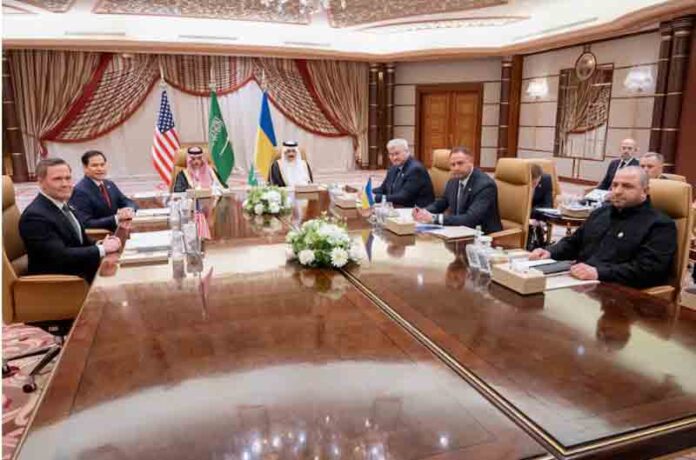
U.S Secretary of State Marco Rubio, U.S National Security Advisor Mike Waltz, Ukrainian Foreign Minister Andrii Sybiha, Ukrainian Head of Presidential Office Andriy Yermak, and Ukrainian Minister of Defense Rustem Umerov hold a meeting in the presence of Saudi Foreign Minister Faisal bin Farhan and National Security Advisor Mosaad bin Mohammad Al-Aiban, in Jeddah, Saudi Arabia.

Ukrainian and U.S. officials commenced discussions in Saudi Arabia on Tuesday, seeking a resolution to the ongoing conflict with Russia. This meeting followed Kyiv’s forces executing their most extensive drone assault on Moscow to date. President Volodymyr Zelenskiy expressed hope that the negotiations in Jeddah would help restore “pragmatic” relations with the U.S., particularly after a challenging encounter with President Donald Trump last month. He has proposed an initial ceasefire with Russia, both in the air and at sea.

This initiative aims to align with Trump’s goal of swiftly concluding the war, especially after the U.S. president criticized the Ukrainian leader for his perceived lack of readiness for peace and emphasized the need for direct negotiations with Russia. The United States, which has been Ukraine’s primary ally since the 2022 invasion, has recently altered its approach to the conflict, exerting pressure on Ukraine by halting military aid and suspending intelligence sharing.

“We anticipate practical results,” Zelenskiy stated in a post on X late Monday, prior to the talks. “Ukraine’s stance in these discussions will be entirely constructive.”

In a significant escalation, Ukraine executed its largest drone strike on Moscow, deploying at least 91 drones, resulting in one fatality, igniting fires, and leading to airport closures and flight diversions, according to Russian officials. The timing of this attack, during which Moscow reported downing 337 drones, seemed intended to demonstrate Kyiv’s capability for substantial strikes following a series of Russian missile assaults, one of which resulted in at least 14 deaths on Saturday. Zelenskiy has urged his European allies to back his truce proposal, viewing it as an opportunity to gauge Moscow’s willingness to end the conflict.

Ukraine has sought to strengthen its relationship with the United States following the tensions between President Zelenskiy and former President Trump, which left a bilateral minerals agreement unresolved and hindered Kyiv’s efforts to secure security assurances from Washington. Trump has characterized the upcoming discussions about the deal, scheduled for Tuesday, as crucial for maintaining U.S. support and as a form of compensation for the substantial military aid provided to Ukraine since Russia’s invasion three years ago.

U.S. Secretary of State Marco Rubio stated to reporters on Monday while traveling to Jeddah that the negotiations with Kyiv would be significant in determining Ukraine’s willingness to make necessary concessions for peace. “We need to comprehend the Ukrainian stance and have a general understanding of what compromises they might consider, as a ceasefire and resolution to this conflict will require concessions from both parties,” he remarked.

Accompanying the Secretary of State is U.S. National Security Adviser Mike Waltz for the discussions. The Ukrainian delegation is headed by Andriy Yermak, a senior aide to Zelenskiy. Notably, Zelenskiy is currently in Saudi Arabia meeting with Crown Prince Mohammed bin Salman and will not participate in the talks. The Ukrainian foreign ministry announced on Telegram, “A meeting of the Ukrainian and American delegations has commenced in Jeddah, Saudi Arabia,” sharing a video of senior Ukrainian officials entering the meeting venue around 0900 GMT.

Ahead of the discussions, Steve Witkoff, Trump’s special envoy for the Middle East who has been involved in Ukraine diplomacy, expressed optimism that the U.S.-Ukraine minerals agreement would be finalized soon. According to a source familiar with the plans, Witkoff intends to travel to Moscow for a meeting with President Vladimir Putin.

CONCESSIONS ON TERRITORY?

Ukraine’s European allies maintain that the country should only engage in peace negotiations with Russia from a position of strength, emphasizing that Kyiv should not be hurried into discussions with an aggressor. President Zelenskiy has asserted that Putin is not interested in peace and cautioned that Russia may target other European nations if its invasion of Ukraine does not culminate in a decisive defeat.

On Monday, Rubio refrained from detailing the concessions that each side might need to make but acknowledged that Ukraine would face challenges in regaining all of its lost territory. “The Russians can’t conquer all of Ukraine, and it will undoubtedly be very challenging for Ukraine to push the Russians back to their 2014 borders within a reasonable timeframe,” he stated to reporters.

Currently, Russia occupies approximately one-fifth of Ukraine’s territory, including Crimea, which it annexed in 2014, and its forces are advancing in the eastern Donetsk region. In February, U.S. and Russian officials held a rare meeting in Saudi Arabia, focusing primarily on rebuilding relations after a significant halt in official communications during the administration of former U.S. President Joe Biden, Trump’s predecessor.

Tajikistan acquires the Chinese HQ-17AE air defense system

0
Chinese HQ-17AE air defense system

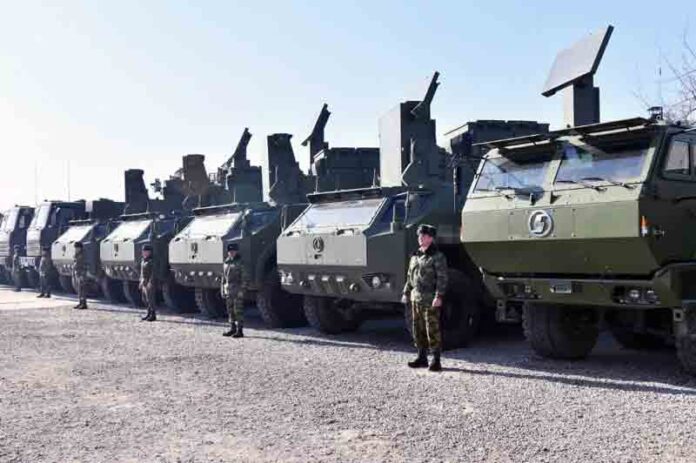
Tajikistan showcased its newly acquired HQ-17AE air defense system for the first time during a military parade commemorating the 32nd anniversary of its Armed Forces.

The display featured four combat vehicles alongside two transporter-loader vehicles, highlighting the strengthening military ties between Tajikistan and China.

Reports indicate that the HQ-17AE, a sophisticated short-range surface-to-air missile system, was recently received from China as part of Tajikistan’s initiative to enhance its air defense capabilities. This system, which is based on the Russian Tor-M1, is engineered for all-weather functionality and is capable of intercepting low- to medium-altitude aerial threats.

The HQ-17AE missile shares similar specifications with the Tor-M1, weighing around 165 kg, measuring 2.9 meters in length, and having a diameter of 0.23 meters. It features an interception range of 1.5 km to 15 km and can engage targets at altitudes from 10 m to 10 km, slightly surpassing the performance of its Russian counterpart. The system was officially adopted by the People’s Liberation Army of China in 2013 and was publicly recognized by Chinese military officials in 2015.

In addition to China, the HQ-17AE has been sold to Serbia and Saudi Arabia, illustrating Beijing’s expanding presence in the global arms market. Tajikistan’s acquisition aligns with a regional trend, as neighboring Uzbekistan is also enhancing its air defense capabilities with Chinese systems, including the FM-90 short-range surface-to-air missile system and the KS-1C medium-to-long-range air defense system.

The integration of the HQ-17AE into Tajikistan’s military arsenal marks a significant shift in the country’s defense procurement approach, indicating a closer alignment with China for advanced military technology.

U.S. has approved a $200 million deal to boost Japan’s high-speed weaponry

0

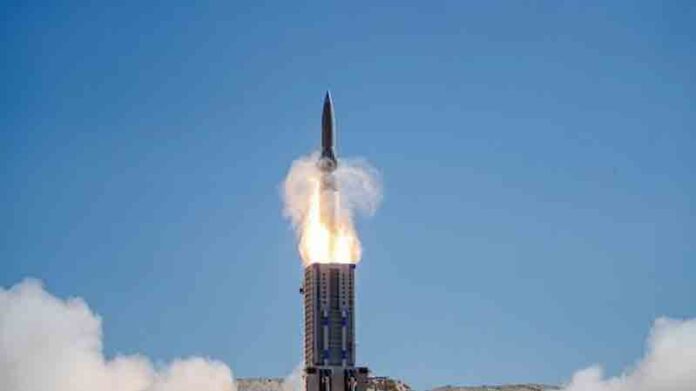
On March 11, 2025, the U.S. State Department authorized a potential foreign military sale to Japan valued at $200 million, aimed at supporting Japan’s Hyper Velocity Gliding Projectiles (HVGP) program, as stated by the Defense Security Cooperation Agency (DSCA).

This agreement, which is pending Congressional approval, encompasses various equipment and services to assist Japan in developing this sophisticated weaponry, intended to enhance its defense capabilities.

The announcement, made to Congress on the same day, highlights the strengthening military collaboration between the United States and Japan in response to increasing tensions in the Indo-Pacific region. As a vital ally of the U.S., Japan seeks to improve its defense of remote islands through this technology, while the U.S. views the sale as a means to promote regional stability.

The DSCA’s notification specified that Japan has requested support for its domestic HVGP initiative, a high-speed projectile system designed for defensive applications. The package does not include the projectiles themselves but focuses on support services such as test preparation, testing, transportation, and coordination meetings between U.S. and Japanese officials.

These meetings are planned to take place in both nations, although no additional U.S. personnel will be deployed to Japan under this agreement. The estimated $200 million cost represents the maximum potential value, with the final amount likely to be lower based on Japan’s specific needs and the terms agreed upon in any final contract.

The proposed sale occurs at a time when Japan is increasingly prioritizing the enhancement of its defense capabilities, particularly in light of regional security threats. The HVGP technology, currently under domestic development in Japan, is engineered to achieve hypersonic speeds and glide towards designated targets, thereby providing a swift response capability.

As stated by the DSCA, this system will bolster Japan’s capacity to address both present and future threats, with a specific focus on safeguarding its remote island territories. These islands, dispersed throughout the Pacific, have emerged as a strategic concern amid rising tensions with neighboring nations regarding maritime boundaries and resource entitlements.

A spokesperson from the State Department, who requested anonymity due to the sensitive nature of the discussion, highlighted the broader significance of the transaction. “This sale is in line with U.S. foreign policy objectives, as it strengthens the security of a key ally in the Indo-Pacific,” the spokesperson noted.

“Japan’s stability is essential for maintaining peace and fostering economic development in a region that holds significant global importance.” While the spokesperson refrained from detailing the specific threats that have driven Japan’s interest in this technology, analysts suggest that ongoing conflicts in the East China Sea and the overall military escalation in the area are likely contributing factors.

The HVGP initiative itself remains somewhat enigmatic, as Japan has disclosed limited information regarding its technical specifications. Nevertheless, experts characterize hyper-velocity gliding projectiles as an advanced category of weaponry that merges extreme speed—often surpassing Mach 5—with agility, rendering them challenging to intercept.

In contrast to conventional ballistic missiles, which follow a predictable trajectory, gliding projectiles possess the ability to modify their path during flight. This feature could be vital for Japan, a nation bound by a pacifist constitution that limits its military operations to defensive measures, as it aims to deter potential threats without resorting to offensive actions.

The certification from the DSCA to Congress emphasized that the proposed sale will not upset the military equilibrium in the Indo-Pacific region. This evaluation demonstrates a thoughtful approach by U.S. officials, who are acutely aware of the sensitive relationships between Japan, China, and other regional stakeholders.

China, which is developing its own hypersonic weapons capabilities, has yet to issue an official response regarding the proposed sale. Nevertheless, previous remarks from Beijing have condemned U.S. military assistance to Japan as a factor contributing to instability.

In a briefing earlier this year, Chinese Foreign Ministry spokesperson Wang Wenbin accused the United States of “fueling tensions” through arms transactions with its Asian allies, although he did not provide specific evidence related to Japan’s HVGP initiatives.

For the United States, this sale signifies a reaffirmation of its enduring commitment to Japan’s defense as outlined in the U.S.-Japan Mutual Defense Treaty established in 1960. This treaty mandates U.S. support for Japan in the event of an attack, while Japan offers bases and logistical assistance to American forces in the area.

Over the years, this alliance has progressed to encompass joint military drills, intelligence sharing, and an increasing focus on the co-development of defense technologies. The HVGP support package enhances this partnership, although it does not involve direct collaboration on the design or production of the projectiles.

Japan’s Ministry of Defense has not officially disclosed the specifics of the sale, but it has previously indicated intentions to enhance its standoff defense capabilities—systems designed to address threats from a distance. In its 2024 defense white paper, published in July, the ministry emphasized the necessity of “ensuring the safety of remote islands” in light of what it termed an “increasingly severe security environment.”

The document referenced ongoing concerns such as North Korea’s missile tests and China’s naval expansion, although it refrained from identifying specific adversaries related to the HVGP program.

The financial details of the agreement remain uncertain. The Defense Security Cooperation Agency (DSCA) clarified that the $200 million figure represents a maximum limit rather than a definitive cost. “The description and dollar value are based on initial requirements,” the agency noted in its announcement.

“The actual dollar value will likely be lower, contingent on final requirements, budget authority, and finalized sales agreements, if and when they are reached.” This disclaimer highlights the intricacies of foreign military sales, which frequently involve lengthy negotiations and modifications based on the buyer’s financial limitations.

With a defense budget of around $50 billion for 2025, Japan has the capacity to manage this expenditure, although it must also consider military spending in relation to domestic issues such as an aging population and economic recovery.

The announcement from the Defense Security Cooperation Agency (DSCA) did not identify any private contractors, indicating that the U.S. government will directly provide the necessary equipment and services. This strategy contrasts with many foreign military sales, which typically involve American defense companies such as Lockheed Martin or Raytheon.

The lack of a contractor at this point implies that the focus of the deal is on technical support rather than the production of hardware. The DSCA also mentioned that there are currently no “offset agreements” proposed, which are arrangements where the buyer seeks economic advantages like local employment; however, such agreements may arise during negotiations between Japan and potential U.S. suppliers.

If the sale is approved, it will not necessitate an increase in U.S. personnel stationed in Japan, a detail likely aimed at alleviating concerns in Tokyo. Japan is home to approximately 54,000 American troops, the largest overseas deployment of U.S. forces, and there have been instances of public discontent regarding the presence of foreign military personnel.

By confining the deal to services and coordination, the U.S. minimizes its military footprint in the region. The DSCA also confirmed that the sale will not affect U.S. defense readiness, ensuring that it will not overextend American resources or divert assets from other critical areas.

The proposal now awaits Congressional review, which has a 30-day window from March 11, 2025, to assess it under the Arms Export Control Act. While lawmakers have the authority to object and potentially block the sale, such actions are uncommon for allied countries like Japan.

In recent years, Congress has approved similar transactions with little debate, including a $23 billion sale of F-35 jets and munitions to Japan in 2020. Unless there is unforeseen opposition, the HVGP support package is anticipated to progress, with final details negotiated in future discussions.

This sale is part of a larger trend in U.S. arms exports, which totaled $238 billion in the fiscal year 2023, according to data from the State Department. Japan is among the leading purchasers, alongside countries such as South Korea and Australia, as the U.S. aims to strengthen its allies against potential threats.

The Indo-Pacific region, characterized by both economic growth and geopolitical tensions, is a key area for these initiatives. Japan’s interest in hypersonic glide vehicle (HVGP) technology reflects similar actions by other nations, including the U.S., which conducted its own hypersonic weapon test in 2021, and Russia, which announced the deployment of such systems in Ukraine in 2022.

This announcement represents a modest yet important advancement in Japan’s defense modernization efforts, influenced by the evolving regional dynamics. Although the $200 million cost is relatively small compared to other arms transactions, the strategic implications of HVGP capabilities could have lasting effects.

The impact of this development on deterring aggression or potentially escalating arms races in the Indo-Pacific remains uncertain—an issue that policymakers in both Washington and Tokyo will closely monitor as the program progresses.

US and Ukraine will meet in Saudi Arabia after failed White House talks

0
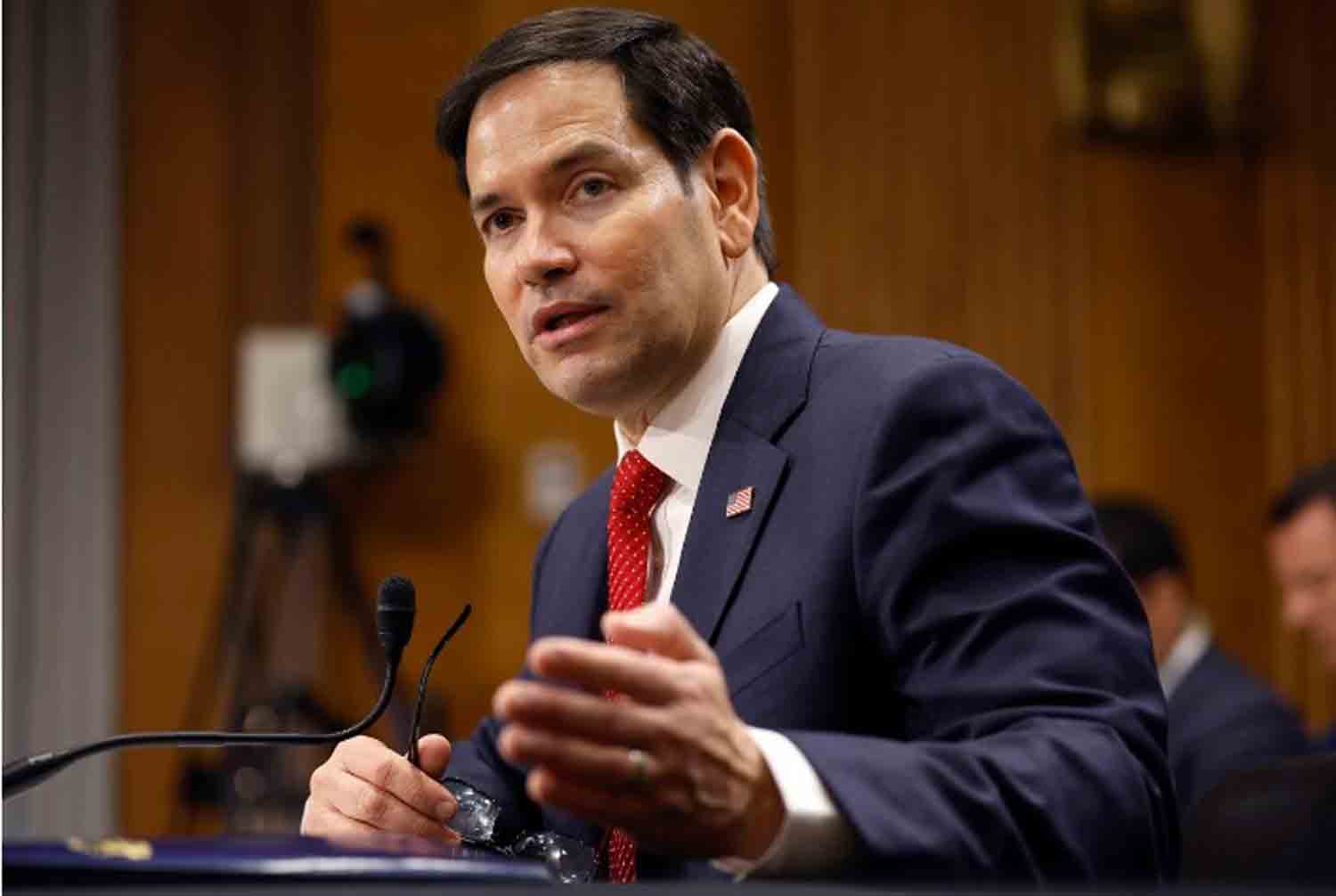
Secretary of State, Sen. Marco Rubio testifies during his Senate Foreign Relations confirmation hearing at Dirksen Senate Office Building.

U.S. and Ukrainian officials are scheduled to convene in Saudi Arabia on Tuesday for discussions aimed at repairing relations and assessing Ukraine‘s willingness to make concessions in response to President Donald Trump‘s initiative to swiftly conclude the conflict with Russia.

Since Trump’s inauguration in January, Washington, Ukraine’s primary ally, has significantly altered its approach to the conflict, now seeking a rapid resolution to the hostilities. Trump has taken a direct approach with Moscow, halted military aid to Kyiv, and suspended intelligence sharing with Ukraine, which faced a large-scale invasion by Russian forces in 2022.

A recent confrontation at the White House between Trump and Ukrainian President Volodymyr Zelenskiy has severely strained their relationship. This tension has left a minerals agreement in uncertainty, which Trump has positioned as crucial for ongoing U.S. support and compensation for the approximately $65 billion in military assistance provided to Ukraine since the onset of the Russian invasion three years ago.

Under significant pressure from the U.S., Zelenskiy has been striving to demonstrate Kyiv’s commitment to ending the war, even though he has not secured U.S. security guarantees in the minerals deal, which Ukraine considers essential for any potential peace agreement.

“We need to comprehend the Ukrainian stance and have a general understanding of what concessions they might be prepared to offer, as a ceasefire and resolution to this conflict will require compromises from both parties,” U.S. Secretary of State Marco Rubio stated to reporters on Monday while en route to Jeddah. He will be accompanied by U.S. National Security Adviser Mike Waltz for the meeting with senior Ukrainian officials, including Andriy Yermak, a senior aide to Zelenskiy. Zelenskiy, who met with Crown Prince Mohammed bin Salman in Saudi Arabia on Monday, will not participate in the discussions.

While Rubio exercised caution, Trump’s special envoy for the Middle East, Steve Witkoff, who has been involved in diplomatic efforts regarding Ukraine, expressed optimism about the impending U.S.-Ukraine minerals agreement. According to a source familiar with the situation, Witkoff intends to travel to Moscow for discussions with President Vladimir Putin, following a prior meeting with the Russian leader last month.

REGARDING TERRITORIAL CONCESSIONS?

Ukraine’s European allies maintain that the country should only pursue peace negotiations with Russia from a position of strength, emphasizing that Kyiv should not be hurried into discussions with an aggressor.

President Zelenskiy has asserted that Putin is not interested in peace and has cautioned that Russia may target other European nations if its invasion of Ukraine does not culminate in a decisive defeat.

On Monday, Rubio refrained from detailing the concessions that each side might need to make, but acknowledged that Ukraine would face challenges in regaining all of its lost territory.

The possibility of Russia fully conquering Ukraine is highly unlikely, and it will be extremely challenging for Ukraine to push Russian forces back to their pre-2014 positions within a reasonable timeframe, he stated to reporters.

Currently, Russia occupies approximately 20% of Ukraine’s land, including Crimea, which it annexed in 2014, while its military continues to advance in the eastern Donetsk region.

In February, U.S. and Russian officials convened in Saudi Arabia, marking a rare meeting between the two nations that were once Cold War adversaries.

The primary focus of these discussions was on re-establishing diplomatic relations following a significant halt in official communications during the administration of former U.S. President Joe Biden, who succeeded Trump.

Ukraine targets Moscow in the largest drone assault on the Russian capital to date

0
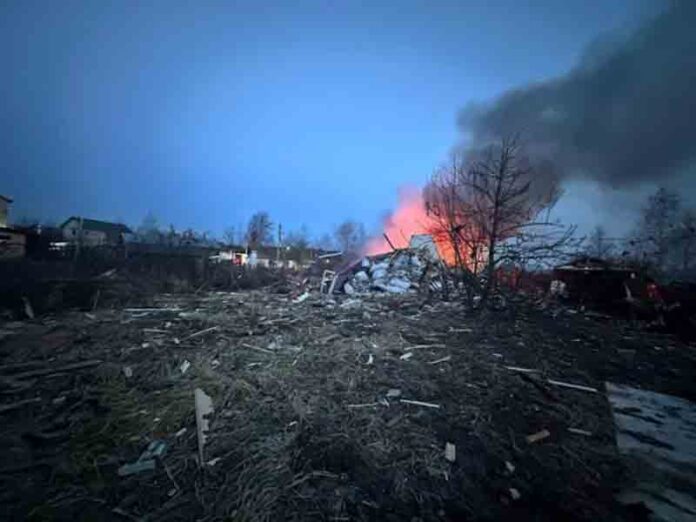
A residential house ablaze after recent Ukraine's drone attack, according the local authorities, in the course of Russia-Ukraine conflict, in the Moscow region, is seen in this image.

Ukraine executed its largest drone assault on the Russian capital on Tuesday, deploying at least 91 drones aimed at Moscow. This attack resulted in at least one fatality, ignited fires, led to airport closures, and caused numerous flight diversions, according to Russian officials.

In total, 337 Ukrainian drones were intercepted across Russia, with 91 downed in the Moscow area and 126 in the Kursk region, where Ukrainian forces have been retreating, as reported by the defense ministry.

The extensive drone strike occurred just as a delegation of Ukrainian officials was preparing to meet with a U.S. team in Saudi Arabia to explore potential avenues for peace negotiations in the ongoing three-year conflict. Meanwhile, Russian forces are attempting to encircle thousands of Ukrainian troops in the western Kursk region.

As rush hour approached, Moscow Mayor Sergei Sobyanin announced that air defenses were actively countering attacks on the city, which, along with its surrounding areas, is home to over 21 million residents, making it one of Europe’s largest metropolitan regions.

“The most significant attack of enemy UAVs (unmanned aerial vehicles) on Moscow has been successfully repelled,” Sobyanin stated in a Telegram post.

Moscow Region Governor Andrei Vorobyov confirmed that at least one individual was killed and three others injured, sharing an image of a damaged apartment building with shattered windows. He noted that some residents were compelled to evacuate a high-rise in the Ramenskoye district, located approximately 50 km (31 miles) southeast of the Kremlin.

Despite the attack, there was no visible panic in Moscow, as commuters continued their daily routines in the city center. Russia’s aviation authority announced the suspension of flights at all four of Moscow’s airports to maintain air safety following the assaults. Additionally, two other airports in the Yaroslavl and Nizhny Novgorod regions, both situated east of Moscow, were also closed.

U.S. President Donald Trump has expressed a desire to achieve peace in Ukraine; however, the conflict is intensifying on the battlefield, marked by a significant Russian spring offensive in Kursk and a series of Ukrainian drone strikes deep within Russian territory.

Russia has implemented a range of electronic defense systems over Moscow and critical installations, complemented by advanced internal layers protecting strategic sites, creating a sophisticated air defense network designed to intercept drones before they can reach the Kremlin.

In response to ongoing mass drone assaults from Russian forces, Kyiv has launched counterattacks targeting oil refineries, airfields, and even Russian strategic early-warning radar stations.

DRONE WAR

This conflict, the largest in Europe since World War II, merges the attrition warfare reminiscent of World War I with the modern innovation of drone technology.

Both Moscow and Kyiv are actively pursuing the acquisition and development of new drones, employing them in creative tactics, and exploring various methods to neutralize them—ranging from farmers’ shotguns to sophisticated electronic jamming systems.

Both sides have transformed inexpensive commercial drones into lethal instruments while increasing their own production capabilities. Soldiers on the front lines have reported a profound fear of drones, and both factions have utilized graphic video footage of fatal drone strikes in their propaganda, depicting soldiers being killed in various harrowing scenarios.

Russian President Vladimir Putin has attempted to shield Moscow from the war’s impacts, labeling Ukrainian drone strikes on civilian infrastructure, including nuclear power plants, as “terrorism” and pledging a retaliatory response. Meanwhile, Moscow, as Russia’s wealthiest city, has thrived during the conflict, supported by the largest defense spending increase since the Cold War.

Trump envoy Witkoff is scheduled to visit Moscow this week for discussions with Putin

0
Steve Witkoff, Trump's envoy to the Middle East.

U.S. President Donald Trump’s special envoy, Steve Witkoff, is scheduled to visit Moscow for discussions with Russian President Vladimir Putin, according to two individuals familiar with the arrangements. Witkoff, who serves as Trump’s envoy for the Middle East, has increasingly been involved in efforts aimed at resolving the ongoing conflict in Ukraine, which has persisted for three years. The sources, who requested anonymity, corroborated a report from Bloomberg News regarding Witkoff’s upcoming trip to Moscow.

One source indicated that Witkoff is anticipated to travel to Moscow this week. Trump has shown interest in meeting with Putin and has sought to improve the strained relations with Russia that characterized the previous Biden administration since taking office in January. Last month, Witkoff met with Putin in Moscow and successfully facilitated the return of American schoolteacher Marc Fogel, who had been sentenced to 14 years in a Russian prison for possessing medically prescribed marijuana.

Additionally, U.S. Secretary of State Marco Rubio is leading a delegation to Saudi Arabia for discussions on Tuesday with Ukrainian officials concerning the war. U.S. officials plan to use this meeting to assess whether Ukraine is prepared to make significant concessions to Russia in order to reach a resolution to the conflict, as stated by two U.S. officials.

India is reportedly trying to block Pakistan’s investment in the BRICS bank

0
A view of the headquarters buildings of New Development Bank (NDB) in Shanghai, China.

India is poised to obstruct Pakistan‘s efforts to secure a 1.1% stake in the Shanghai-based New Development Bank (NDB), as reported by Business Standard on Monday, citing informed sources. New Delhi is anticipated to express its concerns during the forthcoming International Monetary Fund (IMF) meeting.

In February, the Pakistani government sanctioned the purchase of 5,882 shares in the NDB, valued at $582 million, with $116 million designated as paid-in capital.

Pakistani Finance Minister Mohammad Aurangzeb indicated that this initiative would enable Islamabad to broaden its lending avenues and lessen its reliance on the financial frameworks of the World Bank and the IMF.

According to Business Standard, New Delhi plans to address this matter at the IMF meeting, which will assess the $7 billion bailout package provided to the financially troubled South Asian nation in July 2024. In a shift from its typical stance of refraining from commenting on Pakistan’s loan applications at the IMF, India is expected to raise objections regarding the proposed NDB investment, the report suggests.

India is likely to underscore the contradiction in Pakistan’s approach, noting that while it is receiving IMF assistance to avert bankruptcy, it is simultaneously pursuing investments in another financial institution, the NDB. New Delhi is expected to argue that this “doublespeak” is unacceptable, according to the report.

Pakistan has officially expressed its interest in joining BRICS, a coalition originally established by five emerging economies, which includes its competitor India, along with Brazil, Russia, China, and South Africa. Over the past two years, BRICS has welcomed new members such as Egypt, Ethiopia, Iran, the United Arab Emirates (UAE), and Indonesia. Although Saudi Arabia has accepted an invitation to join, it has yet to complete the formalities. Additionally, several other countries, including Bolivia, Cuba, Kazakhstan, Malaysia, Nigeria, Thailand, Uganda, and Uzbekistan, have been granted “partner country” status.

Nonetheless, Pakistan’s bid for membership may face opposition from India, given the ongoing tensions between the two nations.

The New Development Bank (NDB) was established by BRICS in 2015 to meet the financial needs of developing countries, which its members believe are underrepresented in the global financial system. Initially, the founding five members had equal voting rights within the bank; however, these shares were later adjusted to encourage investment from additional countries. Presently, Brazil, Russia, India, China, and South Africa each possess an 18.98% share, while Egypt holds a 2.27% stake, and Bangladesh and the UAE have shares of 1.79% and 1.06%, respectively.

UK’s plan to cede sovereignty over the Chagos Islands has raised concerns about possible Chinese threats

0

Britain is working towards finalizing an agreement to transfer sovereignty of the Chagos Islands to Mauritius, following U.S. President Donald Trump’s indication last month that he is “inclined” to support the arrangement. However, critics argue that this deal may jeopardize the security of the joint U.S.-U.K. military base located on the islands, particularly in light of concerns regarding China’s growing relationship with Mauritius.

Many of the original inhabitants of the islands, who were forcibly removed to facilitate the establishment of the base on Diego Garcia during the 1960s and 1970s, have expressed their discontent with the agreement, claiming their perspectives have been overlooked.

British colony

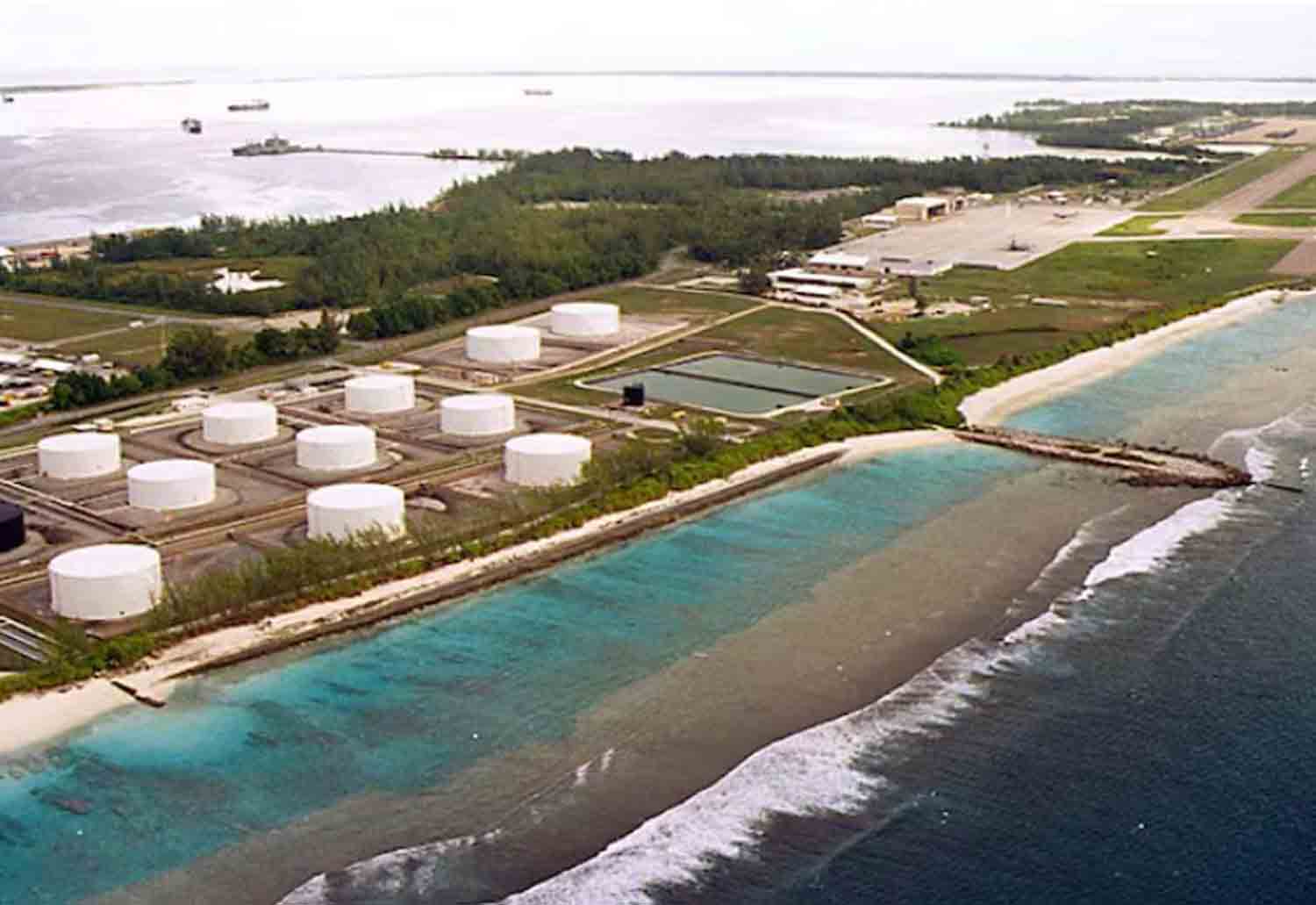
The Chagos Islands, officially referred to as the “British Indian Ocean Territory,” represent one of the final remnants of the British Empire. This archipelago consists of over 60 islands situated in the Indian Ocean, with Diego Garcia being the largest. Britain acquired ownership of the islands from France following the defeat of Napoleon Bonaparte in 1815.

The islands were governed from Mauritius, which contends that it was unlawfully compelled to relinquish the Chagos Islands in exchange for its independence from Britain in 1968.

In a 2019 advisory opinion, the International Court of Justice (ICJ) in The Hague determined that “the process of decolonization of Mauritius was not lawfully completed when that country acceded to independence.” The judges further stated that Britain has a responsibility “to bring to an end its administration of the Chagos Archipelago as rapidly as possible.”

Sovereignty Discussions

Discussions regarding the transfer of sovereignty from Britain to Mauritius have been ongoing for several years. Since assuming office in July of the previous year, British Prime Minister Keir Starmer, who has a background in human rights law, has been working to finalize this agreement.

In a recent address to British lawmakers, Starmer emphasized the importance of reaching a deal to ensure the future of the U.S. military base. He stated, “This military base is crucial for our national security. In the past, the legal status of this base was called into question. Without legal clarity, its operations cannot function effectively, which poses a risk to our national security and benefits our adversaries,” as he remarked on February 5.

Reports from British media indicate that the UK is prepared to transfer sovereignty over the Chagos Islands and compensate Mauritius approximately $116 million annually for a 99-year lease of Diego Garcia, allowing the military base to continue its operations, with an option to extend the lease for an additional 40 years. However, specific details have not been confirmed by either party, and the agreement remains unfinalized.

Trump’s Support

During Starmer’s recent visit to the White House, former President Trump expressed that he was “inclined” to support the agreement. He remarked, “I have a feeling it’s going to work out very well. They’re discussing a very long-term, robust lease—about 140 years, in fact. That’s a significant duration, and I believe we will be inclined to support your country,” Trump conveyed to Starmer on February 27.

The proposed agreement is also supported by India, which maintains strong political and security connections with Mauritius.

Indian Prime Minister Narendra Modi is scheduled to visit Mauritius on Tuesday as the chief guest for the nation’s national day, marking its independence from British rule. During his visit, Modi is anticipated to engage in discussions aimed at enhancing India’s defense collaboration with the island.

Concerns Regarding China

However, politicians in both Britain and the United States have raised alarms about the potential security risks associated with transferring sovereignty of the Chagos Islands to Mauritius, particularly in light of the increasing threat posed by China in the region.

Robert Jenrick, the shadow justice secretary for the Conservative opposition in Britain, characterized the proposed initiative as “a strategic disaster for Britain,” labeling it “an appalling betrayal of the British people.”

Members of Britain’s Shadow Cabinet are tasked with examining government policies and actions but lack executive authority.

U.S. Senator James Risch, a prominent figure on the Senate Foreign Relations Committee, remarked in October that the proposed agreement “succumbs to Chinese lawfare and capitulates to pressure from unaccountable international bodies like the International Court of Justice, jeopardizing U.S. and U.K. strategic and military interests.”

“The U.S. and our allies must adopt a long-term perspective when making decisions that impact our strategic competition with China, or we will all face losses,” Risch stated in an interview with Politico.

Evan Fowler from the Inter-Parliamentary Alliance on China highlighted that China’s expanding economic ties with Mauritius render the African island nation susceptible to Beijing’s influence.

The intricacies of the situation highlight that securing a deal for the base is a positive development. However, it is essential to recognize that not all agreements are beneficial. China has made substantial investments, and Mauritius carries a significant debt to China. Historically, China has leveraged such debt to gain political leverage.

“This region holds strategic importance for us as it allows us to project our influence,” Fowler stated in an interview with VOA. “The Chinese are aware of this as well. They have already demonstrated military activity near the Chagos Islands.”

Chagossians Remain Marginalized

Following their expulsion, many Chagossians relocated to Mauritius, while others moved to the United Kingdom, particularly settling in Crawley, a town south of London.

Frankie Bontemps and Maxwell Evenor, second-generation Chagossians whose parents were displaced in the 1960s, are members of “Chagossian Voices,” an organization advocating for the rights of the exiled community.

“Once again, we find ourselves overlooked,” Bontemps expressed to VOA. “Discussions about the future of our homeland are taking place without our input. It feels as though history is repeating itself. We feel voiceless and powerless, as we are being marginalized once more — I would say by Mauritius, the U.K., and the U.S.”

Numerous Chagossians contend that Mauritius has no legitimate claim to their homeland and oppose Britain’s proposed agreement to transfer sovereignty.

“We find ourselves in a situation where our identity and existence are being handed over to another party through a fabricated policy without our consent,” Evenor stated to VOA, emphasizing that there can be no historical connection between the Chagos Islands and Mauritius, given the distance of 2,000 kilometers.

“We remain colonized. We are the last colony in Africa,” Evenor remarked.

Diego Garcia

The displaced Chagossians have been informed that, as part of the agreement with Mauritius, they would have the opportunity to return to the outer islands of the Chagos archipelago, but access to Diego Garcia would be prohibited.

Nonetheless, Bontemps pointed out that the infrastructure on the outer islands is nearly non-existent, noting that most Chagossians would prefer to live near the military base on Diego Garcia.

“I believe the majority of us have no issues with that base. We understand its geopolitical significance and the concerns regarding China or other threats,” Bontemps shared with VOA. “We wish to reside on the land of our ancestors. Additionally, the base would provide employment opportunities for us.”

India Concludes $7.6 Billion Rafale M Agreement with France, Strengthening Naval Air Capabilities

0

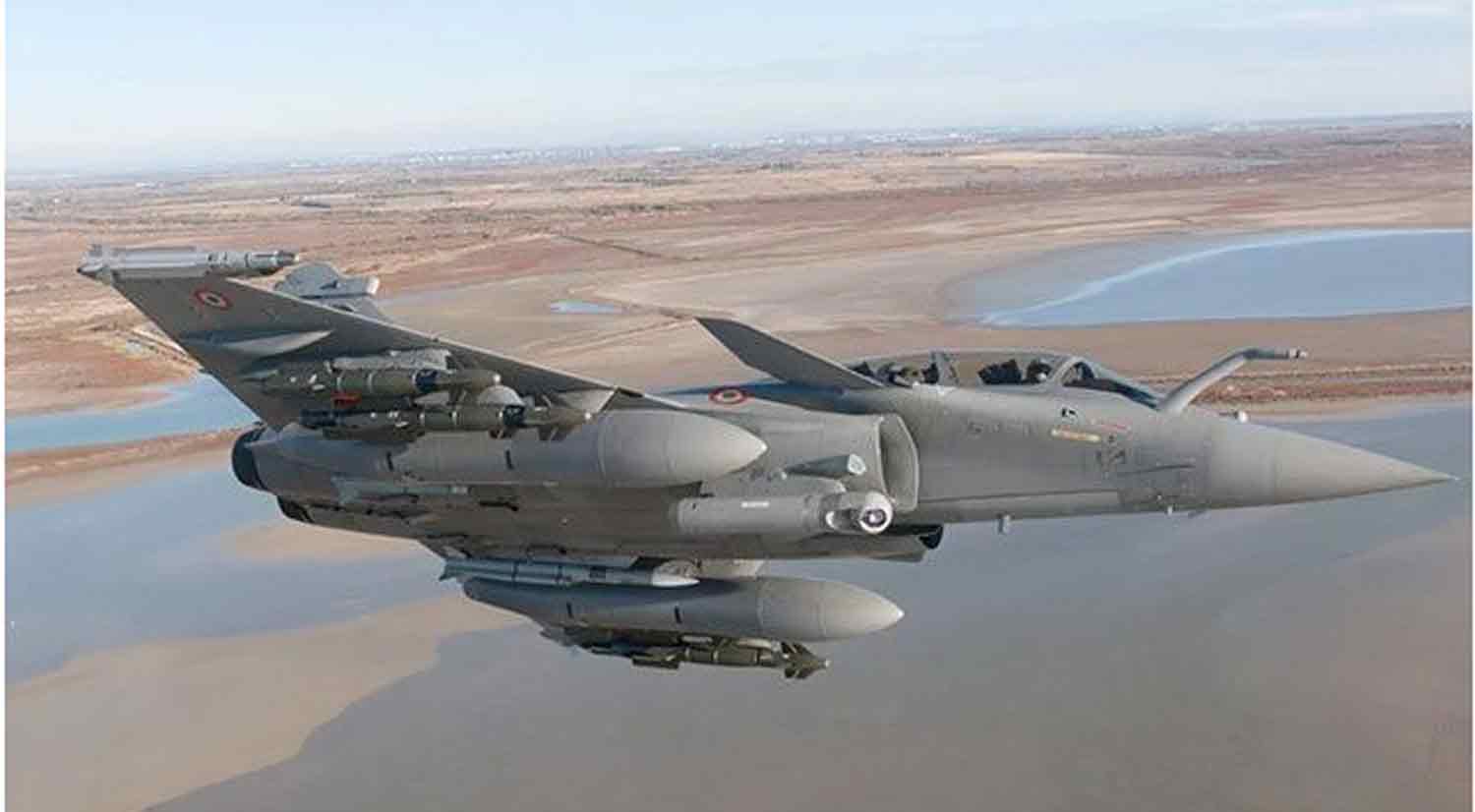
India and France have reportedly finalized discussions regarding the purchase of 26 Rafale M carrier-based fighter jets, with the deal estimated at around USD 7.6 billion (RM33.44 billion). The formal signing of the agreement is anticipated in April 2025, coinciding with the visit of the French Defence Minister to India.

The Indian Navy plans to incorporate the Rafale M into its fleet, replacing the older MiG-29K and MiG-29KUB aircraft currently operated by the INAS 300 “White Tigers” and INAS 303 “Black Panthers” squadrons.

These advanced fighters, produced by Dassault Aviation, will be deployed on India’s aircraft carriers, INS Vikrant and INS Vikramaditya, significantly bolstering the navy’s aerial combat capabilities. While the exact details of the order are still awaiting official confirmation, reports suggest that India will acquire 22 Rafale M fighters for carrier operations, in addition to four dual-seat Rafale B trainer aircraft. The Rafale B, unlike the Rafale M, is not designed for carrier use and will be utilized for land-based training purposes.

Deliveries of the Rafale M to the Indian Navy are expected to commence in 2029, marking a significant advancement in India’s naval aviation. However, final decisions regarding training protocols and aircraft specifications are still pending official approval.

In accordance with India’s “Make in India” initiative, which requires that a minimum of 60 percent of weapon systems be produced domestically, Dassault Aviation is reportedly assessing the possibility of setting up a final assembly line in India. This initiative could enhance future procurement of Rafale aircraft while supporting India’s goal to strengthen its indigenous defense manufacturing sector.

India has a well-established relationship with the Rafale platform, having signed a contract in 2016 for 36 Rafale fighters for the Indian Air Force (IAF), with all deliveries completed by 2022.

As part of its comprehensive military modernization plan, the IAF is actively considering additional orders for Rafale aircraft. Following India’s recent procurement, Dassault Aviation’s backlog for the Rafale now totals 256 aircraft, which includes 190 for international clients and 56 for the French Air and Space Force. With the current production rate expected to increase to three aircraft per month, it is estimated that Dassault will need around seven years to meet its existing orders.

In a similar vein to the Indian Air Force, the Indian Navy has chosen to implement a range of custom modifications to the Rafale M, enhancing the aircraft’s capabilities for naval combat scenarios.

Key enhancements include the introduction of a new Helmet Mounted Display (HMD), software improvements for air-to-sea operations to support precise carrier landings, and advancements in Electromagnetic Interference (EMI) and Electromagnetic Compatibility (EMC), which ensure the aircraft functions effectively in high-electronic warfare (EW) scenarios.

Furthermore, the Indian Rafale M fleet will be equipped with state-of-the-art low-band jammers, an upgraded radio altimeter, and next-generation high-frequency decoys, significantly boosting the aircraft’s survivability and electronic warfare capabilities.

With these advanced upgrades, the Rafale M is set to become a formidable asset in the Indian Navy’s inventory, enhancing its air superiority throughout the Indo-Pacific region. This modernization not only strengthens India’s maritime strike capabilities but also acts as a robust deterrent against potential threats in the contested waters of the region.

Germany’s F-35 Agreement Faces Scrutiny Over Concerns Regarding U.S. “Kill Switch” Abilities

0
F-35 Lightning II

Germany’s intention to acquire 35 fifth-generation F-35 Lightning II fighter jets has sparked intense discussions, particularly regarding the potential for the United States, under President Donald Trump, to exercise remote deactivation capabilities for its own geopolitical purposes.

Concerns about Washington’s ability to activate a so-called “kill switch” in these advanced aircraft have intensified, especially in light of Trump’s recent actions related to Ukraine, prompting serious questions about the sovereignty over U.S.-provided military equipment.

The €8.3 billion (RM39.7 billion) deal, which will see the delivery of Lockheed Martin’s cutting-edge F-35s to Germany beginning next year, has evolved into a larger conversation about Europe’s significant reliance on American military technology and the associated risks.

For years, there has been speculation regarding whether the U.S. maintains override capabilities in its most sophisticated weapon systems, including the F-35. However, recent geopolitical events have added urgency to this discussion, with concerns that Washington could potentially exert direct operational control over F-35s operated by foreign nations if political situations necessitate such actions.

These worries have been exacerbated by reports indicating that U.S.-supplied F-16 fighter jets in Ukraine suddenly became inoperable—not due to direct deactivation, but because Washington suspended support for their electronic warfare systems.

This situation has raised fears that a similar intervention could occur with Germany’s F-35 fleet in the future.

The recent decision by the U.S. to decline the upgrade of the AN/ALQ-131 electronic warfare system on Ukraine’s F-16s has heightened concerns regarding the operational capabilities of these aircraft, which are essential for countering Russian air defense systems. This move raises significant apprehensions that Germany’s F-35s might encounter similar limitations at the discretion of Washington. Wolfgang Ischinger, the former Chairman of the Munich Security Conference, cautioned that if there is a possibility of the U.S. imposing restrictions on Germany’s F-35s akin to those on Ukraine’s F-16s, the potential for contract cancellation must be seriously considered, as reported by Bild.

Efforts to alleviate the worries of European partners have yielded mixed results. Recently, General Frederik Vansina, Belgium’s Chief of Defence, attempted to allay fears by asserting that the F-35 is “not a remotely controlled aircraft.” In contrast, Switzerland’s Defence Ministry highlighted that its F-35 fleet could operate independently. Nonetheless, the Swiss Defence Ministry also recognized a significant limitation: no advanced Western fighter jet can function entirely without U.S.-controlled secure data communication systems and GPS satellite navigation. This acknowledgment has further fueled skepticism regarding Germany’s ability to operate its F-35s autonomously from American oversight.

Washington has yet to clarify whether it can remotely disable or limit the weapons it has sold or leased to allied nations. Germany is not alone in raising concerns about the potential limitations associated with acquiring U.S. military equipment. In 2021, the United Arab Emirates (UAE) took the significant step of indefinitely halting its planned acquisition of 50 F-35 fighter jets, a deal valued at $23 billion that also encompassed drones and advanced munitions. A UAE official explained that the decision was influenced by “sovereign operational restrictions” set by Washington. Furthermore, technical requirements and an unfavorable cost-benefit analysis were cited as additional reasons for the contract’s suspension. As Germany gears up to receive its F-35 fleet in 2026, the political and strategic considerations surrounding the agreement are evolving. Some German lawmakers are now questioning whether Berlin should have followed the UAE’s lead and avoided the purchase entirely.

“We must examine this issue thoroughly and with great caution,” stated Ingo Gädechens, a former military officer and member of Germany’s governing CDU party, in an interview with Bild. “If we are investing such an enormous sum in a weapons system like the F-35, we must have absolute control over its use.”

Germany’s acquisition of the F-35 was initially regarded as a pivotal move, bolstering NATO’s aerial capabilities while granting Berlin access to cutting-edge combat aircraft. However, concerns regarding possible U.S. intervention have turned the agreement into a contentious issue, prompting significant discussions about military independence, European defense sovereignty, and the implications of depending on American technology. Following the precedent established by Ukraine’s experience with the F-16 and the UAE’s withdrawal from its F-35 agreement, Germany now stands at a strategic juncture that could shape its future in international military alliances.

Trump is reportedly seeking mineral refining operations on Pentagon bases to boost domestic production

0

U.S. President Donald Trump is planning to establish metals refining facilities on military bases managed by the Pentagon as part of his strategy to enhance domestic production of essential minerals and reduce reliance on China‘s dominance in this sector, according to two senior officials from his administration who spoke to Reuters.

This initiative is among several actions that Trump may include in an executive order he could sign as early as Wednesday, following his announcement to Congress last week about his intention to “take historic action to dramatically expand production of critical minerals and rare earths here in the USA.”

The proposed order would involve collaboration between the Pentagon and other federal agencies to set up processing facilities on military installations, as indicated by the sources, who requested anonymity due to the sensitive nature of the discussions.

Utilizing military bases for mineral processing highlights the significance Trump places on critical minerals for national security, as U.S. military equipment, including fighter jets and submarines, relies on minerals that are currently processed in China. Additionally, Trump intends to appoint a critical minerals czar, mirroring actions taken by previous administrations to streamline focus on various strategic areas, according to one of the sources. These plans are still under consideration and may evolve before the order is finalized.

Some officials within the Trump administration expressed concern over early indications that China might limit exports of critical minerals in response to Trump’s tariffs or other factors, as noted by an individual familiar with their concerns. The U.S. National Security Council has not provided comments on the matter.

With the Pentagon overseeing approximately 30 million acres of land, this plan would secure the necessary space for refining facilities, thereby mitigating potential disputes with local communities and eliminating the need to acquire land from other federal agencies.

A strategy that emphasizes metals processing instead of a comprehensive reform of U.S. mining permits may frustrate domestic miners, yet it could alleviate a persistent issue for manufacturers concerned about China’s dominance in the global metals processing industry. For instance, China is a leading global producer of 30 out of the 50 minerals deemed critical by the U.S. Geological Survey.

The feasibility of Trump’s proposal for processing facilities on military bases raises regulatory questions, as the U.S. Clean Air Act and Clean Water Act would still be applicable, complicating private sector development of processing initiatives in the past.

Trump has previously indicated a readiness to explore alternative uses for federal lands. During his presidential campaign, he committed to making certain federal lands available for extensive housing projects, proposing zones characterized by “ultra-low tax and ultra-low regulation.”

According to sources, Trump does not intend to create a U.S. critical minerals stockpile akin to the Strategic Petroleum Reserve, a measure that some officials and members of the mining sector had advocated. China maintains stockpiles of certain critical minerals, such as cobalt, and last year, the U.S. government contemplated stockpiling this metal, which is essential for missiles, aerospace components, and communication and guidance systems.

Trump does not intend to mandate that the Pentagon or other U.S. agencies require suppliers to utilize only American minerals, a policy commonly referred to as a “Buy American” initiative. This approach has been particularly advocated by junior miners who argue it is essential to counteract China’s market influence. Additionally, the order will not seek to modify the federal mine permitting process established by the 1970 National Environmental Policy Act, as such changes would necessitate congressional approval. However, it aims to enhance the FAST-41 permitting process for mining operations, building on a measure Trump initiated during his first term, according to sources.

The Hermosa zinc-manganese project in Arizona, developed by South32, was expedited under former President Joe Biden, marking the first mine to benefit from this accelerated process. The order also intends to reclassify mine waste on federal land, following the lead of companies like Rio Tinto and Freeport-McMoRan, which have sought to utilize previously deemed worthless piles of old waste rock at U.S. mines. This reclassification could facilitate the extraction of copper and other minerals more efficiently and cost-effectively than constructing new mines. It remains uncertain whether Trump will designate copper as a strategic mineral, a move that would enable U.S. copper producers to access a 10% production tax credit. Freeport, the largest copper miner in the U.S., expressed hope that Trump will pursue this designation, which could result in annual savings of $500 million.

Zelenskiy visits Saudi Arabia amid U.S. optimism for peace negotiations in Ukraine

0
Saudi Crown Prince Mohammed Bin Salman meets with Ukrainian President Volodymyr Zelenskiy in Jeddah, Saudi Arabia.

Ukrainian President Volodymyr Zelenskiy held a meeting with Saudi Crown Prince Mohammed bin Salman prior to discussions involving Ukrainian and U.S. officials, which Washington anticipates will lead to significant advancements in efforts to conclude Russia’s war against Ukraine.

During their meeting in Jeddah, the crown prince emphasized Saudi Arabia’s commitment to supporting global initiatives aimed at resolving the crisis in Ukraine and achieving lasting peace, as reported by the Saudi state news agency SPA on Tuesday.

The United States, previously Ukraine’s primary ally, has shifted its strategy regarding the conflict, seeking a swift resolution by engaging directly with Moscow while halting military aid and intelligence sharing with Ukraine, which faced a large-scale invasion by Russian forces in 2022. In light of this new approach from the White House, Ukraine has advocated for more “pragmatic” relations following a contentious meeting between Zelenskiy and U.S. President Donald Trump last month.

Since the onset of Russia’s invasion, Saudi Arabia has acted as a mediator, facilitating prisoner exchanges and hosting discussions between Moscow and Washington last month. The talks on Tuesday between U.S. and Ukrainian officials mark the first formal session since Zelenskiy’s unsuccessful meeting at the White House, with Trump’s Middle East envoy, Steve Witkoff, expressing optimism.

“I believe we are approaching this with the expectation of making significant progress,” he stated in an interview with Fox News. When asked about the possibility of Zelenskiy returning to the U.S. to finalize a minerals agreement this week, Witkoff expressed hope, noting, “All indications are very, very positive.”

In contrast, Secretary of State Marco Rubio adopted a more cautious stance, indicating that further details regarding the minerals deal still need to be addressed. He mentioned that the discussions could still be deemed successful even without a signed agreement and highlighted the importance of assessing Kyiv’s willingness to make concessions for peace.

Under significant pressure from Trump, Zelenskiy has been striving to demonstrate Kyiv’s commitment to a swift resolution of the war, even though he has not secured the U.S. security guarantees that Ukraine deems essential for any peace agreement. Zelenskiy announced that he will not participate in the discussions with U.S. officials on Tuesday, while the Ukrainian delegation will consist of his chief of staff, the foreign and defense ministers, and a senior military official from the presidential administration.

“We are fully dedicated to engaging in constructive dialogue and hope to discuss and finalize the necessary decisions and actions,” Zelenskiy stated in a post on X. “Realistic proposals are available. The priority is to act swiftly and effectively.”

U.S. officials indicated that part of the meeting’s purpose is to assess whether Kyiv is prepared to make significant concessions to Russia to facilitate an end to the conflict. One U.S. official remarked, “We want to determine if the Ukrainians are not only interested in peace but also in a feasible peace.” Trump expressed optimism about the upcoming discussions, noting that Washington had “just about” resumed intelligence sharing with Kyiv. Rubio mentioned that Ukraine was already receiving all necessary U.S. defensive intelligence, adding, “I hope we can resolve the pause in aid broadly… I believe what occurs tomorrow will be crucial to that.” On the eve of the talks, Russia initiated air strikes targeting Kyiv and other regions of Ukraine, with the Ukrainian air force reporting a heightened risk of missile attacks.

FRAMEWORK FOR AN AGREEMENT

Witkoff, who has been facilitating the discussions, stated that the objective is to establish a framework for a peace agreement along with an initial ceasefire. Zelenskiy has advocated for a ceasefire both in the air and at sea, as well as a prisoner exchange, viewing this as a potential measure of Russia’s dedication to concluding the conflict.

Moscow has dismissed the notion of a temporary ceasefire, which has also been suggested by Britain and France, arguing that it serves merely to provide time for Kyiv and avert its military downfall. Zelenskiy has indicated that Kyiv is prepared to finalize a minerals agreement with the U.S., which would establish a joint fund from the sale of Ukrainian minerals.

Washington emphasizes the importance of maintaining ongoing U.S. support. With uncertainties surrounding U.S. assistance, Zelenskiy has been urging his European allies to enhance their support as Kyiv’s military situation worsens and it faces increasing pressure to withdraw from Russia’s Kursk region.

Russia currently occupies approximately 20% of Ukraine’s territory, including Crimea, which it annexed in 2014, and its forces are intensifying their efforts in the eastern Donetsk region, escalating drone and missile attacks on cities and towns far from the front lines.

According to Zelenskiy, Russia has deployed 1,200 aerial guided bombs, nearly 870 attack drones, and over 80 missiles against Ukraine in just the past week.

Rubio thanks the Saudi Crown Prince for aiding discussions to resolve the Ukraine conflict

0
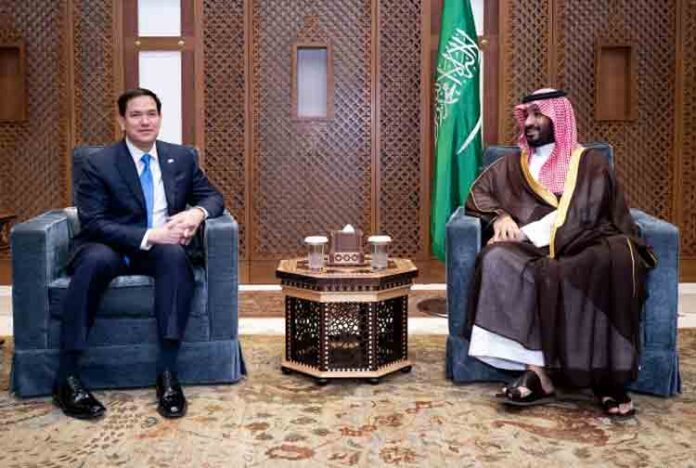
Saudi Crown Prince and Prime Minister Mohammed bin Salman meets with US Secretary of State Marco Rubio on the Royal Palace grounds in Jeddah, Saudi Arabia.

US Secretary of State Marco Rubio expressed gratitude to Saudi Crown Prince Mohamed bin Salman for once again facilitating discussions aimed at resolving the Ukraine conflict and achieving a sustainable peace, as noted in a summary of their meeting in Jeddah.

The two engaged in discussions for over two hours in the port city prior to critical negotiations between the US and Ukraine scheduled for Tuesday. National Security Adviser Mike Waltz was also present at the meeting. Rubio and Waltz had previously met with the crown prince three weeks ago in Riyadh before talks with Russian officials.

During the recent meeting, the leaders addressed the situation in Yemen and the threats posed to maritime navigation by Houthi militants, which endanger global trade, American interests, and the safety of Saudi citizens and infrastructure.

The Secretary also brought up the situation in Syria, exploring avenues to foster a stable government free from terrorism, according to the summary.

They further discussed the reconstruction efforts in Gaza, with the Secretary expressing appreciation to the Crown Prince for hosting Arab nations and reaffirming the United States’ strong stance that any resolution regarding Gaza must exclude any involvement from Hamas.

In related news, Special Envoy to the Middle East Steve Witkoff is anticipated to travel to Moscow later this week, although a source could not confirm whether he would meet with President Vladimir Putin, whom he had an audience with last month.

France Introduces the “Super Rafale”—A Direct Competitor to the F-35

0

France is poised to transform aerial combat with the introduction of the Rafale F5, a sophisticated advancement of its already impressive fighter jet. Eric Trappier, the CEO of Dassault Aviation, has expressed confidence in obtaining a development contract from the French government soon, which would facilitate the Rafale F5 program’s progression towards its expected operational debut by 2030.

This “Super Rafale” aims to exceed the capabilities of the existing F4 variant and compete directly with the formidable American F-35, as Dassault Aviation and the French defense sector strive to restore their position in the realm of global air superiority.

For an extended period, the Lockheed Martin F-35 has eclipsed the Rafale in the international arena, consistently winning contracts. However, France is making a determined comeback. The Super Rafale represents more than a mere enhancement; it signifies a strategic initiative to reclaim lost influence and reaffirm France’s technological and military strength on the world stage.

Dassault Aviation has faced challenges, suffering setbacks in fighter jet competitions throughout Europe, including losses to neighboring countries. Nevertheless, while the F-35 has prevailed in Europe, the Rafale has established a robust presence in the Middle East and Asia, securing significant agreements, such as a major contract with Indonesia.

Dassault is not satisfied with merely achieving partial successes. The setbacks in Europe have prompted an extraordinary initiative—the development of the “Super Rafale,” a next-generation combat aircraft specifically engineered to challenge the F-35.

The Super Rafale transcends the role of a traditional fighter jet; it is being crafted as a force multiplier, designed to operate alongside loyal wingman drones, including the sophisticated “nEUROn” unmanned combat air vehicle (UCAV). Pilots will have the ability to control their drone companions in real-time, executing coordinated attacks with unmatched accuracy, while the nEUROn maintains its own operational independence, transforming the Super Rafale into a cohesive combat network.

This is merely the outset. The Super Rafale will be equipped with:
– Advanced electronic warfare capabilities that can neutralize enemy radar and disrupt hostile defense systems.
– A robust “self-defense bubble”—an innovative active protection system that safeguards the aircraft and its allied assets from adversarial threats.
– New state-of-the-art missile systems, including the Future Cruise Missile (FCM) and Future Anti-Ship Missile (FASM), which will replace the outdated SCALP/Storm Shadow and AM39 Exocet, providing formidable long-range strike capabilities.

The Super Rafale represents more than just a conventional combat aircraft; it is engineered to deploy the next-generation ASN4G hypersonic nuclear missile, a formidable successor to the ASMPA, positioning itself as France’s premier airborne deterrent. However, its role extends beyond that of a mere fighter jet.

French defense analysts indicate that the Super Rafale will function as a crucial element within a broader, integrated warfare framework known as “Club Rafale.” This system is designed to enable various platforms to collaborate seamlessly, ensuring dominance on the battlefield.

As reported by Meta Defense, the Super Rafale will transcend the capabilities of a standard fighter jet, evolving into a comprehensive aerial combat system that integrates state-of-the-art artificial intelligence, advanced networking, and next-generation armaments into a singularly powerful war machine.

Currently, the French Air Force operates the Rafale F3R and is in the process of transitioning to the Rafale F4. However, the future is poised for the Super Rafale. With development slated to commence next year and full operational capability expected by 2030, France is signaling a clear message: the era of the Super Rafale is on the horizon, and it is set to challenge the F-35.

Ukrainian Mirage 2000 fleet enhances capabilities with advanced precision munitions

0
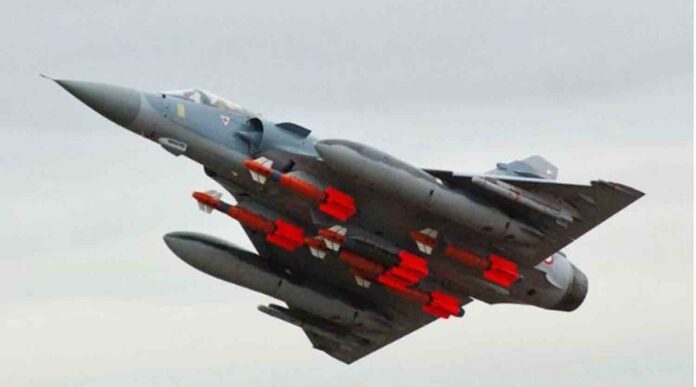
French Mirage 2000-5F demonstrated its capacity to carry up to six AASM-250 bombs

On March 10, 2025, France announced that the Ukrainian Air Force’s Mirage 2000-5F fighter jets will be outfitted with AASM extended-range guided bombs, significantly enhancing Ukraine’s capacity for precision strikes in its ongoing conflict with Russia.

This development, reported by military observers, represents a notable advancement in France’s support for Ukraine, equipping the country with an additional platform capable of deploying sophisticated munitions.

This decision follows successful tests where a French Mirage 2000-5F showcased its ability to carry up to six AASM-250 bombs, indicating the increased firepower now accessible to Ukrainian pilots. It is part of a wider initiative by Western nations to strengthen Ukraine’s military capabilities in light of the ongoing war that began with Russia’s full-scale invasion in February 2022.

The incorporation of these bombs into Ukraine’s military arsenal prompts considerations regarding their tactical implications, the types of targets they may engage, and their influence on the shifting dynamics of the conflict.

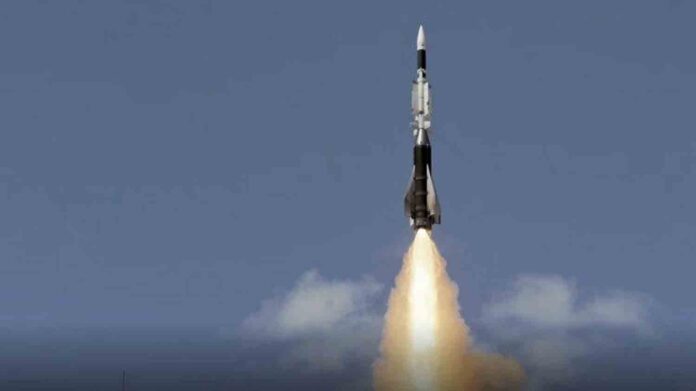
By adding AASM bombs to the Mirage 2000-5F jets, Ukraine gains enhanced options for striking targets at extended ranges with greater precision. Military experts highlight that these munitions, developed by Safran Electronics & Defense, are engineered to convert standard unguided bombs into precision-guided ordnance.

With a range surpassing 70 kilometers when launched from elevated altitudes, the AASM enables pilots to target adversaries while remaining beyond the reach of numerous short- and medium-range air defense systems. This stand-off capability could be crucial for Ukrainian forces, who have encountered significant challenges from Russian air defenses and artillery along the front lines.

The Mirage 2000-5F, a multirole fighter aircraft developed by Dassault Aviation in the late 1990s, is designed to effectively conduct both air-to-air and air-to-ground operations, establishing it as a flexible platform for the deployment of various munitions.

From a tactical standpoint, the AASM’s extended range provides Ukraine with the capability to strike Russian military assets situated deeper within enemy territory. Analysts indicate that potential targets may encompass command centers, ammunition storage facilities, logistics hubs, and troop concentrations, all of which are vital to Russia’s military operations.

The precision guidance of these bombs—utilizing a combination of inertial navigation, GPS, and optional laser or infrared systems—allows for strikes with an accuracy reported to be within one meter under ideal conditions. This level of precision can minimize collateral damage compared to unguided munitions; however, its effectiveness is influenced by factors such as weather conditions, electronic countermeasures, and the quality of targeting information available to Ukrainian pilots.

“The capability to engage high-value targets from a distance alters the risk assessment for Russian forces,” noted Douglas Barrie, a senior fellow at the International Institute for Strategic Studies, in a recent evaluation of Western-supplied armaments.

Nonetheless, he warned that the limited number of Mirage jets—estimated to be between six and twelve based on French commitments—restricts their overall impact unless accompanied by a consistent supply of munitions and strong logistical support.

The ability of Russian defenses to intercept these bombs is a crucial factor to consider. Russia has sophisticated air defense systems, such as the S-400, which can engage targets at distances of up to 400 kilometers and is specifically designed to counter various aerial threats, including cruise missiles.

In contrast, the AASM is classified as a guided bomb rather than a conventional missile. It is deployed from an aircraft and utilizes a rocket motor located in its tail for propulsion. Its compact size and minimal radar signature make it less detectable than larger cruise missiles, such as the SCALP-EG, which France has also provided to Ukraine.

While Russian systems like the Pantsir-S1 are tailored for short-range threats and could be effective if positioned close to the target, the AASM’s standoff capability minimizes the chances of the launching aircraft entering the engagement zones of these systems. Additionally, although Russian electronic warfare capabilities could potentially interfere with GPS guidance, the bomb’s inertial navigation system serves as a backup, albeit with some loss of precision.

Experts are split on the AASM’s interceptability, with some arguing that its effectiveness will depend on Ukraine’s capacity to coordinate attacks and neutralize enemy defenses.

The AASM, or Armement Air-Sol Modulaire, has been integral to French military capabilities since its launch in 2007. It was designed as a cost-efficient alternative to high-priced standalone missiles, enhancing existing bombs—typically weighing 250, 500, or 1,000 kilograms—by incorporating a guidance kit and a range-extension module.

The standard variant, widely utilized by the French Air Force, employs a hybrid inertial GPS system for navigation. More sophisticated versions feature laser guidance for targeting moving objects or infrared imaging for precision in all weather conditions, although it is not yet confirmed which specific model Ukraine will receive.

The 250-kilogram variant, referred to as the AASM-250, is frequently associated with the Mirage 2000-5F, which has a payload capacity of around 6,300 kilograms distributed across nine hardpoints.

Safran, the manufacturer, has designed the AASM to be highly adaptable, enabling customization for various mission requirements. The tail kit is equipped with foldable winglets to improve maneuverability and includes a solid-fuel rocket motor that enhances the bomb’s range compared to conventional gravity bombs.

When deployed from lower altitudes, the range is considerably reduced; however, high-altitude launches—facilitated by the Mirage 2000-5F’s operational ceiling of 15,240 meters—optimize its distance capabilities. The development of this system commenced in the late 1990s, as France aimed to create a weapon that would fill the gap between unguided bombs and expensive cruise missiles.

Following a competitive selection process, Safran was awarded the contract in 2000, with the first units delivered to the French military seven years later. Since then, the AASM has been utilized in various conflicts, including those in Afghanistan, Libya, and Mali, achieving a notable reliability with a reported success rate of 99% in French operations.

The integration of the bomb with Ukraine’s Mirage jets builds on its previous deployment with other aircraft in the Ukrainian Air Force. Beginning in early 2024, AASM bombs have been launched from Soviet-era MiG-29 fighters, which have been modified to accommodate the French munitions. Images that emerged online in March 2024 provided the first visual evidence of this combination, following France’s commitment to supply 50 bombs monthly throughout the year.

The Mirage 2000-5F presents several advantages over the MiG-29, notably in its advanced avionics and increased payload capacity, which may allow for a greater number of bombs to be carried per mission. Its Thales RDY radar, capable of tracking multiple targets at a distance of 70 miles, significantly enhances situational awareness. Additionally, electronic warfare enhancements—specifically implemented for Ukraine—bolster the aircraft’s resilience against Russian jamming efforts.

In October 2024, French Defense Minister Sébastien Lecornu confirmed that modifications were made at Cazaux Air Base to equip the jets with air-to-ground capabilities, including compatibility with AASM and SCALP-EG missiles.

The Mirage 2000-5F’s testing with AASM bombs can be traced back to earlier demonstrations by the French Air Force, although detailed information about these trials is scarce in public sources. A notable instance, mentioned in posts on X on March 10, 2025, illustrated a French Mirage 2000-5F carrying up to six AASM-250 bombs, highlighting the aircraft’s capacity for substantial payloads.

These evaluations, conducted before the jets were transferred to Ukraine, were designed to confirm the successful integration of the munitions with the aircraft’s systems. The Mirage’s delta-wing configuration and SNECMA M53-P2 engine, which generates 21,384 pounds of thrust with afterburner, allow it to achieve speeds of Mach 2.2 while maintaining agility and the ability to carry heavy loads.

The AASM has proven its capability to engage targets at long distances during recent trials, a feature that is expected to enhance Ukrainian military operations. While the French military has not disclosed detailed results from these tests, the effective use of the AASM from Mirage 2000D aircraft in previous conflicts indicates a reliable performance history.

The transfer of Mirage 2000-5F jets to Ukraine commenced in February 2025, with the initial delivery of three aircraft following extensive pilot training conducted in France. French President Emmanuel Macron first announced this transfer in June 2024, committing to provide an unspecified number of jets along with training for 4,500 Ukrainian personnel.

By October, Minister Lecornu specified that six aircraft would be delivered, with the potential for additional units based on Ukraine’s requirements and France’s available inventory, which consists of approximately 26 active Mirage 2000-5F jets. The confirmation of AASM compatibility on March 10, 2025, supports Ukraine’s efforts to enhance interoperability with NATO-standard armaments, a trend also reflected in its acquisition of F-16 jets from the Netherlands and Denmark.

As the conflict evolves, the combination of Mirage aircraft and AASM munitions could alter the aerial dynamics, although their effectiveness will hinge on Ukraine’s capacity to shield the jets from Russian air defenses and ensure a consistent supply of munitions amid competing demands on Western resources.

Russia’s Black Sea fleet enhances its capabilities with a formidable drone swarm

0
Soroka drone, Russia

On March 7, 2025, the ruling party of Russia, United Russia, in collaboration with the Center for Unmanned Systems and Technologies (CBST) and the Nasha Pravda foundation, presented a collection of sophisticated unmanned systems to the Russian Black Sea Fleet for further evaluation and enhancement.

The delivery included strike drones referred to as “Skvorets VMF,” first-person view (FPV) drones named “Soroka,” video signal jammers labeled “Talisman,” and an unmanned vessel called “Katran.” This event occurred as part of ongoing initiatives to strengthen Russia’s naval capabilities in the Black Sea, a region experiencing increased military activity due to the ongoing conflict with Ukraine.

Alexander Sidyakin, the head of United Russia’s central executive committee, shared insights about the systems during the handover. He characterized the “Skvorets VMF” as a strike drone specifically designed for the Russian Navy, capable of being deployed from helicopters.

He also highlighted that the “Katran” is a versatile unmanned boat designed for prolonged autonomous combat operations. The “Soroka” FPV drone is equipped with an optical system for target tracking and lock-on, as well as the ability to operate in radio-shadow zones and areas affected by electronic warfare. Sidyakin underscored that advancing maritime robotics, particularly unmanned vessels, is a primary focus for CBST.

“Our specialists’ expertise enables us to create advanced control, navigation, and video transmission systems, which are essential for any unmanned operation,” he stated. He assured ongoing cooperation with the Black Sea Fleet to further develop these technologies.

The introduction of these systems signifies Russia’s broader initiative to enhance its military capabilities, particularly in the Black Sea, where its naval forces have encountered ongoing difficulties. The “Skvorets VMF” drone, specifically designed for maritime operations, presents a lightweight and adaptable solution for both reconnaissance and offensive actions.

Its capacity to launch from mobile platforms such as helicopters highlights a strategic emphasis on flexibility, enabling swift responses in ever-changing maritime scenarios. The “Soroka” FPV drone, equipped with first-person-view technology, allows operators to receive real-time imagery, thereby improving targeting accuracy.

Its robustness against electronic countermeasures may be crucial in areas where jamming is a common threat. The “Talisman” jammers, intended to interfere with video transmissions, reflect a strategy to mitigate enemy surveillance and drone activities, which are increasingly significant in contemporary naval conflicts.

The “Katran” unmanned boat emerges as a potentially transformative asset. Capable of extended autonomous operations, it can fulfill various functions, ranging from surveillance to direct engagement.

Although specific details are not publicly available, its design is consistent with a global shift towards unmanned surface vessels that minimize human risk while extending operational capabilities. Collectively, these systems indicate Russia’s aim to broaden the composition of its Black Sea Fleet beyond conventional manned vessels.

To grasp the importance of this delivery, it is essential to analyze the current capabilities of the Black Sea Fleet. Stationed in Sevastopol, Crimea, this fleet has historically served as a vital element of Russia’s southern defense strategy, extending its influence throughout the Black Sea and into the Mediterranean region.

The fleet’s inventory features Kilo-class submarines armed with Kalibr cruise missiles, alongside surface vessels such as the Admiral Grigorovich-class frigates, which are also equipped with Kalibr systems. These assets have been actively utilized in the conflict in Ukraine, conducting strikes against land targets.

Additionally, the fleet includes smaller patrol boats and corvettes, like the Buyan-M class, which are tailored for coastal defense and missile operations. However, the use of unmanned systems has only recently gained prominence.

Drones such as the Orlan-10, primarily used for reconnaissance, have played a supportive role in naval operations, while strike drones and autonomous vessels represent a new area of development.

To provide context, similar technologies in other navies can be examined. The U.S. Navy, for example, utilizes the MQ-8 Fire Scout, a drone resembling a helicopter for surveillance and targeting, and is advancing unmanned surface vessels like the Sea Hunter for anti-submarine and patrol missions.

Turkey, a neighboring country in the Black Sea, has successfully deployed its Bayraktar TB2 drones in various regional conflicts, although these are primarily air-based rather than specifically designed for naval operations. Russia’s emerging systems, particularly the “Katran,” seem to be influenced by these developments, aiming to integrate autonomy with combat effectiveness.

Furthermore, the “Skvorets VMF” and “Soroka” drones reflect the growing trend of small, tactical UAVs in contemporary warfare, adapted for maritime applications.

The implementation of these technologies has the potential to greatly improve the operational capabilities of the Black Sea Fleet. The autonomy of the “Katran” boat may enable it to conduct patrols in contested areas without endangering crew members, allowing for the monitoring of Ukrainian activities or the deterrence of incursions. Its capacity for extended missions could also allow manned vessels to focus on more complex operations, thereby optimizing the fleet’s resources.

The “Skvorets VMF” and “Soroka” drones, equipped with strike and targeting capabilities, could enhance the fleet’s effectiveness in engaging small, agile targets such as Ukraine’s sea drones. Additionally, the “Talisman” jammers could interfere with enemy reconnaissance efforts, providing Russian forces with improved situational awareness. For a fleet often deployed in a volatile environment, these advancements offer increased adaptability and resilience.

However, the Black Sea Fleet is confronted with significant challenges that these systems are designed to mitigate. Since the annexation of Crimea in 2014 and the intensification of conflict with Ukraine in 2022, the fleet has faced numerous Ukrainian assaults.

Ukraine, which does not possess a conventional navy, has relied on asymmetric strategies, particularly utilizing its Magura V5 and Sea Baby unmanned sea drones. These drones have successfully targeted prominent vessels, including the Moskva, the fleet’s flagship, which was sunk in April 2022, and have inflicted damage on other ships in Sevastopol harbor.

Furthermore, Ukrainian missile strikes, frequently employing Western-supplied systems like the Storm Shadow, have further diminished the fleet’s capabilities. In response, Russia has relocated some assets to Novorossiysk, reducing their vulnerability but complicating logistical operations.

Addressing these threats has proven to be a significant challenge. Ukraine’s sea drones, which are small and difficult to detect, take advantage of weaknesses in conventional naval defenses such as radar and sonar. The limited geography of the Black Sea restricts maneuverability, rendering ships susceptible to coastal assaults.

Russia’s proficiency in electronic warfare has been met with Ukraine’s adaptive strategies, including the use of satellite-guided drones. The losses have been considerable—analysts suggest that the fleet has lost at least a dozen vessels since 2022, which is a substantial setback for its approximately 70-ship fleet. Additionally, crew morale and aging infrastructure, with some vessels dating back to Soviet-era designs, further exacerbate the situation.

The introduction of new unmanned systems may help address these vulnerabilities. The “Katran” boat, if utilized effectively, could intercept Ukrainian drones before they reach larger vessels, serving as a protective barrier. Meanwhile, the “Skvorets VMF” and “Soroka” could target these threats from the air, with their agility compensating for the fleet’s static defenses.

Devices like the “Talisman” could disrupt Ukrainian surveillance, providing crucial time for Russian counteractions. However, the success of these systems depends on their integration and testing—unproven technologies face significant challenges in maintenance, scalability, and adaptation to enemy tactics.

The broader implications are significant. The Black Sea is a vital route for trade and energy, with both Russia and Ukraine competing for dominance. The fleet’s capability to secure shipping lanes and deter NATO presence is pivotal in shaping regional power dynamics.

Turkey, which manages the Bosporus under the Montreux Convention, is closely monitoring the situation, as are Western allies supporting Ukraine. For the time being, this transition represents a step in Russia’s efforts to regain strategic advantage, although the true impact will take months to manifest through trials and combat.

Sidyakin’s comments highlight a strategic long-term perspective. “We will continue to enhance these systems alongside the Black Sea Fleet,” he stated, indicating a dedication that extends beyond the current delivery. As of March 10, 2025, there is no established timeline for complete deployment, nor have comprehensive test results been made available.

The upcoming actions of the fleet—whether reinforcing Sevastopol or launching offensive operations—will determine if these capabilities can alter the dynamics in a theater characterized by attrition and innovation.

France, UK, and Italy have procured 220 Aster missiles for advanced aerial defence

0
Aster sky-shredding missiles

France, the United Kingdom, and Italy are set to initiate a new procurement of approximately 220 Aster 15 and Aster 30 air defense missiles through the Organisation for Joint Armament Cooperation (OCCAR), with an announcement anticipated early next week.

These air defense missiles will be utilized across various platforms within the armed forces of the three nations. The contract is expected to be awarded to Eurosam, a Franco-Italian industrial consortium that includes MBDA France, MBDA Italy, and Thales. In addition to this new order, officials in Paris, London, and Rome are expected to encourage manufacturers to accelerate delivery schedules for existing contracts.

This announcement comes on the heels of a previous agreement made in December 2022, when France and Italy commissioned Eurosam to produce approximately 700 Aster missiles. MBDA, a significant member of the consortium, has committed to reducing the production timeline for Aster missiles from 42 months in 2022 to less than 18 months by 2026, while also aiming to increase production by 50%.

In a statement from March 2024, MBDA’s Chief Executive Officer Eric Béranger highlighted this objective, affirming the company’s dedication to maintaining these efforts in the upcoming months. Additionally, the company is enhancing its integration capabilities for Aster missiles at its facility located in Selles-Saint-Denis, France.

The Aster missile family, a product of collaboration between France and Italy, is a fundamental element of contemporary European air defense systems. Established in 1989, Eurosam, formed by its parent companies, has taken the lead in the design and production of these surface-to-air missiles, which are primarily available in two versions: the Aster 15 and the Aster 30.

The Aster 15 is designed for short- to medium-range operations, boasting a range of around 30 kilometers, while the Aster 30 significantly enhances this capability, reaching distances over 120 kilometers for aircraft interception and providing defense against short-range ballistic missiles.

Both missile variants employ a sophisticated combination of inertial guidance and active radar homing, allowing them to effectively counter a wide array of aerial threats, including advanced fighter jets, drones, cruise missiles, and anti-ship missiles.

The Aster 30 Block 1 variant represents an advancement over the original model, featuring enhanced seeker technology and hardware upgrades, including a proximity-fused warhead, which enables it to engage ballistic threats such as Scud-class missiles with ranges up to 600 kilometers.

With a maximum speed of Mach 4.5 and a vertical launch capability, these missiles ensure quick reaction times and adaptability in various operational scenarios.

In France, Aster missiles are utilized across both naval and terrestrial platforms. The French Navy incorporates them on ships like the Horizon-class frigates and the Charles de Gaulle aircraft carrier, where they play a vital role in defending against aerial and missile threats.

On the ground, the French Air and Space Force employs the SAMP/T (Surface-to-Air Missile Platform/Terrain) system, referred to as MAMBA, which utilizes Aster 30 missiles to safeguard critical assets and deployed personnel.

Italy similarly integrates Aster missiles, equipping its navy with Horizon-class frigates and the Cavour aircraft carrier, while the Italian Army and Air Force leverage the SAMP/T system for national defense.

In the United Kingdom, Aster 30 missiles are fitted on the Royal Navy’s Type 45 destroyers, which are specifically designed to counter advanced air threats during maritime operations. The anticipated acquisition of 220 additional missiles is expected to enhance these systems, ensuring ongoing operational effectiveness for the armed forces of all three nations.

This procurement is set to significantly improve the defensive capabilities of France, the UK, and Italy, bolstering their capacity to address emerging aerial threats. The adaptability of Aster missiles enables them to tackle a wide spectrum of challenges, ranging from conventional air-breathing targets like fighter jets and drones to more intricate threats such as ballistic and supersonic missiles.

For both France and Italy, the integration of these missiles into the SAMP/T systems will enhance theater protection, offering a strong defense for military bases and civilian infrastructure. The UK’s Type 45 destroyers, already recognized as some of the most advanced air defense vessels globally, will gain from an expanded missile inventory, ensuring sustained deterrence in contested maritime environments.

Military analysts emphasize that the Aster 30 Block 1’s capability to intercept ballistic missiles introduces a significant strategic advantage, especially as regional tensions and the proliferation of missiles increase the demand for such defense systems. The expedited production schedule proposed by MBDA indicates that these countries are keen to sustain a high level of preparedness in response to evolving security challenges.

The operational history of the Aster missile family showcases its reliability and versatility. Development commenced in the late 1980s as part of the Franco-Italian Future Surface-to-Air Family (FSAF) initiative, with the initial qualification tests taking place in 1999.

The SAMP/T system began operational evaluation with the French and Italian armed forces in 2008, achieving successful test launches against simulated targets. Subsequent naval deployments included a significant Aster 30 launch by the French Navy from the frigate Normandie in January 2020, which demonstrated its long-range interception capabilities.

The Aster 30 Block 1 has been operational with French and Italian SAMP/T units for several years, achieving documented success in ballistic missile engagements during testing phases. In June 2023, Italy supplied a SAMP/T battery to Ukraine, one of five in its arsenal, underscoring the system’s export potential and its relevance in active conflict scenarios.

While detailed accounts of combat applications are scarce in public documentation, these achievements highlight the missiles’ established effectiveness in controlled settings and their increasing significance in international defense collaboration.

The choice to acquire more Aster missiles is in line with broader European initiatives aimed at enhancing defense expenditures and capabilities. Following Russia’s invasion of Ukraine in February 2022, NATO allies have encountered heightened demands to improve their military readiness.

France, the UK, and Italy, as pivotal members of the alliance, have responded by focusing on air and missile defense systems. In 2021, OCCAR managed contracts for the mid-life upgrades of existing Aster inventories for all three countries, with France and Italy completing this process by December 2023.

The order placed by France and Italy in December 2022 for 700 missiles, valued at around 2 billion euros, represented a significant advancement in this area, with a subsequent order of 220 missiles reinforcing that commitment.

European leaders have stressed the importance of self-sufficiency in defense production, a viewpoint supported by French Armed Forces Minister Sébastien Lecornu in March 2024, who announced an additional order of 200 Aster missiles specifically for France.

This initiative signifies a strategic transition towards minimizing reliance on non-European suppliers, as illustrated by discussions surrounding the European Sky Shield Initiative, where Germany’s inclination towards U.S.-manufactured Patriot systems has faced criticism from France.

Collaboration through OCCAR has played a crucial role in facilitating these initiatives. Established in 1996, the organization promotes joint armament programs among its member nations—Belgium, France, Germany, Italy, Spain, and the UK—while also permitting participation from non-member countries like Poland and Sweden in certain projects.

For the Aster program, OCCAR acts as the facilitator between national procurement bodies, including France’s Direction Générale de l’Armement (DGA) and Italy’s SEGREDIFESA, and Eurosam. This arrangement has fostered cost efficiencies and uniform production processes, allowing Eurosam to utilize the capabilities of MBDA and Thales to address growing demand.

The consortium’s efforts on the SAMP/T New Generation (NG) variant, expected to be delivered starting in 2025, exemplify this collaboration, featuring enhancements such as a 360-degree multifunction radar and an increased intercept range exceeding 150 kilometers.

As the announcement regarding the order of 220 missiles approaches, focus will shift to the execution of this contract. Eurosam’s capacity to adhere to expedited delivery timelines will be crucial, especially as MBDA increases production capabilities at Selles-Saint-Denis and other facilities.

The participation of the UK in this recent agreement, alongside France and Italy, underscores a trilateral commitment to common defense objectives. Concurrently, ongoing modernization initiatives, including the integration of the Aster 30 Block 1NT (New Technology) variant, are set to ensure these systems remain at the cutting edge of air defense technology.

As Europe faces a more unpredictable security environment, the strategic and operational ramifications of this acquisition are expected to extend well beyond the immediate delivery schedule.

Kremlin said Tehran makes its own choices regarding Trump’s nuclear correspondence

0
Kremlin spokesman Dmitry Peskov

The Kremlin was asked on Monday whether Russia had engaged in discussions with Iran prior to or following Tehran’s response to a letter from U.S. President Donald Trump, which urged the nation to negotiate a nuclear agreement. The Kremlin stated that Iran develops its own policy positions independently.

On Saturday, Iran’s Supreme Leader Ayatollah Ali Khamenei asserted that Tehran would not be coerced into negotiations, following Trump’s announcement that he had sent a letter encouraging Iran to participate in talks regarding a new nuclear deal.

When questioned about any consultations between Moscow and Tehran in relation to Trump’s letter, Kremlin spokesman Dmitry Peskov informed reporters: “No. Iran is a sovereign nation and independently establishes its stance on significant foreign policy matters. It is evident that we are facing very tense interactions ahead.”

Trump has previously indicated his intention to reinstate a “maximum pressure” strategy on Iran to deter the country from developing nuclear weapons, while also expressing a willingness to negotiate a new agreement with Tehran.

Since the onset of the war in Ukraine, Russia and Iran have strengthened their ties, with Tehran supplying drones to Moscow.

Regarding potential discussions on Iran’s nuclear program, Peskov remarked: “It is evident that Iran is pursuing negotiations rooted in mutual respect and constructive dialogue.” He added, “We will, of course, continue to do everything within our power to facilitate a peaceful resolution to the Iranian nuclear issue.”

Syrian Ministry of Defense has declared the end of its operation against Assad’s loyalists

0
A member of the Syrian security forces checks an ID of a person, after hundreds were killed in some of the deadliest violence in 13 years of civil war, pitting loyalists of deposed President Bashar al-Assad against the country's new Islamist rulers in Latakia, Syria.

A military operation conducted by Syrian forces against loyalists of the deposed former President Bashar al-Assad has concluded, as announced by the defense ministry on Monday. According to a war monitoring organization, clashes between Assad’s supporters and the new Islamist leadership in the former president’s coastal stronghold have resulted in over 1,000 fatalities, predominantly among civilians.

Hassan Abdul Ghany, spokesperson for the defense ministry, stated on X that public institutions are now positioned to resume operations and deliver essential services.

“We are facilitating the return to normalcy and the establishment of security and stability,” Abdul Ghany remarked. He also indicated that strategies are being developed to continue addressing the remnants of the previous administration and to neutralize any potential threats.

Syrian leader Ahmed al-Sharaa pledged on Sunday to pursue those responsible for the violent confrontations and to hold accountable anyone who exceeds the authority of the new regime. His office announced the formation of an independent committee tasked with investigating the clashes and the violence perpetrated by both factions.

Abdul Ghany further noted that security forces would collaborate with the investigative committee, providing complete access to uncover the details of the incidents, verify the facts, and ensure justice for those wronged. “We successfully countered the assaults from the remnants of the former regime and its officers. We disrupted their surprise tactics and managed to secure vital areas, safeguarding most of the main thoroughfares,” he stated.

While a degree of calm followed Assad’s removal in December, recent days have seen a surge in violence as forces associated with the new Islamist rulers intensified their crackdown on a rising insurgency from the Alawite minority.

The conflict escalated into acts of retribution against Alawites, a sect of Shi’ite Islam that constitutes a significant portion of Assad’s staunch supporters and has become linked to his wartime atrocities committed against Syria’s predominantly Sunni Muslim population.

According to the British-based Syrian Observatory, over 1,000 individuals lost their lives during a two-day period of violence, which included 745 civilians, 125 members of the Syrian security forces, and 148 fighters loyal to Assad.

Following the overthrow of his government by rebels from Sharaa’s Sunni Islamist group, Hayat Tahrir al-Sham, Assad sought refuge in Russia last year, marking the end of decades of harsh repression and a brutal civil war.