Monday, April 6, 2026
Home Blog Page 8

Iran’s Navy Losses Mount but Asymmetric Naval Threat Remains in the Strait of Hormuz

0
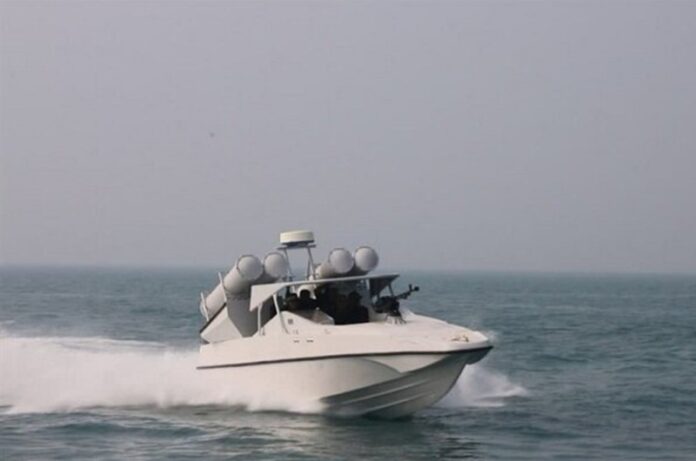
Iran Launches ‘Smart Control’ Naval Drills in Strait of Hormuz as U.S. Fleet Presence Intensifies

Recent reports suggest that several major Iranian naval vessels have been destroyed or severely damaged during the ongoing conflict. However, defense analysts say that while Iran’s large surface warships may be vulnerable, the country’s asymmetric naval strategy remains largely intact.

Iran’s naval doctrine has long relied less on large warships and more on submarines, missile boats, and swarms of fast attack craft, particularly in the confined waters of the Persian Gulf and the Strait of Hormuz.

Large Warships Vulnerable in Modern Naval Warfare

Many of the Iranian ships reportedly damaged or sunk during the conflict were stationary in port when strikes occurred.

Military analysts say that vessels remaining docked during wartime may indicate they were not ready for combat deployment, lacked operational crews or aircraft support, or were considered too vulnerable to deploy.

Large surface ships can become particularly exposed targets during modern warfare, especially when facing advanced naval aviation, long-range missiles, and precision-guided weapons.

In asymmetric conflicts, such vessels are often seen as high-value targets that can be neutralized early in a campaign.

Reported Iranian Naval Losses

Visual evidence circulating among analysts suggests that several Iranian ships have been destroyed or damaged during the conflict.

Reported Damaged or Destroyed Vessels

  • IRIS Jamaran (Moudge-class frigate)
    Commissioned: 2010 – reportedly sunk at pier
  • IRIS Dena (Moudge-class frigate)
    Commissioned: 2021 – reportedly sunk after a submarine torpedo strike
  • IRIS Bayandor (Bayandor-class corvette)
    Commissioned: 1964 – reportedly sunk in port
  • IRIS Naghdi (Bayandor-class corvette)
    Commissioned: 1969 – reportedly sunk in port
  • IRIS Alborz (Alvand-class frigate)
    Commissioned: 1971 – reportedly heavily damaged and on fire
  • IRIS Sahand (Moudge-class frigate)
    Commissioned: 2018 – reportedly severely damaged or sunk
  • IRIS Makran (forward base ship)
    Commissioned: 2021 – reportedly burning at pier in Bandar Abbas
  • IRIS Shahid Bagheri (drone/helicopter carrier)
    Commissioned: 2025 – reportedly hit and abandoned
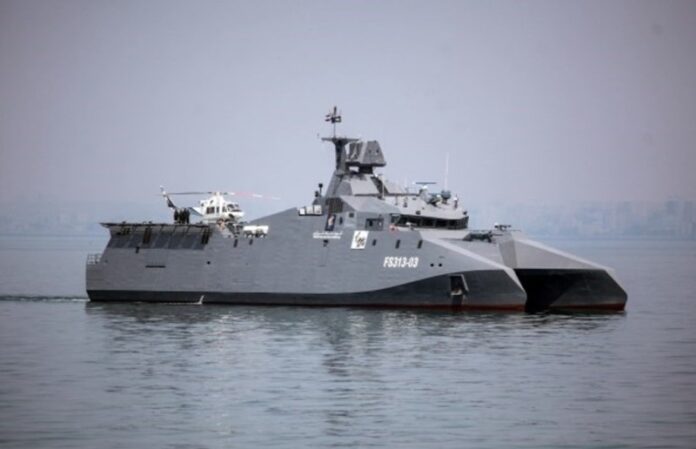
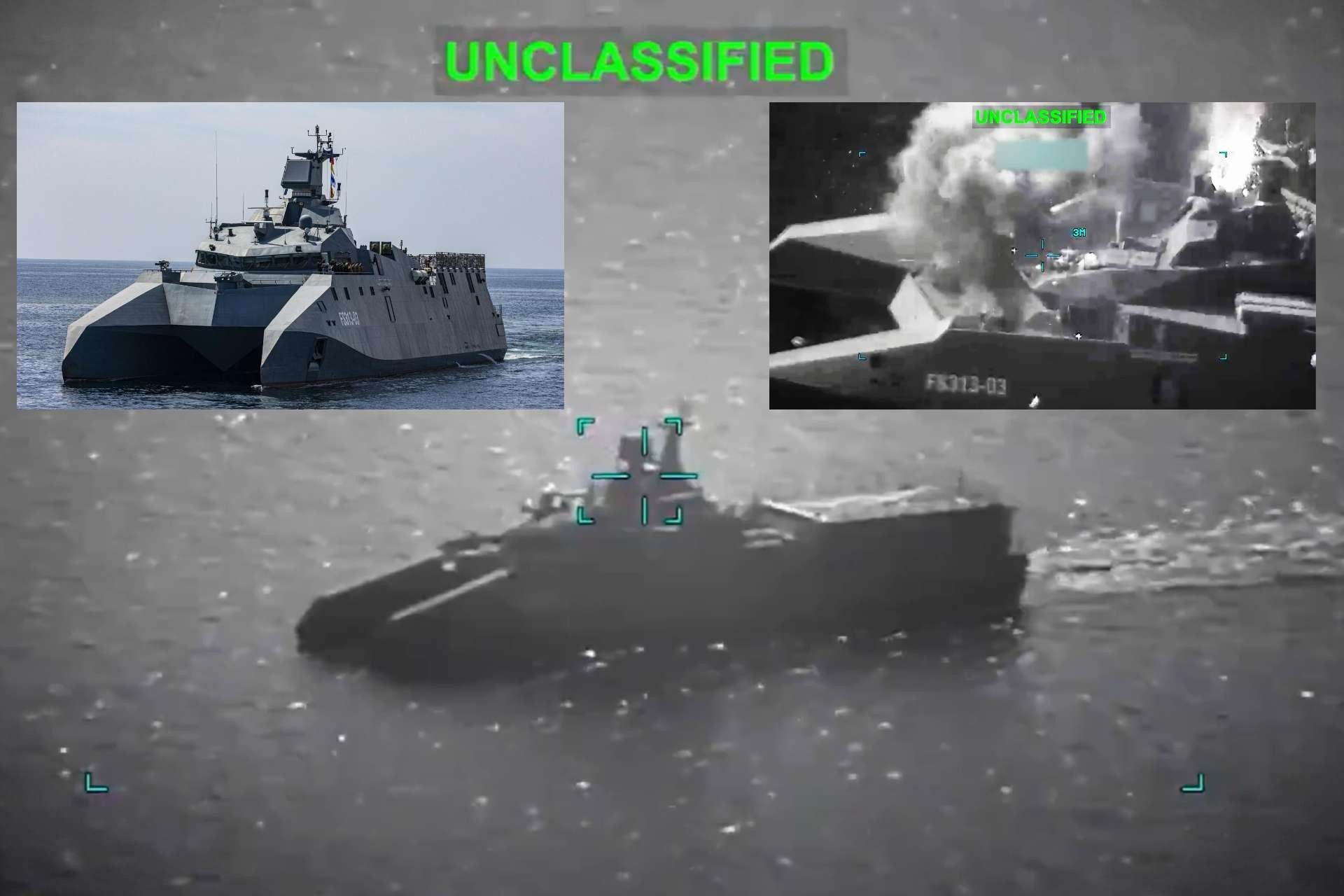
  • IRIS Shahid Sayyad Shirazi (catamaran corvette)
    Commissioned: 2024 – reportedly damaged by fire

In total, nine combat vessels are believed to have been destroyed or heavily damaged based on available visual reports.

Iran’s Navy Is Not Destroyed

Despite these losses, Iran’s naval capabilities remain substantial.

Iran maintains two separate naval forces:

  • IRIN (Islamic Republic of Iran Navy) – the conventional navy
  • IRGCN (Islamic Revolutionary Guard Corps Navy) – focused on asymmetric warfare

Together, these forces still operate dozens of vessels and hundreds of smaller combat craft.

Remaining Iranian Naval Forces

IRIN (Regular Navy)

  • Alvand-class frigates: 2
  • Moudge-class frigates: 1
  • Hamzeh-class corvette: 1
  • Kilo-class submarines: 3
  • Fateh-class submarines: 1–2
  • Ghadir-class midget submarines: 18–20
  • Kaman-class missile patrol ships: 13
  • Sina-class missile patrol ships: 6
  • Amphibious vessels: 24–30

IRGC Navy

  • Tondar / Houdong missile patrol ships: 10
  • Shahid Soleimani-class catamaran corvettes: 4–5
  • Fast attack craft and missile boats: 250–350

In total, Iran still operates:

  • More than 30 armed surface ships
  • 23–25 submarines
  • Hundreds of missile-equipped speedboats

Iran’s Asymmetric Naval Strategy

Iran’s naval doctrine has long focused on asymmetric warfare, designed specifically to counter stronger conventional navies.

Rather than confronting major fleets directly, Iranian forces rely on tactics such as:

  • Swarms of fast missile boats
  • Submarine ambush operations
  • Anti-ship missile batteries
  • Naval mines
  • Unmanned surface and underwater drones

These systems are intended to complicate operations for larger naval forces operating in narrow waterways.

The Strategic Importance of the Strait of Hormuz

The Strait of Hormuz remains one of the most critical maritime chokepoints in the world.

Roughly one-fifth of global oil shipments pass through this narrow corridor connecting the Persian Gulf to international waters.

Even a limited asymmetric naval threat can disrupt shipping, increase insurance costs, and create instability in global energy markets.

A Conflict That Could Last Months

Analysts suggest that even if Iran’s large warships are eventually neutralized, the country’s asymmetric naval forces could continue operating for weeks or months.

Small missile boats, submarines, and drones can be difficult to track and destroy across the complex geography of the Persian Gulf.

For this reason, the destruction of large ships does not necessarily translate into immediate control of the Strait of Hormuz.

Instead, the conflict may evolve into a prolonged struggle where asymmetric tactics shape the pace of naval operations in the region.

PLA Navy Adds Two More Type 055 Destroyers, Strengthening Carrier Strike Groups

0
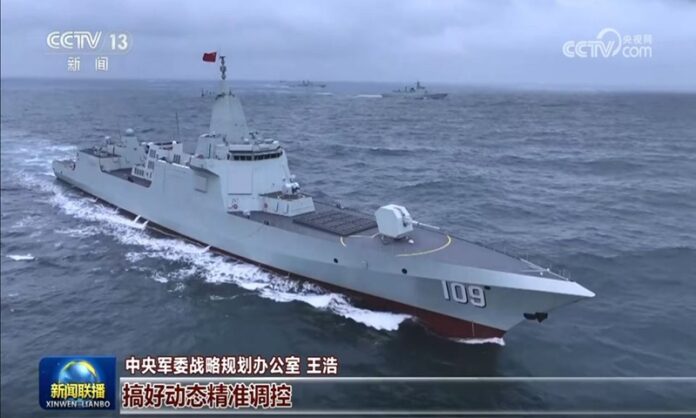
Type 055 large destroyers of the PLA Navy

China’s navy has officially unveiled two new Type 055 destroyers, marking a significant expansion of the country’s most powerful surface warship class.

The new vessels — Hull 109 Dongguan and Hull 110 Anqing — appeared for the first time in an official broadcast by China Central Television (CCTV), confirming that the People’s Liberation Army (PLA) Navy now operates 10 Type 055 destroyers, up from eight previously.

Military analysts say the addition of these advanced warships will strengthen China’s ability to conduct long-range naval operations and protect carrier strike groups.

First Official Appearance of Dongguan and Anqing

The two destroyers were shown participating in joint training exercises at sea alongside other PLA Navy vessels.

Their appearance in the CCTV news program Xinwen Lianbo marked the first official confirmation that the ships have entered operational service.

Prior to this announcement, China had eight Type 055 destroyers:

  • Hull 101 Nanchang
  • Hull 102 Lhasa
  • Hull 103 Anshan
  • Hull 104 Wuxi
  • Hull 105 Dalian
  • Hull 106 Yan’an
  • Hull 107 Zunyi
  • Hull 108 Xianyang

With the addition of Dongguan and Anqing, the fleet of China’s 10,000-ton-class destroyers has grown to ten vessels.

Deployment Across China’s Naval Commands

According to available information, the first eight Type 055 destroyers were assigned to the Northern Theater Command Navy and the Southern Theater Command Navy.

The two newly commissioned warships have reportedly been deployed with the Eastern Theater Command Navy, which oversees operations in areas including the Taiwan Strait and the East China Sea.

With this distribution, all three major PLA Navy theater commands now operate Type 055 destroyers, significantly expanding China’s naval operational reach.

Possible Upgrades in the New Batch

Chinese military analyst Wang Yunfei suggested that the second batch of Type 055 destroyers may include technical improvements over the first eight ships.

Although detailed specifications have not been publicly released, experts believe the new vessels could feature upgrades in radar systems, electronics, or missile capabilities.

The additional destroyers will also help support the growing number of Chinese aircraft carrier strike groups, which require powerful escort ships during long-range deployments.

Key Capabilities of the Type 055 Destroyer

Military expert Zhang Junshe highlighted two major strengths of the Type 055 warship class.

Advanced Detection and Command Systems

The destroyer’s radar systems provide long-range detection and surveillance capabilities.

According to analysts, the system can track hundreds of aerial targets simultaneously, enabling the ship to coordinate air-defense operations for an entire fleet.

Powerful Missile Arsenal

The Type 055 is equipped with a wide range of weapons, including:

  • Long-range air-defense missiles
  • Missile defense systems
  • Anti-ship missiles
  • Land-attack cruise missiles

This combination allows the destroyer to conduct air defense, missile defense, and long-range strike missions against sea and land targets.

Multiple Roles in Naval Operations

Experts say the Type 055 destroyer can perform several operational roles in China’s expanding navy.

Carrier Strike Group Escort

The ship can serve as a primary escort for aircraft carriers, providing layered air-defense protection for carrier formations.

Amphibious Assault Support

The destroyer can also operate alongside large amphibious ships such as Type 075 and Type 076 assault vessels, providing air defense and sea-control coverage during amphibious operations.

Independent Strike Groups

The Type 055 can lead its own task group, operating with other Chinese warships such as:

  • Type 052C and Type 052D destroyers
  • Type 054A and Type 054B frigates

These formations can conduct long-range offensive and defensive missions in distant seas.

Expanding China’s Blue-Water Navy

With the addition of the new destroyers, analysts say China is continuing to strengthen its blue-water naval capabilities, allowing it to maintain a presence far beyond its coastline.

More Type 055 warships would improve China’s ability to:

  • Protect maritime trade routes
  • Escort carrier strike groups
  • Conduct long-distance naval missions
  • Safeguard overseas interests

Chinese military experts believe the current number of Type 055 destroyers is still insufficient for future operational needs.

As China expands its aircraft carrier fleet and overseas deployments, analysts expect additional ships in the class to be built in the coming years.

A Growing Role in Regional Security

Supporters of the program argue that expanding the Type 055 fleet will strengthen China’s national defense and contribute to regional stability.

At the same time, the continued modernization of the PLA Navy reflects China’s ambition to operate as a major maritime power with the ability to conduct sustained operations in distant waters.

The unveiling of Dongguan and Anqing marks another step in that transformation, reinforcing the growing scale and capability of China’s modern naval fleet.

China’s Jilin-1 Satellite Network Tracks US Military Activity in Iran Conflict

0
Jilin-1 satellite

China’s Jilin-1 satellite constellation is reportedly observing U.S. military operations connected to strikes against Iranian targets, highlighting the growing role of commercial space systems in modern warfare.

Defense analysts say large satellite constellations now allow countries to monitor conflicts in near real time, tracking military movements, infrastructure activity, and operational patterns across vast regions.

The development illustrates how space-based observation is becoming a major intelligence factor in contemporary conflict.

A Massive Commercial Satellite Network

The Jilin-1 system is operated by Chang Guang Satellite Technology, a Chinese company that has rapidly expanded its Earth observation capabilities over the past decade.

Since its first launch in 2015, the constellation has grown into one of the world’s largest commercial satellite imaging networks.

Today the system reportedly includes more than 300 satellites in orbit, capable of capturing high-resolution optical imagery with frequent revisit times.

Such large constellations allow analysts to observe the same location multiple times per day, creating detailed timelines of activity.

Tracking Military Activity From Space

According to defense observers, Jilin-1 satellites are collecting imagery related to U.S. military operations connected to strikes on Iranian facilities.

Frequent satellite passes enable analysts to monitor indicators such as:

  • Aircraft movement at air bases
  • Refueling or logistics activity
  • Missile launch preparations
  • Air defense deployments
  • Damage assessments following strikes

This repeated observation allows analysts to build detailed operational timelines during an active conflict.

Pattern-of-Life Intelligence

The method used to interpret such data is often called pattern-of-life analysis.

By observing how military facilities operate over time, analysts can identify patterns that reveal operational behavior.

For example, satellite imagery may show:

  • How quickly aircraft are refueled between missions
  • How often air bases launch sorties
  • How air defense units reposition after attacks
  • The logistical flow of equipment and supplies

Even when specific systems remain classified, these patterns can provide valuable insights into military doctrine and operational tempo.

The Rise of Space-Based Intelligence

Space-based surveillance has become a central component of modern military intelligence.

In the past, most high-resolution satellite imagery systems were controlled by governments.

Today, commercial companies operate many of the world’s most active observation networks, dramatically expanding the availability of global imagery.

Large satellite constellations can now provide persistent monitoring of conflict zones, capturing vast amounts of data that can be analyzed by governments, researchers, and private intelligence firms.

China’s Expanding Space Surveillance Capabilities

China has invested heavily in Earth observation satellites as part of a broader effort to strengthen its military space infrastructure and intelligence gathering capabilities.

The Jilin-1 program reflects this strategy.

Chinese officials have previously stated that the long-term goal is to deploy hundreds of satellites capable of near-continuous global imaging coverage.

Access to large volumes of satellite imagery could help Chinese analysts study real-world military operations and better understand how modern forces conduct combat missions.

Such observations may influence training programs, war-gaming models, and future weapons development.

A New Intelligence Environment

The rapid expansion of commercial satellite constellations is transforming the global intelligence landscape.

Today, conflicts are often observed simultaneously by multiple actors, including:

  • Governments
  • Private satellite companies
  • Independent intelligence analysts
  • Media organizations

This growing ecosystem means that military operations are increasingly difficult to conceal.

Even routine activities such as aircraft preparation, munitions loading, or base logistics can be captured by satellites passing overhead.

The Operational Security Challenge

Persistent satellite observation presents a major challenge for modern militaries.

Traditional operational security focused on preventing communications interception or human espionage.

Now, constant imaging from space adds a new layer of exposure.

Military planners must assume that large deployments, airfield activity, and logistical preparations can be observed from orbit.

To reduce this risk, armed forces increasingly rely on strategies such as:

  • Deception and camouflage
  • Dispersed basing
  • Rapid movement of assets
  • Operational unpredictability

However, complete concealment becomes difficult when hundreds of satellites may pass over a region each day.

The Future of Satellite Intelligence

Several emerging trends are expected to further expand the role of space-based intelligence in global security.

Satellite constellation expansion
Both China and the United States continue launching new observation satellites to improve global coverage.

Commercial intelligence markets
Private companies increasingly sell satellite imagery and analysis to governments and defense organizations.

AI-driven image analysis
Artificial intelligence tools are now being used to process vast amounts of satellite data quickly and identify patterns automatically.

Space Surveillance and Modern Warfare

Large satellite constellations such as China’s Jilin-1 network are reshaping the intelligence environment by enabling near-continuous observation of modern warfare from space.

As commercial satellite technology continues to expand, analysts expect space-based monitoring to become an even more influential factor in global military competition.

The ability to watch conflicts unfold from orbit may soon become one of the most powerful tools in modern intelligence gathering.

Taliban’s Own Words: Mullah Yaqoob Interview Reveals Durand Line and TTP Reality

0
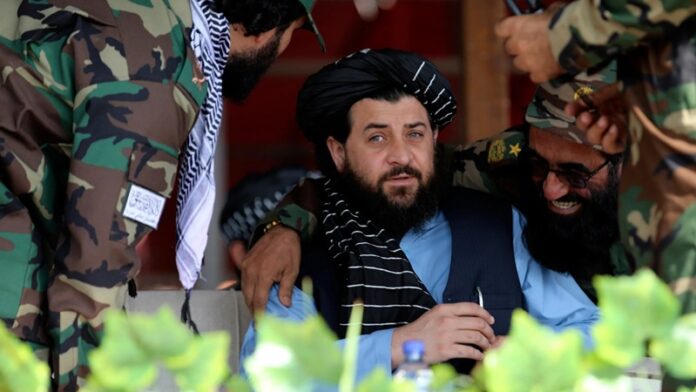
Afghan Taliban Defense Minister Mullah Yaqoob Mujahid

An interview by Afghan Taliban Defense Minister Mullah Yaqoob Mujahid has unintentionally revealed key factors behind the growing tensions between Pakistan and the Taliban government in Afghanistan.

While the remarks were likely intended as criticism of Pakistan, the statements effectively function as a self-indicting “charge sheet,” highlighting the Taliban’s own position on two major issues driving the conflict: the Durand Line border dispute and the presence of Tehrik-e-Taliban Pakistan (TTP) militants inside Afghanistan.

Together, these remarks offer rare insight into the Taliban’s strategic thinking and their relationship with militant groups operating in the region.

Durand Line: Refusal to Recognize the Border

One of the most significant revelations from the interview concerns the long-standing dispute over the Durand Line, the border separating Pakistan and Afghanistan.

According to Mullah Yaqoob, during negotiations with Pakistan the Taliban insisted that the boundary be referred to specifically as the “Durand Line.”

For Pakistan, this wording is unacceptable because it implies the boundary is still disputed rather than recognized as an international border.

Yaqoob reportedly dismissed the issue by suggesting that if the dispute cannot be resolved, Pakistan should simply leave the matter as it is.

However, this statement effectively confirms that the Taliban leadership does not recognize the border in the same way Pakistan and most of the international community do.

The Durand Line has long been a sensitive issue in Afghan politics, historically linked to debates over Pashtun identity and cross-border tribal areas.

The TTP Issue: “Your Terrorist Is Not Our Terrorist”

The second major issue raised during the interview was the presence of Tehrik-e-Taliban Pakistan (TTP) militants in Afghanistan.

Pakistan has repeatedly accused the Afghan Taliban of allowing TTP fighters to operate from Afghan territory and carry out attacks inside Pakistan.

During the interview, Mullah Yaqoob addressed the issue directly.

Referring to TTP members as “refugees,” he questioned Pakistan’s expectation that the Taliban should treat them as terrorists.

He stated bluntly:

“Who can explain to Pakistan that your terrorist is not our terrorist?”

This statement carries two major implications.

First, it effectively acknowledges that TTP members are present in Afghanistan under the label of refugees.

Second, it signals that the Taliban leadership does not view the group as a terrorist organization in the same way Pakistan does.

Evidence of Strategic Alignment

For analysts and policymakers in Pakistan, the remarks are significant because they appear to confirm suspicions that the Afghan Taliban and the TTP maintain ideological or operational alignment.

Pakistan has long argued that militants responsible for attacks inside the country are operating from Afghan territory.

The Taliban government has typically denied direct support for such activities, but Yaqoob’s comments suggest a more complex relationship.

By refusing to label the TTP as terrorists, the Taliban leadership appears unwilling to take the type of action Pakistan has repeatedly demanded.

A Rare Insight Into the Real Dispute

The interview also strips away much of the diplomatic language often used in discussions about Pakistan-Afghanistan relations.

Instead, it highlights the fundamental issues at the heart of the conflict:

  • Disagreement over the Durand Line border
  • Diverging views on TTP militants
  • Competing interpretations of security and sovereignty

These issues have repeatedly triggered tensions, border clashes, and diplomatic disputes between the two neighbors.

Implications for Pakistan–Afghanistan Relations

The remarks come at a time when relations between Islamabad and Kabul are already strained.

Pakistan has increased security operations along the border and repeatedly called on the Taliban government to take action against militant groups targeting Pakistan.

Meanwhile, the Taliban leadership has resisted Pakistani pressure on both the border issue and the status of the TTP.

The Bottom Line

Rather than strengthening the Taliban’s argument against Pakistan, Mullah Yaqoob’s interview may have inadvertently clarified the underlying dispute.

His statements effectively confirm two key points:

  • The Taliban leadership does not fully accept the Durand Line as a permanent international border.
  • The group does not classify TTP militants in the same way Pakistan does.

For Pakistan, these admissions provide a clearer explanation of why tensions between the two sides remain unresolved.

And for regional observers, the interview offers a rare glimpse into the strategic calculations shaping one of South Asia’s most volatile security relationships.

Hormuz Under Pressure: U.S.-Escorted Tanker Passes While IRGC Drone Hits Another

0
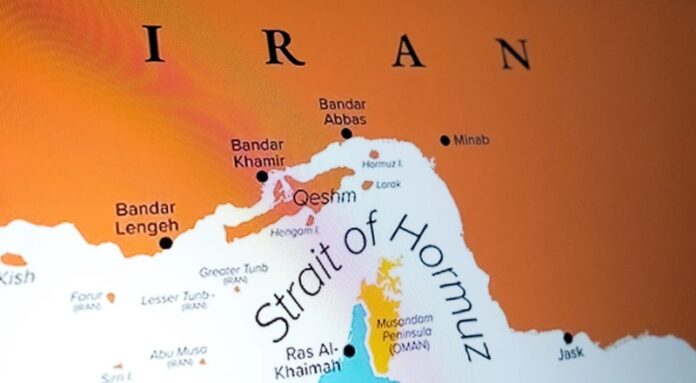
map shows the Strait of Hormuz on a laptop computer screen

The situation in the Strait of Hormuz, one of the world’s most critical energy chokepoints, illustrates the fragile balance of power shaping the ongoing conflict with Iran.

Within the same week, two dramatically different events unfolded in the narrow waterway that carries roughly 21 percent of global seaborne oil and about 20 percent of global liquefied natural gas (LNG).

One large oil tanker successfully passed through the strait under heavy U.S. protection. Another vessel was struck by an Iranian drone and set ablaze.

Together, these incidents reveal the current reality in the Persian Gulf: the strait remains physically open but commercially paralyzed.

U.S. Energy Secretary Highlights Successful Transit

Speaking on Fox News, U.S. Energy Secretary Chris Wright announced that a large tanker had successfully navigated the Strait of Hormuz without incident.

The transit reportedly occurred approximately 24 hours before Wright’s remarks on March 8, during a controlled security window coordinated by the U.S. Navy.

According to reports, the vessel likely traveled under strict security measures:

  • Temporary AIS tracking blackout
  • Naval de-confliction corridor
  • Insurance coverage backed by a $20 billion U.S. Development Finance Corporation (DFC) reinsurance program

Such protection has become essential because most commercial insurers have withdrawn coverage for tankers attempting to pass through the strait during the conflict.

Iranian Drone Strike on Tanker Prima

Just two days earlier, a very different outcome occurred in the same waterway.

According to reports from Tasnim News Agency, the official media outlet associated with Iran’s Islamic Revolutionary Guard Corps (IRGC), a Malta-flagged tanker named Prima was attacked on March 7.

The vessel reportedly ignored repeated warnings not to enter the strait.

Iranian sources claim that a suicide drone struck the oil and chemical carrier, setting it on fire.

While the full extent of the damage has not been independently confirmed by Western authorities, the reported incident has been referenced by several international media outlets including Reuters, Al Jazeera, NDTV, and IranWire.

Tanker Traffic Through Hormuz Collapses

Before the conflict escalated on February 28, between 24 and 37 oil tankers typically transited the Strait of Hormuz every day.

Since the outbreak of hostilities, traffic has dropped by roughly 90 percent, according to shipping industry estimates.

The collapse reflects the growing risks faced by commercial vessels operating in the region.

Without military protection and government-backed insurance, many shipping companies have suspended operations in the strait entirely.

A Strait That Is “Selectively Permeable”

These developments suggest the strait is neither fully open nor fully closed.

Instead, maritime traffic has become selectively controlled by security guarantees.

Ships traveling under U.S. government protection and insurance support may still attempt the crossing.

Those without such backing face a much higher risk of attack.

In practice, this dynamic has turned the strait into a restricted corridor rather than a normal commercial shipping route.

Echoes of the 1980s Tanker War

The emerging strategy resembles Operation Earnest Will, a U.S. naval mission conducted during the Iran-Iraq War between 1987 and 1988.

During that operation, the United States deployed roughly 30 warships to escort 11 Kuwaiti tankers through the Strait of Hormuz.

Even with this large military presence, Iran carried out 546 attacks on commercial vessels during the broader tanker war.

The escorts allowed oil shipments to continue, but only because the level of protection matched the level of threat.

A More Complex Challenge in 2026

Today’s situation may be even more complicated.

Iran is reportedly using relatively inexpensive suicide drones costing tens of thousands of dollars, while defending warships rely on interceptor missiles that can cost millions.

At the same time, global shipping traffic through Hormuz is vastly larger than during the 1980s.

While Operation Earnest Will protected just 11 tankers, the modern global economy depends on hundreds of commercial vessels moving through the Gulf each week.

Economic Impact Already Visible

The disruption has already triggered extreme volatility in shipping markets.

Daily charter rates for Very Large Crude Carriers (VLCCs) have surged to record levels, reportedly reaching more than $423,000 per day, reflecting the massive risk premium associated with Gulf voyages.

For energy markets, the difference between a single successful transit and the normal flow of dozens of tankers per day is enormous.

One ship passing safely may make headlines, but the global economy depends on consistent, large-scale traffic.

A Strait Open in Theory, Closed in Practice

The events of the past week highlight the paradox currently facing global energy trade.

The Strait of Hormuz remains physically navigable.

Yet commercially, it is nearly shut down.

The safe passage of one tanker and the burning of another illustrate the same reality: transit is possible—but only under extraordinary security conditions.

Until normal commercial shipping resumes, one of the world’s most vital energy arteries will remain under severe strain.

Durand Line Dispute Deepens as Pakistan Reportedly Seizes Afghan Territory

0

Tensions between Pakistan and Afghanistan have intensified after reports circulated in media outlets close to Pakistani intelligence claiming that Pakistani forces have taken control of 32 square kilometers of territory inside Afghanistan.

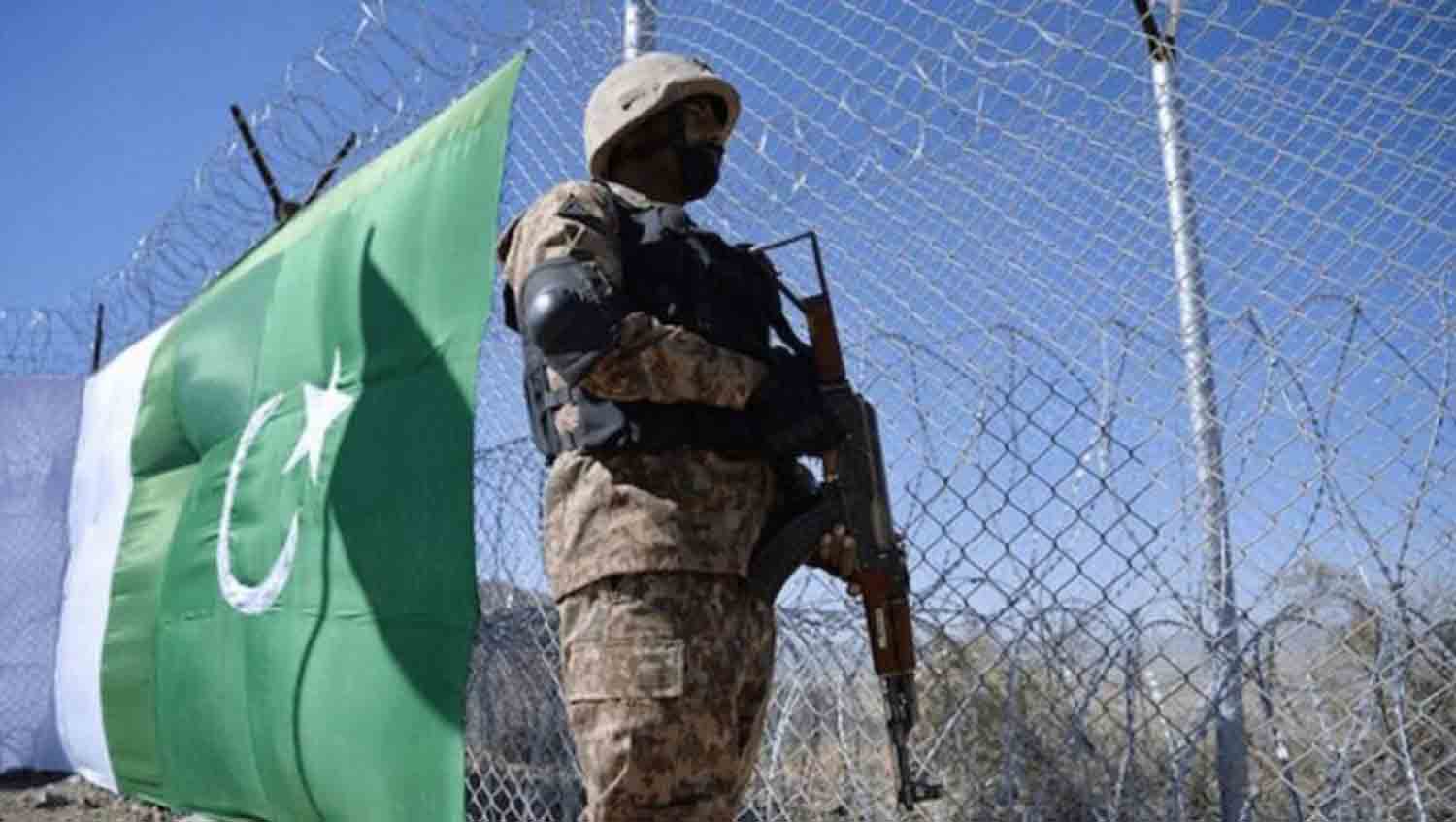
Videos circulating on social media reportedly show Pakistani troops advancing beyond the border, cutting through barbed-wire fencing, capturing Afghan Taliban outposts, and raising the Pakistani flag in the disputed area.

As of now, Afghanistan’s Taliban authorities have not issued an official statement confirming or denying the claims, leaving the situation unclear.

Reports of Clashes Along the Durand Line

The alleged territorial advance comes amid a series of clashes along the Durand Line, the long-disputed border separating Pakistan and Afghanistan.

According to reports, Pakistani troops engaged Taliban fighters in several locations during the operation.

The Afghan Taliban have prohibited the publication of detailed casualty statistics related to the clashes. However, limited reports of deaths among Taliban fighters have emerged.

Observers believe the actual number of casualties may be significantly higher than publicly acknowledged.

Durand Line Dispute Remains a Core Issue

The tensions are closely linked to the long-standing dispute over the Durand Line, the 2,640-kilometer boundary established in 1893 during British colonial rule.

Pakistan recognizes the Durand Line as the official international border, a position supported by most countries.

However, successive Afghan governments have historically refused to formally recognize the boundary, arguing that it divided Pashtun tribal areas between the two states.

This disagreement has remained a major source of friction between Kabul and Islamabad for decades.

Taliban Defense Minister Responds

Afghan Taliban Defense Minister Mullah Yaqub Mujahid recently addressed the border issue, stating that he does not have the authority to decide whether the Durand Line should officially be recognized as an international border.

According to his remarks, the decision should ultimately be made by the Afghan people.

His comments come amid renewed debate over the status of the frontier and growing tensions between Taliban authorities and Pakistan.

Taliban Accuses Pakistan of Supporting Opponents

In a separate interview with TOLO News, Mullah Yaqub sharply criticized Pakistan, referring to its government as a “Pakistani military regime.”

He accused Pakistani authorities of supporting and organizing groups opposed to the Taliban government.

According to Yaqub, Pakistani officials have allegedly contacted Afghan opposition figures abroad and encouraged them to travel to Pakistan for training and support.

He claimed that these individuals are then prepared to return to Afghanistan to conduct operations against the Taliban government.

Pakistan has not publicly responded to these specific allegations.

Regional Concerns Grow

The escalating tensions have attracted international attention.

Türkiye’s Foreign Minister Hakan Fidan emphasized that stability in Afghanistan is critical for the broader region.

Speaking on Saturday, Fidan noted that several Central Asian countries share borders with Afghanistan and could be affected by instability there.

He also confirmed that Türkiye is closely monitoring the rising tensions between Pakistan and the Afghan Taliban.

Failed Mediation Efforts

Türkiye and Qatar have previously attempted to mediate between Pakistan and the Taliban government.

Several rounds of talks were reportedly held in Istanbul aimed at easing border tensions and improving cooperation.

However, these diplomatic efforts failed to produce a lasting agreement.

Uncertain Situation on the Ground

With conflicting reports and no official confirmation from Kabul, the exact situation on the ground remains unclear.

If the claims about territorial control are confirmed, it could represent one of the most serious escalations between Pakistan and Afghanistan since the Taliban returned to power in 2021.

For now, analysts say the developments highlight the fragile nature of relations between the two neighbors and the persistent volatility along the Durand Line.

Iran War Raises Doubts About U.S. Ability to Defend Asian Allies

0
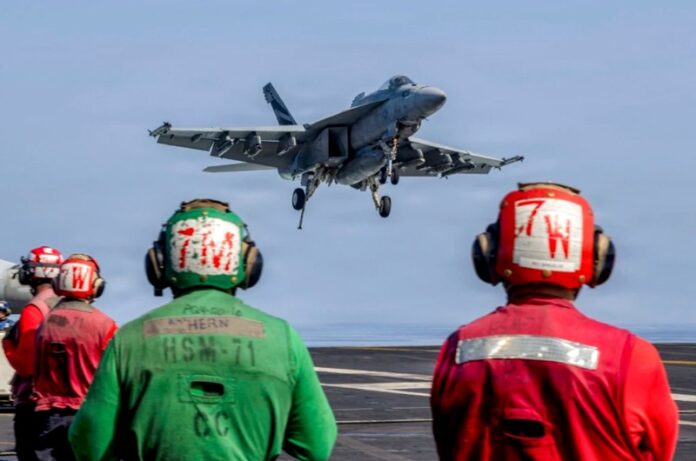
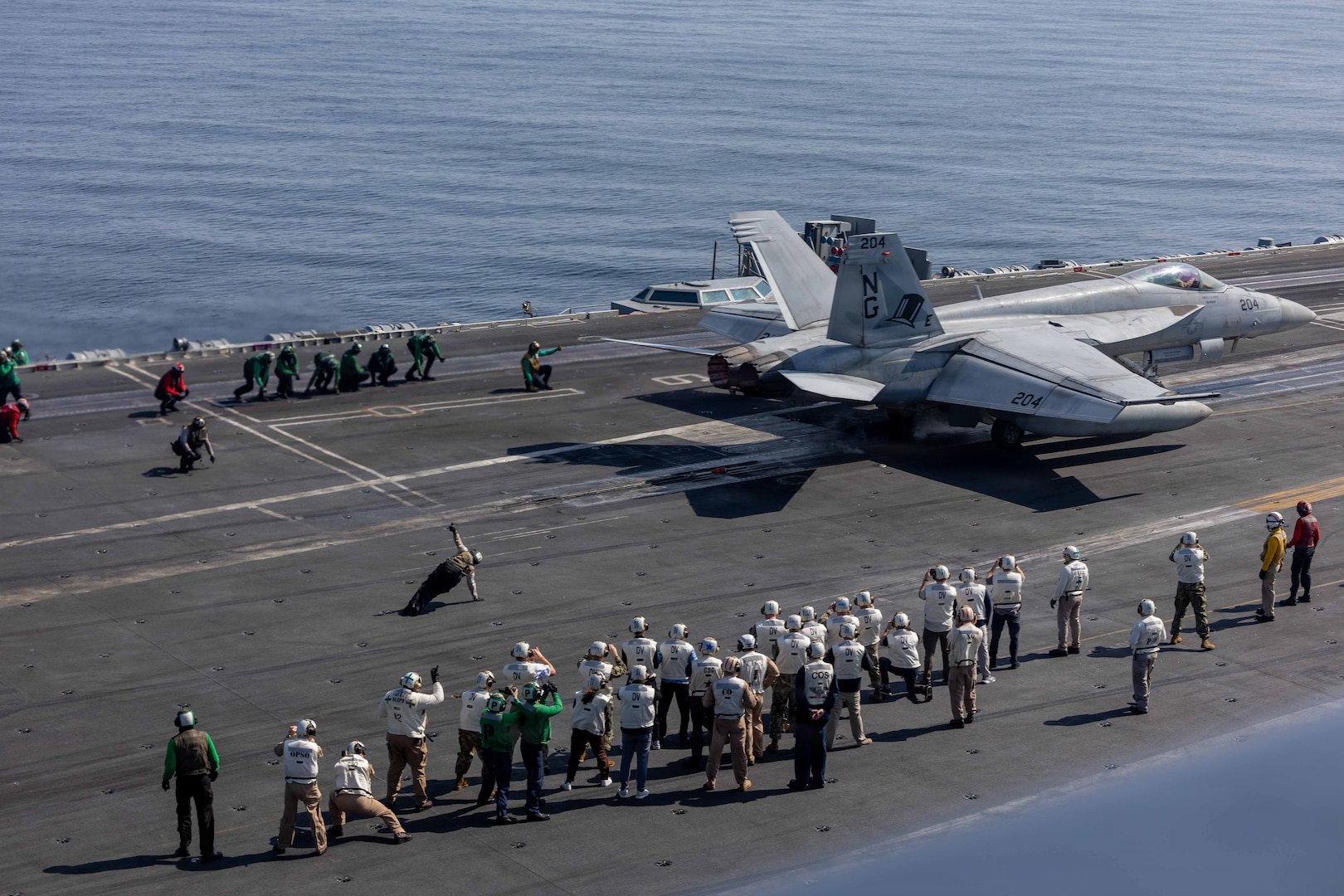
An F/A-18E Super Hornet landing on the flight deck of the USS Abraham Lincoln aircraft carrier in support of Operation Epic Fury

The ongoing conflict involving Iran is raising serious questions about the limits of American military power. Some defense analysts argue that the challenges seen in the current war highlight deeper structural problems that could become far more severe in a potential conflict in Asia.

In particular, the effectiveness of missile defenses, the vulnerability of military bases, and the growing role of drones in modern warfare are all becoming central to strategic debates.

Lessons From the Iran Conflict

Recent operations have demonstrated how difficult it can be to defend fixed military installations against sustained missile and drone attacks.

During the conflict, more than 1,500 interceptor missiles were reportedly used in attempts to defend critical bases and infrastructure. Despite this massive defensive effort, several key facilities still suffered damage.

Missile Saturation Warfare Explained

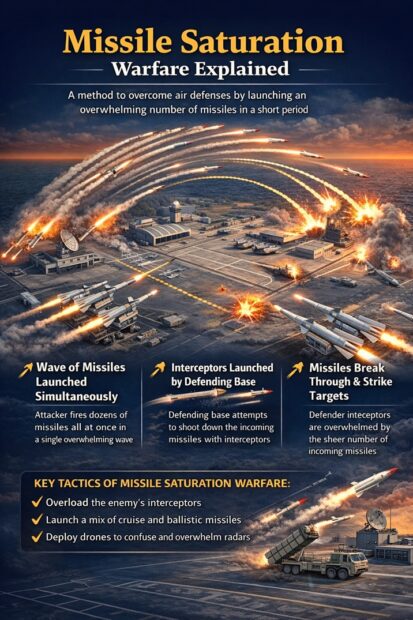
The events illustrate a growing problem in modern warfare known as missile saturation—a tactic in which an attacker launches such a large number of projectiles that air defenses cannot intercept them all.

Even the most advanced defense systems have limits when confronted with overwhelming numbers of incoming missiles or drones.

The China Scenario: A Much Larger Threat

If similar dynamics were to unfold in Asia, the scale of the challenge would likely be far greater.

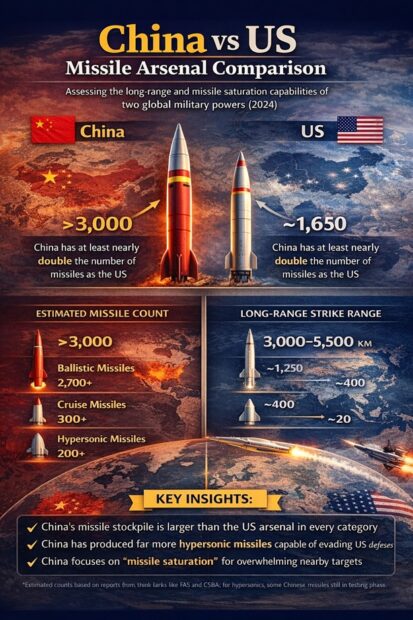
China has spent decades building one of the world’s largest missile forces, designed specifically to target regional bases, ports, and naval forces. In a major conflict, waves of missiles could be launched simultaneously against multiple targets across the Indo-Pacific.

According to analysts studying China’s military buildup, the missile inventory associated with drone operations alone is enormous.

Research into China’s drone systems suggests the country may possess tens of thousands of missiles designed for unmanned platforms, dramatically expanding the scale of potential attacks.

China vs US Missile Arsenal Comparison

Such numbers could overwhelm even sophisticated air defense networks within hours.

Drone Warfare and the Future Battlefield

Another emerging factor is the growing role of drone swarms.

While Iran has used drones extensively in recent conflicts, analysts believe Chinese drone capabilities could be significantly larger and more advanced.

Large waves of unmanned systems can serve multiple purposes simultaneously:

  • Overwhelming air defenses
  • Gathering real-time intelligence
  • Locating targets for missile strikes
  • Disrupting radar systems

This combination makes drone warfare an increasingly important element of modern military strategy.

Vulnerability of U.S. Naval Forces

The Iran conflict has also demonstrated the risks faced by naval forces operating near hostile coastlines.

Because of the threat posed by anti-ship missiles, U.S. naval vessels involved in the operation have reportedly maintained significant stand-off distances.

A similar dynamic could occur in East Asia.

China’s extensive network of anti-ship ballistic and cruise missiles—often referred to as anti-access/area denial (A2/AD) capabilities—was specifically designed to push foreign fleets farther away from contested waters.

If U.S. ships were forced to operate at greater distances from the battlefield, their ability to directly defend allied territories could become more limited.

The Role of Regional Allies

In such a scenario, regional allies like Japan and South Korea would likely play a central role in their own defense.

Both countries possess technologically advanced militaries and modern naval fleets. However, analysts argue that some important capabilities remain underdeveloped.

One critical gap involves high-altitude drones used for intelligence, surveillance, and reconnaissance (ISR).

These systems are essential for detecting enemy movements, identifying targets, and guiding missile or naval operations across large maritime areas.

Without sufficient ISR coverage, naval and air forces may struggle to maintain situational awareness in a fast-moving conflict.

Limits of U.S. Security Guarantees

For decades, American alliances in Asia have been built around the assumption that the United States could provide overwhelming military protection in the event of war.

However, some analysts now argue that technological changes—particularly the rapid expansion of missile and drone arsenals—are altering that balance.

In a large-scale conflict with China, U.S. assistance might focus more heavily on:

  • Intelligence sharing
  • Cyber operations
  • Submarine warfare
  • Long-range strike capabilities

At the same time, frontline allies could be required to assume a greater share of the burden for defending their own territory.

Strategic Reassessment in the Indo-Pacific

The United States has already begun reassessing its strategy for the Indo-Pacific region through initiatives led by U.S. Indo-Pacific Command (INDOPACOM).

These efforts include strengthening regional alliances, expanding missile defenses, and improving distributed military operations across the Pacific.

Nevertheless, many analysts believe that the security environment in Asia is becoming far more complex than it was during previous decades.

The combination of long-range missiles, drone swarms, and advanced naval systems is reshaping how future conflicts could unfold.

A Changing Strategic Reality

The lessons emerging from current conflicts suggest that modern warfare increasingly favors large numbers of relatively inexpensive weapons—particularly missiles and drones.

For both the United States and its allies, adapting to this reality will likely require significant investment in new defensive technologies and operational concepts.

Whether these changes will be enough to maintain the traditional security guarantees that have defined the region for decades remains an open question.

Is Trump Planning to “Venezuelize” Iran? Why Kharg Island Could Be the Real Strategic Target

0

A strategic analysis suggests that U.S. policy toward Iran may not be focused on regime change or democratization—but rather on controlling the country’s most important economic asset: its oil exports.

This perspective challenges common portrayals of U.S. President Donald Trump as erratic or driven solely by political alliances. Instead, the theory assumes a different premise: that Trump’s strategy, however controversial, is rational and centered on global energy power.

At the center of this theory lies one small but strategically critical location in the Persian Gulf—Kharg Island.

Kharg Island: The Heart of Iran’s Oil Economy

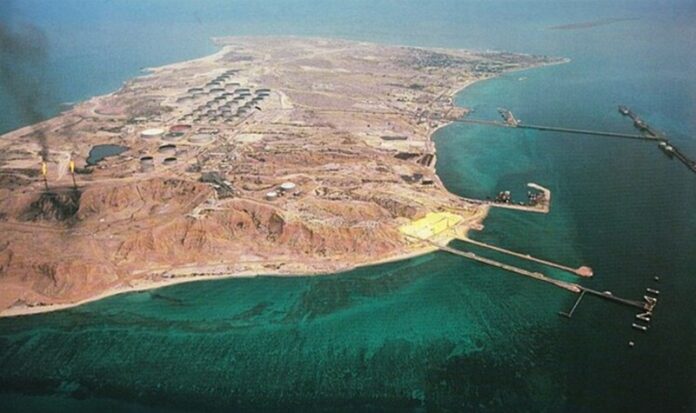
Kharg Island is a small Iranian island in the northern Persian Gulf, roughly 20 square kilometers in size, located off the coast of Bushehr province.

Despite its modest size, the island is one of the most strategically important energy hubs in the world.

  • More than 90% of Iran’s crude oil exports pass through Kharg Island.
  • The terminal serves as the primary export hub for Iranian crude shipped to international markets, particularly Asia.

Because of this concentration of infrastructure, analysts frequently describe Kharg as Iran’s energy chokepoint—a single location whose disruption could cripple the country’s oil revenue.

Iran’s Pre-War Signal: A Surge in Oil Exports

In the weeks before the current crisis escalated, Iran reportedly increased exports through Kharg Island from roughly 1.5 million barrels per day to around 4 million barrels per day, near record levels.

Such a surge suggests that Iranian leaders anticipated potential disruption and sought to maximize oil shipments before the conflict intensified.

More importantly, it indicates that Tehran may interpret U.S. intentions differently than Western media narratives suggest.

Instead of expecting regime change, Iranian policymakers may believe Washington’s primary objective is to control the country’s oil revenue streams.

The “Venezuela Model”

According to reporting cited in the analysis, Trump discussed with advisers the possibility of a post-war arrangement where a new Iranian leadership would cooperate with the United States on oil production—similar to evolving U.S.–Venezuela energy arrangements.

In this model, Washington would not necessarily need to overthrow the Iranian state.

Instead, controlling the country’s energy exports—or shaping how they are sold—could provide sufficient leverage.

Energy revenues represent a critical pillar of Iran’s economy, with oil exports accounting for a large share of state income.

Why Kharg Island Is the Strategic Target

Because Kharg handles the overwhelming majority of Iran’s crude exports, controlling or disabling the island’s terminal could dramatically weaken Tehran’s financial capacity.

Some analysts argue that if Iran’s oil revenue were disrupted, the government would struggle to fund military operations or maintain internal stability.

Former U.S. officials and analysts have suggested that targeting the oil revenue system—not necessarily the political leadership—could be the most effective pressure point.

Military Moves in Southern Iran

Supporters of the “Kharg strategy” interpretation argue that recent military actions appear to align with such a plan.

Several trends are cited:

1. Destruction of Iranian naval capabilities

U.S. strikes reportedly targeted Iranian naval assets and coastal infrastructure in the Persian Gulf.

2. Heavy bombardment in southern Iran

Military operations have focused heavily on regions near key oil export routes.

3. Maritime security operations

The United States has reportedly explored plans to escort tanker convoys through the Strait of Hormuz, the narrow waterway through which about one-fifth of global oil supply passes. (controlrisks.com)

Control of this corridor would effectively place the world’s most important energy chokepoint under U.S. protection.

The Global Energy Stakes

Any attempt to control Iran’s oil exports would have global implications.

China is particularly exposed.

Iran supplies significant volumes of discounted crude to Chinese refineries, and disruptions could force Beijing to rely more heavily on other suppliers.

At the same time, roughly 20% of the world’s oil passes through the Strait of Hormuz, making the region one of the most sensitive points in global energy trade.

A shift in control over this corridor could reshape global energy flows.

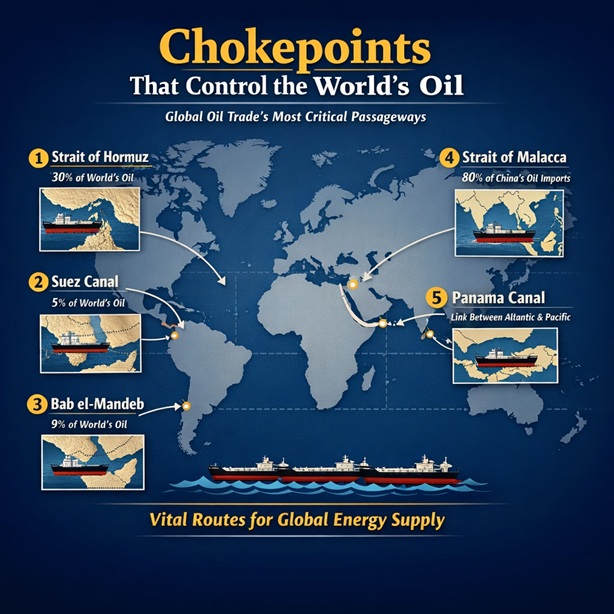
A Strategy of Chokepoints

Chokepoints That Control the World’s Oil

Whether or not the theory proves correct, it reflects a broader interpretation of geopolitical strategy.

Rather than focusing on political institutions or alliances, this approach prioritizes control over strategic nodes:

  • Energy export terminals
  • Maritime chokepoints
  • Critical supply routes

In this framework, dominating the infrastructure that powers the global economy could be more decisive than changing governments.

An Uncertain Outcome

There is no confirmation that such a strategy officially guides U.S. policy.

However, the central importance of Kharg Island in Iran’s oil economy makes it an obvious strategic focus in any conflict involving the country.

If the island’s export terminal were disrupted or controlled, Iran’s economic lifeline could be severely weakened.

Whether this possibility represents a deliberate strategy—or simply a theoretical interpretation—remains one of the most debated questions surrounding the current crisis.

US-Israel Airstrikes on Iran Drop 55–65% After Initial Surge, New Data Shows

0

The pace of American and Israeli airstrikes against Iran has dropped significantly after the intense opening days of the campaign launched on February 28, 2026, according to official data and independent defense analysis.

New figures compiled from military briefings and think-tank assessments indicate that the combined daily volume of coalition strikes has fallen by roughly 55–65 percent compared with the initial phase of the operation.

The slowdown comes as the conflict enters its second week, raising questions about operational planning, munitions availability, and the resilience of Iranian air defenses.

Early Phase: Massive Strike Volume

During the opening phase of the campaign, coalition forces conducted one of the most intense air operations seen in the region in decades.

According to a CENTCOM fact sheet, U.S. forces alone struck:

  • 1,250 targets within the first 48 hours
  • 1,700 targets within the first 72 hours

Analysts say this early surge was intended to quickly cripple Iranian command networks, air defenses, and missile launch infrastructure.

At the same time, Israel launched the largest aerial operation in its history, striking approximately 500 targets in the first 24 hours of the war.

Reports from the monitoring group Airwars indicate that during the first four days the combined U.S.–Israeli campaign exceeded 1,000 strikes per day.

Second Phase Begins as Air Defense Suppression Proves Incomplete

A March 5 report from the Institute for the Study of War (ISW) stated that the campaign has now entered a second operational phase.

The initial plan focused on suppressing Iranian air defenses and command structures. However, the report indicates that this objective was not fully achieved.

Iran continues to operate air defense systems in several areas, while its command structure appears to have shifted toward a more decentralized model, allowing units to continue operating despite heavy strikes.

This adaptation has complicated the coalition’s attempt to maintain the high operational tempo seen in the first days of the campaign.

Strike Numbers Begin to Decline

Data released during the first week of the war shows a clear reduction in the pace of attacks.

By March 5 (day six of the operation) Israel reported 2,500 cumulative strikes, which translates to roughly 300 strikes per day at that stage of the campaign.

By March 7 (day eight) the total number of Israeli strikes had reached 3,400, producing an average daily rate of about 425 strikes, representing roughly a 15 percent decline from the initial pace.

US Strike Tempo Falls More Sharply

The reduction in U.S. strike volume appears even more pronounced.

Based on official cumulative numbers:

  • Total U.S. targets struck by March 7: around 3,000
  • Initial pace (days 1–2): approximately 1,250 strikes per day
  • Average pace after day three: roughly 300–400 strikes daily

These figures suggest an estimated 76 percent drop in the daily volume of American strikes after the initial peak.

Overall Coalition Reduction Estimated at 55–65%

When Israeli and American data are combined, analysts estimate that the coalition’s daily strike tempo has fallen between 55 and 65 percent compared with the opening days of the operation.

Many defense analysts argue that this pattern is typical for large-scale air campaigns, where the opening phase is designed to overwhelm defenses and rapidly degrade key infrastructure.

However, some observers suggest the slowdown may also reflect operational challenges.

Possible explanations include:

  • Continued activity by Iranian air defense systems
  • Ongoing Iranian missile and drone launches
  • Aircraft maintenance cycles after intense early operations
  • Limited stocks of certain precision munitions

Iran’s Continued Resistance

Despite heavy bombardment, Iran has continued to launch missiles and drones toward regional targets.

Iranian forces also reportedly shot down two high-value unmanned aerial vehicles in recent days, indicating that some air defense capabilities remain active.

If Iranian defenses and retaliatory strikes continue, analysts warn that the conflict could enter a prolonged phase in which both sides adjust their operational strategies.

A War Entering Its Next Stage

The dramatic opening phase of the campaign demonstrated the coalition’s ability to conduct large-scale coordinated strikes across Iran.

However, the subsequent reduction in strike tempo suggests that the conflict may now be shifting from an initial shock campaign to a longer and more complex operational phase.

How long the coalition can sustain its operations—and how effectively Iran can continue resisting—may determine the next stage of the war.

Succession Crisis in Tehran? Hardline Media Slams Pezeshkian as Power Struggle Emerges

0
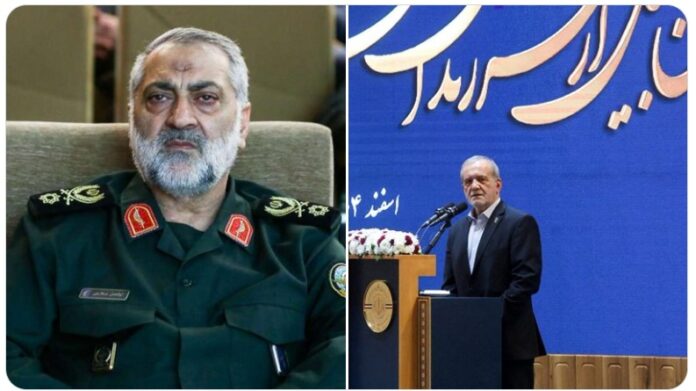
Masoud Pezeshkian and IRGC spokesman Abolfazl Shekarchi

Iran appears to be entering a period of intense political tension as divisions within the country’s leadership are increasingly surfacing in public. A sharp editorial published by the hardline outlet Raja News has openly criticized President Masoud Pezeshkian, signaling growing friction among influential factions aligned with Iran’s security establishment.

The criticism follows Pezeshkian’s recent televised address in which he apologized to Gulf states affected by the regional conflict. The gesture, intended to reduce tensions with neighboring countries, was interpreted by hardline circles as a sign of weakness at a time when Iran is engaged in escalating confrontation with external adversaries.

Hardline Media Accuses President of Weak Leadership

In an editorial titled “A Burden on the Nation’s Spirit in the Middle of War. Take the Microphone Away from Pezeshkian,” Raja News accused the president of sending the wrong message during a critical wartime moment.

The article argued that the televised speech failed to demonstrate the level of national resolve expected during a military crisis. Instead, the editorial described the tone of the address as confused and overly conciliatory, claiming it reflected a diplomatic mindset unsuited to wartime leadership.

The piece opened by invoking a warning attributed to a former leader of the Islamic Revolution, suggesting that retreat in the face of an attacking enemy would provoke divine consequences. According to the editorial, the president’s remarks risked undermining national morale.

Dispute Over Military Messaging

Another major criticism centered on how Pezeshkian described recent Iranian military operations. During his address, the president suggested that some attacks had been carried out independently by field commanders.

Hardline commentators argued that referring to the strikes as “fire at will” operations could weaken Iran’s deterrence posture. The editorial claimed such language might provide legal arguments to international institutions and adversarial states seeking to challenge Iran’s claim that its actions were carried out in legitimate self-defense.

Shortly after the speech aired, statements from the spokesman of the armed forces’ general staff and an adviser to the commander of the Islamic Revolutionary Guard Corps (IRGC) appeared to clarify the situation. According to Raja News, these remarks were intended to correct the president’s statements and prevent strategic misunderstandings.

Apology to Gulf States Sparks Strong Backlash

The harshest criticism targeted the president’s apology to neighboring Gulf states that host American military bases. Pezeshkian had stated that Iran did not intend to attack its neighbors and described them as regional partners.

Raja News argued that such a message could undermine Iran’s strategic deterrence at a time when US forces in the region are involved in operations against Iranian targets. The editorial labeled the apology a serious mistake, warning that signals of restraint might embolden adversaries.

Debate Over Wartime Leadership

The editorial also framed the situation as part of a broader struggle over Iran’s wartime messaging and leadership.

It questioned why the public platform of the country’s temporary leadership council was entrusted to someone the outlet claimed lacked the authority expected from a wartime leader. According to the article, public communication during the conflict should reflect the posture of Iran’s armed forces and reinforce national unity.

Supporters of the hardline position argue that Iran must prepare for a decisive confrontation rather than signaling diplomatic flexibility.

Succession Questions Intensify Political Tensions

The commentary concluded by suggesting that until a third leader of the Islamic Revolution is formally chosen, official communication should be handled by figures who project strength and align closely with Iran’s military leadership.

At the same time, the editorial warned external observers not to interpret Iran’s internal disagreements as a sign of strategic weakness. It insisted that revolutionary forces remain committed to retaliating against any attacks on the country.

Growing Signs of Internal Strain

The unusually public criticism highlights the growing tension inside Iran’s political establishment as the country faces both external military pressure and internal uncertainty over future leadership.

Whether these divisions represent routine political debate or the early signs of a deeper power struggle remains unclear. However, the increasingly sharp rhetoric suggests that Iran’s wartime politics may be entering a volatile phase, with competing factions seeking to shape the country’s strategic direction during one of the most sensitive moments in recent years.

Saudi Arabia Chooses China’s Wing Loong-3 Combat Drone in $5 Billion Defense Deal

0

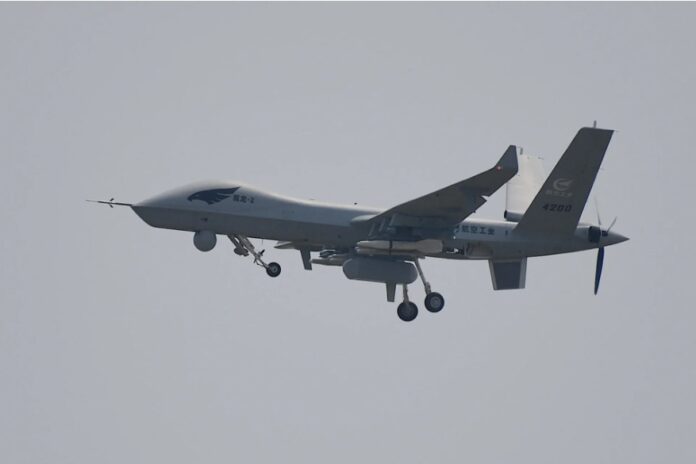
Saudi Arabia has selected China’s Wing Loong-3 unmanned aerial vehicle (UAV) following extensive operational testing, marking one of the most significant defense procurement decisions in the Middle East in recent years.

The deal, estimated at $5 billion, includes not only drone purchases but also local production facilities, training systems, and logistics infrastructure, signaling a deepening defense partnership between Riyadh and Beijing.

The agreement also reflects a broader trend: Middle Eastern states diversifying away from exclusive reliance on Western military systems.

Combat Performance Proved in Real Operations

The Wing Loong-3 UAV gained attention after completing more than 200 combat sorties before the Saudi procurement decision.

Operational data reportedly showed the drone’s ability to conduct rapid, coordinated strike missions. In one notable demonstration during the 2025 India-Pakistan conflict, a group of drones struck multiple targets—including three radar stations and three armored vehicles—within just 15 minutes.

The system’s AI-based target recognition can lock onto targets in 0.3 seconds, while its anti-jamming capabilities are 40% stronger than earlier Chinese UAV models.

For Saudi military planners, these metrics provided real battlefield performance data, helping to justify the shift toward Chinese systems.

Designed for Harsh Middle Eastern Conditions

Image

One major factor in Saudi Arabia’s decision was the drone’s ability to operate in extreme desert conditions.

The Wing Loong-3 is equipped with:

  • Multi-stage dust protection systems
  • Enhanced cooling mechanisms
  • Engines designed to operate in temperatures exceeding 50°C
  • Reliable performance during sandstorms and harsh desert environments

Demonstrations at the Riyadh Defense Expo showcased the UAV’s ability to perform simulated mountain and desert flight operations, addressing longstanding concerns about the reliability of Chinese military hardware.

Infographic: Wing Loong-3 vs MQ-9 Reaper Combat Drone Comparison

Image

Image

Key Capability Comparison

Feature Wing Loong-3 MQ-9 Reaper
Country China United States
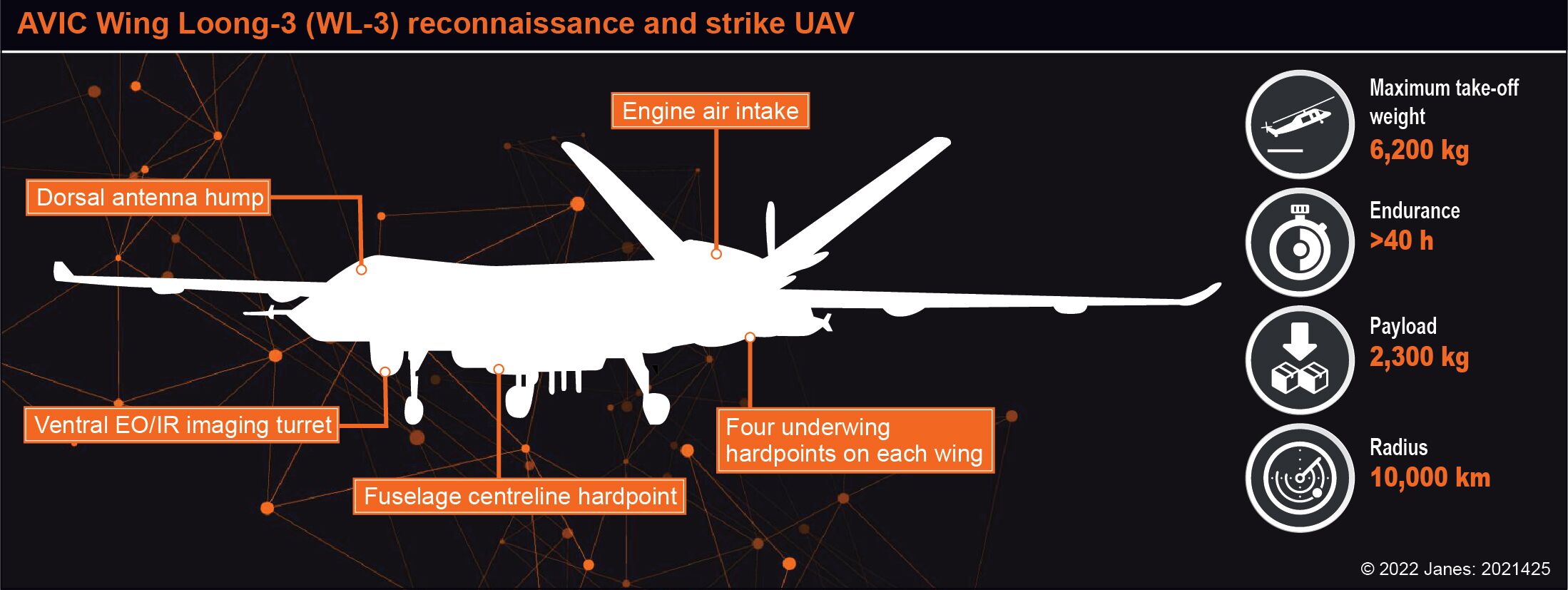
Maximum Range ~10,000 km ~1,850 km
Endurance Up to 40 hours Up to 27 hours
Payload Capacity ~2,300 kg ~1,700 kg
Maximum Speed ~620 km/h ~482 km/h
Primary Role Strike + Surveillance Strike + ISR
Combat Record Middle East & Asia Iraq, Afghanistan, Syria

Why it matters:
Saudi Arabia’s selection of Wing Loong-3 shows that Chinese drones are approaching Western UAV capability levels, while often offering lower cost and faster delivery timelines.

Local Drone Production in Saudi Arabia

A key component of the deal is the establishment of a UAV assembly line in Jeddah.

The facility is expected to produce:

  • 48 Wing Loong-3 drones per year initially
  • Gradual integration of flight control systems
  • Local development of avionics and software systems

This industrial cooperation supports Saudi Arabia’s Vision 2030 strategy, which aims to localize 50% of military production through the General Authority for Military Industries (GAMI).

China’s state-owned aerospace company AVIC will oversee technology transfer and industrial development.

Logistics, Training, and Digital Systems

China’s proposal also included a comprehensive support ecosystem that rivals Western defense service networks.

Key elements include:

  • A regional logistics hub in Riyadh
  • Inventory of over 2,000 spare parts
  • 48-hour maintenance response capability across GCC states

Saudi drone operators will train using digital twin simulation systems, which replicate real combat environments with less than two meters of simulation error.

These simulators are also designed to be compatible with F-15 operational logic, helping Saudi pilots transition smoothly between manned aircraft and UAV systems.

Below are two strong infographic sections you can add inside the article. They improve SEO dwell time, reader engagement, and WordPress visual structure, which helps Google ranking.

Infographic: Wing Loong-3 Surveillance Coverage in the Middle East

Image

Strategic Coverage From Saudi Bases

With a 10,000 km operational range and 40-hour endurance, Wing Loong-3 drones operating from Saudi Arabia can monitor:

  • The Red Sea maritime corridor
  • The Strait of Hormuz
  • The Persian Gulf energy infrastructure
  • Shipping routes connecting Asia, Africa, and Europe

Strategic Importance

These surveillance capabilities allow Saudi Arabia to:

  • Protect oil shipping routes
  • Monitor regional military activity
  • Track drone and missile threats
  • Secure critical maritime trade lanes

The deployment of long-range drones also supports China’s growing economic presence in the Middle East, where Beijing has invested over $100 billion in infrastructure and energy projects.

Strategic Impact in the Middle East

Image

The Wing Loong-3 offers capabilities suited to the Middle East’s strategic environment, including:

  • Range exceeding 10,000 kilometers
  • Endurance of up to 40 hours
  • Persistent surveillance over the Red Sea and Persian Gulf

These capabilities allow Saudi Arabia to monitor maritime trade routes, energy infrastructure, and regional security threats.

The deal also sends a signal to other regional countries—including the UAE, Qatar, and Egypt—that Chinese drones are emerging as serious competitors to Western UAV platforms.

China’s Expanding Defense Role in the Region

Beyond Saudi Arabia, China has invested more than $100 billion in infrastructure and energy projects across the Middle East.

Deploying advanced surveillance drones in the region could help protect Chinese economic interests, while also strengthening Beijing’s role as a global defense technology supplier.

The Wing Loong-3 agreement therefore represents more than just a drone purchase. It reflects a broader geopolitical shift in the global defense market, where Chinese military technology is increasingly competing with established Western systems.

Could the Iran War Expand? Azerbaijan, Turkey and Gulf States Face Strategic Choices

0
An Iranian drone strikes the terminal building of the airport in Nakhchivan

As the conflict involving Iran, the United States, and Israel continues, analysts are increasingly asking a critical question: could the war spread to other parts of the region?

While the current fighting remains largely focused on missile exchanges and air operations, several geopolitical fault lines—from the South Caucasus to the Persian Gulf—could potentially draw additional countries into the conflict.

For now, however, many regional governments appear reluctant to escalate the war further.

Iran’s Longstanding Regional Influence

Iran’s relations with several neighboring countries have historically been tense.

For decades, Tehran has been accused by regional rivals of supporting non-state armed groups and political movements across the Middle East, including in Lebanon, Iraq, Syria, and Yemen.

Critics argue that this approach reflects a broader strategy of regional influence through proxy networks, often challenging the principle of non-interference in other countries’ domestic affairs.

However, the current conflict has created a situation in which many regional states are prioritizing stability rather than confrontation.

Why Many Regional Countries Want De-Escalation

Iran’s retaliatory strikes targeting U.S. bases and allied infrastructure in the region have demonstrated the potential costs of escalation.

Several countries hosting Western military installations or strategic energy infrastructure now face the risk of becoming direct targets in the conflict.

As a result, governments across the Middle East are increasingly focused on limiting the spread of the war and restoring stability.

Azerbaijan: A Potential Flashpoint

Image

One possible escalation scenario involves Azerbaijan, which has maintained close defense and intelligence ties with Israel.

Baku has previously cooperated with Israel in areas including:

  • defense technology
  • intelligence sharing
  • energy cooperation

Some analysts suggest that if Azerbaijan were to become directly involved in the conflict, it could expose the country’s energy infrastructure and export routes to retaliation.

Azerbaijan’s economy relies heavily on oil and gas exports through pipelines connecting the Caspian region to global markets, making energy facilities particularly sensitive targets in a broader conflict.

Turkey’s Strategic Dilemma

Turkey could also face difficult decisions if tensions escalate in the South Caucasus.

Ankara maintains close political and military ties with Azerbaijan, often describing the relationship as a partnership of “two states, one nation.”

If Azerbaijan were drawn into a wider war, Turkey would likely face pressure to respond diplomatically or militarily.

At the same time, Ankara must balance several competing priorities:

  • maintaining stability along its borders
  • managing relations with NATO partners
  • avoiding a broader regional conflict

Could Armenia Take Advantage of Instability?

Another variable in the region is Armenia, which has a long-standing territorial dispute with Azerbaijan over Nagorno-Karabakh.

In theory, instability involving Azerbaijan could create opportunities for geopolitical maneuvering.

However, analysts generally view this scenario as unlikely in the near term, given Armenia’s own security concerns and the unpredictable consequences of further escalation.

The Role of Gulf States

Image

Another key question is whether Gulf countries might join the conflict more directly.

Several Gulf states possess:

  • modern air forces equipped with advanced Western aircraft
  • naval fleets including frigates, corvettes, and patrol vessels
  • extensive military cooperation with the United States

In theory, their participation could significantly expand the reach of any coalition operating against Iran.

However, current indications suggest little appetite for direct military involvement.

Many Gulf governments appear focused on:

  • protecting domestic infrastructure
  • defending energy facilities
  • preventing further regional escalation

Some political leaders have even warned that continued conflict could strain their relationships with major international partners.

A High-Risk Moment for Regional Stability

The broader Middle East remains in a fragile strategic balance.

Key factors influencing the situation include:

  • Iran’s large territory and defensive infrastructure
  • the country’s missile and drone capabilities
  • the economic importance of energy infrastructure across the region

These factors contribute to Iran’s ability to withstand external pressure for extended periods, complicating any effort to achieve rapid military outcomes.

Outlook: Escalation Risks Remain

For now, most regional actors appear focused on avoiding direct entry into the war.

Nevertheless, the situation remains highly volatile.

Potential triggers for wider escalation could include:

  • attacks on additional regional infrastructure
  • involvement of new military actors
  • expansion of the conflict into neighboring territories

Until a diplomatic path toward de-escalation emerges, the Middle East and surrounding regions will likely remain on high alert for further developments in the conflict.

Russia Redirects Gas to Asia as Iran War Triggers Global Energy Price Surge

0
Russia announced it will redirect gas supplies from Europe to China, India, Thailand, and the Philippines.

Russia has announced plans to redirect natural gas supplies away from Europe and toward Asian markets, signaling a major shift in global energy flows as geopolitical tensions and market prices rapidly evolve.

Russian Deputy Prime Minister Alexander Novak confirmed that negotiations are underway with several Asian countries, including China, India, Thailand, and the Philippines, to expand energy exports.

According to reports, three LNG tankers originally bound for European ports have already diverted mid-voyage to Asia, where buyers are offering significantly higher prices for emergency supplies.

Energy Markets React to the Iran Conflict

The shift comes amid sharp volatility in global energy markets following the escalation of conflict involving Iran.

Gas prices in Europe have surged dramatically:

  • TTF gas benchmark:
    • Around €35 per megawatt-hour before February 28
    • Reached €52.81 by March 6

This represents a roughly 50 percent monthly increase, driven by supply fears and global competition for liquefied natural gas (LNG).

At the same time, Asian LNG prices have surged even higher.

  • Asian JKM benchmark: above $20 per million BTU
  • Some emergency cargoes reportedly selling for over $28 per million BTU

These price differences create strong incentives for suppliers to redirect shipments to higher-paying markets.

LNG Cargoes Diverting to Asia

Image

Liquefied natural gas cargoes can often be rerouted while at sea depending on market conditions.

When spot prices surge in one region, suppliers and traders may redirect shipments to maximize profits.

Current conditions are encouraging exactly that behavior.

Analysts note that Asian buyers are now outbidding European importers, particularly as several energy supply disruptions unfold simultaneously.

Multiple Energy Disruptions Driving the Market

Three major factors are currently affecting global gas markets:

1. LNG Supply Disruption

Qatar, one of the world’s largest LNG exporters, reportedly declared force majeure after drone attacks targeted the Ras Laffan LNG complex.

Ras Laffan handles a major portion of Qatar’s LNG exports, which represent around 20 percent of global LNG supply.

2. Maritime Risk in the Gulf

Shipping routes through the Strait of Hormuz, a critical global energy chokepoint, have faced heightened risk due to regional tensions and insurance disruptions.

The strait normally handles:

  • around 20 percent of global oil shipments
  • a significant share of LNG cargoes from the Gulf

3. Competition Between Europe and Asia

Asian economies with strong energy demand and financial capacity are competing with Europe for limited LNG supplies.

Countries facing acute energy needs are increasingly willing to pay premium spot prices.

Russia’s Changing Energy Strategy

Russia supplied approximately 13.8 million tonnes of LNG to Europe in 2025, but the European Union has been moving toward reducing reliance on Russian energy.

Current EU policy includes:

  • banning short-term LNG contracts starting April 2026
  • planning a full phase-out of Russian LNG by the end of the year
  • targeting the elimination of pipeline gas imports by 2027

Instead of resisting these restrictions, Russia appears to be shifting exports toward Asian markets where demand is growing rapidly.

Long-term contracts with Asian buyers may help Moscow secure stable revenues while European demand declines.

A Changing Global Energy Landscape

The recent developments highlight how geopolitical events can rapidly reshape global energy trade.

Russia’s geographic position allows it to supply Asian markets without relying on shipping routes through conflict zones in the Persian Gulf.

As a result, Russian energy exports could become increasingly attractive during periods of regional instability affecting other producers.

Energy Markets in a Period of Uncertainty

The combination of:

  • rising gas prices
  • shifting LNG cargo routes
  • geopolitical tensions

has created one of the most volatile global energy environments since the 2022 energy crisis.

As the conflict continues and markets react to supply risks, global energy flows between Europe and Asia may continue to shift in ways that reshape the international gas market for years to come.

THAAD Interceptor Shortage? Iran’s Missile Barrage Exposes Limits of U.S. Missile Defense Production

0
US-operated early warning radar system stationed in Qatar

The ongoing conflict involving Iran has brought renewed attention to a critical question in modern warfare: how sustainable are missile defense systems during high-intensity conflict?

Recent figures suggest that the scale of missile launches in the war may be placing unprecedented pressure on Terminal High Altitude Area Defense (THAAD) interceptor inventories.

Iran’s Missile Launch Volume vs Production Rates

According to multiple reports and defense analyses, Iran launched more than 500 ballistic missiles during the first week of the conflict.

By contrast, the United States currently produces around 96 THAAD interceptors per year, according to publicly available defense industry data.

That equals roughly:

  • 8 interceptors per month
  • 2 interceptors per week

While these missiles are part of a broader layered missile defense system that includes Patriot and other interceptors, the production rate highlights the challenge of maintaining sustained defensive operations during large-scale missile campaigns.

How THAAD Missile Defense Works

Image

The THAAD system is designed to intercept ballistic missiles during their terminal phase, as they descend toward targets.

A typical THAAD battery includes:

  • 6 mobile launchers
  • 48 interceptors
  • AN/TPY-2 high-power radar
  • command and control systems

Standard operational doctrine often calls for multiple interceptors per incoming missile to increase the probability of a successful intercept.

In practical terms, this means a single THAAD battery could expend its entire interceptor inventory after defending against a few dozen incoming missiles.

Damage to Early Warning Radar Systems

Another factor affecting missile defense performance is the vulnerability of radar infrastructure.

Reports indicate that at least two AN/TPY-2 radar systems may have been damaged or targeted during the conflict, including systems associated with regional air defense networks.

Each AN/TPY-2 radar is a critical component of the missile defense architecture.

These radars:

  • detect and track incoming ballistic missiles
  • provide targeting data for interceptors
  • coordinate with other defense systems across the region

Each radar system is estimated to cost around $500 million and requires years to manufacture and deploy.

Damage to these sensors can create gaps in missile detection coverage, complicating interception operations.

Missile Defense Systems Are Complex to Produce

Scaling production of advanced interceptors is not simply a matter of increasing funding.

THAAD missiles require several highly specialized components, including:

  • advanced solid rocket motors
  • sophisticated seeker heads
  • precision guidance electronics
  • complex integration and testing processes

Many of these components are shared with other U.S. missile systems, such as:

  • Patriot PAC-3 interceptors
  • SM-3 naval interceptors
  • Precision Strike Missile (PrSM)

Because these systems compete for similar components, expanding production across the entire missile defense ecosystem takes significant time.

Planned Production Expansion

In January 2026, Lockheed Martin announced a framework agreement with the U.S. Department of Defense to expand THAAD production capacity.

The agreement aims to increase output from 96 interceptors annually to approximately 400 per year.

However, reaching that production level requires a multi-year ramp-up, with some projections suggesting full capacity may not be achieved until the early 2030s.

Strategic Implications for Global Missile Defense

The current conflict is highlighting a broader issue facing modern militaries.

Missile defense systems are highly effective but also expensive and complex to sustain during prolonged high-intensity warfare.

U.S. missile defense assets are deployed across several critical regions, including:

  • the Middle East
  • East Asia
  • protection of U.S. territories such as Guam
  • defense of allied nations including South Korea

Because these systems draw from the same interceptor inventories and production lines, sustained consumption in one theater can influence global defense planning.

The Growing Importance of Missile Defense Logistics

As missile and drone warfare becomes increasingly common, the logistics of missile defense — including interceptor production, sensor networks, and supply chains — are becoming central strategic factors.

The current conflict demonstrates that production capacity and inventory management can be just as important as the defensive systems themselves.

For defense planners worldwide, the lesson is clear: in modern missile warfare, industrial capacity and supply chains may determine long-term defensive resilience as much as battlefield performance.

Two U.S. Aircraft Carriers Already in Middle East as Third Prepares to Deploy

0
USS George H.W. Bush

The United States is moving toward a rare concentration of three aircraft carrier strike groups in the Middle East, a deployment level not seen since the early stages of the 2003 Iraq War.

At present, two U.S. aircraft carriers are already operating in the region, while a third carrier is preparing to depart later this month to join them.

If the deployment proceeds as expected, the United States will have roughly 25 percent of its operational aircraft carrier fleet concentrated in a single theater.

The Aircraft Carriers Involved

Image

USS Abraham Lincoln (CVN-72)

  • Already operating in the Arabian Sea
  • Was deployed in the region before the current conflict began
  • Supporting operations within the U.S. Fifth Fleet area

USS Gerald R. Ford (CVN-78)

  • Entered the Red Sea on March 5
  • Completing one of the longest carrier deployments in recent years, lasting nearly 11 months
  • Represents the most advanced aircraft carrier in the U.S. Navy

USS George H.W. Bush (CVN-77)

  • Completed final deployment certification exercises off Virginia on March 5
  • Expected to depart Norfolk before the end of the month
  • Will likely deploy to the Fifth Fleet area of responsibility once underway

When the Bush carrier strike group arrives, the United States will have three carriers operating across the Gulf, Red Sea, and Arabian Sea region.

Why Three Carriers in One Region Is Significant

The United States Navy operates 11 nuclear-powered aircraft carriers, but not all are deployable simultaneously.

At any given time:

  • several carriers are undergoing major maintenance
  • others are in training cycles
  • some are transitioning between deployments

Because of these constraints, deploying three carriers to a single theater is strategically significant.

Each carrier strike group typically includes:

  • one aircraft carrier
  • multiple guided-missile destroyers and cruisers
  • submarines
  • logistics ships
  • an air wing of 60–75 aircraft

Combined, three carrier groups can launch hundreds of air sorties per day, giving the United States enormous strike capacity.

Global Impact on U.S. Naval Deployments

Concentrating multiple carriers in the Middle East inevitably affects U.S. naval coverage in other regions.

The U.S. Navy must maintain presence across several major strategic areas, including:

  • the Indo-Pacific
  • the Atlantic
  • the Mediterranean
  • major global sea lanes

Reports earlier indicated that the USS Carl Vinson was diverted from an Indo-Pacific deployment to support operations linked to the Middle East crisis.

Such shifts highlight the challenge for U.S. planners as they balance global commitments while responding to emerging conflicts.

The Role of Carrier Strike Groups in the Conflict

Aircraft carriers remain the centerpiece of U.S. power projection.

Carrier strike groups provide:

  • long-range air strike capability
  • air defense and surveillance
  • maritime security operations
  • rapid crisis response without relying solely on land bases

In conflicts where ground troop deployments are limited, carriers allow the United States to sustain air campaigns while maintaining operational flexibility.

A Major Signal of U.S. Military Commitment

With two carriers already deployed and a third preparing to depart, the United States is signaling a major military commitment to the Middle East theater.

Such deployments serve multiple strategic purposes:

  • reinforcing deterrence
  • supporting ongoing air operations
  • protecting regional bases and shipping routes
  • reassuring allies in the region

If the USS George H.W. Bush joins the other carriers later this month, the Middle East will host one of the largest concentrations of U.S. naval airpower in decades.

Trump Meets Defense CEOs to Quadruple Weapons Production as Interceptor Shortages Loom

0

President Donald Trump has announced that leaders of seven major U.S. defense companies have agreed to significantly increase weapons production as the ongoing conflict with Iran places unprecedented pressure on American munitions stockpiles.

According to Trump, the companies committed to quadrupling production of what he described as “Exquisite Class” weaponry, signaling a major expansion of the U.S. defense industrial base during wartime operations.

The executives attending the White House meeting represented the largest defense manufacturers in the United States, including:

  • BAE Systems
  • Boeing
  • Honeywell Aerospace
  • L3Harris Technologies
  • Lockheed Martin
  • Northrop Grumman
  • Raytheon Technologies (RTX)

Trump stated that expansion of production capacity had already begun approximately three months earlier, and emphasized that the United States still maintains a “virtually unlimited supply of medium and upper-medium grade munitions.”

However, defense analysts say the announcement may reveal deeper logistical challenges inside the U.S. war effort.

Why the Meeting Signals Rising Weapons Consumption

Bringing together the leadership of America’s largest defense contractors during the first week of a major military campaign is unusual.

Military analysts note that such a meeting typically occurs only when weapons consumption rates exceed earlier planning assumptions.

Several indicators point to intense battlefield demand:

  • sustained Iranian missile and drone attacks on regional bases
  • heavy U.S. and allied air-defense operations
  • continued offensive air campaigns targeting Iranian infrastructure

These factors have led to rapid usage of advanced missile defense interceptors.

Production Limits for Advanced Missile Interceptors

The biggest concern for defense planners involves high-end missile defense systems, particularly interceptors used to stop ballistic missiles and drones.

Two of the most critical systems are:

  • THAAD (Terminal High Altitude Area Defense)
  • Patriot PAC-3 MSE interceptors

Production expansion for these systems was already planned before the current conflict.

A framework agreement reached in January 2026 aimed to increase annual production capacity:

System Previous Production Planned Production
PAC-3 MSE interceptors ~600 per year ~2,000 per year
THAAD interceptors 96 per year ~400 per year

However, reaching those production levels requires a seven-year ramp-up period.

Defense analysts warn that interceptor consumption during the current conflict may be occurring faster than manufacturers can replace them.

Why Interceptor Production Is Hard to Scale Quickly

Unlike conventional bombs or artillery shells, missile defense interceptors are extremely complex systems.

Manufacturing them involves:

  • specialized guidance electronics
  • advanced propulsion systems
  • precision sensors
  • rare metallurgical components

For example, the THAAD kill vehicle uses specialized alloys and advanced manufacturing techniques that require long procurement cycles for raw materials.

Even if funding increases immediately, the industrial supply chain cannot rapidly accelerate production of these highly sophisticated weapons.

The Weapons the U.S. Can Produce Quickly

While interceptor production faces technical limits, other categories of weapons can be expanded more rapidly.

These include:

  • JDAM precision-guided bombs
  • conventional gravity bombs
  • cruise missiles
  • air-launched munitions with established production lines

These weapons rely on existing large-scale manufacturing infrastructure, allowing production increases within months rather than years.

Such systems are primarily offensive weapons used in air campaigns against infrastructure, military bases, and strategic targets.

Offensive Power vs Defensive Constraints

The current situation highlights a strategic imbalance between offensive and defensive military production.

Offensive weapons

  • faster production cycles
  • scalable manufacturing
  • existing industrial capacity

Defensive interceptors

  • extremely complex technology
  • limited production capacity
  • expensive specialized components

As a result, the United States can likely replace the bombs used in offensive strikes faster than it can replace the interceptors used for missile defense.

The Strategic Question Ahead

Trump’s meeting with defense CEOs appears focused on strengthening the offensive supply chain for continued military operations.

However, analysts warn that the real constraint in the conflict may not be offensive firepower but defensive interceptor inventories protecting U.S. bases and allied infrastructure.

If missile and drone attacks continue at high intensity, maintaining adequate interceptor stockpiles could become a central challenge for U.S. and allied forces.

For now, Washington is moving quickly to expand its weapons production capacity — but the pace of modern high-intensity warfare may still test the limits of the global defense industrial base.

Why Iran’s Missile Launchers Are Hard to Destroy: The Limits of “Scud Hunting” in Modern Warfare

0
fattah 2 missile iran

As the conflict involving Iran continues, some analysts argue that sustained airstrikes could eventually eliminate Iran’s ability to launch long-range missiles.

However, military experts say suppressing Iran’s launch capability may be far more difficult than many expect.

Iran has spent decades developing a missile infrastructure designed specifically to survive air campaigns and continue operating under attack.

Several structural and strategic factors make neutralizing Iran’s launch systems particularly challenging.

Local Production Means Launchers Can Be Replaced

Image

One key advantage for Iran is domestic production capability.

Many missile launch vehicles and support equipment are manufactured locally, allowing damaged systems to be repaired or rebuilt relatively quickly.

Military analysts often compare this to early predictions during the Russia-Ukraine war, when observers initially believed Russian armored forces had lost most of their tanks.

Yet the vehicles continued to reappear on the battlefield as damaged equipment was repaired or pulled from reserves.

Similarly, Iran’s missile launch infrastructure is not dependent on foreign supply chains, making complete elimination extremely difficult.

Iran Is Not Iraq in the Gulf War

The concept of destroying mobile missile launchers through airstrikes—often called “Scud hunting”—comes from earlier conflicts such as the 1991 Gulf War.

During that war, coalition forces targeted Iraq’s Scud missile launchers.

However, Iran’s situation differs significantly from Saddam Hussein’s Iraq.

Key differences include:

  • Iran’s much larger territory
  • complex geography including mountains and rugged terrain
  • far greater ability to conceal mobile launchers

Iraq’s launchers operated mostly in flat desert environments, where detection from the air was easier.

Iran’s landscape provides far more opportunities for concealment.

Underground Missile Infrastructure

Image

Another major challenge for adversaries is Iran’s extensive underground missile infrastructure.

Iran has invested decades in building hardened facilities that include:

  • mountain tunnel complexes
  • underground launch silos
  • concealed storage bunkers
  • protected transport networks

Many of these installations are designed to withstand heavy aerial bombardment.

Even if entrances are damaged, tunnel systems can sometimes be reopened using engineering equipment stored inside the facility.

Additionally, the exact locations of many missile silos remain unknown to foreign intelligence agencies.

Simple Launch Systems Are Hard to Track

Iran and its regional allies have also developed very simple launcher designs that can be produced quickly.

Some launch platforms consist of:

  • basic truck frames
  • welded metal launch rails
  • portable power and ignition systems

These improvised launch systems can sometimes be assembled with minimal industrial infrastructure, making them difficult to eliminate through conventional air campaigns.

Because such launchers can be manufactured in decentralized locations, destroying production capacity becomes far more complicated.

Drones Add Another Layer of Threat

Image

Iran’s long-range strike capability is no longer limited to ballistic missiles.

The country also deploys one-way attack drones, which have proven highly effective in recent conflicts.

These drones offer several advantages:

  • very low production cost
  • ability to travel thousands of kilometers
  • minimal launch infrastructure
  • capacity to overwhelm air defenses through large numbers

Some drone launch systems are extremely simple, consisting of basic metal launch rails welded together.

Because of this simplicity, they can be deployed quickly and relocated easily.

Precision Changes the Equation

Another difference from earlier missile wars is the improvement in missile accuracy.

Older Scud missiles used by Iraq were highly inaccurate, meaning each launcher had to fire many missiles to achieve meaningful battlefield effects.

Modern Iranian missiles are far more precise.

As a result:

  • fewer launches may be required
  • individual strikes can target high-value infrastructure

This increases the strategic value of each launcher.

A Flexible and Resilient Strike Network

Taken together, Iran’s missile and drone systems form a flexible strike network rather than a small number of fixed launch points.

Key characteristics of this network include:

  • mobile launchers
  • underground hardened facilities
  • decentralized production
  • drone strike capability

These features make it difficult for adversaries to fully eliminate Iran’s long-range strike capability through airpower alone.

Why “Launcher Hunting” May Not Be Enough

The idea that missile launchers can be quickly destroyed through aerial search-and-strike operations may be overly optimistic.

While airstrikes can degrade infrastructure and eliminate some launch systems, Iran’s missile architecture appears designed to continue functioning even under sustained attack.

As modern warfare increasingly combines ballistic missiles, drones, and dispersed launch networks, suppressing these systems becomes far more complex than the traditional Scud-hunting campaigns of past wars.

Trump Privately Discusses Possible U.S. Troop Deployment Inside Iran

0
An F/A-18E Super Hornet landing on the flight deck of the USS Abraham Lincoln aircraft carrier in support of Operation Epic Fury

U.S. President Donald Trump has privately expressed interest in deploying American ground troops inside Iran, according to several officials familiar with internal discussions.

Sources say Trump has discussed the idea with aides and Republican allies while outlining a possible post-war vision for Iran, though no official decision or military orders have been issued.

The conversations come as the conflict between the United States, Israel, and Iran continues to escalate following the launch of joint air operations against Iranian military infrastructure.

Discussions Focus on Limited Military Presence

Image

According to U.S. officials familiar with the discussions, Trump’s interest has not centered on a large-scale ground invasion of Iran.

Instead, the idea reportedly involves deploying a small contingent of U.S. forces for specific strategic missions, such as:

  • securing sensitive facilities
  • conducting targeted raids or special operations
  • protecting key infrastructure or strategic resources

Defense analysts note that such operations could resemble short-term special forces missions, where units enter a target area, complete an operation, and withdraw quickly.

Former U.S. officials say this approach would avoid the massive troop deployments seen during conflicts such as the 2003 invasion of Iraq.

White House Response

The White House has pushed back against claims that a decision on ground troops has been made.

White House Press Secretary Karoline Leavitt dismissed the reports as speculation.

She said:

“This story is based on assumptions from anonymous sources who are not part of the President’s national security team.”

Leavitt added that President Trump “always keeps all options open” when discussing military strategy.

Trump Has Not Ruled Out “Boots on the Ground”

Publicly, Trump has avoided committing to deploying U.S. troops inside Iran but has also not ruled it out entirely.

In a recent interview, he said:

“I don’t have the yips with respect to boots on the ground.”

He added that while other presidents might categorically reject such an option, he prefers to keep military flexibility depending on how the conflict develops.

However, Trump has also suggested that a full-scale invasion may not be necessary, describing such a move in some comments as potentially unnecessary or inefficient.

War With Iran Already Taking a Toll

The conflict has already resulted in casualties among American forces.

According to the Pentagon:

  • 6 U.S. service members have been killed
  • 18 others have been wounded

These casualties occurred during Iranian missile and drone retaliation across the region.

Iran has also warned it is prepared to resist any potential U.S. ground invasion.

Trump’s Vision for a Post-War Iran

Officials familiar with Trump’s conversations say the president has discussed a potential post-war scenario in which the United States cooperates with a new Iranian government.

Under that vision:

  • Iran’s uranium and nuclear infrastructure would be secured
  • a new Iranian leadership structure could emerge
  • the United States and Iran could cooperate economically, particularly in oil production

Some officials say Trump has compared this potential arrangement to the recent U.S. relationship with Venezuela, where Washington supported a political transition while maintaining access to energy resources.

Possible Military Scenarios

Foreign policy analysts say several scenarios could lead to U.S. troops entering Iran, even if the broader war remains primarily an air campaign.

Possible scenarios include:

  • Special operations raids on high-value targets
  • securing nuclear materials or facilities
  • protecting newly established political authorities
  • evacuating sensitive assets or personnel

Such operations would likely involve small numbers of highly trained special forces rather than large conventional units.

Escalation Risks

Military experts warn that even a limited deployment of American troops inside Iran could dramatically escalate the conflict.

Ground operations would increase:

  • the risk of direct combat with Iranian forces
  • potential U.S. casualties
  • the possibility of a broader regional war

The United States already maintains tens of thousands of troops in the Middle East following a large military buildup earlier this year as tensions with Iran escalated.

A Decision Still Pending

For now, officials emphasize that discussions about ground troops remain exploratory rather than operational.

No orders have been issued, and the conflict has so far been fought primarily through airstrikes, naval operations, and missile defense systems.

But the fact that the option is being discussed highlights how quickly the strategic stakes of the war could grow if the conflict continues to intensify.

Turkey Requests MI6 Support to Protect Syrian President Ahmed al-Sharaa Amid Assassination Threats

0
Turkey's Foreign Minister Hakan Fidan meets with Syria's de facto leader Ahmed al-Sharaa in Damascus, Syria.

Turkey’s intelligence agency has reportedly asked Britain’s MI6 to play a larger role in protecting Syrian President Ahmed al-Sharaa following several alleged assassination plots against the country’s leadership.

The request, made by Turkey’s National Intelligence Organization (MIT) last month, highlights growing international concern about security in Syria as the country attempts to stabilize 15 months after the fall of President Bashar al-Assad.

Regional instability linked to the ongoing U.S.–Israeli war with Iran has further complicated the situation, raising fears that Syria could again become vulnerable to militant groups and renewed sectarian violence.

Rising Security Threats in Post-Assad Syria

Image

International allies view President Ahmed al-Sharaa as a key figure in maintaining stability in Syria, a country still recovering from 14 years of civil war that displaced millions of people and devastated national infrastructure.

The collapse of the Assad government in late 2024 created a fragile political transition.

Western governments fear that if Syria’s leadership were destabilized again, the country could slip back into sectarian conflict or civil war, potentially creating opportunities for extremist groups to expand their influence.

Islamic State Resurgence Raises Alarm

The request for additional intelligence support reportedly followed increased militant activity by Islamic State (ISIS) inside Syria.

Militant groups have intensified attacks against Syrian military and security personnel and recently declared President Sharaa their “number one foe.”

According to the United Nations Office of Counter-Terrorism, Sharaa and senior members of his cabinet were targeted in five separate assassination attempts last year.

Two of those attempts were reportedly foiled by Syrian authorities in November.

Last month, Islamic State militants carried out six attacks against Syrian security forces, which they described as the beginning of a “new phase” of operations.

Intelligence Cooperation Between Turkey and Syria

Image

Turkey’s National Intelligence Organization has played a significant role in supporting the new Syrian government since the fall of Assad.

Turkish security sources say MIT recently helped prevent a planned bombing attack in Damascus.

According to officials, Turkish intelligence identified three militants preparing remote bomb attacks, allowing Syrian security forces to intervene and stop what authorities described as an “imminent assault.”

The Syrian government acknowledged publicly for the first time this week that it works closely with MIT on counter-terrorism operations.

Why Turkey Asked MI6 for Support

Officials familiar with the discussions say Turkey approached Britain’s Secret Intelligence Service (MI6) after a particularly high-risk assassination plot targeting President Sharaa.

Although the exact details of the plot remain unclear, intelligence officials from Turkey, Britain, and Syria have reportedly been sharing information regularly.

One Western intelligence source suggested that Turkey may want a greater Western intelligence presence in Damascus.

Such a presence could potentially act as a diplomatic and intelligence buffer between Turkish and Israeli interests, which have recently experienced tensions in the region.
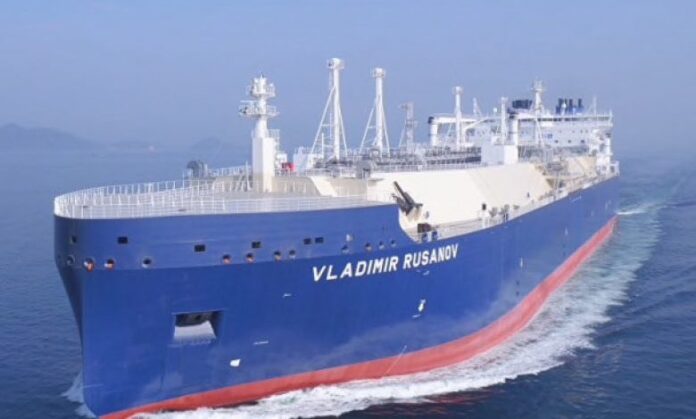
Possible British Role Still Unclear

It remains uncertain what role MI6 might ultimately play.

Options reportedly being discussed include:

  • expanded intelligence sharing
  • joint counter-terrorism planning
  • technical surveillance and monitoring operations

However, Western intelligence officials say no final decision has been made on whether British personnel will be deployed in Damascus.

Some Syrian security officials have warned that a visible British intelligence presence in the capital could itself become a security risk.

Western Support for Syria’s New Leadership

Image


The United States, Britain, and Turkey have all supported efforts to stabilize Syria under President Sharaa’s leadership.

In recent months:

  • Washington and London lifted most sanctions on Syria
  • restrictions were also eased on Hayat Tahrir al-Sham (HTS), the Islamist group Sharaa previously led
  • Western governments pledged support for rebuilding the Syrian state and economy

Sharaa himself has a complex political history. He was previously a commander within Al-Qaeda’s Nusra Front, before breaking ties with the organization in 2016.

In late 2024, he led a coalition of Islamist rebel factions that ultimately overthrew Bashar al-Assad’s government.

A Fragile Transition Period

Syria’s political transition remains fragile.

While international actors hope the new government can unify the country, the presence of militant groups and unresolved sectarian tensions continue to pose serious risks.

Security analysts say protecting the Syrian leadership has become a top priority for regional and Western intelligence agencies, as instability at the highest levels of government could derail efforts to rebuild the country after years of conflict.

The reported Turkish request for MI6 assistance reflects the growing recognition that Syria’s security challenges now extend far beyond its own borders.

US Strike on Iranian Corvette Triggers Accidental Missile Launch in Strait of Hormuz

0
IRIS Shahid Sayyad Shirazi

A U.S. airstrike on an Iranian warship near Qeshm Island in the Strait of Hormuz on March 4 produced an unusual and potentially dangerous naval incident.

According to reports and video evidence, a U.S. glide bomb struck the Iranian IRGC Navy corvette IRIS Shahid Sayyad Shirazi, triggering a fire aboard the vessel. Moments after the impact, the damaged ship unexpectedly launched one of its own anti-ship missiles.

The missile was not fired intentionally by the crew. Instead, the launch appears to have been triggered by structural and electrical damage caused by the strike, activating the weapon system without human input.

Military analysts say the incident represents one of the most technically unusual events of the naval phase of the conflict.

Strike Near Qeshm Island

Image

The strike took place near Qeshm Island, a strategically located Iranian island overlooking the Strait of Hormuz.

The narrow waterway is one of the most important energy chokepoints in the world, with roughly 20 percent of global oil shipments passing through it each day.

U.S. Central Command confirmed the strike, while videos circulating online showed the burning hull of the Iranian vessel offshore with thick smoke rising over the strait.

The IRIS Shahid Sayyad Shirazi Corvette

Image

The IRIS Shahid Sayyad Shirazi (FS313-03) is the third vessel of Iran’s Soleimani-class corvettes, commissioned in February 2024.

The class represents the most advanced surface combatant currently operated by the Islamic Revolutionary Guard Corps (IRGC) Navy.

Key characteristics include:

  • Length: approximately 65–68 meters
  • Displacement: around 600 tonnes
  • Hull design: wave-piercing catamaran for high speed and stability
  • Maximum speed: around 32 knots (with promotional claims up to 45 knots)

The vessel is constructed using composite materials intended to reduce radar visibility, improving survivability in contested waters.

Heavy Armament for Littoral Warfare

Despite its relatively small size, the corvette carries a powerful weapons package designed for high-intensity combat in the Persian Gulf.

Its armament reportedly includes:

  • Six anti-ship cruise missiles (Noor, Ghadir, or Nasir class)
  • A vertical launch system (VLS) carrying Sayad surface-to-air missiles
  • Additional cells capable of launching Abu-Mahdi long-range cruise missiles
  • Six 20-mm Gatling guns for close-range defense
  • A helipad capable of supporting a medium combat helicopter
  • Capacity to deploy three fast-attack boats simultaneously

This configuration was designed specifically for asymmetric naval warfare in the Strait of Hormuz, where Iran’s naval doctrine emphasizes speed, surprise, and missile saturation attacks.

The Accidental Missile Launch

Image

Under normal conditions, launching an anti-ship missile requires:

  • crew authorization
  • targeting data
  • activation of the weapon system

However, analysts believe that the damage from the U.S. glide bomb disrupted the ship’s electrical systems and structural integrity, inadvertently activating the missile launcher.

As a result, the weapon fired without deliberate human control.

In such situations, the missile launches along the bearing the launcher is facing, potentially acquiring any available target within its sensor range.

Given the heavy maritime traffic in the Strait of Hormuz, this could have posed a serious risk to nearby vessels.

Fortunately, No Secondary Damage Reported

No additional casualties or ship damage were reported following the unintended launch.

According to analysts, several outcomes are possible:

  • the missile failed to acquire a target
  • it impacted the water shortly after launch
  • or it followed a trajectory that did not intersect with nearby ships

In any case, the absence of secondary incidents appears largely a matter of circumstance rather than control.

Strategic Context: Iran’s Naval Doctrine

The Soleimani-class corvettes were developed as part of Iran’s strategy to control or threaten the Strait of Hormuz, one of the most strategically sensitive waterways in the world.

Their design combines:

  • high speed
  • reduced radar signature
  • heavy missile armament
  • integration with fast-attack boat swarms

This concept allows relatively small vessels to threaten much larger naval forces through multi-directional missile attacks and swarm tactics.

The loss or disablement of one of these ships therefore represents a significant event in the naval dimension of the conflict.

A Warship Designed for Hormuz Fires Its Own Weapon

The IRIS Shahid Sayyad Shirazi entered service just fourteen months before the incident.

It was designed to be among the most capable surface combatants in Iran’s IRGC Navy, specifically built to operate in the narrow and heavily trafficked waters of the Persian Gulf and Strait of Hormuz.

After the U.S. strike, however, the ship fired one of its own weapons unintentionally before going down.

In a region where every naval movement carries strategic consequences, the incident highlights the unpredictable risks of modern naval combat in one of the world’s most critical maritime corridors.