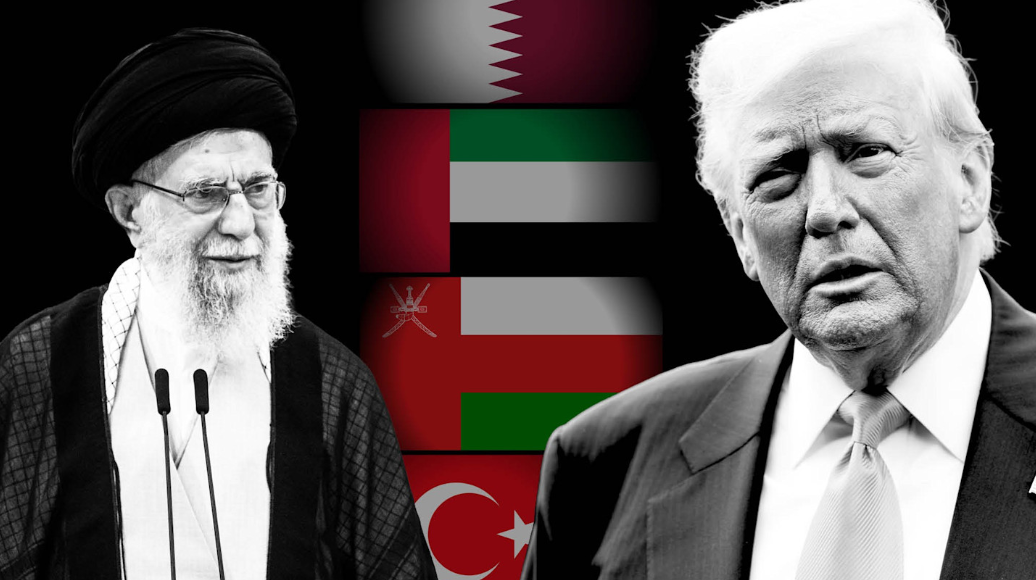
Nuclear talks between United States and Iran are expected to take place in Turkey on February 6, according to officials from both sides speaking on condition of anonymity, marking a potentially significant opening in one of the Middle East’s most volatile diplomatic standoffs.
The move follows a directive by Iranian President Masoud Pezeshkian, who ordered preparations for talks with Washington amid escalating rhetoric from U.S. President Donald Trump, including warnings that “bad things” would happen if a deal is not reached.
Iran Signals Conditional Willingness for Talks
In a statement posted on social media, President Pezeshkian said Iran was responding not only to U.S. overtures but also to appeals from friendly regional countries urging restraint and diplomacy.
He instructed Iran’s foreign minister to prepare the groundwork for what he described as “equitable and fair negotiations,” provided the talks take place in an atmosphere free from threats and “unreasonable expectations.”
In light of requests from friendly governments in the region to respond to the proposal by the President of the United States for negotiations:
— Masoud Pezeshkian (@drpezeshkian) February 3, 2026
Tehran has repeatedly stressed that it prefers diplomacy, while simultaneously warning that any military aggression would trigger a decisive and unrestricted response.
Trump’s Dual Message: Negotiation and Threat
President Trump, meanwhile, has maintained that he remains hopeful of reaching an understanding with Iran, saying Washington could “work something out.” At the same time, he has issued open-ended warnings, stating that failure to reach a deal would lead to unspecified consequences.
Analysts see this as a familiar Trump tactic—applying psychological pressure while avoiding explicit commitments. Rather than outlining specific actions, Trump leaves the threat deliberately vague, allowing uncertainty itself to become a tool of leverage.
This approach gives Washington maximum flexibility, preserving military, economic, and diplomatic options while shifting the burden of escalation onto Tehran.
Iran’s Foreign Minister Sees Path to Agreement
Iranian Foreign Minister Abbas Araghchi expressed cautious optimism in an interview with CNN, saying a nuclear deal remains achievable if the U.S. negotiating team adheres to Trump’s stated goal of fairness.
“If the U.S. comes to a fair and equitable deal to ensure that there is no nuclear weapon, I am confident that we can achieve an agreement,” Araghchi said, reinforcing Tehran’s long-standing claim that its nuclear programme is not aimed at weaponisation.
Regional Voices Urge De-Escalation
Concern about renewed confrontation is growing across the Middle East. Speaking at a panel during the World Governments Summit in Dubai, Anwar Gargash, diplomatic adviser to the UAE president, warned that the region cannot afford another crisis.
“The Middle East has gone through various calamitous confrontations. We don’t need another one,” Gargash said, calling for direct U.S.–Iranian negotiations to prevent recurring tensions that destabilise the region.
Pressure Without Decision: What Is Washington Really Doing?
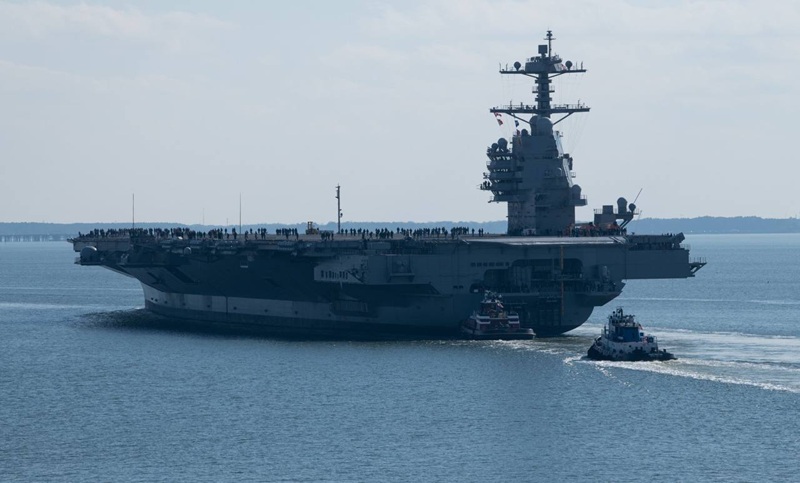
Despite rising U.S. military deployments in the region, there is little indication that Trump has made a final decision on military action. Instead, current moves suggest a calibrated strategy:
- Threat without commitment, keeping adversaries guessing
- Psychological pressure through ambiguity
- Public emphasis on negotiations, paired with coercive messaging
- Deliberate open-ended warnings, designed to heighten uncertainty
In practical terms, this signals that Washington is building leverage for a deal rather than preparing for immediate conflict—while ensuring it retains freedom of action if talks collapse.
Bottom Line: Deal or Dangerous Uncertainty
The emerging message from Washington appears stark: Iran is being offered negotiations under pressure rather than guarantees. Trump’s implicit calculation is that sustained uncertainty—political, economic, and military—may be more destabilising for Tehran than compromise.
As February 6 approaches, the talks in Turkey could become a pivotal moment. Success may ease regional tensions and revive diplomacy; failure could deepen instability in an already fragile Middle East.