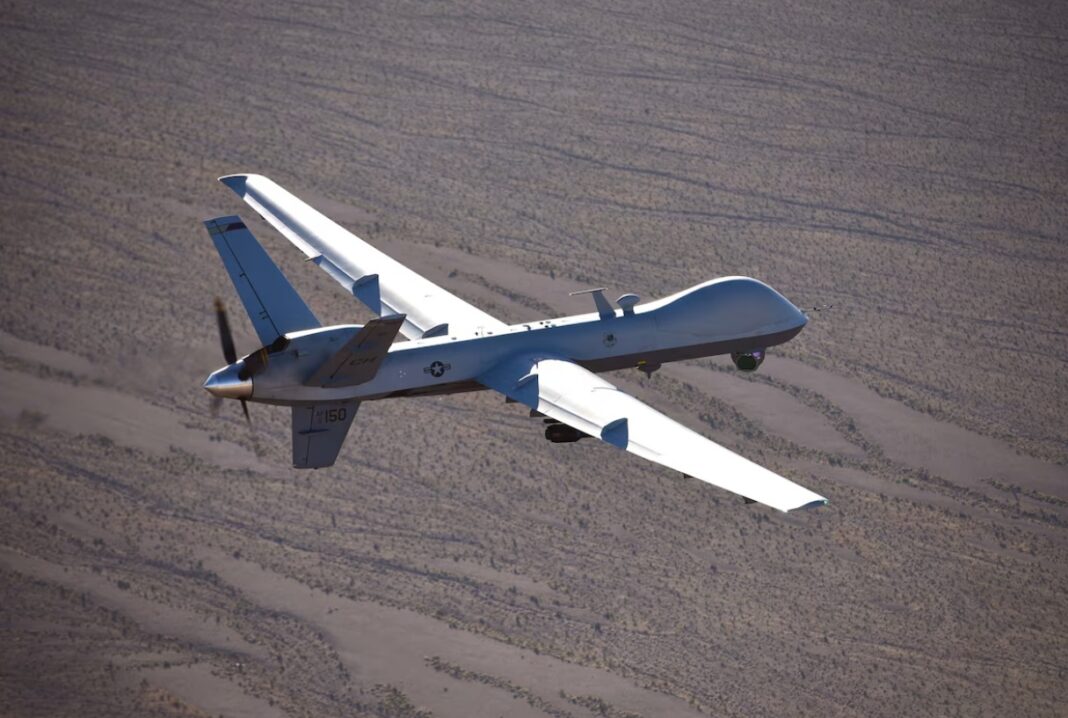
The rise of armed drones has reshaped modern warfare—and few comparisons capture that shift better than the MQ-9 Reaper vs Bayraktar TB2.
One represents high-end, networked strike power.
The other embodies low-cost, mass-deployable battlefield effectiveness.
And in today’s conflicts, both approaches are proving critical.
Payload Capacity: Where the Gap Is Clear
The most decisive difference between the two systems is payload capacity.
MQ-9 Reaper
- Carries up to 3,800 pounds (1,700+ kg)
- Equipped with:
- Hellfire missiles
- JDAM bombs
- Paveway laser-guided munitions
- advanced ISR sensor suites
Bayraktar TB2
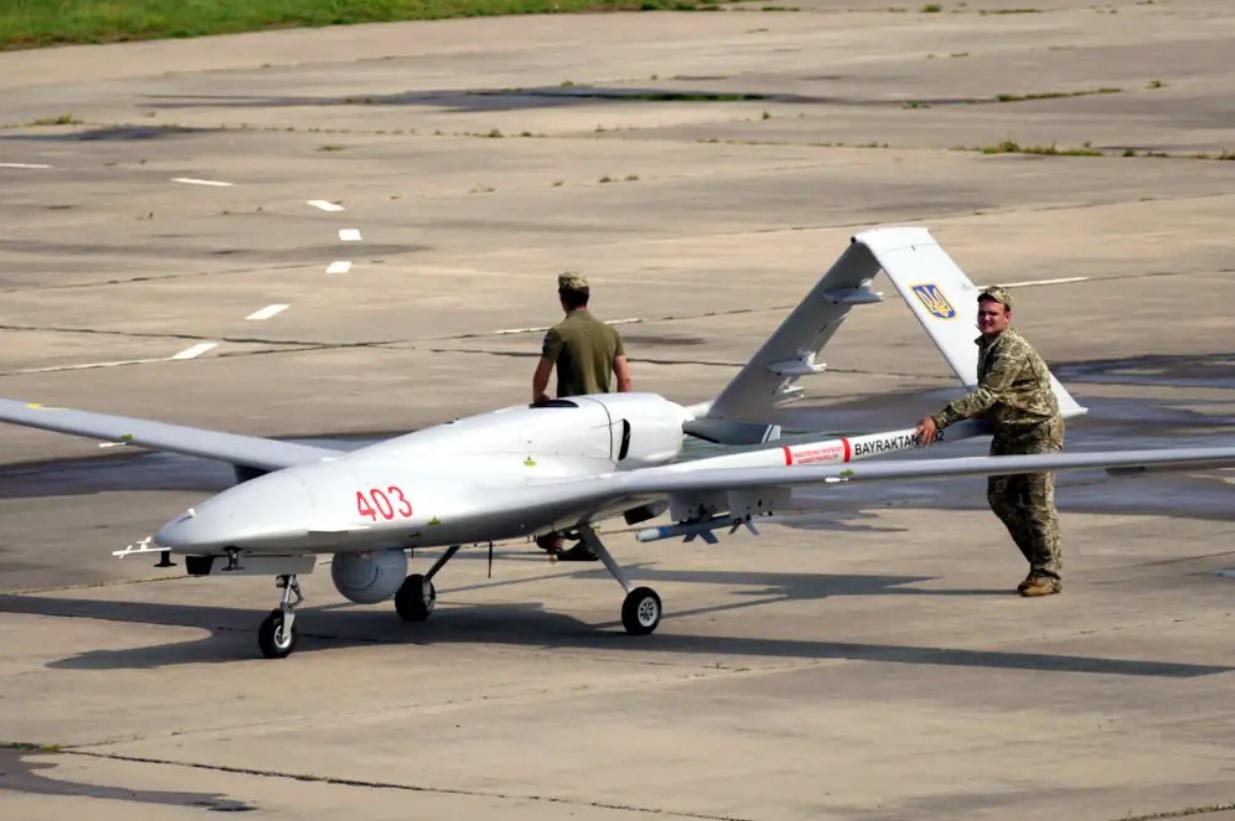
- Carries about 150 kg (330 pounds)
- Typically armed with:
- MAM-L precision munitions
- MAM-C lightweight bombs
Verdict:
The Reaper carries more than 10x the payload, allowing multiple strikes in a single mission.
Range and Operational Reach
The MQ-9 Reaper is designed for global operations.
- satellite-controlled (SATCOM)
- long endurance missions
- real-time data links across continents
The TB2, by contrast, was initially limited to line-of-sight control, though newer versions include SATCOM.
- best suited for regional operations
- effective in localized conflict zones
Combat Record: Real-World Performance
MQ-9 Reaper
Used extensively in:
- Afghanistan
- Iraq
- Syria
- counterterror operations
It excels in:
- intelligence, surveillance, reconnaissance (ISR)
- precision strikes against high-value targets
Bayraktar TB2
Gained global attention in:
- Libya
- Nagorno-Karabakh
- Ukraine
It proved highly effective against:
- tanks
- artillery
- poorly defended air defense systems
Key takeaway:
TB2 thrives in low-to-medium threat environments, while the Reaper operates as part of a larger high-tech warfare ecosystem.
Survivability: Neither Is Invisible
Both drones share a critical limitation:
- neither is stealth
- both are vulnerable to advanced air defense systems
However:
- the Reaper is a high-value target
- the TB2 is cheaper and easier to replace
This makes TB2 more suitable for attrition-style warfare, where losses are expected.
Cost and Export Strategy
One of the biggest differences lies in economics.
MQ-9 Reaper
- expensive platform
- tightly controlled exports
- limited to close allies
Bayraktar TB2
- significantly cheaper
- widely exported
- used by countries across:
- Europe
- Africa
- Middle East
- Asia
Turkey has leveraged TB2 exports to expand geopolitical influence, while the U.S. maintains stricter control over Reaper sales.
Which Drone Wins? It Depends
There is no single winner—only different use cases.
MQ-9 Reaper Dominates When:
- heavy strike capability is required
- long-range operations are needed
- integration with advanced networks matters
- multiple targets must be engaged
Bayraktar TB2 Excels When:
- cost efficiency is critical
- rapid deployment is needed
- large fleets are required
- tactical battlefield support is the priority
The Bigger Picture: A Shift in Warfare
The real story isn’t which drone is better.
It’s what they represent:
- Reaper → precision, power, and network dominance
- TB2 → affordability, scale, and disruption
Modern warfare is increasingly shaped by a combination of both.
Conclusion: Power vs Scale
The MQ-9 Reaper is clearly superior in raw capability.
But the Bayraktar TB2 has proven that affordable drones can reshape battlefields.
In today’s wars:
- power wins battles
- scale wins wars
And the future will likely combine both approaches.