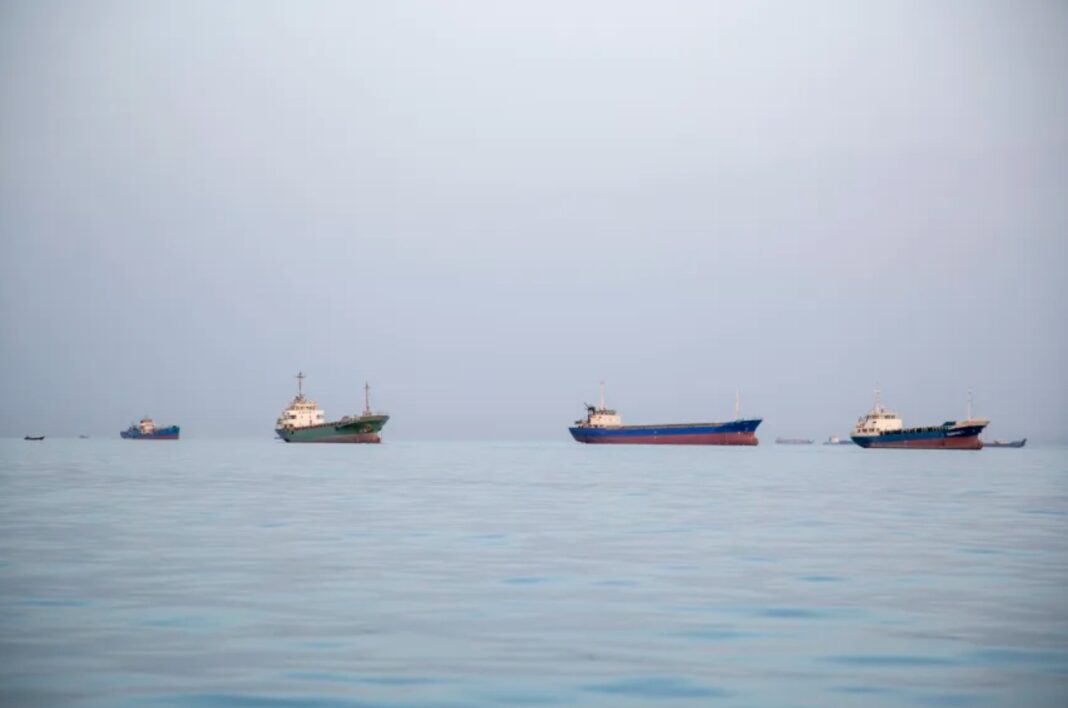
The United States is preparing new military plans targeting Iran’s capabilities around the Strait of Hormuz if the current ceasefire collapses, according to multiple sources familiar with the planning.
The proposed strategy marks a shift toward more focused operations on maritime choke points, particularly Iran’s asymmetric naval assets that have disrupted global shipping routes.
Third US Aircraft Carrier Signals Rising Pressure
In a significant show of force, a third U.S. aircraft carrier—USS George H.W. Bush—has entered the region.
This marks:
- the highest number of US carriers in the Middle East in over 20 years
- a level of deployment not seen since the early phases of the Iraq War
The carrier joins existing assets, including:
- USS Abraham Lincoln
- USS Gerald R. Ford
Analysts say the deployment is designed to increase pressure on Tehran without immediate escalation.
Focus on Iran’s Asymmetric Naval Capabilities
The new plans emphasize “dynamic targeting” of Iran’s maritime forces, including:
- fast attack boats
- mine-laying vessels
- small craft used for harassment operations
These systems have allowed Iran to:
- disrupt tanker traffic
- impose risk on global shipping
- leverage control over key waterways
However, officials acknowledge that airstrikes alone may not immediately reopen the strait.
Global Economic Stakes Remain High
The disruption of Hormuz has already had major economic consequences:
- tanker traffic has dropped sharply
- global oil markets have reacted with volatility
- inflation pressures have increased
Roughly 20% of the world’s oil supply passes through the strait, making it one of the most critical chokepoints in global trade.
Escalation Options Under Consideration
Beyond maritime strikes, US planners are evaluating broader options, including:
1. Infrastructure Strikes
- targeting energy facilities
- dual-use industrial sites
This would represent a major escalation and carries significant political risks.
2. Leadership Targeting
- focusing on key Iranian military figures
- including senior commanders within the Islamic Revolutionary Guard Corps
Such actions could dramatically intensify the conflict.
3. Missile and Drone Capabilities
- targeting remaining launchers and stockpiles
- hitting relocated systems after ceasefire repositioning
US intelligence assessments indicate that a significant portion of Iran’s missile and drone arsenal survived earlier strikes.
Iran Adapts During Ceasefire
During the ceasefire, Iran has reportedly:
- relocated military assets
- preserved missile capabilities
- maintained control over maritime disruption
US Defense Secretary Pete Hegseth warned that these assets could be targeted if negotiations fail.
Carriers: Power Projection or Political Signal?
While the deployment of three carriers adds firepower, analysts note:
- a blockade alone requires fewer assets
- additional carriers signal intent more than necessity
- the presence of F-35 capable carriers increases strike flexibility
At the same time, some experts argue that:
- fighter jets may be less effective against small naval targets
- platforms like A-10 attack aircraft are better suited for such missions
A Message Ahead of Diplomacy
The buildup appears designed to shape negotiations.
The message is clear:
- the US prefers a deal
- but is prepared to escalate if talks fail
Despite the show of force, uncertainty remains over whether Iran will compromise.
Conclusion: A Fragile Pause Before Possible Escalation
The current ceasefire has not resolved the core conflict.
Instead, it has created a temporary pause during which both sides are preparing for the next phase.
If diplomacy fails, the focus of the conflict is likely to shift toward:
- maritime control
- economic pressure
- strategic chokepoints
And at the center of it all remains the Strait of Hormuz.