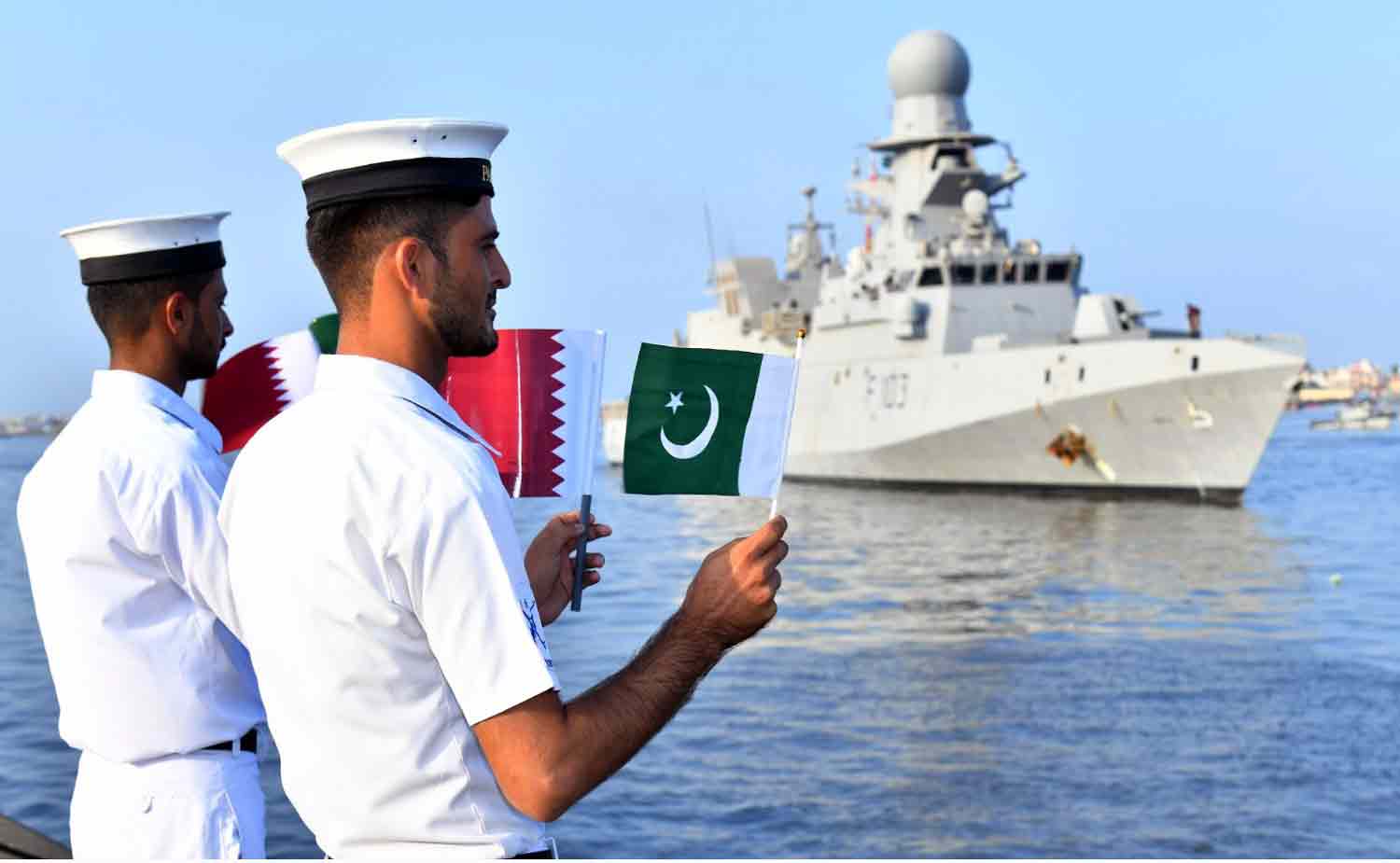
Qatar is moving toward a strategic defense agreement with Pakistan, a development that could significantly reshape the Gulf’s evolving security architecture.
The proposed pact comes amid rising regional uncertainty following the September 2025 Israeli strikes on Doha, which exposed vulnerabilities in Gulf security despite longstanding Western military presence.
From Dependence to Diversification
The emerging agreement reflects a broader shift across the Gulf:
- moving away from reliance on a single external security guarantor
- building layered deterrence systems
- strengthening regional and extra-regional partnerships
By engaging Pakistan, Qatar is signaling that future security planning will rely more on diversified alliances and operational readiness rather than reactive external intervention.
Pakistan’s Rising Strategic Value
Pakistan is increasingly viewed as a valuable military partner due to its:
- nuclear deterrence capability
- large standing military
- combat and operational experience
- existing Gulf deployment footprint
Approximately 13,000 Pakistani personnel are already deployed in Saudi Arabia in training and advisory roles, providing a ready-made framework for deeper Gulf integration.
What the Agreement Will Likely Include
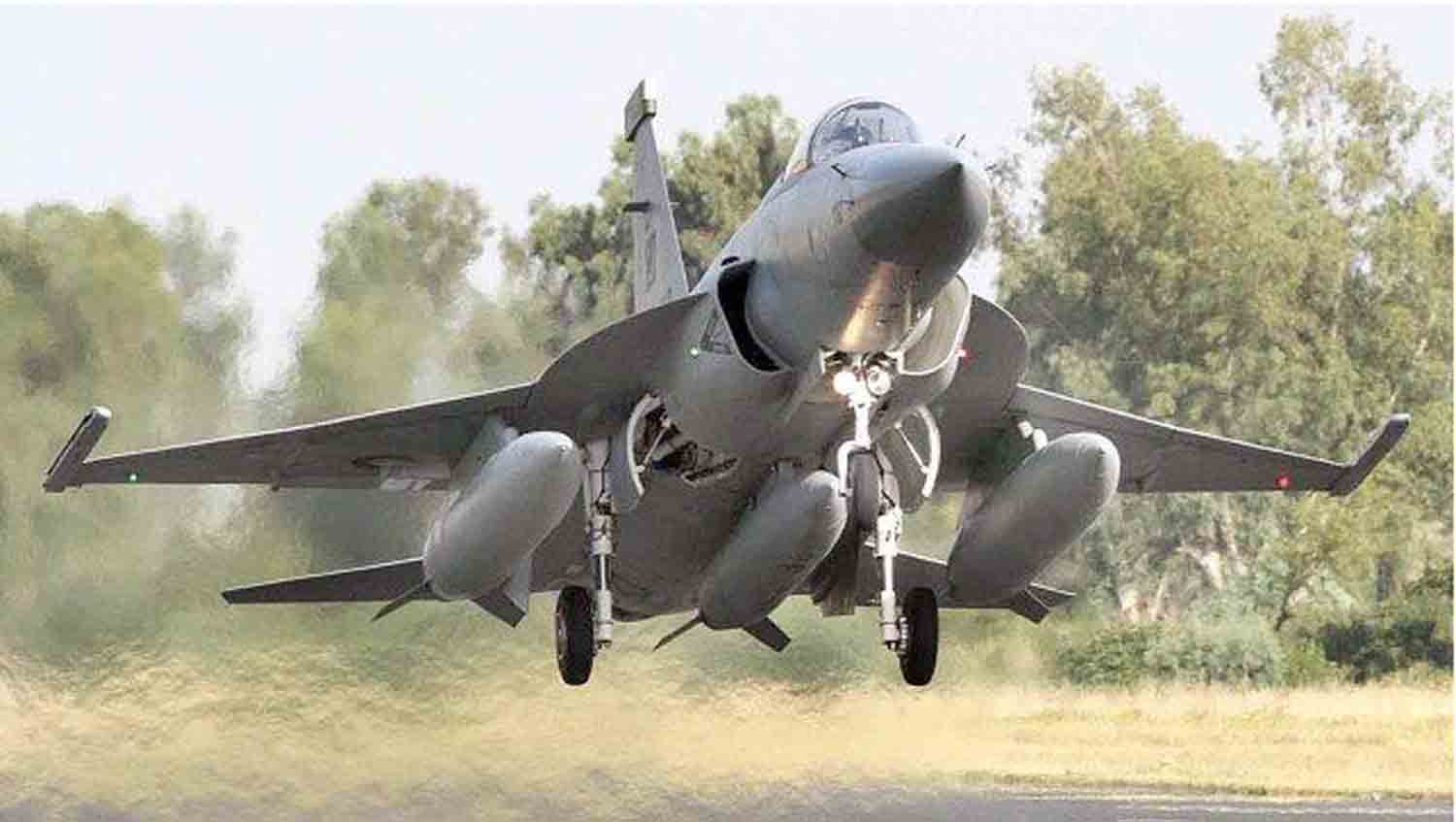
Unlike the earlier Saudi-Pakistan mutual defense pact, the Qatar agreement is expected to focus on practical military readiness rather than immediate troop deployment.
Key areas under discussion include:
- joint military exercises
- intelligence sharing
- cybersecurity cooperation
- drone and counter-drone capabilities
- professional military education
These measures aim to build interoperability before a crisis occurs, reducing response time and operational friction.
A Focus on Modern Threats
The agreement places strong emphasis on 21st-century security challenges, including:
- cyber threats to critical infrastructure
- unmanned aerial systems
- integrated air defense
- multi-domain warfare
Pakistan’s experience in intelligence fusion, counterterrorism, and drone operations is seen as particularly valuable for Qatar’s evolving defense needs.
Defense Industry Cooperation Emerging
Beyond military coordination, the deal is expected to include a defense-industrial dimension.
Discussions have reportedly explored:
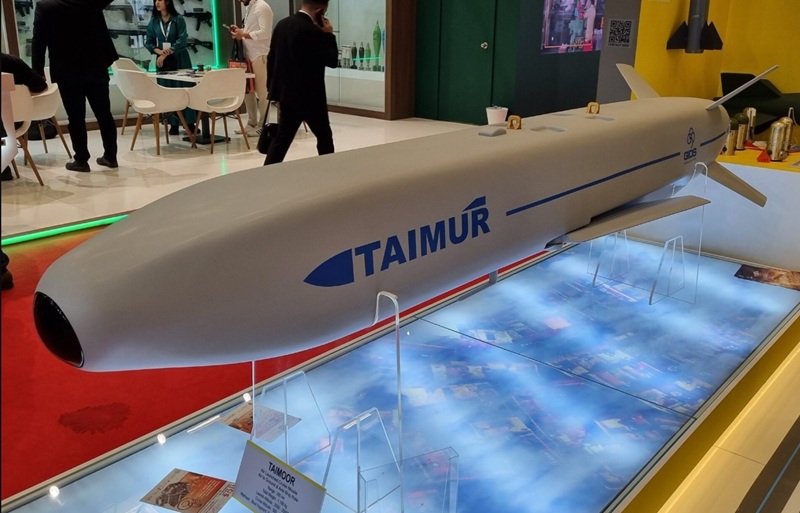
- joint production of military equipment
- maintenance and support systems
- co-development of unmanned platforms
- communications and electronics technology
For Qatar, this offers affordable alternatives to Western suppliers, while Pakistan gains export revenue and technological partnerships.
A New Gulf Security Model Taking Shape
The significance of the agreement extends beyond bilateral ties.
It points toward a broader transformation in regional security:
- flexible partnerships instead of rigid alliances
- operational coordination over formal defense guarantees
- scalable cooperation tailored to specific threats
This emerging model could eventually involve other Gulf states such as:
- Saudi Arabia
- United Arab Emirates
- Kuwait
- Oman
Complementing — Not Replacing — the US Role
Importantly, the Qatar-Pakistan agreement is not expected to replace the U.S. military presence.
Instead, it will complement existing arrangements, including operations around key installations like Al Udeid Air Base.
However, the shift signals that Gulf states are increasingly preparing for scenarios where external intervention may not arrive quickly enough.
Strategic Implications
If finalized, the agreement could:
- expand Pakistan’s influence into the Gulf
- strengthen regional deterrence
- complicate adversary calculations
- accelerate a shift toward multipolar security structures
Even without a formal mutual-defense clause, the perception of closer coordination may itself act as a powerful deterrent signal.
Conclusion: A Turning Point in Gulf Security
The Qatar-Pakistan defense talks represent more than a bilateral agreement.
They reflect a deeper transformation:
the Gulf is moving from dependence to strategic autonomy.
As regional threats evolve and global power competition intensifies, partnerships like this may define the next phase of Middle Eastern security architecture.