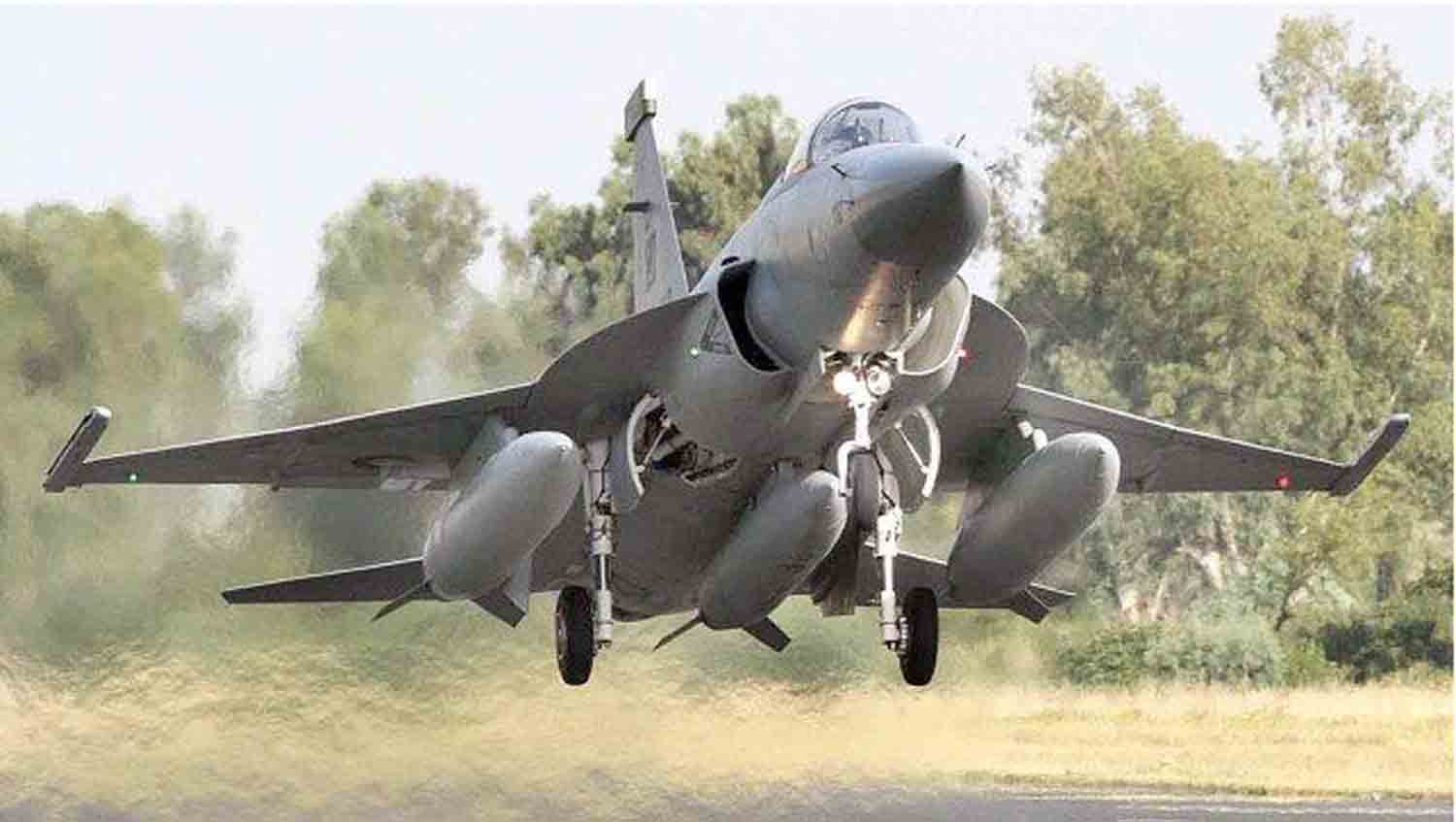

Russia has taken delivery of another batch of Su-35S multirole fighter jets, as defense conglomerate Rostec confirmed that the aircraft were handed over by the United Aircraft Corporation (UAC) to the Russian Aerospace Forces.
The announcement underscores Moscow’s continued focus on sustaining and expanding its frontline combat aviation fleet.

Rostec Praises Su-35S Combat Performance
Senior Rostec official Vladimir Artyakov highlighted the aircraft’s operational record, describing the Su-35S as one of the most effective modern combat aircraft currently in service.
According to Artyakov:
- the aircraft has demonstrated strong battlefield performance
- pilots have praised its flight characteristics
- it has achieved a high number of aerial interceptions
Such statements reflect Russia’s continued emphasis on showcasing the platform’s combat credibility.
Limited Transparency on Delivery Numbers
As with previous announcements, the exact number of aircraft included in the latest batch was not disclosed.
This follows a broader pattern of limited transparency regarding production and delivery figures.
Available open-source estimates suggest that during 2025:
- multiple delivery batches were completed
- shipments occurred throughout the year
- individual batches typically included two to three aircraft
Total deliveries are estimated to range between:
- at least 7 aircraft
- up to 15 or possibly 21 units
However, precise figures remain unconfirmed.
Steady Production Despite Uncertainty
Despite the lack of official numbers, the delivery timeline indicates consistent production output.
Reported delivery dates during 2025 include:
- March 29
- May 12
- June 25
- August 21
- September 24
- November 1
- December 25
This steady cadence suggests that Russia is maintaining a regular production cycle for the Su-35S platform.

Role of the Su-35S in Russian Air Power
The Su-35S is a highly maneuverable 4++ generation fighter designed for:
- air superiority missions
- long-range interception
- strike operations
- escort duties
It features:
- advanced radar systems
- thrust-vectoring engines
- extended combat range
- multi-role weapons capability
The aircraft serves as a key component of Russia’s tactical airpower, bridging the gap between legacy fighters and newer platforms.
Strategic Implications
Continued Su-35S deliveries indicate that Russia is prioritizing:
- fleet sustainment
- replacement of losses
- maintaining air superiority capabilities
At the same time, the lack of detailed disclosure highlights ongoing sensitivities around production capacity and operational readiness.
Conclusion
The latest delivery confirms that Russia’s fighter production remains active, even as exact output levels remain unclear.
For now, the Su-35S continues to play a central role in the country’s airpower strategy — both as an operational platform and as a symbol of ongoing defense industrial activity.