Donald Trump has canceled a planned trip by envoys to Islamabad, just a day after reports emerged that U.S. officials were preparing for potential talks with Iran.
The decision underscores a growing reality: there are currently no active negotiations between the two sides, despite parallel diplomatic movements in the region.
— Rapid Response 47 (@RapidResponse47) April 25, 2026
Iranian officials have also denied any plans for talks in Pakistan, even as Foreign Minister Abbas Araghchi visited Islamabad to engage regional stakeholders.
Diplomacy Without Engagement

The situation reflects a familiar pattern:
- both sides are signaling openness to diplomacy
- neither side is willing to appear eager for a deal
- practical engagement remains absent
This creates a paradox where talks are discussed—but not actually taking place.
Iran’s Position Remains Unchanged
Despite speculation about internal divisions within Iran’s leadership, the overall strategic position appears consistent.
Tehran has reiterated its 10-point framework, which includes:
- ending the U.S. naval blockade
- lifting sanctions
- recognition of core strategic red lines
Iran has also made clear that it will not enter negotiations unless these preconditions are addressed.
Focus on Internal Dynamics May Be Misleading
Recent commentary has focused heavily on internal Iranian politics:
- the role of Mojtaba Khamenei
- tensions involving Mohammad Bagher Ghalibaf
- disagreements between civilian officials and the Islamic Revolutionary Guard Corps
However, these debates may obscure a more important reality:
Iran’s external negotiating position is already consolidated.
Even if internal disagreements exist, they are not translating into policy shifts.
US Strategy: Pressure Without Immediate Results

The United States continues to rely on pressure mechanisms, including:
- enforcement of a maritime blockade
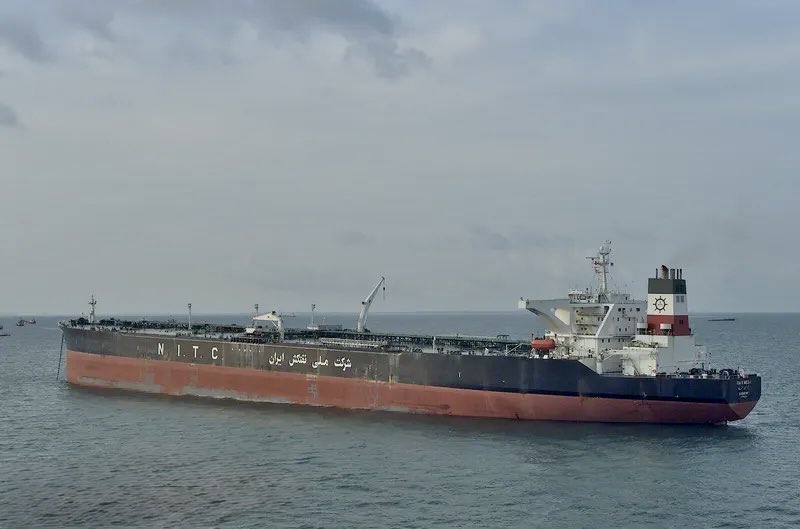
- interception of Iranian-linked vessels
- expanded sanctions targeting oil exports
Recent actions include:
- interception of an Iranian-flagged vessel attempting to reach port
- sanctions on Hengli Petrochemical Refinery Co., a major buyer of Iranian crude
- restrictions on dozens of shipping firms involved in Iran’s oil trade
Defense Secretary Pete Hegseth has confirmed that the blockade will remain in place.
Blockade Effectiveness Remains Uncertain
Despite increased pressure, expectations of rapid economic collapse in Iran appear overstated.
Recent developments suggest:
- continued oil exports, including millions of barrels loaded in recent days
- ongoing maritime activity despite restrictions
- resilience in Iran’s economic networks
This raises doubts about whether the current strategy can achieve results within the short timelines envisioned by some policymakers.
A Strategic Deadlock
The core problem is now clear:
- Iran will not negotiate under pressure
- the U.S. is unwilling to ease pressure without concessions
This creates a mutual stalemate, where neither side is willing to move first.
The Real Question Returns to Washington
With Iran’s position unlikely to shift under current conditions, the key decision lies with the United States.
Washington must now choose between:
- maintaining pressure and waiting for results
- offering concessions to restart negotiations
- or escalating if diplomacy fails
Conclusion: Talks Frozen, Pressure Rising
The cancellation of the Islamabad trip highlights a broader truth:
the diplomatic track is effectively frozen.
While both sides continue to maneuver politically and economically, there is no clear pathway toward a negotiated settlement.
Unless one side adjusts its expectations, the current standoff is likely to persist—and the risk of escalation will continue to grow.