Tuesday, April 7, 2026
Home Blog Page 14

J-20 Model Gift to Iran Highlights Symbolic Shift in China–Iran Defence Signalling

0

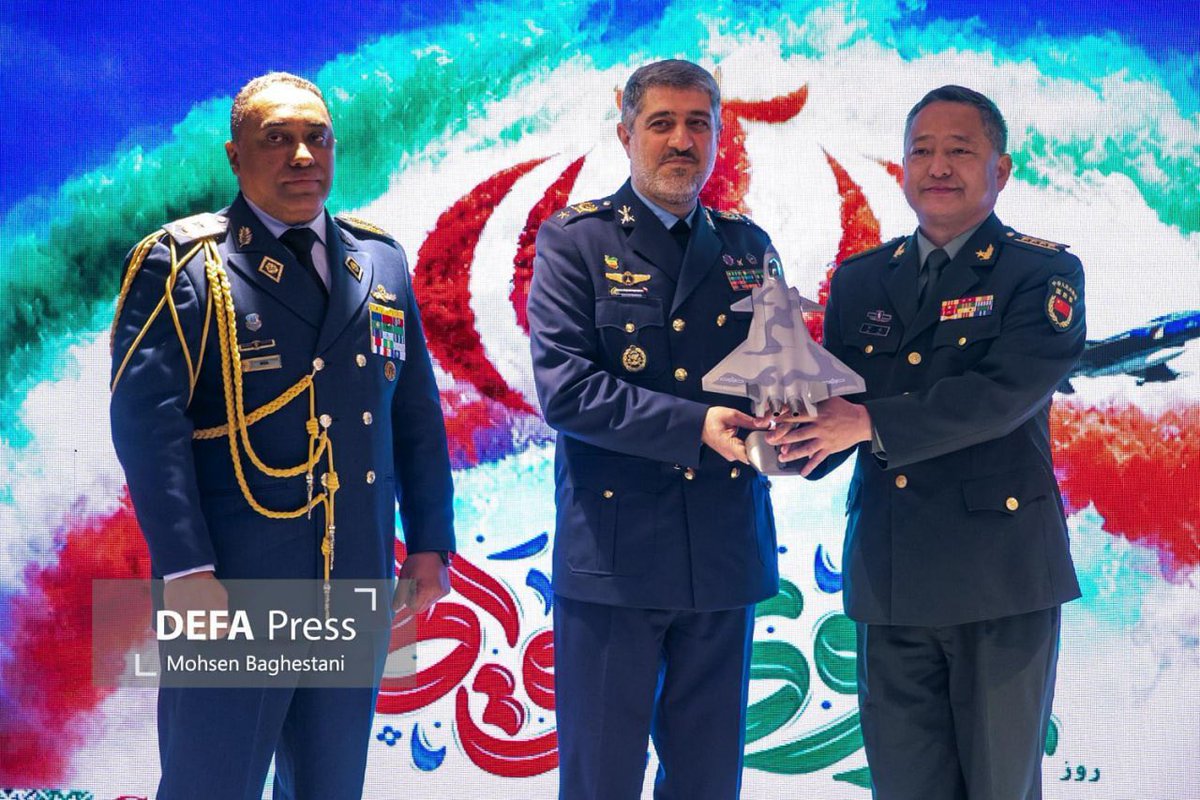
The presentation of a scale model of China’s Chengdu J-20 stealth fighter by Beijing’s military attaché in Tehran to Hamid Vahedi, commander of the Islamic Republic of Iran Air Force (IRIAF), has drawn attention as a symbolic gesture occurring amid heightened regional tensions and evolving great-power competition.

While the exchange was ceremonial in form, its timing and visibility have prompted closer scrutiny. Images and video of the meeting circulated through Iranian state-affiliated media, placing the gesture within a broader context of deepening China–Iran defence engagement under sustained Western sanctions and regional instability.
Image

Symbolism Rather Than Commitment

Chinese officials have not announced any transfer of combat aircraft, and no formal procurement discussions have been confirmed. However, statements by Chinese Defence Ministry representatives that Beijing is open to sharing defence development achievements with “friendly countries” have been interpreted in Iran as deliberate strategic ambiguity rather than routine diplomatic language.

Defence analysts have cautioned against assuming that symbolic gestures translate directly into arms transfers, noting China’s long-standing reluctance to export its most advanced combat aircraft. At the same time, others view the episode as calibrated signalling rather than coincidence, testing reactions while reinforcing perceptions of political alignment.

Iran’s Airpower Constraints

The attention surrounding the J-20 model reflects Iran’s long-standing air force modernisation challenges. The IRIAF continues to rely heavily on legacy platforms, including pre-1979 F-14 Tomcats and ageing MiG-29s, which face increasing survivability limits against modern sensor-fused, stealth-enabled adversaries operating with long-range precision weapons.

Recent regional conflicts and air operations have highlighted these gaps, reinforcing Iranian interest in platforms capable of operating in contested airspace. While fourth-generation aircraft such as the Chinese J-10C have reportedly been discussed in the past, they do not fundamentally alter Iran’s vulnerability to fifth-generation opponents.

The J-20 in Context

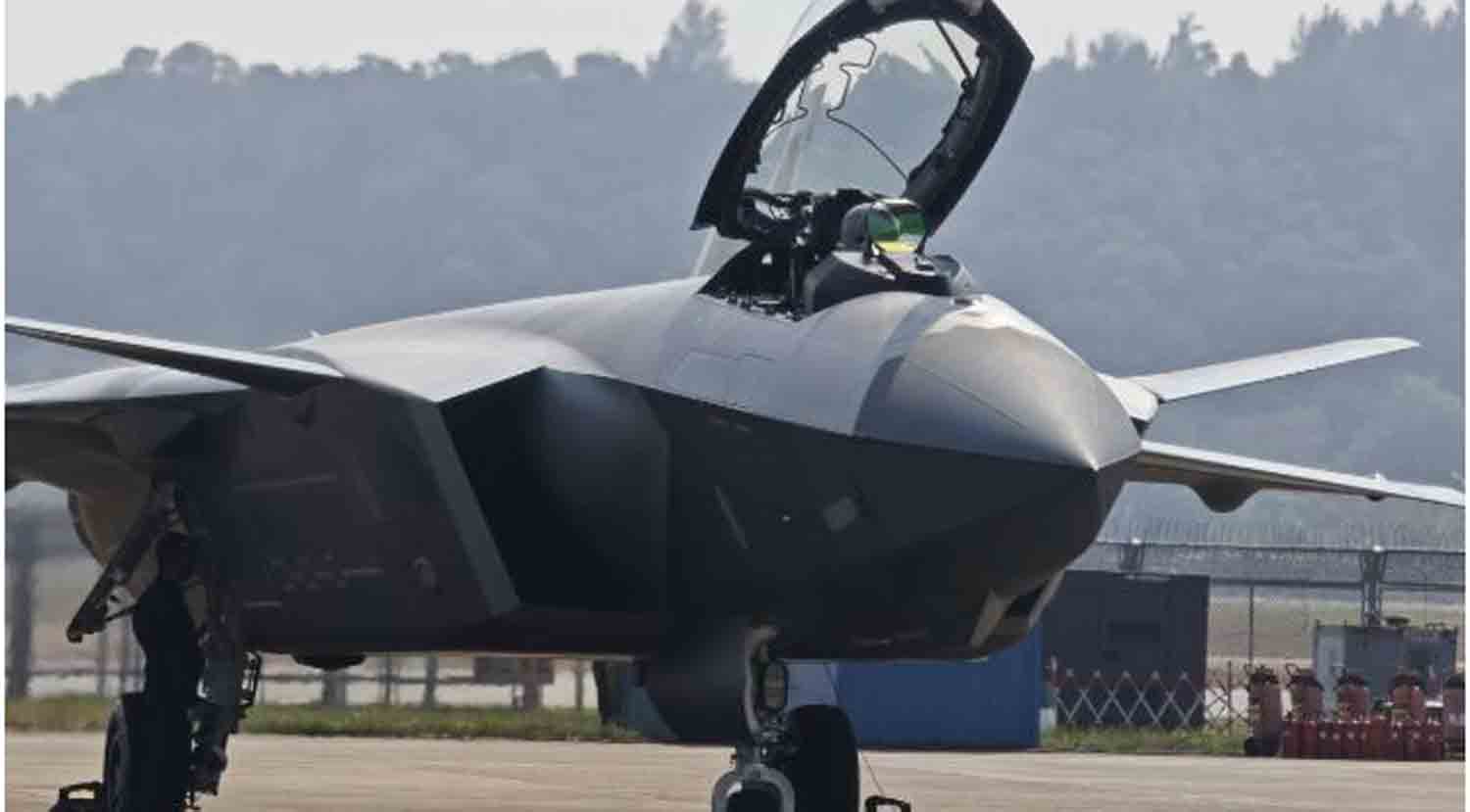
Inducted into service with the People’s Liberation Army Air Force in 2017, the J-20 represents China’s first operational fifth-generation stealth fighter. It combines a low-observable airframe with advanced sensor fusion, AESA radar, secure datalinks, and long-range air-to-air missiles such as the PL-15, designed to enable beyond-visual-range engagements under networked conditions.

China has historically maintained that the J-20 is reserved for domestic use, reflecting concerns over technology security, reverse engineering, and operational secrecy. However, expanding production rates and Beijing’s growing use of defence exports as instruments of influence have led some observers to question whether this position could evolve over time.

Strategic Partnership Framework

The episode also sits within the framework of the China–Iran Comprehensive Strategic Partnership signed in 2021, which institutionalised defence cooperation, joint exercises, and technology exchange. Under this arrangement, China has emerged as one of Iran’s most consistent defence partners, supplying systems and technologies that mitigate the effects of sanctions without overtly crossing escalation thresholds.

Speculation surrounding potential barter-based arrangements—such as oil-for-arms mechanisms—reflects existing economic patterns between the two countries, though no such agreement related to combat aircraft has been confirmed.

Signalling Effects

Whether or not the J-20 is ever offered for export, the presentation of its model has already produced tangible signalling effects. For Iran, it reinforces narratives of strategic depth and alternatives beyond Western and Russian suppliers. For external observers, it underscores China’s willingness to employ symbolism as a low-risk means of shaping perceptions and testing geopolitical boundaries.

At this stage, the episode appears less a precursor to imminent aircraft transfers than a reflection of calibrated diplomacy—one that highlights how even symbolic acts can carry strategic weight in an increasingly multipolar security environment.

European Start-Up Hypersonica Achieves Mach 6 in First Hypersonic Test Flight

0
hypersonica

Hypersonica, an Anglo-German defence start-up focused on developing what it describes as a sovereign European hypersonic strike capability, has successfully completed its first hypersonic test flight, achieving speeds in excess of Mach 6 and travelling more than 300 kilometres.

The company said the test was conducted on 10 February at Andøya Space in Norway. According to Hypersonica, the flight represents the first time a privately funded European defence company has conducted a hypersonic missile test at this performance level.

Flight Performance and Data Collection

Hypersonica stated that the test vehicle accelerated to speeds above Mach 6—equivalent to more than 7,400 km/h—and completed a full ascent and descent profile through the atmosphere. The company reported that all onboard systems functioned as expected throughout the flight.

Crucially, the test was designed not only to demonstrate speed, but also to validate system behaviour under hypersonic conditions. Hypersonica said performance was assessed down to sub-component level, generating datasets intended to support future design iterations, modelling, and materials analysis.

Development Objectives

The company’s co-founders, Chief Executive Philipp Kerth and Chief Technology Officer Marc Ewenz, described the flight as a significant step toward Hypersonica’s stated goal of fielding a European hypersonic strike capability by 2029.

In a joint statement, they said the successful test demonstrated the feasibility of a faster development cycle for advanced strike systems and challenged prevailing assumptions about the time and cost traditionally associated with hypersonic weapons programmes.

Broader Context

Hypersonic strike capabilities—typically defined as sustained flight above Mach 5 with high manoeuvrability—have become a growing focus for major powers, including the United States, Russia, and China. European states have so far relied largely on government-led research programmes and multinational frameworks, with limited private-sector involvement.

Hypersonica’s test therefore highlights a potential shift in Europe’s defence-industrial landscape, where smaller, privately funded firms seek to complement state-driven efforts by accelerating experimentation and prototype development. While the company has not disclosed the intended configuration or basing concepts of its future system, it has consistently emphasised sovereignty, rapid iteration, and analytical insight into adversary hypersonic technologies.

Next Steps

Hypersonica has not released details on follow-on tests or timelines beyond its 2029 objective. However, the company indicated that data from the Norway flight will directly inform the next phase of vehicle design and performance optimisation.

If sustained, the programme could contribute to Europe’s broader efforts to close the hypersonic capability gap, while providing policymakers with additional options in an increasingly contested high-speed strike environment.

Pakistan Air Force Conducts Exercise Golden Eagle to Validate AI-Enabled, Network-Centric Combat Operations

0

The Pakistan Air Force has successfully concluded Exercise Golden Eagle within the Southern Air Command’s area of responsibility, focusing on validating combat readiness, operational agility, and integrated employment of its full-spectrum airpower in a complex operational environment.

Designed around a Two-Force construct, the exercise emphasised AI-enabled, net-centric operations, reflecting the evolving character of air warfare and the increasingly compressed decision cycles of modern conflict. The scenario-based framework allowed participating formations to operate under conditions shaped by contemporary regional security dynamics, including contested airspace, information dominance challenges, and rapid escalation timelines.

Integrated Multi-Domain Operations

A central feature of Exercise Golden Eagle was the employment of a robust Integrated Air Defence System (IADS), under which friendly forces conducted coordinated operations across air, cyber, space, and the electromagnetic spectrum. The exercise demonstrated the Pakistan Air Force’s ability to fuse kinetic and non-kinetic effects to shape the battlespace before and during active engagements.

The kinetic phase featured swing-role combat aircraft operating under a First-Shoot, First-Kill philosophy, equipped with long-range beyond-visual-range (BVR) air-to-air missiles, extended-range stand-off weapons, and precision-guided munitions. These strike and counter-air operations were supported by Airborne Early Warning & Control (AEW&C) platforms and Air-to-Air Refuellers, enabling sustained operations at range and reinforcing situational awareness across the battlespace.

Manned–Unmanned Teaming and Deep-Reach Effects

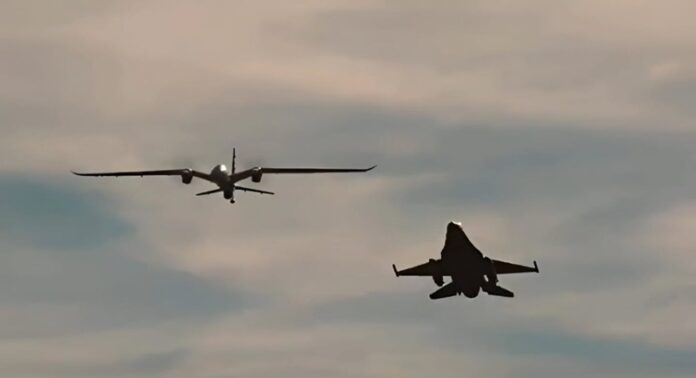
One of the defining aspects of the exercise was the extensive use of Manned–Unmanned Teaming (MUM-T). Deep-reach killer drones and loitering munitions were integrated into strike packages, operating in highly contested, congested, and degraded environments. This validated the PAF’s growing emphasis on combining manned platforms with unmanned systems to extend reach, reduce risk to aircrew, and maintain operational tempo in modern warfare conditions.

The use of indigenous niche, disruptive, and smart technologies during the exercise reflects a broader institutional focus on local innovation, adaptability, and resilience in the face of emerging threats, including electronic warfare, cyber interference, and space-enabled targeting.

Networked Command and Control

Exercise Golden Eagle was executed under unified command and control from the Next-Generation All-Domain Command & Control Centre at Air Headquarters in Islamabad. This architecture enabled real-time data fusion, rapid dissemination of targeting information, and coordinated decision-making across multiple domains, reinforcing the PAF’s transition toward fully networked operations.

Strategic Significance

The successful conduct of Exercise Golden Eagle underscores the Pakistan Air Force’s sustained focus on operational preparedness, jointness, and technological integration. By validating high-tempo operations under realistic and demanding conditions, the exercise reinforces the PAF’s ability to respond effectively across the spectrum of conflict while adapting to future challenges shaped by automation, information dominance, and multi-domain convergence.

Iran Says Unexploded U.S. Bunker-Buster Bombs at Nuclear Sites Prevent Inspections

0

Iranian Foreign Minister Abbas Araghchi has stated that unexploded U.S. munitions remain embedded at Iranian nuclear facilities struck in June 2025, creating serious safety risks and preventing inspection activities by international bodies.

Speaking in remarks reported by Middle East Monitor on February 8, 2026, Araghchi said inspections cannot proceed until clear agreements are reached on safety, security, and access protocols. He emphasized that no international framework exists for inspecting nuclear facilities that have been attacked with heavy bunker-busting weapons.

Lack of Precedent for Bombed Nuclear Sites

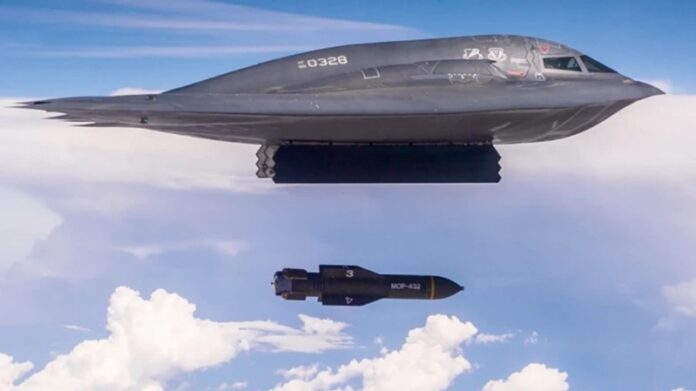
According to Iranian officials, the problem is unprecedented. The facilities were hit with fourteen GBU-57A/B Massive Ordnance Penetrator (MOP) bombs, weapons specifically designed to burrow deep underground before detonation. Araghchi said the continued presence of unexploded ordnance constitutes a physical hazard to inspectors and technical personnel.

Iran has remained in contact with the International Atomic Energy Agency, but maintains that visits cannot take place until a dedicated inspection protocol is negotiated—one that accounts for unexploded munitions, structural instability, and site security.

Context of the June 2025 Conflict

The nuclear strikes occurred during a 12-day conflict in June 2025, which Iran describes as a campaign initiated by Israel with U.S. support. Iranian officials say the strikes targeted military installations, nuclear facilities, and civilian infrastructure, alongside the assassinations of military commanders and nuclear scientists.

During the same period, the United States conducted direct strikes on three major Iranian nuclear sites—Fordow, Natanz, and Isfahan—before announcing a ceasefire. Iran later acknowledged that the sites suffered significant damage but stated that nuclear material had been relocated beforehand, avoiding any immediate radiological threat.

While active hostilities ended, Iranian authorities say damaged underground structures and unexploded munitions remain, continuing to restrict access.

The GBU-57 and Its Implications

The GBU-57 Massive Ordnance Penetrator weighs approximately 13,600 kilograms and is delivered exclusively by B-2 Spirit bombers. It relies on kinetic energy and a hardened steel casing to penetrate deep rock or reinforced concrete before detonating via a delayed fuze.

If a fuze fails or impact conditions disrupt detonation, the weapon may remain largely intact underground. Iranian officials suggest that some bombs may have failed to explode during the strikes.

Technical and Strategic Sensitivities

Should unexploded GBU-57 bombs be safely neutralized and recovered, they could offer Iran direct physical access to a modern U.S. bunker-penetrating weapon. Examination could allow measurement of casing thickness, alloy composition, internal reinforcement, guidance electronics, and fuze design.

Such access would not imply reuse of the weapon, as safe handling would require neutralization of the explosive content. Nor would it automatically enable replication: the GBU-57 depends on specialized metallurgy, precision manufacturing, and delivery platforms capable of carrying a 13-tonne payload.

However, analysts note that technical examination could still inform defensive adaptations, such as deeper tunnel placement, altered layouts, or reinforced access points. Some observers also point out that studying penetration principles could influence future missile-based bunker-buster concepts, drawing parallels with systems like Hyunmoo-5.

A Continuing Constraint

Iran has not stated that it intends to reverse-engineer the weapon. Still, it argues that until unexploded munitions are addressed and a formal inspection framework is agreed upon, access to bombed nuclear sites remains unsafe and legally undefined.

The situation underscores how the use of extreme penetration weapons against nuclear infrastructure has created long-term technical and diplomatic complications, extending well beyond the cessation of hostilities.

F-35 Fighters Delivered Without Radars as APG-85 Integration Faces Further Delays

0
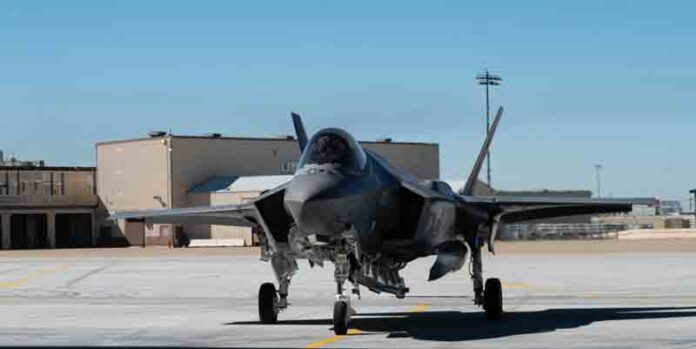
The F-35A Lightning II, dubbed a “Frankenjet” and assigned to the 388th Fighter Wing, returns to Hill Air Force Base, Utah.

Newly built F-35 fighters are entering service with the United States Air Force without onboard radars, reflecting ongoing delays and integration challenges associated with the programme’s next-generation sensor suite.

According to reporting by Avionics International, aircraft originally scheduled to receive the advanced AN/APG-85 radar from 2025 onward are currently being delivered with no radar installed at all. The issue stems from a combination of development delays and supply-chain constraints affecting the new system.

Integration Gap Between APG-81 and APG-85

While earlier F-35s were equipped with the AN/APG-81, the APG-85 uses a different mounting architecture. As a result, aircraft produced with the updated mounting system cannot simply be fitted with older radars as a stopgap solution.

Since June 2025, new F-35s have therefore been delivered without radars, with ballast installed in the nose section to preserve the aircraft’s centre of gravity. This approach has allowed production and deliveries to continue rather than halting assembly lines while waiting for radar availability.

Operational Use Without Organic Radar

Programme officials maintain that an F-35 without an onboard radar can still fly and operate safely. In practice, such aircraft are expected to function within formations that include fully equipped F-35s or other assets capable of providing sensor data via the aircraft’s extensive data-link and sensor-fusion architecture.

From a technical standpoint, this concept aligns with the F-35’s design philosophy as a networked platform. However, analysts note that this workaround is inherently a peacetime or training solution. In a high-intensity combat environment, reliance on off-board sensing would introduce vulnerabilities, particularly if data links are disrupted or degraded.

Delayed APG-85 Timeline

The AN/APG-85 radar was originally planned to begin deliveries with Lot 17 aircraft in 2025. That timeline has since slipped to Lot 20, leaving a gap for aircraft already scheduled for production. Rather than delaying deliveries entirely, the programme has opted for radar-less aircraft as an interim measure.

To prevent similar issues in the future, Lockheed Martin has proposed developing a revised forward fuselage capable of accommodating both the APG-81 and APG-85. While technically feasible, such a redesign would require additional testing, re-certification, and production changes, all of which would take time.

Broader Programme Context

The radar issue adds to a wider set of challenges facing the F-35 programme, including concerns over sustainment costs and combat readiness rates, with reports indicating that only around half of the fleet is fully mission-capable at any given time.

Despite these issues, the F-35 remains the most widely deployed fifth-generation fighter in the world and continues to be selected by new customers. For partner nations, the aircraft’s long-term upgrade path and interoperability benefits still outweigh near-term programme friction.

In this context, the decision to deliver aircraft without radars reflects a pragmatic effort to maintain production momentum, even as it underscores the complexity and fragility of integrating cutting-edge systems into a programme of unprecedented scale.

Saab Offers Gripen E to India, but Rafale Expansion and Industrial Constraints Cloud Prospects

0

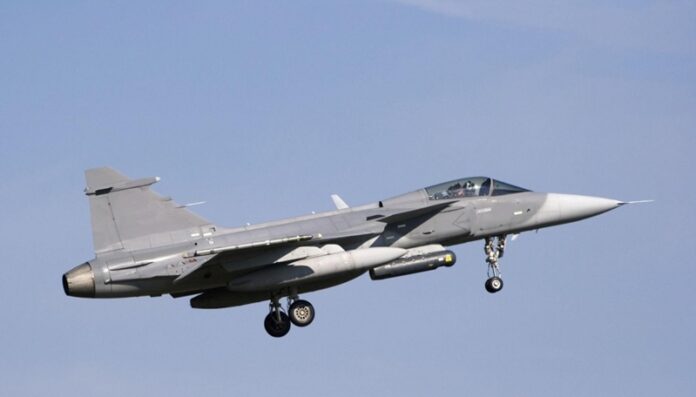
Sweden’s Saab has renewed its bid to sell Gripen E fighters to the Indian Air Force, positioning the aircraft as a rapid, locally produced solution to India’s fighter shortfall. The offer was announced at the Singapore Airshow by Saab Aeronautics’ Vice President and Chief Marketing Officer Mikael Franzén, as reported by The Economic Times.

The timing of the pitch is notable. India is already inducting Rafale fighters, expanding production of its indigenous Tejas, and planning ahead for a fifth-generation platform under the AMCA programme. Against this backdrop, Saab’s renewed campaign appears less like a natural fit and more like an attempt to insert Gripen into an already crowded procurement landscape.

Technology Transfer Claims Meet Political Reality

Saab argues that if selected, Gripen E would come with what it describes as “the largest transfer of technology in aviation history,” involving more than 300 Indian companies and the creation of a dedicated industrial ecosystem inside India. The company also claims that experience gained through Gripen production could feed directly into AMCA’s development.

While attractive on paper, such promises are not new in Indian defence tenders. Historically, large-scale technology transfer pledges often collide with legal, intellectual property, and supply-chain constraints once contracts move from negotiation to execution. New Delhi has grown increasingly cautious about ambitious claims that may not fully materialise over the programme’s lifecycle.

Speed vs Fleet Rationalisation

Saab’s key operational argument is speed: Gripen E, it says, can be delivered quickly and in large numbers to fill squadron gaps, while remaining easy to upgrade without disrupting operations. However, this claim sits uneasily with India’s growing emphasis on fleet commonality.

A further Rafale order—widely seen as a realistic outcome—would simplify training, logistics, weapons integration, and localisation. Adding Gripen would instead introduce another fighter type into an air force that already operates aircraft of Russian, French, and indigenous origin, increasing long-term sustainment complexity.

Engine Commonality Cuts Both Ways

Saab has also highlighted the shared use of the GE F414 engine on both Gripen E and Tejas, arguing that ongoing localisation of the engine in India strengthens the case for Gripen.

Yet this commonality may be a double-edged sword. General Electric is currently facing supply-chain and production bottlenecks, already affecting engine deliveries for Indian programmes. Adding another F414-dependent platform could exacerbate these constraints rather than alleviate them.

Production Capacity Limits

Another structural issue is Sweden’s limited fighter production capacity. Even if an Indian order were to boost output, scaling up would take time. This undermines the argument that Gripen can rapidly deliver large numbers of aircraft at a moment when the Indian Air Force is seeking urgent reinforcement.

Strategic Competition, Not a Clear Win

India plans to acquire around 250 additional fighters, spanning both 4+ generation aircraft and future fifth-generation systems. In the latter category, Su-57 continues to be promoted by Russia, further complicating the strategic picture.

In this context, Saab’s push appears less assured than the company’s messaging suggests. While the Gripen E remains a capable and modern platform, India’s political preference for continuity, industrial control, and reduced fleet fragmentation may limit its prospects.

The Indian campaign is also unlikely to significantly affect Saab’s parallel efforts in Ukraine or Canada, given the vastly different competitive and political dynamics involved.

Ultimately, Saab may still secure a foothold if New Delhi opts for diversification over consolidation. But for now, the Gripen offer faces an uphill battle against strategic inertia, industrial realities, and India’s growing confidence in its existing procurement trajectory.

Russian Su-30SM2 Flies Armed With Anti-Ship Missiles Near NATO Airspace in Rare Show of Force

0

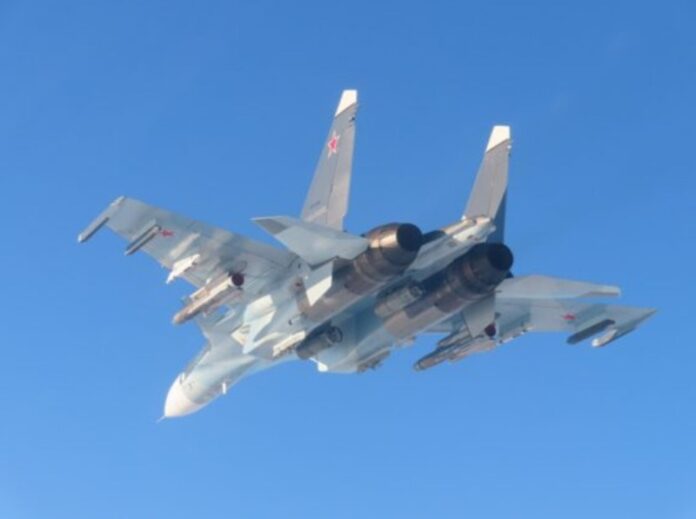
A Su-30SM2 fighter jet carried out an unusually armed show-of-force flight close to NATO-controlled airspace, signalling a potential shift in how Russia conducts aerial provocations along the alliance’s borders.

According to reporting by the Soniashnyk Telegram channel, the incident occurred in late January when Spanish EF-18M Hornet fighters deployed to the Baltic region under NATO’s Baltic Air Policing mission intercepted the Russian aircraft. The Su-30SM2 was observed carrying two Kh-31A anti-ship missiles and two RBK-500 cluster bombs.

An Unusual Weapons Loadout

What makes the encounter notable is not only the presence of live strike munitions, but also what was missing. The Russian jet was reportedly not equipped with any air-to-air missiles, which are normally essential for self-defence or air combat. This suggests the sortie was not intended for engagement with NATO aircraft, but rather as a demonstrative display of force.

Historically, Russian military aircraft conducting close approaches to NATO airspace have avoided carrying live weapons, particularly during escort or signalling missions. As recently as November, Russian Navy Su-30 fighters escorting a high-value Tu-134UBL training aircraft reportedly flew without any missiles at all, reflecting a long-standing effort to reduce escalation risks.

Psychological Signalling, Not Combat Readiness

The decision to fly with strike weapons but without air-to-air missiles points to a carefully calibrated message. Analysts assess that Moscow may be seeking to increase psychological pressure on NATO pilots and heighten the impact of aerial provocations, while still avoiding configurations that could plausibly lead to direct confrontation.

By excluding air-to-air missiles, Russia appears to be signalling restraint even as it escalates the symbolism of its actions. This approach reduces the risk of a rapid, uncontrollable escalation stemming from miscalculation in close aerial encounters.

Kh-31A: A Symbolic Anti-Ship Threat

The Kh-31A is a supersonic tactical missile designed to strike surface combatants ranging from patrol vessels to destroyer-class warships. With an engagement range of roughly 5 to 70 kilometres, it relies on high-speed penetration and a high-explosive warhead to disable or destroy its target.

In practical terms, launching such a missile against heavily defended NATO or U.S. naval vessels would be militarily unrealistic and potentially suicidal. In this context, its carriage during the flight was almost certainly symbolic rather than operational, intended to underline Russia’s anti-access and maritime strike credentials in the Baltic region.

RBK-500: Area-Effect Strike Capability

The RBK-500 is a 500-kilogram cluster munition designed to attack personnel, lightly armoured vehicles, and infrastructure over a wide area. After release, the bomb’s casing opens mid-air, dispersing dozens or even hundreds of submunitions depending on the variant.

RBK-500 variants include fragmentation, anti-tank shaped-charge, incendiary, and antipersonnel submunitions, including models fitted with PTAB-1M or SHOAB-0.5 bomblets. Its presence further reinforces the impression that the flight was meant to demonstrate strike capability, not air combat readiness.

Strategic Implications

The incident suggests a subtle but meaningful adjustment in Russian aerial behaviour near NATO borders. Rather than relying solely on proximity and aggressive manoeuvring, Moscow appears to be adding visible combat payloads to amplify deterrence messaging and political signalling.

At the same time, the continued absence of air-to-air weapons indicates that Russia is still deliberately managing escalation thresholds. The result is a posture that is more intimidating, yet still controlled—designed to unsettle, not to provoke an immediate military response.

Turkey and Saudi Arabia Move Closer to Joint Investment in KAAN Fifth-Generation Fighter

0
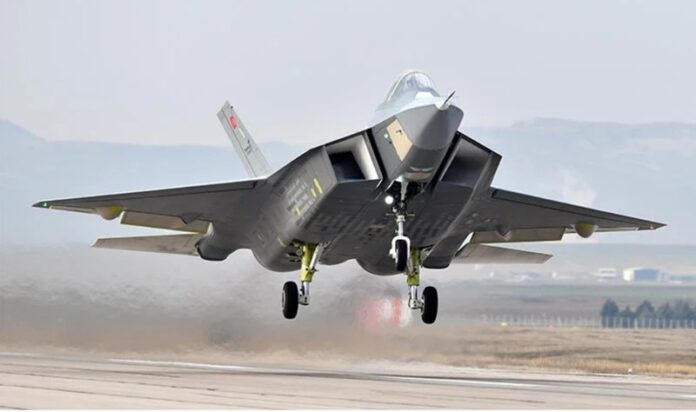
KAAN Fifth-Generation Fighter

Turkey and Saudi Arabia are moving closer to a landmark defence-industrial partnership centred on KAAN, Turkey’s fifth-generation fighter aircraft, signalling a deeper strategic convergence that goes far beyond conventional arms procurement.

President Recep Tayyip Erdoğan, speaking to journalists after recent official visits to Egypt and Saudi Arabia, described the emerging Turkish–Saudi defence alignment as both irreversible and strategically urgent. He confirmed that major defence cooperation agreements are being finalised and revealed that joint Saudi investment in the KAAN programme could materialise at any moment .

These remarks were reinforced by senior leadership at Turkish Aerospace Industries (TAI). General Manager Mehmet Demiroğlu stated that negotiations have reached “the final and highest level,” language typically used in defence diplomacy to indicate that political, financial, and technical hurdles have largely been resolved .

KAAN: A Strategic Platform, Not Just a Fighter Jet

Formerly known as TF-X, KAAN represents Turkey’s most ambitious defence-industrial undertaking. Designed as a twin-engine, all-weather stealth fighter, the aircraft is intended to replace ageing F-16s while also serving as a cornerstone of Turkey’s long-term airpower autonomy and export strategy.

KAAN incorporates low-observable design features, internal weapons bays, advanced sensor fusion, and artificial intelligence-assisted decision support systems. Initially powered by General Electric F110 engines, the programme also prioritises the development of an indigenous engine to reduce long-term dependence on foreign suppliers. Serial production is targeted for 2028, with additional prototypes entering flight testing in the near term .

Why Saudi Arabia Is Interested

For Saudi Arabia, KAAN aligns closely with Vision 2030, which emphasises domestic defence manufacturing, technology transfer, and sustainment autonomy. Riyadh is increasingly seeking alternatives to traditional Western suppliers amid concerns over political conditionality, operational restrictions, and long-term support vulnerabilities.

Saudi participation is reportedly being explored across several models, including direct acquisition, joint investment in KAAN’s development, and the establishment of local assembly or component manufacturing lines inside the Kingdom. Potential order quantities are understood to range from 20 to more than 100 aircraft—volumes that would justify advanced localisation and deeper technology transfer .

Strategic Gains for Ankara

For Ankara, Saudi investment offers critical financial relief for a capital-intensive programme, accelerates development timelines, and enhances KAAN’s credibility in the global arms market. Indonesia’s 2025 agreement to acquire 48 KAAN fighters under a US$10 billion framework has already demonstrated the viability of Turkey’s export-linked investment model, setting a precedent now being closely watched in Riyadh .

TAI’s decision to open a permanent office in Saudi Arabia further underscores Turkey’s intent to embed itself within the Kingdom’s defence-industrial ecosystem and pursue a long-term aerospace partnership rather than a one-off transaction.

Regional and Geopolitical Implications

A Turkish-Saudi KAAN partnership would have far-reaching implications for the Middle East’s airpower balance. For Saudi Arabia, KAAN’s stealth and deep-strike capabilities would complement existing Eurofighter Typhoon and F-15 fleets, strengthening deterrence against Iranian missile forces and proxy threats. For Turkey, it would reinforce its position as a leading non-Western supplier of advanced combat aircraft.

More broadly, such a partnership would signal a shift toward multipolar defence procurement, challenging long-standing supplier monopolies and illustrating how middle powers are increasingly co-producing advanced systems outside traditional alliance frameworks.

While challenges remain—particularly around engine development, technology transfer sensitivities, and exposure to potential sanctions regimes—the strategic logic underpinning the KAAN-Saudi partnership appears increasingly compelling.

As Erdoğan noted, international feedback on KAAN has been “very positive,” reflecting growing confidence that the programme could emerge as a defining symbol of next-generation airpower shaped by middle powers on their own terms .

Azerbaijan Unveils Indigenous Strike and FPV Drones as Military UAV Program Matures

0
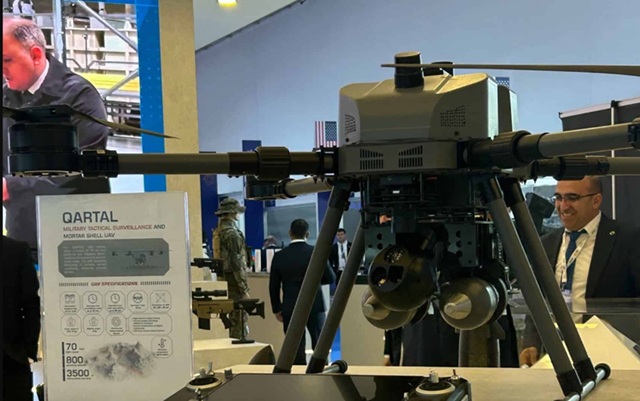
QARTAL bomber drone at the World Defense Show.

From a defence-industrial perspective, the latest presentations by Azerbaijani firms Azshield Defense and RD Smart point to a clear shift from adaptation-based solutions toward purpose-built, serial unmanned combat systems.

Maturation of Indigenous UAV Capability

The showcased portfolio spans bomber drones, reconnaissance platforms, FPV strike systems, and high-speed interceptors—suggesting a deliberate effort to cover multiple tactical niches rather than relying on a single class of UAV. This breadth is notable for a domestic industry that only recently relied on modified commercial platforms.

The QARTAL bomber drone represents the upper end of RD Smart’s tactical UAV lineup. Its ability to carry multiple munitions, operate in harsh temperature conditions, and integrate day/thermal optoelectronic payloads indicates an emphasis on reliability and repeatable battlefield use rather than one-off experimentation. While its combat radius and speed remain modest, these parameters are consistent with short-range strike and support roles close to the forward edge of the battlefield.

The reconnaissance variant, QARTAL-M, reflects a more pronounced focus on intelligence, surveillance, and reconnaissance (ISR). Increased range, extended endurance, higher operating altitude, and significantly improved optical zoom suggest an effort to provide commanders with persistent situational awareness beyond immediate tactical depth. This aligns with contemporary lessons from recent conflicts, where ISR drones have proven at least as decisive as strike platforms.

Emphasis on FPV and Light Strike Drones

RD Smart’s lighter systems, including QUZGHUN, QUZGHUN-Z, and QIRGHI-S, indicate that Azerbaijan is fully incorporating the FPV and loitering-strike paradigm that has reshaped modern ground combat. The use of C4-based warheads, moderate ranges, and relatively high speeds reflects a design philosophy optimized for cost-effective attrition, precision strikes against soft and semi-hardened targets, and rapid deployment in contested environments.

Notably, the diversity of warhead options suggests flexibility rather than platform specialization, allowing the same airframe to be adapted for different mission profiles with minimal logistical burden.

Interceptors and Counter-UAS Thinking

Azshield Defense’s presentation of FPV interceptor drones, particularly the BARS series, signals awareness of the growing counter-UAS challenge. High speeds, high-altitude operating envelopes, and lightweight combat units point toward a role focused on engaging enemy drones rather than ground targets. This is a relatively recent development in UAV doctrine and reflects a more sophisticated understanding of drone-on-drone warfare.

The Batur family further underscores this trend, with multiple frame sizes, scalable warhead weights, and the option of fiber-optic control—an increasingly relevant feature in environments saturated with electronic warfare.

From Improvisation to Serial Production

The contrast with earlier experimentation is instructive. In 2024, Azerbaijani forces were still adapting commercial Chinese platforms such as Splash Drone systems to deliver mortar munitions. While effective as stopgap measures, such solutions typically suffer from limited durability, integration challenges, and inconsistent performance.

The current lineup demonstrates a transition toward factory-produced systems designed from the outset for military use. This suggests improvements not only in airframe and payload integration, but also in training, logistics, maintenance, and doctrinal employment.

Strategic Implications

Taken together, these developments indicate that Azerbaijan is moving beyond experimental UAV use toward a layered unmanned capability integrated into regular force structures. While none of the presented systems individually represent a technological breakthrough, their cumulative effect lies in scalability, standardisation, and doctrinal coherence—factors that increasingly define effectiveness in modern drone warfare.

If production volumes and operational integration follow, Azerbaijan would be positioning itself not merely as a UAV user, but as a sustained producer of tactically relevant unmanned systems.

UK Plans Dedicated Command Centre to Track Russia’s Shadow Fleet

0
Germa ship is towing a drifting Russian oil tanker

From a defence and security perspective, the United Kingdom initiative reflects a measured shift toward persistent maritime enforcement rather than episodic interdiction. Reporting by The Sunday Times suggests London is seeking to institutionalise its response to Russia’s shadow fleet by creating a standing command structure with intelligence, surveillance, and limited enforcement functions.

Placing the headquarters at HMS Calliope in Gateshead—currently a reserve facility—signals intent without immediate escalation. Converting an existing site into a permanent operational base reduces political visibility while enabling continuity of monitoring. The focus on remotely operated maritime platforms aligns with wider Royal Navy trends toward unmanned systems for routine presence, data collection, and risk reduction.

Operationally, unmanned surface vessels patrolling the North Sea and the English Channel would prioritise attribution rather than confrontation. The shadow fleet’s core advantage lies in ambiguity: frequent changes of name, flag, ownership structure, and routing. Persistent surveillance allows authorities to correlate movements, document patterns, and build evidentiary chains that can support legal action later, including port state control measures or sanctions enforcement when vessels enter cooperative jurisdictions.

The approach also reflects a recognition of constraints. Intercepting or seizing tankers at sea carries legal, diplomatic, and environmental risks. Continuous tracking, by contrast, supports a strategy of selective enforcement—acting only when conditions are favourable and legal authorities are clear. In this sense, the command centre would function less as a tactical hub and more as an intelligence-fusion node for maritime sanctions compliance.

Cost remains a central issue. Detaining large tankers and managing their cargoes over extended periods can quickly outweigh the immediate enforcement benefits. The reported consideration by the team of Defence Secretary John Healey of selling seized oil to offset detention costs suggests an effort to make enforcement financially sustainable. If implemented, this would mark a pragmatic, if legally complex, evolution in sanctions practice.

Strategically, the UK move complements broader European efforts to tighten oversight of Russian-linked shipping, particularly in the Baltic Sea. Rather than signalling a dramatic escalation, the proposed command centre points to a longer-term contest over visibility, legality, and endurance—using surveillance, documentation, and economic pressure to gradually narrow the operating space available to Russia’s shadow fleet.

Uncrewed Systems Reshape Middle Eastern Airpower as ISR and Survivability Take Priority

0

Recent conflicts have clarified a reality now shaping defence planning worldwide: uncrewed aerial systems (UAS) have become central to modern warfare. The shift is not limited to tactical employment; it increasingly influences strategy, force structure, and deterrence.

The 2024 Israel–Iran conflict, the first sustained state-on-state drone confrontation in the Middle East, underscored the value of persistent intelligence, surveillance, and reconnaissance (ISR) and precision targeting. Iran relied heavily on large volumes of uncrewed systems and cruise missiles to threaten critical infrastructure, while Israel countered through layered air and missile defences supported by long-range strike and advanced ISR platforms.

The episode reinforced a broader lesson: airpower effectiveness now depends as much on survivable sensing and integration as on kinetic reach.

Regional Demand for Persistent ISR and Maritime Awareness

For Gulf states such as Saudi Arabia, the UAE, and Qatar, the requirement for persistent ISR has become structural rather than episodic. Border surveillance, maritime domain awareness, and the ability to sustain deterrence over extended periods increasingly drive procurement priorities.

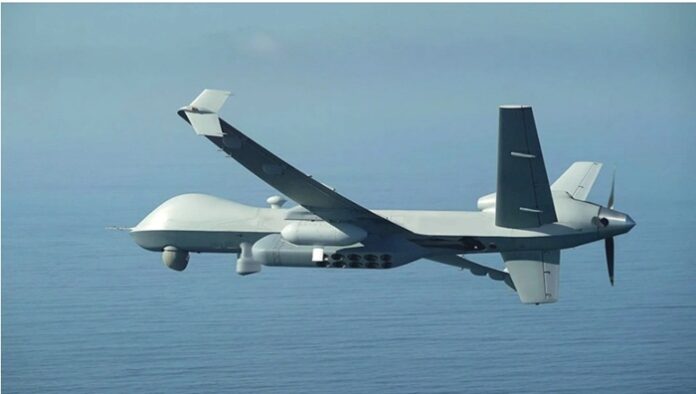
Within this context, the MQ-9B SkyGuardian and SeaGuardian, produced by General Atomics Aeronautical Systems (GA-ASI), are positioned as long-endurance ISR platforms designed to operate within coalition frameworks. Their emphasis lies in persistence, sensor coverage, and standoff targeting rather than penetration of heavily defended airspace.

The SeaGuardian variant, in particular, addresses maritime security requirements such as exclusive economic zone (EEZ) monitoring, anti-piracy missions, and naval interoperability, supported by wide-area maritime radar coverage.

Contested Airspace and the Limits of ISR-Only Platforms

At the same time, Middle Eastern airspace is becoming increasingly contested. Integrated air-defence systems, electronic warfare, and counter-UAS measures limit the freedom of operation for slow, non-stealthy platforms.

This environment has driven interest in semi-autonomous, survivable uncrewed systems that can complement ISR-focused aircraft rather than replace them. The objective is not persistence alone, but force multiplication under threat.

The Gambit Series and Collaborative Combat Concepts

GA-ASI’s Gambit Series reflects this shift toward collaborative combat operations, where uncrewed platforms extend the reach, survivability, and flexibility of crewed and uncrewed air assets.

Built around a common core architecture, Gambit variants share major components—including avionics, landing gear, and structural elements—intended to reduce cost and accelerate production. Modularity allows configuration for different mission sets without duplicating entire platforms.

Gambit Variants (as outlined by GA-ASI)

  • Gambit 1:
    Long-endurance ISR, optimised for extended patrols and early warning in contested environments.
  • Gambit 2:
    Air-to-air focused configuration prioritising combat performance over endurance.
  • Gambit 3:
    Adversary air platform for training against advanced air defences and fifth-generation threats.
  • Gambit 4:
    Stealth-oriented reconnaissance variant with tailless design for high-risk missions.
  • Gambit 5:
    Carrier-capable version extending the concept to naval aviation environments.
  • Gambit 6:
    Expanded air-to-ground roles, including electronic warfare, suppression of enemy air defences, and deep strike.

Rather than serving as standalone solutions, these platforms are presented as enablers—designed to operate alongside ISR assets, crewed aircraft, and allied command-and-control networks.

Complementary Roles, Not Substitutes

In operational terms, the MQ-9B family and the Gambit Series address different layers of the battlespace. MQ-9B provides endurance, wide-area sensing, and standoff precision effects. Gambit-type systems, by contrast, are oriented toward survivability and mission execution in higher-threat environments.

Together, they reflect an approach in which coverage, survivability, and scalability are balanced rather than optimised in isolation.

Adoption Signals and Export Context

MQ-9B has already attracted interest beyond the Middle East, with customers including Japan, Canada, Poland, India, and Germany. In 2025, Qatar announced its intent to acquire eight MQ-9B aircraft, signalling regional confidence in the platform’s ISR and maritime roles.

These adoption patterns suggest that demand is driven less by novelty and more by interoperability, certification, and sustainment confidence—factors that increasingly shape UAS procurement decisions.

Assessment

The growing prominence of UAS in the Middle East reflects a broader shift in airpower thinking. Persistence without survivability is no longer sufficient, while high-end systems without scalable ISR struggle to deliver strategic effect.

GA-ASI’s MQ-9B and Gambit concepts illustrate how industry is responding to this balance—pairing endurance with collaboration, and ISR with contested-environment capability. Whether such approaches deliver lasting advantage will depend less on individual platforms than on how effectively they are integrated into national doctrine, coalition structures, and evolving threat environments.

U.S. Accuses China of Yield-Producing Nuclear Tests Amid Arms Control Breakdown

0

The United States has accused China of conducting at least one yield-producing nuclear test in recent years, despite Beijing’s declared moratorium on such activity. The allegation was disclosed by senior U.S. officials during the Conference on Disarmament in Geneva, underscoring growing strain in global nuclear arms control frameworks.

Speaking at the conference, U.S. Under Secretary of State for Arms Control and International Security Thomas DiNanno stated that China’s People’s Liberation Army (PLA) had conducted nuclear explosive tests, including preparations for tests with yields in the hundreds of tons range. The remarks come amid heightened concern over China’s rapid nuclear modernisation and the erosion of long-standing arms control arrangements.

“The PLA sought to conceal testing by obfuscating the nuclear explosions because it recognized these tests violate test ban commitments,” DiNanno said.

Allegations of Concealment and Decoupling Techniques

According to DiNanno, China employed decoupling techniques—methods intended to reduce seismic signatures and evade international monitoring systems—to obscure nuclear testing activity. He cited 22 June 2020 as the date of one such alleged yield-producing test.

China is a signatory to the Comprehensive Nuclear-Test-Ban Treaty (CTBT) but has not ratified it. Both Washington and Beijing maintain self-imposed moratoriums on yield-producing nuclear tests. China’s last publicly acknowledged nuclear test occurred in 1996, while the United States last conducted such testing in 1992.

CTBTO Technical Response

Following the U.S. claims, Comprehensive Nuclear-Test-Ban Treaty Organization (CTBTO) Executive Secretary Robert Floyd issued a clarification regarding monitoring data.

Floyd stated that the CTBTO’s International Monitoring System (IMS)—a global network of hundreds of seismic stations—is capable of detecting nuclear test explosions with yields of approximately 500 tonnes of TNT or greater. He added that on 22 June 2020, the IMS did not detect any event consistent with a nuclear weapon test explosion.

While Floyd noted that mechanisms exist within the treaty framework to investigate smaller events, he emphasized that these tools can only be fully utilized once the CTBT enters into force.

Broader Context: China’s Nuclear Expansion

The allegations intersect with U.S. assessments of China’s expanding nuclear arsenal. According to U.S. intelligence estimates, China currently fields approximately 600 nuclear warheads, with projections of 1,000 by 2030 and 1,500 by 2035.

This buildup includes:

  • Construction of large ICBM silo fields
  • Development of nuclear-capable hypersonic glide vehicles
  • Deployment of advanced delivery systems publicly displayed during China’s September 2025 military parade, including the DF-61 ICBM, JL-1 air-launched ballistic missile, and JL-3 submarine-launched ballistic missile

U.S. officials describe this as the most significant nuclear expansion by any power in decades, challenging the traditional U.S.–Russia-centric arms control paradigm.

Arms Control Vacuum After New START

The allegations arrive at a moment of structural uncertainty in nuclear arms control. The New START Treaty between the United States and Russia expired on 5 February 2026, leaving no legally binding limits on strategic nuclear forces.

DiNanno argued that bilateral frameworks are no longer sufficient, noting that New START’s parameters “are no longer relevant” in an environment where a third nuclear power is expanding its arsenal rapidly.

The Trump administration has repeatedly advocated for trilateral arms control negotiations involving the United States, Russia, and China. Beijing has consistently rejected such proposals, citing the disparity between its arsenal and the much larger U.S. and Russian stockpiles—estimated at roughly 4,000 warheads each, according to the Federation of American Scientists.

Prior U.S. Concerns and Chinese Response

U.S. concerns about Chinese nuclear testing are not new. The State Department’s June 2020 arms control compliance report cited activity at China’s Lop Nur nuclear test site, including year-round readiness, containment chambers, excavation work, and intermittent data disruptions affecting monitoring stations.

However, more recent U.S. government reports—including the State Department’s April 2025 compliance report and the Pentagon’s December 2025 China military power report—did not raise the issue of nuclear testing.

Responding to DiNanno’s remarks, China’s Deputy Permanent Representative in Geneva, Shen Jian, rejected the allegations, accusing Washington of exaggerating a “China nuclear threat” and asserting that the United States was itself driving arms race dynamics.

U.S. Nuclear Testing Policy Debate

The controversy also intersects with domestic U.S. debate over nuclear testing. In November 2025, President Donald Trump stated that the United States might resume nuclear testing “on an equal basis” with China and Russia, though subsequent statements by Energy Secretary Chris Wright suggested no imminent return to yield-producing tests.

DiNanno acknowledged uncertainty surrounding the administration’s position but emphasized U.S. intent to “restore responsible behavior” in nuclear testing. Experts note that resuming U.S. nuclear testing would require extensive preparation, including reactivating infrastructure at the Nevada Test Site—a process likely to take years.

Strategic Implications

If substantiated, the allegations carry several implications:

  • Verification limits: Alleged low-yield testing highlights potential gaps in current monitoring regimes.
  • Deterrence balance: Uneven adherence to moratoriums could affect confidence in stockpile reliability.
  • Alliance reassurance: U.S. allies dependent on extended deterrence will closely track credibility implications.
  • Arms race dynamics: Absent binding agreements, unconstrained expansion among major powers becomes more likely.

At present, the U.S. government has not released classified evidence supporting the claims, and further detail may emerge through congressional briefings or intelligence assessments.

Assessment

The U.S. accusations mark a notable escalation in nuclear-related rhetoric between Washington and Beijing at a time when formal arms control mechanisms are eroding. Whether the claims prompt policy shifts, renewed diplomatic engagement, or further strategic competition remains uncertain.

What is clear is that the episode underscores the growing difficulty of managing nuclear risk in a multipolar environment—where verification, transparency, and restraint are increasingly contested rather than assumed.

Pakistan Unveils SMASH Dual-Role Hypersonic Missile at World Defence Show 2026

0
SMASH Anti-Ship Ballistic Missile

Global Industrial & Defence Solutions (GIDS) has unveiled the SMASH hypersonic anti-ship ballistic missile at the World Defence Show 2026 in Riyadh, presenting the system as a dual-role weapon intended for both maritime strike and land-attack missions.

The introduction comes amid growing regional interest in long-range precision strike systems capable of operating in contested environments and complicating modern air and missile defence architectures.

Context: Demand for Long-Range Precision and Sea Denial

Displayed alongside a widening range of extended-range strike solutions, SMASH is being positioned for customers prioritising coastal defence, sea denial, and the ability to hold high-value infrastructure at risk from standoff distances. GIDS emphasises performance characteristics such as high terminal speed, guidance continuity until impact, and a steep terminal attack profile—features commonly cited as contributing to survivability against layered defences.

Anti-Ship Configuration: Published Capabilities

In its maritime strike configuration, SMASH is credited with a range of 290 kilometres and a 384-kilogram unitary blast/blast-fragmentation warhead. Guidance is described as HDGNS-assisted inertial navigation combined with an active radar seeker, while propulsion is provided by a single-stage, dual-thrust solid rocket motor.

GIDS states a circular error probable (CEP) of 10 metres or less, with terminal velocity presented as greater than Mach 2. Operationally, the pairing of inertial navigation with an organic seeker suggests a flight profile in which mid-course stability is maintained with limited external dependence, followed by terminal acquisition designed to support target discrimination in cluttered maritime environments, including against manoeuvring vessels or near shorelines.

Land-Attack Variant: Heavier Payload, Common Architecture

For land-attack missions, GIDS outlines a parallel configuration retaining the same 290-kilometre range, but with an increased 444-kilogram unitary blast/blast-fragmentation warhead. Guidance remains based on HDGNS-assisted inertial navigation, without reference to the active radar seeker cited for the anti-ship role.

The land-attack variant is associated with a stated CEP of 15 metres or less, while terminal speed again exceeds Mach 2. The heavier payload points toward optimisation against fixed or semi-hardened targets, where blast effects outweigh target manoeuvre considerations. Retaining a common propulsion system across variants reduces complexity in training, storage, and lifecycle support.

Design Philosophy: One Missile Family, Multiple Effects

GIDS places emphasis on a shared propulsion and core architecture underpinning both maritime and land-attack roles. Such an approach allows operators to diversify effects without multiplying logistics chains, an argument that resonates with forces seeking depth of fire under fiscal constraints.

The company’s focus on steep terminal geometry and high end-game performance is likely intended to be read in the context of layered air and missile defences, where complicating interception geometry can be as consequential as raw velocity.

Strategic Signalling and Export Positioning

The Riyadh display underscores Pakistan’s intent to present indigenous missile developments to an international audience and to position SMASH within a competitive market for long-range precision strike systems. Across the Middle East and beyond, procurement discussions increasingly centre on mobility, dispersed launch concepts, and deterrence credibility derived from the ability to threaten naval formations or critical land assets.

Within that framing, SMASH is presented as a modular system built around common components, adaptable payloads, and mission profiles aligned with contemporary expectations of reach and accuracy.

Assessment

The unveiling of SMASH does not constitute an operational declaration or confirmed procurement outcome. Rather, it represents a measured positioning effort by Pakistan’s defence industry within a market that is steadily shifting toward long-range, precision-guided systems designed for contested environments.

Whether SMASH translates into export success will depend on factors extending beyond headline performance, including integration pathways, doctrine fit, sustainment, and customer confidence in long-term support.

Vietnam’s Rafale Talks Signal a Gradual Shift Away from Russian Arms Dependence

0
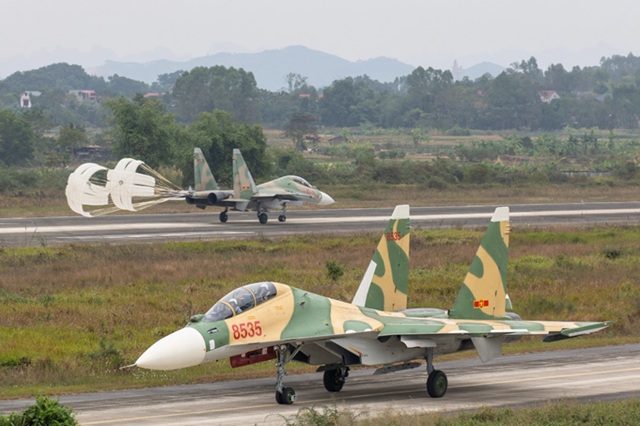
Su-30MK2 fighter of the Vietnam Air Force

For decades, Vietnam has been one of Russia’s largest and most reliable arms markets in Asia, particularly in combat aviation. The Vietnam People’s Air Force (VPAF) remains almost entirely equipped with Soviet- and Russian-origin aircraft, reflecting Cold War-era procurement patterns that persisted well into the post-Soviet period.

At present, Vietnam’s combat aircraft inventory consists exclusively of Russian-designed platforms, including Su-22, Su-27, Su-30MK2, and Yak-130 aircraft. This reliance is mirrored across other branches of the armed forces, where Soviet- and Russian-made systems continue to dominate.

However, emerging indications that Vietnam and France have made progress in negotiations over the potential supply of Dassault Rafale fighter jets suggest a shift that is incremental in execution but structural in intent.

A Russian-Centric Legacy in Vietnamese Airpower

Vietnam’s current air force inventory includes:

  • 16 Su-22M4 strike aircraft
  • 9 Su-22UM3K trainer variants
  • 5 Su-27SK fighters
  • 5 Su-27UBK trainers
  • 35 Su-30MK2 multirole fighters
  • 12 Yak-130 advanced jet trainers

This composition underscores the depth of Vietnam’s historical dependence on Russian aviation supply chains, training pipelines, and munitions stocks.

Early Signals of Diversification

As early as 2022, Hanoi publicly stated its intention to diversify defence procurement to reduce reliance on Russia. In practice, steps in this direction began even earlier, reflecting both operational concerns and shifting geopolitical calculations.

Reports of Vietnam’s interest in Rafale fighters surfaced in 2024, building on a 2013 bilateral defence cooperation agreement between Vietnam and France. The current state of talks suggests these discussions have moved beyond exploratory dialogue, though no formal decision has been announced.

Diversification Beyond Combat Aviation

Vietnam’s move away from additional Russian procurement is not limited to aircraft. Instead of ordering more T-90S tanks from Russia, Hanoi opted to modernise its legacy T-54 and T-55 fleets with Israeli involvement, signalling a willingness to integrate non-Russian subsystems into core force structures.

Similarly, Vietnam’s decision to procure K9 Thunder 155-mm self-propelled howitzers from South Korea reflects a broader shift toward systems compatible with Western and NATO-adjacent standards.

The U.S. Dimension and Its Limits

The United States lifted its arms embargo on Vietnam in 2016, opening the door to limited defence trade. Since then, Hanoi has purchased approximately USD 400 million worth of U.S.-made equipment, primarily coast guard vessels and training aircraft, and has explored the possible acquisition of C-130J transport aircraft.

Vietnam has also held discussions with Washington regarding F-16 fighters, but no tangible progress has been observed. Budgetary constraints—Vietnam’s annual defence spending is estimated at around USD 10 billion—make the simultaneous acquisition of multiple Western fighter types financially unrealistic.

Rafale: Capability Versus Cost and Time

A transition from Russian to Western combat aircraft would impose significant structural costs. Rafale induction would require:

  • Comprehensive upgrades to airbase infrastructure
  • Establishment of entirely new munitions stockpiles
  • New maintenance, training, and logistics ecosystems

Existing Russian-origin weapons would be incompatible with French aircraft, making the transition both costly and time-intensive.

Compounding this challenge is the fact that Rafale production slots are currently in high demand, with a substantial backlog in France. Even if Vietnam were to place an order in the near term, initial aircraft deliveries before the end of the decade would be unlikely.

Strategic Meaning of the Shift

Despite these constraints, the broader direction is clear. Vietnam is not executing a rapid pivot away from Russian arms, but it is deliberately widening its procurement options, reducing long-term dependency, and aligning selected capabilities with Western standards.

Given the scale of legacy Russian equipment still in service, this transition will inevitably span many years. Nevertheless, the trajectory itself carries strategic weight.

Implications for Russia and the Global Arms Market

Vietnam has long been considered a cornerstone Russian defence customer in Southeast Asia. Its gradual reorientation—however cautious—signals more than a single fighter competition outcome.

What is unfolding represents:

  • The erosion of a traditionally loyal Russian arms market
  • A recalibration of defence partnerships in Southeast Asia
  • And a broader realignment within the global arms trade

While incremental in pace, Vietnam’s procurement choices increasingly point toward a tectonic shift in how middle powers balance autonomy, interoperability, and strategic hedging in a changing security environment.
Raytheon Signs Long-Term U.S. Defense Agreements to Boost Tomahawk, AMRAAM and Standard Missile Production

0
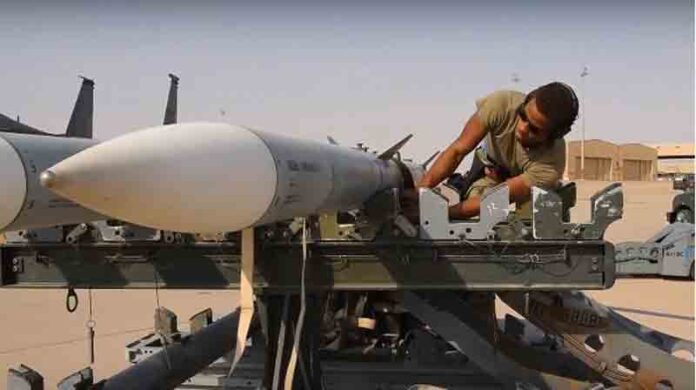
AIM-120C-8 Advanced Medium-Range Air-to-Air Missiles

Raytheon has signed five major long-term framework agreements with the United States Department of Defense aimed at significantly expanding production capacity for critical missile systems, reflecting sustained U.S. and allied demand for precision-guided munitions.

The agreements, structured to run for up to seven years, focus on increasing annual output and accelerating delivery timelines for several high-demand systems, including Tomahawk cruise missiles, AMRAAM air-to-air missiles, and multiple variants of the Standard Missile (SM) family.

Missiles Covered Under the Agreements

According to Raytheon, the framework agreements encompass:

  • Tomahawk Land Attack and Maritime Strike missiles
  • AIM-120 AMRAAM air-to-air missiles
  • SM-3 Block IB ballistic missile defense interceptors
  • SM-3 Block IIA interceptors
  • SM-6 multi-mission missiles

These systems form the backbone of U.S. and allied strike, air-defence, and missile-defence architectures across multiple theatres.

Production Targets Signal Sustained High Demand

Raytheon stated that the agreements will enable it to scale production to levels not previously sustained in peacetime. Planned output includes:

  • More than 1,000 Tomahawk missiles per year
  • At least 1,900 AMRAAM missiles annually
  • More than 500 SM-6 missiles per year

The company also plans to increase production of the SM-3 Block IIA while accelerating output of the SM-3 Block IB, both central to U.S. and allied ballistic missile defence missions.

RTX indicated that many of these munitions will see production growth of two to four times current rates, underscoring the structural shift underway in the U.S. defence industrial base.

Industrial Strategy, Not a Short-Term Surge

RTX Chief Executive Chris Calio described the agreements as a departure from traditional procurement cycles, emphasising long-term predictability over episodic surge contracts.

“These agreements redefine how government and industry can partner to speed the delivery of critical technologies,” Calio said, linking the framework directly to the administration’s Acquisition Transformation Strategy.

For industry, such multi-year commitments reduce uncertainty, justify capital investment, and allow workforce expansion without the risk of abrupt post-crisis contraction.

Where the Production Will Take Place

Manufacturing and integration work will be distributed across multiple Raytheon facilities, including:

  • Tucson, Arizona
  • Huntsville, Alabama
  • Andover, Massachusetts

RTX noted that it has already invested heavily in expanding plant capacity and will continue funding facility upgrades, workforce growth, and production automation to sustain what it described as a historically high output rate.

Strategic Context: Munitions as a Bottleneck

The agreements reflect a broader reassessment within the U.S. defence establishment following recent conflicts and rising global tensions. High-end missile stocks—particularly cruise missiles, air-to-air interceptors, and ballistic missile defence assets—have emerged as a critical constraint rather than a marginal issue.

Tomahawk and SM-6 missiles are central to naval strike and air-defence operations, while AMRAAM remains the primary beyond-visual-range air-to-air missile for the U.S. and many allied air forces. SM-3 interceptors underpin missile defence architectures in both the U.S. and allied systems such as Japan’s Aegis fleet.

Implications for Allies and Deterrence Planning

Although the agreements are U.S.-centric, their effects extend beyond the United States. Many allied forces rely on the same missile families, and expanded production capacity improves delivery timelines, stockpile resilience, and operational planning certainty.

From a deterrence perspective, predictable and scalable munitions output reduces the risk that missile inventories become a limiting factor during prolonged crises or high-intensity conflict.

A Structural Shift in Defense Production

Rather than responding to a single contingency, the Raytheon agreements point to a long-term reconfiguration of U.S. weapons production, treating missile manufacturing as an enduring industrial function rather than a surge activity.

The scale and duration of the contracts suggest that Washington is planning for sustained competition, where production capacity itself becomes a strategic asset alongside platforms and personnel.

UK to Sell Royal Navy Survey Ship HMS Enterprise to Bangladesh

0
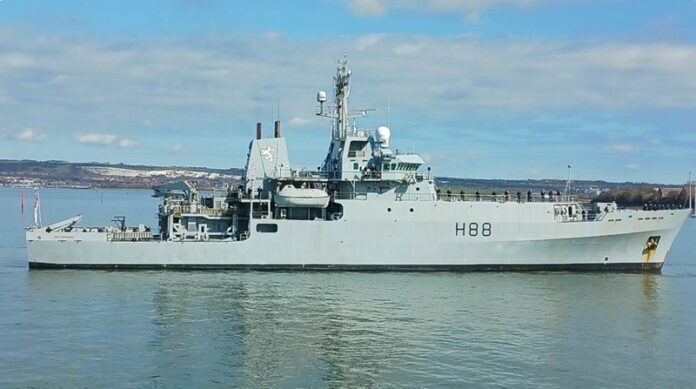
HMS Enterprise. Photo from open sources

The United Kingdom will sell the Royal Navy hydrographic and oceanographic survey vessel HMS Enterprise to Bangladesh, in a move aimed at strengthening Bangladesh’s maritime security, research capacity, and disaster-response capabilities.

The deal was first reported by UK Defence Journal and was formally concluded at Bangladesh Navy headquarters in Dhaka, following extensive technical consultations involving the Bangladesh Navy, the UK Ministry of Defence, and the Royal Navy.

Strategic and Institutional Framing of the Sale

According to the British High Commission in Dhaka, the transfer of HMS Enterprise is intended to support Bangladesh’s maritime security while contributing to broader regional stability. UK officials have also framed the sale within London’s support for a “free and open Indo-Pacific”, signalling that the transaction carries both operational and strategic dimensions.

From Dhaka’s perspective, the acquisition represents a targeted capability enhancement rather than a combat-oriented procurement, aligning with Bangladesh’s long-term focus on maritime domain awareness and non-traditional security roles.

A Capability Focused on Hydrography and Research

HMS Enterprise is expected to significantly expand Bangladesh’s capacity in hydrographic and oceanographic research, enabling more detailed mapping of seabed terrain, improved nautical charting, and better understanding of maritime environmental conditions.

British officials indicated that the vessel will also be used for scientific research, creating new avenues for cooperation with Bangladeshi universities and research institutions. This dual-use profile reflects a growing emphasis on civil-military integration in maritime governance.

Disaster Response and Humanitarian Utility

Beyond its scientific role, the ship’s design makes it well-suited for humanitarian assistance and disaster response (HADR) missions. With advanced communications and command-and-control systems, HMS Enterprise has previously functioned as a coordination hub during overseas deployments.

UK statements emphasised that the vessel’s transfer will enhance Bangladesh’s ability to support disaster response operations, particularly in a region highly vulnerable to cyclones, flooding, and climate-driven maritime risks.

Part of a Broader UK–Bangladesh Defence Relationship

The sale fits within a longer pattern of defence cooperation between London and Dhaka. Bangladesh has previously acquired decommissioned C-130J Super Hercules aircraft from the UK, reflecting a preference for cost-effective procurement of proven Western platforms.

In addition, Bangladesh signalled in 2021 its interest in purchasing up to five decommissioned Royal Navy vessels, indicating that the acquisition of HMS Enterprise may represent the first step in a wider naval modernisation pathway.

HMS Enterprise: Design and Operational History

Commissioned in 2003, HMS Enterprise (H88) belongs to the Echo-class of Royal Navy survey ships and was designed specifically for hydrographic and oceanographic missions.

Its primary systems include:

  • Multibeam echo sounders
  • Side-scan sonar
  • Advanced oceanographic sensors

Data collected by the ship supports the production of nautical charts, enhances navigational safety, and contributes to military planning, including amphibious and maritime operations.

Operational Track Record

Although unarmed, HMS Enterprise has supported a wide range of missions beyond scientific research. The vessel has deployed with the Royal Navy in the Persian Gulf, Mediterranean, and Caribbean, and has been used in both military support roles and humanitarian operations.

Its lack of onboard weapons underscores its classification as a non-combatant, enabling platform, reinforcing the narrative that its transfer to Bangladesh is focused on capacity-building rather than force projection.

Quiet but Meaningful Signal

While modest in scale, the transfer of HMS Enterprise carries a measured strategic signal. For the UK, it reinforces engagement with South Asian maritime partners under an Indo-Pacific framework. For Bangladesh, it strengthens sovereign maritime capabilities in areas increasingly critical to economic security, environmental management, and disaster resilience.

The transaction reflects a form of defence cooperation where capability, governance, and stability take precedence over combat power—an approach consistent with Bangladesh’s evolving naval doctrine.

Saudi Arabia Signals Plan to Buy Up to 48 F-35 Jets at World Defense Show 2026

0

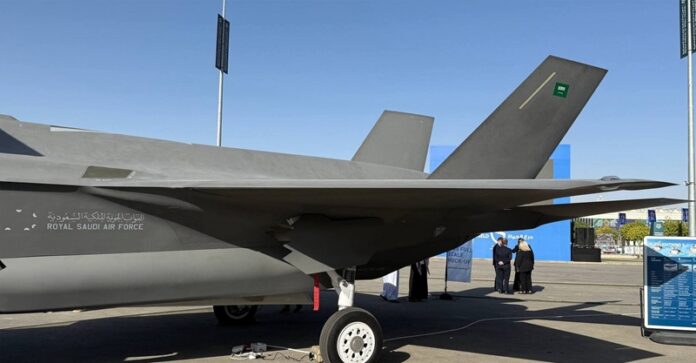
A mock-up of the F-35 Lightning II bearing the Saudi flag has been prominently showcased at the World Defense Show 2026 in Riyadh, reinforcing strong indications that Saudi Arabia is actively pursuing the acquisition of up to 48 F-35 fifth-generation fighter jets.

The display, combined with demonstration flyovers of F-35 aircraft marked with Saudi national insignia, marks the most visible public signal to date of Riyadh’s long-rumoured ambition to join the small group of states operating the world’s most advanced stealth fighter.

High-Profile Signal at World Defense Show 2026

The World Defense Show, hosted in the Saudi capital, has become a central platform for the Kingdom to project its defence ambitions under Vision 2030. The appearance of an F-35 mock-up carrying Saudi markings was widely interpreted by defence analysts as a strategic message rather than a marketing coincidence.

Mock-ups of sensitive platforms such as the F-35 are rarely displayed without political clearance, particularly given the aircraft’s strict export controls and the United States’ oversight of all foreign sales.

Planned Acquisition: Up to 48 F-35s

According to defence industry sources, Saudi Arabia is planning to acquire up to 48 F-35 fighter jets, a fleet size sufficient to equip two full squadrons and establish a credible fifth-generation air combat capability.

If approved, the deal would represent one of the most significant shifts in Gulf airpower in decades, elevating the Royal Saudi Air Force into the same technological tier as Israel and select NATO allies.

Demo Flyovers Reinforce Strategic Messaging

In parallel with the static display, demo flyovers featuring F-35s painted with Saudi flags were conducted during the event, further amplifying speculation that negotiations have moved beyond conceptual discussions.

Such flyovers are carefully choreographed political signals, typically used to:

  • Normalise the idea of future ownership
  • Build domestic and regional acceptance
  • Demonstrate alignment with supplier nations

Defence observers note that this approach mirrors earlier pathways taken by countries that eventually secured F-35 approvals.

Political and Strategic Context Behind the F-35 Push

Saudi interest in the F-35 Lightning II must be understood within a broader regional and geopolitical context.

Riyadh is seeking to:

  • Maintain airpower parity with Israel, which already operates F-35s
  • Counter Iran’s expanding missile, UAV, and air-defence networks
  • Reduce reliance on ageing fourth-generation platforms
  • Anchor long-term defence ties with the United States

The acquisition would also align with Saudi Arabia’s push to modernise its armed forces while localising defence industries through offsets, maintenance hubs, and training infrastructure.

The Israel Factor and U.S. Approval Process

Any Saudi F-35 deal would require explicit approval from the United States, with particular attention to Israel’s Qualitative Military Edge (QME)—a long-standing U.S. policy ensuring Israel maintains regional military superiority.

While this has historically constrained advanced arms sales to Arab states, shifting regional dynamics, Saudi-Israeli de-escalation signals, and evolving U.S. strategic priorities have reopened discussions that were previously considered politically impossible.

Analysts suggest that any approval would likely involve:

  • Configuration limitations
  • Phased deliveries
  • Enhanced Israeli capabilities in parallel

Transformational Impact on Gulf Airpower

If realised, a Saudi F-35 fleet would fundamentally reshape Gulf airpower dynamics. The stealth, sensor fusion, and network-centric warfare capabilities of the F-35 would allow Saudi Arabia to conduct:

  • Deep-strike missions
  • Advanced air-defence suppression
  • Intelligence, surveillance, and reconnaissance at scale

This would significantly complicate adversary planning and strengthen deterrence across the Arabian Peninsula.

Still No Official Confirmation — But Signals Are Strong

Neither Riyadh nor Washington has formally confirmed an F-35 sale. However, the combination of:

  • A Saudi-marked F-35 mock-up
  • Demonstration flyovers
  • Repeated media reports of a 48-jet requirement
  • And the choice of the World Defense Show as the venue

suggests that Saudi Arabia is deliberately preparing the strategic narrative for a future F-35 acquisition.

For defence analysts, the message from Riyadh is clear: the Kingdom intends to be a fifth-generation airpower state, and it is signalling that ambition openly for the first time.

Algeria Likely Takes Delivery of First Russian Su-57E Fifth-Generation Fighter Jets

0
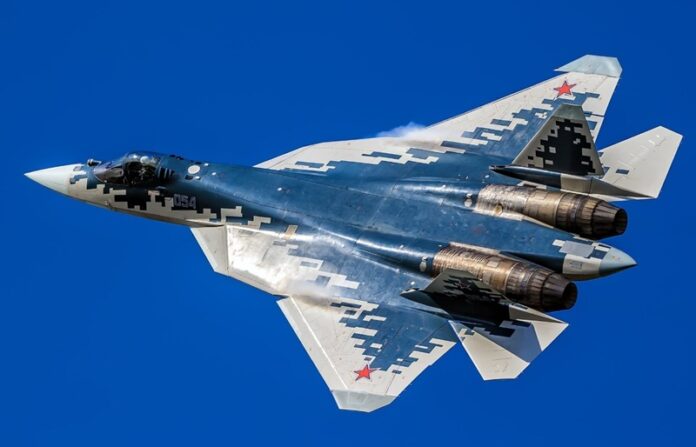
su-57e

Algeria has likely taken delivery of its first Russian Su-57E fifth-generation stealth fighter jets, marking a potentially historic milestone in African airpower and deepening Algiers’ long-standing defence partnership with Russia.

The development follows the emergence of a video on social media platform X, shared by a user identified as @Yahia532852879, showing a fighter aircraft consistent with the Su-57 flying over Algerian territory. The footage appears to depict flight operations already underway within Algerian airspace.

Video Evidence Points to Su-57 Operations in Algeria

Visual analysis of the aircraft in the video indicates a strong match with the design, airframe geometry, and flight profile of the Sukhoi Su-57. The surrounding terrain and desert landscape visible in the footage align closely with Algeria’s geography, reinforcing assessments that the aircraft was filmed locally rather than during transit or testing elsewhere.

While no official confirmation has been issued by Algerian or Russian authorities, the sighting strongly suggests that initial operational flights of the Su-57 have begun in Algeria.

Long-Running Negotiations Since 2019

Algeria’s interest in the Su-57 dates back to 2019, when an Algerian delegation closely examined the export variant, the Su-57E, at Russia’s MAKS air show. Around the same period, media reports began circulating about a potential contract valued at approximately $2 billion for 14 aircraft.

Despite early momentum, the deal faced repeated delays. These were largely attributed to challenges in Russia’s ability to establish full-scale serial production of the aircraft, as well as the need to customise avionics and mission systems to meet Algerian operational requirements.

Secrecy, Delays, and Quiet Progress

Throughout 2023–2024, the status of the contract remained unofficial. Russian officials consistently referred to an unnamed “foreign customer” for the Su-57 without publicly identifying the buyer.

At the same time, Algeria reportedly undertook significant infrastructure upgrades at key air bases, including the construction of hardened aircraft shelters suitable for hosting stealth aircraft. Reports also indicated that Algerian pilots were undergoing training in Russia, although details remained tightly controlled and only sporadically surfaced online.

This pattern of silence and incremental preparation mirrors Algeria’s traditional approach to high-end defence acquisitions.

Russian Confirmation of Export Deliveries in 2025

A major indicator emerged in 2025, when Vadim Badekha, CEO of the United Aircraft Corporation, stated on Russian television that two Su-57 fighter jets had been delivered to an undisclosed foreign customer.

Given Algeria’s long-standing negotiations, infrastructure readiness, and now visual evidence of Su-57 flights, analysts widely assess that Algeria is the most likely recipient of those initial aircraft.

Strategic Implications for North Africa

If confirmed, Algeria would become the first African country to operate a fifth-generation stealth fighter, significantly altering the regional airpower balance in North Africa and the Mediterranean.

The Su-57 provides advanced capabilities including:

  • Low observable (stealth) design
  • Supercruise performance
  • AESA radar and sensor fusion
  • Long-range air-to-air and strike capabilities

For Algeria, the aircraft would enhance strategic deterrence, air superiority, and long-range strike options, reinforcing its position as one of Africa’s most heavily armed and technologically advanced militaries.

Broader Russian-Algerian Defence Ties

The Su-57 development aligns with Algeria’s broader pattern of high-end Russian procurements. Algeria has already ordered Su-34 fighter-bombers, one of which was recently observed by aviation spotters wearing desert camouflage, suggesting localisation for North African operating conditions.

Together, Su-57 and Su-34 acquisitions would provide Algeria with a layered combat aviation structure, combining stealth air dominance with heavy strike capability.

Still No Official Confirmation — But Signals Are Strong

Despite the absence of a formal announcement, the convergence of:

  • Visual evidence of Su-57 flights
  • Russian confirmation of export deliveries
  • Algerian infrastructure preparation
  • Pilot training indicators

strongly points toward the beginning of Su-57 service in Algeria.

Should further deliveries follow, Algeria’s air force would enter an entirely new technological tier, with implications extending well beyond North Africa into European and Middle Eastern strategic calculations.

Somalia in Advanced Talks with Pakistan to Acquire 24 JF-17 Block III Fighter Jets

0
JF-17 Thunder

Somalia is reported to be in advanced negotiations with Pakistan for the acquisition of 24 JF-17 Thunder Block III fighter jets, a move that would mark one of the most consequential defence procurements undertaken by Mogadishu since the collapse of its central government in 1991 .

If finalised, the deal would represent a structural inflection point in the Horn of Africa’s air-power balance, signalling Somalia’s transition from decades of externally supported counter-insurgency operations to the restoration of a sovereign, multi-role air combat capability over its vast airspace and 3,300-kilometre coastline.

Post-Embargo Strategic Reset

The prospective acquisition follows the December 2023 lifting of the United Nations arms embargo, which enabled the Federal Government of Somalia to recalibrate its defence doctrine after more than three decades of enforced military limitation.

Since 1991, Somalia has lacked a functional air force, relying almost entirely on allied aerial support for counter-terrorism operations against Al-Shabaab. While Turkish-supplied UAVs and temporary deployments of combat aircraft improved tactical effectiveness, they did not address the absence of indigenous air-policing, deterrence, and maritime surveillance capability.

In this context, the JF-17 negotiations represent not merely a procurement decision, but the keystone of Somalia’s post-embargo military reconstitution strategy.

Negotiations Move Beyond Exploration

The talks gained strategic visibility following a February 2026 visit to Islamabad by a senior Somali delegation led by Somali Air Force Commander Mohamud Sheikh Ali (Dable Baylood), underscoring that discussions have progressed from exploratory engagement into structured, state-to-state defence negotiations.

Within Pakistan, officials have framed the JF-17’s export logic around affordability and operational sufficiency. Defence Production Minister Raza Hayat Harraj noted that while Western fighters may offer higher-end technology, they typically cost more than three times as much as the JF-17, which is priced at approximately USD 30–40 million per aircraft.

Why the JF-17 Block III Fits Somalia’s Needs

The JF‑17 Thunder Block III occupies a uniquely advantageous position for emerging air forces such as Somalia’s.

Technically, the Block III variant integrates an AESA radar, advanced electronic warfare systems, helmet-mounted display, and beyond-visual-range missile capability. Powered by the RD-93MA engine, it offers a combat radius exceeding 1,350 kilometres—well suited to Somalia’s expansive geography and maritime domain.

Crucially, its lower acquisition and sustainment costs allow Somalia to field two full squadrons, enabling meaningful coverage rather than symbolic air presence.

The platform’s political flexibility is equally important. Unlike Western fighters, the JF-17 carries fewer end-user restrictions, offers flexible weapons integration, and allows sourcing of munitions from multiple suppliers—an advantage for states seeking to preserve strategic autonomy.

Historical Restoration After Decades of Absence

During the Cold War, Somalia fielded one of Africa’s most formidable air forces, operating MiG-21s, MiG-17s, and Il-28 bombers under the Siad Barre regime. That capability disintegrated rapidly after 1991, leaving the country without a viable air arm for more than two decades.

The JF-17 proposal symbolises both historical restoration and doctrinal reinvention, shifting from Soviet-era mass fleets to modern, network-enabled, precision-strike aviation aligned with contemporary threat environments.

Geopolitical Dimensions and Regional Alignment

Analysts suggest the programme may be embedded within a broader Muslim-majority defence cooperation framework, with potential Qatari financial backing and Turkish diplomatic facilitation supporting the acquisition.

Such alignment would situate Somalia within a multipolar defence network increasingly asserting autonomy from Western and Russian arms monopolies, while also serving as strategic signalling amid rising regional tensions, including concerns over territorial integrity and external military cooperation in the Horn of Africa.

Challenges Ahead

Despite its strategic promise, the deal faces significant implementation challenges. Somalia will require substantial investment in aviation infrastructure, pilot training, maintenance facilities, and logistics chains. Even with external financial support, total programme costs—including weapons, spares, and training—could exceed USD 900 million.

There is also international scrutiny to consider, alongside Pakistan’s own production constraints, with annual JF-17 output currently averaging around 24 aircraft.

Nevertheless, analysts describe these hurdles as manageable when weighed against the strategic payoff.

A Transformational Procurement

If concluded, the Somalia–Pakistan JF-17 Block III deal would restore Somalia’s air-defence credibility, enhance maritime security, and symbolise the country’s re-emergence as a sovereign military actor after more than three decades of aerial absence.

Taken together, the negotiations represent one of the most consequential African fighter procurement narratives of the post-embargo era.

Why JF-17 Export Orders Are Not a Capacity Problem for Pakistan Aeronautical Complex

0
JF-17 Block III

Recent commentary questioning the Pakistan Aeronautical Complex (PAC)’s ability to handle large-scale export orders for the JF-17 Thunder reflects a misunderstanding of both industrial capacity and global fighter production norms.

PAC already possesses the ability to manufacture up to 24 JF-17 aircraft per year without major facility upgrades. The fact that production reportedly hovered around 18–20 aircraft last year does not indicate a bottleneck—it reflects delivery pacing aligned with the Pakistan Air Force’s own induction, training, and squadron conversion timelines.

Why a 4–5 Year Delivery Window Is Normal

Even in a hypothetical scenario where 100 JF-17s are sold immediately, the resulting four-to-five-year production timeline would be entirely consistent with global standards for new-generation fighter aircraft.

Comparable Western and non-Western fighter programmes routinely deliver aircraft over similar or longer timelines due to:

  • Pilot and ground crew training requirements
  • Infrastructure readiness at customer air bases
  • Weapons and avionics integration
  • Financing and milestone-based contracts

For a modern 4.5-generation fighter, this timeline is not a weakness—it is industry standard.

PAC Is Already Expanding Production Capacity

Crucially, the discussion does not end with current output levels. PAC Kamra is already in the process of expanding production capacity, which will further ease export fulfilment in the coming years.

PAC is not a single assembly hall but a large, multi-factory aerospace complex with modular growth potential. Expansion therefore does not require starting from scratch; it involves repurposing and upgrading existing industrial assets.

Block III Nears Completion, Freeing Export Bandwidth

Recent imagery showing JF-17 Block III aircraft with high serial tail numbers, alongside in-primer airframes behind operational jets, strongly suggests that the PAF’s order of 50 Block III aircraft is essentially complete.

This is a critical point often overlooked in export discussions:

  • There is no large pending domestic JF-17 order competing with exports in the near term
  • Export customers will not be “crowded out” by urgent PAF requirements
  • Production lines can increasingly prioritise foreign contracts

In industrial terms, this is an ideal transition phase—from domestic stabilisation to export-driven throughput.

What Comes Next for the PAF: The PFX Programme

Looking ahead, the PAF’s future combat aviation focus is shifting toward the PFX (Pakistan Fighter Experimental) programme. Importantly, this transition aligns neatly with PAC’s industrial planning.

One of PAC’s major sub-facilities, the Mirage Rebuild Factory (MRF), will become surplus within the next five years as the Mirage fleet retires from service. Rather than lying idle, this facility is expected to be repurposed for JF-17 and PFX-related production and assembly, effectively adding new capacity without greenfield construction.

Industrial Planning, Not Improvisation

The idea that PAC might be overwhelmed by export success ignores the reality that:

  • PAC has decades of experience in fighter overhaul, rebuild, and assembly
  • Production scaling is already planned, not reactive
  • Infrastructure reuse (such as MRF) lowers cost and accelerates expansion
  • Export timelines can be synchronised with customer readiness

In other words, PAC is not a fly-by-night operation. It is a mature aerospace manufacturing ecosystem with visible, deliberate planning mechanisms already in motion.

Why JF-17 Remains Attractive to Export Customers

Beyond capacity, the JF-17’s appeal lies in its balance of:

  • Modern AESA radar and avionics (Block III)
  • Competitive acquisition and lifecycle costs
  • Absence of heavy political conditionalities
  • Flexible weapons integration

For air forces seeking a capable yet affordable multirole fighter, a four-to-five-year delivery window backed by assured industrial expansion is not a deterrent—it is a reassurance.

Conclusion: Export Capacity Is Manageable—and Growing

The narrative that PAC cannot handle strong JF-17 export demand does not withstand scrutiny. With:

  • Existing capacity of 24 aircraft per year
  • Domestic Block III orders nearing completion
  • Ongoing production expansion
  • Future facilities being freed for reuse
  • A long-term transition toward PFX

Pakistan’s aerospace industry is structurally well-positioned to support sustained JF-17 exports while preparing for the next generation of indigenous fighter development.