Saturday, April 4, 2026
Home Blog Page 146

Germany pledges additional 100 million euros support for Ukraine this winter

0

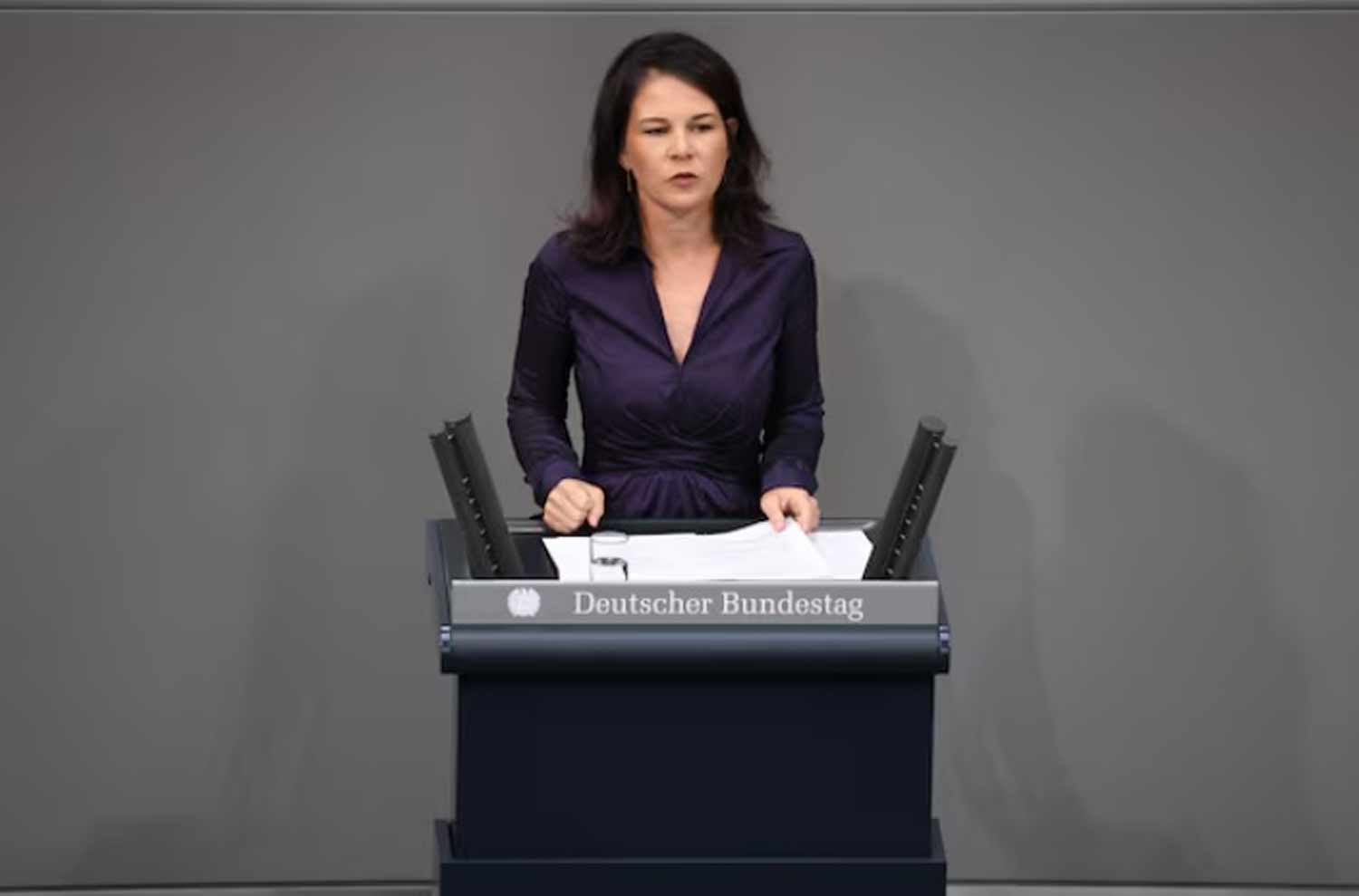
Germany will allocate an additional 100 million euros (approximately $111 million) in support for Ukraine this winter, as announced by German Foreign Minister Annalena Baerbock during her visit to Moldova on Tuesday.

Baerbock highlighted that Russia is once again preparing for a “winter war” aimed at exacerbating the hardships faced by the Ukrainian population. This statement was made prior to a ministerial conference in Chisinau. Russia has been intensifying its attacks on Ukrainian energy infrastructure, including power stations, which has led to rolling blackouts in various regions.

In June, Kyiv emphasized the urgent need for enhanced air defenses to facilitate repairs to the infrastructure, ensuring that power supply can meet the increased demand during the winter months when temperatures plummet significantly.

U.S. State Department announce military sale to Taiwan valued $228 million

0

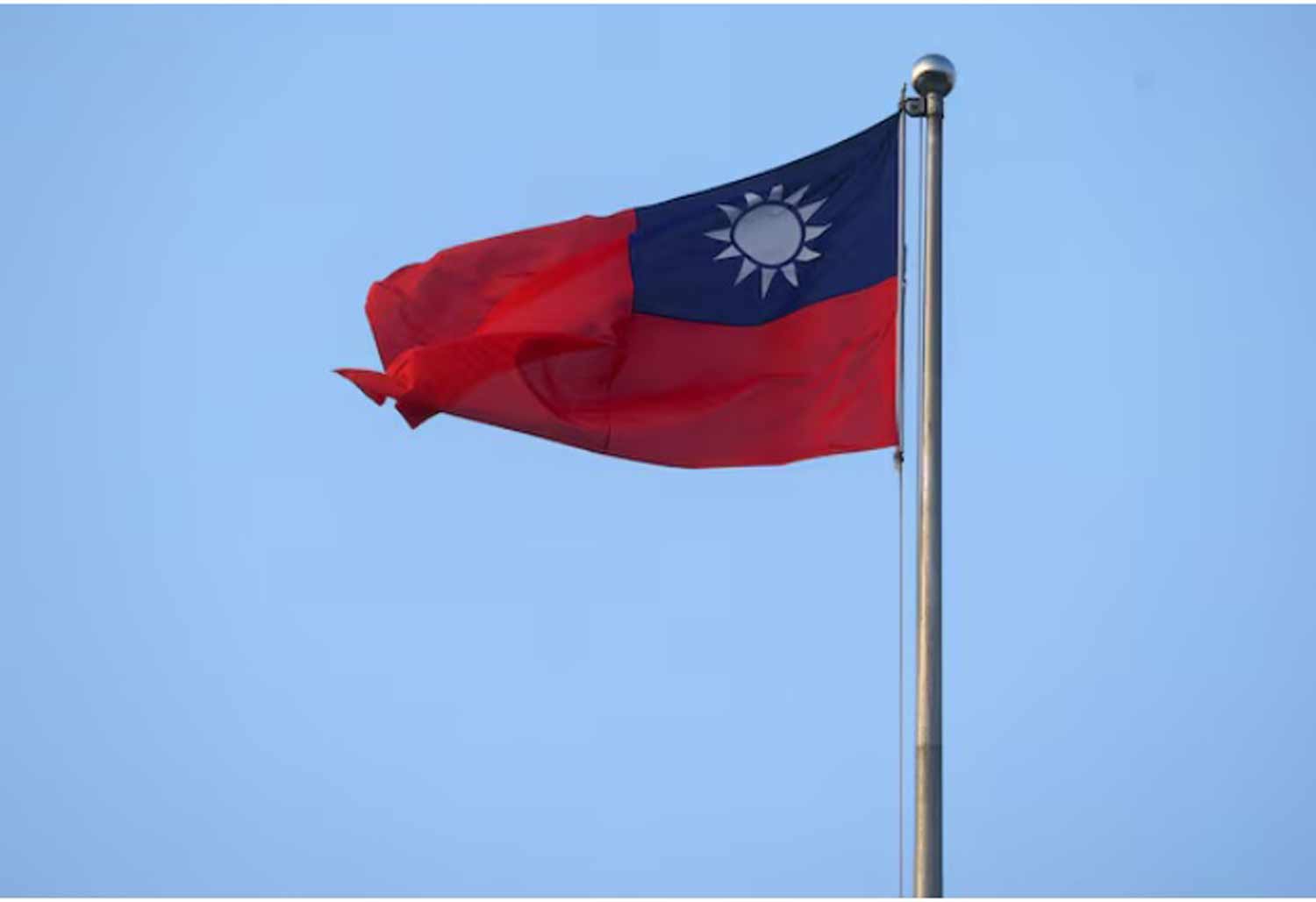
On Monday, the U.S. State Department announced its approval for a potential foreign military sale to Taiwan, involving spare parts valued at approximately $228 million.

This acquisition is expected to enhance Taiwan’s military readiness amid ongoing grey zone activities from China. The spare parts will be sourced from U.S. Government stock, and the State Department indicated that Taiwan’s military will seamlessly integrate this equipment into its forces.

The United States remains Taiwan’s primary ally and arms provider, despite the absence of formal diplomatic relations. Taiwan’s defense ministry expressed gratitude for the arms package, anticipating its implementation within a month. In a statement, they noted that “the routine grey zone intrusions by the Chinese Communist Party have limited our training and response capabilities in both air and maritime domains.”

They emphasized that the repair and return of the aircraft parts and accessories from the U.S. will bolster the combat readiness and safety of various air force aircraft. Over the past five years, China has intensified its military and political pressure on Taiwan, which it claims as its territory, a stance that Taipei firmly contests.

Additionally, China has increased its grey-zone tactics, employing strategies that fall short of direct conflict to challenge and pressure Taiwanese forces, including regular coast guard patrols near the Taiwan-controlled Kinmen islands, which are visible from the Chinese mainland.

US amassing arsenal of abundant and easily made anti-ship weapons to deter China in Indo-Pacific

0

The United States is building a substantial stockpile of readily producible anti-ship weapons as part of its strategy to deter China in the Indo-Pacific and enhance U.S. military capabilities in the region.

The ongoing conflict in Ukraine has influenced U.S. defense strategies towards a concept termed “affordable mass,” as described by a missile industry executive who requested anonymity, highlighting the importance of having a large quantity of relatively inexpensive weapons available.

Euan Graham, a senior analyst at the Australian Strategic Policy Institute, noted that this approach serves as a direct response to China’s military developments, particularly its fleet of ships and conventional ballistic missiles designed for maritime attacks. Neither the Pentagon nor China’s Ministry of Defence provided immediate comments on the situation.

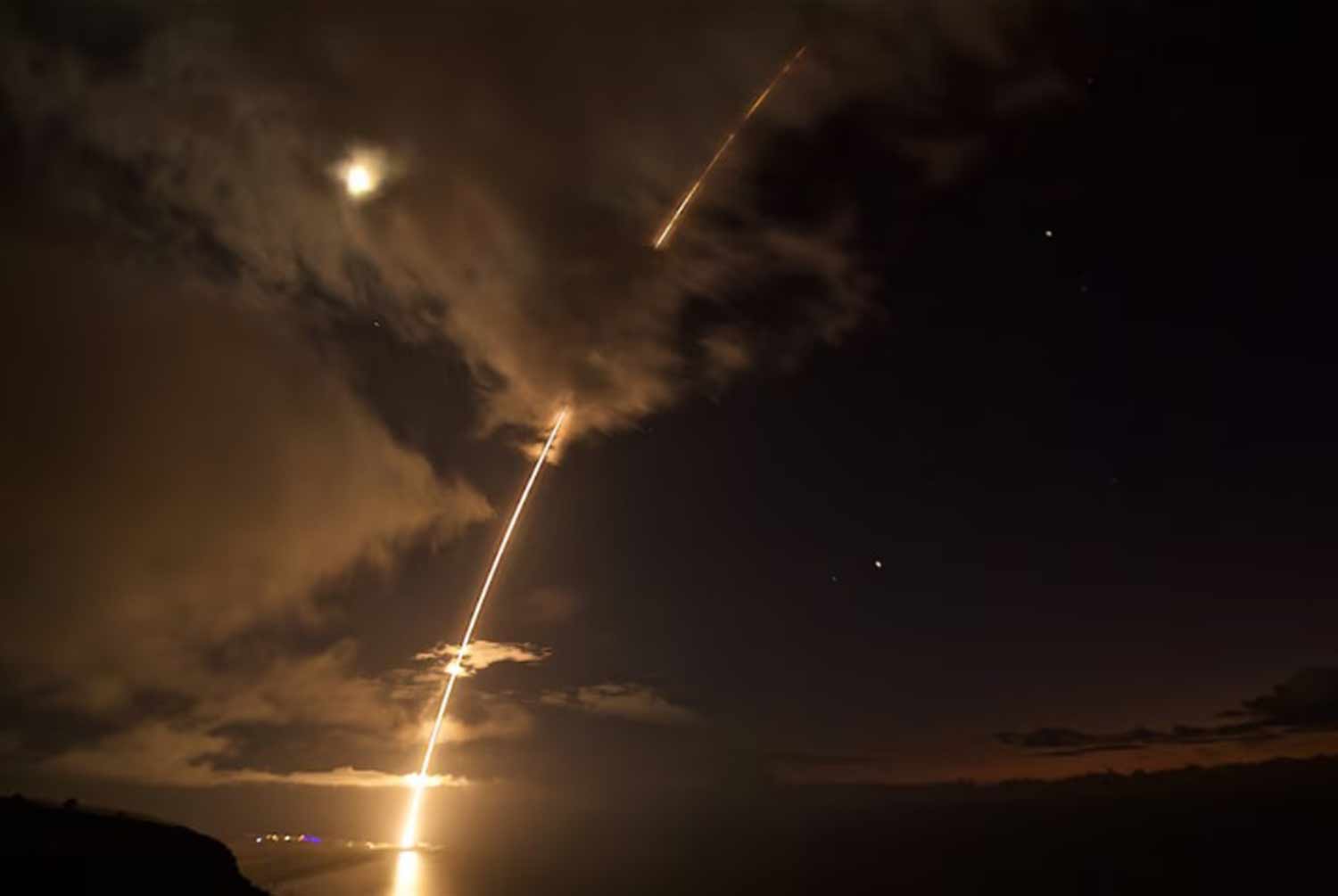
The U.S. has intensified testing of its QUICKSINK weapon, a cost-effective bomb featuring a low-cost GPS guidance system and a seeker capable of tracking moving targets.

Recently, the U.S. Air Force successfully tested QUICKSINK using a B-2 stealth bomber to strike a target vessel in the Gulf of Mexico.

Experts indicate that while China maintains a significant numerical advantage in anti-ship missiles, which can be deployed from its own territory, an increase in U.S. production of QUICKSINK could mitigate this disparity, making China’s approximately 370 warships more vulnerable in any potential future conflict, especially since China’s military modernization began in the 1990s.

Currently under development by Boeing, with a seeker developed by BAE Systems, QUICKSINK can be integrated with numerous Joint-Direct Attack Munition tail kits, allowing U.S. or allied aircraft to convert standard 2,000-pound bombs into precision-guided munitions at a low cost.

The Indo-Pacific Command of the U.S. military has expressed a longstanding interest in acquiring thousands of QUICKSINK weapons, as noted by an industry executive who chose to remain anonymous due to the classified nature of the specific quantity. This executive indicated that with a sufficient number of “affordable mass” weapons targeting them, the defensive capabilities of Chinese ships would be significantly compromised.

In such a scenario, the U.S. military would deploy Long Range Anti-Ship Missiles (LRASM) or SM-6 missiles to inflict damage on a Chinese warship and its radar systems, subsequently following up with more economical QUICKSINK munitions.

The United States has been actively building a diverse arsenal of anti-ship weaponry in the Asia-Pacific region. In April, the U.S. Army introduced its new Typhon mobile missile systems, which were developed at a low cost using existing components and are capable of launching SM-6 and Tomahawk missiles against maritime targets, during an exercise in the Philippines.

These weapons are relatively straightforward to manufacture, leveraging extensive stockpiles and designs that have been in existence for over a decade, thereby enabling the U.S. and its allies to rapidly enhance their capabilities in the Indo-Pacific missile competition, where China currently holds a significant advantage.

While the U.S. military has not disclosed the exact number of these systems to be deployed in the Indo-Pacific, government documents indicate plans to procure over 800 SM-6 missiles within the next five years. Additionally, the U.S. already possesses several thousand Tomahawk missiles and hundreds of thousands of JDAMs in its inventory.

According to Graham, “China’s strategy is to limit the operational freedom of U.S. Navy assets in the Western Pacific and the First Island Chain,” referring to the major archipelagos closest to East Asia. “This represents a coordinated effort to complicate operations for the PLAN,” which stands for the People’s Liberation Army Navy, China’s naval force.

Positioning anti-ship weapons in areas like the Philippines would enable them to effectively target much of the South China Sea, a region that China claims as its own.

Saudi Arabia will allow regular oversight of its nuclear facilities

0

Saudi Arabia announced on Monday its intention to eliminate the light oversight of its nuclear facilities currently provided by the U.N. atomic watchdog, opting instead for regular safeguards by the end of this year, a move that has been advocated by the watchdog for some time.

The kingdom is looking to expand its emerging nuclear program, which may eventually encompass activities such as uranium enrichment that are sensitive to proliferation. The extent of its ambitions remains uncertain, particularly as Crown Prince Mohammed bin Salman has indicated that the country would pursue nuclear weapons if its regional adversary, Iran, does the same.

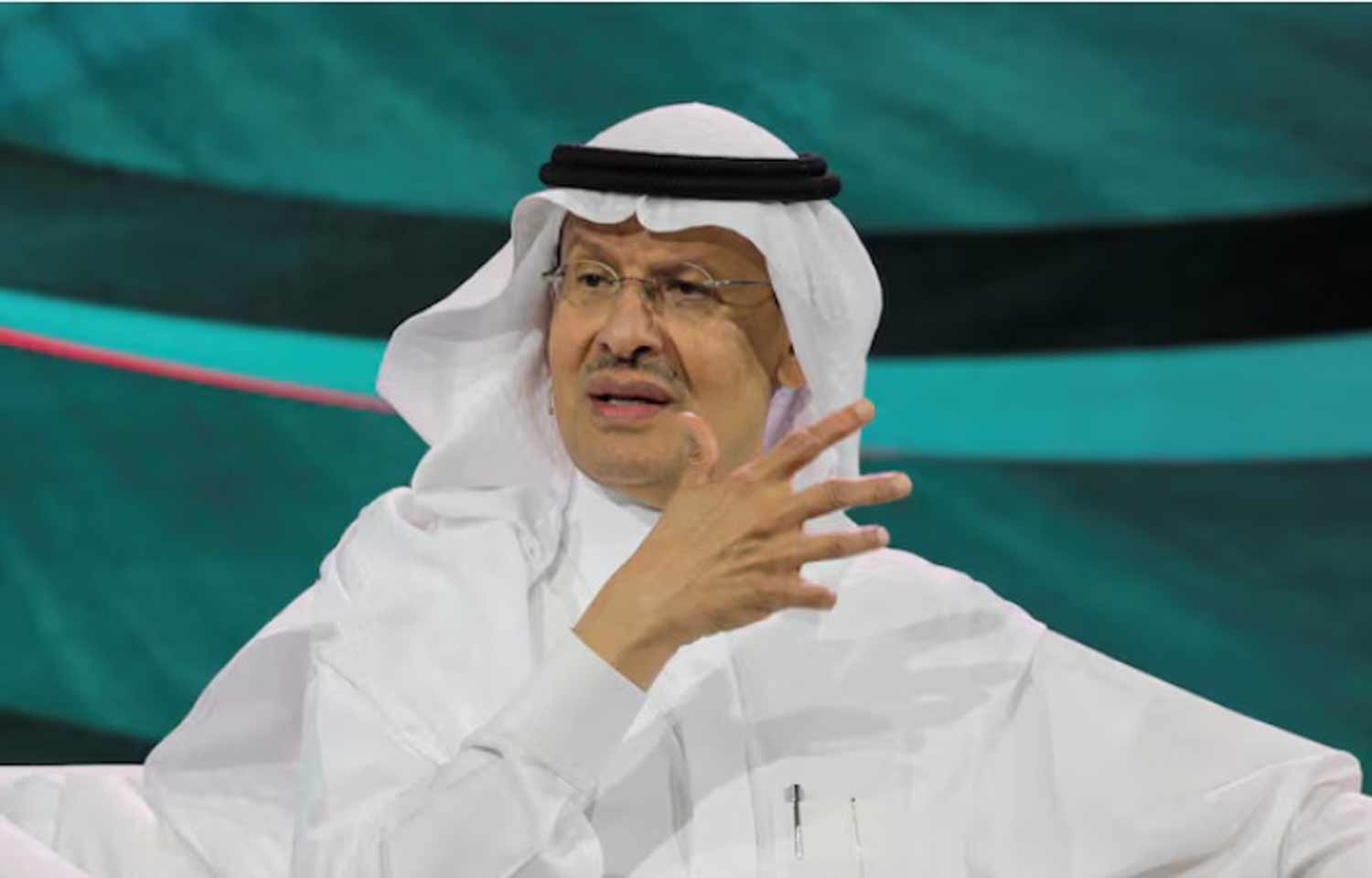
Riyadh has not yet activated its first nuclear reactor, which allows its program to remain under the Small Quantities Protocol (SQP), an agreement with the International Atomic Energy Agency (IAEA) that relieves less advanced nations from numerous reporting and inspection requirements. “The kingdom has submitted a request to the agency in July 2024 to revoke the Small Quantities Protocol and fully implement the Comprehensive Safeguards Agreement,” stated Saudi Energy Minister Prince Abdulaziz bin Salman at the IAEA’s annual General Conference, speaking through an interpreter. “We are currently collaborating with the agency to finalize all necessary subsidiary agreements to effectively rescind the SQP by the end of December this year.”

A year ago, Prince Abdulaziz had announced the decision to abandon the SQP, but he did not specify a timeline, and there were no immediate indications of progress.

IAEA Director General Rafael Grossi has urged the numerous states still operating under SQPs to amend or revoke them, labeling them a “weakness” in the global non-proliferation framework. The IAEA has been engaged in discussions with Riyadh for years regarding the transition to a Comprehensive Safeguards Agreement, which includes provisions for inspections in countries that have ratified the nuclear Non-Proliferation Treaty.

“Saudi Arabia’s decision to revoke its Small Quantities Protocol enhances the IAEA’s capacity to verify the peaceful use of nuclear materials within the country,” Grossi remarked.

There has been no supply of weapons to Russia since I took office, the Iranian president

0

On Monday, Iran’s President Masoud Pezeshkian stated that his administration has not supplied any weapons to Russia since assuming office in August. This statement follows accusations from Western nations claiming that Tehran delivered ballistic missiles to Moscow in September.

Last week, the United States and its allies alleged that Iran had transferred ballistic missiles to Russia to support its military efforts in Ukraine, leading to new sanctions against both Moscow and Tehran. Both Russia and Iran have refuted these allegations.

When questioned about the potential transfer of missiles to Russia, Pezeshkian responded during a televised press conference, “It is possible that a delivery occurred in the past… but I can assure you that since I took office, there has not been any such delivery to Russia.”

In February, Reuters reported that Iran had supplied Russia with a significant quantity of advanced surface-to-surface ballistic missiles, further enhancing the military collaboration between the two nations, both of which are under U.S. sanctions.

Kazakh President urges Scholz to endorse China’s peace initiative for Ukraine

0

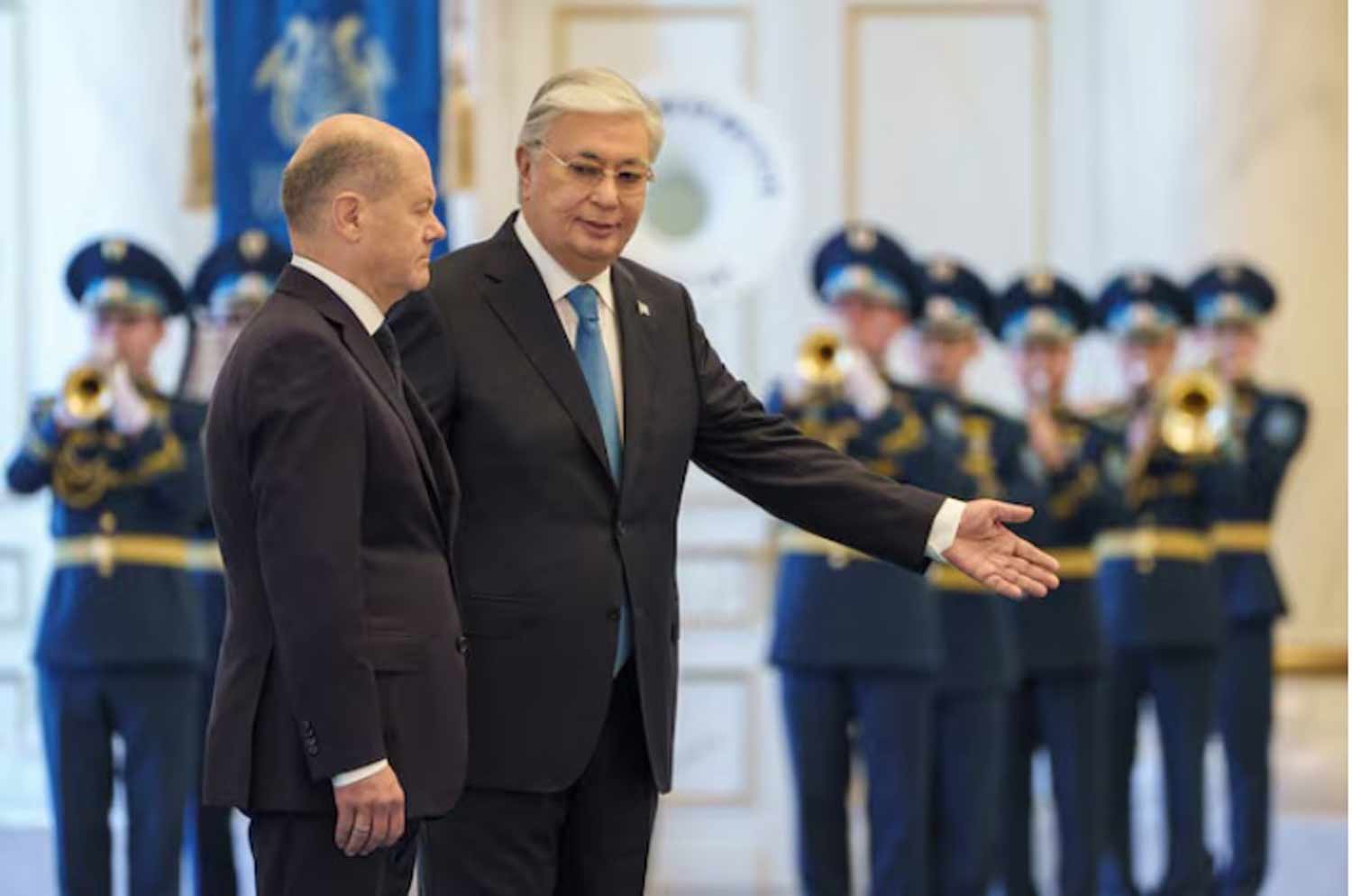
Kazakh President Kassym-Jomart Tokayev urged German Chancellor Olaf Scholz during a meeting on Monday to abandon the notion that Russia can be defeated militarily and to endorse China’s peace initiative for Ukraine, a proposal that Scholz declined.

This marks Scholz’s inaugural official visit to Central Asia as Germany seeks alternative energy and mineral sources following Russia’s invasion of Ukraine. While Kazakhstan maintains a close relationship with Russia, the Astana government has refrained from taking a definitive stance in the conflict or endorsing Moscow’s territorial claims in Ukraine. “It is a fact that Russia cannot be defeated in the military sense,” Tokayev stated to Scholz in Astana.

He further warned that “a further escalation of war will lead to irreparable consequences for the whole of humanity and above all for the countries involved in the Russia-Ukraine conflict.”

Scholz, however, diplomatically countered that Germany’s support for Ukraine is a response to Russia’s invasion. “That is the case and will remain so, so that the country can defend itself and protect its integrity and sovereignty,” he asserted.

He also emphasized the importance of exploring avenues for peaceful resolution. Scholz noted that the Western-supported peace conference in Switzerland should be succeeded by another that includes Russia. “It is clear to me that it will not work the way Russia is currently pushing ahead with everything, pushing ahead with the war, continuing to attack Ukraine with great aggression,” he remarked.

“This must never be overlooked in our discussions. It is Russia that initiated the war and continues it, and it could choose to end it at any moment by halting its aggression.”

Putin orders increase in regular size of Russian army to 1.5 million, it will become 2nd largest army in world

0

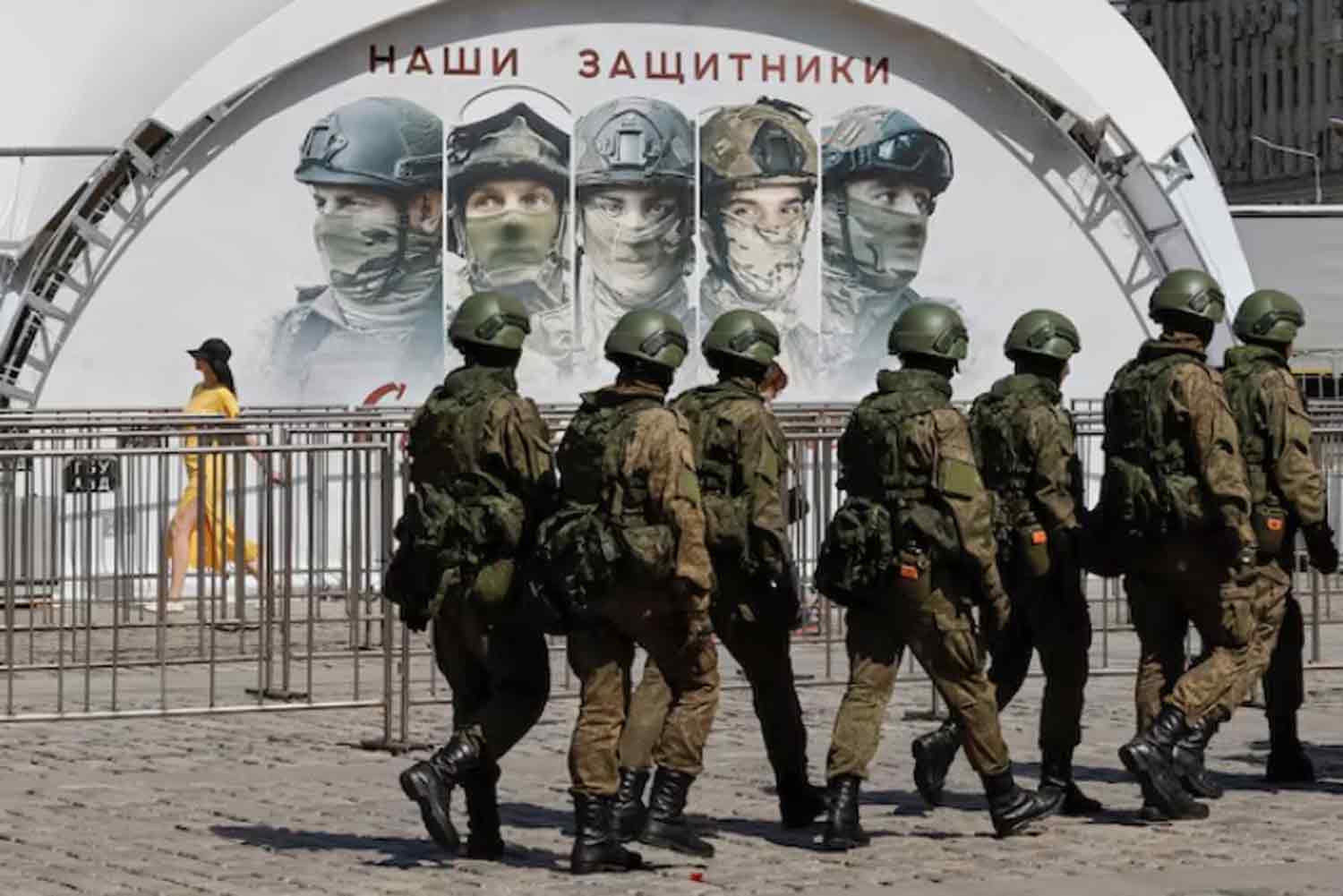
On Monday, President Vladimir Putin announced an increase in the regular size of the Russian army by 180,000 troops, raising the total to 1.5 million active servicemen. This expansion positions Russia as the second largest military force globally, following China.

In a decree released on the Kremlin’s website, Putin specified that the overall size of the armed forces should reach 2.38 million personnel, with 1.5 million designated as active duty.

Data from the International Institute for Strategic Studies (IISS), a prominent military research organization, indicates that this increase would allow Russia to surpass both the United States and India in terms of active combat personnel, trailing only China, which has over 2 million active service members.

This decision marks the third expansion of the army since the onset of military operations in Ukraine in February 2022, coinciding with Russian advances in eastern Ukraine along a lengthy 1,000 km (627-mile) frontline, as they seek to displace Ukrainian forces from the Kursk region.

Despite having a population more than three times that of Ukraine and successfully recruiting volunteers with attractive contracts, Russia, like Ukraine, has faced significant battlefield casualties, with no indication that the conflict will conclude soon.

Both nations maintain that the precise figures of their losses remain classified. Andrei Kartapolov, the chairman of the defense committee in Russia’s lower house of parliament, stated that the increase in active troop numbers is part of a broader strategy to reform the armed forces and gradually expand their size in response to the current international landscape and the actions of “our former foreign partners.”

Kartapolov stated in an interview with Parlamentskaya Gazeta, the official publication of the Russian parliament, that new military structures and units must be established to enhance security in the north-west region of Russia, particularly in light of Finland’s accession to NATO. He emphasized the necessity of increasing troop numbers to facilitate this initiative.

Since 2022, this marks the third increase in troop levels, following two previous orders from Putin to augment combat forces by 137,000 and 170,000, respectively. Additionally, over 300,000 soldiers were mobilized during exercises in September and October 2022, leading to a significant exodus of draft-age men from the country.

The Kremlin has indicated that no further mobilization is currently planned, opting instead to depend on volunteers to enlist for service in Ukraine. Dara Massicot, a military expert at the Carnegie Endowment for International Peace, raised concerns about whether Moscow could financially support an increase in active personnel.

She noted that while there are methods to maintain a standing force of 1.5 million, the Kremlin may be reluctant to pursue them if they fully understand the implications. Massicot questioned the feasibility of boosting the defense budget to accommodate both procurement needs and personnel requirements.

In her report on Russia’s military regeneration efforts, she suggested that Moscow might face the challenging decision of expanding the draft or modifying laws to allow greater participation of women in the military to achieve its objectives. Massicot advised monitoring for genuine recruitment initiatives rather than mere posturing, as the current volunteer system is under strain and any expansion would entail additional costs and challenges.

2. In a statement to Parlamentskaya Gazeta, the official newspaper of the Russian parliament, Kartapolov highlighted the need to establish new military formations and units to bolster security in north-west Russia, particularly following Finland’s entry into NATO. He asserted that an increase in troop numbers is essential to support this effort.

This announcement represents the third troop increase since 2022, with Putin having previously mandated two increases of 137,000 and 170,000 combat personnel. Furthermore, over 300,000 soldiers were mobilized during military exercises in September and October 2022, which resulted in a significant number of draft-age men leaving the country.

The Kremlin has stated that no new mobilization is anticipated at this time, choosing instead to rely on volunteers to join the fight in Ukraine. Dara Massicot, a military analyst at the Carnegie Endowment for International Peace, expressed skepticism about Moscow’s

Sweden proposed establishing a strengthened NATO presence in Finland

0

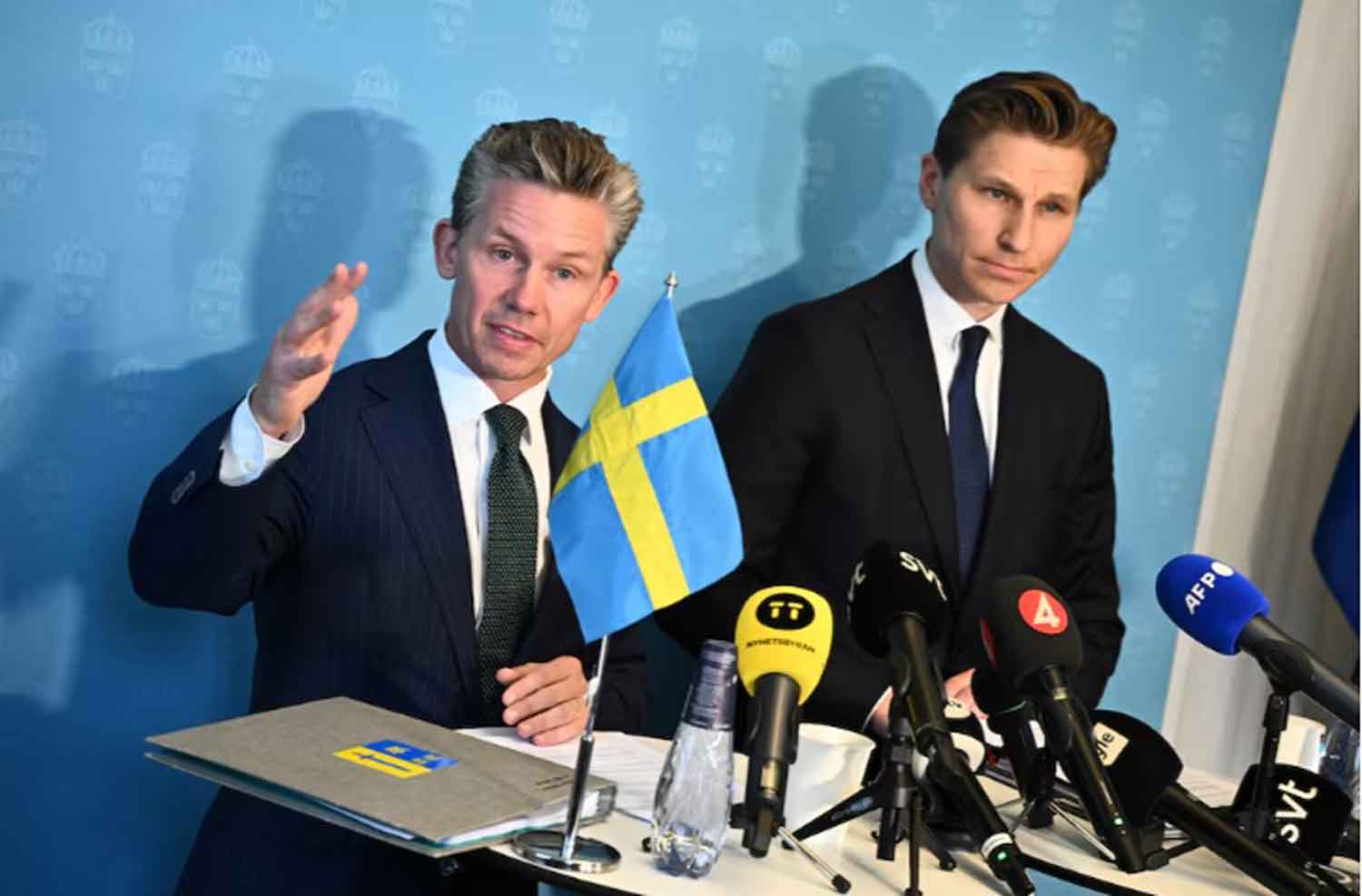
Sweden has proposed taking the lead in establishing a strengthened NATO presence in Finland through the creation of forward land forces (FLF).

This announcement was made on Monday by the two nations. Swedish Defence Minister Pal Jonson stated during a joint press conference with Finnish Defence Minister Antti Hakkanen in Stockholm, “The Swedish government aims to serve as the framework nation for forward land forces in Finland.”

He emphasized that this initiative is still in its initial phases, noting that the decision to designate a leading nation for this effort will be made collectively by NATO.

The shift in policy for both Finland and Sweden, which were previously militarily non-aligned, was prompted by Russia’s invasion of Ukraine in February 2022, leading to their NATO membership in 2023 and 2024, respectively.

Turkish drone attack kills PKK member in northern Iraq

0

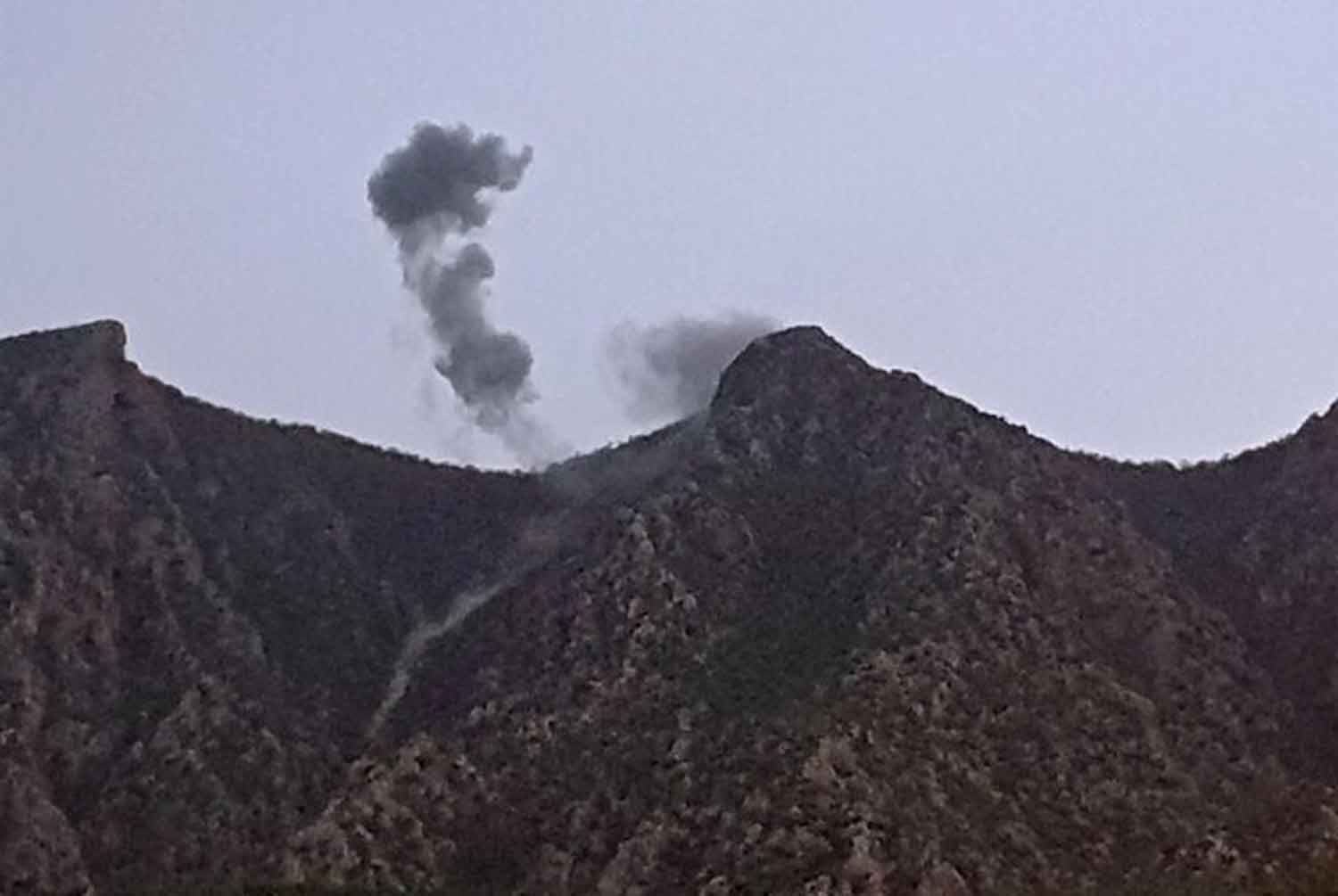
A drone strike conducted by Turkey resulted in the death of one member of the Kurdistan Workers Party (PKK) and injuries to two others in northern Iraq on Monday, according to the counter-terrorism service of Iraqi Kurdistan.

The statement indicated that the Turkish operation targeted a gathering of PKK members at the Makhmour camp, resulting in one fatality and two injuries, one of whom was a senior official within the PKK.

Turkey frequently executes airstrikes against PKK militants in northern Iraq and maintains numerous outposts within Iraqi territory.

The PKK initiated an insurgency against the Turkish government in 1984, originally aiming for an independent Kurdish state, but later shifted its focus towards advocating for enhanced Kurdish rights and limited autonomy in southeastern Turkey.

Russia regained control of two villages in the western Kursk region

0

On Monday, Russia announced that its military had regained control of two villages in the western Kursk region from Ukraine, as part of what Moscow describes as a significant counter-offensive. Russian forces have been engaged in combat with Ukrainian troops in the Kursk region since August 6, when Ukraine launched the largest foreign attack on Russian territory since World War II, catching Moscow off guard.

The report from Russia’s Defence Ministry regarding the recapture of the villages Uspenovka and Borki, located approximately 12 miles (20 km) apart near the border with Ukraine’s Sumy region, could not be independently verified by Reuters. A senior Russian commander and pro-Kremlin military bloggers claimed last week that Russia had regained control of around 10 settlements in the area, a statement that Reuters was unable to confirm.

Ukraine asserts that its forces maintain control over approximately 100 villages in Kursk, covering an area exceeding 1,300 square kilometers (500 square miles), a claim disputed by Russian sources. Concurrently, Russian forces are advancing in eastern Ukraine towards Pokrovsk, a crucial rail and logistics center for Ukrainian operations.

Capturing this location would represent a significant step towards Russia’s goal of seizing the entire Donetsk region. Ukrainian President Volodymyr Zelenskiy stated on Friday that Ukraine’s incursion into Kursk had hindered Russian advances in eastern Ukraine.

However, Russian President Vladimir Putin contends that the assault on Kursk has diverted Kyiv’s attention on the eastern front, thereby weakening its defenses. Over the weekend, Russia and Ukraine conducted two prisoner exchanges involving hundreds of prisoners of war, with many of the Russian soldiers having been captured while defending Kursk, according to the defense ministry.

EU to name new defence tsar, less enthusiasm for the role

0

In response to Russia’s aggression towards Ukraine, Ursula von der Leyen, the President of the European Commission, has committed to appointing a dedicated defence commissioner as a significant element of her new leadership team.

This initiative signals Europe’s serious intent to enhance its military capabilities. However, there are growing concerns regarding the actual authority this position will wield, leading influential EU member states to show less enthusiasm for the role, which is anticipated to be announced in the coming days.

Burkard Schmitt, the defence and security director at the industry association ASD, remarked to AFP that the establishment of a dedicated defence commissioner underscores the increasing significance of defence in Europe today. He noted that while the ambition behind this initiative is admirable, the practical implications remain uncertain.

Currently, von der Leyen has not disclosed specific details about the responsibilities associated with this new role. It is important to clarify that the defence commissioner will not function as an EU defence minister, as the 27-member bloc lacks its own military and has no immediate plans to create one. The primary focus will instead be on enhancing the continent’s defence industry.

During von der Leyen’s initial five-year term, the defence sector was managed by the influential French commissioner Thierry Breton, who held a broad mandate. The defence responsibilities are now expected to be assigned to a new commissioner, with Breton advancing to a more prominent position overseeing industrial development across the EU.

Since the onset of Russia’s invasion of Ukraine in 2022, enhancing defense capabilities has become a significant focus for Europe. However, after years of insufficient investment, the continent has found it challenging to increase its military production capacity and remains significantly behind Russia in arms manufacturing.

Despite numerous initiatives launched in response to Moscow’s full-scale aggression, the European Union has yet to secure the substantial funding necessary to fulfill its defense ambitions. Member states are protective of their defense industries and have shown hesitance to relinquish control to Brussels.

Ursula von der Leyen has projected that the EU will require an investment of 500 billion euros ($550 billion) over the next decade for defense, yet the current financial commitments at the EU level fall considerably short of this target. Persuading member nations to allocate portions of their tightly controlled budgets to EU defense initiatives will be a formidable challenge, as will encouraging them to allow competition among their national defense producers.

Without significant financial resources, the new commissioner may find their role lacking in effectiveness. “The impact of a dedicated defense commissioner will largely depend on the budget assigned to that position,” noted Schmitt. “A defense budget of 100 billion would clearly yield greater results than one of 10 billion.”

Power struggles?

Experts suggest that to enhance the influence of the new role, von der Leyen could integrate additional responsibilities. These could encompass areas such as cybersecurity, safeguarding critical infrastructure, space initiatives, or improving troop mobility across Europe. “You can expand the portfolio beyond the initial boundaries that have been outlined, and that isn’t overly complicated,” stated Camille Grand from the European Council on Foreign Relations.

Individuals who accept the new position may encounter difficulties in establishing their influence amidst a competitive environment in Brussels, particularly with prominent figures in the upcoming commission.

Breton is expected to be a significant presence on one side, while Kaja Kallas, the newly appointed foreign policy chief responsible for managing the bloc’s security policy, will be positioned on the other.

“The responsibility lies with the president of the Commission to clearly delineate the role,” remarked Guntram Wolff from the Bruegel think tank.

Diplomatic sources indicate that the uncertainties surrounding the new position have prompted major EU nations, including France and Poland, to shift their focus towards securing alternative roles, with defense now considered a secondary option.

“I believe it serves as an appealing plan B for many,” stated an EU diplomat.

Despite the uncertainties associated with the role, analysts suggest that in light of escalating global threats and the potential for the United States to further withdraw from European affairs, the defense position is likely to remain a crucial element in future administrations.

“It is conceivable that the significance of the job will increase over time,” noted Ian Lesser, head of the German Marshall Fund think tank in Brussels.

“I do not perceive it as a temporary endeavor.”

Philippine Coast Guard will maintain a continuous presence of vessels in South China Sea

0

The Philippine Coast Guard announced on Monday that it will maintain a continuous presence of vessels in the disputed Sabina Shoal in the South China Sea, following the return of a Philippine ship after a five-month mission in the area. “We will ensure our presence in these waters,” stated PCG Spokesperson Jay Tarriela during a press briefing.

The vessel, Teresa Magbanua, was sent to Sabina Shoal in April to observe what Manila believes to be China’s minor land reclamation efforts. It returned to port on Sunday. Tarriela clarified that the ship’s return was not in response to China’s request for its withdrawal, but rather for necessary repairs and to address the crew’s medical needs.

Sabina Shoal, known as Xianbin Reef by China and Escoda Shoal by the Philippines, is located west of Palawan province, within the Philippines’ exclusive economic zone. “No matter the size or number of vessels, the primary goal and commitment of the PCG commandant is to ensure that there is always a coast guard presence in the shoal,” Tarriela emphasized.

On Sunday, China’s coast guard announced its commitment to uphold law enforcement operations in the waters under Beijing’s jurisdiction, emphasizing the protection of its territorial sovereignty as well as its maritime rights and interests.

China asserts its sovereignty over a significant portion of the South China Sea, which overlaps with the maritime zones of Brunei, Indonesia, Malaysia, the Philippines, and Vietnam. The 2016 ruling by the Hague arbitration tribunal, which invalidated China’s extensive historical claims, is a decision that Beijing does not acknowledge.

India introduced new ballistic missile submarine. Can it compete with China?

0

India recently added its second nuclear-capable ballistic missile submarine to its naval fleet, a development that the government claims enhances its nuclear deterrent in light of concerns regarding both China and Pakistan. However, India is still striving to keep pace with China, which is expanding its naval, land, and air capabilities amid ongoing tensions along their shared border.

The newly commissioned nuclear-powered submarine, INS Arighaat—meaning “Destroyer of the Enemy” in Sanskrit—was introduced during a ceremony on August 29 at the Visakhapatnam naval base, the center of India’s Eastern Naval Command located on the Bay of Bengal coast. Indian Defense Minister Rajnath Singh stated that this submarine will contribute to establishing a strategic balance in the region.

Currently, this balance favors China, which boasts the largest navy in the world, including six operational Jin-class nuclear-powered ballistic submarines that surpass India’s two submarines—Arighaat and its predecessor, INS Arihant—in terms of firepower. The Chinese submarines are capable of carrying up to twelve ballistic missiles with ranges exceeding 8,000 kilometers (4,970 miles) and can accommodate multiple nuclear warheads, as reported by the Missile Defense Advocacy Alliance, a non-profit organization focused on missile defense development for the U.S. and its allies.

Both Arighaat and Arihant measure 366 feet in length and have a displacement of 6,000 tons, according to an analysis by the open-source intelligence agency Janes. They are equipped with K-15 Sagarika ballistic missiles that can be launched from four vertical launch tubes. However, the range of the nuclear-capable K-15 is estimated to be only about 750 kilometers (466 miles), which restricts the potential targets that can be engaged from the Indian Ocean.

Analyst Carl Schuster, a former director of operations, noted that the INS Arihant-class submarines can barely reach Chinese targets along the eastern Sino-Indian border from the shallow coastal waters of the northern Bay of Bengal, posing significant operational challenges.

India’s focus on its naval development extends beyond China, as noted by Abhijit Singh, a senior fellow at the Observer Research Foundation in Mumbai. Singh highlighted in an op-ed for the Hindustan Times that the primary motivation behind India’s enhancement of its second-strike capabilities is the notable expansion of both the Pakistani and Chinese navies in the Indian Ocean. He pointed out that Pakistan is in the process of acquiring eight Type 039B attack submarines designed by China, as part of its fleet modernization efforts. Singh emphasized that “Pakistan continues to reduce the maritime power gap with India.”

The longstanding tensions between India and Pakistan over the contested and heavily militarized Kashmir region, which both nations claim entirely, have resulted in three wars. The Line of Control serves as a de facto border between New Delhi and Islamabad. China plays a crucial role as one of Pakistan’s key international supporters and a significant investor in the country.

In April, India proudly announced its entry into the MIRV club, which includes the US, UK, France, Russia, and China, following a successful test of the domestically developed Agni-V intercontinental ballistic missile. While Pakistan has claimed to possess MIRV technology, experts remain skeptical about the validity of this assertion.

Adversaries must treat such claims as credible to avoid being caught off guard in the event of a conflict. Korda concludes, “These systems are optimal for first-strike scenarios, yet they are also the primary targets in any retaliatory strike.”

The Polish minister, during a visit to Kyiv, advocates for the cessation of benefits provided to Ukrainian men residing in Europe

0

Poland’s Foreign Minister has suggested that European governments should discontinue welfare benefits for Ukrainian men of military age residing in their countries. He argued that this action would assist Ukraine in mobilizing additional troops to combat Russian forces.

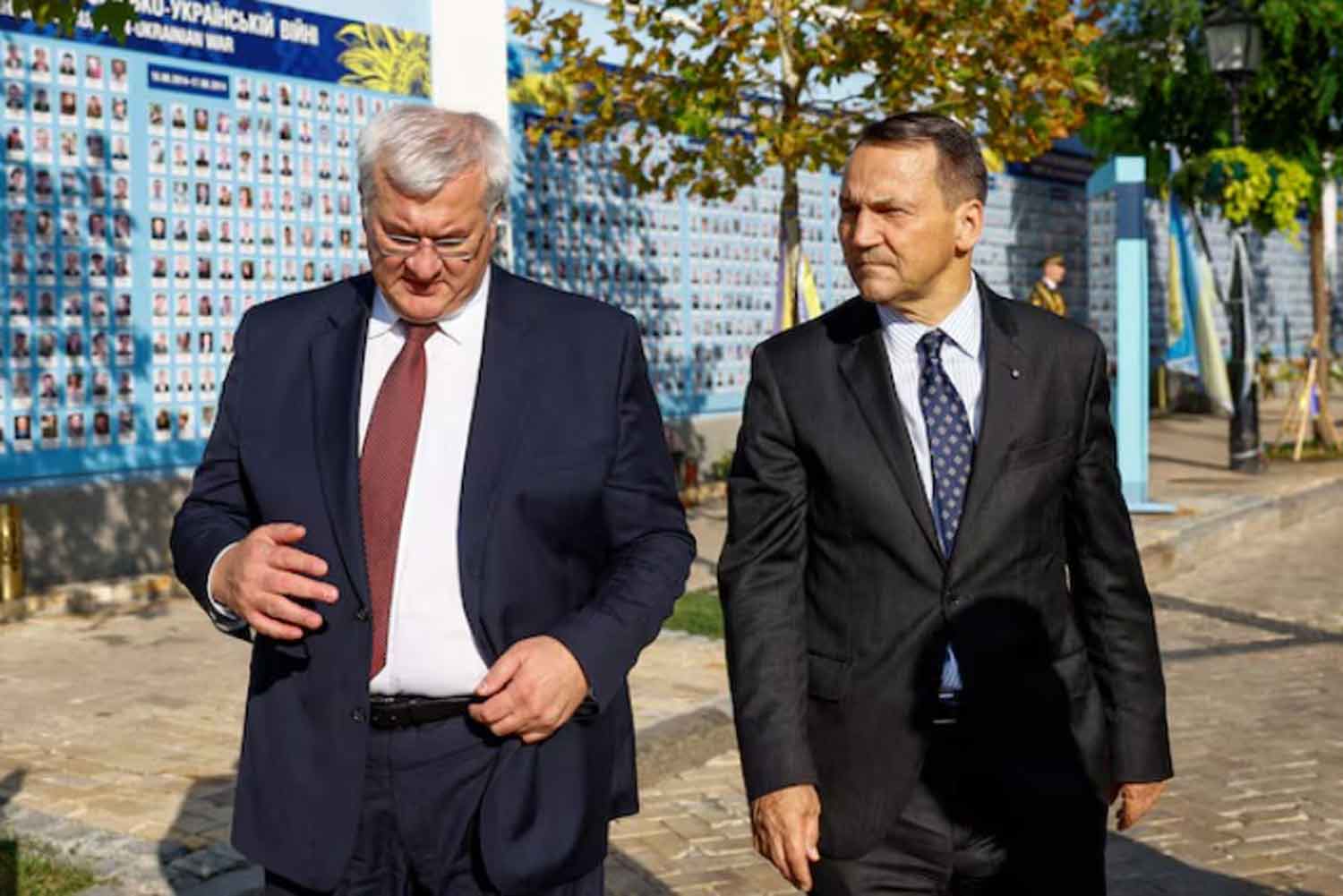
Following discussions in Kyiv with his Ukrainian counterpart, Radoslaw Sikorski stated that terminating social benefits for Ukrainian male refugees would also positively impact the financial situation of host countries in Western Europe. As of July this year, over 4.1 million Ukrainians held temporary protection status in European Union nations, with approximately 22% being adult males, according to Eurostat data.

Sikorski emphasized at an international leaders’ conference in Kyiv, “Cease the social security payments for individuals eligible for the Ukrainian draft. There should be no financial incentives for evading the draft in Ukraine.” He further asserted, “It is not a human right to receive payments to avoid military service in defense of one’s country. We do not practice this in Poland.”

Ukrainian Foreign Minister Andrii Sybiha expressed his support for Sikorski’s proposal, stating, “It is indeed time to consider the European Union developing initiatives to facilitate the return of Ukrainians to their homeland. Appropriate conditions must be established for this, and I endorse Minister Sikorski’s idea.”

As the conflict with Russia continues for nearly 31 months, and with Russian forces gradually advancing in eastern Ukraine, Kyiv requires additional soldiers to sustain its defense, rotate fatigued troops, and compensate for losses.

Russia currently holds a considerable advantage in personnel and weaponry on the battlefield. Earlier this year, Ukraine enacted new legislation and introduced measures to expedite military mobilization, including reducing the call-up age for combat duty from 27 to 25.

Under this new law, Ukrainian men living abroad are required to update their military draft information online and are encouraged to return to Ukraine to participate in the fight. Ukraine has also imposed martial law.

British Prime Minister urged to permit Ukraine to utilize long-range missiles, Sunday Times

0

Former British Labour Prime Minister Keir Starmer has received calls from former defense secretaries and a past prime minister to permit Ukraine to deploy long-range missiles within Russian territory, even in the absence of U.S. support, as reported by the Sunday Times on Saturday.

The appeal was made by five former Conservative defense secretaries—Grant Shapps, Ben Wallace, Gavin Williamson, Penny Mordaunt, and Liam Fox—along with ex-Prime Minister Boris Johnson. They cautioned Starmer that “any further delay will embolden President Putin,” according to the Sunday Times.

Ukrainian President Volodymyr Zelenskiy has been urging allies for several months to allow Ukraine to utilize Western missiles, including long-range U.S. ATACMS and British Storm Shadows, to diminish Moscow’s capacity to conduct attacks.

Starmer and U.S. President Joe Biden discussed the issue in Washington on Friday regarding the potential for Kyiv to use long-range missiles against Russian targets, but no decision was reached.

Some U.S. officials remain skeptical that permitting such missile use would significantly impact Kyiv’s efforts against Russian forces.

President Vladimir Putin has warned that allowing Ukraine to strike with Western-made long-range missiles would mean the West is directly engaging in combat with Russia.

The ammunition that Russia receives from North Korea is a big problem for our forces, the intelligence chief of Ukraine

0

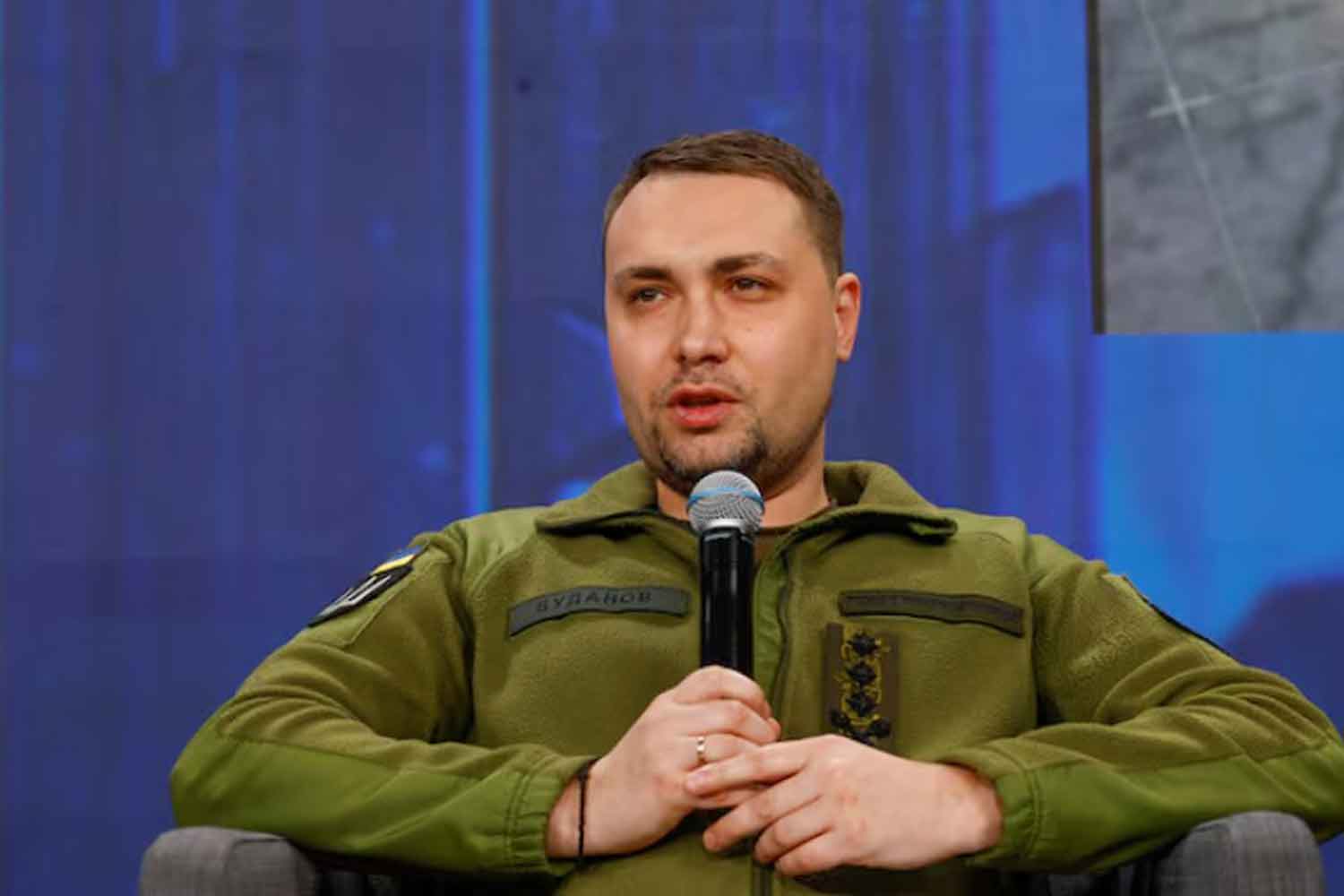
The head of Ukraine’s military intelligence, Kyrylo Budanov, stated on Saturday that Russia’s heightened production of guided bombs, along with artillery ammunition supplied by North Korea, poses significant challenges for Ukrainian forces on the battlefield.

Budanov emphasized that the military assistance from North Korea is the most concerning aspect compared to support from Russia’s other allies. He noted, “They provide substantial quantities of artillery ammunition, which is vital for Russia,” highlighting the increase in hostilities on the front lines following these deliveries.

Both Ukraine and the United States, along with independent analysts, assert that North Korean leader Kim Jong Un is aiding Russia in its conflict with Ukraine by supplying missiles and ammunition in exchange for economic and military support from Moscow.

Budanov remarked that the surge in guided bomb production by Russia represents a “major issue for the frontline” during the Yalta European Strategy conference organized by the Victor Pinchuk Foundation in Kyiv. As the conflict enters its 30th month, Ukrainian forces are stretched thin, striving to halt the Russian advance toward critical eastern towns, while also conducting operations in the western Russian region of Kursk.

The increased production of Iskander-type missiles has led to a “massive use” of weaponry against Ukraine, according to Budanov. This year’s attacks on Ukraine’s essential infrastructure have inflicted considerable damage on the power grid, resulting in widespread power outages.

President Volodymyr Zelenskiy has reiterated calls for enhanced air defense support from Ukraine’s allies. Budanov also indicated that Russian internal assessments suggest Moscow will encounter a recruitment challenge by mid-next year.

“During this period (summer 2025), they will face a choice: either declare mobilization or find a way to lessen the intensity of hostilities, which could ultimately be critical for them,” Budanov stated.

Iran’s president will attend the BRICS summit in Russia

0

Iran’s President Masoud Pezeshkian is scheduled to participate in the forthcoming BRICS summit in Russia, as reported by Tehran’s ambassador in Moscow on Sunday.

This announcement comes amid escalating tensions with Western nations regarding military collaboration between Iran and Russia. U.S. Secretary of State Antony Blinken stated on Tuesday that Russia has acquired ballistic missiles from Iran, which are expected to be deployed in Ukraine within a matter of weeks. He emphasized that the partnership between Moscow and Tehran poses a threat to broader European security.

In response, the United States, along with Germany, Britain, and France, announced new sanctions against Iran on Tuesday, targeting its national airline, Iran Air. Iran’s Foreign Minister Abbas Araqchi asserted on Wednesday that Tehran has not supplied any ballistic missiles to Russia, arguing that the sanctions imposed by the U.S. and the three European nations are not a viable solution.

Iran’s ambassador in Russia, Kazem Jalali, confirmed on Sunday that Pezeshkian will attend the BRICS summit, which is set to take place in Kazan, Russia, from October 22 to 24.

Jalali also mentioned that Pezeshkian is expected to meet with Russian President Vladimir Putin during the event, where Iran and Russia plan to finalize a comprehensive bilateral cooperation agreement.

Yemen’s Houthis launch missile attacks into Israel for the first time

0

Prime Minister Benjamin Netanyahu announced that Israel would impose a “heavy price” on the Iran-aligned Houthis controlling northern Yemen, following their missile strike that reached central Israel for the first time on Sunday.

Houthi military spokesperson Yahya Sarea reported that the group launched a new hypersonic ballistic missile, which traveled 2,040 km (1,270 miles) in just 11.5 minutes. Initially, the Israeli military stated that the missile had landed in an open area, but later assessments suggested it likely fragmented in the air, with debris from interceptors landing in fields and near a railway station, causing no reported injuries.

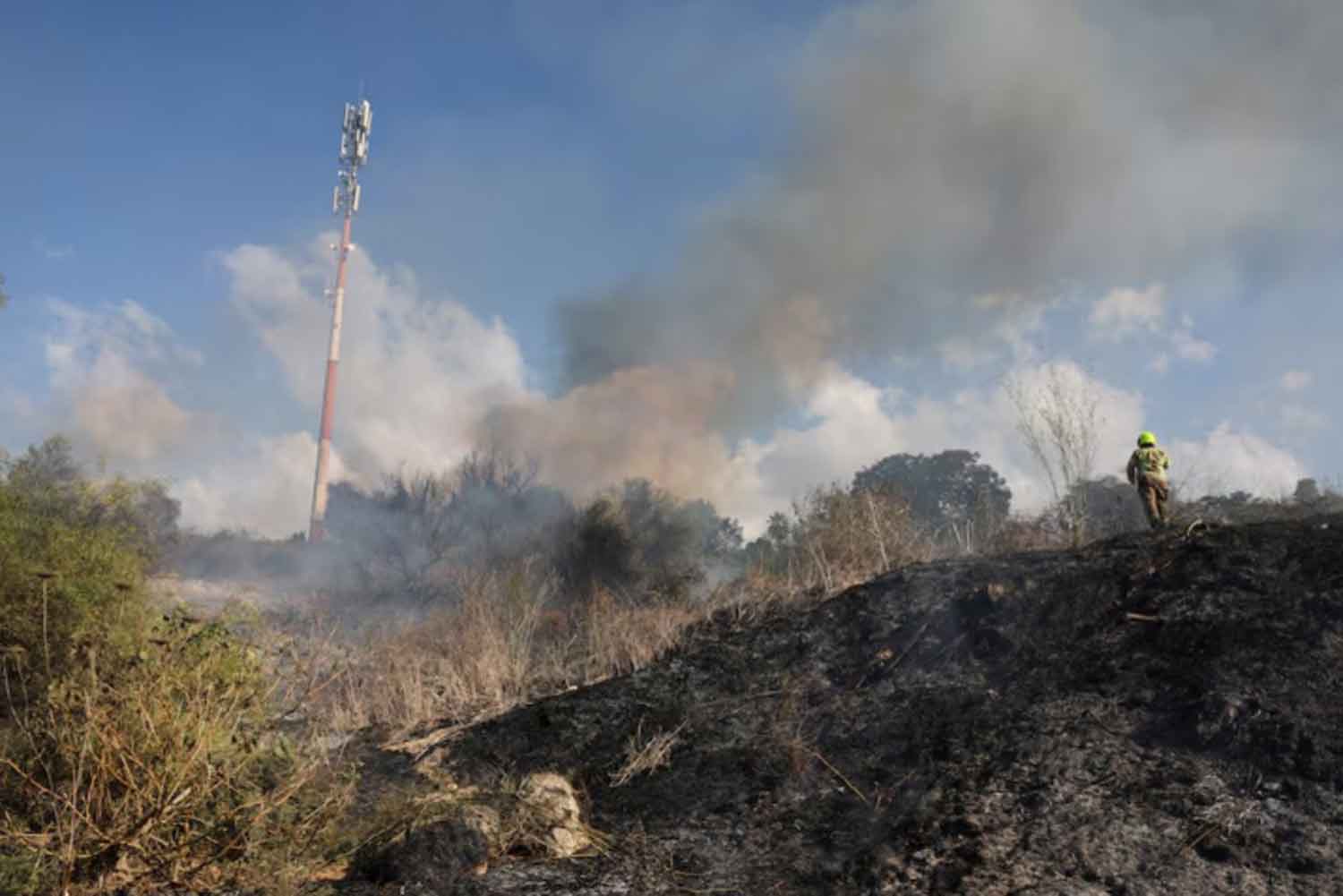
Air raid sirens were activated in Tel Aviv and central Israel shortly before the missile’s impact at approximately 6:35 a.m. local time (0335 GMT), prompting residents to seek shelter amid loud explosions. Smoke was observed rising from an open field in central Israel.

During a weekly cabinet meeting, Netanyahu emphasized that the Houthis should have anticipated a “heavy price” for their attacks on Israel, inviting them to recall the Israeli airstrike on Hodeida port in July, which was a response to a Houthi drone that struck Tel Aviv. The Houthis have consistently launched missiles and drones at Israel, claiming to show solidarity with the Palestinians since the onset of the Gaza conflict following a Hamas attack on October 7.

The drone strike in July resulted in one fatality and four injuries, while Israeli retaliatory airstrikes on Houthi military positions near Hodeidah resulted in six deaths and 80 injuries. Previously, Houthi missiles had not penetrated deeply into Israeli airspace, with the only recorded incident being a missile that landed in an open area near Eilat in March.

Sarea warned that more strikes should be anticipated as the first anniversary of the October 7 operation approaches, including responses to aggression in Hodeidah. Nasruddin Amer, the deputy head of the Houthi media office, also commented on the situation.

Russian TV is involved in overseas intelligence operations, US Secretary of State alleges

0

U.S. Secretary of State Antony Blinken stated on Friday that nations should regard the operations of the Russian state broadcaster RT as akin to covert intelligence activities, as he announced new sanctions targeting alleged Russian influence campaigns abroad.

Last week, the United States charged two RT employees with money laundering and imposed sanctions on Editor-in-Chief Margarita Simonyan, citing a scheme to engage an American firm for producing online content aimed at influencing the 2024 U.S. elections. Blinken informed reporters at the State Department that Russian media organizations are effectively operating as an extension of Russia’s intelligence services.

He noted that RT has evolved from a traditional media outlet to one that possesses cyber capabilities and engages in covert information and influence operations internationally, referencing new intelligence, much of which he claimed was provided by RT personnel. “Today, we are announcing that these Kremlin-affiliated media organizations are not only engaged in covert influence activities to undermine democracy in the United States but are also interfering in the sovereign matters of nations worldwide,” Blinken remarked.

The ongoing conflict in Ukraine has severely strained U.S.-Russian relations since President Vladimir Putin initiated a full-scale invasion in 2022, prompting the Biden administration to supply arms to Kyiv and lead a comprehensive international sanctions initiative against Moscow.

RT has ridiculed U.S. actions, with Simonyan asserting that Washington is attempting to obstruct the broadcaster’s operations as a journalistic entity and pledging to circumvent sanctions to continue its work. The Russian embassy in Washington has not yet responded to a request for comment.

The United States, along with Britain and Canada, plans to collaborate on a diplomatic initiative to inform other nations about Russian efforts, including the sharing of evidence. “Each government will ultimately determine its response to this threat, but we encourage every ally and partner to begin by treating RT’s activities as they would other intelligence operations conducted by Russia.”

U.S. State Department green lights for sale of F-35 to Romania

0

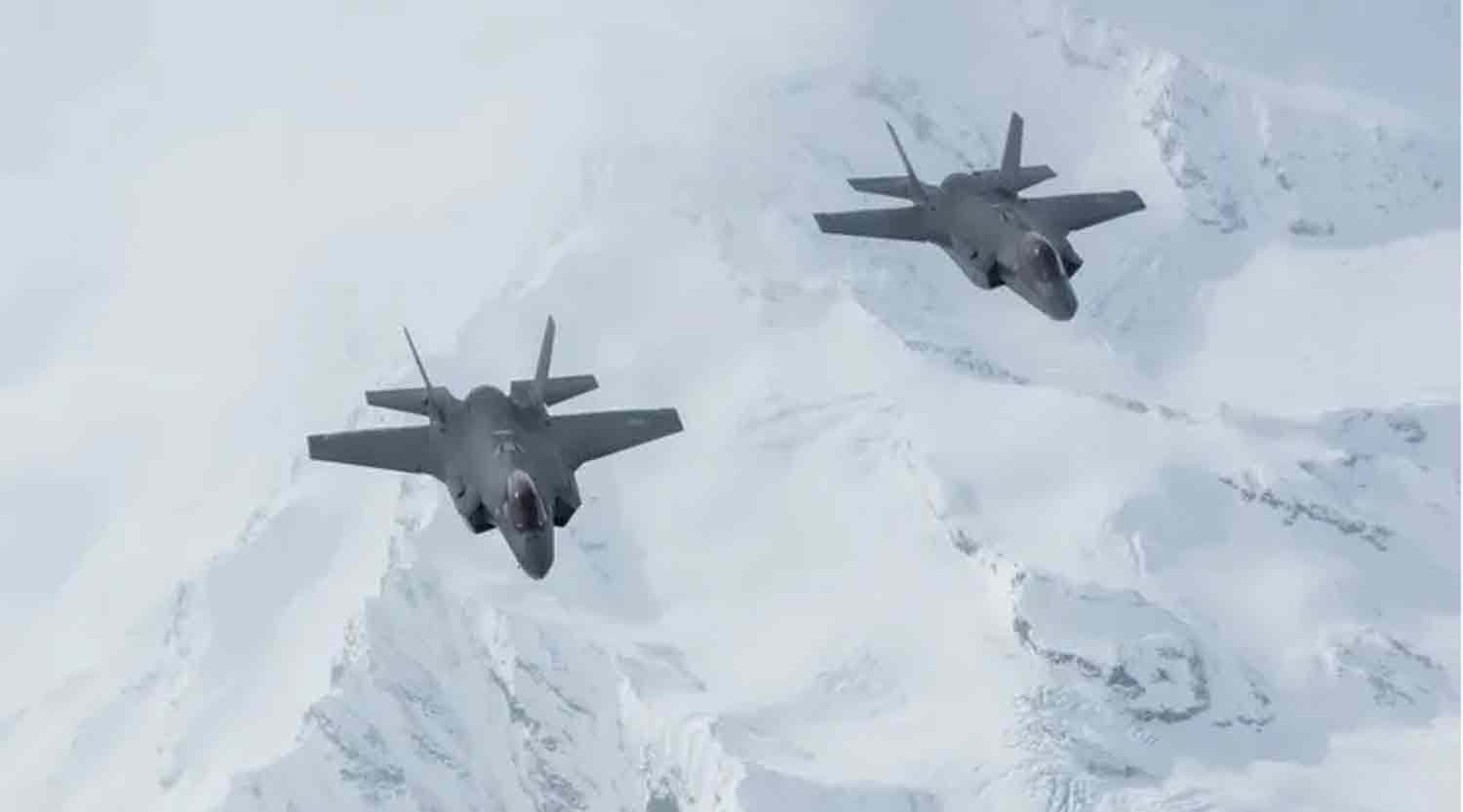
The Pentagon announced on Friday that the U.S. State Department has given the green light for a prospective sale of 32 F-35 aircraft, along with engines and additional equipment, to Romania, with the total deal estimated at $7.2 billion.

Lockheed Martin Inc. is set to be the main contractor for the aircraft, while the order will also encompass 33 engines supplied by Pratt & Whitney, a subsidiary of RTX.