Tuesday, April 7, 2026
Home Blog Page 15

China’s Type 075 Amphibious Assault Ship Hainan Conducts High-Intensity South China Sea Drills, Signalling Expeditionary Shift

0
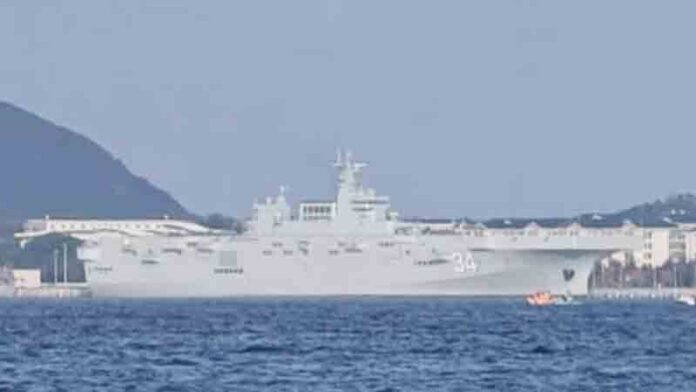
Type 075 amphibious assault ship, China

The People’s Liberation Army Navy has conducted a high-intensity, combat-oriented exercise involving its Type 075 amphibious assault ship Hainan in the South China Sea, underscoring Beijing’s accelerating shift from coastal defence toward expeditionary, multi-domain maritime warfare.

The drills, carried out under China’s Southern Theater Command, come amid heightened regional tensions and growing great-power rivalry across the Indo-Pacific.

Focus on Sea-Air Coordination and Missile Defence

Chinese military reporting described the exercise as “high-intensity and combat-oriented,” highlighting an emphasis on realistic warfighting scenarios rather than symbolic demonstrations.

Key elements included:

  • Integrated sea-air coordination
  • Air- and missile-defence drills under contested conditions
  • Amphibious task force survivability in far-sea environments

These activities reflect the PLA Navy’s intent to prepare amphibious forces for operations under persistent aerial, missile, and electronic warfare threats.

From Modernisation Symbol to Frontline Asset

Commissioned in April 2021, Hainan has rapidly transitioned from a flagship of naval modernisation into a frontline operational platform. The ship is now routinely integrated into complex exercises combining aviation operations, surface manoeuvre, electronic warfare, and layered air defence.

Analysts increasingly assess the Type 075 not merely as a transport vessel, but as a command-and-control hub capable of orchestrating helicopter-borne assaults, anti-submarine screens, and defensive umbrellas within a single amphibious strike group.

Implications for Southeast Asia Claimant States

For Southeast Asian claimant states such as Philippines, Vietnam, and Malaysia, the presence of Hainan in realistic South China Sea drills signals a growing military asymmetry.

China’s ability to rapidly deploy marines, helicopters, and supporting fires is increasingly rehearsed, enhancing its capacity to impose faits accomplis in disputed maritime zones.

Type 075: A Leap in Chinese Amphibious Capability

The Type 075 Yushen-class represents a qualitative leap in China’s amphibious warfare architecture.

Key characteristics include:

  • Displacement: ~40,000 tonnes (full load)
  • Length: ~250 metres
  • Aviation capacity: Up to 30 helicopters (Z-8, Z-9, Z-20 variants)
  • Troop capacity: Up to 900 marines with vehicles and supplies

Constructed by China State Shipbuilding Corporation at Hudong-Zhonghua Shipyard, the class reflects the maturation of China’s military-industrial base under its military-civil fusion strategy.

Layered Defences and Command Integration

Hainan’s survivability is reinforced through layered defensive systems, including HHQ-10 short-range surface-to-air missiles and H/PJ-11 close-in weapon systems, supported by advanced radar and sensor suites.

Crucially, the ship’s command architecture enables real-time coordination between escorts, aviation assets, and potentially unmanned systems—central to China’s system-of-systems naval warfare doctrine.

Strategic Role of Hainan and Southern Theater Command

Named after China’s southernmost province, Hainan is homeported in Sanya and assigned to the Southern Theater Command, reflecting Beijing’s prioritisation of the South China Sea as its primary operational laboratory for expeditionary warfare.

Since entering service, the ship has participated in:

  • Western Pacific far-sea deployments
  • Taiwan-encirclement exercises in late 2025
  • Large-scale replenishment-at-sea drills

These deployments signal that the Type 075 is central to China’s amphibious and counter-intervention planning.

High-Intensity 2026 Drills: What Was Tested

The February 2026 exercise reportedly tested:

  • Helicopter-borne vertical envelopment missions
  • Escort-provided layered air defence
  • Simulated missile and aerial threat interception
  • Electronic warfare and electromagnetic interference scenarios

Such training reflects Chinese assessments that future amphibious operations would face sustained resistance from advanced regional and extra-regional forces.

Regional and Indo-Pacific Strategic Implications

Beyond tactical training, the drills serve as strategic signalling. They reinforce China’s operational confidence in disputed waters while challenging external intervention by demonstrating readiness to counter advanced U.S.- and allied-style strike threats.

From a Taiwan contingency perspective, Type 075 platforms are increasingly viewed as critical enablers of large-scale landing operations, providing aviation lift, protection, and command integration.

A Shift Toward Amphibious-Centric Power Projection

The operational maturation of Hainan highlights a broader shift in Chinese naval strategy—one in which large-deck amphibious assault ships become central instruments of coercion, deterrence, and expeditionary power projection.

As amphibious task groups integrate with carriers, bombers, and shore-based missile forces, China is reshaping the Indo-Pacific maritime balance, compelling regional states and global powers to reassess crisis stability and naval posture.
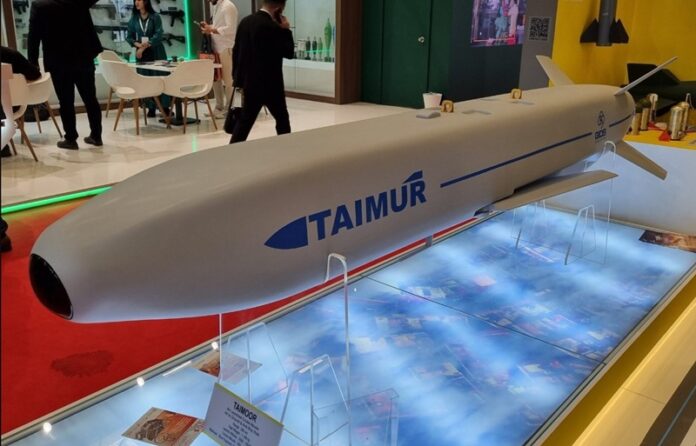

Pakistan to Unveil Taimoor Air-Launched Cruise Missile at World Defense Show 2026

0
Taimoor Air-Launched Cruise Missile

Pakistan is set to publicly unveil its newly tested Taimoor Air-Launched Cruise Missile (ALCM) at the World Defense Show (WDS) 2026 in Riyadh, marking a calibrated assertion of the country’s growing indigenous precision-strike capability and long-range conventional deterrence.

The unveiling follows the Pakistan Air Force’s successful test-firing of the missile on January 3, 2026, and reflects Islamabad’s intent to translate domestic defence innovation into credible operational capability within a rapidly evolving regional airpower environment.

Senior Leadership Signals Strategic Importance

President Asif Ali Zardari described the successful test as evidence of Pakistan’s advancing defence-industrial maturity, stating that it reflects “the growing technical innovation achieved by Pakistan’s defence sector.”

Similarly, Air Chief Marshal Zaheer Ahmed Baber Sidhu emphasised that the missile enhances the Pakistan Air Force’s operational flexibility and strengthens conventional deterrence, positioning the system as a key doctrinal enabler rather than a standalone weapon.

600-Kilometre Range Strengthens Conventional Deterrence

The Taimoor ALCM has a declared domestic strike range of 600 kilometres, while an MTCR-compliant export variant is capped at 280 kilometres. This configuration underscores Pakistan’s strategy of reinforcing long-range conventional strike options without crossing nuclear escalation thresholds in South Asia’s volatile security environment.

By focusing on standoff precision rather than sheer speed, Pakistan aims to impose operational costs on adversaries while maintaining escalation control.

Designed for Modern Air-Defence Environments

Developed by the Air Weapons Complex under the National Engineering and Scientific Commission ecosystem, the Taimoor missile is optimised for survivability against modern layered air-defence systems.

According to ISPR, the missile flies at very low altitudes, uses advanced navigation and guidance systems, and is capable of engaging both land and sea targets with high precision. Terrain-hugging flight profiles and reduced radar signatures are intended to compress enemy detection and interception timelines.

Successful Test from Mirage III Validates Readiness

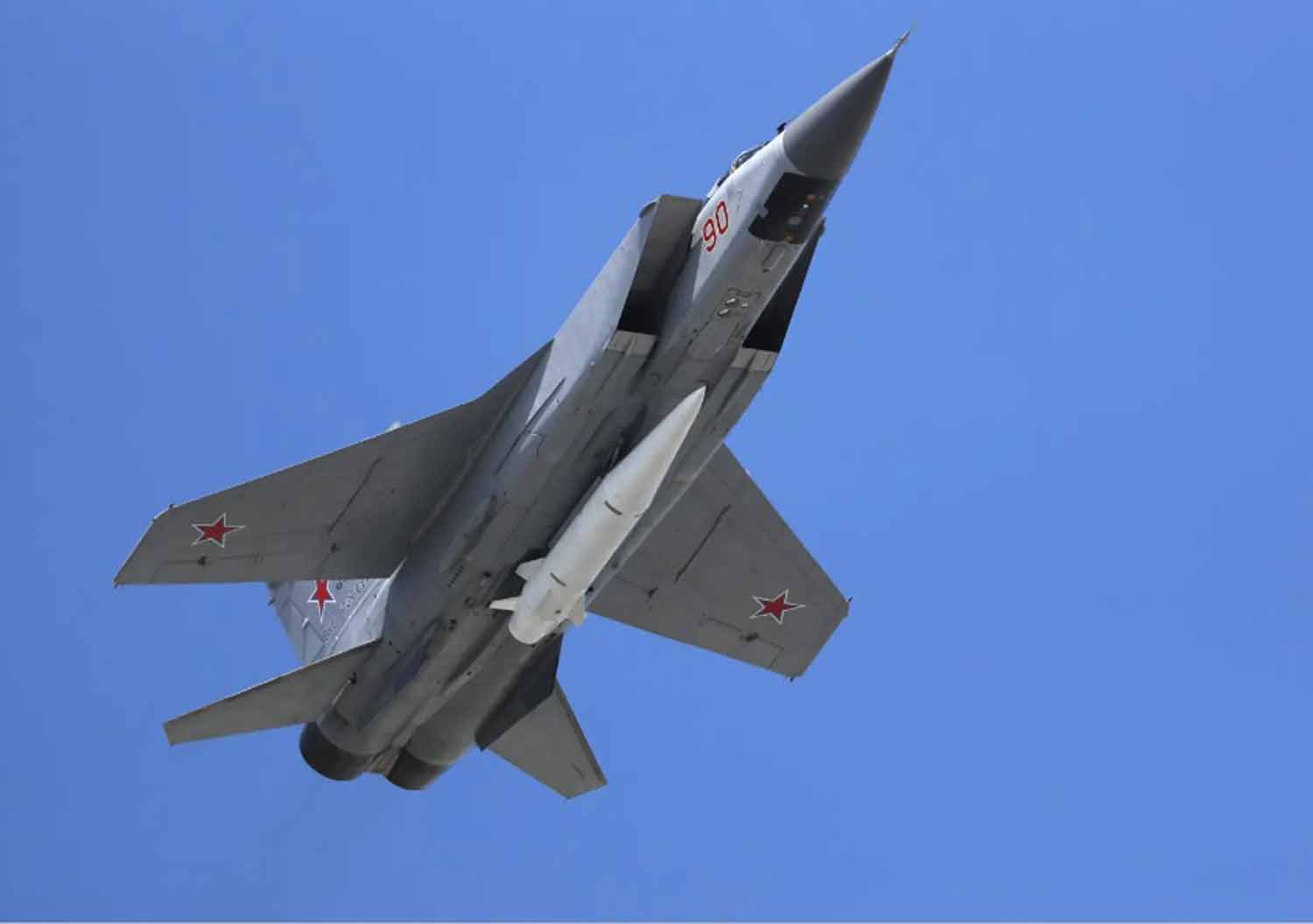
The January 2026 flight test, conducted from a Dassault Mirage III, confirmed the missile’s full operational profile, including launch dynamics, propulsion reliability, and guidance stability across its strike envelope.

Testing from a legacy fighter platform highlights Pakistan’s weapons-centric modernisation philosophy, allowing new strike capabilities to be integrated rapidly without waiting for next-generation aircraft induction.

Technical Profile of the Taimoor ALCM

Key reported characteristics include:

  • Range: 600 km (domestic), 280 km (export variant)
  • Speed: Subsonic (approximately Mach 0.7–0.8)
  • Weight: Under 1,200 kg
  • Guidance: INS with satellite augmentation and terrain-contour matching
  • Flight Profile: Ultra-low altitude, terrain-following
  • Warhead: Conventional, including blast-fragmentation options

The design prioritises endurance, guidance resilience, and penetration rather than hypersonic dash speed.

World Defense Show 2026 and Export Strategy

Pakistan will display the Taimoor missile at World Defense Show 2026, hosted in Riyadh from February 4 to 8, a venue that has rapidly become a major marketplace for advanced aerospace and missile technologies.

The selection of Riyadh reflects a deliberate export-oriented strategy led by Global Industrial & Defence Solutions (GIDS), positioning the Taimoor as a cost-effective precision-strike alternative for Middle Eastern, African, and Global South air forces.

Appeal to Gulf and Emerging Markets

Compared to Western air-launched cruise missiles, which often cost over US$1.5–2 million per unit, the Taimoor’s competitive pricing and lack of political conditionalities enhance its export appeal.

Saudi Arabia’s Vision 2030 defence localisation framework may also open avenues for co-production, technology transfer, or joint integration discussions.

Impact on Regional Airpower Balance

Within South Asia, the Taimoor introduces a survivable conventional standoff option that complicates adversary air-defence planning while avoiding nuclear signalling. Its anti-ship capability also strengthens Pakistan’s maritime deterrence posture in the Arabian Sea.

By diversifying launch platforms and extending strike reach, the missile contributes to a layered deterrence architecture designed to create uncertainty rather than numerical parity.

A Strategic and Industrial Milestone

The Taimoor ALCM builds on Pakistan’s earlier cruise missile programmes, refining guidance resilience, survivability, and export compliance. Its debut at World Defense Show 2026 signals not just a new weapon, but Pakistan’s emergence as a mature precision-strike developer in the global defence market.

Pakistan Moves Closer to Human Spaceflight as SUPARCO Shortlists Astronaut Candidates for 2026 Chinese Space Station Mission

0

Pakistan Space & Upper Atmosphere Research Commission (SUPARCO) has achieved another major milestone in Pakistan’s Human Spaceflight Programme with the successful completion of the secondary phase of astronaut candidate selection, bringing the country significantly closer to sending its first astronaut into orbit.

The development marks a historic step for Pakistan’s space ambitions, transitioning the national programme from satellite development and remote sensing into the domain of crewed space missions.

Rigorous Screening Conducted in China

After an initial screening phase conducted in Pakistan, a pool of candidates was sent to China for advanced evaluation. Following comprehensive medical, psychological, and aptitude assessments, two candidates have now been officially shortlisted.

These assessments were conducted at the China Astronauts Centre (ACC) in strict accordance with international human spaceflight standards, underscoring the technical and physiological demands of modern crewed missions.

Six Months of Advanced Astronaut Training

The two shortlisted candidates will now undergo six months of advanced astronaut training at the ACC. The training programme is expected to include:

  • Microgravity adaptation
  • Spacecraft systems familiarisation
  • Emergency response and survival training
  • Physical conditioning and mission simulations

Upon completion of this phase, one candidate will be selected to represent Pakistan on a crewed space mission.

Planned Mission to the Chinese Space Station in 2026

According to official plans, the selected Pakistani astronaut is scheduled to fly aboard the Chinese Space Station (CSS) in October or November 2026.

The CSS, also known as Tiangong, is China’s permanently crewed orbital laboratory and represents one of the most advanced space infrastructure projects currently in operation. Pakistan’s participation will provide hands-on experience in orbital science, life sciences, and applied research in microgravity.

Bilateral Agreement Enabled Historic Cooperation

This initiative is anchored in the Astronaut Cooperation Agreement, signed in February 2025 under the leadership of the Prime Minister of Pakistan. The agreement laid the legal and technical foundation for Pakistan’s entry into human spaceflight.

Officials note that sustained political backing and strategic vision were instrumental in securing Pakistan’s role in the programme.

China Selects Pakistan as First Foreign Astronaut Partner

The project also reflects strong institutional support from the Government of China, which selected Pakistan as the first foreign partner in its astronaut programme.

This decision highlights the depth of Pakistan-China space cooperation, which already spans satellite launches, Earth observation, and space science, and now extends into crewed missions—an area traditionally limited to a small number of spacefaring nations.

Strategic and Scientific Significance for Pakistan

Participation in a human spaceflight mission is expected to yield long-term benefits for Pakistan, including:

  • Development of indigenous astronaut training expertise
  • Advancement in space medicine and life sciences
  • Enhanced STEM inspiration and national prestige
  • Deeper integration into international space research networks

Analysts view the programme as a catalyst for modernising Pakistan’s space ecosystem and positioning SUPARCO for more ambitious future missions.

A Defining Moment for Pakistan’s Space Journey

With astronaut training underway and a clear mission timeline in place, Pakistan’s human spaceflight programme has moved from aspiration to execution. The upcoming mission to the Chinese Space Station is widely seen as a defining chapter in the country’s scientific and technological evolution.

Singapore to Join F-35 Club as Asia-Pacific Fleet Set to Exceed 300 Jets by 2030

0
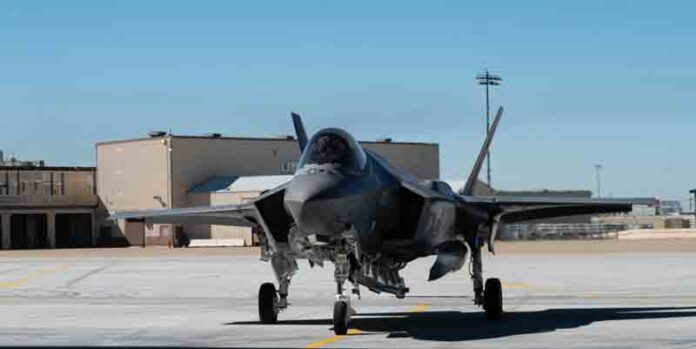
The F-35A Lightning II, dubbed a “Frankenjet” and assigned to the 388th Fighter Wing, returns to Hill Air Force Base, Utah.

Singapore is poised to become the fourth Asia-Pacific nation to operate the fifth-generation F-35 fighter jet, with its first Lockheed Martin F-35B Lightning II scheduled to enter service later this year.

The induction marks a major milestone for the Republic of Singapore Air Force (RSAF) and underscores the rapid expansion of F-35 operations across the Asia-Pacific region.

Over 300 F-35s Expected in Asia-Pacific by 2030

Speaking at the Singapore Airshow 2026, Steve Sheehy, Lockheed Martin’s Vice President for Aeronautics International Business Development, projected that more than 300 F-35 aircraft will be operating in the region by 2030.

This total includes U.S. Air Force and Navy F-35s stationed in Japan and Alaska, highlighting the aircraft’s growing role in regional deterrence and power projection.

Australia and Japan Lead Regional F-35 Fleets

Australia currently fields 72 F-35A fighters, with the final aircraft delivered in December 2024, making it the largest F-35 operator outside the United States—for now.

That distinction is expected to shift to Japan once the Japan Air Self-Defense Force completes deliveries of 105 F-35As and 42 F-35Bs. Japan received its first four F-35B aircraft last year, signalling its move toward enhanced expeditionary and carrier-based airpower.

South Korea Expands Its Stealth Fighter Force

South Korea has already taken delivery of 40 F-35A fighters and has 20 additional aircraft on order, reinforcing its air combat capabilities amid persistent regional security pressures.

Singapore’s F-35 Acquisition Plan in Detail

Singapore’s F-35 programme began with a 2019 order for four F-35Bs, which are due to be delivered before the end of this year. These aircraft will initially operate from Ebbing Air National Guard Base, before transitioning to Tengah Air Base around 2029.

The RSAF has also ordered eight additional F-35Bs, scheduled for delivery in 2028. In February 2024, Singapore expanded its order with eight F-35A variants, expected to arrive by 2030. Once complete, the RSAF will operate 20 F-35s across two variants.

Operational Roles of F-35A and F-35B Variants

Major General Kelvin Fan, Chief of Air Force for the RSAF, explained the rationale behind operating both variants:

“The F-35As, with greater endurance and higher payload capacity, will provide sustained reach and persistence, while the F-35Bs with short take-off and vertical-landing capability will offer greater operational agility.”

This mixed fleet approach allows Singapore to maximise flexibility despite its limited geographic depth.

RSAF Dominance in Southeast Asia

Combined with 40 F-15SG fighters and approximately 60 upgraded F-16C/Ds in the F-16V configuration, Singapore’s air force now eclipses every other Southeast Asian nation in terms of air combat capability.

The integration of stealth, sensor fusion, and network-centric warfare further cements the RSAF’s qualitative edge in the region.

F-35 Sustainment Infrastructure in Asia-Pacific

Of the four global F-35 heavy maintenance, repair, and overhaul (MRO) facilities, two are located in the Asia-Pacific—one in Australia and one in Japan. The remaining facilities are in Italy and the United States, reflecting the region’s growing centrality to F-35 operations.

Production Outlook and Limited New Customers

Sheehy revealed that Lockheed Martin delivered a record 191 F-35s last year, a figure inflated by delays related to Technology Refresh-3 (TR-3) upgrades. With the backlog now cleared, the company expects to deliver 156 aircraft this year.

However, prospects for additional Asia-Pacific customers remain limited. Recent bids from Taiwan and Thailand were rejected, although interest from India was encouraged last year by U.S. President Donald Trump.

Strategic Implications

Singapore’s entry into the F-35 operator community highlights a broader regional trend toward fifth-generation airpower, interoperability with U.S. forces, and enhanced deterrence in an increasingly contested Indo-Pacific security environment.

Iran Deploys Khorramshahr-4 Ballistic Missile: Strategic Escalation Ahead of Nuclear Talks

0
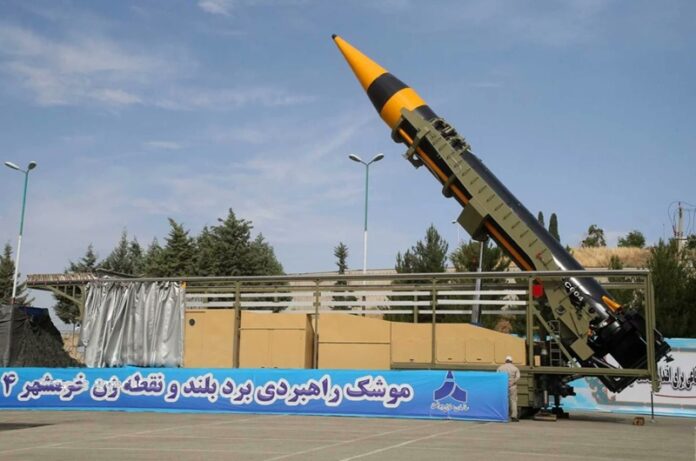
Khorramshahr-4 Ballistic Missile

Iran has officially deployed the Khorramshahr-4 ballistic missile into active combat service, a move widely viewed as a deliberate escalation of strategic signalling amid heightened regional tensions. Iranian state media confirmed the deployment, framing it as both a military milestone and a geopolitical message to regional and extra-regional adversaries.

The announcement comes at a time of acute volatility in the Middle East, with missile capability increasingly central to deterrence, diplomacy, and crisis bargaining.

IRGC Messaging and Strategic Signalling

Senior Iranian military officials, including commanders of the Islamic Revolutionary Guard Corps Aerospace Force, stressed that the Khorramshahr-4 is a fully indigenous system developed despite years of sanctions.

Iranian military media explicitly linked the missile’s operational deployment to a doctrinal shift from defensive deterrence to a more offensive posture, signalling that ballistic missiles are no longer reserved solely for retaliation but are now positioned as tools of coercive diplomacy.

Timing Linked to Nuclear Diplomacy

The timing of the deployment is particularly significant. Reports indicate the missile became operational on February 4, 2026—just hours before anticipated U.S.–Iran nuclear talks in Oman. Analysts interpret this as an attempt by Tehran to harden its negotiating position by demonstrating irreversible military facts on the ground.

By showcasing an advanced, war-ready missile capability, Iran effectively converts military power into diplomatic leverage, narrowing the space for concessions under pressure.

Why the Khorramshahr-4 Changes the Threat Landscape

From a strategic perspective, the Khorramshahr-4 reflects Iran’s assessment that regional deterrence has shifted toward rapid-strike, high-payload ballistic systems designed to compress enemy decision-making timelines.

For Israel, U.S. forward-deployed forces in the Gulf, and allied command centres across the Middle East, the missile introduces a destabilising element: the ability to deliver extremely heavy warheads at hypersonic speeds within minutes, reducing early-warning margins and complicating missile defence planning.

Historical Roots of the Khorramshahr Missile Program

The Khorramshahr missile family is deeply rooted in Iran’s collective memory of the 1980–1988 Iran-Iraq War, when the city of Khorramshahr became a symbol of national endurance. That experience shaped Tehran’s long-term conviction that strategic survival depends on indigenous strike capabilities.

The first Khorramshahr variant was unveiled in 2017, reportedly drawing technical inspiration from North Korean designs before being extensively localised. Subsequent versions focused on improving survivability, payload capacity, and penetration against missile defences.

Technical Capabilities of the Khorramshahr-4

The Khorramshahr-4, also known domestically as the Kheibar missile, represents the most advanced iteration to date. Key reported characteristics include:

  • Range: Approximately 2,000 kilometres
  • Payload: Estimated 1,500–1,800 kg, the heaviest among Iran’s operational missiles
  • Speed: Exo-atmospheric speeds reportedly reaching Mach 16, with terminal speeds around Mach 8
  • Guidance: Manoeuvrable re-entry vehicle designed to evade interception
  • Accuracy: Reported circular error probable of 10–30 metres

These attributes collectively position the missile as a precision strategic weapon rather than a purely symbolic deterrent.

Underground “Missile Cities” and Survivability

The integration of the Khorramshahr-4 into Iran’s underground “missile cities” significantly enhances survivability. Built deep within mountainous terrain, these facilities are designed to withstand precision strikes while enabling rapid, coordinated launches.

Dispersed basing and hardened infrastructure complicate adversary targeting efforts and increase the likelihood that Iran could sustain missile operations even after an initial attack.

Regional and Global Implications

The deployment compresses escalation timelines across the Middle East, increasing the risk of miscalculation during crises. For Gulf states and U.S. forces, it raises force-protection challenges, while for Israel it tests the limits of layered missile defence systems.

Beyond the region, the move resonates across Asia, where energy security and maritime trade—particularly through the Strait of Hormuz—remain vulnerable to missile-driven escalation and oil price volatility.

Missile Power as Diplomatic Leverage

International reactions underscore how missile capability has become inseparable from modern diplomacy. While Western officials warn of destabilisation and proliferation risks, Tehran appears intent on signalling that its missile programme is non-negotiable.

In this sense, the Khorramshahr-4 functions as both a weapon and a diplomatic instrument, shaping negotiations, alliances, and threat perceptions far beyond its physical range.

A New Geometry of Deterrence

Iran’s decision to operationalise the Khorramshahr-4 marks a decisive shift in its national security strategy. Ballistic missiles are no longer peripheral symbols of resistance but central instruments of power projection backed by credible combat readiness.

Whether this capability stabilises deterrence or accelerates escalation remains uncertain. What is clear, however, is that the deployment signals a new phase in Middle Eastern security dynamics—one defined by speed, payload dominance, and shrinking margins for error.

COAS Asim Munir Reaffirms Pakistan’s Support for Kashmir During Muzaffarabad Visit

0

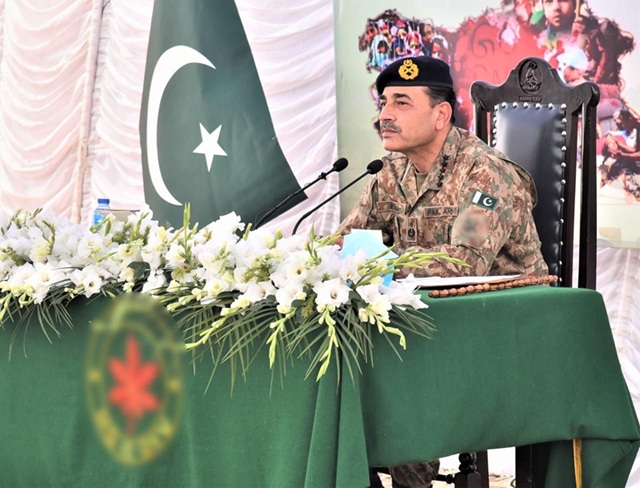
Field Marshal Syed Asim Munir, Chief of Army Staff (COAS) and Chief of Defence Forces (CDF) of Pakistan, visited Muzaffarabad on Tuesday, where he paid homage to the martyrs of the Kashmir freedom struggle and reiterated Pakistan’s unwavering political, moral, and diplomatic support for the people of Indian Illegally Occupied Jammu and Kashmir (IIOJK).

During the visit, the COAS laid a wreath at the Jammu and Kashmir Martyrs Monument and offered rich tributes to the Shuhada of the Kashmir movement, acknowledging their enduring legacy of valour, resilience, and selfless sacrifice.

Pakistan Will Continue to Support Kashmir at All International Forums

Interacting with local notables and veterans, Field Marshal Asim Munir strongly condemned ongoing human rights violations in IIOJK, stating that Indian atrocities and Hindutva-driven excesses have failed to suppress the legitimate struggle and aspirations of the Kashmiri people.

He reaffirmed that Pakistan will continue to highlight the Kashmir dispute at all relevant international forums in accordance with United Nations Security Council resolutions, stressing that a just and lasting resolution remains essential for regional peace and stability.

“Kashmir will witness the dawn of freedom in line with the will and destiny of its people,” the COAS stated, reaffirming complete solidarity with Kashmiri brothers and sisters.

COAS Praises Troops’ Morale, Professionalism, and Combat Readiness

The COAS commended the unwavering dedication, high morale, and professional excellence of officers and soldiers deployed in the Kashmir sector despite challenging operational conditions. He emphasized the need to maintain peak operational preparedness, constant vigilance, and seamless inter-domain coordination to effectively deter and respond to any hostile provocation.

Field Marshal Asim Munir underscored that the Pakistan Armed Forces remain fully prepared to counter both conventional and hybrid threats in an increasingly complex security environment.

Warning Against Aggression During Forward Post Visit

Later, the COAS visited a forward post along the Line of Control (LoC), where he interacted with frontline troops. He reiterated that any act of aggression would be met with an immediate, swift, and befitting response.

He assured the troops that the nation stands firmly behind its armed forces and lauded their commitment to defending Pakistan’s sovereignty and territorial integrity.

Arrival and Reception

Earlier upon arrival in Muzaffarabad, Field Marshal Asim Munir was received by the Commander Rawalpindi Corps, who briefed him on the prevailing security situation and operational preparedness in the region.

Panama Canal Becomes Flashpoint in Escalating US–China Power Struggle

0
Aerial view of the Panama Canal in the area of Pedro Miguel locks, in Panama City.

China has issued unusually sharp warnings after Panama’s Supreme Court ruled that a Hong Kong–backed company’s concession to operate key ports at the Panama Canal was unconstitutional, signalling that Panama could “pay a heavy political and economic price” if the decision is not reversed.

The ruling has rapidly escalated into a major geopolitical flashpoint, placing the Panama Canal at the centre of an intensifying power struggle between China and the United States over strategic infrastructure in the Western Hemisphere.

Panama Court Targets Hutchison Ports Concession

At the heart of the dispute is CK Hutchison, a Hong Kong–based multinational that operates ports worldwide through its Hutchison Ports subsidiary. The company has long managed two strategically vital terminals at opposite ends of the Panama Canal under a concession agreement.

Panama’s Supreme Court ruled late last month that the contract granted to Hutchison’s local unit violated the country’s constitution, following a government audit of its operations. The decision effectively threatens the company’s right to continue operating the ports.

Hutchison Ports’ Panama Ports Company has since launched international arbitration proceedings, arguing that the ruling is part of a coordinated state campaign against it.

Beijing Condemns Ruling as “Hegemonic Bullying”

China’s response was swift and unusually combative. In an 800-word statement, Beijing’s office overseeing Hong Kong affairs described the ruling as “truly shameful and pathetic,” accusing Panama of bowing to US pressure and acting as “an accomplice to hegemony.”

China said it “firmly opposes economic coercion and hegemonic bullying” and warned that the decision would severely damage Panama’s business environment and long-term economic development.

The strong language underscores how closely Beijing is watching the case—and how seriously it views Washington’s efforts to roll back Chinese influence in Latin America.

US Pressure and Trump’s Canal Narrative

The ruling comes amid an aggressive push by the administration of Donald Trump to deny “non-Hemispheric competitors” control over strategically vital assets in the Western Hemisphere.

Trump has repeatedly claimed—without evidence—that “China is operating the Panama Canal,” vowing in his inaugural address to “take it back.” On his first day in office, Panama launched an audit of Hutchison’s port operations, though President José Raúl Mulino publicly rejected Trump’s assertions.

For Washington, the Panama Canal—through which roughly 40 percent of US container traffic transits annually—has become a critical test case in its broader effort to counter Chinese economic and logistical footholds close to US territory.

China’s Deep Economic Footprint in Latin America

Over the past two decades, China has built extensive economic ties across Latin America and the Caribbean, generating more than $500 billion in annual trade. Chinese firms are deeply embedded in the region’s power grids, telecommunications networks, mining projects, and port infrastructure.

Panama occupies a particularly sensitive position. China overtook the United States as Panama’s largest trading partner in 2019, according to UN data through 2024. Beijing also scored a diplomatic win in 2017 when Panama became the first Latin American country to join Chinese leader Xi Jinping’s Belt and Road Initiative.

That relationship has since deteriorated under mounting US pressure, with Panama formally withdrawing from the Belt and Road framework earlier this year.

The BlackRock Deal and Beijing’s Dilemma

Tensions escalated further when CK Hutchison announced plans last year to sell stakes in more than 40 ports across two dozen countries—including the Panama Canal terminals—to a consortium led by US investment giant BlackRock.

Trump hailed the proposed sale as a US victory. Beijing, however, insisted it would “conduct reviews and supervision” of any such asset transfer. Since then, the deal appears to have stalled, and analysts say Panama’s court ruling could further complicate or derail the transaction.

While Hutchison is not a Chinese state-owned enterprise—it is controlled by Hong Kong billionaire Li Ka-shing—Beijing views the case as a precedent that could deter Chinese firms from investing in strategically sensitive regions.

Economic Retaliation or Strategic Restraint?

China has a well-established record of using economic leverage to retaliate against governments it believes have crossed political red lines, from restricting tourism to Japan over Taiwan tensions to imposing trade barriers on Australian and Norwegian exports.

Analysts say Panama could face similar pressure through trade, investment slowdowns, or regulatory hurdles. However, Beijing also faces a strategic dilemma: heavy-handed retaliation could undermine China’s efforts to present itself as a stable, non-coercive alternative to US leadership, particularly among emerging economies.

Beijing may also tread carefully ahead of an expected visit by Trump later this spring, as both sides seek to stabilise a fragile US–China relationship.

A Test Case for Regional Influence

For US policymakers, Panama’s ruling is already being framed as evidence that sustained political and legal pressure can roll back Chinese influence. Analysts in Washington say the decision is likely to embolden further challenges to Chinese-linked infrastructure projects elsewhere in the region.

At the same time, Chinese strategists are warning that the episode will make state-owned and private Chinese firms far more cautious about committing capital near US-controlled chokepoints.

As the legal battle continues, the Panama Canal dispute has become far more than a commercial disagreement—it is now a high-stakes test of how US–China rivalry will play out across Latin America, and whether strategic infrastructure can remain insulated from great-power competition.

Iran Drops US GPS for China’s BeiDou in Major Shift Toward Digital Sovereignty

0
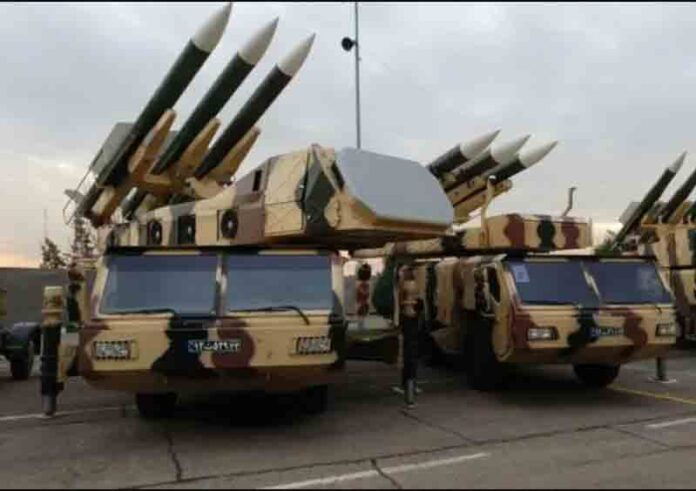
3rd Khordad air defence system, Iran

Iran’s formal decision to abandon the United States-controlled Global Positioning System (GPS) in favour of China’s BeiDou Navigation Satellite System marks a major strategic rupture with Western technological dependence and signals a new phase in Tehran’s pursuit of digital sovereignty and military survivability.

The shift, completed in mid-2025, followed the June Israel-Iran conflict, during which widespread GPS disruption severely affected Iranian airspace, maritime traffic, and land-based navigation systems. The episode underscored how satellite navigation has evolved into an active battlespace, where signal denial and electronic warfare can shape military outcomes, economic continuity, and civilian resilience.

Iranian Deputy Communications Minister Ehsan Chitsaz publicly acknowledged that repeated disruptions to GPS had transformed reliance on the system into a national-security vulnerability, pushing Tehran toward alternatives such as BeiDou. He confirmed that the transition extends beyond the military domain to transportation networks, logistics chains, agriculture, and internet-dependent infrastructure.

China’s embassy in Tehran later reinforced the decision, with officials confirming Iran’s full transition to BeiDou and framing it as a deliberate move to reduce dependence on Western-controlled digital infrastructure. For Tehran, the adoption of BeiDou represents not merely a technical upgrade, but a geopolitical declaration that reliance on US-controlled space systems now carries unacceptable strategic risk.

Operational since 2020, China’s BeiDou constellation comprises more than 50 satellites operating across multiple orbital layers, offering enhanced redundancy, stronger signal geometry, and greater resistance to jamming compared to legacy GPS architecture. These features are particularly valuable in the Middle East, where electronic warfare, spoofing, and signal degradation have become routine tools of statecraft.

By abandoning GPS, Iran has significantly reduced Western leverage over its missile guidance, drone navigation, and precision-strike systems. Iranian defence planners had already begun partial BeiDou integration as early as 2021, but the decisive catalyst emerged during the 12-day conflict in June 2025, when GPS interference disrupted nearly 1,000 civilian and military platforms.

On June 23, 2025, Iranian authorities formally deactivated GPS reception nationwide, blocking American signals and completing the transition to BeiDou for both civilian and military applications. The move was designed to complicate future missile and drone attacks by denying adversaries familiar signal-interference pathways.

BeiDou’s military-grade accuracy—reportedly reaching centimetre-level precision for authorised users—offers a substantial advantage over civilian GPS accuracy, directly enhancing the effectiveness of precision-guided munitions and long-range strike systems. Its integrated short-message communication capability also provides an encrypted command-and-control layer absent in GPS, improving resilience during cyber or infrastructure disruption.

The implications extend beyond Iran. By mid-2025, more than 165 countries were reportedly observed more frequently by BeiDou satellites than GPS, signalling a structural erosion of US dominance over global navigation infrastructure. Iran’s defection thus represents part of a broader fragmentation of the digital commons and a deepening convergence between Beijing and sanctioned or non-aligned states.

For the United States, the erosion of GPS exclusivity weakens a longstanding lever of influence historically used for surveillance, sanctions enforcement, and escalation management. Regional and global observers warn that Iran’s move could encourage neighbouring states to reassess their own navigation dependencies, accelerating a shift toward multipolar navigation governance.

Despite the economic and technical costs of transitioning civilian infrastructure under sanctions pressure, Iranian officials argue that BeiDou-compatible hardware remains accessible through non-Western supply chains, offsetting long-term risks associated with signal denial and foreign control.

Ultimately, Iran’s abandonment of GPS in favour of BeiDou marks a watershed moment in Middle Eastern security dynamics. It demonstrates how control over positioning signals has become as consequential as control over airspace, redefining modern power projection in an era dominated by electronic warfare and digital coercion.

How China’s Anti-Stealth YLC-8B Radar Could Reshape Iran’s Air Defense

0
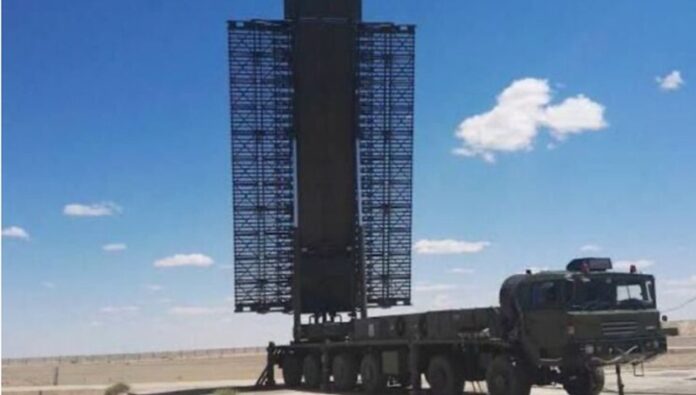
YLC-8B radar

Reports indicating that China has transferred its advanced YLC-8B strategic three-dimensional radar systems to Iran point to a significant transformation in the regional military balance, particularly in the domain of air defense and counter-stealth warfare. Defence analysts warn that the YLC-8B is among a very small number of radar systems globally capable of continuously detecting and tracking Western fifth-generation stealth aircraft at extended ranges.

Emerging intelligence assessments claim that multiple YLC-8B radar units—each with an estimated detection range of up to 700 kilometers—have been delivered to Iran. If confirmed, this would represent a decisive recalibration of Iran’s air defense architecture and directly challenge long-standing assumptions underpinning U.S. and Israeli stealth-centric strike doctrines.

The reported transfer gains particular significance following the recent 12-day confrontation between Israel and Iran, during which Tehran’s air defense vulnerabilities were reportedly exposed. Iranian military planners are now believed to be prioritizing the rapid reconstruction of early-warning and detection layers capable of countering low-observable aircraft and long-range stand-off strike profiles.

Developed by China’s Nanjing Research Institute of Electronics Technology, the YLC-8B is engineered specifically to counter stealth aircraft and ballistic missile threats. Operating in the UHF low-frequency band, the radar exploits physical limitations in radar-absorbent materials and stealth shaping, reducing the effectiveness of platforms such as the F-35 Lightning II and B-2 Spirit.

According to widely circulated defence intelligence reports, China has supplied Iran with strategic three-dimensional YLC-8B radars capable of detecting conventional aircraft at ranges exceeding 500 kilometers, while ballistic missile targets—particularly during boost or mid-course phases—may be identified at distances approaching 700 kilometers. For tactical fighter aircraft, effective detection is assessed at roughly 350 kilometers, allowing Iranian air defense commanders to initiate engagement sequences well before hostile aircraft reach weapons-release envelopes.

The integration of YLC-8B radars into Iran’s layered air defense network—already comprising Russian-supplied S-300PMU-2 systems and domestically produced Bavar-373 interceptors—could significantly extend detection timelines. Earlier cueing enables more efficient interceptor allocation, higher intercept probability, and reduced vulnerability to surprise deep-strike operations.

Image

A key operational advantage of the YLC-8B lies in its mobility. Designed for rapid deployment and displacement within approximately 30 minutes, the system enhances survivability against suppression of enemy air defense (SEAD) missions. Its foldable antenna array and modular transport configuration allow frequent relocation, complicating adversary targeting cycles and increasing the cost of kinetic or electronic suppression.

Low-frequency operation further improves survivability, as such radars are less vulnerable to conventional anti-radiation missiles optimized for higher-frequency emitters. This resilience allows Iranian forces to maintain situational awareness even after initial strikes, preserving command-and-control coherence under contested conditions.

Beyond immediate tactical implications, the reported transfer reflects a broader convergence of Chinese and Iranian strategic interests. Beijing benefits by safeguarding energy supply routes and challenging U.S. air dominance without direct confrontation, while Tehran seeks to deny adversaries uncontested access to its airspace over critical military, nuclear, and industrial infrastructure.

Within the framework of the 25-year China-Iran comprehensive strategic partnership signed in 2021, defence cooperation—including advanced sensor technology—has accelerated. Analysts note that China’s provision of high-end radars enables Iran to compensate for gaps exposed in recent conflicts, while offering Beijing valuable real-world performance data against Western platforms.

For the United States and Israel, the deployment of long-range anti-stealth radars in Iran introduces greater uncertainty into operational planning. Stealth aircraft can no longer assume uncontested access during the opening phases of a conflict, potentially necessitating larger force packages, expanded electronic warfare support, and greater reliance on stand-off weapons.

Ultimately, the reported transfer of YLC-8B strategic radars marks a pivotal moment in Middle Eastern air defense evolution. By eroding traditional stealth advantages and expanding early-warning coverage, the system reshapes deterrence dynamics and signals a shift toward a far more contested and technologically unforgiving airspace environment.

Al-Qaeda Chief Saif al-Adl Seeks Taliban Approval to Relocate Leadership to Afghanistan

0
Al-Qaeda Chief Saif al-Adl

Sources claim that Saif al-Adl, the current leader of Al-Qaeda, has reached out to Taliban supreme leader Hibatullah Akhundzada regarding a potential temporary relocation of al-Qaeda’s leadership base to Afghanistan.

According to the report, Saif al-Adl conveyed his message through a letter sent to Kandahar approximately three weeks ago, seeking “guidance” from the Taliban leadership amid growing regional uncertainty.

Concerns Linked to Iran and Regional Escalation

The letter reportedly outlines al-Qaeda’s concern that a possible collapse or destabilisation of the Iran under pressure from the United States and Israel could force the group to relocate its leadership.

In that scenario, the letter suggests, al-Qaeda would have little choice but to move its command structure to conflict zones such as Iraq or Syria. Until conditions become clearer, Afghanistan is described as a possible temporary base, subject to Taliban approval.

Image

Taliban Caution and Historical Sensitivities

Sources say Saif al-Adl explicitly assured the Taliban that al-Qaeda does not wish to repeat past actions that led to international intervention and the collapse of the Taliban’s first government after the 9/11 attacks.

Al-Qaeda’s leadership was headquartered in Afghanistan before 2001, a presence that directly triggered the U.S.-led invasion and the Taliban’s removal from power. That history remains a core strategic concern for the current Taliban government, which seeks international legitimacy and sanctions relief.

According to Afghanistan International, Taliban leader Hibatullah Akhundzada has not yet taken a decision on the request and is reportedly waiting to see how Iran’s internal and regional situation evolves.

How the Letter Was Delivered

The message was reportedly delivered to Kandahar by Mohammad Hakim, the Taliban governor of Panjshir, along with an individual identified as Abdul Rahman Wardak. The method of delivery suggests the matter is being handled with discretion at senior Taliban levels.

Saif al-Adl’s Background and Status

According to United Nations monitoring reports, Saif al-Adl assumed leadership of al-Qaeda after Ayman al-Zawahiri was killed in a U.S. drone strike in Kabul in 2022.

A former Federal Bureau of Investigation official has stated that Saif al-Adl has been residing in Iran since 2003, living under varying degrees of restriction. He has been on the U.S. wanted list since 2021.

Born in Egypt and now 66 years old, Saif al-Adl has used multiple aliases, including Mohammed Salah al-Din Zidan, Mohammed Ibrahim Makkawi, and Ibrahim al-Madani. According to reports, a photograph released by U.S. authorities as part of his wanted profile was taken in Tehran in 2012.

Strategic Implications

If confirmed, the outreach highlights the continued strategic interdependence between al-Qaeda and the Taliban despite repeated Taliban assurances that Afghan soil will not be used against other countries.

For regional and Western intelligence agencies, the episode reinforces concerns that Afghanistan could once again emerge as a permissive environment for transnational militant networks—particularly if geopolitical pressures reshape safe havens elsewhere.

At the same time, the Taliban’s apparent hesitation reflects an awareness that accommodating al-Qaeda leadership could jeopardise its fragile engagement with the international community.

China’s J-20, Pakistan’s J-31 Path—and India’s AMCA Dilemma

0

India’s decision to move the Advanced Medium Combat Aircraft (AMCA) programme away from Hindustan Aeronautics Limited (HAL) and toward private industry comes at a time when China has already operationalised fifth-generation airpower—and Pakistan is aligning itself with that ecosystem.

The comparison is unavoidable.

China: Fifth-Generation Fighters as a Mature Capability

Image

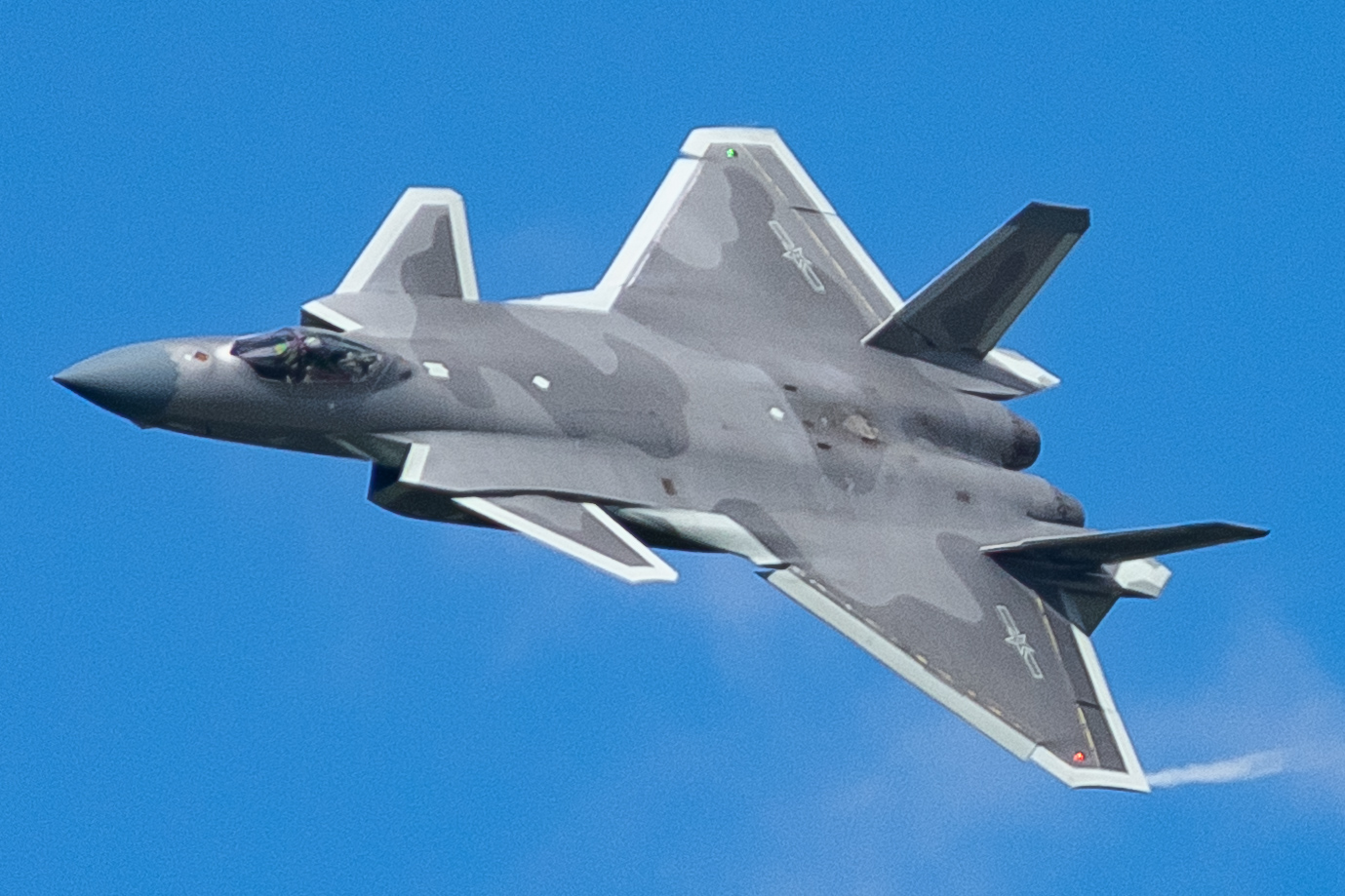
China inducted the Chengdu J-20 into operational service years ago. The aircraft is no longer experimental—it is deployed across multiple theater commands, powered by indigenous WS-15 engines, and integrated into China’s broader sensor-shooter network.

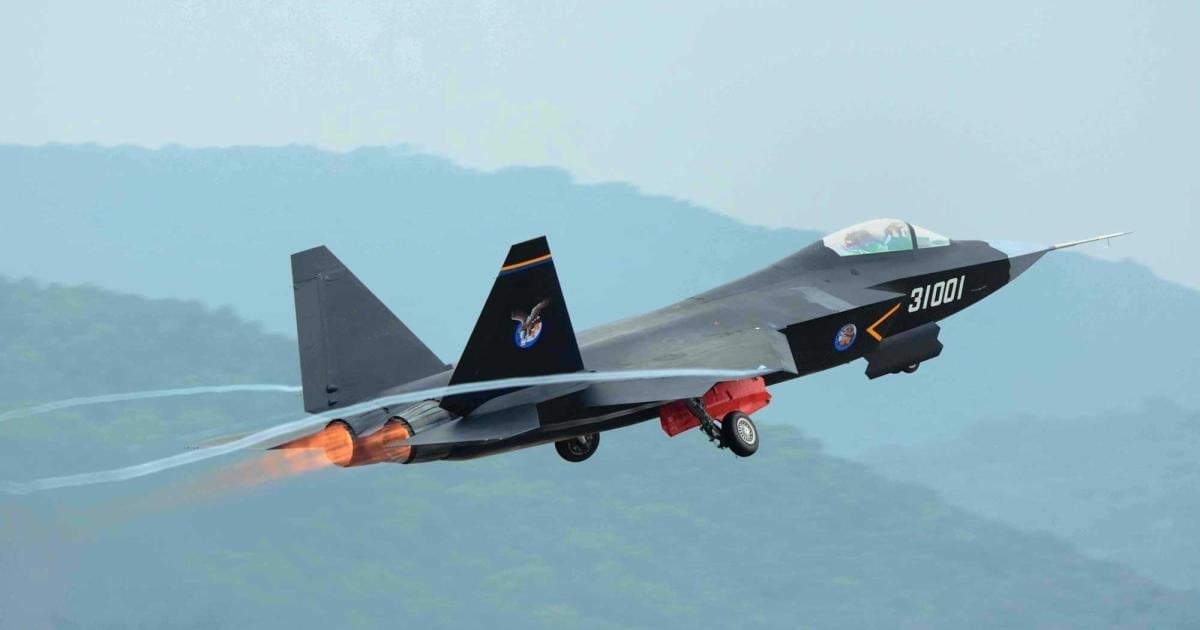
In parallel, China has developed the Shenyang FC-31 (often referred to as J-31), which has evolved from a technology demonstrator into a viable export-oriented stealth fighter.

Key distinctions in China’s approach:

  • State-controlled industrial ecosystem with clear hierarchy
  • No L1 (lowest-bidder) logic for strategic platforms
  • Parallel development of airframe, engine, sensors, and weapons
  • Early acceptance of risk, followed by rapid iteration

China absorbed failures early—and moved on. India is still debating who should build the aircraft.

Image

Pakistan: No Fifth-Gen Yet—But No Strategic Isolation Either

Pakistan does not operate a fifth-generation fighter today—but it is not starting from zero.

The JF-17 Thunder Block III, co-developed with China, already incorporates:

  • AESA radar
  • Advanced electronic warfare
  • Sensor fusion elements
  • Long-range BVR missiles

More importantly, Pakistan has direct access to Chinese aerospace pathways. The FC-31/J-31 is widely viewed by analysts as the logical future platform for Pakistan—whether through acquisition, co-production, or derivative development—once Beijing clears export and strategic thresholds.

Unlike India, Pakistan is not trying to reinvent the entire fifth-generation stack domestically. It is leveraging alliance-based capability transfer.

India’s Core Problem: Process, Not Talent

India’s struggle is not a lack of engineers or ambition—it is institutional fragmentation.

AMCA highlights this clearly:

  • Design authority with Aeronautical Development Agency
  • R&D under Defence Research and Development Organisation
  • Production now pushed to first-time private prime integrators
  • Engine still foreign for initial squadrons
  • Selection driven by cost metrics rather than capability maturity

China built the J-20 inside a single, vertically integrated state system.
India is trying to build AMCA across competing bureaucracies and balance sheets.

The L1 Trap: Why AMCA Risks Becoming Another Delay Story

Defence sources indicate that AMCA’s prototype contract may be awarded primarily on lowest-bidder (L1) criteria due to minimal technical differentiation among private bidders.

No fifth-generation fighter programme globally—US, Chinese, or Russian—has succeeded under a cost-first selection model. Stealth shaping, radar cross-section control, materials science, thermal management, and software integration are experience-heavy disciplines.

China accepted early inefficiencies.
India is trying to optimise before it even learns.


HAL’s Exit Makes the Gap Wider—Not Smaller

Ironically, HAL’s exclusion does not speed AMCA—it removes:

  • India’s only combat-aircraft integrator with end-to-end experience
  • Institutional memory from Tejas (despite its flaws)
  • A buffer between DRDO designs and shop-floor realities

China never sidelined its state aerospace giants.
India just did—because they were “too busy”.

Strategic Contrast at a Glance

Country Fifth-Gen Status Industrial Model Risk Appetite
China J-20 operational, FC-31 maturing Centralised state control High
Pakistan No 5th-gen yet, Chinese pathway open Alliance-based access Moderate
India AMCA pre-prototype Fragmented, cost-driven Low

The Hard Truth

By the time AMCA enters service around 2035–2040:

  • China will be fielding upgraded J-20 variants and sixth-gen prototypes
  • Pakistan may already be inducting a stealth platform derived from FC-31
  • India will still be closing capability gaps, not matching parity

The AMCA decision is therefore not just industrial—it is strategic.

India is attempting to leapfrog into fifth-generation combat aviation while still arguing about who holds the ladder.

Pakistan Army Team Spirit 2026 Begins at NCTC Pabbi with 24 International Teams

0
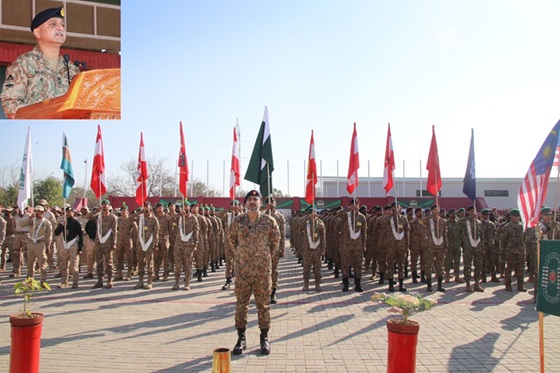
The opening ceremony of the 9th International Pakistan Army Team Spirit (PATS) Competition–2026 was held at the National Counter Terrorism Centre (NCTC), Pabbi, aimed at enhancing military-to-military cooperation amongst contingents from friendly forces.

The opening ceremony of the 9th International Pakistan Army Team Spirit (PATS) Competition–2026 was held at the National Counter Terrorism Centre Pabbi, marking the start of a 60-hour long patrolling exercise designed to strengthen military-to-military cooperation among friendly nations.

According to a statement issued by Inter-Services Public Relations, the inaugural event was attended by a senior officer and formally launched one of Pakistan Army’s flagship multinational professional military competitions.

Strong International Participation

This year’s PATS competition has drawn 24 international teams from 19 friendly countries, along with military observers, reflecting Pakistan’s expanding defence engagement and training cooperation.

Participating countries include Bahrain, Bangladesh, Belarus, Egypt, Iraq, Jordan, Kingdom of Saudi Arabia, Malaysia, Maldives, Morocco, Nepal, Qatar, Sri Lanka, Türkiye, United States of America, and Uzbekistan. In addition, Indonesia, Myanmar, and Thailand are taking part as observers.

From Pakistan, 16 domestic teams from the Pakistan Army and the Pakistan Navy are participating, while observers from the Pakistan Air Force are also present.

A Realistic, High-Intensity Military Exercise

Pakistan Army Team Spirit is a mission-specific and task-oriented professional military exercise hosted annually in Pakistan. The competition places participating teams in a near real operational environment, requiring them to conduct demanding sub-tactical missions under physical and mental stress.

The exercise emphasizes:

  • Endurance and physical fitness
  • Mental resilience under pressure
  • Rapid decision-making
  • Small-unit tactics and leadership
  • Coordination in complex terrain

Participants are tested continuously over 60 hours, making PATS one of the most demanding patrolling competitions in the region.

Enhancing Interoperability and Professional Exchange

The primary aim of PATS is to promote perseverance through team spirit while sharpening core soldierly skills. The exercise also serves as a platform for interoperability, allowing participating forces to share best practices, innovative ideas, and operational experiences.

Military analysts note that PATS has become an important soft-power and defence-diplomacy tool for Pakistan, reinforcing its image as a professional military training hub, particularly in counter-terrorism and small-unit operations.

The continued participation of a wide range of countries—from the Middle East, South Asia, Central Asia, Europe, and North America—underscores the growing international relevance of the Pakistan Army Team Spirit competition.

Satellite Internet Becomes a Battlefield as Iran and Ukraine Expose Legal Gaps

0
Starlink logo is seen on a smartphone in front of displayed Ukrainian flag in this illustration.

Satellite internet has rapidly evolved from a commercial convenience into critical strategic infrastructure, a shift that became starkly visible in early 2026 amid crises in Iran and Ukraine. Events in both countries underscored a new reality: space-based connectivity is now firmly embedded in modern conflict and internal security operations.

Iran’s Internet Blackout and the Limits of Satellite Resilience

In January 2026, Iranian authorities imposed a nationwide internet blackout during mass protests, cutting off mobile data, broadband services, and most international connectivity in an effort to suppress dissent and control information flows.

During the initial phase of the shutdown, satellite-based internet—particularly Starlink—emerged as one of the few remaining channels for communication beyond Iran’s state-controlled networks. For activists and civilians, it briefly provided a digital lifeline.

That window quickly narrowed. Iranian authorities reportedly deployed advanced radio-frequency jamming systems to disrupt Starlink signals, causing severe packet loss and unstable connections consistent with military-grade electronic interference rather than routine congestion. In several areas, terminals became unusable altogether.

Security forces also reportedly confiscated satellite terminals during raids, reinforcing Tehran’s determination to eliminate alternative connectivity paths. The episode demonstrated that even resilient low-Earth-orbit (LEO) satellite constellations are vulnerable to sustained, state-level interference—and that satellite internet now sits squarely within the battlespace of internal security operations.

Ukraine: Starlink and the Weaponisation Dilemma

At roughly the same time, Starlink became the center of controversy in Ukraine. Ukrainian officials publicly stated that Russian forces were using Starlink terminals mounted on unmanned aerial vehicles to support long-range drone operations, including strikes on civilian infrastructure.

Ukraine’s defense establishment confirmed coordination with SpaceX to disable Starlink access on Russian drones once such usage was identified. SpaceX reiterated that its terms of service prohibit the use of Starlink on weapons systems and said it would take technical steps to prevent misuse when detected.

Regardless of intent, the outcome was clear: a private U.S. company made operational decisions with immediate battlefield consequences in an active armed conflict.

Image

From Service Provider to Strategic Actor

For military planners, the implications are profound. Commercial satellite providers are no longer passive enablers of connectivity; they are actors whose technical and policy decisions can shape tactical and operational outcomes.

This shift exposes deep weaknesses in existing legal and governance frameworks. The Outer Space Treaty establishes broad principles such as peaceful use and state responsibility for national space activities, but it does not address radio-frequency jamming, cyber interference, or the denial of satellite services during conflict.

International humanitarian law requires distinction between civilian objects and military objectives. Yet commercial satellite systems routinely serve both civilian and military users simultaneously. A Starlink terminal may enable civilians to communicate during a blackout—and minutes later support military command, control, or targeting. Existing law offers no clear threshold for when such systems become lawful military objectives.

The Tallinn Manual reflects this uncertainty, acknowledging that states disagree on when cyber or electronic interference constitutes a prohibited use of force and stressing that the manual itself is non-binding.

A Governance Vacuum in Space

The Iran and Ukraine cases also highlight a deeper governance problem: private companies now control infrastructure essential to both civil society and military operations, yet international law primarily regulates states.

When SpaceX restricts access to prevent hostile use, it exercises power traditionally reserved for governments—but without the transparency, accountability, or legal constraints imposed on state actors. U.S. export control regimes regulate satellite technology transfers, but they were never designed for real-time service denial decisions during active hostilities.

As a result, private operators operate in a legal gray zone, guided largely by corporate policy rather than coherent national or international standards.

What Comes Next

The lesson is not that commercial satellite systems are unreliable. On the contrary, they are now indispensable—and exposed. Future conflicts are increasingly likely to target connectivity rather than territory, with satellite networks as prime objectives.

Without updated legal norms, states will continue to jam, spoof, and interfere with space-based systems while denying that such actions cross established legal thresholds.

For the United States and its allies, this reality demands:

  • Formal integration of commercial space providers into military planning
  • Clear doctrine for protecting and defending space-based communications
  • Sustained diplomatic efforts to establish binding international norms against indiscriminate interference with satellite infrastructure

Space is already contested. The law governing it remains dangerously underdeveloped.

U.S.–Iran Nuclear Talks Set for Turkey as Trump Mixes Threats and Diplomacy

0

Nuclear talks between United States and Iran are expected to take place in Turkey on February 6, according to officials from both sides speaking on condition of anonymity, marking a potentially significant opening in one of the Middle East’s most volatile diplomatic standoffs.

The move follows a directive by Iranian President Masoud Pezeshkian, who ordered preparations for talks with Washington amid escalating rhetoric from U.S. President Donald Trump, including warnings that “bad things” would happen if a deal is not reached.

Iran Signals Conditional Willingness for Talks

In a statement posted on social media, President Pezeshkian said Iran was responding not only to U.S. overtures but also to appeals from friendly regional countries urging restraint and diplomacy.

He instructed Iran’s foreign minister to prepare the groundwork for what he described as “equitable and fair negotiations,” provided the talks take place in an atmosphere free from threats and “unreasonable expectations.”

Tehran has repeatedly stressed that it prefers diplomacy, while simultaneously warning that any military aggression would trigger a decisive and unrestricted response.

Trump’s Dual Message: Negotiation and Threat

President Trump, meanwhile, has maintained that he remains hopeful of reaching an understanding with Iran, saying Washington could “work something out.” At the same time, he has issued open-ended warnings, stating that failure to reach a deal would lead to unspecified consequences.

Analysts see this as a familiar Trump tactic—applying psychological pressure while avoiding explicit commitments. Rather than outlining specific actions, Trump leaves the threat deliberately vague, allowing uncertainty itself to become a tool of leverage.

This approach gives Washington maximum flexibility, preserving military, economic, and diplomatic options while shifting the burden of escalation onto Tehran.

Iran’s Foreign Minister Sees Path to Agreement

Iranian Foreign Minister Abbas Araghchi expressed cautious optimism in an interview with CNN, saying a nuclear deal remains achievable if the U.S. negotiating team adheres to Trump’s stated goal of fairness.

“If the U.S. comes to a fair and equitable deal to ensure that there is no nuclear weapon, I am confident that we can achieve an agreement,” Araghchi said, reinforcing Tehran’s long-standing claim that its nuclear programme is not aimed at weaponisation.

Regional Voices Urge De-Escalation

Concern about renewed confrontation is growing across the Middle East. Speaking at a panel during the World Governments Summit in Dubai, Anwar Gargash, diplomatic adviser to the UAE president, warned that the region cannot afford another crisis.

“The Middle East has gone through various calamitous confrontations. We don’t need another one,” Gargash said, calling for direct U.S.–Iranian negotiations to prevent recurring tensions that destabilise the region.

Pressure Without Decision: What Is Washington Really Doing?

Despite rising U.S. military deployments in the region, there is little indication that Trump has made a final decision on military action. Instead, current moves suggest a calibrated strategy:

  • Threat without commitment, keeping adversaries guessing
  • Psychological pressure through ambiguity
  • Public emphasis on negotiations, paired with coercive messaging
  • Deliberate open-ended warnings, designed to heighten uncertainty

In practical terms, this signals that Washington is building leverage for a deal rather than preparing for immediate conflict—while ensuring it retains freedom of action if talks collapse.

Bottom Line: Deal or Dangerous Uncertainty

The emerging message from Washington appears stark: Iran is being offered negotiations under pressure rather than guarantees. Trump’s implicit calculation is that sustained uncertainty—political, economic, and military—may be more destabilising for Tehran than compromise.

As February 6 approaches, the talks in Turkey could become a pivotal moment. Success may ease regional tensions and revive diplomacy; failure could deepen instability in an already fragile Middle East.

USS John F. Kennedy Takes to Sea as Navy Pushes Next-Generation Carrier Fleet

0
USS John F. Kennedy

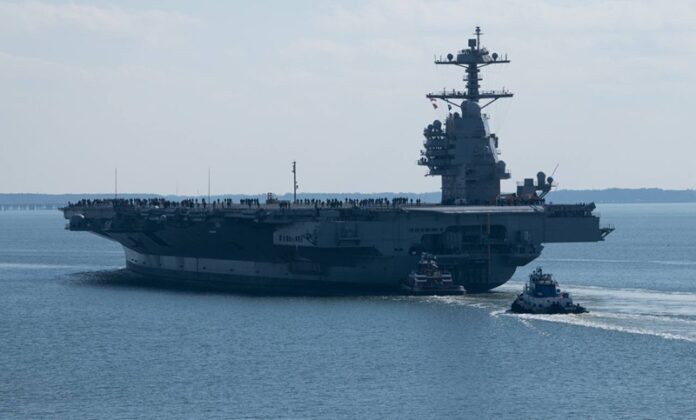
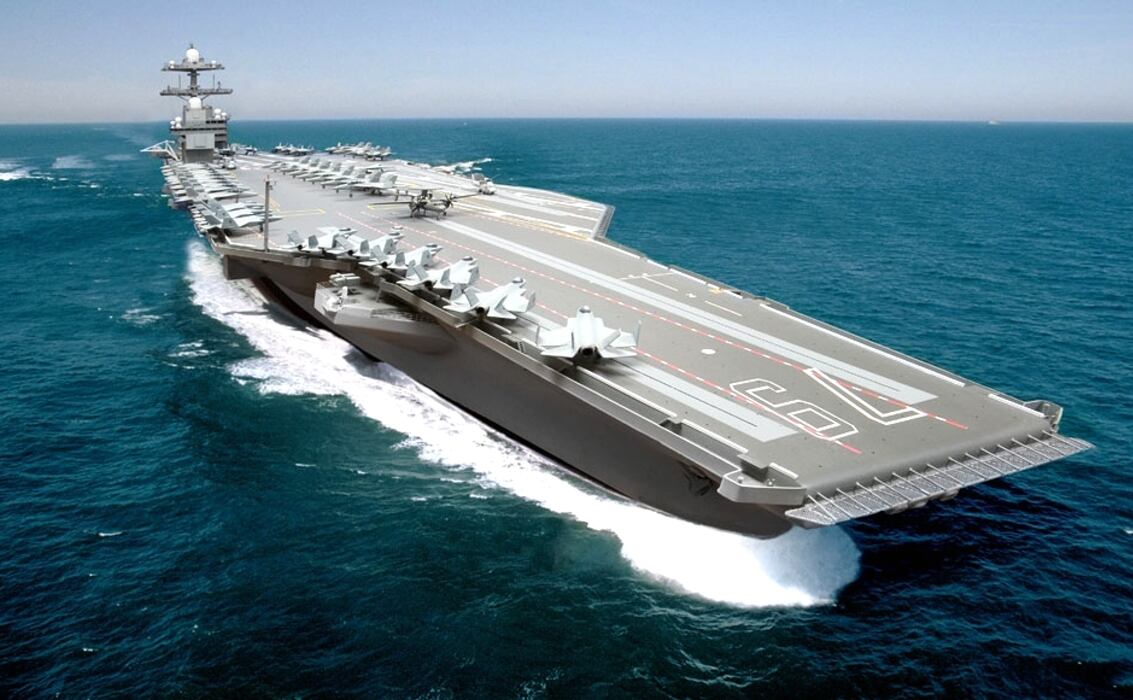
The United States Navy’s newest aircraft carrier, USS John F. Kennedy (CVN-79), has departed the Newport News Shipbuilding yard in Virginia and entered open waters for its first sea trials, marking a critical milestone before eventual commissioning into operational service.

CVN-79 is the second carrier of the Gerald R. Ford–class, a new generation of nuclear-powered aircraft carriers designed to replace the ageing Nimitz-class aircraft carriers, which have formed the backbone of U.S. naval aviation since the mid-1970s.

What Sea Trials Mean

The initial sea trials are designed to test the carrier’s propulsion, navigation, power generation, and basic shiphandling at sea. Engineers and naval crews will assess reactor performance, hull integrity, steering systems, and onboard sensors before the ship returns to port for further outfitting and refinements.

Unlike flight trials, these early tests focus on the ship as a maritime platform rather than on aircraft operations, which will follow in later phases.

Image

A Key Platform in U.S. Naval Modernization

The USS John F. Kennedy represents a major evolution in carrier design. Measuring 337 meters in length with a flight deck width of 78 meters and a full displacement of approximately 100,000 tons, the carrier is among the largest warships ever constructed.

Designed for a 50-year service life, CVN-79 can operate more than 80 aircraft and helicopters, including fifth-generation fighters, airborne early-warning aircraft, electronic warfare platforms, and support helicopters.

As part of the Ford class, the ship incorporates advanced technologies intended to increase sortie rates, reduce crew workload, and lower long-term operating costs compared to Nimitz-class carriers.

Lessons from the First Ford-Class Carrier

The lead ship of the class, USS Gerald R. Ford (CVN-78), faced years of technical challenges related to new systems such as the electromagnetic aircraft launch system (EMALS) and advanced arresting gear.

According to U.S. Navy officials, many of those early issues have informed design improvements and production refinements on CVN-79, allowing the John F. Kennedy to progress more smoothly toward operational readiness.

Strategic Importance

Aircraft carriers remain central to U.S. power projection, crisis response, and deterrence strategy. With rising competition from near-peer rivals and growing emphasis on maritime operations in the Indo-Pacific and Middle East, the Ford-class carriers are intended to provide sustained airpower, survivability, and flexibility well into the second half of the 21st century.

The departure of USS John F. Kennedy for sea trials signals not just progress on a single ship, but momentum in the U.S. Navy’s broader effort to modernize its carrier fleet amid an evolving global security environment.

Pakistan, Libya Discuss Security Cooperation During High-Level GHQ Meeting

0

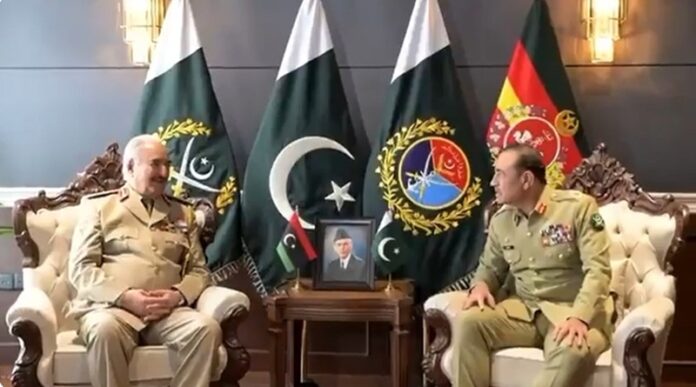
Field Marshal Khalifa Abu-al-Qasim Haftar, Commander-in-Chief of the Libyan Arab Armed Forces, along with Osama Saad Hammad, Prime Minister of Libya’s Government, called on Syed Asim Munir, Chief of Army Staff (COAS) and Chief of Defence Forces (CDF), at General Headquarters (GHQ), Rawalpindi, according to a statement issued by Inter-Services Public Relations.

During the meeting, both sides exchanged views on issues of mutual interest, with particular emphasis on regional security dynamics, evolving threat environments, and avenues for professional military cooperation. The engagement underscored the importance of sustained dialogue and institutional collaboration between the armed forces of Pakistan and Libya.

Expanding Defence Diplomacy

Field Marshal Asim Munir welcomed the Libyan delegation and reaffirmed Pakistan’s commitment to strengthening bilateral relations with Libya. He reiterated Islamabad’s support for peace, stability, and institutional capacity-building in Libya, particularly through defence cooperation, training, and professional military engagement.

The meeting comes as Pakistan’s military leadership has intensified outreach with regional and extra-regional partners, reflecting a broader strategy of defence diplomacy amid shifting geopolitical alignments across the Middle East, Africa, and South Asia. In recent months, COAS Asim Munir has held high-level engagements with military and political leaderships across the Gulf and wider region, positioning Pakistan as a professional security partner rather than a participant in regional rivalries.

Libya–Pakistan Security Context

Libya continues to face complex security challenges stemming from political fragmentation, militia activity, and regional interference. For Pakistan, engagement with Libyan authorities aligns with its longstanding policy of supporting state institutions, national armed forces, and UN-backed stabilization efforts without direct involvement in internal conflicts.

Pakistan and Libya share a history of cordial relations dating back decades, including cooperation in defence training and military professionalism. Analysts note that renewed engagement may open pathways for collaboration in areas such as counterterrorism training, institutional reform, and capacity-building for regular armed forces.

Ceremonial Reception at Noor Khan Airbase

Earlier, upon arrival at Noor Khan Airbase, Field Marshal Haftar was received by COAS Asim Munir. The Libyan commander later paid homage to Pakistan’s martyrs and laid a wreath at the martyrs’ memorial at GHQ, reflecting mutual respect and longstanding goodwill between the two countries’ armed forces.

The meeting was held in a cordial and constructive atmosphere, reinforcing the depth of Pakistan–Libya relations and signalling intent to maintain regular high-level military-to-military engagement.

India’s Defence Push Gets Funding Boost, but Key Capabilities Remain Years Away

0
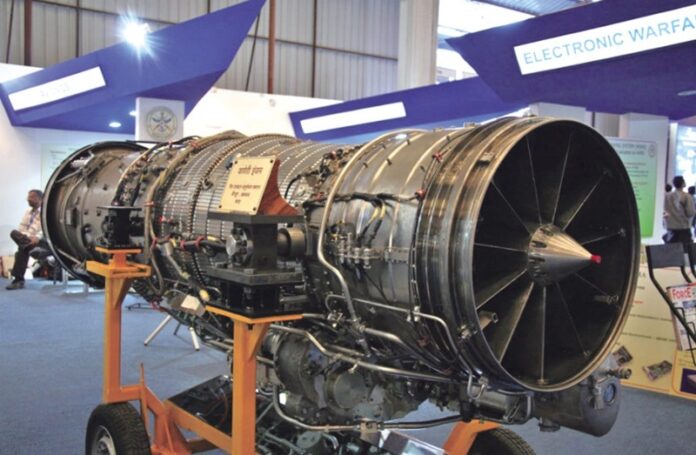
Kaveri engine fitted on an IL-76 flying test bed in Russia

India’s defence research establishment has welcomed the Union Budget 2026 as a turning point, but a closer reading of recent remarks by Samir V Kamat, Chairman of the Defence Research and Development Organisation, suggests that while funding momentum is real, delivery timelines remain long and risks unresolved.

Speaking to ANI, Kamat described the budget as “very good” for indigenous defence development, highlighting a capital outlay of ₹1.39 lakh crore for indigenous systems and an overall defence capital budget of ₹2.19 lakh crore. DRDO itself has received a 15.6 percent increase in its capital budget—undoubtedly a significant boost for research and development.

However, increased allocation does not automatically translate into near-term capability, especially in areas where India has historically struggled.

Aero-Engines: Strategic Priority, Strategic Delay

Kamat confirmed that aero-engine development remains DRDO’s top priority, calling it a “long-drawn process” that typically takes 10–13 years globally to mature. Even if India’s Cabinet Committee on Security clears a new engine program in 2026, integration readiness is projected only by 2035–2036.

This timeline exposes a critical dependency gap. India’s fifth-generation Advanced Medium Combat Aircraft (AMCA) will rely on imported General Electric F414 engines for its first two squadrons, with indigenous powerplants arriving—at best—a decade later.

While this approach avoids delaying AMCA induction, it also reinforces a pattern where self-reliance is postponed rather than synchronized with platform development.

Kaveri: Partial Success, Persistent Shortfall

The Kaveri engine, once envisioned as the heart of India’s fighter aviation, remains a cautionary tale. Kamat acknowledged that the engine delivers 72 kN of thrust, falling well short of the 83–85 kN required for the Light Combat Aircraft Tejas.

As a result, Kaveri will not power any manned frontline fighter. Instead, a non-afterburning derivative is planned for India’s future unmanned combat aerial vehicle (UCAV).

While this salvages some value from decades of investment, it also underscores a hard reality: India’s flagship indigenous engine has yet to meet the demands of modern fighter aviation.

Hypersonic Missile Ambitions: Promising but Unproven

On the Long-Range Anti-Ship Hypersonic Missile, Kamat struck a confident tone, calling it a potential “gamechanger.” Two development trials have been completed, with a third planned before user evaluation.

If inducted, the missile is expected to exceed the speed and range of BrahMos, significantly enhancing India’s maritime strike capability.

Yet hypersonic systems are among the most complex weapons ever developed. Transitioning from controlled trials to operational reliability—especially against modern naval defences—remains a steep challenge. A land-attack variant and an air-launched version are still at earlier stages, pushing full-spectrum capability further into the future.

Deep Tech Focus: Necessary, but Diffuse

DRDO’s stated focus on AI/ML, quantum technologies, and advanced materials reflects global defence trends. These technologies are indeed foundational—but critics argue that DRDO’s challenge has never been identifying the right domains, but converting research into deployable systems at scale.

Without tighter program management, clearer milestones, and stronger private-sector integration, deep-tech ambitions risk remaining enablers rather than outcomes.

The Core Question: Money vs. Momentum

The 2026 budget clearly strengthens India’s defence R&D ecosystem. But Kamat’s own timelines reveal a structural issue: most headline capabilities—aero-engines, hypersonic weapons, UCAVs—will mature well into the 2030s.

For a country facing immediate and evolving security challenges, this raises uncomfortable questions:

  • Can India afford decade-long development cycles for critical technologies?
  • How long can interim dependence on foreign engines and systems continue?
  • And will higher budgets finally translate into faster induction—or simply better-funded delays?

The answers will determine whether Budget 2026 becomes a genuine inflection point, or just another chapter in India’s long quest for defence self-reliance.

U.S. EA-18G Growlers Deployed to Jordan with Advanced Jamming Pods

0

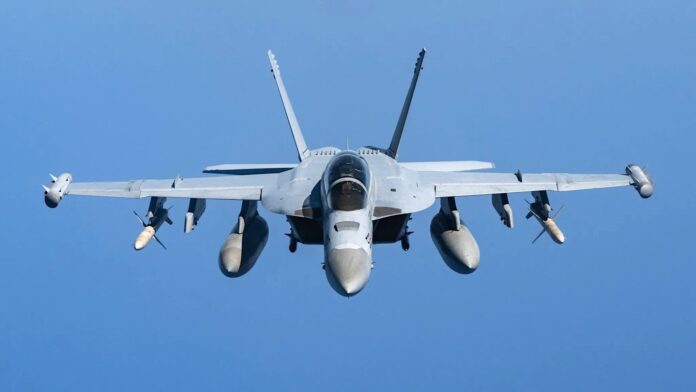
The deployment of two EA-18G Growler electronic attack aircraft to a Jordanian air base is drawing close attention from defense analysts, as it signals a potential shift toward electronic warfare–enabled air operations in the Middle East.

According to available imagery and flight data, one Growler arrived equipped with the legacy ALQ-99 electronic warfare pod, while the second carried the newer ALQ-249 Next Generation Jammer (NGJ)—a combination that provides both proven and next-generation jamming capabilities against modern air-defense systems.

Electronic Warfare at the Center of Operations

The ALQ-99 pod has long been the backbone of U.S. airborne electronic attack, designed to jam enemy radars, disrupt surface-to-air missile (SAM) guidance, and reduce the likelihood of aircraft detection and missile lock-on.

In contrast, the ALQ-249 NGJ represents a major leap forward. The system offers significantly stronger jamming power, faster threat identification, digital beam steering, and improved effectiveness against modern, networked air-defense environments. It is specifically designed to counter advanced radar systems and integrated air-defense networks.

The presence of both pods suggests not a training detachment, but an operationally flexible electronic warfare posture—capable of suppressing both legacy and advanced air-defense threats.

Why Jordan Matters

Jordan occupies a strategically critical position bordering Syria, Iraq, and within operational reach of Iran and its regional proxies. U.S. use of Jordanian bases provides depth, political insulation, and rapid access to multiple theaters without relying solely on Gulf installations.

Defense analysts note that forward-deploying Growlers to Jordan strongly suggests that any future air operations could be launched from this axis, particularly if suppression of enemy air defenses (SEAD) and electronic attack are expected to be decisive.

Likely Strike Architecture

Based on current deployments and regional force posture, any strike package operating from Jordan would likely include:

  • F-15E Strike Eagle for heavy precision strike
  • F-35 Lightning II for stealth penetration and targeting
  • EA-18G Growlers for radar suppression and electronic attack
  • Uncrewed aerial systems (UAS) for ISR, decoy, and battle damage assessment

In such an architecture, Growlers would operate ahead of or alongside strike aircraft, degrading radar coverage, disrupting command-and-control links, and opening corridors through defended airspace.

A Broader Regional Signal

The arrival of Growlers equipped with the ALQ-249 NGJ also reflects Washington’s emphasis on maintaining escalation dominance without immediately resorting to large-scale force. Electronic warfare allows the U.S. to neutralize adversary capabilities temporarily, impose uncertainty, and retain flexibility while sending a clear deterrence signal.

The deployment comes amid heightened regional tensions, increased U.S. concern over air-defense proliferation, and growing reliance on layered electronic and cyber effects in modern warfare.

While no official confirmation of imminent strike operations has been issued, the composition and location of these assets indicate that the U.S. is preparing the battlespace—ensuring that if kinetic action is required, enemy sensors and air defenses can be blinded, disrupted, or suppressed from the opening moments.

U.S. Air Force Conducts Successful Live-Warhead Test of ERAM Cruise Missile

0

The United States Air Force has successfully conducted a live-warhead test of its Extended Range Attack Munition (ERAM) during a demonstration at the Eglin Test and Training Range, marking a major milestone for the program less than 16 months after the initial contract award.

According to the Air Force, the test achieved all primary objectives, including full warhead detonation, while collecting high-fidelity performance data required to mature the weapon system. The demonstration forms part of ERAM’s accelerated development pathway, aimed at delivering a new long-range strike capability to operational units on a compressed timeline.

Image

Industry Partnership and “Rusty Dagger” Validation

Defense firm Zone 5 Technologies confirmed it supported the Air Force during the live-fire event, stating that the test validated the maturity of its “Rusty Dagger” concept, which underpins ERAM’s design philosophy.

Company officials said the demonstration proved the system’s readiness as a next-generation, affordable long-range strike solution, highlighting the effectiveness of close collaboration between industry and the Air Force in rapidly advancing critical technologies.

Accelerated Development at the “Speed of Relevance”

Air Force officials described the test as a new benchmark, noting that ERAM advanced from contract award to live-warhead testing in under two years. The pace reflects the service’s emphasis on delivering combat-ready capabilities at what it terms the “speed of relevance,” particularly as it prepares for high-end conflicts.

ERAM is a next-generation, air-launched cruise missile designed to deliver precision standoff strikes against high-value fixed targets. The system is intended to provide what the Air Force calls “affordable mass”—allowing commanders to deploy large numbers of long-range weapons without relying solely on more expensive legacy munitions.

Addressing Long-Range Strike Capacity Gaps

By prioritizing cost control and rapid producibility, the ERAM program aims to close gaps in long-range strike inventories at a time when sustainment and depth of stockpiles are becoming critical planning factors. The missile is designed for mass production while maintaining sufficient range and accuracy to operate against defended targets.

Brig. Gen. Robert Lyons III, Portfolio Acquisition Executive for Weapons, said the program demonstrates that lethal and cost-effective capabilities can be delivered rapidly by streamlining processes and empowering development teams.

Image

Testing, Data Collection, and Next Steps

The test was executed through a coordinated effort involving the Air Force Life Cycle Management Center’s Armament Directorate, the 96th Test Wing, and multiple industry partners. Engineers and test conductors at Eglin’s Central Control Facility planned and executed the mission, with data captured using the range’s advanced instrumentation and tracking systems.

Officials said the data will be used to validate ERAM’s performance and inform upcoming development phases, including potential production decisions. Conducting live-warhead testing at this stage is intended to reduce technical risk before the system is fielded to operational units.

Brig. Gen. Mark Massaro, commander of the 96th Test Wing, said the future battlefield demands cost-effective, attritable weapons that allow commanders to generate mass and maintain operational advantage—making ERAM a key component of the Air Force’s evolving strike doctrine.

Why Iran’s Shahed Drone Stockpile Is a Strategic Game-Changer

0
Shahed Kamikaze drone

Claims that Iran possesses an operational stockpile of up to 80,000 Shahed loitering munitions, supported by a reported production rate of around 400 drones per day, have elevated Tehran’s unmanned warfare capability into a central factor shaping regional and global military planning.

If accurate, these figures would place Iran at the apex of global loitering-munition inventories—far beyond any other state actor—and signal a decisive shift from symbolic drone use toward industrial-scale endurance warfare.

Image

From Tactical Weapon to Strategic Arsenal

The assessment gained traction after widely circulated reports citing Israeli estimates that Iran is producing hundreds of Shahed-class drones daily and has accumulated tens of thousands ready for deployment. Such a force would represent not merely a large arsenal, but a doctrinal transformation in how drones are used—as instruments of sustained pressure rather than precision strike alone.

Battlefield experience reinforces these concerns. Ukrainian wartime disclosures have shown how Shahed-derived systems, when employed at scale, can maintain daily attack tempos that exhaust air-defence systems and strain national infrastructure. The operational lesson is clear: quantity and persistence can offset technological inferiority.

Why the Shahed-136 Matters

At the centre of this capability is the Shahed-136, engineered for manufacturability, range, and cost efficiency rather than sophistication. With an estimated range exceeding 2,000 kilometres and a warhead capable of damaging economically critical infrastructure, the platform is designed to impose cumulative costs on defenders.

Powered by a simple piston engine and guided by basic inertial navigation, the Shahed prioritises ease of production and resilience under sanctions. Unit costs—estimated far below those of interceptor missiles—create highly unfavourable exchange ratios, forcing defenders to spend vastly more to stop each incoming drone.

Industrial Scale and Endurance Warfare

If Iran can sustain production approaching 400 units per day, annual output would exceed 140,000 drones—an extraordinary figure for a sanctioned economy. Such capacity implies a distributed manufacturing ecosystem, multiple assembly sites, modular components, and stockpiled airframes ready for rapid activation during crises.

This approach reflects Iran’s long-standing industrial philosophy: dispersion, redundancy, and rapid iteration based on battlefield feedback. The result is not just replenishment during conflict, but the ability to expand inventories even under sustained attack.

Strategic Implications for the Middle East and Beyond

An inventory measured in tens of thousands enables Iran to conduct prolonged saturation campaigns across multiple theatres simultaneously. In the Gulf, this could target ports, desalination plants, and energy infrastructure. Against Israel, drone waves could be designed to deplete interceptor stocks before higher-end missile salvos. In the Levant, coordinated launches from Iran and proxy territories could compress response timelines and overwhelm layered defences.

Even interception rates above 80 percent would still allow hundreds of drones through during mass launches, shifting the definition of air-defence success from interception percentages to long-term endurance.

Image

A Global Wake-Up Call on Defence Economics

Beyond physical damage, a mass Shahed arsenal functions as a tool of strategic coercion. Persistent drone pressure imposes psychological strain, economic disruption, and continuous high-alert postures that degrade readiness over time. The real battleground becomes industrial capacity and stockpile depth, not individual platform performance.

For Asia, the implications are profound. From South Asia to East Asia and Southeast Asia, loitering munitions challenge air-defence architectures optimised for ballistic and cruise missiles. The lesson is that future resilience depends on cheap interceptors, electronic warfare, distributed sensors, rapid repair, and shared stockpiles, not solely on exquisite systems.

A Structural Shift in Warfare

Whether Iran ultimately possesses exactly 80,000 Shahed drones or a smaller number, the strategic direction is unmistakable. Warfare is shifting toward manufacturing-versus-magazine competition, where endurance, economics, and psychological pressure matter as much as precision.

States that adapt early—by making defence cheaper, more distributed, and more repairable—will remain resilient. Those that do not risk being strategically coerced by an adversary that can simply keep drones in the sky night after night.