Friday, June 5, 2026
Home Blog Page 14

$16 Billion AI War vs $10,000 Drones: The New Reality of Modern Conflict

0
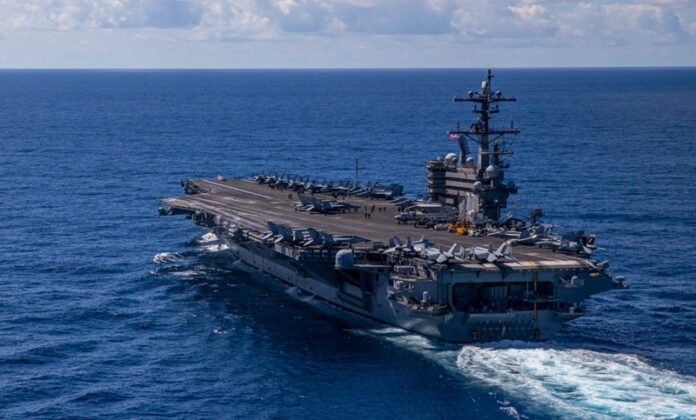
The main coordination center for U.S. strikes operates from CENTCOM headquarters in Tampa, Florida.

Seventeen days after the United States and Israel launched what has been described as one of the most advanced AI-integrated military campaigns in history, the strategic outcome remains deeply contested.

Despite rapid battlefield successes—enabled by artificial intelligence systems capable of identifying and striking thousands of targets—the Strait of Hormuz remains effectively disrupted, continuing to choke global energy flows.

This contrast highlights a growing gap between high-tech military dominance and real-world strategic outcomes.

AI-Driven Warfare Achieved Tactical Success

Image

According to available assessments, the campaign demonstrated unprecedented integration of artificial intelligence in modern warfare.

AI systems reportedly:

  • Identified over 1,000 targets within the first 24 hours
  • Enabled real-time fusion of satellite, drone, radar, and signals intelligence
  • Supported strikes on 15,000 targets within 13 days
  • Severely degraded Iran’s missile capabilities by an estimated 90–95%

Command structures were disrupted, and key leadership targets were eliminated, suggesting a highly effective execution of conventional military objectives.

From a tactical perspective, the campaign achieved what planners intended: rapid dominance through precision and speed.

Strategic Failure: Strait of Hormuz Still Disrupted

However, the core strategic objective—securing the Strait of Hormuz—remains unmet.

The waterway, only about 21 miles wide, continues to face disruption from:

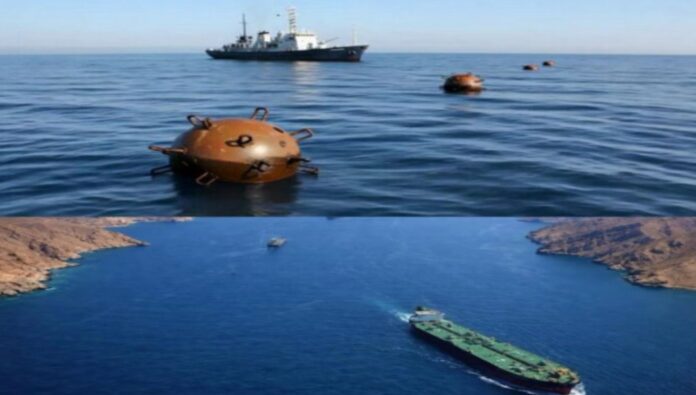
  • Naval mines
  • Low-cost drones
  • Small fast-attack boats
  • Decentralized Iranian command structures

This demonstrates that even the most advanced AI systems cannot easily overcome asymmetric maritime warfare in confined geography.

Iran’s Mosaic Doctrine: Decentralized Warfare

Image

Rather than relying on centralized command, Iran activated what analysts describe as a “Mosaic Doctrine.”

Key features include:

  • 31 provincial commands with pre-delegated authority
  • No need for central leadership approval
  • Independent execution of attacks across multiple domains

This decentralization allows operations to continue even after leadership disruption, making it extremely difficult to fully neutralize the threat.

Economic Warfare: Insurance Collapse and Oil Shock

While AI targeted military infrastructure, the real impact of the conflict has been economic.

Key developments include:

  • War-risk insurance premiums rising from 0.25% to 5%
  • Major insurers suspending coverage for vessels
  • Fuel prices surging globally
  • Shipping traffic sharply reduced

In effect, the Strait of Hormuz has been disrupted not only physically but also financially.

Even without total closure, the cost of risk alone has halted commercial shipping.

Global Supply Chain Impact

The disruption has triggered cascading effects across global supply chains:

  • One-third of seaborne fertilizer trade affected
  • Industrial production declines in multiple countries
  • Rising costs of fuel, chemicals, and pharmaceuticals
  • Increased pressure on global inflation

Critical industries dependent on petrochemical supply chains—including agriculture, energy, and medicine—are now under strain.

Digital vs Physical Power: A Strategic Lesson

The conflict underscores a fundamental reality often overlooked in discussions about AI and modern warfare:

The digital layer depends on the physical layer.

Despite:

  • Advanced AI targeting systems
  • Real-time battlefield analytics
  • Precision strike capabilities

The inability to secure a narrow maritime chokepoint demonstrates that physical geography and low-cost asymmetric tools can still dominate outcomes.

Cyber and Financial Dimensions

Another notable aspect of the conflict is the resilience of Iran’s financial and digital infrastructure.

Reports indicate:

  • Billions processed through alternative financial channels
  • Continued funding of operations despite military losses
  • Targeting of digital infrastructure in the region

This suggests that future conflicts will increasingly involve hybrid warfare across military, financial, and digital domains.

The New Reality of Warfare

Six months ago, many analysts believed artificial intelligence would reduce costs and increase efficiency across economies and military operations.

Instead, the Strait of Hormuz crisis demonstrates the opposite:

  • A single chokepoint can override technological advantage
  • Low-cost weapons can counter high-end systems
  • Economic disruption can outweigh battlefield success

Conclusion: When Technology Meets Geography

The ongoing crisis illustrates a critical shift in modern warfare.

Even the most advanced AI-driven military campaign cannot guarantee strategic success if:

  • The enemy employs decentralized tactics
  • Geography favors defensive operations
  • Economic systems amplify disruption

As global powers continue to invest in artificial intelligence, the Strait of Hormuz stands as a reminder that control of physical chokepoints remains one of the most decisive factors in global power dynamics.


AI Warfare vs Asymmetric Warfare

Core Concept

Category AI Warfare Asymmetric Warfare
Definition High-tech, data-driven warfare using AI systems Low-cost, unconventional tactics to exploit weaknesses
Objective Rapid dominance through precision and speed Prolong conflict and increase cost for stronger opponent

Technology vs Simplicity

Factor AI Warfare Asymmetric Warfare
Systems Used AI targeting, satellites, data fusion platforms Drones, mines, small boats, guerrilla tactics
Cost Extremely high (billions of dollars) Low cost (thousands to millions)
Complexity Highly complex, tech-dependent Simple, flexible, adaptable

Battlefield Performance

Factor AI Warfare Asymmetric Warfare
Speed Very fast target identification & strikes Slower but persistent pressure
Accuracy High precision strikes Not always precise but disruptive
Flexibility Depends on systems & data Highly flexible, decentralized
Survivability Vulnerable if systems disrupted Hard to eliminate completely

Strategic Impact

Factor AI Warfare Asymmetric Warfare
Short-Term Results Rapid military success Limited immediate damage
Long-Term Impact May struggle with control & stability Can sustain disruption for long periods
Dependency Relies on digital & communication systems Can operate with minimal infrastructure

Example: Strait of Hormuz Scenario

AI Warfare Side

  • Thousands of targets identified quickly
  • Precision strikes degrade military assets
  • Command structure disrupted

Asymmetric Warfare Side

  • Naval mines block shipping lanes
  • Low-cost drones harass vessels
  • Swarm boats create constant threat
  • Decentralized command keeps operations running

Key Insight

AI wins battles — Asymmetric warfare shapes outcomes

  • AI systems dominate precision and speed
  • Asymmetric tactics dominate resilience and disruption

Strategic Takeaway

Modern conflict is no longer one-dimensional:

High-Tech Power + Low-Cost Disruption = New Warfare Reality

Even the most advanced military systems can be challenged by:

  • Geography (chokepoints like Hormuz)
  • Decentralized command structures
  • Economic and psychological pressure

U.S. Navy Mine-Warfare Ships Appear in Malaysia After Gulf Deployment, Raising Questions Over Hormuz Security

0
USS Tulsa

Satellite imagery and photographs showing two U.S. Navy Littoral Combat Ships (LCS) in Malaysia have drawn the attention of defence analysts, raising questions about whether the United States is adjusting its naval priorities between the Middle East and the Indo-Pacific.

The vessels identified as USS Tulsa (LCS-16) and USS Santa Barbara (LCS-32) were photographed at the North Butterworth Container Terminal in Penang on 15 March 2026. Their presence in Southeast Asia is notable because the ships had previously been assigned to mine-countermeasure duties in the Persian Gulf.

Why Mine-Countermeasure Ships Matter in the Persian Gulf

For decades, the United States maintained dedicated mine-warfare vessels in Bahrain to ensure the Strait of Hormuz remained open to commercial shipping.

The waterway is one of the world’s most important maritime chokepoints, carrying a large share of global oil exports.

Naval mines are considered one of the most effective asymmetric weapons in the region because they can disrupt shipping without requiring large naval fleets.

Even a limited mining operation could halt tanker traffic and trigger major global energy disruptions.

Because of this threat, specialised mine-countermeasure ships are usually kept close to the Persian Gulf to ensure rapid response capability.

Transition From Avenger-Class Minesweepers to Littoral Combat Ships

Until recently, the U.S. Navy relied on Avenger-class minesweepers based in Bahrain.

In 2025, these older vessels were retired and their mission was transferred to Littoral Combat Ships equipped with modular mine-warfare packages.

The new system integrates several technologies, including:

  • Unmanned mine-hunting vehicles
  • Remote sensors and underwater drones
  • Advanced mine detection and clearance equipment

The transition was designed to modernize mine-warfare operations while maintaining the ability to respond quickly to threats in strategic waterways.

Why Their Appearance in Malaysia Is Unusual

The presence of the two ships in Penang is unusual because they were originally deployed to replace the Gulf-based minesweepers.

Their absence from the Persian Gulf has therefore prompted questions about whether the United States has reduced or reorganized its mine-countermeasure capability in the region.

The timing is particularly noteworthy because tensions remain high around the Strait of Hormuz, where naval mines continue to be viewed as a serious threat to shipping.

As a result, analysts have interpreted the redeployment as a potential signal of changing naval priorities.

Strategic Value of Malaysia’s Maritime Location

Penang’s location near the Malacca Strait places the ships close to one of the world’s busiest maritime trade routes.

The Malacca Strait connects:

  • The Indian Ocean
  • The South China Sea
  • The Western Pacific

From this position, naval forces can rapidly deploy toward multiple regions, including the South China Sea, the Indian Ocean, or the wider Indo-Pacific theatre.

For vessels designed to operate in confined coastal waters, Southeast Asian choke points are operationally well suited to the Littoral Combat Ship’s mission profile.

Possible Indo-Pacific Contingency Planning

Some analysts believe the redeployment may reflect broader U.S. planning focused increasingly on the Indo-Pacific.

In potential regional conflicts, naval mines could be used to block key waterways such as:

  • The Taiwan Strait
  • The Malacca Strait
  • Strategic sea lanes in the South China Sea

Positioning mine-countermeasure ships closer to these areas could reduce response times if clearance operations became necessary.

However, balancing naval resources between the Middle East and the Indo-Pacific has become increasingly complex as both regions remain strategically important.

Technical and Operational Constraints

The Littoral Combat Ship mine-warfare mission package has faced delays and technical challenges during its development.

Because older minesweepers were retired before the new system reached full operational readiness, the U.S. Navy currently operates a relatively limited number of dedicated mine-countermeasure platforms.

This scarcity may require frequent rotation of specialised vessels between different regions.

Such operational realities could explain the ships’ presence in Southeast Asia without necessarily indicating a major change in strategy.

Strategic Signal or Routine Transit?

Despite widespread speculation, there has been no official confirmation that the vessels have been permanently reassigned.

Naval deployments often involve port visits for:

  • Resupply
  • Crew rotation
  • Maintenance
  • Training exercises

However, the specialised role of mine-countermeasure ships means that their movements are closely watched by defence analysts.

Even routine redeployments can carry strategic implications because these ships are essential for keeping critical maritime chokepoints open.

For now, the appearance of USS Tulsa and USS Santa Barbara in Malaysia remains a development whose full significance is still unclear.

Strait of Hormuz Crisis Becomes New Flashpoint in U.S.–China Negotiations

0
Donald Trump meets with Chinese President Xi Jinping

U.S. President Donald Trump has introduced a new demand ahead of his upcoming summit with Chinese President Xi Jinping: China should help reopen the Strait of Hormuz.

The request comes as the strategic waterway — responsible for roughly one-fifth of global oil shipments — faces severe disruption following Iran’s closure of the channel amid escalating conflict in the Middle East.

With global oil prices surging and fears of an energy crisis spreading across international markets, Washington is now seeking broader international cooperation to restore shipping through the vital maritime chokepoint.

Strait of Hormuz Closure Triggers Global Oil Shock

The closure of the Strait of Hormuz has significantly disrupted global energy supplies.

The narrow passage between the Persian Gulf and the Gulf of Oman is one of the world’s most important oil transit routes. Any interruption to traffic through the strait has immediate consequences for global energy markets.

According to analysts, the shutdown has effectively blocked nearly 20 percent of global oil supply, triggering price spikes and raising concerns about potential shortages.

Facing what some officials describe as the most severe oil shock in modern history, the United States has urged several countries to participate in securing the waterway.

Trump has called on nations including:

  • France
  • Japan
  • South Korea
  • Britain

to help restore safe passage for commercial shipping.

Trump Links China Cooperation to Upcoming Beijing Visit

Trump has also signaled that China’s willingness to assist could influence whether his planned visit to Beijing proceeds.

In an interview with the Financial Times, Trump said he expects countries benefiting from the strait to help ensure its security.

“It’s only appropriate that people who are the beneficiaries of the strait will help to make sure that nothing bad happens there,” Trump said. “I think China should help too.”

He added that without clarity from Beijing, he may consider delaying the planned summit with Xi Jinping.

Why China Has Little Incentive to Intervene

Despite Trump’s pressure, analysts say China has limited motivation to deploy military forces in support of U.S. operations in the region.

China has spent years preparing for potential energy disruptions by:

  • Stockpiling large strategic oil reserves
  • Diversifying crude import sources
  • Investing heavily in renewable energy technologies such as wind, solar, and electric vehicles

These measures provide Beijing with a degree of insulation from sudden oil supply shocks.

In addition, Iran has reportedly considered allowing limited tanker traffic through the strait if the oil is traded in Chinese yuan, a move that could further reduce China’s incentive to intervene militarily.

Rising Tensions Overshadow Planned U.S.–China Summit

The crisis has overshadowed the upcoming U.S.–China summit, which was originally expected to focus on trade disputes and economic cooperation.

The meeting comes at a time when both countries have been negotiating over issues including:

  • Agricultural trade
  • Critical minerals
  • Tariff policies

U.S. economic leverage has also weakened following a Supreme Court ruling earlier this year that limited Trump’s authority to impose sweeping tariffs on trading partners.

As a result, Washington may be seeking new diplomatic pressure points ahead of negotiations with Beijing.

Chinese Response Remains Cautious

So far, Chinese officials have avoided committing to Trump’s proposal.

Foreign Ministry spokesperson Lin Jian said Beijing remains in communication with Washington regarding the planned summit but did not signal any willingness to deploy Chinese naval forces to the Strait of Hormuz.

“Head-of-state diplomacy plays an indispensable role in providing strategic guidance to China–U.S. relations,” Lin said during a press briefing.

At the same time, Chinese state media has questioned the idea of sending warships to the region.

An opinion piece in the nationalist newspaper Global Times argued that Washington is effectively asking other countries to share the risks of a conflict initiated by the United States.

China Balancing Strategic Interests in the Middle East

China maintains strong strategic ties with Iran and is one of the largest purchasers of Iranian oil.

Beijing has condemned attacks on Iranian territory while also calling for de-escalation across the region.

Although China may be reluctant to participate in military operations in the Strait of Hormuz, it still has a strong interest in maintaining stability in the Middle East.

Even with large energy reserves and diversified imports, prolonged disruption to global oil markets could eventually impact China’s economy.

A New Test for U.S.–China Relations

The crisis surrounding the Strait of Hormuz is rapidly becoming a new test for U.S.–China relations.

Washington hopes that shared economic interests in maintaining global energy flows will push Beijing toward cooperation.

However, China’s strategic partnership with Iran and its cautious approach to military involvement abroad suggest that such cooperation may be difficult to achieve.

As tensions in the Middle East continue to escalate, the outcome of the upcoming summit in Beijing could play a crucial role in determining whether the world’s two largest economies can coordinate a response to the unfolding global energy crisis.

Why the U.S. Navy Moved USS Gerald R. Ford and USS Abraham Lincoln Away from Iran

0

Satellite imagery analysis indicates that the United States Navy has repositioned two major carrier strike groups across the Red Sea and Arabian Sea, a move that appears to reflect changing threat conditions along Iran’s maritime periphery.

The shift involves the USS Gerald R. Ford and USS Abraham Lincoln carrier strike groups, whose movements suggest a deliberate adjustment in naval posture designed to reduce vulnerability to asymmetric threats while maintaining operational reach across the Middle East.

Satellite Imagery Reveals Strategic Naval Shift

According to imagery analysis released by MizarVizion, the two carrier strike groups have moved away from previously forward-leaning positions closer to contested waters.

The repositioning highlights how U.S. naval commanders are recalibrating risk in a maritime environment increasingly shaped by:

  • Anti-ship missile systems
  • Fast-attack boat harassment
  • Drone and unmanned maritime threats
  • Swarm craft tactics used by Iran-aligned forces

Rather than indicating a withdrawal, analysts assess the movement as a controlled redistribution of naval assets intended to preserve combat capability while lowering exposure to coastal threats.

USS Gerald R. Ford Moves South in the Red Sea

Satellite imagery shows the USS Gerald R. Ford carrier strike group shifting southward within the central Red Sea, operating off the Saudi Arabian port city of Jeddah.

This position places the carrier beyond the estimated range of anti-ship missile systems operated by Houthi forces along Yemen’s coastline.

Operating further from the Yemeni coast reduces the risk of sudden missile attacks while still allowing carrier-based aircraft to project power across large areas of the Middle East.

The move reflects a broader shift toward stand-off positioning, where naval forces operate outside immediate threat envelopes while maintaining the ability to conduct air operations.

USS Abraham Lincoln Moves Away from Iranian Coast

At the same time, the USS Abraham Lincoln carrier strike group moved toward the southwestern waters of Oman near Salalah.

This relocation significantly increases the distance between the carrier and Iranian territory to more than 1,100 kilometers, compared to its earlier position less than 350 kilometers from Iran’s coast.

The shift follows a reported incident involving Iranian gunboats engaging an escort vessel attached to the Abraham Lincoln strike group.

Such close-range encounters highlight the risks of operating large naval formations near hostile coastlines where fast-attack craft and swarm tactics can quickly escalate tensions.

Managing Risk in Modern Naval Warfare

The repositioning demonstrates how modern carrier operations must adapt to a rapidly evolving threat environment.

Operating too close to contested coastlines increases vulnerability to:

  • Short-range anti-ship missiles
  • Drone and unmanned boat attacks
  • Fast-attack craft swarm tactics
  • Surprise harassment operations

Increasing distance from potential launch sites allows naval forces more time to detect and respond to threats before they reach effective engagement range.

Carrier Airpower Maintains Regional Reach

Despite moving further from Iran and Yemen, both carrier strike groups retain the ability to conduct air operations across the region.

Modern carrier aircraft have sufficient range to perform:

  • Strike missions
  • Intelligence and surveillance operations
  • Maritime patrols
  • Rapid response operations

This capability allows the United States to maintain deterrence and operational influence without placing high-value naval assets directly inside coastal missile envelopes.

A Strategic Adjustment, Not a Withdrawal

The simultaneous movement of both carrier strike groups suggests coordinated planning rather than isolated decisions.

Naval strategists describe this approach as distributed positioning, where forces remain active across a theatre while avoiding predictable patterns that adversaries could exploit.

Such repositioning reflects a calculated effort to balance three priorities:

  1. Protect high-value naval assets
  2. Maintain operational reach across the region
  3. Preserve deterrence against potential adversaries

The Future of Naval Deterrence in the Middle East

The repositioning of the USS Gerald R. Ford and USS Abraham Lincoln illustrates how naval deployments are increasingly shaped by asymmetric threats.

In modern maritime environments, proximity to hostile coastlines can create vulnerabilities even for the most advanced naval forces.

As tensions continue to evolve across the Middle East, carrier strike groups are likely to rely more heavily on mobility, stand-off operations, and distributed positioning to maintain strategic presence while minimizing risk.

U.S. Carrier Strike Group Structure and Airpower Range

Image

U.S. Carrier Strike Group (CSG) Structure

A carrier strike group is the core power-projection formation of the U.S. Navy, designed to conduct air strikes, maritime security missions, and deterrence operations across large regions.

Core Components

Component Typical Number Role
Aircraft Carrier 1 Command center and airpower platform
Guided Missile Cruisers 1–2 Air defense and missile defense
Guided Missile Destroyers 2–3 Anti-air, anti-ship, and anti-submarine warfare
Attack Submarine 1 Stealth surveillance and submarine hunting
Logistics / Supply Ships 1–2 Fuel, ammunition, and resupply

Together these vessels form a multi-layered defense network protecting the carrier while allowing sustained combat operations far from U.S. territory.

Carrier Air Wing (Airpower Component)

The Carrier Air Wing (CVW) stationed on the carrier provides the primary offensive capability.

Typical aircraft mix:

Aircraft Type Primary Role
F-35C Lightning II Stealth strike fighter
F/A-18E/F Super Hornet Multirole fighter
EA-18G Growler Electronic warfare
E-2D Hawkeye Airborne early warning
MH-60R/S Seahawk Anti-submarine and logistics

A carrier air wing typically includes 60–75 aircraft.

Airpower Range from the Carrier

Carrier aircraft extend the strike group’s operational reach far beyond the ship itself.

Aircraft Combat Radius
F-35C Lightning II ~1,100 km
F/A-18E/F Super Hornet ~720 km
EA-18G Growler ~700 km
E-2D Hawkeye 2,700 km surveillance range

With aerial refueling and support aircraft, carrier aviation can conduct missions over 1,500 km from the ship.

Defensive Layers of the Strike Group

The carrier is protected by multiple layers of defense:

Outer Layer

  • Submarines detect enemy vessels
  • Airborne early warning aircraft monitor airspace

Middle Layer

  • Destroyers and cruisers intercept missiles and aircraft
  • Electronic warfare systems jam enemy sensors

Inner Layer

  • Close-in weapon systems (CIWS)
  • Point-defense missiles

This layered defense allows the carrier to operate even in contested maritime environments.

Strategic Role

Carrier strike groups allow the United States to:

  • Project military power without relying on land bases
  • Conduct rapid air strikes anywhere in the world
  • Maintain deterrence in strategic regions
  • Protect major shipping lanes and allies

Because aircraft extend the strike group’s reach hundreds of kilometers, the carrier itself can operate outside coastal missile threat zones while still influencing events ashore.

Iran Lawmaker Warns Ukraine Could Become ‘Legitimate Target’ Over Support Against Iranian Drones

0
Ukrainian Merops interceptor drone

Tensions between Iran and Ukraine have escalated after a senior Iranian lawmaker claimed Kyiv could become a “legitimate target” for Tehran over its alleged support for Israel in countering Iranian drone attacks.

Ebrahim Azizi, head of the National Security Commission of Iran’s parliament, made the statement in a post on the social media platform X.

Iranian Official Accuses Ukraine of Entering the Conflict

Azizi claimed that Ukraine’s assistance in countering Iranian drones effectively made the country part of the ongoing conflict.

“By providing drone support to the Israeli regime, failed Ukraine has effectively become involved in the war and, under Article 51 of the United Nations Charter, has turned its entire territory into a legitimate target for Iran,” Azizi wrote.

His comments mark one of the strongest warnings from an Iranian political figure directed at Ukraine since tensions between Tehran and Western-aligned states intensified.

Shahed drones hit US radars

Ukraine Sends Specialists to Counter Iranian Drones

Earlier in March, Ukrainian President Volodymyr Zelensky said Ukraine had sent a group of specialists and interceptor drones to the Middle East.

The mission aimed to help defend U.S. military bases in Jordan against Iranian drone threats.

According to Zelensky, the deployment followed a request from the United States on March 5, and the Ukrainian team departed on March 9.

Kyiv has developed extensive experience in countering Iranian-designed Shahed drones during Russia’s war against Ukraine, where such drones have been used extensively in attacks on Ukrainian cities and infrastructure.

Growing Demand for Ukrainian Counter-Drone Expertise

Ukraine’s battlefield experience has drawn international interest.

According to Zelensky, Ukraine has received 11 requests for assistance from countries near Iran, as well as from European states and the United States.

These requests focus on improving defenses against:

  • Shahed loitering munitions
  • Long-range attack drones
  • Similar unmanned aerial threats

Several Persian Gulf countries have also expressed interest in purchasing Ukrainian interceptor drones.

Reportedly interested states include:

  • Qatar
  • United Arab Emirates
  • Kuwait
  • Saudi Arabia

No publicly confirmed request from Israel has been reported.

Trump Rejects Need for Ukrainian Drone Assistance

Despite Ukraine’s growing reputation in counter-drone warfare, U.S. President Donald Trump said Washington does not require Ukrainian help to defend against drone attacks.

“No, we do not need their help in defending against drones. We know more about drones than anyone. We actually have the best drones in the world,” Trump said in an interview with Fox News Radio.

Drone Warfare Expands Global Security Tensions

The dispute highlights how drone warfare has become a central feature of modern conflicts.

Iran’s Shahed drones have been widely used by Russia in the war against Ukraine and have also appeared in conflicts across the Middle East.

At the same time, Ukraine has developed increasingly sophisticated methods to intercept and counter these systems, turning its battlefield experience into a potential export capability.

As the Iran-Israel conflict continues to intensify, Kyiv’s growing role in global counter-drone efforts may increasingly intersect with broader geopolitical tensions.

Iran’s A2/AD Arsenal: The Weapons Designed to Shut Down the Strait of Hormuz

0
Firing of an Iranian Noor naval missile from a Syrian Tir-2 missile boat

Iran’s ability to disrupt or potentially close the Strait of Hormuz is built around a deliberate anti-access/area-denial (A2/AD) strategy designed to make commercial shipping too dangerous and expensive to continue.

Rather than relying on a single decisive attack, Tehran’s doctrine emphasizes layered maritime denial, combining naval mines, anti-ship missiles, submarines, drones, and fast attack boats to create persistent risk across the entire waterway.

The goal is not necessarily to destroy large numbers of ships but to raise operational and financial risk to levels where insurance markets refuse coverage, forcing tanker traffic to reroute and triggering major disruptions in global energy supply.

Why the Strait of Hormuz Is Vulnerable

The geography of the Strait of Hormuz makes it particularly susceptible to disruption.

At its narrowest point the strait is only about 21 miles wide, meaning that coastal missile batteries, submarines, and fast attack craft positioned along the Iranian coastline can threaten nearly every shipping lane.

Even limited activation of Iranian capabilities could produce a closure lasting weeks or months, because reopening the waterway requires complex mine-countermeasure and anti-submarine operations conducted under constant threat.

Naval Mines: Iran’s Most Efficient Strategic Weapon

Iran reportedly maintains 5,000–6,000 naval mines, one of the largest stockpiles in the world.

These include several types designed to complicate detection and removal:

  • Contact mines
  • Drifting mines
  • Moored hull-impact mines
  • Acoustic and magnetic influence mines
  • Limpet mines attached directly to ship hulls

Small boats capable of carrying only a few mines at a time can quickly seed large areas of shipping lanes, while midget submarines can covertly deploy explosives directly in high-traffic corridors.

Even a single mine incident can trigger full mine-clearance procedures, slowing maritime traffic and often causing insurers to suspend war-risk coverage.

Image

Anti-Ship Cruise Missiles: The Noor and Qader

Iran’s coastal missile forces form another critical layer of the denial strategy.

Noor Anti-Ship Missile

Derived from the Chinese C-802, the Noor missile has a range of 120–170 km and flies at low altitude over the sea to evade radar detection.

Key features include:

  • Active radar homing guidance
  • Sea-skimming flight profile
  • 165-kg high-explosive warhead
  • Launch capability from trucks, ships, and fast boats

Large numbers of these missiles allow Iran to conduct saturation attacks, overwhelming shipboard defenses through sheer volume.

Qader Anti-Ship Missile

The Qader represents a longer-range evolution of the Noor, with reported ranges of 200–300 km.

This extended reach allows Iranian forces to threaten ships approaching the Strait of Hormuz from the Gulf of Oman, expanding the denial zone well beyond the chokepoint itself.

Abu Mahdi Cruise Missile: Extending the Threat to the Indian Ocean

Iran’s Abu Mahdi cruise missile pushes maritime strike capability even further.

With reported ranges exceeding 1,000 km, the missile can potentially target shipping far beyond the Persian Gulf, including the Arabian Sea.

This transforms a localized closure scenario into a regional maritime security crisis, forcing escort fleets to operate across much larger distances.

Image

Khalij Fars: Iran’s Anti-Ship Ballistic Missile

The Khalij Fars missile introduces a different type of threat.

Derived from the Fateh-110 ballistic missile family, it reportedly has a range of around 300 km and descends toward targets at speeds between Mach 3 and Mach 5.

Its steep dive trajectory and manoeuvring capability make interception extremely difficult for naval defense systems.

The missile carries a warhead estimated at 650 kg, capable of inflicting severe damage on both warships and commercial vessels.

Swarm Boats: The Inner Defensive Layer

The Islamic Revolutionary Guard Corps Navy operates hundreds to over one thousand small high-speed boats capable of speeds exceeding 50 knots.

These vessels are designed for swarm tactics, attacking ships from multiple directions simultaneously.

They can be armed with:

  • Rockets
  • Machine guns
  • Short-range anti-ship missiles
  • Naval mines

Because these boats are inexpensive and numerous, they allow Iran to sustain harassment attacks for extended periods.

Subsurface Threat: Ghadir-Class Midget Submarines

Iran operates more than 20 Ghadir-class midget submarines, specifically designed for shallow waters like the Persian Gulf.

These compact diesel-electric submarines can:

  • Deploy naval mines
  • Launch torpedoes
  • Conduct covert surveillance
  • Insert special operations divers

Their small size and quiet propulsion make them difficult to detect, forcing opposing fleets to dedicate substantial resources to anti-submarine warfare.

Image

Drones and Unmanned Boats: Persistent Surveillance and Attack

Iran’s Shahed-family drones provide reconnaissance and targeting across the strait, allowing real-time coordination of missile strikes and swarm attacks.

In addition, Iran has developed unmanned surface vessels (USVs) capable of conducting explosive attacks against ships.

These drone boats often resemble civilian vessels, making detection difficult until they approach a target.

Because they are cheap and expendable, they can be deployed in large numbers.

The Strategic Impact: Disruption Without Naval Superiority

Iran’s approach to closing the Strait of Hormuz does not depend on overwhelming firepower.

Instead, it relies on the cumulative effect of multiple denial layers operating simultaneously across the surface, subsurface, and air domains.

Military planners note that reopening the waterway would require sustained multinational operations involving:

  • Mine-clearance missions
  • Anti-submarine patrols
  • Air and missile defense
  • Escort operations for commercial shipping

Because these tasks are slow and resource-intensive, even limited disruption could keep the world’s most important oil chokepoint closed for weeks or months.

Comparison Chart: Noor vs Qader vs Abu Mahdi Anti-Ship Missiles (Iran)

Below is a clear infographic-style comparison chart you can use in your article or convert directly into a visual graphic.

Feature Noor Missile Qader Missile Abu Mahdi Missile
Type Anti-ship cruise missile Extended-range anti-ship cruise missile Long-range maritime strike cruise missile
Origin Iranian version of Chinese C-802 Upgraded version of Noor New-generation Iranian cruise missile
Estimated Range 120–170 km 200–300 km 1,000+ km
Speed ~Mach 0.9 (subsonic) ~Mach 0.9 (subsonic) Subsonic turbojet
Flight Profile Sea-skimming Sea-skimming Low-altitude sea-skimming
Guidance System Inertial + active radar homing Improved radar guidance Advanced navigation with terminal targeting
Warhead ~165 kg high explosive ~200 kg Estimated 200+ kg
Launch Platforms Coastal launchers, ships, fast boats Mobile truck launchers, coastal batteries Land, sea, and possibly air launch
Primary Role Strike ships inside Strait of Hormuz Extend missile coverage into Gulf of Oman Threaten naval forces far beyond the Persian Gulf
Strategic Impact Core missile for coastal defense Expands anti-ship coverage zone Creates long-range maritime denial capability

Key Strategic Differences

Noor Missile

  • Backbone of Iran’s coastal anti-ship missile network
  • Designed for saturation attacks against ships in the Strait of Hormuz

Qader Missile

  • Longer range evolution of Noor
  • Expands threat coverage to shipping approaching the strait

Abu Mahdi Missile

  • Strategic long-range weapon
  • Allows Iran to threaten ships hundreds of miles from the Persian Gulf

Together these missiles form different layers of Iran’s anti-access/area-denial (A2/AD) strategy:

  • Abu Mahdi → Outer maritime strike zone
  • Qader → Extended coastal missile envelope
  • Noor → Core anti-ship missile inside the Strait of Hormuz

This layered missile network is designed to make naval escort operations significantly more difficult in a crisis.

Zelensky Proposes Tech and Funding Deal as Ukraine Shares Counter-Drone Expertise with Gulf Countries

0
Ukraine's President Volodymyr Zelenskiy gives a press conference in Kyiv, Ukraine, on February 19, 2025, amid the Russian attack on Ukraine.

Ukraine is seeking financial investment and technology partnerships from Middle Eastern countries in exchange for sharing its battlefield experience in countering Iranian-designed Shahed drones, President Volodymyr Zelenskiy said.

The initiative comes as several Gulf states face growing security concerns over Iranian drone attacks and are looking for effective counter-drone strategies.

Ukraine Sends Drone Defense Teams to the Middle East

Zelenskiy said Ukraine recently deployed three specialist teams to the Middle East to assess regional air defense capabilities and demonstrate methods for countering kamikaze drone attacks.

According to the Ukrainian president, the teams were sent to:

  • Qatar
  • The United Arab Emirates
  • Saudi Arabia
  • A U.S. military base in Jordan

Their mission was to provide technical assessments and demonstrate how integrated drone defense systems should operate.

“This is not about being involved in operations. We are not at war with Iran,” Zelenskiy said while speaking to reporters.

Kyiv Seeks Technology and Funding in Return

While Ukraine is willing to share its expertise, Zelenskiy emphasized that Kyiv expects meaningful returns from such cooperation.

“For us today, both the technology and the funding are important,” he said.

Ukraine has spent more than two years defending against large-scale Russian drone attacks, many of which rely on Iranian-designed Shahed loitering munitions.

As a result, Ukraine has developed practical countermeasures that combine several layers of defense.

Ukraine’s Multi-Layered Drone Defense Strategy

Ukrainian Merops interceptor drone

Ukraine’s counter-drone approach includes a mix of high-tech and low-cost solutions, such as:

  • Air-defense missile systems
  • Electronic jamming equipment
  • Machine-gun and anti-aircraft units
  • Smaller interceptor drones

These systems are used together to counter Russia’s nightly drone strikes across Ukrainian cities and infrastructure.

Gulf countries have faced similar challenges, with large numbers of expensive air-defense missiles being used to intercept Iranian-supplied drones.

Ukraine’s experience using cheaper and more flexible counter-drone solutions has therefore attracted international interest.

Global Demand for Ukrainian Drone Expertise

Zelenskiy said multiple countries have approached Ukraine seeking advice on defending against drone attacks.

These include the United States as well as several countries in Europe, the Middle East, and Africa.

However, U.S. President Donald Trump has said that Washington does not require Ukrainian assistance in countering drones.

Proposed $35–50 Billion Drone Cooperation Deal

Zelenskiy also revealed that Ukraine had previously proposed a major drone cooperation agreement.

The potential deal, which Kyiv hoped would be worth between $35 billion and $50 billion, would have expanded cooperation on drone production and defense systems.

However, the Ukrainian president said it remains unclear whether such an agreement will ultimately be reached.

He also criticized unnamed Ukrainian companies and foreign governments for attempting to negotiate deals involving anti-drone equipment without official approval from Kyiv.

Middle East War Raises Concerns for Ukraine

The escalating conflict in the Middle East is also raising concerns in Kyiv about its own military supplies.

Ukraine relies heavily on Western-supplied air defense systems and missiles to defend its cities against Russian attacks.

Zelenskiy warned that a prolonged war in the Middle East could divert attention and resources away from Ukraine.

“We would very much not like the United States to step away from the issue of Ukraine because of the Middle East,” he said.

Peace Talks Delayed by Regional Conflict

The regional crisis has also disrupted diplomatic efforts related to the war in Ukraine.

A new round of peace talks involving Russia, Ukraine, and the United States had been scheduled to take place in the United Arab Emirates.

However, the meeting was postponed after U.S. and Israeli airstrikes on Iran triggered a wider regional conflict.

Zelenskiy said Washington has proposed holding talks in the United States next week, but Russia has so far refused to confirm participation.

Battlefield Situation in Ukraine

Despite the diplomatic uncertainty, Zelenskiy said Ukrainian military leaders believe Russia’s anticipated spring offensive has already failed to achieve its objectives.

According to Kyiv’s assessment, Moscow had planned for the offensive to be fully underway by this stage but has struggled to make significant progress on the battlefield.

Strategic Analysis: Why US Forces in the Strait of Hormuz Could Reshape the Iran War and Global Oil Security

0
USS Nimitz

The deployment of additional United States military forces into the Middle East signals a potential shift in the strategic dynamics of the ongoing conflict with Iran.

While much of the public discussion focuses on the Strait of Hormuz itself, the operational reality is far more complex. Iran’s ability to disrupt maritime traffic extends well beyond the narrow waterway, covering large areas of the Persian Gulf and Gulf of Oman through a combination of drones, missiles, small attack boats, and naval mines.

From a military perspective, reopening the strait—if it were closed—would therefore involve much more than simply controlling the chokepoint.

The Strait of Hormuz: A Distributed Battlespace

The Strait of Hormuz is often portrayed as a narrow passage whose control could be determined by naval presence alone. In practice, however, it represents a wider maritime battlespace.

Iran’s naval doctrine relies heavily on asymmetric maritime warfare, which emphasizes dispersal of forces and the use of relatively inexpensive weapons to threaten much larger naval formations.

These capabilities include:

  • Coastal anti-ship missile batteries
  • Armed drones capable of striking ships
  • Fast attack craft operating in swarms
  • Naval mines deployed in shipping lanes

This approach allows Iran to threaten commercial shipping even if the physical strait itself were reopened by foreign naval forces.

As a result, securing maritime traffic through the region would require sustained operations across a broad maritime area rather than a single decisive action.

The Strategic Value of Kharg Island

Another element of the evolving conflict concerns Kharg Island, which serves as the primary hub for Iran’s crude oil exports.

From a strategic perspective, the island represents one of the most critical nodes in Iran’s energy infrastructure.

A theoretical operation aimed at seizing or disabling Kharg Island could significantly reduce Iran’s ability to export oil. However, holding such a position would present its own challenges.

Iran possesses multiple tools that could make control of the island costly for any external force, including:

  • Precision missile strikes
  • Drone attacks
  • Small-boat harassment operations

Importantly, Iran could conduct such attacks while avoiding the complete destruction of oil facilities, preserving the infrastructure for future use.

This dynamic complicates any potential attempt to maintain long-term control over the island.

Marine Expeditionary Units and Maritime Control

The deployment of a U.S. Marine Expeditionary Unit (MEU) alongside amphibious assault ships introduces a force specifically designed for operations in littoral environments.

Such formations provide several capabilities relevant to the current crisis:

  • Amphibious and helicopter-based landing operations
  • F-35 multirole fighter aircraft
  • Anti-shipping operations including vessel boarding
  • Precision strike capabilities using systems such as HIMARS

These capabilities suggest that U.S. planners are preparing for scenarios involving maritime interdiction, amphibious operations, or expanded precision strike campaigns.

In particular, anti-shipping capabilities could be used to enforce maritime control in the region.

Maritime Interdiction and Oil Flows

If maritime interdiction becomes a central element of the conflict, control over shipping routes through the Strait of Hormuz could effectively determine whether Iranian oil exports continue.

Such operations might involve:

  • Boarding and inspecting vessels suspected of transporting sanctioned oil
  • Preventing tankers from entering or leaving Iranian ports
  • Escorting selected commercial vessels through contested waters

While these actions could significantly constrain Iran’s export capacity, they would also increase the risk of broader escalation across the region.

The Wider Geopolitical Dimension

Beyond the immediate military confrontation, the conflict has broader implications for global energy flows.

A significant portion of Asian oil imports—including those destined for China—transit through the Strait of Hormuz.

Disruptions to Iranian exports could therefore have wider economic consequences, particularly for countries heavily dependent on Middle Eastern energy supplies.

From a geopolitical standpoint, this raises questions about how major powers might respond if maritime disruptions begin to affect their economic interests.

Escalation and Strategic Uncertainty

The continuing arrival of additional U.S. military resources in the region suggests that the conflict may be entering a new phase characterized by increased maritime operations.

However, the strategic environment remains highly uncertain.

Iran’s reliance on asymmetric maritime tactics means that even a superior naval force could face persistent disruption attempts.

As a result, the crisis surrounding the Strait of Hormuz is unlikely to be resolved through a single military operation.

Instead, it may evolve into a prolonged contest over maritime access, energy flows, and regional influence.

IRGC Escalation Rhetoric Raises Uncertainty as Information Warfare Intensifies in Iran–Israel Conflict

0
Prime Minister Benjamin Netanyahu

The ongoing conflict between Iran and Israel has created a complex strategic environment in which military operations are increasingly intertwined with information warfare, political signalling, and psychological pressure.

Recent statements attributed to Iran’s Islamic Revolutionary Guard Corps (IRGC) illustrate how wartime messaging is being used not only to communicate potential intentions but also to shape perceptions among domestic audiences, regional actors, and international observers.

Escalation Messaging and Strategic Signalling

Analysts studying the IRGC’s latest statements note that similar rhetoric has appeared repeatedly throughout the current conflict.

This pattern suggests that the messaging may be part of a broader escalation signalling strategy rather than confirmation of a specific new operational plan.

During high-intensity interstate conflicts, public statements often serve multiple purposes. They can signal resolve, reinforce deterrence, or influence diplomatic positioning without necessarily reflecting immediate battlefield intentions.

In such cases, messaging becomes an extension of strategy rather than a straightforward disclosure of military planning.

Information Warfare as a Battlefield Tool

Throughout the war, both sides have released statements that include exaggerated, incomplete, or unverified claims.

This reflects a growing reality of modern conflict: information itself has become a weapon alongside missiles, drones, cyber operations, and air strikes.

By shaping narratives and controlling the flow of information, governments attempt to influence public perception, maintain domestic support, and affect the strategic calculations of adversaries.

For analysts and policymakers, separating factual developments from strategic messaging has therefore become increasingly difficult.

Rapidly Shifting Political Objectives

The fluid nature of the conflict further complicates interpretation.

Statements issued only hours apart may reflect evolving political objectives rather than genuine changes in military capability or operational planning.

As a result, analysts often treat official declarations with caution, focusing instead on observable military movements, intelligence indicators, and diplomatic developments.

Silence from Israel and the United States

Notably, Israeli and U.S. authorities have not publicly responded to the specific threat referenced in the IRGC statement.

Such silence can carry its own strategic meaning.

In some cases, governments choose not to comment on adversary rhetoric if they assess it as propaganda or psychological messaging rather than credible operational intelligence.

Avoiding public engagement can also prevent unnecessary escalation by denying the statement additional international attention.

Strategic Impact Beyond the Battlefield

Despite uncertainty about the operational significance of the IRGC’s message, the decision to release it through official channels ensures that it reaches a global audience.

Even when no immediate military action follows, such signals can influence:

  • Diplomatic negotiations
  • Alliance dynamics
  • Regional security calculations
  • Public opinion within affected countries

In this way, rhetoric alone can shape the strategic environment.

Leadership-Level Threats and Escalation Risks

One particularly volatile element of the current conflict is the increasing use of rhetoric targeting national leadership figures.

Historically, threats against political leaders have been viewed as crossing a major escalation threshold in interstate conflicts.

Such messaging can heighten tensions, increase miscalculation risks, and complicate diplomatic efforts aimed at stabilizing the situation.

Uncertainty as a Strategic Tool

The coexistence of verified battlefield developments, political claims, and strategic messaging makes real-time analysis extremely challenging.

For defence planners, the key issue is not whether every public statement is accurate.

Instead, the critical question is how each message influences perceptions of risk, deterrence, and escalation.

As the Iran–Israel conflict continues, the combination of active military operations, information warfare, and leadership-level threats suggests that the regional security environment will remain highly volatile.

In many ways, uncertainty itself has become a central element of modern strategic signalling.

Leaked Documents Suggest Russia May Export 48 Ka-52M Attack Helicopters to China, Raising Indo-Pacific Security Questions

0
Ka-52M attack helicopter

Leaked internal planning documents from Russia’s Arsenyev Aviation Company “Progress” indicate preparations for the export of up to 48 Ka-52M attack helicopters to a foreign customer identified only by the numerical code “156.”

If confirmed, the development could represent a significant evolution in Russia–China military-industrial cooperation, potentially influencing the strategic balance in the Indo-Pacific region and highlighting how sanctions-era defence trade continues to reshape global arms markets.

The documents, which began circulating on defence forums and social media in early 2026, reportedly detail supplier coordination, contract references, financing arrangements, and production timelines spanning 2025 to 2027. While neither Moscow nor Beijing has issued official confirmation, the paperwork suggests a structured export programme rather than exploratory discussions.

Documents Point to a Structured Export Programme

According to the leaked materials, the earliest document dated March 4, 2022, instructed the Progress aviation plant to prepare export documentation for 48 Ka-52M helicopters, including equipment packages, training provisions, and technical support for a foreign customer designated as “156.”

Subsequent documents appear to reinforce the scale of the proposed order:

  • An April 2022 procurement request reportedly ordered 96 PZ-37 pyrotechnic igniters, components used in emergency ejection and canopy release systems—exactly matching the requirements for 48 helicopters.
  • Internal paperwork referencing an export contract dated November 8, 2023, and a commission agreement from January 2024 suggests the project progressed into formal contractual stages within Russia’s defence export bureaucracy.
  • A July 15, 2024 internal letter allegedly directed the factory to schedule production between 2025 and 2027 and to request pricing estimates from suppliers such as the Perm Gunpowder Plant.

The documents also outline the typical Russian arms-export payment structure handled through Rosoboronexport:

  • 30% advance payment
  • 50% upon readiness for shipment
  • 20% after acceptance by the buyer

This payment structure is widely used in major Russian defence export contracts.

Why Analysts Believe “Customer 156” Is China

A central focus of analyst attention is the customer code “156.”

Russian export documentation and international classification systems identify 156 as the numeric country code for the People’s Republic of China, consistent with UN M49 and ISO-3166 standards.

Because no other country shares the same designation, many open-source intelligence analysts view the coding as strong evidence that China is the intended buyer, although official confirmation remains absent.

Further leaked material reportedly mentions training for specialists linked to the same coded customer at Russian facilities between 2024 and 2025, a step typically required before delivery of complex combat aircraft.

However, analysts caution that without official statements or visual evidence of aircraft deliveries, the conclusion remains an analytical interpretation rather than verified fact.

Why China Buying Russian Attack Helicopters Would Be Unusual

China has spent decades building indigenous attack helicopter capabilities, operating platforms such as:

  • Z-10 attack helicopter
  • Z-19 reconnaissance and light attack helicopter

Because of this strong domestic production base, a large foreign purchase would be strategically unusual.

Analysts therefore believe several alternative explanations are possible:

  1. Specialised operational roles not fully covered by current Chinese helicopters.
  2. Technology evaluation, allowing engineers to study foreign design features.
  3. Testing for high-altitude or maritime operations, where unique capabilities may be required.

The scale of the alleged order—48 helicopters—would represent a significant acquisition even for a major military power, suggesting a purpose linked to specific operational requirements.

Capabilities of the Ka-52M Attack Helicopter

Image

The Ka-52M “Alligator” is the latest modernized variant of Russia’s Ka-52 attack helicopter and incorporates several major upgrades compared with earlier versions.

Key reported improvements include:

  • Redesigned avionics and onboard computers
  • Active phased-array radar for extended detection range
  • Enhanced night and all-weather combat capability
  • Integration with unmanned aerial vehicles (UAVs) for reconnaissance and targeting
  • Support for longer-range guided weapons enabling stand-off attacks

The Ka-52 family also uses a distinctive coaxial rotor system, which provides strong maneuverability and stable performance in hot-and-high environments, making it potentially useful in mountainous terrain where conventional helicopters lose lift efficiency.

Some observers have also speculated about possible interest in the naval Ka-52K Katran variant for amphibious operations, although the leaked documents refer specifically to the land-based Ka-52M.

Sanctions, Wartime Production, and Arms Exports

The alleged export planning comes at a time when Russia’s defence industry is operating under sanctions pressure and wartime production demands related to the Ukraine conflict.

Despite these pressures, arms exports remain strategically important for Moscow because they:

  • Generate revenue for the defence sector
  • Maintain long-term military partnerships
  • Strengthen geopolitical influence outside Western markets

The leaked documents suggest that Russia was prepared to schedule export production alongside domestic requirements, with deliveries potentially spread over 2025–2027.

However, sanctions affecting components, logistics, and international banking could complicate execution of any such contract.

Strategic Implications for the Indo-Pacific

If the alleged deal were confirmed, analysts say it could carry several strategic implications:

  • Deeper Russia–China defence cooperation
  • Potential technology exchange between two major military powers
  • Increased attention from Indo-Pacific defence planners
  • Possible influence on regional helicopter force structures

Yet without confirmed deliveries, the episode remains an unresolved question rather than a verified shift in military balance.

An Unconfirmed but Closely Watched Defence Story

For now, the leaked paperwork suggests that Russia may have seriously explored exporting Ka-52M attack helicopters to China, reaching a level of bureaucratic preparation rarely seen in speculative proposals.

But the absence of official confirmation, delivery records, or operational sightings means the project remains unverified.

Until Moscow or Beijing publicly addresses the issue, the alleged Ka-52M export programme will remain one of the most closely watched defence-industry stories of 2026.


Pentagon Deploys Ukrainian Interceptor Drones to Counter Iranian Shahed Attacks

0
Ukrainian Merops interceptor drone

The United States has reportedly deployed thousands of Ukrainian-developed interceptor drones to the Middle East as part of an effort to counter Iranian drone attacks without relying heavily on expensive missile-defense systems.

According to U.S. Army Secretary Dan Driscoll, the Pentagon delivered 10,000 interceptor drones developed in Ukraine shortly after the operation began.

The move reflects a major shift in modern warfare, where low-cost drones are increasingly replacing expensive missile defenses in counter-UAV operations.

Rapid Deployment to the Middle East

The interceptor drones were reportedly delivered within five days of the operation’s launch, demonstrating the speed at which modern drone systems can be deployed.

These drones are part of a new generation of AI-enabled interceptor UAVs known as Merops, developed under Project Eagle, a defense venture supported by former Google CEO Eric Schmidt.

Their mission is simple: detect and destroy incoming enemy drones before they reach their targets.

Cost Advantage Over Iranian Shahed Drones

One of the key advantages of the Ukrainian interceptor drones is their low cost compared to traditional air-defense systems.

Estimated costs include:

Drone Type Estimated Cost Role
Ukrainian Merops interceptor drone $14,000–$15,000 (potentially $3,000–$5,000 at scale) Intercepts enemy drones
Iranian Shahed loitering drone ~$20,000+ Attack drone used in swarm strikes

According to U.S. officials, this cost imbalance creates a favorable economic equation.

As Driscoll explained:

“Each time Iran launches one that we are able to take down, they are losing a meaningful amount of money.”

If large-scale production reduces interceptor drone prices to $3,000–$5,000, they could become significantly cheaper than the drones they are designed to destroy.

Why the Pentagon Is Shifting Away From Missile Defenses

Image

Traditional air-defense systems such as Patriot, THAAD, or NASAMS rely on interceptor missiles that can cost hundreds of thousands or even millions of dollars per shot.

Using such systems to destroy low-cost drones is economically inefficient.

Drone interceptors offer a different approach:

  • Lower cost per engagement
  • Higher availability for swarm attacks
  • Rapid deployment capability
  • Autonomous targeting with AI assistance

This approach allows military forces to preserve expensive missile interceptors for larger threats such as ballistic missiles.

Ukrainian vs Iranian Drone Warfare

Image

Drone Warfare Comparison

Iranian Shahed Drones

  • Designed for long-range strike missions
  • Used in swarm attacks against infrastructure and air defenses
  • Low cost but optimized for offensive operations

Ukrainian Merops Interceptor Drones

  • Designed specifically to hunt and destroy enemy drones
  • Equipped with AI-assisted targeting systems
  • Optimized for defensive counter-drone operations

Additional Counter-Drone Systems Deployed

The Pentagon has also deployed several other counter-drone platforms to strengthen defenses in the region.

These include:

Coyote Interceptor Drone

A small guided interceptor used to destroy enemy drones in flight. It has been widely deployed by U.S. forces for counter-UAS missions.

Bumblebee Counter-Drone Quadcopters

Small quadcopters designed to hunt enemy drones at close range and disable them.

Together with the Ukrainian interceptor drones, these systems form a multi-layered counter-drone defense network.

The Rise of Drone-on-Drone Warfare

The deployment of interceptor drones reflects a new trend in modern conflict: drone-on-drone combat.

Instead of relying exclusively on large air-defense systems, militaries are increasingly deploying:

  • Autonomous interceptors
  • Swarm defense systems
  • AI-enabled targeting platforms

These technologies allow armies to defend against large drone swarms without exhausting expensive missile inventories.

A New Era of Low-Cost Air Defense

The use of Ukrainian interceptor drones against Iranian UAVs illustrates a broader transformation in military strategy.

For decades, advanced air-defense systems dominated battlefield airspace.

Today, however, cheap drones are forcing militaries to rethink how air defense works.

The future of air defense may depend not on larger missiles, but on faster, smarter, and cheaper drones capable of stopping threats before they strike.

Baghdad Embassy Strike Damages Counter-Drone Radar Amid Wider Losses to U.S. Missile Defense Network

0
Giraffe 1X radar was likely destroyed during the attack on the U.S. Embassy in Baghdad

A missile strike on the United States Embassy in Baghdad has reportedly damaged a counter-drone radar system, raising fresh concerns about the vulnerability of U.S. facilities and the broader missile-defense network across the Middle East.

The attack took place inside Baghdad’s heavily fortified Green Zone, the district that houses Iraq’s government institutions and foreign embassies.

Security officials told international media that a missile struck a helipad inside the embassy compound, sending smoke rising from the complex.

Shortly afterward, the U.S. Embassy issued an updated security alert urging American citizens in Iraq to leave the country immediately, warning that Iran-aligned militias continue to pose a significant threat to U.S. personnel and infrastructure.

Radar System Possibly Destroyed in Embassy Attack

Images emerging after the attack suggest that a Saab Giraffe 1X radar system positioned within the embassy compound may have been destroyed.

Photographs show a shattered radome with a flat-panel antenna exposed, a configuration consistent with the Giraffe 1X radar.

The system is designed for:

  • Counter-drone operations
  • Counter-rocket, artillery, and mortar (C-RAM) defense
  • Short-range air-defense surveillance

The radar provides 360-degree monitoring capability and can detect small unmanned aerial vehicles at distances of roughly 4 kilometers.

The U.S. Army recently ordered the system from Swedish defense company Saab, with deliveries expected in 2026, suggesting it may have been rapidly deployed to Baghdad in response to rising drone threats.

Baghdad Attack Comes Amid Escalating Proxy Conflict

The strike marks the second attack on the U.S. Embassy in Baghdad since the start of the current regional conflict.

Several Iran-aligned militias operating in Iraq—many of them part of the Islamic Resistance in Iraq coalition—have claimed responsibility for drone and rocket attacks targeting U.S. bases and diplomatic facilities.

The attack also occurred shortly after strikes reportedly targeted members of Kataib Hezbollah, an Iran-backed militia that is part of Iraq’s Popular Mobilization Forces.

For years, Iraq has served as a proxy battleground between the United States and Iran, and the latest escalation has once again drawn the country into the broader regional conflict.

Earlier Losses to U.S. Missile-Defense Radars

The Baghdad incident follows earlier reports of damage to several key U.S. missile-defense radar systems across the Middle East, significantly affecting the regional early-warning network.

New assessments indicate that two AN/TPY-2 radars used by the THAAD missile defense system were destroyed, including:

  • One radar near Abu Dhabi in the United Arab Emirates
  • Another radar at Muwafaq Salti Air Base in Jordan

These losses add to the previously reported destruction of an AN/FPS-132 early-warning radar at Al Udeid Air Base in Qatar.

If confirmed, the combined damage to radar infrastructure could exceed $3.4 billion.

Shahed drones hit US radars

Strategic Radar Systems Affected

The destroyed radar systems are among the most critical components of the U.S. global missile-defense architecture.

AN/TPY-2 Radar

  • Core sensor of the THAAD missile-defense system
  • Detects ballistic missiles at extremely long distances
  • Provides tracking data needed to guide interceptor missiles

AN/FPS-132 Early-Warning Radar

  • A powerful long-range missile detection system
  • Monitors missile launches across vast geographic areas
  • Provides early warning to U.S. and allied defense networks

These sensors form the backbone of the layered missile-defense system protecting U.S. forces and allied countries in the Gulf region.

Radar Coverage Loss Spans Thousands of Kilometers

The radar sites that were reportedly destroyed monitored enormous portions of the Middle East and surrounding regions.

Their detection ranges can extend from:

  • 3,000 kilometers
  • Up to 5,000 kilometers

The AN/FPS-132 radar in Qatar, for example, reportedly monitored areas reaching:

  • Western China
  • Parts of Russia
  • Large portions of the Middle East

With its loss, analysts warn that significant gaps may have emerged in long-range missile detection coverage.

Replacing such capability with airborne surveillance systems would be difficult, particularly in areas covered by advanced Iranian air-defense networks.

Shahed Drones and the Rise of Asymmetric Warfare

Another notable aspect of the attacks is the type of weapon reportedly used to strike some of the radar systems.

Several of the radar strikes were reportedly carried out by Shahed loitering drones, low-cost unmanned aircraft developed by Iran.

These drones are believed to cost tens of thousands of dollars, making them dramatically cheaper than the systems they target.

Despite their relatively simple design, they have proven capable of damaging military infrastructure worth hundreds of millions or even billions of dollars.

Cheap Drones vs Billion-Dollar Defenses

Shahed Kamikaze drone

The attacks highlight a growing challenge for modern militaries.

There is a dramatic cost imbalance between offensive and defensive systems:

  • Shahed drone: tens of thousands of dollars
  • THAAD radar system: hundreds of millions to over $1 billion
  • Strategic radar networks: multi-billion-dollar infrastructure

When launched in large numbers, inexpensive drones can overwhelm or exploit gaps in advanced defenses.

Blinding the Missile-Defense Network

Defense analysts believe the radar strikes may represent a deliberate strategy.

Rather than attempting to overwhelm missile interceptors directly, attackers appear to be targeting the sensors that guide those interceptors.

Without radar detection and tracking data, missile-defense systems struggle to:

  • Detect incoming threats early
  • Track missile trajectories
  • Guide interceptor missiles accurately

In practical terms, destroying radar sensors can blind an air-defense network before the interceptors are even launched.

Strategic Implications for the Gulf

The loss of multiple radar systems could weaken the regional missile-defense posture of the United States and its allies.

Modern air-defense networks rely on several interconnected components:

  • Early-warning radars
  • Tracking sensors
  • Interceptor missiles
  • Command-and-control systems

If key radar nodes are removed, the effectiveness of the entire defensive architecture may decline.

A New Phase of the Conflict

With the Baghdad embassy attack and earlier radar losses across the region, analysts say the conflict may be entering a new phase where sensor networks themselves are becoming primary targets.

In modern warfare, the ability to detect threats early is essential.

And as recent events demonstrate, blinding an air-defense system can sometimes be as strategically important as destroying the weapons it controls.

Iran–Israel War Raises Fears of Missile Defense Shortages and Potential Nuclear Escalation

0

The ongoing conflict involving Iran, Israel, and the United States is raising new concerns among analysts about the risk of escalation, particularly as Israel’s missile defense systems face mounting pressure from repeated Iranian missile strikes.

Reports indicate that Israel has warned Washington that it is running critically low on long-range missile interceptors, a development that could significantly affect the balance of the conflict.

Missile Defense Systems Under Pressure

Israel relies on a multi-layered missile defense architecture to protect its territory from incoming threats.

The most important systems involved in countering long-range ballistic missiles include:

  • Arrow missile defense system, designed to intercept ballistic missiles outside the atmosphere
  • THAAD (Terminal High Altitude Area Defense) systems deployed with U.S. support
  • Additional lower-layer defenses such as David’s Sling and Iron Dome

During the first phase of the conflict, both Arrow and THAAD systems played a major role in intercepting Iranian missile attacks.

However, reports indicate that the loss or degradation of certain radar systems has reduced the effectiveness of these defenses, leaving the Arrow system to carry much of the burden.

Israel’s Interceptor Shortage

According to reports citing U.S. officials, Israel has informed Washington that its supply of long-range missile interceptors has been significantly depleted.

The shortage appears to stem from several factors:

  • Israel reportedly entered the current conflict with limited interceptor stockpiles after earlier confrontations with Iran.
  • Iran has launched large missile barrages, forcing Israel to expend interceptors rapidly.
  • Some Iranian missiles are reportedly equipped with cluster munitions, increasing the complexity of interception.

U.S. officials said Washington had been aware of Israel’s limited interceptor capacity for months and had anticipated the possibility of shortages during a prolonged conflict.

Iran’s Missile Campaign

Iran’s response to U.S. and Israeli strikes has involved drone and ballistic missile attacks targeting Israel and regional U.S. bases.

These attacks have also affected neighboring countries, including Jordan, Iraq, and Gulf states hosting American military installations.

Some analysts believe Iran has adopted an asymmetric strategy, using relatively inexpensive drones and missiles to strain Israel’s more expensive interceptor-based defense systems.

Strategic Escalation Risks

When two nuclear-armed powers are involved in a conflict environment—directly or indirectly—strategic calculations become far more complex.

Israel is widely believed to possess nuclear weapons, though it maintains a policy of nuclear ambiguity, neither confirming nor denying its arsenal.

As missile attacks intensify and defensive resources become strained, some observers have raised concerns about the possibility of further escalation.

Debate in Washington Over the War’s Direction

The war has also sparked debate within U.S. political and policy circles.

Venture capitalist David Sacks, a technology advisor associated with President Donald Trump, warned that the conflict could spiral into a broader regional crisis if escalation continues.

Speaking on the All-In podcast, Sacks argued that the war may have already achieved its primary objective if Iran’s military infrastructure has been significantly degraded.

“This is a good time to declare victory and get out,” he said, suggesting that prolonging the war could create serious economic and geopolitical consequences.

However, Sacks also noted that some political factions favor expanding the conflict, potentially including ground operations or attempts at regime change in Iran.

Energy Infrastructure at Risk

Another major concern is the potential targeting of energy infrastructure across the Gulf region.

Iran has already exerted pressure on the Strait of Hormuz, one of the world’s most important oil shipping routes.

Analysts warn that further escalation could involve attacks on:

  • Oil and gas facilities
  • Tanker shipping routes
  • Export terminals and pipelines

If such infrastructure were significantly damaged, global energy markets could experience severe disruption.

A Humanitarian Risk for the Gulf Region

Beyond energy infrastructure, some analysts warn about the potential vulnerability of desalination plants, which provide much of the freshwater supply for Gulf states.

If desalination facilities were damaged in a wider conflict, large populations across the region could face severe water shortages.

Such a scenario could create not only an economic crisis but also a humanitarian emergency affecting millions of people.

A War at a Critical Turning Point

The Iran–Israel conflict is now entering a phase where military, economic, and geopolitical risks are increasingly intertwined.

Missile defense pressures, energy security concerns, and the involvement of multiple regional actors are creating conditions where escalation could become difficult to control.

As the conflict continues, the central question facing policymakers is whether diplomatic pathways can emerge before the situation moves toward an even more dangerous stage.

US Navy to Increase Hammerhead Mine Production to Counter Submarine Threats

0
Hammerhead anti-submarine mine system

The United States Navy has confirmed plans to increase production of its Hammerhead anti-submarine mine system, a modern underwater weapon designed to counter hostile submarines.

According to a presolicitation notice released by Naval Sea Systems Command (NAVSEA) on March 13, the Navy intends to modify an existing contract with General Dynamics Mission Systems to increase the number of Hammerhead systems available to the fleet.

The additional units are expected to support operational requirements beginning in fiscal year 2027, reflecting growing U.S. investment in undersea warfare capabilities.

Contract Modification for Expanded Production

The Navy plans to award the contract modification using a procurement method that does not involve full and open competition.

Officials determined that General Dynamics Mission Systems is currently the only contractor capable of delivering the additional systems within the required timeframe without causing delays to the program.

The company previously received the original contract to design, develop, and produce the Hammerhead mine system, and the program is now moving toward full production as the Navy finalizes the technical data package.

What Is the Hammerhead Mine System?

The Hammerhead system is a next-generation underwater mine designed specifically to counter submarine threats.

Unlike traditional naval mines that detonate when a ship passes nearby, Hammerhead uses a moored-torpedo concept.

This means the weapon is anchored underwater and remains inactive until its sensors detect a target submarine.

Once a hostile submarine is identified, the system launches a torpedo to intercept and destroy the target.

This approach allows the weapon to operate as an automated anti-submarine defense platform.

How the System Works

The Hammerhead system uses a combination of underwater sensors and detection technology to monitor its surroundings.

Its operational sequence typically includes:

  1. Detection: Sensors monitor the underwater environment for submarine activity.
  2. Classification: The system determines whether the detected contact is a hostile submarine.
  3. Engagement: Once confirmed, the mine launches a torpedo toward the target.

Because the system operates autonomously after deployment, it can provide persistent underwater surveillance and strike capability without requiring nearby ships or aircraft.

Strategic Role in Undersea Warfare

Submarines are among the most difficult military threats to detect and track.

Modern submarines operated by countries such as China and Russia are increasingly quiet and capable of operating over long distances.

To counter these threats, the U.S. Navy is expanding its focus on undersea warfare technologies, including sensors, unmanned vehicles, and autonomous weapons.

The Hammerhead mine system is designed to help deny access to key maritime areas by creating zones where hostile submarines face increased risk.

Deployment in Strategic Maritime Areas

The system could be deployed in several types of locations:

  • Maritime chokepoints where submarines must pass through narrow waters
  • Strategic sea lanes used by naval forces
  • Areas near friendly fleets or critical infrastructure

Once deployed, the mines can remain in place for extended periods, providing long-term underwater defense.

Integration with Unmanned Systems

The Navy is also exploring ways to deploy Hammerhead mines using unmanned underwater vehicles (UUVs).

This would allow the systems to be placed in contested or dangerous areas without sending crewed ships into potential threats.

Autonomous deployment could also increase operational flexibility and reduce risks to naval personnel.

A Growing Focus on Autonomous Naval Weapons

The expansion of the Hammerhead program reflects a broader trend toward autonomous and remotely operated systems in naval warfare.

These technologies allow navies to monitor and defend large ocean areas more efficiently while reducing the need for constant human presence.

For the U.S. Navy, systems like Hammerhead could play an important role in maintaining undersea dominance and protecting strategic maritime routes in future conflicts.

USS Nimitz Service Extended as US Navy Waits for USS John F. Kennedy Carrier

0
USS Nimitz

The United States Navy has postponed the retirement of the aircraft carrier USS Nimitz (CVN-68) until at least March 2027, ensuring that the Navy maintains its congressionally mandated fleet of 11 operational aircraft carriers during a critical transition period.

The delay comes as the Navy awaits the delivery of USS John F. Kennedy (CVN-79), the second aircraft carrier of the Gerald R. Ford-class, which is expected to enter service in mid-2027.

A Historic Carrier Nearing the End of Service

Commissioned in 1975, the USS Nimitz is the lead ship of the Nimitz-class nuclear-powered aircraft carriers, one of the most successful warship classes ever built.

Over nearly five decades of service, the carrier has played a major role in multiple U.S. military operations around the world, including:

  • Cold War naval deployments in the Pacific and Indian Oceans
  • Operations in the Middle East, including missions in the Persian Gulf
  • Afghanistan and Iraq war support missions following the 9/11 attacks
  • Numerous humanitarian and deterrence deployments

The ship has become one of the longest-serving nuclear-powered warships in U.S. naval history.

Why the Retirement Is Being Delayed

The U.S. Navy aims to maintain 11 operational aircraft carriers, a number required by U.S. law to ensure global naval presence and rapid response capability.

However, the retirement of older carriers must be carefully timed to avoid temporary gaps in fleet strength.

By delaying the decommissioning of the USS Nimitz until at least 2027, the Navy ensures that the fleet remains at full strength until the arrival of its replacement.

Maintaining this carrier count is considered essential for U.S. military strategy, which relies heavily on carrier strike groups for power projection, deterrence, and crisis response.

The Arrival of USS John F. Kennedy (CVN-79)

The USS John F. Kennedy will be the second aircraft carrier built under the Ford-class program, which represents the next generation of U.S. carrier design.

Ford-class carriers incorporate several technological upgrades compared to the older Nimitz-class, including:

  • Electromagnetic Aircraft Launch System (EMALS) replacing traditional steam catapults
  • Advanced Arresting Gear (AAG) for improved aircraft recovery
  • More efficient nuclear reactors providing greater electrical power
  • Reduced crew requirements due to increased automation
  • Enhanced radar and combat systems

These improvements are designed to increase sortie generation rates and reduce long-term operating costs.

The Strategic Importance of Aircraft Carriers

Aircraft carriers remain central to U.S. naval strategy, providing mobile airbases capable of projecting power anywhere in the world without relying on foreign bases.

A typical carrier strike group includes:

  • The aircraft carrier itself
  • Guided missile cruisers and destroyers
  • Attack submarines
  • Supply and logistics ships

Together, these formations allow the United States to conduct air operations, maritime security missions, and deterrence patrols across multiple regions simultaneously.

Challenges of Carrier Fleet Transition

Transitioning from the Nimitz-class to the Ford-class has proven complex and expensive.

The first Ford-class carrier, USS Gerald R. Ford (CVN-78), entered service in 2017 but experienced delays in bringing several advanced systems fully operational.

Despite these challenges, the Ford-class is expected to form the backbone of the U.S. Navy’s carrier fleet for the next several decades.

A Symbol of Naval Power

The USS Nimitz has served as a symbol of American naval power for nearly half a century.

Extending its service until 2027 ensures continuity in U.S. naval capability while the next generation of aircraft carriers enters operational service.

When the ship eventually retires, it will mark the end of an era for one of the most iconic warships in modern naval history.

Iran FM Abbas Araghchi Accuses UAE of Hosting HIMARS Attacks on Kharg Island

0
Iranian Foreign Minister Abbas Araghchi gives a briefing on the sidelines of a UN event in Lisbon, Portugal.

Iran’s Foreign Minister Abbas Araghchi has accused neighboring Gulf states of allowing attacks on Iranian territory, claiming that rocket strikes targeting Kharg Island and Abu Musa Island were launched from locations inside the United Arab Emirates.

The remarks were made during a televised interview in which Araghchi warned that the use of neighboring territories to attack Iran could dangerously escalate the regional conflict.

Iran Claims Rockets Fired from UAE Territory

According to the Iranian foreign minister, the attacks were carried out using the HIMARS artillery rocket system, which he described as a short-range rocket platform.

Araghchi said Iranian military forces tracked the launches and concluded that the rockets were fired from two locations in the UAE, including Ras Al Khaimah and an area near Dubai.

He criticized what he described as the use of highly populated areas to launch attacks against Iran.

“This is crystal clear that they are using the territory of our neighbors to attack us,” Araghchi said, adding that such actions were “absolutely unacceptable.”

Warning About Regional Escalation

The accusation raises the possibility of broader regional tensions if Iran believes neighboring Gulf countries are directly or indirectly involved in attacks on its territory.

Kharg Island is one of Iran’s most strategically important energy hubs and handles a large portion of the country’s oil exports.

Abu Musa Island, located near the Strait of Hormuz, is also strategically significant due to its proximity to one of the world’s most important maritime chokepoints.

Any military activity near these locations could have serious implications for global energy markets and regional stability.

Iran Defends Stability of Its Political System

During the interview, Araghchi also addressed questions about Iran’s internal political situation following recent leadership changes.

He said the Islamic Republic’s political system remains stable and functioning despite the assassination of Iran’s Supreme Leader.

According to Araghchi, the government structure is deeply rooted and does not depend on a single individual.

“The system worked properly after the assassination and martyrdom of our Supreme Leader,” he said, adding that state institutions remain fully operational.

He also stated that the new Supreme Leader has already begun performing his duties in accordance with Iran’s constitution.

Strait of Hormuz Access Still Restricted

Araghchi also commented on the security situation in the Strait of Hormuz, one of the world’s most important oil shipping routes.

He said the waterway remains open to most international shipping but is closed to vessels belonging to countries Iran considers hostile.

“The Strait of Hormuz is open,” he said. “It is only closed to tankers and ships belonging to our enemies.”

According to Araghchi, ships linked to the United States and Israel are not permitted to pass through the strait, while other vessels are free to transit the waterway.

However, he acknowledged that some shipping companies may still avoid the route because of security concerns.

Global Implications

The Strait of Hormuz is one of the most critical chokepoints in the global energy system, with a large share of the world’s oil shipments passing through it.

Any restrictions on shipping in the strait could significantly impact global energy markets.

Araghchi’s remarks suggest that Iran is attempting to apply selective pressure on adversaries while avoiding a complete closure of the shipping lane.

Whether this policy can prevent wider escalation while maintaining Iran’s strategic leverage over the strait remains uncertain as tensions in the region continue to rise.

Iran War Sparks New Call for Gulf Military Alliance with Turkey and Pakistan

0
hamad bin jassim bin jaber al thani Warns Iran War Backfires, Says Regime Won’t Collapse

Amid rising regional tensions linked to the ongoing Iran conflict, a former Qatari prime minister has proposed the creation of a NATO-style military alliance among Gulf Cooperation Council (GCC) states, led by Saudi Arabia and supported by deeper defense cooperation with Turkey and Pakistan.

The proposal reflects growing concern among Gulf leaders about the region’s long-term security architecture as military confrontation between Iran, Israel, and the United States continues to reshape Middle Eastern geopolitics.

The Core Proposal

The former Qatari leader outlined several key recommendations aimed at strengthening Gulf security:

  • Formation of a collective defense alliance similar to NATO among GCC members
  • Saudi Arabia serving as the central military leader within the alliance
  • Development of joint Gulf defense industries to reduce reliance on foreign suppliers
  • Resolution of internal GCC political disputes that weaken regional security cooperation
  • Expansion of strategic military ties with Turkey and Pakistan

The central argument behind the proposal is that Gulf states should not bear the strategic and economic costs of a war they did not initiate.

With missile and drone attacks increasingly affecting the region, Gulf governments are facing mounting pressure to improve collective defense capabilities.

Historical Context: The GCC’s Security Dilemma

The Gulf Cooperation Council—comprising Saudi Arabia, the United Arab Emirates, Qatar, Kuwait, Bahrain, and Oman—was founded in 1981 during the Iran-Iraq War.

From its inception, the organization aimed to create a unified security framework to counter regional threats.

However, despite decades of discussion, the GCC has struggled to build an effective collective defense system.

Several initiatives have attempted to strengthen military cooperation:

Peninsula Shield Force (1984)
The GCC established a joint military force headquartered in Saudi Arabia, designed to respond to external threats. However, its size and operational integration remained limited.

Joint Air Defense Discussions
Gulf states have repeatedly explored integrated missile defense networks, particularly as Iran expanded its ballistic missile capabilities.

The Qatar Diplomatic Crisis (2017–2021)
A major political rift between Qatar and several GCC members weakened regional unity and highlighted the difficulty of building a cohesive security alliance.

These divisions have historically limited the GCC’s ability to function as a unified military bloc.

Iran’s Role in Shaping Gulf Security Thinking

Iran’s growing missile, drone, and naval capabilities have been a central driver of Gulf defense discussions.

The Persian Gulf contains some of the world’s most strategically important energy infrastructure and shipping routes, including the Strait of Hormuz, through which a significant portion of global oil exports passes.

In recent years, Gulf states have faced increasing security challenges, including:

  • Missile and drone attacks on energy infrastructure
  • Maritime security threats in the Gulf
  • Regional proxy conflicts

These developments have reinforced arguments that collective defense structures are necessary to deter regional threats.

Impact of the Current Iran Conflict

The ongoing Iran-related conflict involving Israel and the United States has intensified security concerns across the Gulf region.

Several Gulf states have recently reported intercepting missiles and drones targeting their territory, highlighting the vulnerability of energy infrastructure and military bases.

At the same time, disruptions to shipping through the Strait of Hormuz have raised fears about global energy markets.

These developments have renewed debates about whether Gulf states should rely primarily on external security guarantees—particularly from the United States—or develop stronger independent regional defense capabilities.

The Role of Turkey and Pakistan

The former Qatari leader’s proposal also highlights the potential role of Turkey and Pakistan in Gulf security arrangements.

Both countries have strong military institutions and longstanding security relationships with several Gulf states.

Turkey already maintains a military presence in Qatar, while Pakistan has historically provided training and defense cooperation with Gulf militaries.

Expanding these partnerships could allow Gulf states to diversify their security relationships beyond traditional Western alliances.

Challenges to a Gulf NATO

Despite the strategic logic behind the proposal, creating a NATO-style alliance in the Gulf would face several obstacles.

Key challenges include:

  • Political differences among GCC member states
  • Different threat perceptions toward Iran
  • Reliance on external security partnerships with Western powers
  • Coordination of defense industries and military procurement

Building an integrated command structure similar to NATO would require a level of political unity that has historically been difficult to achieve in the region.

A Changing Security Landscape

The proposal reflects a broader shift in Middle Eastern security thinking.

As global power competition intensifies and regional conflicts evolve, Gulf states are increasingly considering how to build more self-reliant defense structures.

Whether the GCC can transform into a NATO-style military alliance remains uncertain.

However, the renewed debate highlights a growing recognition that the future security of the Gulf may depend on deeper regional cooperation rather than reliance solely on external powers.

Why Wars Like the Iran Conflict Escalate: Four Strategic Realities Explained

0
Smoke rises after a reported strike on Shahran fuel tanks in Tehran, Iran

Public debate about the ongoing conflict involving Iran has largely focused on the opening military strikes and the immediate battlefield outcomes.

However, history suggests that the real strategic challenge often emerges later in the conflict cycle. Over more than a century of warfare, conflicts frequently follow a recognizable escalation pattern:

Initial strike → retaliation → widening pressure for escalation

Understanding this dynamic helps explain why wars rarely end quickly and why the most dangerous stage may still lie ahead.

Here are four strategic realities that often shape how wars evolve—and how they eventually end.

Truth #1: No President Can Simply “End” the War

Political leaders may declare victory or announce troop withdrawals, but wars rarely end through unilateral decisions.

Imagine a scenario where a U.S. president announces the end of the Iran war and orders most American forces to leave the Persian Gulf.

Several critical questions would immediately arise:

  • Would Iran abandon its leverage over the Strait of Hormuz, one of the world’s most vital oil shipping routes?
  • Would Israel halt military operations against Iranian targets?
  • Would Russia or other international actors stop supporting Tehran?

In modern geopolitics, war termination is a multilateral process involving multiple governments, alliances, and strategic interests.

No single leader can simply declare a conflict finished.

Truth #2: Military Victory Does Not Guarantee Strategic Success

Winning battles or even toppling a government does not automatically translate into strategic success.

Consider a hypothetical scenario where months of airstrikes and military pressure lead to the collapse of Iran’s ruling regime.

At first glance, this might appear to be a clear military victory.

But what if the consequences include:

  • Oil prices surging above $150 per barrel
  • Tanker shipping avoiding the Gulf due to security risks
  • Global inflation accelerating
  • Financial markets falling amid energy shortages

In such circumstances, the broader economic consequences could overshadow the military outcome.

War is not judged solely by battlefield success but also by its economic and political aftermath.

Truth #3: Bombing Campaigns Rarely Force Regimes to Surrender

Airpower can inflict enormous destruction, but history shows that it rarely compels political leaders to surrender on its own.

During the Vietnam War, the United States dropped more than two million tons of bombs on North Vietnam and surrounding areas.

Despite the scale of the bombing campaign, North Vietnam’s leadership did not capitulate.

Airpower can devastate infrastructure, destroy supply lines, and disrupt military operations.

But political systems often endure far greater punishment than physical infrastructure.

In simple terms:

Bombs break buildings—rarely regimes.

Truth #4: The Most Dangerous Phase of War Is the Middle

The early stages of conflict often attract the most attention.

Initial strikes dominate headlines, and immediate retaliation follows.

Yet historically, the middle phase of war often proves the most dangerous.

At this stage, several dynamics begin to overlap:

  • Escalating military operations
  • Expanding proxy conflicts
  • Volatile global markets
  • Quiet intervention by outside powers

Imagine the situation six weeks into the current conflict:

  • More strikes inside Iranian territory
  • Regional proxy groups launching attacks
  • Oil markets swinging wildly
  • External powers providing covert assistance to different sides

This phase creates the greatest risk of miscalculation and uncontrolled escalation.

A Critical Question for the Iran Conflict

The pattern seen throughout modern military history raises an important question about the current conflict.

If the opening strikes have already occurred and retaliation is underway, the next stage may involve expanding pressure from multiple directions.

In other words, the most dangerous phase may not be the beginning of the war—but the period after the first exchange of blows.

The key strategic question now is simple:

Has the middle phase of the Iran war already begun?

Trump Calls on China and Allies to Send Warships to Secure Strait of Hormuz Amid Iran War

0
map shows the Strait of Hormuz on a laptop computer screen

A statement by US President Donald Trump calling on several global powers to deploy naval forces to secure the Strait of Hormuz has triggered intense debate among geopolitical analysts.

In a post on Truth Social, Trump urged countries including China, France, Japan, South Korea, and the United Kingdom to send warships to the region to ensure the safety of global shipping routes.

“Hopefully China, France, Japan, South Korea, the UK, and others… will send ships to the area so that the Hormuz Strait will no longer be a threat,” Trump wrote.

The message appears to be more than a simple request for international cooperation. Analysts suggest it may represent a strategic challenge aimed particularly at Beijing.

A Strategic Dilemma for China

China now faces a difficult decision regarding the proposal.

If Beijing sends naval forces to the region, it could be seen as joining a US-led maritime coalition. Such a move might undermine China’s diplomatic neutrality in the Iran conflict and complicate its economic ties with Tehran.

Iran has reportedly offered China preferential oil shipments and potential trade arrangements using the Chinese yuan, which could bypass the US dollar-based global financial system.

Participation in a US-led security operation could therefore weaken China’s access to discounted Iranian crude and disrupt emerging yuan-based energy trade arrangements.

Risks of Refusing the Invitation

On the other hand, refusing to participate could also damage China’s global image.

The Strait of Hormuz is one of the most critical shipping lanes in the world, carrying a large share of global oil exports. China itself relies heavily on energy imports passing through the waterway.

If Beijing declines to help secure the route, critics could accuse it of benefiting from global trade without contributing to maritime security.

Such a narrative could strengthen Washington’s argument that China is a “free rider” in international security affairs.

The Economic Stakes: Oil and Currency Competition

The debate surrounding the Strait of Hormuz also reflects broader economic competition between the US dollar and alternative financial systems.

Reports indicate that large volumes of Iranian oil have recently been shipped to China through a network of shadow tankers, with some transactions reportedly settled in yuan.

China’s Cross-Border Interbank Payment System (CIPS) has been expanding rapidly as an alternative to Western financial networks.

If energy trade through the Strait of Hormuz increasingly shifts toward yuan-based transactions, it could challenge the dominance of dollar-based oil pricing.

Security Challenges in the Strait of Hormuz

Trump’s statement also highlighted the difficulty of fully securing the waterway.

The Strait of Hormuz is a narrow maritime chokepoint where even limited attacks using drones, mines, or short-range missiles can disrupt global shipping.

Trump acknowledged that despite heavy military strikes against Iran, smaller and inexpensive weapons could still threaten vessels in the area.

This reflects a broader military reality: controlling a coastline and preventing asymmetric attacks is far more difficult than defeating conventional military forces.

Coalition or Unilateral Security?

The call for an international naval presence raises questions about how the waterway will ultimately be secured.

Several potential scenarios are being discussed by analysts:

  • US-led security operations, where American naval forces escort commercial shipping.
  • A multinational coalition, where several countries contribute naval assets to protect the route.
  • Limited international involvement, leaving commercial shipping vulnerable to continued disruption.

Each option carries different political and economic implications.

The Future of the Strait of Hormuz

The Strait of Hormuz remains one of the most strategically important chokepoints in the global economy.

A significant portion of the world’s oil and liquefied natural gas shipments passes through the narrow waterway every day.

As the conflict involving Iran continues, the debate over securing the Strait highlights the intersection of military power, global trade routes, and international financial systems.

Trump’s call for a naval coalition has therefore become more than a military proposal—it has evolved into a test of geopolitical alignment and economic strategy among the world’s major powers.

Could US Marines Seize Kharg Island? Analysts Warn of Major Risks in Persian Gulf Assault

0
USS Tripoli

The deployment of the 31st Marine Expeditionary Unit (MEU) toward the Persian Gulf has sparked intense discussion among military analysts about the possibility of a US operation targeting Kharg Island, Iran’s primary oil export hub.

However, operational realities suggest that such an assault would face significant challenges, particularly with the Strait of Hormuz currently closed to military navigation.

USS Tripoli and the Limits of Amphibious Assault

The USS Tripoli, an America-class amphibious assault ship carrying the embarked 31st MEU, is one of the most powerful amphibious platforms in the US Navy.

Yet despite its capabilities, the vessel cannot easily approach Kharg Island under current conditions.

With the Strait of Hormuz closed and Iranian missile threats covering large portions of the Gulf, attempting to move large amphibious ships into the region would expose them to significant risk.

Modern anti-ship missiles, drones, and coastal defense systems have dramatically changed the operational environment in the Persian Gulf.

Warnings From Marine Corps Doctrine

The vulnerability of large naval platforms in contested environments was highlighted by former Marine Corps Commandant General David Berger in his 2019 Commandant’s Planning Guidance.

Berger warned that long-range precision weapons and expanding maritime threats were increasingly challenging the United States’ ability to project power from large amphibious ships.

He noted that concentrating forces aboard a small number of major vessels could make them attractive targets during high-intensity conflicts.

The warning emphasized the need for distributed operations and flexible deployment strategies rather than relying solely on traditional amphibious assaults.

A Possible Air Assault Scenario

If US Marines were tasked with seizing Kharg Island, analysts suggest the operation would likely need to be launched from land bases rather than from the sea.

Under such a scenario, Marine units and their MV-22 Osprey tilt-rotor aircraft could deploy to regional bases in Kuwait or Bahrain.

From there, Marines could conduct an airborne assault onto the island.

However, both Kuwait and Bahrain have recently faced Iranian missile and drone attacks, adding further risk to such an operation.

Historical Lessons: The Battle of Koh Tang

Military observers have compared the potential operation to the 1975 Battle of Koh Tang in the Gulf of Thailand.

In that mission, US Marines attempted a helicopter assault to rescue American merchant sailors captured by the Khmer Rouge.

The operation quickly turned into a deadly confrontation when Marines encountered heavily entrenched enemy forces.

During the initial landing, three helicopters were shot down and five others damaged, severely complicating the assault.

By the end of the operation, 38 Marines and US Air Force personnel were killed, with additional casualties during the extraction phase.

Three Marines were mistakenly left behind during the chaotic withdrawal and were later captured and executed.

The battle remains one of the most costly helicopter assault operations in modern Marine Corps history.

Risks of a Kharg Island Assault

Analysts warn that an assault on Kharg Island could face similar or even greater challenges.

Iran has heavily fortified its strategic oil infrastructure and surrounding islands with air-defense systems, anti-ship missiles, and drone capabilities.

A large-scale Marine landing under these conditions would likely encounter strong resistance and could expose aircraft and troop transports to significant losses.

Strategic Debate in Washington

The possibility of such an operation has revived debates within US military circles about the role of amphibious forces in modern high-threat environments.

Some observers have questioned whether traditional doctrines still apply in an era where adversaries possess advanced missile and drone capabilities.

Historical precedent also shows that military leaders have sometimes challenged operational plans before major conflicts.

During the lead-up to the 1991 Gulf War, then-Marine Corps Commandant General Al Gray reportedly formed a planning group to review operational concepts related to the liberation of Kuwait.

Uncertain Path Ahead

As tensions between the United States and Iran continue to escalate, the movement of the 31st MEU into the region is likely to remain closely watched.

Whether the deployment is intended as a deterrent, a contingency force, or preparation for potential operations remains unclear.

What is certain is that any attempt to seize Kharg Island would involve significant operational risks in one of the most heavily defended maritime regions in the world.