Tuesday, April 7, 2026
Home Blog Page 18

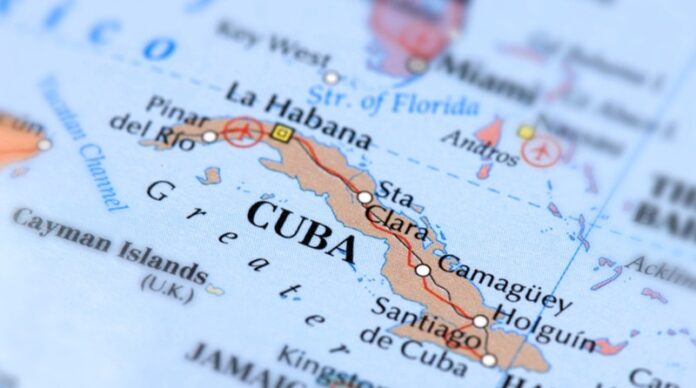
US Reportedly Seeks Cuban Insiders for Regime Change by Year-End After Venezuela Operation

0

The United States is actively seeking to identify Cuban government insiders who could help bring about regime change in Havana by the end of 2026, according to a report in The Wall Street Journal citing unnamed U.S. officials familiar with the matter.

Officials in the Trump administration believe Cuba’s communist government is vulnerable, with its economy strained by the loss of subsidised Venezuelan oil and longstanding economic woes. The U.S. hopes to find an official within Havana’s government who may be willing to “cut a deal,” The Wall Street Journal reported, as part of broader efforts to encourage a transition of power.

Venezuela Blueprint and Escalating Pressure

The effort, according to U.S. sources, has been “emboldened” by the U.S. military operation in Venezuela that led to the capture and removal of President Nicolás Maduro earlier this month — an action that the United States justified as a law-enforcement operation but which sparked international controversy and condemnation.

President Donald Trump has publicly warned Cuba’s leadership that the island nation should “make a deal before it is too late,” asserting that the Cuban government is “ready to fall.” He also made light-hearted suggestions on social media about possible U.S. leadership roles for Cuba’s future, including naming Secretary of State Marco Rubio — a figure known for his strong anti-communist stance.

Diplomacy, Exiles, and No Clear Plan Yet

While U.S. officials reportedly have no formal or detailed plan for how regime change would be achieved, the administration has been holding meetings with Cuban exiles and civic groups in Miami and Washington to explore options and identify potential collaborators within Cuba’s government.

The push coincides with increased economic sanctions and diplomatic pressure on Havana, as U.S. policy makers seek to capitalise on Cuba’s economic fragility following Venezuela’s shift away from subsidised oil shipments — historically a key lifeline for the Cuban economy.

Regional Tensions and International Response

The reported plan to encourage regime change in Cuba comes amid heightened tensions in Latin America after the recent Venezuelan operation. That action drew sharp criticism from several nations and international law experts, who described it as a violation of sovereignty and international norms.

Cuba has remained defiant. In recent days, tens of thousands of Cubans protested outside the U.S. Embassy in Havana to condemn the U.S. raid in Caracas and demand the release of Maduro, with President Miguel Díaz-Canel denouncing Washington’s approach as imperialist and affirming Cuba’s readiness to defend itself.

The U.S. administration’s evolving Latin America strategy suggests a willingness to use a blend of diplomatic pressure, sanctions, and engagement with dissident elements to pursue political change, even as debate continues over the legal, ethical, and strategic implications of such actions.

NATO to Boost Arctic Security After Trump–Rutte Talks as Denmark Rejects Any Deal on Greenland Sovereignty

0
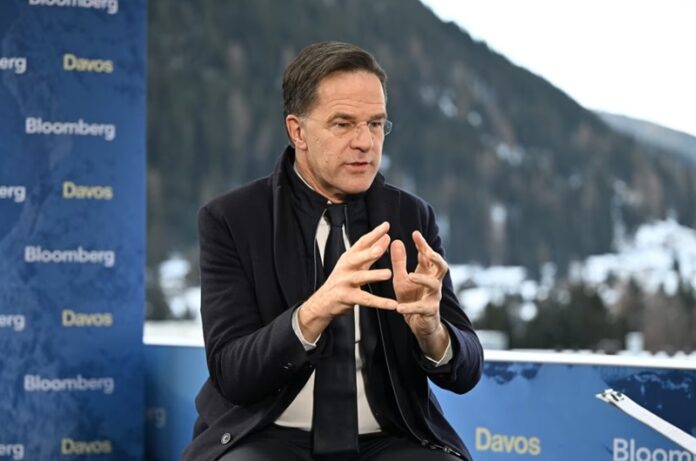
Mark Rutte, secretary general of NATO, in Davos, Switzerland

NATO Secretary General Mark Rutte has said that the alliance is moving toward a new framework to strengthen security in the Arctic following discussions with US President Donald Trump, with concrete measures expected to be agreed as early as 2026.

Speaking to Reuters on the sidelines of the World Economic Forum in Davos, Rutte said NATO allies would soon convene senior military commanders to assess what additional capabilities are required to safeguard the strategically vital Arctic region.

“We will come together in NATO with our senior commanders to work out what is necessary,” Rutte said. “I have no doubt we can do this quite fast. Certainly, I would hope for 2026 — I hope even early in 2026.”

Focus on Arctic Security, Not Ukraine

Rutte stressed that the renewed focus on the Arctic would not come at the expense of NATO’s support for Ukraine, which continues to face Russia’s full-scale invasion.

The Arctic has become an increasingly important arena for global competition as melting ice opens new shipping routes and access to critical resources, while Russia expands its military footprint and China seeks a greater strategic role in the region.

Earlier in Davos, Rutte said he and Trump had discussed how NATO countries could “collectively make sure the Arctic stays safe” and ensure that “the Russians and the Chinese stay out.”

Greenland, Tariffs and Trump’s Shift

The talks followed President Trump’s announcement that a framework had been formed regarding Greenland, after which he said he would step back from imposing tariffs on European nations that opposed his ambitions concerning the island.

Rutte clarified that sensitive issues such as rare earth mineral mining in Greenland were not discussed during his meeting with Trump. He also underlined that Denmark’s sovereignty over Greenland was never raised.

A NATO spokesperson confirmed that Rutte did not propose any compromise related to Danish sovereignty during the discussions.

Denmark Draws a Clear Red Line

Danish Prime Minister Mette Frederiksen responded firmly to Trump’s remarks, reiterating that Denmark would not negotiate over sovereignty, even as it remains open to broader cooperation on security and economic matters.

“We can negotiate on all political issues: security, investments, economics,” Frederiksen said in a statement. “But we cannot negotiate on our sovereignty.”

She added that the Kingdom of Denmark is willing to engage in “constructive dialogue” with allies on strengthening Arctic security — including participation in the US-led “Golden Dome” missile defence concept — provided Denmark’s territorial integrity is fully respected.

Frederiksen has repeatedly rejected Trump’s past calls for the United States to take control of Greenland, an autonomous Arctic territory within the Kingdom of Denmark.

Strategic Stakes in the Arctic

The episode highlights growing geopolitical tensions in the Arctic, where NATO members are seeking to counter Russia’s militarisation of the region and China’s expanding economic and scientific presence. Greenland, due to its location between North America and Europe and its potential mineral wealth, has become central to those strategic calculations.

While Trump’s decision to pause tariff threats eased immediate tensions with European allies, the debate over Arctic security and Greenland’s role within it is likely to intensify as NATO moves toward concrete decisions in the coming months.

Trump Warns Hamas to Disarm or Face ‘the End’ as He Launches Controversial ‘Board of Peace’

0

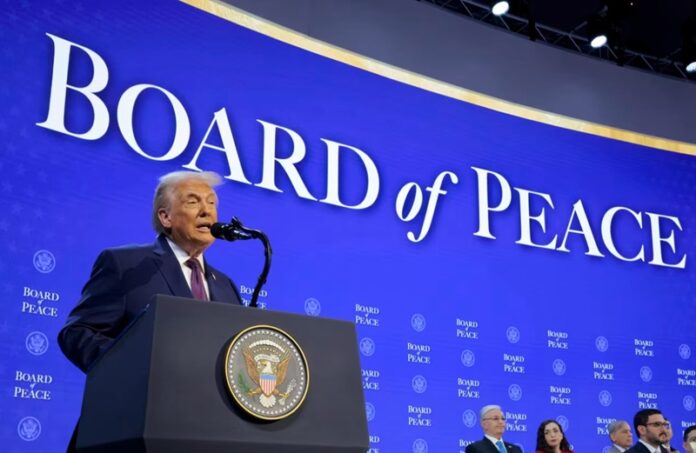
US President Donald Trump on Tuesday used the launch of his new international “Board of Peace” to deliver a mix of domestic political messaging and hardline foreign-policy warnings, declaring that Hamas must disarm or face annihilation, while claiming that Israel’s war in Gaza is “coming to an end.”

Opening the signing ceremony before an audience of fewer than 20 foreign leaders, Trump veered quickly from the stated purpose of the event to boast about the US economy, portraying his leadership as a global stabilising force.

“We have a great mandate back at home. The US economy is booming,” Trump said. “When America booms, the entire world booms.”

Gaza, Hamas and Threats of Force

Trump struck an optimistic tone on global security, claiming the world is “more peaceful” than it was before his presidency. However, his remarks on Gaza were marked by stark threats toward Hamas, which he described as a movement whose members were “born with rifles in their arms.”

“They have to give up their weapons,” Trump said. “And if they don’t do that, it’s going to be the end of them.”

He insisted that Israel’s war in Gaza is nearing its conclusion and said his newly formed board would play a role in securing a lasting settlement. According to Trump, the “Board of Peace” is committed to ensuring Gaza is fully demilitarised and “beautifully rebuilt,” echoing language previously used by his administration to frame post-war reconstruction under strict security conditions.

A New Global Body — With Old Questions

Trump described the Board of Peace as having “the chance of being the most consequential board in history,” adding that it would work “in conjunction” with the United Nations. However, no senior UN official was present at the ceremony, and the precise mandate, legal authority, and operational structure of the board remain unclear.

The launch immediately raised questions among diplomats and analysts, particularly in Europe, where officials have privately expressed concern that the initiative could include US adversaries — including Russia — despite ongoing conflicts involving American allies.

Notable Absences and Diplomatic Signals

Perhaps the most striking aspect of the ceremony was who was not there. None of the United States’ traditional Western European allies attended, despite earlier expectations that roughly 35 countries would be represented.

Instead, the gathering skewed heavily toward the Middle East and South America. Leaders from Saudi Arabia, Qatar, the United Arab Emirates, Argentina and Paraguay were among those on stage with Trump. Addressing them directly, Trump quipped that they were, “in most cases very popular leaders — in some cases not so popular.”

The limited turnout, combined with the absence of NATO allies, has fueled speculation that the Board of Peace may reflect Trump’s preference for bilateral deal-making over established multilateral frameworks, as well as his willingness to engage leaders shunned by parts of the Western alliance.

Political Messaging at Home and Abroad

The ceremony also underscored Trump’s continued blending of domestic political rhetoric with international diplomacy. By emphasising economic growth and claiming global peace dividends from his leadership, Trump appeared to be speaking as much to voters at home as to leaders abroad.

Whether the Board of Peace evolves into a functioning diplomatic mechanism or remains largely symbolic will depend on follow-up actions, particularly in Gaza, where the conflict’s endgame remains deeply contested and humanitarian conditions continue to draw international scrutiny.


Meta Description


Pakistan Joins Trump’s Board of Peace for Gaza as 14 Countries Back New Ceasefire Framework

0

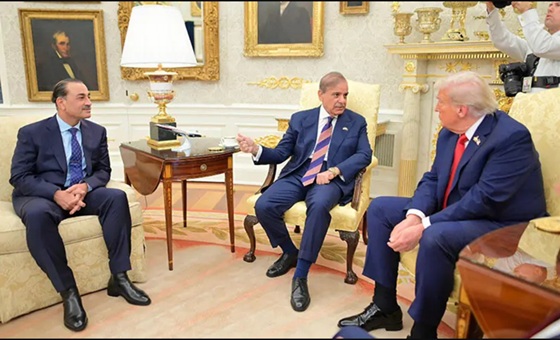
Pakistan has formally agreed to join the Board of Peace (BoP) for Gaza, a new international framework initiated by US President Donald J. Trump to support the implementation of a Gaza peace plan under United Nations Security Council Resolution 2803, the Foreign Office announced on Tuesday.

The decision follows an invitation extended by President Trump to Prime Minister Muhammad Shehbaz Sharif, positioning Pakistan among 14 countries that have accepted the US-led initiative aimed at stabilising Gaza after months of devastating conflict.

According to the Foreign Office statement, Pakistan’s participation reflects its long-standing diplomatic stance in favour of a permanent ceasefire, unhindered humanitarian access, and a just political resolution of the Palestinian issue.

What Is the Board of Peace for Gaza?

The Board of Peace is envisioned as a multilateral coordination mechanism working alongside the United Nations to:

  • Support the implementation of a sustained ceasefire
  • Facilitate and monitor humanitarian aid flows into Gaza
  • Assist in post-war reconstruction
  • Create diplomatic momentum toward a political settlement

Diplomatic sources say the BoP is intended to complement existing UN structures rather than replace them, with participating states providing political backing, humanitarian coordination, and reconstruction support.

Pakistan’s Position on Gaza and Palestine

In its statement, Pakistan expressed hope that the formation of the Board of Peace would translate into concrete and irreversible steps, particularly:

  • A permanent ceasefire across Gaza
  • A significant scale-up of humanitarian assistance for Palestinians
  • Internationally backed reconstruction efforts to rebuild Gaza’s civilian infrastructure

Islamabad also reiterated its principled support for the Palestinian right to self-determination, stressing that peace efforts must culminate in a credible, time-bound political process consistent with international law and relevant UN resolutions.

Pakistan reaffirmed its support for the establishment of an independent, sovereign and contiguous Palestinian state, based on pre-1967 borders, with Al-Quds Al-Sharif (Jerusalem) as its capital.

Growing International Buy-In

Pakistan’s announcement comes amid broader international engagement with the initiative. Diplomatic officials familiar with the process confirm that 14 countries have so far accepted President Trump’s invitation to join the Board of Peace, signalling growing momentum behind the framework despite skepticism in some quarters over its long-term effectiveness.

While the full composition of the Board has not yet been publicly disclosed, observers note that participation from countries across different regions is intended to lend the initiative greater legitimacy and balance.

Pakistan’s Expected Role

The Foreign Office emphasized that Pakistan intends to play a constructive and active role within the Board of Peace, leveraging its diplomatic experience, humanitarian advocacy, and consistent support for Palestinian rights.

“Pakistan looks forward to continuing its constructive engagement as part of the Board of Peace to help end the suffering of the Palestinian people,” the statement said.

Analysts say Pakistan’s inclusion enhances the initiative’s credibility within the Muslim world and among developing nations, particularly as debates continue over how to move from temporary ceasefires toward a sustainable political solution for Gaza.

India’s Su-57 Dilemma: Fifth-Gen Lifeline or a Risky Russian Bet?

0
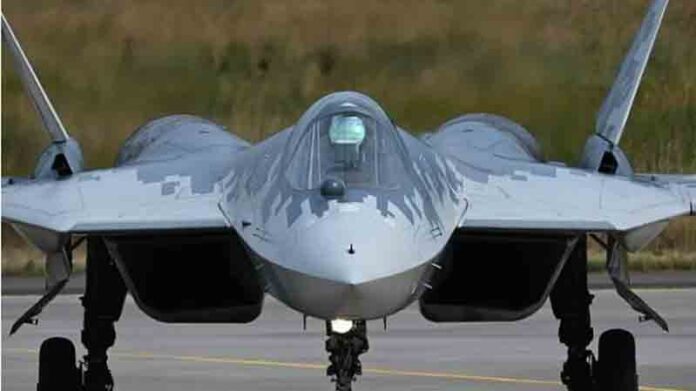
Su-57 stealth fighter

India is once again flirting with Russia’s fifth-generation fighter dream—and once again, the risks are almost as large as the promise.

New Delhi is weighing local production of the Su-57E, Russia’s export variant of its stealth fighter, at a time when the Indian Air Force (IAF) is facing an uncomfortable reality: shrinking squadron strength, delayed indigenous programmes, and a rapidly modernising Chinese air force anchored by the expanding J-20 fleet. The question is not whether India needs a fifth-generation fighter—but whether the Su-57E is the answer, or a strategic distraction.

A Crisis Driving the Conversation

The IAF today operates fewer than 30 fighter squadrons, well below the sanctioned strength of 42. That shortfall directly weakens India’s deterrence posture against both China and Pakistan. Meanwhile, Beijing is racing ahead—not only fielding stealth aircraft at scale but also laying the groundwork for sixth-generation combat aviation.

Against this backdrop, Russia’s offer looks tempting: rapid access to a fifth-generation platform, local production, and—most unusually—full technology transfer. For an air force staring at a capability gap that could last more than a decade until India’s indigenous AMCA matures, the Su-57E appears to promise a shortcut.

But shortcuts in defence procurement have a long history of turning into dead ends.

Russia’s Big Pitch—and India’s Lingering Doubts

Moscow is expected to submit a detailed technical and financial assessment by late January 2026, outlining what it would take to manufacture the Su-57E in India. Russian officials claim that Hindustan Aeronautics Limited (HAL) already possesses around 50% of the required industrial capacity, largely thanks to decades of Su-30MKI production.

They argue that HAL’s Nashik facility would need less than 30% retooling, with infrastructure upgrades estimated between USD 960 million and USD 1.2 billion—figures that appear manageable on paper.

Yet Indian planners have heard this story before.

From the Admiral Gorshkov aircraft carrier refit to the lifecycle costs of the Su-30MKI fleet, past Indo-Russian programmes have repeatedly suffered from cost overruns, delays, and opaque sustainment economics. The institutional memory inside India’s defence establishment is not forgiving.

The Technology Transfer Trap

Russia’s headline offer—access to avionics source codes, stealth materials, sensor fusion architectures, and possibly even engine technology—is virtually unheard of in Western fifth-generation deals. On paper, it aligns perfectly with India’s “Make in India” ambitions and long-term aerospace sovereignty.

But this is also where skepticism deepens.

Technology transfer is only as valuable as the maturity of the technology being transferred. Russia currently operates a very limited Su-57 fleet—around 20 aircraft, with reported combat use largely confined to standoff missions rather than deep penetration in contested airspace. That raises uncomfortable questions: is India being offered a proven fifth-generation ecosystem—or early access to a platform still evolving?

Absorbing immature technology could complicate, rather than accelerate, India’s own AMCA programme.

Capability Boost or Strategic Hedge?

Supporters argue the Su-57E would give India a near-term stealth counterweight to China’s J-20s, especially if integrated with long-range missiles and advanced infrared search-and-track systems. They also see it as a “technology bridge,” helping Indian engineers and pilots adapt to fifth-generation concepts before AMCA arrives.

Critics counter that this bridge may lead nowhere.

They warn that Russian systems often appear cheaper upfront—unit costs for the Su-57E are estimated at USD 80–100 million, far below Western stealth fighters—but become expensive over time due to maintenance complexity, spare parts dependence, and upgrade uncertainty.

The Rafale Shadow and a Strategic Divide

The Su-57E debate cannot be separated from India’s parallel MRFA competition, where the Rafale remains a strong contender, backed by a proposed second production line in Nagpur.

At its core, this is not just an aircraft choice—it’s a philosophical divide:

  • Rafale offers proven performance, reliability, and geopolitical reassurance, but limited technology transfer.
  • Su-57E promises deep industrial access and strategic autonomy, but with higher developmental, financial, and geopolitical risk—including potential CAATSA sanctions exposure.

Choosing Russia again would test India’s careful balancing act between Washington and Moscow at a time when global fault lines are hardening.

A Decision Bigger Than a Fighter Jet

Russia is positioning the Su-57E not merely as an aircraft, but as a strategic partnership tool—even floating the idea of India becoming a future export hub for the platform. If realised, that would dramatically reshape India’s aerospace ambitions.

But ambition alone does not guarantee success.

For India, the Su-57E decision is ultimately a referendum on risk tolerance: whether New Delhi is willing to gamble on an unproven fifth-generation ecosystem today to avoid a dangerous capability gap tomorrow.

As the Russian assessment lands, one truth is unavoidable—the choice will define India’s airpower trajectory for decades, and there will be no easy course correction once the path is chosen.

Why Trump Wants Greenland: The Arctic’s Quiet Militarization Explained

0
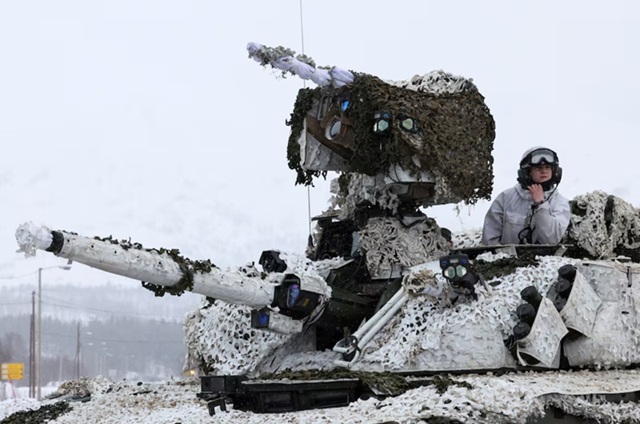
Norwegian army participates in a military exercise in Norwey Arctic circle

When US President Donald Trump talks about buying Greenland, it sounds provocative—but behind the rhetoric lies a rapidly intensifying military competition in the Arctic. From nuclear submarines to missile defense radar, the world’s northernmost region is quietly becoming one of the most strategic frontiers of global security.

Trump argues that Greenland is essential for US defense, particularly as Washington looks to strengthen missile protection against emerging threats. Denmark and Greenland have firmly rejected any sale, insisting that existing defense agreements already address US security concerns. Still, the debate has thrown fresh spotlight on the Arctic’s expanding military footprint.

Russia’s Arctic Dominance

Russia controls nearly half of the Arctic’s landmass, giving Moscow a decisive geographic advantage. Since 2005, the Kremlin has reopened and modernized dozens of Soviet-era bases across its Arctic mainland and offshore islands.

One of the most sensitive sites is Novaya Zemlya, where Russia maintains nuclear-test readiness and last year test-launched its nuclear-powered Burevestnik cruise missile. While no nuclear explosion has occurred there since 1990, Western analysts see the activity as a strong signal of deterrence.

Even more critical is the Kola Peninsula, home to roughly two-thirds of Russia’s second-strike nuclear capability. The region also hosts Russia’s Northern Fleet, which operates half of the country’s nuclear-armed submarines. Access through the Barents Sea is vital—any disruption there could severely constrain Russian naval power.

The US, Canada and the Arctic Shield

The United States and Canada have jointly defended North America through NORAD since 1957. That system is now undergoing modernization, with Canada investing in advanced over-the-horizon radar to monitor Arctic and polar approaches. Initial capability is expected by 2028.

Trump has also pushed for a new missile defense concept known as “Golden Dome,” arguing that Greenland’s location makes it indispensable. The US already operates the Pituffik Space Base in northern Greenland and maintains about 22,000 troops across eight bases in Alaska.

Canada, meanwhile, operates five Arctic bases, including Alert on Ellesmere Island—the world’s northernmost permanently inhabited settlement. Ottawa is also developing refueling infrastructure on Baffin Island, though delays have slowed progress.

Denmark and Greenland’s Quiet Presence

Denmark’s Joint Arctic Command (JAC) is headquartered in Nuuk and includes around 150 military and civilian personnel. While modest in size, it oversees surveillance across Greenland and operates multiple stations, including the strategically located Kangerlussuaq air base.

One of its most distinctive units is the Sirius dog sled patrol, which conducts long-range reconnaissance in northeastern Greenland’s extreme terrain—despite Trump once publicly mocking the unit.

Nordic States and NATO’s Northern Front

Since joining NATO, Sweden and Finland have accelerated military integration with the alliance. Sweden maintains air and army bases in its far north, while Finland operates key facilities along and above the Arctic Circle.

Norway, NATO’s main Arctic sentinel, monitors an enormous maritime zone stretching across the North Atlantic. Its northern infrastructure includes air bases for F-35 jets, naval installations, army bases, and NATO reception facilities.

Iceland: No Army, Strategic Role

Iceland has no standing military, but its strategic value is significant. US Navy P-8A Poseidon patrol aircraft rotate through Keflavik air base, and NATO fighter jets regularly deploy there to secure Icelandic airspace.

Why Greenland Matters More Than Ever

As climate change opens new Arctic shipping routes and great-power rivalry intensifies, Greenland’s geography places it at the center of missile defense, early-warning systems, and transatlantic security. Trump’s push to buy the island may be politically unrealistic—but the strategic logic behind it is reshaping how the Arctic is viewed by Washington, Moscow, and NATO alike.

Trump Presses for ‘Decisive’ Iran Strike Options as US Boosts Military Presence, WSJ Reports

0

President Donald Trump is continuing to press senior aides for what he calls “decisive” military options against Iran, even after stepping back from launching strikes last week, according to a detailed report by The Wall Street Journal (WSJ). The renewed deliberations come as the United States rapidly bolsters its military presence in the Middle East amid an intensifying Iranian crackdown on anti-government protests that US officials say has killed thousands.

According to WSJ, the Pentagon and White House are refining a range of military scenarios for Trump, ranging from limited strikes on Islamic Revolutionary Guard Corps (IRGC) facilities to far more ambitious options that could seek to weaken—or even topple—the Iranian regime. While no final decision has been made, officials cited by the newspaper say Trump has not ruled out military action as punishment for Tehran’s violent suppression of protesters.

US Military Buildup Signals Readiness

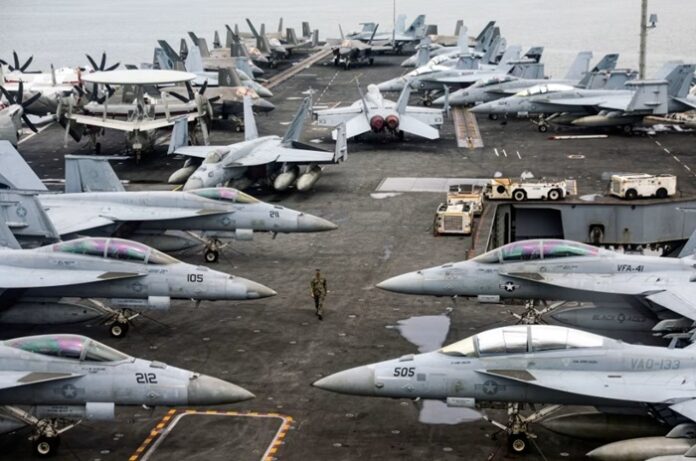
The discussions are unfolding alongside a visible US military buildup in the region. The Wall Street Journal reports that US F-15E fighter jets have arrived in Jordan, while the aircraft carrier USS Abraham Lincoln and its strike group—equipped with F-35 fighters, destroyers, and electronic-warfare aircraft—are moving toward the Persian Gulf.

US officials told WSJ that additional Patriot and THAAD missile-defense systems are also being deployed to counter the risk of Iranian retaliation. The arrival of these assets would give Trump a broader menu of strike options should he authorize military action.

Protest Death Toll Far Higher Than Acknowledged

The urgency of the internal debate is being driven in part by grim assessments of Iran’s internal crackdown. While public estimates have ranged between 2,000 and 3,000 deaths, US officials believe the toll is significantly higher. Citing United Nations assessments, US Ambassador to the UN Mike Waltz said Iranian authorities may have killed up to 18,000 people, according to the WSJ report.

Trump hinted at the leverage Washington believes it holds, telling reporters that Iranian authorities recently backed away from plans to execute hundreds of detainees after US warnings. “We’re just going to have to see what happens with Iran,” he said.

Regime Change vs Limited Strikes

A central question confronting the administration, analysts told The Wall Street Journal, is whether US airpower alone could realistically force political change in Iran. Former Air Force Lieutenant General David Deptula cautioned that while airstrikes might deter some regime behavior, meaningful regime change would require “significant air and ground operations.”

Other experts were even more skeptical. Ramzy Mardini, a geopolitical risk analyst cited by WSJ, warned that a “decapitation strategy” could create chaos without a viable alternative authority. “Who secures nuclear sites? Who polices the streets?” he asked, underscoring the absence of an organized opposition capable of governing Iran.

Saudi Arabia, Israel Factor Into US Calculations

Diplomatic coordination is also underway. WSJ notes that Secretary of State and National Security Adviser Marco Rubio recently discussed Iran with Saudi Foreign Minister Prince Faisal bin Farhan Al Saud, whose cooperation would be critical for any sustained US air campaign.

Israel, meanwhile, has expressed concern about its ability to withstand Iranian retaliation after depleting much of its missile-interceptor stockpile during last year’s conflict with Tehran, according to officials cited in the report.

Mixed Signals From Trump

Despite past pledges to avoid “regime change” wars, Trump has sent conflicting signals. While he has expressed doubts that Iranians would rally behind exiled figures such as Reza Pahlavi, he later openly called for new leadership in Tehran, criticizing Supreme Leader Ayatollah Ali Khamenei for the bloodshed.

Tehran has responded with stark warnings. Iranian President Masoud Pezeshkian said that any US attack on Iran’s leadership would be considered an act of all-out war against the Iranian nation.

As The Wall Street Journal concludes, the administration remains divided between escalating military pressure and relying on sanctions and covert support for protesters—leaving the region on edge as Trump weighs what a truly “decisive” move would mean.

Iran Claims Test of 10,000km Ballistic Missile, Raising Fears of Emerging Intercontinental Capability

0

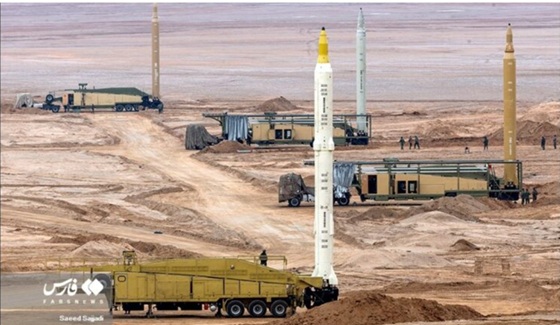
Iran’s claim that it has successfully tested a ballistic missile with a reported range of 10,000 kilometres—a distance that would theoretically place the continental United States within reach—marks the most significant alleged escalation in Tehran’s missile programme since its origins during the Iran–Iraq War.

The assertion was first circulated by state-aligned outlets, including Tasnim News Agency, and later amplified by Iranian lawmakers and regime-linked figures. Among them, Majlis member Mohsen Zanganeh stated publicly that Iran had tested “one of the country’s most advanced missiles” and described the trial as successful, language widely interpreted by analysts as signalling intercontinental-range capability rather than a marginal upgrade to existing systems.

The messaging has been closely aligned with statements attributed to sources linked to the Islamic Revolutionary Guard Corps (IRGC), emphasising self-reliance and strategic autonomy under sanctions—long-standing themes in Supreme Leader Ali Khamenei’s defence doctrine.

No Independent Confirmation, Growing Strategic Impact

As of 19 January 2026, no independent intelligence agency has confirmed a fully successful intercontinental ballistic missile (ICBM) test, including verified multi-stage separation or atmospheric re-entry. However, the convergence of satellite imagery from the Imam Khomeini Spaceport, Iranian parliamentary disclosures, and coordinated media signalling has prompted Western and Asian defence planners to reassess assumptions about Iran’s ICBM timeline.

If operational, a 10,000km missile would transform Iran from a regional missile power into a nascent global strike actor, reshaping deterrence calculations from Washington and Brussels to Tel Aviv and Tokyo. The claim comes amid sustained internal unrest in Iran, continued proxy conflicts across the Middle East, and deepening military-industrial cooperation between Tehran and Moscow—conditions that lend added weight to perceptions of accelerated weapons development.

Iranian officials have previously hinted at such reach, with earlier statements asserting that U.S. territory could be targeted either directly or via forward-deployed platforms. These remarks, once dismissed as rhetorical posturing, are now being reframed by Iranian media as evidence of long-term strategic foresight.

From Regional Deterrence to Intercontinental Ambiguity

Iran’s ballistic missile programme emerged under extreme pressure during the 1980–1988 Iran–Iraq War, when sustained Iraqi air and missile attacks forced Tehran to pursue asymmetric strike capabilities. Initially reliant on imported Scud missiles, Iran gradually transitioned toward indigenous modification and reverse engineering, laying the groundwork for a diverse missile arsenal.

The Shahab-3, with a range of roughly 2,000 kilometres, marked Iran’s first credible regional deterrent, placing Israel, U.S. bases in the Gulf, and NATO assets in Turkey within reach. By the early 2000s, Tehran shifted toward solid-fuel propulsion, improving launch readiness and survivability.

A 2019 U.S. Defense Intelligence Agency assessment highlighted Iran’s growing emphasis on precision guidance, noting improvements that reduced error margins to tens of metres—enhancing the effectiveness of conventionally armed missiles.

Following the 2025 Iran–Israel confrontation, Iran accelerated missile production and reconstruction. Satellite imagery and shipping data confirmed the arrival of large quantities of missile propellant precursors at Bandar Abbas, signalling sustained high-volume manufacturing despite sanctions.

Signals Pointing Toward Intercontinental Ambitions

Iran’s unveiling of the Khorramshahr-5 missile in mid-2025—claimed to have a range of up to 12,000 kilometres—represented the clearest declaration of intercontinental intent to date. Iranian lawmakers asserted that even a limited number of such missiles could inflict damage comparable to nuclear weapons if used against distant targets.

Western and Israeli intelligence assessments have long warned that Iran’s space launch vehicle (SLV) programme mirrors core ICBM technologies, reinforcing concerns that civilian space activity provides a pathway to long-range strike capability.

In late 2025, Iranian media began referencing a long-rumoured Shahab-6 missile, believed by analysts to involve multi-stage propulsion. Commercial satellite imagery from September 2025 showed unusual launch-related activity at the Imam Khomeini Spaceport without corresponding space launch announcements, fuelling speculation about covert missile testing.

Social media claims in early 2026 escalated the narrative further, alleging a cross-continental test flight and framing the event as a direct message to Washington. While unverified, such claims have amplified the psychological and strategic impact of Iran’s messaging.

Global Reactions and Strategic Consequences

The United States has responded cautiously, declining to confirm the alleged test while reiterating concerns that Iran’s missile and space programmes are inherently dual-use. Israel has reportedly raised alert levels while maintaining public silence, consistent with its doctrine of ambiguity. European intelligence agencies have expressed concern that intercontinental-range missiles would erode the geographical buffer once insulating the continent.

Unverified claims of deeper Iran–Russia cooperation, including potential missile overflight permissions, have further heightened anxiety among Western security planners, while China is widely seen as quietly benefiting from strategic distraction imposed on the United States.

Deterrence Through Ambiguity

Missile experts caution that credible intercontinental capability typically requires years of iterative testing, raising questions over whether Iran has achieved a true breakthrough or is deliberately exaggerating progress to maximise deterrence.

From a strategic standpoint, Iran does not require a large ICBM force. Even a small number of survivable missiles—real or perceived—could impose disproportionate strategic costs on adversaries by forcing investments in missile defence, early warning, and homeland protection.

Whether bluster or breakthrough, Iran’s claimed 10,000km missile test has already reshaped global threat perception. In an era where deterrence is driven as much by perception and signalling as by verified capability, strategic ambiguity itself has become a powerful weapon—one Tehran appears increasingly willing to wield.

Russia Showcases Combat-Proven Drones at UMEX 2026 as It Targets Global UAV Export Boom

0
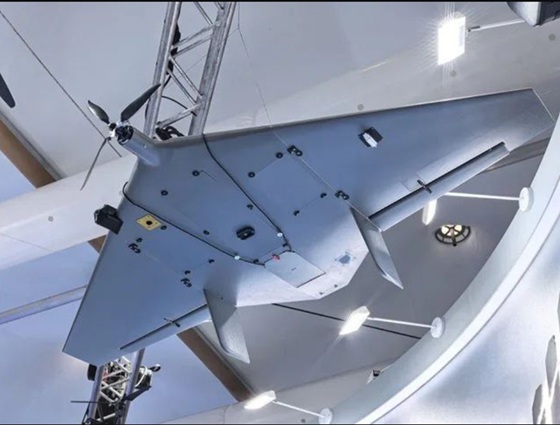
Supercam S180 – new high-speed recon drone

Russia is using the Unmanned Systems Exhibition (UMEX) 2026 in Abu Dhabi as a strategic platform to reassert itself in the fast-growing global unmanned warfare market, unveiling a unified national showcase of its combat-tested drone and loitering munition portfolio.

For the first time, JSC Rosoboronexport—Russia’s state arms export agency and part of the Rostec State Corporation—is organising a consolidated Russian exhibit, signalling Moscow’s intent to aggressively expand exports of unmanned systems refined through sustained battlefield use.

UMEX 2026, running from January 20 to 22 alongside the Simulation and Training Exhibition (SimTEX), is expected to attract senior military delegations and procurement officials from the Middle East, Africa, Asia, and Latin America. These regions have seen surging demand for cost-effective and operationally validated unmanned systems following recent high-intensity conflicts.

Pivot Toward Non-Western Markets

Rosoboronexport’s decision to anchor its global unmanned systems marketing campaign in Abu Dhabi rather than traditional European defence shows reflects a deliberate pivot toward non-Western customers. Many of these markets are seeking fewer political restrictions, faster delivery timelines, and greater flexibility in technology access.

At its UMEX stand, Rosoboronexport is highlighting what it describes as battle-proven UAVs and loitering munitions, positioning them as mature systems shaped by real combat feedback rather than controlled trial environments.

Rosoboronexport Director General Alexander Mikheev said unmanned systems represent one of the fastest-growing segments of the global arms market. According to company projections, global demand for UAVs could grow by around 120 percent by 2030, while demand for loitering munitions may surge by as much as 400 percent, driven by their ability to deliver precision effects at a fraction of the cost of traditional guided weapons.

Unmanned Systems as Core Warfighting Assets

The projected growth reflects a broader transformation in modern warfare, where unmanned platforms are no longer auxiliary tools but central elements of reconnaissance-strike complexes, battlefield transparency, and distributed lethality.

Russia’s export strategy increasingly emphasises systems optimised for survivability, rapid production, and favourable cost-exchange ratios. By foregrounding combat validation rather than laboratory metrics, Rosoboronexport is attempting to position battlefield experience as a decisive credibility marker in competition with Western and Israeli unmanned systems.

This approach also aligns with a growing military consensus that attritable, semi-autonomous strike systems offer a more sustainable way to maintain offensive pressure during prolonged, high-intensity conflicts.

Lancet-E and Kub-2-2E Take Centre Stage

At UMEX 2026, Rosoboronexport is placing particular emphasis on the Lancet-E and Kub-2-2E loitering munitions as the core of its export-oriented unmanned strike doctrine.

The Lancet-E is presented as an integrated reconnaissance-strike complex combining the Z-16E reconnaissance UAV with Item-51E and Item-52E loitering munitions developed by ZALA Aero. This sensor-to-shooter architecture enables rapid target detection and engagement, compressing the kill chain against time-sensitive targets such as air defence systems, artillery, armoured vehicles, and mobile command posts.

The system’s distinctive double X-shaped tail improves stability and manoeuvrability, while developers have prioritised reduced radar and acoustic signatures and enhanced resistance to electronic warfare. Russian sources claim Lancet variants have disabled or destroyed thousands of enemy vehicles—figures that are difficult to independently verify but central to Moscow’s export narrative.

Complementing the Lancet-E, the Kub-2-2E loitering munition—developed by the Kalashnikov Group—features an upgraded automatic guidance system designed to improve engagement reliability while reducing operator workload. A key feature highlighted at UMEX is its ability to operate in tandem with the Skat-350M reconnaissance UAV, forming a hunter-killer pairing aligned with modern networked warfare concepts.

Expanding the Unmanned Ecosystem

Also on display is the Supercam S350 reconnaissance UAV, positioned as a versatile and cost-effective ISR platform for both conventional and asymmetric operations. At the tactical level, Rosoboronexport is showcasing the Karakurt and Goliath UAVs, designed for squad- and platoon-level use, reflecting the growing importance of organic aerial reconnaissance at the lowest echelons of combat.

Rostec is further presenting a range of modular warheads for loitering munitions and FPV drones, including high-explosive fragmentation, incendiary, HEAT-incendiary, and training variants. This modular approach allows customers to tailor unmanned strike capabilities to specific operational requirements.

Defence Diplomacy and Industrial Partnerships

Beyond hardware, Rosoboronexport is using UMEX 2026 as a venue for defence diplomacy. The company is hosting a public presentation on Russian unmanned systems on January 21 and holding bilateral meetings focused on procurement, joint production, technology transfer, and long-term lifecycle cooperation.

According to Mikheev, this reflects an evolving export model aimed at integrating customer states into broader reconnaissance-strike ecosystems while supporting indigenous defence industrial development.

Rosoboronexport remains Russia’s sole state intermediary for defence exports, accounting for more than 85 percent of the country’s arms exports and working with over 700 defence enterprises. Its parent organisation, Rostec, unites more than 800 research and production entities across 60 Russian regions and reported revenues exceeding RUB 3.6 trillion (around USD 40 billion) in 2024.

As unmanned systems increasingly define the future of warfare, Russia’s high-profile presence at UMEX 2026 underscores its effort to convert battlefield experience into export influence—positioning Moscow as a key contender in the next phase of global UAV competition.

Yemen Accuses UAE of Leaving Explosives at Mukalla Airport as Hadramout Tensions Rise

0

Tensions between Yemen’s internationally recognised government and the United Arab Emirates have sharply escalated after Yemeni authorities accused Emirati forces of leaving explosives and assassination equipment at a military facility in Hadramout Governorate, allegations strongly denied by Abu Dhabi.

The dispute centres on Al-Rayyan Airport in Mukalla, a strategic site previously under Emirati military control during the Saudi-led coalition’s intervention in Yemen.

Yemeni Governor Makes Explosive Allegations

Hadramout Governor Salem Al-Khanbashi said explosives allegedly linked to the UAE were discovered at camps inside Al-Rayyan Airport and were intended to be used for assassinations and acts of sabotage.

“We will take decisive steps to ensure the UAE pays the price,” Al-Khanbashi said, accusing groups affiliated with Aidarous Al-Zubaidi, the UAE-backed head of the Southern Transitional Council (STC), of looting state institutions and undermining local authority.

The governor said Hadramout had “turned a bitter page” with the help of Saudi Arabia, signalling a shift away from Emirati-backed factions in the governorate.

Yemeni State TV Publishes Images

Yemen’s official television channel broadcast what it described as the first images of explosives, including C4, detonators and assassination tools, allegedly found at sites previously used by Emirati forces at Al-Rayyan Airport.


The footage was aired alongside officials from Yemen’s Ministry of Information and coalition representatives, who claimed the materials were evidence of planned assassinations and enforced disappearances.

According to Yemeni officials, the presence of weapons at a facility under long-term Emirati control establishes direct responsibility, arguing that no military material could have entered or remained at the site without Emirati approval.

Saudi Intelligence Reports Cited

Saudi-linked intelligence reports were also cited by Yemeni officials, alleging that weapons were transferred from Fujairah in the UAE to Al-Rayyan Airport shortly before Abu Dhabi’s claimed withdrawal.

Officials said the explosives were deliberately left behind to be used by allied militias, but that the plan was thwarted by Yemen’s National Shield Forces, a Saudi-backed formation.

“A genuine withdrawal removes its weapons,” one Yemeni official said, arguing that underground storage of explosives indicated an intent to sustain instability rather than promote security.

UAE Denies Allegations, Rejects “Secret Prison” Claims

In response, the UAE Ministry of Defence (MoD) issued a categorical denial, calling the accusations “false, misleading and devoid of evidence.”

The ministry said Emirati forces completed their full withdrawal from Yemen on January 2, 2026, transferring all weapons and equipment in accordance with recognised military procedures. It rejected claims that explosives or assassination tools were left behind and dismissed allegations of secret prisons at Al-Rayyan Airport as “fabrications.”

The MoD said the underground facilities referenced by Yemeni officials were standard military shelters, operations rooms and accommodation, commonly found at airports and military installations worldwide.

The UAE also accused unnamed actors of promoting false narratives to advance political agendas and undermine Abu Dhabi’s role in supporting Yemen’s security over the past decade.

Contradictions and Long-Standing Allegations

Yemeni officials said the UAE statement undermined its own credibility, noting that an earlier version cited December 3, 2025, as the withdrawal date before being edited to January 2, 2026.

They also pointed to United Nations reports, international human rights organisations and the US State Department’s 2019 human rights report, which documented allegations of secret detention facilities run by UAE-backed forces in southern Yemen.

A Wider Power Struggle in Southern Yemen

Analysts say the dispute reflects a broader power struggle in southern Yemen between the Saudi-backed Yemeni government and the UAE-backed STC, particularly in resource-rich and strategically located areas such as Hadramout.

With Yemen’s fragile political process stalled and regional rivalries unresolved, the Mukalla allegations risk further deepening divisions within the anti-Houthi camp and complicating efforts to stabilise southern Yemen.

COAS Field Marshal Asim Munir Visits National Police Academy, Reaffirms Army’s Support for Police

0

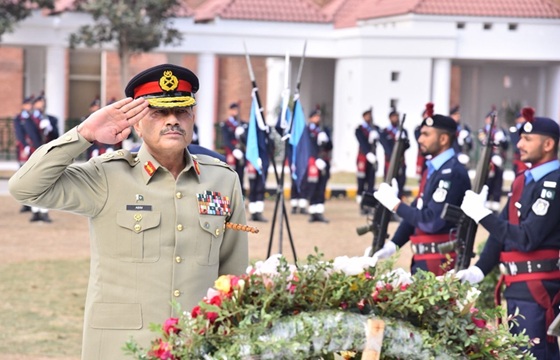
Field Marshal Syed Asim Munir, Chief of Army Staff (COAS) and Chief of Defence Force (CDF), on Tuesday visited the National Police Academy (NPA) in Islamabad, where he interacted with officers of the Police Service of Pakistan (PSP) and underscored the police’s central role in maintaining internal security and rule of law.

Federal Interior Minister and Minister of State for Interior were also present during the visit, according to a statement issued by Inter-Services Public Relations (ISPR).

Upon arrival, the army chief was received by the Commandant of the National Police Academy and was presented with a guard of honour by a police contingent. He later laid a wreath at the Police Martyrs’ Monument and offered Fateha, paying tribute to police personnel who sacrificed their lives while combating terrorism, crime and internal security threats.

Field Marshal Munir acknowledged the supreme sacrifices of the police force, stating that their courage and commitment have been critical in safeguarding public safety and upholding the rule of law across the country.

Briefing on Police Training and Modernisation

During the visit, the COAS was briefed on the School for High-Impact Elite Law Enforcement Development (SHIELD) and other training initiatives aimed at capacity building, professional development and modernisation of policing.

He also interacted with Cadet Assistant Superintendents of Police (ASPs), highlighting that the police serve as the first line of defence in protecting citizens’ lives, property and dignity.

Emphasis on Coordination and Public Trust

Addressing Inspectors General of Police (IGPs), Additional IGPs and senior police officers, Field Marshal Munir stressed the importance of inter-agency cooperation, adoption of modern policing practices, and strengthening public trust in law enforcement institutions.

He said a professional, people-centric and well-trained police force is indispensable for ensuring internal security and effective governance. Describing policing as a “sacred trust,” the army chief reaffirmed that the Pakistan Armed Forces would continue to fully support the police in fulfilling their responsibilities.

Senior police leadership, in turn, reaffirmed their commitment to enhancing professional standards, strengthening institutional capacity and advancing reforms to address evolving security challenges.

Explainer: What Is the EU’s “Anti-Coercion Instrument” and Why Is It Being Linked to the Greenland Dispute?

0

The European Union is facing renewed pressure to activate its powerful Anti-Coercion Instrument (ACI) as tensions rise with the United States over Greenland, following threats by US President Donald Trump to impose tariffs. Often described in Brussels as a “bazooka” or even a “nuclear option,” the mechanism is designed to protect EU member states from economic intimidation by foreign powers.

What is the Anti-Coercion Instrument?

The Anti-Coercion Instrument is a legal and economic tool adopted by the EU to deter and respond to economic coercion — situations where a non-EU country attempts to pressure the EU or one of its 27 member states into changing policy through trade restrictions, tariffs, boycotts, or investment barriers.

The instrument allows the EU to retaliate collectively, rather than leaving an individual member state to face pressure alone. This reflects a broader EU strategy of strengthening “economic sovereignty” amid growing geopolitical competition.

Why Is It Called a “Bazooka” or “Nuclear Option”?

The ACI earns its dramatic nicknames because of the wide range of countermeasures it enables. These can include:

  • Imposing retaliatory tariffs or quotas
  • Restricting access to EU public procurement
  • Limiting trade in services
  • Suspending intellectual property protections
  • Restricting foreign investment

Because these measures can significantly impact major economies, Brussels has framed the tool as a deterrent first, rather than something meant for frequent use.

Why Is Greenland at the Center of the Dispute?

Greenland, an autonomous territory within the Kingdom of Denmark, has long held strategic importance due to its location, mineral resources, and Arctic access. President Trump’s renewed rhetoric — including threats of tariffs — has reignited concerns in Europe that economic pressure could be used to influence EU or Danish policy choices related to the territory.

Denmark, as an EU member state, would fall under the ACI’s protection, making the issue a test case for how far the EU is willing to go to defend its members against pressure from even close allies like the United States.

How Would the EU Decide to Use the Instrument?

The process involves several steps:

  1. Assessment by the European Commission to determine whether economic coercion is taking place
  2. Consultations with the targeted country to seek de-escalation
  3. Approval by EU member states if countermeasures are deemed necessary

The emphasis remains on dialogue, with retaliation seen as a last resort.

Why Is the EU Hesitant to Trigger It?

Despite growing calls to act, many EU capitals remain cautious. Deploying the ACI against the United States — the EU’s largest trade partner — could escalate into a broader trade conflict, with serious economic and political consequences.

Still, supporters argue that failing to act could weaken EU credibility, signaling that even its strongest defensive tools are off-limits when pressure comes from powerful allies.

What’s at Stake?

The debate over the Anti-Coercion Instrument goes beyond Greenland. It touches on:

  • The EU’s ability to act as a geopolitical actor
  • The balance between transatlantic relations and European autonomy
  • Whether economic coercion will become a normalized tool in global politics

As tensions persist, Greenland may become the first real test of whether the EU is prepared to pull the trigger on its most powerful trade defense mechanism.

Saudi Arabia Distances Itself as US Considers Options on Iran

0

As the United States moves an aircraft carrier toward the Middle East and keeps “all options on the table” in its approach toward Iran, Saudi Arabia has made clear it is not seeking to influence Washington’s decision-making, amid speculation about regional pressure behind the scenes.

According to Saudi officials quoted in regional media, including Arab News, Riyadh has rejected claims that it advised the United States either to strike Iran or to refrain from military action, stressing that the Kingdom is closely monitoring developments but is not lobbying for escalation.

The deployment of the USS Abraham Lincoln comes against the backdrop of widespread protests inside Iran and growing uncertainty over how Washington might respond. US officials continue to describe Tehran as a major regional adversary, while weighing the implications of internal unrest for broader regional stability.

Riyadh Rejects Claims of Behind-the-Scenes Pressure

A senior Saudi official at the Kingdom’s embassy in Washington dismissed reports suggesting that Saudi Arabia had urged the US not to strike Iran, calling such claims “not true.” The clarification appears aimed at countering narratives that Gulf states are driving American military calculations.

Saudi officials have instead emphasized caution and restraint.

Speaking earlier this week at a major business conference in Riyadh, Saudi Minister of State for Foreign Affairs Adel Al-Jubeir addressed questions about the protests in Iran and the possibility of a US response. While avoiding direct comment on military options, he said that “everybody is watching the situation very closely” and expressed hope that tensions could be resolved in a way that would “minimize any kind of damage.”

The remarks align with Saudi Arabia’s public posture of avoiding open calls for confrontation while remaining alert to regional security risks.

Saudi Commentators: Iran Holds the Key

Saudi analysts have also pushed back against claims that Riyadh is shaping Washington’s Iran policy. Ali Shihabi, a prominent Saudi commentator, wrote on X that Saudi Arabia “did not get involved in this discussion one way or the other,” reinforcing the official line of non-intervention in US deliberations.


In a separate column published in the Saudi daily Asharq Al-Awsat, veteran journalist Abdulrahman Al-Rashed argued that the current crisis is ultimately in Iran’s own hands.

According to Al-Rashed, ending Iran’s nuclear ambitions and curbing its external activities could spare Tehran foreign intervention at a time of widespread domestic unrest. He described the moment as unprecedented, saying the Islamic Republic is facing an “existential crisis” for the first time since its founding.

“The only actor capable of preventing its descent, and possibly its collapse, is the regime itself,” he wrote, adding that threats against Iran are now converging from both internal and external directions.

Saudi Position: Watchful, Not Directive

Taken together, Saudi official statements and commentary reflect a consistent message: Riyadh is watching events unfold but is not dictating outcomes.

While Saudi Arabia has long viewed Iran as a strategic rival, its current posture emphasizes regional stability, damage limitation, and the avoidance of uncontrolled escalation—particularly at a time when protests inside Iran and US military signaling have raised the stakes.

As Washington continues to assess its next steps, Saudi Arabia appears intent on maintaining diplomatic distance from operational decisions, while signaling that Iran’s own choices will determine whether tensions spiral further or begin to ease.

Trump’s $1 Billion ‘Board of Peace’ Plan for Gaza Sparks Global Concern

0
U.S. President Donald Trump looks on as he signs an executive order in the Oval Office at the White House in Washington,.

Donald Trump wants a new club to manage peace—and entry doesn’t come cheap.

According to a draft charter seen by Bloomberg, the US president is proposing a “Board of Peace” in which countries must contribute at least $1 billion to secure permanent membership. The plan, which would oversee Gaza’s reconstruction and temporary governance, is already triggering concern among diplomats who see it as a potential rival to the United Nations.

Under the draft rules, Trump would serve as the board’s inaugural chairman, holding veto power over membership. Countries that do not pay the $1 billion fee would see their membership expire after three years, while big contributors would effectively buy permanent seats at the table.


The charter frames the initiative as a response to what it calls the failure of existing global institutions, arguing that peace now requires “the courage to depart from institutions that have too often failed.” That language has intensified fears that Trump is seeking to sideline—or even undermine—the UN’s traditional role in conflict management.

Gaza at the Center of the Plan

The Board of Peace is envisioned as an international body tasked with promoting stability, restoring governance, and securing long-term peace in conflict zones—starting with Gaza.

Trump has already sent invitations to a wide range of world leaders. Egypt, Turkey, Canada, Argentina, Jordan and Pakistan have confirmed receiving formal offers. Canadian Prime Minister Mark Carney said he has accepted the invitation “in principle,” while Egypt and Jordan say they are reviewing the proposal through internal legal channels.

Pakistan’s foreign ministry confirmed that Prime Minister Shehbaz Sharif received an invitation, reiterating Islamabad’s commitment to peace efforts in Gaza “in accordance with United Nations resolutions”—a carefully worded signal that Pakistan is wary of bypassing existing international frameworks.

European and Latin American leaders have also reportedly been invited, including Italy’s Giorgia Meloni, Brazil’s Luiz Inácio Lula da Silva, Hungary’s Viktor Orbán, Argentina’s Javier Milei, and Albania’s Edi Rama. Milei called participation an “honour,” while Turkish President Recep Tayyip Erdoğan has been asked to join as a founding member.

Who Controls the Money?

One of the most controversial aspects of the draft charter is financial control.

Sources familiar with the document told Bloomberg that it suggests Trump himself would control the funds raised from membership fees. Diplomats say this provision alone could deter many countries, with several states already expressing strong opposition to the draft.

US officials argue the funds would be used to execute the board’s mandate in Gaza, particularly reconstruction and administrative stabilization. Critics counter that the lack of clear oversight mechanisms risks politicizing aid and concentrating unprecedented power in the hands of a single leader.

A High-Profile—and Contentious—Board

Trump has named a seven-member leadership team that blends diplomacy, finance, and political loyalty.

The board includes former UK prime minister Tony Blair, US Secretary of State Marco Rubio, World Bank President Ajay Banga, Trump’s son-in-law Jared Kushner, and special envoy Steve Witkoff. Blair’s appointment is already controversial in the Middle East due to his role in the 2003 Iraq war.

Two senior advisers—Aryeh Lightstone and Josh Gruenbaum—will oversee day-to-day operations, while former UN Middle East peace coordinator Nicholay Mladenov has been named high representative for Gaza.

A Rival to the UN?

The United Nations has reacted cautiously. A spokesperson for Secretary-General António Guterres said member states are free to form alternative groups, while emphasizing that the UN “will continue with its mandated work.”

That response reflects a broader diplomatic reality: many governments are reluctant to openly confront Washington, but are uneasy about a parallel peace structure that charges for influence and centralizes authority.

Whether Trump’s Board of Peace becomes a genuine governance mechanism or collapses under diplomatic resistance remains unclear. What is already evident, however, is that the proposal has reopened fundamental questions about who controls peace-building, who pays for it, and who decides Gaza’s future.

PAF F-16s Join Saudi-Hosted Spears of Victory-2026 Amid Deepening Pak-Saudi Defence Ties

0

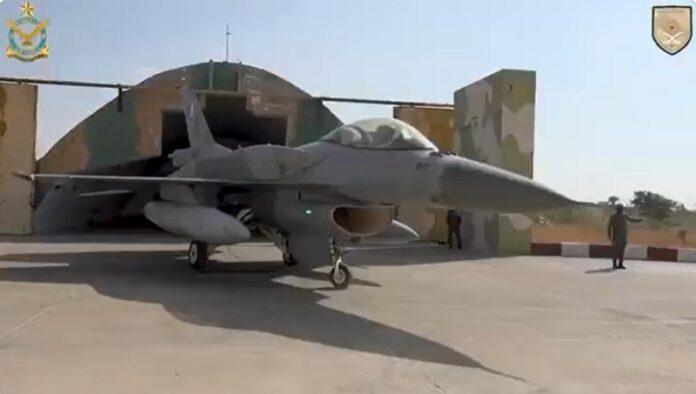
A contingent of the Pakistan Air Force (PAF), comprising F-16 Block-52 fighter aircraft along with air and ground crew, has arrived at King Abdulaziz Air Base in Saudi Arabia to participate in the multinational aerial combat exercise Spears of Victory-2026, according to the Inter-Services Public Relations (ISPR).

The high-profile exercise brings together fighter jets and combat support elements from Saudi Arabia, Pakistan, France, Italy, Greece, Qatar, Bahrain, Jordan, the United Kingdom, and the United States, underscoring its importance as one of the region’s most complex multinational air combat drills.

Advanced Air Combat and Electronic Warfare Focus

Exercise Spears of Victory-2026 is designed to enhance interoperability, operational synergy, and mutual understanding among participating air forces, particularly in demanding operational domains such as:

  • Large Force Employment (LFE)
  • Night composite air operations
  • Integrated Intelligence, Surveillance and Reconnaissance (ISR)
  • Operations in advanced electronic warfare environments

PAF pilots will operate F-16 Block-52 aircraft equipped with modern avionics and Beyond Visual Range (BVR) capabilities, flying alongside—and against—aircrew operating a wide spectrum of advanced combat platforms. The exercise provides a realistic, contested battlespace environment to validate tactics, techniques, and procedures against peer and near-peer air forces.

Demonstrating Long-Range Reach and Expeditionary Capability

For this international deployment, PAF fighter aircraft conducted a non-stop flight from Pakistan to Saudi Arabia, a move that highlights the Air Force’s long-range operational reach, air-to-air refuelling proficiency, and expeditionary capability.

Military analysts note that such deployments are increasingly important in modern air warfare, where rapid force projection and sustained operations far from home bases are critical indicators of combat readiness.

Pak-Saudi Defence Cooperation in Focus

PAF’s participation in Spears of Victory-2026 comes at a time of strengthening defence ties between Pakistan and Saudi Arabia, following a recent defence cooperation pact aimed at expanding collaboration in training, joint exercises, defence production, and operational coordination.

The agreement reflects a shared commitment to regional security, counter-terrorism cooperation, and capacity building across air, land, and maritime domains. Pakistan and Saudi Arabia already maintain long-standing military links, with regular joint exercises and personnel exchanges, particularly in the air and ground forces.

Against this backdrop, Pakistan’s presence in a Saudi-hosted multinational exercise reinforces its role as a trusted defence partner and highlights the growing institutional depth of Pak-Saudi military relations.

Strategic Significance

Participation in Spears of Victory-2026 not only enhances PAF’s interoperability with leading global air forces but also allows it to benchmark its operational preparedness in a technology-driven, electronically contested environment.

ISPR stated that the exercise reflects PAF’s professional excellence and proven ability to operate effectively in diverse and demanding conditions, while contributing to broader regional and international military cooperation.

As air forces worldwide adapt to rapidly evolving threats, exercises like Spears of Victory-2026 serve as critical platforms for testing readiness, strengthening alliances, and reinforcing collective security frameworks in the Middle East and beyond.

Netanyahu Rebukes Trump Administration Over Gaza Governance Plan

0
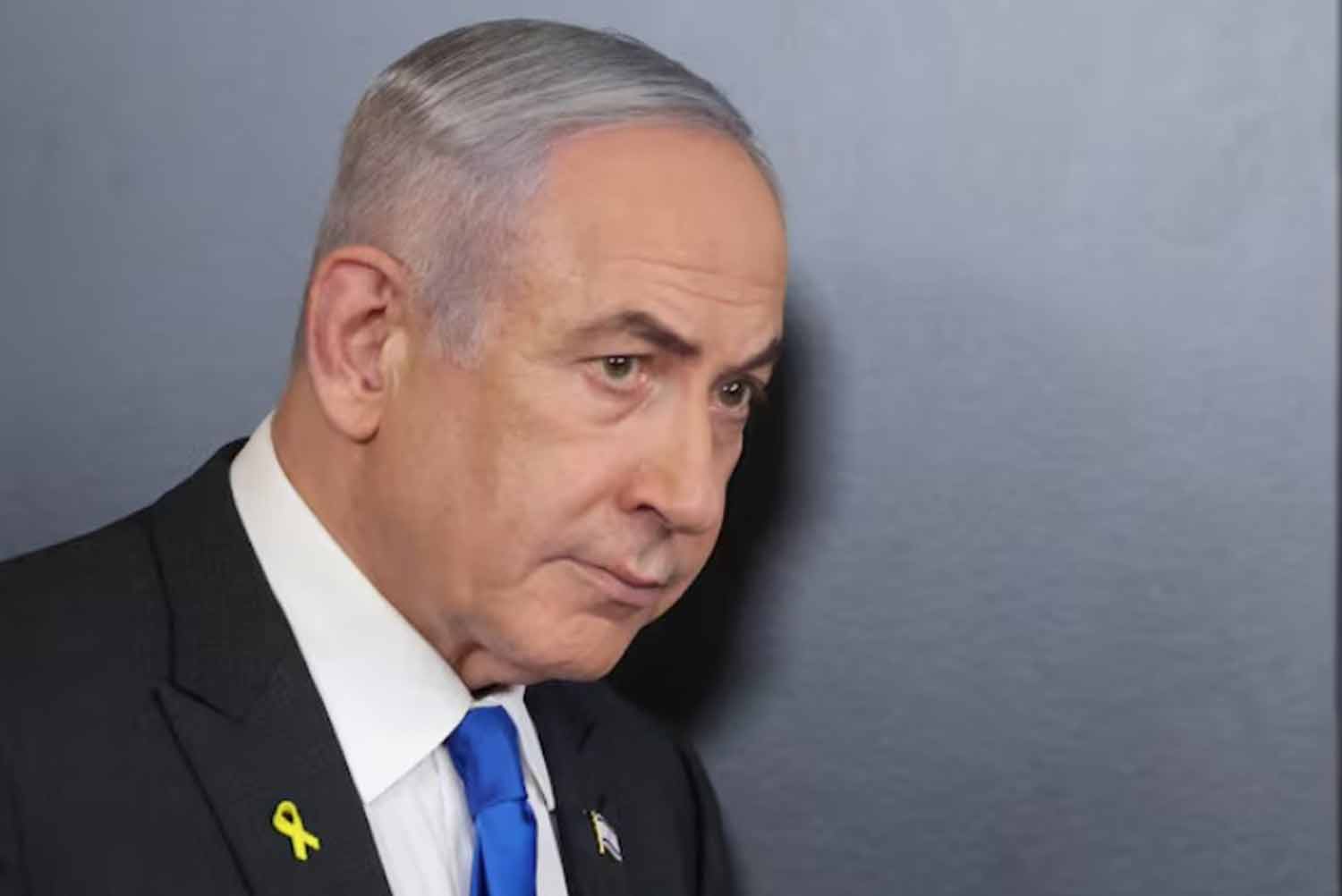
Prime Minister Benjamin Netanyahu

A rare and unusually blunt statement from Israeli Prime Minister Benjamin Netanyahu’s office has laid bare a deepening rift with the Trump administration—this time over who will govern Gaza once the fighting subsides.

In a sharply worded response, Netanyahu’s office said the announcement of a Gaza Executive Committee operating under a Peace Conference framework was made without coordination with Israel and directly contradicts Israeli policy. The prime minister has now instructed Israel’s foreign minister to raise the matter formally with the U.S. secretary of state, underscoring the seriousness of the dispute.

The language is striking not just for its tone, but for its target.


Israeli leaders traditionally handle disagreements with Washington—especially with a Republican administration led by Donald Trump—behind closed doors. Publicly contradicting the White House signals that tensions over Gaza’s post-war governance have reached a politically sensitive breaking point.

What Triggered the Clash

At the center of the dispute is a U.S.-backed diplomatic initiative that appears to outline a transitional governing body for Gaza, reportedly linked to a broader peace conference mechanism. While details remain limited, the move suggests Washington is attempting to shape Gaza’s administrative future through an internationalized framework rather than leaving decisions solely in Israel’s hands.

For Netanyahu’s government, this crosses a red line.

Israel’s stated position has consistently rejected any post-war arrangement that could reintroduce Hamas influence, impose international trusteeship without Israeli consent, or create a political pathway that constrains Israel’s military freedom of action. Any governance model discussed without Israeli coordination is therefore seen not as diplomacy, but as strategic overreach.

Why This Matters Politically

The dispute exposes diverging priorities between Israel and the Trump administration despite their broader ideological alignment.

Washington appears focused on stabilizing Gaza quickly to prevent regional escalation, humanitarian collapse, and mounting international pressure—especially from Arab partners and European allies. Israel, by contrast, prioritizes long-term security control, deterrence, and preventing Gaza from becoming a renewed launchpad for attacks.

Netanyahu’s unusually direct response suggests concern that U.S. initiatives could lock Israel into a post-war framework it neither designed nor fully controls.

It also reflects domestic political pressures. Any perception that Israel is being sidelined in decisions about Gaza’s future could be politically damaging for Netanyahu, particularly among right-wing coalition partners who oppose external involvement in Palestinian governance.

A Shift in the Relationship?

The episode does not indicate a full rupture—but it does highlight transactional limits in the Israel-U.S. relationship.

Even under a Trump administration generally sympathetic to Israel, Gaza remains a point of friction where American diplomatic imperatives collide with Israeli security doctrine. By instructing the foreign minister to escalate the issue directly to the U.S. secretary of state, Netanyahu is signaling that Israel expects recalibration—or at least explicit consultation.

Whether Washington adjusts course or presses ahead will shape not only Gaza’s future governance, but the tone of U.S.–Israel coordination in the next phase of the conflict.

The Bigger Picture

This clash underscores a broader reality: the “day after Gaza” question is no longer theoretical. As military operations grind on, diplomatic maneuvering over governance, legitimacy, and control is accelerating—and not always in lockstep among allies.

Netanyahu’s statement serves as a warning shot. Israel may be willing to coordinate with partners, but it will resist any externally imposed political architecture for Gaza that bypasses Israeli consent.

In a region already strained by war, this public disagreement adds another layer of uncertainty—one that could complicate ceasefire talks, reconstruction planning, and broader regional diplomacy in the months ahead.

Iran’s Post-War Pivot to China’s HQ-9B Missile System Is Raising Alarms Across the Region

0

Iran’s skies were supposed to be protected. Instead, during the June 2025 Israel-Iran war, they were repeatedly penetrated.

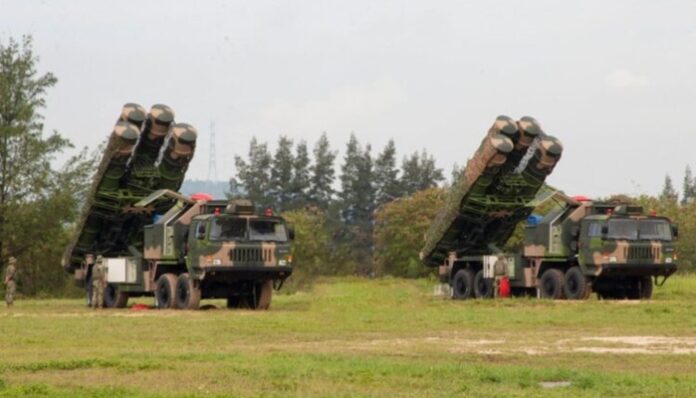
Now, Tehran appears to be responding with a decisive shift: turning to China’s HQ-9B long-range air defense system to rebuild a shield that failed under combat pressure .


Senior Iranian lawmaker Abolfazl Zohrevand has claimed that China will soon supply HQ-9 long-range surface-to-air missile systems, calling the move essential to closing “critical operational gaps” exposed during the 12-day conflict. Israeli strikes reportedly degraded radar nodes, missile facilities, and command infrastructure, revealing deep vulnerabilities in Iran’s layered defenses .

Beijing has officially denied the reports, with its embassy in Tel Aviv labeling them “incorrect.” Yet Iranian media linked to the Armed Forces General Staff insist the package includes not just interceptor missiles, but long-range surveillance radars and electronic warfare systems—suggesting a far more ambitious, networked air defense rebuild .

At the center of the reports is the HQ-9B, China’s most advanced export-grade surface-to-air missile system. Marketed with an engagement range exceeding 200 kilometers, the system is designed to counter cruise missiles, ballistic threats, and stealth aircraft. If deployed, it would significantly upgrade Iran’s current mix of Russian S-300 variants and indigenous systems like the Bavar-373, which struggled under real-world attack conditions .

The implications stretch far beyond hardware.

Iran’s reported pivot toward Chinese air defense technology signals waning confidence in Russia as a reliable supplier. Years of delivery delays and opaque upgrade pathways have fueled frustration in Tehran, while China is increasingly seen as willing to offer complete systems under flexible financial arrangements .

Those arrangements reportedly include oil-for-weapons barter deals—allowing Iran to bypass sanctions by leveraging its vast hydrocarbon reserves, while China secures long-term energy supplies and a real-world proving ground for its advanced air defense technology .

Operational lessons from the June war are shaping this recalibration. Static missile sites were rapidly neutralized, leaving gaps exploited by precision-guided munitions and electronic warfare. The HQ-9B’s mobile launchers and network-centric design are therefore especially attractive for a country expecting repeated high-intensity air campaigns .

Even limited deployment could complicate planning for Israel and the United States. Longer engagement ranges would force reassessments of penetration routes, suppression-of-enemy-air-defense timelines, and the safety of high-value assets such as refueling tankers and airborne early warning aircraft operating near Iranian airspace .

But the gamble cuts both ways.

If the HQ-9B performs as advertised, China gains powerful validation against Western airpower—and a stronger foothold in a missile market long dominated by Russia. If it fails, the exposure could damage Beijing’s ambitions as a top-tier defense exporter .

For Iran, the system represents more than an air defense upgrade. It is a strategic signal—of post-war urgency, of shifting alliances, and of a region where the skies are becoming ever more crowded, contested, and dangerous.

India Distances Itself from South Africa-Led Naval Exercise Involving BRICS Members

0
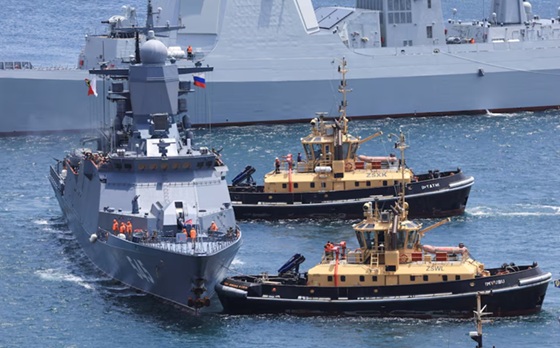
Russian vessel arrives at the Simon's Town Naval base ahead of the BRICS Plus countries joint naval exercise.

India has issued a formal clarification distancing itself from a recent naval exercise hosted by South Africa that involved the participation of some BRICS countries, underscoring New Delhi’s cautious approach to military engagements conducted under loosely defined multilateral banners.

In a statement released by the Ministry of External Affairs (MEA), India made it clear that the exercise in question was entirely a South African initiative and not a formal or institutionalised BRICS activity. The MEA stressed that not all BRICS members participated, and India itself did not take part, nor has it joined similar exercises in the past.

“The exercise in question was entirely a South African initiative in which some BRICS members took part. It was not a regular or institutionalised BRICS activity, nor did all BRICS members take part in it,” the MEA said.

Context: BRICS Expansion and Military Sensitivities

The clarification comes at a time when BRICS is undergoing significant transformation. With its recent expansion to include new members from the Middle East and Africa, questions have intensified about whether the grouping is evolving beyond an economic and political coordination forum into a platform for strategic or military alignment.

India has consistently maintained that BRICS is not a military alliance and has shown reluctance to associate the bloc with defence-oriented initiatives that could be perceived as counter-balancing Western security frameworks. New Delhi’s position reflects its long-standing foreign policy doctrine of strategic autonomy, avoiding entanglement in blocs that could limit diplomatic flexibility.

The South Africa-led naval exercise, which included participation by certain BRICS states, risked creating the impression of an emerging BRICS-aligned military posture—an interpretation India has now explicitly rejected.

India’s Preferred Framework: IBSAMAR

To remove ambiguity, the MEA highlighted IBSAMAR, a trilateral maritime exercise involving India, Brazil, and South Africa, as the only regular naval drill India participates in within this context.

“The regular exercise that India is a part of in this context is the IBSAMAR maritime exercise,” the statement noted, adding that the last edition was held in October 2024.

Unlike ad-hoc or host-driven initiatives, IBSAMAR is a long-standing, structured naval engagement focused on maritime security cooperation, interoperability, and goodwill among the three democracies of the Global South.

Strategic Signalling

India’s clarification serves multiple strategic purposes:

  • Avoiding BRICS militarisation: India is signalling that BRICS should remain an economic and political platform, not a defence bloc.
  • Managing perceptions: The statement aims to prevent misinterpretation by partners such as the United States, Japan, and ASEAN countries regarding India’s strategic intentions.
  • Internal BRICS balance: By drawing a distinction between institutional and non-institutional activities, India is pushing back against attempts by individual members to reframe BRICS’ scope unilaterally.

Bottom Line

India’s response highlights the growing complexity within BRICS as member states pursue divergent strategic ambitions. While some countries appear willing to experiment with defence cooperation under the BRICS umbrella, New Delhi is drawing a firm red line—reaffirming that its participation in multilateral military exercises will remain limited, transparent, and outside the BRICS framework.

Russia Fits Kamikaze Drone With Starlink-Type Satellite Terminal, Ukrainian Experts Say

0
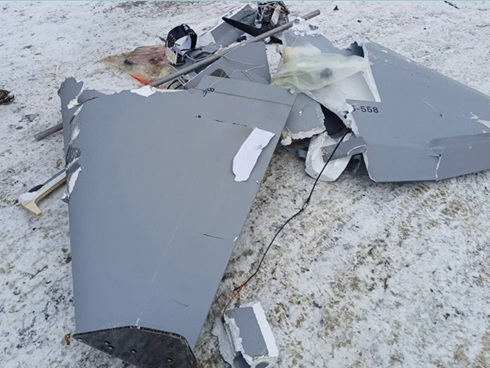
wreckage of the BM-35 drone

Ukrainian military specialists say Russia has begun integrating Starlink-type satellite communication terminals—not SpaceX’s Starlink system itself—into its one-way attack drones, marking a potentially significant evolution in Moscow’s drone warfare capabilities.

The assessment follows the interception and recovery of a BM-35 loitering munition by Ukrainian forces earlier this week. According to Serhii Beskrestnov, a Ukrainian UAV specialist known by the call sign “Flash,” technical inspection of the downed drone revealed hardware consistent with commercial low-Earth-orbit satellite communication terminals similar in design and function to Starlink.


“For the first time, the use of a Starlink-type satellite control system on a BM-35 UAV has been recorded,” Beskrestnov said. He emphasized that while the equipment resembles Starlink, it is not confirmed to be part of SpaceX’s network.

Beskrestnov warned that satellite-based control of this kind poses a serious challenge. “Drones using this method of communication are largely resistant to electronic warfare,” he said. “They can be guided precisely under real-time operator control, even in environments where radio links are heavily jammed.”

Photographs and technical evaluations shared by Ukrainian specialists show the satellite terminal integrated into the drone’s airframe in a configuration designed to maintain stable connectivity throughout the flight. Such an arrangement would allow operators to adjust navigation and targeting dynamically rather than relying solely on pre-programmed routes.

The BM-35 is one of Russia’s newer long-range one-way attack drones, traditionally guided via radio links or inertial navigation systems. The introduction of satellite-based control using Starlink-type terminals would extend operational range and significantly reduce vulnerability to Ukrainian electronic countermeasures.

Ukrainian analysts also report that Russia is preparing to deploy its Geran-4 strike drone, an unmanned platform reportedly capable of carrying air-to-air missiles. These drones, described as unmanned interceptors, are expected to rely on similar satellite communication systems for flight control and target acquisition in contested airspace.

According to Ukrainian assessments, Russia has established procurement channels for Starlink-type satellite terminals through intermediary companies in the United Arab Emirates, Singapore, and Malaysia. These systems are reportedly distributed to frontline units and drone manufacturers rather than sourced directly from SpaceX.

Kyiv has repeatedly warned that Russia is adapting commercially available Western-style technologies to enhance its strike capabilities. Frontline reports over recent months have pointed to improved control links across multiple Russian drone platforms.

Military analysts say the appearance of a satellite terminal on a one-way attack drone represents a notable escalation, allowing Russian operators to bypass electronic defenses and retain control until the final phase of flight—without relying on confirmed Starlink infrastructure.

US Moves to Lock In Critical Minerals Pact as China Export Control Deadline Nears

0
Chinese and U.S. flags, in Beijing.

The United States is preparing to convene dozens of foreign ministers from allied countries next month in a bid to accelerate an agreement aimed at reducing global dependence on Chinese critical minerals, according to officials familiar with the plans.

The meeting, scheduled for February 4 and hosted by US Secretary of State Marco Rubio, will focus on diversifying and strengthening supply chains for minerals that are essential to advanced manufacturing, clean energy technologies, and modern weapons systems. The talks come as Washington seeks to finalize progress before a temporary delay in China’s export controls expires later this year.

Why Critical Minerals Matter

Critical minerals—including lithium, rare earth elements, cobalt, graphite, and nickel—are indispensable for products ranging from electric vehicles and wind turbines to semiconductors, missiles, and fighter aircraft. China currently dominates much of the global supply chain, controlling a significant share of mining, processing, and refining capacity, even for minerals extracted elsewhere.

US officials increasingly view this dependence as a strategic vulnerability, particularly amid rising geopolitical competition and the growing use of trade and export controls as policy tools.

A Race Against China’s Timeline

The urgency behind the February meeting is driven in part by Beijing’s expanding use of export restrictions on strategically sensitive materials. China has already imposed or tightened controls on several key inputs used in defense and high-tech industries, signaling its willingness to leverage supply chain dominance for political and economic influence.

American officials are concerned that once current delays or exemptions expire, Chinese export controls could further constrain access for US allies, reinforcing the need for preemptive coordination among like-minded states.

Allied Unity Proves Elusive

Despite shared concerns over China’s market power, negotiations have been far from smooth. Allies are seeking to balance collective security goals with domestic economic interests, industrial policy priorities, and trade rules.

Washington is pushing some European Union member states to pursue bilateral agreements with the US that would allow faster implementation and tailored commitments. However, the European Commission has resisted this approach, insisting that mineral supply agreements must be handled through a unified EU framework to avoid fragmentation and internal competition.

This divergence highlights a recurring challenge in transatlantic coordination: while the US prioritizes speed and strategic alignment, the EU emphasizes regulatory coherence and collective bargaining power.

Beyond Mining: Building Full Supply Chains

US officials say the talks are not limited to mining alone but extend across the entire value chain, including:

  • Mineral processing and refining
  • Recycling and circular economy initiatives
  • Environmental and labor standards
  • Strategic stockpiling and emergency sharing mechanisms

Many allies remain wary of simply shifting dependency from China to another single supplier, instead favoring distributed production networks that reduce risk and improve resilience.

Strategic and Economic Implications

If successful, the initiative could reshape global commodity flows and accelerate investment in alternative suppliers across Australia, Africa, Latin America, and North America. However, building new processing capacity is capital-intensive and time-consuming, meaning China’s dominance is unlikely to be challenged quickly.

Failure to reach consensus, analysts warn, could leave allies exposed to supply disruptions just as demand for critical minerals surges due to energy transition goals and military modernization.

A Test of Allied Coordination

The February meeting is shaping up to be a critical test of whether US allies can move from shared concern to coordinated action. While there is broad agreement on the risks posed by over-reliance on China, translating that consensus into binding commitments remains politically and economically complex.

As competition over technology, energy, and industrial capacity intensifies, critical minerals are rapidly becoming one of the central fault lines of 21st-century geopolitics.