Friday, June 5, 2026
Home Blog Page 17

Could the Iran War Expand? Azerbaijan, Turkey and Gulf States Face Strategic Choices

0
An Iranian drone strikes the terminal building of the airport in Nakhchivan

As the conflict involving Iran, the United States, and Israel continues, analysts are increasingly asking a critical question: could the war spread to other parts of the region?

While the current fighting remains largely focused on missile exchanges and air operations, several geopolitical fault lines—from the South Caucasus to the Persian Gulf—could potentially draw additional countries into the conflict.

For now, however, many regional governments appear reluctant to escalate the war further.

Iran’s Longstanding Regional Influence

Iran’s relations with several neighboring countries have historically been tense.

For decades, Tehran has been accused by regional rivals of supporting non-state armed groups and political movements across the Middle East, including in Lebanon, Iraq, Syria, and Yemen.

Critics argue that this approach reflects a broader strategy of regional influence through proxy networks, often challenging the principle of non-interference in other countries’ domestic affairs.

However, the current conflict has created a situation in which many regional states are prioritizing stability rather than confrontation.

Why Many Regional Countries Want De-Escalation

Iran’s retaliatory strikes targeting U.S. bases and allied infrastructure in the region have demonstrated the potential costs of escalation.

Several countries hosting Western military installations or strategic energy infrastructure now face the risk of becoming direct targets in the conflict.

As a result, governments across the Middle East are increasingly focused on limiting the spread of the war and restoring stability.

Azerbaijan: A Potential Flashpoint

Image

One possible escalation scenario involves Azerbaijan, which has maintained close defense and intelligence ties with Israel.

Baku has previously cooperated with Israel in areas including:

  • defense technology
  • intelligence sharing
  • energy cooperation

Some analysts suggest that if Azerbaijan were to become directly involved in the conflict, it could expose the country’s energy infrastructure and export routes to retaliation.

Azerbaijan’s economy relies heavily on oil and gas exports through pipelines connecting the Caspian region to global markets, making energy facilities particularly sensitive targets in a broader conflict.

Turkey’s Strategic Dilemma

Turkey could also face difficult decisions if tensions escalate in the South Caucasus.

Ankara maintains close political and military ties with Azerbaijan, often describing the relationship as a partnership of “two states, one nation.”

If Azerbaijan were drawn into a wider war, Turkey would likely face pressure to respond diplomatically or militarily.

At the same time, Ankara must balance several competing priorities:

  • maintaining stability along its borders
  • managing relations with NATO partners
  • avoiding a broader regional conflict

Could Armenia Take Advantage of Instability?

Another variable in the region is Armenia, which has a long-standing territorial dispute with Azerbaijan over Nagorno-Karabakh.

In theory, instability involving Azerbaijan could create opportunities for geopolitical maneuvering.

However, analysts generally view this scenario as unlikely in the near term, given Armenia’s own security concerns and the unpredictable consequences of further escalation.

The Role of Gulf States

Image

Another key question is whether Gulf countries might join the conflict more directly.

Several Gulf states possess:

  • modern air forces equipped with advanced Western aircraft
  • naval fleets including frigates, corvettes, and patrol vessels
  • extensive military cooperation with the United States

In theory, their participation could significantly expand the reach of any coalition operating against Iran.

However, current indications suggest little appetite for direct military involvement.

Many Gulf governments appear focused on:

  • protecting domestic infrastructure
  • defending energy facilities
  • preventing further regional escalation

Some political leaders have even warned that continued conflict could strain their relationships with major international partners.

A High-Risk Moment for Regional Stability

The broader Middle East remains in a fragile strategic balance.

Key factors influencing the situation include:

  • Iran’s large territory and defensive infrastructure
  • the country’s missile and drone capabilities
  • the economic importance of energy infrastructure across the region

These factors contribute to Iran’s ability to withstand external pressure for extended periods, complicating any effort to achieve rapid military outcomes.

Outlook: Escalation Risks Remain

For now, most regional actors appear focused on avoiding direct entry into the war.

Nevertheless, the situation remains highly volatile.

Potential triggers for wider escalation could include:

  • attacks on additional regional infrastructure
  • involvement of new military actors
  • expansion of the conflict into neighboring territories

Until a diplomatic path toward de-escalation emerges, the Middle East and surrounding regions will likely remain on high alert for further developments in the conflict.

Russia Redirects Gas to Asia as Iran War Triggers Global Energy Price Surge

0
Russia announced it will redirect gas supplies from Europe to China, India, Thailand, and the Philippines.

Russia has announced plans to redirect natural gas supplies away from Europe and toward Asian markets, signaling a major shift in global energy flows as geopolitical tensions and market prices rapidly evolve.

Russian Deputy Prime Minister Alexander Novak confirmed that negotiations are underway with several Asian countries, including China, India, Thailand, and the Philippines, to expand energy exports.

According to reports, three LNG tankers originally bound for European ports have already diverted mid-voyage to Asia, where buyers are offering significantly higher prices for emergency supplies.

Energy Markets React to the Iran Conflict

The shift comes amid sharp volatility in global energy markets following the escalation of conflict involving Iran.

Gas prices in Europe have surged dramatically:

  • TTF gas benchmark:
    • Around €35 per megawatt-hour before February 28
    • Reached €52.81 by March 6

This represents a roughly 50 percent monthly increase, driven by supply fears and global competition for liquefied natural gas (LNG).

At the same time, Asian LNG prices have surged even higher.

  • Asian JKM benchmark: above $20 per million BTU
  • Some emergency cargoes reportedly selling for over $28 per million BTU

These price differences create strong incentives for suppliers to redirect shipments to higher-paying markets.

LNG Cargoes Diverting to Asia

Image

Liquefied natural gas cargoes can often be rerouted while at sea depending on market conditions.

When spot prices surge in one region, suppliers and traders may redirect shipments to maximize profits.

Current conditions are encouraging exactly that behavior.

Analysts note that Asian buyers are now outbidding European importers, particularly as several energy supply disruptions unfold simultaneously.

Multiple Energy Disruptions Driving the Market

Three major factors are currently affecting global gas markets:

1. LNG Supply Disruption

Qatar, one of the world’s largest LNG exporters, reportedly declared force majeure after drone attacks targeted the Ras Laffan LNG complex.

Ras Laffan handles a major portion of Qatar’s LNG exports, which represent around 20 percent of global LNG supply.

2. Maritime Risk in the Gulf

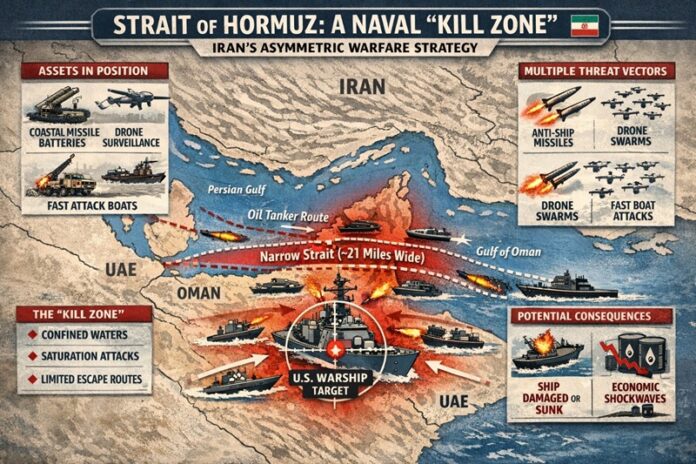
Shipping routes through the Strait of Hormuz, a critical global energy chokepoint, have faced heightened risk due to regional tensions and insurance disruptions.

The strait normally handles:

  • around 20 percent of global oil shipments
  • a significant share of LNG cargoes from the Gulf

3. Competition Between Europe and Asia

Asian economies with strong energy demand and financial capacity are competing with Europe for limited LNG supplies.

Countries facing acute energy needs are increasingly willing to pay premium spot prices.

Russia’s Changing Energy Strategy

Russia supplied approximately 13.8 million tonnes of LNG to Europe in 2025, but the European Union has been moving toward reducing reliance on Russian energy.

Current EU policy includes:

  • banning short-term LNG contracts starting April 2026
  • planning a full phase-out of Russian LNG by the end of the year
  • targeting the elimination of pipeline gas imports by 2027

Instead of resisting these restrictions, Russia appears to be shifting exports toward Asian markets where demand is growing rapidly.

Long-term contracts with Asian buyers may help Moscow secure stable revenues while European demand declines.

A Changing Global Energy Landscape

The recent developments highlight how geopolitical events can rapidly reshape global energy trade.

Russia’s geographic position allows it to supply Asian markets without relying on shipping routes through conflict zones in the Persian Gulf.

As a result, Russian energy exports could become increasingly attractive during periods of regional instability affecting other producers.

Energy Markets in a Period of Uncertainty

The combination of:

  • rising gas prices
  • shifting LNG cargo routes
  • geopolitical tensions

has created one of the most volatile global energy environments since the 2022 energy crisis.

As the conflict continues and markets react to supply risks, global energy flows between Europe and Asia may continue to shift in ways that reshape the international gas market for years to come.

THAAD Interceptor Shortage? Iran’s Missile Barrage Exposes Limits of U.S. Missile Defense Production

0
US-operated early warning radar system stationed in Qatar

The ongoing conflict involving Iran has brought renewed attention to a critical question in modern warfare: how sustainable are missile defense systems during high-intensity conflict?

Recent figures suggest that the scale of missile launches in the war may be placing unprecedented pressure on Terminal High Altitude Area Defense (THAAD) interceptor inventories.

Iran’s Missile Launch Volume vs Production Rates

According to multiple reports and defense analyses, Iran launched more than 500 ballistic missiles during the first week of the conflict.

By contrast, the United States currently produces around 96 THAAD interceptors per year, according to publicly available defense industry data.

That equals roughly:

  • 8 interceptors per month
  • 2 interceptors per week

While these missiles are part of a broader layered missile defense system that includes Patriot and other interceptors, the production rate highlights the challenge of maintaining sustained defensive operations during large-scale missile campaigns.

How THAAD Missile Defense Works

Image

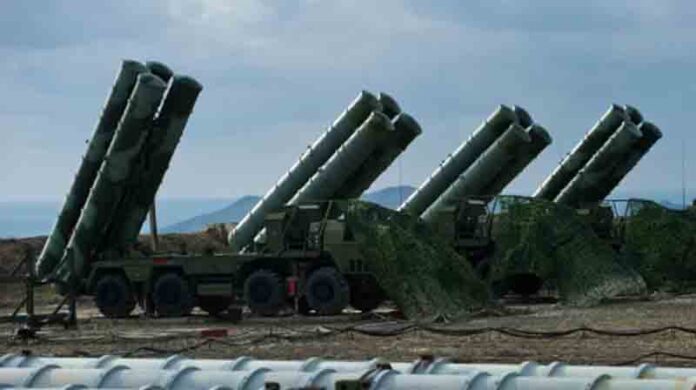
The THAAD system is designed to intercept ballistic missiles during their terminal phase, as they descend toward targets.

A typical THAAD battery includes:

  • 6 mobile launchers
  • 48 interceptors
  • AN/TPY-2 high-power radar
  • command and control systems

Standard operational doctrine often calls for multiple interceptors per incoming missile to increase the probability of a successful intercept.

In practical terms, this means a single THAAD battery could expend its entire interceptor inventory after defending against a few dozen incoming missiles.

Damage to Early Warning Radar Systems

Another factor affecting missile defense performance is the vulnerability of radar infrastructure.

Reports indicate that at least two AN/TPY-2 radar systems may have been damaged or targeted during the conflict, including systems associated with regional air defense networks.

Each AN/TPY-2 radar is a critical component of the missile defense architecture.

These radars:

  • detect and track incoming ballistic missiles
  • provide targeting data for interceptors
  • coordinate with other defense systems across the region

Each radar system is estimated to cost around $500 million and requires years to manufacture and deploy.

Damage to these sensors can create gaps in missile detection coverage, complicating interception operations.

Missile Defense Systems Are Complex to Produce

Scaling production of advanced interceptors is not simply a matter of increasing funding.

THAAD missiles require several highly specialized components, including:

  • advanced solid rocket motors
  • sophisticated seeker heads
  • precision guidance electronics
  • complex integration and testing processes

Many of these components are shared with other U.S. missile systems, such as:

  • Patriot PAC-3 interceptors
  • SM-3 naval interceptors
  • Precision Strike Missile (PrSM)

Because these systems compete for similar components, expanding production across the entire missile defense ecosystem takes significant time.

Planned Production Expansion

In January 2026, Lockheed Martin announced a framework agreement with the U.S. Department of Defense to expand THAAD production capacity.

The agreement aims to increase output from 96 interceptors annually to approximately 400 per year.

However, reaching that production level requires a multi-year ramp-up, with some projections suggesting full capacity may not be achieved until the early 2030s.

Strategic Implications for Global Missile Defense

The current conflict is highlighting a broader issue facing modern militaries.

Missile defense systems are highly effective but also expensive and complex to sustain during prolonged high-intensity warfare.

U.S. missile defense assets are deployed across several critical regions, including:

  • the Middle East
  • East Asia
  • protection of U.S. territories such as Guam
  • defense of allied nations including South Korea

Because these systems draw from the same interceptor inventories and production lines, sustained consumption in one theater can influence global defense planning.

The Growing Importance of Missile Defense Logistics

As missile and drone warfare becomes increasingly common, the logistics of missile defense — including interceptor production, sensor networks, and supply chains — are becoming central strategic factors.

The current conflict demonstrates that production capacity and inventory management can be just as important as the defensive systems themselves.

For defense planners worldwide, the lesson is clear: in modern missile warfare, industrial capacity and supply chains may determine long-term defensive resilience as much as battlefield performance.

Two U.S. Aircraft Carriers Already in Middle East as Third Prepares to Deploy

0
USS George H.W. Bush

The United States is moving toward a rare concentration of three aircraft carrier strike groups in the Middle East, a deployment level not seen since the early stages of the 2003 Iraq War.

At present, two U.S. aircraft carriers are already operating in the region, while a third carrier is preparing to depart later this month to join them.

If the deployment proceeds as expected, the United States will have roughly 25 percent of its operational aircraft carrier fleet concentrated in a single theater.

The Aircraft Carriers Involved

Image

USS Abraham Lincoln (CVN-72)

  • Already operating in the Arabian Sea
  • Was deployed in the region before the current conflict began
  • Supporting operations within the U.S. Fifth Fleet area

USS Gerald R. Ford (CVN-78)

  • Entered the Red Sea on March 5
  • Completing one of the longest carrier deployments in recent years, lasting nearly 11 months
  • Represents the most advanced aircraft carrier in the U.S. Navy

USS George H.W. Bush (CVN-77)

  • Completed final deployment certification exercises off Virginia on March 5
  • Expected to depart Norfolk before the end of the month
  • Will likely deploy to the Fifth Fleet area of responsibility once underway

When the Bush carrier strike group arrives, the United States will have three carriers operating across the Gulf, Red Sea, and Arabian Sea region.

Why Three Carriers in One Region Is Significant

The United States Navy operates 11 nuclear-powered aircraft carriers, but not all are deployable simultaneously.

At any given time:

  • several carriers are undergoing major maintenance
  • others are in training cycles
  • some are transitioning between deployments

Because of these constraints, deploying three carriers to a single theater is strategically significant.

Each carrier strike group typically includes:

  • one aircraft carrier
  • multiple guided-missile destroyers and cruisers
  • submarines
  • logistics ships
  • an air wing of 60–75 aircraft

Combined, three carrier groups can launch hundreds of air sorties per day, giving the United States enormous strike capacity.

Global Impact on U.S. Naval Deployments

Concentrating multiple carriers in the Middle East inevitably affects U.S. naval coverage in other regions.

The U.S. Navy must maintain presence across several major strategic areas, including:

  • the Indo-Pacific
  • the Atlantic
  • the Mediterranean
  • major global sea lanes

Reports earlier indicated that the USS Carl Vinson was diverted from an Indo-Pacific deployment to support operations linked to the Middle East crisis.

Such shifts highlight the challenge for U.S. planners as they balance global commitments while responding to emerging conflicts.

The Role of Carrier Strike Groups in the Conflict

Aircraft carriers remain the centerpiece of U.S. power projection.

Carrier strike groups provide:

  • long-range air strike capability
  • air defense and surveillance
  • maritime security operations
  • rapid crisis response without relying solely on land bases

In conflicts where ground troop deployments are limited, carriers allow the United States to sustain air campaigns while maintaining operational flexibility.

A Major Signal of U.S. Military Commitment

With two carriers already deployed and a third preparing to depart, the United States is signaling a major military commitment to the Middle East theater.

Such deployments serve multiple strategic purposes:

  • reinforcing deterrence
  • supporting ongoing air operations
  • protecting regional bases and shipping routes
  • reassuring allies in the region

If the USS George H.W. Bush joins the other carriers later this month, the Middle East will host one of the largest concentrations of U.S. naval airpower in decades.

Trump Meets Defense CEOs to Quadruple Weapons Production as Interceptor Shortages Loom

0

President Donald Trump has announced that leaders of seven major U.S. defense companies have agreed to significantly increase weapons production as the ongoing conflict with Iran places unprecedented pressure on American munitions stockpiles.

According to Trump, the companies committed to quadrupling production of what he described as “Exquisite Class” weaponry, signaling a major expansion of the U.S. defense industrial base during wartime operations.

The executives attending the White House meeting represented the largest defense manufacturers in the United States, including:

  • BAE Systems
  • Boeing
  • Honeywell Aerospace
  • L3Harris Technologies
  • Lockheed Martin
  • Northrop Grumman
  • Raytheon Technologies (RTX)

Trump stated that expansion of production capacity had already begun approximately three months earlier, and emphasized that the United States still maintains a “virtually unlimited supply of medium and upper-medium grade munitions.”

However, defense analysts say the announcement may reveal deeper logistical challenges inside the U.S. war effort.

Why the Meeting Signals Rising Weapons Consumption

Bringing together the leadership of America’s largest defense contractors during the first week of a major military campaign is unusual.

Military analysts note that such a meeting typically occurs only when weapons consumption rates exceed earlier planning assumptions.

Several indicators point to intense battlefield demand:

  • sustained Iranian missile and drone attacks on regional bases
  • heavy U.S. and allied air-defense operations
  • continued offensive air campaigns targeting Iranian infrastructure

These factors have led to rapid usage of advanced missile defense interceptors.

Production Limits for Advanced Missile Interceptors

The biggest concern for defense planners involves high-end missile defense systems, particularly interceptors used to stop ballistic missiles and drones.

Two of the most critical systems are:

  • THAAD (Terminal High Altitude Area Defense)
  • Patriot PAC-3 MSE interceptors

Production expansion for these systems was already planned before the current conflict.

A framework agreement reached in January 2026 aimed to increase annual production capacity:

System Previous Production Planned Production
PAC-3 MSE interceptors ~600 per year ~2,000 per year
THAAD interceptors 96 per year ~400 per year

However, reaching those production levels requires a seven-year ramp-up period.

Defense analysts warn that interceptor consumption during the current conflict may be occurring faster than manufacturers can replace them.

Why Interceptor Production Is Hard to Scale Quickly

Unlike conventional bombs or artillery shells, missile defense interceptors are extremely complex systems.

Manufacturing them involves:

  • specialized guidance electronics
  • advanced propulsion systems
  • precision sensors
  • rare metallurgical components

For example, the THAAD kill vehicle uses specialized alloys and advanced manufacturing techniques that require long procurement cycles for raw materials.

Even if funding increases immediately, the industrial supply chain cannot rapidly accelerate production of these highly sophisticated weapons.

The Weapons the U.S. Can Produce Quickly

While interceptor production faces technical limits, other categories of weapons can be expanded more rapidly.

These include:

  • JDAM precision-guided bombs
  • conventional gravity bombs
  • cruise missiles
  • air-launched munitions with established production lines

These weapons rely on existing large-scale manufacturing infrastructure, allowing production increases within months rather than years.

Such systems are primarily offensive weapons used in air campaigns against infrastructure, military bases, and strategic targets.

Offensive Power vs Defensive Constraints

The current situation highlights a strategic imbalance between offensive and defensive military production.

Offensive weapons

  • faster production cycles
  • scalable manufacturing
  • existing industrial capacity

Defensive interceptors

  • extremely complex technology
  • limited production capacity
  • expensive specialized components

As a result, the United States can likely replace the bombs used in offensive strikes faster than it can replace the interceptors used for missile defense.

The Strategic Question Ahead

Trump’s meeting with defense CEOs appears focused on strengthening the offensive supply chain for continued military operations.

However, analysts warn that the real constraint in the conflict may not be offensive firepower but defensive interceptor inventories protecting U.S. bases and allied infrastructure.

If missile and drone attacks continue at high intensity, maintaining adequate interceptor stockpiles could become a central challenge for U.S. and allied forces.

For now, Washington is moving quickly to expand its weapons production capacity — but the pace of modern high-intensity warfare may still test the limits of the global defense industrial base.

Why Iran’s Missile Launchers Are Hard to Destroy: The Limits of “Scud Hunting” in Modern Warfare

0
fattah 2 missile iran

As the conflict involving Iran continues, some analysts argue that sustained airstrikes could eventually eliminate Iran’s ability to launch long-range missiles.

However, military experts say suppressing Iran’s launch capability may be far more difficult than many expect.

Iran has spent decades developing a missile infrastructure designed specifically to survive air campaigns and continue operating under attack.

Several structural and strategic factors make neutralizing Iran’s launch systems particularly challenging.

Local Production Means Launchers Can Be Replaced

Image

One key advantage for Iran is domestic production capability.

Many missile launch vehicles and support equipment are manufactured locally, allowing damaged systems to be repaired or rebuilt relatively quickly.

Military analysts often compare this to early predictions during the Russia-Ukraine war, when observers initially believed Russian armored forces had lost most of their tanks.

Yet the vehicles continued to reappear on the battlefield as damaged equipment was repaired or pulled from reserves.

Similarly, Iran’s missile launch infrastructure is not dependent on foreign supply chains, making complete elimination extremely difficult.

Iran Is Not Iraq in the Gulf War

The concept of destroying mobile missile launchers through airstrikes—often called “Scud hunting”—comes from earlier conflicts such as the 1991 Gulf War.

During that war, coalition forces targeted Iraq’s Scud missile launchers.

However, Iran’s situation differs significantly from Saddam Hussein’s Iraq.

Key differences include:

  • Iran’s much larger territory
  • complex geography including mountains and rugged terrain
  • far greater ability to conceal mobile launchers

Iraq’s launchers operated mostly in flat desert environments, where detection from the air was easier.

Iran’s landscape provides far more opportunities for concealment.

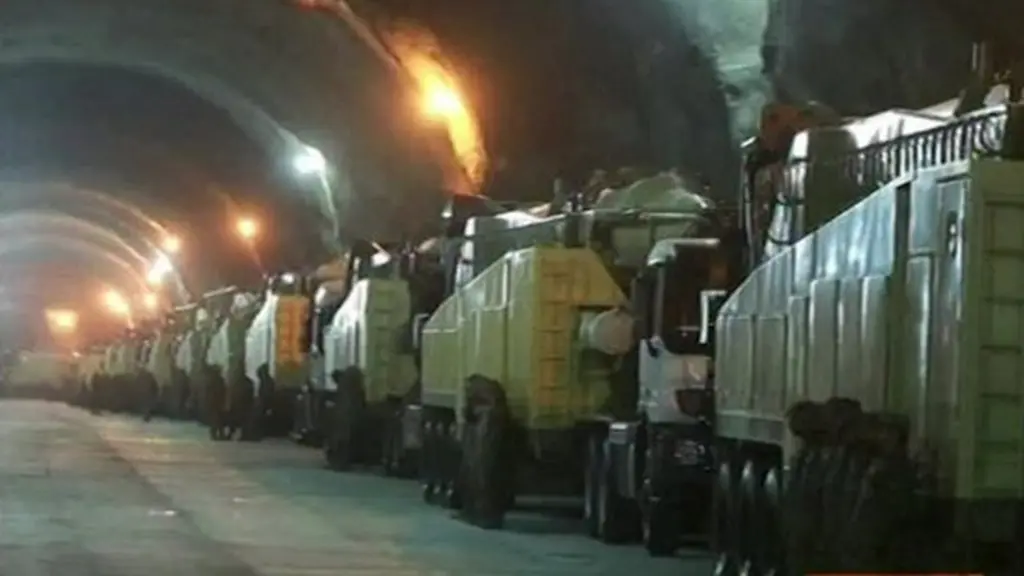
Underground Missile Infrastructure

Image

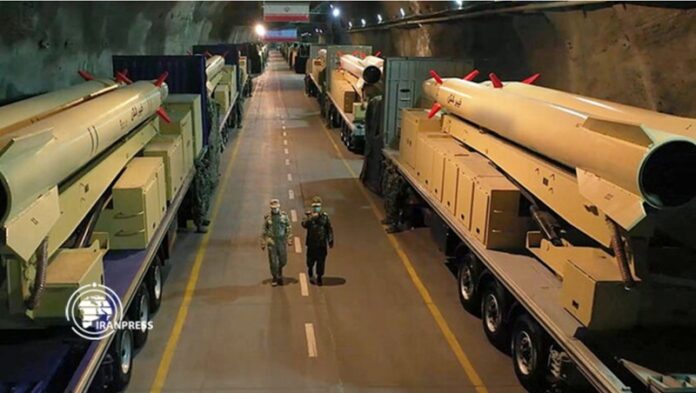
Another major challenge for adversaries is Iran’s extensive underground missile infrastructure.

Iran has invested decades in building hardened facilities that include:

  • mountain tunnel complexes
  • underground launch silos
  • concealed storage bunkers
  • protected transport networks

Many of these installations are designed to withstand heavy aerial bombardment.

Even if entrances are damaged, tunnel systems can sometimes be reopened using engineering equipment stored inside the facility.

Additionally, the exact locations of many missile silos remain unknown to foreign intelligence agencies.

Simple Launch Systems Are Hard to Track

Iran and its regional allies have also developed very simple launcher designs that can be produced quickly.

Some launch platforms consist of:

  • basic truck frames
  • welded metal launch rails
  • portable power and ignition systems

These improvised launch systems can sometimes be assembled with minimal industrial infrastructure, making them difficult to eliminate through conventional air campaigns.

Because such launchers can be manufactured in decentralized locations, destroying production capacity becomes far more complicated.

Drones Add Another Layer of Threat

Image

Iran’s long-range strike capability is no longer limited to ballistic missiles.

The country also deploys one-way attack drones, which have proven highly effective in recent conflicts.

These drones offer several advantages:

  • very low production cost
  • ability to travel thousands of kilometers
  • minimal launch infrastructure
  • capacity to overwhelm air defenses through large numbers

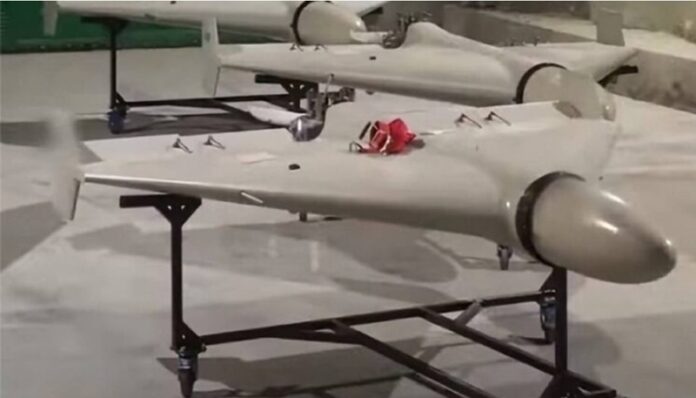
Some drone launch systems are extremely simple, consisting of basic metal launch rails welded together.

Because of this simplicity, they can be deployed quickly and relocated easily.

Precision Changes the Equation

Another difference from earlier missile wars is the improvement in missile accuracy.

Older Scud missiles used by Iraq were highly inaccurate, meaning each launcher had to fire many missiles to achieve meaningful battlefield effects.

Modern Iranian missiles are far more precise.

As a result:

  • fewer launches may be required
  • individual strikes can target high-value infrastructure

This increases the strategic value of each launcher.

A Flexible and Resilient Strike Network

Taken together, Iran’s missile and drone systems form a flexible strike network rather than a small number of fixed launch points.

Key characteristics of this network include:

  • mobile launchers
  • underground hardened facilities
  • decentralized production
  • drone strike capability

These features make it difficult for adversaries to fully eliminate Iran’s long-range strike capability through airpower alone.

Why “Launcher Hunting” May Not Be Enough

The idea that missile launchers can be quickly destroyed through aerial search-and-strike operations may be overly optimistic.

While airstrikes can degrade infrastructure and eliminate some launch systems, Iran’s missile architecture appears designed to continue functioning even under sustained attack.

As modern warfare increasingly combines ballistic missiles, drones, and dispersed launch networks, suppressing these systems becomes far more complex than the traditional Scud-hunting campaigns of past wars.

Trump Privately Discusses Possible U.S. Troop Deployment Inside Iran

0
An F/A-18E Super Hornet landing on the flight deck of the USS Abraham Lincoln aircraft carrier in support of Operation Epic Fury

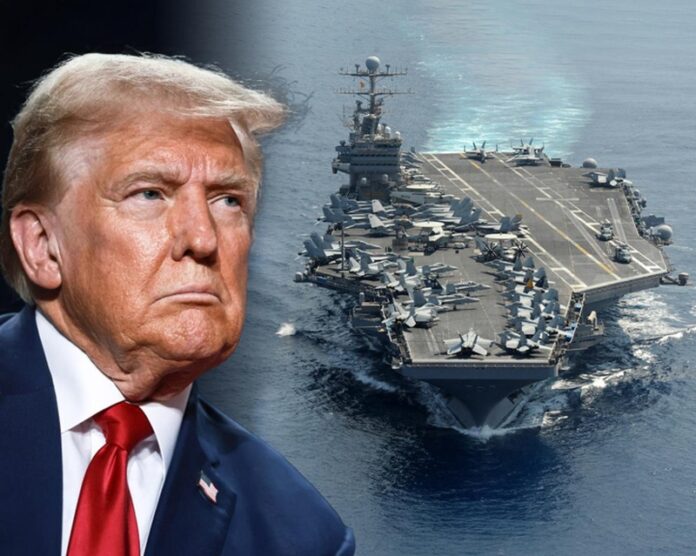
U.S. President Donald Trump has privately expressed interest in deploying American ground troops inside Iran, according to several officials familiar with internal discussions.

Sources say Trump has discussed the idea with aides and Republican allies while outlining a possible post-war vision for Iran, though no official decision or military orders have been issued.

The conversations come as the conflict between the United States, Israel, and Iran continues to escalate following the launch of joint air operations against Iranian military infrastructure.

Discussions Focus on Limited Military Presence

Image

According to U.S. officials familiar with the discussions, Trump’s interest has not centered on a large-scale ground invasion of Iran.

Instead, the idea reportedly involves deploying a small contingent of U.S. forces for specific strategic missions, such as:

  • securing sensitive facilities
  • conducting targeted raids or special operations
  • protecting key infrastructure or strategic resources

Defense analysts note that such operations could resemble short-term special forces missions, where units enter a target area, complete an operation, and withdraw quickly.

Former U.S. officials say this approach would avoid the massive troop deployments seen during conflicts such as the 2003 invasion of Iraq.

White House Response

The White House has pushed back against claims that a decision on ground troops has been made.

White House Press Secretary Karoline Leavitt dismissed the reports as speculation.

She said:

“This story is based on assumptions from anonymous sources who are not part of the President’s national security team.”

Leavitt added that President Trump “always keeps all options open” when discussing military strategy.

Trump Has Not Ruled Out “Boots on the Ground”

Publicly, Trump has avoided committing to deploying U.S. troops inside Iran but has also not ruled it out entirely.

In a recent interview, he said:

“I don’t have the yips with respect to boots on the ground.”

He added that while other presidents might categorically reject such an option, he prefers to keep military flexibility depending on how the conflict develops.

However, Trump has also suggested that a full-scale invasion may not be necessary, describing such a move in some comments as potentially unnecessary or inefficient.

War With Iran Already Taking a Toll

The conflict has already resulted in casualties among American forces.

According to the Pentagon:

  • 6 U.S. service members have been killed
  • 18 others have been wounded

These casualties occurred during Iranian missile and drone retaliation across the region.

Iran has also warned it is prepared to resist any potential U.S. ground invasion.

Trump’s Vision for a Post-War Iran

Officials familiar with Trump’s conversations say the president has discussed a potential post-war scenario in which the United States cooperates with a new Iranian government.

Under that vision:

  • Iran’s uranium and nuclear infrastructure would be secured
  • a new Iranian leadership structure could emerge
  • the United States and Iran could cooperate economically, particularly in oil production

Some officials say Trump has compared this potential arrangement to the recent U.S. relationship with Venezuela, where Washington supported a political transition while maintaining access to energy resources.

Possible Military Scenarios

Foreign policy analysts say several scenarios could lead to U.S. troops entering Iran, even if the broader war remains primarily an air campaign.
Possible scenarios include:

  • Special operations raids on high-value targets
  • securing nuclear materials or facilities
  • protecting newly established political authorities
  • evacuating sensitive assets or personnel

Such operations would likely involve small numbers of highly trained special forces rather than large conventional units.

Escalation Risks

Military experts warn that even a limited deployment of American troops inside Iran could dramatically escalate the conflict.

Ground operations would increase:

  • the risk of direct combat with Iranian forces
  • potential U.S. casualties
  • the possibility of a broader regional war

The United States already maintains tens of thousands of troops in the Middle East following a large military buildup earlier this year as tensions with Iran escalated.

A Decision Still Pending

For now, officials emphasize that discussions about ground troops remain exploratory rather than operational.

No orders have been issued, and the conflict has so far been fought primarily through airstrikes, naval operations, and missile defense systems.

But the fact that the option is being discussed highlights how quickly the strategic stakes of the war could grow if the conflict continues to intensify.

Turkey Requests MI6 Support to Protect Syrian President Ahmed al-Sharaa Amid Assassination Threats

0
Turkey's Foreign Minister Hakan Fidan meets with Syria's de facto leader Ahmed al-Sharaa in Damascus, Syria.

Turkey’s intelligence agency has reportedly asked Britain’s MI6 to play a larger role in protecting Syrian President Ahmed al-Sharaa following several alleged assassination plots against the country’s leadership.

The request, made by Turkey’s National Intelligence Organization (MIT) last month, highlights growing international concern about security in Syria as the country attempts to stabilize 15 months after the fall of President Bashar al-Assad.

Regional instability linked to the ongoing U.S.–Israeli war with Iran has further complicated the situation, raising fears that Syria could again become vulnerable to militant groups and renewed sectarian violence.

Rising Security Threats in Post-Assad Syria

Image

International allies view President Ahmed al-Sharaa as a key figure in maintaining stability in Syria, a country still recovering from 14 years of civil war that displaced millions of people and devastated national infrastructure.

The collapse of the Assad government in late 2024 created a fragile political transition.

Western governments fear that if Syria’s leadership were destabilized again, the country could slip back into sectarian conflict or civil war, potentially creating opportunities for extremist groups to expand their influence.

Islamic State Resurgence Raises Alarm

The request for additional intelligence support reportedly followed increased militant activity by Islamic State (ISIS) inside Syria.

Militant groups have intensified attacks against Syrian military and security personnel and recently declared President Sharaa their “number one foe.”

According to the United Nations Office of Counter-Terrorism, Sharaa and senior members of his cabinet were targeted in five separate assassination attempts last year.

Two of those attempts were reportedly foiled by Syrian authorities in November.

Last month, Islamic State militants carried out six attacks against Syrian security forces, which they described as the beginning of a “new phase” of operations.

Intelligence Cooperation Between Turkey and Syria

Image

Turkey’s National Intelligence Organization has played a significant role in supporting the new Syrian government since the fall of Assad.

Turkish security sources say MIT recently helped prevent a planned bombing attack in Damascus.

According to officials, Turkish intelligence identified three militants preparing remote bomb attacks, allowing Syrian security forces to intervene and stop what authorities described as an “imminent assault.”

The Syrian government acknowledged publicly for the first time this week that it works closely with MIT on counter-terrorism operations.

Why Turkey Asked MI6 for Support

Officials familiar with the discussions say Turkey approached Britain’s Secret Intelligence Service (MI6) after a particularly high-risk assassination plot targeting President Sharaa.

Although the exact details of the plot remain unclear, intelligence officials from Turkey, Britain, and Syria have reportedly been sharing information regularly.

One Western intelligence source suggested that Turkey may want a greater Western intelligence presence in Damascus.

Such a presence could potentially act as a diplomatic and intelligence buffer between Turkish and Israeli interests, which have recently experienced tensions in the region.

Possible British Role Still Unclear

It remains uncertain what role MI6 might ultimately play.

Options reportedly being discussed include:

  • expanded intelligence sharing
  • joint counter-terrorism planning
  • technical surveillance and monitoring operations

However, Western intelligence officials say no final decision has been made on whether British personnel will be deployed in Damascus.

Some Syrian security officials have warned that a visible British intelligence presence in the capital could itself become a security risk.

Western Support for Syria’s New Leadership

Image


The United States, Britain, and Turkey have all supported efforts to stabilize Syria under President Sharaa’s leadership.

In recent months:

  • Washington and London lifted most sanctions on Syria
  • restrictions were also eased on Hayat Tahrir al-Sham (HTS), the Islamist group Sharaa previously led
  • Western governments pledged support for rebuilding the Syrian state and economy

Sharaa himself has a complex political history. He was previously a commander within Al-Qaeda’s Nusra Front, before breaking ties with the organization in 2016.

In late 2024, he led a coalition of Islamist rebel factions that ultimately overthrew Bashar al-Assad’s government.

A Fragile Transition Period

Syria’s political transition remains fragile.

While international actors hope the new government can unify the country, the presence of militant groups and unresolved sectarian tensions continue to pose serious risks.

Security analysts say protecting the Syrian leadership has become a top priority for regional and Western intelligence agencies, as instability at the highest levels of government could derail efforts to rebuild the country after years of conflict.

The reported Turkish request for MI6 assistance reflects the growing recognition that Syria’s security challenges now extend far beyond its own borders.

US Strike on Iranian Corvette Triggers Accidental Missile Launch in Strait of Hormuz

0
IRIS Shahid Sayyad Shirazi

A U.S. airstrike on an Iranian warship near Qeshm Island in the Strait of Hormuz on March 4 produced an unusual and potentially dangerous naval incident.

According to reports and video evidence, a U.S. glide bomb struck the Iranian IRGC Navy corvette IRIS Shahid Sayyad Shirazi, triggering a fire aboard the vessel. Moments after the impact, the damaged ship unexpectedly launched one of its own anti-ship missiles.

The missile was not fired intentionally by the crew. Instead, the launch appears to have been triggered by structural and electrical damage caused by the strike, activating the weapon system without human input.

Military analysts say the incident represents one of the most technically unusual events of the naval phase of the conflict.

Strike Near Qeshm Island

Image

The strike took place near Qeshm Island, a strategically located Iranian island overlooking the Strait of Hormuz.

The narrow waterway is one of the most important energy chokepoints in the world, with roughly 20 percent of global oil shipments passing through it each day.

U.S. Central Command confirmed the strike, while videos circulating online showed the burning hull of the Iranian vessel offshore with thick smoke rising over the strait.

The IRIS Shahid Sayyad Shirazi Corvette

Image

The IRIS Shahid Sayyad Shirazi (FS313-03) is the third vessel of Iran’s Soleimani-class corvettes, commissioned in February 2024.

The class represents the most advanced surface combatant currently operated by the Islamic Revolutionary Guard Corps (IRGC) Navy.

Key characteristics include:

  • Length: approximately 65–68 meters
  • Displacement: around 600 tonnes
  • Hull design: wave-piercing catamaran for high speed and stability
  • Maximum speed: around 32 knots (with promotional claims up to 45 knots)

The vessel is constructed using composite materials intended to reduce radar visibility, improving survivability in contested waters.

Heavy Armament for Littoral Warfare

Despite its relatively small size, the corvette carries a powerful weapons package designed for high-intensity combat in the Persian Gulf.

Its armament reportedly includes:

  • Six anti-ship cruise missiles (Noor, Ghadir, or Nasir class)
  • A vertical launch system (VLS) carrying Sayad surface-to-air missiles
  • Additional cells capable of launching Abu-Mahdi long-range cruise missiles
  • Six 20-mm Gatling guns for close-range defense
  • A helipad capable of supporting a medium combat helicopter
  • Capacity to deploy three fast-attack boats simultaneously

This configuration was designed specifically for asymmetric naval warfare in the Strait of Hormuz, where Iran’s naval doctrine emphasizes speed, surprise, and missile saturation attacks.

The Accidental Missile Launch

Image

Under normal conditions, launching an anti-ship missile requires:

  • crew authorization
  • targeting data
  • activation of the weapon system

However, analysts believe that the damage from the U.S. glide bomb disrupted the ship’s electrical systems and structural integrity, inadvertently activating the missile launcher.

As a result, the weapon fired without deliberate human control.

In such situations, the missile launches along the bearing the launcher is facing, potentially acquiring any available target within its sensor range.

Given the heavy maritime traffic in the Strait of Hormuz, this could have posed a serious risk to nearby vessels.

Fortunately, No Secondary Damage Reported

No additional casualties or ship damage were reported following the unintended launch.

According to analysts, several outcomes are possible:

  • the missile failed to acquire a target
  • it impacted the water shortly after launch
  • or it followed a trajectory that did not intersect with nearby ships

In any case, the absence of secondary incidents appears largely a matter of circumstance rather than control.

Strategic Context: Iran’s Naval Doctrine

The Soleimani-class corvettes were developed as part of Iran’s strategy to control or threaten the Strait of Hormuz, one of the most strategically sensitive waterways in the world.

Their design combines:

  • high speed
  • reduced radar signature
  • heavy missile armament
  • integration with fast-attack boat swarms

This concept allows relatively small vessels to threaten much larger naval forces through multi-directional missile attacks and swarm tactics.

The loss or disablement of one of these ships therefore represents a significant event in the naval dimension of the conflict.

A Warship Designed for Hormuz Fires Its Own Weapon

The IRIS Shahid Sayyad Shirazi entered service just fourteen months before the incident.

It was designed to be among the most capable surface combatants in Iran’s IRGC Navy, specifically built to operate in the narrow and heavily trafficked waters of the Persian Gulf and Strait of Hormuz.

After the U.S. strike, however, the ship fired one of its own weapons unintentionally before going down.

In a region where every naval movement carries strategic consequences, the incident highlights the unpredictable risks of modern naval combat in one of the world’s most critical maritime corridors.

Israel Strikes Tehran Leadership Bunker: 50 Fighter Jets Drop 100 Bombs in Operation Roaring Lion

0
leadership compound of Tehran attacked by Israeli jets

Israel has carried out one of the most significant strikes of the ongoing war with Iran, targeting what Israeli officials describe as a major underground wartime command bunker beneath Tehran.

According to Israeli Defense Forces (IDF) briefings, 50 Israeli fighter jets dropped approximately 100 bombs on the underground complex during the thirteenth wave of Operation Roaring Lion.

The facility was located beneath a leadership compound in central Tehran and was believed to serve as a key command center for Iran’s wartime leadership structure.

Israeli officials say the strike was launched after intelligence indicated that at least one very senior Iranian regime official was inside the bunker at the time of the attack.

Target: Iran’s Underground Wartime Command Center

Image

Israeli military officials say the bunker was an extensive underground complex stretching beneath several streets in Tehran.

According to the IDF, the facility included:

  • underground meeting halls and command rooms
  • living quarters for senior officials
  • multiple concealed entrances and exits at street level
  • reinforced construction designed to survive conventional airstrikes

The IDF said the bunker “stretched across long streets beneath the civilian population and had multiple entrances,” and was considered by Iranian authorities to be “impenetrable.”

After the death of Iran’s Supreme Leader Ali Khamenei on February 28, Israeli intelligence believes senior officials from the surviving command structure moved operations into this underground facility.

Israeli intelligence reportedly tracked those movements, identifying the bunker as a high-value strategic target.

Operation Roaring Lion vs Operation Epic Fury

The strike forms part of Operation Roaring Lion, Israel’s codename for its role in the joint U.S.–Israeli military campaign against Iran.

The broader conflict currently involves two coordinated but distinct military operations.

Operation Roaring Lion (Israel)

  • Air superiority operations
  • Leadership targeting missions
  • Strikes on IRGC and Basij infrastructure
  • Degradation of radar and missile defense systems

Operation Epic Fury (United States)

  • Strikes on nuclear infrastructure
  • Attacks on naval assets
  • Destruction of deep underground hardened facilities
  • Use of the GBU-57 Massive Ordnance Penetrator, delivered by B-2 Spirit stealth bombers

While the operations are strategically coordinated, each follows different targeting priorities and military doctrine.

Why 100 Bombs Were Used on a Single Target

Image

The use of 100 bombs on a single underground target reflects the technical challenges involved in destroying hardened subterranean command facilities.

Deep military bunkers are built to survive conventional bombing campaigns.

Military engineers explain that destroying such structures often requires layered penetration strikes, where multiple weapons hit the same coordinates repeatedly.

The process typically works as follows:

  1. The first bomb penetrates the surface layer and creates a cavity.
  2. Follow-up bombs strike the same location to deepen the penetration.
  3. Successive impacts weaken the structural layers of the bunker.
  4. Eventually the underground structure collapses.

A single penetrating munition might damage a bunker, but repeated strikes can collapse the entire facility.

Israeli analysts say the large number of bombs suggests the objective was complete structural collapse rather than temporary disruption.

Intelligence Trigger Behind the Strike

Israeli officials say the operation was launched after new intelligence indicated that at least one very senior Iranian regime official was present inside the bunker.

This intelligence reportedly triggered the decision to conduct the large-scale strike immediately.

However, the full casualty assessment remains unclear.

The IDF confirmed:

  • the existence of the underground bunker
  • the scale of the strike
  • the number of aircraft and bombs used

But Israeli officials have not yet confirmed whether senior Iranian leadership figures were killed.

Iranian state media acknowledged intense airstrikes in central Tehran but has not confirmed the bunker’s destruction or the presence of senior officials inside it.

A Direct Challenge to Iran’s Underground Defense Strategy

Iran has spent decades building a vast network of deep underground military facilities designed to protect command structures from Israeli or American airstrikes.

These include:

  • hardened command bunkers
  • underground missile bases
  • dispersed leadership nodes
  • concealed tunnel networks

The strategy aims to ensure that Iran’s leadership and military command systems can continue functioning even during sustained air campaigns.

By locating and striking a multi-block underground command center in the capital, Israel has demonstrated its ability to penetrate that defensive architecture.

Strategic Impact of the Strike

The Tehran bunker attack represents one of the most ambitious leadership-targeting operations of the war so far.

Even without confirmed casualties, the operation sends a powerful strategic signal.

Israel has demonstrated that it can:

  • locate deeply buried command infrastructure
  • conduct large coordinated air operations over Tehran
  • target facilities designed to survive decades of military planning

Whether the Iranian leadership inside the bunker survived remains uncertain.

But the strike itself highlights a key reality of the conflict: even heavily fortified underground command facilities are no longer guaranteed protection against modern airpower and intelligence-driven targeting.

This article has been updated with additional information following new Israeli intelligence disclosures. The update includes details indicating that the strike was conducted after intelligence suggested that at least one very senior Iranian regime official was inside the underground bunker at the time of the attack, as well as further description of the bunker’s size, structure, and multiple access points beneath civilian areas in central Tehran.

Trump Administration to Meet U.S. Defense Contractors to Boost Weapons Production After Iran War

0

The Trump administration plans to meet senior executives from the largest U.S. defense contractors at the White House on Friday to discuss accelerating weapons production as the Pentagon works to replenish military stockpiles depleted by recent operations against Iran and other global conflicts.

According to sources familiar with the plan, the meeting highlights Washington’s growing concern about rapidly declining inventories of key weapons systems, particularly missile defense interceptors and precision munitions.

Major companies invited to attend include Lockheed Martin and RTX (the parent company of Raytheon) along with several critical defense suppliers.

Pentagon Concern Over Weapons Stockpiles

Image

The discussions come after U.S. forces consumed significant quantities of advanced weapons during recent military operations in the Middle East, including strikes related to the conflict with Iran.

In addition to the Iran campaign, the United States has also drawn heavily on its stockpiles during:

  • the Russia–Ukraine war, where Washington supplied billions of dollars in weapons to Kyiv
  • Israel’s military operations in Gaza, which required additional U.S. logistical support
  • broader military deployments across the Middle East and Indo-Pacific

As a result, Pentagon officials are increasingly focused on rebuilding strategic reserves of critical weapons systems.

Lockheed Martin and RTX at the Center of Talks

Sources say the White House meeting will focus heavily on negotiations with large defense manufacturers such as Lockheed Martin, which produces several key missile defense systems used by the U.S. military and its allies.

In January, Lockheed Martin reached a seven-year agreement with the Pentagon to dramatically expand production capacity for PAC-3 missile interceptors used in the Patriot air defense system.

Under the agreement:

  • PAC-3 interceptor production will increase from about 600 units per year to 2,000 units annually.

Lockheed Martin has also announced plans to significantly increase production of THAAD (Terminal High Altitude Area Defense) interceptors, raising output from approximately 96 missiles per year to 400.

These systems are central to defending against ballistic missile threats, particularly in regions facing heightened tensions such as the Middle East.

Pressure on Defense Companies to Speed Production

The Trump administration has been increasing pressure on defense contractors to prioritize production capacity over shareholder returns.

Earlier this year, President Donald Trump signed an executive order directing federal agencies to identify defense contractors that may be underperforming on government contracts while distributing profits to shareholders.

The policy reflects growing frustration in Washington about the slow pace of weapons manufacturing expansion, particularly as global conflicts increase demand for advanced systems.

Pentagon negotiators have also reportedly struggled to finalize production agreements quickly enough to meet military requirements.

Rising Demand for Missile Defense Systems

Image

Demand for advanced air defense systems has surged worldwide amid escalating geopolitical tensions.

The Patriot PAC-3 interceptor and THAAD system are among the most sought-after missile defense platforms, used to defend against ballistic missile threats.

Countries across Europe, the Middle East, and Asia are expanding purchases of these systems as missile technology proliferates globally.

Recent conflicts have further demonstrated how quickly large numbers of interceptors can be consumed during sustained missile attacks, forcing governments to reconsider stockpile levels.

$50 Billion Supplemental Defense Budget Under Discussion

The White House meeting may also coincide with the release of a supplemental defense budget request worth roughly $50 billion, according to earlier reporting.

The funding would primarily be used to replace weapons expended in recent conflicts, including operations in the Middle East.

This request would be separate from an additional $150 billion increase in defense spending already included in a broader Republican legislative package.

If approved, the funding would significantly expand U.S. defense procurement and could trigger a major production surge across the American defense industry.

A New Era of Defense Industrial Mobilization

The upcoming meeting underscores a broader shift in U.S. defense strategy.

After decades focused on counterterrorism operations, Washington now faces multiple high-intensity conflicts and rising geopolitical competition.

Rebuilding weapons stockpiles and expanding industrial capacity are increasingly viewed as essential steps to ensure that the U.S. military and its allies remain prepared for prolonged conflicts.

As global tensions continue to rise, the ability of the U.S. defense industry to rapidly scale production may become a decisive factor in future military readiness.

Why Iran Targeted Fujairah: The Strategic Message Behind the UAE Oil Hub Strike

0
Satellite imagery shows a large fire at Fujairah Oil Industry Zone, UAE, after an Iranian strike yesterday.

Iran’s attack near Fujairah in the United Arab Emirates on March 3 may appear limited in physical damage, but strategically it may represent one of the most precise signals Iran has sent during the current conflict.

The incident demonstrated that a key piece of global energy infrastructure—designed specifically to reduce dependence on the Strait of Hormuz—is also within Iran’s reach.

Even if the strike caused limited operational disruption, the message to the global energy system may be far more significant.

What Fujairah Is and Why It Matters

Image

To understand why Fujairah matters, it is necessary to understand the strategic importance of the Strait of Hormuz.

Roughly 20 million barrels of oil per day move through the narrow waterway between Iran and the Arabian Peninsula. Because Iran sits directly on the strait, it has long been able to threaten global oil supply by targeting shipping routes.

For decades, global energy planners sought ways to reduce this vulnerability.

The Fujairah Oil Industry Zone (FOIZ) was built as part of that solution.

Located on the Gulf of Oman coast, Fujairah allows oil from Abu Dhabi to reach international markets without passing through the Strait of Hormuz.

A 380-kilometer pipeline connects Abu Dhabi’s oil fields directly to Fujairah’s export terminals.

A Critical Node in the Global Energy System

Fujairah is now one of the most important energy hubs in the world.

Key features include:

  • The world’s third-largest bunkering port
  • Storage capacity for tens of millions of barrels of crude oil and refined fuels
  • Major terminal operators including Vopak, VTTI, MENA Terminals, and GPS Chemoil
  • Strategic export access directly to the Indian Ocean

In practical terms, Fujairah is the infrastructure that the global energy market built to reduce the strategic leverage of the Strait of Hormuz.

What Happened During the March 3 Strike

On March 3, an Iranian drone reportedly entered UAE airspace near Fujairah.

Air defense systems intercepted the drone before it could directly strike its target.

However, debris from the interception reportedly fell into the Fujairah Oil Industry Zone, igniting a fire near storage infrastructure.

The UAE confirmed:

  • the fire was contained
  • no casualties were reported
  • port operations were resuming normally

However, reporting from Argus Media indicated that storage tanks were struck and thick smoke was visible over the terminal area.

Satellite imagery released on March 6 showed signs of fire damage in the storage zone.

The Strategic Meaning of the Strike

Officially, the incident has been described as a near miss caused by debris from an intercepted drone.

But from a strategic perspective, the message may be different.

Iran demonstrated that Fujairah itself is within range.

Those two statements can exist simultaneously:

  • The damage may be limited.
  • But the vulnerability has been publicly demonstrated.

For global energy markets and maritime insurers, the second point may be the more important one.

Why Energy Markets Are Watching Fujairah

Image

The investment logic behind Fujairah relies on one key assumption: the bypass route must be physically safe.

If infrastructure in Fujairah itself can be targeted, the bypass strategy becomes more complicated.

Energy markets operate heavily on risk pricing. Even limited incidents can influence insurance costs, shipping rates, and long-term investment decisions.

In this war, Iran has repeatedly demonstrated a strategy focused on targeting infrastructure nodes rather than destroying them outright.

The goal appears to be demonstrating reach and vulnerability.

Iran’s Broader Energy Targeting Pattern

Analysts note that recent strikes across the Gulf appear to follow a broader strategic pattern.

Several key energy sites have been targeted during the conflict:

  • Ras Tanura – a major Saudi oil export terminal
  • Ras Laffan – Qatar’s LNG infrastructure hub
  • Ahmadi – a key pipeline and refining complex in Kuwait
  • Fujairah – the Hormuz bypass export route

Taken together, these targets represent critical nodes in the Gulf’s energy architecture.

The message appears consistent: no part of the regional energy network is completely outside Iranian reach.

Market Impact: A New Risk Premium

Global energy markets had already been pricing in a Hormuz closure risk premium due to the ongoing conflict.

The Fujairah incident may introduce a second factor.

Energy traders now consider not only the risk of disruption in the Strait of Hormuz, but also the possibility that alternative export routes could be targeted.

These risks can stack together in market pricing.

At the time of the incident, jet fuel prices were already trading above $225 per barrel, reflecting heightened geopolitical risk across the region.

A Strategic Signal Rather Than a Destructive Strike

From a military perspective, the Fujairah incident did not shut down the port or destroy major infrastructure.

But the strategic objective may not have been physical destruction.

Instead, the strike demonstrated that even infrastructure designed to bypass the Strait of Hormuz can still be reached.

For Iran, that signal may have been the central goal.

For global energy markets, it introduces a new layer of uncertainty in an already volatile geopolitical environment.

U.S. Fired Over 800 Patriot Missiles in Five Days Against Iran, Raising Air Defense Concerns

0
Ukrainian service members walk next to a launcher of a Patriot air defence system, amid Russia's attack on Ukraine, in an undisclosed location, Ukraine.

Recent reports from multiple Western sources indicate that the United States Army has fired more than 800 Patriot anti-ballistic missile interceptors during just five days of hostilities with Iran.

The interceptors were launched after the United States and Israel began large-scale military strikes on Iran on February 28, triggering a wave of Iranian missile retaliation across the Middle East.

If confirmed, the number of Patriot interceptors used in only a few days exceeds the estimated number launched during the entire Russia-Ukraine war, where the system has been in combat use for nearly three years.

The development has raised new concerns about missile defense sustainability, interceptor shortages, and the cost of modern air defense warfare.

The Cost of Patriot Missile Interceptors

Image

The Patriot air defense system remains one of the most widely deployed anti-missile systems used by the United States and its allies.

However, each interceptor comes at a significant cost.

Typical costs include:

  • Patriot interceptor: about $3 million per missile
  • PAC-3 MSE interceptor: about $3.9 million for the U.S. Army
  • Export versions sold abroad for up to $6.25 million

If more than 800 interceptors were used during the recent fighting, the direct cost of Patriot missile launches alone could exceed $2.5–3 billion.

This does not include other operational costs such as radar operations, logistics, or system maintenance.

Iran’s Large Missile Arsenal Challenges Air Defense

Iran possesses one of the largest ballistic missile arsenals in the Middle East, including hundreds of medium-range missiles capable of reaching Israel and U.S. bases in the Gulf region.

The scale of Iranian missile attacks has raised questions about whether the Patriot system can sustain long-term defense against large missile barrages.

Satellite imagery from recent strikes showed that Al Udeid Air Base in Qatar, a key U.S. military facility protected by Patriot batteries, sustained significant damage from Iranian ballistic missiles.

This has intensified debate about the effectiveness and resilience of current missile defense systems against saturation attacks.

U.S. Patriot Missile Shortages Were Already Severe

Missile inventories were already under pressure before the latest conflict began.

In July 2025, U.S. defense officials confirmed that the military’s Patriot missile inventory had fallen to around 25 percent of the stockpile considered necessary by the Pentagon.

Several factors contributed to the shortage:

  • large-scale deliveries of Patriot missiles to Ukraine
  • previous interceptor use against Iranian missile attacks
  • growing global demand for air defense systems

These shortages have led analysts to speculate that the United States may shift interceptors from other regions to reinforce Middle East defenses.

One potential source could be U.S. missile defense deployments in South Korea, where Patriot systems help protect against North Korean threats.

THAAD Missile Interceptors Face Even Greater Constraints

Image

The United States also relies on the THAAD (Terminal High Altitude Area Defense) system to intercept ballistic missiles.

However, THAAD interceptors are:

  • far more expensive
  • produced in much smaller numbers

Each THAAD interceptor costs approximately $15.5 million.

During Iranian missile attacks on Israel in June 2025, the U.S. Army fired more than 150 THAAD interceptors within 11 days.

That represented over 25 percent of the global THAAD interceptor inventory.

The current conflict has required even heavier use of THAAD systems, which are now deployed across multiple countries including Israel and Jordan.

Limited Global Supply of THAAD Missiles

Unlike Patriot systems, THAAD missiles are used by very few foreign operators.

Only two countries currently operate the system outside the United States:

  • Saudi Arabia
  • United Arab Emirates

Both countries rely on THAAD batteries to defend their territory from Iranian missile attacks.

As a result, there are fewer external stockpiles available that could be transferred to replenish U.S. inventories.

Patriot’s Combat Record Under Scrutiny

The Patriot missile system saw its largest combat deployment in history during the Ukraine war beginning in 2023.

While the system successfully intercepted numerous Russian missiles, its performance also generated debate among military analysts.

Some officials questioned its effectiveness against large missile salvos and advanced threats.

These concerns helped drive the U.S. Army’s decision to begin developing a new version of the Patriot system.

The Next Generation Patriot System

In December 2025, the U.S. Army announced plans for a major modernization of the Patriot system.

The new variant is expected to include:

  • 360-degree targeting capability
  • improved radar coverage
  • enhanced interception performance

The upgrade represents the most significant overhaul of the Patriot system since it entered service in 1981.

Many analysts believe the modernization effort reflects lessons learned from recent conflicts in Ukraine and the Middle East.

The Strategic Cost of Missile Defense Warfare

Modern missile defense operations are extremely expensive.

The cost of firing hundreds of interceptors in a short period can reach billions of dollars, even before accounting for system maintenance and operational costs.

At the same time, many offensive weapons such as drones or short-range missiles cost far less to produce.

This imbalance raises difficult strategic questions about the long-term sustainability of missile defense in high-intensity conflicts.

For the United States and its allies, the current war with Iran may prove to be one of the most demanding stress tests yet for global missile defense systems.

Will the UAE Freeze Iranian Assets? Why Dubai’s Financial Network Matters for Iran’s Economy

0

For decades, Dubai has served as Iran’s most important financial gateway to the global economy.

Through waves of international sanctions, banking restrictions, and diplomatic pressure, the city remained one of the few global financial centers where Iranian money could still move.

Now, according to reports cited by major international media outlets, the United Arab Emirates may be reconsidering that role.

If the UAE moves to freeze Iranian financial assets or restrict Iranian financial networks operating through Dubai, the consequences could reshape Iran’s ability to operate economically and strategically across the region.

Dubai’s Role in Iran’s Sanctions Survival

For more than forty years, Dubai functioned as a critical financial hub for Iranian economic activity.

Even during periods when Western sanctions isolated Iran from international banking systems, Iranian businesses could still operate through networks in Dubai.

These channels included:

  • currency exchange houses
  • gold trading markets
  • free-zone shell companies
  • trade intermediaries handling imports and exports

Through these mechanisms, Iranian entities were able to convert oil revenues into foreign currency, pay for international trade, and maintain financial connections with the outside world.

The system also supported Iran’s broader geopolitical strategy, allowing funds to flow toward various regional partners and operations.

Why U.S. Sanctions Never Fully Shut It Down

Image

For years, the United States Treasury attempted to dismantle these financial networks through sanctions enforcement.

However, fully shutting them down required cooperation from the UAE government, something that was not always forthcoming.

Dubai’s economic model depended on being a neutral global financial hub, open to international capital flows from many different sources.

Maintaining this position allowed Dubai to attract:

  • international investment
  • trade flows
  • financial services revenue

This approach helped transform Dubai into one of the largest financial and commercial centers in the Middle East.

Infographic: How Iran’s Sanctions-Evasion Network Works

https://www.washingtoninstitute.org/sites/default/files/2023-09/IranOilExportInfographic2023Thumb.jpg

Step 1 — Oil Revenue Generation

Iran exports crude oil and petrochemical products to buyers in Asia and other markets.

Payments are often routed through intermediaries to avoid direct transfers to sanctioned Iranian institutions.

These revenues form the financial base of the network.

Step 2 — Shell Companies in Dubai

https://home.treasury.gov/system/files/136/jy2431-figure1.png

Front companies are established in UAE free zones or trading hubs.

These companies typically appear as ordinary trading firms involved in:

  • electronics imports

  • petrochemical trading

  • shipping logistics

  • commodity trading

Payments from international buyers can be received by these companies instead of Iranian entities.

Step 3 — Currency Exchanges and Hawala Networks

https://cdn.prod.website-files.com/68dce069d674e907cea82585/69a5ab0a9852e7553efcdd90_c7989693.jpeg

Funds move through currency exchange houses or informal hawala networks operating in the UAE.

These systems allow money to:

  • bypass traditional bank transfers

  • convert Iranian rial into dollars or euros

  • settle accounts through trade balances

Step 4 — Gold and Commodity Conversion

In some cases, funds are used to purchase gold or other commodities in Dubai markets.

Gold can then be:

  • transported to other countries

  • resold internationally

  • converted back into cash

This process helps transform restricted funds into legitimate trade proceeds.

Step 5 — Global Trade Payments

Once funds are converted into usable currency, they can support:

  • imports of industrial equipment

  • purchase of electronics and machinery

  • financing of commercial trade

  • international procurement operations

Step 6 — Entry Into Global Markets

Through layers of intermediaries and trade transactions, funds eventually re-enter the international financial system.

This allows sanctioned actors to continue conducting economic activity despite restrictions.

The Strategic Ambiguity That Benefited Both Sides

Dubai’s policy toward Iranian financial activity rested on a long-standing strategic ambiguity.

The UAE did not openly defy international sanctions.

But it also did not fully sever economic connections with Iran.

This arrangement created mutual advantages.

For Iran:

  • access to global financial systems
  • ability to convert oil revenues
  • trade channels for sanctioned goods

For Dubai:

  • strong trade activity with Iran
  • investment inflows
  • economic leverage over Tehran

As long as relations remained stable, this balance allowed both sides to benefit.

What Has Changed

Recent regional tensions have dramatically altered that equation.

Reports indicate that Iranian drone and missile activity has directly affected the UAE, including disruptions to aviation routes and threats to energy infrastructure.

These developments have raised new questions inside the UAE about whether maintaining financial connections with Iran still serves its national interests.

If Iranian military activity begins to directly threaten the UAE’s economic stability, the political cost of maintaining financial channels could increase significantly.

What Happens If the UAE Freezes Iranian Assets

If the UAE were to freeze Iranian assets or shut down financial networks connected to Tehran, the consequences could be substantial.

Iran would face several challenges:

  • reduced access to foreign currency
  • limited trade financing options
  • fewer channels for sanctions evasion

Such measures would not necessarily collapse Iran’s economy overnight, but they could significantly complicate Tehran’s ability to conduct international financial operations.

The Importance of Financial Gateways

Modern sanctions rarely operate through a single restriction.

Instead, they rely on limiting access to global financial gateways.

Cities like Dubai function as critical nodes in the international economic system.

When these nodes remain open, sanctioned economies often find ways to continue operating.

When they close, economic isolation becomes much more severe.

A Potential Turning Point in Regional Finance

For decades, Dubai served as one of the last remaining financial bridges between Iran and the global economy.

If the UAE changes its approach, it could mark a significant shift in how regional financial networks interact with international sanctions regimes.

Whether such a move occurs—and how extensive it would be—remains uncertain.

But the possibility alone highlights how deeply geopolitics and financial systems are intertwined in the Middle East.

How the Hormuz Crisis Forced the U.S. to Ease Russian Oil Sanctions

0
map shows the Strait of Hormuz on a laptop computer screen

The closure of the Strait of Hormuz during the Iran conflict has triggered a major shift in global energy politics.

In response to the disruption of Gulf oil flows, the U.S. Treasury issued a temporary waiver allowing Indian refiners to continue purchasing Russian crude oil, even though Washington had spent years trying to restrict those imports through sanctions.

The waiver, authorized by the Office of Foreign Assets Control (OFAC), lasts 30 days and is intended to stabilize global energy supplies while shipping disruptions continue in the Gulf.

Officially, the move is framed as a temporary market stabilization measure.

But in strategic terms, it reveals deeper tensions within the global sanctions system.

What the U.S. Waiver Allows

The U.S. Treasury authorization allows Indian refiners to purchase Russian oil without facing secondary sanctions penalties.

According to U.S. officials, the waiver aims to:

  • prevent a global oil supply shock
  • stabilize energy prices
  • keep crude oil flowing to international markets

The exemption is scheduled to expire April 4, after which sanctions rules could again apply.

Washington has also suggested that India will eventually increase purchases of U.S. crude oil, framing the waiver as a short-term solution.

The Sanctions Architecture Before the Crisis

Before the Hormuz crisis, the United States had spent several years building one of the most complex sanctions systems ever applied to an energy exporter.

Following Russia’s invasion of Ukraine, Western governments implemented measures designed to limit Russian oil revenues without collapsing global energy markets.

These policies included:

  • secondary sanctions on companies buying Russian oil
  • price caps on Russian crude shipments
  • pressure on major importers to reduce purchases

India quickly became a central battleground in this sanctions effort.

Before the Ukraine war, Russia supplied only 2–3 percent of India’s oil imports.

By 2024, Russian crude had grown to around 40 percent of India’s total oil purchases.

To slow this expansion, Washington imposed significant tariffs and economic pressure on Indian trade flows, pushing New Delhi to reduce Russian imports.

By late 2025, Russian oil shipments to India had fallen to their lowest level in two years.

The sanctions framework appeared to be working.

The Strait of Hormuz Shock

Image

The situation changed dramatically when Iran disrupted traffic through the Strait of Hormuz, one of the world’s most critical energy chokepoints.

Roughly:

  • 20% of global petroleum shipments
  • a large share of liquefied natural gas exports

normally pass through the narrow waterway connecting the Persian Gulf to global markets.

During the crisis:

  • tanker transit reportedly dropped 80–90 percent
  • several Gulf energy facilities were struck
  • global oil supply risks surged

With shipments from the Gulf under threat, the market suddenly needed alternative crude sources.

One of the few large volumes already available on tankers was Russian oil moving through global trade routes.

Why the United States Issued the Waiver

Faced with the risk of a major supply shock, U.S. policymakers were forced to balance two competing priorities:

  1. Maintaining sanctions pressure on Russia
  2. Preventing a global energy crisis

Allowing India to continue purchasing Russian oil became a short-term stabilizing measure.

Without the waiver, restrictions on Russian crude could have worsened a market already strained by disruptions in the Gulf.

In other words, energy security temporarily took priority over sanctions enforcement.

What This Reveals About Sanctions Power

The Hormuz crisis highlights a fundamental limitation of economic sanctions.

Sanctions work most effectively when global supply alternatives exist.

When a major supply disruption occurs—especially in energy markets—those alternatives may disappear.

In this case, a war-driven disruption in the Persian Gulf forced policymakers to temporarily relax the sanctions framework that had taken years to construct.

That does not necessarily mean sanctions have failed.

But it does demonstrate that energy sanctions operate within the limits of global supply realities.

The Strategic Consequences

For governments observing the situation, the waiver carries several implications.

First, it shows that energy markets can override sanctions policy during supply emergencies.

Second, it illustrates how interconnected global oil flows have become.

Finally, it reinforces the strategic importance of the Strait of Hormuz as the most critical oil chokepoint in the world.

Even temporary disruptions there can ripple across the entire global energy system.

The Bigger Picture

The U.S. waiver allowing Indian purchases of Russian oil may last only 30 days, but its broader implications could persist much longer.

It demonstrates how quickly global energy policy can shift when geopolitical shocks disrupt supply chains.

For energy analysts and policymakers alike, the episode serves as a reminder that the architecture of sanctions, trade, and energy security is deeply interconnected—and vulnerable to sudden geopolitical stress tests.

Minuteman III Test During Iran War: How Routine U.S. ICBM Launches Send Strategic Signals

0
Minuteman III missile test launch

While Iran was launching ballistic missiles toward Israel on March 3, the United States conducted a Minuteman III intercontinental ballistic missile (ICBM) test from California.

The Pentagon quickly emphasized that the launch was routine and scheduled years in advance, unrelated to current geopolitical tensions.

Technically, that explanation may be correct.

But in the world of strategic nuclear deterrence, timing itself can be part of the message.

What Happened During the Missile Test

Image

The missile was launched from Vandenberg Space Force Base in California and flew approximately 4,200 miles across the Pacific Ocean before reaching a designated test area near the Marshall Islands.

Key technical details of the test:

  • Speed: around 15,000 miles per hour
  • Range tested: about 4,200 miles
  • Flight duration: roughly 30 minutes
  • Payload: two test re-entry vehicles

In operational configuration, each re-entry vehicle could carry a nuclear warhead many times more powerful than the atomic bomb used in Hiroshima.

The test demonstrated the ability of the United States to deliver a strategic payload anywhere on Earth within roughly half an hour.

The Logic Behind “Routine” Nuclear Tests

The United States conducts several ICBM test launches every year to verify the reliability of its nuclear deterrent.

These launches serve multiple purposes:

  • testing missile reliability
  • validating guidance systems
  • ensuring operational readiness
  • demonstrating deterrence credibility

Officially, such tests are part of long-planned maintenance of the U.S. nuclear arsenal.

However, the timing of these launches often attracts attention when they occur during periods of international tension.

Nuclear Signaling: Communication Without Escalation

Image

Image

In strategic studies, missile tests can function as a form of nuclear signaling.

Nuclear signaling occurs when a state demonstrates military capabilities in ways that communicate strength without issuing direct threats.

This approach allows governments to send messages while avoiding escalation.

For example:

  • A missile test can highlight technological capability.
  • The launch can demonstrate readiness and operational reliability.
  • Adversaries observing the event are reminded of the strategic balance.

Because the tests are officially routine, they provide plausible deniability.

No direct warning or threat is issued, but the signal is still received.

The Concept of Strategic Ambiguity

One of the defining features of nuclear deterrence strategy is strategic ambiguity.

This means that actions are deliberately framed in ways that leave room for multiple interpretations.

From an official perspective:

  • the missile test is routine
  • the timing is coincidental

From a strategic perspective:

  • the demonstration reinforces deterrence during a period of heightened tension.

This ambiguity allows governments to send a signal without forcing an immediate response.

If a missile test were explicitly framed as a warning to another country, it could be interpreted as a direct provocation.

By maintaining the narrative of routine testing, the signal remains subtle but effective.

Conventional War vs Nuclear Deterrence

The current conflict involving Iran, Israel, and the United States remains firmly within the realm of conventional warfare.

This includes:

  • ballistic missiles
  • drones
  • aircraft
  • naval operations

Conventional war has limits in terms of escalation.

Above that level sits the nuclear deterrence framework, which operates according to entirely different strategic logic.

The Minuteman III system represents part of that upper tier.

Its role is not to be used in ordinary conflicts but to ensure that adversaries understand the ultimate strategic capability behind U.S. military power.

The Minuteman III and the U.S. Nuclear Triad

The Minuteman III missile is one leg of the U.S. nuclear triad, which consists of three delivery systems:

  1. Land-based intercontinental ballistic missiles
  2. Submarine-launched ballistic missiles
  3. Strategic bomber aircraft

This three-part structure ensures that even if one element were neutralized, the United States would still retain a credible second-strike capability.

That redundancy is the foundation of nuclear deterrence.

Why Timing Still Matters

Even when tests are scheduled years in advance, the timing can still influence how they are interpreted internationally.

Adversaries monitor missile launches closely through:

  • satellite tracking
  • radar systems
  • intelligence networks

These observers are less concerned with official explanations and more interested in the capabilities being demonstrated.

The key takeaway from a Minuteman III test is simple:

The United States retains the ability to launch a strategic weapon from North America to virtually any point on Earth within minutes.

The Message Behind the Test

The United States did not publicly frame the launch as a warning.

And officially, it was not.

But in strategic terms, the launch demonstrated the enduring reality of nuclear deterrence: that even while conventional wars unfold in one part of the world, the strategic balance of nuclear power remains in the background.

That balance has shaped global security for decades—and continues to influence how conflicts are managed today.

Iran’s Missile Arsenal: How Long Can Tehran Sustain Strikes Against Israel?

0

The Israeli military has released a new estimate suggesting that Iran rebuilt its medium-range missile arsenal to roughly 2,500 missiles after the brief but intense 12-day war last June.

Since the current conflict began, Iran has already fired an estimated 250–300 missiles, while Israeli airstrikes have targeted around 500 missile-related sites across Iran.

The numbers raise an important strategic question: how long can Iran sustain missile strikes capable of reaching Israel?

Iran’s Medium-Range Missile Inventory

According to Israeli military assessments, Iran maintains several missile families capable of reaching Israeli territory.

These include both liquid-fuel and solid-fuel ballistic missiles, each with different operational characteristics.

Liquid-Fuel Missile Systems

Iran’s older but powerful medium-range missiles rely on liquid propellant.

Key systems include:

These missiles are relatively large:

  • Length: 15–18 meters
  • Diameter: about 1.25 meters
  • Weight: 17–24 tons

Liquid-fuel missiles require more preparation time before launch but can carry larger payloads and longer ranges.

Solid-Fuel Missile Systems

Iran’s newer missile designs rely on solid propellant, which offers faster launch readiness and improved survivability.

Important systems include:

  • Sejjil
  • Kheibar Shekan
  • Haj Qasem
  • Extended Fateh-family variants

These missiles are more compact:

  • Length: 11–13 meters
  • Diameter: about 1 meter
  • Weight: 5–10 tons

Solid-fuel missiles can be launched more quickly, making them harder to detect before firing.

Mobile Launchers: The Backbone of Iran’s Missile Strategy

Image

Nearly all of Iran’s medium-range ballistic missiles are deployed using road-mobile transporter-erector-launchers (TELs).

These launchers typically consist of:

  • Modified heavy commercial trucks
  • 6×6, 8×8, or 10×10 chassis
  • Platforms based on Mercedes, MAN, or locally produced vehicles

Most TEL systems carry one missile per launcher due to the large size and weight of the weapons.

Support vehicles transport additional missiles and equipment but also typically carry one missile at a time.

The reliance on TELs makes missile launchers high-value targets for surveillance drones and airstrikes.

Israeli Strikes on Missile Targets

Israeli officials say around 500 targets linked to Iran’s missile program have been struck during the conflict.

However, these targets include multiple categories:

  • missile launchers
  • storage depots
  • logistics vehicles
  • production facilities
  • short-range missile assets

It remains unclear how many of these strikes destroyed actual medium-range ballistic missiles capable of reaching Israel.

Many of Iran’s missile stockpiles are believed to be stored in deeply buried underground facilities known as “missile cities.”

Because of this, Israeli operations largely focus on detecting launch activity and destroying mobile launchers above ground.

Estimating Iran’s Remaining Missile Stockpile

If Iran began the conflict with approximately 2,500 medium-range missiles, and roughly:

  • 250 missiles have been launched, and
  • 250 additional missiles destroyed in strikes

then Iran may have already expended or lost about 500 missiles.

That would leave roughly 2,000 missiles still available in its arsenal.

If Iran maintained the current launch pace, that stockpile could theoretically be depleted within about five days.

However, military analysts believe this scenario is unlikely.

Why Iran May Slow Its Missile Launches

Iranian commanders have repeatedly stated that their goal is to outlast the Israeli-U.S. campaign, rather than exhaust their arsenal in a short period.

For that reason, Iran may deliberately reduce its launch tempo.

Instead of large salvos, the conflict could shift toward smaller, more controlled missile strikes.

This strategy allows Tehran to:

  • preserve remaining missile stockpiles
  • maintain long-term pressure on Israel
  • avoid exposing too many launch sites at once

The “Missile City” Advantage

Image

A major component of Iran’s missile survivability strategy is its network of underground missile bases, often referred to as missile cities.”

These facilities include:

  • deep tunnels built into mountains
  • underground storage halls
  • concealed launch portals

Such infrastructure is designed to protect missiles from airstrikes and surveillance.

However, launching missiles from these facilities still produces thermal and electromagnetic signatures.

These signatures can be detected by satellites, drones, and electronic intelligence systems, allowing opposing forces to locate launch points shortly after firing.

Launch Bottlenecks and Surveillance Pressure

Another challenge facing Iran is the degradation of its launcher fleet.

If Israeli airstrikes have successfully destroyed a significant number of TEL vehicles, Iran could face a bottleneck in generating large missile salvos.

At the same time, persistent ISR (intelligence, surveillance, and reconnaissance) coverage from drones and satellites makes it increasingly difficult for Iranian missile units to operate undetected.

This surveillance pressure may further slow the rate of launches.

What the Next Phase of the War Could Look Like

Taken together, these factors suggest the missile war may evolve into a lower-intensity but sustained campaign.

Instead of massive barrages, Israel may face steady waves of smaller missile launches.

Analysts believe the likely pattern could be:

  • 10–20 missiles launched at a time
  • irregular intervals between strikes
  • emphasis on preserving Iran’s remaining arsenal

However, if the Iranian leadership believes regime survival is at stake, the situation could change rapidly.

In that scenario, Tehran could decide to launch large remaining missile reserves in a final escalation.

The Strategic Balance

Iran’s missile program has been built over 25–30 years, making it one of the largest ballistic missile arsenals in the Middle East.

While Israeli and U.S. strikes are steadily degrading missile infrastructure, the remaining arsenal is still substantial.

The key question is not just how many missiles Iran has left, but how long it can maintain pressure while protecting its remaining launch capability.

That balance will likely determine how the missile war evolves in the coming weeks.

Iranian Missiles Strike Bahrain’s BAPCO Refinery Near U.S. Fifth Fleet Headquarters

0
IRAN STRIKES BAPCO REFINERY IN BAHRAIN Iran has launched a direct attack on Bahrain's BAPCO oil refinery with confirmed impacts reported on the facility

Bahrain’s critical energy infrastructure came under direct attack when Iranian missiles and drones struck the Bahrain Petroleum Company (BAPCO) refinery on March 5, igniting fires despite a massive air-defense response.

Video footage circulating across regional media confirms visible fires at the refinery complex, marking one of the most significant attacks on Gulf oil infrastructure since the conflict escalated.

The location of the strike adds to its geopolitical importance: the refinery sits roughly 12 kilometers from the headquarters of the U.S. Navy’s Fifth Fleet, the command center for American naval operations across the Gulf region.

Bahrain Intercepts Massive Missile and Drone Wave

According to Bahraini defense officials, the country’s air defense systems intercepted a large number of incoming threats.

Reported interceptions include:

  • 75 ballistic or cruise missiles
  • 123 drones

This represents the highest single-day interception total reported by any Gulf country during the conflict.

Despite the successful interception of most threats, several projectiles still reached the refinery, triggering fires confirmed in multiple videos broadcast by international media.

The outcome illustrates a growing challenge for modern air defense systems: even highly advanced interception networks cannot guarantee 100% protection during large saturation attacks.

Why the BAPCO Refinery Was a Strategic Target

The Bahrain Petroleum Company refinery is not just an industrial facility. It is a central component of Bahrain’s energy system.

Key facts about BAPCO:

  • Processes most of Bahrain’s domestic petroleum output
  • Produces refined fuel products for regional markets
  • Located in the Sitra industrial area on Bahrain’s eastern coast

Because Bahrain is a small island nation with limited geographic depth, key infrastructure such as oil facilities, ports, and military bases are concentrated within relatively short distances of each other.

This concentration makes such facilities particularly vulnerable during missile and drone warfare.

Just 12 Kilometers From the U.S. Fifth Fleet

One of the most important aspects of the attack is the refinery’s proximity to Naval Support Activity Bahrain, the headquarters of the United States Fifth Fleet.

The Fifth Fleet commands U.S. naval operations across:

  • The Persian Gulf
  • The Red Sea
  • The Arabian Sea
  • Large parts of the Indian Ocean

By striking infrastructure located so close to this command center, the attack sends a strategic signal not only to Bahrain but also to the United States and its regional allies.

Even though the refinery itself was targeted rather than the military base, the proximity underscores how closely energy infrastructure and military installations are intertwined across the Gulf region.

Infographic: Missile Interception vs Drone Cost Imbalance

Image

The attack also highlights a critical economic factor shaping modern warfare: cost asymmetry between attackers and defenders.

Typical costs involved in missile and drone warfare:

Weapon Type Approximate Cost
Patriot interceptor $3–4 million
THAAD interceptor up to $10 million
Iranian-style drone $20,000–$40,000

This creates a strategic imbalance where:

  • cheap drones force defenders to spend expensive interceptors
  • large attack waves can rapidly deplete missile defense inventories

Even when the majority of threats are intercepted, the economic burden shifts heavily toward the defending side.

Oil Market Impact: Why Energy Traders Are Watching

Image

The strategic impact of the refinery strike extends beyond the battlefield into global energy markets.

Oil infrastructure attacks can influence markets even when the physical damage is limited.

Once a refinery becomes a confirmed target during an active conflict, several economic consequences typically follow:

  • insurance premiums for shipping increase
  • energy contracts are repriced
  • risk premiums rise in oil futures markets

In financial markets, the key issue is not just damage—it is perceived vulnerability.

Energy traders, insurers, and logistics companies immediately begin pricing the possibility that such facilities could be struck again.

A New Phase of Infrastructure Targeting in the Gulf

Bahrain has been facing missile and drone threats since February 28, reflecting its strategic importance as the host of the U.S. Fifth Fleet.

With a population of roughly 1.5 million people and limited geographic depth, Bahrain’s defense planners must protect critical infrastructure concentrated in a small area.

The March 5 strike demonstrated a key strategic reality:

Even heavily defended targets can still be reached.

This means future conflicts in the Gulf may increasingly focus on energy infrastructure, shipping routes, and ports, rather than purely military installations.

The Real Strategic Signal Behind the Attack

The fires at the BAPCO refinery represent the visible outcome of the attack.

But the broader strategic message may be more important.

By demonstrating that a refinery located close to a major U.S. naval command center can be reached, the strike sends a signal to:

  • Gulf governments
  • U.S. military planners
  • global energy markets

In modern conflict, the ability to demonstrate vulnerability may be as powerful as the ability to cause destruction.

For Bahrain and its allies, the attack underscores the growing challenge of defending critical infrastructure in an era of cheap drones, long-range missiles, and saturation warfare.

Sri Lanka Allows Iranian Warship to Dock at Strategic Trincomalee Port After U.S. Sinks IRIS Dena

0
Sri Lanka has granted approval for an Iranian vessel IRINS Bushehr to dock at Trincomalee Harbour

Sri Lanka has taken a major geopolitical step by granting permission for the Iranian naval vessel IRINS Bushehr to dock at Trincomalee, one of the most strategically important natural harbors in the Indian Ocean.

The decision comes just 48 hours after a U.S. submarine sank the Iranian naval vessel IRIS Dena near Sri Lanka’s southern coast in what American officials described as the first torpedo kill since World War II.

The move places Sri Lanka at the center of a rapidly expanding maritime crisis involving the United States, Iran, and regional powers across the Indian Ocean.

Why Trincomalee Is Strategically Important

Image

Trincomalee is widely considered one of the best deep-water natural harbors in the world.

Historically, it has been a major strategic naval location:

  • The British Empire used Trincomalee as a key naval base in the Indian Ocean.
  • During World War II, Japanese forces bombed the harbor in April 1942 during the same raid that sank HMS Hermes.
  • Military planners often describe Trincomalee as one of the most valuable naval anchorages in Asia, second only to Singapore.

Control or access to Trincomalee allows naval forces to project power across:

  • The Bay of Bengal
  • Major Indian Ocean shipping routes
  • Strategic sea lanes linking Asia, the Middle East, and Africa

The Timing of the Iranian Warship’s Arrival

Sri Lanka’s decision comes at a sensitive moment.

Just days earlier, a U.S. submarine torpedoed and sank the Iranian naval vessel IRIS Dena about 40 kilometers off the coast of Galle, Sri Lanka.

The incident marked the first confirmed submarine torpedo kill of a warship since World War II, according to American officials.

The surviving crew members were reportedly rescued and brought ashore in Sri Lanka.

Sri Lanka’s Conditions for Docking

Colombo approved the docking of IRINS Bushehr, but with strict conditions designed to limit the military implications.

According to reports:

  • The crew and passengers will be transferred to Colombo first.
  • Only after that transfer will the warship proceed to Trincomalee harbor.

This sequencing suggests Sri Lanka is attempting to frame the move as a humanitarian action rather than a military alignment.

By separating the crew evacuation from the warship’s docking, Sri Lanka appears to be trying to avoid the perception that it is hosting an Iranian naval operation.

Political Pressure Inside Sri Lanka

The decision followed intense political pressure inside the country.

Sri Lankan lawmakers revealed that there had been an 11-hour delay in responding to the distress call from IRIS Dena before the ship sank.

Opposition members raised the issue in Parliament, while the Foreign Minister acknowledged the timeline of the emergency call.

Refusing docking permission for another Iranian vessel after the earlier incident could have been interpreted as a second failure to assist Iranian sailors.

A Difficult Strategic Choice

Sri Lanka’s government faced a difficult calculation.

Allowing an Iranian naval vessel into Trincomalee during an active U.S. military campaign against Iran risks angering Washington and its allies.

At the same time, denying the request could have damaged relations with Iran and other countries observing the conflict.

The decision suggests Colombo determined that the political and humanitarian costs of refusal were greater than the diplomatic risks of approval.


A New Dimension in Indian Ocean Geopolitics

Image

Image

Sri Lanka sits at the crossroads of several major strategic interests in the Indian Ocean.

Different global powers already have significant stakes in the region:

  • India has long sought closer strategic cooperation around Trincomalee.
  • The United States uses Sri Lankan waters as part of its broader Indian Ocean naval transit network.
  • China has invested heavily in infrastructure at Colombo Port.

Allowing an Iranian naval vessel into one of the region’s most strategic harbors therefore carries significant geopolitical implications.

Sri Lanka’s Neutrality Under Pressure

For decades Sri Lanka has tried to maintain a carefully balanced foreign policy, avoiding alignment with major geopolitical blocs.

However, the current conflict is placing increasing pressure on neutral states across the region.

What was once a distant war is now unfolding directly in the Indian Ocean maritime theater.

A Turning Point for the Indian Ocean

Just days ago, Sri Lanka was largely a bystander to the escalating confrontation between the United States and Iran.

By allowing an Iranian naval vessel access to Trincomalee, one of the most strategically important ports in the Indian Ocean, Colombo has moved into a far more complex diplomatic position.

The Indian Ocean theater is now becoming an active geopolitical arena in the wider conflict.

And Sri Lanka may be the first neutral state forced to navigate the consequences of that reality.

Spain Refuses U.S. Airstrikes From Its Bases but Sends Warship to Eastern Mediterranean

0
Spain will send the Aegis-equipped frigate Cristóbal Colón to assist in the defense of Cyprus from Iranian drone attacks.

Spain has taken a carefully calibrated position in the escalating conflict involving the United States, Israel, and Iran—refusing to support offensive military operations while still contributing to allied defense efforts.

In early March, the Spanish government denied the United States permission to use two jointly operated military bases in Spain for airstrikes against Iran. At the same time, Madrid announced the deployment of one of its most advanced warships to the Eastern Mediterranean to support regional security.

The move highlights a diplomatic balancing act inside NATO as member states navigate their responses to the growing conflict.

Spain Blocks U.S. Military Use of Key Air Bases

On March 2, Spain rejected a U.S. request to allow American aircraft to launch strikes against Iran from the Rota Naval Base and Morón Air Base, two facilities jointly used by the Spanish and U.S. militaries.

The decision was not a temporary delay or procedural matter. According to reports, it was a direct refusal.

As a result, the United States reportedly relocated 15 military aircraft that had planned to operate from Spanish territory.

Trump Responds With Trade Threat

The decision quickly triggered political tension between Madrid and Washington.

On March 3, U.S. President Donald Trump stated in the Oval Office that the United States might cut off trade with Spain in response to the refusal.

However, Spanish Prime Minister Pedro Sánchez did not reverse the decision.

Instead, Spain’s government publicly denied claims from the White House suggesting that Madrid had later agreed to cooperate with U.S. military operations.

Spanish officials went further, reiterating their opposition to the broader war itself.

Spain Sends Warship to Eastern Mediterranean

Just two days later, Spain announced a major naval deployment.

On March 5, Madrid confirmed that the Spanish Navy frigate Cristóbal Colón would be deployed to the Eastern Mediterranean near Cyprus.

The warship is one of the most advanced vessels in Spain’s fleet.

Its mission includes:

  • Air defense operations
  • Support for evacuation missions
  • Protection of allied military infrastructure

The deployment comes after a Hezbollah drone strike targeted the British Royal Air Force base at Akrotiri in Cyprus.

The frigate is expected to reach Crete around March 10.

A Calculated NATO Strategy

At first glance, Spain’s actions might appear contradictory.

The country refused to allow U.S. aircraft to use Spanish territory for attacks on Iran, yet it is sending a warship to a region where the conflict’s consequences are unfolding.

But analysts say the two decisions represent a deliberate diplomatic distinction.

Spain’s government has effectively separated:

Offensive participation in the war
from
defensive support for allied security

By denying the use of its territory for airstrikes, Spain avoided becoming directly involved in offensive operations against Iran.

By deploying a warship to protect allied infrastructure and assist with evacuations, Spain continues to fulfill its obligations within NATO.

The Role of the Cristóbal Colón Frigate

The Cristóbal Colón is an advanced Álvaro de Bazán–class guided missile frigate, designed for air defense and multi-mission operations.

Key capabilities include:

  • Aegis combat system
  • Advanced radar and missile defense
  • Long-range air defense capabilities
  • Multi-role naval operations

These systems make the ship particularly suited for protecting airspace and responding to aerial threats such as drones and missiles.

A Message About NATO’s Internal Balance

Spain’s approach may illustrate how some NATO members are trying to navigate the current conflict.

Rather than fully aligning with offensive operations led by the United States and Israel, some European governments appear focused on:

  • Protecting regional stability
  • Defending allied infrastructure
  • Avoiding escalation into a broader war

The Spanish government’s position suggests that NATO solidarity does not necessarily require participation in every military action.

A Warship in the Mediterranean

As tensions continue to rise across the Middle East and the Eastern Mediterranean, Spain’s frigate Cristóbal Colón will soon be operating in waters where drones, missiles, and naval forces from multiple countries are active.

The deployment reflects Spain’s effort to support allied defense while maintaining independence in decisions about offensive military operations.

For NATO, the episode highlights how alliance members can contribute to collective security while still defining the terms of their participation in major conflicts.