Saturday, April 11, 2026
Home Blog Page 28

Lavrov Rejects Zelenskyy’s Legitimacy, Stalling Ukraine Peace Talks: What’s Next?

0
Russian Foreign Minister Sergey Lavrov

Russian Foreign Minister Sergey Lavrov has repeatedly questioned the legitimacy of Ukrainian President Volodymyr Zelenskyy, arguing that his presidential term, which was due to expire in May 2024, renders him constitutionally illegitimate due to the absence of new elections. Lavrov stated on August 24, 2025, that Russia recognizes Zelenskyy as the “de facto head of the regime” but would require “a very clear understanding by everybody that the person who is signing is legitimate” before entering any agreements. This stance aligns with the Kremlin’s broader narrative, echoed by other Russian officials, that Zelenskyy’s continued leadership under martial law—necessitated by the ongoing war—undermines his authority to negotiate binding peace deals. Lavrov’s comments suggest Russia could use this claim to reject or renege on future agreements, setting a pretext for stalling or undermining peace talks.

Details of Lavrov’s Statements

Lavrov’s remarks, made in interviews with NBC News and other outlets, emphasize that any meeting between Russian President Vladimir Putin and Zelenskyy would require extensive preparation and resolution of Zelenskyy’s perceived illegitimacy. He argued that signing agreements with an “illegitimate” leader could jeopardize their legal standing, a position Russia has used to deflect responsibility for stalled negotiations. Lavrov also reiterated Russia’s demands, including recognition of annexed territories (Crimea and parts of Donbas), Ukraine’s non-alignment with NATO, and the elimination of security threats to Russia, which he claims stem from Ukraine and Western policies. He dismissed Ukraine’s peace proposals, such as Zelenskyy’s 10-point plan from November 2022, and insisted on revisiting terms discussed during the 2022 Istanbul talks, which Ukraine rejected due to Russia’s demand for veto power over Ukraine’s military responses.

Lavrov further accused Ukraine and its Western allies of undermining peace efforts, claiming they are not interested in a “sustainable, fair, and long-term settlement.” He specifically criticized European leaders for pushing security guarantees that isolate Russia and opposed any deployment of foreign troops in Ukraine, calling it “absolutely unacceptable.” These statements reflect Russia’s strategy to frame Ukraine as the obstacle to peace while maintaining maximalist demands, such as territorial concessions and Ukraine’s neutrality, which are non-negotiable for Kyiv.

U.S. Reaction

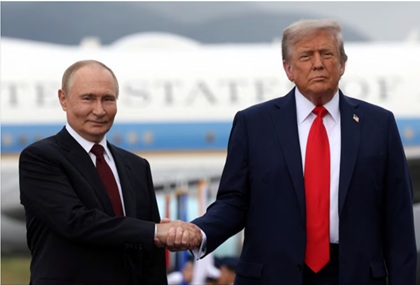
The U.S. response to Lavrov’s claims has been shaped by the broader context of ongoing peace efforts under President Donald Trump’s administration. On August 19, 2025, a White House spokeswoman announced that Trump had initiated steps for a bilateral meeting between Putin and Zelenskyy, though Russia did not confirm Putin’s participation. Trump has expressed frustration with the slow progress of negotiations, emphasizing a desire for a swift resolution and ruling out U.S. ground troop deployments in Ukraine. Instead, the U.S. has explored European-led peacekeeping forces with potential American air support, a proposal Russia opposes.

Trump’s approach has been controversial, with some reports suggesting he pressured Zelenskyy to accept terms favorable to Russia, such as territorial concessions, during a heated Oval Office meeting in February 2025. This meeting collapsed, with Trump accusing Zelenskyy of being “disrespectful” and unprepared for peace, citing Ukraine’s insistence on security guarantees alongside any ceasefire. The U.S. has continued to provide military aid, approving the sale of 3,350 Extended Range Attack Munitions to Ukraine, signaling ongoing support despite diplomatic tensions. However, Trump’s public statements, including calling Zelenskyy a “dictator” and expressing confidence in Putin’s good faith, indicate a complex balancing act between supporting Ukraine and pushing for a deal that could favor Russian interests to end the war quickly.

U.S. officials have not directly addressed Lavrov’s legitimacy claims but have focused on facilitating dialogue. The Biden administration’s earlier approach (pre-2025) emphasized deterrence and sanctions, with Secretary of State Antony Blinken engaging Lavrov in January 2022 to address Russia’s security concerns without conceding to demands like blocking Ukraine’s NATO aspirations. The current administration’s shift toward deal-making has drawn criticism from European allies and some U.S. figures, who argue it risks undermining Ukraine’s sovereignty by pressuring Kyiv into concessions.

Implications

Lavrov’s insistence on Zelenskyy’s illegitimacy has significant implications:

1. Stalling Negotiations: By questioning Zelenskyy’s authority, Russia can delay or derail peace talks, avoiding concessions while blaming Ukraine for intransigence. This tactic aligns with Russia’s pattern of rejecting Ukrainian proposals and demanding preconditions, such as territorial recognition, that Kyiv cannot accept.

2. Undermining Agreements: Russia’s focus on legitimacy creates a legal pretext to challenge or void future agreements, increasing distrust and complicating long-term peace prospects. This could prolong the conflict, leading to higher casualties and further infrastructure damage.

3. Pressure on Ukraine: The narrative shifts pressure onto Ukraine to prove its democratic credentials under wartime conditions, where elections are legally postponed. This could weaken Zelenskyy’s domestic and international standing, especially as war fatigue grows among Ukrainians.

4. Geopolitical Tensions: Russia’s stance exacerbates tensions with the West, particularly as European leaders push for robust security guarantees for Ukraine, including potential troop deployments, which Russia vehemently opposes. This could strain U.S.-European coordination, especially if Trump prioritizes a quick deal over Ukraine’s long-term security.

Future of Negotiations

The future of Ukraine-Russia negotiations remains uncertain due to irreconcilable positions. Russia’s demands—territorial recognition, Ukraine’s neutrality, and demilitarization—are non-starters for Kyiv, which insists on full Russian withdrawal, war crime prosecutions, and security guarantees. Lavrov’s statements indicate Russia is unlikely to soften its stance, particularly as it perceives battlefield advantages in Donbas.

Zelenskyy has shown some flexibility, expressing willingness to compromise on the timing of a ceasefire if security guarantees are established, and has proposed neutral venues like Switzerland, Austria, or Turkey for talks. However, Russia’s rejection of these proposals and its insistence on Istanbul as a framework suggest little room for progress. The 2022 Istanbul talks, which included nine prisoner exchanges but no broader agreement, remain a reference point for Russia, but Ukraine views them as outdated and overly concessionary.

U.S. mediation, particularly under Trump, could push for a trilateral summit, but Russia’s reluctance to engage directly with Zelenskyy and its dismissal of European-led security proposals complicate this. European skepticism about Putin’s intentions, coupled with Trump’s apparent willingness to accommodate Russian demands (e.g., recognizing Crimea’s annexation), risks alienating Ukraine and its allies.

Analyses

Analysts, such as those from the Institute for the Study of War (ISW), argue that Russia’s refusal to offer concessions, combined with its legitimacy narrative, indicates a strategy to prolong the war while pressuring Ukraine into capitulation. The ISW notes that Russia’s demands, including eradicating “threats” from NATO and Ukraine’s alleged anti-Russian policies, are tantamount to demanding full Ukrainian and Western surrender. This approach risks escalating the conflict, as Ukraine’s continued strikes on Russian infrastructure (e.g., oil refineries) and Russia’s massive attacks, like the August 21, 2025, drone and missile salvo, show no de-escalation.

Foreign Affairs scholars Samuel Charap and Sergey Radchenko, who reviewed 2022 negotiation drafts, suggest that the gap between Russia’s territorial demands and Ukraine’s insistence on sovereignty remains unbridgeable. They note that Putin’s maximalist goals, reiterated in June 2025 with claims that “all of Ukraine is ours,” undermine prospects for a near-term resolution.

European leaders, skeptical of Putin’s commitment to peace, are exploring security guarantees like an Italian proposal for rapid-response commitments or French/UK troop deployments, but Russia’s opposition to foreign troops and U.S. reluctance to commit ground forces limit these options. China’s potential role as a guarantor, suggested by Lavrov, has been dismissed by Zelenskyy, further complicating multilateral efforts.

Conclusion

Lavrov’s claim of Zelenskyy’s illegitimacy is a strategic maneuver to delay negotiations, justify Russia’s intransigence, and weaken Ukraine’s position. The U.S., under Trump, is pushing for a quick resolution, but its willingness to entertain Russian demands risks alienating Ukraine and Europe. The future of negotiations hinges on whether mediators can bridge the gap between Russia’s maximalist demands and Ukraine’s non-negotiable stance on sovereignty. Without significant concessions from Russia, which appears unlikely given its battlefield posture and Lavrov’s rhetoric, peace talks may remain stalled, prolonging the conflict and its devastating consequences.

Xi and Putin’s New World Order: Reshaping Global Governance in a Multipolar Era

0
Chinese President Xi Jinping meets with Russian President Vladimir Putin in Kazan, Russia.

In an era marked by shifting geopolitical sands, Chinese President Xi Jinping and Russian President Vladimir Putin have emerged as architects of a bold vision for a new global governance system. This ambitious framework seeks to dismantle the U.S.-led, international order established post-World War II, replacing it with a multipolar structure that prioritizes state sovereignty, non-interference, and stability. Anchored by their strategic partnership, initiatives like the Belt and Road Initiative (BRI), Global Security Initiative (GSI), and Global Development Initiative (GDI), and a shared critique of Western hegemony, Xi and Putin are positioning China and Russia as leaders of a new world order.

Details of the Proposed Global Governance System

The Xi-Putin vision for global governance is rooted in a shared rejection of Western-dominated institutions and norms, advocating for a multipolar world where power is distributed among major players. Below are the key components of their proposed system:

1. Core Principles:

Multipolarity and Fairness: Xi has consistently called for China to “lead the reform of the global governance system with the concepts of fairness and justice,” as stated in his 2015 speech at the UN General Assembly. This vision emphasizes a world where no single power—implicitly the United States—dominates, and nations negotiate bilaterally or through alternative frameworks. Putin echoes this, criticizing the “Cold War mentality” of Western alliances like NATO.

Community of Shared Future for Mankind: Introduced by Xi in 2013 at the Moscow State Institute of International Relations, this concept envisions a global order based on mutual respect, win-win cooperation, and cultural exchange. According to western critics, it prioritizes state sovereignty over universal human rights, aligning with authoritarian governance models.

Non-interference and sovereignty: Both leaders advocate full respect for national sovereignty, rejecting Western interventions or sanctions under the guise of human rights or democratic principles. This stance calls on governments to be wary of external pressure in the name of reform.

Cyber Sovereignty: China, in particular, pushes for state control over the internet, promoting a “cyber superpower” model that emphasizes censorship and complete control, contrasting sharply with Western open-internet principles. Russia has aligned with this approach, implementing its own internet sovereignty measures.

2. Key Initiatives:

Belt and Road Initiative (BRI): Launched in 2013, the BRI is China’s flagship project to expand its economic influence through infrastructure investments across Asia, Africa, Europe, and Latin America. By 2023, over 150 countries had signed BRI agreements, with investments exceeding $1 trillion. Russia’s Greater Eurasian Partnership complements the BRI, fostering regional integration under a shared anti-Western framework.

Global Security Initiative (GSI): Unveiled by Xi in April 2022 at the Boao Forum for Asia, the GSI promotes “comprehensive, common, and indivisible security” through dialogue and partnerships rather than confrontation or zero-sum alliances. It has been linked to China’s mediation in the 2023 Iran-Saudi rapprochement and is positioned as an alternative to U.S.-led security frameworks like AUKUS or the Quad.

Global Development Initiative (GDI): Introduced at the 2021 UN General Assembly, the GDI aims to redirect global development discourse toward Chinese-led economic cooperation, focusing on infrastructure, poverty reduction, and connectivity. It aligns with the BRI and seeks to address development deficits in the Global South, offering an alternative to Western aid models.

China-Russia Strategic Partnership: Formalized in the 2019 upgrade to a “comprehensive strategic partnership of coordination for a new era,” this alliance is central to their vision. The February 2022 joint statement, signed days before Russia’s invasion of Ukraine, declared their partnership as having “no limits,” emphasizing collaboration in trade, energy, technology, and global governance. By 2024, bilateral trade reached $240 billion, with China becoming Russia’s largest trading partner amid Western sanctions.

3. Institutional Mechanisms:

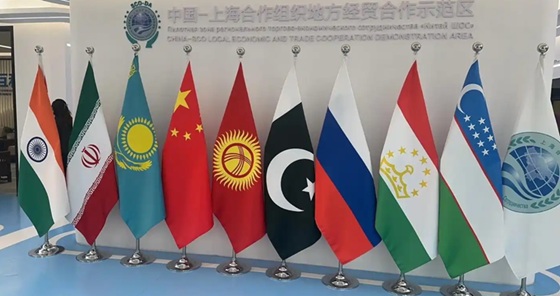
Alternative Institutions: China and Russia champion organizations like the Shanghai Cooperation Organization (SCO) and BRICS (Brazil, Russia, India, China, South Africa) as counterweights to Western-dominated institutions like the World Bank, IMF, and G7. The SCO, with members like Iran and Pakistan, focuses on regional security and economic cooperation, while BRICS has expanded to include nations like Egypt and Ethiopia, increasing its global footprint.

UN Influence: China has significantly increased its presence in the United Nations, with Chinese officials leading four of the fifteen UN specialized agencies as of 2019, including the Food and Agriculture Organization and the International Telecommunication Union. China’s $1 billion Peace and Development Trust Fund further amplifies its influence in UN peacekeeping and development programs.

Regional and Bilateral Frameworks: Both leaders prioritize bilateral deals and regional forums over universal multilateral agreements, allowing them to tailor partnerships to specific national interests. For example, China’s BRI projects often involve direct negotiations with recipient countries, bypassing Western oversight.

4. Critique of the Western Order: – Xi and Putin consistently criticize the U.S.-led order for perpetuating a “unipolar” world that enforces Western values. They argue that sanctions, interventions, and institutions like the IMF impose unfair conditions on developing nations. Their alternative promotes “democratization of international relations,” a euphemism for reducing Western influence and elevating their own.

Strategic Importance of the Proposed System

The Xi-Putin vision is a strategic response to perceived Western decline and an opportunity to reshape global norms. Its importance lies in several key areas:

1. Geopolitical Realignment:

– The system challenges U.S. hegemony by offering an alternative model for global governance, capitalizing on events like the U.S. withdrawal from Afghanistan in 2021 and the 2008 financial crisis, which exposed vulnerabilities in the Western order. By positioning themselves as leaders of the Global South, China and Russia aim to rally nations frustrated with Western dominance.

– Their partnership strengthens their resilience against Western sanctions. For instance, China’s economic support has been critical for Russia since 2014, with energy deals and yuan-based transactions bypassing Western financial systems.

2. Economic Leverage:

– The BRI and GDI create economic dependencies in the Global South, enhancing China’s influence over trade routes, resources, and markets. By 2023, BRI projects had created over 420,000 jobs and lifted 40 million people out of poverty, according to Chinese state media, though these figures are contested.

– Russia benefits from Chinese investment and markets, particularly in energy and agriculture, offsetting losses from Western sanctions. The Power of Siberia pipeline, operational since 2019, exemplifies this economic synergy.

3. Security Paradigm Shift:

– The GSI proposes a security framework that prioritizes bilateral dialogue and state-centric solutions over multilateral alliances like NATO. This could weaken Western security architectures, particularly in regions like the Indo-Pacific, where China’s influence is growing.

– Joint military exercises, such as the Russia-China naval drills in the Sea of Japan in 2023, signal a coordinated effort to project power and deter Western intervention.

4. Ideological Appeal:

– By promoting authoritarian governance as a stable alternative to liberal democracy, Xi and Putin appeal to regimes seeking development without political reforms. This model resonates in countries like Pakistan, Cambodia, and several African nations, where leaders prioritize regime stability over democratic accountability.

– Their vision challenges the universality of Western norms like human rights, offering a narrative of cultural relativism and national sovereignty that aligns with authoritarian priorities.

Global Acceptance and Reception

The Xi-Putin vision has garnered both support and resistance, reflecting the polarized nature of global politics:

1.Supporters:

Global South: Leaders from nations like Iran, Belarus, Pakistan, and Central Asian states have embraced the GSI and BRI, seeing them as opportunities for economic aid and security cooperation without Western conditionalities. For example, Pakistan’s $62 billion China-Pakistan Economic Corridor (CPEC), a BRI flagship, has deepened ties with Beijing.

Russia’s Endorsement: Putin has been a steadfast supporter, attending BRI forums (2017, 2019) and aligning Russia’s Eurasian Economic Union with Chinese initiatives. The 2022 joint statement underscored their shared commitment to a new order.

UN and Multilateral Engagement: China’s growing influence in UN agencies and its contributions to peacekeeping missions have bolstered its legitimacy. The GDI’s alignment with the UN’s 2030 Agenda for Sustainable Development has attracted endorsements from over 100 countries, per Chinese reports.

2. Opposition and Skepticism:

Western Resistance: The U.S., EU, and allies like Japan and Australia view the Xi-Putin vision as a direct threat to the liberal order. Initiatives like the U.S.-led Build Back Better World (B3W) and the EU’s Global Gateway aim to counter the BRI, while NATO has labeled China a “systemic challenge.”

Global South Concerns: While some nations welcome Chinese investment, others are wary of BRI debt traps, as seen in Sri Lanka’s Hambantota Port lease to China in 2017 after debt repayment issues. China’s economic coercion, such as trade restrictions on Australia in 2020, undermines its “win-win” narrative.

Russia’s Junior Role: Russian analysts, like those at the Carnegie Moscow Center, express concern that Russia is becoming a junior partner to China, with limited influence in BRI projects and growing economic dependency (China accounted for 20% of Russia’s trade in 2023).

3. Mixed Global Sentiment:

– A 2019 Pew Research Center survey across six countries showed only 29% of respondents had confidence in Xi to “do the right thing” in global affairs, compared to 45% with no confidence. Putin’s global approval ratings are similarly low, particularly post-Ukraine invasion.

– Contradictions in their rhetoric, such as China’s silence on Russia’s violation of Ukrainian sovereignty despite advocating non-interference, have raised doubts about the coherence of their vision.

Analyses of the Proposed System

The Xi-Putin vision is both a strategic masterstroke and a gamble fraught with challenges. Below are critical analyses of its strengths, weaknesses, and implications:

1. Strengths:

Coordinated Strategy: The China-Russia partnership leverages their combined economic, military, and diplomatic clout. Their 38 meetings between 2013 and 2022 and joint statements demonstrate a unified front against Western dominance.

Global South Appeal: By offering development aid and security cooperation without political strings, China and Russia attract nations annoyed with Western conditionalities. The BRI’s tangible projects, like high-speed rail in Indonesia, contrast with Western aid often perceived as bureaucratic.

Institutional Leverage: China’s leadership in UN agencies and the expansion of BRICS and SCO provide platforms to institutionalize their vision, challenging Western dominance in global forums.

2. Weaknesses and Challenges:

Inherent Contradictions: The emphasis on sovereignty clashes with China’s economic coercion and Russia’s actions in Ukraine, undermining their moral authority. For instance, China’s silence on Ukraine contradicts its non-interference principle, drawing criticism in global media.

Economic Vulnerabilities: China’s economic slowdown (GDP growth fell to 4.7% in Q2 2024, per official data) and domestic challenges, like military purges and corruption scandals, limit Xi’s ability to project power. Russia’s economy, heavily sanctioned, relies on China, with the ruble-yuan trade rising 500% since 2022.

Limited Universal Appeal: The authoritarian model may not resonate with nations valuing democratic principles, and Western alliances remain robust, with NATO’s 2022 Strategic Concept explicitly addressing China’s challenge.

3. Strategic Implications:

For the West: The U.S. and allies must reinforce the liberal order’s benefits, engage the Global South with competitive alternatives like B3W, and expose contradictions in the Xi-Putin narrative. Strengthening alliances like the Quad and AUKUS is critical.

For China and Russia: Sustaining their partnership requires navigating economic disparities and geopolitical tensions. Russia’s growing dependence on China risks reducing it to a vassal state, while China must balance its global ambitions with domestic stability.

Global Impact: The push for a multipolar order could fragment the global system, creating competing blocs and increasing uncertainty for businesses reliant on stable trade rules. Heightened geopolitical tensions, as seen in the South China Sea and Ukraine, may escalate if the Xi-Putin vision gains traction.

4. Critical Perspective:

– The Xi-Putin vision is less a cohesive new order and more a pragmatic effort to undermine the existing one, ensuring their regimes’ survival and influence. Their emphasis on sovereignty and authoritarian stability prioritizes domestic control over genuine global cooperation, limiting long-term acceptance. The reliance on bilateral deals and alternative institutions risks creating a patchwork of influence rather than a unified system, potentially alienating nations seeking consistent global standards.

Conclusion

Xi Jinping and Vladimir Putin’s proposed global governance system is a bold challenge to the Western-led international order, advocating for a multipolar world rooted in sovereignty, non-interference, and stability. Through initiatives like the BRI, GSI, and GDI, and their strategic partnership, they aim to reshape global norms, appealing to the Global South while countering U.S. hegemony. However, the vision’s acceptance is mixed, with support from authoritarian regimes and some developing nations tempered by Western resistance, Global South skepticism, and internal contradictions.

Critical analyses underscore its strategic coordination but highlight vulnerabilities, such as economic strains and inconsistent principles, that could hinder its realization. As the world navigates this geopolitical shift, policymakers, businesses, and observers must closely monitor China and Russia’s actions in multilateral forums, their ability to sustain economic momentum, and the global response to their narrative. Whether this vision will usher in a new era of multipolarity or merely deepen global divisions remains an open question, but its implications will shape international relations for decades to come.

Reviving SAARC: Pakistan’s Push Through Ishaq Dar’s Historic Dhaka Visit Signals New Regional Momentum

0

The South Asian Association for Regional Cooperation (SAARC), established in 1985, was envisioned as a platform to foster economic growth, social progress, and regional integration among its eight member states: Afghanistan, Bangladesh, Bhutan, India, Maldives, Nepal, Pakistan, and Sri Lanka. However, SAARC has been largely dormant since its last summit in 2014, primarily due to India-Pakistan tensions. In a significant development, Pakistan’s Deputy Prime Minister and Foreign Minister Ishaq Dar’s visit to Dhaka on August 23-24, 2025—the first by a Pakistani foreign minister in 13 years—has reinvigorated calls to revive SAARC.

Pakistan’s Call for SAARC Revival and Dar’s Dhaka Visit

Pakistan has consistently advocated for SAARC’s revival, viewing it as a critical platform to address regional challenges like poverty, climate change, and economic integration. During his two-day visit to Dhaka on August 23-24, 2025, Ishaq Dar emphasized the need for a reinvigorated SAARC to foster inter-state trade and regional unity, marking a significant diplomatic push. The visit, described as a “significant milestone” by Pakistan’s Foreign Office, followed a warming of ties between Islamabad and Dhaka after the ouster of Bangladesh’s former Prime Minister Sheikh Hasina in August 2024. Dar held meetings with Bangladesh’s Chief Adviser Professor Muhammad Yunus, Foreign Affairs Adviser Md. Touhid Hossain, and leaders of political parties like the Bangladesh Nationalist Party (BNP) and Jamaat-e-Islami, discussing bilateral cooperation and SAARC’s revival.

Dar’s engagements underscored Pakistan’s commitment to strengthening ties with Bangladesh, emphasizing shared cultural, historical, and regional interests. At a press conference at the Pakistan High Commission in Dhaka, he called for youth from both nations to collaborate on global challenges, stating, “We must work together to create an environment where youth from Karachi to Chittagong, Quetta to Rajshahi, Peshawar to Sylhet, and Lahore to Dhaka join hands to face these challenges and realize their shared dreams.” The visit, which saw agreements on trade, cultural exchanges, and travel connectivity, reflects Pakistan’s strategic intent to leverage improved bilateral ties with Bangladesh to advocate for SAARC’s reactivation.

Importance of Reviving SAARC

SAARC holds immense potential for South Asia, a region with over 2 billion people and a collective GDP of approximately $4.3 trillion. Reviving SAARC could yield significant benefits:

1. Economic Integration:

The South Asian Free Trade Area (SAFTA), launched in 2006, has been stymied by political tensions. Liberalizing trade, particularly between India and Pakistan, could boost bilateral trade from $2.5 billion to $10-50 billion annually. Dar’s visit resulted in agreements to enhance trade, including a joint working group and the import of 50,000 tonnes of rice from Bangladesh, signaling economic momentum.

2. Addressing Shared Challenges:

South Asia faces common issues like climate change and water scarcity, with per capita water availability down 70% since 1950. SAARC could facilitate collaborative projects in renewable energy and disaster management, areas Dar highlighted as critical for regional cooperation.

3. Regional Stability and Peace:

SAARC offers a platform for dialogue amidst tensions. Dar’s meetings with diverse Bangladeshi stakeholders, including the National Citizen Party (NCP), underscored the potential for people-to-people connections to foster stability.

4. Global Influence:

A unified SAARC could amplify South Asia’s voice in global forums, negotiating better trade terms and addressing issues like climate change collectively.

5. Cultural Connections:

Initiatives like the SAARC visa scheme and South Asian University, revitalized through agreements signed during Dar’s visit, can strengthen cultural ties.

Hurdles to SAARC’s Revival

SAARC’s revival faces significant challenges:

1. India-Pakistan Tensions:

The India-Pakistan rivalry, exacerbated by issues like Kashmir and terrorism allegations, has paralyzed SAARC. In 2016 India boycotted the Islamabad summit, stalling progress.

2. Economic Asymmetry:

India’s dominance, contributing over 70% of the region’s GDP, raises concerns among smaller states about unequal benefits. Dar’s push for trade agreements aims to address these imbalances but requires broader consensus.

3. Weak Institutions:

SAARC’s lack of robust enforcement mechanisms hinders progress. Unanimous decision-making often stalls due to bilateral disputes.

4. Geopolitical Interference:

China’s Belt and Road Initiative and India’s alignment with the Quad complicate regional dynamics. Reports suggest Pakistan and China may explore a new bloc excluding India, potentially undermining SAARC.

5. Historical Sensitivities:

Bangladesh’s demand for Pakistan’s apology for the 1971 war atrocities, raised during earlier talks, remains a sticking point. While not directly addressed during Dar’s visit, it underscores the need for reconciliation.

India’s Position

India remains skeptical of SAARC’s revival, favoring alternative frameworks like BIMSTEC and BBIN, which exclude Pakistan. New Delhi views SAARC as ineffective due to Pakistan’s alleged support for terrorism, particularly post-2016. India’s External Affairs Minister S. Jaishankar has expressed concerns that Bangladesh’s push for SAARC, especially under Yunus, could align with Pakistan’s interests. India fears SAARC could amplify smaller states’ collective influence against it. However, India might reconsider if bilateral disputes are sidelined, focusing on economic and environmental cooperation.

Dar’s Visit: A Catalyst for Change

Ishaq Dar’s visit to Dhaka, the first by a Pakistani foreign minister since Hina Rabbani Khar’s 2012 trip, marks a turning point. The visit, initially planned for April but delayed due to regional tensions, built on recent diplomatic progress, including visa-free entry for diplomatic passports and direct shipping between Karachi and Chittagong. Dar’s meetings with Yunus and Hossain covered trade, cultural exchanges, and regional issues, with four to five memoranda of understanding signed, including on media collaboration and professional training. His engagement with political parties like BNP and Jamaat-e-Islami signals Pakistan’s intent to build broad-based support for regional cooperation, including SAARC’s revival.

The Path Forward

Reviving SAARC requires strategic steps:

1. Depoliticizing SAARC: India and Pakistan must exclude bilateral disputes from SAARC’s agenda. Dar’s call for a “forward-looking relationship” insulated from external pressures sets a positive tone.

2. Strengthening Institutions: SAARC needs a stronger secretariat and dispute-resolution mechanisms, learning from ASEAN’s model.

3. Engaging Smaller States: Addressing concerns about India’s dominance through equitable trade policies, as initiated during Dar’s visit, is crucial.

4. Countering External Influence: SAARC members should prioritize regional unity over external alignments, using platforms like Dar’s visit to build trust.

5. Incremental Progress: Starting with ministerial meetings, as Nepal has done, and leveraging Dar’s agreements on trade and cultural ties can pave the way for full summits.

Conclusion

Pakistan’s renewed push to revive SAARC, amplified by Ishaq Dar’s historic Dhaka visit, signals a new phase in regional diplomacy. The visit, yielding trade and cultural agreements, underscores Pakistan’s commitment to strengthening ties with Bangladesh and fostering SAARC’s revival. Despite challenges like India-Pakistan tensions and historical sensitivities, the potential for economic integration, regional stability, and global influence makes SAARC’s reactivation a worthy goal. By building on the momentum of Dar’s visit and addressing structural and political hurdles, South Asia can harness SAARC’s potential to create a more prosperous and united region.

Pakistan’s Chinese Missile Triumph Over India Spurs U.S. to Fast-Track $1 Billion Lockheed AIM-260 Deployment

0

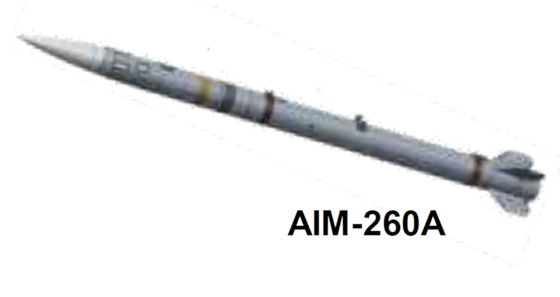
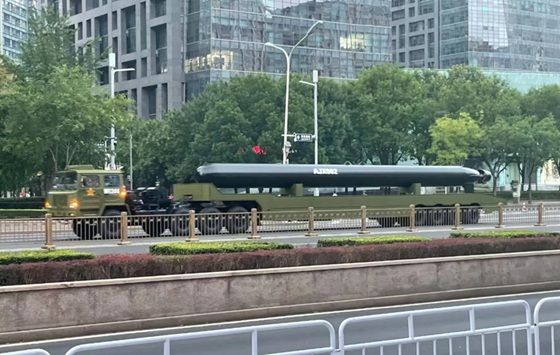
In a significant escalation of regional tensions, Pakistan’s use of the Chinese-made PL-15E air-to-air missile in May 2025 to down Indian fighter jets, including advanced French-made Rafale aircraft, has sent shockwaves through global defense circles. This combat debut of the PL-15E, fired from Pakistan’s Chinese-supplied J-10C and JF-17 Block III fighters, marked a pivotal moment in South Asian aerial warfare, highlighting China’s growing influence in advanced weaponry and prompting a rapid U.S. response. The U.S. Air Force and Navy have requested nearly $1 billion for the 2026 fiscal year, starting October 1, 2025, to accelerate production of the Lockheed Martin AIM-260 Joint Advanced Tactical Missile (JATM), a classified system designed to counter emerging threats like the PL-15.

The Incident and Its Implications:

On May 6-7, 2025, intense aerial skirmishes over Kashmir saw Pakistan leverage the PL-15E, an export variant of China’s PL-15 missile, to devastating effect. Reports indicate Pakistan downed at least five Indian aircraft, including three Rafales, a Su-30 MKI, and a MiG-29. The PL-15E, with a range of approximately 145 kilometers (90 miles) compared to the domestic PL-15’s 200-300 kilometers, features an active electronically scanned array (AESA) radar seeker, dual-pulse solid rocket motor, and advanced guidance systems, including inertial navigation and mid-course datalink updates. Its ability to engage targets at long range, coupled with Pakistan’s networked approach using Saab 2000 airborne early warning and control (AEW&C) aircraft, gave it a decisive edge over India’s mixed fleet of Russian, French, and indigenous systems.

The PL-15E’s combat success exposed vulnerabilities in India’s air force, particularly the Rafale’s lack of radar stealth and electronic warfare capabilities compared to modern Chinese systems. Analysts note that Pakistan’s integration of Chinese J-10C fighters, equipped with AESA radar and PL-15 missiles, alongside AEW&C platforms, allowed for stealthy, long-range engagements that outmaneuvered India’s defenses. This clash not only humiliated India’s air force but also raised concerns about the effectiveness of Western-supplied equipment, such as the Rafale, against Chinese technology.

U.S. Response and the AIM-260:

The U.S. Air Force and Navy’s $1 billion funding request for the AIM-260 reflects a strategic pivot to counter the PL-15’s demonstrated capabilities. After eight years of development, the AIM-260, designed to replace the AIM-120 AMRAAM, is poised to become the U.S.’s next-generation air-to-air missile. The Air Force, leading the project, has allocated $368 million for initial production and $300 million for additional development, signaling urgency in deploying a weapon capable of matching or surpassing the PL-15’s range and technological sophistication. The AIM-260 is believed to feature advanced radar homing, enhanced resistance to countermeasures, and a range potentially exceeding that of the AIM-120D, which the PL-15 was designed to rival.

This funding surge comes amid broader U.S. concerns about China’s military advancements and its proliferation of advanced weaponry to allies like Pakistan. The PL-15’s combat debut has underscored the need for the U.S. to maintain air superiority in potential future conflicts, particularly in the Indo-Pacific, where Chinese systems like the J-20 stealth fighter and PL-15 could pose significant threats.

Geopolitical and Strategic Context

The India-Pakistan clash, intensified by China’s technological backing, has reshaped South Asian security dynamics. Pakistan’s reliance on Chinese arms—63% of China’s $8.2 billion arms exports from 2015 to 2024 went to Pakistan—has bolstered its air defenses and offensive capabilities, narrowing the gap with India’s larger but less integrated forces. India’s S-400 systems and Rafale jets, armed with MBDA Meteor missiles, were outmatched in this instance, raising questions about their interoperability and effectiveness against modern Chinese systems.

The U.S. funding for the AIM-260 also signals a broader competition with China in the global arms race. The PL-15’s success has boosted China’s reputation as a military technology provider, challenging Western dominance. Meanwhile, U.S. sanctions on Pakistan’s ballistic missile program, including its National Development Complex, highlight tensions over Pakistan’s expanding capabilities, potentially pushing Islamabad closer to Beijing.

Critical Analysis

While the PL-15E’s combat performance is a alarming for the west. The Rafale’s losses may stem from tactical errors, pilot training gaps, or India’s lack of robust electronic warfare systems rather than the outright inferiority of Western technology. The AIM-260’s development, while reactive, positions the U.S. to regain technological parity, but its classified nature limits public insight into its capabilities. Additionally, Pakistan’s missile successes rely heavily on Chinese integration, which may not be easily replicable in other theaters. The U.S. must balance its response to avoid escalating tensions with Pakistan while addressing China’s growing influence.

Conclusion

Pakistan’s use of Chinese PL-15E missiles to down Indian fighters has catalyzed a $1 billion U.S. push to deploy the AIM-260, underscoring a new era of long-range aerial combat and intensifying the U.S.-China technological rivalry.

As South Asia remains a flashpoint, the global arms race accelerates, with implications for regional stability and beyond.

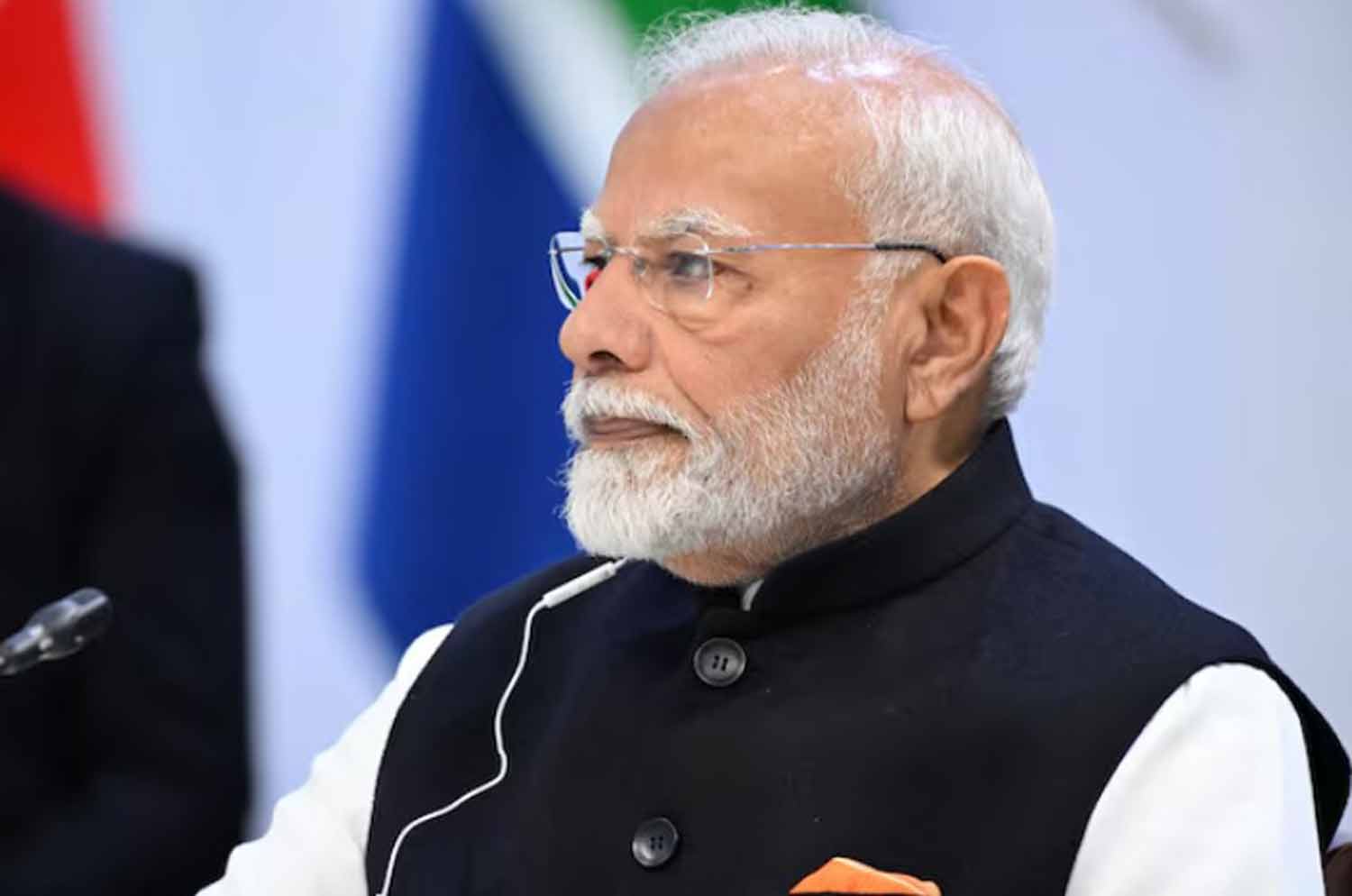
Modi’s High-Stakes Asian Tour: Japan Alliance, SCO Showdown with Pakistan, and China Talks Signal India’s Global Gambit

0

The Indian Ministry of External Affairs announced today that Prime Minister Narendra Modi will embark on a high-stakes diplomatic tour to Japan and China from August 29 to September 1, 2025, showcasing India’s strategic maneuvering in a turbulent geopolitical landscape. The itinerary includes the 15th India-Japan Annual Summit in Tokyo and the Shanghai Cooperation Organisation (SCO) Summit in Tianjin, where Modi will face Pakistan’s Prime Minister Shehbaz Sharif amid tense India-Pakistan relations. These visits signal India’s multi-alignment strategy, balancing alliances, rivalries, and global leadership ambitions.

Japan: Forging a Stronger Alliance

On August 29-30, Modi will meet Japanese Prime Minister Shigeru Ishiba in Tokyo for the 15th India-Japan Annual Summit, his eighth visit to Japan as prime minister. The summit aims to deepen the Special Strategic and Global Partnership, focusing on defense, trade, and technology. Key discussions will likely advance Quad cooperation for a free and open Indo-Pacific, countering China’s regional assertiveness. Potential agreements include enhanced defense collaboration, such as amphibious aircraft deals, and infrastructure projects like the Mumbai-Ahmedabad High-Speed Rail. The visit signals India’s commitment to strengthening ties with Japan, amid strained U.S.-India relations due to new U.S. tariffs of up to 50% on Indian goods.

China and the SCO Summit: A Tense Stage with Pakistan

From August 31 to September 1, Modi will attend the SCO Summit in Tianjin, China, hosted by President Xi Jinping, marking his first visit to China since the 2020 Galwan Valley clash. Described as the SCO’s largest-ever summit, the event will include 20 world leaders, notably Pakistan’s Shehbaz Sharif, setting the stage for a high-stakes diplomatic showdown. The visit follows recent steps to stabilize India-China ties, including the October 2024 LAC disengagement and Chinese Foreign Minister Wang Yi’s visit to India earlier this week.

Modi is expected to push a strong anti-terrorism agenda, a core SCO priority, likely referencing the April 2025 Pahalgam attack. While the SCO Charter prohibits bilateral talks, Modi’s focus on cross-border terrorism will implicitly target Pakistan, putting Sharif on the defensive. Bilateral meetings with Xi Jinping and other leaders may address border peace, trade imbalances, and regional security, signaling India’s pragmatic engagement with China to maintain stability amid U.S. trade pressures.

Pakistan’s Role: A Flashpoint at the SCO

Sharif’s presence at the SCO Summit amplifies its significance, given the deep India-Pakistan rivalry. Pakistan, a close Chinese ally, leverages the SCO to bolster its diplomatic clout and push for regional trade, eyeing $15 billion in annual exports to Central Asian states. However, India’s terrorism agenda will challenge Sharif. China’s support for Pakistan, including through the China-Pakistan Economic Corridor (CPEC), which India opposes, may complicate India’s efforts to isolate Pakistan diplomatically. Sharif’s attendance signals Islamabad’s determination to project resilience and deepen ties with China and Russia. The Modi-Sharif dynamic at the SCO underscores the broader India-Pakistan-China triangle, with India navigating a delicate balance between confrontation and multilateral cooperation.

Strategic Signaling in a Shifting World

Modi’s dual visits send a powerful message of India’s strategic autonomy. The Japan summit reinforces India’s alignment with powers in the Quad, countering China while navigating U.S. trade frictions. The SCO visit, with Pakistan’s presence, signals India’s willingness to engage rivals in non-Western forums, hedging against U.S. pressures.

Key signals include:

To China: The visit reflects India’s pragmatic approach to stabilizing ties, but Modi’s terrorism agenda may subtly critique China’s support for Pakistan, testing Beijing’s patience.

To the U.S.: Engaging China and the SCO amid U.S. tariffs signals India’s pivot toward alternative partnerships, reinforcing its independence from Western blocs.

Opportunities and Challenges

The Japan visit is poised to yield tangible outcomes, from defense deals to infrastructure investments, strengthening India’s strategic posture. However, the SCO Summit faces hurdles: India-China mistrust persists despite recent progress, and Pakistan’s presence can affect the Indian agenda. Chinese skepticism about India’s dual Quad-SCO engagement, coupled with Pakistan’s alignment with Beijing, could limit India’s diplomatic gains. Additionally, the U.S. may view India’s SCO participation warily, complicating Quad dynamics.

Conclusion

Modi’s visits to Japan and China from August 29 to September 1, 2025, mark a defining moment for India’s foreign policy. The Japan summit cements a vital alliance, while the SCO Summit, with Pakistan’s Shehbaz Sharif in attendance, tests India’s ability to confront rivals. As Modi navigates alliances, rivalries, and global shifts, the outcomes of this tour will shape India’s role in Asia and beyond.

China and Pakistan’s CPEC 2.0: A Strategic Challenge for U.S.-Pakistan Relations

0
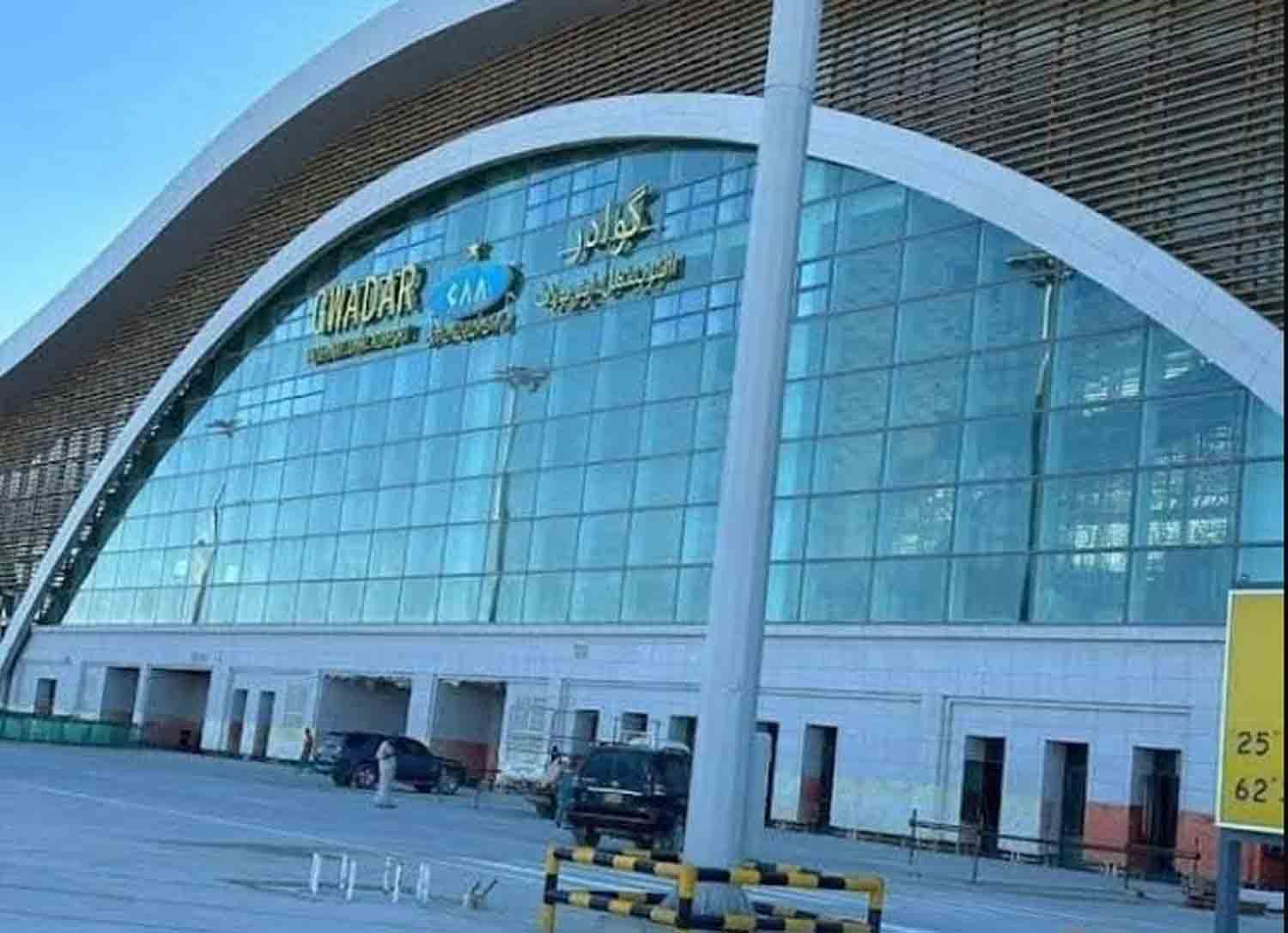
New Gwadar International Airport

On August 21, 2025, Chinese Foreign Minister Wang Yi and Pakistani Foreign Minister Ishaq Dar announced plans to launch new projects under the China-Pakistan Economic Corridor (CPEC), a cornerstone of China’s Belt and Road Initiative (BRI). This development, discussed during the sixth round of the Pakistan-China Foreign Ministers’ Strategic Dialogue in Islamabad, signals a deepening of the China-Pakistan partnership, with a focus on advancing CPEC 2.0 through enhanced cooperation in industry, agriculture, mining, science, technology, and trade. Key projects include the development of Gwadar Port, the Karakoram Highway realignment, and the ML-1 railway upgrade, with invitations extended to third parties for investment. While this move strengthens the “all-weather friendship” between Beijing and Islamabad, it raises significant questions about its implications for U.S.-Pakistan relations, which have been navigating a delicate balance amid growing geopolitical tensions.

U.S.-Pakistan relations have historically been driven by strategic priorities, from Cold War alliances to post-9/11 counterterrorism cooperation.

The Context of U.S.-Pakistan Relations

U.S.-Pakistan relations have historically been shaped by strategic interests, from Cold War alliances to counterterrorism cooperation post-9/11. However, the relationship has faced strains in recent years due to differing priorities. The U.S. has expressed concerns over Pakistan’s growing economic dependence on China, particularly through CPEC, viewing it as part of Beijing’s broader strategy to expand influence in South Asia. In 2019, then-U.S. Ambassador Alice Wells criticized CPEC, arguing its terms favor Chinese companies and contribute to Pakistan’s debt burden, a claim both China and Pakistan have rejected.
Pakistan’s external debt to China has grown significantly, from $4.1 billion in 2013 to $11.8 billion by 2020, representing a substantial portion of its $72.7 billion total external debt. This financial entanglement, coupled with Pakistan’s economic fragility—evidenced by 29.4% inflation and a 37.2% poverty rate in 2023—has raised U.S. concerns about Pakistan’s long-term economic stability and its potential strategic alignment with China.

Strategic Implications of CPEC’s Expansion

The renewed push for CPEC projects, including high-profile infrastructure like Gwadar Port, is strategically significant. Gwadar, intended to connect China’s BRI with its Maritime Silk Road, offers Beijing a shorter, more secure trade route to the Middle East and Africa, bypassing the Malacca Strait. This enhances China’s regional influence, a concern for the U.S., which sees CPEC as a tool for China to project power in the Indo-Pacific.
For Pakistan, CPEC promises economic benefits like job creation and infrastructure development, as emphasized by Pakistan’s Planning Minister Ahsan Iqbal. However, challenges persist: stalled projects due to political mismanagement, security risks from Baloch insurgent attacks on Chinese workers, and a debt burden that limits Pakistan’s ability to finance new initiatives. These issues have fueled U.S. skepticism about CPEC’s sustainability and Pakistan’s capacity to balance its ties with both powers.
The U.S. has advocated for alternative connectivity strategies, such as a proposed U.S.-Pakistan renewable energy corridor or investments in digital infrastructure like 5G, to counter China’s influence. These initiatives align with the U.S.’s Partnership for Global Infrastructure and Investment (PGII), aiming to offer sustainable alternatives to CPEC’s traditional infrastructure focus.

A Delicate Balancing Act

The expansion of CPEC places Pakistan in a precarious position. While it seeks Chinese investment to address economic woes, it must also maintain workable relations with the U.S., a key partner for security and potential economic aid. The U.S. views CPEC as a strategic challenge, fearing it deepens Pakistan’s dependence on China, potentially undermining U.S. influence in South Asia.
Recent U.S.-Pakistan engagements, like the counterterrorism statement, suggest Washington is willing to cooperate on shared interests. However, Pakistan’s growing debt to China and the strategic importance of CPEC projects like Gwadar Port complicate this relationship. The U.S. may need to adopt a more nuanced approach, offering targeted economic support to reduce Pakistan’s reliance on China while addressing shared security concerns.

Conclusion

The China-Pakistan agreement to advance CPEC projects underscores their deepening strategic partnership, but it also highlights tensions in U.S.-Pakistan relations. As Pakistan navigates its economic crisis and security challenges, the U.S. must carefully calibrate its strategy—balancing criticism of CPEC with incentives to maintain influence in a region increasingly shaped by China’s ambitions. The outcome of this geopolitical tug-of-war will shape South Asia’s future, with Pakistan at its epicenter.

Marco Rubio’s Pakistan Visit Signals U.S. Push for Regional Stability and Economic Ties

0
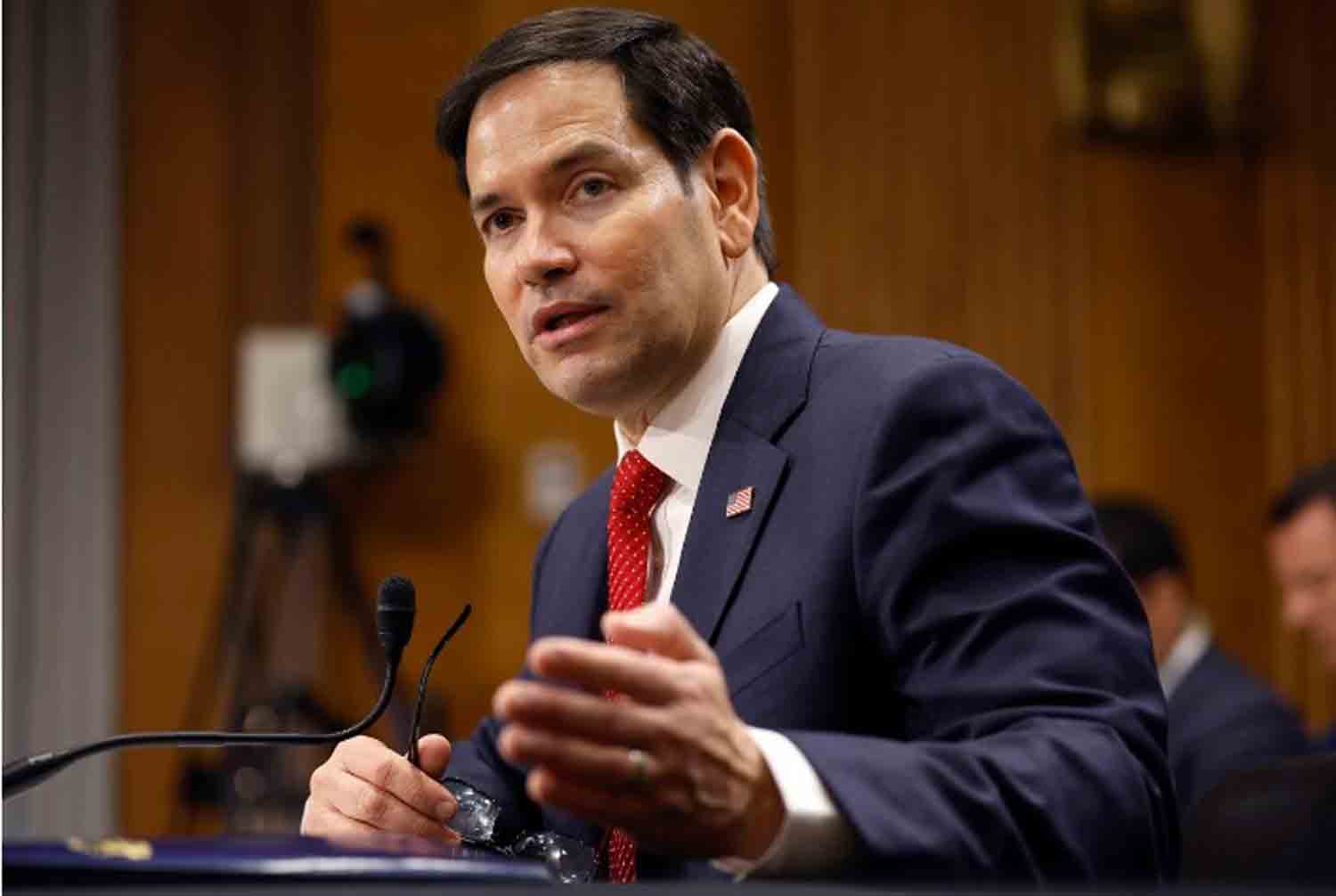
Secretary of State, Sen. Marco Rubio testifies during his Senate Foreign Relations confirmation hearing at Dirksen Senate Office Building.
U.S. Secretary of State Marco Rubio is poised to embark on a pivotal visit to Pakistan in the coming weeks, with the visit’s schedule currently under discussion, signaling a bold U.S. push to deepen ties with Islamabad at a critical moment for South Asian stability. This high-stakes diplomatic mission aims to strengthen economic partnerships and reinforce regional peace amid simmering India-Pakistan tensions, marking a defining chapter in the Trump administration’s foreign policy in the region.

Rubio’s trip follows his recent diplomatic efforts to mediate tensions between Pakistan and India. His phone calls with Pakistani Prime Minister Shehbaz Sharif and Army Chief General Asim Munir, as well as Indian officials, helped secure a fragile ceasefire on May 10, 2025. The visit is poised to build on these efforts, reinforcing U.S. support for dialogue to prevent further conflict in the volatile region.

A key focus of Rubio’s agenda is expected to be economic cooperation, particularly in Pakistan’s mineral-rich Balochistan region. In his Independence Day message to Pakistan on August 14, 2025, Rubio highlighted the potential for collaboration in critical minerals and hydrocarbons, signaling U.S. interest in diversifying supply chains for defense and technology sectors. This comes as Pakistan’s economy shows signs of recovery, with Moody’s upgrading its credit rating, making it an attractive partner for investment. However, any discussions on Balochistan could face scrutiny from local activists concerned about resource exploitation.

Counterterrorism will also be high on the agenda. Rubio has consistently urged Pakistan to take concrete steps to end support for terrorist groups, a point he reiterated in calls with Sharif and Munir. The U.S. designation of The Resistance Front (TRF) as a Foreign Terrorist Organization in July 2025, despite Pakistan’s defense of the group, adds complexity to these talks.

The visit also carries strategic weight in the context of U.S.-China rivalry. With Pakistan’s close ties to China through the China-Pakistan Economic Corridor (CPEC), Rubio’s engagement could aim to counterbalance Beijing’s influence by offering trade incentives, such as the recently announced low tariff rates for Pakistani goods. This aligns with the Trump administration’s broader goal of securing access to rare earths and minerals critical to U.S. industries.

However, the visit is not without challenges. India’s firm stance against third-party mediation in its disputes with Pakistan, coupled with its rejection of U.S. claims about facilitating the May ceasefire, could strain U.S.-India relations.

Rubio’s trip, if confirmed, would mark a significant moment in U.S.-Pakistan relations, reflecting Washington’s delicate balancing act in South Asia. By prioritizing dialogue, economic cooperation, and counterterrorism, the visit could pave the way for a more stable and prosperous region, while navigating the complex dynamics of India-Pakistan rivalry and local sensitivities.

As the world watches, Rubio’s diplomatic outreach will test the U.S.’s ability to foster peace and partnerships in one of the globe’s most volatile regions.

U.S. Plot to Topple Modi? Inside the BJP’s Explosive Conspiracy Claims

0
Indian Prime Minister Narendra Modi attends the narrow format meeting of the BRICS summit in Kazan.
In recent weeks, a provocative narrative has emerged from Bharatiya Janata Party (BJP)-aligned influencers, alleging that the United States, led by President Donald Trump, is orchestrating a covert effort to destabilize and remove Indian Prime Minister Narendra Modi. These claims, steeped in geopolitical intrigue, have sparked debates about India’s foreign relations, domestic politics, and the role of social media in shaping public perception. But how much truth lies behind these accusations, and what are the broader implications for India and its global standing?

The Allegations: A U.S.-Led Conspiracy?

According to posts on X from accounts like @AugadhBhudeva and @deepdownanlyz, the U.S. is leveraging its intelligence apparatus, including the CIA and the so-called “Deep State,” to undermine Modi’s government. The supposed triggers include Modi’s refusal to meet Trump after an operation dubbed “Op Sindoor,” India’s rejection of a U.S. free trade deal, and its decision to halt purchases of American weapons. Adding fuel to the narrative, influencers point to India’s deepening ties with Russia—highlighted by Modi’s public remarks about his “friendship” with Vladimir Putin—as a source of U.S. ire, especially after Trump imposed tariffs on Indian goods in 2025.
A key incident cited is a reportedly tense 35-minute phone call between Modi and Trump on June 17, 2025, which allegedly bruised Trump’s ego. Some posts claim the U.S. is now activating decades-old influence networks to amplify domestic opposition to Modi, portraying him as a weak leader to erode his public support. These narratives also hint at regional dynamics, with some suggesting U.S. collaboration with Pakistan’s military leadership to destabilize India.

Analyzing the Claims: Fact or Fiction?

While these allegations are compelling, they lack corroboration from credible sources. No official statements from either the Indian or U.S. governments substantiate claims of a regime change operation. References to “Op Sindoor” or specific diplomatic slights remain vague and unverified, suggesting they may be speculative or exaggerated for political effect. The absence of concrete evidence raises questions about the reliability of these X-driven narratives.
However, the claims do reflect real geopolitical tensions. U.S.-India relations have faced challenges under Trump’s administration, particularly over trade disputes. India’s refusal to align fully with U.S. interests, coupled with its strategic partnerships with Russia, could strain bilateral ties. Modi’s high-profile engagements with Putin, including summits in 2025, underscore India’s “multi-alignment” foreign policy, which prioritizes strategic autonomy over Western alignment. Trump’s tariffs on Indian goods further highlight economic friction, but equating these to a deliberate plot to oust Modi stretches credulity without substantiation.

The BJP’s Social Media Playbook

The BJP has long leveraged its robust digital ecosystem to shape narratives and rally supporters. By framing the U.S. as an adversary, influencers may be seeking to bolster Modi’s image as a steadfast leader resisting foreign interference. This aligns with the party’s strategy of using nationalist rhetoric to unify its base, particularly Hindu nationalists, while deflecting criticism on domestic issues like unemployment, inflation, or infrastructure challenges. Portraying opposition parties as pawns of foreign powers further amplifies this narrative, casting Modi as a defender of Indian sovereignty.

Domestic and Global Implications

Domestic Impact: These claims risk deepening India’s already polarized political landscape. By amplifying a narrative of foreign interference, the BJP could galvanize its supporters but also alienate moderates who view such rhetoric as divisive. If opposition parties are branded as U.S. proxies, it could stifle legitimate policy debates, framing dissent as unpatriotic. Moreover, the focus on external threats may distract from pressing domestic challenges, such as economic recovery or climate resilience, which have been sidelined in recent BJP campaigns.
International Ramifications: If these allegations gain traction, they could strain U.S.-India relations at a time when both nations navigate complex trade and security dynamics. India’s balancing act between the U.S., Russia, and other powers is central to its foreign policy, and public accusations of U.S. meddling could complicate diplomatic efforts. Additionally, linking these claims to Pakistan risks escalating regional tensions, particularly given India’s sensitive border dynamics.
Disinformation Risks: The reliance on unverified X posts underscores the broader challenge of disinformation in India’s hyper-connected digital sphere. With millions of users on platforms like X, narratives can spread rapidly, shaping public opinion before facts are verified. This highlights the need for critical media literacy to counter speculative claims that could erode trust in institutions and international partnerships.

Conclusion: A Narrative in Search of Evidence

The claims of a U.S. plot to remove PM Modi, while gripping, appear to be a mix of geopolitical speculation and political strategy. They tap into real tensions in U.S.-India relations but lack the evidence to support accusations of a coordinated regime change effort. For the BJP, these narratives serve as a tool to rally domestic support and deflect criticism, but they risk fueling polarization and diplomatic friction.
As India navigates its role on the global stage, distinguishing fact from rhetoric will be crucial to maintaining its strategic and domestic stability. For those seeking clarity, cross-referencing primary sources or official statements is essential. Until verifiable evidence emerges, these claims remain a provocative but unsubstantiated chapter in India’s political discourse.

China’s Wang Yi Lands in Pakistan: A Power Play to Cement an Ironclad Alliance

0

ISLAMABAD, August 21, 2025 — Chinese Foreign Minister Wang Yi arrived in Pakistan today for a pivotal three-day visit, warmly welcomed by Deputy Prime Minister and Foreign Minister Senator Mohammad Ishaq Dar at Nur Khan Airbase. The visit, which includes co-chairing the sixth round of the Pakistan-China Foreign Ministers’ Strategic Dialogue, underscores the deepening of the “All-Weather Strategic Cooperative Partnership” between Beijing and Islamabad. Against a backdrop of regional volatility and shifting global alliances, Wang Yi’s trip signals China’s unwavering commitment to its closest South Asian ally.

The agenda is packed with high-stakes discussions, from advancing the China-Pakistan Economic Corridor (CPEC) to addressing security concerns and navigating regional dynamics. The visit follows a intensified India-Pakistan tensions, notably after the April 2025 Pahalgam attack, which killed 26 and sparked a brief military standoff. Wang Yi’s stop in Islamabad comes on the heels of talks in New Delhi, highlighting China’s delicate balancing act between engaging India and bolstering Pakistan.

A Strategic Reaffirmation

The “ironclad” friendship between China and Pakistan, rooted in diplomatic ties since 1951, is a cornerstone of both nations’ foreign policies. The Strategic Dialogue will review bilateral relations, with a focus on expanding CPEC—a flagship of China’s Belt and Road Initiative. With billions invested in infrastructure, energy, and the Gwadar Port, CPEC remains a linchpin of economic cooperation. Pakistan seeks fresh Chinese investments in mining, agriculture, and industrialization to bolster its struggling economy, while China eyes strategic access to the Arabian Sea.

However, the visit isn’t just about economics. Security concerns loom large, with Beijing pressing Pakistan to protect Chinese nationals working on CPEC projects. Over 20 Chinese citizens have been killed in attacks since 2021, including a deadly October 2024 bombing in Karachi targeting engineers. Wang Yi is expected to push for enhanced measures.

Regional and Global Context

The timing of the visit is telling. Pakistan’s recent overtures to the United States, including engagements with President Donald Trump, have raised eyebrows in Beijing, which views Pakistan as a counterweight to the U.S.-India axis. China’s support for Pakistan’s stance on terrorism and sovereignty, coupled with its call for India-Pakistan dialogue, reflects a strategy to maintain influence over both rivals while prioritizing Islamabad.

The visit also ties into trilateral cooperation with Afghanistan, following a May 2025 meeting in Beijing where Pakistan and Afghanistan agreed to upgrade ties. China aims to extend CPEC into Afghanistan, promoting regional stability and countering U.S. and Indian influence. Yet, India remains wary, particularly after allegations of Chinese intelligence support to Pakistan during the May 2025 conflict, a charge Beijing denies.

Challenges and Opportunities

For Pakistan, Wang Yi’s visit is a chance to secure economic aid and reaffirm China’s backing against India. But balancing this with ties to the U.S. and Turkey could strain relations if Beijing senses a shift in loyalty. For China, the visit reinforces its South Asian foothold, though it must navigate Pakistan’s volatile security environment and India’s opposition to CPEC projects in Kashmir.

As Wang Yi and Dar sit down for talks, the world watches a partnership that shapes South Asia’s geopolitical chessboard. From economic corridors to military cooperation, the China-Pakistan alliance remains a force to be reckoned with, even as regional tensions and global rivalries test its resilience.

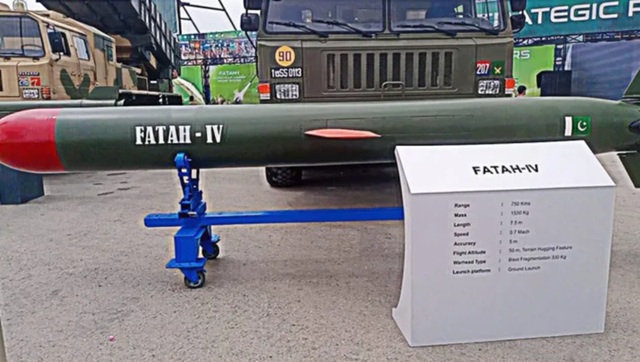
Pakistan’s New Rocket Force and Fatah-IV Missile: A Game-Changer in South Asian Security

0

Islamabad, August 21, 2025 – In a bold move to bolster its military capabilities, Pakistan has unveiled the Army Rocket Force Command (ARFC) and the Fatah-IV cruise missile, signaling a strategic shift toward precision-strike warfare and heightened deterrence against regional rival India. Announced by Prime Minister Shehbaz Sharif on Pakistan’s 78th Independence Day, the ARFC, modeled on China’s People’s Liberation Army Rocket Force, aims to centralize the country’s missile assets, while the Fatah-IV enhances its long-range precision capabilities. These developments, set against the backdrop of recent tensions with India, have sparked debates about their implications for South Asia’s volatile security landscape.

The Army Rocket Force Command: A New Era of Deterrence

On August 13, 2025, during Independence Day celebrations, Prime Minister Sharif introduced the ARFC, a dedicated command designed to streamline Pakistan’s missile and rocket operations for conventional warfare. This force consolidates assets previously scattered across artillery brigades and specialist units, equipping them with mobile missile brigades, hardened launch facilities, and advanced logistical networks. Integrated with cutting-edge Intelligence, Surveillance, and Reconnaissance (ISR) systems, the ARFC enables real-time targeting and rapid response, enhancing Pakistan’s ability to conduct coordinated missile salvos. The ARFC’s creation follows a brief but intense conflict with India in May 2025, the most significant since 1999.

After this clash Pakistan increased defense budget in June 2025, a focus on countering India’s Cold Start Doctrine for rapid, limited operations. The ARFC is poised to deliver multi-axis strikes with ballistic, cruise, and potentially hypersonic missiles, reducing the time from target acquisition to engagement and strengthening Pakistan’s conventional deterrence.

Fatah-IV: Precision Power

Unveiled A day before the ARFC announcement, on August 12, 2025, Pakistan showcased the Fatah-IV, a subsonic surface-to-surface cruise missile, at Jinnah Stadium in Islamabad. This two-stage, solid-fuel missile boasts a 750-kilometer range, a 330-kilogram high-explosive warhead, and an accuracy of five meters (Circular Error Probable). Equipped with GPS and terrain contour matching guidance, possibly including terrain-hugging capabilities, the Fatah-IV is designed for precision strikes on high-value, mobile, or hardened targets deep in hostile territory.

Inducted into the ARFC, the Fatah-IV enhances Pakistan’s ability to target Indian airfields, command centers, and air defenses without escalating to nuclear conflict. Its public debut during Independence Day celebrations underscores Pakistan’s intent to project military strength. Reports indicate additional Fatah variants are in development, suggesting a sustained push toward advanced missile technology.

Strategic Implications and Regional Dynamics

The ARFC and Fatah-IV mark a doctrinal evolution for Pakistan, transitioning from traditional artillery to a precision-strike era. Analysts see this as a direct response to India’s military advancements. The ARFC could disrupt India’s operational tempo in conventional conflicts, potentially forcing quicker escalation to nuclear thresholds, aligning with Pakistan’s “full-spectrum deterrence” doctrine.

The China-Pakistan military alliance is central to these developments, with Chinese technology transfers, including J-35 stealth fighters and HQ-19 anti-ballistic systems, playing a significant role. The ARFC’s structure mirrors China’s PLARF, raising questions about Pakistan’s reliance on its ally. This move counters the growing US-India defense partnership, which includes advanced missile and space technologies, intensifying regional rivalries.

Indian analysts view the ARFC as a challenge to their security architecture, prompting calls for India to establish its own rocket force to maintain strategic parity. The Fatah-IV’s precision and range threaten key Indian assets, complicating New Delhi’s planning for rapid operations. Meanwhile, the United States has expressed concerns about Pakistan’s missile program, particularly its development of larger rocket motors, which could enable strikes beyond South Asia. Sanctions imposed in December 2024 targeted Pakistan’s ballistic missile efforts, but Islamabad insists its capabilities are solely for regional deterrence, rejecting US claims as “devoid of rationality.”

Economic and Global Considerations

Maintaining the ARFC and advanced missile systems like the Fatah-IV is costly, a challenge for Pakistan’s economy. The 20% defense budget hike and negotiations for 40 Chinese fighter jets reflect a post-conflict push to modernize, but sustainability remains a concern.

Globally, the ARFC’s establishment raises fears of an arms race in South Asia, a region already fraught with nuclear risks. The US’s warnings about an “emerging threat” may overstate Pakistan’s immediate capabilities, but they underscore the need for dialogue to prevent escalation. Pakistan’s focus remains on countering India, but the potential for long-range missile development keeps the international community on edge.

Looking Ahead

Pakistan’s ARFC and Fatah-IV signal a strategic pivot toward precision and deterrence, reshaping South Asian security dynamics. While presented as defensive measures, their timing and capabilities suggest a broader ambition to assert regional influence amid tensions with India.

As Pakistan strengthens its military ties with China and navigates economic challenges, the ARFC’s success will depend on balancing technological advancements with diplomatic efforts to avoid destabilizing the region.

NATO’s Bold New Play: Crafting Ukraine’s Security Shield Amid Russian Tensions

0

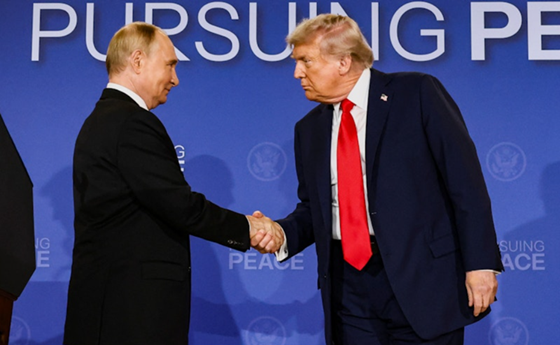
As the war in Ukraine rages on, U.S. and NATO military planners are diving into a high-stakes mission to forge post-conflict security guarantees that could redefine the region’s future. Sparked by President Donald Trump’s August 18, 2025, vow to stand by Kyiv and end Russia’s aggression, these efforts aim to arm Ukraine with a robust defense while sidestepping a direct clash with Moscow. From European troops under U.S. command to cutting-edge air support, the options are ambitious but teeter on a knife’s edge of diplomatic and military challenges. Here’s the inside scoop on the plans, their stakes, and the tightrope walk ahead.

The Catalyst: Trump’s Summit and Vague Promises

At a recent summit with heavyweights like French President Emmanuel Macron, German Chancellor Friedrich Merz, and NATO Secretary General Mark Rutte, Trump pledged ironclad security assurances for Ukraine. Special envoy Steve Witkoff stirred the pot, claiming Russian President Vladimir Putin greenlit NATO-style “Article 5-like” protections, though the details are hazy at best. Ukrainian President Volodymyr Zelenskyy, cautiously hopeful, is demanding answers within 10 days, reflecting Kyiv’s urgent need for a lifeline against Russia’s onslaught.

On August 20, 2025, NATO’s top brass met virtually to hash out the summit’s fallout. U.S. Air Force General Alexus Grynkewich led the charge, with General Dan Caine, Chairman of the Joint Chiefs, in tow. The Pentagon is burning the midnight oil, running exercises to move beyond the billions in weapons already sent to Ukraine since Russia’s 2022 invasion. Trump’s stop-and-go aid pauses in February and July 2025 rattled nerves, but resumed shipments signal a shift toward long-term strategies.

Options on the Table: A Delicate Balancing Act

Planners are sketching out bold frameworks to secure Ukraine without poking the Russian bear too hard:

1. European Troops, U.S. Playbook: Picture 15,000–20,000 European troops in Ukraine, flying national flags to dodge the NATO label that makes Moscow twitch. Under U.S. command, they’d bolster Ukraine’s forces as a “reassurance force,” steering clear of front-line combat. The UK’s already eyeing sky and port defense gigs.

2. U.S. Airpower, No Boots: Trump’s nixed U.S. ground troops but is hyping air support—think Patriot systems or even a no-fly zone patrolled by American jets. “Nobody has stuff we have,” he bragged, hinting at tech dominance, though this risks a direct U.S.-Russia showdown.

3. Command Central: The White House floats the U.S. as a coordinator, dishing out intelligence, satellite feeds, and training without boots on the ground. It’s a low-risk power play to keep Washington in the driver’s seat.

Russia’s Line in the Sand

Moscow’s not playing ball. The Kremlin’s Foreign Ministry has slammed any NATO troop presence as a dealbreaker, branding it a threat to Russia’s security. Putin’s demands include a veto on Ukraine’s NATO bid and control over Donetsk and Crimea. Kremlin aide Yuri Ushakov swatted down talk of a Zelenskyy summit, doubling down on Russia’s hardline stance. This clashes head-on with Ukraine’s refusal to cede territory, with Zelenskyy insisting any concessions go to a public vote.

Strategic Stakes: A Global Chessboard

The plans are a geopolitical high-wire act:

U.S. Maneuvering: Trump’s airpower focus keeps U.S. troops out of harm’s way, dodging domestic backlash. But commanding European forces could ruffle allied feathers over sovereignty.

Europe’s Big Bet: European leaders are game, but fielding thousands of troops demands cash and guts. Smaller nations might balk, wary of Russia’s wrath.

Russia’s Red Lines: Analyst John Mearsheimer argues Russia’s war was about stopping NATO’s creep. Even non-NATO troops could trigger Moscow’s ire, derailing peace or sparking worse.

Ukraine’s Fears: Kyiv’s worried that flimsy guarantees without NATO membership won’t stop Russia’s next move. Zelenskyy’s no-concession stance complicates the dealmaking.

Hurdles and Headaches

The road’s rocky. Vague promises and Witkoff’s shaky credibility—his past claims haven’t always held water—fuel doubts. Zelenskyy’s 10-day deadline looms, but planners warn a deal acceptable to all sides is no quick fix. A no-fly zone sounds sexy but risks a U.S.-Russia face-off, while Russia’s territorial demands could sink talks.

X posts capture the divide: some cheer European “cast-iron” guarantee plans, others flag U.S. hesitancy, and Ukrainians demand long-term muscle, not quick deals.

Beyond the Battlefield

The focus on troops and jets often overshadows Ukraine’s bigger needs—rebuilding its economy, infrastructure, and stability. Security guarantees are only half the battle; without a plan for Ukraine’s recovery, even the best-laid defenses could crumble. Trump’s opaque Putin talks and Witkoff’s dubious claims only deepen the fog, leaving analysts questioning if this is real progress or diplomatic theater.

Conclusion: A World on Edge, A Future in the Balance

The race to forge Ukraine’s security shield is nothing short of a global showdown. NATO’s planners are pulling out all the stops—European troops, U.S. airpower, intricate coordination—but every move risks Russian backlash or Ukrainian skepticism. As Zelenskyy counts down the days and Putin digs in, the world holds its breath. Will this bold vision lock in Ukraine’s safety, or will it unravel under the weight of competing agendas? The next few weeks could redraw the map of European security—or ignite new flashpoints. Keep your eyes peeled as NATO and the Pentagon race against time to turn promises into reality. Follow the unfolding drama through NATO briefings and Pentagon updates—history’s being written, and the stakes couldn’t be higher.

Israel’s Gaza City Takeover Plan Ignites Global Fury and Jeopardizes Palestinian Statehood

0
Buildings lie in ruin in North Gaza, amid the ongoing conflict between Israel and Hamas, as seen from Israel.
In a significant escalation of the Israel-Hamas conflict, Israel’s security cabinet, led by Prime Minister Benjamin Netanyahu, approved a plan on August 8, 2025, to take control of Gaza City, the largest urban center in the Gaza Strip with an estimated population of one million. The operation, described as a phased military takeover, aims to disarm Hamas, secure the release of hostages, demilitarize the region, establish Israeli security control, and create an alternative civilian administration excluding both Hamas and the Palestinian Authority. This move, coupled with recent settlement expansions in the West Bank, has drawn widespread domestic and international condemnation, with critics warning it could irreparably harm prospects for a Palestinian state.

Details of the Gaza City Plan

The approved plan focuses on Gaza City as the initial phase of a broader strategy, with Israeli media suggesting a gradual approach rather than a full occupation of the entire Gaza Strip. The Israeli Defense Forces (IDF) are mobilizing tens of thousands of reservists, with satellite imagery showing a significant buildup of troops and equipment near Gaza’s borders. The operation includes:
Evacuation and Displacement: Civilians in Gaza City are expected to be displaced to southern areas, potentially Al-Mawasi, with evacuation notices likely to be issued. The IDF claims it will provide humanitarian aid to civilians outside combat zones, though specifics remain vague. The controversial Gaza Humanitarian Foundation (GHF), backed by Israel and the US, may oversee aid distribution, despite criticism from the UN and aid agencies for its militarized approach.
Military Strategy: The plan involves encircling Gaza City, conducting ground raids, and reinforcing IDF units in northern Gaza. The IDF already controls approximately 75% of the Gaza Strip, with Gaza City, parts of central Gaza, and coastal areas like Al-Mawasi remaining outside full Israeli control. The operation is expected to feature intense military action, including airstrikes and demolitions, as seen in recent assaults on Gaza City’s Zeitoun neighborhood.
Timeline: Reports indicate the evacuation of Gaza City could be completed by early October 2025, followed by a ground offensive and siege targeting Hamas militants remaining in the city.

Domestic and International Opposition

The plan has faced significant pushback within Israel and globally:
Domestic Resistance: Lieutenant General Eyal Zamir, the army’s chief of staff, reportedly opposed a full Gaza takeover, citing risks to the remaining 20–24 hostages believed to be alive and the strain on Israel’s military resources. The Hostages Families Forum and many Israelis, backed by public opinion polls favoring a ceasefire to secure hostage releases, have condemned the plan as reckless.
International Condemnation: The international community has reacted strongly:
United Nations: The UN has warned that the operation violates international law, predicting “massive forced displacement” and increased civilian deaths. The UN Security Council, excluding the US and Panama, convened an emergency meeting on August 9, 2025, to address the crisis.
Western Allies: Germany suspended military exports to Israel that could be used in Gaza, with Chancellor Friedrich Merz calling the plan’s alignment with legitimate aims “increasingly difficult to understand.” The UK’s Prime Minister Keir Starmer labeled the escalation “wrong,” while Belgium, Italy, Australia, and New Zealand issued joint calls for Israel to reconsider.
Arab and Muslim Nations: Saudi Arabia, Qatar, Iran, and Indonesia accused Israel of ethnic cleansing and genocide, with the Palestinian Authority describing the plan as an “unprecedented provocation” and a “fully-fledged crime.”
United States: The US response has been notably restrained, with President Donald Trump stating that the decision is “pretty much up to Israel.” US Ambassador Mike Huckabee echoed this sentiment, though Trump expressed frustration with Hamas’s refusal to negotiate a “reasonable settlement.”
Hamas’s Response: Hamas condemned the plan as a “new war crime,” vowing “fierce resistance” and warning that Israel’s occupation would face significant challenges. The group accused Netanyahu of prioritizing personal interests over hostage safety.

Threat to Palestinian Statehood

The Gaza City plan, combined with recent Israeli actions in the West Bank, is seen as a deliberate effort to undermine prospects for a Palestinian state. On August 20, 2025, Israeli Finance Minister Bezalel Smotrich announced the approval of 3,401 new settlement homes in the E1 area of the occupied West Bank, explicitly stating the move was intended to “erase the Palestinian state.” This, alongside the Gaza operation, directly challenges the two-state solution, which envisions an independent Palestinian state in the West Bank and Gaza Strip with East Jerusalem as its capital.
The International Court of Justice (ICJ) declared Israel’s presence in the Occupied Palestinian Territory unlawful in its July 19, 2024, advisory opinion, citing violations of international law, including the prohibition on acquiring territory by force and the Palestinian right to self-determination.
Critics argue that the Gaza City plan and settlement expansions risk further entrenching this illegal occupation, potentially constituting war crimes and crimes against humanity, such as forced displacement and starvation.

Humanitarian and Strategic Implications

Humanitarian Crisis: Gaza’s 2.1 million residents, 90% of whom are already displaced, face worsening conditions. The plan could displace up to one million people from Gaza City, exacerbating famine and malnutrition. Reports indicate 1,760 Palestinians have been killed seeking food since May 2025, with the healthcare system operating at less than 20% capacity due to shortages.
Strategic Risks for Israel: Former Israeli security officials argue that further military action is unlikely to eliminate Hamas’s ideological influence, despite its reduced military capacity. The operation risks increasing Israeli casualties, alienating allies, and further isolating Israel diplomatically, especially as the International Criminal Court has issued arrest warrants for Netanyahu and former Defense Minister Yoav Gallant for war crimes.
Ceasefire Talks: The plan jeopardizes ongoing ceasefire negotiations, with Hamas accepting a 60-day truce proposal to release half of the remaining 50 hostages, but Israel’s escalation has stalled progress. Hamas accuses Netanyahu of derailing talks for political gain.

Global and Regional Dynamics

The Gaza City plan risks further destabilizing the Middle East, with Jordan and Egypt refusing to support an occupation-backed administration in Gaza. Growing international support for Palestinian statehood, with countries like the UK, Canada, and France planning to recognize a Palestinian state at the UN General Assembly in September 2025, highlights Israel’s increasing diplomatic isolation. The US’s ambivalence under Trump may embolden Israel but risks straining relations with other Western allies.

Palestinian Perspective

For Palestinians in Gaza City, who have endured 22 months of war with over 61,000 deaths, the plan represents a continuation of displacement and suffering. Residents like Mahmoud Abdel Salam Ahmed express despair, noting there is “nowhere left to flee” in the besieged Strip. The operation is widely viewed as an attempt to cement Israeli control and eliminate hopes for self-determination.

Conclusion

Israel’s approval of a plan to occupy Gaza City on August 8, 2025, marks a critical escalation in the Israel-Hamas conflict, with preparations for a phased military takeover, mass civilian displacement, and controversial humanitarian aid mechanisms. Coupled with West Bank settlement expansions, the move is seen as a direct challenge to Palestinian statehood, drawing condemnation from the UN, Western allies, and Arab nations.
While Israel frames the operation as essential to defeating Hamas and securing hostages, critics warn of humanitarian catastrophe, increased violence, and further diplomatic isolation. The UN Security Council’s response and stalled ceasefire talks will be pivotal in determining the conflict’s next phase.

Veiled in Secrecy: India’s Three Amendment Bills Spark Suspicion and Political Firestorm

0

On August 20, 2025, at 3:30 PM PKT, India’s Lok Sabha became a battleground of political fervor as Union Home Minister Amit Shah introduced three pivotal amendment bills:

The Constitution (One Hundred and Thirtieth Amendment) Bill, 2025, The Government of Union Territories (Amendment) Bill, 2025, and The Jammu and Kashmir Reorganisation (Amendment) Bill, 2025. These bills, aimed at reshaping governance, electoral processes, and public accountability, have ignited fierce debate, with opposition parties branding them as a covert assault on democracy. The government’s decision to shroud the bills’ specifics in secrecy has fueled suspicion, casting a shadow over their intent and intensifying political tensions. Below is a detailed exploration of each bill, their proposed changes, potential impacts, and the controversy surrounding their opaque introduction.

1. The Constitution (One Hundred and Thirtieth Amendment) Bill, 2025

What It Is

The Constitution (One Hundred and Thirtieth Amendment) Bill, 2025, seeks to amend India’s Constitution to establish a mechanism for removing high-ranking public officials—such as the Prime Minister, Union Ministers, Chief Ministers, or state ministers—who face allegations of corruption or serious criminal offenses and have been detained for at least 30 days. Presented as a tool to uphold public office integrity, the bill’s lack of transparency regarding its exact provisions has raised alarm bells.

 Proposed Changes

While the specific constitutional articles targeted remain undisclosed, the bill likely modifies provisions like Article 75 (Union Ministers), Article 164 (State Ministers), or Article 102/191 (disqualifications for Parliament or state legislatures). Key changes include:

Automatic Removal After Detention: Officials detained for 30 days or more on charges of corruption or serious offenses will be removed from their positions.

Broad Scope: The bill applies uniformly to central and state-level elected officials, aiming for a consistent standard across India’s political hierarchy.

Judicial or Administrative Process: The removal mechanism may involve judicial or administrative oversight, but the lack of clarity on this process has fueled skepticism.

Secrecy and Suspicion

The government’s reluctance to share the bill’s full text or detailed provisions has amplified suspicions about its true intent. Opposition leaders, including West Bengal Chief Minister Mamata Banerjee, who labeled the bill a “super-emergency” and a “Hitlerian assault on Indian democracy,” argue that the secrecy suggests a hidden agenda to target political rivals. Without transparent disclosure, critics fear the bill could empower politically motivated arrests, allowing the ruling party to destabilize opposition-led governments under the guise of anti-corruption measures. The absence of public consultation or pre-introduction debate further deepens distrust, with many questioning why such a significant constitutional change was introduced with minimal clarity.

 Potential Impacts

Strengthening Accountability: If implemented fairly, the bill could restore public trust by ensuring that officials facing serious charges are swiftly removed, aligning with the government’s anti-corruption rhetoric.

Deterrence Against Corruption: The threat of removal could discourage malfeasance among public officials, reinforcing ethical governance.

Risk of Misuse: The opaque nature of the bill’s provisions raises fears of selective enforcement, particularly against opposition leaders. For example, a 30-day detention could be engineered to remove a Chief Minister before elections, disrupting state governance.

Legal and Constitutional Challenges: The detention-based removal mechanism may violate due process, as detention does not equate to conviction. Critics warn that this could lead to Supreme Court challenges, especially given the bill’s vague framework.

Political Instability: Removing key figures like Chief Ministers could trigger governance crises, particularly in states with fragile political coalitions.

Judicial Overreach: The bill’s reliance on detention could empower law enforcement and the judiciary to influence political outcomes, potentially turning them into “political players,” as critics fear.

Political Reaction

The bill’s introduction sparked chaos in the Lok Sabha, with opposition MPs from the Trinamool Congress (TMC), Congress, and others storming the well, tearing copies of the bill, and chanting “Tanashahi nahi chalegi” (dictatorship will not prevail). Congress MP K C Venugopal cited past allegations against Amit Shah to question the bill’s motives, while TMC MPs called it a “black day for democracy.” Union Minister Ramdas Athawale defended the bill, emphasizing its impartial application, but the government’s secrecy has overshadowed these assurances. The bill’s referral to a Joint Committee of Parliament, with a report due by the first day of the last week of the next session, suggests an attempt to address concerns, but the lack of transparency continues to fuel opposition outrage.

2. The Government of Union Territories (Amendment) Bill, 2025

What It Is This bill amends laws governing Union Territories, likely the Government of Union Territories Act, 1963, to align their electoral schedules with the “One Nation, One Election” policy, a flagship initiative of the Modi government. The bill’s specifics remain closely guarded, adding to the perception of a covert agenda.

 Proposed Changes

Building on the Constitution (129th Amendment) Bill, 2024, which advocates for synchronized Lok Sabha and state elections, the bill includes:

Election Synchronization: Adjusting Union Territory assembly elections (e.g., Delhi, Puducherry, Jammu and Kashmir) to coincide with Lok Sabha polls.

Term Adjustments: Mechanisms to align assembly terms, potentially through provisions for premature dissolutions or extensions.

Administrative Streamlining: Possible reforms to facilitate simultaneous elections, such as clarifying the Lieutenant Governor’s role in electoral processes.

Secrecy and Suspicion

The government’s failure to disclose the bill’s full text or engage in public consultation has heightened suspicions about its intent. Opposition parties, including AIMIM MP Asaduddin Owaisi, who submitted a notice opposing the bill, argue that the secrecy masks an attempt to erode Union Territory autonomy. The lack of clarity on how election synchronization will affect local governance structures, particularly in politically sensitive Union Territories like Delhi, has led to accusations that the bill prioritizes central control over regional interests. The absence of transparent debate before introduction has left stakeholders, including voters in Union Territories, in the dark about potential impacts.

Potential Impacts

Cost and Efficiency Gains: Synchronizing elections could save billions of rupees annually, as noted by the High-Level Committee on Simultaneous Elections chaired by former President Ram Nath Kovind, reducing the administrative burden of frequent polls.

Policy Continuity: Fewer elections mean less disruption from the Model Code of Conduct, enabling sustained development in Union Territories.

Higher Voter Turnout: Streamlined schedules could reduce voter fatigue, boosting participation, as seen in India’s early simultaneous elections (1951–1967).

Federalism Concerns: The secrecy surrounding the bill fuels fears that it could undermine the unique governance needs of Union Territories, particularly those with legislative assemblies like Delhi, where local issues may be overshadowed by national priorities.

Logistical Hurdles: Aligning diverse Union Territory elections could face significant logistical challenges, especially without clear implementation details.

Political Backlash: The bill’s opaque introduction risks alienating regional parties and voters, who may perceive it as a centralizing move by the BJP-led government.

Political Reaction

The bill faced protests alongside its counterparts, with opposition MPs decrying its lack of transparency and potential to diminish Union Territory autonomy. Its referral to a Joint Committee reflects the government’s acknowledgment of resistance, but the secrecy surrounding its provisions continues to stoke controversy.

3. The Jammu and Kashmir Reorganisation (Amendment) Bill, 2025

What It Is

This bill amends the Jammu and Kashmir Reorganisation Act, 2019, which restructured the former state into two Union Territories—Jammu and Kashmir (with a legislative assembly) and Ladakh (without one)—following the abrogation of Article 370. The bill’s details remain largely undisclosed, amplifying concerns about its motives.

Proposed Changes

While specific provisions are not fully outlined, the bill likely includes:

Electoral Alignment: Synchronizing Jammu and Kashmir’s assembly elections with Lok Sabha polls, aligning with the simultaneous election framework.

Governance Tweaks: Adjustments to the Legislative Assembly’s powers or the Lieutenant Governor’s role, addressing ambiguities in the 2019 Act.

Administrative Reforms: Streamlining governance to enhance efficiency in the Union Territory.

Secrecy and Suspicion

The government’s decision to withhold the bill’s full text has intensified suspicions, particularly given Jammu and Kashmir’s sensitive political history. The lack of transparency has led opposition parties to view the bill as a covert attempt to further centralize control, reducing the elected assembly’s authority. Critics, including regional parties like the National Conference and People’s Democratic Party, argue that the secrecy signals a disregard for local aspirations, especially in a region still grappling with the fallout of Article 370’s abrogation. The absence of public or stakeholder consultation has deepened distrust, with many questioning whether the bill prioritizes national agendas over regional stability.

Potential Impacts

Governance Efficiency: The bill could streamline administration in Jammu and Kashmir, addressing governance challenges since 2019, such as delays in assembly elections.

Electoral Integration: Synchronization with national elections could stabilize the region’s political framework, aligning it with broader Indian electoral processes.

Development Focus: Fewer elections could shift focus to development and security, critical in a region marked by unrest.

Political Sensitivity: The secrecy surrounding the bill risks inflaming tensions in Jammu and Kashmir, where changes to governance are viewed with suspicion.

Local Autonomy: Amendments could further centralize authority with the Lieutenant Governor, diminishing the elected assembly’s role and alienating local stakeholders.

Security Implications: Perceived erosion of local representation could exacerbate unrest, complicating the region’s fragile security situation.

Political Reaction: The bill triggered fierce protests in the Lok Sabha, with opposition MPs tearing copies and raising slogans, reflecting the region’s contentious status. Its referral to a Joint Committee underscores the need for careful scrutiny, but the government’s secrecy has heightened opposition resolve to challenge it.

The Secrecy Factor: A Common Thread of Controversy The overarching concern uniting opposition to these bills is the government’s secretive approach. By introducing them without public disclosure of their full texts or prior consultation, the Modi government has invited accusations of undermining democratic processes. The lack of transparency has led to speculation that the bills are designed to consolidate central power, target opposition leaders, and reshape India’s federal structure to favor the ruling BJP. Mamata Banerjee’s “super-emergency” remark and the opposition’s dramatic protests—tearing bills and storming the Lok Sabha well—reflect a deep-seated fear that the secrecy conceals authoritarian motives. Without clear communication or public debate, the government risks losing public trust, even if the bills’ intentions are benign. The referral to a Joint Committee offers a chance to address these concerns, but only transparent deliberation can dispel the cloud of suspicion.

Political Dynamics and Broader Context

The introduction of these bills at 3:30 PM PKT on August 20, 2025, marked a turning point in India’s parliamentary session, with opposition MPs staging unprecedented protests. The TMC, Congress, and other parties accused the government of pushing an “anti-democratic” agenda, while the BJP and allies like Ramdas Athawale defended the bills as essential for accountability and electoral efficiency. The secrecy surrounding the bills has amplified these divisions, with opposition leaders framing them as a power grab disguised as reform. The referral of all three bills to a Joint Committee, with a report due by the first day of the last week of the next session, signals the government’s recognition of the need for consensus. However, the lack of transparency has already damaged the bills’ legitimacy, making the committee’s deliberations critical. The bills align with the Modi government’s broader agenda—anti-corruption measures and “One Nation, One Election”—but their opaque introduction risks derailing these goals in a polarized political climate.

Challenges and Unanswered Questions

Opaque Provisions: The absence of public access to the bills’ full texts limits understanding of their scope, fueling speculation and distrust.

Constitutional Validity: The Constitution (130th Amendment) Bill’s detention-based removal mechanism could face Supreme Court challenges for violating due process.

Federal Tensions: The secrecy surrounding the Union Territory and Jammu and Kashmir bills raises concerns about eroding federalism, particularly in opposition-ruled regions.

Public Perception: The government’s failure to communicate the bills’ benefits transparently could bolster opposition narratives of authoritarianism, especially in an election year.

Conclusion

The three amendment bills introduced on August 20, 2025, represent a bold but contentious attempt to reshape India’s governance and electoral landscape. The Constitution (130th Amendment) Bill seeks to enforce accountability through a controversial removal mechanism, but its secrecy fuels fears of political misuse. The Government of Union Territories (Amendment) Bill and Jammu and Kashmir Reorganisation (Amendment) Bill aim to streamline elections and governance, yet their opaque introduction raises concerns about centralization and regional autonomy. The government’s secretive approach has cast a long shadow over these reforms, transforming a potentially transformative agenda into a lightning rod for suspicion.

As the bills head to a Joint Committee, transparent deliberation and public engagement are essential to restore trust and ensure their alignment with democratic principles. For now, these bills stand at the heart of a fierce political battle, with their fate—and India’s democratic trajectory—hanging in the balance.

U.S. Keeps Watchful Eye on Fragile India-Pakistan Ceasefire, Says Rubio

0
U.S. Secretary of State Marco Rubio at the State Department in Washington, U.S.

In a recent appearance on NBC News’ Meet the Press on August 17, 2025, U.S. Secretary of State Marco Rubio underscored the United States’ vigilant monitoring of the delicate ceasefire between India and Pakistan, a region where tensions have historically flared with devastating consequences. “One of the complications of ceasefires is maintaining them, which is very difficult,” Rubio stated. “Every single day, we keep an eye on what is happening between Pakistan & India.” His remarks highlight the critical role of U.S. diplomacy in sustaining peace between the two nuclear-armed neighbors following a brief but intense conflict earlier this year.
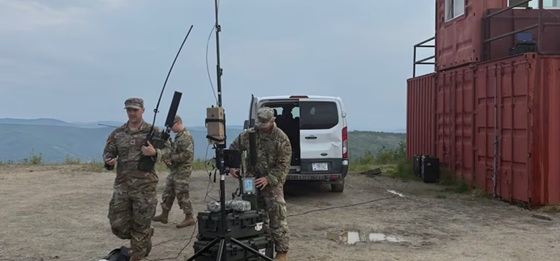
The ceasefire, announced on May 10, 2025, followed a rapid escalation sparked by a terrorist attack in Pahalgam, Kashmir, on April 22, which claimed 26 civilian lives. The attack prompted India’s offensive. The conflict’s swift resolution, credited by Rubio and Vice President JD Vance to U.S.-mediated talks, marked a significant diplomatic achievement for the Trump administration. Rubio, speaking on EWTN’s The World Over on August 8, described President Donald Trump as the “president of peace,” noting that the U.S. “got involved directly” to secure the truce. Pakistan’s Foreign Minister Ishaq Dar echoed this sentiment, praising Trump and Rubio’s “pivotal role” in de-escalating tensions.

Rubio’s comments reflect broader U.S. efforts to stabilize volatile regions, with the India-Pakistan ceasefire listed alongside other diplomatic successes, such as negotiations between Cambodia-Thailand and Rwanda-DRC. The U.S. has also tied its involvement to economic incentives. Rubio’s emphasis on daily oversight underscores the fragility of the ceasefire, given the deep-rooted rivalry over Kashmir and the nuclear capabilities of both nations.

As the U.S. continues to monitor the situation, Rubio’s statements signal a commitment to not just maintaining the ceasefire but pursuing a lasting peace. The administration’s proactive diplomacy, coupled with its strategic interests in South Asia, positions the U.S. as a key player in preventing further escalation in one of the world’s most volatile regions.

Pentagon Simulates Ukraine’s Battlefields in Alaska to Revolutionize Drone Testing

0

The U.S. Department of Defense (DOD), through its Defense Innovation Unit (DIU), conducted a drone testing event in late June 2025 near Fort Wainwright, Alaska, aiming to replicate the electronic warfare (EW) conditions observed in Ukraine’s ongoing conflict. The trial involved five commercial companies testing drones and radio prototypes against simulated EW threats, such as jamming of navigation and command-and-control systems. This initiative reflects the Pentagon’s broader push to enhance its unmanned aerial system (UAS) capabilities by exposing commercial systems to real-world battlefield conditions, a response to the critical role drones have played in Ukraine. The testing highlighted both the potential and the challenges of integrating small, commercial firms into the DOD’s supply chain, as well as the need for more accessible and realistic testing environments to accelerate drone development and deployment.

Key Details

1. Testing Environment and Objectives:

– The DIU selected a remote range in Alaska to simulate Ukraine-like conditions, where drones face intense EW threats, including GPS jamming and communication disruptions. Alaska was chosen for its minimal civilian infrastructure, reducing risks of signal interference, and its long summer daylight hours, enabling extended testing.

– The trial focused on assessing whether the drones could maintain navigation, acquire targets, and operate effectively under simulated EW conditions. Most systems tested were prototypes, marking their first exposure to field conditions outside controlled lab settings.

2. Participants and Performance:

– Five companies participated, though only AV (formerly AeroVironment) and Dragoon were named in related reports. Two Ukrainian firms, paired with U.S. software companies, were involved but tested separately due to operational constraints in Ukraine.

– Initial results showed mixed performance. Many drones struggled with jamming and immature technology, with issues like failing to maintain targets or navigate routes. However, companies made progress by iterating solutions during the four-day event, aligning with DIU’s goal of fostering rapid adaptation.

3. Challenges in Testing Infrastructure:

– The DOD faces significant hurdles in providing suitable testing environments. Most U.S. ranges restrict active EW testing due to policies from the Federal Aviation Administration (FAA) and Federal Communications Commission (FCC), which aim to protect GPS and communication signals for civilian use.

– Advanced ranges like White Sands Missile Range are oversubscribed, making access difficult for smaller programs or commercial firms. Additionally, the EW equipment used in Alaska, primarily from the Army’s 11th Airborne Division, was outdated, designed for older threats and less effective against modern, software-defined systems.

4. Strategic Initiatives:

– The DIU launched Project G.I., a prize challenge to identify “ready-now” UAS for small military units operating in disrupted environments. Selected companies will participate in live demonstrations, with potential funding or contracts for further development.

– The Range Strike Group, a new DIU effort, is tasked with addressing testing access issues by identifying policy hurdles and proposing solutions to streamline approvals for EW testing.

– The Pentagon is also implementing broader policy reforms, such as Defense Secretary Pete Hegseth’s July 2025 directive to treat small UAS (under 55 pounds) as consumable commodities, reducing bureaucratic oversight and encouraging their use in combat.

5. Broader Context:

– The urgency of these efforts stems from the U.S. lagging behind adversaries like China and Russia in small UAS production. China’s DJI dominates global drone sales, while U.S. laws prohibit military purchases of Chinese drones, highlighting the need for a robust domestic industry.

– Ukraine’s rapid iteration and fielding of drones in combat provide a model for the U.S., which seeks to emulate this agility. However, logistical and political barriers have prevented testing in Ukraine itself, leading to the choice of Alaska as a domestic alternative.

Analysis

1. Strategic Implications:

– The Alaska trials underscore the Pentagon’s recognition that modern warfare increasingly relies on affordable, expendable drones, as demonstrated in Ukraine. The DOD’s push to replicate these conditions signals a shift toward prioritizing rapid innovation over traditional, slow acquisition processes.

– By treating small UAS as consumables, the Pentagon aims to reduce the financial and bureaucratic burdens that deter soldiers from using drones, potentially increasing their adoption across units. This aligns with Hegseth’s directive to equip every squad with low-cost drones by 2026.

2. Challenges and Risks:

– The mixed performance of the tested drones highlights a gap in the U.S. drone industrial base, particularly in developing systems resilient to advanced EW threats. The reliance on outdated EW equipment during testing further complicates assessments of system maturity.

– The lack of an acquisition partner for the DIU’s Artemis project, which aims to field low-cost, long-range attack drones, illustrates persistent bureaucratic resistance within the DOD. This “valley of death” between prototype and production remains a significant barrier.

– Policy restrictions on EW testing and limited range availability could delay progress, especially for small firms lacking resources to navigate complex FAA and FCC approvals.

3. Opportunities:

– Initiatives like Project G.I. and the Range Strike Group could democratize access to testing, fostering innovation among smaller companies and diversifying the DOD’s supplier base.

– The Pentagon’s investment in domestic drone production, backed by hundreds of millions in funding, could stimulate the U.S. industrial base, reducing reliance on foreign suppliers and enhancing national security.

– Lessons from Ukraine, where daily field testing drives rapid iteration, suggest that embedding engineers with warfighters and increasing testing frequency could accelerate U.S. drone development.

Recommendations

1. Expand Testing Infrastructure:

– The DOD should prioritize developing dedicated EW testing ranges with modern equipment to simulate advanced threats. Streamlining FAA and FCC approvals, as suggested by the Range Strike Group, could reduce delays and make testing more accessible.

2. Foster Public-Private Collaboration:

– The DIU should strengthen partnerships with commercial firms through programs like Project G.I., offering clear pathways to production contracts. Incentives like advance purchase commitments could encourage investment in domestic drone manufacturing.

3. Integrate Lessons from Ukraine:

– While testing in Ukraine is not feasible, the DOD could facilitate controlled exchanges with Ukrainian operators to share insights on EW resilience and rapid iteration, potentially through virtual simulations or limited on-site collaborations.

4. Address Bureaucratic Barriers:

– The DOD should identify and empower acquisition partners for projects like Artemis to bridge the gap between prototyping and fielding. Hegseth’s reforms, such as decentralizing procurement authority to brigade-level officers, should be implemented swiftly to ensure momentum.

Conclusion

The Pentagon’s Alaska drone trials represent a critical step toward adapting to the evolving demands of modern warfare, where small, affordable UAS are pivotal. By seeking Ukraine-like conditions, the DOD acknowledges the need for realistic testing environments to prepare drones for contested battlefields. However, challenges in technology maturity, testing infrastructure, and bureaucratic inertia highlight the complexity of this transition. Strategic initiatives like Project G.I., the Range Strike Group, and policy reforms offer promising avenues to close these gaps, but sustained investment and collaboration will be essential to achieve drone dominance by 2027, as envisioned by the Pentagon.

China’s Secretive “Doomsday” Torpedo Drone Stuns World, Rivaling Russia’s Poseidon

0

In a striking display of military ambition, China appears poised to showcase a formidable new unmanned underwater vehicle (UUV) during rehearsals for an upcoming military parade, as evidenced by photographs circulating on social media and reported by defense outlets. The images, captured in late July 2025, depict a massive, black, torpedo-shaped drone being transported on a flatbed truck, sparking intense speculation about its capabilities, purpose, and technological underpinnings. While Chinese authorities have yet to officially name or describe the system, its appearance has drawn inevitable comparisons to Russia’s Poseidon, a nuclear-powered, nuclear-armed underwater drone unveiled by President Vladimir Putin in 2019 as part of Russia’s arsenal of “superweapons.”

The UUV’s sleek, elongated design, estimated to be over 10 meters in length based on the proportions seen in the photographs, suggests a platform engineered for stealth, endurance, and potentially devastating payloads. Observers have noted its resemblance to Poseidon, formally known as Status-6, a strategic weapon designed to travel thousands of miles underwater to deliver nuclear warheads against coastal cities, naval bases, or carrier strike groups. However, while the visual similarities are undeniable, Chinese sources have hinted that their system may diverge significantly in both technology and mission.

According to a 2024 report by the South China Morning Post (SCMP), China has been actively pursuing nuclear-powered undersea systems, with research focusing on a novel propulsion concept. The SCMP cited Chinese researchers who described a UUV powered by a disposable nuclear reactor, capable of propelling the drone at speeds exceeding 30 knots (approximately 35 miles per hour) for up to 200 hours. This reactor, once depleted, would detach and sink to the ocean floor, allowing the vehicle to switch to battery power for the final phase of its mission, potentially executing a conventional or nuclear strike. This innovative approach to propulsion could enable unprecedented range and endurance, making the UUV a versatile tool for both tactical and strategic operations.

Despite the SCMP’s insights, critical details about the Chinese UUV remain shrouded in secrecy. The photographs from the parade rehearsals confirm the system’s physical existence but offer no clarity on its propulsion system, operational range, payload capacity, or intended role. Analysts are divided on whether the drone is designed for strategic deterrence, like Poseidon, or for more localized missions, such as targeting naval assets in the South China Sea or disrupting undersea infrastructure like communication cables. The possibility of nuclear armament remains unconfirmed, though the system’s size and reported nuclear propulsion suggest it could carry significant payloads, conventional or otherwise.

The comparison to Russia’s Poseidon has fueled intense debate among defense analysts. Poseidon, first revealed in a televised address by Putin, is a doomsday weapon designed to bypass traditional missile defenses by traveling underwater at extreme depths and distances. With a reported range of 10,000 kilometers and the ability to carry a multi-megaton nuclear warhead, Poseidon is intended to ensure Russia’s retaliatory capability in a nuclear conflict. Its development has been a cornerstone of Russia’s strategic posturing, with deployments reportedly underway in the Arctic and Pacific regions by 2025.

In contrast, Chinese researchers have sought to distance their project from Poseidon. Guo Jian, a nuclear scientist at the China Institute of Atomic Energy, published an article in the Journal of Unmanned Underwater Systems in 2024, emphasizing “substantial differences” between China’s UUV and its Russian counterpart. While Guo did not disclose specifics, he suggested that China’s design prioritizes flexibility and technological innovation over sheer destructive power. For instance, the disposable reactor concept, if realized, would mark a significant departure from Poseidon’s continuous nuclear propulsion, potentially reducing costs and environmental risks while maintaining operational effectiveness.

The unveiling of this UUV comes at a time of heightened geopolitical tensions, particularly in the Indo-Pacific region, where China’s naval ambitions have drawn scrutiny from the United States, Japan, and other regional powers. The South China Sea, a contested hotspot, could serve as a primary operational theater for such a system, allowing China to project power, deter adversaries, or conduct covert operations. Alternatively, the drone could be part of China’s broader strategy to counter U.S. naval dominance, particularly in response to carrier strike groups and submarine patrols.

The parade rehearsals, believed to be in preparation for a major national event, underscore China’s intent to showcase its technological prowess and military modernization. The UUV’s public debut, even in a limited capacity, signals Beijing’s confidence in its undersea capabilities and its willingness to compete with global powers in the domain of autonomous naval warfare. However, the lack of official commentary leaves room for speculation about the system’s readiness, with some analysts suggesting it may still be in the prototype or testing phase.

As global attention turns to this enigmatic new weapon, questions abound: Is China’s UUV a direct answer to Poseidon, or does it represent a distinct vision for undersea warfare? Could its deployment reshape naval strategies in the Indo-Pacific? For now, the answers remain as elusive as the depths the drone is designed to navigate.

India’s Rafale Dreams Clash with France’s Source Code Secrets

0
Rafale Marine [Rafale M] fighter

India’s pursuit of 114 additional Rafale fighter jets through a government-to-government (G2G) deal with France represents a critical step in addressing the Indian Air Force’s (IAF) dwindling squadron strength, but it is mired in a contentious dispute over access to the aircraft’s source code. This strategic move, driven by the urgent need to modernize India’s air capabilities amid rising tensions in the Indo-Pacific, highlights both the deepening India-France defense partnership and the challenges of achieving technological sovereignty in high-stakes arms procurement.

The IAF is pushing for the acquisition of 114 Rafale jets under the long-delayed Multi-Role Fighter Aircraft (MRFA) program, initially estimated to cost over ₹1.2 lakh crore (approximately $14.5 billion). The urgency stems from a significant reduction in operational fighter squadrons, projected to drop to 29 by late 2025 following the retirement of the aging MiG-21 fleet, far below the sanctioned strength of 42.5 squadrons needed to counter threats from China and Pakistan. The recent 2025 India-Pakistan conflict, Pakistan’s claims of downing Rafales—denied by India—have raised questions about the aircraft’s performance and vulnerabilities, adding pressure to bolster the IAF’s fleet.

The proposed G2G deal aims to bypass the protracted MRFA tender process, which has been stalled for nearly eight years due to technical, commercial, and procedural hurdles. A direct deal with France is seen as faster and more cost-effective, leveraging existing infrastructure at Ambala and Hasimara airbases, which already host 36 Rafales acquired in a 2016 €7.8 billion deal. These bases are equipped to support additional squadrons, reducing logistical costs. Moreover, the Indian Navy’s planned acquisition of 26 Rafale-M jets for carrier operations by 2028–2030 would enhance platform commonality across services, streamlining training, maintenance, and spare parts logistics. The IAF argues that expanding the Rafale fleet aligns with India’s “Make in India” initiative, with most jets expected to be manufactured domestically through partnerships like the one between Dassault Aviation and Tata Advanced Systems, which will produce Rafale fuselages in Hyderabad starting in 2028.

However, a significant obstacle is France’s refusal to share the Rafale’s source code, which governs critical systems like the Thales RBE2-AESA radar and Modular Mission Computer (MMC). India seeks access to integrate indigenous weapons, such as the Astra Mk1 air-to-air missile and Rudram anti-radiation missile, and to enable independent software upgrades, reducing reliance on French vendors. This aligns with India’s “Atmanirbhar Bharat” (Self-Reliant India) initiative, which emphasizes technological autonomy. Without the source code, India faces costly delays and dependency on Dassault for modifications, a problem experienced with the Mirage-2000 fleet. French manufacturers, including Dassault, Thales, Safran, and MBDA, are wary of sharing this proprietary technology, citing intellectual property protection, commercial interests, and strategic security concerns. They fear code leakage to adversaries like China or Russia, reduced demand for French weapons like the Meteor missile, and the precedent it could set for other Rafale buyers like Egypt and Qatar. There are also concerns about reverse engineering and potential vulnerabilities from unregulated modifications.

France has proposed alternatives, such as joint Indo-French software development teams and Secure Software Programming Kits (SSPK), but these fall short of India’s demand for full control. The dispute echoes broader global tensions between buyer sovereignty and seller proprietary rights. For instance, Israel received partial access to the F-35’s software architecture, and Russia allowed India to customize the Su-30MKI, highlighting that such concessions are possible with trusted partners. India’s frustration is compounded by the strategic importance of the Rafale, equipped with advanced features like supercruise capabilities, a Thales radar that can track 40 targets and engage eight simultaneously, and the Spectra electronic warfare suite. These capabilities are vital for India’s two-front war doctrine against Pakistan and China, especially as China is expected to supply Pakistan with 40 fifth-generation J-35A stealth fighters.

The source code dispute has broader implications for India’s defense modernization. While the IAF considers interim options like Russia’s Su-57 or the U.S. F-35 until the indigenous Advanced Medium Combat Aircraft (AMCA) is operational by 2035, the Rafale remains a cornerstone of its strategy. The controversy also raises questions about the viability of India’s self-reliance goals in a software-defined battlespace, where control over mission-critical systems is paramount. France’s stance risks straining bilateral ties, despite recent collaborations like the Rafale-M deal and engine co-development talks with Safran for the AMCA.

The IAF’s push for 114 Rafales reflects a pragmatic response to immediate operational needs and long-term strategic goals. However, the source code standoff underscores the complexities of balancing national interests in high-technology defense partnerships. As India navigates this dispute, the outcome will shape not only its air force modernization but also the future of India-France defense cooperation and global norms around technology transfer in arms deals.

Putin, Trump Float Ukraine Peace Plan with Bold Land Swap Proposal

0

At an Alaska summit, Russian President Vladimir Putin and U.S. President Donald Trump discussed a controversial peace deal for Ukraine, sources close to Moscow revealed. The proposal has Ukraine surrendering much of its eastern Donetsk and Luhansk regions, while Russia would return smaller pockets in Sumy and Kharkiv.

Russia also seeks recognition of its 2014 Crimea annexation, lifting of some Western sanctions, official status for the Russian language in Ukraine, and freedom for the Russian Orthodox Church, despite Kyiv’s claims of its ties to Moscow’s war efforts.

Trump, speaking to Fox News, claimed the two were “pretty close to a deal,” but Ukraine’s consent is uncertain. President Volodymyr Zelenskiy, set to meet Trump in Washington on Monday, has rejected ceding Donetsk, a vital defensive region.

Putin’s plan dismisses Zelenskiy’s ceasefire demand, requiring a full agreement first. Sources, speaking anonymously, noted the proposal’s status as a starting point or final offer remains unclear.

Trump briefed Zelenskiy and European leaders, mentioning potential non-NATO security guarantees for Ukraine, possibly resembling NATO’s Article 5.

Taliban’s Economic Crisis Fuels Internal Rifts: A Regime on the Brink?

0

Since seizing control of Afghanistan in August 2021, the Taliban has grappled with an economic crisis that threatens not only the nation’s stability but also the cohesion of its leadership. The collapse of foreign aid, frozen national reserves, and a controversial opium ban have plunged Afghanistan into economic turmoil, exacerbating longstanding divisions among Taliban leaders. These internal rifts, driven by ideological clashes, regional rivalries, and competing economic interests, could reshape the regime’s future and Afghanistan’s precarious place in the region.

A Nation in Economic Freefall

Afghanistan’s economy has been in dire straits since the Taliban’s return to power. The abrupt halt of $8 billion in annual foreign aid—previously accounting for 40% of GDP—and the freezing of $9 billion in foreign reserves have triggered a 20% GDP contraction. Sanctions, declining humanitarian aid (from $3 billion in 2022 to $2 billion in 2023), and restrictive policies like the ban on women’s education and employment have deepened poverty, with most Afghans unable to meet basic needs. The Taliban’s 2022 opium ban, while ideologically motivated, wiped out $1 billion in rural income and over 700,000 jobs, further fueling economic distress.

Despite some successes—stabilizing the exchange rate, curbing inflation, and boosting revenue through taxation and reduced corruption—the Taliban’s economic management remains fragile. The regime’s reliance on mining and limited foreign partnerships, coupled with minimal investment in social services, has left Afghanistan teetering on the edge of a humanitarian catastrophe.

Fractures Within the Taliban

The economic crisis has exposed deep divisions within the Taliban’s leadership, a coalition of factions united in war but increasingly fractured in governance. At the center is Supreme Leader Haibatullah Akhundzada, whose hardline vision of Islamic rule, enforced from Kandahar, prioritizes ideological purity over pragmatic solutions. His Propagation of Virtue and Prevention of Vice Law and the opium ban reflect this stance, but they have alienated key figures like Interior Minister Sirajuddin Haqqani and Defense Minister Mullah Mohammad Yaqoob.

Akhundzada’s consolidation of power, favoring loyalists from southern Pashtun strongholds like Kandahar and Helmand, has marginalized non-Pashtun and northern factions. His restructuring of the Rahbari Shura in May 2023, appointing allies like Khairullah Khairkhwa, sidelined influential players like Haqqani, whose network reportedly profits from the heroin trade. This economic disparity, particularly over the opium ban’s fallout, has fueled tensions, as rural communities and some factions bear the brunt of lost income.

Ideological divides further complicate matters. Pragmatic leaders advocate for engaging with the West to unlock aid and legitimacy, but Akhundzada’s distrust of foreign influence stifles these efforts. The ban on women’s participation in public life, for instance, has deterred donors, prolonging economic isolation. Meanwhile, competition over mining revenues and taxation has intensified, with figures like Haji Bashir Noorzai dominating resource control, creating further friction.

Why It Matters

The growing schisms within the Taliban have profound implications. Internally, the regime’s stability is at risk. While Akhundzada’s grip on the military reduces the immediate threat of an uprising, the exclusion of powerful factions like the Haqqani network could spark covert resistance or even a splintering of the Taliban. Economic mismanagement, particularly the lack of alternatives to the opium economy, risks alienating rural communities, potentially fueling unrest.

Regionally, these tensions affect Afghanistan’s neighbors. Pakistan, frustrated by the Taliban’s failure to curb the Tehrik-e-Taliban Pakistan (TTP), faces security challenges, while Central Asian states worry about spillover instability. The Taliban’s economic dependence on China and Russia, coupled with internal disagreements over foreign engagement, could shift regional power dynamics, especially if pragmatic factions gain influence.

Globally, the Taliban’s internal struggles complicate international efforts to address Afghanistan’s humanitarian crisis. Western sanctions and frozen reserves, while aimed at pressuring the regime, have primarily harmed civilians, raising questions about their efficacy. The lack of a unified international approach—some nations engage pragmatically, others demand reforms—further isolates Afghanistan, emboldening Akhundzada’s hardline stance.

Recent Developments and Future Outlook

Recent moves, like a reported $10 billion energy deal with Azizi Energy in 2025 to generate 10,000 megawatts, signal attempts to bolster the economy. However, without broader reforms, such investments may enrich loyalist factions, deepening internal divides. The end of U.S. emergency aid in April 2025 and reduced NGO funding have intensified economic pressures, particularly for women reliant on aid-related jobs. Regional tensions, including Pakistan’s concerns over a strong Afghan government, further complicate recovery efforts.

Looking ahead, the Taliban’s ability to navigate its economic crisis hinges on resolving internal rifts. A shift toward pragmatic governance—easing restrictions on women and engaging with global partners—could unlock aid and stabilize the economy. However, Akhundzada’s dominance makes this unlikely in the near term. If economic conditions worsen, the risk of factional splits or localized unrest grows, potentially destabilizing Afghanistan and the region.

A Critical Perspective

While some praise the Taliban’s economic stabilization efforts, such as improved revenue collection, these measures prioritize regime survival over public welfare. Policies like the opium ban and women’s restrictions, though ideologically driven, undermine long-term recovery by alienating communities and donors. The international community faces a dilemma: continued isolation risks pushing Afghanistan toward collapse, while engagement without reform empowers hardliners. Targeted aid bypassing the regime and support for pragmatic factions could offer a path forward, but success requires navigating the Taliban’s complex internal dynamics.

In a nation where economic survival hangs by a thread, the Taliban’s leadership must confront its own divisions or risk fracturing the fragile regime it fought to build.

Modi’s Explosive Demographic Warning: Decoding the Claims, Motives, and Fallout of India’s New Mission

0

On August 15, 2025, during his Independence Day address from the iconic Red Fort, Prime Minister Narendra Modi ignited a firestorm of debate by warning of a “premeditated conspiracy” to reshape India’s demographic landscape through illegal infiltration, particularly in border regions. Announcing a “High-Powered Demography Mission” to counter this perceived threat, Modi’s speech has thrust a contentious issue into the national spotlight, raising questions about the actors involved, the evidence behind his claims, and the political and social ramifications. This article provides a comprehensive analysis of Modi’s statements, the alleged perpetrators, his motives, and the broader implications for India’s diverse society, drawing on available data and public discourse.

What Did PM Modi Say?

In a 90-minute address, Modi framed demographic change as an existential crisis for India. He alleged a “deliberate and well-planned conspiracy” to alter the nation’s demographic composition through illegal immigration, particularly in border states like Assam, West Bengal, Bihar, and Jharkhand. Describing infiltrators as “ghuspaithiyas” (intruders), he accused them of “snatching the livelihoods” of Indian youth, “targeting” women, and “encroaching on the lands of innocent tribal communities.” These actions, he argued, threaten national security, social cohesion, and economic progress, sowing seeds of division that could undermine India’s unity.

To address this, Modi unveiled plans for a “High-Powered Demography Mission” to tackle the issue in a “planned and time-bound manner.” While he offered no specifics on the mission’s structure, funding, or methods, he pointed to recent actions like the Special Intensive Revision (SIR) of electoral rolls in Bihar, which excluded 65 lakh voters, some suspected to be illegal immigrants, as evidence of proactive measures. Modi stressed that no nation tolerates such infiltration, urging India to adopt a zero-tolerance stance. The speech focused heavily on border areas, where demographic shifts have long fueled political and social tensions. By positioning the issue as a national emergency, Modi sought to galvanize public support and set the stage for decisive action.

Who is Allegedly Behind the Demographic Change?

Modi’s speech avoided naming specific perpetrators, leaving the “conspiracy” vague but laden with implications. Contextual clues and political discourse suggest the following groups are implicated:

1. Illegal Immigrants from Bangladesh:

The term “ghuspaithiyas” is a charged one, commonly associated with illegal immigrants from Bangladesh, particularly Bangladeshi Muslims. Border states like Assam and West Bengal have faced cross-border migration since the 1971, driven by economic hardship and political instability. Reports from outlets like News18 suggest Modi’s remarks target “Bangladeshi and Rohingya migrants,” seen as altering the demographic balance in these regions.

2. Rohingya Refugees:

The reference to infiltrators likely includes Rohingya Muslims, a persecuted minority from Myanmar who have settled in small numbers in India. The BJP has consistently labeled Rohingya settlers as a security threat, with Union Home Minister Amit Shah advocating for their deportation in past statements.

3. Unspecified External or Internal Forces:

The phrase “premeditated conspiracy” implies organized efforts, potentially involving external actors (e.g., Bangladesh or other neighboring entities) or internal political groups that benefit from demographic shifts. However, Modi provided no concrete evidence or names, leaving the accusation open to interpretation. This ambiguity allows the BJP to cast a wide net, implicating opposition parties or foreign entities without direct accountability.

4. Historical Context:

The issue of demographic change is deeply rooted in India’s northeast and eastern states. For example, Assam’s National Register of Citizens (NRC) in 2019 excluded 19 lakh people, many suspected to be Bangladeshi migrants. West Bengal’s politics have similarly been shaped by debates over Bengali-speaking Muslim immigrants. Modi’s speech taps into this historical narrative, amplifying concerns about cultural and economic displacement.

Modi’s Motives: Politics, Ideology, and Governance

Modi’s decision to elevate demographic change to a national issue reflects a blend of political strategy, ideological alignment, and governance priorities. Below are the key motives driving his rhetoric:

1. Political Strategy and Electoral Gains:

Mobilizing the Voter Base: With state elections approaching in Assam, West Bengal, and Bihar, Modi’s remarks are strategically timed to resonate with Hindu and tribal communities who perceive illegal immigration as a threat to their cultural identity and economic opportunities. The BJP has historically leveraged this issue to consolidate voters, as seen in the 2019 Assam elections and the 2021 West Bengal polls.

Countering Opposition Narratives: Opposition parties like the Congress, Trinamool Congress (TMC), and Dravida Munnetra Kazhagam (DMK) have accused the BJP of targeting Muslims through policies like the Citizenship Amendment Act (CAA). Modi’s speech serves as a preemptive strike, framing the opposition as soft on illegal immigration and positioning the BJP as the defender of national interests.

Regional Dynamics: In Assam, where the BJP has allied with regional parties to address demographic concerns, Modi’s rhetoric reinforces the party’s commitment to protecting indigenous communities. The reference to tribal land encroachment directly appeals to tribal voters in Jharkhand and the northeast, key electoral demographics.

2. Ideological Alignment with the RSS:

– Modi’s speech included praise for the Rashtriya Swayamsevak Sangh (RSS), the BJP’s ideological parent, which has long voiced concerns about the declining Hindu population share relative to minorities, particularly Muslims. A 2024 report by the Economic Advisory Council to the PM (EAC-PM) noted a 7.82% increase in the Muslim population share between 1950 and 2015, contrasted with a 7.81% decline in the Hindu share. By framing demographic change as a conspiracy, Modi aligns with the RSS’s narrative, strengthening ties with this influential organization amid discussions of BJP leadership transitions.

3. National Security and Governance

Border Security Concerns: Illegal immigration in border areas poses legitimate challenges, including cross-border smuggling, militancy, and strained bilateral relations. Modi’s focus on border states reflects efforts to bolster security infrastructure, such as fencing along the 4,096-kilometer India-Bangladesh border, which has been a priority for the BJP government.

Policy Institutionalization: The High-Powered Demography Mission signals an intent to formalize efforts to address illegal immigration, potentially through expanding the NRC, strengthening voter identification (as seen in Bihar’s SIR), or conducting land surveys to prevent encroachment, as suggested by Modi’s advisor, PK Mishra.

Electoral Integrity: The Bihar SIR, which removed 65 lakh voters, underscores Modi’s emphasis on cleaning electoral rolls to prevent non-citizens from influencing elections. This aligns with the BJP’s broader push for electoral reforms.

4. Broader Governance Narrative

– Modi linked the demographic issue to other reforms, such as GST rationalization and administrative efficiency, to present a comprehensive vision of governance. By positioning himself as a strong leader tackling existential threats, he aims to maintain his image as a decisive figure ahead of 2025’s political challenges, including state elections and economic pressures.

Critical Analysis: Evidence, Risks, and Implications

Modi’s claims, while politically charged, demand scrutiny for their evidence base, potential risks, and broader implications. Below is a detailed analysis:

1. Evidence and Context:

Demographic Data: The EAC-PM’s 2024 report provides some basis for concerns about demographic shifts, noting a rise in the Muslim population share in border states. For instance, Assam’s Muslim population grew from 25.2% in 1971 to 34.2% in 2011, partly attributed to illegal immigration. West Bengal’s Muslim population similarly increased to 27% by 2011. However, attributing these changes solely to a “conspiracy” oversimplifies complex factors like higher birth rates, internal migration, and historical settlement patterns post-1971.

Lack of Specificity: Modi’s failure to name specific actors or provide evidence of a “premeditated conspiracy” risks fueling speculation. The term “ghuspaithiyas” is emotionally charged, evoking images of external enemies, but without concrete data, it may amplify fear rather than clarity. For example, no official figures quantify the scale of illegal immigration in recent years, making it difficult to assess the “conspiracy” claim.

Bihar’s Electoral Roll Revision: The SIR exercise, which removed 65 lakh voters in Bihar, supports Modi’s narrative of tackling illegal immigration. The Election Commission suspects some excluded voters were non-citizens, but opposition parties argue that many were legitimate residents, particularly Muslims, disenfranchised due to procedural errors or bias. This highlights the challenge of distinguishing citizens from non-citizens without robust, transparent mechanisms.

2. Risks of Polarization

Communal Tensions: Opposition leaders, including Congress’s Jairam Ramesh and TMC’s Mamata Banerjee, have criticized Modi’s remarks as divisive, alleging they target Bengali-speaking Muslims and could inflame communal tensions. In West Bengal, where Muslims constitute 27% of the population, such rhetoric risks escalating unrest, as seen during the 2019 CAA protests, which led to widespread violence.

Alienation of Minorities: The focus on “infiltrators” and demographic change may alienate India’s 200 million Muslims, who already face scrutiny under BJP policies like the CAA. This could undermine social cohesion, a concern Modi himself acknowledged in his call for unity.

Vigilante Actions: Emotive language like “ghuspaithiyas” has historically fueled vigilante actions, such as mob violence against suspected immigrants in Assam. The Demography Mission must establish clear guidelines to prevent misuse by local authorities or groups.

3. Implementation Challenges

State-Center Tensions: Immigration enforcement is a state subject, complicating the Demography Mission’s execution in opposition-ruled states like West Bengal and Jharkhand. For example, Mamata Banerjee has resisted NRC implementation, citing humanitarian concerns, and may challenge the mission’s authority.

Complex Identification Processes: Identifying illegal immigrants is fraught with challenges, as seen in Assam’s NRC, where 19 lakh exclusions led to legal and humanitarian disputes. The Demography Mission risks similar controversies without transparent, fair mechanisms to distinguish citizens from non-citizens.

Resource Allocation: Addressing demographic change requires significant resources, from border fencing to biometric identification systems. The mission’s success hinges on adequate funding and coordination, details of which remain unclear.

4. International Implications

India-Bangladesh Relations: Framing immigration as a conspiracy may strain ties with Bangladesh, a key trade and security partner. Bangladesh’s interim government, led by Muhammad Yunus, faces domestic challenges, and Modi’s remarks could complicate bilateral cooperation on border management, such as joint patrols or repatriation agreements.

Human Rights Scrutiny: The treatment of Rohingya refugees, already a contentious issue, may draw international criticism if the Demography Mission leads to deportations or harsh measures. India’s non-signatory status to the 1951 Refugee Convention limits its obligations, but global human rights organizations closely monitor its policies.

5. Public and Political Reactions

Supportive Voices: Pro-BJP outlets like News18 and OpIndia have hailed Modi’s speech as a bold move to address a “demographic war” ignored by previous governments. They cite actions like Assam’s land evacuation drives (freeing 9,000 hectares from encroachers) and anti-conversion laws in states like Uttarakhand as evidence of a broader strategy to protect indigenous communities.

Opposition Criticism: Congress, TMC, and DMK have accused Modi of fear-mongering and targeting Muslims for electoral gains. Jairam Ramesh called the speech “despicable,” alleging it sows division, while DMK’s Kanimozhi criticized the BJP’s “politics of hate.” These reactions highlight the polarized political landscape.

Public Sentiment on X: Posts on X reflect divided opinions. Some users praise Modi as a protector of national interests, citing concerns about “Islamic influx” in border areas. Others label the speech as anti-Muslim propaganda, warning of social unrest. These posts, while not representative, underscore the issue’s divisive nature.

6. Broader Demographic Considerations

– Modi’s focus on illegal immigration overlooks other demographic challenges, such as India’s aging population (projected to reach 20% by 2050), urban-rural migration, and declining fertility rates (below replacement levels in states like Kerala and Tamil Nadu). A comprehensive Demography Mission would address these issues, but Modi’s speech prioritized a narrower, politically charged narrative.

– The mission’s scope remains ambiguous. Will it focus solely on immigration, or will it tackle broader population dynamics like workforce shortages or regional imbalances? Without clarity, it risks being perceived as a tool for electoral mobilization rather than a holistic policy.

The Road Ahead: Opportunities and Challenges

The High-Powered Demography Mission offers opportunities to strengthen border security, protect tribal lands, and ensure electoral integrity, addressing concerns in states like Assam and Bihar. For example, Assam’s land evacuation drives have reclaimed significant territory, and similar efforts could be scaled up. However, the mission faces significant challenges:

Transparency and Fairness: To avoid accusations of bias, the mission must establish clear, evidence-based criteria for identifying illegal immigrants, drawing lessons from the NRC’s controversies.

Bipartisan Cooperation: Success depends on cooperation from opposition-ruled states, which is uncertain given political rivalries. Engaging state governments through dialogue will be critical.

Balancing Security and Inclusion: The mission must balance national security with India’s pluralistic ethos, ensuring minorities are not unfairly targeted. As India approaches key elections in 2025 and 2026, the BJP’s focus on demographic change may intensify, reshaping political alliances and voter priorities. Opposition parties must counter with a balanced approach, acknowledging immigration concerns while advocating for inclusive policies to prevent social fracturing.

Conclusion

Prime Minister Narendra Modi’s explosive warning of a “premeditated conspiracy” to alter India’s demography through illegal infiltration has sparked a national debate with far-reaching implications. By announcing a High-Powered Demography Mission, Modi aims to address perceived threats to national security, tribal rights, and economic stability, particularly in border states. His motives blend electoral strategy, ideological alignment with the RSS, and governance priorities, but the lack of specific evidence and emotive rhetoric risk fueling communal tensions and diplomatic challenges. The mission’s success hinges on transparent implementation, bipartisan cooperation, and a nuanced approach that avoids alienating India’s diverse communities.

As India grapples with this complex issue, the debate over demographic change will shape its political, social, and international trajectory. Whether the Demography Mission becomes a unifying force or a divisive wedge depends on how Modi’s government navigates the delicate balance between security imperatives and the principles of inclusion that define India’s democratic identity.