Sunday, April 12, 2026
Home Blog Page 36

Pakistan notifies the UN of its right to retaliate against India’s missile attacks

0

Pakistan has officially notified the United Nations of its intention to exercise its right to self-defense in response to India’s missile attacks, as permitted under Article 51 of the UN Charter.

This notification was conveyed through letters from Pakistan’s Permanent Representative to the UN in New York, addressed to the President of the Security Council, the President of the General Assembly, and the UN Secretary-General.

The correspondence characterized India’s actions as ‘blatant aggression’ that infringes upon Pakistan’s sovereignty and breaches international law, cautioning that such conduct poses a threat to both regional and global peace.

India’s aggression has jeopardized regional peace: Foreign Minister

0

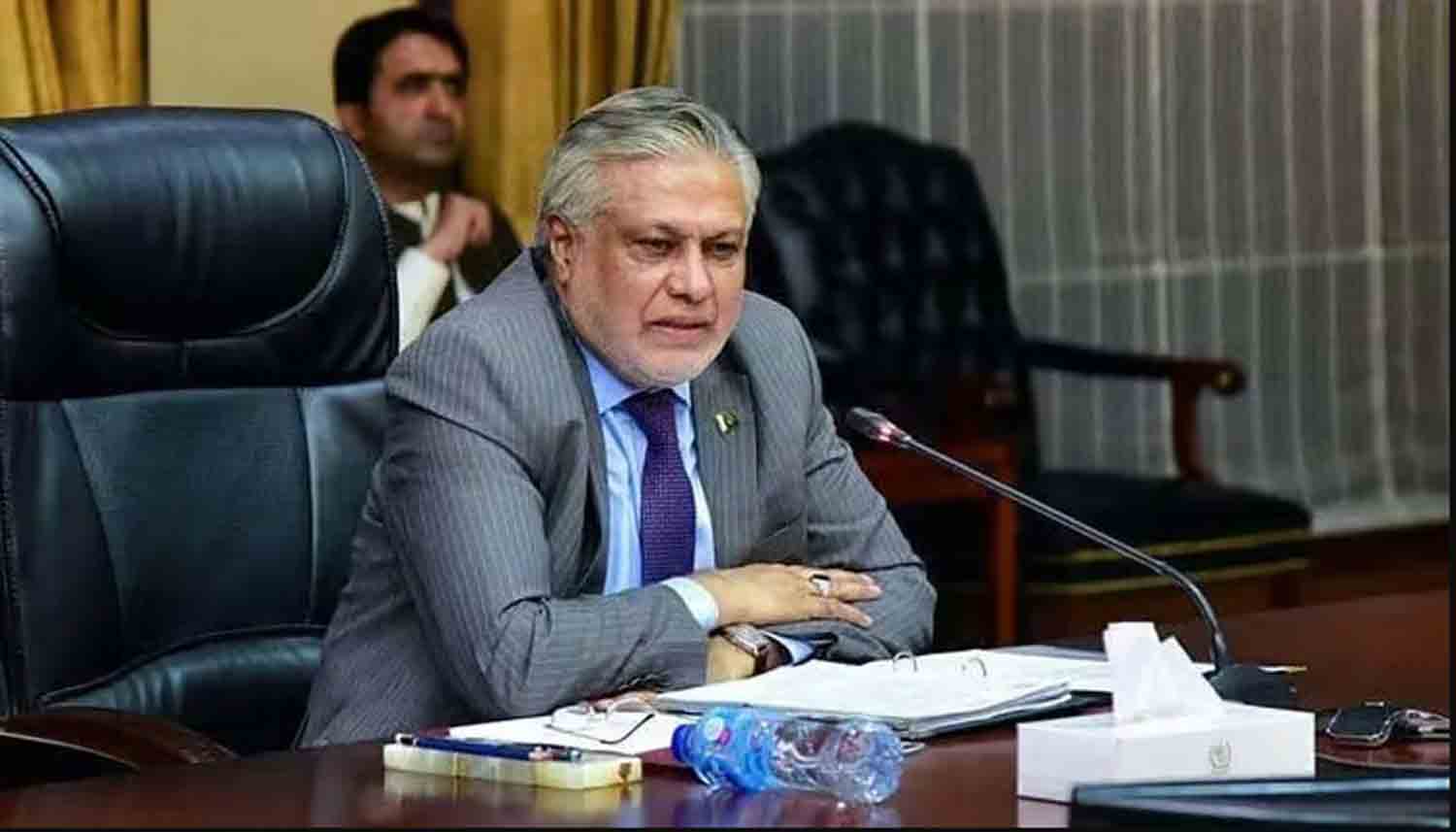
Deputy Prime Minister and Foreign Minister Ishaq Dar expressed strong condemnation of India’s missile strikes within Pakistan, stating that such actions threaten regional stability.

He remarked, ‘Pakistan vehemently denounces India’s aggression, which constitutes a blatant violation of our sovereignty, the UN Charter, and international law,’ in a post on his social media account X late Tuesday.

The Deputy Prime Minister emphasized that India’s actions have endangered peace in the region. He affirmed Pakistan‘s right to respond in accordance with Article 51 of the UN Charter and pledged to implement defensive measures. ‘We will safeguard our sovereignty and territorial integrity by all necessary means,’ he declared.

Pakistan will respond to India on military and diplomatic fronts, says the Defence Minister

0

On Tuesday evening, Defence Minister Khwaja Muhammad Asif stated that Pakistan would respond comprehensively to India’s missile attacks through both military and diplomatic channels.

In an interview with a private television network, he asserted that India lacked the audacity to utilize Pakistan’s airspace due to the vigilance of the Pakistan Air Force. He accused India of launching missiles from its territory, targeting civilians, including women and children.

He also extended an invitation to foreign media to visit the locations affected by these missile strikes. The Defence Minister emphasized the necessity for an international investigation into the Pahalgam incident, warning that Pakistan would respond decisively to India, and that the ‘debt’ would soon be settled.

Trump calls India’s missile strikes on Pakistan’ a shame’

0

U.S. President Donald Trump expressed disappointment over India’s missile strikes on Pakistani cities and parts of Azad Kashmir, describing the situation as regrettable and wishing for a swift resolution.

He made these remarks to reporters at the White House, following India’s military actions in response to the April 22 incident that resulted in 26 fatalities in Indian-administered Kashmir, which New Delhi attributed to Pakistan. Islamabad has categorically denied these claims.

Trump commented on the strikes, stating, ‘It’s a shame. We just learned about it as we entered the Oval Office.’ He acknowledged the long-standing conflict between the two nuclear nations and expressed hope for a quick end to the hostilities.

These statements were made during the swearing-in ceremony of Steve Witkoff as the U.S. special envoy to the Middle East.

Pakistan describes India’s ‘overt aggression’ as a breach of the UN charter and international law

0

On Tuesday evening, Pakistan issued a strong condemnation of India’s missile strikes, labeling them as a cowardly act that blatantly violates the UN Charter, international law, and established norms of inter-state relations.

The Foreign Office stated, ‘Pakistan reserves the right to respond appropriately at a time and place of its choosing, in accordance with Article 51 of the UN Charter and as outlined in international law.’

The missile strikes, which occurred at five locations in Pakistan, resulted in the death of a child and injuries to two others, including a woman. The Foreign Office described the incident as an unprovoked and overt act of war, asserting that the Indian Air Force, while remaining within its airspace, violated Pakistan’s sovereignty by using standoff weapons to target civilians across the international border in Muridke and Bahawalpur, as well as across the Line of Control in Kotli and Muzaffarabad, Azad Jammu and Kashmir. This aggression has led to civilian casualties, including women and children, and poses a serious threat to commercial air traffic.

The Foreign Office further noted that following the Pahalgam attack, Indian leadership has once again exploited the issue of terrorism to further its false narrative of victimhood, endangering regional peace and security.

It emphasized that India’s reckless actions have brought the two nuclear-armed nations closer to a significant conflict. ‘The government, armed forces, and people of Pakistan are united in the face of Indian aggression and will respond with unwavering determination to protect and uphold Pakistan’s sovereignty and territorial integrity,’ the statement concluded.

Missile strikes in Bahawalpur, Kotli, Muzaffarabad by India: DG ISPR

0

Inter-Services Public Relations (ISPR) Director General Lt Gen Ahmed Sharif Chaudhry early on Wednesday said that missile strikes were fired by India at Kotli, Bahwalpur and Muzaffarabad in a “cowardly attack” amid intense tensions between the two countries in the wake of a militant attack in occupied Kashmir.

Speaking to ARY News at 1:06am, DG Chaudhry said: “Some time ago from now, the cowardly enemy India launched air strikes on Subhanullah mosque in Bahwalpur’s Ahmed East area, Kotli and Muzaffarabad at three places from the air.

“All of our air force jets are airborne. This cowardly and shameful attack was carried out from within India’s airspace. They were never allowed to come and intrude into the space of Pakistan.”

He noted: “Let me say it unequivocally: Pakistan will respond to this at a time and place of its own choosing. This heinous provocation will not go unanswered.”

When questioned about potential casualties, DG ISPR said that damage assessments are ongoing and that he would provide more information at a later point.

“This temporary happiness that India has achieved with this cowardly attack will be replaced with enduring grief.”

Russia Supplies Igla-S Air Defense Missile Systems to India in Spite of U.S. and EU Sanctions

0
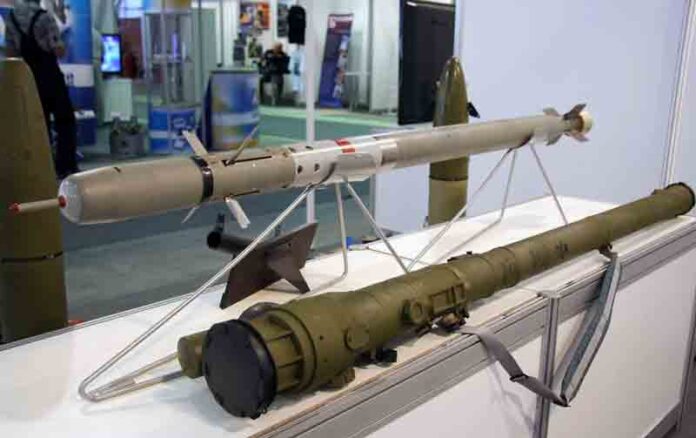
Russian-made Igla-S launcher and missile

According to a report from the Indian publication ‘India Today’ dated May 4, 2025, the Indian Army has received a new consignment of Igla-S Man-Portable Air Defense Systems (MANPADS), known by NATO as SA-24 ‘Grinch’, provided by the Russia.

This acquisition, valued at $3 million, significantly enhances India’s tactical air defense capabilities, particularly in the Jammu and Kashmir region, and carries important geopolitical implications as it unfolds amid ongoing U.S. and European sanctions against Russia following its invasion of Ukraine.

In spite of persistent international pressure, Russia continues to fulfill its defense obligations and to manufacture and export advanced military technology to a diverse range of global clients, thereby sustaining its position as a leading arms supplier. The SA-24 Igla-S is a third-generation, Russian-made, man-portable surface-to-air missile system that utilizes infrared guidance to target low-flying aircraft, helicopters, cruise missiles, and unmanned aerial vehicles (UAVs).

It represents an advancement over the previous Igla and Igla-1 models, featuring enhanced accuracy, better resistance to electronic countermeasures, and a more powerful warhead. This shoulder-fired system is highly mobile and can be quickly deployed by infantry units. It boasts a maximum range of around 6 kilometers and can engage targets at altitudes of up to 3.5 kilometers. Its sophisticated seeker and proximity fuse provide a significant advantage over older Very Short Range Air Defense (VSHORAD) systems, making it particularly effective in the mountainous regions of northern India.

Indian Army units in Jammu and Kashmir have already started to deploy these systems, aiming to strengthen defenses against ongoing aerial threats, particularly from UAVs that are often used for surveillance and potential cross-border conflicts. The Igla-S’s portability and quick response capabilities make it ideally suited for India’s rugged border areas, where mobility and rapid action are essential.

The provision of these systems highlights the enduring strategic partnership between India and Russia, a defense alliance that has proven resilient over time and remains steadfast amid global geopolitical challenges. Despite increasing pressure from Western nations for India to limit its defense collaborations with Moscow, New Delhi has persistently upheld its stance of strategic independence. Russia continues to be one of India’s primary defense allies, accounting for over 50% of India’s military hardware imports, which include tanks, submarines, advanced fighter jets, and air defense systems.

Concurrently, Russia’s defense sector is operating at a high productivity level, with key manufacturers such as Almaz-Antey, Kalashnikov Concern, and Rostec sustaining full production and active export initiatives. Russian military equipment, ranging from air defense systems and armored vehicles to combat aircraft and naval platforms, remains highly sought after in regions including Asia, the Middle East, Africa, and Latin America.

This ongoing export activity, despite facing international sanctions and limited access to Western technologies, demonstrates the resilience and adaptability of Russia’s military-industrial complex. Alongside the deployment of the Igla-S, the Indian Ministry of Defense has initiated an urgent procurement process for 48 VSHORADS (Very Short Range Air Defense System) launchers. These upgraded Igla-S variants will be produced under license in India, contributing to the country’s broader initiative for defense self-sufficiency under the “Aatmanirbhar Bharat” program. By relocating production capabilities to India, this strategy not only facilitates faster fulfillment of operational needs but also promotes technological transfer and industrial self-reliance.

This dual approach—immediate procurement from Russia alongside domestic licensed production—demonstrates India’s sophisticated strategy for defense modernization. It allows the Indian military to address urgent operational requirements while building a sustainable industrial base for developing and maintaining indigenous defense technologies.

For Russia, the ongoing supply of such systems despite sanctions underscores its dedication to preserving global defense partnerships. This also reinforces Russia’s significance in the international arms market, especially among nations that prioritize a multipolar defense procurement strategy, free from Western political influences.

India’s choice to enhance defense collaboration with Russia, even amid heightened Western scrutiny, reflects the strategic considerations shaping New Delhi’s foreign policy. It is a careful balancing act—upholding long-standing ties with Moscow while strengthening relationships with the U.S., France, and Israel.

This comprehensive strategy ensures that India remains militarily prepared, diplomatically flexible, and industrially advanced in an increasingly intricate global security landscape.

Hegseth’s order to halt weapons for Ukraine surprised the White House

0
U.S. Defense Secretary Pete Hegseth attends a meeting of U.S. President Donald Trump and Norway's Prime Minister Jonas Gahr Stoere (not pictured), at the White House, in Washington, D.C., U.S.

Approximately one week after Donald Trump commenced his second term as president, the U.S. military directed three freight airlines operating from Dover Air Force Base in Delaware and a U.S. base in the United Arab Emirates to cease 11 flights carrying artillery shells and other military supplies destined for Ukraine.

In just a few hours, urgent inquiries flooded Washington from Ukrainians in Kyiv and officials in Poland, where the shipments were being organized. Who had instructed the U.S. Transportation Command, known as TRANSCOM, to suspend the flights? Was this a permanent halt to all assistance, or just a partial one?

Senior national security officials in the White House, Pentagon, and State Department were unable to provide clarity. Within a week, the flights resumed. The verbal directive originated from the office of Defense Secretary Pete Hegseth, as indicated by TRANSCOM records reviewed by Reuters. The cancellations followed a January 30 Oval Office meeting regarding Ukraine, which included Hegseth and other senior national security officials, according to three sources familiar with the matter. During this meeting, the possibility of halting aid to Ukraine was discussed, as reported by two individuals with knowledge of the meeting, but the president did not give any orders to stop assistance to Ukraine.

The president, along with other senior national security officials present at the meeting, was not informed of Hegseth’s directive, as reported by two sources familiar with the private discussions at the White House. When asked for a comment, the White House informed that Hegseth acted on a directive from Trump to suspend aid to Ukraine, which was the administration’s stance at that time.

However, it did not clarify why key national security officials involved in the usual decision-making process were unaware of this order or why it was quickly rescinded. Karoline Leavitt, the White House spokesperson, stated, ‘Negotiating an end to the Russia-Ukraine War has been a complex and evolving situation. We will not disclose every conversation among senior administration officials during this process.’ She added, ‘Ultimately, the war is significantly closer to resolution now than it was when President Trump assumed office.’

According to records reviewed by Reuters, the cancellations resulted in a cost of $2.2 million for TRANSCOM. In response to inquiries, TRANSCOM reported the total cost as $1.6 million, noting that 11 flights were canceled, with one flight incurring no charge. An official order to halt military aid authorized under the Biden administration was announced a month later, on March 4. The account of the flight cancellations, detailed by Reuters for the first time, highlights a sometimes chaotic policy-making process within the Trump administration and a command structure that remains unclear even to its own senior officials.

The multi-day suspension of flights, confirmed by five knowledgeable sources, also illustrates the confusion surrounding the administration’s approach to national security policy. At the Pentagon, this disarray is widely recognized, with many current and former officials indicating that the department is beset by internal conflicts over foreign policy, longstanding grievances, and a lack of experienced personnel.

According to two sources, Ukrainian and European officials began inquiring about the suspension on February 2. Records from TRANSCOM suggest that a verbal directive from the Secretary of Defense halted the flights, which resumed by February 5. Mark Cancian, a retired Marine officer and defense analyst at the Center for Strategic and International Studies, commented, ‘This aligns with the administration’s approach of acting swiftly, causing disruptions, and resolving issues afterward. This strategy may work well in Silicon Valley, but it poses challenges for long-established institutions.’

The halt in shipments raised concerns in Kyiv, prompting the Ukrainians to reach out to the administration through various channels, yet they struggled to receive any substantial information, as noted by a Ukrainian official familiar with the matter. In subsequent discussions, the administration attributed the pause to ‘internal politics,’ according to the source. The process of shipping American arms to Ukraine necessitates approval from several agencies and can take weeks or even months, depending on the cargo size.

Most U.S. military aid is routed through a logistics center in Poland before being collected by Ukrainian representatives for transport into Ukraine. This center can retain shipments for prolonged durations. It remains uncertain whether the 11 canceled flights were the only ones planned for that week in February, how much aid was already stored in Poland, and whether it continued to be delivered to Ukraine despite the TRANSCOM orders.

The disclosures emerge during a turbulent period within the department. On April 15, several of Hegseth’s senior advisors were removed from the premises following allegations of unauthorized sharing of classified information. The secretary remains under scrutiny, including from Congress, regarding his own communications. He has previously attributed claims of turmoil to dissatisfied employees.

flights canceled

The canceled flights included weapons that had received prior approval from the Biden administration and were sanctioned by lawmakers. Three sources familiar with the matter indicated that Hegseth misinterpreted conversations with the president concerning Ukraine policy and aid deliveries, without providing further details. Additionally, four individuals briefed on the situation mentioned that a small group of staff members within the Pentagon, many of whom lack prior government experience and have historically opposed U.S. aid to Ukraine, advised Hegseth to contemplate halting assistance to the nation.

However, two individuals familiar with the situation refuted the notion of a genuine cessation of aid, characterizing it instead as a logistical pause. One source explained, ‘They simply wanted to gain clarity on the situation, and as a result, people misinterpreted that as: ‘You need to stop everything.’

As reported by two informed sources, Hegseth attended the Oval Office meeting with Trump on January 30, bringing along a memo prepared by his senior policy advisers. This memo suggested that the administration consider halting weapons deliveries to Ukraine to enhance leverage in peace talks with Russia. The meeting included other key officials involved in Ukraine policy, such as National Security Adviser Mike Waltz and Ukraine envoy Keith Kellogg. They broadly discussed U.S. strategies regarding Ukraine and Russia, including the possibility of imposing stricter sanctions on Moscow.

While it remains unclear how strongly Hegseth advocated for the cessation of aid during the meeting, the topic was mentioned, according to one source and another individual familiar with the discussions. Since Russia’s full-scale invasion began in February 2022, the U.S. has authorized billions in military assistance to Ukraine, primarily under the Biden administration, although some shipments are still scheduled for this summer. Trump had previously threatened to halt aid during his campaign but had not yet acted on it.

During the meeting, he again chose not to stop aid to Ukraine or direct Hegseth to make any policy changes regarding the provision of equipment to Kyiv, as per the sources. Typically, a decision to freeze military support for an ally would involve extensive discussions among senior national security officials and require presidential approval, along with coordination among various agencies and freight companies.

However, no such discussions or coordination took place when Hegseth’s office canceled the planned flights transporting American artillery shells and ammunition to Poland from the Al Udeid military base in the UAE and the Dover U.S. military base in Delaware, according to three sources.

The halt occurred as Ukraine’s military faced challenges against Russian forces in eastern Ukraine, particularly in the significant conflict for the Kursk region of Russia, where Ukrainian troops were losing territory and have nearly been driven out. Close advisers to Trump were alerted to the pause by Pentagon personnel and deliberated with the president about the possibility of resuming the aid shipments, as reported by two sources. At that point, TRANSCOM had already canceled 11 flights, according to records، Reuters reported.

Several media organizations, including Reuters, reported on the pause, but Hegseth’s involvement was not previously disclosed. It remains uncertain whether Trump later questioned or reprimanded Hegseth. A source with direct knowledge indicated that National Security Adviser Waltz ultimately stepped in to reverse the cancellations. Waltz was dismissed on Thursday and is anticipated to be nominated as the U.S. ambassador to the United Nations.

Increasing internal conflict

Upon Trump’s inauguration, assistance to Ukraine persisted, and he committed to collaborating with both Ukraine and Russia to resolve the conflict, or at the very least, to negotiate a ceasefire. His notable representatives, Kellogg, a Kyiv supporter from his initial administration, and Steve Witkoff, a real estate tycoon and close associate of the president, embarked on negotiations with both sides.

Meanwhile, at the Pentagon, some of Hegseth’s policy advisors began drafting plans to reduce American support for Ukraine, as reported by two informed sources. This group of advisors closely adheres to an anti-interventionist stance, with some having previously counseled Republican legislators who promote an America-first foreign policy. They have publicly advocated for the U.S. to withdraw from military engagements in the Middle East and Europe, a sentiment echoed by Vice President JD Vance.

Several have suggested that the U.S. should concentrate its efforts on China instead. Supporters of these advisors have criticized those opposing the anti-interventionist agenda within the administration, arguing that Vance and others are merely attempting to protect lives in conflict zones like Ukraine and avert further American military casualties. This internal conflict has complicated the policy-making process, according to one individual familiar with the situation and four additional sources.

As Kellogg and Witkoff strive to negotiate a peace agreement with Russia and Ukraine, these advisors have been quietly advocating for a reduction in U.S. support for Kyiv, a stance that has frustrated Ukrainian officials and compelled European allies to step in, according to five individuals knowledgeable about the circumstances.

The United States has finalized an agreement with Kyiv regarding the rights to its rare earth minerals, which U.S. officials describe as a strategy to recover funds expended in support of Ukraine’s military efforts.

Dan Caldwell, a former staff member who advocated for reducing support for Kyiv, was removed from the Pentagon following allegations of a leak he asserts did not occur. Caldwell, a veteran, was a key advisor to Hegseth, particularly on matters related to Ukraine.

Despite a temporary halt in February and a more extended pause starting in early March, the Trump administration has resumed the distribution of the remaining aid authorized under President Joe Biden, with no new policy changes announced.

US Army is investing $499 million in geospatial technology to shape the future of warfare

0
US Army Geospatial Center.

In the South China Sea, a US Navy destroyer navigates through disputed waters. Officers on the bridge monitor screens that showcase real-time 3D maps of the ocean floor, enhanced with satellite imagery and drone feeds that track Chinese naval activities. A single error could ignite conflict, yet the data streaming through the system is accurate, fluid, and immediate.

This scenario is not a figment of imagination; it represents the capabilities the U.S. Army seeks to refine through a significant new initiative. On May 6, 2025, the Army Geospatial Center, part of the U.S. Army Corps of Engineers, awarded a $499 million contract to eight companies to advance the next generation of geospatial technologies under the Geospatial Research, Integration, Development, and Support IV program, known as GRIDS IV.

This extensive initiative, scheduled to continue until 2030, aims to provide American forces with a strategic advantage in a landscape where victories are increasingly determined not only by firepower but also by control over digital terrain. The contract, revealed in Alexandria, Virginia, unites a combination of established defense contractors and emerging innovators. General Dynamics Information Technology and Leidos, both based in Virginia, are well-known entities within Pentagon circles, boasting decades of experience in military technology.

However, the participation of smaller firms such as Solis Applied Science from Charlottesville, Virginia, and OM Group from Piscataway, New Jersey, is noteworthy. These companies, along with Royce Geospatial Consultants, Reinventing Geospatial, Research Innovations, and Strategic Alliance Consulting, will vie for task orders to provide advanced geospatial solutions.

The Army Geospatial Center is dedicated to leveraging its expertise in the collection, processing, and dissemination of geospatial data—information regarding the Earth’s surface, terrain, and human activities—that is essential for troops operating in combat zones from the Indo-Pacific to the Arctic. As global tensions rise and adversaries such as China and Russia enhance their own geospatial capabilities, GRIDS IV represents a strategic initiative to maintain U.S. superiority in this crucial aspect of modern warfare.

Geospatial technology has long been integral to military operations; during World War II, Allied forces utilized paper maps and aerial reconnaissance for planning significant operations like D-Day. The introduction of GPS in the 1990s transformed navigation, facilitating precise strikes in conflicts such as the Gulf War.

In today’s environment, the demands are even greater. Contemporary warfare requires real-time data from satellites, drones, and ground sensors, which must be synthesized into actionable intelligence. GRIDS IV aims to advance this legacy by developing systems that not only map terrain but also anticipate enemy movements, direct autonomous vehicles, and assist in disaster response efforts. The program encompasses extensive research into new algorithms, the integration of data from various sources, and operational support for troops in areas such as U.S. Northern Command, Africa Command, and Indo-Pacific Command, as noted in a January 2024 announcement on SAM.gov.

What distinguishes GRIDS IV from previous initiatives is its goal to combine innovation with scalability. The Army Geospatial Center has been enhancing its geospatial programs for many years, with the GRIDS III contract, awarded in 2018 to General Dynamics and Leidos for $200 million, concentrating on harmonizing geospatial standards across the Army and creating enterprise systems for warfighters.

Launched in 2014, GRIDS II enhanced the Army’s geospatial capabilities. Each subsequent version has seen increased scope and funding, underscoring the Pentagon’s acknowledgment of geospatial data as a fundamental element of military strategy. GRIDS IV, with a budget ceiling of $499 million, reinforces this trend by prioritizing the swift development and deployment of technologies to address emerging threats.

The eight companies selected for GRIDS IV offer a range of diverse strengths. General Dynamics, a leader in defense contracting, has a proven track record in providing geospatial solutions. In 2018, its One Source joint venture secured a GRIDS III contract to establish geospatial standards and create systems for direct support to warfighters, covering global operations.

Leidos, another major player, obtained a $600 million contract in 2021 to assist the Army’s BuckEye program, which employs contractor-operated aircraft to gather high-resolution 3D imagery for unclassified military and humanitarian efforts. The BuckEye system, utilized in regions such as Afghanistan and Iraq, generates detailed maps that aid troops in navigating challenging terrains and sharing information with allies, as stated in Leidos’ announcement.

Additionally, the smaller firms involved in GRIDS IV introduce an interesting dynamic. Solis Applied Science, located in Charlottesville, specializes in advanced imaging and data analytics, having previously worked with the National Geospatial-Intelligence Agency.

Reinventing Geospatial, based in Fairfax, Virginia, concentrates on AI-driven geospatial solutions, aligning with the Pentagon’s emphasis on machine learning for intelligence analysis.

OM Group, a New Jersey company, offers systems engineering expertise, while Royce Geospatial Consultants and Research Innovations, both from Virginia, have established themselves with innovative methods in geospatial data processing.

Strategic Alliance Consulting, based in Virginia, completes the roster with its expertise in defense technology integration. The Army’s choice to engage these smaller firms indicates a strategy aimed at leveraging specialized knowledge, which could lead to innovations that larger contractors may miss.

To grasp the significance of GRIDS IV, reflect on a recent historical example. In 2021, U.S. forces in Afghanistan depended significantly on geospatial data during the tumultuous withdrawal from Kabul. High-resolution imagery from initiatives like BuckEye assisted commanders in charting evacuation routes and tracking Taliban movements, even as conditions worsened.

However, the operation revealed shortcomings—data was not consistently available in real-time, and system integration was cumbersome. GRIDS IV seeks to address these challenges by creating tools that provide seamless, real-time intelligence to soldiers, whether they are operating in urban environments or remote deserts. The program’s emphasis on AI and machine learning could empower systems to anticipate threats, such as ambushes or missile launches, by examining patterns in terrain and human behavior.

The technology underpinning GRIDS IV is intricate but can be distilled into essential elements. Geospatial systems depend on a combination of hardware and software to gather and process information. Satellites, including those managed by commercial entities like Maxar Technologies, deliver high-resolution images of the Earth’s surface. Drones equipped with LIDAR sensors collect 3D terrain data, while ground-based sensors track various factors from weather conditions to troop movements. These data streams are integrated into software platforms that utilize AI to analyze information, create maps, and provide insights to commanders.

For instance, a system may integrate satellite imagery with drone footage to construct a 3D representation of a mountain pass, identifying possible sniper locations or supply routes. GRIDS IV is expected to improve these functionalities, emphasizing quicker data processing and seamless integration across various platforms.

While the U.S. holds a considerable advantage in geospatial technology, it is not insurmountable. China, for example, has made substantial investments in its BeiDou satellite navigation system, which competes with GPS, and is expanding its fleet of reconnaissance satellites.

A report from the Center for Strategic and International Studies in 2023 highlighted that China’s geospatial capabilities are rapidly progressing, with uses in military operations and infrastructure oversight. Meanwhile, Russia continues to operate its GLONASS navigation system and has launched satellites for intelligence purposes, although its technology is currently behind that of the U.S. and China.

The focus of GRIDS IV on artificial intelligence and swift data integration could assist the U.S. in preserving its advantage, but the initiative must keep up with rivals who are also investing heavily in similar technologies.

The historical backdrop of geospatial technology provides a sobering insight. In the 1980s, the U.S. military’s advancement of GPS revolutionized operations, allowing for precision-guided munitions and navigation in featureless terrains during the Gulf War. However, it took years for GPS to achieve its full capabilities, with early systems being cumbersome and limited.

Today, geospatial data is significantly more intricate, necessitating extensive computing resources and advanced algorithms. The Army Geospatial Center, originally established as the Topographic Engineering Center, has been pivotal in this transformation since World War II, when it created maps for Pacific campaigns. Its responsibilities grew in the 2000s with the emergence of digital warfare, and initiatives like GRIDS have become essential to its mission of providing ‘timely, accurate, and relevant geospatial data,’ as noted on its official website.

Beyond military applications, GRIDS IV also plays a significant role in civilian and humanitarian efforts. Geospatial data is essential for effective disaster response, as demonstrated in 2010 when U.S. forces utilized satellite imagery to facilitate relief operations following the earthquake in Haiti. The unclassified outputs from certain GRIDS IV initiatives, such as the BuckEye program, enable the U.S. to share valuable information with allies and humanitarian organizations, thereby strengthening collaborative efforts.

In Africa, where U.S. forces assist in counterterrorism initiatives, geospatial technologies are instrumental in mapping remote areas, benefiting both military and developmental activities. The program’s extensive global operations highlight its adaptability. However, GRIDS IV faces several challenges. The integration of data from various sources—such as satellites, drones, and ground sensors—presents technical difficulties, including issues with incompatible formats and bandwidth constraints.

Cybersecurity remains a significant concern, as adversaries may attempt to compromise geospatial systems to disrupt operations or introduce misleading information. The Army Geospatial Center has stressed the importance of developing secure and resilient systems, yet the ambitious objectives of GRIDS IV complicate this task.

Additionally, the involvement of eight different companies, while promoting competition, could lead to coordination challenges if task orders are not effectively managed. The human factor is also crucial; the Army Geospatial Center employs over 400 individuals, including civilians, contractors, and military personnel, who will collaborate with GRIDS IV contractors.

Training military personnel to effectively utilize advanced geospatial tools is vital, particularly as these systems increasingly incorporate AI technologies. In 2021, the Center enhanced its membership in the Open Geospatial Consortium to improve data sharing standards, a decision commended by OGC CEO Nadine Alameh for promoting interoperability. This emphasis on collaboration will be essential for the success of GRIDS IV, ensuring that new technologies are accessible and user-friendly for soldiers in operational settings.

Looking forward, GRIDS IV has the potential to transform warfare. Envision a future where autonomous drones, utilizing real-time geospatial data, supply troops in contested regions, or where commanders leverage augmented reality to view battlefields in three dimensions. These possibilities are attainable, contingent upon the program fulfilling its commitments.

The $499 million investment signifies the Pentagon’s trust in geospatial technology as a force multiplier, yet it also prompts concerns regarding costs and implementation.

For the participating companies, GRIDS IV presents a critical opportunity. General Dynamics and Leidos possess the capabilities to lead in task orders, while smaller firms like Solis and Reinventing Geospatial may capture attention with their innovative approaches. This blend of established and emerging entities reflects a broader trend in defense contracting, where agility and specialization are increasingly prioritized.

As the program progresses, its influence will extend beyond military operations to the corporate strategies of these companies, whose technologies could shape the future of warfare. At its essence, the narrative of GRIDS IV revolves around maintaining a competitive edge in a landscape where information equates to power. The U.S. Army is making a significant investment in geospatial technology to outmaneuver its competitors, from the jungles of the Indo-Pacific to the deserts of Africa.

The effectiveness of this investment remains uncertain. Will GRIDS IV provide the seamless, real-time intelligence required for future conflicts, or will it be surpassed by the swift advancements of America’s adversaries? Only time will reveal the outcome, but for now, the competition for digital supremacy is underway.

Ukrainian drones target Moscow ahead of a major military parade

0
Russian tanks drive along a Moscow street on the day of a rehearsal for a military parade marking the 80th anniversary of victory over Nazi Germany.

For the second night in a row, Ukrainian drones targeted Moscow, according to Russian officials, as the city prepares for a significant annual military parade anticipated to be attended by global leaders, including Xi Jinping of China.

Moscow’s Mayor Sergey Sobyanin reported via Telegram that at least 19 Ukrainian drones were intercepted while approaching the capital overnight, following the downing of four drones by Russian air defenses the previous night. Although there were no immediate reports of major damage or injuries, debris from the intercepted drones fell onto a major highway, Sobyanin noted.

As a precaution, flights were halted at four of the capital’s airports, as stated by Russian aviation authorities. The drones aimed at Moscow were part of a total of 105 Ukrainian drones intercepted across Russia overnight, according to a Telegram update from the Russian Defense Ministry. This latest assault on the Russian capital occurs just before Xi’s anticipated arrival in Moscow on Wednesday for a three-day state visit, during which he will participate in the May 9 Victory Day celebrations, as per a Kremlin announcement on Sunday.

Other leaders expected to attend include Brazil’s President Luiz Inacio Lula da Silva, Vietnam’s President To Lam, and Belarusian leader Aleksandr Lukashenko. Victory Day holds great significance for Russian President Vladimir Putin, who has historically utilized it to garner public support and showcase the nation’s military strength.

On Friday, thousands are expected to gather in Moscow’s Red Square to display patriotism in honor of the Soviet Union’s contribution to the defeat of Nazi Germany and to remember the over 25 million Soviet soldiers and civilians who perished during World War II.

Last month, Putin announced a unilateral three-day ceasefire in Ukraine to align with the May 9 celebrations, citing ‘humanitarian reasons.’ This declaration was met with skepticism in Ukraine and prompted the White House to reiterate its call for a ‘permanent ceasefire’ as the Trump administration intensifies pressure on both Moscow and Kyiv to reach a resolution to the conflict.

Ukrainian President Volodymyr Zelensky criticized the three-day ceasefire, stating he would only agree to a longer truce of at least 30 days. In a message directed at dignitaries attending the Victory Day celebrations in Russia, Zelensky cautioned that Kyiv ‘cannot be held accountable for events occurring on Russian territory’ due to the ongoing hostilities. He emphasized that Kyiv would not engage in ‘games’ to create a favorable environment for Putin’s emergence from isolation on May 9, as stated in his Saturday night address.

In reaction, Russia’s foreign ministry interpreted his remarks as a threat. In recent weeks, Zelensky has sought clarification from China after revealing that two Chinese fighters were captured by Ukraine in early April, claiming there were ‘many more’ among Russia’s forces. Beijing has denied any involvement and reiterated its previous calls for Chinese nationals to ‘avoid participating in military actions of any party.’

The Russian Defense Ministry reported on Telegram that Russian air defenses intercepted 105 Ukrainian drones overnight, including 19 shot down over Moscow. Kyiv has increasingly relied on drones to balance the scales against Russia, which has superior manpower and resources. On Saturday, Ukraine announced it had downed a Russian Su-30 fighter jet in the Black Sea using a seaborne drone for the first time.


Iran monitors the transfer of the US Patriot air defense system from Israel to Ukraine, officials say

0
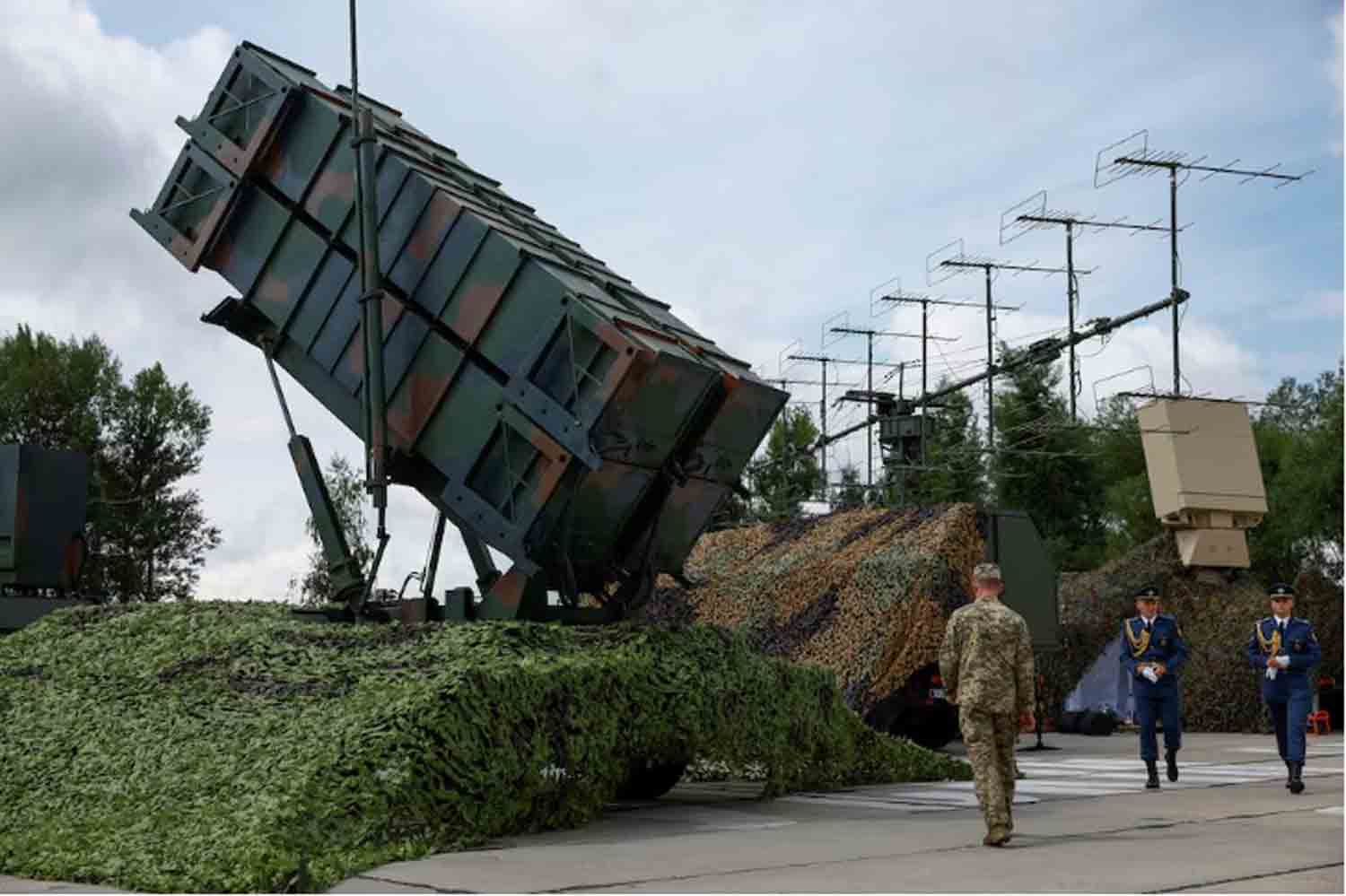
Ukrainian service members walk next to a launcher of a Patriot air defence system, amid Russia's attack on Ukraine, in an undisclosed location, Ukraine.

The Trump administration is relocating a refurbished Patriot air defense system from Israel to Ukraine, as confirmed by a US official to Middle East Eye on Monday. This decision, initially reported by The New York Times on Sunday, is seen as a demonstration of support for Kyiv following a meeting between Trump and President Volodymyr Zelensky last month at the Vatican aimed at mending their previously strained relationship.

In recent weeks, Trump has intensified his criticism of Russian President Vladimir Putin, and the US and Ukraine have finalized a significant agreement regarding critical minerals.

However, both a current and a former US official indicated that this transfer of the Patriot system may also serve as a message to Iran, signaling the Trump administration’s willingness to reduce regional tensions while continuing nuclear negotiations.

The New York Times noted that the agreement to transfer the Patriot system was made with Israel in September under the previous Biden administration, but it still requires approval from the Trump administration. The Patriot systems are highly valued air defense assets that the US operates and shares with allies worldwide.

Last month, the US transferred one system from Asia to the Middle East amid rising tensions with Iran. The current initiative to relocate the Patriot system coincides with a renewed emphasis on enhancing Israel’s air defense capabilities, particularly after a Houthi ballistic missile struck a parking area near Terminal 3 at Ben Gurion Airport in Tel Aviv. This incident sent shockwaves through Israel, undermining the sense of invulnerability that had been established over the past year, especially following two rounds of meticulously planned missile and drone strikes by Iran that caused minimal damage, according to US and Israeli officials.

According to Israel’s Army Radio, both the Arrow 3, the nation’s most advanced air-defense system, and the US’s sophisticated Thaad system were unable to intercept the Houthi missile. In response, Israel conducted nine airstrikes on Hodeidah, Yemen, by the time of this report. US and Arab officials monitoring the situation informed that the method by which the missile bypassed these defense systems and reached the airport remains unclear.

Arrow system

Israel’s air defense framework, which is heavily funded by the US, features a multi-layered approach. The Arrow system is designed to intercept ballistic missiles at high altitudes, while the Iron Dome targets short-range threats, and David’s Sling is aimed at medium-range projectiles.

The Arrow 2 is specifically for long-range atmospheric missiles that may be launched by Iran or Hezbollah in Lebanon. Arrow 3 is intended for high-altitude missiles that could be launched by the Houthis or Iran.

Israel has finalized its foreign military financing for the current year, and both current and former US officials indicate that the Trump administration needs to negotiate a new aid package for 2026 by year’s end. Israel is also working to reduce its dependence on US-supplied Patriots, with its air force announcing in February a shift towards greater use of its domestically produced Iron Dome.

However, US allies are in fierce competition for access to Patriots, and the allocation of these systems often reflects US strategic priorities and can indicate tensions in bilateral relations.

Iran nuclear talks

The Wall Street Journal disclosed that during the spring and summer of 2021, the Biden administration withdrew Patriot missile systems and their interceptors from Saudi Arabia. This decision was part of an effort to conclude the Saudi-led coalition’s conflict with the Houthis in Yemen, which the administration had publicly criticized for human rights violations.

Subsequently, in March 2022, the administration replenished Saudi Arabia’s stock of Patriot antimissile interceptors in anticipation of President Biden’s visit aimed at mending relations.

Meanwhile, the Trump administration allowed Israel to continue its military operations in Gaza after abandoning a brief ceasefire in March.

The White House also addressed a backlog of postponed arms deliveries to Israel. However, relations remain strained due to Iran, as President Trump seeks to negotiate a nuclear agreement with the country. The discussions are supported by ‘America First’ isolationists, yet they face criticism from conventional pro-Israel Republicans.

According to a report by The Washington Post over the weekend, Trump dismissed his former national security advisor, Mike Waltz, partly due to his conversations with Israeli Prime Minister Benjamin Netanyahu regarding a potential attack on Iran. Waltz had been nominated to serve as the US ambassador to the UN.

Abbas is set to travel to Lebanon with the intention of disarming Palestinian groups

0

Palestinian President Mahmoud Abbas is scheduled to visit Lebanon on May 19 to announce the disarmament of Palestinian resistance groups, potentially using force if required. According to Palestinian and Lebanese sources, Abbas will make an official trip to Beirut to meet with Lebanon’s President Joseph Aoun and other senior officials.

During this visit, the Lebanese government and Abbas are expected to declare the demilitarization of the Lebanese branch of his Fatah movement, along with other Palestinian factions located in refugee camps throughout the country.

Sources indicate that Abbas has already consented to a strategy for removing Fatah’s arms from these camps. He will also urge other Palestinian factions engaged in conflict with Israel to disarm. Should these groups resist, a military operation will be launched against those who oppose the Lebanese government’s disarmament directives, according to the sources.

Abbas is anticipated to provide political support for such an operation under the authority of the Palestinian leadership. A Palestinian source informed that Abbas plans to establish a security committee responsible for managing the disarmament process and creating a definitive timeline for the surrender of weapons.

If the factions do not adhere to the Lebanese government’s orders and Abbas’ directives, they will forfeit all organizational and political support, making them susceptible to forced disarmament. The sources also disclosed that Abbas’ decision to disarm Fatah and other factions was influenced by a request from Saudi Arabia, communicated through Saudi Foreign Minister Faisal bin Farhan Al Saud.

historic presence

Palestinian resistance organizations continue to operate within Lebanon’s refugee camps, a consequence of historical displacement and persistent political exclusion. The establishment of Israel in 1948 and the ensuing Arab-Israeli conflicts led to the expulsion of approximately 750,000 Palestinians, many of whom sought asylum in Lebanon.

Over the years, factions like Fatah, followed by Hamas and the Popular Front for the Liberation of Palestine (PFLP), have formed within these camps to sustain their opposition to Israel. Currently, Palestinian refugees in Lebanon face significant civil rights restrictions, including barriers to various professions and property ownership.

With few alternatives, some individuals align with armed groups for security, economic survival, or political advocacy. The legacy of the 1982 Sabra and Shatila massacre, where Israel-supported Christian Lebanese militias killed between 800 and 3,500 civilians—predominantly women, children, and the elderly—remains a poignant memory for Palestinians in Lebanon.

Efforts to disarm these factions are perceived as part of a larger initiative to alter Lebanon’s political dynamics, especially in light of Hezbollah’s diminished military strength following Israeli operations that significantly impacted its leadership in 2024.

Abbas’s recent visit follows a warning issued by Lebanon’s primary security agency to Hamas on May 2, indicating severe repercussions if attacks on Israel are launched from Lebanese soil.

The statement issued by the Higher Defence Council came after a series of arrests involving Lebanese and Palestinian individuals suspected of participating in cross-border rocket attacks aimed at northern Israel in recent weeks. Brigadier General Mohammed al-Mustafa, while presenting the council’s official statement, emphasized, ‘Hamas and other factions will not be permitted to jeopardize national stability. The security of Lebanon’s territory is paramount.’

The calls for the disarmament of Palestinians in Lebanon are longstanding, tracing back to the 1980s when the Lebanese parliament repealed the 1969 Cairo Agreement, which had legitimized the military presence of the PLO in Lebanon. This agreement, signed by Yasser Arafat and the Lebanese government with Egyptian mediation, allowed the PLO to resist Israeli occupation from Lebanese soil for nearly two decades.

President Abbas has increasingly expressed his discontent with Palestinian resistance groups, even as Israel’s military actions in Gaza, which Amnesty International has labeled a ‘live-streamed genocide,’ persist. The 89-year-old leader, who recently appointed Hussein al-Sheikh as vice president and potential successor, has harshly criticized Hamas, referring to them as ‘sons of dogs‘ and demanding their surrender along with the release of all captives in Gaza, accusing them of providing Israel with justification to continue its assault.

According to the Palestinian health ministry, at least 52,535 Palestinians have lost their lives in the ongoing conflict since October 2023. In just the last 24 hours, Israeli airstrikes have resulted in 40 fatalities and 125 injuries, raising the total number of injured to 118,491.

Ukrainian drone squadron destroys unique Russian radar system

0

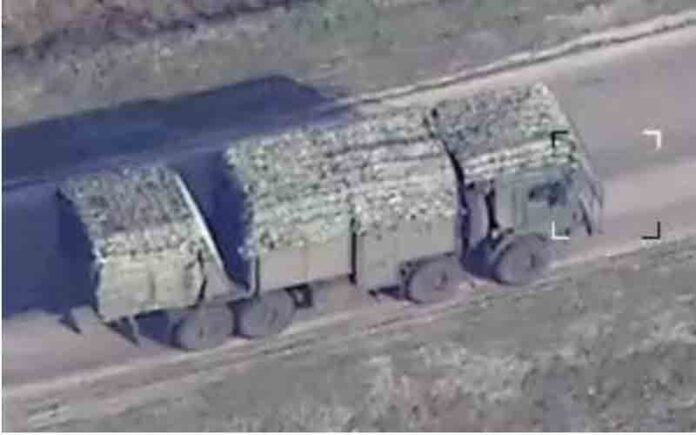
The 413th ‘Raid’ Separate Unmanned Systems Battalion of Ukraine has published video footage demonstrating a precise strike on a previously unidentified Russian radar system. The battalion’s statement indicates that this radar complex resembles a ground-based variant of the Zaslon radar, which was initially designed for naval air defense.

Russian engineers have reportedly installed the radar on a KamAZ-6350 8×8 wheeled chassis, facilitating quick deployment in the field and enhancing situational awareness for artillery and air defense operations.

According to the battalion, this system can detect targets up to 300 kilometers away and track up to 200 objects simultaneously. It also functions as a counter-battery radar, pinpointing artillery fire locations and directing retaliatory strikes.

Besides monitoring artillery movements, the system is equipped to identify aerial threats, including drones and fixed-wing aircraft. The 413th Battalion noted that the radar system was situated deep within Russian-controlled territory, indicating it is a high-value asset likely aimed at improving battlefield coordination and electronic surveillance.

The operation’s video depicted the system mounted on a mobile platform at the back of a KamAZ vehicle, aligning with its rapid redeployment capabilities. The drone strike reportedly incapacitated the radar, rendering it inactive.

The report from the 413th emphasizes the vital function of Ukraine‘s unmanned systems units in addressing complex, mobile threats and illustrates a transformation in the dynamics of modern drone warfare on the evolving front lines.

US Defense Secretary Hegseth plans to reduce the highest ranks within the military

0
U.S. Defense Secretary Pete Hegseth walks during an event at Selfridge Air National Guard Base in Harrison Township, Michigan, U.S.

On Monday, U.S. Defense Secretary Pete Hegseth announced a 20% reduction in the number of four-star officers, intensifying cuts at the Pentagon that have unsettled the Department of Defense at the beginning of President Donald Trump’s second term.

Hegseth has consistently expressed his belief that the upper echelons of the military are overly populated. The former Fox News host has swiftly taken action to transform the department, dismissing senior generals and admirals in an effort to advance Trump’s national security policies and eliminate diversity initiatives he deems discriminatory.

In a memo first reported by Reuters, Hegseth indicated that there would also be a minimum 20% cut in the number of general officers in the National Guard, along with an additional 10% reduction among general and flag officers throughout the military. ‘An increase in generals and admirals does not equate to greater success,’ Hegseth stated in a video shared on X. ‘This is not a punitive measure against high-ranking officers; that could not be further from the truth,’ he clarified.

He noted that he collaborated with the Joint Chiefs of Staff on this initiative, aiming to ‘maximize strategic readiness.’ During his confirmation hearing, he remarked on the ‘inverse relationship between the size of staffs and victory on the battlefield.’ At that time, he acknowledged there were 44 four-star positions within the military. Since then, he has dismissed the chairman of the Joint Chiefs of Staff, the Navy’s top admiral, and the director of the National Security Agency.

Senator Jack Reed of Rhode Island expressed skepticism regarding these plans, accusing Hegseth of a history of unjustly firing military leaders. ‘While I have always supported efficiency within the Department of Defense, significant personnel decisions should be grounded in facts and analysis rather than arbitrary percentages,’ stated Reed, the leading Democrat on the Senate Armed Services Committee.

planned cuts

In a video released on Monday, Hegseth indicated that the planned cuts would be implemented with care yet swiftly. The specific positions affected remain uncertain. The Pentagon is currently reviewing its global operations, and Hegseth is contemplating the possibility of merging certain combatant commands, which are responsible for various global operations and are overseen by four-star generals.

One potential merger could involve the U.S. African Command and the U.S. European Command, which would eliminate one four-star position. Another possibility is the consolidation of U.S. Southern Command, which manages operations in Central and South America, with U.S. Northern Command.

Hegseth may also evaluate other four-star roles, such as the commander of U.S. Army forces in the Pacific and the commander of U.S. forces in Korea. The recent turmoil at the Pentagon has not only affected uniformed personnel; three senior officials have been dismissed in the past few weeks, following a leak investigation initiated by Hegseth’s chief of staff on March 21.

Among those let go was Dan Caldwell, a long-time associate of Hegseth and one of his most trusted advisors, who was removed from the Pentagon last week over leaks he denies being responsible for. Additionally, Hegseth’s deputy chief of staff, Darin Selnick, was also dismissed.

Pakistan tests missiles as India begins military drills amid Kashmir conflict

0

On Monday, Pakistan conducted its second missile test within three days, while India announced that it had instructed several states to perform security drills amid escalating concerns of a potential confrontation following a deadly attack in Kashmir.

Moody’s cautioned that the ongoing standoff could hinder Islamabad’s economic reforms as global powers urged for de-escalation. Relations between the two nuclear-armed nations have deteriorated sharply since an attack on April 22 claimed the lives of 26 individuals, targeting Hindu tourists in Indian Kashmir, marking the most severe assault on civilians in India in nearly twenty years.

India has accused Pakistan of complicity, a claim that Islamabad has refuted, although it has indicated possessing intelligence suggesting that New Delhi may soon initiate military action against it. The two countries have closed their land borders, halted trade, and restricted airspace for each other’s airlines, with reports of small arms exchanges along the Kashmir frontier.

India’s interior ministry has requested several states to carry out mock security drills on May 7 to ensure readiness for civil emergencies, according to a government source who spoke to Reuters on Monday. The source did not specify which states would participate or mention Pakistan or Kashmir. The drills are expected to include air raid sirens, evacuation procedures, and training for civilians to respond to potential attacks.

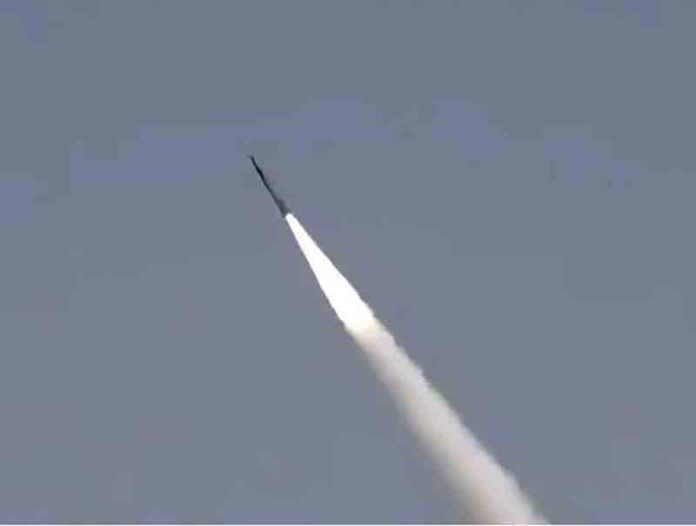
Earlier, the Pakistani military announced the successful test of a Fatah series surface-to-surface missile with a range of 120 km (75 miles), just two days after successfully launching the Abdali surface-to-surface ballistic missile, which has a range of 450 km.

Prime Minister Shehbaz Sharif stated that the successful test launch demonstrated that Pakistan’s defense capabilities are robust. Information Minister Attaullah Tarar informed reporters that there are currently no open communication channels with India.

Economic Cost

Moody’s has indicated that the ongoing standoff may negatively impact Pakistan’s $350 billion economy, which is currently recovering after receiving a $7 billion bailout from the International Monetary Fund last year and avoiding a default. The agency noted that a prolonged increase in tensions with India could hinder Pakistan’s economic growth and disrupt the government’s fiscal consolidation efforts, thereby delaying the country’s journey towards macroeconomic stability. Furthermore, escalating tensions might restrict Pakistan’s access to external financing and put pressure on its foreign-exchange reserves.

This report follows a recent Reuters article stating that India has requested the IMF to reassess its loans to Pakistan. Meanwhile, India’s economy is not anticipated to face significant disruptions due to its limited economic ties with Pakistan; however, increased defense expenditures could impact New Delhi’s fiscal health and slow down fiscal consolidation, according to Moody’s.

Additionally, Iran’s foreign minister, who previously expressed his country’s willingness to assist India and Pakistan in fostering better relations post-attack, visited Pakistan on Monday and is scheduled to meet with Indian leaders on Thursday.

Russia has also expressed its concern regarding the situation, emphasizing the importance of its relationships with both nations. President Vladimir Putin condemned the Kashmir attack during a conversation with Indian Prime Minister Narendra Modi, reaffirming Russia’s support for India in its fight against terrorism, as stated by India’s Foreign Ministry spokesperson Randhir Jaiswal on X.

In response, Pakistan announced its intention to formally inform the United Nations Security Council about the situation and urge it to fulfill its primary responsibility for maintaining international peace and security by taking appropriate actions.

Hegseth Urges U.S. Army to Enhance Anti-Drone Technologies

0
U.S. Secretary of Defense Pete Hegseth and Polish Deputy Prime Minister Władysław Kosiniak-Kamysz visited the U.S. Army Prepositioned Stocks-2 (APS-2) site in Powidz, Poland.

U.S. Secretary of Defense Pete Hegseth has formally directed senior Pentagon officials to establish a clear mandate aimed at expediting Army modernization and acquisition reforms, with an emphasis on addressing the increasing threat from unmanned systems. The memorandum, dated April 30, 2025, specifies objectives for the U.S. Army to incorporate unmanned systems (UMS) and counter-drone capabilities into operational units by 2026 and 2027.

This strategic directive arises amid rising drone activity in global conflict areas, particularly the ongoing threats from Yemen and the wider Red Sea region. Secretary Hegseth’s directive underscores the growing apprehension within the U.S. Department of Defense regarding the changing landscape of unmanned aerial systems (UAS), which are increasingly utilized by both state and non-state actors to target U.S. military assets, allies, and civilian infrastructure.

The memo emphasizes, ‘Unmanned systems pose both an immediate and long-term threat to American personnel, facilities, and critical assets. To prevail in future conflicts, we must adapt our strategies today.’ Recent events in the Middle East, particularly the rise in drone assaults by Iranian-aligned Houthi forces in Yemen, have heightened the urgency of this initiative. Over the past year, U.S. naval and allied commercial vessels operating in the Red Sea have encountered swarms of loitering munitions and explosive-laden drones launched from Houthi-controlled areas.

These low-cost, asymmetric weapons have compromised maritime security and revealed weaknesses in current air defense systems. The Defense Department now perceives these tactics as indicative of a significant transformation in modern warfare, where drones are pivotal across all operational domains.

In response to the changing threat environment, Secretary Hegseth has instructed the U.S. Army to implement Unmanned Systems (UMS) and Ground- and Air-Launched Effects (GLE/ALE) across all divisions by the end of 2026. Concurrently, counter-UAS capabilities are to be integrated into maneuver platoons by 2026 and expanded to maneuver companies by 2027. This initiative highlights the importance of not only the tactical use of these technologies but also the necessity for improved mobility and cost-effectiveness to maintain operational relevance in future conflicts.

The modernization process is already in progress with the introduction of systems like the Marine Air Defense Integrated System (MADIS) and the Maneuver-Short Range Air Defense (M-SHORAD) platform. MADIS, which is mounted on the Joint Light Tactical Vehicle (JLTV), features radar, electro-optical sensors, and electronic warfare capabilities, allowing it to detect and neutralize aerial threats, including small drones, in real time. MADIS units have been deployed in the Middle East and Indo-Pacific regions, playing a vital role in force protection.

M-SHORAD, built on the Stryker armored vehicle, combines Stinger missiles, a 30mm cannon, and advanced optics to deliver highly mobile short-range air defense for ground units on the move. Its recent deployment with the 2nd Armored Brigade Combat Team during European training exercises illustrates its integration into NATO’s wider air defense framework. These systems represent the forefront of the Army’s tactical counter-drone capabilities and reflect the strategic direction set forth by Secretary Hegseth.

The new Strategy for Countering Unmanned Systems from the U.S. Department establishes a cohesive framework to tackle this issue, focusing on interoperability, swift acquisition processes, and adaptable solutions.

A senior defense official remarked, ‘Drones are reshaping the security landscape. They are altering the dynamics of warfare, from surveillance to suicide missions.’ He added, ‘Our strategy aligns all Department components to address this challenge with agility and cohesion.’

Specialized units like SGT STOUT, which tests new technologies such as autonomous ground systems, drone defense networks, and AI-driven sensor fusion, further bolster these initiatives. This innovative approach to force design is anticipated to set a precedent for future integration of advanced unmanned and counter-unmanned capabilities at the division level.

As drone threats proliferate—from Yemen’s mountains to the South China Sea—the U.S. Department of Defense is adopting a thorough and forward-looking strategy. By leveraging technological advancements, structural changes, and battlefield integration, the U.S. Army is gearing up to confront and neutralize the challenges of future conflicts with effective capabilities already being implemented.

Iran Introduces Qassem Baseer: A Precision Missile to Counter THAAD and Target Anywhere in the Middle East

0
Iran's Qassem Baseer missile launch

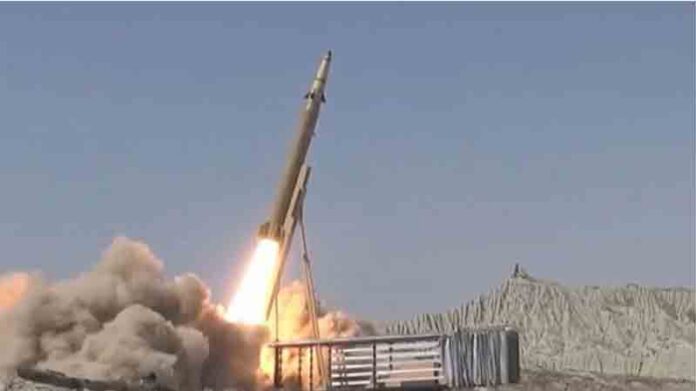
In a significant demonstration of its expanding strategic capabilities, Iran’s Islamic Revolutionary Guard Corps (IRGC) has officially introduced its latest medium-range ballistic missile, named ‘Qassem Baseer.’

This missile is claimed to be capable of evading interception by the United States’ Terminal High Altitude Area Defense (THAAD) system, which is a key component of Israel’s missile defense framework. The launch of this new solid-fueled missile system comes at a time of heightened instability in the Middle East, with Tehran positioning the Qassem Baseer as a next-generation deterrent that could alter the regional threat landscape. With a striking range of 1,200 kilometers, the Qassem Baseer targets American military installations in Iraq, Syria, and the Persian Gulf, providing Iran with a powerful long-range precision weapon that does not rely on intercontinental missiles.

In a statement filled with strategic implications, Iran’s Defence Minister Aziz Nasirzadeh warned, ‘If we are attacked or a war is forced upon us, we will respond with full force.’ He further emphasized, ‘We will strike their interests and bases without hesitation or limitations,’ while distinguishing between Tehran’s stance towards its neighbors and the presence of American forces: ‘We harbor no hostility towards our neighboring countries; they are our brothers, but American bases within those nations are legitimate targets.’

Nasirzadeh noted that the Qassem Baseer’s development was informed by combat data from Iran’s dual-stage Operation True Promise campaigns against Israel in 2024, representing a significant technological advancement over the previous Kheibar Shekan missile. ‘This missile features advanced guidance and high maneuverability, enabling it to penetrate most global ballistic missile defense systems,’ he asserted.

According to our technical assessments, it is estimated that around 5 percent of these missiles will be intercepted by Israel, while the rest will successfully penetrate defenses—contrasting sharply with the significantly higher interception rates observed during the True Promise operations, Nasirzadeh said. The Qassem Baseer features an optical terminal guidance system that eliminates reliance on GPS, greatly enhancing its accuracy and making it less susceptible to electronic warfare or satellite-denial tactics increasingly employed by NATO-aligned forces.

Operation True Promise I, initiated on April 13, 2024, represented the most intense kinetic confrontation between Iran and Israel to date, shifting their conflict from covert and proxy engagements to direct missile exchanges. This operation was a response to the Israeli attack on Iran’s diplomatic facility in Damascus, which resulted in the deaths of seven IRGC members, including two generals. Over 300 ballistic missiles, cruise missiles, and drones were launched during this operation—many from Iranian soil—making it the largest coordinated missile-drone strike ever documented.

Tehran escalated its efforts in Operation True Promise II on October 1, 2024, following the targeted assassinations of key figures such as Hamas leader Ismail Haniyeh, Hezbollah’s Hassan Nasrallah, and IRGC commander Abbas Nilforoushan. The second wave of missile strikes involved around 200 ballistic missiles, including hypersonic systems like the Fattah-1 and upgraded Kheibar Shekan, highlighting Iran’s growing capabilities in advanced missile technology despite Western sanctions.

The missiles targeted critical military installations within Israel, including the Nevatim and Tel Nof airbases, while several projectiles were reported to have aimed at areas near the Mossad headquarters and the cyber-intelligence Unit 8200. Nasirzadeh emphasized that the Qassem Baseer signifies a “generational leap” in Iran’s missile capabilities, surpassing the Kheibar Shekan in terms of accuracy and resilience, fundamentally altering the strategic landscape for both Israel and the United States.

He noted that the Qassem Baseer, developed from the Kheibar Shekan design, boasts a Circular Error Probability (CEP) of under one meter due to its sophisticated guidance system. If this assertion is independently validated, the Qassem Baseer would rank among the most precise ballistic missiles globally, a claim supported by earlier Kheibar Shekan operations that reportedly achieved a five-meter CEP during Operation True Promise II.

Beyond its exceptional accuracy, Nasirzadeh disclosed that the missile is engineered to endure advanced electronic jamming during tests, preserving full operational capability even under intense electromagnetic interference—a vital feature in contemporary missile warfare. Constructed with a radar-evading carbon fiber structure and outfitted with both thermal and optical terminal guidance, the Qassem Baseer is designed to navigate through layered defense systems like THAAD and Patriot, employing erratic flight trajectories and last-minute adjustments.

Its introduction highlights Iran’s intensified commitment to self-reliance in strategic deterrent technologies, marking not only a significant advancement in missile design but also a geopolitical message to both adversaries and allies. As the threat of regional conflict escalates—from Gaza to the Red Sea—Iran’s presentation of the Qassem Baseer conveys a clear message: its missile strategy is evolving from simple retaliation to precision-driven supremacy, recalibrating the power dynamics throughout the Middle East.

Pistorius will continue as the defense minister in the newly formed German coalition

0
German Defence Minister Boris Pistorius attends a session of Germany's lower house of parliament, the Bundestag, in Berlin, Germany.

On Monday, Germany‘s Social Democrats (SPD) announced that Boris Pistorius will continue as defence minister as they revealed their selections for the new coalition with the conservatives, set to be inaugurated this week.

Pistorius, who is the most popular politician in Germany, is the only SPD minister retaining his position in the new coalition following the SPD’s poorest performance in the national election on February 23. Last week, the SPD had already confirmed that co-leader Lars Klingbeil, 47, would assume the crucial finance ministry, while on Monday, they nominated former Bundestag president Baerbel Bas, 57, for the role of labour minister.

The coalition is expected to be sworn in on Tuesday, with Friedrich Merz stepping in as the new chancellor after his conservatives won the February elections. The two parties are focused on revitalizing growth in Europe’s largest economy, especially as a global trade conflict ignited by U.S. President Donald Trump’s extensive import tariffs poses a risk of another recession, alongside increasing defence expenditures amid tensions within the transatlantic NATO alliance.

‘In light of the disappointing results from the federal election, we have collectively announced a renewal in both personnel and policy direction. With our government team, we, as the party leadership, are now taking the next step,’ stated party leader Lars Klingbeil.

Pistorius, who has served as defence minister since January 2023, is well-regarded for his straightforward approach and strong commitment to national security. The 65-year-old has indicated that Germany must prepare for the possibility of war by 2029 due to escalating threats from Russia—a significant assertion in a nation that has been deeply affected by its own military actions in the past century.

Many SPD members had supported Pistorius as a candidate for chancellor after the collapse of Olaf Scholz’s three-party coalition last November, but he withdrew from consideration when it became evident that Scholz would not step aside.

Among the seven ministers nominated by the SPD, five are women, allowing the cabinet to achieve its objective of gender parity. Carsten Schneider, 49, the former commissioner for East Germany, will head the newly established ministry for environment and climate protection, while Reem Alabali-Radovan, 35, the former state secretary for integration, will serve as the minister for development.

In a statement, Klingbeil, co-leader Saskia Esken, and General Secretary Matthias Miersch noted that experienced individuals from both federal and state politics are complemented by new representatives, signifying a generational shift within the SPD.

As military capabilities grow, so do the risks of conflict between India and Pakistan

0
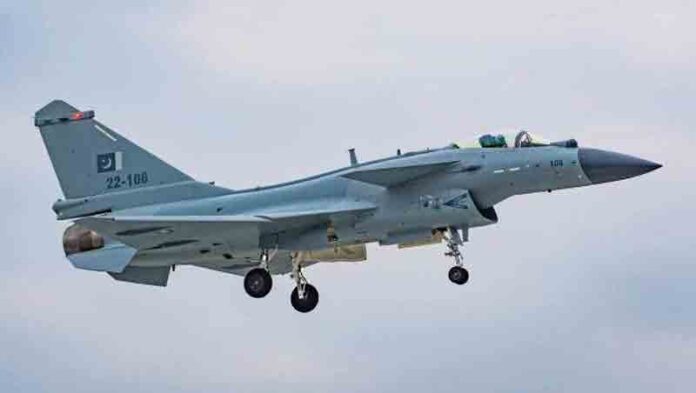
Pakistani Air Force's Chengdu J-10C fighter

Since the 2019 conflict, India and Pakistan have notably enhanced their military capabilities, increasing the potential for escalation even in minor confrontations, according to former military officials and analysts.

Pakistan has accused India of planning a military operation following New Delhi’s allegations that Islamabad was responsible for a deadly attack on tourists in Indian-administered Kashmir last month. Prime Minister Narendra Modi has pledged to retaliate against those behind the attack ‘in ways they cannot imagine.’

Although Pakistan denies any involvement, it has cautioned that it will respond if provoked. In 2019, India executed airstrikes within Pakistan in response to a bombing of an Indian military convoy in Kashmir, claiming to have destroyed ‘terrorist camps.’ Pakistan retaliated with its own airstrike, resulting in the downing of an Indian aircraft during a two-day military engagement.

The two nations have fought three wars—1948, 1965, and 1971—and have had numerous skirmishes since their independence, primarily over the disputed Kashmir region. Both countries developed nuclear arsenals in the 1990s, and Kashmir remains one of the world’s most perilous flashpoints.

Military analysts suggest that neither country is likely to resort to nuclear weapons unless absolutely cornered, but even a limited conflict could escalate rapidly. They predict that such a confrontation would likely involve aircraft, missiles, or drones, where both nations are seen as evenly matched, although India’s superior resources would become significant over time.

‘Decision-makers in both countries now exhibit a greater willingness to initiate and escalate conflicts compared to the period before 2019,’ stated Frank O’Donnell, a non-resident fellow at the Stimson Center’s South Asia Program in Washington, noting that they previously managed to engage without resorting to nuclear arms. ‘However, without a clear understanding of the specific actions that could lead to escalation, the risk of unintended conflict remains high,’ he added.

Since 2019, both nations have enhanced their military capabilities, leading to new conventional strike possibilities. Muhammad Faisal, a security researcher from the University of Technology, Sydney, noted, “Each side will believe they are in a stronger position than before; however, true assessments will only emerge during actual combat.”

India, feeling disadvantaged in 2019 due to reliance on aging Russian aircraft, has since acquired 36 Rafale fighter jets from France, with additional orders for its navy. In response, Pakistan has received batches of the advanced J-10 warplanes from China since 2022, which are comparable to the Rafale, totaling at least 20 according to the International Institute for Strategic Studies. Both aircraft are equipped with sophisticated technology, with the Rafale featuring Meteor missiles that can engage targets beyond visual range, while the J-10 is armed with the PL-15 missile, as per an unnamed Pakistani security official.

To address vulnerabilities in air defenses revealed during the 2019 conflict, India has procured Russia’s S-400 mobile anti-aircraft missile system, while Pakistan has acquired the HQ-9 from China, which is a derivative of Russia’s S-300 system.

Anil Golani, a former air vice marshal in the Indian Air Force and director general of the Centre for Air Power Studies, remarked, “In many ways, we are certainly better off than in 2019.” He also expressed that despite the domestic pressure for military action, both India and Pakistan are unlikely to seek a full-scale war.

Additionally, the looming presence of China, a key ally for Pakistan and a rival to India, complicates the situation, with the U.S. monitoring developments for insights into China’s military capabilities. The Chinese aircraft and its PL-15 missile have not been previously engaged in combat.

Faisal remarked, “This could represent a competition between Western and Chinese technology,” while noting that India faces the challenge of determining how many air squadrons to allocate to the Pakistan front, as it must also remain vigilant against China.

Historically, China and India engaged in a brief border conflict in 1962, with the two nations’ forces clashing again in 2022 along their contentious Himalayan border.

Pakistan operates a fleet of F-16s, U.S. aircraft acquired decades ago during a period of stronger relations with Washington. These F-16s were utilized during the 2019 conflict, prompting India to file complaints with the U.S., although New Delhi’s relationship with Washington has since strengthened significantly. To mitigate potential political repercussions associated with the F-16 and to leverage more advanced technology, experts suggest that Pakistan will likely lead with the Chinese J-10.

However, a drone or ground-launched missile strike is deemed more probable, as these options do not risk pilot casualties. India has sought assistance from Israel for combat-ready drones, acquiring the Heron Mark 2, and has placed an order for U.S. Predator drones.

Meanwhile, Pakistan has procured Turkey’s Bayraktar TB2, which was utilized by Ukraine in its conflict with Russia, as well as the Akinci drone, according to a Pakistani security official. In the midst of this standoff, Pakistan conducted a test of a surface-to-surface ballistic missile with a range of 450 km (280 miles) on Saturday, asserting that its armed forces are prepared to “protect national security against any aggression,” as stated by the military. Additionally, Pakistan possesses a variety of short-range and medium-range missiles that can be launched from land, sea, and air.

India has not yet issued a statement regarding the recent test. The country possesses advanced military capabilities, including the BrahMos supersonic cruise missile with a range of approximately 300 km, as well as the Agni series of intercontinental ballistic missiles.

The conflict in 2019 nearly escalated, with threats of missile strikes until U.S. intervention helped de-escalate tensions. Kaiser Tufail, a former Pakistani air force pilot, noted that India failed to establish effective deterrence in 2019, suggesting that it may pursue a more decisive strike this time, which could increase risks.

Modi remarked after the 2019 clashes that the absence of Rafale fighters, which were on order, was felt, implying that the outcome might have been different had they been available. Tufail cautioned, “Exceeding the actions of 2019 carries significant risks. Engaging in conflict between nuclear-armed nations is profoundly perilous.”

India starts hydroelectric projects after suspending the treaty with Pakistan, sources say

0
Labourers walk on a bridge near the 450-megawatt hydropower project located at Baglihar Dam on the Chenab river which flows from Indian Kashmir into Pakistan, at Chanderkote, about 145 km (90 miles) north of Jammu.

India has initiated efforts to enhance the reservoir capacity at two hydroelectric projects located in the Himalayan region of Kashmir, according to sources familiar with the situation who spoke to Reuters. This move follows heightened tensions with Pakistan, prompting India to suspend a water-sharing agreement.

This action marks India’s first significant step to operate beyond the frameworks established by the Indus Waters Treaty, which has remained intact since 1960 despite three wars and various conflicts between the two nuclear-armed nations. Recently, New Delhi halted the agreement that guarantees water supply to 80% of Pakistani agriculture after a deadly attack in Kashmir.

In response, Islamabad has threatened to pursue international legal action regarding the suspension and cautioning that any efforts to obstruct or redirect water that belongs to Pakistan would be viewed as an act of war.

A sediment removal process, referred to as ‘reservoir flushing,’ commenced on Thursday, executed by NHPC Ltd, India’s largest hydropower company, in collaboration with authorities in Jammu and Kashmir, as reported by the three sources. While this work may not pose an immediate risk to Pakistan’s water supply, which relies on rivers flowing from India for irrigation and hydropower, it could potentially impact future supplies if similar initiatives are undertaken by other projects in the region, where more than six such projects exist.

Notably, India did not notify Pakistan about the activities at the Salal and Baglihar projects, which are being conducted for the first time since their establishment in 1987 and 2008/09, respectively, as previous treaty provisions had prohibited such actions. Since gaining independence from British colonial rule in 1947, India and Pakistan have engaged in two of their three wars over Kashmir, alongside numerous shorter conflicts.

The flushing operation commenced on May 1 and lasted for three days, according to sources. This marks the first occurrence of such an initiative, which is expected to enhance power generation efficiency and protect turbines from damage, as reported by one source to Reuters. Additionally, we were instructed to open the adjustable gates for cleaning, which we executed starting May 1.

This initiative aims to eliminate any operational restrictions on the dam. Residents along the Chenab river in the Indian region of Kashmir observed that water was released from both the Salal and Baglihar dams from Thursday to Saturday. The flushing process for hydropower projects necessitates nearly emptying a reservoir to expel sediments, which significantly contribute to reduced output.

For instance, two sources indicated that the power output from the 690-MegaWatt Salal project was considerably below its potential due to Pakistan’s previous restrictions on flushing, while sediment accumulation also affected the 900-MW Baglihar project. One source noted that flushing is not a frequent practice due to the substantial water wastage it entails. It is expected that downstream countries will be notified if this process results in any flooding.

The construction of both projects involved extensive negotiations with Pakistan, which is concerned about its water allocation. Under the 1960 treaty that divided the Indus and its tributaries between the two nations, India has also provided data on hydrological flows at various locations along the rivers and issued flood alerts.

India’s water minister has pledged to prevent any of the Indus river’s water from reaching Pakistan. However, officials and experts from both nations agree that India cannot immediately halt water flows, as the treaty permits only the construction of hydropower facilities without significant storage dams on the three rivers designated for Pakistan. This suspension allows India to freely advance its projects, according to Kushvinder Vohra, a recently retired leader of India’s Central Water Commission who has dealt extensively with Indus-related disputes.

In recent years, Prime Minister Narendra Modi’s administration has aimed to renegotiate the treaty, while both countries have attempted to resolve some of their issues at the Permanent Court of Arbitration in The Hague, particularly concerning the capacity of water storage at the Kishenganga and Ratle hydroelectric plants in the region.