Saturday, June 6, 2026
Home Blog Page 35

Pakistan’s First Hyperspectral Satellite: A Quantum Leap in Space Technology and National Security

0

In October 2025, Pakistan will mark a historic milestone in its space journey with the launch of its first hyperspectral satellite, a cutting-edge addition to its growing space capabilities. Spearheaded by the Space and Upper Atmosphere Research Commission (SUPARCO), this satellite, set to be launched from a Chinese facility, represents a pivotal step under Pakistan’s ambitious “Space Vision 2040” initiative. Unlike traditional multispectral satellites, this hyperspectral system will capture data across hundreds of narrow spectral bands (approximately 400-2500 nm), providing unprecedented detail for applications ranging from resource exploration to environmental monitoring and national security. As Pakistan joins a select group of nations with hyperspectral capabilities, this launch not only bolsters its technological prowess but also positions it as a leader in the Organisation of Islamic Cooperation (OIC) space community.

Technical Details of the Hyperspectral Satellite

The hyperspectral satellite, developed in collaboration with the China Aerospace Science Technology Corporation (CASC) and China Great Wall Industry Corporation (CGWIC), will operate in Low Earth Orbit (LEO) at an altitude of approximately 500-600 km. Unlike Pakistan’s earlier remote sensing satellites, such as the Pakistan Remote Sensing Satellite-1 (PRSS-1, launched 2018) with its multispectral and panchromatic imaging, this new satellite employs hyperspectral sensors capable of capturing data across a continuous spectrum of wavelengths. Each pixel in the imagery will carry a unique spectral signature, enabling precise identification of materials, vegetation, and environmental conditions.

Key technical features include:

– Spectral Range: Visible to shortwave infrared (400-2500 nm), covering hundreds of bands for detailed analysis.

– Spatial Resolution: Likely comparable to or better than PRSS-1’s 2.5-meter panchromatic resolution, optimized for both broad and granular imaging.

– Data Collection: High temporal resolution for frequent revisits, critical for real-time monitoring.

– Onboard Processing: Advanced algorithms to manage large datasets, reducing ground station workload.

The launch follows Pakistan’s recent successes with the PRSC-EO1 (January 2025) and PRSC-S1 (July 2025) satellites, both launched via Chinese Long March rockets. SUPARCO Chairman Muhammad Yousaf Khan announced the project during a training workshop in Lahore on September 22, 2025, highlighting its role in achieving self-reliance in space-based imaging. The satellite’s development also includes contributions from Pakistani engineers trained in hyperspectral technology, marking a step toward indigenous expertise.

Importance of the Hyperspectral Satellite

The hyperspectral satellite is a game-changer for Pakistan, a nation grappling with economic constraints, climate vulnerabilities, and strategic challenges. Its ability to provide detailed spectral data unlocks applications that were previously costly or inaccessible. The importance of this mission spans multiple domains:

1. Resource Exploration and Management:

– Hyperspectral imaging can detect minerals like copper, gold, and lithium by identifying their spectral signatures, critical for Pakistan’s untapped reserves in regions like Balochistan and Khyber Pakhtunkhwa.

– Traditional geological surveys, which cost millions and take years, can now be completed in days, reducing exploration costs by up to 90%.

– It supports water resource mapping, vital for a country facing water scarcity affecting 80% of its population.

2. Environmental and Climate Monitoring:

– Pakistan, ranked among the top 10 nations most vulnerable to climate change, will benefit from precise monitoring of glacier melt (e.g., in the Karakoram Range), flood risks, and glacial lake outburst flood (GLOF) events.

– The satellite can track air pollution, smog (a major issue in Lahore and Karachi), and greenhouse gas emissions like methane, aiding compliance with global climate goals.

– Coastal ecosystem monitoring, including mangrove health in Sindh, will support biodiversity preservation.

3. Agriculture and Food Security:

– With agriculture contributing 24% to Pakistan’s GDP and employing over 40% of its workforce, the satellite’s ability to assess crop health, soil moisture, and pest infestations will optimize yields.

– Precision farming enabled by hyperspectral data can increase agricultural productivity by 10-15%, reducing reliance on food imports.

– It will map deforestation and land degradation, supporting sustainable land use policies.

4. Disaster Management and Urban Planning:

– Real-time data will enhance early warning systems for floods, earthquakes, and landslides, critical for a nation where natural disasters affect millions annually.

– Urban expansion in megacities like Karachi (population 16 million) and Lahore can be monitored to improve infrastructure planning and reduce disaster vulnerabilities.

5. Global Standing and Collaboration:

– As the first OIC nation to deploy a hyperspectral satellite, Pakistan strengthens its position as a regional space leader.

– Collaboration with China, a global leader in hyperspectral technology, ensures access to expertise and infrastructure, paving the way for future joint missions, including astronaut training planned for 2026.

Military Applications

Beyond civilian applications, the hyperspectral satellite will significantly enhance Pakistan’s defense and national security capabilities. Its advanced imaging capabilities offer strategic advantages in a geopolitically sensitive region:

1. Border Surveillance and Threat Detection:

– Hyperspectral sensors can identify camouflaged military assets, such as vehicles or bunkers, by detecting material compositions (e.g., metals, paints) that traditional imaging might miss.

– Enhanced monitoring of Pakistan’s borders with India, Afghanistan, and Iran will improve situational awareness, particularly in contested areas like the Line of Control (LoC) in Kashmir.

– The satellite can detect chemical signatures associated with explosives or hazardous materials, aiding counter-terrorism efforts.

2. Maritime Security:

– In the Arabian Sea, the satellite can monitor naval activities, including foreign vessels near Pakistan’s Exclusive Economic Zone (EEZ) and the strategic Gwadar Port, a key node in the China-Pakistan Economic Corridor (CPEC).

– It can detect oil spills or chemical leaks, ensuring maritime environmental security and protecting naval operations.

3. Strategic Infrastructure Monitoring:

– Hyperspectral data can assess the integrity of critical infrastructure, such as military bases, dams, and nuclear facilities, by detecting structural weaknesses or material degradation.

– It supports reconnaissance for defense planning, offering high-resolution insights into terrain and resource availability in remote areas.

4. Intelligence and Counterintelligence:

– The satellite’s ability to differentiate between natural and artificial materials can uncover hidden installations or activities, such as underground bunkers or illicit mining operations.

– Real-time data sharing with Pakistan’s armed forces will enhance rapid response capabilities, crucial in a region prone to cross-border tensions.

The military applications align with Pakistan’s broader defense strategy, which emphasizes technological self-reliance and regional deterrence. By integrating hyperspectral data into its intelligence, surveillance, and reconnaissance (ISR) framework, Pakistan can reduce dependence on foreign satellite imagery, a critical factor given past restrictions on commercial data during regional conflicts.

Broader Impacts

The launch of the hyperspectral satellite will have far-reaching impacts across economic, environmental, social, and strategic domains, positioning Pakistan as a forward-thinking player in the global space race.

Sector
Key Impacts
Economic
– Unlocks billions in mineral wealth, potentially boosting GDP by 1-2% through resource exports. – Enhances agricultural efficiency, reducing import costs (e.g., wheat imports cost $1 billion annually). – Creates commercial opportunities by licensing hyperspectral data to global markets, following the model of companies like Planet Labs.
Environmental
– Provides data for climate adaptation, reducing economic losses from floods (e.g., 2022 floods caused $30 billion in damages). – Supports global sustainability goals by monitoring deforestation and emissions. – Preserves biodiversity in ecologically sensitive areas like the Himalayas and Indus Delta.
Social
– Improves disaster preparedness, potentially saving thousands of lives annually. – Enhances urban planning, reducing strain on overpopulated cities. – Supports education and research by providing data to universities and institutions.
Strategic
– Strengthens national security through independent ISR capabilities. – Reduces reliance on foreign satellite providers, enhancing strategic autonomy. – Positions Pakistan as a regional space hub, attracting investment and talent.
Technological
– Builds SUPARCO’s expertise, supporting future missions like lunar exploration or satellite constellations. – Fosters a skilled workforce through training programs, with 100+ engineers already trained in hyperspectral technology. – Drives innovation in data analytics and AI to process hyperspectral datasets.


Challenges and Future Prospects

While the satellite promises transformative benefits, challenges remain. Processing hyperspectral data requires significant computational infrastructure, and Pakistan must invest in ground stations and AI-driven analytics to maximize utility. Cybersecurity is another concern, as satellite data could be targeted by adversaries. Additionally, ensuring equitable access to data for civilian sectors will be critical to avoid over-prioritization of military applications.

Looking ahead, the satellite sets the stage for Pakistan’s long-term space ambitions. SUPARCO’s roadmap includes a lunar mission by 2030 and potential manned spaceflight with Chinese support. The hyperspectral satellite’s success could attract international partners, including Middle Eastern nations, to co-fund future projects. Commercially, Pakistan could emulate India’s ISRO by offering low-cost satellite data services, generating revenue to fuel further innovation.

Conclusion

Pakistan’s first hyperspectral satellite, launching in October 2025, is more than a technological achievement—it is a strategic leap toward self-reliance, resilience, and global relevance. By harnessing the power of hyperspectral imaging, Pakistan can unlock its natural resources, combat climate challenges, enhance food security, and bolster national defense. The satellite’s military applications, from border surveillance to maritime security, will strengthen Pakistan’s strategic posture in a volatile region. As SUPARCO builds on this milestone, the nation is poised to redefine its role in the global space community, proving that even resource-constrained countries can reach for the stars. With the world watching, Pakistan’s hyperspectral satellite is set to illuminate a brighter, more secure future.

Iran’s Military Makeover: Russia’s MiG-29s, Su-35s, and S-400s Arrive as China’s HQ-9 Looms

0
S-400 air defense systems

In a bold move to reshape its military landscape, Iran is turbocharging its air force and defense systems with a flurry of high-profile acquisitions from Russia and China. On September 22, 2025, Iranian MP Abolfazl Zohrevand, a member of the National Security and Foreign Policy Commission, dropped a bombshell in an interview with the Tahririeh Studies Institute: Russia has delivered a fresh batch of MiG-29 fighter jets as a “short-term boost” to Iran’s aging air force, with deliveries of advanced Su-35 fighters ongoing. Zohrevand didn’t stop there—he claimed Iran is pursuing Chinese HQ-9 air defense systems in large quantities and, most strikingly, that Russia’s coveted S-400 system “is also coming—in fact, it has arrived.” His defiant tone, “They [enemies] only understand the language of power; now let them do whatever the hell they want,” signals Iran’s intent to project strength amid escalating tensions with Israel and the West.

The Deals: A Deep Dive into Iran’s New Arsenal

Iran’s air force and air defenses, crippled by decades of sanctions and reliance on aging U.S. and Soviet-era hardware, were exposed during the June 2025 Israel-Iran conflict. Israeli F-35s and drones decimated Iran’s S-300 systems, revealing critical gaps in radar coverage, stealth detection, and missile interception. Zohrevand’s claims suggest Iran is addressing these weaknesses with a multi-billion-dollar shopping spree, primarily funded through barter deals (Iranian oil for weapons) to skirt U.S. sanctions. Below is a detailed breakdown of each system, its status, and verification:

1. MiG-29 Fighter Jets (Russia) – The Short-Term Surge

– Status: Delivered as a “short-term solution” to bolster air superiority.

– Details: The batch includes 12-16 upgraded MiG-29M2 variants, equipped with modern avionics, R-73 air-to-air missiles, and precision-guided munitions. Costing approximately $30-40 million total, these jets are deployed to bases in Tehran and Tabriz. Iran already operates 19 older MiG-29s from the 1990s, but these new models feature enhanced radar (Zhuk-ME) and a top speed of Mach 2.25, outpacing Iran’s aging F-5s.

– Verification: High confidence. Zohrevand’s claim aligns with reports from Pravda, which noted Russian Il-76 transport planes landing in Tehran in late August 2025. Satellite imagery from Sentinel Hub confirms increased activity at Mehrabad Airbase, consistent with jet deliveries. Russia has not officially confirmed, likely to avoid Western backlash.

– Significance: The MiG-29s provide an immediate boost, capable of countering Israeli F-16s in dogfights. However, limited pilot training (6-12 months required) and spare parts shortages could hamper readiness.

2. Su-35 Fighter Jets (Russia) – The Long-Term Game-Changer

– Status: Deliveries ongoing, with significant progress since November 2024.

– Details: Iran ordered 24-50 Su-35S fighters in 2023, originally built for Egypt but redirected after Cairo’s deal fell through. Each jet costs $80-100 million, with the total deal valued at $2-3 billion, part of a 20-year Russia-Iran strategic partnership signed in January 2025. The Su-35 boasts supercruise capability, thrust-vectoring engines, and Irbis-E radar, enabling strikes up to 1,500 km away. Two jets were delivered in November 2024, with more expected by Q4 2025. Iran plans local assembly of Su-30/35 variants at HESA facilities in Isfahan by 2028.

Verification: Medium confidence. Iranian IRGC officials and Flug Revue confirm ongoing deliveries, supported by recent An-124 cargo flights to Hamadan Airbase. Delays, attributed to Russia’s commitments in Ukraine, appear resolved, with X posts reporting Russian pilot trainers in Iran since July 2025.

– Significance: The Su-35 could transform Iran’s air force, enabling offensive operations against Gulf states or U.S. naval assets. Its integration with S-400 systems could challenge Israeli air dominance, though full operational capability may take 2-3 years.

3. HQ-9 Air Defense Systems (China) – A New Eastern Ally

– Status: Actively pursuing, with “large quantities” incoming.

– Details: Iran is acquiring 4-6 batteries of the HQ-9B, a Chinese system with a 250 km range and anti-stealth capabilities, comparable to the U.S. Patriot. Costing ~$1.5 billion, the deal is funded via oil shipments (China imports 90% of Iran’s crude). The HQ-9 complements Iran’s domestic Bavar-373 and surviving S-300 units, with deployments planned around nuclear sites like Natanz and Fordow post-June 2025 ceasefire.

– Verification: Medium confidence. Middle East Eye and Army Recognition report Chinese Y-20 transports delivering systems in July 2025. Egypt’s recent HQ-9B purchase validates China’s export pipeline, though Beijing denies involvement to avoid U.S. sanctions. Reports cite Iranian insiders claiming initial tests near Bushehr.

– Significance: The HQ-9 fills gaps in Iran’s low-to-mid-altitude defenses, effective against cruise missiles and drones. It signals a deepening Iran-China military axis, reducing reliance on Russia.

4. S-400 Air Defense Systems (Russia) – The Crown Jewel

– Status: “Has arrived,” with first tests in late July 2025.

– Details: One full S-400 battery (8 launchers, 91N6E radar, 48N6DM missiles) with a 400 km range, costing $500 million. Deployed near Isfahan to protect nuclear facilities, it includes Russian specialists for integration. The system can engage stealth aircraft, ballistic missiles, and drones, offering a significant upgrade over Iran’s S-300s.

– Verification: Low to medium confidence. Zohrevand’s claim aligns with Army Recognition and Defense Express reports of July 2025 tests. Il-76 flights to Isfahan in August 2024 suggest initial deliveries. Iran previously denied interest in November 2024, claiming its Bavar-373 was “superior,” but recent losses likely forced a reversal. Russia remains silent, possibly to avoid antagonizing the West.

– Significance: The S-400 creates a robust high-altitude shield, potentially covering 70% of Iran’s airspace when paired with HQ-9 and Bavar-373. It could deter Israeli F-35 strikes, though its effectiveness against advanced Western systems remains untested in combat (e.g., S-400 failures in Syria).

Total estimated cost: $4-5 billion, facilitated through covert logistics (unmarked Il-76s and Y-20s) and oil-for-arms deals. These acquisitions mark Iran’s largest military upgrade since the 1970s, leveraging Russia and China’s need for Iranian energy and drones (e.g., Shahed-136s supplied to Russia).

Strategic Impact: A New Power Play in the Middle East

Iran’s military buildup comes at a critical juncture. The June 2025 war exposed its vulnerabilities: Israeli strikes destroyed 80% of its S-300 batteries and key radar sites, with Iran’s air force (F-14s, F-4s, MiG-29s) unable to respond effectively. The new systems aim to close these gaps, but their impact depends on integration, training, and regional reactions. Here’s how they reshape the battlefield:

Short-Term Boost (0-12 Months)

– Air Superiority: The MiG-29M2s provide immediate deterrence. Their R-73 missiles and maneuverability outmatch Iran’s F-5s and rival Israel’s F-16s in close combat. Deployed to bases like Tabriz, they could secure Iran’s western borders against Turkish or Israeli incursions.

– Air Defense: The S-400 and HQ-9 create a layered defense network. The S-400’s 400 km range covers high-altitude threats (e.g., F-35s), while the HQ-9’s anti-stealth radar targets drones and cruise missiles. Simulations from Chinese exercises suggest a 60-70% intercept rate against stealth platforms.

– Challenges: Pilot training for MiG-29s takes 6-12 months, and S-400/HQ-9 integration requires Russian/Chinese technicians, delaying full readiness until mid-2026. Sanctions limit spare parts, risking maintenance bottlenecks.

Medium- to Long-Term Transformation (1-5 Years)

– Offensive Capability: The Su-35’s 1,500 km range and precision munitions enable strikes on U.S. bases in Qatar or Saudi Arabia. Paired with Iran’s ballistic missile arsenal, this supports an “anti-access/area denial” (A2/AD) strategy, deterring U.S. carrier groups in the Persian Gulf.

– Regional Deterrence: A fully operational S-400/HQ-9 network could protect 80% of Iran’s airspace, shielding nuclear sites and oil infrastructure. Local Su-35 production by 2028 could yield 50-100 modern fighters, rivaling Gulf states’ F-15s and Eurofighters.

– Economic and Diplomatic Gains: Strengthened ties with Russia (via drone exports) and China (via oil) insulate Iran from Western sanctions. The deals also signal a shift toward an Eastern bloc, with Iran as a key node in Russia-China military cooperation.

Risks and Limitations

– Operational Hurdles: The S-400’s complexity requires extensive training, and its performance against F-35s is unproven (Syrian S-400s failed to stop Israeli strikes). MiG-29s and Su-35s rely on Russian spares, which Ukraine’s sanctions disrupt. Iran’s airfields, vulnerable to preemptive strikes, need hardening.

– Regional Escalation: Israel, alarmed by Iran’s buildup, may launch preventive strikes on S-400 sites or airbases, as seen in 2025. Saudi Arabia and the UAE, with advanced U.S. systems, could accelerate their own arms race, escalating tensions.

– Sanctions Backlash: The U.S. could impose secondary sanctions on Chinese and Russian firms, straining Iran’s economy (already at 15% inflation). Oil exports, critical for funding, face risks if Gulf shipping lanes are targeted.

The Bigger Picture: Iran’s Defiant Message

Zohrevand’s fiery rhetoric—“let them do whatever the hell they want”—underscores Iran’s psychological strategy: projecting strength to deter foes and rally domestic support. On X, Iranian users hailed the deals as a “game-changer,” while Israeli analysts dismissed them as “quantity over quality,” noting that U.S.-supplied systems (e.g., F-35s, THAAD) still hold a technological edge. Russian and Chinese media, meanwhile, frame the transfers as a counterweight to NATO’s influence in the Middle East. For Iran, this buildup is a high-stakes gamble. If successful, it could deter future Israeli strikes and secure its nuclear program, shifting the regional balance toward a multipolar order with Russia and China as key players. If mismanaged, it risks economic collapse and military overreach, inviting preemptive attacks. As one X user put it, “Iran’s playing chess while Israel’s playing blitzkrieg—let’s see who blinks first.”

“Will the U.S. Counter Saudi Arabia’s Defense Pact with Pakistan? Speculating on a New Arms Race in the Middle East”

0

On September 17, 2025, Saudi Arabia and Pakistan formalized a landmark Strategic Mutual Defense Agreement (SMDA) in Riyadh’s Al Yamamah Palace, cementing decades of security ties with a bold declaration: an attack on one is an attack on both. Signed during Pakistani Prime Minister Shehbaz Sharif’s state visit, hosted by Crown Prince Mohammed bin Salman, the pact encompasses joint military training, defense production, technology transfers, and potential troop deployments. While not explicitly a nuclear agreement, Pakistan’s Defense Minister Khawaja Mohammad Asif hinted on September 18, 2025, that Islamabad’s nuclear capabilities could be leveraged for Saudi Arabia’s defense, a statement tempered by Saudi officials emphasizing conventional cooperation. The deal, negotiated since mid-2024, gained urgency after Israel’s September 9, 2025, airstrikes on Doha, Qatar, which exposed Gulf vulnerabilities and doubts about U.S. security guarantees. This development has sparked intense speculation about whether the United States will respond with a new defense deal to reaffirm its commitment to Saudi Arabia, a key ally and top arms buyer.

The Pakistan-Saudi Defense Pact: A Strategic Shift

The SMDA marks a significant escalation in Pakistan-Saudi relations, building on historical financial ties, such as Saudi Arabia’s $3 billion loans to Pakistan. The agreement responds to regional anxieties, particularly after Israel’s Qatar strikes, which targeted Hamas leaders and raised questions about U.S. willingness to protect Gulf allies. Analysts view the pact as a Saudi hedge against threats from Iran and a signal of reduced reliance on Washington. While Pakistan’s nuclear arsenal adds a strategic deterrent, Saudi officials have clarified the focus is on comprehensive military cooperation, including co-production and capacity-building. The deal’s announcement, with Saudi Arabia notifying the U.S. only post-signing, underscores Riyadh’s assertive pivot toward diversified alliances, especially amid stalled U.S.-Saudi nuclear talks tied to Israel normalization since early 2025.

Recent U.S.-Saudi Defense Cooperation

The U.S. and Saudi Arabia have a robust defense relationship, highlighted by a record-breaking $142 billion arms package signed on May 13, 2025, during President Donald Trump’s visit to Riyadh. This deal, the largest in U.S. history, includes F-15 fighter upgrades (initial deliveries by late 2026), Patriot PAC-3 missile defense expansions (operational by 2027), maritime and anti-drone systems, and advanced C4ISR (command, control, communications, and intelligence) enhancements. Training programs for Saudi forces began in Q3 2025, supported by 40,000–50,000 U.S. troops stationed in the region, including at Prince Sultan Air Base. The agreement aligns with Saudi Arabia’s $600 billion investment in the U.S. economy, reinforcing bilateral ties. However, no new deals have been announced since the Pakistan-Saudi pact on September 17, 2025, leaving open the question of a U.S. response.

Speculative Scenarios for a New U.S.-Saudi Defense Deal

As of September 20, 2025, no new U.S.-Saudi defense agreement has surfaced, but the Pakistan pact’s implications make a response likely within 3–9 months (December 2025–June 2026). The U.S. faces pressure to counter Saudi Arabia’s strategic hedging, especially given Riyadh’s growing ties with China, Russia, and BRICS nations. Below are five speculative scenarios for how the U.S. might respond, with timelines and potential outcomes:

1. Accelerated Arms Package (December 2025–February 2026)

The U.S. could unveil a $50–80 billion supplemental arms deal, fast-tracking F-35 jet approvals (pending since May 2025) and expanding THAAD missile defense systems to counter Houthi and Iranian threats. This scenario could be triggered by Sharif’s U.S. visit in late October 2025 or discussions at the UN General Assembly (September 22–October 1, 2025). Likelihood: 70%. Such a deal aligns with historical U.S. responses to Gulf hedging, like the $110 billion package in May 2017. It would strengthen military ties but risks congressional opposition over F-35 transfers due to Israel’s concerns about its qualitative military edge.

2. Formal Security Pact (March–June 2026)

The U.S. might propose a mutual defense treaty akin to those with Japan or South Korea, guaranteeing protection against Iran or its proxies. This could include joint bases and integrated missile defenses, potentially sparked by Iranian escalation (e.g., a nuclear test or Gulf attacks) by November 2025. Likelihood: 50%. While Biden’s 2023–2024 treaty talks failed, Trump’s deal-making approach and competition from the BRICS summit (October 22–24, 2025, in Kazan) could revive this. However, it risks entangling the U.S. in Saudi-Iran conflicts and complicating Pakistan’s role.

3. Nuclear Cooperation Deal (April–June 2026)

To deter Saudi reliance on Pakistan’s nuclear arsenal, the U.S. could restart civilian nuclear energy talks stalled since early 2025, offering a safeguarded program tied to Israel-Saudi normalization. Progress might follow Saudi-Iran talks in late September 2025 or UN engagements. Likelihood: 40%. Saudi Arabia’s nuclear ambitions face U.S. nonproliferation concerns and Israel’s opposition (voiced September 2025), but China’s competing offers add urgency. This could unlock $100 billion in U.S. investments but risks fueling a regional arms race if safeguards fail.

4. Triangular U.S.-Saudi-Pakistan Framework (January–April 2026)

The U.S. could broker a trilateral security arrangement, integrating the Pakistan-Saudi pact into a U.S.-led framework with joint exercises and intelligence sharing to counter Iran. This might emerge if the U.S. views Pakistan’s role as stabilizing during Sharif’s October 2025 visit. Likelihood: 30%. While some repots suggest U.S. backing for the pact to leverage Pakistan, India’s objections (raised September 19, 2025) and nuclear proliferation concerns pose challenges. This would enhance U.S. influence but risk alienating India.

5. No Deal, Status Quo (Ongoing through 2026)

The U.S. might rely on the existing $142 billion deal, avoiding new commitments due to domestic constraints (e.g., congressional elections in November 2026) or Saudi overreach in BRICS. Saudi Arabia could then deepen ties with China (e.g., $20 billion deals in 2024–2025) or Russia. Likelihood: 20%. Inaction risks losing Saudi loyalty, especially as Qatar explores a similar pact with Pakistan by Q4 2025, making this scenario unlikely given U.S. strategic interests.

Key Timeline Triggers

– Late September–October 2025: The UN General Assembly (September 22–October 1) and Sharif’s U.S. visit (late October) could initiate U.S.-Saudi talks. Houthi threats (escalated September 19, 2025) or Iran’s response to U.S. sanctions (tightened September 19) may heighten urgency.

– November–December 2025:November–December 2025: Outcomes from the July 2025 BRICS Summit and mid-September 2025 Saudi-Iran talks could clarify Saudi Arabia’s alignment, prompting U.S. counteroffers like F-35 or THAAD deals by year-end.

– Q1–Q2 2026 (January–June): Regional escalations, such as Iranian nuclear advancements or Yemen conflict spikes by January 2026, could drive a major U.S. deal—arms, treaty, or nuclear—by March–June 2026.

– 2027 and Beyond: Delayed U.S. action risks Saudi Arabia pivoting to China or Russia, especially if Qatar secures a Pakistan pact by mid-2026, reshaping Gulf alliances.

Driving Factors

– Saudi Hedging: Riyadh’s post-pact notification to the U.S. and Gulf doubts post-Qatar strikes pressure Washington. X discussions highlight a U.S. need to “scramble” to retain influence, possibly via Sharif’s visit.

– Iran and Proxies: Houthi warnings (September 19, 2025) and Iran’s sanctions response increase Saudi demand for U.S. missile defenses or nuclear assurances.

– Geopolitical Competition: Saudi Arabia’s BRICS membership and Chinese deals ($20 billion in 2024–2025) push the U.S. to act, potentially by Q1 2026.

– Nuclear Concerns: U.S. monitoring of Pakistan-Saudi nuclear ties (noted September 18, 2025) may spur a preemptive nuclear energy deal to limit proliferation risks.

Conclusion

The Pakistan-Saudi defense pact has reshaped Middle East security dynamics, positioning a new U.S.-Saudi deal as highly probable by March 2026, with an accelerated arms package being the most likely outcome by February 2026. A formal treaty, nuclear cooperation, or trilateral framework are less certain but feasible if tensions escalate. The U.S. is unlikely to remain passive given competition from China and Russia. Key developments to watch include Sharif’s U.S. visit (late October 2025), UN General Assembly discussions (ending October 1, 2025), and Saudi-Iran talks (late September 2025). As the region teeters on the edge of escalation, the U.S. response will shape the future of Gulf alliances and the broader Middle East power balance.

Pakistan’s Nuclear Umbrella for Saudi Arabia: A Game-Changer with Global Ripples

0
Shaheen-III missile

Imagine a world where Pakistan, a nuclear-armed nation long focused on its rivalry with India, extends its nuclear shield to Saudi Arabia, reshaping the Middle East’s volatile power dynamics. This hypothetical shift in Pakistan’s nuclear doctrine—prompted by recent geopolitical tremors like Israel’s 2025 strike on Qatar—would mark a seismic pivot, blending South Asian and Gulf security in an unprecedented “Muslim NATO.” While Pakistan’s official doctrine remains India-centric, recent statements from Defense Minister Khawaja Asif and the September 17, 2025, Strategic Mutual Defense Agreement with Riyadh hint at such a possibility. What would happen if Pakistan formally offered Saudi Arabia a nuclear umbrella, guaranteeing retaliation against existential threats? The implications are profound, risky, and far-reaching.

What Is a Nuclear Umbrella?

A nuclear umbrella is a strategic assurance where a nuclear-armed state pledges to use its arsenal to protect an ally from existential attacks, nuclear or otherwise. For Pakistan, this would mean reorienting part of its 170 warheads—currently aimed at deterring India’s conventional edge—to cover Saudi Arabia against threats like Israel’s nuclear arsenal or Iran’s near-breakout capabilities. This isn’t outright weapon-sharing but a doctrinal shift, potentially involving joint targeting or forward deployment, formalized by the 2025 pact treating attacks on one as attacks on both.

Why Now? The Trigger of 2025

The catalyst lies in the Middle East’s escalating tensions. Israel’s strike on Qatar exposed vulnerabilities in U.S.-backed defenses, shaking Saudi confidence in American guarantees. Saudi Arabia, a longtime financial backer of Pakistan, has sought deeper security ties, with Crown Prince Mohammed bin Salman hinting at alternative nuclear options since 2023. Pakistan’s Army Chief Asim Munir’s presence at the Riyadh pact signing, coupled with Asif’s remarks about “capabilities” for Saudi defense, signals openness to an umbrella. This move aims to deter Israel, counter Iran, and secure Saudi funding amid Pakistan’s economic woes.

Immediate Implications: A New Deterrence Calculus

1. Bolstering Saudi Security: Pakistan’s Shaheen missiles could theoretically reach Tel Aviv, plugging Saudi Arabia’s “deterrence deficit” against Israel’s 90 warheads. This emboldens Riyadh against regional threats like Yemen’s Houthis or Iran’s proxies, but stretches Pakistan’s limited arsenal across two theaters—India and the Gulf.

2. Escalation Risks: Israel, labeling this “existential,” might preemptively target Pakistani assets via cyber or sabotage. Iran, feeling encircled, could accelerate its nuclear program, sparking an arms race. Gulf states like the UAE or Bahrain might seek similar pacts, fragmenting regional unity.

3. Economic Shockwaves: Oil markets, already jittery post-Qatar strike (Brent crude spiked 4%), could see sustained volatility, with prices potentially rising $10-15 per barrel if tensions flare. Safe-haven assets like gold and the yen would rally, while Pakistan’s rupee might stabilize with Saudi cash inflows.

Global Repercussions: A Fragile Nuclear Order

This doctrinal shift would ripple beyond the Middle East, challenging global stability:

– U.S. and NATO: Washington, dismissing the move as “speculative,” would likely impose sanctions and bolster intelligence-sharing with Israel. The Trump administration might push arms control to contain fallout.

– India’s Alarm: New Delhi, viewing this as a two-front threat, would accelerate its Agni-VI missile (10,000+ km range) to cover the Gulf, straining Saudi-India trade ties. The QUAD (U.S., India, Japan, Australia) would tighten as a counterweight.

– China and Russia’s Gain: Beijing, a Pakistani ally, might back a Saudi nuclear program via Islamabad, while Moscow would leverage the shift to weaken U.S. influence. This strengthens a China-Pakistan-Saudi axis, reshaping global alignments.

– Non-Proliferation Erosion: The umbrella violates the NPT’s spirit, inviting IAEA scrutiny. It mirrors Russia’s 2024 doctrine lowering nuclear thresholds, pushing the Doomsday Clock closer to midnight (already at 90 seconds in 2025).

Long-Term Risks: Overreach and Instability

For Pakistan, extending a nuclear umbrella is a high-stakes gamble. Its small arsenal struggles to credibly deter both India and Middle Eastern foes, risking overstretch and domestic backlash over “exporting” deterrence. Saudi Arabia gains autonomy from the U.S., advancing MBS’s vision of a “strong Saudi,” but invites Israeli retaliation and destabilizes the Abraham Accords. Globally, the move fuels a tripolar nuclear dynamic—U.S., China, Russia—while encouraging copycat doctrines in states like Iran or Turkey.

The Credibility Question

Experts at the Belfer Center argue that doctrinal shifts alone don’t “convert” deterrence into action; ambiguity is the real weapon. Pakistan’s umbrella would signal resolve but lack credibility without retargeting or deployment—steps that invite U.S. intervention. As CSIS notes, the 2025 pact prioritizes psychological coercion over operational reality, deterring some escalations (e.g., Israel hesitating) but not all (e.g., Iran’s defiance).

What’s Next?

If Pakistan formalizes this umbrella, expect U.S.-led diplomacy to cap escalation, alongside IAEA inspections to ensure no physical transfers. Markets will remain volatile, and India’s response could reshape South Asian security.

A New Axis Rises: Pakistan-Saudi Defense Pact and GCC Mechanisms Redefine Middle East Security

0

On September 17, 2025, Pakistan and Saudi Arabia signed the Strategic Mutual Defense Agreement (SMDA) in Riyadh, a landmark pact that formalizes their decades-long security partnership and sends shockwaves through the Middle East and beyond. Signed by Pakistan’s Prime Minister Shehbaz Sharif and Saudi Crown Prince Mohammed bin Salman, with Pakistan’s Army Chief Field Marshal Asim Munir present, the agreement comes on the heels of the Gulf Cooperation Council’s (GCC) pledge to activate its joint defense mechanisms following Israel’s provocative airstrike on Hamas leaders in Doha on September 9, 2025. Together, these developments signal a seismic shift toward a multipolar Middle East, challenging U.S. dominance and reshaping regional and global security dynamics.

Context: A Region on Edge

The SMDA institutionalizes a historic relationship where Saudi Arabia has provided Pakistan with financial aid (e.g., post-1971 war support) and oil, while Pakistan has offered military expertise, training over 8,000 Saudi personnel since 1967, and potential nuclear deterrence. The pact’s mutual defense clause—treating aggression against one as aggression against both—builds on joint exercises like “Al-Samsam” and Pakistan’s role as a defender of Islam’s holy sites. Its timing is critical, following a brief India-Pakistan conflict in May 2025 and Israel’s unnotified strike in Qatar, which killed six and exposed U.S. unreliability as a security guarantor. Saudi officials frame the SMDA as the “culmination of years of discussions,” but its announcement amid the GCC’s emergency Doha summit on September 15 underscores urgency in a volatile region. The GCC, comprising Saudi Arabia, UAE, Qatar, Kuwait, Oman, and Bahrain, has long relied on collective defense mechanisms rooted in its 2000 Joint Defense Agreement. The Doha summit, condemning Israel’s strike as a “flagrant violation,” pledged to activate these mechanisms, including the Peninsula Shield Force and integrated missile defenses, to counter threats from Iran, its proxies (e.g., Yemen’s Houthis), and now Israel. The SMDA aligns with and amplifies these efforts, positioning Pakistan as a key non-GCC partner.

Importance: A Strategic Power Shift

The SMDA is Saudi Arabia’s first major defense pact outside U.S.-led frameworks, marking a watershed for regional alliances. Its significance includes:

Deterrence Muscle: Pairing Saudi Arabia’s economic clout with Pakistan’s 650,000-strong military and 170+ nuclear warheads (e.g., Shaheen-3 missiles, 2,800 km range) bolsters deterrence against Iran and Israel, though nuclear sharing remains unconfirmed.

Economic-Military Synergy: Pakistan gains stability via Saudi investments (e.g., in the $62 billion China-Pakistan Economic Corridor), while Saudi Arabia reduces reliance on U.S. arms (70% of its arsenal).

Islamic Solidarity: As Sunni powers, the pact projects unity, potentially inspiring a broader “Islamic NATO” with Turkey and Egypt.

GCC Catalyst: The SMDA complements the GCC’s push for autonomy, encouraging members like UAE and Qatar to explore similar pacts. The GCC’s defense mechanisms, including the Peninsula Shield Force (~40,000 troops), Joint Military Command, and U.S.-backed missile defense systems (Patriot, THAAD), aim to counter Iran’s ballistic missiles and regional aggression. The SMDA enhances these by offering Pakistan’s battle-tested expertise and potential nuclear leverage, signaling a move toward non-Western alliances.

Regional and Global Security Impacts

The SMDA and GCC’s activated defenses reshape multiple theaters:

Middle East Paradigm Shift: The pact and GCC mechanisms counter Iran and Israel while reducing U.S. centrality (40,000–50,000 U.S. troops in the region). The Doha summit’s call for “tangible measures” post-Qatar strike could unify Arab-Islamic states, but risks escalating proxy wars (e.g., Yemen, Gaza). GCC naval patrols in the Strait of Hormuz and intelligence hubs in Bahrain strengthen deterrence.

South Asia Dynamics: Pakistan gains leverage against India, but risks drawing Saudi Arabia into Indo-Pak disputes, complicating Riyadh’s $100 billion trade with New Delhi.

Global Implications: The SMDA challenges U.S. influence, boosting China and Russia’s roles in arms and tech. Nuclear proliferation fears loom, with Pakistan’s arsenal raising escalation risks. Oil markets (Saudi supplies 20% of Pakistan’s needs) face disruption if conflicts spill over.

Aspect
Positive Impact
Risks
Middle East
Enhanced deterrence vs. Iran/Israel; GCC unity
Escalates Israel tensions; strains U.S. ties
South Asia
Bolsters Pakistan vs. India
Risks Saudi entanglement; India backlash
Global
Diversifies alliances; non-Western cooperation
Nuclear risks; oil market volatility


GCC Defense Mechanisms:

Structure and Activation The GCC’s defense frameworks, rooted in the 2000 Joint Defense Agreement, include:

Peninsula Shield Force: A 40,000-strong joint force, primarily Saudi and UAE troops, mobilized post-Doha to protect borders, especially Qatar and Saudi oil fields.

Joint Military Command: Based in Riyadh, it coordinates air, naval, and ground operations, overseeing exercises like “Gulf Shield” and missile defense integration.

Integrated Missile Defense: Links Patriot and THAAD systems to counter Iran’s missiles (e.g., Shahab-3). Post-Doha, UAE and Saudi tested joint radar networks.

Counterterrorism and Intel: Bahrain’s GCC hub monitors threats from Iran’s Quds Force and Israel’s regional moves, with expanded sharing post-2025. Challenges include intra-GCC rifts (e.g., 2017–2021 Qatar blockade), U.S. dependency (70% of arms), and Peninsula Shield’s limited efficacy (e.g., Yemen). The SMDA addresses these by integrating Pakistan’s expertise, potentially training GCC forces or supplying missile tech.

Reactions and Strategies

United States

No official U.S. response to the SMDA, but a September 16 meeting between CENTCOM’s Admiral Brad Cooper and Saudi’s Defense Minister Prince Khalid bin Salman discussed “defense cooperation.” This suggests routine engagement, not endorsement, amid Saudi frustration over U.S. nuclear tech rebuffs and the unnotified Qatar strike.

Strategy: Reinforce Gulf bases (e.g., Prince Sultan), expedite $60 billion arms sales, and monitor Pakistan’s nuclear role to prevent proliferation.

China

China, Pakistan’s ally via CPEC, sees the SMDA as stabilizing, aligning with its 2023 Saudi-Iran mediation.

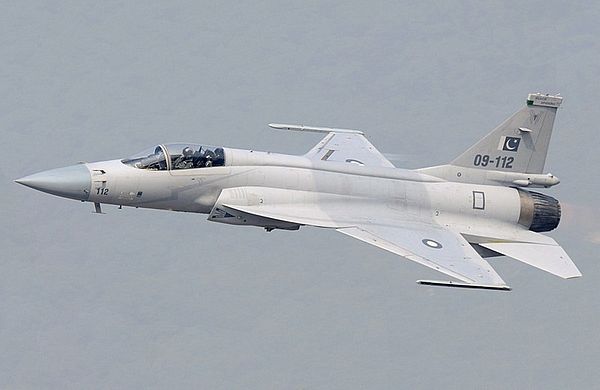
Strategy: Offer tech (e.g., JF-17 fighters) to Saudi, expand Belt and Road, and counter U.S. influence without direct involvement.

Israel

Silent officially, Israel views the SMDA as a threat post-Qatar strike, fearing Pakistan’s nuclear reach.

Strategy: Bolster Iron Dome/Arrow defenses, enhance intelligence on SMDA integration, and push U.S. sanctions on Pakistan while leveraging Abraham Accords.

United Arab Emirates

The UAE, silent officially, likely welcomes the SMDA as a GCC deterrence boost, per its Doha summit stance.

Strategy: Explore a Pakistan pact, expand joint exercises, and balance $100 billion India trade with $20 billion Pakistan ties. Speculation of UAE air basing for Pakistan is unconfirmed.

Qatar

Qatar, reeling from Israel’s strike, condemned it at Doha but issued no SMDA statement. Reports suggest interest in a Pakistan pact.

Strategy: Formalize defense ties with Pakistan, expand arms purchases, and push GCC joint defense while preserving U.S. ties at Al Udeid.

Egypt

Egypt neutrally reported the SMDA but worries about nuclear risks.

Strategy: Strengthen Sinai defenses, maintain U.S. aid ($1.3 billion) and Israel peace treaty, and explore OIC coordination without SMDA commitment.

India

India’s Ministry of External Affairs pledged to monitor SMDA implications, viewing it as formalizing Saudi-Pakistan ties.

Strategy: Engage Saudi diplomatically to preserve $50 billion trade, accelerate S-400 and Agni-VI missile deployments, deepen Quad/I2U2 alliances, and diversify oil imports (18% from Saudi).

GCC Defense Trajectory and SMDA Synergy

The SMDA catalyzes GCC defense evolution:

Short-Term: Mobilize Peninsula Shield, enhance missile defense drills, and integrate Pakistan into exercises (e.g., expanding “Al-Samsam” to UAE/Qatar).

Medium-Term: Pursue a “GCC-plus” framework with Pakistan, with UAE and Qatar potentially signing bilateral pacts. Pakistan could train GCC forces or supply missile tech.

Long-Term: Reduce U.S. dependency via Chinese or Pakistani arms, building a unified GCC missile shield by 2030.

 Conclusion: A Multipolar Middle East

The Pakistan-Saudi SMDA and GCC’s activated defense mechanisms herald a multipolar Middle East, reducing U.S. dominance and fostering non-Western alliances. While bolstering deterrence against Iran and Israel, they risk nuclear escalation and regional rivalries. As UAE and Qatar eye Pakistan pacts, Egypt stays cautious, and global powers recalibrate, this new axis—fueled by the SMDA and GCC resolve—could redefine the region’s security architecture, with India and others watching closely.

Five Seismic Shifts in 10 Days: China and Russia Redefine the Global Order

0
Military vehicles carrying DF-41 intercontinental ballistic missiles travel past Tiananmen Square during the military parade marking the 70th founding anniversary of People's Republic of China, on its National Day in Beijing.

In the past ten days, a series of transformative events have accelerated the formation of a new global governance system, marking a once-in-a-century shift in international relations. This emerging system, driven by China and Russia, prioritizes trade, connectivity, development, prosperity, and equality among nations, operating under the United Nations framework. With 80% of the world’s population—primarily the Global South—aligning with this vision, it stands in stark contrast to the Global North’s Cold War-era balance-of-power politics, led by the United States under an “America First” policy. Here are the five pivotal events driving this seismic change.

1. SCO Summit: China’s Global Governance Vision Takes Shape

On September 1, 2025, the Shanghai Cooperation Organization (SCO) summit in China unveiled President Xi Jinping’s Global Governance Initiative, signaling a bold expansion of China and Russia’s ambitions beyond the Asia-Pacific to the entire Global South. The Asia-Pacific remains the focus until 2030, bolstered by initiatives like the Belt and Road’s economic belt, announced in 2013, which provides the shortest land route from Asia to Europe, mitigating China’s Malacca Dilemma. Additionally, the SCO announced a development bank, mirroring BRICS, with a 10-year development strategy through 2035. This move hints at a potential merger of these institutions for greater efficiency, cementing their role in the new global order.

2. Trans-Arctic Corridor: A Game-Changer for Global Trade

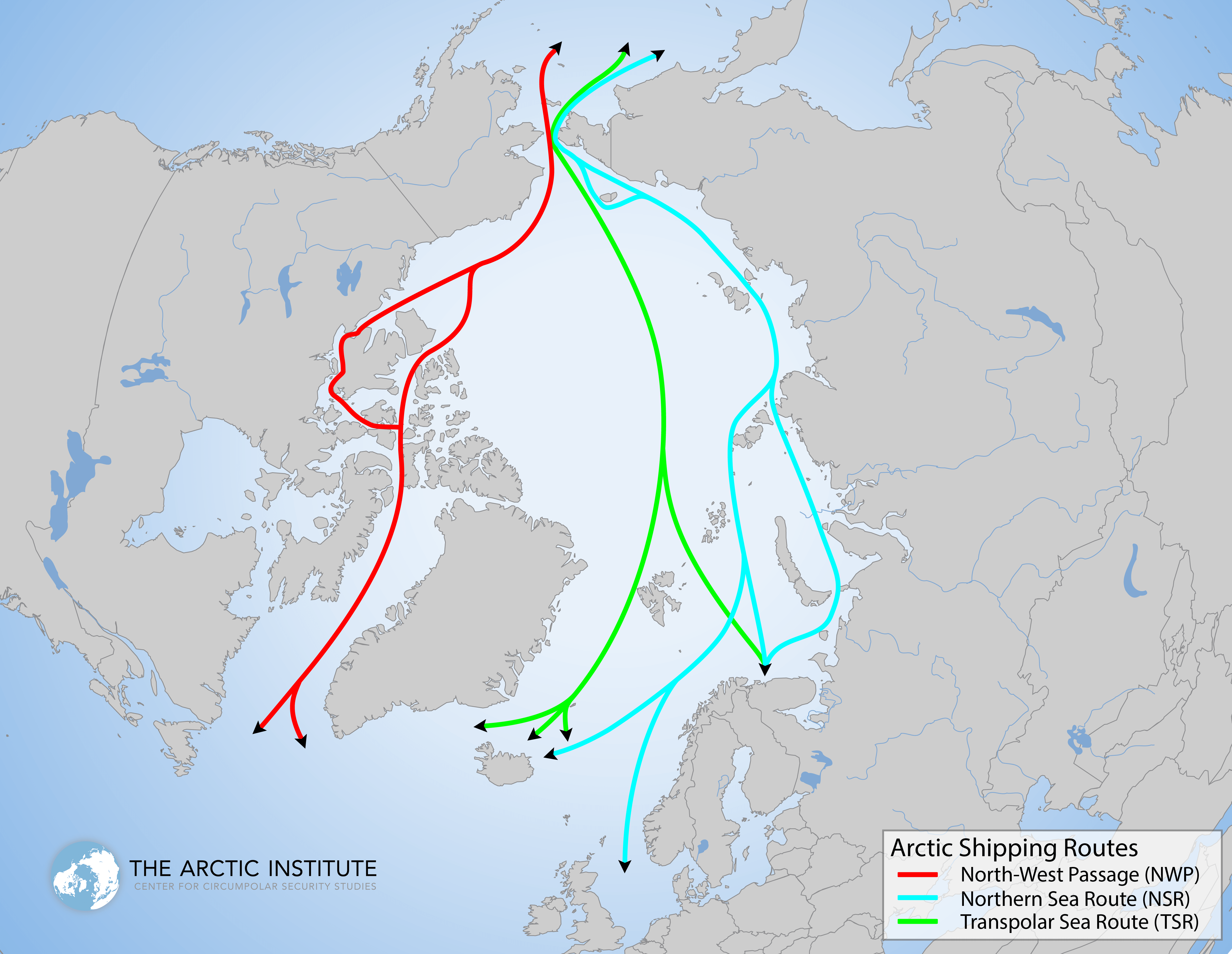
At the Eastern Economic Forum on September 5, President Vladimir Putin outlined the transformative potential of the Trans-Arctic Corridor, the shortest maritime route from the Pacific to the Atlantic via the Bering Strait. With year-round shipping now feasible without icebreakers, regularized trade through this corridor promises to unlock Russia’s $75 trillion in natural resources, doubling America’s reserves. This prospect has sparked global business interest, with even U.S. Vice President JD Vance advocating for trade with Russia. However, this shift could marginalize India, which has relied on its strategic role as a U.S.-backed counterweight to China in the Indian Ocean. By 2030, as Chinese trade pivots to the Arctic, India’s geopolitical leverage may diminish significantly.

3. China’s Military Might on Display

On September 3, China’s People’s Liberation Army (PLA) held a Victory Day parade in Beijing, showcasing a fraction of its advanced military capabilities. The display underscored the PLA’s readiness to meet its 2027 centennial goal of being capable of winning wars in the Western Pacific. This prompted U.S. Secretary of War Pete Hegseth to seek dialogue with his Chinese counterpart, who emphasized mutual trust and China’s core concern over Taiwan. Subsequent talks on September 10 between Marco Rubio and Wang Yi reaffirmed the need for strategic military communications, signaling a potential reduction in U.S.-China security competition in the Western Pacific. This shift has led Japan to significantly increase its defense budget, anticipating less reliance on American security guarantees.

4. U.S. Department of Defense Rebranded as Department of War

On September 5, President Trump announced the renaming of the U.S. Department of Defense to the Department of War, reflecting a shift from a defensive to an offensive posture. This reorientation targets the growing influence of China and Russia in the Western Hemisphere, challenging the 1823 Monroe Doctrine, which prohibits foreign influence in the Americas. With 22 of 32 Latin American and Caribbean nations joining China’s Belt and Road Initiative, and countries like Brazil and Mexico forging strong economic ties with China, the U.S. faces a diminishing regional hegemony. The renaming also signals a focus on countering advanced threats like China’s hypersonic weapons and fractional orbital bombardment systems, necessitating a restructured North American Aerospace Defense Command (NORAD).

5. Shifting Global Alliances and the Decline of U.S. Influence

The Ukraine war’s nearing end, with U.S. military funding to Europe slashed by 15 times by 2026, underscores America’s pivot inward. Vice President Vance has emphasized business opportunities with Russia, signaling a potential thaw in relations. Meanwhile, NATO’s relevance wanes without U.S. support, as Europe lacks the resources to sustain it independently. In the Middle East, U.S. foreign policy appears dictated by Israel’s actions, alienating the Global South, which views America and Israel as destabilizing forces. Conversely, China and Russia are seen as stabilizing powers, fostering a new world order rooted in development and equality.

Implications for the Future

By 2030, the global landscape will likely see the U.S. focusing on securing its Western Hemisphere backyard, while China and Russia consolidate their influence through trade and connectivity initiatives like the Trans-Arctic Corridor and Belt and Road. For nations like India, the shifting dynamics pose challenges, particularly with initiatives like the India-Middle East Economic Corridor losing traction. As the Global South rallies behind this new governance model, the world is witnessing a rapid reconfiguration of power, with China and Russia at its helm, promising a future of equitable development but also complex geopolitical realignments.

Trump’s Tariff Shock: How India’s Russian Oil Deals Sparked a U.S. Pivot to Pakistan

0
COAS Aim Munir met with Chairman Joint Chiefs of Staff, General Dan Caine.

President Trump imposed a 50% tariff on Indian goods, a punitive measure targeting India’s purchase of Russian oil. This decision disrupts decades of U.S. efforts to strengthen ties with New Delhi and signals a broader realignment toward Pakistan, upending the traditional U.S. approach to South Asia.

For years, U.S. policy favored India, viewing it as a democratic counterweight to China and a key economic partner. Pakistan, meanwhile, was often seen as an unreliable ally, valued primarily for its role in counterterrorism but criticized for its inconsistent cooperation. However, Trump’s recent actions have challenged this framework, introducing a more balanced strategy that acknowledges Pakistan’s regional importance while holding India accountable.

The shift began to take shape in Trump’s March address to Congress, where he praised Pakistan for its role in capturing a senior Islamic State commander responsible for the Kabul airport bombing that killed 21 American service members. This public acknowledgment marked a departure from years of U.S. criticism of Pakistan, recognizing its critical counterterrorism contributions. Islamabad welcomed the gesture as a sign of a potential reset in relations.

Further cementing this shift, Trump met privately with Pakistan’s army chief, Gen. Syed Asim Munir, at the White House to discuss counterterrorism and economic ties—a rare move for a U.S. president. This engagement reflects an understanding of the Pakistani military’s central role in the country and opens the door to cooperation on trade and energy, offering Pakistan much-needed economic support. Pakistan’s reforms have also gained international recognition. The Financial Action Task Force recently removed Pakistan from its “gray list” for progress in combating terrorist financing and money laundering, boosting its access to global markets. This development aligns with Trump’s approach, providing further incentive for U.S. cooperation.

Trump has also positioned himself as a mediator in the region. When recent India-Pakistan skirmishes threatened escalation, his behind-the-scenes diplomacy helped de-escalate tensions, averting a potential nuclear crisis. India, however, has resisted these efforts, rejecting Trump’s mediation and continuing to rely on non-U.S. energy sources, prompting the severe tariffs. This marks a sharp decline in a relationship once central to U.S. strategy in Asia.

The tariffs reflect a broader recalibration. For decades, the U.S. viewed India as a rising power to counter China, investing heavily in its economy through technology and capital transfers. Yet, India’s foreign policy, resistance to U.S. sanctions, and protectionist economic practices raise concerns about whether it could follow China’s path—leveraging U.S. support to become a strategic rival. Trump’s willingness to sanction India and elevate Pakistan suggests a pragmatic response to these risks.

Looking forward, shared interests could strengthen U.S.-Pakistan ties. Pakistan’s intelligence and counterterrorism cooperation remain vital, especially with reports of al Qaeda’s resurgence in Afghanistan. Additionally, Pakistan’s mineral resources, including rare earths, could provide the U.S. with strategic economic opportunities. In a symbolic nod to Trump’s outreach, Pakistan has nominated him for the Nobel Peace Prize, signaling potential for a deeper partnership.

Trump’s approach—rewarding Pakistan’s cooperation, pressuring India when it diverges from U.S. interests, and intervening in crises—reflects a disruptive yet pragmatic strategy.

By balancing relations with both nations, he has reasserted U.S. influence in a volatile region. While unconventional, this approach prioritizes American interests and recognizes the complex realities of South Asia, where strategic balance is essential to prevent catastrophe.

Trump’s Explosive Truth Social Tirade: Slamming Xi, Putin, and Kim’s “Conspiracy” at China’s Victory Day Spectacle

0
U.S. President Donald Trump speaks, on the day of Tulsi Gabbard's swearing in ceremony as Director of National Intelligence, in the Oval Office at the White House in Washington, D.C.

On September 3, 2025, President Donald Trump ignited a global firestorm with a blistering Truth Social post during China’s colossal Victory Day military parade in Beijing, a spectacle commemorating the 80th anniversary of Japan’s surrender in World War II. The post read: “May President Xi and the wonderful people of China have a great and lasting day of celebration. Please give my warmest regards to Vladimir Putin, and Kim Jong Un, as you conspire against The United States of America.” This incendiary accusation, dripping with sarcasm, targeted Chinese President Xi Jinping, Russian President Vladimir Putin, and North Korean leader Kim Jong Un, whose rare joint appearance amplified the post’s impact. With the world watching China’s display of military might, Trump’s words landed like a verbal grenade. What lurks beneath this audacious attack, and how does the Victory Day parade fuel its seismic implications? Let’s dissect the subtext and fact-check for accuracy.

The Victory Day Parade: A Global Power Play

The 2025 China Victory Day Parade, officially the “Conference to Commemorate the 80th Anniversary of the Victory of the Chinese People’s War of Resistance Against Japanese Aggression and the World Anti-Fascist War,” was a jaw-dropping assertion of China’s military dominance and diplomatic clout. Staged on Beijing’s Chang’an Avenue, the 70-minute extravaganza showcased thousands of goose-stepping troops, over 100 aircraft, and cutting-edge weaponry: hypersonic missiles, stealth FH-97 drones, and the fearsome DF-5C nuclear missile.

Senior PLA officer Wu Zeke boasted of “new-type combat capabilities,” a testament to Xi Jinping’s sweeping military reforms, which birthed the Aerospace and Cyberspace Forces. This was no mere commemoration—it was a warning to the world. The parade doubled as a diplomatic coup. Xi, flanked by Putin and Kim in a striking tableau of defiance, hosted 26 leaders from nations like Iran, Myanmar, Indonesia, and Serbia. The conspicuous absence of most Western leaders—only Serbia’s Aleksandar Vučić and Slovakia’s Robert Fico attended—spoke volumes, a silent protest against Putin’s role in Ukraine. Held days after the Shanghai Cooperation Organisation (SCO) summit, the parade cemented China’s bid to lead a rival global order, challenging U.S. dominance.

Xi’s speech leaned heavily on China’s “huge national sacrifice” in World War II, claiming 35 million casualties and the defeat of 1.5 million Japanese troops, while sidelining Western contributions and elevating the Chinese Communist Party (CCP). Taiwan’s sharp rebuke, decrying the parade’s $5 billion price tag and the CCP’s inflated wartime role, added tension to the narrative.

Decoding Trump’s Verbal Grenade

Trump’s post is a masterstroke of his combative playbook, fusing faux civility with a gut-punch accusation. Here’s the subtext fueling the fire:

1. Sarcasm as a Molotov Cocktail:

The “warmest regards” to Putin and Kim, paired with the charge of “conspiring against The United States,” is Trump at his most caustic. It’s a deliberate taunt, painting the trio as a sinister cabal while grabbing global headlines. This aligns with his Truth Social track record—over 330 conspiracy-laden posts—designed to electrify his base and dominate discourse.

2. Historical Grudge as Ammunition:

Trump’s reference to America’s World War II sacrifices—its “blood” and “massive support” for China—casts Xi as ungrateful, betraying a historical debt. It’s a calculated jab, echoing the parade’s own revisionist history while positioning the U.S. as a wronged hero. This framing demands loyalty from China, amplifying the sting of the conspiracy charge.

3. Conspiracy as a Battle Cry:

The vague yet explosive claim of a conspiracy fits Trump’s pattern of wielding unproven narratives to stoke fear and loyalty. With no evidence provided, the accusation evokes an “axis of evil” specter, resonating with supporters primed for tales of global betrayal. The parade’s image of Xi, Putin, and Kim together lends visual weight to this narrative, making it a potent rallying cry.

4. Geopolitical Middle Finger:

By publicly slamming the trio, Trump projects unyielding strength, casting himself as America’s shield against a hostile bloc. Yet, his earlier claim to reporters of a “very good relationship” with Xi and dismissal of the parade’s threat muddies the waters, suggesting this is less about policy and more about theatrical posturing to overshadow domestic woes.

Implications: A World on Edge

The Victory Day parade’s grandeur amplifies the shockwaves of Trump’s post:

Domestic Firestorm: The post is red meat for Trump’s base, framing Xi, Putin, and Kim as a diabolical trio plotting America’s downfall. It diverts attention from domestic scandals like the Epstein files or trade war fallout, but its bombast risks alienating moderates, deepening America’s partisan chasm. The parade’s optics—three sanctioned leaders united—make Trump’s narrative viscerally compelling.

Global Powder Keg: The accusation could ignite tensions with China, already battered by Trump’s tariffs. The Kremlin’s coy dismissal of the claim as “ironic” contrasts with the potential for China or North Korea to take offense, especially as Kim’s rare trip and Putin’s defense pact with him signal tighter ties. The parade’s arsenal—hypersonic missiles, stealth drones, nuclear warheads—underscores China’s readiness, particularly on Taiwan, making Trump’s rhetoric a dangerous spark.

Diplomatic Collateral Damage: The parade’s Western boycott, juxtaposed with Global South attendance, highlights a fracturing world order. Trump’s post risks isolating allies like Japan, wary of China’s anti-Japanese rhetoric, while undermining U.S. credibility with its lack of evidence. His Truth Social diplomacy—bypassing formal channels—may confuse partners like NATO, who crave predictability.

Tinderbox of Miscalculation: The parade’s military flex, coupled with Putin and Kim’s presence, signals a defiant anti-Western alliance. Trump’s reckless charge risks misinterpretation by Beijing or Pyongyang, potentially escalating flashpoints like the Taiwan Strait or Ukraine. Without substantiation, the “conspiracy” claim could backfire, weakening U.S. leverage while emboldening adversaries.

A Global Gamble

President Trump’s Truth Social tirade, set against the electrifying backdrop of China’s Victory Day parade, is a high-octane provocation. The parade’s display of military prowess and anti-Western unity gave Trump the perfect stage to lob his verbal grenade, accusing Xi, Putin, and Kim of a grand conspiracy. While it rallies his faithful and seizes the spotlight, the post’s lack of evidence and fiery tone threaten to inflame tensions, alienate allies, and destabilize an already volatile world. As China asserts its vision for a new global order, Trump’s words risk lighting a fuse in a geopolitical tinderbox.

China’s Victory Day Arsenal: A Bold Display of Military Might Challenges U.S. Supremacy

0
Military vehicles carrying DF-41 intercontinental ballistic missiles travel past Tiananmen Square during the military parade marking the 70th founding anniversary of People's Republic of China, on its National Day in Beijing.

On September 3, 2025, Beijing’s Tiananmen Square hosted a grand military parade commemorating the 80th anniversary of Japan’s surrender in World War II. The event, attended by President Xi Jinping and foreign leaders including Russia’s Vladimir Putin and North Korea’s Kim Jong-un, was more than a ceremonial display—it was a bold statement of China’s growing military prowess. Under the banner of the People’s Liberation Army (PLA), China unveiled an array of cutting-edge weapons systems, from hypersonic missiles to stealth drones and laser defenses, signaling its intent to challenge U.S. military dominance, particularly in the Indo-Pacific.

The Parade: A Technological and Strategic Spectacle

The 2025 Victory Day parade was a meticulously choreographed event, featuring over 100 domestically produced weapons systems, many revealed for the first time. The display underscored China’s transformation from a regional power to a global military force, with a clear focus on countering U.S. naval and air superiority in potential flashpoints like the Taiwan Strait. The parade, broadcast live to a global audience, included 15,000 troops, advanced aircraft, tanks, and missiles, with Xi Jinping emphasizing China’s “unstoppable” rise and resolve against external intimidation. Below is a detailed breakdown of the key systems unveiled.

Key Weapons Systems Displayed

1. Hypersonic Anti-Ship Missiles (YJ-Series: YJ-15, YJ-17, YJ-19, YJ-20)

China’s YJ-series missiles represent a leap in anti-ship warfare, designed to neutralize U.S. aircraft carriers and large naval assets. The YJ-17 and YJ-19, in particular, are hypersonic, traveling at speeds exceeding Mach 5. The YJ-17 is believed to be a “waverider” design, leveraging shockwaves for enhanced lift and maneuverability, while the YJ-19 employs ramjet or scramjet propulsion for sustained high-speed flight. These missiles boast ranges of several hundred kilometers, terminal-phase maneuvering to evade defenses, and multi-mode guidance systems (Beidou satellite, radar, and infrared sensors). Their versatility—launchable from aircraft, ships, submarines, or ground platforms—enables saturation attacks, overwhelming enemy defenses.

Strategic Role:

These missiles are central to China’s anti-access/area-denial (A2/AD) strategy, aiming to restrict U.S. naval operations in the Western Pacific, particularly in a Taiwan conflict scenario.

2. Intercontinental Ballistic Missiles (ICBMs)

The parade showcased China’s strategic nuclear arsenal, including:

DF-31AG: A mobile ICBM with a range exceeding 11,000 km, capable of striking the U.S. mainland.

DF-41: China’s most advanced ICBM, with a 12,000–15,000 km range and the ability to carry up to 10 multiple independently targetable reentry vehicles (MIRVs). Its road-mobile and rail-launch capabilities enhance survivability.

DF-5C: A new liquid-fueled, silo-based ICBM, designed for long-range nuclear strikes.

JL-3: A submarine-launched ballistic missile deployed on Type 096 nuclear submarines, bolstering China’s sea-based nuclear deterrence.

Strategic Role:

These systems ensure China’s second-strike capability, deterring U.S. nuclear threats and complicating missile defense efforts due to their range, mobility, and MIRV payloads.

3. Hypersonic Glide Vehicles (DF-ZF)

Carried by the DF-17 or DF-27 missiles, the DF-ZF hypersonic glide vehicle operates at Mach 5–10, performing unpredictable maneuvers to evade missile defenses. It can deliver conventional or nuclear payloads with pinpoint accuracy, targeting high-value assets like U.S. bases in Guam or Japan.

Strategic Role:

The DF-ZF’s speed and maneuverability reduce warning times, challenging U.S. missile defense systems like Aegis and THAAD.

4. FH-97 “Loyal Wingman” Stealth Drone

The FH-97 is a combat-ready unmanned aerial vehicle (UAV) designed to operate alongside manned fighters like the J-20. Capable of reconnaissance, precision strikes, and electronic jamming, it enhances China’s air combat flexibility.

Strategic Role:

The drone’s stealth and multi-role capabilities enable coordinated operations, disrupting enemy radar and communications while supporting manned aircraft.

5. Extra-Large Unmanned Underwater Vehicles (XLUUVs)

China unveiled large, torpedo-shaped XLUUVs, potentially nuclear-powered (e.g., AJX-002), comparable to Russia’s Poseidon torpedo. Measuring 18–20 meters, these drones are designed for long-range surveillance or attack missions in contested waters.

Strategic Role:

XLUUVs enhance China’s maritime dominance, threatening U.S. naval assets in the South China Sea or Taiwan Strait.

6. HQ-29 Anti-Ballistic Missile System

The HQ-29 is a mobile exo-atmospheric interceptor, potentially capable of targeting ICBMs, intermediate-range ballistic missiles (IRBMs), hypersonic weapons, or low-orbit satellites at altitudes up to 500 km.

Strategic Role:

This system bolsters China’s missile defense and anti-satellite capabilities, countering U.S. strategic assets and space-based systems.

7. Laser Air Defense Systems

China displayed mobile truck- and ship-mounted laser systems, described as the “most powerful” globally, designed to counter drones, missiles, and low-altitude threats.

Strategic Role:

These systems address the growing threat of drone swarms and precision-guided munitions, enhancing China’s layered air defense.

8. FK-3000 Very Short-Range Air Defense (VSHORAD)

The FK-3000 features a 30mm Gatling gun, phased-array radar, and 96 quad-packed micro-missiles with a 300m–12km range, optimized for countering drone swarms.

Strategic Role:

It provides a robust defense against low-cost, high-volume threats, a critical capability in modern warfare.

9. ZTZ-201 Medium Tank

The ZTZ-201 is a next-generation tank equipped with advanced sensors, battle management systems, and active protection systems to counter anti-tank weapons.

Strategic Role:

It modernizes China’s ground forces, enabling networked warfare and improved survivability on digitized battlefields.

10. KJ-600 Carrier-Based Early-Warning Aircraft

The KJ-600, a surveillance plane with advanced electronic warfare and command capabilities, supports China’s expanding carrier fleet, including the newly commissioned Fujian carrier.

Strategic Role:

Enhances naval situational awareness, enabling China to project air power further into the Pacific.

11. Sixth-Generation Fighter Jet Prototypes (J-36, J-50/J-XDS)

Unveiled in December 2024, these prototypes feature advanced stealth, artificial intelligence, and networked warfare capabilities, positioning China to compete with the U.S. Next Generation Air Dominance (NGAD) program.

Strategic Role:

Signals China’s ambition to achieve air superiority, challenging U.S. dominance in next-generation air combat.

Comparison with U.S. Military Capabilities

The parade’s display of advanced systems invites a direct comparison with U.S. military capabilities, highlighting areas where China is closing the gap or even gaining an edge. Below is a detailed analysis across key domains.

1. Missile Technology

China: China’s YJ-series hypersonic anti-ship missiles and DF-ZF glide vehicles are operational, giving it a lead in hypersonic technology. The DF-41’s MIRV capability and mobility surpass older U.S. ICBMs like the Minuteman III. China’s focus on saturation attacks and A2/AD strategies poses a direct threat to U.S. naval assets.

U.S.: The U.S. has struggled with hypersonic weapon development, with programs like the AGM-183A ARRW facing delays and cancellations. The U.S. relies on subsonic Tomahawk missiles and SM-6 for anti-ship roles, which lack the speed and maneuverability of China’s YJ-series. The upcoming Sentinel ICBM will modernize U.S. nuclear deterrence but carries fewer warheads than the DF-41. U.S. missile defenses (Aegis, THAAD, Patriot) are advanced but face challenges countering hypersonic threats.

Assessment: China’s operational hypersonic systems give it a temporary advantage, particularly in anti-ship warfare. The U.S. maintains robust missile defenses but needs to accelerate hypersonic development to close the gap.

2. Naval Power

China: With the world’s largest navy by ship count (over 400 vessels), China’s Type 055 destroyers and Fujian carrier enhance its regional power projection. Its XLUUVs and anti-ship missiles strengthen A2/AD capabilities, challenging U.S. naval access in the Western Pacific.

U.S.: The U.S. Navy, with 11 aircraft carriers and a global network of bases, remains unmatched in power projection. Arleigh Burke-class destroyers and Virginia-class submarines are technologically superior, but the U.S. faces challenges countering China’s missile-centric A2/AD strategy.

Assessment: The U.S. retains global naval dominance, but China’s regional focus and industrial capacity narrow the gap, particularly in contested waters like the South China Sea.

3. Air Power

China: The J-20 stealth fighter, FH-97 drone, and sixth-generation prototypes demonstrate China’s rapid advancements in air combat. Claims of producing 120 J-20s by 2025 outpace U.S. F-35 deliveries. The KJ-600 enhances carrier-based operations.

U.S.: The F-22 and F-35 remain the gold standard for stealth and air combat, with the NGAD program in development. However, F-35 production faces delays (e.g., 24 units in 2025), and U.S. combat drones like the MQ-9 lag behind China’s FH-97 in integration with manned fighters.

Assessment: China is closing the gap in air power, particularly in production rates and unmanned systems. U.S. pilots’ combat experience and the F-22’s air-to-air prowess provide a qualitative edge, but China’s momentum is significant.

4. Ground Forces

China: The ZTZ-201 tank, with networked systems and active protection, reflects China’s focus on digitized warfare. Its rapid modernization contrasts with slower U.S. upgrades.

U.S.: The M1 Abrams, particularly the M1A2 SEPv3, is battle-tested with advanced armor and fire control. The U.S. is developing next-generation platforms, but production lags behind China’s pace.

Assessment: China’s ground forces are modernizing faster, but U.S. combat experience and global logistics provide a strategic advantage.

5. Directed-Energy and Electronic Warfare

China: Laser air defense systems and the FK-3000 VSHORAD demonstrate China’s focus on countering drones and networked threats. The HQ-29’s anti-satellite potential adds strategic depth.

U.S.: The U.S. is developing directed-energy weapons (e.g., HELIOS laser) and has robust electronic warfare platforms like the EA-18G Growler. However, China’s systems appear more integrated into active forces.

Assessment: China’s rapid deployment of laser and jamming systems gives it an edge in countering low-altitude threats, though U.S. operational experience remains superior.

6. Industrial Capacity

China: Described as a “well-oiled machine,” China’s defense industry produces advanced systems at scale, as evidenced by the parade’s diversity and volume of hardware.

U.S.: The U.S. defense industry is technologically advanced but faces production bottlenecks and supply chain issues, limiting its ability to match China’s output.

Assessment: China’s industrial capacity is a significant advantage, enabling rapid scaling of military hardware in a potential conflict.

Strategic Implications

The 2025 Victory Day parade was a clear message to the U.S. and its allies: China is no longer a secondary military power but a near-peer competitor with advanced capabilities in hypersonic, cyber, and space domains. Xi’s rhetoric about an “unstoppable” China and warnings against intimidation reflect confidence in the PLA’s ability to deter U.S. intervention, particularly in a Taiwan scenario. The presence of leaders like Putin and Kim underscored China’s alignment with anti-Western powers, contrasting with U.S.-led alliances like AUKUS and the Quad.

However, several factors temper China’s display:

Untested Systems: China’s military is untested in modern combat, unlike the U.S., which has extensive experience in conflicts like Iraq and Afghanistan.

Technological Maturity: China’s rapid development may prioritize quantity over quality, while the U.S. emphasizes proven, interoperable systems.

Global Reach: The U.S. maintains a network of global bases and alliances, giving it strategic depth that China cannot yet match.

Economic and Political Factors: China’s centralized system enables fast production, but domestic challenges like economic slowdowns could strain its military ambitions. For the U.S., the parade highlights the urgency of addressing production delays, accelerating hypersonic and drone programs, and strengthening alliances to counter China’s A2/AD strategy. The Pentagon views China as the “pacing threat,” but U.S. policy on Taiwan remains ambiguous, complicating deterrence efforts.

Global Reactions and Future Outlook

The parade drew mixed reactions. Western analysts noted the technological sophistication but cautioned that parades do not prove combat effectiveness. Social media posts on X highlighted debates over China’s missile capabilities, with some users arguing the U.S. remains ahead in operational experience, while others emphasized China’s production advantage. Developing nations, particularly in Asia, expressed concern about China’s growing influence, while Russia and North Korea praised the display as a counterweight to U.S. hegemony.

Looking ahead, China’s focus on hypersonic, unmanned, and networked systems positions it to challenge U.S. dominance in key domains. The U.S. must prioritize innovation, streamline production, and leverage alliances to maintain its edge. The 2025 parade is a wake-up call for west, signaling that the military balance is shifting—and the Indo-Pacific remains a potential flashpoint.

Conclusion

China’s 2025 Victory Day parade was a stunning display of military might, showcasing hypersonic missiles, advanced drones, and strategic systems that challenge U.S. supremacy. While China leads in hypersonic deployment and industrial capacity, the U.S. retains advantages in combat experience, global reach, and alliances. As tensions rise in the Indo-Pacific, the parade underscores the need for both powers to navigate a delicate balance of deterrence and diplomacy.

France Braces for Battle: Hospitals Ordered to Ready for War as NATO Bolsters Defenses

0
11th Parachute Brigade undertook an intensive training program at its Tactical Drone Training Center (Centre d’Entraînement Tactique Drone, CETD) in Caylus, France.

On September 1, 2025, the Daily Mail reported that France’s Ministry of Health has directed hospitals to prepare for a potential war in Europe by March 2026, citing documents obtained by Le Canard Enchaîné. This directive, issued on July 18, 2025, envisions France as a rear base to manage a large influx of wounded soldiers—potentially 10,000 to 50,000 over 10 to 180 days—from France and allied European nations. The order reflects heightened concerns about a possible large-scale conflict, driven by Russia’s military activities and broader geopolitical tensions involving China.

The French Directive: Context and Implications

The French Ministry of Health’s directive is a stark signal of Europe’s growing anxiety about the prospect of a major conflict. The order instructs hospitals to prepare for a “major engagement,” emphasizing trauma care, post-traumatic stress treatment, and rehabilitation for complex injuries. Temporary medical centers are to be established near transport hubs like train stations, ports, and airports to facilitate triage, stabilization, and transfer of wounded soldiers. Medical staff are to be trained to operate under wartime constraints, including resource shortages and disrupted logistics, while coordinating with the Military Health Service to bolster frontline capacity.

This preparation aligns with broader European efforts to brace for conflict. The EU has urged households to stockpile emergency kits, and France has distributed a survival guide addressing war and other crises. French Health Minister Catherine Vautrin, when pressed on BFMTV, framed the directive as routine contingency planning, akin to preparing for epidemics, but the scale and specificity suggest a more urgent concern.

The timing is notable, coinciding with Russia’s upcoming Zapad 2025 military exercises in Belarus, which NATO and European leaders view with suspicion. Germany’s Chief of Defence, Carsten Breuer, has stated that while no immediate attack is expected, NATO remains “on guard.” The directive also reflects fears articulated by NATO chief Mark Rutte, who warned of a potential coordinated Russian-Chinese offensive, with Russia possibly targeting Baltic states and China eyeing Taiwan. These concerns are rooted in Russia’s ongoing war in Ukraine, its military reconstitution, and its deepening ties with China, North Korea, and Iran.

Geopolitical Tensions: Russia, China, and the Shifting Global Order

The French directive must be understood within the broader geopolitical landscape. Russia’s full-scale invasion of Ukraine in 2022 shattered the post-Cold War order, prompting NATO to reorient its strategy toward collective defense and deterrence by denial. President Vladimir Putin views the Ukraine conflict as a step toward dismantling a Western-dominated international system that he believes marginalizes Russia. His actions, including nuclear coercion, annexation, and hybrid warfare, have been labeled by NATO as the “most significant and direct threat” to allied security.

Russia’s military reconstitution is a key concern. Despite losses in Ukraine, Russia has ramped up defense production, producing over 1,000 tanks annually and refurbishing strategic reserves. Analysts project that 2025–2026 will be a high-risk period when Russia’s production, training, and readiness peak. However, challenges persist, with up to 80% of its armored vehicles being refurbished rather than new, and manpower shortages limiting its capacity for significant territorial gains.

Simultaneously, Russia’s alignment with China, North Korea, and Iran has raised alarms. China’s provision of dual-use components, North Korean troops, and Iranian arms have bolstered Russia’s war effort in Ukraine. NATO chief Rutte has warned that a Chinese move on Taiwan could be synchronized with Russian aggression in Europe, potentially overwhelming NATO’s resources. The Arctic, too, has emerged as a flashpoint, with Russia’s increased low-intensity warfare operations, such as air incursions and GPS jamming, threatening NATO’s northern flank.

In contrast, the Global South’s response has been tepid. Countries like Brazil, India, and South Africa attribute the Ukraine conflict’s fallout—particularly food and energy price spikes—to Western policies, complicating NATO’s efforts to build a global coalition against Russia.

U.S. and NATO Strategies: Adapting to a Multi-Front Threat

The U.S. and NATO have responded to these challenges with a multifaceted strategy, balancing deterrence in Europe with emerging threats in the Indo-Pacific. Below is an analysis of their key approaches, grounded in recent developments and strategic shifts.

1. Strengthening NATO’s Eastern Flank

Since Russia’s 2014 annexation of Crimea, NATO has bolstered its presence in Eastern Europe, deploying four multinational battlegroups in the Baltic states and Poland. After the 2022 invasion of Ukraine, NATO doubled these to eight and adopted a new Force Model, enabling the mobilization of 100,000 Tier 1 forces within 10 days, 200,000 Tier 2 forces within 10–30 days, and 300,000 Tier 3 forces within 30–180 days. Exercises like Steadfast Dart 2025, Griffin Lightning 2025, and Defender Europe 25 are testing rapid deployment and interoperability to counter Russia’s evolving tactics.

The U.S. has pushed for a permanent, forward-stationed presence in Europe to replace rotational deployments, enhancing deterrence while allowing flexibility to address Indo-Pacific challenges. General Alexus G. Grynkewich, U.S. European Command’s top commander, emphasized the need for NATO to prepare for a potential two-front conflict with Russia and China by 2027, highlighting the urgency of ramping up weapons production and air defense systems for Ukraine.

2. Defense Spending and Burden Shifting

NATO allies have committed to increasing defense spending, with the U.S. advocating for a new 5% of GDP target, up from the current 2% pledge. Countries like Poland (5% of GDP in 2025), Germany (3.5%), and France (3.5%) are leading the charge, while the EU plans to borrow €150 billion for defense loans to address capability gaps in missile defense, drones, and cyber warfare.

The U.S., facing fiscal constraints and recruitment challenges, is pushing for “burden shifting” to Europe, encouraging deeper military integration and force modernization. Posts on X indicate that the U.S. plans a minimal role in Ukraine’s long-term security, leaving European allies to take the lead. This shift is driven by the need to allocate resources to the Indo-Pacific, where China’s growing influence poses a parallel threat.

3. Countering Hybrid Threats

Russia’s “shadow war” of sabotage, cyberattacks, and disinformation has prompted NATO to develop a calibrated offensive campaign. This includes escalating sanctions, targeted cyber operations, and information campaigns to counter Russian state media. The U.S. has prioritized initiatives like the Replicator Initiative, aiming to deploy thousands of autonomous systems to counter Russia’s quantitative advantage with “modern and many” capabilities.

4. Supporting Ukraine

Ukraine remains the frontline deterrent against Russian aggression. NATO has committed at least $40 billion in aid by 2025, with Canada announcing a $500 million package for U.S.-sourced military aid. The U.S. is exploring options like European troop deployments under U.S. command or enforcing a no-fly zone with U.S. air support, though these remain contentious. Ukraine’s NATO membership is deemed “irreversible” but unlikely during active conflict.

5. Arctic Security

The Arctic is a growing concern, with Russia’s hostile activities threatening NATO’s northern flank. The accession of Finland and Sweden to NATO has strengthened the “NATO 7” in the region, but gaps in domain awareness and command structures persist. Proposals for an Arctic Military Code of Conduct aim to reduce miscalculations and enhance transparency, even with Russia and China.

Critical Analysis: Challenges and Risks

While NATO’s strategies are robust, several challenges loom large:

1. European Dependence on the U.S.:

Despite calls for “strategic responsibility,” Europe remains heavily reliant on U.S. intelligence, satellite communications, and maritime support. A U.S. pivot to the Indo-Pacific could strain NATO’s capabilities, especially if European defense spending and production fail to scale up quickly.

2. Defense Industrial Bottlenecks:

NATO faces persistent challenges in munitions production and delivery timelines. The EU’s increased role could help, but tensions with NATO over funding and priorities remain.

3. Political Divisions:

Populist movements in Europe, such as Germany’s AfD and France’s National Rally, oppose aid to Ukraine and favor reengagement with Russia, complicating unified action.

4. Global South’s Ambivalence:

The lack of support from major Global South nations undermines NATO’s narrative of a unified front against Russia, potentially emboldening Moscow.

5. Risk of Escalation:

NATO’s offensive campaigns, including cyberattacks and sanctions, could provoke Russian retaliation, especially in hybrid domains like undersea infrastructure. The Zapad 2025 exercises heighten the risk of miscalculation, particularly in Belarus, near NATO’s eastern flank.

Conclusion

France’s hospital directive is a sobering reflection of Europe’s heightened state of alert, driven by Russia’s military resurgence and its alignment with China, North Korea, and Iran. The U.S. and NATO are responding with a comprehensive strategy—bolstering the eastern flank, increasing defense spending, countering hybrid threats, supporting Ukraine, and addressing Arctic security. However, the shift toward European “burden shifting” and the potential for a two-front conflict with Russia and China pose significant challenges. The period of 2025–2026 will be critical, as Russia’s military capabilities peak and NATO races to strengthen its deterrence. While the French directive may be framed as routine, it underscores a stark reality: the specter of war is reshaping Europe’s security calculus, demanding unprecedented coordination and resolve from the transatlantic alliance.

Xi Jinping’s Global Governance Initiative: A Blueprint for a Multipolar World Order

0

On September 1, 2025, Chinese President Xi Jinping introduced the Global Governance Initiative (GGI) during his keynote address at the Shanghai Cooperation Organization (SCO) Plus Meeting in Tianjin, China. Held from August 31 to September 1, the summit marked the 25th Heads of State Council meeting of the SCO and was its largest gathering to date, hosting over 20 world leaders and representatives from 10 international organizations, including Russian President Vladimir Putin, Pakistan’s Prime Minister Shahbaz Sharif, and UN Secretary-General António Guterres.The GGI, presented as a transformative framework, aims to foster a more equitable, inclusive, and multipolar global governance system, aligning with China’s vision of a “community with a shared future for humanity.”

The Genesis of the Global Governance Initiative

The GGI was unveiled on the 80th anniversary of the victory in the World Anti-Fascist War and the founding of the United Nations, a symbolic moment that Xi leveraged to underscore the importance of multilateralism in a world facing “turbulence and transformation.” Speaking at the Tianjin Summit, Xi called for a governance model rooted in the “Shanghai Spirit”—mutual trust, mutual benefit, equality, consultation, respect for diverse civilizations, and common development. The initiative builds on China’s earlier proposals, such as the Global Development Initiative (GDI), Global Security Initiative (GSI), and Global Civilization Initiative (GCI), integrating them into a comprehensive framework to address global challenges. The GGI positions the SCO, which spans over 60% of the Eurasian landmass and represents nearly half the world’s population, as a central platform for driving global governance reforms. The summit’s adoption of the Tianjin Declaration of the Council of Heads of State and the SCO Development Strategy for the Next Decade (2025–2035) formalized the SCO’s commitment to implementing the GGI, emphasizing solidarity, coordination, and high-quality development.

Core Objectives of the GGI

The GGI is structured around several key pillars, each designed to address systemic issues in the current global order:

1. Promoting Equitable Global Governance:

Xi emphasized the need for a “more just and equitable global governance system” by opposing hegemonism, power politics, and Cold War mentalities. The GGI seeks to enhance the representation of developing countries in global decision-making, challenging the dominance of Western-led institutions like the G7 and NATO. It advocates for true multilateralism, prioritizing mutual respect and equality over zero-sum competition.

2. Advancing Multipolarity:

The initiative aligns with China’s long-standing advocacy for a multipolar world order. By promoting non-alliance, non-confrontation, and non-targeting principles, the GGI aims to counter Western narratives of containment and competition, offering an alternative model rooted in cooperative governance.

3. Strengthening Security and Stability:

The GGI encourages SCO member states to collaborate on traditional and non-traditional security challenges, including counter-terrorism, de-radicalization, cybersecurity, and disaster prevention. Xi stressed the importance of regional stability as a foundation for global peace, positioning the SCO as a stabilizing force.

4. Fostering Economic and Humanitarian Cooperation:

The initiative promotes cooperation in trade, investment, digital economy, public health, cultural exchanges, and poverty reduction. Xi announced new SCO initiatives to support these areas, though specific details remain forthcoming. The GGI aims to drive inclusive economic globalization that benefits all nations, particularly those in the Global South.

5. Leading the Global South:

A cornerstone of the GGI is its focus on uniting and empowering the Global South. By offering a platform free from external pressures or conditional aid, the initiative appeals to developing nations seeking alternatives to Western-dominated governance models. It emphasizes sovereignty, mutual benefit, and respect for diverse developmental paths.

6. Reforming the International Order:

Xi called for safeguarding the post-World War II international order while reforming global governance to address emerging challenges like climate change, artificial intelligence, and geopolitical tensions. The GGI seeks to balance continuity with innovation, ensuring the UN-centered system evolves to meet contemporary needs.

Strategic Context and Implications

The GGI arrives at a pivotal moment in global geopolitics, where the post-World War II order faces unprecedented challenges. Rising geopolitical tensions, economic uncertainties, and technological disruptions have fueled calls for a more inclusive governance framework. The initiative reflects China’s ambition to lead this transformation, leveraging the SCO’s growing influence and China’s economic and diplomatic clout.

1. Countering Western Hegemony:

The GGI positions China as a leader in reshaping global governance, challenging the dominance of Western-led institutions. By emphasizing multipolarity and inclusivity, it appeals to nations wary of Western interventionism and conditional aid. Unlike NATO or the G7, which are often perceived as exclusive, the SCO’s open and non-confrontational approach aligns with the GGI’s vision of cooperative governance.

2. Elevating the SCO’s Global Role:

The SCO, originally founded in 2001 to address regional security, has evolved into a platform for broader cooperation. The GGI elevates its global stature, positioning it as a counterweight to Western-led frameworks. With member states, dialogue partners, and observer states spanning Asia, Europe, and Africa, the SCO’s expansive reach enhances its potential to shape global agendas.

3. China’s Soft Power Surge:

The GGI reinforces China’s soft power by promoting principles like mutual respect and inclusivity. By hosting the largest SCO summit to date, China demonstrated its ability to convene diverse world leaders, from Russia’s Putin to Pakistan’s Shehbaz Sharif. The initiative’s focus on cultural exchanges and people-to-people ties further strengthens China’s global image.

4. Geopolitical Rivalries:

The GGI’s launch coincides with heightened tensions between China and Western powers, particularly the United States. Western analysts may view the initiative as a bid for Chinese dominance, though it explicitly avoids replacing existing institutions. Instead, it seeks to complement and reform them, emphasizing coexistence over confrontation.

Challenges and Criticisms

While the GGI is ambitious, it faces several challenges that could hinder its implementation:

1. Ambiguity in Execution:

The initiative’s broad objectives lack detailed mechanisms for implementation. While Xi announced new SCO initiatives, specifics on funding, timelines, and deliverables remain unclear. The success of the GGI will depend on translating rhetoric into actionable policies.

2. Internal SCO Dynamics:

The SCO’s diverse membership, including India and China with their own bilateral tensions, could complicate consensus-building. India’s cautious approach to China-led initiatives may limit the GGI’s cohesion within the organization.

3. Western Skepticism:

Western nations may mischaracterize the GGI as an attempt to expand Chinese influence, potentially escalating geopolitical tensions. This perception could deter some nations from fully engaging with the initiative.

4. Global South Alignment:

While the GGI appeals to the Global South, aligning diverse nations with varying priorities is a complex task. The absence of Indonesian President Prabowo Subianto from the summit, due to domestic protests, highlights logistical and political challenges in mobilizing broad participation.

Comparative Perspective

The GGI builds on China’s earlier initiatives, such as the Belt and Road Initiative (BRI), but shifts the focus from infrastructure to governance. Unlike the BRI, which faced criticism for debt-trap diplomacy, the GGI emphasizes ideological leadership and diplomacy, avoiding financial overreach. Compared to Western governance models, which often tie aid to political reforms, the GGI prioritizes sovereignty and non-interference, resonating with nations skeptical of Western conditions. The initiative also contrasts with other multilateral frameworks. While the G7 focuses on developed economies and NATO on military alliances, the SCO’s broader membership and non-military focus make it a unique platform for the GGI. However, its success will depend on navigating the complexities of a multipolar world without alienating key stakeholders.

Future Prospects

The GGI has the potential to reshape global governance by amplifying the voices of developing nations and fostering cooperative solutions to global challenges. Its emphasis on security, economic development, and cultural exchange aligns with the priorities of SCO member states and the broader Global South. However, its success hinges on several factors:

Concrete Implementation: The SCO must develop clear mechanisms to operationalize the GGI, including funding, institutional frameworks, and measurable outcomes.

Balancing Power Dynamics: China must navigate internal SCO rivalries and external skepticism to maintain the initiative’s credibility.

Global Engagement: The GGI’s appeal will depend on its ability to engage diverse nations, from SCO members to non-aligned countries, without appearing as a Chinese-led bloc.

Conclusion

President Xi Jinping’s Global Governance Initiative, unveiled at the SCO Plus Meeting in Tianjin on September 1, 2025, marks a significant step in China’s quest to redefine global governance. By leveraging the SCO’s expansive platform, the GGI seeks to foster a multipolar, equitable, and inclusive world order, challenging Western dominance while promoting cooperation. While its vision is compelling, the initiative’s success will depend on overcoming internal and external challenges and delivering tangible results.

The Tianjin Summit, with its historic scale and ambitious outcomes, underscores China’s growing influence in shaping the future of global diplomacy. As the GGI unfolds, it will test the SCO’s ability to lead a new era of multilateralism in a rapidly changing world.

China’s Xi and Russia’s Putin express their vision for a new global order during the SCO summit.

0

Chinese President Xi Jinping called on leaders at a regional summit to utilize their “mega-scale market” on Monday, while Russian President Vladimir Putin expressed his support for Xi’s vision of a new global security and economic framework that challenges the United States.
The Shanghai Cooperation Organisation (SCO) has established a model for a new kind of international relations, Xi stated in his opening remarks to over 20 world leaders at a two-day summit taking place in Tianjin, a port city in northern China.

“We should promote equal and orderly multipolarity in the world, foster inclusive economic globalization, and work towards building a more just and equitable global governance system,” he remarked.
“We need to capitalize on the mega-scale market… to enhance trade and investment facilitation,” Xi emphasized, encouraging the bloc to strengthen collaboration in areas such as energy, infrastructure, science and technology, and artificial intelligence.
Putin noted that the group has revitalized “genuine multilateralism” with an increasing use of national currencies in mutual transactions.
“This, in turn, establishes the political and socio-economic foundation for creating a new system of stability and security in Eurasia,” he added.

This security framework, in contrast to Euro-centric and Euro-Atlantic approaches, would sincerely take into account the interests of a diverse array of nations, maintain true balance, and prevent any single nation from securing its own safety at the cost of others.

The security-oriented bloc, which initially consisted of six Eurasian countries, has recently grown to include 10 permanent members along with 16 dialogue and observer nations.

Xi urged the organization’s partners to “reject Cold War mentalities and bloc confrontations” while advocating for multilateral trade systems. This was a clear reference to U.S. President Donald Trump’s tariff conflicts, which have had a disproportionate impact on developing nations.

China is set to offer 2 billion yuan ($280 million) in free assistance to member countries this year, along with an additional 10 billion yuan in loans to an SCO banking consortium, he noted.

During a discussion on the sidelines of the meeting on Sunday, United Nations Secretary-General Antonio Guterres remarked that China plays a “crucial” role in supporting global multilateralism.

Beijing has also seized the summit as a chance to repair relations with New Delhi.

Modi, who is visiting China for the first time in seven years, and Xi both concurred on Sunday that their nations are partners in development rather than competitors, and they explored methods to enhance trade relations amidst the global tariff unpredictability.

Lavrov Rejects Zelenskyy’s Legitimacy, Stalling Ukraine Peace Talks: What’s Next?

0
Russian Foreign Minister Sergey Lavrov

Russian Foreign Minister Sergey Lavrov has repeatedly questioned the legitimacy of Ukrainian President Volodymyr Zelenskyy, arguing that his presidential term, which was due to expire in May 2024, renders him constitutionally illegitimate due to the absence of new elections. Lavrov stated on August 24, 2025, that Russia recognizes Zelenskyy as the “de facto head of the regime” but would require “a very clear understanding by everybody that the person who is signing is legitimate” before entering any agreements. This stance aligns with the Kremlin’s broader narrative, echoed by other Russian officials, that Zelenskyy’s continued leadership under martial law—necessitated by the ongoing war—undermines his authority to negotiate binding peace deals. Lavrov’s comments suggest Russia could use this claim to reject or renege on future agreements, setting a pretext for stalling or undermining peace talks.

Details of Lavrov’s Statements

Lavrov’s remarks, made in interviews with NBC News and other outlets, emphasize that any meeting between Russian President Vladimir Putin and Zelenskyy would require extensive preparation and resolution of Zelenskyy’s perceived illegitimacy. He argued that signing agreements with an “illegitimate” leader could jeopardize their legal standing, a position Russia has used to deflect responsibility for stalled negotiations. Lavrov also reiterated Russia’s demands, including recognition of annexed territories (Crimea and parts of Donbas), Ukraine’s non-alignment with NATO, and the elimination of security threats to Russia, which he claims stem from Ukraine and Western policies. He dismissed Ukraine’s peace proposals, such as Zelenskyy’s 10-point plan from November 2022, and insisted on revisiting terms discussed during the 2022 Istanbul talks, which Ukraine rejected due to Russia’s demand for veto power over Ukraine’s military responses.

Lavrov further accused Ukraine and its Western allies of undermining peace efforts, claiming they are not interested in a “sustainable, fair, and long-term settlement.” He specifically criticized European leaders for pushing security guarantees that isolate Russia and opposed any deployment of foreign troops in Ukraine, calling it “absolutely unacceptable.” These statements reflect Russia’s strategy to frame Ukraine as the obstacle to peace while maintaining maximalist demands, such as territorial concessions and Ukraine’s neutrality, which are non-negotiable for Kyiv.

U.S. Reaction

The U.S. response to Lavrov’s claims has been shaped by the broader context of ongoing peace efforts under President Donald Trump’s administration. On August 19, 2025, a White House spokeswoman announced that Trump had initiated steps for a bilateral meeting between Putin and Zelenskyy, though Russia did not confirm Putin’s participation. Trump has expressed frustration with the slow progress of negotiations, emphasizing a desire for a swift resolution and ruling out U.S. ground troop deployments in Ukraine. Instead, the U.S. has explored European-led peacekeeping forces with potential American air support, a proposal Russia opposes.

Trump’s approach has been controversial, with some reports suggesting he pressured Zelenskyy to accept terms favorable to Russia, such as territorial concessions, during a heated Oval Office meeting in February 2025. This meeting collapsed, with Trump accusing Zelenskyy of being “disrespectful” and unprepared for peace, citing Ukraine’s insistence on security guarantees alongside any ceasefire. The U.S. has continued to provide military aid, approving the sale of 3,350 Extended Range Attack Munitions to Ukraine, signaling ongoing support despite diplomatic tensions. However, Trump’s public statements, including calling Zelenskyy a “dictator” and expressing confidence in Putin’s good faith, indicate a complex balancing act between supporting Ukraine and pushing for a deal that could favor Russian interests to end the war quickly.

U.S. officials have not directly addressed Lavrov’s legitimacy claims but have focused on facilitating dialogue. The Biden administration’s earlier approach (pre-2025) emphasized deterrence and sanctions, with Secretary of State Antony Blinken engaging Lavrov in January 2022 to address Russia’s security concerns without conceding to demands like blocking Ukraine’s NATO aspirations. The current administration’s shift toward deal-making has drawn criticism from European allies and some U.S. figures, who argue it risks undermining Ukraine’s sovereignty by pressuring Kyiv into concessions.

Implications

Lavrov’s insistence on Zelenskyy’s illegitimacy has significant implications:

1. Stalling Negotiations: By questioning Zelenskyy’s authority, Russia can delay or derail peace talks, avoiding concessions while blaming Ukraine for intransigence. This tactic aligns with Russia’s pattern of rejecting Ukrainian proposals and demanding preconditions, such as territorial recognition, that Kyiv cannot accept.

2. Undermining Agreements: Russia’s focus on legitimacy creates a legal pretext to challenge or void future agreements, increasing distrust and complicating long-term peace prospects. This could prolong the conflict, leading to higher casualties and further infrastructure damage.

3. Pressure on Ukraine: The narrative shifts pressure onto Ukraine to prove its democratic credentials under wartime conditions, where elections are legally postponed. This could weaken Zelenskyy’s domestic and international standing, especially as war fatigue grows among Ukrainians.

4. Geopolitical Tensions: Russia’s stance exacerbates tensions with the West, particularly as European leaders push for robust security guarantees for Ukraine, including potential troop deployments, which Russia vehemently opposes. This could strain U.S.-European coordination, especially if Trump prioritizes a quick deal over Ukraine’s long-term security.

Future of Negotiations

The future of Ukraine-Russia negotiations remains uncertain due to irreconcilable positions. Russia’s demands—territorial recognition, Ukraine’s neutrality, and demilitarization—are non-starters for Kyiv, which insists on full Russian withdrawal, war crime prosecutions, and security guarantees. Lavrov’s statements indicate Russia is unlikely to soften its stance, particularly as it perceives battlefield advantages in Donbas.

Zelenskyy has shown some flexibility, expressing willingness to compromise on the timing of a ceasefire if security guarantees are established, and has proposed neutral venues like Switzerland, Austria, or Turkey for talks. However, Russia’s rejection of these proposals and its insistence on Istanbul as a framework suggest little room for progress. The 2022 Istanbul talks, which included nine prisoner exchanges but no broader agreement, remain a reference point for Russia, but Ukraine views them as outdated and overly concessionary.

U.S. mediation, particularly under Trump, could push for a trilateral summit, but Russia’s reluctance to engage directly with Zelenskyy and its dismissal of European-led security proposals complicate this. European skepticism about Putin’s intentions, coupled with Trump’s apparent willingness to accommodate Russian demands (e.g., recognizing Crimea’s annexation), risks alienating Ukraine and its allies.

Analyses

Analysts, such as those from the Institute for the Study of War (ISW), argue that Russia’s refusal to offer concessions, combined with its legitimacy narrative, indicates a strategy to prolong the war while pressuring Ukraine into capitulation. The ISW notes that Russia’s demands, including eradicating “threats” from NATO and Ukraine’s alleged anti-Russian policies, are tantamount to demanding full Ukrainian and Western surrender. This approach risks escalating the conflict, as Ukraine’s continued strikes on Russian infrastructure (e.g., oil refineries) and Russia’s massive attacks, like the August 21, 2025, drone and missile salvo, show no de-escalation.

Foreign Affairs scholars Samuel Charap and Sergey Radchenko, who reviewed 2022 negotiation drafts, suggest that the gap between Russia’s territorial demands and Ukraine’s insistence on sovereignty remains unbridgeable. They note that Putin’s maximalist goals, reiterated in June 2025 with claims that “all of Ukraine is ours,” undermine prospects for a near-term resolution.

European leaders, skeptical of Putin’s commitment to peace, are exploring security guarantees like an Italian proposal for rapid-response commitments or French/UK troop deployments, but Russia’s opposition to foreign troops and U.S. reluctance to commit ground forces limit these options. China’s potential role as a guarantor, suggested by Lavrov, has been dismissed by Zelenskyy, further complicating multilateral efforts.

Conclusion

Lavrov’s claim of Zelenskyy’s illegitimacy is a strategic maneuver to delay negotiations, justify Russia’s intransigence, and weaken Ukraine’s position. The U.S., under Trump, is pushing for a quick resolution, but its willingness to entertain Russian demands risks alienating Ukraine and Europe. The future of negotiations hinges on whether mediators can bridge the gap between Russia’s maximalist demands and Ukraine’s non-negotiable stance on sovereignty. Without significant concessions from Russia, which appears unlikely given its battlefield posture and Lavrov’s rhetoric, peace talks may remain stalled, prolonging the conflict and its devastating consequences.

Xi and Putin’s New World Order: Reshaping Global Governance in a Multipolar Era

0
Chinese President Xi Jinping meets with Russian President Vladimir Putin in Kazan, Russia.

In an era marked by shifting geopolitical sands, Chinese President Xi Jinping and Russian President Vladimir Putin have emerged as architects of a bold vision for a new global governance system. This ambitious framework seeks to dismantle the U.S.-led, international order established post-World War II, replacing it with a multipolar structure that prioritizes state sovereignty, non-interference, and stability. Anchored by their strategic partnership, initiatives like the Belt and Road Initiative (BRI), Global Security Initiative (GSI), and Global Development Initiative (GDI), and a shared critique of Western hegemony, Xi and Putin are positioning China and Russia as leaders of a new world order.

Details of the Proposed Global Governance System

The Xi-Putin vision for global governance is rooted in a shared rejection of Western-dominated institutions and norms, advocating for a multipolar world where power is distributed among major players. Below are the key components of their proposed system:

1. Core Principles:

Multipolarity and Fairness: Xi has consistently called for China to “lead the reform of the global governance system with the concepts of fairness and justice,” as stated in his 2015 speech at the UN General Assembly. This vision emphasizes a world where no single power—implicitly the United States—dominates, and nations negotiate bilaterally or through alternative frameworks. Putin echoes this, criticizing the “Cold War mentality” of Western alliances like NATO.

Community of Shared Future for Mankind: Introduced by Xi in 2013 at the Moscow State Institute of International Relations, this concept envisions a global order based on mutual respect, win-win cooperation, and cultural exchange. According to western critics, it prioritizes state sovereignty over universal human rights, aligning with authoritarian governance models.

Non-interference and sovereignty: Both leaders advocate full respect for national sovereignty, rejecting Western interventions or sanctions under the guise of human rights or democratic principles. This stance calls on governments to be wary of external pressure in the name of reform.

Cyber Sovereignty: China, in particular, pushes for state control over the internet, promoting a “cyber superpower” model that emphasizes censorship and complete control, contrasting sharply with Western open-internet principles. Russia has aligned with this approach, implementing its own internet sovereignty measures.

2. Key Initiatives:

Belt and Road Initiative (BRI): Launched in 2013, the BRI is China’s flagship project to expand its economic influence through infrastructure investments across Asia, Africa, Europe, and Latin America. By 2023, over 150 countries had signed BRI agreements, with investments exceeding $1 trillion. Russia’s Greater Eurasian Partnership complements the BRI, fostering regional integration under a shared anti-Western framework.

Global Security Initiative (GSI): Unveiled by Xi in April 2022 at the Boao Forum for Asia, the GSI promotes “comprehensive, common, and indivisible security” through dialogue and partnerships rather than confrontation or zero-sum alliances. It has been linked to China’s mediation in the 2023 Iran-Saudi rapprochement and is positioned as an alternative to U.S.-led security frameworks like AUKUS or the Quad.

Global Development Initiative (GDI): Introduced at the 2021 UN General Assembly, the GDI aims to redirect global development discourse toward Chinese-led economic cooperation, focusing on infrastructure, poverty reduction, and connectivity. It aligns with the BRI and seeks to address development deficits in the Global South, offering an alternative to Western aid models.

China-Russia Strategic Partnership: Formalized in the 2019 upgrade to a “comprehensive strategic partnership of coordination for a new era,” this alliance is central to their vision. The February 2022 joint statement, signed days before Russia’s invasion of Ukraine, declared their partnership as having “no limits,” emphasizing collaboration in trade, energy, technology, and global governance. By 2024, bilateral trade reached $240 billion, with China becoming Russia’s largest trading partner amid Western sanctions.

3. Institutional Mechanisms:

Alternative Institutions: China and Russia champion organizations like the Shanghai Cooperation Organization (SCO) and BRICS (Brazil, Russia, India, China, South Africa) as counterweights to Western-dominated institutions like the World Bank, IMF, and G7. The SCO, with members like Iran and Pakistan, focuses on regional security and economic cooperation, while BRICS has expanded to include nations like Egypt and Ethiopia, increasing its global footprint.

UN Influence: China has significantly increased its presence in the United Nations, with Chinese officials leading four of the fifteen UN specialized agencies as of 2019, including the Food and Agriculture Organization and the International Telecommunication Union. China’s $1 billion Peace and Development Trust Fund further amplifies its influence in UN peacekeeping and development programs.

Regional and Bilateral Frameworks: Both leaders prioritize bilateral deals and regional forums over universal multilateral agreements, allowing them to tailor partnerships to specific national interests. For example, China’s BRI projects often involve direct negotiations with recipient countries, bypassing Western oversight.

4. Critique of the Western Order: – Xi and Putin consistently criticize the U.S.-led order for perpetuating a “unipolar” world that enforces Western values. They argue that sanctions, interventions, and institutions like the IMF impose unfair conditions on developing nations. Their alternative promotes “democratization of international relations,” a euphemism for reducing Western influence and elevating their own.

Strategic Importance of the Proposed System

The Xi-Putin vision is a strategic response to perceived Western decline and an opportunity to reshape global norms. Its importance lies in several key areas:

1. Geopolitical Realignment:

– The system challenges U.S. hegemony by offering an alternative model for global governance, capitalizing on events like the U.S. withdrawal from Afghanistan in 2021 and the 2008 financial crisis, which exposed vulnerabilities in the Western order. By positioning themselves as leaders of the Global South, China and Russia aim to rally nations frustrated with Western dominance.

– Their partnership strengthens their resilience against Western sanctions. For instance, China’s economic support has been critical for Russia since 2014, with energy deals and yuan-based transactions bypassing Western financial systems.

2. Economic Leverage:

– The BRI and GDI create economic dependencies in the Global South, enhancing China’s influence over trade routes, resources, and markets. By 2023, BRI projects had created over 420,000 jobs and lifted 40 million people out of poverty, according to Chinese state media, though these figures are contested.

– Russia benefits from Chinese investment and markets, particularly in energy and agriculture, offsetting losses from Western sanctions. The Power of Siberia pipeline, operational since 2019, exemplifies this economic synergy.

3. Security Paradigm Shift:

– The GSI proposes a security framework that prioritizes bilateral dialogue and state-centric solutions over multilateral alliances like NATO. This could weaken Western security architectures, particularly in regions like the Indo-Pacific, where China’s influence is growing.

– Joint military exercises, such as the Russia-China naval drills in the Sea of Japan in 2023, signal a coordinated effort to project power and deter Western intervention.

4. Ideological Appeal:

– By promoting authoritarian governance as a stable alternative to liberal democracy, Xi and Putin appeal to regimes seeking development without political reforms. This model resonates in countries like Pakistan, Cambodia, and several African nations, where leaders prioritize regime stability over democratic accountability.

– Their vision challenges the universality of Western norms like human rights, offering a narrative of cultural relativism and national sovereignty that aligns with authoritarian priorities.

Global Acceptance and Reception

The Xi-Putin vision has garnered both support and resistance, reflecting the polarized nature of global politics:

1.Supporters:

Global South: Leaders from nations like Iran, Belarus, Pakistan, and Central Asian states have embraced the GSI and BRI, seeing them as opportunities for economic aid and security cooperation without Western conditionalities. For example, Pakistan’s $62 billion China-Pakistan Economic Corridor (CPEC), a BRI flagship, has deepened ties with Beijing.

Russia’s Endorsement: Putin has been a steadfast supporter, attending BRI forums (2017, 2019) and aligning Russia’s Eurasian Economic Union with Chinese initiatives. The 2022 joint statement underscored their shared commitment to a new order.

UN and Multilateral Engagement: China’s growing influence in UN agencies and its contributions to peacekeeping missions have bolstered its legitimacy. The GDI’s alignment with the UN’s 2030 Agenda for Sustainable Development has attracted endorsements from over 100 countries, per Chinese reports.

2. Opposition and Skepticism:

Western Resistance: The U.S., EU, and allies like Japan and Australia view the Xi-Putin vision as a direct threat to the liberal order. Initiatives like the U.S.-led Build Back Better World (B3W) and the EU’s Global Gateway aim to counter the BRI, while NATO has labeled China a “systemic challenge.”

Global South Concerns: While some nations welcome Chinese investment, others are wary of BRI debt traps, as seen in Sri Lanka’s Hambantota Port lease to China in 2017 after debt repayment issues. China’s economic coercion, such as trade restrictions on Australia in 2020, undermines its “win-win” narrative.

Russia’s Junior Role: Russian analysts, like those at the Carnegie Moscow Center, express concern that Russia is becoming a junior partner to China, with limited influence in BRI projects and growing economic dependency (China accounted for 20% of Russia’s trade in 2023).

3. Mixed Global Sentiment:

– A 2019 Pew Research Center survey across six countries showed only 29% of respondents had confidence in Xi to “do the right thing” in global affairs, compared to 45% with no confidence. Putin’s global approval ratings are similarly low, particularly post-Ukraine invasion.

– Contradictions in their rhetoric, such as China’s silence on Russia’s violation of Ukrainian sovereignty despite advocating non-interference, have raised doubts about the coherence of their vision.

Analyses of the Proposed System

The Xi-Putin vision is both a strategic masterstroke and a gamble fraught with challenges. Below are critical analyses of its strengths, weaknesses, and implications:

1. Strengths:

Coordinated Strategy: The China-Russia partnership leverages their combined economic, military, and diplomatic clout. Their 38 meetings between 2013 and 2022 and joint statements demonstrate a unified front against Western dominance.

Global South Appeal: By offering development aid and security cooperation without political strings, China and Russia attract nations annoyed with Western conditionalities. The BRI’s tangible projects, like high-speed rail in Indonesia, contrast with Western aid often perceived as bureaucratic.

Institutional Leverage: China’s leadership in UN agencies and the expansion of BRICS and SCO provide platforms to institutionalize their vision, challenging Western dominance in global forums.

2. Weaknesses and Challenges:

Inherent Contradictions: The emphasis on sovereignty clashes with China’s economic coercion and Russia’s actions in Ukraine, undermining their moral authority. For instance, China’s silence on Ukraine contradicts its non-interference principle, drawing criticism in global media.

Economic Vulnerabilities: China’s economic slowdown (GDP growth fell to 4.7% in Q2 2024, per official data) and domestic challenges, like military purges and corruption scandals, limit Xi’s ability to project power. Russia’s economy, heavily sanctioned, relies on China, with the ruble-yuan trade rising 500% since 2022.

Limited Universal Appeal: The authoritarian model may not resonate with nations valuing democratic principles, and Western alliances remain robust, with NATO’s 2022 Strategic Concept explicitly addressing China’s challenge.

3. Strategic Implications:

For the West: The U.S. and allies must reinforce the liberal order’s benefits, engage the Global South with competitive alternatives like B3W, and expose contradictions in the Xi-Putin narrative. Strengthening alliances like the Quad and AUKUS is critical.

For China and Russia: Sustaining their partnership requires navigating economic disparities and geopolitical tensions. Russia’s growing dependence on China risks reducing it to a vassal state, while China must balance its global ambitions with domestic stability.

Global Impact: The push for a multipolar order could fragment the global system, creating competing blocs and increasing uncertainty for businesses reliant on stable trade rules. Heightened geopolitical tensions, as seen in the South China Sea and Ukraine, may escalate if the Xi-Putin vision gains traction.

4. Critical Perspective:

– The Xi-Putin vision is less a cohesive new order and more a pragmatic effort to undermine the existing one, ensuring their regimes’ survival and influence. Their emphasis on sovereignty and authoritarian stability prioritizes domestic control over genuine global cooperation, limiting long-term acceptance. The reliance on bilateral deals and alternative institutions risks creating a patchwork of influence rather than a unified system, potentially alienating nations seeking consistent global standards.

Conclusion

Xi Jinping and Vladimir Putin’s proposed global governance system is a bold challenge to the Western-led international order, advocating for a multipolar world rooted in sovereignty, non-interference, and stability. Through initiatives like the BRI, GSI, and GDI, and their strategic partnership, they aim to reshape global norms, appealing to the Global South while countering U.S. hegemony. However, the vision’s acceptance is mixed, with support from authoritarian regimes and some developing nations tempered by Western resistance, Global South skepticism, and internal contradictions.
Critical analyses underscore its strategic coordination but highlight vulnerabilities, such as economic strains and inconsistent principles, that could hinder its realization. As the world navigates this geopolitical shift, policymakers, businesses, and observers must closely monitor China and Russia’s actions in multilateral forums, their ability to sustain economic momentum, and the global response to their narrative. Whether this vision will usher in a new era of multipolarity or merely deepen global divisions remains an open question, but its implications will shape international relations for decades to come.

Reviving SAARC: Pakistan’s Push Through Ishaq Dar’s Historic Dhaka Visit Signals New Regional Momentum

0

The South Asian Association for Regional Cooperation (SAARC), established in 1985, was envisioned as a platform to foster economic growth, social progress, and regional integration among its eight member states: Afghanistan, Bangladesh, Bhutan, India, Maldives, Nepal, Pakistan, and Sri Lanka. However, SAARC has been largely dormant since its last summit in 2014, primarily due to India-Pakistan tensions. In a significant development, Pakistan’s Deputy Prime Minister and Foreign Minister Ishaq Dar’s visit to Dhaka on August 23-24, 2025—the first by a Pakistani foreign minister in 13 years—has reinvigorated calls to revive SAARC.

Pakistan’s Call for SAARC Revival and Dar’s Dhaka Visit

Pakistan has consistently advocated for SAARC’s revival, viewing it as a critical platform to address regional challenges like poverty, climate change, and economic integration. During his two-day visit to Dhaka on August 23-24, 2025, Ishaq Dar emphasized the need for a reinvigorated SAARC to foster inter-state trade and regional unity, marking a significant diplomatic push. The visit, described as a “significant milestone” by Pakistan’s Foreign Office, followed a warming of ties between Islamabad and Dhaka after the ouster of Bangladesh’s former Prime Minister Sheikh Hasina in August 2024. Dar held meetings with Bangladesh’s Chief Adviser Professor Muhammad Yunus, Foreign Affairs Adviser Md. Touhid Hossain, and leaders of political parties like the Bangladesh Nationalist Party (BNP) and Jamaat-e-Islami, discussing bilateral cooperation and SAARC’s revival.

Dar’s engagements underscored Pakistan’s commitment to strengthening ties with Bangladesh, emphasizing shared cultural, historical, and regional interests. At a press conference at the Pakistan High Commission in Dhaka, he called for youth from both nations to collaborate on global challenges, stating, “We must work together to create an environment where youth from Karachi to Chittagong, Quetta to Rajshahi, Peshawar to Sylhet, and Lahore to Dhaka join hands to face these challenges and realize their shared dreams.” The visit, which saw agreements on trade, cultural exchanges, and travel connectivity, reflects Pakistan’s strategic intent to leverage improved bilateral ties with Bangladesh to advocate for SAARC’s reactivation.

Importance of Reviving SAARC

SAARC holds immense potential for South Asia, a region with over 2 billion people and a collective GDP of approximately $4.3 trillion. Reviving SAARC could yield significant benefits:

1. Economic Integration:

The South Asian Free Trade Area (SAFTA), launched in 2006, has been stymied by political tensions. Liberalizing trade, particularly between India and Pakistan, could boost bilateral trade from $2.5 billion to $10-50 billion annually. Dar’s visit resulted in agreements to enhance trade, including a joint working group and the import of 50,000 tonnes of rice from Bangladesh, signaling economic momentum.

2. Addressing Shared Challenges:

South Asia faces common issues like climate change and water scarcity, with per capita water availability down 70% since 1950. SAARC could facilitate collaborative projects in renewable energy and disaster management, areas Dar highlighted as critical for regional cooperation.

3. Regional Stability and Peace:

SAARC offers a platform for dialogue amidst tensions. Dar’s meetings with diverse Bangladeshi stakeholders, including the National Citizen Party (NCP), underscored the potential for people-to-people connections to foster stability.
4. Global Influence:

A unified SAARC could amplify South Asia’s voice in global forums, negotiating better trade terms and addressing issues like climate change collectively.

5. Cultural Connections:

Initiatives like the SAARC visa scheme and South Asian University, revitalized through agreements signed during Dar’s visit, can strengthen cultural ties.

Hurdles to SAARC’s Revival

SAARC’s revival faces significant challenges:

1. India-Pakistan Tensions:

The India-Pakistan rivalry, exacerbated by issues like Kashmir and terrorism allegations, has paralyzed SAARC. In 2016 India boycotted the Islamabad summit, stalling progress.

2. Economic Asymmetry:

India’s dominance, contributing over 70% of the region’s GDP, raises concerns among smaller states about unequal benefits. Dar’s push for trade agreements aims to address these imbalances but requires broader consensus.

3. Weak Institutions:

SAARC’s lack of robust enforcement mechanisms hinders progress. Unanimous decision-making often stalls due to bilateral disputes.

4. Geopolitical Interference:

China’s Belt and Road Initiative and India’s alignment with the Quad complicate regional dynamics. Reports suggest Pakistan and China may explore a new bloc excluding India, potentially undermining SAARC.

5. Historical Sensitivities:

Bangladesh’s demand for Pakistan’s apology for the 1971 war atrocities, raised during earlier talks, remains a sticking point. While not directly addressed during Dar’s visit, it underscores the need for reconciliation.

India’s Position

India remains skeptical of SAARC’s revival, favoring alternative frameworks like BIMSTEC and BBIN, which exclude Pakistan. New Delhi views SAARC as ineffective due to Pakistan’s alleged support for terrorism, particularly post-2016. India’s External Affairs Minister S. Jaishankar has expressed concerns that Bangladesh’s push for SAARC, especially under Yunus, could align with Pakistan’s interests. India fears SAARC could amplify smaller states’ collective influence against it. However, India might reconsider if bilateral disputes are sidelined, focusing on economic and environmental cooperation.

Dar’s Visit: A Catalyst for Change

Ishaq Dar’s visit to Dhaka, the first by a Pakistani foreign minister since Hina Rabbani Khar’s 2012 trip, marks a turning point. The visit, initially planned for April but delayed due to regional tensions, built on recent diplomatic progress, including visa-free entry for diplomatic passports and direct shipping between Karachi and Chittagong. Dar’s meetings with Yunus and Hossain covered trade, cultural exchanges, and regional issues, with four to five memoranda of understanding signed, including on media collaboration and professional training. His engagement with political parties like BNP and Jamaat-e-Islami signals Pakistan’s intent to build broad-based support for regional cooperation, including SAARC’s revival.

The Path Forward

Reviving SAARC requires strategic steps:

1. Depoliticizing SAARC: India and Pakistan must exclude bilateral disputes from SAARC’s agenda. Dar’s call for a “forward-looking relationship” insulated from external pressures sets a positive tone.

2. Strengthening Institutions: SAARC needs a stronger secretariat and dispute-resolution mechanisms, learning from ASEAN’s model.

3. Engaging Smaller States: Addressing concerns about India’s dominance through equitable trade policies, as initiated during Dar’s visit, is crucial.

4. Countering External Influence: SAARC members should prioritize regional unity over external alignments, using platforms like Dar’s visit to build trust.

5. Incremental Progress: Starting with ministerial meetings, as Nepal has done, and leveraging Dar’s agreements on trade and cultural ties can pave the way for full summits.

Conclusion

Pakistan’s renewed push to revive SAARC, amplified by Ishaq Dar’s historic Dhaka visit, signals a new phase in regional diplomacy. The visit, yielding trade and cultural agreements, underscores Pakistan’s commitment to strengthening ties with Bangladesh and fostering SAARC’s revival. Despite challenges like India-Pakistan tensions and historical sensitivities, the potential for economic integration, regional stability, and global influence makes SAARC’s reactivation a worthy goal. By building on the momentum of Dar’s visit and addressing structural and political hurdles, South Asia can harness SAARC’s potential to create a more prosperous and united region.

Pakistan’s Chinese Missile Triumph Over India Spurs U.S. to Fast-Track $1 Billion Lockheed AIM-260 Deployment

0

In a significant escalation of regional tensions, Pakistan’s use of the Chinese-made PL-15E air-to-air missile in May 2025 to down Indian fighter jets, including advanced French-made Rafale aircraft, has sent shockwaves through global defense circles. This combat debut of the PL-15E, fired from Pakistan’s Chinese-supplied J-10C and JF-17 Block III fighters, marked a pivotal moment in South Asian aerial warfare, highlighting China’s growing influence in advanced weaponry and prompting a rapid U.S. response. The U.S. Air Force and Navy have requested nearly $1 billion for the 2026 fiscal year, starting October 1, 2025, to accelerate production of the Lockheed Martin AIM-260 Joint Advanced Tactical Missile (JATM), a classified system designed to counter emerging threats like the PL-15.

The Incident and Its Implications:

On May 6-7, 2025, intense aerial skirmishes over Kashmir saw Pakistan leverage the PL-15E, an export variant of China’s PL-15 missile, to devastating effect. Reports indicate Pakistan downed at least five Indian aircraft, including three Rafales, a Su-30 MKI, and a MiG-29. The PL-15E, with a range of approximately 145 kilometers (90 miles) compared to the domestic PL-15’s 200-300 kilometers, features an active electronically scanned array (AESA) radar seeker, dual-pulse solid rocket motor, and advanced guidance systems, including inertial navigation and mid-course datalink updates. Its ability to engage targets at long range, coupled with Pakistan’s networked approach using Saab 2000 airborne early warning and control (AEW&C) aircraft, gave it a decisive edge over India’s mixed fleet of Russian, French, and indigenous systems.

The PL-15E’s combat success exposed vulnerabilities in India’s air force, particularly the Rafale’s lack of radar stealth and electronic warfare capabilities compared to modern Chinese systems. Analysts note that Pakistan’s integration of Chinese J-10C fighters, equipped with AESA radar and PL-15 missiles, alongside AEW&C platforms, allowed for stealthy, long-range engagements that outmaneuvered India’s defenses. This clash not only humiliated India’s air force but also raised concerns about the effectiveness of Western-supplied equipment, such as the Rafale, against Chinese technology.

U.S. Response and the AIM-260:

The U.S. Air Force and Navy’s $1 billion funding request for the AIM-260 reflects a strategic pivot to counter the PL-15’s demonstrated capabilities. After eight years of development, the AIM-260, designed to replace the AIM-120 AMRAAM, is poised to become the U.S.’s next-generation air-to-air missile. The Air Force, leading the project, has allocated $368 million for initial production and $300 million for additional development, signaling urgency in deploying a weapon capable of matching or surpassing the PL-15’s range and technological sophistication. The AIM-260 is believed to feature advanced radar homing, enhanced resistance to countermeasures, and a range potentially exceeding that of the AIM-120D, which the PL-15 was designed to rival.

This funding surge comes amid broader U.S. concerns about China’s military advancements and its proliferation of advanced weaponry to allies like Pakistan. The PL-15’s combat debut has underscored the need for the U.S. to maintain air superiority in potential future conflicts, particularly in the Indo-Pacific, where Chinese systems like the J-20 stealth fighter and PL-15 could pose significant threats.

Geopolitical and Strategic Context

The India-Pakistan clash, intensified by China’s technological backing, has reshaped South Asian security dynamics. Pakistan’s reliance on Chinese arms—63% of China’s $8.2 billion arms exports from 2015 to 2024 went to Pakistan—has bolstered its air defenses and offensive capabilities, narrowing the gap with India’s larger but less integrated forces. India’s S-400 systems and Rafale jets, armed with MBDA Meteor missiles, were outmatched in this instance, raising questions about their interoperability and effectiveness against modern Chinese systems.

The U.S. funding for the AIM-260 also signals a broader competition with China in the global arms race. The PL-15’s success has boosted China’s reputation as a military technology provider, challenging Western dominance. Meanwhile, U.S. sanctions on Pakistan’s ballistic missile program, including its National Development Complex, highlight tensions over Pakistan’s expanding capabilities, potentially pushing Islamabad closer to Beijing.

Critical Analysis

While the PL-15E’s combat performance is a alarming for the west. The Rafale’s losses may stem from tactical errors, pilot training gaps, or India’s lack of robust electronic warfare systems rather than the outright inferiority of Western technology. The AIM-260’s development, while reactive, positions the U.S. to regain technological parity, but its classified nature limits public insight into its capabilities. Additionally, Pakistan’s missile successes rely heavily on Chinese integration, which may not be easily replicable in other theaters. The U.S. must balance its response to avoid escalating tensions with Pakistan while addressing China’s growing influence.

Conclusion

Pakistan’s use of Chinese PL-15E missiles to down Indian fighters has catalyzed a $1 billion U.S. push to deploy the AIM-260, underscoring a new era of long-range aerial combat and intensifying the U.S.-China technological rivalry.

As South Asia remains a flashpoint, the global arms race accelerates, with implications for regional stability and beyond.

Modi’s High-Stakes Asian Tour: Japan Alliance, SCO Showdown with Pakistan, and China Talks Signal India’s Global Gambit

0

The Indian Ministry of External Affairs announced today that Prime Minister Narendra Modi will embark on a high-stakes diplomatic tour to Japan and China from August 29 to September 1, 2025, showcasing India’s strategic maneuvering in a turbulent geopolitical landscape. The itinerary includes the 15th India-Japan Annual Summit in Tokyo and the Shanghai Cooperation Organisation (SCO) Summit in Tianjin, where Modi will face Pakistan’s Prime Minister Shehbaz Sharif amid tense India-Pakistan relations. These visits signal India’s multi-alignment strategy, balancing alliances, rivalries, and global leadership ambitions.

Japan: Forging a Stronger Alliance

On August 29-30, Modi will meet Japanese Prime Minister Shigeru Ishiba in Tokyo for the 15th India-Japan Annual Summit, his eighth visit to Japan as prime minister. The summit aims to deepen the Special Strategic and Global Partnership, focusing on defense, trade, and technology. Key discussions will likely advance Quad cooperation for a free and open Indo-Pacific, countering China’s regional assertiveness. Potential agreements include enhanced defense collaboration, such as amphibious aircraft deals, and infrastructure projects like the Mumbai-Ahmedabad High-Speed Rail. The visit signals India’s commitment to strengthening ties with Japan, amid strained U.S.-India relations due to new U.S. tariffs of up to 50% on Indian goods.

China and the SCO Summit: A Tense Stage with Pakistan

From August 31 to September 1, Modi will attend the SCO Summit in Tianjin, China, hosted by President Xi Jinping, marking his first visit to China since the 2020 Galwan Valley clash. Described as the SCO’s largest-ever summit, the event will include 20 world leaders, notably Pakistan’s Shehbaz Sharif, setting the stage for a high-stakes diplomatic showdown. The visit follows recent steps to stabilize India-China ties, including the October 2024 LAC disengagement and Chinese Foreign Minister Wang Yi’s visit to India earlier this week.

Modi is expected to push a strong anti-terrorism agenda, a core SCO priority, likely referencing the April 2025 Pahalgam attack. While the SCO Charter prohibits bilateral talks, Modi’s focus on cross-border terrorism will implicitly target Pakistan, putting Sharif on the defensive. Bilateral meetings with Xi Jinping and other leaders may address border peace, trade imbalances, and regional security, signaling India’s pragmatic engagement with China to maintain stability amid U.S. trade pressures.

Pakistan’s Role: A Flashpoint at the SCO

Sharif’s presence at the SCO Summit amplifies its significance, given the deep India-Pakistan rivalry. Pakistan, a close Chinese ally, leverages the SCO to bolster its diplomatic clout and push for regional trade, eyeing $15 billion in annual exports to Central Asian states. However, India’s terrorism agenda will challenge Sharif. China’s support for Pakistan, including through the China-Pakistan Economic Corridor (CPEC), which India opposes, may complicate India’s efforts to isolate Pakistan diplomatically. Sharif’s attendance signals Islamabad’s determination to project resilience and deepen ties with China and Russia. The Modi-Sharif dynamic at the SCO underscores the broader India-Pakistan-China triangle, with India navigating a delicate balance between confrontation and multilateral cooperation.

Strategic Signaling in a Shifting World

Modi’s dual visits send a powerful message of India’s strategic autonomy. The Japan summit reinforces India’s alignment with powers in the Quad, countering China while navigating U.S. trade frictions. The SCO visit, with Pakistan’s presence, signals India’s willingness to engage rivals in non-Western forums, hedging against U.S. pressures.

Key signals include:

To China: The visit reflects India’s pragmatic approach to stabilizing ties, but Modi’s terrorism agenda may subtly critique China’s support for Pakistan, testing Beijing’s patience.

To the U.S.: Engaging China and the SCO amid U.S. tariffs signals India’s pivot toward alternative partnerships, reinforcing its independence from Western blocs.

Opportunities and Challenges

The Japan visit is poised to yield tangible outcomes, from defense deals to infrastructure investments, strengthening India’s strategic posture. However, the SCO Summit faces hurdles: India-China mistrust persists despite recent progress, and Pakistan’s presence can affect the Indian agenda. Chinese skepticism about India’s dual Quad-SCO engagement, coupled with Pakistan’s alignment with Beijing, could limit India’s diplomatic gains. Additionally, the U.S. may view India’s SCO participation warily, complicating Quad dynamics.

Conclusion

Modi’s visits to Japan and China from August 29 to September 1, 2025, mark a defining moment for India’s foreign policy. The Japan summit cements a vital alliance, while the SCO Summit, with Pakistan’s Shehbaz Sharif in attendance, tests India’s ability to confront rivals. As Modi navigates alliances, rivalries, and global shifts, the outcomes of this tour will shape India’s role in Asia and beyond.

China and Pakistan’s CPEC 2.0: A Strategic Challenge for U.S.-Pakistan Relations

0
New Gwadar International Airport

On August 21, 2025, Chinese Foreign Minister Wang Yi and Pakistani Foreign Minister Ishaq Dar announced plans to launch new projects under the China-Pakistan Economic Corridor (CPEC), a cornerstone of China’s Belt and Road Initiative (BRI). This development, discussed during the sixth round of the Pakistan-China Foreign Ministers’ Strategic Dialogue in Islamabad, signals a deepening of the China-Pakistan partnership, with a focus on advancing CPEC 2.0 through enhanced cooperation in industry, agriculture, mining, science, technology, and trade. Key projects include the development of Gwadar Port, the Karakoram Highway realignment, and the ML-1 railway upgrade, with invitations extended to third parties for investment. While this move strengthens the “all-weather friendship” between Beijing and Islamabad, it raises significant questions about its implications for U.S.-Pakistan relations, which have been navigating a delicate balance amid growing geopolitical tensions.

U.S.-Pakistan relations have historically been driven by strategic priorities, from Cold War alliances to post-9/11 counterterrorism cooperation.

The Context of U.S.-Pakistan Relations

U.S.-Pakistan relations have historically been shaped by strategic interests, from Cold War alliances to counterterrorism cooperation post-9/11. However, the relationship has faced strains in recent years due to differing priorities. The U.S. has expressed concerns over Pakistan’s growing economic dependence on China, particularly through CPEC, viewing it as part of Beijing’s broader strategy to expand influence in South Asia. In 2019, then-U.S. Ambassador Alice Wells criticized CPEC, arguing its terms favor Chinese companies and contribute to Pakistan’s debt burden, a claim both China and Pakistan have rejected.
Pakistan’s external debt to China has grown significantly, from $4.1 billion in 2013 to $11.8 billion by 2020, representing a substantial portion of its $72.7 billion total external debt. This financial entanglement, coupled with Pakistan’s economic fragility—evidenced by 29.4% inflation and a 37.2% poverty rate in 2023—has raised U.S. concerns about Pakistan’s long-term economic stability and its potential strategic alignment with China.

Strategic Implications of CPEC’s Expansion

The renewed push for CPEC projects, including high-profile infrastructure like Gwadar Port, is strategically significant. Gwadar, intended to connect China’s BRI with its Maritime Silk Road, offers Beijing a shorter, more secure trade route to the Middle East and Africa, bypassing the Malacca Strait. This enhances China’s regional influence, a concern for the U.S., which sees CPEC as a tool for China to project power in the Indo-Pacific.
For Pakistan, CPEC promises economic benefits like job creation and infrastructure development, as emphasized by Pakistan’s Planning Minister Ahsan Iqbal. However, challenges persist: stalled projects due to political mismanagement, security risks from Baloch insurgent attacks on Chinese workers, and a debt burden that limits Pakistan’s ability to finance new initiatives. These issues have fueled U.S. skepticism about CPEC’s sustainability and Pakistan’s capacity to balance its ties with both powers.
The U.S. has advocated for alternative connectivity strategies, such as a proposed U.S.-Pakistan renewable energy corridor or investments in digital infrastructure like 5G, to counter China’s influence. These initiatives align with the U.S.’s Partnership for Global Infrastructure and Investment (PGII), aiming to offer sustainable alternatives to CPEC’s traditional infrastructure focus.

A Delicate Balancing Act

The expansion of CPEC places Pakistan in a precarious position. While it seeks Chinese investment to address economic woes, it must also maintain workable relations with the U.S., a key partner for security and potential economic aid. The U.S. views CPEC as a strategic challenge, fearing it deepens Pakistan’s dependence on China, potentially undermining U.S. influence in South Asia.
Recent U.S.-Pakistan engagements, like the counterterrorism statement, suggest Washington is willing to cooperate on shared interests. However, Pakistan’s growing debt to China and the strategic importance of CPEC projects like Gwadar Port complicate this relationship. The U.S. may need to adopt a more nuanced approach, offering targeted economic support to reduce Pakistan’s reliance on China while addressing shared security concerns.

Conclusion

The China-Pakistan agreement to advance CPEC projects underscores their deepening strategic partnership, but it also highlights tensions in U.S.-Pakistan relations. As Pakistan navigates its economic crisis and security challenges, the U.S. must carefully calibrate its strategy—balancing criticism of CPEC with incentives to maintain influence in a region increasingly shaped by China’s ambitions. The outcome of this geopolitical tug-of-war will shape South Asia’s future, with Pakistan at its epicenter.

Marco Rubio’s Pakistan Visit Signals U.S. Push for Regional Stability and Economic Ties

0
Secretary of State, Sen. Marco Rubio testifies during his Senate Foreign Relations confirmation hearing at Dirksen Senate Office Building.
U.S. Secretary of State Marco Rubio is poised to embark on a pivotal visit to Pakistan in the coming weeks, with the visit’s schedule currently under discussion, signaling a bold U.S. push to deepen ties with Islamabad at a critical moment for South Asian stability. This high-stakes diplomatic mission aims to strengthen economic partnerships and reinforce regional peace amid simmering India-Pakistan tensions, marking a defining chapter in the Trump administration’s foreign policy in the region.
Rubio’s trip follows his recent diplomatic efforts to mediate tensions between Pakistan and India. His phone calls with Pakistani Prime Minister Shehbaz Sharif and Army Chief General Asim Munir, as well as Indian officials, helped secure a fragile ceasefire on May 10, 2025. The visit is poised to build on these efforts, reinforcing U.S. support for dialogue to prevent further conflict in the volatile region.

A key focus of Rubio’s agenda is expected to be economic cooperation, particularly in Pakistan’s mineral-rich Balochistan region. In his Independence Day message to Pakistan on August 14, 2025, Rubio highlighted the potential for collaboration in critical minerals and hydrocarbons, signaling U.S. interest in diversifying supply chains for defense and technology sectors. This comes as Pakistan’s economy shows signs of recovery, with Moody’s upgrading its credit rating, making it an attractive partner for investment. However, any discussions on Balochistan could face scrutiny from local activists concerned about resource exploitation.

Counterterrorism will also be high on the agenda. Rubio has consistently urged Pakistan to take concrete steps to end support for terrorist groups, a point he reiterated in calls with Sharif and Munir. The U.S. designation of The Resistance Front (TRF) as a Foreign Terrorist Organization in July 2025, despite Pakistan’s defense of the group, adds complexity to these talks.

The visit also carries strategic weight in the context of U.S.-China rivalry. With Pakistan’s close ties to China through the China-Pakistan Economic Corridor (CPEC), Rubio’s engagement could aim to counterbalance Beijing’s influence by offering trade incentives, such as the recently announced low tariff rates for Pakistani goods. This aligns with the Trump administration’s broader goal of securing access to rare earths and minerals critical to U.S. industries.

However, the visit is not without challenges. India’s firm stance against third-party mediation in its disputes with Pakistan, coupled with its rejection of U.S. claims about facilitating the May ceasefire, could strain U.S.-India relations.

Rubio’s trip, if confirmed, would mark a significant moment in U.S.-Pakistan relations, reflecting Washington’s delicate balancing act in South Asia. By prioritizing dialogue, economic cooperation, and counterterrorism, the visit could pave the way for a more stable and prosperous region, while navigating the complex dynamics of India-Pakistan rivalry and local sensitivities.

As the world watches, Rubio’s diplomatic outreach will test the U.S.’s ability to foster peace and partnerships in one of the globe’s most volatile regions.

U.S. Plot to Topple Modi? Inside the BJP’s Explosive Conspiracy Claims

0
Indian Prime Minister Narendra Modi attends the narrow format meeting of the BRICS summit in Kazan.
In recent weeks, a provocative narrative has emerged from Bharatiya Janata Party (BJP)-aligned influencers, alleging that the United States, led by President Donald Trump, is orchestrating a covert effort to destabilize and remove Indian Prime Minister Narendra Modi. These claims, steeped in geopolitical intrigue, have sparked debates about India’s foreign relations, domestic politics, and the role of social media in shaping public perception. But how much truth lies behind these accusations, and what are the broader implications for India and its global standing?

The Allegations: A U.S.-Led Conspiracy?

According to posts on X from accounts like @AugadhBhudeva and @deepdownanlyz, the U.S. is leveraging its intelligence apparatus, including the CIA and the so-called “Deep State,” to undermine Modi’s government. The supposed triggers include Modi’s refusal to meet Trump after an operation dubbed “Op Sindoor,” India’s rejection of a U.S. free trade deal, and its decision to halt purchases of American weapons. Adding fuel to the narrative, influencers point to India’s deepening ties with Russia—highlighted by Modi’s public remarks about his “friendship” with Vladimir Putin—as a source of U.S. ire, especially after Trump imposed tariffs on Indian goods in 2025.
A key incident cited is a reportedly tense 35-minute phone call between Modi and Trump on June 17, 2025, which allegedly bruised Trump’s ego. Some posts claim the U.S. is now activating decades-old influence networks to amplify domestic opposition to Modi, portraying him as a weak leader to erode his public support. These narratives also hint at regional dynamics, with some suggesting U.S. collaboration with Pakistan’s military leadership to destabilize India.

Analyzing the Claims: Fact or Fiction?

While these allegations are compelling, they lack corroboration from credible sources. No official statements from either the Indian or U.S. governments substantiate claims of a regime change operation. References to “Op Sindoor” or specific diplomatic slights remain vague and unverified, suggesting they may be speculative or exaggerated for political effect. The absence of concrete evidence raises questions about the reliability of these X-driven narratives.
However, the claims do reflect real geopolitical tensions. U.S.-India relations have faced challenges under Trump’s administration, particularly over trade disputes. India’s refusal to align fully with U.S. interests, coupled with its strategic partnerships with Russia, could strain bilateral ties. Modi’s high-profile engagements with Putin, including summits in 2025, underscore India’s “multi-alignment” foreign policy, which prioritizes strategic autonomy over Western alignment. Trump’s tariffs on Indian goods further highlight economic friction, but equating these to a deliberate plot to oust Modi stretches credulity without substantiation.

The BJP’s Social Media Playbook

The BJP has long leveraged its robust digital ecosystem to shape narratives and rally supporters. By framing the U.S. as an adversary, influencers may be seeking to bolster Modi’s image as a steadfast leader resisting foreign interference. This aligns with the party’s strategy of using nationalist rhetoric to unify its base, particularly Hindu nationalists, while deflecting criticism on domestic issues like unemployment, inflation, or infrastructure challenges. Portraying opposition parties as pawns of foreign powers further amplifies this narrative, casting Modi as a defender of Indian sovereignty.

Domestic and Global Implications

Domestic Impact: These claims risk deepening India’s already polarized political landscape. By amplifying a narrative of foreign interference, the BJP could galvanize its supporters but also alienate moderates who view such rhetoric as divisive. If opposition parties are branded as U.S. proxies, it could stifle legitimate policy debates, framing dissent as unpatriotic. Moreover, the focus on external threats may distract from pressing domestic challenges, such as economic recovery or climate resilience, which have been sidelined in recent BJP campaigns.
International Ramifications: If these allegations gain traction, they could strain U.S.-India relations at a time when both nations navigate complex trade and security dynamics. India’s balancing act between the U.S., Russia, and other powers is central to its foreign policy, and public accusations of U.S. meddling could complicate diplomatic efforts. Additionally, linking these claims to Pakistan risks escalating regional tensions, particularly given India’s sensitive border dynamics.
Disinformation Risks: The reliance on unverified X posts underscores the broader challenge of disinformation in India’s hyper-connected digital sphere. With millions of users on platforms like X, narratives can spread rapidly, shaping public opinion before facts are verified. This highlights the need for critical media literacy to counter speculative claims that could erode trust in institutions and international partnerships.

Conclusion: A Narrative in Search of Evidence

The claims of a U.S. plot to remove PM Modi, while gripping, appear to be a mix of geopolitical speculation and political strategy. They tap into real tensions in U.S.-India relations but lack the evidence to support accusations of a coordinated regime change effort. For the BJP, these narratives serve as a tool to rally domestic support and deflect criticism, but they risk fueling polarization and diplomatic friction.
As India navigates its role on the global stage, distinguishing fact from rhetoric will be crucial to maintaining its strategic and domestic stability. For those seeking clarity, cross-referencing primary sources or official statements is essential. Until verifiable evidence emerges, these claims remain a provocative but unsubstantiated chapter in India’s political discourse.