Monday, April 13, 2026
Home Blog Page 52

EU leaders reaffirm their commitment to support Ukraine, yet do not provide specific assurances

0

European Union leaders announced on Thursday their ongoing commitment to support Ukraine, although they did not immediately agree to Ukrainian President Volodymyr Zelenskiy’s request for a minimum of 5 billion euros for artillery ammunition purchases. Zelenskiy, addressing the EU leaders via video link from Brussels, emphasized the urgent need for funding, stating, “We require funds for artillery shells and would greatly appreciate Europe’s assistance with at least five billion euros ($5.42 billion) as soon as possible.”

Kaja Kallas, the bloc’s foreign policy chief, urged leaders to translate their verbal support for Kyiv into tangible actions, especially as U.S. President Donald Trump seeks to negotiate an end to the conflict, including potential engagement with Russia. Kallas remarked, “The stronger they are on the battlefield, the stronger they will be at the negotiation table,” referring to the Ukrainian forces.

In a collective statement, all EU leaders, with the exception of Hungary’s Viktor Orban, committed to “continuing to provide Ukraine with regular and predictable financial support.” They also called for EU members to “urgently enhance efforts to meet Ukraine’s critical military and defense requirements.”

While there was no definitive response regarding the 5 billion euros, summit chair Antonio Costa noted that EU members had recently pledged 15 billion euros in aid to Ukraine and expressed confidence that these commitments would be further increased. Kallas had earlier suggested a potential military aid package of up to 40 billion euros for Ukraine by 2025, with contributions based on each country’s economic capacity, though this proposal faced opposition from several southern European nations.

The summit agenda also included discussions on strengthening the EU’s own defenses, driven by significant concerns that Moscow might target an EU member state in the near future, alongside uncertainties regarding the future of U.S. protection for Europe through the NATO defense alliance.

Lithuania’s President Gitanas Nauseda emphasized the necessity of rearming, stating, “We must rearm ourselves; otherwise, we risk becoming the next victims of Russian aggression.” However, some southern European capitals have shown hesitation, highlighting a divide between nations closer to Russia, which have provided more support to Ukraine, and those further away, which have contributed less relative to their economies.

Spanish Prime Minister Pedro Sanchez expressed his disapproval of the term “rearm,” frequently used by the European Commission in its advocacy for increased defense expenditure. He noted, “It is crucial to recognize that the challenges we face in the southern neighborhood differ somewhat from those encountered by the eastern flank.”

French President Emmanuel Macron announced that Ukrainian President Zelenskiy will visit Paris next Thursday to engage in discussions with a coalition of supportive countries regarding strategies to bolster Ukraine’s defense.

Defence spending

In terms of defense spending, EU leaders also reviewed the Commission’s proposals, which advocate for European nations to collaborate on joint military initiatives and increase their procurement of European-made arms. Macron remarked, “I believe Europe has never acted as swiftly as it has in recent weeks.” He added, “Europe was initially established to prevent war and later evolved into a single market. It had not developed the means to become a true power until now. We are currently building these capabilities in real-time and at an accelerated pace.” Some leaders, including Greek Prime Minister Kyriakos Mitsotakis, called for the EU to enhance its support for defense financing by considering grants for member states rather than solely relying on loans.

Italian Prime Minister Giorgia Meloni emphasized the need for “genuinely shared European instruments that do not impose direct debt on member states.” In contrast, Dutch Prime Minister Dick Schoof reiterated his strong opposition to the concept of joint euro bonds.

During the early evening, EU leaders engaged in discussions regarding the economic challenges confronting the bloc, particularly its efforts to remain competitive while transitioning to decarbonized industries and catching up with competitors like the United States and China in emerging sectors such as artificial intelligence.

They underscored that the EU’s capacity to invest in defense is contingent upon its economic stability and urged advancements this year in three key areas: reducing bureaucratic obstacles, ensuring access to affordable and clean energy, and fostering a more dynamic capital market to attract billions of euros in private investment for necessary projects.

European military leaders are developing a 5 to 10-year strategy to reduce NATO’s reliance on the United States

0

The largest military nations in Europe are formulating strategies to assume increased responsibilities for the continent’s defense, reducing reliance on the U.S.

This includes a proposal to the Trump administration for a gradual transition over the next five to ten years, as reported by the Financial Times on Thursday.

The UK, France, Germany, and Nordic countries are participating in these informal yet organized talks, according to four European officials cited by the newspaper.

US greenlights sale of precision rockets to Saudi Arabia in the context of the Houthi conflict

0

The U.S. State Department has given the green light for the first sale of advanced precision kill weapon systems to Saudi Arabia, with an estimated value of $100 million, as announced by the Pentagon on Thursday.

This potential sale coincides with ongoing U.S. airstrikes targeting Houthi positions in Yemen, which commenced last Saturday and have resulted in at least 31 fatalities, marking the largest operation since President Donald Trump resumed office in January.

The civil war in Yemen began in late 2014 when the Houthis took control of the capital, Sanaa. Concerned about the increasing influence of Shi’ite Iran near its borders, Saudi Arabia spearheaded a Western-supported coalition in March 2015 to bolster the Saudi-aligned government. Although the conflict has lessened since a ceasefire was established in 2022, it has claimed tens of thousands of lives, devastated Yemen’s economy, and left millions facing hunger.

The approved advanced precision kill weapon system (APKWS) is a laser-guided rocket capable of targeting both aerial and ground threats. Priced at approximately $22,000, it offers a cost-effective solution for neutralizing low-cost armed drones, such as those employed by the Houthis, which have disrupted maritime activities in the Red Sea.

On Thursday, the Pentagon’s Defense Security Cooperation Agency informed Congress about the potential sale of 2,000 APKWS units along with related equipment and training. While the State Department has approved the sale, the notification does not confirm that a contract has been finalized or that negotiations are complete. BAE Systems will serve as the primary contractor for this transaction, according to the Pentagon’s statement.

North Korean leader Kim supervises the test launch of an anti-aircraft missile system

0
North Korean leader Kim Jong Un oversees a performance test of drones during a visit to the Drone Institute of North Korea's Academy of Defence Sciences at an undisclosed location in North Korea.

North Korean leader Kim Jong Un supervised the test launch of the nation’s newest anti-aircraft missile system on Thursday, as reported by state media KCNA on Friday. Kim expressed gratitude to the research team responsible for the system, noting that the test demonstrated its “high reliability” and “advantageous” combat response, according to KCNA.

The test, carried out by North Korea’s Missile Administration, aimed to assess the performance of a system that is already in production, the report indicated.

While KCNA did not disclose the location of the test, it mentioned that Kim was accompanied by members of the Central Military Commission of the ruling Workers’ Party of Korea. Meanwhile, Seoul and Washington concluded their annual joint military exercises, known as Freedom Shield, on Thursday. Although they assert that these drills are defensive in nature, Pyongyang has consistently called for an end to U.S.-South Korea joint exercises, labeling them as preparations for invasion.

In a statement released by KCNA, a spokesperson for North Korea’s defense ministry condemned the recent joint drills conducted by South Korea and the United States, describing them as “reckless” and a “rehearsal of war.”

The statement further indicated that all measures to counter the U.S. and South Korea were under consideration, including the potential use of “the most destructive and deadly military means,” while urging both nations’ militaries to cease their activities.

Germany has reopened its embassy in Syria, signaling a cautious improvement in relations with Islamist leaders

0
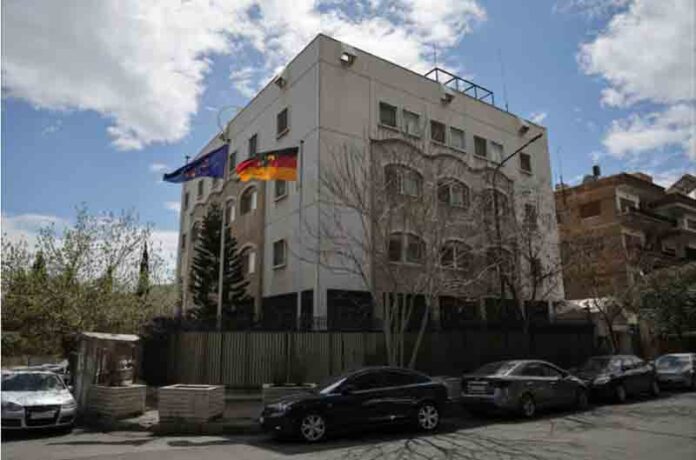
A German and a European Union flags flutter at the German embassy, after it was reopened in Damascus, Syria.

Germany has reopened its embassy in Syria, marking the establishment of official diplomatic relations with the new leadership in Damascus as the country grapples with significant humanitarian and security challenges in the aftermath of Bashar al-Assad’s regime.

“I am visiting Syria for the second time in about ten weeks because the nation and its future are precarious,” stated German Foreign Minister Annalena Baerbock during a press conference in Damascus. “We cannot foresee what may unfold in the coming months or even weeks.”

Baerbock highlighted the dire situation on the ground, noting a critical shortage of basic necessities, particularly in energy infrastructure. She emphasized Germany’s intention to assist Syria in its reconstruction efforts, including the modernization of power plants.

With approximately 1 million Syrians residing in Germany due to a significant influx of refugees over the past decade, the country aims to convey a message of cautious engagement with the new authorities while advocating for the rights of minority groups.

The embassy has deployed a small political team and plans to gradually increase its presence based on local conditions.

Due to security issues and limited capacity, visa and consular services will continue to be managed from neighboring Lebanon, Baerbock explained. She also mentioned that Germany would collaborate with the interim government to facilitate the voluntary repatriation of Syrians.

Baerbock’s initial meeting with Syria’s new de facto leader, Ahmed al-Sharaa, took place earlier this year, just a month after Islamist rebels from Hayat Tahrir al-Sham (HTS) ousted President Assad following over 13 years of civil conflict. Recent clashes between Assad loyalists and the new leadership have reportedly resulted in over 1,000 fatalities, primarily among civilians, according to a war monitoring organization.

Algerian Air Force experiences a setback as a Su-30 aircraft crashes shortly after takeoff

0
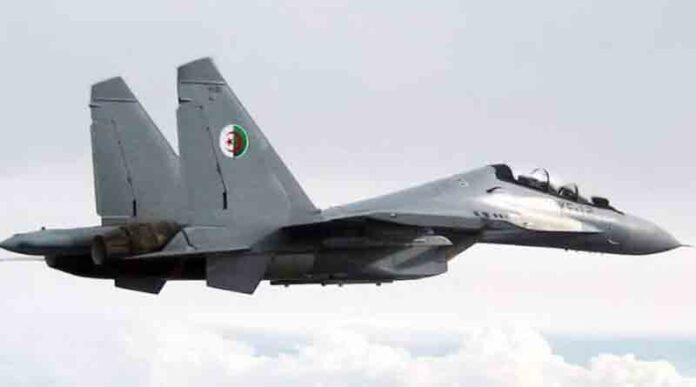
Su-30 fighter jet, Algerian Air Force

An Algerian Air Force Su-30 fighter jet crashed in the southwestern region of Algeria, close to the town of Adrar, leading to the pilot’s death, as reported by various sources from the North African country. The incident occurred shortly after takeoff, with preliminary reports indicating that while the operator successfully ejected, the pilot did not survive.

The exact cause of the crash remains unknown, and officials have not yet issued a formal statement detailing the circumstances. This incident has raised concerns regarding Algeria’s military aviation capabilities, prompting inquiries into the safety and maintenance of its aircraft.

The crash happened on March 19, 2025, in a remote area located about 1,000 miles southwest of Algiers. Local reports, including posts on X and information from the Algerian defense news outlet MenaDefense, confirm that the aircraft involved was a Sukhoi Su-30, a twin-engine, multi-role fighter jet of Russian design that is extensively utilized by the Algerian military.

Eyewitnesses referenced in early social media posts reported hearing a loud explosion followed by smoke billowing from the desert, although the Algerian Ministry of Defense has not officially verified these claims.

The timing of the crash, occurring shortly after the jet’s departure from an airbase, raises the possibility of mechanical failure or human error, though such speculation remains unconfirmed pending further investigation.

Algeria possesses one of the largest fleets of Su-30 aircraft in Africa, with approximately 70 units in operation, according to the Stockholm International Peace Research Institute (SIPRI). The nation has significantly depended on Russian-made equipment to enhance its air force, a collaboration that has been in place for many years.

The Su-30, recognized for its sophisticated avionics and adaptability in combat, plays a vital role in Algeria’s defense strategy, especially in safeguarding its extensive borders and addressing regional threats. Nevertheless, this is not the first instance of the Algerian military encountering aviation-related accidents.

In the last ten years, multiple incidents involving both fixed-wing aircraft and helicopters have led to loss of life, raising concerns about training standards and the reliability of equipment.

Aviation specialists who are knowledgeable about the Su-30’s operational background point out that, despite the jet’s impressive capabilities, its effectiveness relies heavily on thorough maintenance and proficient operation. “The Su-30 is an advanced platform, but like any intricate machinery, it can be susceptible to technical problems if not adequately maintained,” remarked Mark Schwartz, a former U.S. Air Force officer and military aviation consultant in Washington, D.C.

Schwartz stressed that without access to crash data, it is too early to assign a specific cause to the incident. “The cause could range from engine malfunction to navigation mistakes. Investigations usually take weeks or even months to draw conclusions,” he noted. His remarks highlight a general caution among analysts against making hasty judgments in the absence of solid evidence.

The Algerian government has yet to reveal the names of the crew members involved in the incident or confirm if a second occupant survived the ejection, as some initial reports indicated.

MenaDefense, a reputable source on Algerian military issues, reported that the operator who ejected sustained injuries but is alive, although this information is pending official verification.

Such a lack of transparency is typical for Algeria, where military affairs are often kept under wraps. In previous incidents, like the 2018 crash of an Il-76 transport plane that resulted in 257 fatalities near Algiers, initial silence from officials was eventually followed by limited updates after public pressure increased.

For the United States, which has a complex relationship with Algeria, the crash has potential ramifications that extend beyond the immediate loss of life. Algeria’s military capabilities and its significant role in maintaining stability in North Africa are of interest to American policymakers.

The U.S. has collaborated with Algeria on counterterrorism initiatives, particularly in the fight against extremist groups such as Al-Qaeda in the Islamic Maghreb, which operate in the Sahel region near Adrar.

“Any decline in Algeria’s operational capabilities could impact its ability to project power and secure its borders,” stated Emily Carter, a North Africa analyst at the Center for Strategic and International Studies in Washington. She emphasized that while a single crash does not indicate a systemic failure, repeated incidents could strain Algeria’s resources and tarnish its reputation.

The Su-30 has its roots in the Soviet era, entering service in the 1990s as an advancement of the Su-27 Flanker. Designed for air superiority and ground attack missions, it has a range exceeding 1,800 miles and can carry a diverse array of munitions, making it a formidable asset.

Algeria began its acquisition of aircraft in the mid-2000s through a series of contracts with Russia’s Rosoboronexport, as part of a larger effort to modernize its military following the civil conflicts of the 1990s. By 2019, SIPRI estimated that Algeria had invested billions in Russian military equipment, solidifying its position as one of Moscow’s primary clients in the region.

However, this partnership has faced its share of difficulties, including delivery delays and concerns regarding the quality of the equipment, which have occasionally raised alarms within defense circles.

To provide context for the Adrar crash, comparisons can be drawn to similar incidents in other locations. In 2021, a Russian Su-30 experienced a crash during a training exercise in Siberia, with both pilots managing to eject safely. Investigators later determined that a bird strike was the cause of that incident, highlighting a common risk in aviation.

It remains unclear whether environmental factors contributed to the situation in Algeria, although the desert environment near Adrar, characterized by sandstorms and extreme temperatures, could present specific challenges. “Dust ingestion can severely impact jet engines,” noted Schwartz, an aviation consultant. “This is just one of many factors that investigators are likely to consider.” He emphasized that while modern aircraft are designed with protective measures, no system is entirely infallible.

In Algeria, public response has been relatively subdued, primarily due to restricted press freedoms and the sensitive nature of military issues. Nevertheless, social media platforms like X have seen an increase in user posts speculating about the cause of the crash and expressing condolences for the pilot’s death.

One individual, commenting in Arabic, referred to it as “a tragic loss for our forces,” while another raised questions about the age of the aircraft involved. Without official information regarding the specific jet’s service record, such discussions remain largely anecdotal. In the United States, the incident has received minimal mainstream coverage, overshadowed by domestic news, although defense blogs and specialized outlets have started to report on it.

The crash has broader implications for Algeria’s position in the region. Its neighbor, Morocco, which has a strained rivalry with Algeria intensified by the Western Sahara conflict, operates a smaller yet modern air force that includes American-made F-16s.

Analysts indicate that any perceived weakness in Algeria’s military could alter the power dynamics in North Africa, although a single incident is unlikely to significantly change the existing balance. “At this point, it’s more about perception than reality,” noted analyst Carter. “If such incidents accumulate, it could encourage Morocco or others to challenge Algeria’s determination.”

Investigations into military aviation accidents generally involve several stages, including wreckage recovery and analysis of flight data recorders, commonly known as black boxes. In Algeria’s situation, collaboration with Russian experts is likely, given the Su-30’s origins.

Previous investigations, like the 2014 crash of a C-130 Hercules that resulted in 77 fatalities, have taken months to produce results, with some findings remaining confidential. The Adrar incident may follow a similar path, leaving observers to piece together the events from incomplete reports in the meantime.

As the situation stabilizes in southwestern Algeria, the loss of the Su-30 and its pilot highlights the inherent dangers of military aviation, even for a country with a strong defense system. In the coming weeks, more information is expected to emerge as investigators analyze the evidence and officials determine the extent of information to release.

Currently, the crash stands as a poignant reminder of the human and financial toll associated with sustaining a contemporary air force, as the complete narrative remains to be uncovered from the desert sands.

U.S. Treasury Department has announced new sanctions against Iran

0
A bronze seal for the Department of the Treasury is shown at the U.S. Treasury building in Washington, U.S.,

On Thursday, the United States announced new sanctions related to Iran, focusing on one individual and several entities, including a Chinese “teapot” oil refinery that has been involved in the purchase and processing of Iranian crude oil, as reported on the Treasury Department’s website. This marks the fourth round of sanctions imposed by Washington on Iran’s oil sales since President Donald Trump declared in February his intention to reinstate a “maximum pressure” campaign aimed at reducing exports to zero. Trump’s objective is to prevent Tehran from acquiring nuclear weapons and financing militant organizations.

China remains the largest importer of Iranian oil. The refinery specifically targeted by the Treasury is Shandong Shouguang Luqing Petrochemical Co., Ltd., located in China. While Tehran asserts that its nuclear energy program is intended for peaceful purposes, Western nations contend that its uranium enrichment activities, which approach weapons-grade levels, lack any plausible civilian justification.

Ukraine targets Russian strategic bomber airbase, resulting in a massive explosion

0
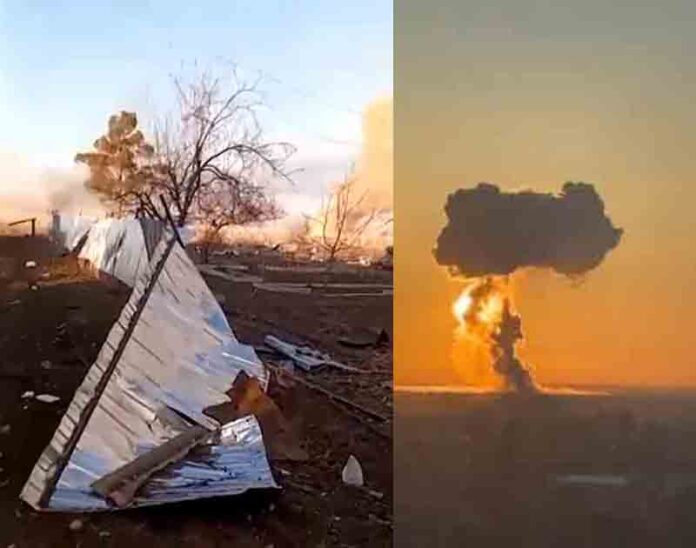
A view of smoke rising from Engels airbase, in the course of Russia-Ukraine conflict, in Engels, Saratov Region, Russia.

On Thursday, Ukraine launched a drone strike on a significant Russian strategic bomber airfield, resulting in a massive explosion and fire approximately 700 km (435 miles) from the conflict’s front lines, according to officials from both Russia and Ukraine.

Verified videos obtained by Reuters depicted a large explosion emanating from the airfield, damaging nearby cottages. The Russian defense ministry reported that air defenses intercepted 132 Ukrainian drones across various regions in Russia.

Additional verified footage captured a substantial column of smoke rising into the early morning sky alongside a fierce blaze. The Engels base, which has its origins in the Soviet era, is home to Russia’s Tupolev Tu-160 heavy strategic bombers, often referred to as White Swans.

Roman Busargin, the governor of Saratov, confirmed that a Ukrainian drone attack targeted the city of Engels, igniting a fire at the airfield and prompting the evacuation of local residents. While he did not explicitly name the Engels base, it is the primary airfield in the vicinity.

Ukraine’s defense ministry stated that its forces successfully hit the airfield, causing secondary explosions of munitions. Kyiv accused Russia of utilizing the Engels base to launch strikes against Ukraine. Local officials reported that ten individuals sustained injuries from the attack, and some residents were taken aback to discover fragments of Ukrainian drones in their yards. The Shot Telegram channel indicated that the drones used in the strike were PD-2 and Liutyi models.

Maxim Leonov, the head of the Engels district, announced a local state of emergency but provided limited information. Reuters has not been able to independently verify the events at the airfield. Ukraine has previously targeted the Engels air base since December 2022, claiming in January to have struck an oil depot associated with the base, which resulted in a significant fire that took five days to extinguish.

A security source from Ukraine reported that a drone strike had targeted a storage facility containing guided bombs and missiles at the Engels base.

UK Prime Minister Starmer: We must be ready to act quickly if a peace deal is achieved in Ukraine

0
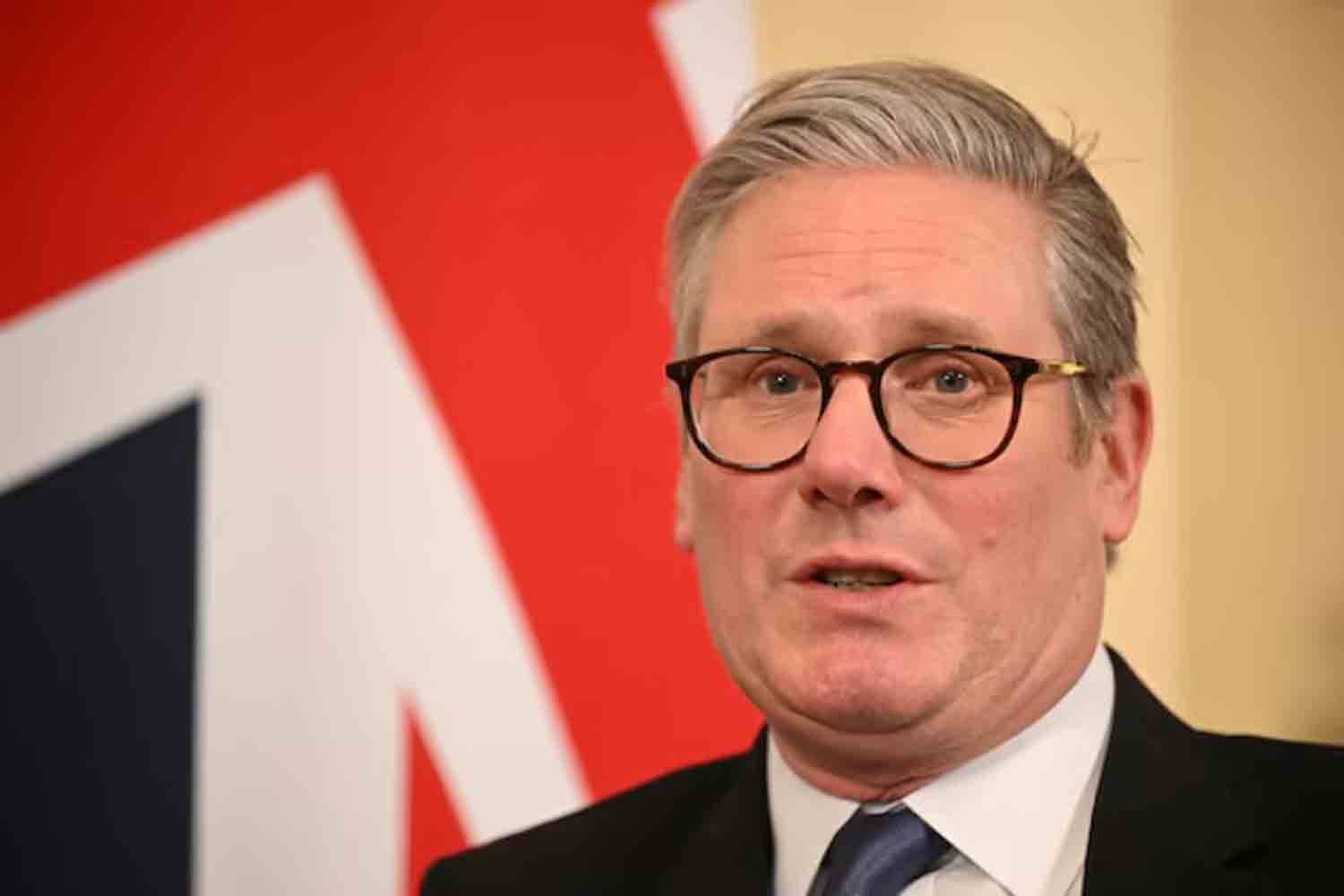
British Prime Minister Keir Starmer

British Prime Minister Keir Starmer emphasized on Thursday the necessity for Britain and its allies to be prepared to respond swiftly in the event of a peace agreement between Russia and Ukraine. His remarks, made during a visit to a nuclear submarine facility, coincided with a gathering of military leaders from numerous countries in Britain to discuss the potential establishment of a peacekeeping force in Ukraine.

“Our plans are centered on ensuring the safety of the skies, the seas, and the borders in Ukraine, while collaborating closely with the Ukrainians,” Starmer stated to the press.

“We are moving quickly because the outcome of a deal is uncertain. I sincerely hope an agreement will be reached, but if it does happen, it is crucial that we can respond immediately.”

Trump seeks control over Ukraine’s seized nuclear facility; what is the reason behind this?

0
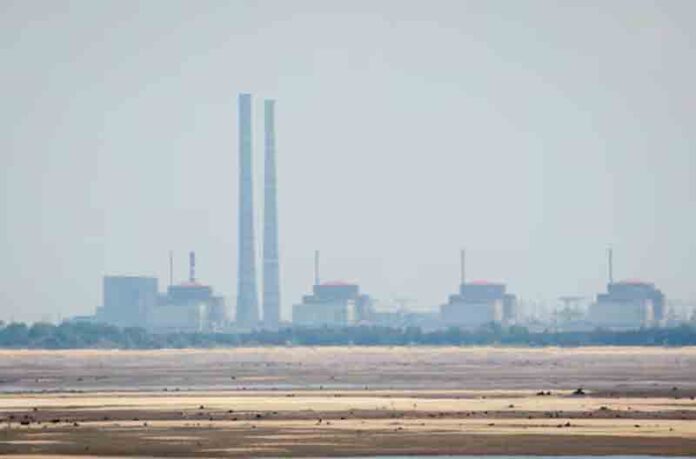
A view shows Zaporizhzhia Nuclear Power Plant from the bank of Kakhovka Reservoir near the town of Nikopol after the Nova Kakhovka dam breached, amid Russia's attack on Ukraine, in Dnipropetrovsk region, Ukraine.

Donald Trump’s proposal regarding U.S. interests taking control of Ukraine‘s largest nuclear power plant comes with a significant caveat for the man known for his deal-making skills: it could take years before any potential return on investment is realized. The extensive facility, which has been under Russian occupation since the onset of its invasion in 2022, faces numerous challenges. Its six reactors are currently in cold shutdown, the primary cooling water supply has been lost, and the condition of its equipment remains uncertain.

During a phone conversation on Wednesday, Trump suggested to President Zelenskiy that the U.S. could assist in operating, and possibly owning, Ukraine’s nuclear power plants, as stated by the U.S. presidential administration. Following the call, Zelenskiy mentioned that their discussion focused specifically on the Zaporizhzhia plant: “The president inquired if there was an understanding that America could restore it, and I affirmed that yes, if we could modernize it and invest funds.”

Two sources from the Ukrainian industry indicated that this proposal might reflect the U.S. exploring various strategies to determine what could be effective, as Trump aims to negotiate a sustainable peace agreement to swiftly conclude the conflict between Russia and Ukraine.

One source noted that the suggestion also exerted pressure on Russia by proposing a scenario in which they would need to relinquish control of the plant. The use of the term “ownership” by the Americans was seen as escalating tensions, according to the source. Zelenskiy has estimated that restoring the plant, the largest of its kind in Europe, would take approximately two and a half years.

A former senior Ukrainian official remarked, “Anything is possible with the Americans, but this is quite an unusual proposition.” They questioned, “The Americans would own it—on what basis? It belongs to Ukraine. If we were to transfer it to the U.S., what would be the terms? Would they purchase it? Would it be considered a concession? There are many unanswered questions.”

SUITCASE WITHOUT A HANDLE

Oleksandr Kharchenko, an energy analyst based in Kyiv, stated that restoring the plant to the Ukrainian power grid, as requested by Kyiv, would significantly impact energy production not only for Ukraine but also for eastern and central Europe. Prior to the conflict, the station accounted for 20% of Ukraine’s electricity generation. Ukraine had begun extensive electricity exports to the European Union just before the invasion but halted these efforts when Russia targeted its infrastructure with missiles and drones.

Despite attempts, Russian forces have been unable to connect the facility to their grid, resulting in no energy production. Kharchenko noted that restarting even a single reactor could take up to a year, while fully operationalizing the entire station might require up to four years due to various challenges. One major issue is the loss of water access from the now-drained Kakhovka reservoir, which occurred after the hydroelectric station and dam were destroyed in 2023, prior to Ukraine’s counteroffensive.

Currently, the nuclear facility is sourcing water from a cooling pond, but the water levels are declining. Engineers from Ukraine’s energy ministry believe that the water shortage may limit the plant to restarting only two of its six reactors for electricity generation. Furthermore, they estimate that it would take at least a year to resume even these limited operations, as the technical condition of the plant remains uncertain. A staff member who escaped the occupation and is now residing in Kyiv informed Reuters that Ukraine has developed a comprehensive action plan for the potential reinstatement of the facility.

A staff member, who requested anonymity due to family members still living under occupation, stated that it would not suffice for Russia to merely relinquish control of the plant. The adjacent thermal power plant, also under Russian control, along with nearby areas such as the city of Enerhodar and a road connection to the Ukrainian-controlled city of Zaporizhzhia, would also be necessary, according to the worker.

However, for individuals like pensioner Olha Shyshkyna, residing in the nearby Ukrainian-held city of Zaporizhzhia, the eventual return of the plant seems plausible, as it has not been utilized by the Russian side to date. “For Russia, our nuclear station is akin to a suitcase without a handle. It is non-operational and has become merely a toy for them. For us, it holds critical importance,” she remarked.

Turkey Challenges U.S. Advisories by Strengthening Somalia’s Military with Akinci Drones

0
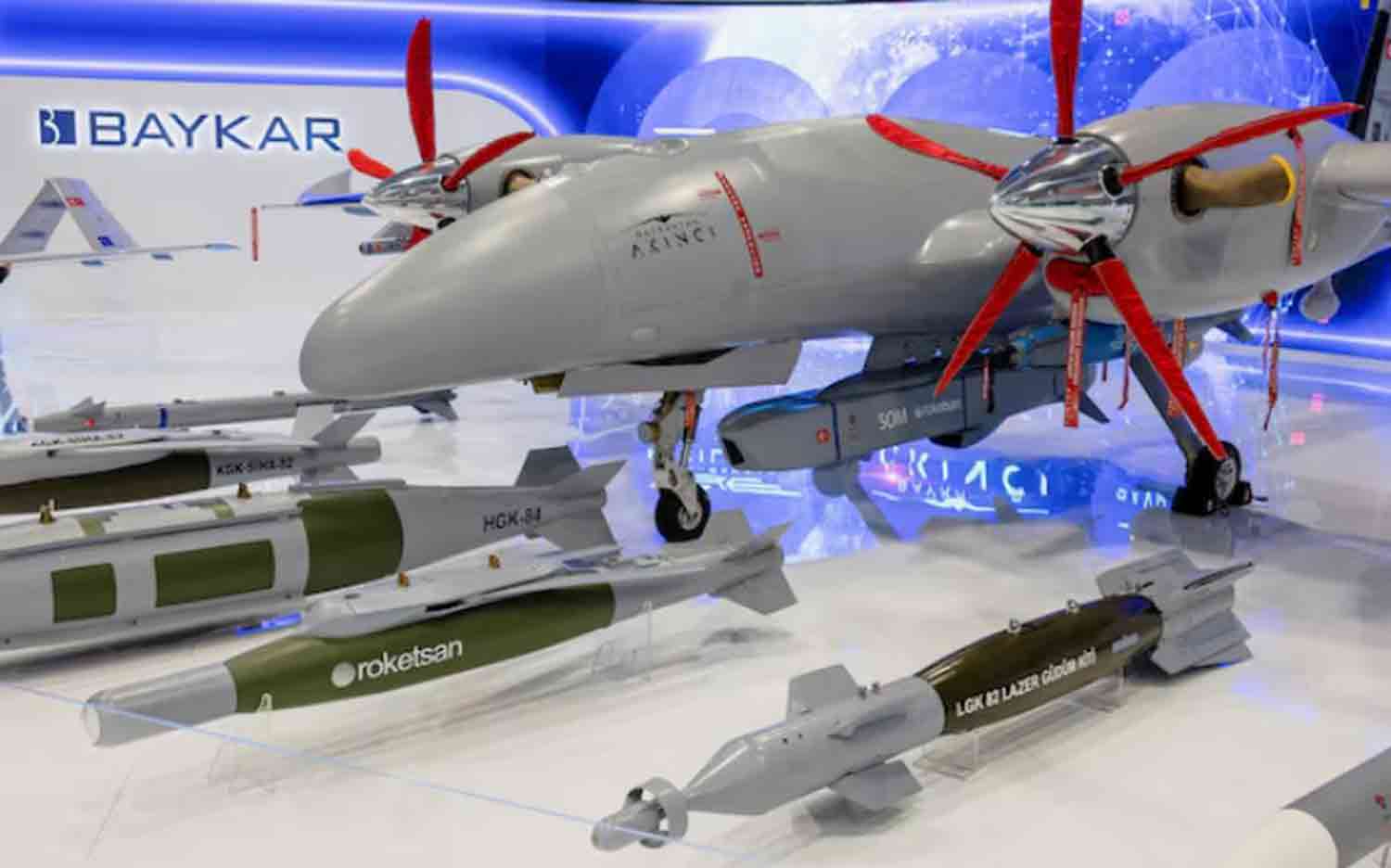
A Bayraktar Akinci unmanned combat drone is pictured at SAHA EXPO Defence & Aerospace Exhibition in Istanbul, Turkey.

In a significant demonstration of its expanding military presence in East Africa, Turkey has supplied Somalia with several Akinci Unmanned Combat Aerial Vehicles (UCAVs), despite concerns from the United States regarding Ankara’s increasing defense collaboration with Mogadishu.

This delivery represents a notable enhancement of Somalia’s aerial combat capabilities, bolstering its efforts in counterterrorism against the Al-Shabab insurgency. It also reflects Turkey’s growing strategic influence in the Horn of Africa, posing a challenge to the traditional dominance of the U.S. and Western powers in the area.

Recent months have seen heightened tensions between Washington and Ankara, fueled by Turkey’s deepening partnerships with Somalia in defense, aerospace, and energy sectors. The arrival of the Akinci UCAVs was confirmed by Abdulkadir Mohamed Nur, Somalia’s Minister of Ports and Maritime Transport, who shared on social media that the country had received two drones manufactured in Turkey, delivered by an A400M military airlifter.

Nur, who is fluent in Turkish and a graduate of Ankara University, previously held the position of Somalia’s Minister of Defense, where he was instrumental in enhancing military relations with Turkey.

“A true brother is revealed in difficult times. Turkey has once again provided unprecedented aid to the Somali people, who are battling against foreign invaders,” Nur stated, suggesting that the implications of this partnership extend beyond mere military cooperation.

The introduction of Akinci UCAVs marks a significant advancement in Somalia’s air warfare strategy. Previously, the Bayraktar TB2 drones, which have been actively utilized by the Somali National Army (SNA), provided Mogadishu with a vital edge in intelligence, surveillance, reconnaissance (ISR), and precision strike operations against Al-Shabab militants. With the addition of the Akinci to Somalia’s military capabilities, the nation will experience a substantial enhancement in its aerial strike potential, allowing for larger operations and more impactful firepower against insurgent groups and key enemy positions.

The Akinci UCAV, categorized as a High-Altitude, Long-Endurance (HALE) drone, is developed by Baykar Technology, Turkey’s leading drone manufacturer, known for the globally acclaimed Bayraktar TB2 and Kizilelma unmanned systems. Since its first flight in 2019, the Akinci has proven to be transformative, capable of performing both air-to-air and air-to-ground missions.

Key Specifications:

– Maximum Takeoff Weight: 5,500 kg
– Operational Altitude: 40,000 feet
– Endurance: Over 20 hours

What distinguishes the Akinci from other drones is its role as a multi-functional, high-endurance combat platform, featuring state-of-the-art avionics and sophisticated sensor technology, including:
– Electro-Optic/Infrared/Laser Designation (EO/IR/LD) sensors
– Active Electronically Scanned Array (AESA) multi-mode radar
– Signals Intelligence (SIGINT) systems

These systems significantly improve Akinci’s capacity to function in contested airspace by offering real-time intelligence, tracking, and target engagement with minimal human oversight.

The Akinci UCAV is engineered to carry and deploy an impressive range of weapons, greatly exceeding the capabilities of previous Turkish drones. Its varied payload consists of:

– Cirit missiles (laser-guided)
– MAM-L (thermobaric), MAM-C (high-explosive), and MAM-T smart munitions
– Teber-82 laser-guided bomb
– Mini smart munition Bozok
– L-UMTAS long-range anti-tank missile system
– MK-81, MK-82, and MK-83 guided bombs

With these sophisticated strike capabilities, Akinci can execute precise attacks on critical enemy targets, including terrorist hideouts, command centers, armored convoys, and fortified positions.

The introduction of Akinci UCAVs positions Somalia to significantly enhance its aerial combat capabilities, enabling:

✅ Broader counterterrorism efforts against Al-Shabab strongholds
✅ Pre-emptive strikes on key insurgent targets
✅ Real-time battlefield intelligence for improved situational awareness
✅ Surveillance of vital maritime and border areas

The deployment of Akinci drones in Somalia occurs during a politically sensitive period.

Just days prior to the scheduled delivery, Somali President Hassan Sheikh Mohamud dismissed Abdulkadir Mohamed Nur from his role as Minister of Defense, reportedly due to pressure from Washington.

Nur was subsequently appointed as Minister of Ports and Maritime Transport, a shift perceived by many as an effort to diminish his significant contribution to enhancing military cooperation between Turkey and Somalia. Under his guidance, Somalia and Turkey finalized a significant defense, trade, and maritime agreement in February 2023, a development that has raised concerns in Washington.

U.S. officials are particularly apprehensive about Turkey’s long-term goals in the region, especially regarding Ankara’s growing military and economic presence in East Africa. Beyond military concerns, Washington is also cautious about Turkey’s intentions to establish a spaceport in Somalia, which could enable future rocket launches. U.S. officials worry that such initiatives might be interpreted as a guise for long-range ballistic missile testing, complicating the regional security landscape.

Moreover, Turkey’s recent agreements to explore oil and gas reserves in Somalia have heightened tensions further.

For the U.S. and its Western allies, Ankara’s increasing influence poses a threat to the geopolitical equilibrium in East Africa, jeopardizing long-established American strategic interests. With the introduction of Akinci UCAVs, Somalia is embarking on a new phase of advanced warfare, equipping its military with one of the most sophisticated drone systems available globally.

For Turkey, this agreement reinforces its status as a key military and economic ally in Somalia, further extending its reach throughout the Horn of Africa. For the U.S., this situation serves as a stark reminder that Ankara has evolved from being merely a NATO ally to an independent strategic actor willing to contest Washington’s influence in critical global arenas.

As geopolitical tensions in East Africa continue to shift, the Akinci drones may emerge as more than just military assets—they could significantly alter the regional power dynamics for years to come.

Zelenskiy states that a ceasefire regarding energy strikes could be implemented swiftly

0
Ukraine's President Volodymyr Zelenskiy gives a press conference in Kyiv, Ukraine, on February 19, 2025, amid the Russian attack on Ukraine.

Ukrainian President Volodymyr Zelenskiy stated on Wednesday that a cessation of energy strikes in the ongoing conflict with Russia could be implemented swiftly. However, he cautioned that Ukraine would retaliate if Moscow breached the terms of the limited ceasefire. Following his first conversation with U.S. President Donald Trump since their contentious meeting in the Oval Office, Zelenskiy mentioned that Kyiv would compile a list of facilities eligible for a partial ceasefire facilitated by Washington.

This list may encompass not only energy assets but also rail and port infrastructure, he noted, a day after Russian President Vladimir Putin spoke with Trump and consented to suspend attacks on energy facilities. “I recognize that until we reach an agreement with Russia and have a formal document regarding even a partial ceasefire, I believe that everything will continue to escalate,” Zelenskiy remarked, alluding to the ongoing use of drones and missiles.

As Zelenskiy’s online briefing with journalists concluded, regional officials reported a significant drone assault on the central Ukrainian city of Kropyvnytskyi, with social media footage revealing extensive fires and damage to residential buildings. Authorities indicated that the attack also impacted rail infrastructure, with some injuries reported by the regional governor.

The Ukrainian leader, appearing fatigued during his address to the press, characterized his conversation with Trump as “probably the most substantive and positive” discussions to date, asserting that he did not feel pressured. This account stood in stark contrast to the tense atmosphere of Zelenskiy’s previous meeting with Trump on February 28, which was intended to culminate in a minerals agreement but devolved into a heated argument.

When asked during the briefing if he still desired Trump to visit Ukraine, Zelenskiy affirmed his wish, expressing that such a visit would be beneficial for the U.S. president in his efforts to bring an end to the conflict.

NEW MEETING TO DISCUSS TECHNICAL DETAILS

Steve Witkoff, the U.S. envoy to the Middle East, announced that another round of discussions between Russian and American officials is scheduled for Sunday in Jeddah, Saudi Arabia. The focus of these talks will be on establishing a permanent ceasefire and bringing an end to the conflict, although it remains uncertain if Ukraine will participate.
Ukrainian President Zelenskiy indicated that Ukrainian and U.S. officials might convene in Saudi Arabia on Friday, Saturday, or Sunday to go over technical aspects. He expressed a desire to clarify how the partial ceasefire would be monitored, noting that he believes it could be effective if the United States takes the lead.

Earlier, a statement from the U.S. presidential administration revealed that Trump proposed to Zelenskiy the possibility of U.S. involvement in managing and potentially owning Ukraine’s nuclear power facilities and energy infrastructure.

During their phone conversation, Zelenskiy mentioned that he and Trump focused solely on the large Russian-occupied Zaporizhzhia nuclear power plant located in southeastern Ukraine. He conveyed to Trump that Kyiv would be open to discussions regarding U.S. participation in the modernization and investment of the nuclear facility, contingent upon its return to Ukraine.
Zelenskiy expressed skepticism about the likelihood of Putin agreeing to a complete ceasefire while Ukrainian forces remain in Russia’s western Kursk region. Ukrainian troops had executed a surprise incursion into this area in August of the previous year but have since been pushed back to a small territory following a multi-phase operation by Russia.
Additionally, Zelenskiy confirmed that Ukraine has received new supplies of several F-16 fighter jets, although he refrained from disclosing the exact number or the timing of the delivery.

UAE intelligence chief meets Trump to discuss AI initiatives, avoiding the Gaza conflict

0
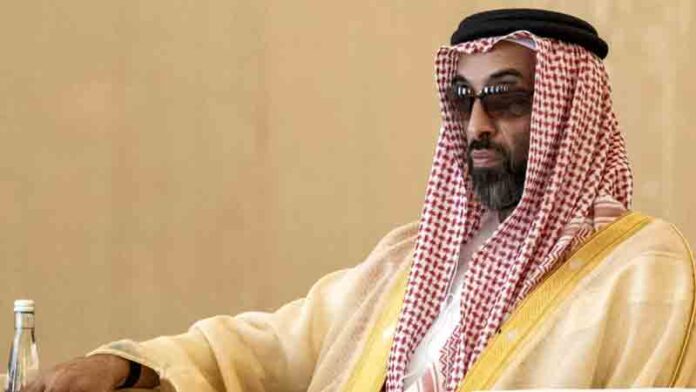
Sheikh Tahnoon bin Zayed al-Nahyan, deputy ruler of Abu Dhabi and UAE national security advisor, attending a reception for India's prime minister and delegation at the Presidential Airport in Abu Dhabi.

The UAE conveyed a decisive message during national security advisor Sheikh Tahnoon bin Zayed’s visit to the White House on Tuesday: Artificial Intelligence is a priority, while Israel’s conflict in Gaza is not on the UAE’s agenda with the Trump administration.

Tahnoon, known for his aviator sunglasses due to an eye condition, holds various influential roles, including spy chief, chess grandmaster, and technology investor. His meeting with US President Donald Trump highlighted his investment interests.

During a White House dinner hosted by Trump, Tahnoon reiterated the UAE’s commitment to investing in areas such as AI, technology, infrastructure, and healthcare, according to Wam, the UAE’s official news agency.

In discussions with US Treasury Secretary Scott Bessent, Tahnoon explored ways to enhance Emirati investments in AI, as reported by Wam.

Often referred to as the “spy sheikh,” Tahnoon has a keen focus on AI. On a prior visit to the US, he even sent an Emirati official to acquire a rare copy of a book by George Washington University professor Jeffrey Ding, which outlines the future economic impact of AI.

As the chairman of two Abu Dhabi wealth funds valued at approximately $1.4 trillion, Tahnoon possesses significant financial resources to invest in AI. He also leads the artificial intelligence group G42, which secured a $1.5 billion investment from Microsoft for AI data centers in the UAE.

UAE Secures $25 Billion Investment Deal

The Biden administration has implemented restrictions on the export of advanced AI chips to nations such as the UAE. During his visit to Washington, Tahnoon aimed to persuade the Trump administration to reconsider these limitations by emphasizing that the UAE is a valuable ally in the competition for AI leadership, rather than a vulnerable target for Chinese influence.

Not long ago, the UAE was strategically balancing its relationships with Russia and China against the US, leading to concerns among US officials about China’s potential establishment of a military port in the Emirates. This raised alarms in sensitive areas, particularly technology.

However, the emergence of AI has significantly transformed the US-UAE relationship, with Tahnoon favoring American technology over Chinese alternatives and aligning the affluent Gulf nation more closely with US interests.

The UAE had already made strides with the Trump administration when MGX, a relatively obscure investment firm in Abu Dhabi managed by Tahnoon, committed to a $7 billion investment in an AI infrastructure initiative introduced by Trump.

Following Tahnoon’s trip, ADQ, an Abu Dhabi sovereign wealth fund led by him, announced a partnership with US private equity firm Energy Capital Partners to invest over $25 billion in energy projects aimed at powering data centers in the US.

Tahnoon’s visit coincided with that of Sultan al-Jaber, the CEO of the Abu Dhabi National Oil Company, to the US.

US Vice President JD Vance commended the UAE and Jaber during a tech summit on Tuesday, reiterating his criticisms of certain European nations.

“One of the key points they consistently emphasize—something that unfortunately too few of our European allies seem to grasp—is that to lead in artificial intelligence, you must also excel in energy production,” Vance remarked, expressing his enthusiasm for the UAE’s participation in the tech summit.

UAE Distances Itself Further from Gulf States Regarding Gaza

The substantial investment the UAE is making in American AI and technology grants it significant influence over the Trump administration, according to US and Arab officials speaking to MEE.

During the recent visit by UAE officials, there were no public discussions or statements regarding Israel’s renewed military actions in Gaza, which escalated on Tuesday with Israeli airstrikes on the region.

The UAE’s actions highlight its growing divergence from its affluent Gulf neighbors.

In contrast to Saudi Arabia’s Crown Prince Mohammed bin Salman, who has openly accused Israel of genocide in Gaza, the UAE has maintained its engagement with Israel.

Privately, the UAE has distanced itself from other Arab nations by lobbying the Trump administration against a reconstruction plan for Gaza that was proposed by Egypt and supported by the Arab League, as reported by MEE.

In January, the UAE’s foreign minister hosted his Israeli counterpart prior to a temporary ceasefire in Gaza. The two nations established normalized relations in 2020 as part of Trump’s Abraham Accords.

United States has stationed M1A2 SEP v3 tanks in Saudi Arabia for live-fire training exercises

0
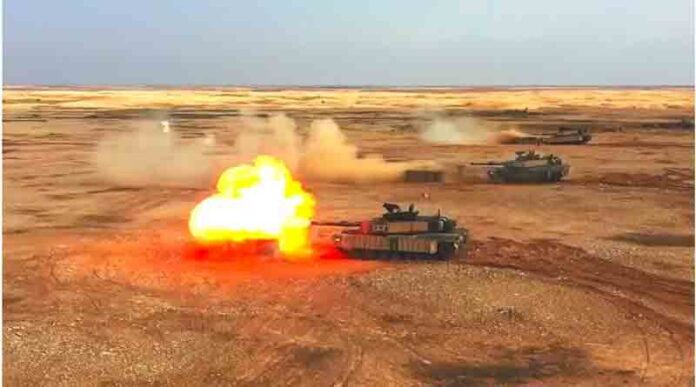
U.S. deploys M1A2 SEP v3 tanks for live-fire drills in Saudi Arabia

The U.S. military has recently unveiled footage of its latest live-fire combat exercises at the squad and platoon levels, which were part of the “Friendship 25” operations within the jurisdiction of U.S. Central Command.

These exercises aimed to bolster cooperation between American forces and the Royal Saudi Land Forces, showcasing the upgraded M1A2 SEP v3 Abrams tanks operated by the 278th Armored Cavalry Regiment. The Defense Visual Information Distribution Service (DVIDS) released the footage, which captured advanced combat tactics at a confidential location on February 12, 2025.

The main goal of these drills was to enhance the operational capabilities of both U.S. and Saudi forces, thereby improving their readiness to tackle regional security issues and respond to emerging threats in a volatile environment.

The visuals prominently feature the M1A2 SEP v3, the latest version of the Abrams main battle tank, which has been a fundamental element of U.S. armored warfare since its debut in the 1980s. This new iteration includes numerous technological enhancements over earlier models, emphasizing survivability, firepower, and integration on the battlefield.

Engineers have outfitted the tank with an upgraded armor package designed to withstand modern anti-tank weaponry, a vital aspect considering the changing landscape of threats in current conflicts.

Moreover, the tank is equipped with an advanced fire control system and an ammunition data link, allowing it to utilize sophisticated munitions, such as programmable airburst rounds, with enhanced accuracy. These improvements are intended to ensure the Abrams remains competitive against increasingly advanced adversaries.

In addition to its enhancements in combat capabilities, the M1A2 SEP v3 features substantial upgrades to its power and electronic systems. A key improvement is the inclusion of an auxiliary power unit (APU), which enables the tank to perform critical functions without the need to engage its main engine. This innovation leads to reduced fuel consumption and lowers the vehicle’s thermal signature, making it less detectable under certain conditions.

The tank’s digital framework has also been significantly upgraded, laying the groundwork for future enhancements and improved connectivity with other military assets. These advancements are part of a larger initiative by the U.S. Army to modernize its armored fleet while ensuring interoperability with allied forces, including those from Saudi Arabia.

The “Friendship 25” exercises highlight the enduring military alliance between the United States and Saudi Arabia, two nations committed to fostering stability in the Middle East. This partnership has evolved over decades, with joint training exercises like this one designed to synchronize tactics, enhance coordination, and ensure both forces can effectively respond in times of crisis.

As stated by the U.S. Army, these drills are part of a continuous effort to strengthen the readiness of both militaries in light of escalating tensions in the region, including the conflicts in Yemen and concerns regarding Iran’s influence. The involvement of the 278th Armored Cavalry Regiment, a unit experienced in high-pressure deployments, underscores the seriousness of this initiative.

Military analysts have observed that the deployment of the M1A2 SEP v3 in these drills highlights the technological superiority the U.S. aims to uphold in its armored forces. The enhancements made to the tank reflect insights gained from recent conflicts, where urban combat and asymmetric threats, such as drones and improvised explosive devices, have posed challenges to conventional tank designs.

“The SEP v3 is a reaction to the evolving battlefield,” stated John Pike, director of GlobalSecurity.org, a defense analysis organization. “It’s no longer solely about sheer power; it’s about flexibility and maintaining a competitive edge.” Pike emphasized the tank’s upgraded optics, which improve target acquisition in low-visibility situations, as a significant benefit in desert settings typical of the Central Command area.

Saudi Arabia also contributes its own expertise to these exercises. The kingdom has utilized earlier iterations of the Abrams tank, including the M1A2S variant, in its military operations, particularly in the ongoing conflict in Yemen.

In that campaign, Saudi forces have encountered various threats, from Houthi rebels using anti-tank missiles to challenging terrain that tests the resilience of their equipment. The collaborative exercises with the U.S. provide a valuable opportunity to enhance tactics and incorporate lessons learned from these real-world experiences.

A representative from the Royal Saudi Land Forces characterized the recent drills as “a crucial step in ensuring our forces can work effectively alongside our American allies,” although specific information regarding Saudi involvement in the exercises was not revealed.

The development of the M1A2 SEP v3 showcases years of commitment from the U.S. Army and its main contractor, General Dynamics Land Systems, which has managed the Abrams program since its beginning. The SEP v3 variant, which was first delivered to the Army in 2017, builds upon earlier enhancement packages that added features such as thermal imaging and integrated communication systems.

In contrast to previous models that focused primarily on firepower and armor thickness, this version strikes a balance between these characteristics, efficiency, and stealth. For example, the Auxiliary Power Unit (APU) enables crews to maintain situational awareness without the noise and heat generated by the main engine, a capability that could be crucial in extended combat scenarios.

Data from the Army underscores the extent of the modernization initiative. As of last year, over 500 Abrams tanks had been upgraded to the SEP v3 standard, with intentions to equip more units in the upcoming years. Each tank weighs around 73 tons and is operated by a crew of four: a commander, gunner, loader, and driver.

The tank’s primary weapon, a 120mm smoothbore cannon, is capable of firing various rounds designed for different targets, ranging from armored vehicles to fortified structures. The addition of an ammunition data link enhances this capability, allowing the gunner to adjust the round’s programming mid-flight for optimal impact—a feature absent in earlier models.

These exercises occur at a time when the U.S. is reevaluating its armored strategy in response to global developments. The conflict in Ukraine, where tanks have suffered significant losses due to drones and precision-guided munitions, has ignited discussions about the future of heavy armor. Some analysts contend that platforms like the Abrams need to adapt to maintain their relevance, a perspective that seems to influence the design of the SEP v3.

Some experts, however, believe that tanks will continue to play a vital role, especially in open environments such as the deserts of the Middle East. Michael O’Hanlon, a senior fellow at the Brookings Institution, stated, “Tanks still have a place, but they need to be smarter, not just tougher.” The “Friendship 25” exercises serve as a practical testing ground for this concept, allowing the SEP v3 to be evaluated in a simulated combat scenario.

For the soldiers of the 278th Armored Cavalry Regiment, these maneuvers offered valuable hands-on experience with the tank’s advanced features. Crews engaged in coordinated movements, targeting various distances while managing the complexities of joint operations.

Footage from DVIDS captures tanks firing in succession, their muzzle flashes illuminating the desolate landscape, showcasing the accuracy provided by the enhanced sights and fire control systems. Although the specific location is not disclosed, the environment appears to align with the dry conditions typical of the Central Command’s area of operations, which includes parts of the Middle East, Central Asia, and North Africa.

The collaboration with Saudi Arabia encompasses not only training but also equipment. The kingdom operates a fleet of Abrams tanks, including the M1A2S, a variant tailored to its requirements. In 2016, the U.S. authorized a $1.15 billion sale of 153 M1A2S tanks to Saudi Arabia, along with support vehicles, as part of a deal managed by the Defense Security Cooperation Agency.

This agreement included provisions for replacements in the event of battle damage, indicating that the Saudis were prepared for potential losses in combat—a reality confirmed by their experiences in Yemen. The “Friendship 25” exercises could lead to enhanced collaboration, potentially impacting future upgrades for both countries’ tank fleets.

As the drills came to a close, focus shifted to the wider implications for regional security. The Middle East continues to be a hotspot, with persistent conflicts and rivalries influencing military strategies.

Both the U.S. and Saudi Arabia are concerned about Iran’s missile capabilities and its backing of proxy groups, which likely shaped their emphasis on advanced armor and collaborative readiness. The successful execution of these exercises underscores their dedication to maintaining a strong deterrent stance, even as the dynamics of warfare evolve.

The footage released by DVIDS not only documents the event but also publicly reaffirms the U.S.-Saudi partnership. It emphasizes the M1A2 SEP v3’s significance as a link between the Abrams tank’s distinguished history and its future role in combat. With its combination of state-of-the-art technology and established design, the tank stands as a testament to American military innovation, now shared with a crucial ally in a strategically important area.

Moving forward, the 278th Armored Cavalry Regiment and their Saudi partners will likely focus on evaluating the outcomes of these exercises, refining their strategies, and gearing up for future challenges.

U.S. Equips F-16s with Long-Range Anti-Ship Missiles Amid Indo-Pacific Tensions

0
U.S. Equips F-16s with Long-Range Anti-Ship Missiles Amid Indo-Pacific Tensions

In a pivotal step to enhance its maritime strike capabilities, the United States military plans to incorporate long-range anti-ship missiles (LRASM) into its F-16 Viper aircraft. This decision highlights Washington’s strategic intent to counter China’s increasing naval power in the Indo-Pacific region.

The integration of LRASM will improve the U.S. military’s capacity to execute preemptive, precision strikes on maritime targets, allowing its forces to effectively neutralize enemy naval assets from considerable distances in the event of a military conflict in the area.

As indicated in a contract notice from the U.S. Naval Air Systems Command (NAVAIR), the U.S. Navy is set to equip F-16 Viper fighter jets with the AGM-158C Long-Range Anti-Ship Missile (LRASM), a state-of-the-art weapon system tailored for modern naval warfare.

By adding LRASM to the F-16 Viper, the U.S. seeks to significantly enhance the striking range of its aerial assets, providing a critical edge in confrontations with enemy fleets. This strategic initiative is part of Washington’s broader efforts to strengthen its deterrence capabilities in the Indo-Pacific, particularly in light of Beijing’s rapid military expansion.

A Pentagon report on China’s military and security advancements, published in December 2023, disclosed that the People’s Liberation Army Navy (PLAN) now operates a formidable fleet exceeding 370 ships and submarines, which includes over 140 major combat vessels.

With the PLAN already surpassing the U.S. Navy in total warship numbers, Beijing has aggressively developed its blue-water capabilities, constructing advanced Type 055 guided-missile destroyers, Type 003 aircraft carriers, and an expanding fleet of nuclear-powered submarines.

In light of the unprecedented growth in maritime threats, strategic planners in Washington acknowledge the pressing requirement for sophisticated, long-range anti-ship missiles, with the LRASM poised to be a key player in this domain.

The AGM-158C Long-Range Anti-Ship Missile (LRASM) is intended to succeed the outdated Harpoon missile, a cornerstone of U.S. naval operations since the 1970s.

Developed by Lockheed Martin, the LRASM signifies a significant advancement in contemporary anti-ship warfare, featuring a range of technological improvements that greatly enhance its capabilities compared to earlier models.

A standout feature of the LRASM is its impressive operational range, which surpasses 370 km (200 nautical miles). This capability allows fighter jets, bombers, and naval surface ships to conduct precision strikes from safe distances, well outside the reach of enemy air defenses and ship-based countermeasures.

In contrast to traditional anti-ship missiles, the LRASM is designed with stealth technology, which minimizes its radar signature, making it considerably more difficult for enemy vessels to detect and intercept.

Moreover, it includes advanced electronic warfare (EW) resistance, ensuring its operational effectiveness in highly contested scenarios where adversaries utilize sophisticated electronic countermeasures, such as jamming and spoofing.

Central to the LRASM’s operational success is its multi-modal seeker system, which provides exceptional target detection and engagement capabilities. This system comprises:
– Infrared Seeker – Improves target identification, enabling accurate strikes even in low-visibility situations.
– GPS and Data-Link Connectivity – Facilitates real-time tracking and dynamic rerouting, ensuring precise engagements against moving enemy ships.
– Artificial Intelligence (AI) & Autonomous Target Recognition (ATR) – Allows for automated target selection and engagement, enabling the missile to autonomously prioritize and strike high-value enemy vessels, even in complex maritime environments.

The LRASM represents a significant advancement in maritime strike technology, functioning not just as a missile but as a sophisticated, adaptive, and nearly undetectable weapon system. Engineered for maximum impact and destruction, it features a High-Explosive Penetrator Warhead designed to breach the reinforced hulls of contemporary warships before detonating, thereby inflicting severe damage on key enemy vessels, including destroyers, cruisers, and aircraft carriers.

In addition to its compatibility with the F-16 Viper, the missile can also be deployed from other advanced U.S. platforms, such as:
– F/A-18 Super Hornet and F-35 Lightning II fighter jets
– B-1B Lancer strategic bombers
– U.S. Navy ships equipped with the Mk 41 Vertical Launch System (VLS)

The incorporation of LRASM into U.S. military operations marks a transformative shift in the ongoing power dynamics within the Indo-Pacific region. As tensions rise in areas like the South China Sea and the Taiwan Strait, the U.S. is enhancing its capacity to counter China’s naval aspirations through precision strike capabilities that can incapacitate enemy fleets before they mount an effective response.

Meanwhile, China has been heavily investing in anti-access/area denial (A2/AD) systems, such as the DF-21D “Carrier Killer” ballistic missile and the YJ-18 anti-ship cruise missile, aimed at pushing U.S. naval forces further from its coastal waters.

Nevertheless, with LRASM-equipped aircraft and naval vessels, the U.S. and its allies can sustain over-the-horizon strike superiority, allowing them to control the pace of any potential naval conflict. Thanks to its stealth features, long-range precision capabilities, and AI-driven target identification, the AGM-158C LRASM stands out as one of the most advanced anti-ship missiles ever created.

Its implementation on various platforms enhances the U.S. military’s capacity to execute deep-strike missions against enemy naval forces, guaranteeing that American and allied troops retain a significant edge in maritime warfare in the 21st century.

As tensions rise in the Indo-Pacific region, the LRASM is poised to be instrumental in influencing the dynamics of naval engagements, acting as a deterrent to adversarial advances and a vital resource for achieving strategic control over maritime areas.

Macron and the Saudi Crown Prince discuss the Gaza situation and the Ukraine peace process

0

French President Emmanuel Macron announced on Wednesday that he had a conversation with Saudi Arabia’s Crown Prince Mohammed bin Salman, during which they both denounced the renewed Israeli airstrikes on Gaza. Macron indicated that they will co-chair a conference focused on a two-state solution, with the goal of “reviving a political perspective for both Israelis and Palestinians.”

He emphasized the necessity of returning to a ceasefire to ensure the release of all hostages and safeguard civilian lives. In a post on X, Macron noted that the two leaders also addressed the importance of collaborating on the future of Gaza.

On the same day, the Israeli military resumed ground operations in central and southern Gaza, following a second day of airstrikes that reportedly resulted in the deaths of at least 48 Palestinians, according to health officials in the region. This escalation occurred just a day after over 400 Palestinians were killed in airstrikes, marking one of the most lethal periods since the conflict escalated in October 2023, effectively ending a ceasefire that had been largely maintained since January.

In a separate discussion, Macron expressed support for the crown prince’s Jeddah initiative, which facilitated the commencement of peace talks regarding Ukraine.

The leaders also touched upon the situations in Syria and Lebanon. Macron stated, “France and Saudi Arabia have aligned goals: a fully sovereign Lebanon and a united, stable Syria that is committed to an inclusive transition.”

Israel has launched a new ground operation in Gaza after recent airstrikes

0
Buildings lie in ruin in Beit Hanoun in the Gaza Strip, amid the ongoing conflict between Israel and Hamas, as seen from southern Israel.

On Wednesday, the Israeli military announced the resumption of ground operations in the central and southern regions of the Gaza Strip. This development followed a second day of airstrikes that resulted in the deaths of at least 48 Palestinians, as reported by local health officials.

These renewed ground actions occurred just a day after airstrikes claimed the lives of over 400 Palestinians, marking one of the most lethal incidents since the conflict escalated in October 2023, effectively ending a ceasefire that had been largely maintained since January.

The Israeli military stated that these operations aimed to extend Israel’s control over the Netzarim Corridor, which divides Gaza, and were described as a “focused” effort to establish a partial buffer zone between the northern and southern parts of the territory. In response, the Palestinian militant group Hamas condemned the ground operation and the incursion into the Netzarim Corridor as a “new and dangerous violation” of the ceasefire agreement that has been in place for two months. They reiterated their commitment to the agreement and urged mediators to fulfill their responsibilities.

The United Nations reported that a strike resulted in the death of a foreign staff member and injuries to five others at a U.N. facility in central Gaza City on Wednesday. While Gaza’s health ministry attributed the strike to Israel, the Israeli military denied this claim, asserting that they targeted a Hamas site where preparations for attacks on Israeli territory were detected. Jorge Moreira da Silva, the executive director of the U.N. Office for Project Services, emphasized that Israel was aware it was striking a U.N. compound, a well-known location where people lived and worked.

U.N. Secretary-General Antonio Guterres called for a thorough investigation and condemned all assaults on U.N. personnel. He noted that the recent strike raised the death toll of U.N. colleagues in Gaza to at least 280 since October 7, 2023. Additionally, the Bulgarian foreign ministry reported that a Bulgarian national working for the U.N. was killed in Gaza on Wednesday, according to preliminary information.

US STATES ‘BRIDGE’ PROPOSAL REMAINS AVAILABLE

Yosef Levi Sfari, Israel’s ambassador to Sofia, expressed his condolences for the death of a Bulgarian citizen and noted in a social media update that an investigation is underway. He mentioned that an initial assessment revealed “no connection” to Israeli military operations. Israel, committed to eliminating Hamas, declared on Tuesday that its recent military actions in Gaza are “just the beginning.”

The U.S. State Department attributed the resurgence of violence to Hamas and indicated that a U.S.-developed “bridge” proposal is still available to extend the ceasefire and facilitate the release of hostages held by the group in Gaza. A State Department spokesperson remarked, “The opportunity is still there, but it’s closing fast,” emphasizing that Hamas’ reaction was “totally unacceptable” and reaffirming U.S. support for Israel.

In the latest escalation, local health officials reported that an Israeli airstrike in Beit Hanoun, a town in the northern Gaza Strip, resulted in four fatalities and ten injuries. Earlier on Wednesday, the Israeli military issued renewed evacuation orders for residents in the area.

In Beit Lahiya, an Israeli airstrike reportedly killed 24 individuals at a mourning tent, according to medical sources. Both Israel and Hamas have accused each other of violating the truce, which had provided a temporary reprieve for Gaza’s 2.3 million residents after 17 months of conflict that devastated the region and forced many to evacuate repeatedly.

Palestinian health authorities report that the Israeli campaign has resulted in over 49,000 deaths in Gaza, leading to a humanitarian crisis characterized by severe shortages of food, fuel, and water. Israel has accused Hamas of using civilians as human shields, a claim that Hamas denies, instead accusing Israel of conducting indiscriminate bombings.

This conflict, the most catastrophic in decades of Israeli-Palestinian tensions, was ignited by a Hamas-led assault on southern Israel on October 7, 2023, which resulted in approximately 1,200 deaths and around 250 hostages taken, according to Israeli estimates.

PROTESTS IN ISRAEL

The decision by Prime Minister Benjamin Netanyahu to resume airstrikes has sparked protests across Israel, as 59 hostages remain captive in Gaza, with 24 believed to be alive. A coalition of families of the hostages and critics of Netanyahu have come together, accusing the prime minister of exploiting the conflict for political gain.

Palestinian medical personnel reported that Israeli tank fire on the main Salahuddin Road, which runs north to south in Gaza, resulted in one Palestinian death and several injuries. Witnesses indicated that Israeli military actions in the area have discouraged both pedestrians and vehicles from using the road.

Hamas spokesperson Abdel-Latif Al-Qanoua informed Reuters that the closure of the Salahuddin Road represents a “total coup” against the three-phase ceasefire agreement and further tightens the blockade on Gaza. He expressed that the group would be open to any proposals, provided they focus on initiating negotiations for the second phase and achieving a complete cessation of hostilities in Gaza.

Earlier on Wednesday, the Israeli military distributed leaflets in both the northern and southern regions of the Gaza Strip, once again instructing residents to evacuate their homes. Defence Minister Israel Katz stated in a video message that if the hostages are not released, “Israel will respond with unprecedented force.”

The resurgence of violence has drawn condemnation from several Western nations, including France and Germany, as well as from Qatar and Egypt, who have been mediating the ceasefire discussions. Jordan’s King Abdullah urged for the restoration of the ceasefire and the resumption of humanitarian aid, describing Israel’s renewed attacks on Gaza as an extremely perilous development during his visit to Paris for discussions with French President Emmanuel Macron.

Trump and Zelenskiy agree in a phone call to work together for peace in Ukraine

0

U.S. President Donald Trump and Ukrainian President Volodymyr Zelenskiy reached an agreement on Wednesday to collaborate in efforts to conclude Russia’s war against Ukraine, following what the White House characterized as a “fantastic” one-hour phone conversation.

This marked their first discussion since a heated exchange in the Oval Office on February 28. During the call, Zelenskiy expressed gratitude for U.S. support, and both leaders concurred that technical teams would convene in Saudi Arabia in the near future.

Zelenskiy requested additional air defense assistance to safeguard Ukraine from Russian assaults, to which Trump responded by offering to help identify the necessary military resources in Europe, according to the White House. Trump also updated Zelenskiy on his recent conversation with Vladimir Putin, where the Russian president dismissed a proposed 30-day ceasefire that Ukraine was willing to accept, although he did agree to a temporary halt in attacks on energy infrastructure.

However, the viability of this limited pause was called into question on Wednesday, as Moscow reported that Ukraine had targeted an oil depot in southern Russia, while Kyiv claimed that Russian forces had attacked hospitals and residential areas, disrupting power to some railways.

Despite these tensions, both nations executed a prisoner exchange, with each side releasing 175 soldiers in a deal brokered by the United Arab Emirates. Moscow also announced the release of an additional 22 injured Ukrainians as a gesture of goodwill.

Zelenskiy described his dialogue with Trump as “positive, very substantive, and frank,” confirming Ukraine’s willingness to cease strikes on Russian infrastructure and accept an unconditional ceasefire at the front lines, as previously suggested by the U.S. “One of the initial steps toward fully ending the war could involve halting attacks on energy and other civilian infrastructure. I endorsed this approach, and Ukraine affirmed its readiness to implement it,” he stated on social media.

Later, during a video call with reporters, the Ukrainian president emphasized that Trump understands Ukraine’s position of not recognizing occupied territories as Russian.

Zelenskiy stated that the recent Russian strikes, which he attributed to the period following Trump’s conversation with Putin, indicated that Russia was not prepared to pursue peace. He emphasized that the U.S. should oversee any ceasefire, suggesting that a cessation of attacks on infrastructure could be implemented swiftly.

The Kremlin announced it had canceled planned assaults on Ukraine’s energy infrastructure, including intercepting seven of its own drones aimed at Ukraine. It accused Kyiv of continuing its attacks, which it claimed undermined the potential agreement.

According to a statement from the U.S. administration, Trump proposed to Zelenskiy that the U.S. could assist in managing, and potentially owning, Ukraine’s nuclear power facilities. The largest nuclear power plant in Europe, located in Ukraine’s Zaporizhzhia region, has remained offline since being occupied by Russian forces in 2022.

Zelenskiy mentioned that Ukraine has initiated discussions with the U.S. regarding its potential role in the restoration of the Zaporizhzhia plant.

EUROPEANS CONCERNED

Trump has consistently vowed to resolve Europe’s most severe conflict since World War II. However, his engagement with Putin has caused anxiety among European allies, who worry it signals a significant shift in U.S. foreign policy after 80 years of prioritizing the defense of Europe against Russian expansionism.

Some European leaders interpreted Putin’s dismissal of Trump’s proposed comprehensive ceasefire as evidence that Moscow was not genuinely interested in peace. Germany’s defense minister remarked that the offer to temporarily halt attacks on Ukrainian energy facilities amounted to “nothing,” and that Trump would need to secure more substantial concessions.

“Putin is playing a game here, and I am confident that the American president will not be able to remain passive for much longer,” Boris Pistorius told German broadcaster ZDF.

The European Union’s foreign policy chief, Kaja Kallas, announced her intention to present a proposal to European leaders in Brussels on Thursday, aiming to supply Ukraine with 2 million rounds of large-caliber artillery ammunition, as indicated in a letter reviewed by Reuters.

INTENSIFIED ATTACKS

For the majority of the past three years, Russia has persistently targeted Ukraine’s power infrastructure, claiming that civilian facilities are legitimate targets as they support Kyiv’s military efforts. However, Ukrainian officials report that such assaults have decreased in recent months.

Kyiv has been enhancing its capabilities to conduct long-range strikes into Russian territory, often utilizing drones to target remote oil and gas facilities, which they assert supply fuel to Russian forces and generate revenue for the war.

In recent overnight attacks, Ukrainian regional officials reported that Russian drones inflicted damage on two hospitals in the northeastern Sumy region, resulting in no injuries but necessitating the evacuation of patients and staff.

In the vicinity of Kyiv, a 60-year-old man sustained injuries, and airstrikes impacted residential and commercial properties in the Bucha district, located north of the capital. Additionally, attacks on Wednesday caused damage to railway power systems in Dnipropetrovsk in the south, according to the state railway.

In the southern Russian region of Krasnodar, authorities reported that a Ukrainian drone strike ignited a fire at an oil depot near the village of Kavkazskaya, with no injuries reported.

This depot serves as a rail terminal for Russian oil supplies to a pipeline that connects Kazakhstan to the Black Sea. A representative from the Caspian Pipeline Consortium stated that oil flows remain stable, although two industry sources indicated that the attack might impact Russian supplies to the pipeline.

Analysts indicate that Putin remains resolute in his goals, showing little inclination to compromise with Trump

0
Russian President Vladimir Putin attends a press conference

Vladimir Putin has moved closer to his objective of mending Russia’s ties with the United States while attempting to create a rift between the U.S. and Europe, all while making only a minimal contribution to Donald Trump‘s peace initiatives regarding Ukraine.

Prior to the lengthy phone conversation between the two leaders on Tuesday, the U.S. had expressed its intention to secure Russia‘s consent for a 30-day ceasefire in the conflict—an offer that Ukraine had tentatively accepted—as an initial step toward a comprehensive peace agreement.

However, Putin consented only to a more limited ceasefire, which would see both Russia and Ukraine refrain from attacking each other’s energy infrastructure for a month. He was careful to ensure that Trump did not leave the discussion empty-handed: this marked the first occasion in over three years of conflict that both parties agreed to reduce hostilities, even temporarily. The White House announced that discussions would commence immediately regarding a maritime ceasefire in the Black Sea, as well as a broader ceasefire.

Halting attacks on energy facilities and at sea would impose significant limitations on Ukraine, which has dealt substantial damage to Russia’s oil infrastructure—an essential funding source for the war—and its considerably larger navy since the conflict began. Nevertheless, Russia remains free to continue its military operations on land, particularly in the western Kursk region, where it is close to expelling Ukrainian forces that had seized a portion of Russian territory during a surprise incursion last August. Putin reiterated Russia’s prerequisites for a more extensive ceasefire, insisting that it should not allow Kyiv to stockpile weapons or mobilize additional troops, terms that Ukraine has rejected.

Nigel Gould-Davies, a Russia expert at the International Institute for Strategic Studies in London, indicated that Putin has effectively dismissed the broader truce and is unlikely to take it seriously unless Trump follows through on his threats to impose additional economic sanctions on Russia.

“He has expressed some interest in the ceasefire, but he has outlined a series of clearly unacceptable conditions. This amounts to a ‘no’ in any other form,” Gould-Davies stated during a phone interview.

Trump’s aides portrayed the phone conversation as a success and a significant move towards achieving a ceasefire.

“Until recently, we lacked consensus on two key elements—the energy and infrastructure ceasefire and the Black Sea moratorium on firing. Today, we reached an agreement on those points, and I believe we are now relatively close to a full ceasefire,” Trump envoy Steve Witkoff shared on Fox News’ “Hannity” program.

However, Andrei Kozyrev, a pro-Western figure and former Russian foreign minister from the 1990s now living abroad, told the Dozhd news channel that Trump had accomplished nothing.

“It is entirely in Putin’s interest to prolong the war and manipulate America,” he remarked.

A Russian insider with ties to the Kremlin informed Reuters: “Putin is exerting pressure on Trump and will persist with the conflict. The Ukrainians will gradually withdraw and continue to lose both territory and personnel.”

DRONE ATTACKS

Ukrainian President Volodymyr Zelenskiy stated that Kyiv was prepared to endorse a pause on energy strikes; however, within hours, both sides were blaming each other for initiating new attacks. Analysts noted that even if a limited ceasefire regarding energy strikes were to hold, it would not signify a significant concession from Putin. In exchange for ceasing the bombardment of Ukraine’s energy infrastructure, he would gain a break from the ongoing drone assaults on some of Russia’s largest oil refineries, which have already resulted in a loss of 3.3 million tons—or 4%—of Russia’s total refining capacity since the beginning of the year, according to estimates from Reuters.

Kozyrev remarked that Putin had not sacrificed anything by agreeing to the energy ceasefire, which he described as “very vague.” He added, “Moreover, this is certainly not what Trump was referring to, nor what he requested, and it does not align with what the Ukrainians consented to, which was a complete ceasefire. This is merely a ceasefire targeting specific sites, not what was originally sought.” In its summary of the call, the Kremlin indicated that the presidents had agreed to persist in their efforts to resolve the conflict “in a bilateral format,” a strategy that raises concerns for Ukraine and its European allies, who fear that Trump might negotiate a deal with Putin that excludes them and leaves them exposed in the future.

The two leaders also explored broader avenues for potential collaboration, particularly in the Middle East and concerning nuclear proliferation and security, emphasizing the “special responsibility” of both Russia and the U.S. to maintain global stability.

This aligns with Putin’s strategy to reinstate Russia as a key diplomatic player alongside the United States, engaging in negotiations on equal terms after years of U.S.-led efforts to isolate and sanction Moscow.

“This represents a significant achievement for Putin, as he successfully shifts bilateral relations away from being solely influenced by the Ukrainian conflict,” noted political analyst Tatiana Stanovaya.

Gould-Davies pointed out that it is evident Putin, who has also hinted at lucrative business opportunities with American firms, “aims to engage exclusively with the U.S.” in a bid to create a rift between Washington and its NATO partners. “This situation compels Europe to rapidly mobilize its own defense resources while trying to mitigate the ongoing decoupling,” he added.

India has urged the Netherlands to halt military exports to Pakistan due to concerns over regional security

0

India has urged the Netherlands to halt military exports to Pakistan, citing concerns over regional security and allegations of support for terrorism, during a meeting held on March 18, 2025.

Indian Defense Minister Rajnath Singh emphasized to his Dutch counterpart, Ruben Brekelmans, in New Delhi the need to reassess arms shipments, arguing that such exports bolster Pakistan’s capacity to destabilize the region, particularly near India’s borders.

This request is rooted in India’s long-standing assertion that Pakistan supports insurgent groups that target Indian territory, a claim that Islamabad refutes. While the Netherlands has yet to provide an official response, Singh also suggested enhancing defense cooperation between New Delhi and Amsterdam. This dialogue underscores the rising tensions in South Asia and their potential implications for European arms trade.

The conversation was prompted by India’s apprehensions regarding Pakistan’s military expansion, which New Delhi perceives as a direct threat. Singh cautioned that equipment supplied by the Netherlands could be utilized in operations that jeopardize India, especially in the disputed Kashmir region.

As reported by Hindustan Times, Singh conveyed to Brekelmans, “Providing arms to Pakistan risks escalating conflict in a volatile region.”

This meeting followed several months of Indian diplomatic initiatives aimed at restricting Pakistan’s access to foreign military technology, amidst a rivalry that dates back to their partition in 1947. Although details regarding current Dutch exports were not revealed, the appeal highlights India’s strategic efforts to limit its neighbor’s military capabilities.

The Netherlands has engaged in defense transactions with Pakistan, albeit on a smaller scale than major suppliers such as China. In the 1990s, the Netherlands provided the Pakistan Navy with four Alkmaar-class minehunters, followed by additional sales of patrol boats and surplus armored vehicles in subsequent years, facilitated by companies like Damen Shipyards.

According to the Stockholm International Peace Research Institute, Dutch arms exports to Pakistan from 2010 to 2020 are estimated at around $150 million. While this amount is relatively modest, it holds considerable significance for New Delhi. India is likely concerned about recent discussions regarding maritime systems that could enhance Pakistan’s naval capabilities, a sensitive issue given their historical conflicts.

India’s stance is closely linked to its portrayal of Pakistan as a supporter of terrorism. New Delhi highlights groups such as Lashkar-e-Taiba, responsible for the 2008 Mumbai attacks that resulted in 166 fatalities, and Jaish-e-Mohammed, associated with the 2019 Pulwama attack that killed 40 Indian soldiers.

Pakistan, however, refutes these claims, with its Foreign Ministry maintaining that its military acquisitions are purely defensive. Singh reportedly shared undisclosed intelligence with Brekelmans to support his arguments, as reported by ANI News, although specifics remain confidential.

The discussions in New Delhi also served as a platform for India to propose enhanced collaboration with the Netherlands. Singh advocated for joint defense initiatives, tapping into India’s defense market, valued at $120 billion and expected to grow at an annual rate of 5%, according to Deloitte.

Brekelmans listened attentively but did not provide a definitive response, leaving the Netherlands’ future actions uncertain, as reported by NDTV.

Pakistan has not yet provided a direct response regarding the recent meeting, although previous statements offer some insight. Last month, Foreign Ministry spokesperson Mumtaz Zahra Baloch addressed similar concerns about Chinese military supplies, asserting, “Our defense needs are legitimate and sovereign.”

According to the Commerce Ministry, trade between Islamabad and the Netherlands reached $1.2 billion in 2024, indicating that Pakistan is likely to resist any disruptions. Analysts expect discreet lobbying efforts from Pakistan to secure continued Dutch support, particularly as India intensifies its pressure.

The situation in South Asia is critical. Both India and Pakistan are nuclear-armed nations that have engaged in four wars and currently maintain a fragile ceasefire in Kashmir. India’s naval capabilities significantly surpass those of Pakistan, with 140 warships compared to Pakistan’s 20. However, the presence of Chinese-supplied frigates and submarines in Pakistan’s fleet raises concerns for New Delhi, as highlighted in the 2024 Military Balance report.

The potential acquisition of Dutch patrol boats could enhance Pakistan’s coastal defenses, a development that India would view with alarm, especially in light of past events like the 1999 Kargil naval standoff. Singh’s appeal seeks to avert such a shift in military balance.

The Netherlands’ arms industry, led by companies such as Damen and Thales, exported $3.8 billion in military equipment last year, according to the Ministry of Economic Affairs. Sales to Pakistan are consistent with its strategy of supporting maritime security in developing countries.

India has a history of scrutinizing Pakistan’s military suppliers. It has voiced concerns over China’s $6 billion JF-17 jet initiative and the U.S. upgrades to F-16s for Pakistan, claiming these developments bolster militant activities.

In collaboration with the Netherlands, Singh has linked security issues with economic incentives, proposing joint development of naval systems to attract Dutch companies to participate in India’s expanding shipbuilding industry. This initiative follows last year’s $5.5 billion Rafale agreement with France and ongoing discussions for 26 Rafale-M jets, highlighting India’s financial capabilities.

This meeting underscores India’s increasing engagement with Europe. Recently, Prime Minister Narendra Modi and Dutch Prime Minister Mark Rutte finalized an $8 billion trade agreement, paving the way for defense negotiations.

As the European Union considers a €800 billion rearmament strategy in response to the conflict in Ukraine, India’s request poses a challenge to Europe’s geopolitical focus. The Netherlands, as a mid-level player, must navigate its relationships with two competing South Asian nations.

Since the 1990s, Pakistan’s military connections with the West have diminished, when U.S. assistance exceeded $1 billion annually. Dutch exports have partially compensated for this decline, but India’s influence may drive Pakistan closer to China, which provided $2 billion in arms last year according to SIPRI, or to Turkey.

This situation could potentially escalate an arms race, particularly if India accelerates its own defense agreements. The Netherlands’ reaction may significantly alter the balance of power in the region.

The outcome of Dutch politics could be influential. According to De Volkskrant, lawmakers are engaged in discussions weighing economic benefits against ethical considerations, but they have yet to reach an agreement. India anticipates a prompt response due to the urgency of the situation, although Brekelmans’ inquiries regarding evidence indicate a need for caution, as reported by NDTV. Meanwhile, Pakistan appears to rely on its trade relationships to maintain its position, although its influence is not as strong as that of India.

Information regarding the negotiations is limited beyond initial remarks. India is planning follow-up actions, potentially involving Dutch companies, as indicated by sources from the Economic Times, while Pakistan’s lack of communication suggests it may be pursuing discreet strategies. The Netherlands has yet to make a decision, and no timeline has been established.