The United States has reportedly deployed thousands of Ukrainian-developed interceptor drones to the Middle East as part of an effort to counter Iranian drone attacks without relying heavily on expensive missile-defense systems.
According to U.S. Army Secretary Dan Driscoll, the Pentagon delivered 10,000 interceptor drones developed in Ukraine shortly after the operation began.
The move reflects a major shift in modern warfare, where low-cost drones are increasingly replacing expensive missile defenses in counter-UAV operations.
Rapid Deployment to the Middle East
The interceptor drones were reportedly delivered within five days of the operation’s launch, demonstrating the speed at which modern drone systems can be deployed.
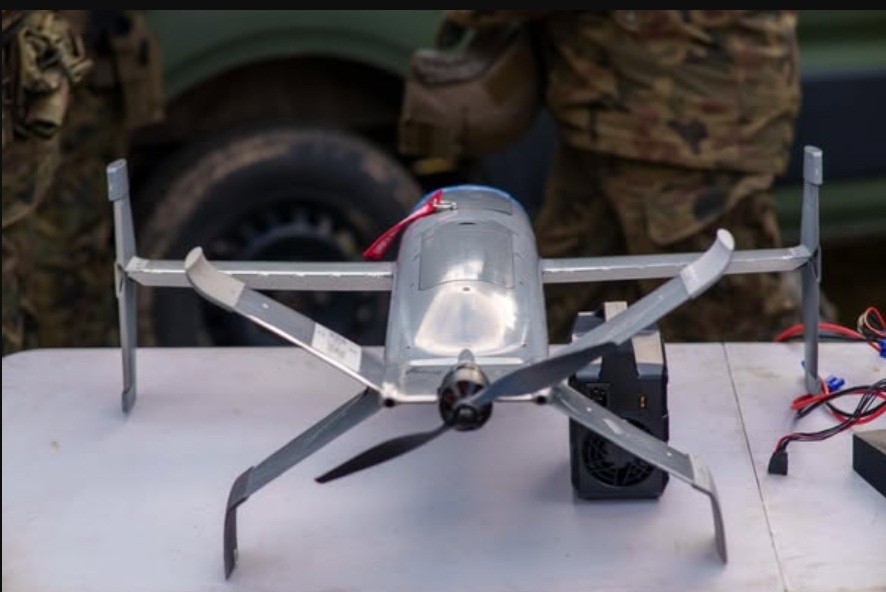
These drones are part of a new generation of AI-enabled interceptor UAVs known as Merops, developed under Project Eagle, a defense venture supported by former Google CEO Eric Schmidt.
Their mission is simple: detect and destroy incoming enemy drones before they reach their targets.
Cost Advantage Over Iranian Shahed Drones
One of the key advantages of the Ukrainian interceptor drones is their low cost compared to traditional air-defense systems.
Estimated costs include:
| Drone Type | Estimated Cost | Role |
|---|---|---|
| Ukrainian Merops interceptor drone | $14,000–$15,000 (potentially $3,000–$5,000 at scale) | Intercepts enemy drones |
| Iranian Shahed loitering drone | ~$20,000+ | Attack drone used in swarm strikes |
According to U.S. officials, this cost imbalance creates a favorable economic equation.
As Driscoll explained:
“Each time Iran launches one that we are able to take down, they are losing a meaningful amount of money.”
If large-scale production reduces interceptor drone prices to $3,000–$5,000, they could become significantly cheaper than the drones they are designed to destroy.
Why the Pentagon Is Shifting Away From Missile Defenses

Traditional air-defense systems such as Patriot, THAAD, or NASAMS rely on interceptor missiles that can cost hundreds of thousands or even millions of dollars per shot.
Using such systems to destroy low-cost drones is economically inefficient.
Drone interceptors offer a different approach:
- Lower cost per engagement
- Higher availability for swarm attacks
- Rapid deployment capability
- Autonomous targeting with AI assistance
This approach allows military forces to preserve expensive missile interceptors for larger threats such as ballistic missiles.
Ukrainian vs Iranian Drone Warfare

Drone Warfare Comparison
Iranian Shahed Drones
- Designed for long-range strike missions
- Used in swarm attacks against infrastructure and air defenses
- Low cost but optimized for offensive operations
Ukrainian Merops Interceptor Drones
- Designed specifically to hunt and destroy enemy drones
- Equipped with AI-assisted targeting systems
- Optimized for defensive counter-drone operations
Additional Counter-Drone Systems Deployed
The Pentagon has also deployed several other counter-drone platforms to strengthen defenses in the region.
These include:
Coyote Interceptor Drone
A small guided interceptor used to destroy enemy drones in flight. It has been widely deployed by U.S. forces for counter-UAS missions.
Bumblebee Counter-Drone Quadcopters
Small quadcopters designed to hunt enemy drones at close range and disable them.
Together with the Ukrainian interceptor drones, these systems form a multi-layered counter-drone defense network.
The Rise of Drone-on-Drone Warfare
The deployment of interceptor drones reflects a new trend in modern conflict: drone-on-drone combat.
Instead of relying exclusively on large air-defense systems, militaries are increasingly deploying:
- Autonomous interceptors
- Swarm defense systems
- AI-enabled targeting platforms
These technologies allow armies to defend against large drone swarms without exhausting expensive missile inventories.
A New Era of Low-Cost Air Defense
The use of Ukrainian interceptor drones against Iranian UAVs illustrates a broader transformation in military strategy.
For decades, advanced air-defense systems dominated battlefield airspace.
Today, however, cheap drones are forcing militaries to rethink how air defense works.
The future of air defense may depend not on larger missiles, but on faster, smarter, and cheaper drones capable of stopping threats before they strike.