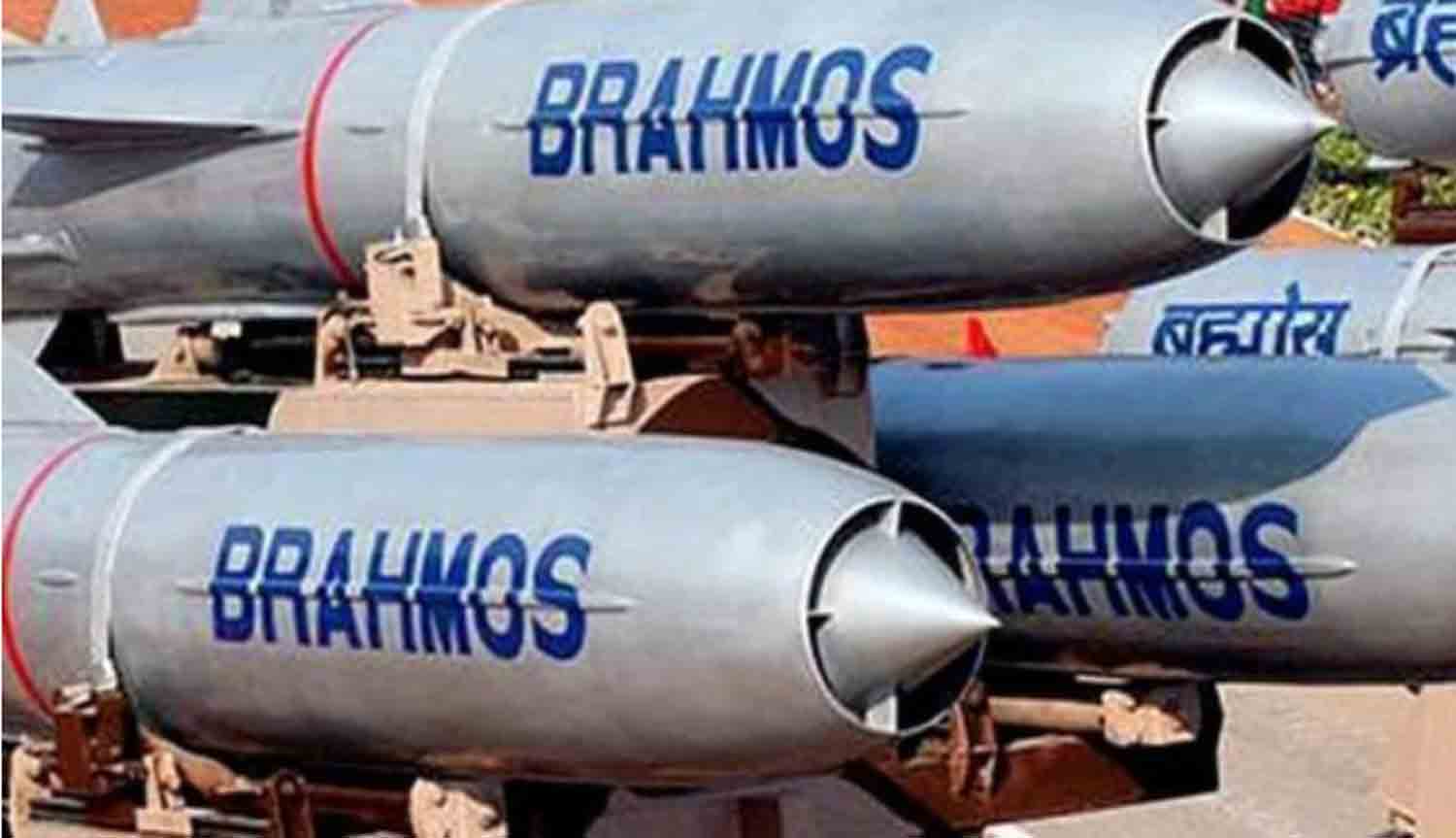
India’s most critical conventional strike weapon, the BrahMos supersonic cruise missile, is facing a serious production disruption that could ripple across its naval readiness and regional deterrence posture.
According to reports, output has dropped by more than 50%, following large-scale staff transfers that destabilized core manufacturing operations.
This is not just an industrial issue—it is a strategic concern with implications for India’s position in the Indo-Pacific.
Why BrahMos Matters to India’s Naval Power
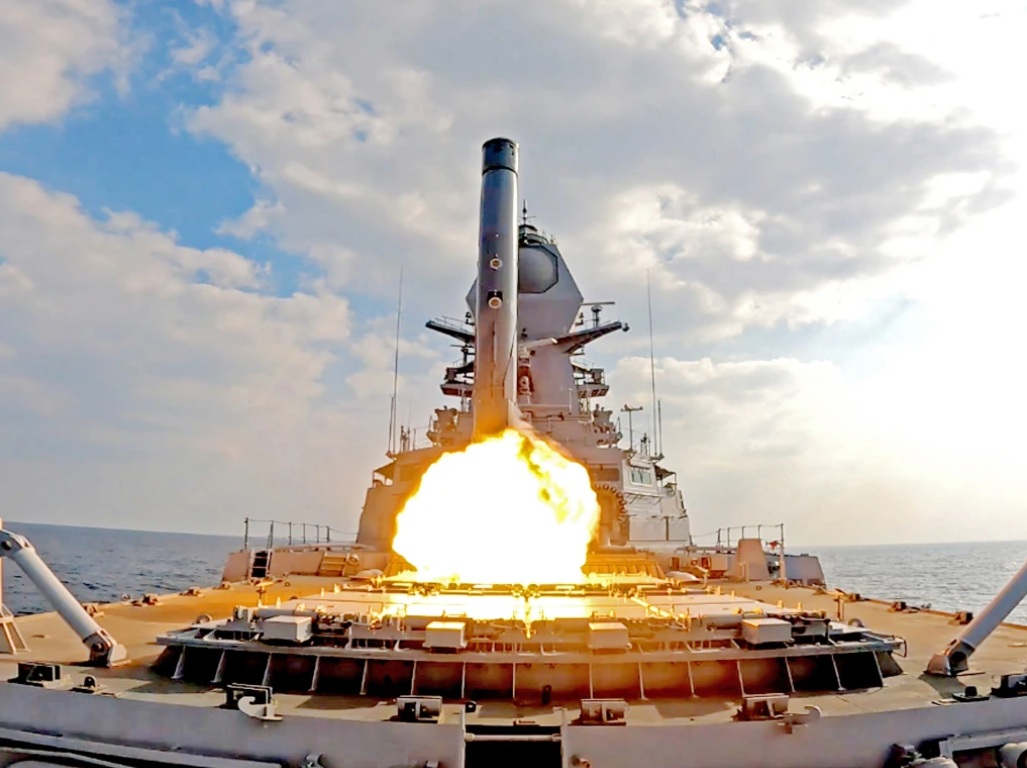
The BrahMos missile forms the backbone of India’s sea-denial doctrine.
- deployed on frontline destroyers
- key deterrent against adversaries in the Indian Ocean
- central to India’s maritime strike capability
Warships such as the Visakhapatnam-class and Kolkata-class rely heavily on BrahMos for offensive power projection.
Workforce Shake-Up Behind the Crisis
The disruption stems from a sudden internal restructuring.
- at least 56 experienced personnel reassigned
- key transfers from Hyderabad (main hub) to Lucknow and Pilani
- additional movements across multiple facilities
These included:
- senior engineers
- master technicians
- system managers
According to sources, the abrupt transfers removed critical expertise from active production lines, creating a skills vacuum in high-precision manufacturing processes.
Why Skilled Personnel Matter in Missile Production
Unlike conventional manufacturing, missile production depends heavily on tacit knowledge:
- propulsion alignment
- seeker integration
- calibration and quality assurance
Replacing experienced technicians is not immediate—it can take years to rebuild expertise.
The result:
- disrupted workflows
- slower integration cycles
- reduced production efficiency
Operational Impact on the Indian Navy
The consequences are already being felt.
Reports indicate:
- potential multi-year delays in missile deliveries
- concerns raised directly to the Indian Navy
- risk to ongoing fleet deployment planning
This is particularly critical given a ₹23,000 crore ($6+ billion) order for extended-range BrahMos variants placed in 2024.
Any delay affects:
- warship readiness
- missile stockpiles
- contingency planning
Expansion Strategy Backfires—For Now
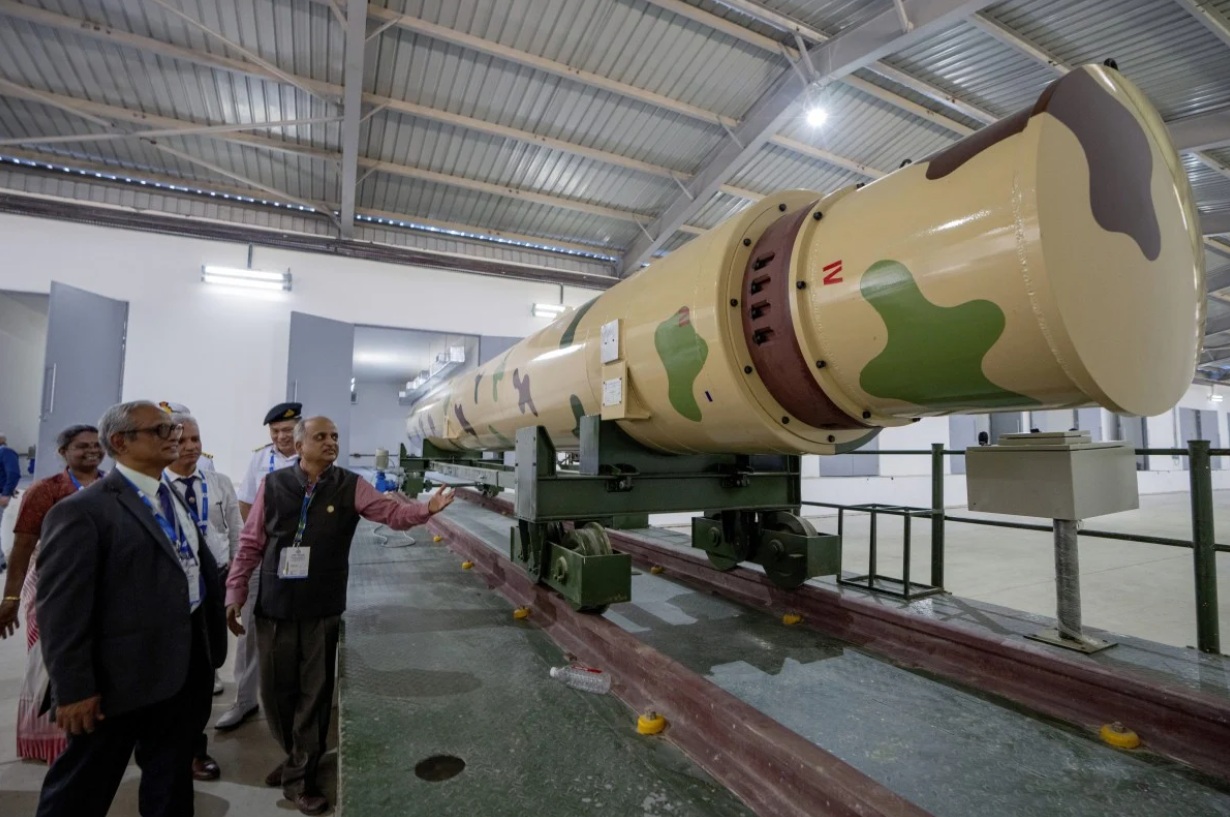
The workforce reshuffle appears linked to expansion plans:
- scaling production at new facilities in Lucknow and Pilani
- increasing output for domestic and export demand
However, execution created a classic transition failure:
- experienced staff moved too early
- new facilities not fully operational
- production lines disrupted
Instead of scaling up, output temporarily collapsed.
Export Ambitions at Risk
India has been pushing BrahMos exports to countries such as:
- Indonesia
- UAE
But export credibility depends on reliable production timelines.
Any perception of instability could:
- weaken buyer confidence
- affect defense diplomacy
- slow future deals
Additional Pressure: BrahMos-NG Delays
Compounding the issue is uncertainty around the next-generation BrahMos-NG missile.
- no formal approval yet
- delays in development timelines
- uncertainty in production planning
This lighter variant is key to:
- air-launched platforms (Tejas, MiG-29)
- submarine deployment
- future multi-domain strike capability
Delays here add long-term strategic risk.
Strategic Implications for the Indo-Pacific
The timing of the disruption is critical.
India is facing:
- expanding Chinese naval presence
- increased competition in the Indo-Pacific
- rising demand for sustained deterrence
A slowdown in BrahMos production could affect:
- operational confidence
- force projection
- long-term strategic balance
Conclusion: Industrial Stability Is Strategic Power
The BrahMos missile remains one of India’s most successful defense programs.
But this episode highlights a deeper reality:
military strength depends not just on weapons—but on the systems that produce them.
If managed properly, the disruption could remain temporary.
If not, it risks evolving into:
- operational vulnerability
- export credibility loss
- strategic imbalance
In modern warfare, deterrence is built as much in factories as on battlefields.