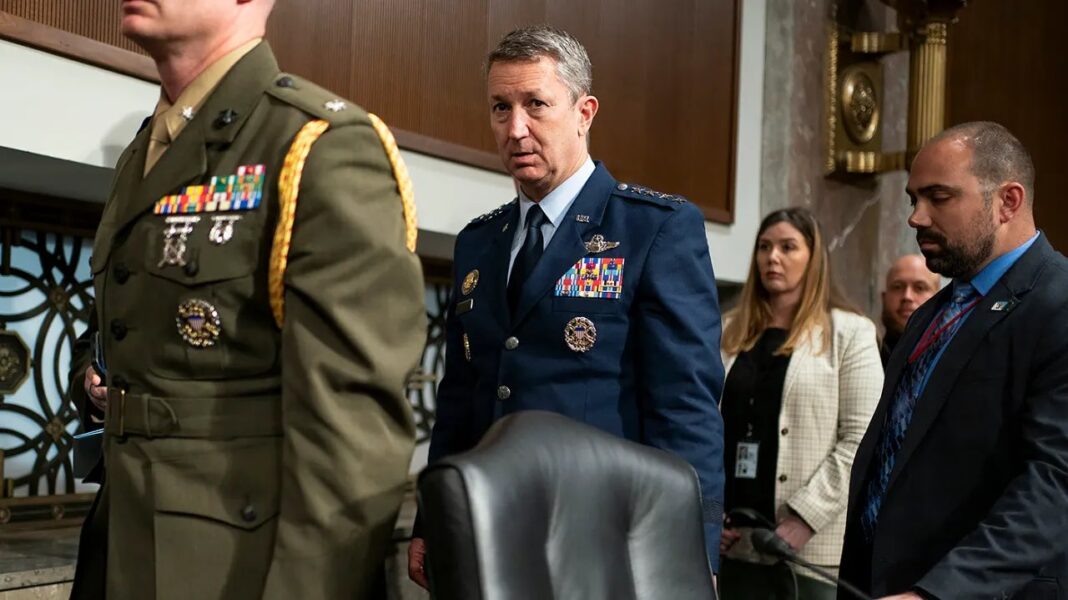
The United States is edging closer to a critical decision point on Iran, as General Dan Caine and Admiral Brad Cooper delivered a 45-minute briefing to President Donald Trump on potential military action.
According to sources, proposed targets include:
- Iranian military infrastructure
- Remaining weapons systems
- Senior **Islamic Revolutionary Guard Corps leadership
- Strategic economic and energy assets
The briefing outlines a stark reality: any military campaign against Iran carries significant uncertainty and escalation risks.
According to Fox News, U.S. Central Command Commander Admiral Brad Cooper has now briefed U.S. President Donald J. Trump on “final blow” strike options against Iran, should the president choose to resume combat operations against Iran. Per the report, assessed targets include… pic.twitter.com/D8mlhRIDtH
— OSINTdefender (@sentdefender) May 1, 2026
Option 1: Short, Sharp Strike to Force Negotiations
The first option under consideration is a limited but intense military strike campaign.
Key Features:
- Targeted strikes on infrastructure and military sites
- Potential attacks around the Strait of Hormuz
- Possible targeting of senior Iranian officials
One reported figure of interest is Ahmad Vahidi, recently elevated within Iran’s military structure.
Strategic Logic:
- Deliver maximum shock in minimal time
- Force Iran back to negotiations
- Avoid prolonged military engagement
The Risk:
While politically attractive due to its limited scope, such a campaign may fail to change Iran’s strategic posture, raising questions about its long-term effectiveness.
Option 2: Broader Military Campaign and Territorial Control
The second option is far more ambitious — and risky.
Key Elements:
- Deployment of ground forces and Marines
- Potential seizure of Kharg Island
- Control of key maritime chokepoints
Strategic Goal:
- Severely weaken Iran’s economic and military capabilities
- Force Tehran into concessions from a position of weakness
The Cost:
- High اrisk of U.S. casualties
- Risk of long-term military entanglement
- Potential transition into a prolonged regional war
Iran’s Likely Response: More Prepared, More Dangerous
Unlike earlier phases of conflict, Iran is no longer operating from a position of surprise.
Tehran has reportedly:
- Relocated missile launch systems
- Adapted to previous US-Israeli strike patterns
- Prepared for sustained conflict
This means any new campaign will face a more resilient and adaptive adversary.
Energy War Scenario: Global Fallout Risk
A major escalation could quickly transform into an energy war.
Iran is expected to retaliate through:
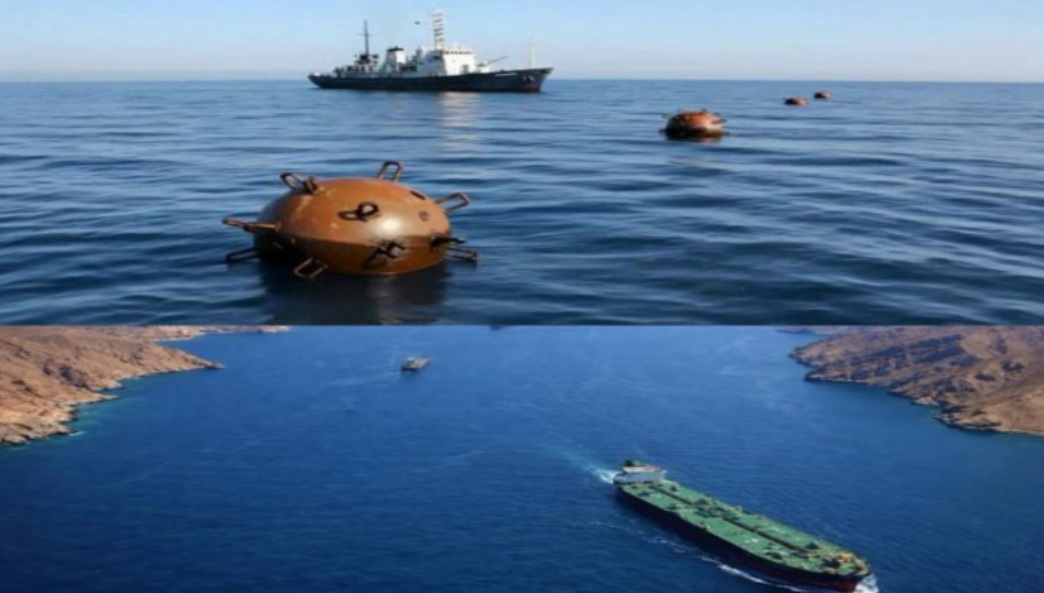
- Disruptions in the Bab al-Mandab
- Proxy operations via the Houthis
- Potential strikes on Saudi oil infrastructure such as Abqaiq
The result:
➡️ Disruption of global oil supply
➡️ Surge in energy prices
➡️ Worldwide economic shock
Reality Check: No Quick Regime Change
Despite aggressive planning, analysts assess that:
- No short campaign can topple the Iranian regime
- True regime change would require years of preparation and sustained operations
Instead, the realistic objective appears more limited:
- Weaken Iran’s negotiating position
- Allow Washington to claim strategic success
This highlights the gap between military capability and political outcomes.
The Strategic Dilemma: Targets vs Strategy
The core challenge facing U.S. planners is not just operational — it is strategic.
Key questions remain:
- Can strikes achieve political goals?
- Will targeting energy infrastructure trigger wider war?
- Can economic pressure succeed without global coordination?
- Is internal instability in Iran a viable lever — or an uncontrollable risk?
Conclusion: A Decision That Could Reshape the Region
The next phase of the Iran crisis will not be defined solely by military action — but by strategic choices and their unintended consequences.
A limited strike may:
✔️ Deliver short-term impact
❌ Fail to change long-term dynamics
A broader campaign may:
✔️ Increase pressure on Iran
❌ Trigger a regional war
The real question is no longer whether the U.S. can strike —
but whether it can control what comes next.