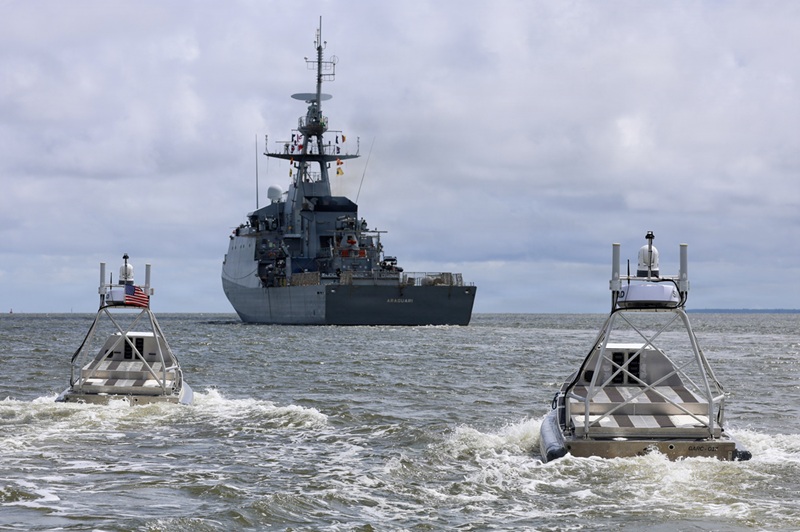
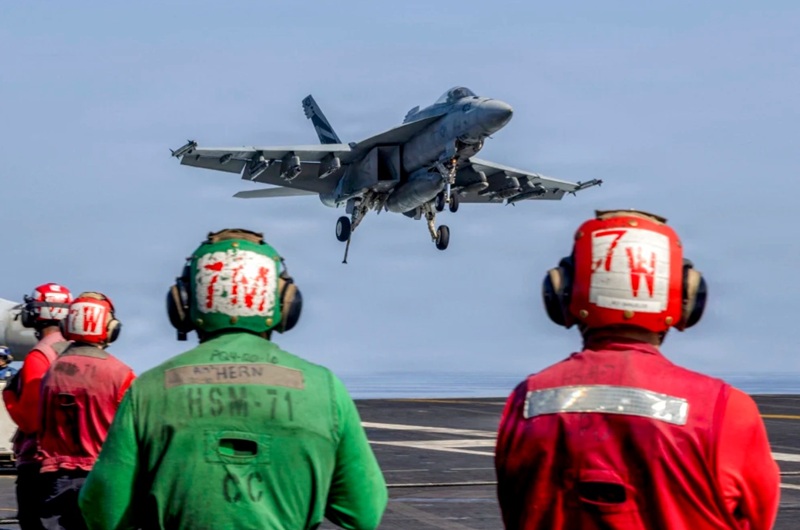
The United States is preparing a “short and powerful” military strike option against Iran, as Washington struggles to break a growing diplomatic deadlock, according to multiple sources familiar with planning discussions.
The plan, developed under U.S. Central Command (CENTCOM), would target key infrastructure in Iran in an effort to force Tehran back to negotiations under pressure.
Axios: U.S. Central Command (CENTCOM) has prepared a plan for a “short and powerful” wave of strikes on Iran in hopes of breaking the negotiating deadlock, three sources with knowledge said.
— Annmarie Hordern (@annmarie) April 29, 2026
The move signals a potential escalation in an already volatile standoff — one that is increasingly shifting from economic coercion toward kinetic options.
Blockade First, Strikes Later? Trump’s Pressure Strategy
At the center of U.S. strategy is a naval blockade aimed at crippling Iran’s oil exports, a move President Donald Trump believes is more effective than immediate military action.
“The blockade is somewhat more effective than the bombing… They are choking,” Trump said, underscoring his belief that economic pressure can force concessions.
The blockade has:
- Severely restricted Iran’s oil exports
- Increased internal economic strain
- Raised pressure on Tehran’s leadership
However, despite these measures, Iran has not shown the level of flexibility Washington seeks — prompting contingency planning for military strikes.
CENTCOM’s Strike Concept: Limited but Impactful
The proposed strike is designed to be:
- Short in duration
- High-impact in effect
- Focused on infrastructure targets
The goal is not regime change, but coercive signaling — delivering enough damage to alter Iran’s strategic calculus without triggering full-scale war.
This reflects a familiar U.S. doctrine: limited force to restore deterrence.
Iran Pushes Back: “Unprecedented Response” Warning
Iran, however, is signaling it will not back down quietly.
A senior Iranian security official warned that the U.S. blockade would soon face “practical and unprecedented action.”
Tehran’s position reflects a familiar pattern:
- Strategic patience initially
- Followed by calibrated escalation if pressure persists
Iran has emphasized that its restraint so far is meant to leave room for diplomacy — but that “patience has limits.”
The Hormuz Factor: Global Stakes Rise
Any escalation carries significant risks for global energy markets, particularly through the Strait of Hormuz, where nearly 20% of global oil flows.
A military confrontation could:
- Disrupt global oil supply chains
- Trigger sharp price spikes
- Expand conflict across the Gulf region
Even the current blockade has already increased uncertainty in maritime trade and insurance costs.
Is Iran Really Under Pressure? Analysts Divided
Trump has claimed that Iran’s oil infrastructure is nearing a breaking point due to the blockade, suggesting pipelines and storage systems are under extreme strain.
However, some analysts dispute this assessment, arguing:
- Iran has adapted to sanctions over time
- Alternative trade networks remain active
- Economic pressure alone may not force immediate concessions
This divergence highlights a key uncertainty: whether coercion will succeed — or backfire.
Escalation Ladder: What Comes Next
The situation now sits at a critical juncture:
- Continued blockade pressure
- Potential limited strike
- ** الإيراني retaliation (likely asymmetric)**
- Risk of broader regional escalation
The U.S. appears to be keeping all options open — leveraging economic pressure while preparing for rapid military action if diplomacy fails.
Conclusion: A Controlled Strike — or a Wider War?
The emerging U.S. strategy suggests a calibrated approach: squeeze first, strike if necessary.
But history shows that even limited strikes in the Middle East can spiral quickly.
The key question now is whether a “short and powerful” strike can remain contained — or whether it risks igniting a much broader confrontation.
In a region already on edge, the margin for miscalculation is narrowing fast.