The decision by the United Arab Emirates to leave OPEC and OPEC+ is more than a headline shock—it could mark the beginning of a fundamental shift in the global energy order.
Coming amid the ongoing Iran war and disruptions in the Strait of Hormuz, the move raises a critical question:
Is this the start of OPEC’s fragmentation?
A Crisis Moment for OPEC Unity

For decades, OPEC has functioned on one principle: unity.
But that unity is now under strain:
- war-related shipping disruptions
- disagreements over production quotas
- diverging national interests
The UAE’s departure removes one of the group’s most ambitious producers at a time when coordination is most needed.
Why the UAE Walked Away
The decision reflects both economic and strategic frustration.
Key drivers include:
- production caps limiting UAE output (~3.2 million bpd)
- ambitions to significantly expand capacity
- dissatisfaction with Gulf security cooperation during the Iran conflict
Statements by UAE officials suggest a deeper issue:
a loss of confidence in regional security guarantees.
The Hormuz Factor: Oil Meets Geopolitics

The timing of the exit is critical.
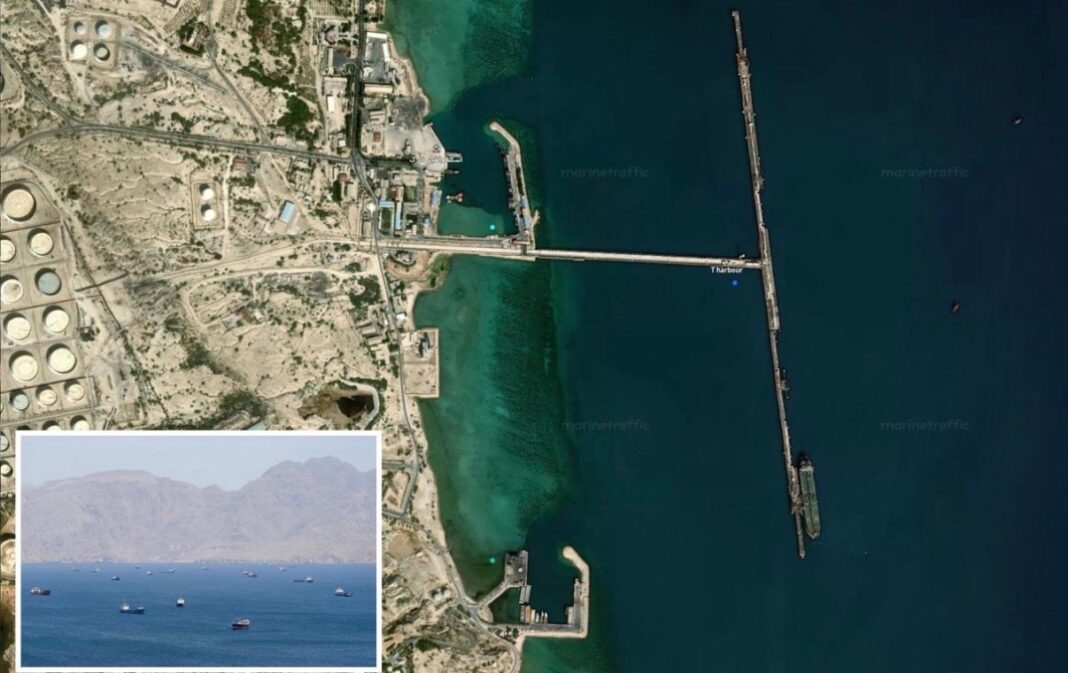
The Strait of Hormuz—through which nearly 20% of global oil flows—remains unstable due to:
- Iranian threats to shipping
- naval tensions
- insurance and transit risks
For producers like the UAE, this creates a dilemma:
- constrained production under OPEC
- uncertain ability to export
Leaving OPEC provides greater flexibility to respond to market shocks.
What Happens Next? Three Possible Scenarios
1. OPEC Fragmentation Accelerates
The UAE exit could trigger a domino effect.
Countries like Kazakhstan—already frustrated with quotas—may follow.
This would weaken OPEC’s ability to:
- control supply
- stabilize prices
- act as a unified bloc
2. Oil Production Surges
Freed from quotas, the UAE could:
- significantly increase output
- push global supply higher
- put downward pressure on prices
This aligns with pressure from Donald Trump, who has repeatedly criticized OPEC for high oil prices.
3. A New “Flexible Alliance” Model Emerges
Instead of a rigid cartel, the future may look like:
- looser coordination
- bilateral energy partnerships
- market-driven production decisions
In this model, OPEC becomes less dominant—and more symbolic.
Implications for Saudi Arabia and OPEC Leadership
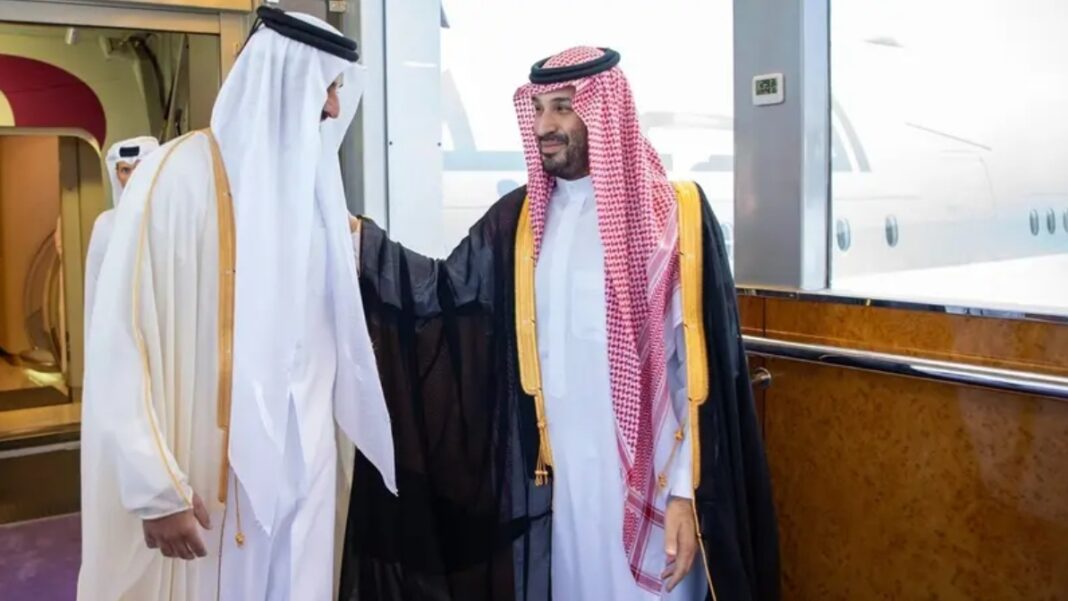
The biggest strategic impact may fall on Saudi Arabia.
As OPEC’s de facto leader, Riyadh now faces:
- reduced influence over production decisions
- increased competition within the Gulf
- pressure to rethink its own strategy
If more members exit, Saudi Arabia could be left managing a weakened and divided organization.
Global Energy Markets Enter Uncertain Phase
The broader impact on global markets could be significant:
- increased price volatility
- supply uncertainty amid geopolitical tensions
- shifting power dynamics between producers
At the same time:
- war risks in the Gulf remain elevated
- shipping disruptions continue
- demand remains strong
This combination creates a highly unstable energy environment.
A Strategic Win for Washington?
The UAE’s move may also align with U.S. interests.
Washington has long argued that:
- OPEC artificially inflates prices
- production should increase
- energy markets should be more flexible
In that sense, the exit could be seen as:
a geopolitical and economic shift favoring U.S. strategy.
Conclusion: The Beginning of a New Oil Order?
The UAE’s exit from OPEC is not just about quotas or politics.
It reflects a deeper transformation:
- energy markets are becoming more fragmented
- geopolitics is reshaping supply chains
- traditional alliances are evolving
Whether this leads to:
- a more competitive oil market
- or a more unstable one
will depend on what happens next.
But one thing is clear:
the era of a unified OPEC may be entering its most serious test yet.