The U.S. naval blockade is now materially impacting Iran’s oil exports, with shipments collapsing and storage filling rapidly, according to a new analysis by energy intelligence firm Kpler.
While the immediate financial impact remains limited, the report warns that operational constraints are already forcing production cuts, setting the stage for a significant delayed economic squeeze.
Exports Collapse After Blockade Enforcement
Before the blockade, Iran’s exports remained resilient:
- 1.85 million barrels per day (mbd) in March
- above the previous average of 1.7 mbd
However, after enforcement:
- loadings dropped sharply to 567,000 barrels per day
- no confirmed tanker has successfully exited the blockade zone
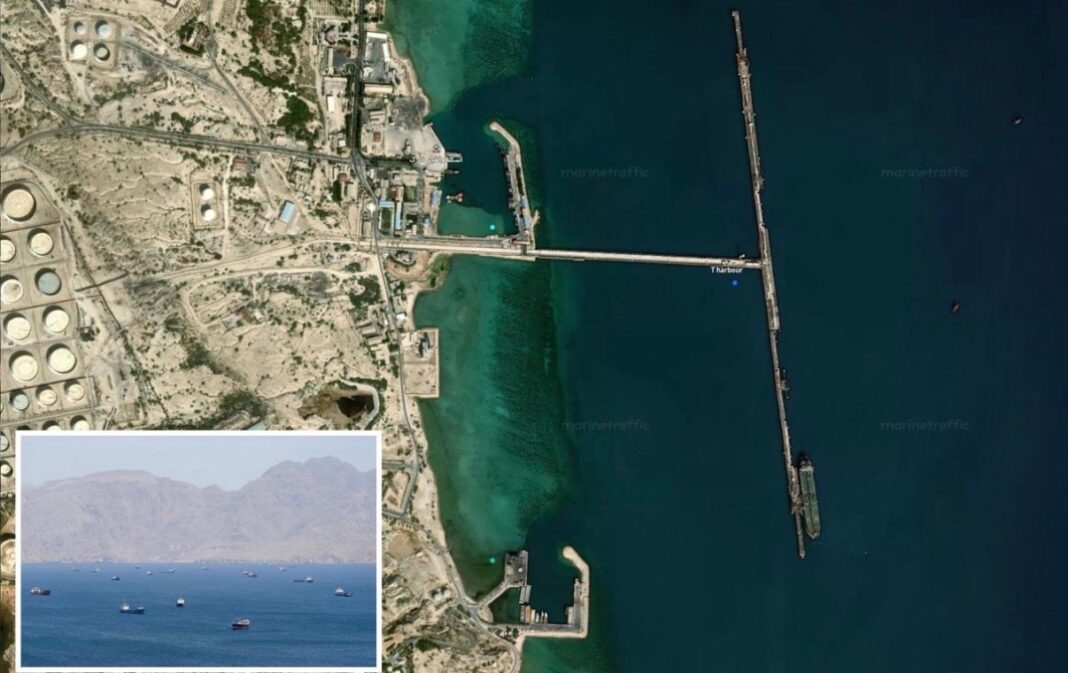
Many vessels attempting to move crude have been forced to divert or remain stuck, particularly near southeastern Iranian ports.
Storage Capacity Is Running Out
Iran’s ability to store unsold oil is becoming a critical bottleneck.
Key findings:
- total onshore storage capacity: ~90 million barrels
- current inventory: ~49 million barrels
- usable spare storage: far lower than theoretical capacity
Due to operational constraints:
- only about 26 million barrels are realistically usable
- effective capacity may drop to just 8–10 million barrels
This translates to:
- ~12–14 days of storage capacity remaining
Even with floating storage, the margin is limited.
Production Cuts Already Underway
With limited export and storage options, Iran has begun cutting production.
Kpler estimates:
- current output: ~2.75 mbd
- projected drop: 1.2–1.3 mbd by mid-May
These cuts are not optional—they are operationally necessary to avoid overwhelming storage infrastructure.
Why Revenues Haven’t Fallen—Yet
Despite the disruption, Iran’s revenues have not yet collapsed.
The reason lies in timing:
- oil shipments take ~2 months to reach buyers
- payments can take another 2 months
Iran also holds:
- 184 million barrels of oil on water
- including large volumes already near Asian markets
However, not all of this oil is easily monetized due to:
- weak refining margins in China
- sanctions-related constraints
- recent tanker seizures
A Delayed but Severe Financial Impact
The real financial impact is expected in 3–4 months.
At that point:
- oil revenues could fall by $200–250 million per day
- broader economic strain could intensify
This includes pressure on:
- food imports (grain, rice, corn)
- domestic inflation
- foreign currency access
Blockade Effectiveness: Pressure Without Immediate Collapse
The blockade appears operationally effective:
- no tanker has successfully cleared it
- export routes are severely constrained
- production is being forced downward
However, its strategic effect is more complex:
- immediate financial collapse has not occurred
- pressure is building gradually, not instantly
- Iran retains short-term resilience
Impact on Negotiations
The blockade is already influencing diplomacy.
Tehran has:
- demanded its removal as a precondition for talks
- signaled willingness to re-engage under certain conditions
At the same time:
- both sides believe they hold leverage
- neither is willing to concede quickly
This creates a familiar dynamic:
pressure is increasing—but compromise remains elusive.
Conclusion: A Strategy of Delayed Pressure
The Kpler report highlights a key reality:
the blockade is not an immediate knockout—it is a slow squeeze.
- exports are collapsing
- storage is filling
- production is falling
But the financial impact will only fully materialize over time.
Whether that delayed pressure translates into political concessions—or escalation—remains the central question.