The latest Gulf consultative summit in Saudi Arabia ended in an unusual and telling way—without a final communiqué.
In regional diplomacy, silence often speaks louder than statements.
The absence of a closing declaration, combined with the lack of a notable delegation from Oman, highlights a deeper reality:
the Gulf Cooperation Council (GCC) is struggling to maintain unity at a moment of unprecedented strategic pressure.
Saudi Arabia and Qatar Push for Unity
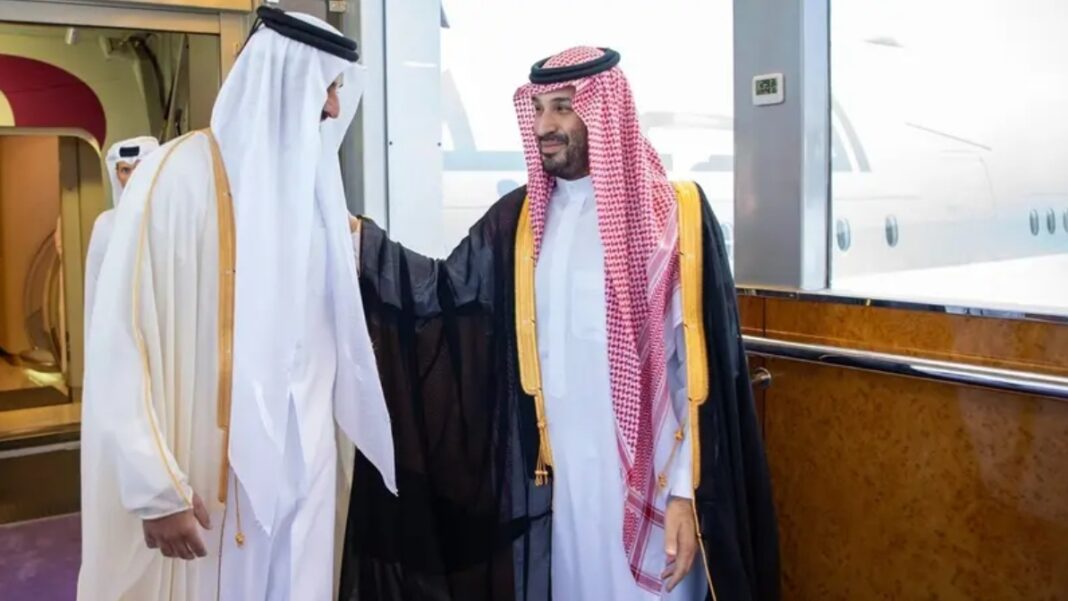
📹 | سمو أمير دولة قطر يصل إلى جدة للمشاركة في القمة الخليجية التشاورية وسمو #ولي_العهد في مقدمة مستقبليه.#القمة_الخليجية_في_جدة pic.twitter.com/8S2kWrP0HJ
— وزارة الخارجية 🇸🇦 (@KSAMOFA) April 28, 2026
Saudi Arabia and Qatar appear to be leading efforts to preserve a unified Gulf position, particularly in response to:
- the growing threat perception from Iran
- instability in the Strait of Hormuz
- concerns over external attempts to divide regional blocs
The Saudi Crown Prince’s remarks focused on:
- coordination
- communication
- regional stability
But notably avoided specifics—reflecting the lack of consensus behind closed doors.
The UAE Charts Its Own Course
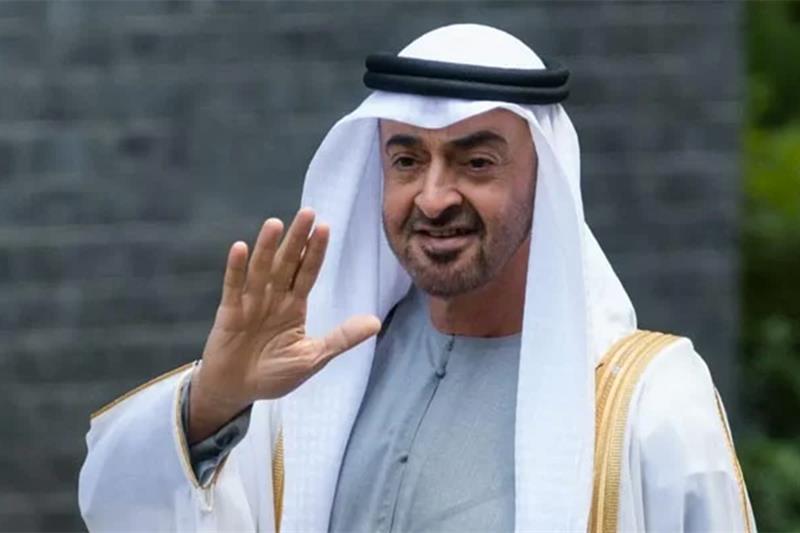
While some Gulf states push for unity, the United Arab Emirates is increasingly pursuing an independent path.
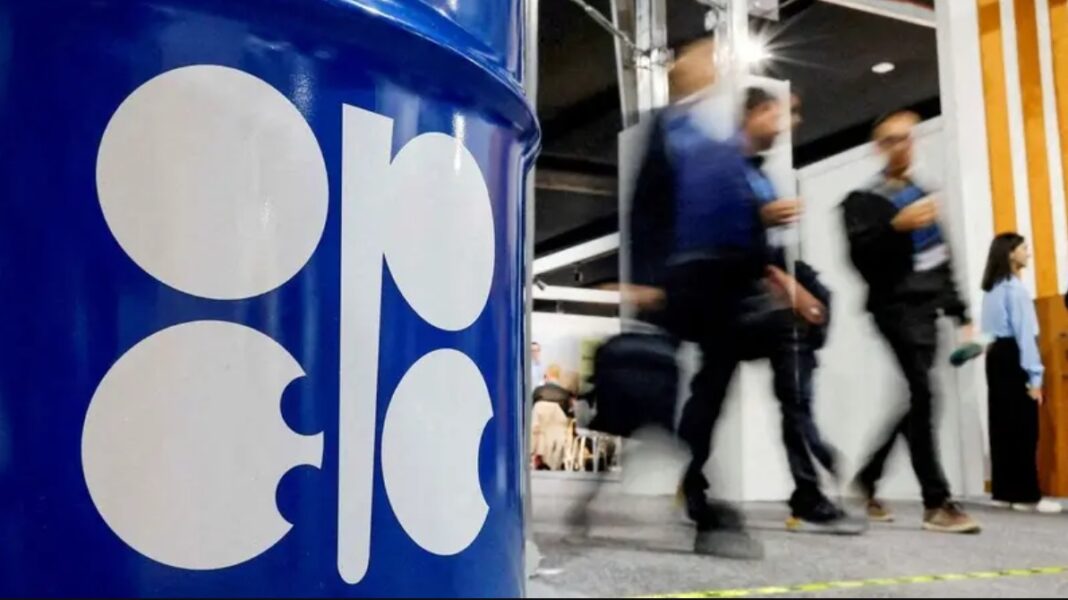
Its decision to exit OPEC—announced alongside the summit—is more than an economic move.
It signals:
- a shift away from traditional Gulf coordination
- frustration with regional security arrangements
- a broader geopolitical recalibration
Abu Dhabi is now prioritizing:
- strategic autonomy
- diversified partnerships
- economic flexibility amid crisis
A GCC Already Under Strain
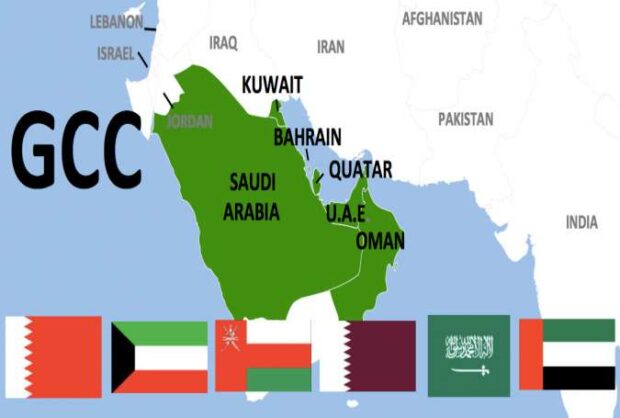
The current divisions did not emerge overnight.
The GCC has been weakening for years:
- the Qatar blockade fractured trust
- the Yemen war exposed strategic divergence
- differing approaches to Iran widened gaps
The war with Iran may have been the breaking point.
The Iran War Changed Everything
The recent conflict reshaped the regional balance:
- U.S. military infrastructure in the region suffered damage
- Iran demonstrated resilience and maintained leverage
- Gulf states avoided direct confrontation despite attacks
This exposed a critical vulnerability:
the Gulf’s security architecture is no longer reliable in its current form.
No Consensus on Iran or the US Role
The central strategic question now facing Gulf monarchies is simple—but unresolved:
What to do about Iran—and what role should the United States play?
At present, there is no unified answer.
Diverging Strategic Paths
Different Gulf states are moving in different directions:
Saudi Arabia
- seeks a stable, predictable relationship with Iran
- maintains strong ties with the United States
United Arab Emirates
- deepens ties with the U.S. and Israel
- pursues strategic independence
Qatar and Oman
- open to engagement and cooperation with Iran
Bahrain and Kuwait
- remain closely aligned with U.S. security structures
This fragmentation makes a unified GCC strategy increasingly difficult.
Hormuz and Energy Security at the Core
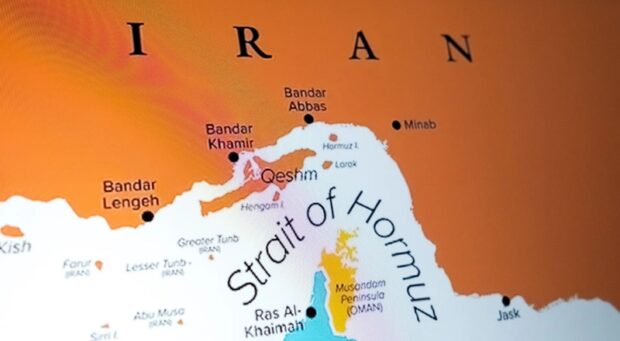
At the center of the crisis lies the Strait of Hormuz:
- a critical global energy chokepoint
- a source of geopolitical leverage for Iran
- a vulnerability for Gulf exporters
The UAE’s exit from OPEC must be viewed in this context:
- greater flexibility in production decisions
- adaptation to disrupted supply routes
- response to long-term energy demand trends
The Future of the GCC: Fragmentation or Reinvention?
The Gulf summit’s lack of a final statement suggests that the GCC is entering a new phase:
Scenario 1: Managed Fragmentation
- states pursue independent strategies
- coordination becomes ad hoc
Scenario 2: Partial Realignment
- smaller coalitions emerge within the GCC
- issue-based cooperation replaces full unity
Scenario 3: Reinvention
- GCC evolves into a looser framework
- focus shifts from security to economic coordination
Conclusion: A Region at a Strategic Crossroads
The summit may have ended quietly—but its implications are profound.
- unity is no longer guaranteed
- strategic priorities are diverging
- regional order is being reshaped
The GCC, once formed as a collective response to Iran, now faces its most fundamental question:
can it adapt to a new reality—or will it continue to drift apart?