Tuesday, April 7, 2026
Home Blog Page 134

Is World War III imminent?

0

The rapidly evolving situation in the Middle East defies accurate prediction. However, it appears that the martyrdom of Hassan Nasrallah and the severe assaults on Hezbollah in Lebanon have allowed Israel to gain an advantage in the Gaza conflict. This development may lead to a direct confrontation with the militant group’s backers in Iran. Nevertheless, Israel’s persistent aggression seems to reflect its military setbacks, which must be carefully evaluated.

Western analysts suggest that the recent Israeli actions in Lebanon have initiated significant shifts in the regional power landscape, indicating a perception that Hezbollah no longer poses a threat to Israel. Despite requests from U.S. officials for Israel to de-escalate tensions with Hezbollah in Iran and Lebanon, the limited capacity of the U.S. to influence Netanyahu’s military approach has resulted in Israel responding to Iranian missile strikes with direct attacks on Iran, potentially igniting a larger conflict.

altering the geopolitical landscape

Israeli Prime Minister Benjamin Netanyahu stated on Saturday that the assassination of Hezbollah leader Hassan Nasrallah would mark a pivotal shift in the regional power dynamics, a strategic move aimed at altering the geopolitical landscape of the Middle East. However, viewing this as a pathway to total victory for Israel is unrealistic, and those who aspire for complete domination will ultimately face disappointment.

Since September 17, Israel has consistently targeted the Iranian-backed militant group in Lebanon, beginning with disruptions to communication systems and escalating to severe airstrikes in southern Beirut, which resulted in the death of senior commander Ibrahim Aqil. Over the course of three days of bombardment, approximately two thousand individuals lost their lives, including the death of Aqil. By Friday evening, when Hassan Nasrallah was killed in a bombing, the entire leadership of Hezbollah had been decimated. Nevertheless, despite these significant losses, resistance continues within Gaza and Israel.

Recent history serves as a series of harsh lessons for Israeli leaders, while those in Lebanon and the broader Middle East with grand aspirations for significant change should reflect on past events. In June 1982, Israel launched an invasion of Lebanon aimed at dismantling the Palestine Liberation Organization, with hopes of establishing a Christian-majority government in Beirut and expelling Syrian forces. Ultimately, these objectives were not realized. Although the U.S.-backed agreement did succeed in persuading Palestinian armed groups to exit Lebanon, leading to their exile in places like Tunisia and Yemen, it did not achieve the goal of suppressing Palestinian national aspirations.

determination of Palestinians remains strong

Just five years later, the first Palestinian intifada broke out in Gaza and spread to the West Bank. Despite enduring a prolonged period of violence, the determination of Palestinians in Gaza to oppose Israeli occupation remains as strong as it was on the initial day of the uprising. At the time of the 1982 invasion, Israel’s primary ally in Lebanon was Bashir Al-Gemayel, , the Maronite Christian militia leader elected by parliament, who was assassinated in a bombing in East Beirut before he could assume office, followed by his brother Amin. In May 1983, with U.S. support and involvement, Lebanon and Israel sought to establish normal diplomatic relations under Amin’s leadership. However, significant opposition led to the collapse of Amin’s government in February, necessitating the cancellation of the agreement.

The United States deployed troops to Beirut following the Sabra and Shatila massacres in September 1982 but was compelled to withdraw in October 1983 after two bombings targeted its embassy, which was linked to US Marines and French military barracks. This withdrawal reignited the civil war in Lebanon, which persisted for over six years. Syrian forces, initially entering Lebanon in 1976 under an Arab League mandate as a “deterrence force,” remained until 2005, following the assassination of former Prime Minister Rafiq al-Hariri. However, the most notable outcome of the 1982 Israeli invasion was the emergence of Hezbollah, which engaged in a fierce guerrilla campaign that ultimately led to Israel’s unilateral withdrawal from southern Lebanon.

This marked the first instance of an Arab military force successfully compelling the Israeli army to retreat. Unlike the Palestine Liberation Organization (PLO) militants, Hezbollah, with support from Iran, has demonstrated a significantly higher level of lethality and effectiveness. During the 2006 conflict, Hezbollah continued to resist Israeli forces and gradually strengthened its position with Iranian assistance. Although Hezbollah currently faces challenges and disorganization, largely due to US intelligence infiltration, its future remains uncertain, making any predictions premature.

stark reality

The situation in the Middle East has been shaped by various conflicts, including the 2003 US invasion of Iraq, alongside the ongoing tensions between Lebanon and Israel. The anticipated overthrow of authoritarian regimes in Damascus was expected to lead to a wave of liberal democracies across the region. However, the reality was starkly different; the US occupation of Iraq resulted in rampant sectarian violence, costing the US dearly in both lives and resources, while the Iraqi populace suffered even greater losses. The removal of Saddam Hussein allowed Iran to deepen its influence within Iraq’s political framework,  as al-Qaeda, weakened by the US invasion of Afghanistan, sought refuge in Iraq’s Sunni regions. This environment ultimately facilitated the rise of ISIS in both Syria and Iraq.

During the 2006 conflict between Israel and Hezbollah, then US Secretary of State Condoleezza Rice remarked that the violence and devastation were merely the labor pains of a new Middle East. However, the outcomes of these conflicts have contradicted her assertions. Today, caution is warranted regarding those who proclaim the arrival of a new era and a redefined balance of power in the region. Analysts describe Lebanon as a “black hole” within the Middle Eastern landscape, capable of defying expectations and yielding unforeseen consequences.

global war

Lebanon has endured relentless Israeli bombardment for much of the past year, as reported by the United Nations. This military action, supported by the United States, has resulted in the deaths of hundreds of innocent civilians and the displacement of over a million individuals. Recently, the situation escalated when the Israeli army conducted ground force exercises in southern Lebanon.

Since September 23, Israel has shifted its focus back to airstrikes in the Beqaa Valley, targeting various regions, including urban areas and suburbs. The Middle East Coordinator has once again alerted the Security Council, stating that the world is on the verge of catastrophe, highlighting the ongoing crisis in the Israel-Palestine conflict. Immediate action from the international community is essential to bring an end to this prolonged conflict, ensure the unconditional release of all prisoners and hostages, and facilitate safe and unrestricted humanitarian access to Gaza.

During a briefing at the Security Council, delegates discussed the situation in the Middle East following the attack on October 7. The 15-member body condemned Israel’s assault on al-Ahli Arab Hospital in Gaza on October 17, urging an end to Hamas’s resistance and warning of a potential escalation in regional conflict. A meeting was convened before October 16 to negotiate the terms of a humanitarian ceasefire, but the organization was unable to pass a resolution on either occasion. Tor Wennesland, the Special Coordinator for the Middle East Peace Process, expressed concerns via video link from Doha, indicating that the world stands on the edge of a perilous abyss. He warned that without timely and decisive action to address these conflicts, the entire globe could be drawn into war.
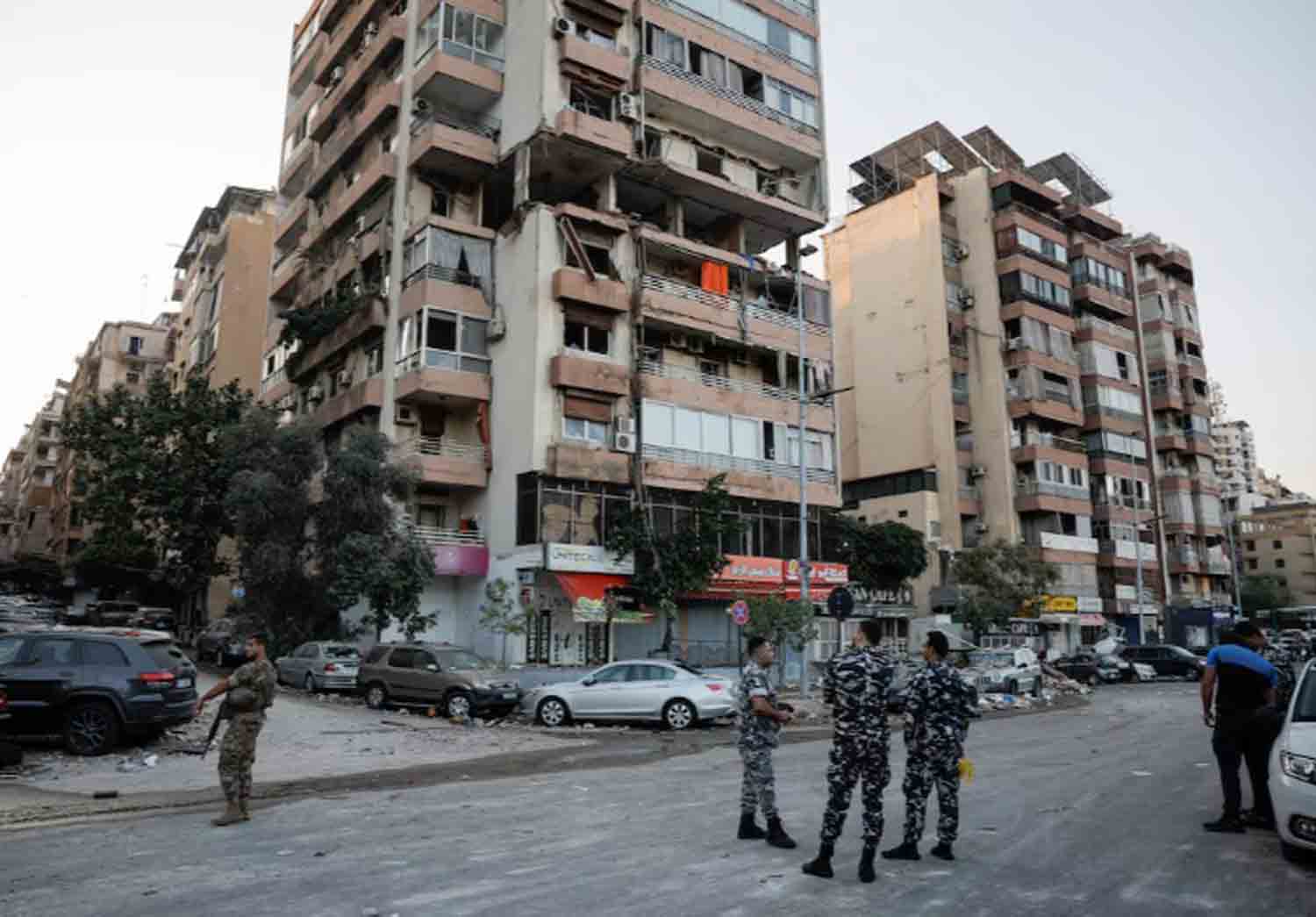
Massive consecutive airstrikes targeted Beirut, explosions reverberated throughout the city

0

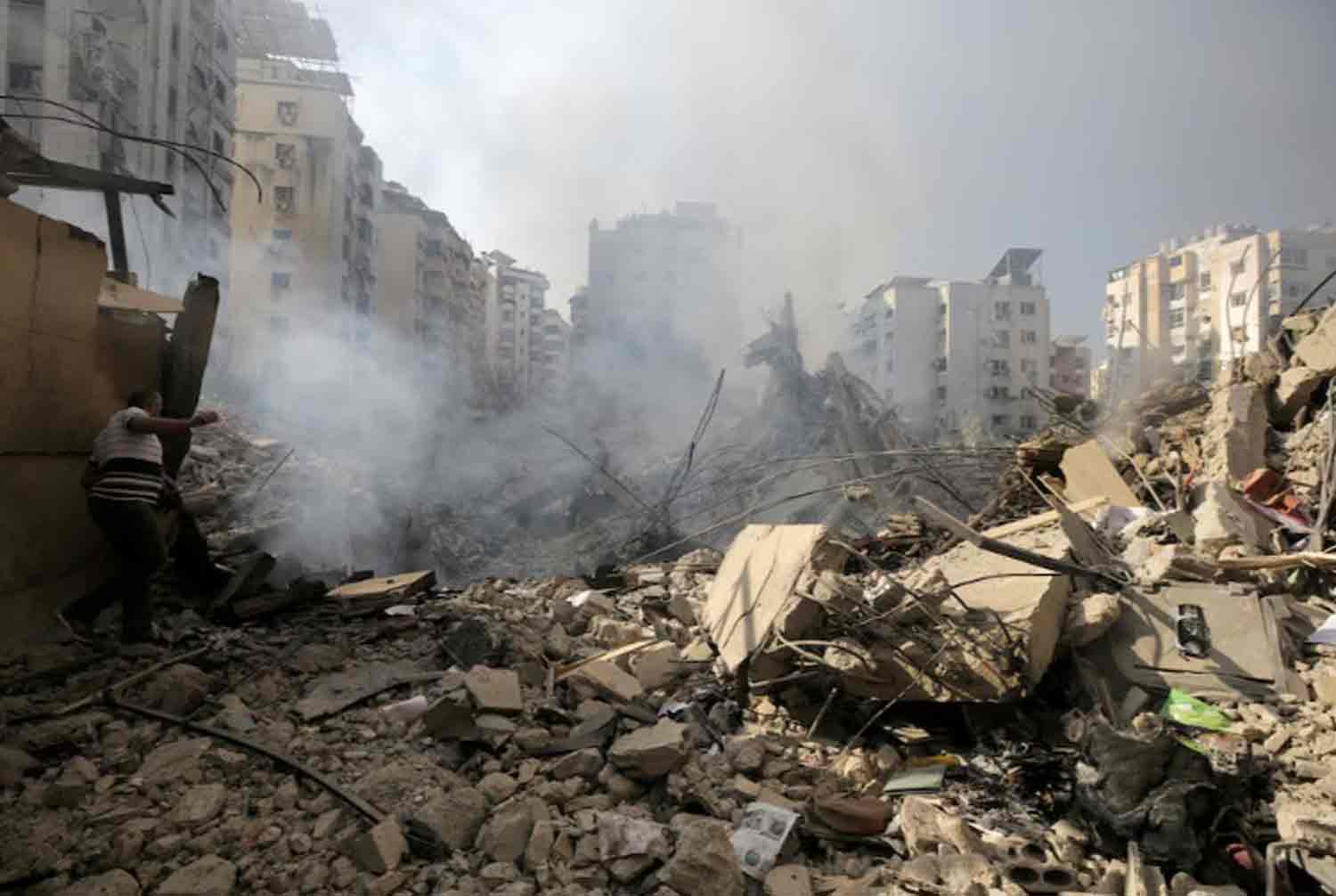
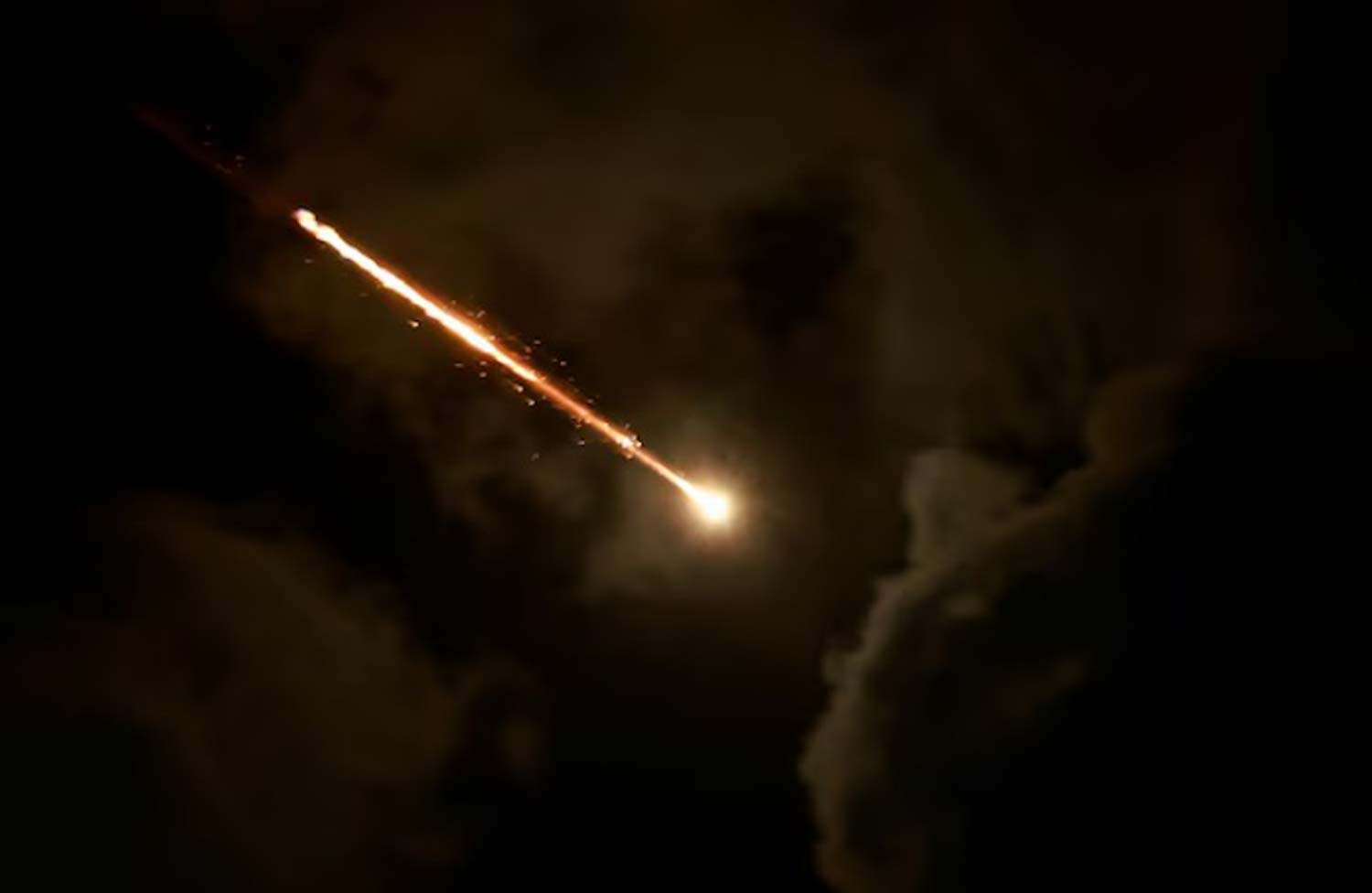
Massive consecutive airstrikes targeted the southern suburbs of Beirut from late Saturday into Sunday, according to eyewitnesses. The explosions reverberated throughout the city, producing bright flashes of red and white that were visible from several kilometers away for nearly half an hour.

These strikes followed several days of bombardment by Israel on areas of Beirut known to be strongholds of the Iran-backed militant group Hezbollah, resulting in the death of its leader, Sayyed Hassan Nasrallah, along with a potential successor.

A Lebanese security official reported on Saturday that Hashem Safieddine, who was seen as a possible successor, had been unreachable since Friday, following an Israeli airstrike near the international airport that was believed to have targeted him. The Israeli military announced that Nasrallah was killed in a strike on Hezbollah’s central command headquarters in Beirut on September 27, a claim that Hezbollah has confirmed.

Lebanese security officials reported that Israeli airstrikes since Friday on Dahiyeh, a residential neighborhood and Hezbollah stronghold located south of central Beirut, have hindered rescue teams from searching the site of the attack that occurred on Thursday night. Hezbollah has yet to comment on the situation regarding Safieddine. His potential loss would represent another significant setback for the organization and its ally, Iran. Over the past year, Israeli strikes in the region have intensified, particularly in recent weeks, severely impacting Hezbollah’s leadership.

Israel has been broadening its military operations in Lebanon. On Saturday, it conducted its first strike in the northern city of Tripoli, according to a Lebanese security source, while Israeli forces also carried out raids in the southern region. Reports from Reuters indicated that at least eight strikes shook Beirut’s southern suburbs late Saturday, including areas near the airport, following warnings from the Israeli military for some residents to evacuate.

Prior to this recent escalation, confrontations between Israel and Hezbollah had primarily been confined to the Israel-Lebanon border, coinciding with Israel’s ongoing conflict in Gaza against the Palestinian group Hamas. Israeli military spokesperson Rear Admiral Daniel Hagari stated on Saturday that Israel had eliminated 440 Hezbollah fighters during its ground operations in southern Lebanon and had destroyed 2,000 Hezbollah targets. Hezbollah has not disclosed any casualty figures.

Israel claims it has intensified its offensive against Hezbollah to facilitate the safe return of tens of thousands of citizens to their homes in northern Israel, which have been under bombardment from the group since October 8. Israeli officials reported on Saturday that nine Israeli soldiers have been killed in southern Lebanon to date.

CIVILIAN CASUALTIES AND DISPLACEMENT

According to Lebanese officials, the Israeli offensive has resulted in the deaths of hundreds of civilians in Lebanon and has displaced approximately 1.2 million individuals, nearly a quarter of the country’s population. A Lebanese security official informed Reuters that a recent attack on a Palestinian refugee camp in Tripoli resulted in the deaths of a Hamas member, his spouse, and their two children.

Media sources linked to Hamas reported that the strike targeted a leader of its military wing, identified as Saeed Atallah. The Israeli military confirmed the elimination of two Hamas operatives in Lebanon but did not specify if they were located in Tripoli, a predominantly Sunni Muslim port city that was also a target during the 2006 conflict with Hezbollah.

Hamas has not yet issued a response. In northern Israel, air raid sirens prompted residents to seek shelter as rockets were fired from Lebanon. Hezbollah announced that it had launched missiles at what it described as “ATA company for military industries near Sakhnin base,” situated near Haifa, although the specifics of this claim remain unclear. The Israeli Defense Forces reported that two projectiles were fired from Lebanon, with one being intercepted and the other landing without causing any damage.

ANNIVERSARY OF OCT. 7

As the anniversary of Hamas’ attack on southern Israel on October 7 approaches, which resulted in the deaths of 1,200 individuals and approximately 250 hostages, violence has escalated. In response, Israel’s military operations in Gaza have reportedly led to the deaths of nearly 42,000 Palestinians, according to the health ministry in Gaza, and have displaced almost the entire population of 2.3 million in the region.
The humanitarian crisis has sparked significant global protests, with thousands of people demonstrating in major cities worldwide as the date nears.
Iran, a supporter of both Hezbollah and Hamas, has also been involved, launching ballistic missiles at Israel on Tuesday, although the strikes caused minimal damage.
Israel is currently evaluating its potential responses to these developments.
Concerns over an Israeli attack on Iranian oil facilities have driven up oil prices. On Friday, U.S. President Joe Biden urged Israel to explore alternatives to targeting Iranian oil infrastructure.
Additionally, Army General Michael “Eric” Kurilla, the top U.S. general for the region, is reported to be traveling in the Middle East, although a U.S. defense official did not confirm his specific location or the Israeli media reports suggesting he is in Israel for discussions with military leaders.

Israeli airstrikes on Lebanon are most intense aerial operations outside of Gaza in the past two decades

0

Israel has launched an extensive airstrike campaign against Lebanon in a span of less than three weeks, resulting in over 1,400 fatalities, nearly 7,500 injuries, and the displacement of more than one million individuals, as reported by the Lebanese health ministry.

The strikes, which Israel claims are aimed at Hezbollah positions, represent the most intense aerial operations outside of Gaza in the past two decades, according to the conflict monitoring organization Airwars.

Emily Tripp, director of the UK-based group, stated to CNN that the level and intensity of Israel’s actions are unprecedented, even among its allies, who would not have conducted such operations in the last 20 years. She referenced the U.S.-led military campaign against ISIS in 2017, during which approximately 500 munitions were deployed in a single day at the peak of the battle for Raqqa, the group’s main stronghold.

On September 24 and 25, the Israeli military reported utilizing 2,000 munitions and executing 3,000 strikes within just two days.

In contrast, throughout most of the 20-year U.S. military engagement in Afghanistan, the U.S. conducted fewer than 3,000 strikes annually, except for the initial year of the invasion, which saw around 6,500 strikes, according to data from Airwars.

Tripp remarked that the scale and magnitude of Israel’s strikes on Lebanon are far from normal. She noted that while Israel’s air campaign is highly unusual, the extensive assaults on Gaza over the past year—where it is estimated that nearly 60% of buildings have suffered damage from Israeli strikes—have contributed to a normalization of such large-scale military actions.

Israel asserts that it takes measures to reduce civilian casualties, such as notifying residents in targeted buildings through phone calls and text messages. However, human rights organizations, including Amnesty International, argue that these warnings do not exempt Israel from its obligations under international humanitarian law to minimize harm to civilians.

The media has previously highlighted Israel’s extensive use of 2,000-pound bombs, which experts attribute to the significant death toll in Gaza and which were reportedly used in airstrikes that resulted in the death of Hezbollah leader Hassan Nasrallah in Lebanon. These large munitions have severely affected civilian infrastructure in both Gaza and Lebanon.

This week, journalists in Beirut observed that numerous Israeli airstrikes occurred without any prior warning. Additionally, Israel has been sending evacuation orders via text messages during the night, when many residents are asleep.

Consequently, the death toll in Lebanon continues to climb, with approximately 20% of its population now displaced.

Hezbollah and Israel have been engaged in ongoing hostilities since October 8, following the Hamas-led assault on Israel that resulted in over 1,200 fatalities and 250 hostages. Hezbollah, a militant organization supported by Iran, has declared that it will continue its attacks on Israel until a ceasefire is established in Gaza, where Israeli airstrikes have reportedly claimed more than 41,000 lives over the past year, according to the local health ministry.

The majority of the exchanges of fire between Israel and Hezbollah since the onset of the conflict have been attributed to Israeli military actions, including strikes, drone operations, shelling, and missile launches targeting Lebanese territory, as reported by ACLED (Armed Conflict Location and Event Data), which monitors violent conflicts.

Since October 8, Israel has conducted nearly 9,000 strikes in Lebanon, while Hezbollah has responded with approximately 1,500 attacks during the same period, according to ACLED statistics.

On September 25, Israel intensified its air operations with a significant series of strikes across various regions of Lebanon, marking the deadliest day for the country since the 2006 Israel-Hezbollah conflict and representing a critical juncture in the ongoing hostilities.

most deadly airstrikes in decades

Over 1,300 individuals have lost their lives, and approximately one million have been displaced within a span of less than three weeks. Israel has stated that its military operations are aimed at Hezbollah targets.

While Israel’s airstrikes have predominantly focused on southern Lebanon throughout the past year, there has been a notable increase in attacks on the capital, Beirut, in recent weeks. Multiple airstrikes in southern Beirut have resulted in the destruction of residential buildings and heavily populated civilian areas.

A series of rapid strikes has led to the deaths of at least seven senior Hezbollah commanders and officials in recent weeks, marking a significant setback for the organization since its inception in the early 1980s.

These attacks have primarily targeted the southern Dahiyeh neighborhood, a densely populated residential area and a known Hezbollah stronghold. It was in this area that Israel conducted an airstrike on September 27, resulting in the assassination of the militant group’s leader in his underground bunker.

As Israel’s efforts to disarm Hezbollah persist, civilians are bearing the brunt of the conflict, with the health ministry reporting that 127 children have been killed in less than three weeks.

On September 23 alone, at least 558 individuals, including 50 children and 94 women, lost their lives.

Women and girls are particularly vulnerable to the displacement resulting from the airstrikes, as noted by Lebanon’s country director at the humanitarian organization CARE International. Nearly half of those in emergency shelters for displaced individuals are children, and these facilities are operating beyond their intended capacity, according to Michael Adams.

airstrikes stretching from suburbs to city center Beirut

Airstrikes have struck a medical facility and residential structures in the capital of Lebanon. The Israeli military claims its operations are aimed at Hezbollah.

For the first time in almost two decades, Israel is conducting airstrikes in central Beirut rather than its outskirts.

At the same time, a significant portion of Lebanese territory is currently under evacuation orders from the Israeli military, as Israel escalates its ground offensive in the southern region, forcing residents to relocate over 30 miles north of their residences.

Israel orders southern Lebanon to evacuate

Numerous villages covering a significant portion of Lebanese territory have been instructed by Israel to evacuate north of the Al-Awali River.

Over 100 villages in southern Lebanon have received evacuation orders, raising concerns about a potential escalation of ground operations.

Residents are uncertain about when they will be allowed to return or what condition their homes will be in upon their return.

New Zealand Navy ship run aground off the southern coast of Upolu in Samoa

1
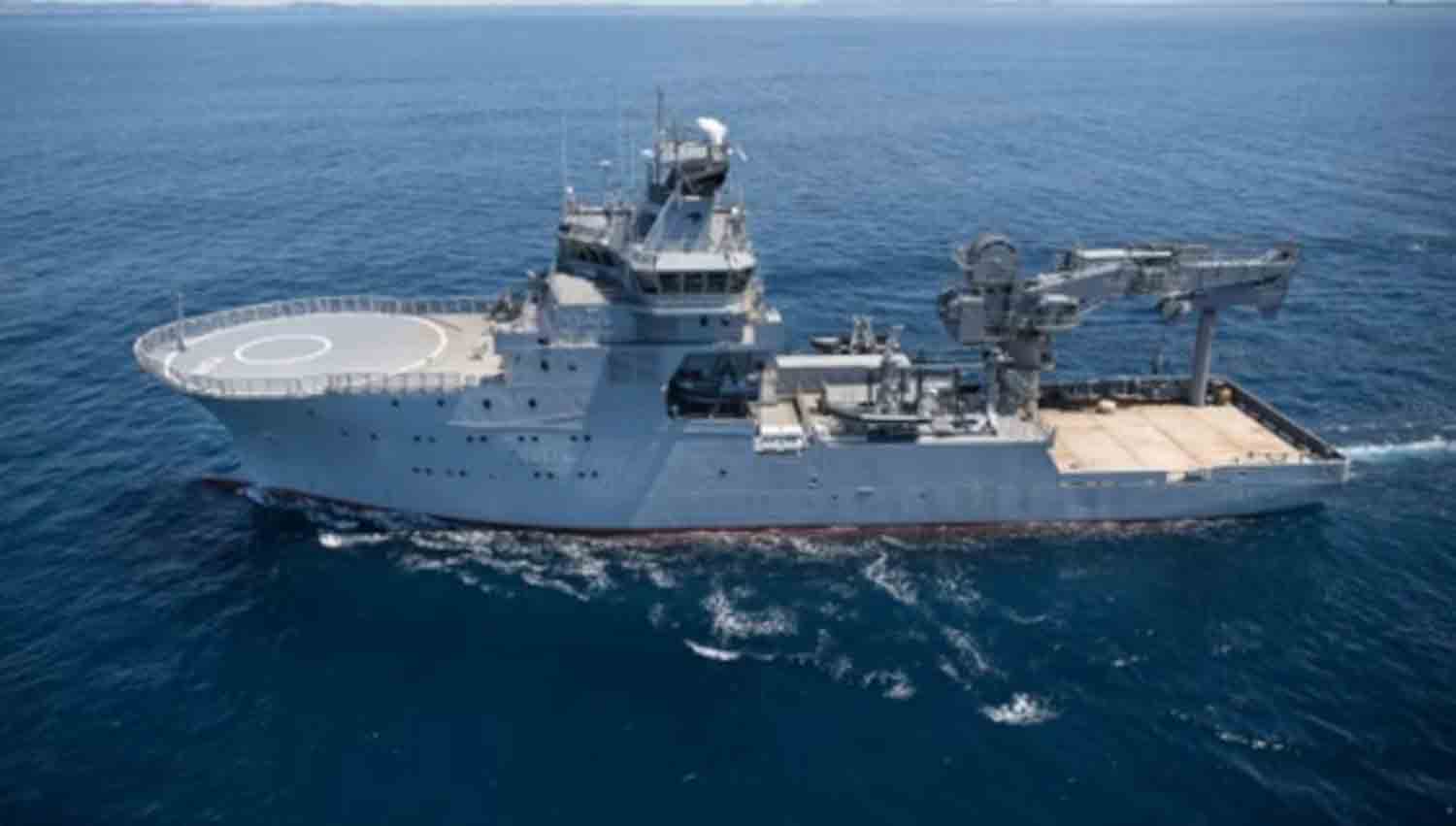
The Royal New Zealand Navy ship HMNZS Manawanui

A Royal New Zealand Navy ship has run aground off the southern coast of Upolu in Samoa, as reported by the New Zealand Herald on Saturday, referencing Maritime Component Commander Commodore Shane Arndell.

All 78 individuals aboard the dive and survey vessel HMNZS Manawanui are safe and accounted for in life rafts, according to the report.

An Air Force P-8 Poseidon surveillance aircraft has been dispatched to aid in the rescue efforts, as stated by the New Zealand news outlet Stuff.

The incident took place while the vessel was performing a reef survey, according to the website. The New Zealand Defence Force has been contacted for further comments.

The anniversary of the Gaza conflict attracts thousands of pro-Palestinian demonstrators globally

0
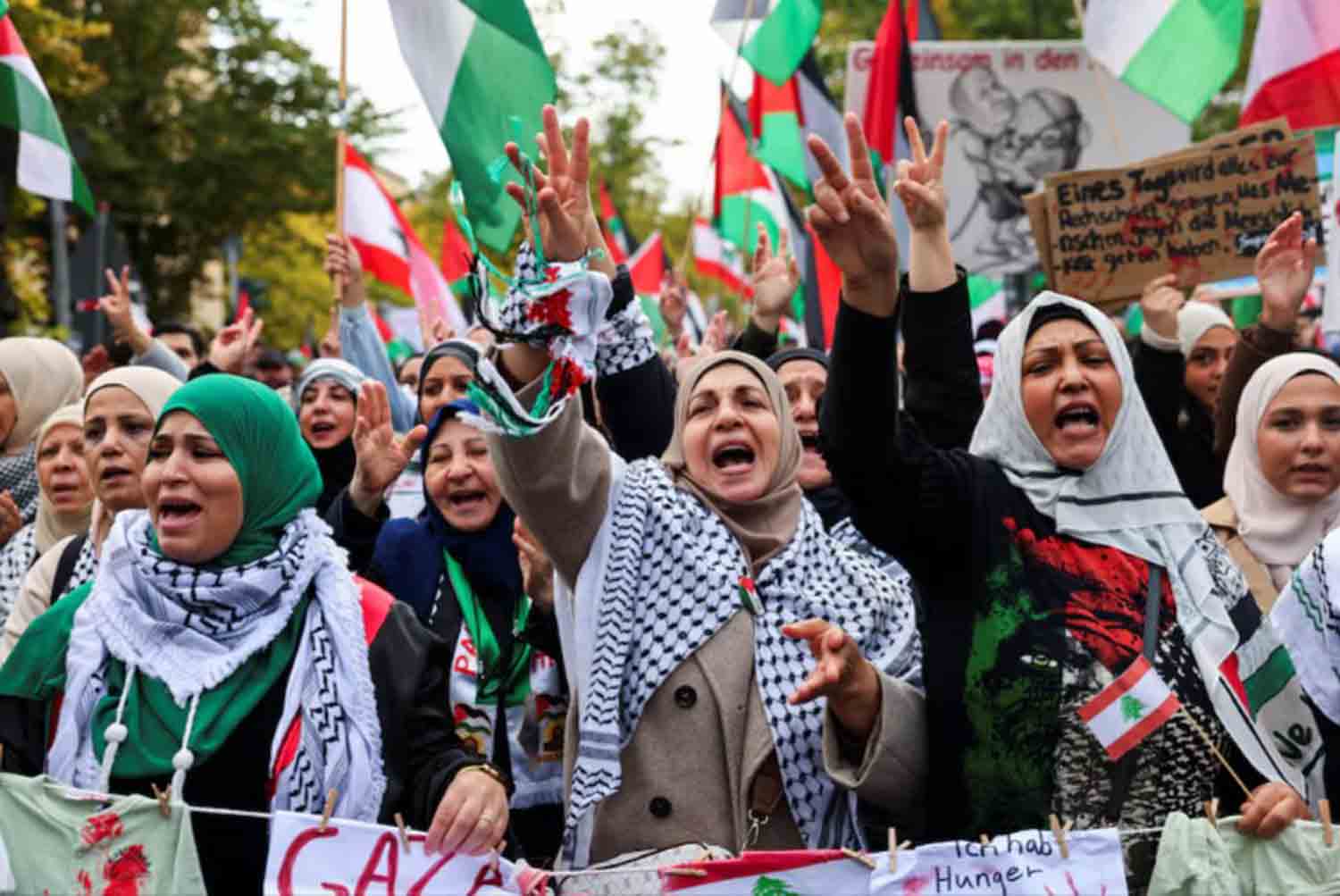
Protesters react holding Lebanese and Palestinian flags during a demonstration in solidarity with Palestinians in Gaza, ahead of the October 7 attack anniversary, amid the Israel-Hamas conflict, in Berlin, Germany.

Thousands of demonstrators filled the streets of numerous major cities worldwide on Saturday, calling for an end to the violence in Gaza as the conflict in the Palestinian territory nears its first anniversary and extends into the broader region.

Approximately 40,000 pro-Palestinian activists marched through central London, while significant gatherings also took place in Paris, Rome, Manila, and Cape Town.

The conflict began when the militant group Hamas launched an attack on southern Israel on October 7, 2023, resulting in the deaths of 1,200 individuals and the abduction of around 250 hostages, according to Israeli reports.

In response, Israel’s military operations in Gaza have reportedly resulted in nearly 42,000 Palestinian deaths, as stated by Gaza’s health ministry, and have displaced almost the entire population of the enclave, which numbers 2.3 million.

“Regrettably, despite our sincere efforts, the Israeli government remains unresponsive, continuing its actions in Gaza, and now extending to Lebanon, Yemen, and potentially Iran,” expressed protestor Agnes Kory in London.

The British government, unfortunately, is merely offering superficial support while continuing to supply arms to Israel, she remarked.

In Berlin, supporters of Israel demonstrated against the rise of antisemitism, leading to confrontations between law enforcement and pro-Palestinian counter-protesters.

Over the past year, the extensive violence and devastation in Gaza have sparked some of the largest global protests in recent history, with many expressing anger that defenders of Israel claim has fostered an antisemitic environment, where the legitimacy of Israel as a nation is questioned.

The conflict in Gaza has extended regionally, involving Iran-aligned groups in Lebanon, Yemen, and Iraq. Recently, Israel has intensified its operations against the Iran-backed Lebanese group Hezbollah, while Iran has launched a series of missile strikes against Israel this week.

In Paris, Lebanese-French protester Houssam Houssein expressed concern: “We fear a regional war due to current tensions with Iran, and possibly with Iraq and Yemen. We urgently need to halt the conflict as it has become intolerable,” he stated.

In Rome, approximately 6,000 demonstrators waved Palestinian and Lebanese flags, defying a prohibition on marching in the city center ahead of the anniversary of October 7.

While allies like the United States affirm Israel’s right to self-defense, Israel has faced significant international backlash for its actions in Gaza and its bombardment of Lebanon. Prime Minister Benjamin Netanyahu has dismissed the criticism, asserting that his government is taking necessary measures to protect the nation from a recurrence of the October 7 attack by Hamas.

Efforts at international diplomacy, led by the United States, have yet to secure a ceasefire agreement in Gaza. Hamas seeks a resolution that would end the conflict, while Israel maintains that hostilities can only cease with the complete dismantling of Hamas.

In Manila, activists clashed with anti-riot police after being prevented from staging a protest outside the U.S. embassy, voicing their opposition to the United States’ provision of weapons to Israel.

Demonstrations commemorating the first anniversary are scheduled to occur later on Saturday in various cities worldwide, including locations in the United States and Chile. Additionally, several demonstrations in support of Israel are anticipated over the weekend.

Why violence spreading in Haiti?

0
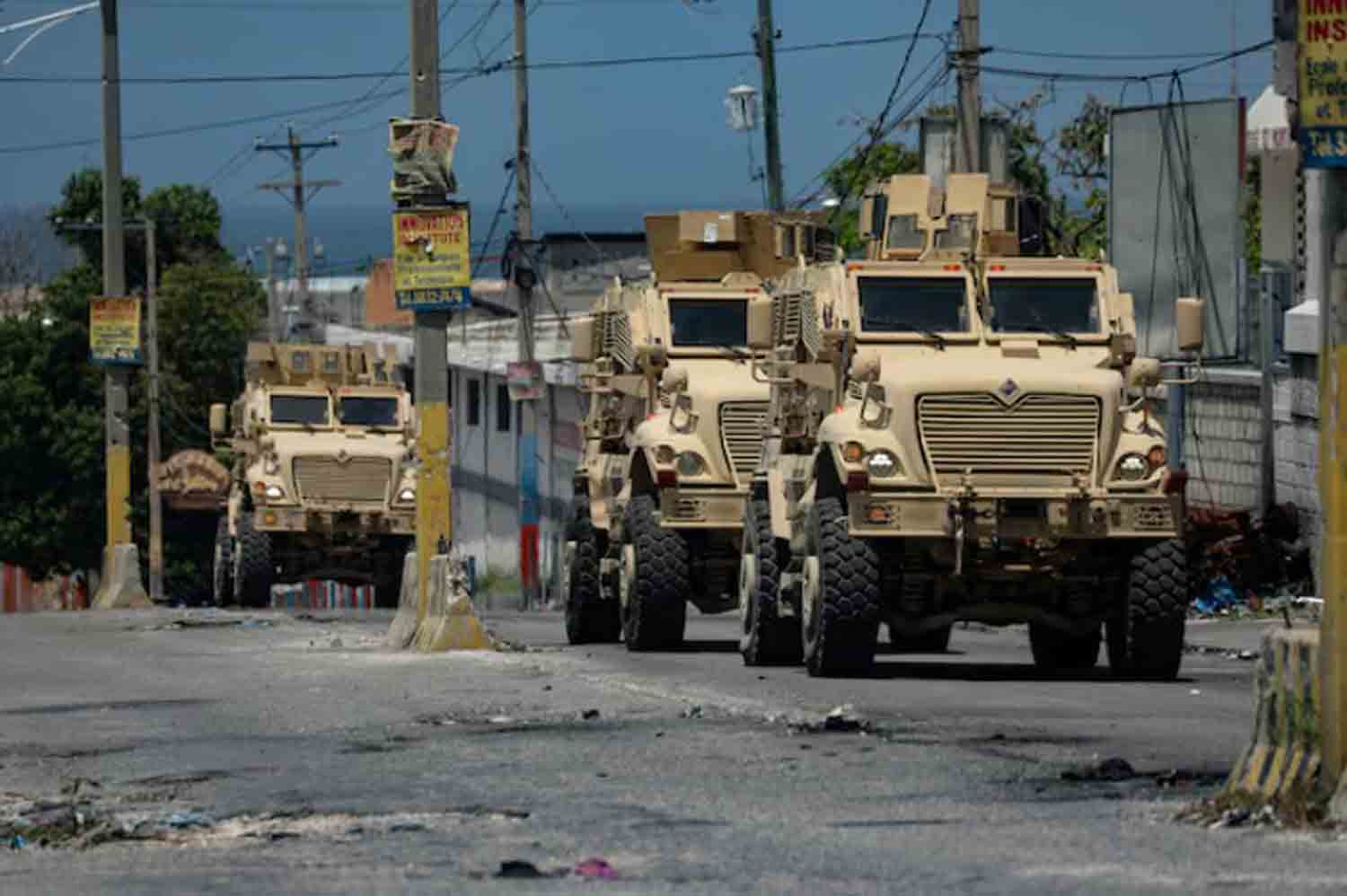
Kenyan police forces patrol a neighbourhood in Port-au-Prince, Haiti

A brutal gang assault in Haiti a few days ago resulted in numerous fatalities, with homes and vehicles set ablaze, forcing thousands to flee for their safety. This incident marks yet another tragic chapter in a nation plagued by severe violence for many years.

The attack occurred early Thursday morning in the central town of Pont-Sonde, perpetrated by members of the Gran Grif gang. They killed at least 70 individuals, including infants, as the Caribbean nation grapples with persistent lawlessness exacerbated by the assassination of President Jovenel Moise in 2021.

WHO IS THE GRAN GRIF GANG?
Gran Grif, one of Haiti’s lesser-known criminal organizations, is led by Luckson Elan, who claimed responsibility for the massacre. In an audio message circulated on social media, Elan stated that his gang was retaliating against residents who allegedly assisted a vigilante group that was thwarting their extortion efforts on a nearby major highway. Recently, Elan, aged 36, was sanctioned by the U.S. government, alongside former Haitian lawmaker Prophane Victor, who is accused of establishing and arming local gangs.

WHY DO GANGS HAVE POWERS IN HAITI?

Victor and Elan have leveraged their control over gangs in Haiti to sustain the ongoing violence and instability, as stated by the U.S. Department of Treasury’s Office of Foreign Assets Control last week. Gran Grif, identified by security analysts as the largest gang in Haiti’s Artibonite department, operates in a region that encompasses a significant portion of the country’s rice production. This gang emerged when Victor began supplying firearms to young men in Petite Riviere and is notorious for various abuses, including gender-based violence and the assault of women and children.

The disproportionate power of gangs in Haiti can be attributed to the weakening of the government in this former French colony, which has allowed these groups to fill the void and extend their influence over critical roadways and infrastructure. Their criminal activities encompass extortion and the trafficking of weapons and narcotics. A prominent figure among these gangsters is 46-year-old Jimmy “Barbeque” Cherizier, a former police officer. The United Nations has implicated him in several massacres, including a notorious incident in 2018 that resulted in the deaths of numerous individuals and the destruction of hundreds of homes in the La Saline neighborhood of the capital.

In 2020, Cherizier announced the formation of a gang coalition known as G9 Family and Allies, which united nine gangs from the capital region. Under his command, this alliance seized control of Haiti’s primary fuel port earlier this year, disrupting transportation and leaving significant portions of the population, including hospitals, without the fuel necessary to operate generators.

WHY HAS THE GOVERNMENT STRUGGLED TO CONTAIN THE GANGS?

For decades, Haiti’s government has faced challenges in delivering essential services, particularly in the realm of security. The national police force is significantly outmatched and severely understaffed, having lost thousands of officers in recent years due to dismissals and emigration.

The dire economic conditions, characterized by soaring inflation and poor agricultural yields, have exacerbated the situation, pushing nearly half of the population into severe hunger, with some regions nearing famine, as reported by international organizations.

This worsening security climate has coincided with a prolonged inability to conduct local elections. Earlier this month, the interim presidential council established a provisional electoral authority, marking a step towards reinstating elections and fostering hopes for a more stable government. The preliminary plan aims to hold elections by 2026, a full decade after the last ones took place.

WHAT IS CURRENT STATUS OF THE U.N.-BACKED SECURITY MISSION?

Recently, the U.N. Security Council reached a unanimous decision to extend the authorization for an international security force for another year. This force is designed to assist local law enforcement in combating gang violence and restoring law and order.

However, the deployment of this long-awaited security force has been sluggish and is dependent on voluntary contributions. To date, the mission has seen limited success in aiding Haiti in reestablishing order, with only approximately 400 police officers, primarily from Kenya, currently on the ground.

In addition to U.S. financial support and Kenya’s initial troop deployment, countries such as Benin, Jamaica, the Bahamas, and Belize have committed to providing at least 2,900 troops, but these contributions have yet to significantly materialize.

The previous Haitian government initially requested this force two years ago. Since that time, gangs have gained control over much of the capital and have spread their influence to surrounding regions, exacerbating a humanitarian crisis that has led to widespread displacement among the country’s population of around 11 million.


Rwanda says Congo declined to endorse a deal intended to address the M23 rebel conflict

0
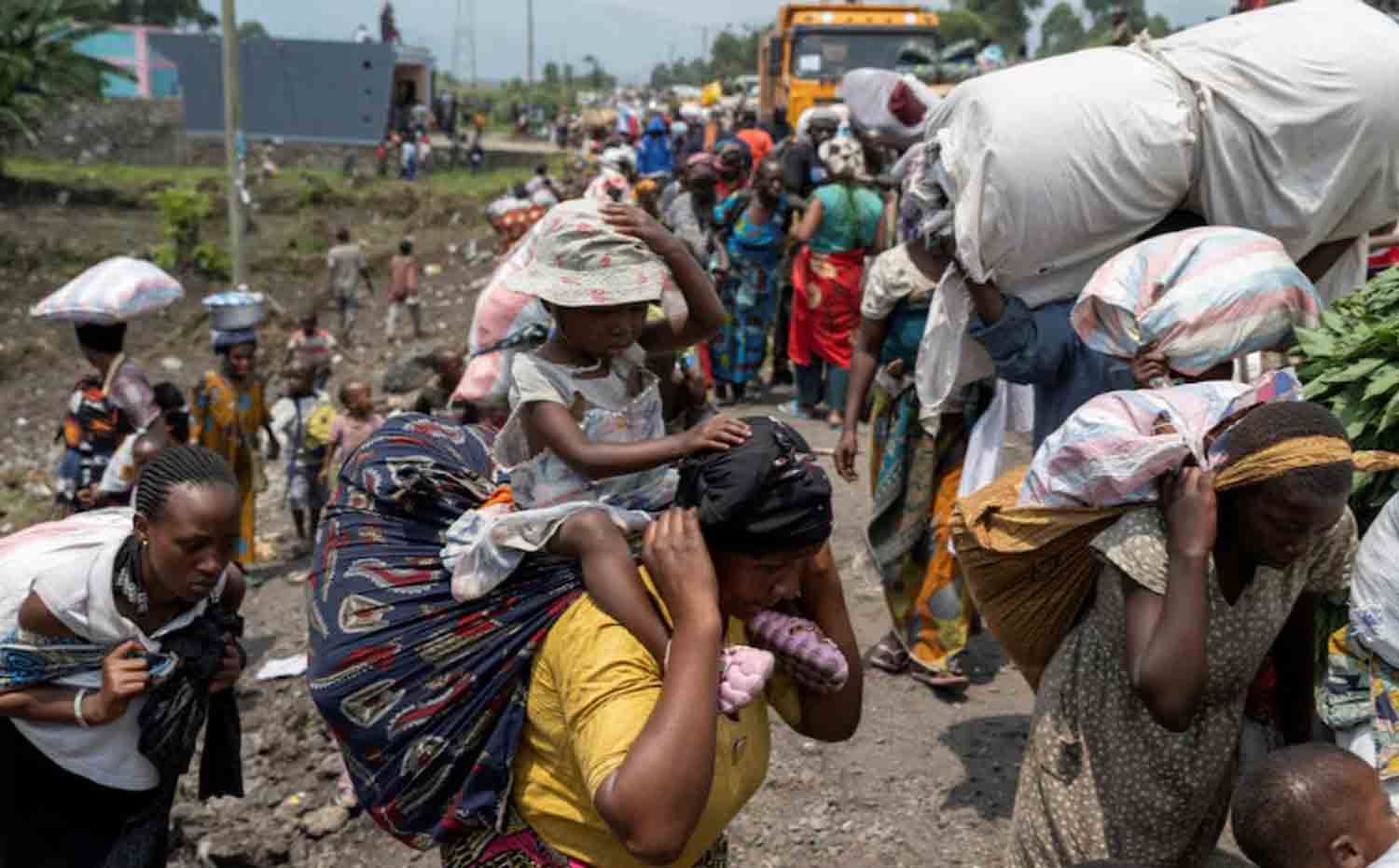
Congolese people carry their belongings as they flee from their villages around Sake in Masisi territory, following clashes between M23 rebels and the Armed Forces of the Democratic Republic of the Congo (FARDC); towards Goma, North Kivu province of the Democratic Republic of Congo.

Rwandan Foreign Minister Olivier Nduhungirehe announced on Saturday that his Congolese counterpart declined to endorse a previously agreed-upon deal intended to address the M23 rebel conflict in the eastern Democratic Republic of Congo, a situation that has led to the displacement of over 1.7 million individuals.

The Tutsi-led M23 has been conducting an insurgency in the violence-stricken eastern region of the central African nation since 2022. The Democratic Republic of Congo, along with the United Nations and other entities, has accused neighboring Rwanda of providing support to the group through the deployment of its own troops and weaponry.

Rwanda, while denying any involvement with M23, asserts that it has implemented what it describes as defensive actions and accuses Congo of collaborating with the Hutu rebel faction, the Democratic Forces for the Liberation of Rwanda (FDLR), which has targeted Tutsis in both nations.

Both nations engaged in negotiations in late August aimed at alleviating the conflict, which has exacerbated the ongoing humanitarian crisis in the region and has occasionally sparked concerns about a broader war.

Nduhungirehe informed Reuters that participants in the discussions, including the head of military intelligence from Congo, had reached an agreement and signed a plan aimed at “neutralising the FDLR and lifting Rwanda’s defence measures.” He mentioned that this agreement was scheduled to be formally signed by ministers on September 14, during a summit of leaders from French-speaking nations in France.

“We were prepared to sign … but the Congolese minister declined. Initially, she provided feedback on the report, and after further consultation, she returned to express her opposition to adopting the report,” he stated.

According to Nduhungirehe, the plan outlined that actions against the FDLR would be executed first, followed by Rwanda relaxing its “defence measures” a few days later. He noted that the Congolese minister objected to this sequence, insisting that both actions should occur simultaneously. A spokesperson for the Congolese government did not respond immediately to a request for comment.

Both leaders of Congo and Rwanda, Felix Tshisekedi and Paul Kagame, were present at the summit in France. French President Emmanuel Macron had suggested a trilateral meeting; however, the two leaders ultimately had separate private discussions with Macron.


Potential successor to the late Sayyed Hassan Nasrallah reported unreachable since Friday

0

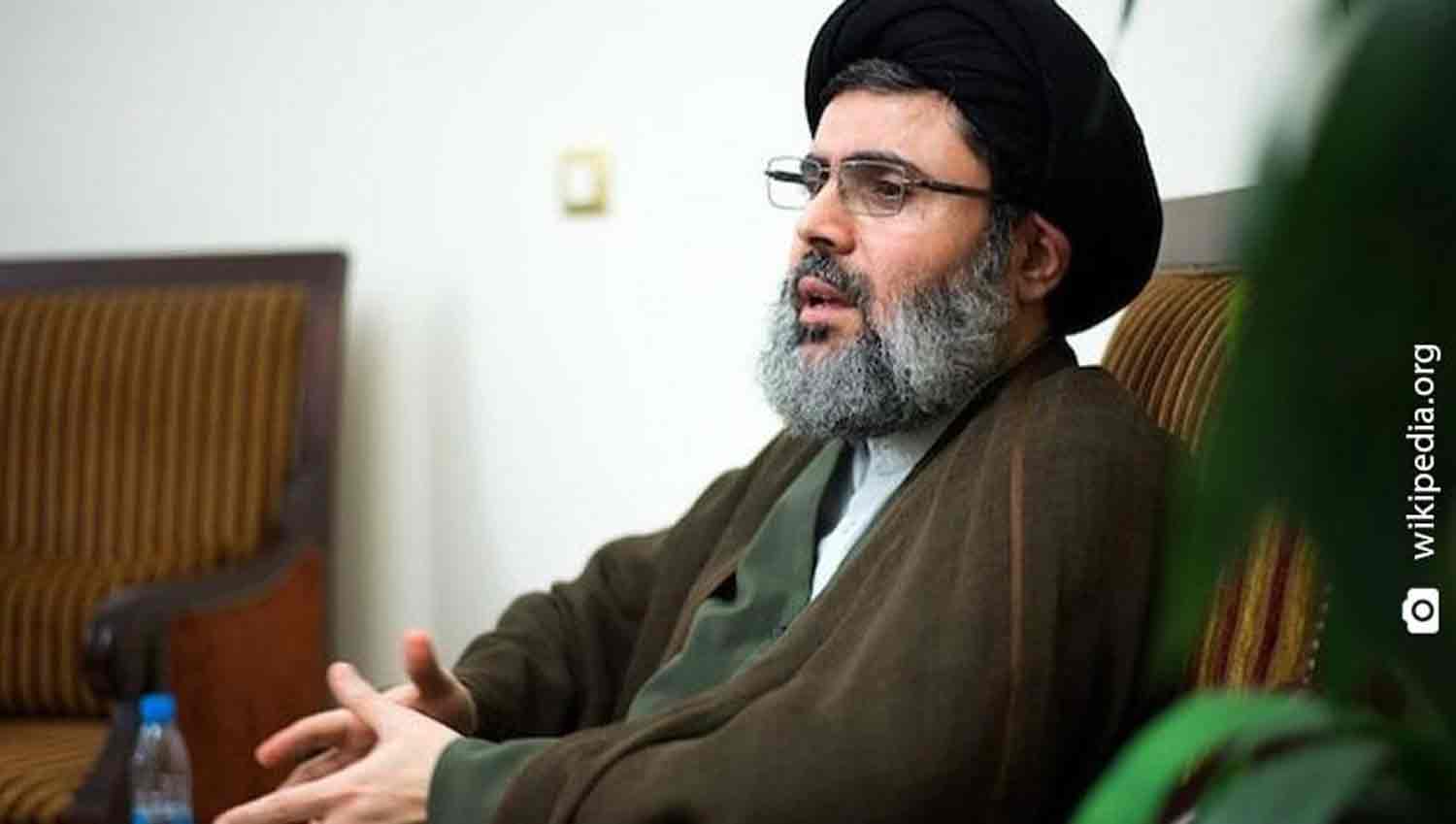
The potential successor to the late Hezbollah leader Sayyed Hassan Nasrallah has reportedly been unreachable since Friday, according to a Lebanese security source. This follows an Israeli airstrike that allegedly aimed at him.

In its efforts against the Iran-supported Lebanese organization, Israel executed a significant strike on the southern suburbs of Beirut late Thursday, with three Israeli officials indicating that Hashem Safieddine was the target, located in an underground bunker.

The Lebanese security source, along with two others, noted that the ongoing Israeli bombardments in the Dahiyeh area of Beirut since Friday have hindered rescue teams from accessing the site of the attack. Hezbollah has yet to issue any statements regarding Safieddine following the incident.

Israeli Lieutenant Colonel Nadav Shoshani mentioned on Friday that the military was still evaluating the airstrikes conducted on Thursday night, which he stated were aimed at Hezbollah’s intelligence headquarters.

POTENTIAL LOSS OF SUCCESSOR SIGNIFICANT SETBACK FOR HEZBOLLAH

The potential loss of Nasrallah’s rumored successor would represent another significant setback for Hezbollah and its ally Iran. Over the past year, Israeli airstrikes throughout the region, which have intensified in recent weeks, have severely impacted Hezbollah’s leadership structure.

On Saturday, Israel escalated its military operations in Lebanon with its first airstrike in the northern city of Tripoli, according to a Lebanese security official. This followed additional bombings in the suburbs of Beirut and ground raids by Israeli forces in the southern region.

In recent weeks, Israel has launched a vigorous bombing campaign in Lebanon and deployed troops across the border, following nearly a year of intermittent clashes with Hezbollah. Previously, the fighting had been largely confined to the Israel-Lebanon border, occurring alongside Israel’s ongoing conflict in Gaza against the Palestinian group Hamas. Israel asserts that its objective is to facilitate the safe return of tens of thousands of residents to their homes in northern Israel, which have been under bombardment from Hezbollah since October 8 of last year.\

The Israeli military operations have significantly diminished Hezbollah’s upper command, including the elimination of Secretary General Nasrallah in an airstrike on September 27. According to Lebanese officials, these attacks have also resulted in the deaths of hundreds of civilians, including rescue personnel, and have displaced approximately 1.2 million individuals, nearly a quarter of the Lebanese population.

A Lebanese security official reported that a recent strike on a Palestinian refugee camp in Tripoli resulted in the deaths of a Hamas member, his wife, and their two children. Media sources linked to Hamas also confirmed the death of a leader from its military faction in the same attack.

The Israeli military has not yet provided a response regarding the incident in Tripoli, a port city with a Sunni Muslim majority that was previously targeted during the 2006 conflict with Hezbollah. Concurrently, Israel has been conducting nightly airstrikes in Dahiyeh, an area of Beirut that was once vibrant and densely populated, serving as a Hezbollah stronghold.

On Saturday, smoke rose from Dahiyeh, where extensive destruction has forced residents to seek refuge in other areas of Beirut or elsewhere in Lebanon. In northern Israel, air raid sirens prompted residents to rush to their shelters due to incoming rocket fire from Lebanon.

ISRAEL CONSIDERS RESPONSES TO IRAN

As the anniversary of Hamas’ assault on southern Israel approaches, which resulted in the deaths of 1,200 individuals and the abduction of approximately 250 hostages, tensions remain high. In retaliation, Israel’s military operations in Gaza have reportedly led to the deaths of nearly 42,000 Palestinians, according to the health ministry in Gaza, and have displaced almost the entire population of 2.3 million.

Iran, a supporter of both Hezbollah and Hamas, has faced significant losses, including key commanders from its Revolutionary Guards Corps due to Israeli air strikes in Syria earlier this year. On Tuesday, Iran launched a series of ballistic missile attacks against Israel, which resulted in minimal damage.

In light of these developments, Israel is evaluating its options in response to Iran’s aggression. The prospect of an attack on Iran’s oil infrastructure has contributed to rising oil prices, as Israel aims to counter Hezbollah forces in Lebanon and dismantle their Hamas counterparts in Gaza.

U.S. President Joe Biden recently advised Israel to explore alternatives to targeting Iranian oil fields, suggesting that Israel has not yet finalized its strategy regarding Iran. Reports indicate that Army General Michael Kurilla, the top U.S. general for the Middle East, is scheduled to visit Israel in the coming days. Israeli and U.S. officials have not yet provided comments on these matters.

Israel-Lebanon conflict: Can France help stop the violence?

0

For many years, France has regarded Lebanon as a “brotherly country,” fostering robust relations since the conclusion of the French mandate in 1946.

Paris has made numerous efforts to address the various crises that Lebanon has encountered, all while navigating its colonial legacy in the region.

Following the onset of Israel’s military actions against Lebanon in September, France has taken steps to facilitate a resolution, although appeals from French officials for Israeli Prime Minister Benyamin Netanyahu to exercise “restraint” have not yielded significant results.

On Monday, Jean-Noel Barrot, the French foreign affairs minister, became the first Western official to visit Lebanon since the commencement of Israel’s bombing campaign, which has led to evacuation orders in certain areas and displaced approximately 1.2 million individuals, according to government statistics.

“I wish to convey a message of support and solidarity to the Lebanese people,” stated the French minister during his visit to Beirut, while also urging Israel to “avoid any ground incursion” into Lebanon.

He also revealed a €10 million ($10.98 million) aid package intended for humanitarian organizations in Lebanon.

Nevertheless, despite the declarations and financial support, analysts question the efficacy of France’s initiatives.

According to Ziad Majed, a French-Lebanese academic at the American University of Paris and an expert in Middle Eastern politics, there exists a “discrepancy” between France’s rhetoric and the absence of tangible actions that could be implemented.

“France has frequently mentioned the importance of safeguarding Lebanon, and the visit from the foreign affairs minister indicates a genuine intention on the part of France to engage in Lebanon,” Majed stated to US media outlet.

“However, there is a significant divide between diplomatic aspirations and the actual situation.”

Diminished influence

Earlier last week, French President Emmanuel Macron expressed his opposition to Lebanon “turning into a new Gaza,” alluding to the prolonged Israeli conflict in the Palestinian territory, which has resulted in nearly 42,000 fatalities, as reported by the Palestinian health ministry.

Macron characterized the civilian death toll in Lebanon as “truly shocking.”

Paris and Washington have put forward a proposal for a 21-day ceasefire at the United Nations, which was publicly rejected by Netanyahu.

Subsequently, Lebanese Foreign Minister Abdallah Bou Habib announced that both Hezbollah leader Hassan Nasrallah and Netanyahu had reached an agreement on the temporary truce just prior to Israel’s airstrike in Beirut that resulted in Nasrallah’s death.

Since the beginning of Israel’s conflict with Gaza and its recent operations in Lebanon, Israeli strikes have claimed the lives of over 2,000 individuals, as reported by the Lebanese health ministry, including two French nationals.

Currently, approximately 23,000 French citizens reside in Lebanon, making it the largest French community in the Middle East.

Bertrand Badie, a French author and specialist in international relations, noted that France has diminished its influence in the region since the conclusion of “France’s Arab policy” in 2003.

“From the Six-Day War in 1967, when General de Gaulle adopted a relatively supportive position towards the Palestinian cause, to the Iraq War in 2003, when Jacques Chirac opposed U.S. intervention, there was a genuinely active Arab policy,” Badie stated, highlighting Paris’ decision not to participate in the military intervention aimed at removing Saddam Hussein.

The Arab policy of France faced a severe disruption in 2003 when President Chirac shifted his stance, influenced by the looming threat of American retaliation.

Since that moment, France has largely aligned itself with American viewpoints. As a result, the absence of a coherent Arab policy has rendered France’s influence negligible, according to Badie.

This perspective is echoed by Jean-Luc Melenchon, the leader of the left-wing party France Unbowed (LFI), who remarked in a statement on X last weekend that France’s presence in Lebanon has diminished significantly, allowing Netanyahu’s actions to go unchecked.

Dalal Mawad, a Lebanese author and journalist, noted that France is undergoing a “shift of narrative” and ramping up its diplomatic efforts, recognizing that escalating tensions could lead to a full-scale war in Lebanon.

She pointed out that over the past year, particularly during the Gaza conflict, France has exhibited a clear bias towards Israel. However, with the rising threat of regional conflict, France is now intensifying its diplomatic initiatives and altering its narrative. Mawad observed that although Macron was slow to advocate for a ceasefire in Gaza and initially backed Israel, he now seems to adopt a more critical stance.

France does not hold a dominant position

Analysts indicate that while France possesses certain advantages that could help mitigate the situation, its influence pales in comparison to that of the United States.

“Mawad noted that many believe France is among the few nations capable of engaging in dialogue with Hezbollah, as it only designates the military faction of Hezbollah as a terrorist group, unlike other European nations and the US,” she explained.

Countries like Germany and the United Kingdom, which align closely with the United States, do not make a distinction between the political and military aspects of the Lebanese movement.

“The Lebanese populace received the French proposal at the UN positively. However, they are acutely aware that France lacks significant leverage regarding Israel,” Mawad stated, highlighting the United States’ role in backing Israel during the conflicts in Gaza and Lebanon.

France maintains its trade relations with Israel and is capable of leveraging its position within the European Union, she stated.

Since the onset of Israel’s military actions in Gaza, numerous organizations and individuals have urged the EU to suspend its Association Agreement with Israel and to impose sanctions on the nation.

In April, a coalition of 11 NGOs, including Amnesty International, announced they had initiated legal proceedings against France to stop its arms sales to Israel.

Despite President Macron’s assurances that France does not supply weapons to Israel, human rights organizations and investigative journalists have raised concerns regarding the opacity of the situation.

A report from the defense ministry to parliament, acquired by the French media outlet Mediapart, revealed that France provided €30 million worth of military equipment to Israel in 2023.

However, since the report lacks specific dates, Mediapart highlighted that it is unclear whether these shipments continued after the escalation of hostilities in Gaza that began on October 7, and the Ministry of the Armed Forces has not provided further clarification.

Majed also contends that France should explore additional avenues beyond diplomatic efforts.

“Following the unsuccessful diplomatic initiatives, there is no reason for the French government to refrain from recognizing the Palestinian state and implementing sanctions,” Majed said.

In June, when questioned about the potential for France to recognize the state of Palestine, following the examples set by several European nations like Spain, Norway, and Ireland, Macron stated that it was not “the right solution.”

He remarked, “It is not reasonable to do it now. I denounce the atrocities that we see with the same indignation as the French people. However, we do not recognize a state based on indignation.”

Following an attack by Iran on Israel on Tuesday, which was a response to the assassinations of Nasrallah, IRGC commander Abbas Nilforoushan, and Hamas leader Ismail Haniyeh, the French president reiterated the need for “utmost restraint” from all parties involved in the Middle East crisis.

Reaffirming his commitment to Israel’s security, he urged Hezbollah to “cease its terrorist actions against Israel and its population” and announced that France would “very soon organize a conference to support the Lebanese people and their institutions.”

On Friday, the French foreign affairs minister embarked on another trip to the Middle East.

Barrot is set to visit Saudi Arabia and Qatar on Saturday, the United Arab Emirates and Jordan on Sunday, then Israel on Monday, October 7, to mark the first anniversary of the Hamas-led attacks, and finally to Ramallah in the occupied West Bank.

Israeli airstrike targeted the northern Lebanese city of Tripoli for the first time

0
A man walks on the rubble of damaged buildings in the aftermath of Israeli air strikes on Beirut's southern suburbs, Lebanon

An Israeli airstrike targeted the northern Lebanese city of Tripoli for the first time early Saturday, according to a Lebanese security source. This attack followed increased bombardment in the suburbs of Beirut, as Israeli forces attempted to advance into southern Lebanon.

The source informed Reuters that a Hamas official, along with his wife and two children, lost their lives in the strike on a Palestinian refugee camp in Tripoli. Media outlets affiliated with Hamas reported that the strike resulted in the death of a leader from the group’s military wing.

The Israeli military has not yet provided a response regarding the Tripoli strike, which occurred in a predominantly Sunni port city. In recent weeks, Israel has significantly intensified its operations in Lebanon, following nearly a year of hostilities with Hezbollah, an Iran-backed armed group. Previously, the fighting had primarily been confined to the Israel-Lebanon border, coinciding with Israel’s ongoing conflict in Gaza against Hamas.

Israel has been conducting nightly airstrikes on the southern suburbs of Beirut, a Hezbollah stronghold. During the night, a military spokesperson issued three evacuation alerts for residents in the area, after which witnesses reported hearing at least one explosion.

On Friday, Israel announced that it had conducted strikes on Hezbollah’s intelligence headquarters located in the southern suburbs and was currently evaluating the extent of the damage following a series of attacks targeting high-ranking members of the organization.

Israel has successfully removed a significant portion of Hezbollah’s senior military leadership, including Secretary General Sayyed Hassan Nasrallah, who was targeted in an airstrike on September 27.

According to the Lebanese government, over 2,000 individuals have lost their lives in the country over the past year, with the majority of casualties occurring in the last two weeks. There has been a notable increase in attacks on medical personnel and facilities, including the Lebanese Red Cross, public hospitals, and rescue teams associated with Hezbollah.

The Lebanese government reports that more than 1.2 million people have been displaced from their homes, while the United Nations indicates that most shelters for the displaced in Lebanon are at capacity. Many have sought refuge in northern areas such as Tripoli or in neighboring Syria; however, an Israeli strike on Friday has resulted in the closure of the primary border crossing between Lebanon and Syria. U.N. spokesperson Stephane Dujarric described the impact on Lebanese civilians as “totally unacceptable.”

ISRAEL EVALUATING OPTIONS

Israel is currently evaluating its options in response to the ballistic missile attack from Iran that occurred on Tuesday. The potential for an assault on Iran’s oil infrastructure has led to an increase in oil prices, as Israel aims to counter Hezbollah militants in Lebanon and eliminate their Hamas allies in Gaza, who are also supported by Tehran.

U.S. President Joe Biden urged Israel on Friday to explore alternatives to targeting Iranian oil fields, suggesting that Israel has not yet made a definitive decision on how to address the situation with Iran.

In a rare public appearance during Friday prayers, Iran’s Supreme Leader Ayatollah Ali Khamenei addressed a large audience in Tehran, asserting that Iran and its regional partners would remain resolute.

Iranian Foreign Minister Abbas Araqchi arrived in Syria on Saturday for discussions following his visit to Lebanon, where he reaffirmed support for both Lebanon and Hezbollah.

In the southern suburbs of Beirut, a stronghold of Hezbollah, many structures lie in ruins. Nouhad Chaib, a 40-year-old man displaced from the south, expressed his uncertainty about the future, stating, “We’re alive but don’t know for how long.”

On Friday, Hezbollah reportedly launched over 200 rockets into Israel, as confirmed by the Israeli military, with air raid sirens continuing to sound in northern Israel on Saturday.

The recent escalation in the long-standing Israeli-Palestinian conflict was ignited by an attack from the Palestinian Hamas group on October 7, 2023, which resulted in 1,200 fatalities and approximately 250 hostages, according to Israeli sources. In retaliation, Israel’s military actions in Gaza have led to the deaths of over 41,000 Palestinians, as reported by Gaza’s health ministry, and have displaced nearly the entire population of Gaza.

GROUND OPERATIONS

The Lebanese government has accused Israel of deliberately targeting civilians, highlighting the deaths of numerous women and children. However, it has not provided a breakdown of the total death toll between civilians and Hezbollah fighters.
Israel asserts that its operations focus on military targets and that it takes precautions to minimize civilian casualties. It claims that Hezbollah and Hamas conceal themselves among civilian populations, a charge that both groups deny.
This week, Israel initiated ground operations in southern Lebanon, concentrating on border villages while stating that Beirut is not a target. The duration of the ground incursion remains unspecified.
The objective of these operations is to facilitate the return of tens of thousands of Israeli citizens who were forced to evacuate from the north due to Hezbollah’s bombardments, which commenced on October 8, 2023.
Iran’s missile strikes were partially a response to Israel’s elimination of Nasrallah, a key figure who had transformed Hezbollah into a significant military and political entity with influence throughout the Middle East.
Axios reported that three Israeli officials indicated Hashem Safieddine, who is rumored to be Nasrallah’s successor, was targeted in an underground bunker in Beirut on Thursday night, though his current status remains uncertain.
Israeli Foreign Minister Israel Katz shared a photo of Safieddine alongside Nasrallah on X on Saturday, calling on Khamenei to “take your proxies and leave Lebanon.”

AUKUS naval forces successfully tested remote-controlled vessels from 10,000 miles away

0

The navies of the United Kingdom, Australia, and the United States successfully managed uncrewed vessels in Australia while stationed over 10,000 miles away in Portugal, according to a statement from Britain’s Royal Navy on Friday. This achievement is part of a series of military trials linked to the AUKUS security agreement, which seeks to address China‘s expanding influence in the Indo-Pacific region. The Royal Navy noted that this pact is facilitating the rapid introduction of new military technologies to operational settings at an “unprecedented” rate.

“The accomplishments we’ve seen, particularly the ability of all three AUKUS navies to command and control ships across the globe in a tactically relevant environment, demonstrate our progress toward realizing our goal of a cohesive team of both crewed and uncrewed systems. These systems will be capable of operating effectively in diverse environments, from the ocean depths to outer space,” stated James Parkin, Director of Development at the Royal Navy.

The experiments, referred to as “Maritime Big Play,” also evaluated various uncrewed technologies in simulated operational environments. This involved deploying payloads from a drone, with the primary objective of rapidly advancing uncrewed technology to the frontline.

The AUKUS nations are set to conduct additional experiments later this year, featuring approximately 30 systems in a large-scale demonstration in the Indo-Pacific, according to the Royal Navy.

This year, the AUKUS nations have intensified their collaboration, including reforms introduced in August aimed at eliminating significant barriers to defense trade. China has characterized the AUKUS agreement as perilous and has cautioned that it may trigger a regional arms race.

Israel has not provided guarantees that it will refrain from targeting Iran’s nuclear facilities, says State Department official

0
A projectile is seen in the sky after Iran fired a salvo of ballistic missiles, amid cross-border hostilities between Hezbollah and Israel, as seen from Tel Aviv, Israel.

Israel has not provided the Biden administration with guarantees that it will refrain from targeting Iran’s nuclear facilities in response to the Iranian ballistic missile strikes that occurred earlier this week, a senior official from the US State Department informed CNN on Friday.

The official remarked that it is “really hard to tell” whether Israel will choose to retaliate on the anniversary of the Hamas attacks from October 7.

“We hope and expect to see a combination of wisdom and strength, but as you all know, there are no guarantees,” the official stated when asked by CNN if Israel has assured the US that Iran’s nuclear sites are not a target.

US officials have expressed their support for Israel’s response to Iran’s missile attack, with several officials publicly stating that there should be consequences. However, they have also raised concerns about the potential for a regional escalation as they navigate an increasingly unstable Middle East.

Earlier this week, President Joe Biden indicated that the US would not endorse Israel targeting Iran’s nuclear program.

“If I were in their position, I would consider alternatives to striking oil fields,” Biden commented during a press briefing on Friday.

US officials currently lack clarity regarding the timing of Israel’s response and its implementation. The president stated on Friday that Israel would not be making an immediate decision.

When asked by CNN if Israel might retaliate against Iran on the one-year anniversary of the Hamas attack, a senior State Department official remarked, “It is really hard to tell.”

The official suggested that Israel might prefer to avoid action on the seventh, indicating that any response would likely occur either before or after that date, as the significance of the day could overshadow any retaliatory measures.

The US has been actively working for nearly a year to prevent the escalation of the conflict into a larger war, and thus far, this effort has been successful, according to the official. They noted that the situation is currently precarious.

President Biden mentioned on Friday that US officials maintain communication with their Israeli counterparts “12 hours a day.”

Deputy Secretary of State Kurt Campbell stated on Wednesday that significant efforts are underway on both sides to keep communication channels open and ensure mutual understanding of perspectives.

He acknowledged that there have been unexpected developments over the past few months.

Regarding the Iranian attack on Israel, Campbell emphasized that the United States is also considering its response options, not just Israel’s. He conveyed a dominant message of caution, urging careful consideration in any actions taken concerning Iran.

Jared Kushner discussed US-Saudi diplomatic negotiations related to Israel with Crown Prince

0
Jared Kushner, son-in-law of former U.S. President Donald Trump

Jared Kushner, the son-in-law of former U.S. President Donald Trump, has engaged in discussions regarding U.S.-Saudi diplomatic negotiations related to Israel with Crown Prince Mohammed bin Salman on several occasions since his departure from the Trump administration, according to a source familiar with the matter.

The source did not specify the timing of these discussions or whether they took place prior to or following the onset of the Gaza conflict. However, they did encompass conversations about the normalization of relations between Israel and Saudi Arabia, a significant diplomatic goal for both the Biden and Trump administrations, as noted by the source.

At 43, Kushner maintains a strong relationship with Saudi Arabia, which congressional investigators claim has invested $2 billion in his private equity firm, Affinity Partners, established after his tenure in the White House. The revelation that Kushner and the Saudi Crown Prince have deliberated on a peace agreement, which President Joe Biden is also attempting to facilitate, underscores the critical importance both political parties attribute to the increasingly volatile situation in the Middle East, especially in light of a closely contested presidential election. These discussions also raise questions about how Trump might address regional crises if he were to regain office, as well as concerns regarding the potential influence of Kushner’s financial connections with Riyadh on U.S. policy under his father-in-law.

Saudi Arabia’s financial involvement in Kushner’s fund has faced scrutiny from ethics experts, Democratic lawmakers, and some Republicans, who are concerned that the investment may appear to be a form of compensation, given Kushner’s previous work on Saudi-related matters during his tenure in the Trump administration.

In a letter dated September 24, Democratic Senator Ron Wyden, who chairs the Senate Finance Committee, expressed that the Saudi investments in Kushner’s fund present “clear conflicts of interest concerns.”

Both Affinity and Kushner have refuted claims that the Saudi investments constitute a payoff or a conflict of interest. Affinity stated that Wyden and his Senate team lack an understanding of private equity dynamics. A spokesperson for Kushner remarked, “Many seek Jared’s insights and opinions due to his proven track record of successes.”

A source close to Kushner chose not to elaborate on discussions with Crown Prince Mohammed bin Salman, commonly referred to as “MbS,” citing a desire to maintain the integrity of their friendship. “It wouldn’t be appropriate for me to share that,” the source commented.

A representative from the Saudi Embassy in Washington did not respond to inquiries regarding Kushner’s conversations with MbS. In a speech delivered on September 18, MbS stated that the kingdom would not acknowledge Israel unless a Palestinian state is established, indicating that a potential agreement may be unlikely in the near future. This marks a change from February, when three sources informed Reuters that Saudi Arabia was open to accepting a political commitment from Israel to establish a Palestinian state, rather than a more formal agreement, in an effort to secure a defense pact with Washington prior to the U.S. presidential election.

To incentivize Saudi Arabia’s recognition of Israel, the Biden administration has proposed security guarantees, support for a civilian nuclear initiative, and a renewed effort towards establishing a Palestinian state. Such an agreement could transform the Middle East by reconciling two long-standing adversaries and solidifying the world’s largest oil exporter’s ties to Washington, especially as China expands its influence in the region.

However, the ongoing conflict in Gaza has created uncertainty around these discussions. The war and resulting humanitarian crisis have bolstered Arab and Muslim solidarity with the Palestinians in their long-standing struggle for land and statehood, complicating Riyadh’s ability to engage in talks about recognizing Israel without addressing Palestinian rights.

The upcoming U.S. election also plays a significant role, as Trump, a Republican, competes against Vice President Kamala Harris, a Democrat, in a closely contested race for the presidency.

The relationship between Saudi Arabia and Trump was particularly strong. Trump’s inaugural foreign visit as president in 2017 took him to Riyadh, accompanied by Jared Kushner. Following the assassination of Saudi journalist Jamal Khashoggi at the Saudi consulate in Istanbul, Trump continued to support the crown prince, despite a U.S. intelligence report indicating his involvement in the murder. The crown prince, known as MbS, denied any participation.

According to two sources familiar with Saudi strategy, should Trump return to the presidency, the crown prince would be open to negotiating a deal with Israel under his administration. The sources also indicated that if Kamala Harris were to win, the agreement would still progress, viewing it as a beneficial outcome for MbS, even if it necessitates a bit more waiting.

On September 27, Israeli Prime Minister Benjamin Netanyahu spoke positively about the potential for an agreement, stating, “What a blessing such a peace with Saudi Arabia would bring,” during his address to the UN General Assembly.

Establishing normalized relations between Israel and Saudi Arabia would represent an extension of the “Abraham Accords” initiated during Trump’s presidency, which facilitated the normalization of ties between Israel and the United Arab Emirates, Bahrain, Morocco, and Sudan. Kushner, who has strong ties to Israel, played a key role in these negotiations as a senior adviser in Trump’s administration.

Three sources close to Kushner mentioned that if Trump wins the upcoming presidential election in November, they anticipate Kushner’s involvement in discussions with Saudi Arabia, albeit in an unofficial capacity. However, a spokesperson for Kushner has denied any intention to pursue such a role.

If Kushner were to engage in diplomatic discussions as a private citizen during a second Trump term, it could create a significant conflict of interest, according to ethics experts, placing Kushner in a unique position of conducting high-level negotiations with one of his primary financial backers.

While Kushner and his wife, Ivanka Trump, have generally avoided Trump’s campaign events, they attended the Republican National Convention in July, where they were seen sitting and applauding in the family box.

Philippines condemned Chinese “unjustified assault” on Vietnamese fishermen

0

The Philippines on Friday condemned Chinese maritime officials for what it described as an “unjustified assault” on Vietnamese fishermen in the disputed waters of the South China Sea, contributing to an ongoing conflict over the incident.

Vietnam reported earlier this week that Chinese law enforcement officers had assaulted ten fishermen and confiscated their equipment while they were working near the Paracel Islands, which are under Chinese control but also claimed by Hanoi, which refers to them as Hoang Sa.

China, which asserts dominance over the majority of the busy waterway, stated on Tuesday that the fishermen were illegally present and that measures had been taken to address the situation. The Chinese government did not immediately respond to the Philippines’ remarks.

Recent confrontations between China and the Philippines, a treaty ally of the United States, have heightened tensions in the strategically significant South China Sea, raising concerns of a potential flashpoint between Washington and Beijing. Philippine National Security Adviser Eduardo Ano expressed solidarity with Vietnam on Friday, condemning the “egregious act” that occurred on Sunday.

The application of force against civilians is a clear violation of international law and undermines fundamental human decency, he stated in his remarks.

The Philippines and Vietnam share overlapping territorial claims in the South China Sea; however, both nations agreed in August to enhance cooperation and address their differences through peaceful means. That month, their coastguards conducted their inaugural joint exercises.

In the past year, encounters in the region have increased as Beijing intensifies its claims, while Manila continues its fishing and resupply operations for military personnel stationed at two disputed shoals.

China asserts its sovereignty over nearly the entirety of the South China Sea through a so-called nine-dash line, which encompasses approximately 90% of the area, and has deployed hundreds of coast guard vessels to patrol against competing claimants.

Chinese officials frequently assert that their coast guard operates in a professional and lawful manner to safeguard its territory from intruders.

The United States maintains a mutual defense treaty with the Philippines and has consistently indicated its commitment to defend its ally should the Philippine coast guard or armed forces face any attacks in the South China Sea.

The Philippine foreign ministry expressed its awareness on Friday regarding a “serious incident” involving Vietnamese fishermen and Chinese maritime authorities, highlighting the importance of all parties exercising true self-restraint.

Russia delist the Taliban as a terrorist organization

0
Acting Foreign Minister of Afghanistan's Taliban movement Amir Khan Muttaqi

Russia’s Foreign Ministry announced on Friday that the decision to delist the Taliban as a terrorist organization was made “at the highest level,” according to the state news agency TASS. Zamir Kabulov, President Vladimir Putin‘s special representative for Afghanistan, indicated that this decision requires various legal processes to be implemented for it to take effect. In July, Putin stated that Russia views the Taliban as a partner in the fight against terrorism.

While no country has officially recognized the Taliban as the legitimate government of Afghanistan, both China and the UAE have accepted its ambassadors. Russia designated the Taliban as a terrorist organization in 2003, and its removal from this list would represent a significant move by Moscow towards normalizing relations with Afghanistan.

Amir Khan Muttaqi, the acting foreign minister of the Taliban, expressed his approval during a speech in Moscow regarding the recent decisions by Kazakhstan and Kyrgyzstan to lift the ban on former insurgents. He stated, “We also value the encouraging comments made by senior officials of the Russian Federation and look forward to more effective actions in the near future.”

In related remarks on Friday, Russian Foreign Minister Sergei Lavrov emphasized the importance of maintaining a “pragmatic dialogue” with the current Afghan government. He noted, “It is clear that addressing issues or even discussing a resolution for Afghanistan cannot occur without the involvement of Kabul.” Lavrov further stated that Moscow would persist in fostering political, trade, and economic relations with Kabul, during a meeting in Moscow with Muttaqi and representatives from neighboring countries. Although he did not specifically mention the Taliban, he commended the current Afghan leadership for its initiatives to reduce drug production and combat the Islamic State, which is banned in Russia.

Muttaqi emphasized the necessity for regional countries to collaborate in combating the Islamic State, which he noted has set up training facilities beyond Afghanistan’s borders. Lavrov urged the United States to return assets that have been seized from Afghanistan and called on Western nations to take responsibility for the country’s reconstruction following the conflict.

He also advocated for an increase in humanitarian assistance to Afghanistan, stating that Russia would continue to provide food and essential supplies. Russia’s involvement in Afghanistan has been fraught with challenges, dating back to the Soviet invasion in 1979 aimed at supporting a pro-Moscow regime, which ultimately ended in withdrawal after a decade due to significant losses inflicted by mujahideen fighters.

Additionally, Russia and its neighboring post-Soviet states have faced ongoing threats from Islamist militant groups associated with Afghanistan, highlighted by a recent attack in March that resulted in 145 fatalities at a concert hall near Moscow, claimed by the Islamic State.

Khamenei says Iran and its regional allies will not retreat in the face of Israel

0
Iran's Supreme Leader Ayatollah Ali Khamenei speaks during a meeting

Supreme Leader Ayatollah Ali Khamenei stated on Friday that Iran and its regional allies will not retreat in the face of Israel, following an Israeli strike on Beirut believed to have aimed at the potential successor to the late Hezbollah leader. Khamenei described the recent actions of Iran’s armed forces as “completely legal and legitimate” during a rare appearance at Friday prayers in Tehran, referencing Iran’s missile strikes on Israel that occurred on Tuesday.

U.S. President Joe Biden indicated on Thursday that Israel’s retaliation might involve targeting Iran’s oil facilities. Reports from residents and security sources indicated that the southern suburb of Dahiye in Beirut, a Hezbollah stronghold, experienced renewed airstrikes shortly after midnight on Thursday, following Israeli orders for residents to evacuate certain areas.

The airstrikes reportedly targeted Hashem Safieddine, who is rumored to be the successor to the assassinated Hezbollah leader Hassan Nasrallah, while he was in an underground bunker, according to Axios reporter Barak Ravid, citing three Israeli officials.

Israel’s military refrained from commenting, and Hezbollah also did not address the situation regarding Safieddine. His brother, Sayyed Abdallah Safieddine, who serves as Hezbollah’s envoy to Iran, was present at Khamenei’s address in Tehran.

In the early hours of Friday, powerful explosions reverberated near Beirut’s main airport, leaving Lebanese civilians in a state of ongoing anxiety.

U.S. President Joe Biden expressed skepticism about the likelihood of an “all-out war” in the Middle East as Israel considers its retaliatory options, emphasizing the need for measures to avert such a conflict. While the United States, the European Union, and other allies have called for an immediate 21-day ceasefire in the Israel-Lebanon conflict, Biden indicated that discussions were ongoing with Israel regarding potential responses to Tehran’s actions, which could involve strikes on Iran’s oil facilities.

His remarks led to a spike in global oil prices, with escalating tensions in the Middle East raising concerns among traders about possible supply disruptions. Nevertheless, Biden stated, “There is nothing going to happen today.” When later asked if he was advising Israel against attacking Iran’s oil installations, he clarified that he would not engage in public negotiations.

Is US military action in the Middle East making Israel safer?

0

On October 1, Iran executed a significant aerial assault on Israel as a response to the killings of high-ranking Hezbollah and Hamas officials, along with several Iranian officers in Beirut and Tehran.

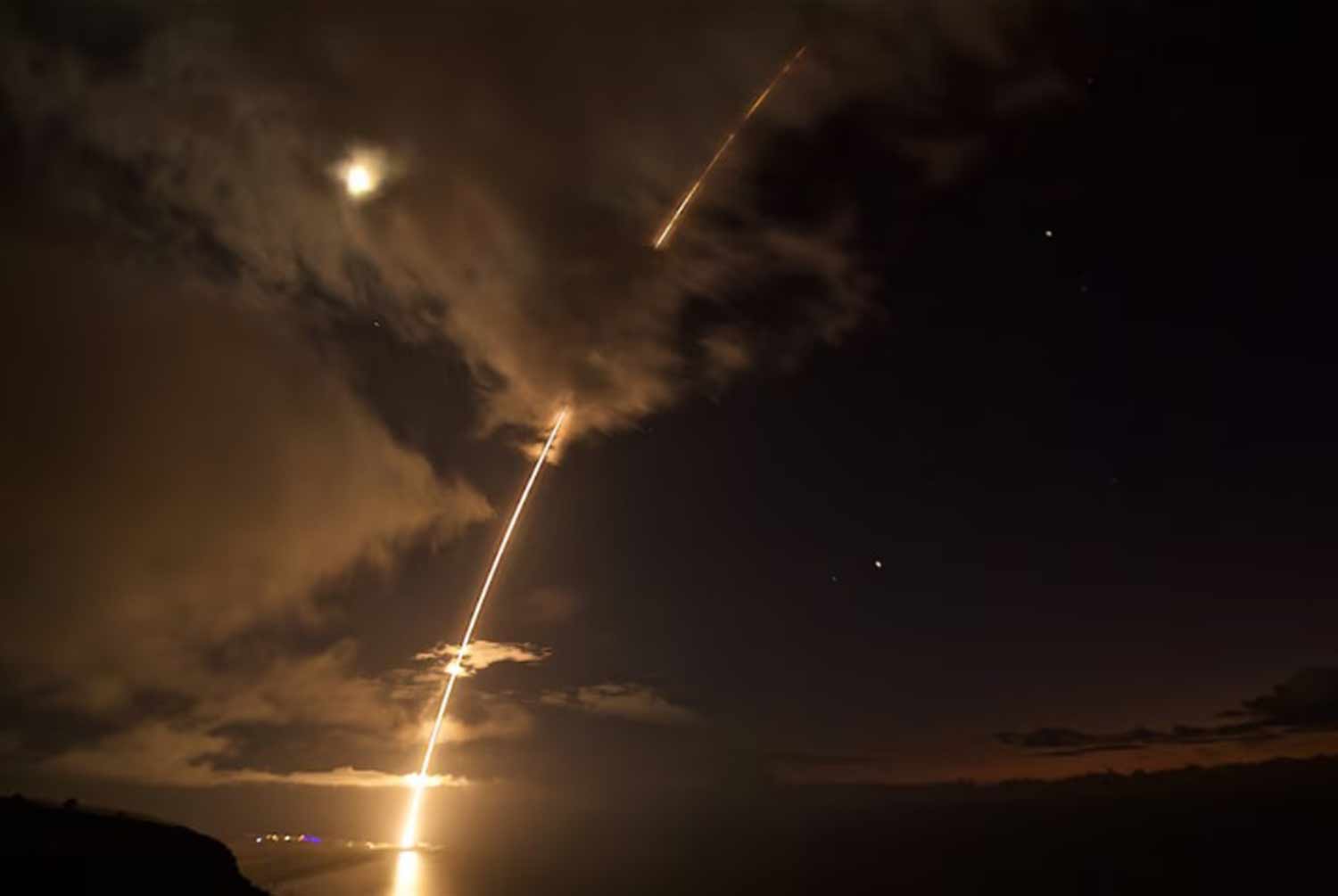
In preparation for this offensive and to bolster its ally Israel, the United States enhanced its already substantial military presence in the Middle East. American destroyers played a crucial role in intercepting the 180 missiles launched by Iran targeting military installations in Israel. Such military involvement has become a standard practice for the US, which has consistently intervened in the region over the past decades to safeguard Israel, either directly or indirectly.

Nevertheless, these US military interventions have often produced counterproductive outcomes: they have increased Israel’s vulnerability and fostered a greater reliance on American military support. This situation has also rendered Israel the most perilous location for Jews worldwide.

The US-Israeli focus on military solutions has hindered any meaningful attempts to tackle the underlying issues fueling tensions in the region, particularly the Palestinian-Zionist conflict. This dynamic has given rise to formidable new military entities and grassroots resistance groups throughout the Middle East. Organizations such as Hezbollah, Hamas, and Ansar Allah (the Houthis) frequently target both US and Israeli interests.

The strength of the coalition currently opposing Israel stems not only from its military capabilities but also from its alignment with Arab public sentiment. This coalition is prepared and capable of resisting Israel’s occupation and oppression of Arab populations, a stance that no Arab nation has taken since 1973. This situation underscores the long history of American-Israeli military actions and the failure of Arab governments to safeguard their territories, citizens, and sovereignty.

Washington’s rapid and substantial military assistance to Israel continues to fuel the cycle of violence, contradicting its calls for de-escalation and a ceasefire in Gaza and Lebanon. Many in the Middle East are skeptical of Washington’s rhetoric, as its actions consistently demonstrate a preference for warfare, sanctions, threats, and military buildups as primary means of engagement with perceived adversaries in the region since World War II.

A regional conflict is increasingly taking shape, and the US is not merely being drawn into it by Israel; rather, it has actively chosen to participate. This inclination stems from a longstanding affinity for warfare, particularly in support of Israel. Several factors contribute to this dynamic.

American politicians recognize that warfare can stimulate the economy. The defense budget, which approaches $850 billion, sees annual increases of 2-3 percent for a reason. Military conflict drives defense spending, creates jobs, and generates profits for numerous companies, both large and small, many of which contribute significantly to political campaigns every two years.

To date, Washington has expended between $1.8 billion and $4 billion on military operations against Ansar Allah in Yemen, without halting their assaults on vessels in the Red Sea, which are a response to Israel’s actions in Gaza. The collaborative operation involving Israeli, US, British, and French forces to counter Iranian drones and missiles aimed at Israel in April incurred an estimated cost of $1.1 billion. The military response on October 1 was likely similarly costly. Some Arab nations also participated in intercepting Iranian missiles, as Israel can no longer ensure its own defense independently.

Washington willingly allocates these substantial funds to enhance its global influence and to sustain its extensive military-industrial complex through lucrative contracts for both domestic and international purposes.

The nearly $4 billion in annual U.S. aid to Israel primarily funds military systems acquired from American companies, representing a substantial financial boost to the U.S. military-industrial complex.

In addition to supporting its military capabilities, the U.S. has various motivations for engaging in conflicts on behalf of Israel.

The strong political and military ties between Israel and the U.S. can be traced back to the Cold War, during which Israel was regarded as a crucial ally safeguarding U.S. interests in a region rife with adversarial nations aligned with the Soviet Union. Even after the Cold War, Washington continued to perceive Tel Aviv as a vital partner in sustaining U.S. influence in the Middle East.

U.S. politics are influenced by a range of factors, including Israeli advocacy, lobbying organizations, evangelical Christians, and a pro-Israel mainstream media, all of which contribute to military interventions in support of Israel.

President Joe Biden is notable among recent U.S. presidents for his strong support of Israel, driven by two main factors: the political advantages he gains from this position and the fact that his early political career coincided with the peak of Israeli advocacy and national milestones in the 1960s and 70s. During that time, Israel was often viewed as a miraculous entity emerging from the tragedies of the Holocaust, a perspective that the U.S. president, who identifies as a Zionist, continues to embrace.

The dynamics within the US Congress are evident in its consistent provision of substantial aid and unique economic and technological advantages to Israel, alongside a legal obligation to maintain Israel’s superiority over its adversaries.

Mainstream media in the United States has significantly contributed to the public’s lack of awareness regarding the realities faced by Palestinians, fostering support for Israel and the financial assistance it receives from the US. This media landscape has rationalized American military interventions abroad and has often biased its coverage to align with Israeli perspectives on conflicts involving Palestinians, Lebanon, Iran, and the broader Middle East.

The current escalation is unlikely to be the final one. As regional tensions rise, American naval forces will persist in their frequent deployments, contributing to instability both regionally and globally. The legacy of US militarism over the past 25 years has resulted in the establishment of approximately 60 military bases and other installations throughout the Middle East.

This pattern is expected to endure until more astute leaders engage in negotiations aimed at resolving the Palestinian-Israeli and US-Iranian disputes, grounded in the principle that Israel, Palestine, Iran, and all relevant parties should possess equal rights to statehood, sovereignty, and security. While the US and Israel may express support for these ideals, their actions often hinder genuine peace efforts and perpetuate ongoing military conflicts.

A significant portion of Arab public opinion strongly advocates for the establishment of a sovereign Palestinian state as a crucial element in achieving a comprehensive Arab-Israeli peace. This perspective is gradually gaining traction among the American populace, potentially setting the stage for a shift in policy in Washington.

Investing in genuine peace initiatives would be a more straightforward, fair, cost-effective, and significantly less harmful approach than maintaining the existing colonial circumstances, which are consistently supported by the presence of American troops. This represents the most effective and likely the sole method to ensure Israel’s security.

Orban says EU is heading towards “economic cold war” with China

0
Hungarian Prime Minister Viktor Orban

Hungarian Prime Minister Viktor Orban expressed concerns on Friday regarding the European Union‘s trajectory towards an “economic cold war” with China, as EU leaders prepared for a crucial vote on imposing tariffs on imports of Chinese electric vehicles (EVs).

On this day, EU member states were set to decide whether to implement tariffs of up to 45% on Chinese-made EVs for the next five years, marking a significant trade case that could provoke retaliation from Beijing.

Under Orban’s leadership, Hungary has established itself as a key trade and investment ally of China, contrasting with other EU countries that are looking to reduce their reliance on the second-largest economy in the world.

In an interview with state radio, Orban remarked, “What the EU is pushing us towards is an economic cold war,” in reference to the proposed tariffs on Chinese imports. Additionally, data released earlier on Friday indicated that Hungary’s industrial output had declined by a more significant-than-expected 9.5% in August, a downturn attributed to the sluggish performance of the German economy, which accounts for approximately 25% of Hungary’s exports.

Orban, who has led efforts in Central Europe to attract Chinese electric vehicle and battery manufacturing facilities to Hungary, expressed that his landlocked nation aims to avoid being caught in the middle of competing blocs and intends to maintain trade relations with both sides. He noted that selling products manufactured in the EU could become increasingly challenging if the global economy divides into two factions, and he questioned whether Hungary’s approach of “economic neutrality” would endure over time.

CHINESE INVESTMENTS

Among the largest Chinese investors in Hungary, CATL is constructing a battery plant in Debrecen with an investment of 7.3 billion euros ($8.05 billion). Additionally, Chinese electric vehicle manufacturer BYD announced last year its plans to establish its first European facility in Szeged, located in the southern part of the country. Last month, Orban reported that Chinese companies have committed to investments totaling 9 billion euros in Hungary, placing them on equal footing with American firms, which have criticized Orban’s strategy of strengthening ties with China.

U.S. Ambassador to Hungary David Pressman remarked in June, “Engaging in business with China involves certain conditions, and the cost is frequently borne in terms of sovereignty. It is clear that Hungary cannot maintain a dual approach indefinitely.” Amid concerns from Brussels regarding Hungary’s adherence to the rule of law, which has led to the suspension of billions of euros in EU funding, Budapest secured a loan of 1 billion euros from Chinese banks in April to support infrastructure and energy initiatives, although the specifics of the agreement remain undisclosed.

Is a full scale war between Israel and Iran imminent?

0

On the evening of October 1, Iran executed a missile strike against Israel, which the Israeli Foreign Ministry characterized as unprecedented. Prior to the assault, the United States had alerted Israel to Iran’s preparations for a significant missile offensive.

This warning was issued less than a day after the Israeli military commenced a “limited ground operation” in southern Lebanon, targeting Hezbollah’s infrastructure, a group supported by Tehran. The threat proved to be genuine, as reports indicated that Iran launched around 400 missiles at Israel.

The Islamic Revolutionary Guard Corps (IRGC) warned that Israel would face serious repercussions if it chose to retaliate. In turn, the Israel Defense Forces (IDF) pledged to respond to Iran “at a time and place” of their choosing.

Tehran asserted that the missile strike was a response to the assassinations of Hezbollah Secretary-General Hassan Nasrallah and Hamas Political Bureau Chairman Ismail Haniyeh. Iran’s permanent representative to the United Nations stated that the attack was a legitimate act of retaliation for infringements on Iran’s sovereignty, particularly referencing the assassination of Haniyeh in Tehran.

After nearly two months of speculation regarding Tehran’s response to Haniyeh’s death, it became clear that the moment for action had arrived. With this single strike, Iran addressed two significant concerns that had been weighing on both domestic and international observers.

It is evident that Iran seeks to avoid escalation into a broader conflict—not out of fear of Israel, but because it understands that in a catastrophic scenario, there would be no winners. Meanwhile, West Jerusalem remains confident that its confrontation with Iran will not come at a high cost.

US officials informed the Washington Post that they do not believe Iran is aiming for a broader conflict with Israel, despite the missile strike on October 1. The Post speculates that the Biden administration will likely encourage Israeli leaders to avoid a significant counteroffensive. In contrast, Bloomberg suggests that while Iran’s recent attack was more forceful than its April strike, it represents an even greater miscalculation. Analysts from the publication argue that the attack revealed Iran’s vulnerabilities, indicating a lack of both the capability and intent to launch a substantial retaliatory strike, characterizing it as a mere “paper tiger.”

Nevertheless, the missile strike on October 1 was anticipated. A comparable event took place in April, although that incident and its consequences were less impactful. During that time, Iran executed an unprecedented attack on Israel from its own soil, utilizing drones and missiles in retaliation for what it considered an unjust Israeli airstrike on its consulate in Damascus, which resulted in the deaths of 11 Iranian diplomats and two IRGC generals.

Israeli officials sought to rationalize their actions by asserting that the deceased were affiliated with Hamas, yet they failed to provide compelling evidence. Then-President Ebrahim Raisi cautioned that Tehran’s subsequent response would be even more severe if Israel did not de-escalate. Iran aimed to mitigate the escalating tensions that could lead to a larger conflict, hoping for a reduction in Israeli aggression. Concurrently, Tehran took the opportunity to evaluate the situation and prepare for potential escalation.

A month later, Raisi tragically died in a plane crash, and Iran’s new president, Masoud Pezeshkian, expressed a willingness to improve relations with the West. When Iranians refer to the West, they primarily mean European nations, believing that Europe may be more amenable to negotiations. This approach could assist in stabilizing Iran’s economy, which, despite adapting to decades of sanctions, continues to face significant challenges.

Given the current circumstances in the region, Pezeshkian and the Iranian leadership recognize that national security and the nation’s political standing take precedence over any short-term economic factors. The Iranian president’s accusations against the US and EU for their dishonesty are not without reason, as they did not uphold their commitment to a ceasefire if Tehran refrained from retaliating for Haniyeh’s assassination. It is evident that Israel remains undeterred, while the West appears to ignore the ongoing situation.

In the past week, Iran has been engaged in discussions regarding its response to the assassination of Nasrallah. Even those factions typically advocating for dialogue with the West have raised challenging questions. Notably, it was the assassination of Nasrallah, rather than Haniyeh’s death, that prompted Iran’s Supreme Leader, Ayatollah Ali Khamenei, to authorize a retaliatory action.

Khamenei and his associates are convinced that a failure to retaliate for the assassination of a significant political ally could severely undermine Iran’s standing among its allies and potential supporters. Consequently, Tehran has committed to responding in a manner that preserves its dignity while avoiding a full-scale conflict.

Nevertheless, tensions are clearly on the rise, and there is a strong possibility that Israel may take action. The critical question now is the extent of Israel’s response. Comments from the Israeli foreign minister regarding Tehran crossing a “red line” indicate that West Jerusalem is not dismissing the possibility of a direct declaration of war against Iran. Conversely, can Israel effectively engage in warfare on two fronts, especially given the unresolved issues in Gaza?

Nearly a year has elapsed since the tragic events of October 7, yet Hamas continues to hold Israeli hostages that could have been released by now. However, the circle around Israeli Prime Minister Benjamin Netanyahu remains resistant to negotiations. While Israel has dismantled nearly all of Hezbollah’s command structure and a portion of Hamas’s leadership, this does not equate to a definitive victory over these groups. Both Hamas and Hezbollah have evolved beyond mere political entities; they have transformed into ideologies that resonate deeply with many individuals who adhere to their principles. Defeating an ideology is an exceedingly challenging task, particularly when it receives external support.

A direct confrontation between Iran and Israel carries the potential for a perilous escalation that could bring the entire Middle East to the edge of disaster. Israel, with its significant military capabilities and probable nuclear stockpile, poses a considerable threat to Iran, which could result in a large-scale military conflict with uncertain outcomes. Additionally, military engagements outside its borders might incite internal unrest within Iran.

This situation could provide the opposition with a chance to challenge the government, particularly if such military actions lead to considerable casualties among Iranian forces. Furthermore, these military endeavors would demand substantial financial investment, which Iran may struggle to provide due to ongoing economic sanctions and decreasing oil revenues. Such financial pressures would only intensify Iran’s existing economic difficulties.

We must also take into account the intricate dynamics in neighboring nations. The regional conflict has escalated on various fronts, with troubling reports emerging from Palestine and Yemen, indicating that a larger war may be imminent. A direct clash could trigger a wider conflict involving multiple parties, including Syria, Iraq, and potentially nations in the Persian Gulf. Türkiye and Pakistan are also likely to become involved. The global energy market would face significant disruption, and the security of vital maritime routes could be jeopardized, potentially resulting in soaring energy prices and overall economic turmoil.

The ongoing conflict between Iran and Israel is poised to draw the attention of major global powers. The United States, which has traditionally aligned with Israel, will feel pressured to support its ally. However, with the upcoming presidential elections, the administration may be reluctant to become embroiled in Netanyahu’s political maneuvers, particularly given the mixed sentiments many Democrats harbor towards the Israeli prime minister. Despite US Secretary of Defense Lloyd Austin’s statements regarding America’s steadfast support for Israel, the situation is more nuanced. While the US may provide assistance to Israel, it is not particularly eager to “rescue” Netanyahu. It is noteworthy that Netanyahu appears to be provoking Iran into a direct conflict, which would compel Washington to intervene, while simultaneously hoping for a Trump victory in the US elections to bolster support for Israel—a scenario that remains uncertain. Ultimately, it can be concluded that the side that demonstrates the greatest wisdom and consistency will likely prevail in this confrontation.


France says primary adversary at present is Russia

0

France‘s primary adversary at present is Russia, according to French Defense Minister Sebastien Lecornu in a recent interview with Le Point magazine.

In the discussion published on Wednesday, coinciding with the launch of his new book, Lecornu addressed the security challenges currently confronting Paris.

When asked which nation or entity represented “the greatest threat to France,” Lecornu stated, “Aside from terrorist organizations, it is undoubtedly the Russian Federation.”

He noted that Moscow has exhibited “even greater aggression” this year compared to 2022 and 2023. The minister emphasized that Russia poses a risk “not only to our interests in Africa but also directly to our Armed Forces,” mentioning that “Russian air traffic control has threatened to shoot down a French Rafale patrol.”

Lecornu further accused Russia of “conducting an information war” and “militarizing new domains, including the seabed and cyberspace.”

The French defense chief did not specify particular incidents, yet both Russia and NATO have accused one another of engaging in perilous aerial activities. In March, the Russian Defense Ministry reported that its aircraft had intercepted two French Rafale fighter jets operating over the Black Sea, near the Russian frontier.

Moscow has consistently warned that France’s provision of arms to Ukraine could lead to a significant escalation of tensions. In January, Russia called in the French ambassador regarding the alleged presence of “French mercenaries” in Ukraine. While the French government admitted that some of its citizens were involved in the conflict, it denied any role in facilitating their deployment to the front lines.

In response to France’s antagonistic position, Russian Foreign Minister Sergey Lavrov remarked in May that President Emmanuel Macron was “imbued” with Russophobia, asserting that the French leader was employing aggressive rhetoric to enhance his nation’s standing on the global stage.