Tuesday, April 7, 2026
Home Blog Page 20

Germany’s Arctic Sentry Plan Highlights NATO Strains as U.S. Hardens Arctic Posture

0

Germany is preparing to initiate a new NATO joint mission known as “Arctic Sentry,” aimed at monitoring and protecting security interests in the Arctic, including Greenland, according to Bloomberg. The proposal comes at a time of growing strategic uncertainty within the alliance, marked by increasingly assertive U.S. rhetoric and visible disagreements among NATO members over burden-sharing and escalation risks.

The mission would be modeled on NATO’s Baltic Sentry, which focuses on surveillance and protection of critical infrastructure in the Baltic Sea. German officials see the Arctic as the next frontline where climate change, resource access, and great-power competition are converging rapidly.

U.S. Threats and a Hardening Strategic Tone

The timing of Germany’s initiative is notable. Washington has recently issued sharper warnings about defending Western interests in the Arctic, including explicit references to military readiness and deterrence against Russia and China. U.S. officials have framed the Arctic as a core national security priority, citing threats to undersea cables, early-warning systems, and emerging sea lanes.

These statements have unsettled some European allies, who fear that an increasingly confrontational U.S. posture could drag NATO into escalatory dynamics in a region traditionally managed through low-tension governance frameworks. Several diplomats privately acknowledge concerns that U.S. pressure is narrowing Europe’s strategic autonomy within the alliance.

Greenland’s Rising Strategic Value

Greenland’s importance has grown sharply due to its location between North America and Europe and its role in missile warning, space surveillance, and Arctic logistics. The United States maintains a long-standing military presence there, making the territory central to U.S. homeland defense.

However, Washington’s repeated public emphasis on Greenland’s strategic value—combined with past U.S. political statements questioning European stewardship of Arctic security—has amplified sensitivities among European NATO members, particularly Denmark and Germany.

UK, France, and the Push for a European Role

British officials are reportedly negotiating with counterparts in France and Germany on the possible deployment of troops, naval vessels, and aviation assets to Greenland as part of Arctic Sentry. These discussions reflect a broader European effort to assert a more coordinated role in Arctic security rather than relying solely on U.S.-led initiatives.

For London and Paris, participation would reinforce their status as key European military actors, while for Berlin it would mark another step away from its traditionally restrained defense posture.

NATO Unity Under Strain

While NATO officials publicly emphasize unity, the Arctic debate has exposed underlying fractures within the alliance. Some members support a stronger, permanent NATO footprint in the High North, while others favor limited, surveillance-focused missions to avoid provoking Russia.

Germany’s Arctic Sentry proposal appears designed as a compromise—structured, multinational, and defensive—seeking to institutionalize NATO’s presence without committing to permanent force deployment. Still, analysts note that even limited missions can become politically contentious if U.S. strategy shifts toward coercive signaling.

Russia and China Watching Closely

Any NATO expansion in the Arctic is expected to be closely monitored by Russia, which considers the region central to its nuclear deterrent and economic future. China, though not an Arctic state, has declared itself a “near-Arctic stakeholder” and has expanded scientific and commercial activity in the region.

European officials argue that failing to coordinate Arctic security now would leave NATO reacting later under far worse conditions—possibly on U.S. terms alone.

Strategic Implications

Arctic Sentry highlights a deeper challenge facing NATO: balancing deterrence with alliance cohesion. As the United States adopts a more openly confrontational tone, European allies are increasingly seeking structured, multilateral frameworks that prevent unilateral escalation while still addressing real security risks.

Whether Arctic Sentry becomes a symbol of renewed NATO coordination—or another arena of internal disagreement—will depend on how Washington, Berlin, and other allies reconcile their diverging threat perceptions in the High North.

China Confirms First Combat Victory of Export J-10CE Fighter, Boosting Global Market Appeal

0
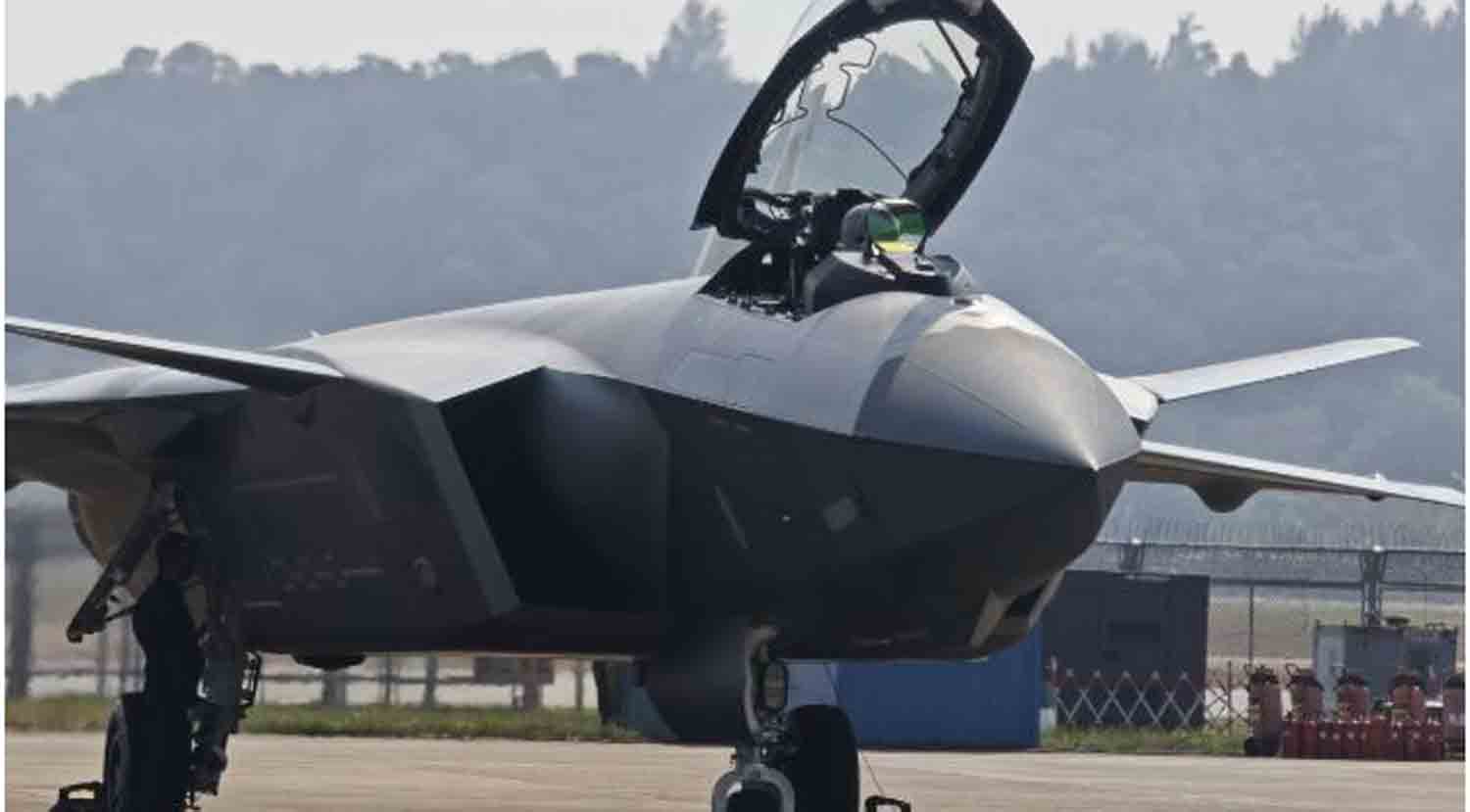
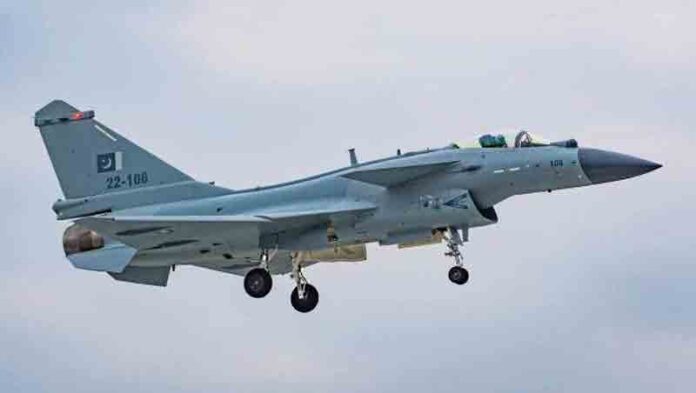
Pakistani Air Force's Chengdu J-10C fighter

China has officially confirmed that its export-oriented J-10CE multirole fighter jet achieved its first combat success in May, shooting down multiple opposing aircraft during aerial combat without suffering any losses. The confirmation marks a significant milestone for China’s defence aviation industry and is expected to boost the aircraft’s credibility on the global arms market.

The announcement was made by the State Administration of Science, Technology and Industry for National Defense, which oversees China’s military-industrial development and arms exports. While the agency did not disclose the location of the engagement or the identities of the opposing aircraft, it described the encounter as a real-world validation of the J-10CE’s combat effectiveness.


The J-10CE is the export variant of China’s J-10C, a single-engine, fourth-plus-generation fighter equipped with an active electronically scanned array (AESA) radar, modern electronic warfare systems, and compatibility with advanced beyond-visual-range air-to-air missiles. Beijing has promoted the aircraft as a cost-effective alternative to Western fighters, combining modern sensors and weapons with comparatively lower acquisition and operating costs.

Chinese analysts say the confirmed combat performance strengthens Beijing’s claim that the J-10CE is not merely a theoretical or parade-ground platform, but a mature system capable of surviving and prevailing in contested air combat environments. Unlike test flights or exercises, real combat engagements are widely viewed in the global arms market as the most credible measure of a fighter’s effectiveness.

The announcement comes amid intensifying competition in the international fighter jet market, where combat-proven platforms often enjoy a decisive advantage in export campaigns. Aircraft such as the F-16, Rafale, and Su-35 have historically leveraged combat records to secure foreign sales, and China appears keen to position the J-10CE in a similar category.

Although Beijing has not released operational details, defence observers note that a “no-loss” outcome suggests effective integration of sensors, pilot training, command-and-control support, and missile performance. It also indicates that the aircraft was likely employed within a broader air defence or air combat network rather than operating in isolation.

The confirmation is expected to enhance the J-10CE’s appeal among countries seeking to modernize their air forces without relying on Western suppliers or navigating political restrictions attached to U.S. or European defence exports. China has increasingly marketed the J-10CE to regions including South Asia, the Middle East, and parts of Africa, where demand for advanced but affordable combat aircraft remains strong.

From Beijing’s perspective, the announcement also serves a strategic signalling purpose. By publicly acknowledging combat success, China underscores the growing maturity of its aerospace industry and its ability to field—and export—systems capable of performing under real combat conditions.

At the same time, analysts caution that the lack of detailed disclosure leaves unanswered questions about the operational context, the quality of the adversary aircraft, and the broader strategic circumstances of the engagement. Even so, the confirmation alone represents a notable shift in China’s messaging, moving from theoretical capability claims to asserted battlefield results.

Iran Keeps U.S. Channels Open as Trump Weighs Military and Diplomatic Options Amid Protests

0

Iran said on Monday that it is keeping diplomatic communication channels open with the United States, even as President Donald Trump considers possible responses to a violent crackdown on nationwide protests—one of the most serious challenges to clerical rule since the 1979 Islamic Revolution.

Trump said on Sunday that Washington may meet Iranian officials and that he is in contact with opposition figures, while simultaneously increasing pressure on Tehran. He warned that the United States could take action, including military steps, in response to violence against protesters.

Iranian authorities confirmed that direct communication remains active between Foreign Minister Abbas Araqchi and U.S. special envoy Steve Witkoff, with messages exchanged when necessary. Tehran also continues to rely on Switzerland as a traditional intermediary.


Iran’s foreign ministry spokesperson said that while ideas have been exchanged, contradictory signals from Washington raise doubts about U.S. seriousness. Araqchi, speaking to foreign diplomats in Tehran, said Iran is prepared for war but remains open to dialogue, underscoring what officials describe as Tehran’s long-standing willingness to negotiate.

The unrest, which began on December 28 over soaring prices and economic hardship, has since evolved into open calls for the downfall of Iran’s clerical leadership. Rights group HRANA said it has verified the deaths of 490 protesters and 48 security personnel, with more than 10,600 arrests. Iranian authorities have not released official figures, and independent verification has been hindered by an internet blackout imposed since Thursday.

Trump said Iran had reached out to negotiate over its nuclear programme, months after United States and Israel bombed Iranian nuclear sites during a 12-day conflict in June. Speaking to reporters aboard Air Force One, Trump said a meeting was being arranged but warned that the U.S. might act before talks take place.

A U.S. official said Trump was due to meet senior advisers to review options, which reportedly include military strikes, cyber operations, expanded sanctions, and online support for anti-government voices. Analysts caution that military action could be highly risky, as key Iranian military and security installations are located near densely populated areas.

Iranian Parliament Speaker Mohammad Baqer Qalibaf warned Washington against what he called a miscalculation, saying any attack on Iran would make U.S. bases, ships, and Israeli territory legitimate targets.

Despite the strong rhetoric, Iran remains weakened by last year’s conflict and by setbacks suffered by regional allies such as Hezbollah since the October 7, 2023 attacks on Israel. Senior Iranian military commanders were also killed during the June war, reducing Tehran’s regional leverage.

Iranian authorities accused the U.S. and Israel of fomenting unrest and called for nationwide rallies condemning what they described as terrorist actions. State television broadcast large funeral processions for slain security personnel and pro-government demonstrations across several cities.

Araqchi said the situation inside Iran is under control, blaming what he described as terrorist elements for escalating violence in an attempt to invite foreign intervention. Authorities declared three days of national mourning for those killed, whom state media described as martyrs.

While protests have exposed deep public resentment—particularly toward the powerful Islamic Revolutionary Guard Corps, whose economic interests span oil, construction, and telecommunications—analysts remain sceptical about the likelihood of regime collapse.

Former U.S. diplomat and Iran expert Alan Eyre said the establishment is likely to survive the unrest, though significantly weakened, noting the continued cohesion of Iran’s elite and the absence of an organised opposition.

China’s J-20A and J-20S Signal a Shift Toward Sensor-Centric, Command-Driven Airpower

0

The public unveiling of China’s upgraded J-20A and twin-seat J-20S stealth fighters on the 15th anniversary of the J-20’s maiden flight marks more than a routine modernization milestone. It reflects a deliberate recalibration of China’s fifth-generation airpower doctrine, combining technological refinement with strategic signalling aimed at reshaping air dominance narratives in the Indo-Pacific.

Chinese official media confirmed that the aircraft made their first public appearance during China’s V-Day military parade on September 3, 2025. The formation—one J-20S, two J-20As, and two baseline J-20s flying in an arrow-shaped echelon—was itself a message, underscoring the emphasis of the People’s Liberation Army Air Force on integrated stealth mass rather than individual platform performance.

From Deterrence Symbol to Doctrine-Driving Platform

China Central Television described the J-20A as an upgraded variant designed to serve as a spearhead for future air combat operations. This framing implicitly confirms that the J-20 family has transitioned from an early deterrence asset into a mature, doctrine-shaping combat system.

The “A” designation signals that the aircraft is no longer experimental. Instead, it represents a platform entering a sustained modernization cycle aligned with evolving operational concepts, including long-range interception, persistent presence, and networked warfare.

Aerodynamic Refinement and Supercruise Priorities

Military analyst Zhang Xuefeng emphasized that the J-20A’s visible airframe changes are functional rather than cosmetic. A raised section at the junction between the canopy and fuselage smooths airflow, reducing drag and minimizing separation during high-speed flight.

According to Zhang, this refinement directly supports sustained supersonic cruise, placing the J-20A firmly within the global fifth-generation trend where endurance at speed matters more than short-range maneuverability. The smoother canopy-fuselage blending also reflects a shift away from pilot-centric visibility toward aerodynamic efficiency and systems integration.

Internal Growth, Range, and Strategic Flexibility

Beyond aerodynamics, the raised rear canopy section introduces valuable internal volume. Zhang noted that this space can accommodate new equipment, additional fuel, or future systems, directly linking airframe geometry to combat radius and endurance.

In the vast Indo-Pacific battlespace—defined by long distances and contested access—such internal growth capacity translates into strategic flexibility rather than marginal performance gains. It also enables the integration of advanced electronic warfare modules, improved cooling architectures, and power-hungry sensors without compromising low observability.

Sensor-Centric Cockpit and Doctrinal Shift

Military commentator Fu Qianshao highlighted that the J-20A’s evolution extends well beyond its exterior. He argued that the aircraft must have received comprehensive internal upgrades, including avionics and sensors, to justify its new designation.

Fu pointed out that reduced reliance on traditional pilot line-of-sight visibility indicates a deeper doctrinal shift. In modern air combat, fused sensor data, distributed networks, and beyond-visual-range engagements have eclipsed the naked eye as the primary source of situational awareness.

This allows cockpit geometry to be optimized for stealth, structural efficiency, and systems integration rather than human visual constraints, reinforcing the aircraft’s role as a sensor-driven combat node.

Propulsion, Weight Growth, and Sustained Performance

Structural and systems upgrades inevitably introduce additional weight, raising questions about propulsion performance. Fu acknowledged this trade-off but suggested that the J-20A could be equipped with more powerful engines to offset mass growth.

Enhanced propulsion would not only preserve supercruise capability but potentially extend it—improving acceleration, missile kinematics, and survivability in high-threat environments. Increased onboard power generation would also support advanced sensors, electronic warfare systems, and future high-energy applications.

This balance between mass, power, and endurance suggests an effort to avoid the performance stagnation that has historically constrained some stealth platforms.

J-20S: Command, Control, and Manned–Unmanned Teaming

The introduction of the twin-seat J-20S represents a significant expansion of the J-20 family. China becomes the first country to field a fifth-generation stealth fighter explicitly optimized for tactical command, control, and manned–unmanned teaming roles.

State media described the J-20S as possessing strong medium- and long-range air superiority capabilities, precision strike potential, advanced electronic warfare functions, and enhanced situational awareness. Zhang characterized the aircraft as capable of forward tactical command, likening it to a “playmaker” that orchestrates engagements rather than merely executing them.

This positions the J-20S as a key node in a broader kill-web architecture, integrating manned fighters, unmanned systems, and off-board sensors across domains.

Conclusion: A Long-Term Air Superiority System

Taken together, the debut of the J-20A and J-20S confirms that China is no longer treating the J-20 as a transitional or symbolic capability. Instead, it is being refined into a long-term air superiority system optimized for endurance, information dominance, and high-intensity operations in a sensor-saturated battlespace.

The emphasis on aerodynamic efficiency, internal growth, propulsion upgrades, and command-centric roles reflects a clear intent: to shape engagement conditions before kinetic contact occurs and to contest air dominance on China’s terms across the Western Pacific.

Why the Absence of U.S. Aircraft Carriers in the Middle East Is Reshaping Deterrence as Iran Faces Internal Crisis

0
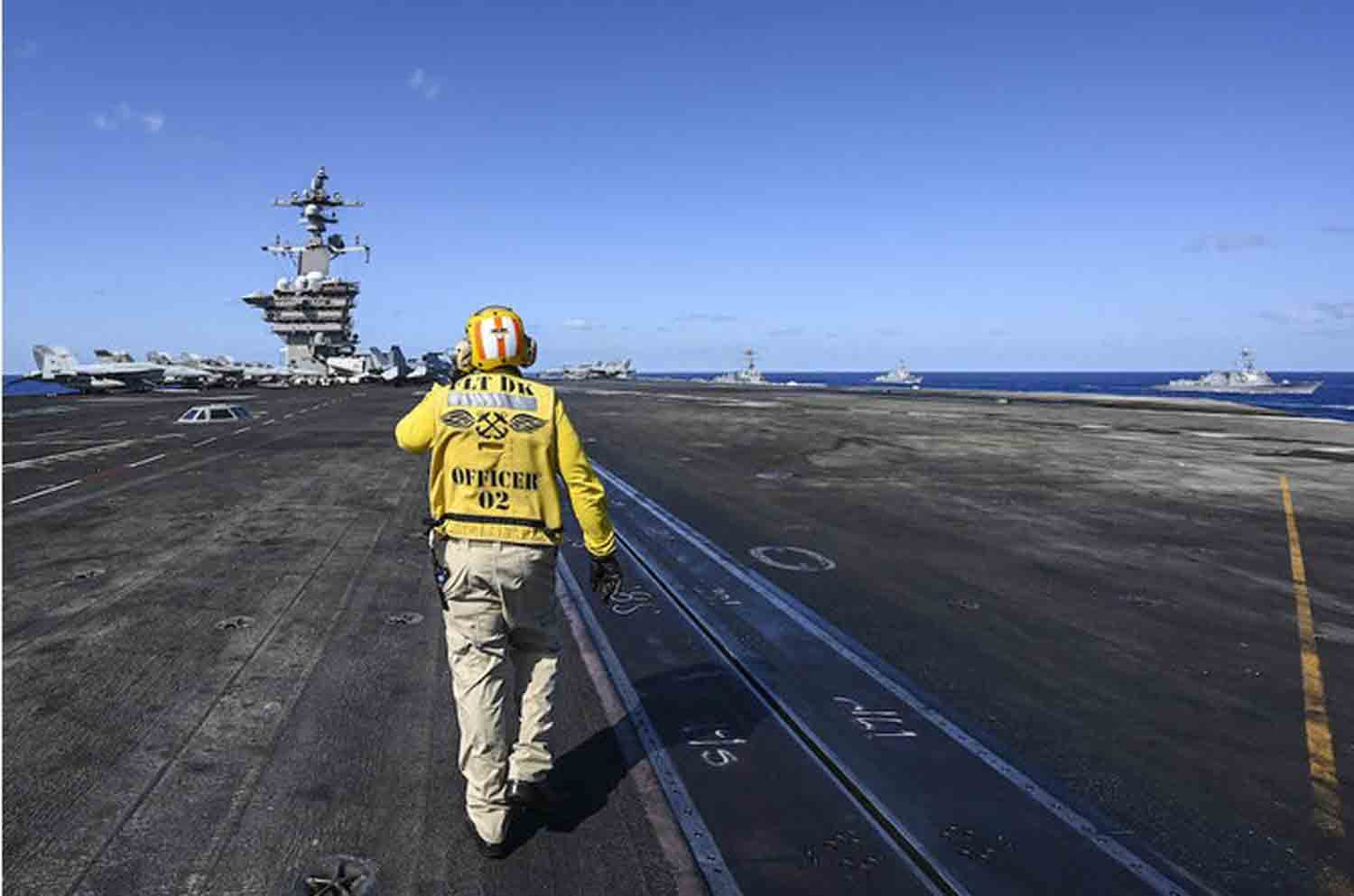
A crew member works on the deck of the USS Carl Vinson aircraft carrier during an earlier maritime exercise in the Philippine Sea.

The complete absence of United States Navy aircraft carrier strike groups from the Middle East in early January 2026 marks a rare and strategically significant shift in American power projection. According to the U.S. Naval Institute (USNI) News Fleet and Marine Tracker, no U.S. carrier was operating within the U.S. Fifth Fleet’s area of responsibility as of January 5—an unusual development in one of the world’s most volatile security regions.

This gap in carrier presence comes at a particularly sensitive moment, as Iran experiences its most serious internal unrest since the 1979 Islamic Revolution. Nationwide protests, triggered by economic collapse, hyperinflation, and political repression, have evolved into open challenges to regime authority, raising the risk of miscalculation between Tehran and Washington.

President Donald J. Trump has publicly linked potential U.S. military involvement to the Iranian regime’s use of lethal force against protesters. On January 9, he warned that if Iranian authorities begin killing civilians “as they have in the past,” the United States would intervene. Such rhetoric carries heightened significance given the absence of forward-deployed carrier-based airpower, traditionally a cornerstone of U.S. crisis response.

Why Carrier Strike Groups Matter

Carrier strike groups are not symbolic deployments. They function as self-contained combat ecosystems, capable of sustained air operations, electronic warfare, maritime security, and precision strikes without reliance on host-nation bases. For decades, continuous or near-continuous carrier presence in the Persian Gulf, Arabian Sea, and Red Sea underpinned U.S. deterrence against Iran, allowing Washington to manage escalation while limiting exposure of fixed regional bases.

The current absence constrains U.S. response options. It compresses decision-making timelines and increases reliance on land-based forces that are both politically sensitive and more vulnerable to Iran’s expanding missile, drone, and proxy capabilities. This shift reflects not a routine deployment cycle, but a deeper structural strain between U.S. global commitments and finite naval capacity.

Where the Carriers Have Gone

The redistribution of U.S. naval power is driven by competing priorities. The USS Gerald R. Ford, the Navy’s most advanced aircraft carrier, has been deployed to the Caribbean under Operation Southern Spear, supporting U.S.-led operations following the January 3, 2026 capture of Venezuela’s former leader Nicolás Maduro.

At the same time, the USS Abraham Lincoln is operating in the Indo-Pacific, patrolling the Philippine Sea and South China Sea amid rising Chinese naval assertiveness. Other carriers remain tied to forward-deployed commitments in Japan or are undergoing maintenance and decommissioning preparation, limiting surge capacity.

As a result, the Persian Gulf, Red Sea, and Arabian Sea are currently without organic carrier-based airpower—a condition not seen in more than two years and a sharp departure from the sustained carrier presence maintained after the October 2023 Hamas attack on Israel.

Strategic and Operational Risks

From a force-planning perspective, the carrier gap reflects prioritization of near-peer competition in the Indo-Pacific and hemispheric contingencies over Middle Eastern crisis response. However, this recalibration intersects dangerously with Iran’s domestic instability.

Without carriers in theatre, U.S. military options against Iran become riskier and more visible. Redeploying a carrier from the Indo-Pacific would take days and would be immediately detected through open-source intelligence, eliminating strategic surprise and giving Iran time to disperse assets and activate air defenses.

Washington would instead rely on land-based bombers and fighters operating from bases such as Diego Garcia or Al Udeid in Qatar—assets that lack the persistence, flexibility, and survivability of carrier-based aviation and remain exposed to missile and drone attacks.

Iran’s Internal Crisis and Escalation Dynamics

Iran’s unrest has intensified rapidly since late December 2025. Protests initially sparked by the collapse of the rial and inflation exceeding 40 percent have expanded into nationwide demonstrations demanding regime change. By mid-January, reported casualties exceeded 100, despite internet shutdowns and mass arrests.

Strikes by oil workers and reports of defections among lower-ranking security personnel have further threatened regime cohesion. In this environment, any U.S. military action would likely be interpreted in Tehran as an existential threat rather than limited coercion, increasing the risk of an unrestrained response.

Iran retains significant retaliatory capabilities, including thousands of ballistic missiles, armed drones, naval assets capable of disrupting the Strait of Hormuz, and a network of regional proxies. Without carrier strike groups, defending U.S. bases, shipping, and energy infrastructure becomes more challenging.

Global and Economic Implications

The strategic implications extend well beyond the Middle East. Any disruption to shipping through the Strait of Hormuz—which carries roughly 20 percent of global oil supplies—could trigger sharp spikes in energy prices, destabilizing global markets.

Energy-importing economies in Asia would be particularly vulnerable, facing higher import costs, currency pressure, and inflationary stress. Geopolitically, the carrier vacuum also creates space for Russia and China to deepen their engagement with Tehran through diplomatic, intelligence, and military cooperation.

A Strategic Inflection Point

The absence of U.S. carrier strike groups in the Middle East reflects a broader strategic realignment under President Trump, emphasizing the Indo-Pacific and Western Hemisphere over sustained Middle Eastern presence. While this posture may reduce the likelihood of immediate escalation, it also erodes long-standing deterrence assumptions built on visible U.S. naval dominance.

As Iran’s internal crisis deepens and global naval resources remain stretched, the Middle East has become a testing ground for the limits of American maritime power in an era of simultaneous crises—where perception, timing, and miscalculation carry increasingly high stakes.

Zojila Tunnel: A Pakistan-Focused Security View of Kashmir–Ladakh Connectivity

0

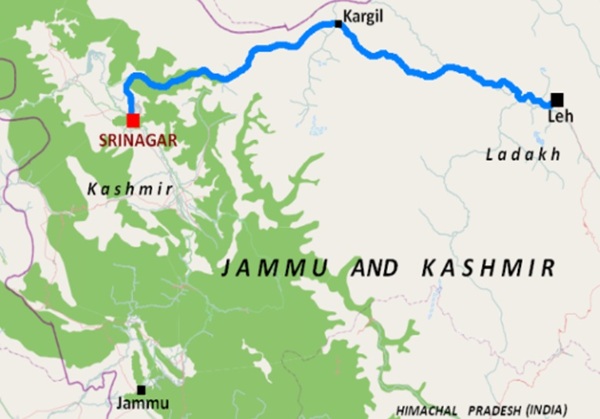
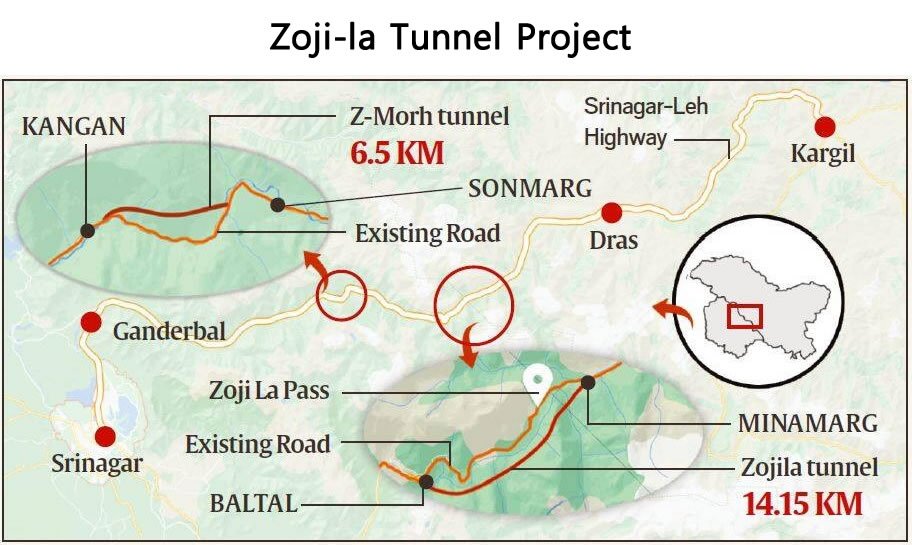
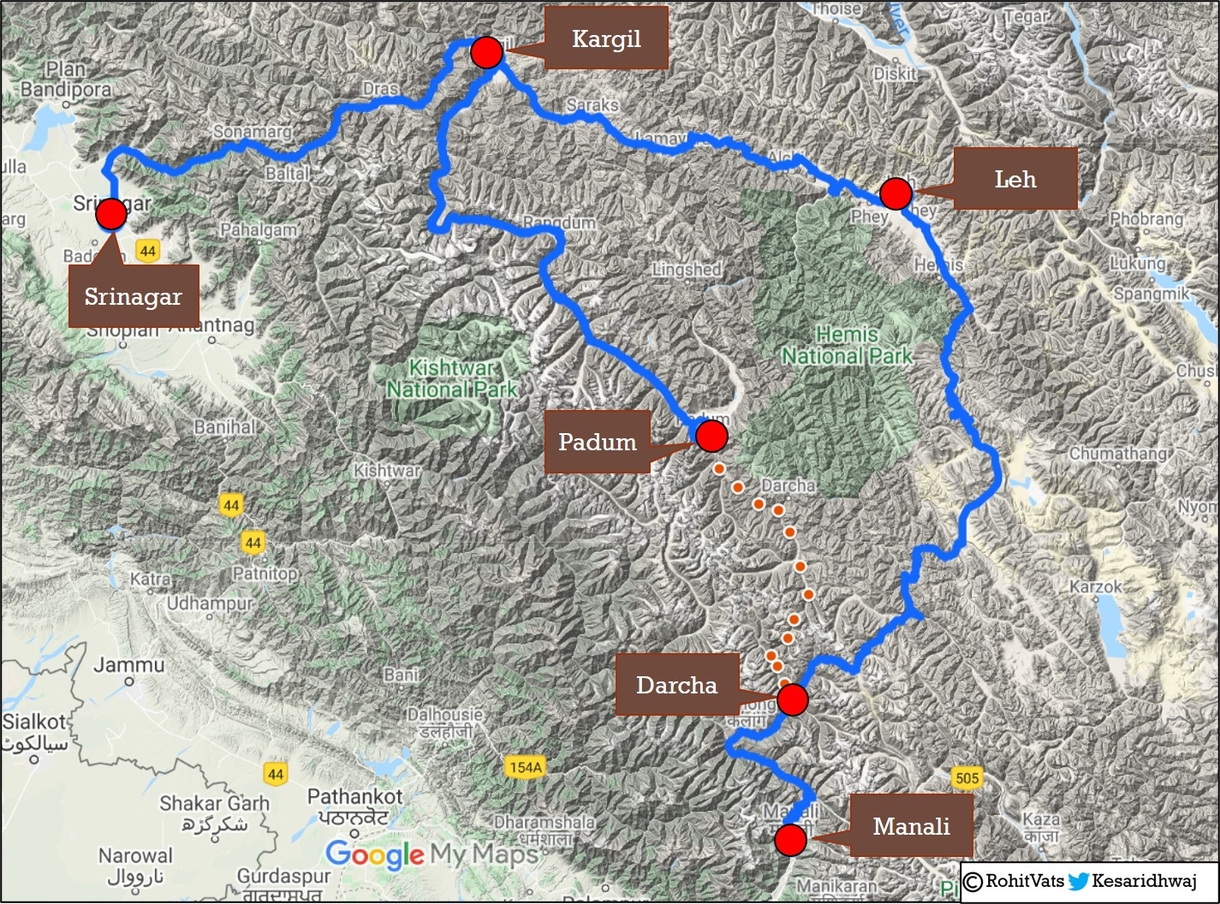
India’s nearly 9-kilometer Zojila Tunnel under the Zojila Pass is designed to keep the Kashmir–Ladakh road open year-round. While framed as a civilian logistics fix, the project carries security implications that Pakistan must assess carefully, given the tunnel’s proximity to sensitive sectors near the Line of Control (LoC) and historic flashpoints such as Kargil.

Image


What Changes—and What Does Not

What changes:

  • Seasonal disruption is reduced. Ground movement between the Kashmir Valley and Ladakh becomes more predictable.
  • Logistics continuity improves. Fuel, rations, and routine rotations can proceed without winter shutdowns.

What does not:

  • Force balance remains constrained by terrain. High altitude, narrow approaches, and weather still limit rapid massing.
  • Geopolitical fundamentals are unchanged. Infrastructure alone does not alter deterrence dynamics or political disputes.

Pakistan’s Security Perspective

From Pakistan’s viewpoint, the tunnel’s relevance is logistical, not transformational.

1) Western Sector Logistics

The tunnel primarily stabilizes India’s ground supply reliability toward Kargil-adjacent areas during winter. This:

  • Reduces reliance on airlift in cold months
  • Improves predictability of routine movements
    It does not by itself enable sudden large-scale offensives, which would still face terrain, surveillance, and escalation constraints.

2) Early-Warning and Transparency

Because the tunnel supports steady, routine traffic, it may actually increase observability of patterns over time. Persistent movement tends to produce regular signatures, aiding monitoring rather than masking activity.

3) Limited Crisis Acceleration

In crises, mobilization speed depends on multiple corridors, staging areas, and weather windows. A single tunnel lowers winter friction but does not remove bottlenecks across the broader mountain network.

LoC Stability and Risk Management

Historically, winter closures reduced accidental encounters by limiting movement. Year-round access:

  • Increases day-to-day activity
  • Raises the importance of communication mechanisms and confidence-building measures to prevent miscalculation

For Pakistan, this underscores the need to maintain de-escalation channels and calibrated responses rather than mirror infrastructure races.

Image

China Factor—Indirect, Not Direct

While Ladakh also relates to India–China tensions, the Zojila corridor:

  • Serves the western axis more than eastern Ladakh
  • Has indirect effects on overall posture by improving sustainment, not deployment scale

Pakistan’s assessment should therefore remain sector-specific, avoiding overgeneralization.

Net Assessment

  • Operational effect: Smoother winter logistics for India on the Kashmir–Ladakh road.
  • Strategic effect: Incremental, not decisive.
  • Risk profile: Manageable with monitoring, transparency, and crisis-management tools.

In short, the tunnel reduces uncertainty created by weather, but it does not rewrite the strategic map.

Conclusion

From a Pakistan-focused security lens, the Zojila Tunnel is best seen as a logistics stabilizer rather than a game-changer. It modestly improves year-round sustainment on a sensitive route, while leaving broader balances, deterrence, and escalation thresholds largely intact.

Prudent policy lies in measured assessment, enhanced monitoring, and sustained diplomatic and military communication—rather than alarmism.

Pakistan, US Begin Inspired Gambit–2026 Counter-Terrorism Exercise at NCTC Pabbi

0

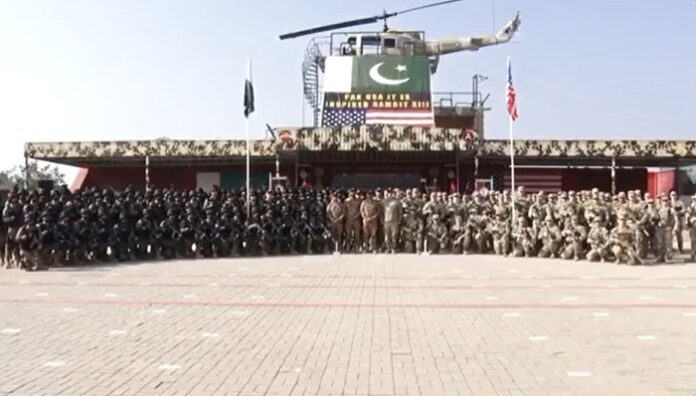
The 13th Pakistan–United States bilateral joint exercise, Inspired Gambit–2026, commenced on January 9, 2026, at the National Counter Terrorism Centre, according to a press release issued by Inter Services Public Relations (ISPR).

The two-week-long exercise is being conducted in the counter-terrorism (CT) domain and involves professional contingents from the Pakistan Army and the United States Army.

Officials from both sides attended the opening ceremony, marking the formal start of the annual bilateral engagement.

Focus on Urban Warfare and Counter-Terrorism Operations

Inspired Gambit–2026 is designed to enhance mutual understanding, interoperability, and operational coordination between the two forces through the exchange of counter-terrorism experiences.

Key focus areas of the exercise include:

  • Urban warfare and close-quarter battle techniques
  • Advanced marksmanship and room-clearing drills
  • Joint planning and execution of CT operations
  • Understanding operational doctrines and best practices

The training aims to refine tactics, techniques, and procedures required to operate effectively in complex and high-threat counter-terrorism environments.

Strategic Importance of NCTC Pabbi

The National Counter Terrorism Centre at Pabbi is Pakistan Army’s premier CT training facility, established after years of operational experience in countering militancy. It regularly hosts international military delegations and joint exercises, reflecting Pakistan’s recognized expertise in counter-terrorism operations.

Holding Inspired Gambit–2026 at NCTC underscores Pakistan’s role as a key partner in global counter-terrorism efforts.

Broader Context of Pakistan–US Military Cooperation

The Inspired Gambit series forms part of a longstanding Pakistan–US military-to-military engagement, focused on:

  • Counter-terrorism cooperation
  • Professional military education and training
  • Experience-sharing from real-world operations

Despite fluctuations in broader political relations, both countries have continued to engage through focused, domain-specific military cooperation, particularly in counter-terrorism and regional security.

Strengthening Capacity Against Evolving Threats

According to ISPR, such joint exercises are vital for:

  • Addressing evolving security challenges
  • Enhancing professional military standards
  • Improving the ability of both forces to operate jointly

The exercise also helps build trust, communication, and coordination between the two armies at the tactical level.

Commitment to Regional and Global Stability

Inspired Gambit–2026 reflects the continued commitment of Pakistan and the United States to collaborative efforts aimed at peace and stability, particularly in regions affected by terrorism and asymmetric threats.

The exercise is expected to conclude later this month with a closing ceremony and joint evaluation of operational outcomes.

Pakistan to Raise Somaliland Issue at Emergency OIC Meeting After Israel’s Recognition

0

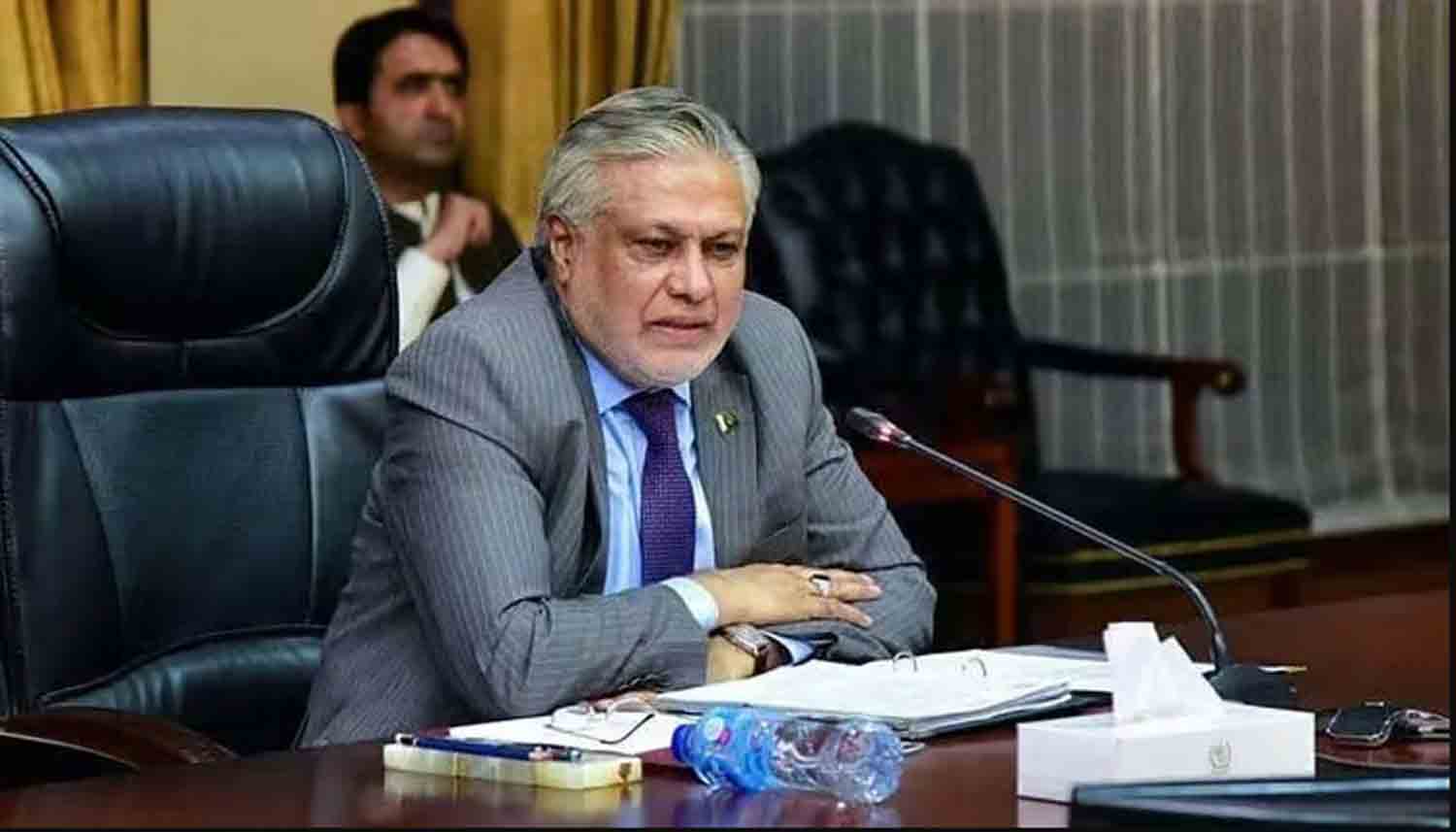
Pakistan’s Deputy Prime Minister and Foreign Minister Ishaq Dar is scheduled to attend an extraordinary meeting of the Council of Foreign Ministers of the Organization of Islamic Cooperation (OIC) in Jeddah on Saturday, as Muslim countries coordinate a response to **Israel’s reported recognition of Somaliland.

The move has triggered widespread condemnation across the Islamic world, with concerns that it undermines the sovereignty and territorial integrity of Somalia.

Why the OIC Called an Emergency Session

The emergency meeting follows Israel’s announcement last month regarding Somaliland—a self-declared region that broke away from Somalia in 1991 but has never been recognized by any United Nations member state.

Somalia’s federal government in Mogadishu, along with regional and international bodies, sharply criticized the development, warning that it could destabilize the Horn of Africa and violate established principles of international law.

According to the OIC, the extraordinary session aims to:

  • Coordinate a unified position among Muslim states
  • Reaffirm unwavering support for Somalia’s sovereignty and territorial integrity
  • Review the political and legal implications of Israel’s move

Pakistan’s Position

Pakistan has strongly condemned the development, describing it as an attempt by Israel to undermine Somalia’s unity and territorial integrity.

In a statement issued by Pakistan’s Foreign Office in Islamabad, officials confirmed that Ishaq Dar traveled to Saudi Arabia late Friday to participate in the conference.

“The OIC emergency session will address the implications of Israel’s recognition of the so-called Somaliland region of the Federal Republic of Somalia,” the statement said.

“During the session, the Deputy Prime Minister/Foreign Minister will share Pakistan’s position on the issue of Somaliland.”

Joint Muslim World Condemnation

Earlier this week, the OIC formally announced the emergency meeting, stressing that it would reinforce collective support for Somalia under international law and relevant OIC resolutions.

On Thursday, Pakistan joined other Muslim countries in issuing a joint statement condemning the visit of Israeli Foreign Minister Gideon Saar to Somaliland, calling it a violation of Somalia’s sovereignty.

Saar’s visit on January 6 followed international media reports claiming Israel had contacted Somaliland authorities regarding the possible resettlement of Palestinians displaced from Gaza—a development that heightened alarm across the Muslim world.

Diplomacy on the Sidelines

In addition to addressing the Somaliland issue, Ishaq Dar is expected to hold bilateral meetings with foreign ministers of other OIC member states on the sidelines of the conference. These discussions are likely to focus on:

  • Regional security
  • Middle East developments
  • Broader international cooperation

Broader Implications

The Somaliland controversy comes amid heightened geopolitical tensions in the Middle East and Africa, where questions of recognition, sovereignty, and forced displacement remain deeply sensitive.

For Pakistan and other OIC members, the issue is viewed not only through a regional lens but also as part of a broader challenge to international norms and the rights of Muslim nations.

Conclusion

Pakistan’s participation in the emergency OIC meeting underscores Islamabad’s diplomatic engagement on issues affecting the Muslim world. As the OIC seeks a coordinated response, the outcome of the Jeddah meeting could shape collective diplomatic and political action in the coming weeks.

Pakistan Navy Demonstrates Missile, Drone and Unmanned Capabilities in North Arabian Sea Exercise

0

The Pakistan Navy has demonstrated a high level of operational readiness and combat preparedness during a comprehensive naval exercise conducted in the North Arabian Sea, according to a press release issued by Inter Services Public Relations (ISPR).

The exercise reflected the Navy’s evolving doctrine, integrating conventional firepower with unmanned and autonomous systems, in line with the demands of modern maritime warfare.

Successful Live Firing of LY-80(N) Air Defence Missile

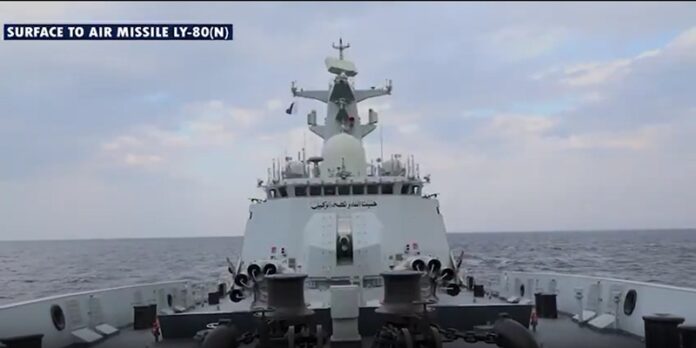
A key highlight of the exercise was the successful live firing of the LY-80(N) Surface-to-Air Missile (SAM) from a Vertical Launching System (VLS) at extended range.

  • The missile accurately engaged and neutralized an aerial target
  • The firing validated the long-range air defence capability of Pakistan Navy’s modern combat platforms
  • The drill confirmed the Navy’s ability to counter aerial threats, including aircraft, drones, and stand-off weapons

This capability is considered vital amid the growing use of air-launched and unmanned threats in maritime conflict zones.

Precision Strike with Loitering Munition

The exercise also featured the successful engagement of surface targets using Loitering Munition (LM)—a capability increasingly central to contemporary naval warfare.

  • The LM demonstrated high accuracy and target discrimination
  • Surface targets were successfully destroyed
  • The system showcased Pakistan Navy’s ability to conduct precision strikes with minimal risk to manned platforms

Loitering munitions offer a flexible option for surveillance, targeting, and rapid engagement, particularly in contested maritime environments.

Breakthrough in Autonomous Naval Operations

In a significant technological milestone, the Pakistan Navy conducted successful open-sea trials of an Unmanned Surface Vessel (USV).

The trials validated the USV’s:

  • High-speed performance
  • Extreme maneuverability
  • Precision navigation
  • Weather resilience and mission endurance

The USV was described as a low-risk, high-impact force multiplier, capable of operating with stealth and agility similar to a tactical interceptor—underscoring Pakistan Navy’s growing emphasis on autonomous and unmanned maritime systems.

Senior Leadership Observes Exercise

The exercise was witnessed by Commander Pakistan Fleet, who observed the operational employment of advanced naval systems across multiple warfare domains.

Chief of the Naval Staff Admiral Naveed Ashraf praised the officers and men of Pakistan Navy for their professionalism, high morale, and operational competence.

He reaffirmed Pakistan Navy’s unwavering resolve to ensure the seaward defence of Pakistan, protect maritime trade routes, and safeguard national maritime interests under all circumstances.

Strategic Context

The demonstration comes at a time of:

  • Increasing militarization of the Indian Ocean Region
  • Rising use of drones and unmanned systems in naval conflict
  • Greater emphasis on layered air and missile defence at sea

By integrating missiles, loitering munitions, and autonomous platforms into a single operational framework, Pakistan Navy signaled its readiness to meet current and emerging maritime security challenges.

Conclusion

The North Arabian Sea exercise highlighted Pakistan Navy’s transition toward network-centric, technology-driven maritime warfare. The successful employment of advanced missiles, unmanned systems, and precision strike capabilities reinforces the Navy’s preparedness to defend Pakistan’s maritime frontiers and contribute to regional stability.

Turkey Seeks Entry Into Saudi–Pakistan Defense Axis, Reshaping Regional Power Balance

0

Turkey is seeking to join a growing defense alignment between Saudi Arabia and nuclear-armed Pakistan, according to a Bloomberg report citing officials familiar with the discussions.

If realized, the move would mark a significant strategic realignment, potentially altering the balance of power in the Middle East while strengthening defense cooperation across the Islamic world.

Image

What Is the Saudi–Pakistan Defense Understanding?

While not a formal NATO-style alliance, Saudi Arabia and Pakistan have maintained deep military and security ties for decades, including:

  • Pakistani troop deployments for Saudi internal and external security
  • Joint military exercises and training programs
  • Close intelligence cooperation
  • Longstanding strategic dialogue on regional threats

Pakistan’s status as the only Muslim-majority nuclear power gives this relationship a unique strategic weight, even though Islamabad has consistently stated it does not extend its nuclear umbrella to other states.

Why Turkey Wants In

Turkey’s interest reflects a convergence of strategic, political, and industrial goals.

1. Expanding Strategic Influence

Under President Recep Tayyip Erdoğan, Turkey has pursued a more assertive foreign policy, seeking:

  • Greater influence in the Middle East
  • Strategic autonomy from Western security structures
  • Leadership in Muslim-world defense cooperation

Joining a Saudi–Pakistan security framework would place Ankara at the center of a new multipolar security bloc.

2. Defense Industry Synergy

Turkey has emerged as a major defense exporter, supplying:

  • Drones
  • Armored vehicles
  • Naval platforms

Pakistan and Turkey already cooperate on projects such as:

  • Naval modernization
  • Aerospace collaboration
  • Joint production and technology transfer

Saudi Arabia’s vast defense budget makes trilateral cooperation economically and strategically attractive.

3. Shared Security Concerns

All three countries face overlapping challenges:

  • Regional instability
  • Missile and drone threats
  • Terrorism and non-state actors
  • Shifting US and Western security priorities

A trilateral framework could improve interoperability, intelligence sharing, and coordinated responses.

Image

Why This Matters for the Middle East

A Turkey–Saudi–Pakistan defense alignment could:

  • Reduce reliance on Western-led security architectures
  • Create a parallel security axis alongside existing blocs
  • Complicate regional calculations for rivals

It also comes at a time when Saudi Arabia is diversifying its defense partnerships and Turkey is recalibrating ties with both Gulf states and NATO allies.

Pakistan’s Strategic Calculus

For Pakistan, deeper trilateral cooperation offers:

  • Enhanced diplomatic leverage
  • Defense-industrial growth opportunities
  • Reinforcement of its role as a key security partner in the Muslim world

Islamabad, however, is likely to proceed cautiously to avoid:

  • Provoking regional escalation
  • Being drawn into Middle Eastern rivalries

Is This a Formal Alliance?

At this stage, officials stress that discussions are exploratory, not treaty-based. Any arrangement is expected to focus on:

  • Defense cooperation
  • Joint exercises
  • Training and technology sharing

Rather than collective defense commitments.

The Bigger Picture

The potential entry of Turkey into a Saudi–Pakistan defense framework reflects a broader global trend: middle powers building flexible, interest-based security partnerships as traditional alliances face strain.

If institutionalized, this axis could become one of the most influential non-Western security alignments of the coming decade.

Conclusion

Turkey’s reported bid to join the Saudi–Pakistan defense understanding signals more than routine diplomacy. It highlights the emergence of a new strategic geometry—one shaped by regional ambitions, defense autonomy, and shifting global power structures.

Whether this evolves into a formal alliance or remains a strategic partnership, its implications will be felt well beyond the Middle East.

JF-17 Thunder’s Engine Revolution: Why Pakistan Is Replacing RD-93 with WS-13E

0
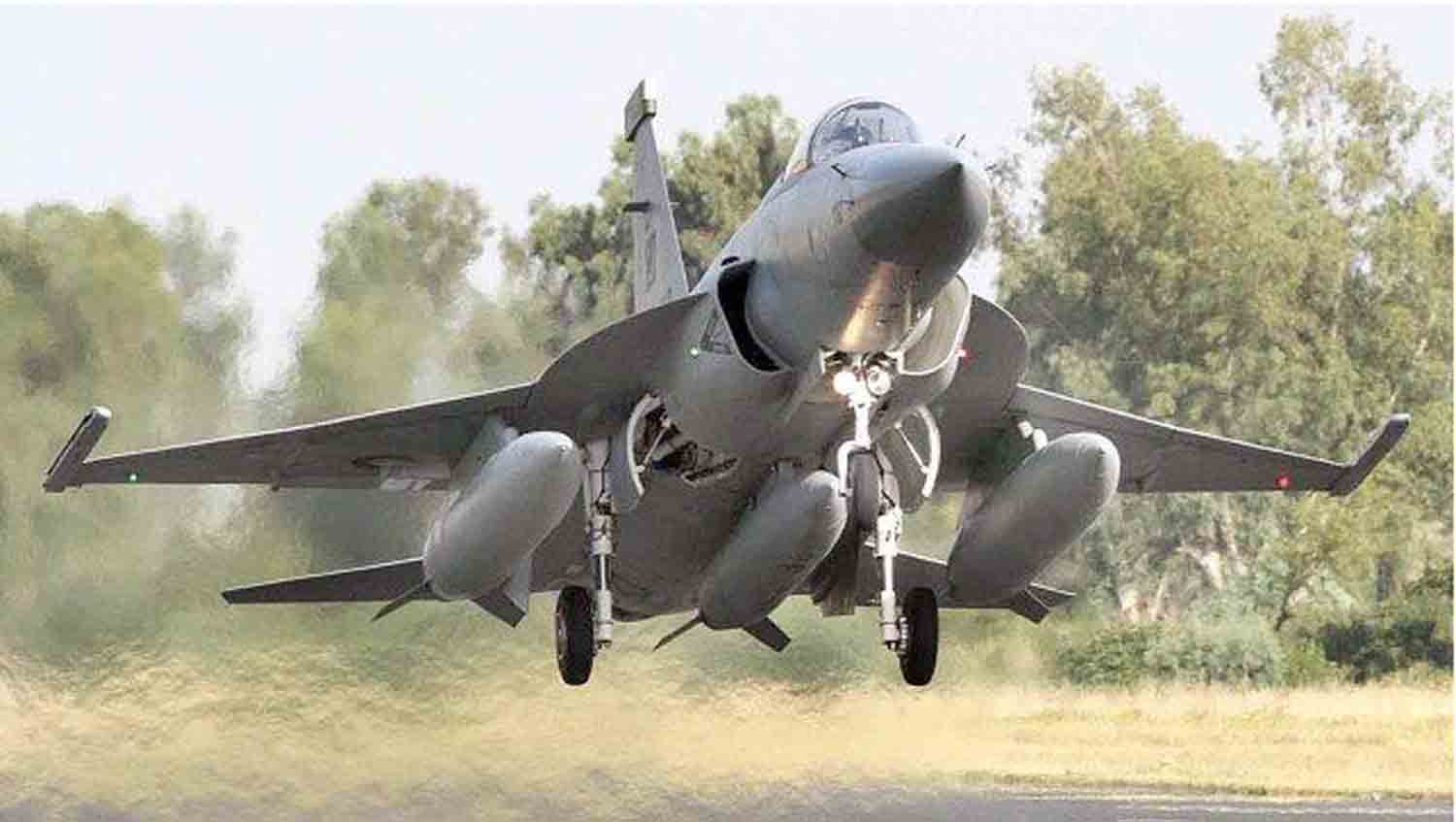
JF-17 Block III

The JF-17 Thunder, jointly developed by Pakistan and China, is entering a critical phase of its evolution. As modern air combat demands greater power, reliability, and political autonomy, Pakistan is preparing to replace the Russian RD-93 engine with China’s WS-13E turbofan in future variants.

This move signals more than a routine upgrade—it reflects Pakistan Air Force’s (PAF) intent to eliminate foreign leverage, reduce lifecycle costs, and future-proof its frontline fighter fleet.

RD-93 vs WS-13E: The Engine Shift Explained Simply

At the heart of the JF-17’s transformation is the engine—its most critical component.

What the RD-93 Delivered

The RD-93 served as a dependable powerplant during the JF-17’s early years, enabling rapid induction and operational maturity. However, its limitations are now increasingly evident:

  • Political constraints tied to Russian re-export approval
  • Shorter service life and frequent overhauls
  • Higher maintenance workload

What the WS-13E Brings

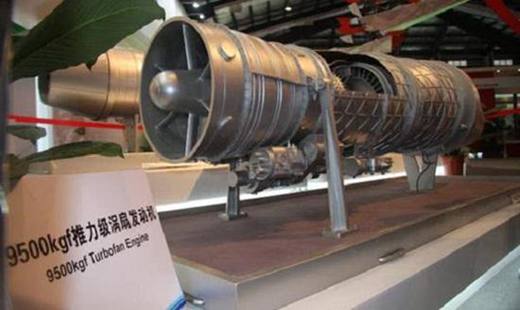
Image

The WS-13E is designed to overcome these challenges:

  • Higher thrust for improved acceleration and payload
  • Longer engine life, reducing downtime
  • Lower maintenance requirements
  • Zero third-party export restrictions

For Pakistan, this translates into greater control, reliability, and combat readiness.

Why Pakistan Is Moving Away from Russian Engines

Strategic Autonomy Comes First

Russia’s requirement for export clearance on RD-93 engines has long posed a strategic risk. Any disruption—political or diplomatic—could affect fleet availability or export deals.

By adopting the WS-13E, Pakistan gains:

  • Full sovereignty over production and upgrades
  • Faster export approvals for JF-17 customers
  • Reduced exposure to sanctions or geopolitical pressure

A Performance Boost for JF-17 Block III

The engine upgrade is particularly critical for JF-17 Block III, which introduces:

  • AESA radar
  • Advanced electronic warfare systems
  • Modern beyond-visual-range (BVR) missiles

These systems increase aircraft weight and power demand. The WS-13E provides the thrust margin needed to support them without sacrificing agility or range.

Why WS-13E Is Ready Now—but Wasn’t Before

Early WS-13 variants faced developmental hurdles, including vibration control and material fatigue. Over time, China addressed these issues through:

  • Improved metallurgy
  • Extensive ground and flight testing
  • Design refinements focused on durability

The WS-13E represents a mature and operationally viable solution, cleared for frontline service.

What This Means for Pakistan Air Force

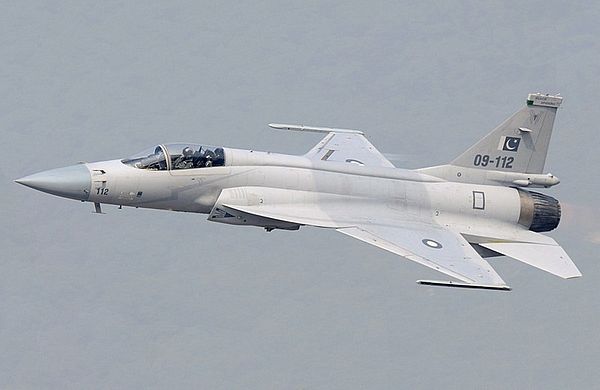
Image

Operational Impact

  • Better high-altitude performance
  • Improved hot-weather operations
  • Higher aircraft availability rates

Economic Impact

  • Lower lifecycle and maintenance costs
  • Reduced dependence on foreign spares
  • Streamlined logistics

Export Impact

  • Politically risk-free sales
  • Greater appeal to developing air forces
  • Stronger long-term support guarantees

Will Older JF-17s Get the New Engine?

  • Block I & II: Expected to continue with RD-93
  • Block III & future production: Likely WS-13E-powered
  • Retrofitting older airframes remains technically possible but not confirmed

The Bigger Picture

The RD-93-to-WS-13E transition underscores Pakistan’s broader defense strategy: indigenization, autonomy, and sustainability. As air warfare becomes more technologically demanding, control over core systems like engines is no longer optional—it is essential.

Conclusion

The JF-17’s engine upgrade is a turning point. By shifting to the WS-13E, Pakistan Air Force strengthens its operational independence, enhances combat performance, and ensures the JF-17 remains relevant in an increasingly competitive fighter landscape.

For Pakistan, this is not just an upgrade—it’s a strategic recalibration.

Iran Plunged Into Internet Blackout as Nationwide Protests Escalate; Dozens Killed, Global Alarm Grows

0
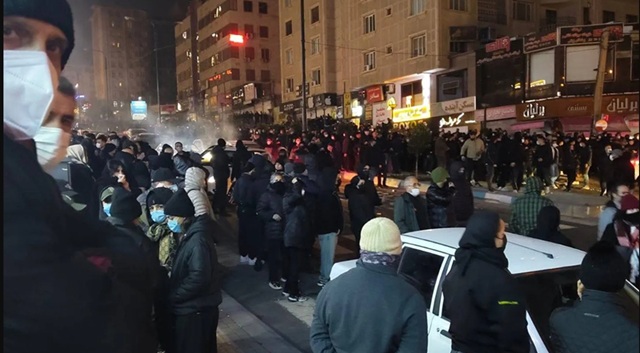
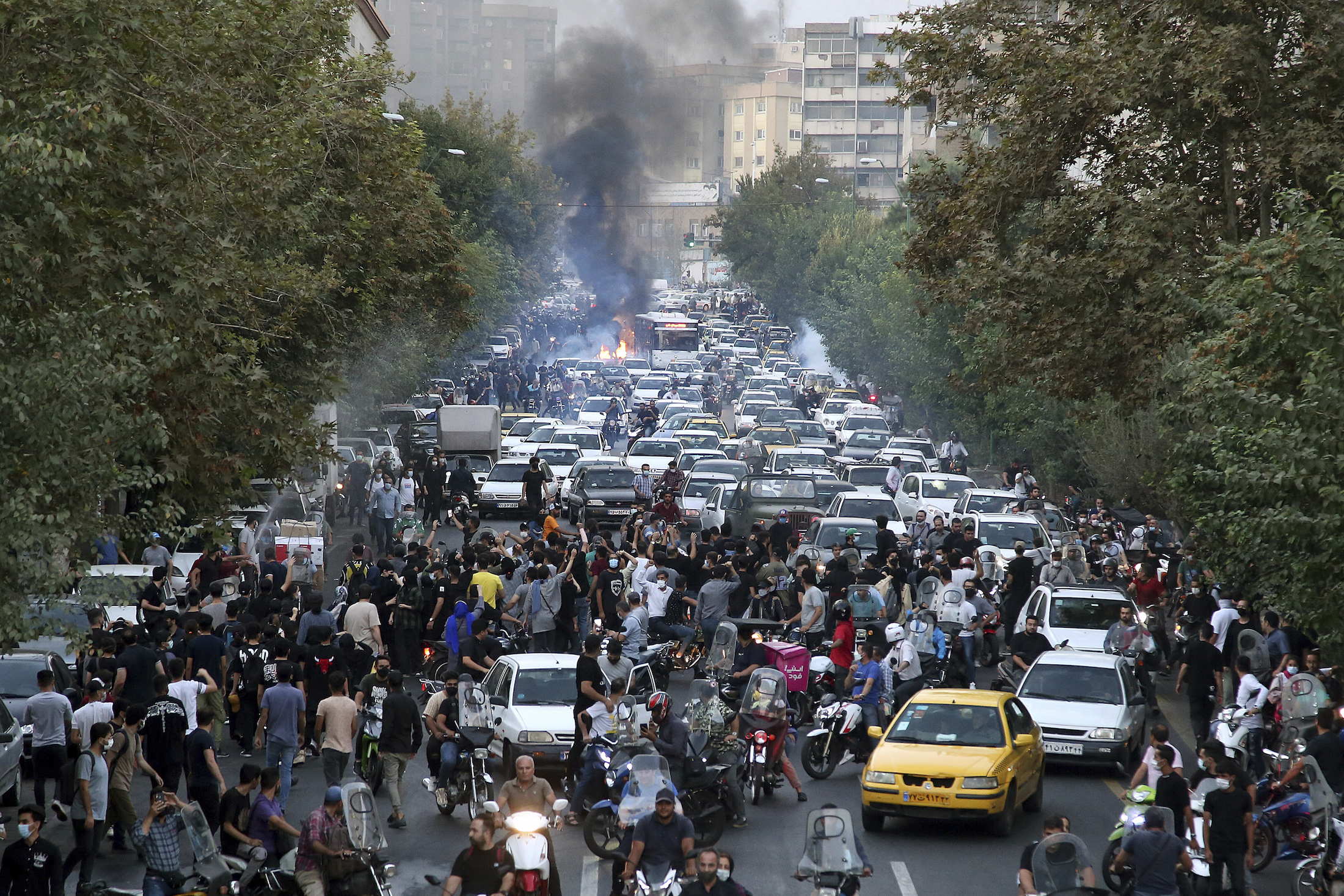
Iranian demonstrations intensified for a 12th day as demonstrators damaged government buildings across provinces.

Iran was thrust into a nationwide internet and communications blackout on Thursday evening as mass anti-government protests intensified across the country, with demonstrators openly chanting slogans against the ruling theocratic system amid deepening economic distress and harsh security crackdowns.

Authorities abruptly cut internet access and telephone lines shortly after protests erupted in Tehran and other major cities, a move widely seen as a precursor to a broader security response. Despite the blackout, videos and images of the unrest continued to circulate through limited channels and external Persian-language media.

Demonstrations, now in their second week, have spread to more than 100 cities, stretching from Ilam near the Iraqi border to Mashhad in northeastern Iran. Protesters have blocked roads, set fires, and confronted security forces as anger over inflation, currency collapse, and political repression continues to mount.

According to the Norway-based Iran Human Rights NGO (IHRNGO), at least 45 protesters — including eight children — have been killed since the protests began on December 28, 2025. The group reported that hundreds more were injured and over 2,000 people detained.

Some demonstrators appeared to respond to calls by exiled Crown Prince Reza Pahlavi, with videos showing crowds chanting slogans such as “This is the last battle, Pahlavi will return.” Pahlavi urged Iranians via social media to “take to the streets as a united front” and called on the international community to help restore communications inside Iran.

Verified footage showed large crowds in Tehran and other cities, with chants both supporting and opposing the government, underscoring deep political divisions. Iranian state media outlets later fell largely silent; several channels reportedly went off air, and protesters set fire to parts of the state broadcaster IRIB in some areas, according to unverified local reports.

The unrest drew sharp international reactions. US President Donald Trump warned Tehran that Washington would respond forcefully if security forces killed protesters. Speaking on US radio, Trump said the Iranian leadership had been warned against violent repression, adding that the regime “could be collapsing.”

European leaders also issued statements of support for Iranian protesters. Sweden condemned attempts to suppress peaceful demonstrations, while officials in Belgium publicly backed calls for freedom, marking a notable shift in European rhetoric.

Israeli and regional media reported heightened monitoring of the situation, with Israeli officials warning of the risk of miscalculation as protests appear broader and more sustained than in previous waves. Unverified claims circulating online — including allegations involving the Mossad, satellite internet devices, and secret facilities linked to the Islamic Revolutionary Guard Corps — could not be independently confirmed and remain difficult to verify amid the communications blackout.

Meanwhile, Iran’s judiciary chief Gholamhossein Mohseni Ejei issued renewed threats against protesters, warning that authorities would not “relent.” He accused foreign powers of backing the unrest, as state officials reiterated claims of external interference.

Analysts say the current wave of protests represents a tipping point, fueled by economic collapse and political frustration. What began as localized demonstrations in bazaars and universities has evolved into a nationwide uprising with no clear leadership but growing momentum, raising fresh questions about Iran’s stability as millions struggle under inflation and declining living standards.

Saudi Media Declares Al-Zubaidi “Wanted”: What Arab News’ Headline Reveals About Riyadh’s Yemen Strategy

0

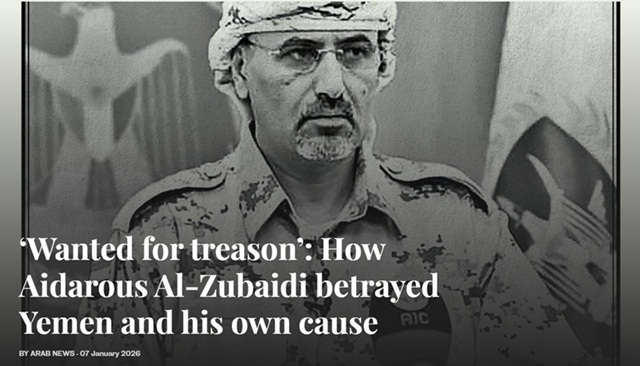
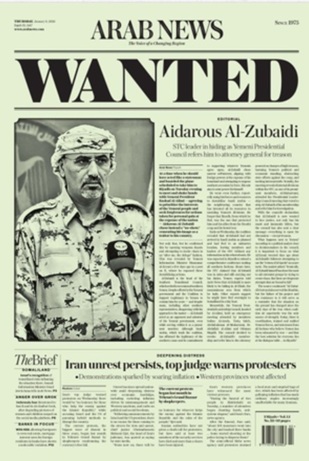
Saudi Arabia’s English-language daily Arab News sent an unusually blunt political signal by publishing a front-page headline branding Yemeni leader Aidarous Al-Zubaidi as “Wanted,” accompanied by a large photograph. The language and imagery marked a sharp departure from Riyadh’s traditionally cautious media tone on Yemen, reflecting deep frustration within Saudi decision-making circles.

A Diplomatic Snub With Strategic Consequences

At the center of the controversy is Al-Zubaidi’s failure to travel to Riyadh for a scheduled meeting with Yemeni President Rashad Al-Alimi. The meeting was intended to advance dialogue among southern factions and reaffirm commitment to Yemen’s unity framework. Saudi media framed Al-Zubaidi’s absence not as a logistical issue, but as a deliberate political rejection of Saudi mediation.

From Riyadh’s perspective, the “no-show” symbolized defiance of the very state that had previously provided Al-Zubaidi political cover and protection during the conflict with the Houthis.

From Political Actor to Security Liability

The Arab News report methodically recasts Al-Zubaidi from separatist leader to destabilizing force. Allegations that he distributed weapons in Aden, attempted to incite unrest, and aligned with foreign interests are presented as evidence that he crossed a critical red line—from political dissent into actions threatening state security.

This narrative directly supports the decision by Yemen’s Presidential Leadership Council to revoke his membership and refer him to prosecution on charges including high treason and undermining national stability.

Message to the Southern Transitional Council

As head of the Southern Transitional Council, Al-Zubaidi’s targeting carries implications far beyond one individual. Saudi Arabia appears keen to separate the legitimacy of southern grievances from the actions of leaders who pursue them through force.

By highlighting internal divisions within the STC and cooperation between other southern figures and the central government, Saudi-aligned media signals a readiness to support alternative leadership that aligns with a negotiated political process.

Saudi Arabia’s Red Lines in Yemen

The strongest warning embedded in the coverage concerns security. The suggestion that Al-Zubaidi’s supporters could exploit fears of extremist resurgence places him firmly outside acceptable political conduct in Saudi eyes. Any action that risks empowering militant groups or destabilizing neighboring states is portrayed as intolerable.

In this sense, the “Wanted” headline functions as a declaration that political immunity ends where regional security begins.

Strategic Implications

The publication serves multiple purposes:

  • Delegitimization of Al-Zubaidi as a political partner
  • Deterrence for other Yemeni actors considering unilateral escalation
  • Justification for firmer measures in southern Yemen
  • Narrative control, framing the conflict as a struggle between order and chaos

Conclusion

Arab News’ headline is not merely editorial rhetoric; it is state signaling. Saudi Arabia is communicating that while political disagreements over Yemen’s future remain negotiable, actions deemed treasonous or destabilizing are not. The message to Yemeni factions is clear: Riyadh’s patience has limits, and crossing them carries consequences.

Germany and India Near $8 Billion Submarine Deal to Boost Naval Power

0

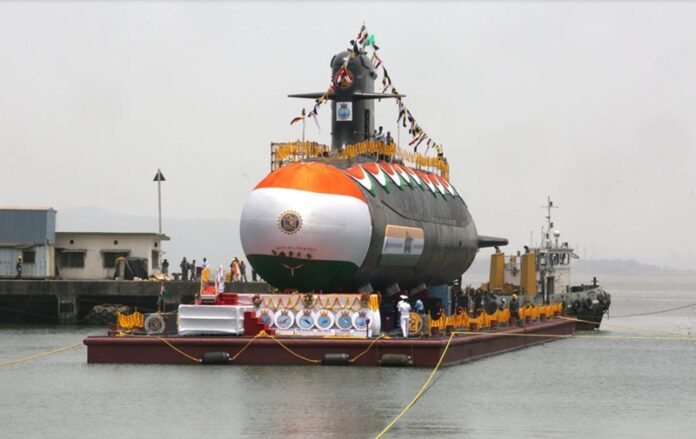
Germany and India are on the brink of sealing a major defense agreement worth at least $8 billion for advanced submarines, Bloomberg News reported, marking one of the largest defense contracts between the two strategic partners and a significant milestone for India’s naval modernization efforts.

Under the deal, Germany is expected to supply conventionally powered attack submarines—likely variants of its highly capable designs—to the Indian Navy under India’s Project-75(I) submarine acquisition initiative, which aims to boost maritime deterrence in the Indo-Pacific.

Background: Project-75(I) and Strategic Shift

Project-75(I) is a long-running Indian defense program to replace aging submarines and expand underwater capabilities, originally conceived in the 1990s to procure six diesel-electric attack submarines with advanced features like air-independent propulsion (AIP).
Germany’s TKMS (ThyssenKrupp Marine Systems) has been a frontrunner in negotiations, having previously signed a memorandum of understanding with India’s Mazagon Dock Shipbuilders as early as 2023 to jointly pursue submarine construction.

The prospective $8 billion agreement surpasses earlier estimates—such as a $5.2 billion proposal discussed in 2023—reflecting enhanced technology transfer, localized production and broader capabilities tailored to India’s evolving defense needs.

Strategic and Geopolitical Importance

Defense analysts say the deal strengthens India’s naval deterrence against regional challenges, particularly amid rising Chinese maritime activity in the Indian Ocean Region (IOR). The submarines will bolster India’s ability to conduct anti-submarine warfare (ASW), intelligence gathering, and power projection beyond its shores.

For Germany, the agreement represents a major expansion of its defense exports to Asia, reinforcing Indo-German strategic ties beyond economic cooperation into key security domains.

Production, Technology and Delivery Outlook

Beyond acquisition, the deal is expected to include provisions for technology sharing, joint manufacturing and long-term support, with Indian shipyards playing a central role in production. This aligns with New Delhi’s “Make in India” initiative aimed at building domestic defense industry capabilities.

Negotiations reportedly are being finalized and could culminate in formal contract signing during high-level diplomatic engagements this year, with delivery schedules initially projected over several subsequent years following construction and testing.

Regional and Global Implications

The potential submarine deal signals a deepening of India’s defense partnerships with Western allies, diversifying away from traditional suppliers while acquiring advanced maritime capabilities suited for contemporary security environments.

For New Delhi, strengthening its submarine fleet is not only a tactical imperative but also a strategic message of self-reliance and regional security leadership. For Berlin, the agreement underscores its intent to play a more influential role in Indo-Pacific security frameworks.

Army Chief Asim Munir Reviews Combat Readiness, Modern Training and Healthcare at Lahore Garrison

0
Field Marshal Syed Asim Munir, visited Lahore Garrison.

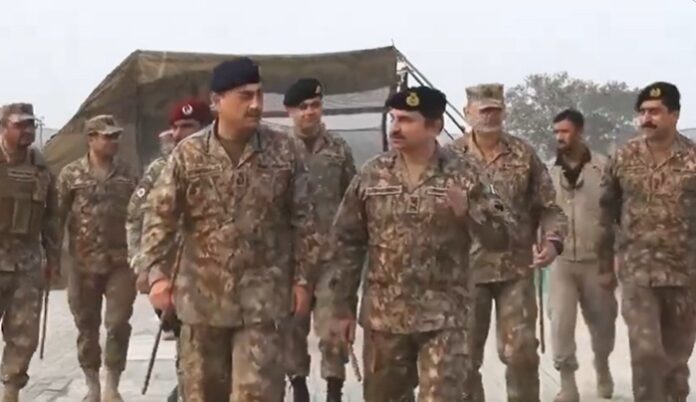
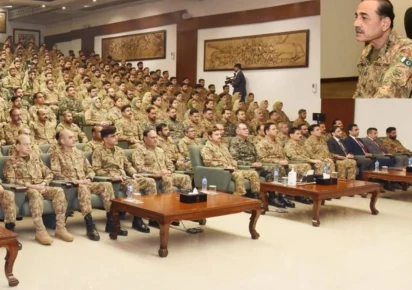
Syed Asim Munir, Field Marshal and Chief of Army Staff (COAS) as well as Chief of Defence Forces (CDF) of Pakistan, visited Lahore Garrison on Wednesday, where he reviewed the formation’s operational preparedness, training standards and modernization initiatives, according to a statement issued by the Inter-Services Public Relations (ISPR).

Upon arrival, the army chief was received by the Commander Lahore Corps, who briefed him on key operational responsibilities and readiness measures in view of evolving internal and external security challenges.

Focus on Modern Warfare and Innovation

During the visit, Field Marshal Asim Munir observed a specialized field training exercise designed to demonstrate the integration of modern technologies, battlefield digitization and adaptive tactics. The exercise highlighted the Pakistan Army’s emphasis on preparing for future, technology-driven conflict environments, including hybrid and asymmetric threats.

ISPR said the demonstration reflected the Army’s continued shift toward innovation, agility and rapid decision-making, enabling formations to remain effective across diverse operational scenarios.

Troop Welfare and Morale

The COAS & CDF also inspected sports and recreational facilities at Lahore Garrison, underscoring the importance of physical fitness, morale and mental resilience in sustaining long-term combat effectiveness. He noted that welfare initiatives play a critical role in maintaining a motivated and mission-ready force.

Visit to CMH Lahore

In a separate engagement, the army chief visited a High Care Center at CMH Lahore, where he commended medical staff and hospital administration for establishing a state-of-the-art healthcare facility. He praised the Armed Forces’ medical services for their professionalism and ability to provide advanced treatment to troops and their families.

Zero-Tolerance on National Security

Image

Addressing officers at the garrison, Field Marshal Asim Munir reiterated the Pakistan Army’s zero-tolerance policy toward any threat to national security. He emphasized that the armed forces remain fully committed to confronting multi-dimensional challenges with professionalism, unity and determination.

Reaffirming the Army’s core mission, he stated that the Pakistan Armed Forces will continue to safeguard Pakistan’s sovereignty, territorial integrity and internal stability, while fostering a culture rooted in discipline, excellence and selfless service to the nation.

Strategic Context

The visit comes amid Pakistan Army’s ongoing focus on training reforms, force modernization and enhanced preparedness, as the regional security environment grows increasingly complex. Analysts say such visits signal the military leadership’s priority on readiness, innovation and troop welfare alongside traditional combat roles.

US Attempts to Seize Venezuela-Linked Oil Tanker in Atlantic Amid Russian Naval Presence

0
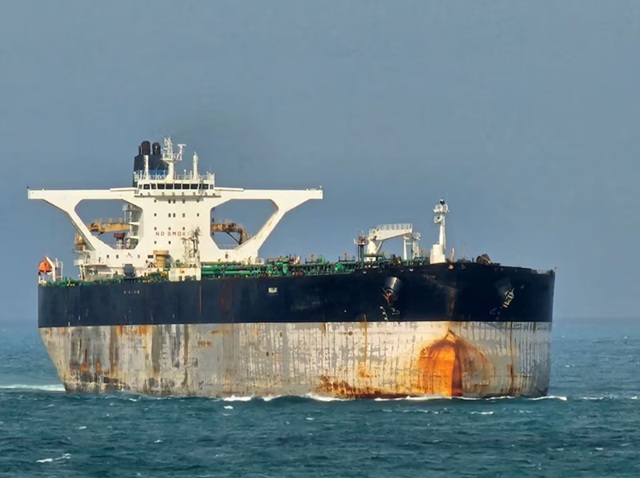
The vessel tanker Bella 1 at Singapore Strait, after U.S. officials say the U.S. Coast Guard pursued an oil tanker in international waters near Venezuela, in this picture taken from social media.

The United States is attempting to seize a Venezuela-linked oil tanker after a pursuit of more than two weeks across the Atlantic Ocean, U.S. officials told Reuters on Wednesday, in a high-stakes enforcement action that could heighten tensions with Russia.

The tanker, originally named Bella-1 and now operating under the name Marinera with a Russian flag, slipped through a U.S. maritime “blockade” of sanctioned vessels and rebuffed earlier efforts by the U.S. Coast Guard to board it near Venezuelan waters.

Image

Blockade and Ongoing Enforcement

The operation is being carried out jointly by the U.S. Coast Guard and U.S. military forces as part of a broader crackdown on tankers suspected of transporting Venezuelan crude in violation of U.S. sanctions imposed as part of former President Donald Trump’s pressure campaign against the Maduro regime.

Sources say the tanker has been under surveillance since an attempted interception in late December. Despite being sanctioned and targeted by the U.S., the vessel changed course, raised a Russian flag, and began what U.S. officials describe as an effort to evade blockade enforcement.

Russian Naval Escort Raises Geopolitical Stakes

U.S. officials reported that Russian naval forces, including a submarine, were in the vicinity at the time of the operation, raising concerns about a potential geopolitical standoff at sea. Russia is believed to be escorting or safeguarding the tanker, which underscores how complex the situation has become amid worsening U.S.–Russia relations.

This is not the first enforcement action under the U.S. blockade: the Coast Guard has intercepted other Venezuela-linked tankers in Latin American waters in recent weeks, part of an expanded effort to choke off oil revenues that Washington says support illicit activities and help the Maduro government sustain itself.

Strategic and Legal Dimensions

The tanker’s efforts to evade boarding follow a broader U.S. naval blockade of sanctioned vessels initiated in December 2025, under the so-called “Operation Southern Spear,” part of a strategy to disrupt oil exports tied to Venezuela.

Under U.S. sanctions policy, vessels involved in transporting illicit or sanctioned crude oil can be subject to boarding and seizure in certain circumstances. The U.S. has sanctioned multiple companies and tankers since mid-2024, alleging links to prohibited operations involving Venezuelan and Iranian oil.

Diplomatic Aftermath

While U.S. officials have not detailed the legal or diplomatic justifications in public, the presence of Russian naval assets suggests Moscow may view the action as a provocative challenge to its interests. Russia has previously lodged protests over U.S. interdictions and reflagging of tankers seeking to avoid detention.

Analysts say the operation illustrates the expanding scope of the U.S. campaign to isolate the Maduro government economically and strategically, even as it risks direct confrontation with Russia on international waters.

Russia Proposed Venezuela-for-Ukraine Deal to Trump in 2019, Fiona Hill Reveals

0

Russian officials in 2019 privately signaled to the Trump administration that the Kremlin might back away from supporting Nicolás Maduro in Venezuela if the United States would tacitly allow Russia to operate freely in Ukraine, according to former U.S. national security adviser.

The revelation comes from testimony by Fiona Hill, who served as senior Russia and Europe adviser to President Donald Trump. Hill made the disclosures during a 2019 congressional hearing, and her comments have resurfaced this week following Washington’s stealth operation that ousted Maduro from power in Venezuela.

Hill told lawmakers that Russian officials repeatedly hinted at a “very strange swap” arrangement linking Venezuela and Ukraine, suggesting that Moscow would reduce its support for Maduro if the U.S. would similarly refrain from countering Russian influence over Ukraine. Although no formal proposal was ever put on the table, Hill said the idea was conveyed through informal diplomatic signals and sympathetic Russian media commentary referencing policies like the 19th-century Monroe Doctrine.

At the time, Hill was dispatched on behalf of the White House to Moscow to make clear that “Ukraine and Venezuela are not related to each other” in U.S. policy. The U.S. government was then publicly aligned with Western allies in supporting Venezuelan opposition leader Juan Guaidó as interim president.

Context: Why It Matters Now

The resurfacing of Hill’s 2019 testimony comes amid intense global debate over Washington’s recent intervention in Venezuela’s leadership. In 2026, U.S. forces captured Maduro and the Biden administration has framed the action as lawful and justified. Russian officials have condemned the move as “aggression,” though President Vladimir Putin has not publicly commented.

Critics argue that America’s actions in Venezuela complicate the moral high ground Washington has claimed in condemning Russia’s military operations in Ukraine. Hill stressed that if major powers can assert their interests in other nations under broad legal or political pretexts, it weakens the distinction between legitimate diplomacy and power politics.

“The Kremlin will be ‘thrilled’ with the idea that large countries … get spheres of influence because it proves ‘might makes right,’” Hill told The Associated Press.

Historical and Strategic Underpinnings

The Monroe Doctrine — invoked by both U.S. and Russian commentators at the time — was originally a 19th-century U.S. policy opposing European interference in the Western Hemisphere in exchange for a commitment not to meddle in Europe. Russian outreach in 2019 used this framework to argue for a reciprocal understanding: let the U.S. operate in Latin America and Russia in Eastern Europe.

Although the idea never became official policy, Hill’s account highlights the back-channel negotiations and geopolitical maneuvering that often occur behind the scenes in great power politics.

Five Chinese Mining Workers Killed in Afghanistan’s Takhar, Facility Torched

0

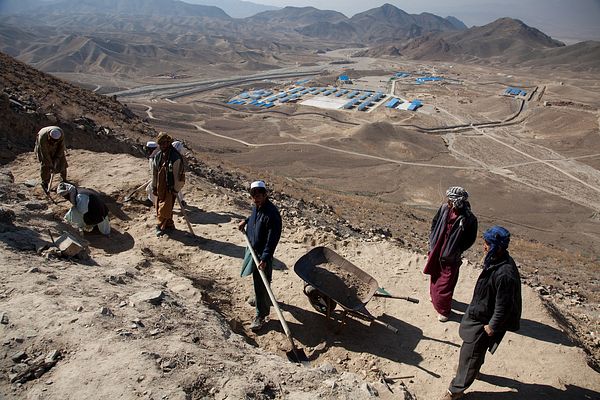
At least five Chinese nationals working for Dayulong Zeren Mining have been killed in a violent attack in Chah Ab, located in Takhar, according to regional sources. Several other foreign workers were reportedly abducted, while the company’s processing facility was set ablaze and equipment destroyed.


The attack is believed to have targeted Chinese personnel involved in mineral extraction activities in the area. Local sources said armed assailants stormed the site, killing workers on the spot before setting fire to the processing unit and fleeing with hostages. There was no immediate official statement from Afghanistan’s de facto authorities, and the identities and motivations of the attackers remain unclear.

Image

Growing Risks for Chinese Projects

The incident underscores persistent security risks facing Chinese nationals and investments in Afghanistan, particularly in remote, mineral-rich northern provinces. Since the Taliban’s return to power in 2021, Beijing has cautiously expanded its economic footprint in Afghanistan, focusing on mining, infrastructure and energy projects, while urging Kabul to guarantee security for Chinese citizens.

However, attacks on Chinese interests have occurred repeatedly despite assurances.

Past Incidents Targeting Chinese Nationals

  • In December 2022, a suicide bombing targeted a hotel in Kabul popular with Chinese businesspeople, killing several civilians and injuring Chinese nationals.
  • In 2023, Chinese engineers working on infrastructure-related projects faced armed attacks and kidnappings in different parts of the country.
  • Militants linked to the so-called Islamic State Khorasan Province (ISKP) have previously explicitly threatened Chinese interests, accusing Beijing of exploiting Muslim lands and resources.

While it remains unclear whether ISKP or local armed groups were responsible for the Takhar attack, analysts note that Chinese mining operations have increasingly become high-value targets due to their economic and symbolic significance.

Image

Strategic and Economic Context

Afghanistan is believed to possess vast untapped mineral reserves, including copper, gold, lithium and rare earth elements—resources critical to global supply chains and China’s industrial strategy. Chinese firms, often operating under difficult security conditions, have sought early entry into these sectors.

The killing of Chinese nationals and destruction of mining infrastructure is likely to complicate Beijing’s engagement strategy, potentially forcing China to reconsider the scale, pace, and security arrangements of its Afghan investments.

Regional Implications

Security experts warn that continued attacks on foreign workers could further isolate Afghanistan economically, discouraging external investment at a time when the country faces deep financial distress. For China, the incident highlights the gap between political assurances from Kabul and realities on the ground.

Beijing is expected to raise the issue through diplomatic channels and press Afghan authorities for swift action, recovery of abducted workers, and enhanced protection for Chinese projects.

Saudi, Pakistani Air Chiefs Discuss Expanding Military and Air Force Cooperation

0

Saudi Arabia’s top air force commander met Pakistan’s air chief in the Kingdom to explore ways to expand and deepen military cooperation between the two long-standing defense partners, Saudi Arabia’s Ministry of Defense said on Wednesday.

The talks brought together Turki bin Bandar bin Abdulaziz, Commander of the Royal Saudi Air Force, and Zaheer Ahmad Babar Sidhu, Chief of the Air Staff of the Pakistan Air Force.

According to the Saudi defense ministry, the two air chiefs discussed opportunities to enhance cooperation across multiple military domains, reflecting the evolving security environment in the Gulf and South Asia.

Modernization and Strategic Alignment

Air Marshal Turki bin Bandar, a senior member of the Saudi royal family, has led the Royal Saudi Air Force since 2018 and oversees its modernization, operational readiness, and regional engagement. Pakistan’s Air Chief Marshal Zaheer Ahmad Babar Sidhu, whose tenure was extended in December 2025, is set to lead the Pakistan Air Force until March 2028.

The meeting comes as Saudi Arabia continues to invest heavily in advanced air and missile defense systems, while Pakistan intensifies defense diplomacy with Gulf partners amid shifting regional dynamics.

Long-Standing Defense Partnership

Saudi Arabia and Pakistan maintain close military ties, including training exchanges, joint exercises, and technical cooperation—particularly in air force operations. Pakistani military personnel have historically served in advisory and training roles in the Kingdom, underscoring the depth of bilateral defense cooperation.

The Pakistan Air Force is widely regarded as one of the most professional air forces in the region and has regularly participated in multinational air exercises hosted by Saudi Arabia. The Royal Saudi Air Force, meanwhile, plays a central role in the Kingdom’s broader defense strategy, including aerial surveillance, air defense, and joint operational preparedness.

Both countries describe their military relationship as a cornerstone of their wider strategic partnership, which also encompasses economic cooperation, labor ties, and regional diplomatic coordination.

Israel Sees Venezuela Precedent as Potential Pathway for US Action on Iran Protests

0

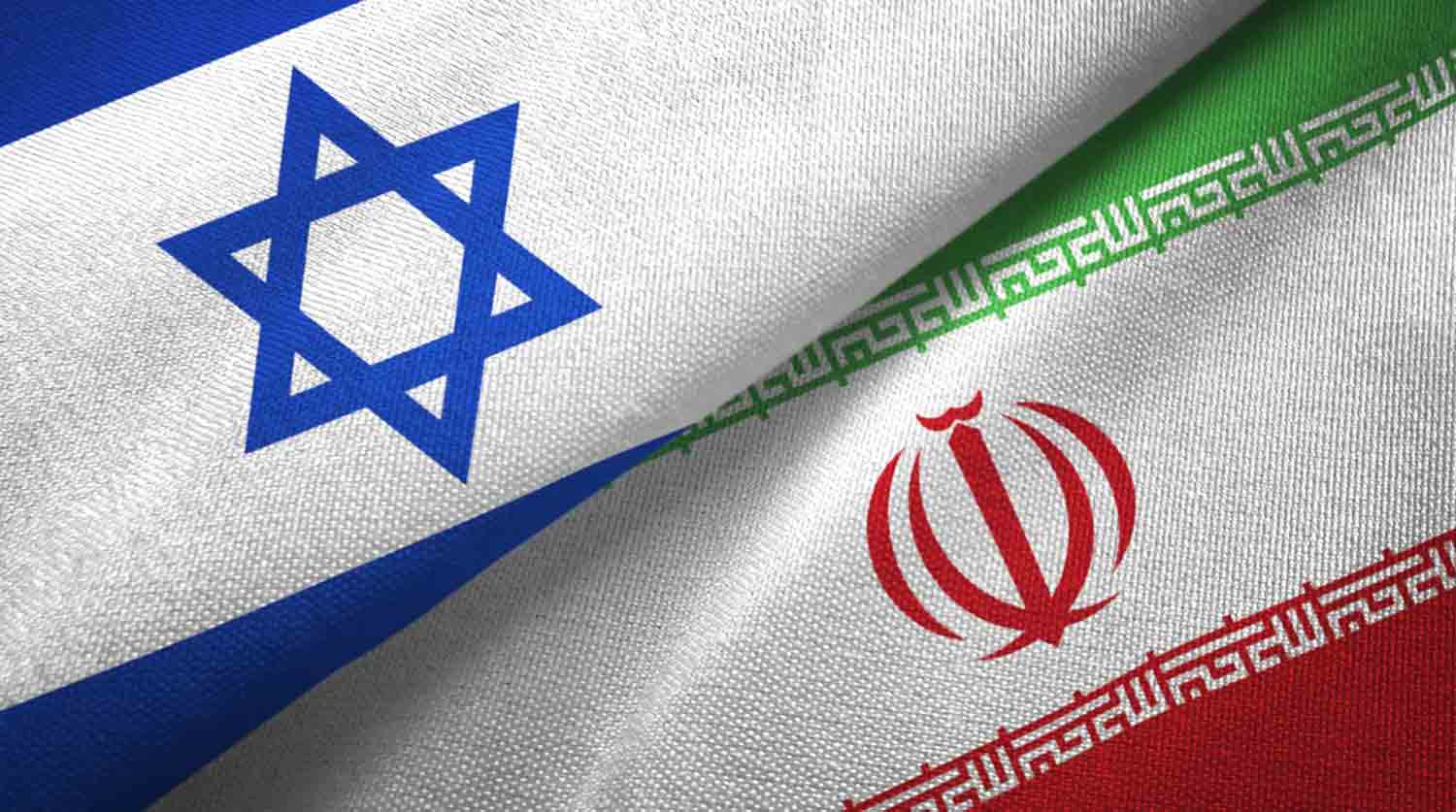
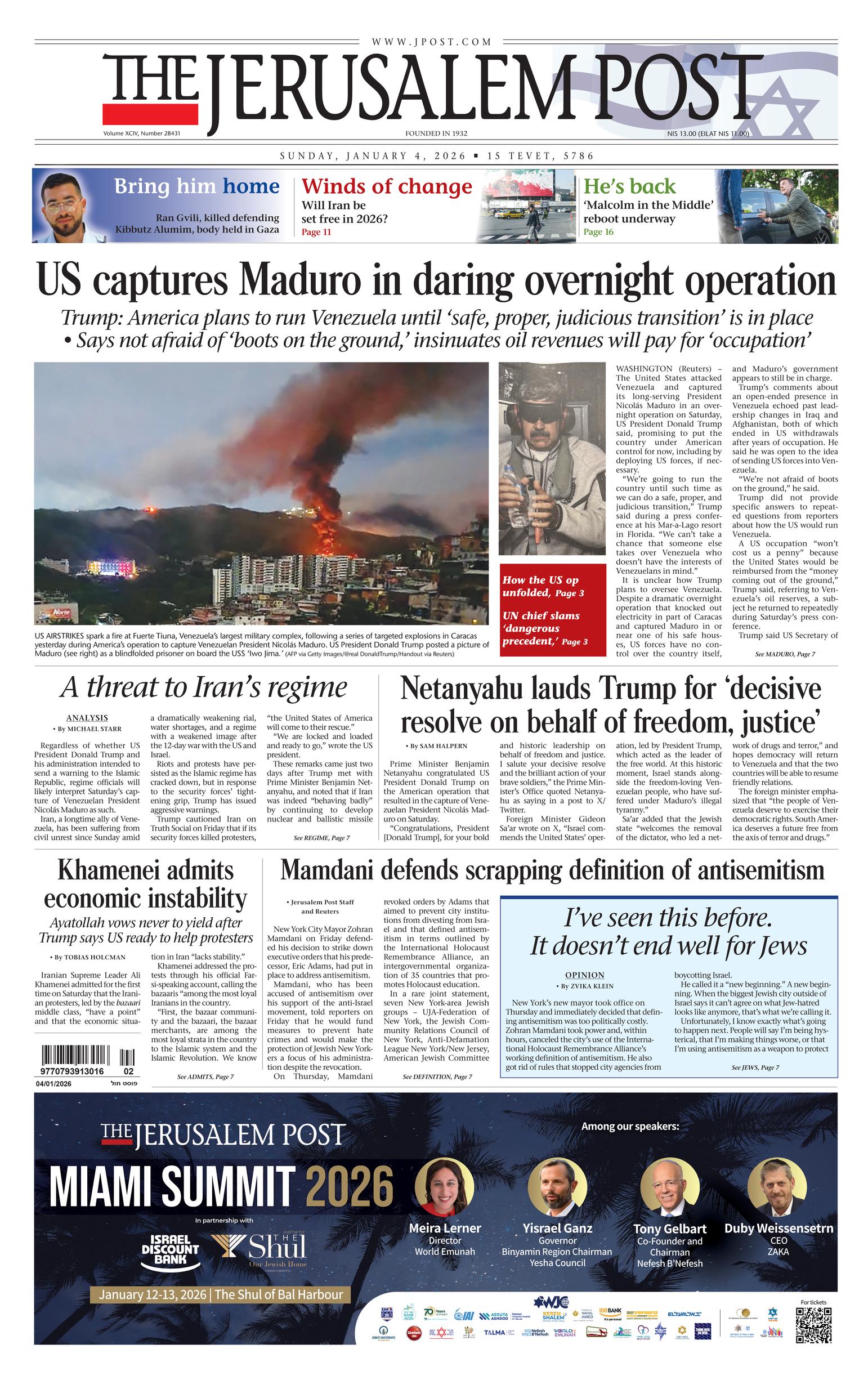
The Jerusalem Post reports that there are growing indications Washington is considering some form of intervention in Iran as nationwide protests continue to challenge the Iranian leadership, a development that has drawn close attention in Israel and across the Middle East.

According to the report, Israel was caught off guard by the recent U.S. intervention in Venezuela, particularly the speed and decisiveness with which Washington acted. Israeli analysts now assess that the Venezuela operation may have lowered the political and strategic threshold for similar U.S. actions elsewhere — including Iran.

Image

Venezuela as a Strategic Precedent

Israeli security assessments cited by the Jerusalem Post suggest that the Venezuela intervention demonstrated a new American willingness to act unilaterally when Washington perceives a convergence of national security, counter-narcotics, and regional stability interests.

In Israeli strategic thinking, Venezuela served as a test case:

  • rapid execution
  • limited on-the-ground footprint
  • strong political messaging
  • framing the action as law enforcement and security enforcement rather than regime change

This model, analysts say, could be adapted to Iran—not necessarily through a full-scale military invasion, but via targeted actions designed to accelerate internal pressure on the regime.

What ‘Intervention’ Could Mean

The Jerusalem Post emphasizes that intervention does not automatically imply military invasion. Instead, U.S. options under discussion are understood to span a wide spectrum:

  • Expanded covert and cyber operations targeting Iranian security and surveillance networks
  • Information and psychological operations to amplify protest messaging and weaken regime cohesion
  • Legal and financial warfare, including aggressive sanctions enforcement and asset seizures
  • Targeted kinetic actions, such as arrests, interdictions, or strikes against specific regime-linked nodes, framed under counterterrorism or nonproliferation authorities

Israeli officials believe Washington is deliberately maintaining strategic ambiguity to avoid triggering premature escalation.

Israel’s Calculus

Image

From Israel’s perspective, any U.S. move on Iran carries profound implications. Israeli security planners reportedly see the current protests as the most serious internal challenge to the Iranian system since 2022, with economic collapse, currency devaluation, and elite fragmentation intensifying public anger.

The Jerusalem Post notes that Israeli leaders are assessing whether U.S. action—if it comes—would aim to:

  • weaken Iran’s regional proxy networks
  • disrupt nuclear and missile programs
  • or catalyze a broader political transition

Israel is said to favor maximum pressure without uncontrolled war, preferring calibrated U.S. involvement that avoids a regional explosion.

Caution Inside Washington

Despite speculation, the report stresses that no final decision has been made in Washington. Senior U.S. officials remain wary of the risks of escalation, particularly given Iran’s capacity to retaliate through regional allies and asymmetric means.

However, the political context has shifted. The combination of:

  • sustained protests inside Iran
  • perceived regime vulnerability
  • and the precedent set in Venezuela

has, in Israeli eyes, expanded the menu of U.S. policy options in ways that would have been unthinkable just months ago.

Regional Implications

If the United States were to intervene — overtly or covertly — it would mark a fundamental shift in Middle East power dynamics, potentially emboldening Iranian protesters while raising the stakes across the region.

For Israel, the key concern is control and sequencing: intervention that weakens Tehran without triggering a multi-front war involving Hezbollah, Syria, or Iraq.

Analysis

The Jerusalem Post’s reporting reflects a broader reassessment underway among U.S. allies: that Venezuela was not an isolated episode, but a signal of a more assertive American posture toward regimes Washington deems hostile.

Whether Iran becomes the next arena will depend on the durability of protests, the cohesion of Iran’s security forces, and Washington’s tolerance for risk. What is clear, Israeli analysts argue, is that the Venezuela operation has changed the strategic conversation — and Iran is now firmly part of it.