Sunday, April 12, 2026
Home Blog Page 43

Saudi Arabia Strengthens Air Defense with New THAAD Missile System Operators Trained in the U.S.

0

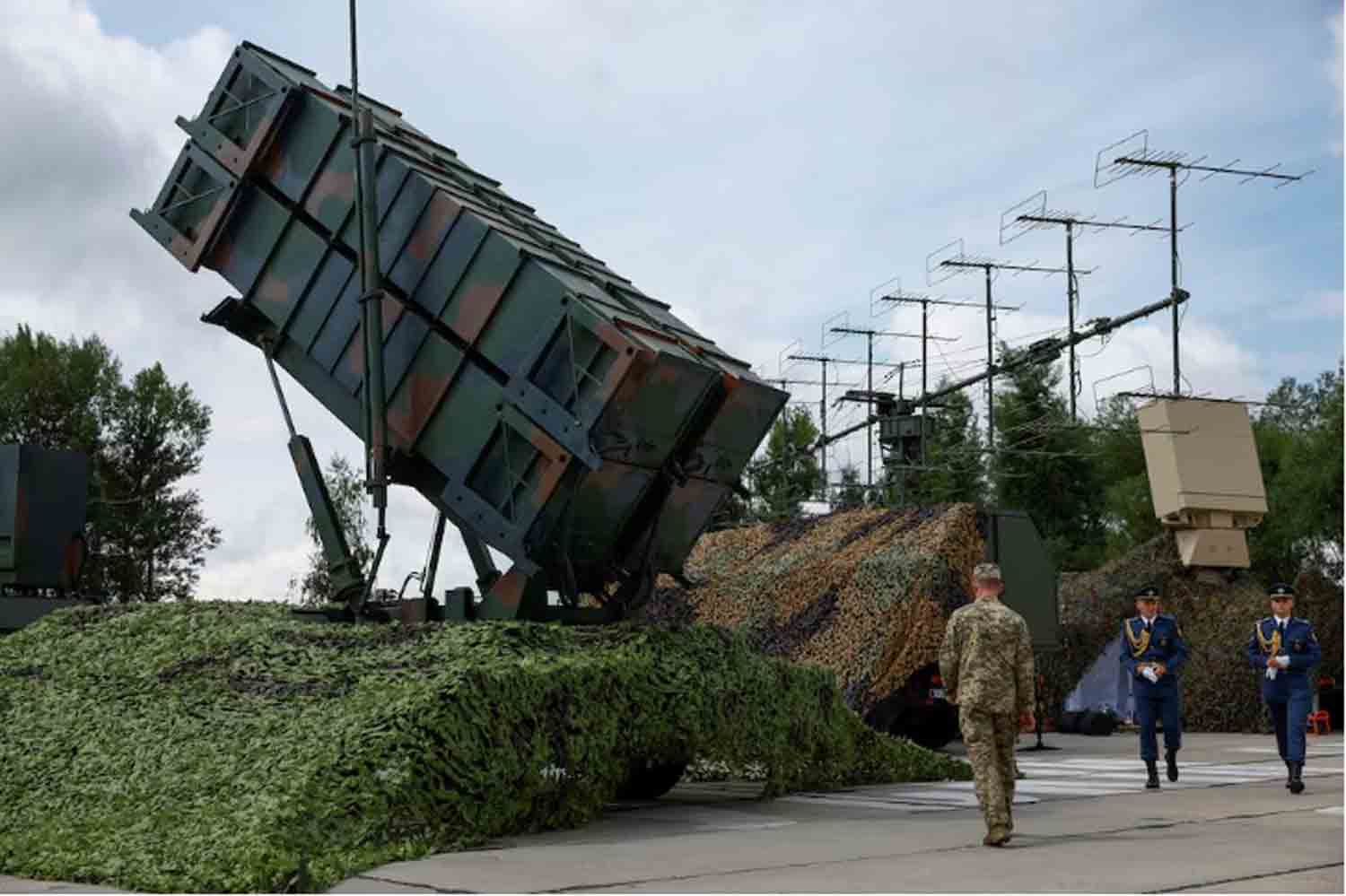
The Royal Saudi Air Defense Forces (RSADF) have bolstered their national air defense capabilities with the graduation of a second cohort of personnel trained to operate the American-made Terminal High Altitude Area Defense (THAAD) missile system. The graduation ceremony, which took place at Fort Bliss in El Paso, Texas, represents a crucial advancement in the Kingdom’s comprehensive strategy to establish a multi-layered air and missile defense system in response to escalating regional threats.

This milestone not only improves Saudi Arabia’s capacity to protect its territory from ballistic missile threats but also enhances regional security by strengthening the integrated air defense framework of the Gulf Cooperation Council (GCC) nations. The training underscores the ongoing commitment of both Saudi Arabia and the United States to foster military collaboration and align their strategic goals in promoting stability throughout the Middle East.

The THAAD (Terminal High Altitude Area Defense) is a state-of-the-art, mobile air defense missile system developed by the American company Lockheed Martin, designed to intercept and destroy ballistic missiles during their terminal phase using hit-to-kill technology. Unlike systems that target threats at low or medium altitudes, THAAD is capable of neutralizing incoming missiles at higher altitudes and over greater distances, providing extensive protection across large geographic areas. Each battery is equipped with advanced AN/TPY-2 radars, multiple launchers, and interceptor missiles, all working together to detect, track, and eliminate hostile projectiles before they can reach their intended targets.

In 2017, the United States finalized a significant $15 billion agreement to provide Saudi Arabia with the THAAD missile defense system. This deal included 44 launchers, 360 interceptors, seven radar units, and a comprehensive command and control framework. This transaction stands out as one of the largest arms sales in the history of U.S.-Saudi defense relations, highlighting the deep strategic partnership between the two nations and Saudi Arabia’s goal of becoming a leading military power in the region with advanced technology.

The role of THAAD in the Gulf region is critical. Saudi Arabia is continually threatened by ballistic missile and drone assaults, particularly from non-state actors and state-backed proxy groups in neighboring territories. The 2019 strikes on Saudi oil facilities in Abqaiq and Khurais underscored the vulnerabilities of essential infrastructure and the pressing need for a robust and responsive air defense system. THAAD’s capability to intercept threats at high altitudes and over long distances addresses a vital need within the Kingdom’s air and missile defense framework, working in conjunction with systems like the Patriot PAC-3 and local defense initiatives.

Furthermore, THAAD’s deployment in Saudi Arabia serves not only as a national defense asset but also as a strategic resource for the region. It enhances a collective defense structure that can safeguard neighboring Gulf Cooperation Council (GCC) countries and foreign military installations in the area, including those operated by the United States and its allies. The presence of well-trained Saudi THAAD operators bolsters the overall ability to detect and neutralize missile threats from adversaries such as Iran, which continues to advance and spread sophisticated missile technologies.

The partnership between the United States and Saudi Arabia regarding THAAD provides significant advantages for U.S. military operations in the area. U.S. Central Command (CENTCOM) depends on support from host nations for force protection and regional stability. A Saudi military equipped with advanced systems like THAAD improves interoperability with U.S. forces and alleviates the pressure on American air defense resources stationed throughout the Middle East. In situations involving intense conflict or missile threats, the Kingdom’s capacity to operate THAAD autonomously leads to faster response times and greater operational resilience.

Moreover, the training of Saudi personnel under U.S. guidance not only enhances their technical skills but also ensures alignment in military doctrine, which aids in effective coordination during joint exercises and real-world scenarios. The THAAD initiative also contributes to the Kingdom’s Vision 2030 goals by promoting defense industrialization and the development of human capital. Lockheed Martin has initiated efforts to localize certain components of the system within Saudi Arabia, thereby boosting domestic production capabilities and generating high-skilled employment opportunities in the defense industry.

The THAAD air defense missile system, produced in the United States, functions as both a protective barrier and a representation of Saudi Arabia’s strategic partnership with the U.S. By enhancing its operational capabilities with advanced systems such as THAAD, the Royal Saudi Air Defense Forces (RSADF) not only safeguard their airspace but also contribute to regional stability and strengthen the security infrastructure that U.S. and allied forces rely on in the Middle East.

Gaza Strip diminishes as Israel increases its control

0
Israeli tanks take a position, as smoke from an airstrike rises over Gaza, amid the ongoing conflict in Gaza between Israel and Hamas, near the Israel-Gaza border, as seen from Israel.

By taking control of extensive areas within the Gaza Strip, Israel is altering the landscape of Palestinian territory, which is among the most densely populated regions globally, rendering it increasingly “uninhabitable.”

On Wednesday, Defence Minister Israel Katz announced that the military has designated large portions, amounting to 30 percent of Gaza, as buffer zones, resulting in the displacement of hundreds of thousands of Palestinians.

Agnes Levallois, a lecturer at the Foundation for Strategic Research, noted that maintaining these cleared and vacant buffer zones could serve a strategic purpose.

“Israel’s approach in the Gaza Strip aims to render the area uninhabitable,” she stated, with some analysts suggesting that Israel’s control may extend beyond the reported 30 percent.

An AFP analysis, based on military maps, indicated that the total area under Israeli control exceeds 185 square kilometers (approximately 70 square miles), accounting for around 50 percent of the territory.

On the ground, the Israeli military has established a broad security zone along Gaza’s borders with Israel and Egypt, primarily to mitigate the risk of cross-border smuggling with Egypt.

Additionally, troops have created three militarized corridors—Philadelphi, Morag, and Netzarim—that traverse the width of Gaza, effectively segmenting the territory into distinct sections.

Field of Desolation

With a staggering 2.4 million residents crammed into just 365 square kilometers, Gaza was already one of the most densely populated regions globally before the conflict erupted on October 7, 2023, when Hamas launched an attack on Israel.

“The Israeli military is increasingly issuing what they term ‘evacuation orders,’ which are essentially orders for forced displacement,” stated Ravina Shamdasani, spokesperson for the UN High Commissioner for Human Rights.

“This has resulted in the coerced relocation of Palestinians within Gaza to increasingly restricted areas, where they have limited or no access to essential services.”

The remaining landscape is littered with debris, as the UN reports that 80 percent of civilian infrastructure has been either completely or partially destroyed.

Almost all residents of Gaza have experienced displacement at least once, with many now residing in schools repurposed as shelters, under tents, or in other temporary accommodations.

“We are uncertain about the government’s strategy; perhaps we will end up controlling all of Gaza, which would necessitate establishing either a civil administration or a military regime,” remarked Michael Milshtein, a Palestinian affairs expert at Tel Aviv University, in an interview with AFP.

“I’m not convinced that the Israeli public fully understands the implications of this scenario.”

Milshtein noted that capturing certain regions of Gaza was “relatively straightforward” for the military.

Many of the areas seized are “vacant territories, meaning (the army) does not have direct control over any Palestinians,” he explained, estimating that Israel currently governs “approximately half” of Gaza.

Levallois, an expert on the Middle East, posits that Israel may refrain from further territorial expansion, effectively leaving the remaining areas largely neglected and permitting only minimal humanitarian assistance.

“This situation could result in a scenario akin to Somalia, characterized by chaos and the absence of any governing authority emerging from the devastation.”

In the buffer zone currently under its control, the Israeli army has reportedly methodically demolished civilian structures, as indicated by testimonies from anonymous soldiers gathered by the anti-occupation organization Breaking the Silence and various international media outlets.

“Riviera” of the Middle East

Describing Gaza as the “Riviera” of the Middle East, Israeli Finance Minister Bezalel Smotrich proposed in November the idea of facilitating “voluntary emigration” for approximately half of Gaza’s residents.

Prime Minister Benjamin Netanyahu, at the helm of one of the most right-leaning administrations in Israeli history, has received backing for this notion from US President Donald Trump.

In February, Trump suggested transforming Gaza into a “Middle East Riviera” and relocating its inhabitants to Jordan and Egypt.

Certain Israeli advocates for the re-establishment of settlements in the Gaza Strip, which were dismantled in 2005, assert that they have specific plans and frequently visit the Gaza border.

However, Netanyahu has not explicitly indicated any support for these initiatives.

In the absence of a clear post-war strategy, the future of Gaza remains ambiguous.

“There is no coherent strategy,” Milshtein stated.

“The only approach appears to be to promote or adopt Trump’s vision, which suggests encouraging Palestinians to leave Gaza. This is absurd.

“Most people in Israel recognize it as a fantasy or an illusion,” he added.

“Even Trump seems to have lost interest in the idea.”

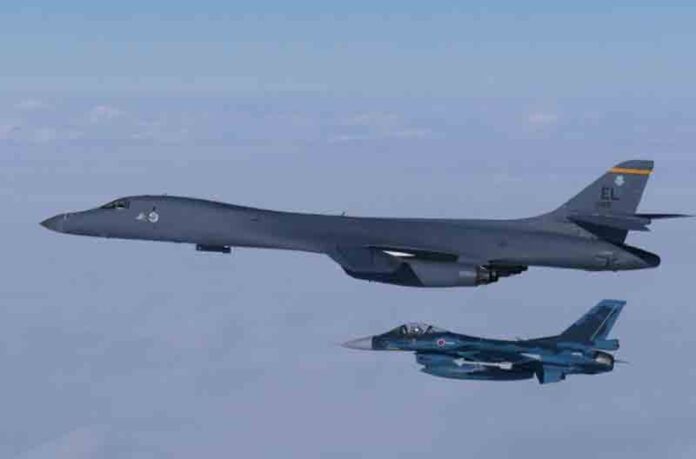
US B-1B Lancer bombers have been deployed to Japan to strengthen deterrence efforts against China

0
B-1B Lancer, a long-range strategic bomber capable of carrying the largest conventional payload of guided and unguided munitions

For the first time since the Vietnam War, U.S. B-1B Lancer strategic bombers are being stationed in Japan for an extended duration. This deployment, part of a Bomber Task Force (BTF) rotation, represents a notable shift in the United States’ military strategy within the Indo-Pacific region. The bombers arrived at Misawa Air Base in northern Japan on April 15, 2025, after completing a joint mission with South Korean Air Force units over the Korean Peninsula. This move underscores Washington’s commitment to bolstering its alliance network in a region characterized by increasing strategic and military tensions.

The two B-1Bs stationed at Misawa belong to the 9th Expeditionary Bomb Squadron and were deployed from Dyess Air Force Base in Texas as part of this rotation. Their arrival followed a collaborative training flight that included U.S. F-16s and both F-35s and F-16s from the Republic of Korea Air Force, highlighting a strong level of interoperability among allied air forces. While only two aircraft have been deployed at this stage, the possibility of additional bombers arriving remains, which would further strengthen the U.S. strategic air presence in this critical area for regional deterrence.

This deployment leverages the established capabilities of the B-1B Lancer, a long-range strategic bomber known for carrying the heaviest conventional payload of both guided and unguided munitions within the U.S. fleet. Initially developed in the 1980s, the aircraft boasts a blended wing-body design, variable-geometry wings, afterburning engines, and a structure optimized for durability. It can achieve supersonic speeds of Mach 1.2 while maintaining excellent maneuverability at various altitudes. Equipped with synthetic aperture radar, the B-1B can detect, track, and engage mobile targets in complex environments, as well as perform terrain-following flight at low altitudes. Its GPS-assisted inertial navigation system provides precise targeting without depending on ground-based systems. These features are further augmented by the Link-16 data link, facilitating real-time coordination with air command centers and allied platforms during high-stakes, time-sensitive strike operations.

Regarding armament, the B-1B can carry a maximum of 34 metric tons of munitions, which includes general-purpose bombs (Mk-82, Mk-84), cluster munitions (CBU-87, -89, -97), naval mines (Mk-62, Mk-65), precision-guided bombs (GBU-31, GBU-38, GBU-54), and long-range air-to-ground missiles (AGM-158 JASSM and AGM-158C LRASM). This versatile configuration allows it to undertake a broad spectrum of missions, ranging from large-scale conventional strikes to close air support and anti-ship operations. The aircraft is operated by a crew of four, comprising a pilot, copilot, and two weapon systems officers, and is designed to perform effectively in increasingly digital and distributed operational settings.

The survivability of the B-1B is significantly enhanced by a comprehensive array of electronic countermeasures, which includes the ALQ-161 jamming system, a radar warning receiver, and expendable countermeasures such as chaff and flares, along with an ALE-50 towed decoy system. When combined with its minimized radar cross-section, this technology allows the aircraft to navigate hostile airspace with greater resilience. Since 2011, the B-1B has been restricted to conventional operations due to its modification under the New START Treaty. This adjustment, which began in 2007, involved structural changes and the removal of certain electronic systems to ensure the aircraft could no longer deploy nuclear weapons. Nevertheless, the B-1B continues to be a vital component of the U.S. conventional strategic arsenal, having proven its effectiveness in various operations in Iraq, Kosovo, Afghanistan, and more recently in the Middle East, where it has made significant contributions in terms of strike volume and accuracy.

While U.S. bombers have occasionally landed in Japan, this marks the first instance of a Bomber Task Force rotation establishing a sustained presence in the country. In February 2025, B-1Bs based in Guam performed a technical stop at Misawa for “hot-pit” refueling—refueling while the engines are running, sometimes accompanied by a crew change. This technique minimizes turnaround times and mitigates the risks associated with restarting complex systems, thereby enhancing operational efficiency in high-intensity situations. The implementation of this method indicates that Misawa Air Base is now fully integrated into the U.S. advanced force posture in the region.

The Bomber Task Force (BTF) concept was established in 2018 to transition from ongoing bomber deployments abroad to more adaptable, short-term rotations featuring small detachments for varying lengths of time. These rotations aim to familiarize aircrews with the theater, enhance collaboration with regional allies, and sustain a credible strategic presence forward. BTF operations are now regularly carried out in Europe and the Indo-Pacific, including rotations at Andersen Air Force Base in Guam, RAAF Amberley in Australia, and Diego Garcia in the Indian Ocean. From these strategic locations, U.S. bombers engage in deterrent patrols, surveillance operations, and joint exercises, thereby strengthening their integration into regional security frameworks.

The current deployment to Misawa is part of a larger strategic initiative known as the Pacific Deterrence Initiative, which was launched in 2021. This initiative aims to enhance the United States’ long-range strike capabilities in the Pacific, incorporating the deployment of cruise, ballistic, and hypersonic missile systems, along with both manned and unmanned strike platforms. A crucial aspect of this strategy is the development of resilient precision-strike networks along the First Island Chain, which includes Japan, Taiwan, and the Philippines—regions deemed essential for countering China’s expanding regional influence. Stationing B-1Bs in this area improves the U.S. capacity for rapid crisis response while also increasing the likelihood of these assets being targeted on the ground during significant conflicts.

From Misawa, the bombers gain operational access to the Second Island Chain, which includes Guam and eastern Indonesia, thereby enhancing strategic options for potential redeployment or withdrawal as the regional security landscape changes. In this regard, the B-1B’s maritime strike capabilities are particularly significant. With the addition of the AGM-158C Long-Range Anti-Ship Missile (LRASM), the aircraft is now capable of executing precise strikes on naval targets. This shift in doctrine corresponds with a larger strategic move towards anti-access and area-denial operations, particularly in contested regions like the Taiwan Strait and South China Sea. Even as the B-1B nears the end of its operational lifespan, it continues to serve as a flexible asset for conventional deterrence in both maritime and land-based contexts.

The BTF 25-2 mission at Misawa represents a calculated and strategic initiative by the United States to reinforce its commitment to stability in the Indo-Pacific while bolstering the confidence of its regional partners. Lt. Col. Christopher Travelstead, Director of Operations for the deployed 9th Expeditionary Bomb Squadron, stated that such missions ensure U.S. crews are always ready to respond to defend national interests and maintain a rules-based order in the region. While the length of the B-1B’s deployment at Misawa is currently unspecified, it clearly communicates a strong message to potential adversaries and underscores the adaptability of U.S. forces in a rapidly changing strategic environment.

Rubio warns that the US will cease its peace efforts in Ukraine if significant progress isn’t achieved soon

0
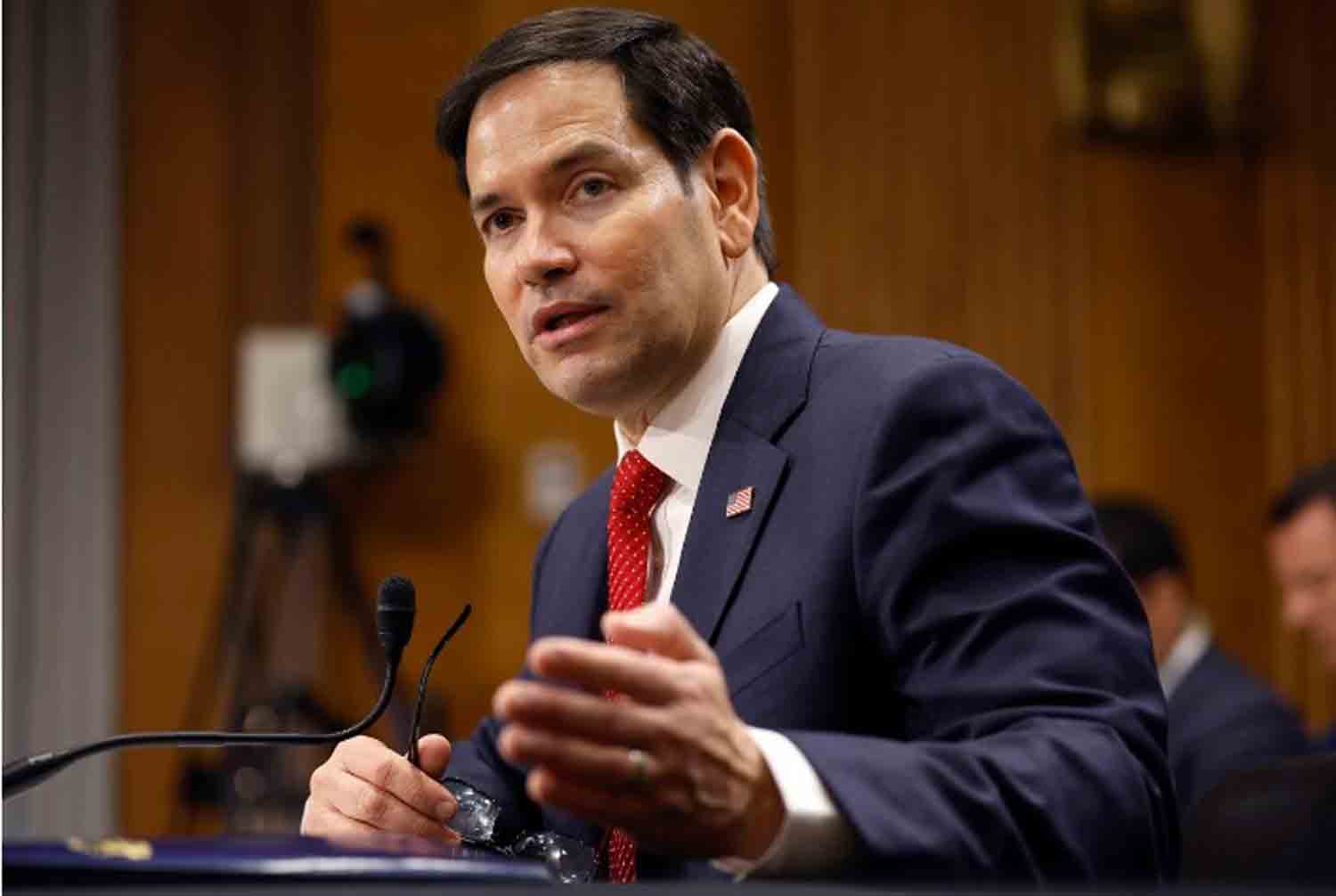
Secretary of State, Sen. Marco Rubio testifies during his Senate Foreign Relations confirmation hearing at Dirksen Senate Office Building.

U.S. Secretary of State Marco Rubio stated on Friday that President Donald Trump will abandon efforts to negotiate a peace agreement between Russia and Ukraine within days unless there are evident indications that a deal is achievable.

“We cannot prolong this effort for weeks or months. We need to quickly assess, within a matter of days, whether reaching an agreement in the coming weeks is feasible,” Rubio remarked in Paris following discussions with European and Ukrainian leaders.

“The president is very committed to this issue. He has invested significant time and effort into it… This matter is crucial, but there are numerous other pressing issues that also require considerable attention,” he added.

Rubio’s remarks come as there are signs of progress in U.S. discussions with Ukraine. Trump indicated on Thursday that he anticipates signing an agreement with Kyiv next week, which would grant the U.S. access to Ukraine’s mineral resources. A previous attempt to finalize a minerals agreement in February collapsed following tensions between Ukrainian President Volodymyr Zelenskiy and Trump, along with Vice President JD Vance, during a meeting in the Oval Office.

After the Paris discussions, which marked the first significant high-level in-person talks regarding Trump’s peace initiative involving European nations, Rubio noted that the U.S. peace proposal received a “positive response.” Zelenskiy’s office described the discussions as constructive and beneficial.

Rubio’s comments highlight growing frustrations within the White House regarding the lack of progress in addressing an increasing array of geopolitical issues. During his campaign, Trump vowed to resolve the conflict in Ukraine within his first 24 hours in office, but he later tempered that promise, suggesting a potential agreement by April or May as challenges arose.

Rubio also mentioned that he spoke with Russian Foreign Minister Sergei Lavrov after the Paris meetings, informing him that the discussions had been productive and sharing some aspects of the U.S. peace framework.

Rubio mentioned that the topic of U.S. security guarantees was discussed during the meetings in Paris, although he did not provide further specifics.

He indicated that security guarantees are an issue that “we can address in a manner that is acceptable to all parties,” but emphasized that “we face larger challenges that we need to resolve, particularly regarding the feasibility of achieving this in the short term.”

He acknowledged the difficulty of reaching a peace agreement but stressed the importance of demonstrating that progress could be made soon. “No one is claiming this can be accomplished in just 12 hours.

However, we want to assess the extent of the gaps and whether those differences can be bridged, and if it’s even feasible to make progress within the timeframe we have in mind,” he stated. Requests for comments from the French presidency and foreign ministry went unanswered.

Turkey and Indonesia’s agreement leads to significant advancements in missile technology

0
anti-ship missiles, cruise missiles, Turkey

In a significant step towards strengthening the partnership between Turkey and Indonesia, Turkish defense manufacturer Roketsan has entered into an agreement with an Indonesian company to create a joint production facility for anti-ship missiles, cruise missiles, and advanced munitions.

The announcement was made by Roketsan’s General Manager, Murat İkinci, during the Antalya Diplomacy Forum. This agreement not only enhances Indonesia’s defense capabilities but also involves a substantial transfer of technology, enabling the Southeast Asian country to enhance its domestic defense sector.

Finalized in early April 2025, this agreement highlights Turkey’s expanding role as a global defense supplier and Indonesia’s strategic initiative to diversify its military alliances in response to increasing tensions in the Indo-Pacific region. This development has significant implications for regional security, global arms markets, and the technological aspirations of both countries.

Over the past two decades, Turkey’s defense industry has experienced a remarkable evolution, shifting from a reliance on imports to becoming a strong exporter of sophisticated weaponry. Roketsan, established in 1988 as a state-owned enterprise, has been a key player in this transformation, developing a variety of missile systems that have gained international recognition.

Its product lineup features the Atmaca anti-ship missile, the SOM cruise missile, and the Khan ballistic missile, all of which are utilized by the Turkish Armed Forces and have been exported to allied nations. The collaboration with Indonesia builds on a history of defense cooperation, including the delivery of Khan missiles in 2022 and joint tank development with Indonesia’s PT Pindad, which produced the Kaplan MT medium tank.

During the Antalya Diplomacy Forum, İkinci reiterated Turkey’s dedication to co-developing defense technologies with partner nations, stating, “In the near future, we aim to rapidly enhance our international relationships and collaborations to significantly increase the export potential of Türkiye’s defense industry.”

The core of the agreement focuses on the collaborative development of the Atmaca anti-ship missile, engineered to effectively address naval threats with both precision and adaptability. This missile is intended to succeed Turkey’s outdated Harpoon missiles, featuring an impressive range exceeding 120 miles and equipped with a high-explosive warhead designed to penetrate robust ship structures.

With its active radar homing and inertial navigation systems, the Atmaca can fly just above the water’s surface, allowing it to avoid detection and countermeasures. Its capability to receive mid-course updates through a data link significantly boosts its accuracy against moving targets, establishing it as a powerful asset for both coastal and blue-water missions.

In comparison to the American Harpoon, the Atmaca provides a similar range and payload but integrates advanced guidance systems that compete with those of Russia’s 3M-54 Kalibr and China’s YJ-83 missiles.

For Indonesia, an archipelago with over 17,000 islands and extensive maritime territories, the Atmaca is set to enhance its navy’s capacity to safeguard vital sea routes, especially in the South China Sea, where tensions with China have intensified.

Indonesia’s choice to collaborate with Turkey signifies a strategic move to lessen dependence on conventional arms suppliers such as the United States, China, and Russia. As a prominent member of the Association of Southeast Asian Nations (ASEAN), Indonesia aims to modernize its military while skillfully navigating the intricate geopolitics of the Indo-Pacific region.

The South China Sea, a crucial route for international trade, has become a contentious area due to China’s extensive territorial claims and the militarization of artificial islands. Although Indonesia is not a direct claimant in the most disputed regions, it has experienced incursions by Chinese vessels within its exclusive economic zone near the Natuna Islands.

As a result, enhancing its naval capabilities has become a priority for Indonesia. The Atmaca missile, which will be incorporated into the country’s forthcoming Red-White frigates, could act as a deterrent against such intrusions. Additionally, the joint production model is in line with Indonesia’s 2012 Defense Industry Law, which emphasizes technology transfer and local manufacturing in defense acquisitions to promote self-reliance.

Technology transfer is a fundamental aspect of the Roketsan-Indonesia agreement, setting it apart from typical arms transactions. Unlike many Western suppliers that often limit access to essential technologies, Turkey has taken a more collaborative stance, providing training and technical support to its partner nations.

İkinci highlighted that this partnership would “promote technology transfer, strengthen Indonesia’s local defense industry framework, and implement training initiatives for Indonesian engineers and technicians.” This commitment could empower Indonesia to assemble and maintain Atmaca missiles domestically, with the potential to produce components such as guidance systems or propulsion units.

For Indonesia’s defense industry, spearheaded by firms such as PT Pindad and PT Dirgantara, this presents a chance to develop expertise in sophisticated missile technologies, thereby decreasing long-term reliance on international suppliers. The economic advantages are considerable, as domestic manufacturing could generate employment and invigorate associated sectors, including electronics and materials production.

Turkey’s readiness to share technology is part of a larger strategy to establish a foothold in the global arms market. With defense exports projected to reach $7 billion in 2024, and Roketsan contributing over $400 million, Turkey aims for a 50% increase in revenue and exports by the close of 2025.

In contrast to China and Russia, which frequently link arms sales to political agreements, or Western countries that enforce strict end-user conditions, Turkey provides cost-effective solutions with fewer restrictions.

This strategy has appealed to nations looking for alternatives to the prevailing powers. For example, Indonesia has broadened its defense acquisitions in recent years, sourcing drones from Turkey’s Turkish Aerospace Industries and showing interest in co-developing Turkey’s KAAN fifth-generation fighter jet. The Roketsan agreement builds on this progress, establishing Turkey as a dependable ally in Indonesia’s military modernization efforts.

Additionally, the agreement underscores Turkey’s goal to enhance its influence in Asia, a region historically dominated by China and Russia. By setting up a production facility in Indonesia, Roketsan secures a presence in Southeast Asia, potentially paving the way for access to other markets such as Thailand, Malaysia, or the Philippines, which are also modernizing their naval capabilities.

The Atmaca missile, known for its competitive pricing and reliable performance, may attract these countries as an alternative to China’s YJ-12 or Russia’s Kh-35 missiles. For Indonesia, this partnership bolsters its position within ASEAN, demonstrating its capacity to manufacture advanced weaponry and lessening its susceptibility to external pressures.

The agreement may also serve as a template for future partnerships, as Indonesian President Prabowo Subianto has recently expressed interest in collaborating with Turkey on submarine development.

Turkey and Indonesia have historically enjoyed amicable defense relations, stemming from their shared status as Muslim-majority nations with ambitions for regional influence. Their collaboration began to strengthen in 2010 with the joint development of the Kaplan MT tank, a project that highlighted the advantages of co-production.

The delivery of 10 Kaplan tanks in 2023 was a significant achievement, showcasing Indonesia’s capability to incorporate foreign technology into its defense framework. The Roketsan agreement builds upon this progress, utilizing Turkey’s expertise in missile systems to meet Indonesia’s maritime security requirements.

This partnership has been further solidified through high-level interactions, including a meeting in February 2025 between Subianto and Turkish President Recep Tayyip Erdogan, during which they signed agreements to co-produce drones and enhance bilateral trade.

From a technological standpoint, the Atmaca missile signifies a major advancement for Indonesia’s navy. Designed for launch from surface vessels, it can also be adapted for coastal defense systems, providing versatility in its deployment.

With a 440-pound warhead optimized for targeting frigates and destroyers, the missile features a turbojet engine that achieves subsonic speeds, balancing range with survivability. Its low-altitude flight path, coupled with sophisticated countermeasures, makes it challenging to intercept, a vital capability in contested maritime environments.

In contrast, China’s YJ-12 missile boasts a range of up to 250 miles, offering extended reach but relying on supersonic speeds that may compromise its stealth. The American Harpoon, while commonly used, is an older system with less sophisticated guidance compared to the Atmaca.

By manufacturing the Atmaca locally, Indonesia secures a modern and cost-efficient weapon that enhances its current military capabilities, which include Dutch-built Sigma-class corvettes and South Korean-designed submarines.

The geopolitical ramifications of this agreement extend beyond Turkey and Indonesia. For the United States, a significant ally to both countries, the deal raises concerns regarding its influence in Southeast Asia. Although the U.S. is Indonesia’s primary supplier of military aircraft, such as F-16 fighters, its hesitance to share advanced technologies has led Jakarta to seek other options.

The Roketsan agreement may prompt Washington to reevaluate its export policies, especially as China and Russia actively engage ASEAN nations with competitive offerings.

Australia, another influential regional player, has voiced apprehensions about Indonesia’s military expansion, particularly in light of recent tensions regarding Russian aircraft potentially operating from Indonesian soil. The deployment of Atmaca missiles could further complicate Canberra’s strategic considerations, given its proximity to Indonesia’s northern borders.

As a NATO member, Turkey’s strengthening relationships with non-aligned countries like Indonesia also have implications for the alliance. While Turkey’s defense exports meet NATO standards, its readiness to transfer technology to nations outside the alliance could create tensions with Western allies.

Recent reports indicate that the U.S. is contemplating lifting sanctions on Turkey to facilitate F-16 sales, contingent upon Ankara addressing issues related to its Russian-made S-400 systems. Although the Indonesia deal is not directly tied to NATO’s primary interests, it highlights Turkey’s independent approach, which has occasionally strained its relations with Washington and Brussels.

For Indonesia, collaborating with Turkey provides a safeguard against excessive dependence on any single power, aligning with President Subianto’s vision of fostering a “fair and equal” relationship with global partners.

The risks linked to technology transfer are a vital factor to consider. In Turkey’s case, sharing missile production expertise poses a risk of intellectual property theft, especially if Indonesia engages in future collaborations with other countries.

China, which has a strategic alliance with Indonesia, may attempt to analyze Turkish technologies through unofficial channels, raising concerns due to its history of reverse-engineering foreign innovations.

For Indonesia, the main challenge is effectively integrating and maintaining the transferred technology, which necessitates substantial investment in training and infrastructure. Previous partnerships, like the Kaplan MT project, have demonstrated Indonesia’s ability to navigate these challenges, but advancing to missile production will test its industrial capabilities.

The economic implications of the joint facility could significantly impact Indonesia’s defense industry. By manufacturing Atmaca missiles and possibly other systems such as the SOM cruise missile, Indonesia could lower its import expenses, which have put pressure on its defense budget in recent years. The facility is anticipated to generate employment for engineers, technicians, and support personnel while developing a supply chain for essential components like electronics and composites.

For Turkey, this agreement enhances Roketsan’s status as a global contender, with İkinci estimating that the company’s exports could surpass $600 million by 2025. Additionally, the partnership bolsters Turkey’s soft power, showcasing its technological capabilities and reliability to other developing nations.

Looking forward, the agreement between Roketsan and Indonesia signifies a crucial development in the shifting defense dynamics of the Indo-Pacific region. For Indonesia, this deal signifies progress towards achieving technological independence and enhancing its regional stature, as it equips its navy with sophisticated capabilities to address a precarious security landscape.

For Turkey, this partnership reinforces its position as a rising defense leader, poised to compete with established arms manufacturers. The effectiveness of the joint facility will hinge on the ability of both countries to navigate the intricate technological, economic, and geopolitical challenges they face.

As tensions in the South China Sea persist and global arms competition escalates, this collaboration has the potential to alter existing alliances and rivalries in unforeseen ways.

Will it motivate other ASEAN countries to adopt similar co-production strategies, or will it exacerbate tensions with major powers seeking to expand their influence? The future will reveal the answers, but the implications of this agreement are likely to extend well beyond Jakarta and Ankara.

Ukraine states that the agreement with the United States is the first step toward a minerals partnership

0

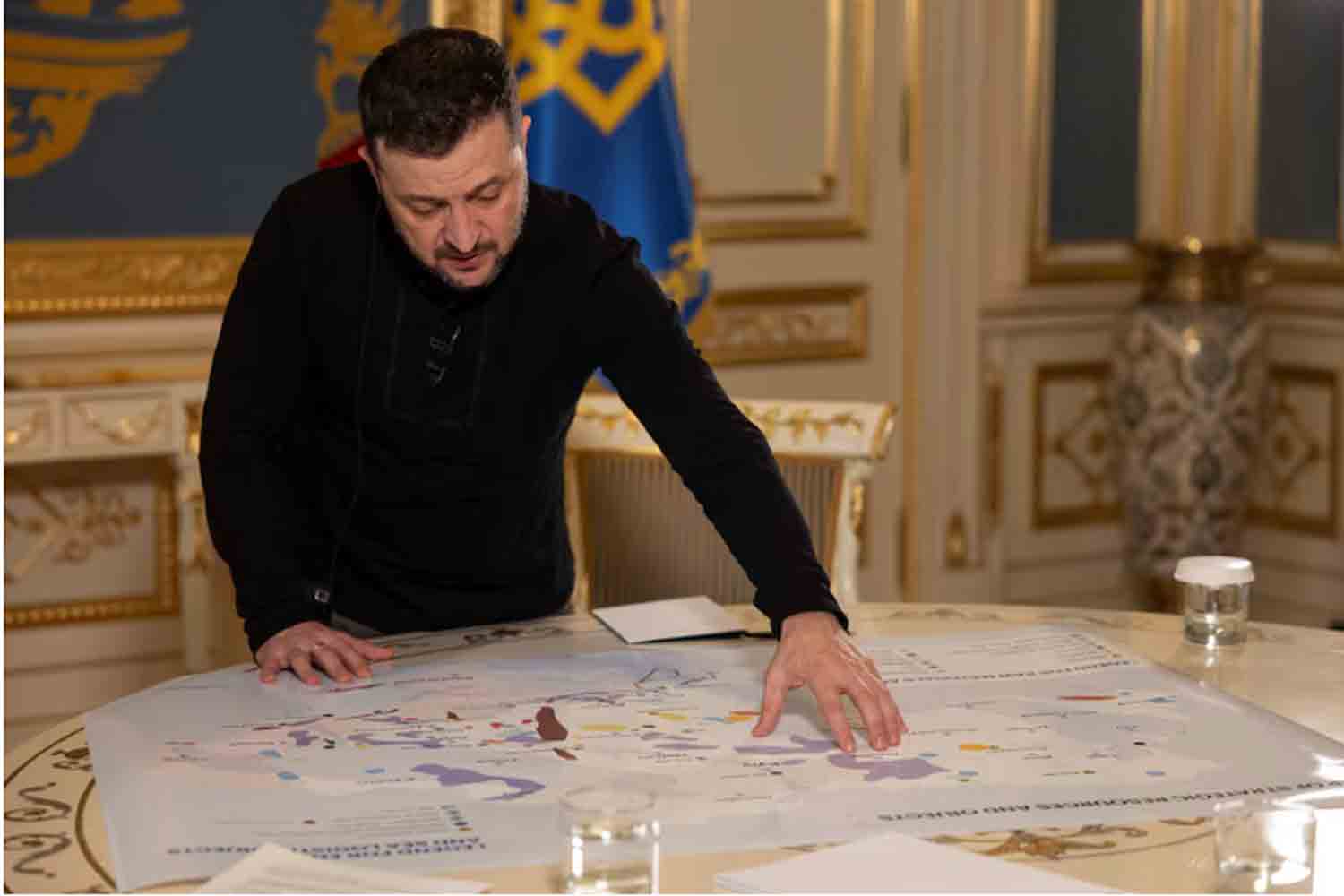
On Thursday, Ukraine announced that Kyiv and Washington had formalized a memorandum, marking a preliminary step toward finalizing an agreement for the development of mineral resources in Ukraine, a deal advocated by U.S. President Donald Trump.

Although both parties were ready to sign a cooperation agreement on natural resources in February, the process was postponed following a heated exchange during a meeting between Trump and Ukrainian President Volodymyr Zelenskiy in the Oval Office.

“We are pleased to share the news of our signing with our American partners,” stated Yulia Svyrydenko, Ukraine’s first deputy prime minister and economy minister, on social media after the signing. She noted that the memorandum of intent lays the groundwork for an economic partnership and the establishment of an investment fund aimed at Ukraine’s reconstruction.

This signing follows efforts by officials in Kyiv to mend relations after the Oval Office incident, acknowledging the necessity of U.S. support in Ukraine’s ongoing conflict with Russia, which launched a full-scale invasion in 2022. Ukrainian officials have indicated that the minerals agreement is part of this broader strategy.

Trump mentioned that the formal agreement could be finalized as early as next week, although Ukrainian representatives did not specify when they anticipated completing the full deal. A Ukrainian delegation visited Washington at the end of the previous week for discussions after the U.S. proposed a more comprehensive agreement. An initial framework was established but has yet to be signed.

“We have a minerals deal, which I believe will be signed on Thursday,” Trump told reporters at the White House earlier. He has advocated for a pact that would grant the United States preferential access to Ukraine’s natural resources and critical minerals, framing it as compensation for military assistance provided during former President Joe Biden’s administration.

“We’re still finalizing the details,” remarked Treasury Secretary Scott Bessent, who was seated next to Trump in the Oval Office, adding that the signing could occur by next Friday.

He stated, “This aligns closely with our previous agreement. When the president visited, we established a memorandum of understanding. We proceeded directly to the main agreement, which I believe consists of 80 pages, and that is what we will be signing.”

The White House has not provided additional information regarding the timing and specifics of the agreement.

Zelenskiy mentioned that both parties could finalize the memorandum online. “This is a memorandum of intent, and we have positive, constructive intentions,” he informed reporters in Kyiv, noting that the U.S. had proposed signing the memorandum prior to the comprehensive deal, which would need approval from Ukraine’s parliament.

Earlier, Svyrydenko indicated that the memorandum represents the initial step in documenting the significant advancements made by Kyiv and Washington in their discussions regarding the agreement.

Trump may face similar issues with Iran, as his peace commitments in Gaza and Ukraine are still unmet

0

With his campaign commitments to swiftly establish peace in Gaza and Ukraine unmet, U.S. President Donald Trump is now addressing another significant challenge that may prove equally difficult: restraining Iran‘s advancing nuclear program.

His administration is set to engage in a second round of discussions with Iran on Saturday in Rome, a development that many considered unlikely after years of animosity stemming from Trump’s first term, during which he abandoned the 2015 nuclear agreement and initiated a “maximum pressure” strategy involving severe sanctions.

While optimism for progress exists following a recent meeting in Oman that both parties characterized as constructive, negotiators are tempering expectations for a rapid resolution to the long-standing conflict. According to a source familiar with a White House meeting on Tuesday, discussions regarding the components of a potential nuclear framework are still in their infancy among Trump’s advisors. There is a possibility that the two sides could agree on an interim arrangement before finalizing a more comprehensive deal, as indicated by two sources acquainted with the administration’s perspective.

Compounding the regional tensions linked to these diplomatic efforts are Trump’s ongoing threats to target Iran’s nuclear facilities if an agreement is not reached.

This situation raises concerns that Trump, who vowed in his inaugural address on January 20 to be a “peacemaker,” might lead the U.S. into another conflict in the Middle East. On Thursday, Trump stated that he was not eager to take military action against Iran, emphasizing that negotiations remain his preferred approach. “If there’s a second option, I think it would be very bad for Iran,” he remarked during a meeting with Italian Prime Minister Giorgia Meloni. “I believe Iran is interested in dialogue. I hope they are. It would be very beneficial for them if they engage.”

Steve Witkoff, a real estate investor and friend of Trump, is leading the U.S. negotiating team despite lacking prior diplomatic experience. Analysts have referred to him as the administration’s “envoy for everything.” His responsibilities include negotiating a deal with Iran and working towards resolving the ongoing conflicts in Gaza and Ukraine.

Opposing him will be Iran’s foreign minister, Abbas Araqchi, a skilled negotiator who some Western diplomats fear may exploit Witkoff’s inexperience. Jonathan Panikoff, a former deputy U.S. national intelligence officer for the Middle East, remarked that managing the complexities of Gaza, Ukraine, and Iran would be a significant challenge for anyone. He emphasized that the intricacies involved with Iran, including technical details, historical context, regional geopolitics, and broader complexities, make Witkoff’s task particularly daunting. Panikoff is currently affiliated with the Atlantic Council in Washington.

Witkoff does possess a unique advantage in negotiations: his direct communication line to Trump, which could convey to the Iranians that they are receiving insights from someone the president trusts. However, it remains uncertain whether this will aid the administration in achieving a deal.

UNCERTAINTY

Recent statements from Witkoff have added to the ambiguity surrounding Trump’s strategy with Iran. Prior to last Saturday’s discussions, he indicated to the Wall Street Journal that the critical issue would be the “weaponization” of Iran’s nuclear program, suggesting a shift away from Trump’s insistence on complete dismantlement. Later, during an appearance on Fox News, he mentioned that Iran might be permitted to enrich uranium at low levels under strict verification. However, he appeared to reverse this position on Tuesday, stating on X that Iran must “eliminate” its enrichment program.

In a statement on Wednesday, Araqchi emphasized that “the principle of enrichment is non-negotiable.” The stringent sanctions imposed on Iran seem to have compelled the OPEC member to engage in negotiations.

However, Tehran, which has consistently refuted Western and Israeli claims regarding its pursuit of nuclear weapons, is approaching the discussions with caution, harboring skepticism towards Trump and questioning the potential for a successful agreement.

Following Trump’s withdrawal from the international nuclear deal during his first term, Iran has significantly exceeded the uranium enrichment limits established in the 2015 agreement, producing uranium with a high level of fissile purity, nearing that required for nuclear warheads.

MIXED DIPLOMATIC RECORD

Trump’s unexpected announcement on April 7 regarding the revival of talks with Iran highlighted Witkoff’s pivotal role in the administration’s foreign policy. So far, Witkoff’s track record has been inconsistent.

He has not achieved a resolution between Russia and Ukraine, which have been in conflict since Moscow’s invasion in 2022. Just before Trump assumed office, he played a key role in brokering a long-awaited ceasefire in Gaza between Israel and Hamas militants, a deal that has since deteriorated.

The possibility of U.S. or Israeli military action continues to create tension in the Middle East. Israel, having significantly diminished Iran’s regional power since the Hamas attack on October 7, 2023, has made it clear that it is prepared to target Iran’s nuclear facilities to counter what it perceives as an existential threat.

Surprised by Trump’s choice to engage in negotiations with Iran, Israeli Prime Minister Benjamin Netanyahu has called for a denuclearization agreement similar to the one Libya entered into in 2003, a proposal that Tehran is deemed unlikely to accept.

Gulf nations, wary of the potential for another conflict in the Middle East, are hopeful that the talks will progress but express concerns about being excluded from the discussions, according to sources in the region.

Some experts argue that, despite significant challenges, a bilateral agreement between the U.S. and Iran may be more feasible for Trump than achieving lasting peace in the ongoing conflicts in Gaza and Ukraine.

“As a participant in a nuclear agreement, the U.S. can exert a degree of influence,” stated Laura Blumenfeld, a Middle East analyst at the Johns Hopkins School for Advanced International Studies in Washington. “Both parties are willing and eager to alleviate nuclear tensions.”

China’s Xi urges Cambodia to oppose protectionism in light of the ongoing tariff conflict with the United States

0
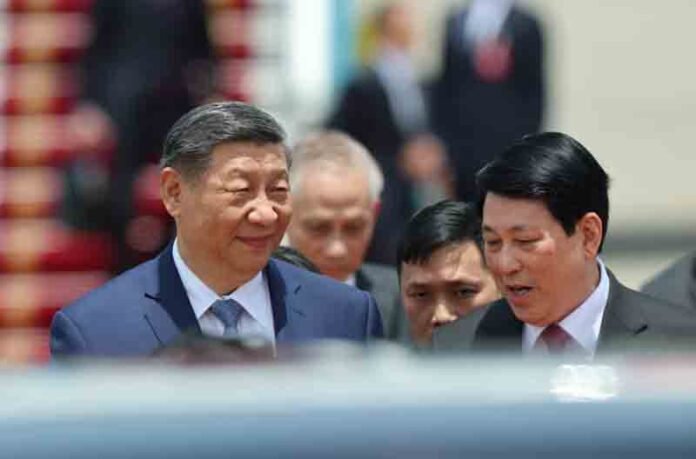
Chinese President Xi Jinping looks on on the day he lays a wreath at the Ho Chi Minh Mausoleum during his visit to Hanoi, Vietnam.

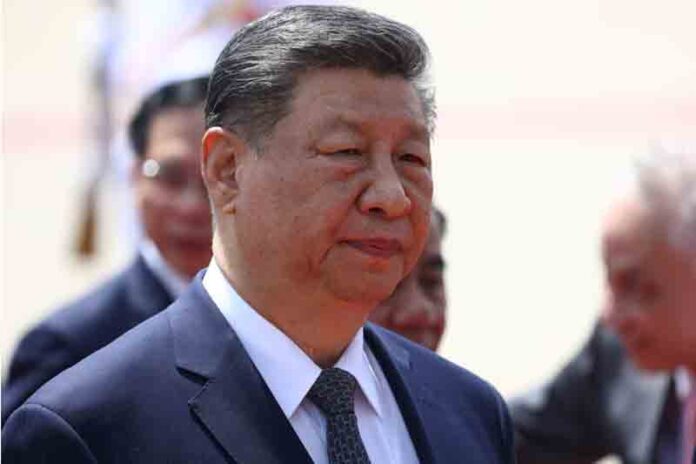
China’s leader, Xi Jinping, called on Cambodia to “resist protectionism” during his visit to Phnom Penh on Thursday, concluding a three-nation tour of Southeast Asia amid concerns that U.S. tariffs could impact the economies of both nations.

Cambodia, a significant exporter of clothing and footwear to the United States, faced a steep tariff rate of 49%, one of the highest in the world, before “reciprocal” duties were suspended until July for most countries, with the exception of China, which is subject to combined tariffs of 145%.

In a piece published in Cambodian media on Thursday morning, Xi urged Phnom Penh to stand against “hegemonism” and “protectionism,” echoing sentiments he shared earlier in the week with Vietnam and Malaysia during the initial stages of his trip.

Phnom Penh maintains a close partnership with China, which has invested billions in various projects, including infrastructure such as roads and airports, and is the largest creditor to the country. “We anticipate increased cooperation, particularly in infrastructure development,” stated Meas Soksensan, a spokesman for the Cambodian finance ministry, in response to inquiries about potential financial backing from Beijing for a 180 km (111.85 miles) canal, Cambodia’s most ambitious infrastructure initiative.

Xi, who has a road named in his honor on the outskirts of the capital, highlighted the positive economic effects of previous Chinese infrastructure investments and reaffirmed his commitment to “unswervingly support” Cambodia’s development, although he did not announce any new specific projects during his remarks on Thursday. The Cambodian government has indicated that China will finance the Funan Techo Canal, which is designed to connect the Mekong River near Phnom Penh to the Gulf of Thailand, redirecting water from the vulnerable Mekong Delta and decreasing Cambodian shipping traffic through Vietnamese ports.

China has not yet made any public financial pledges regarding the project, while Phnom Penh has revised its statements about Chinese involvement, now indicating that it will cover 49% of the total estimated costs of $1.7 billion, which represents nearly 4% of Cambodia’s annual GDP.

According to official Cambodian data, Beijing did not extend any new loans to Cambodia last year, a significant shift from previous years when it provided hundreds of millions of dollars in funding. This decline in financial support coincides with China’s overall reduction in foreign investments due to domestic economic challenges and concerns over unsuccessful projects.

Xi Jinping’s visit to Cambodia has been interpreted as a diplomatic effort to strengthen ties in Southeast Asia, particularly following the impact of U.S. tariffs on the region. During his visit, Xi emphasized the “ironclad friendship” between the two nations but also called on Cambodia to take action against online scams. Many of these scam operations in Cambodia are reportedly managed by Chinese criminal groups, targeting Chinese citizens as victims or forced laborers.

Prior to Xi’s arrival, the Cambodian government announced the deportation of several “Chinese criminals,” including individuals from Taiwan, a decision that drew ire from Taipei but was welcomed by Beijing.

As Xi made his way from the airport to meetings with local leaders, he was greeted by crowds waving Chinese flags, as shown in videos shared on social media. A Western diplomat based in Cambodia commented on the visit, saying, “There are plenty of flags, numerous memoranda of understanding, and a lot of camaraderie, but likely little in terms of substantial outcomes,” referring to the often non-binding agreements signed during such state visits.

A new UK-developed microwave weapon efficiently disables drone swarms at a low cost

0
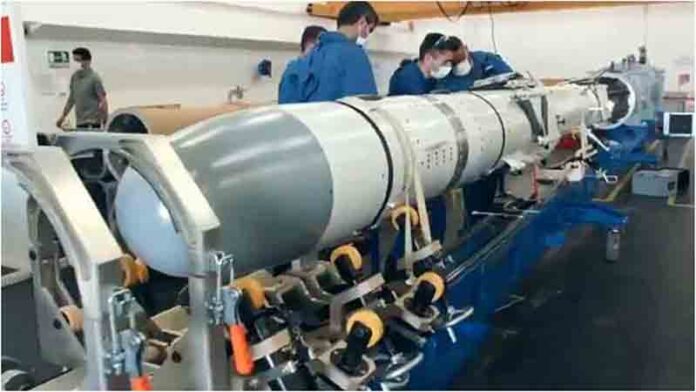
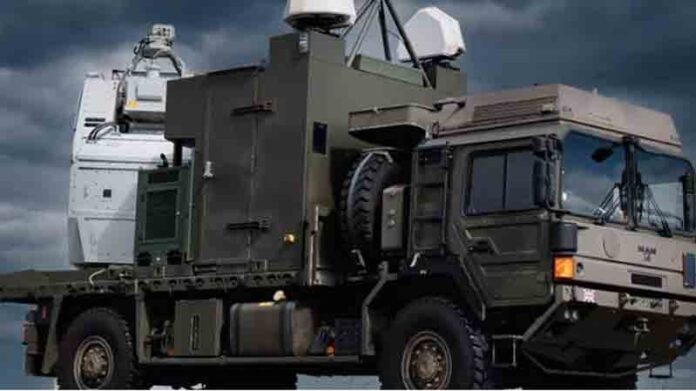
microwave weapon known as RapidDestroyer

The United Kingdom has made a notable advancement in combating the escalating threat of drone warfare with the successful trials of a high-power microwave weapon called RapidDestroyer. This system, developed by a consortium led by the French defense company Thales, utilizes radio frequencies to incapacitate the electronics of unmanned aerial vehicles, effectively neutralizing entire drone swarms.

Conducted by the UK Ministry of Defence in West Wales, the trials showcased the weapon’s capability to track and neutralize over 100 drones, including two swarms of eight, marking a significant achievement in the global competition to create directed energy weapons.

This innovation emerges as military forces around the world confront the rise of inexpensive, mass-produced drones that have transformed contemporary battlefields, particularly evident in the ongoing conflict in Ukraine. The success of RapidDestroyer indicates a move towards cost-effective, wide-area countermeasures, while also prompting discussions about the technology’s limitations and its broader impact on warfare.

RapidDestroyer signifies a significant advancement in the UK’s strategy to tackle the challenges posed by unmanned aerial systems. Unlike conventional air defense systems that depend on missiles or kinetic weapons, this microwave-based technology emits high-frequency radio waves to disrupt or destroy the electronic systems of drones, leading to their malfunction or crash.

Mounted on a flatbed truck, this system is engineered for mobility, although its significant power demands require a strong energy source. During testing at a range in West Wales, the Royal Artillery Trials and Development Unit, along with the 7th Air Defence Group, evaluated the weapon against various unmanned aerial systems, successfully hitting targets at distances of up to one kilometer.

The UK Ministry of Defence emphasized the system’s economical engagement cost, estimated at only 10 pence per shot, presenting it as an attractive alternative to missile-based defenses, which can incur costs in the thousands of dollars per use.

The technology behind RapidDestroyer is based on directed energy weapon principles, utilizing concentrated electromagnetic energy to deliver precise effects without the need for physical projectiles.

High-power microwave systems like RapidDestroyer produce powerful bursts of radio frequency energy that can incapacitate the circuits of targeted devices. This “hard-kill” method causes physical damage to the drone’s electronics, setting it apart from traditional electronic warfare techniques that typically rely on jamming to interfere with communications or navigation.

The system’s capability to engage multiple targets at once makes it particularly effective against drone swarms, where numerous small, agile unmanned systems can overwhelm standard defenses.

The consortium led by Thales, which includes partners such as QinetiQ, Teledyne e2v, and Horiba Mira, has developed RapidDestroyer to be predominantly automated, enabling a single operator to manage the system from a military vehicle like the MAN Support Vehicle 6T.

The importance of this advancement is paramount in the realm of contemporary warfare, where drones have emerged as a crucial element in conflicts. In Ukraine, both Russian and Ukrainian military forces have made extensive use of unmanned systems, with drones contributing significantly to combat-related casualties.

Roman Kostenko, the chairman of Ukraine’s parliamentary defense and intelligence committee, has estimated that unmanned systems account for as much as 80% of casualties in the ongoing conflict, highlighting the pressing need for effective countermeasures. The cost-effectiveness and scalability of small drones have made traditional defense systems, like surface-to-air missiles, increasingly unfeasible.

A single missile can exceed $100,000 in cost, whereas a basic commercial drone can be acquired for just a few hundred dollars, creating a financial imbalance that benefits the aggressor. RapidDestroyer’s cost-efficient engagement strategies present a viable solution, enabling defenders to address threats without exhausting their resources.

Although the capabilities of the RapidDestroyer are noteworthy, its design strikes a careful balance between advantages and limitations. The system’s dependence on microwave energy means its performance can be affected by environmental conditions such as weather and terrain.

In densely populated urban areas, the presence of numerous reflective surfaces and electronic devices may hinder the weapon’s accuracy or operational range. Additionally, while the truck-mounted design offers mobility, it also introduces logistical challenges, as the system requires substantial power to function effectively.

During the trials in West Wales, the weapon showcased its capability to target objects at approximately one kilometer. However, extending this functionality to greater distances or more intricate situations poses a significant challenge.

Experts have raised concerns that microwave weapons may not be ideal for use in civilian environments, as they risk causing unintended harm to non-military electronic devices, including medical apparatus and communication systems.

The development of the RapidDestroyer is part of a larger international initiative to utilize directed energy weapons for air defense. The United States has taken a leading role in this area, exemplified by the Tactical High-power Operational Responder (THOR), which has been developed by the US Air Force.

THOR, comparable in size to a shipping container, employs a microwave-based method to neutralize drone swarms. In April 2023, the Air Force successfully conducted tests with THOR against unmanned aerial vehicles, proving its effectiveness in engaging multiple targets at tactically significant distances. The US Navy is also progressing with its own microwave weapon, named Leonidas, which has been developed by Epirus for use on ships.

In contrast to the truck-mounted RapidDestroyer, Leonidas is engineered to be compatible with naval platforms, offering a streamlined solution for countering drones at sea. The Navy intends to evaluate a related system, Project METEOR, in 2026, which aims to intercept both ballistic missiles and drones.

Other countries are also making substantial investments in directed energy technologies. China has achieved notable advancements with its Hurricane-3000, a high-power microwave system created by NORINCO. Introduced at the Zhuhai Airshow in November 2024, the Hurricane-3000 can target objects at distances of up to three kilometers, providing a hemispherical defense against drone swarms.

Field tests have shown that it can effectively neutralize a variety of unmanned systems, ranging from small reconnaissance drones to larger strike aircraft. In contrast, Russia has concentrated on electronic warfare technologies that integrate jamming with some directed energy capabilities; however, its microwave weapons are not as sophisticated as those developed by Western or Chinese nations.

These international advancements underscore the competitive landscape in the development of drone countermeasures, as each country strives to tackle the same strategic issue: how to protect against a cost-effective, scalable threat that can be deployed en masse.

The historical background of directed energy weapons sheds light on the importance of RapidDestroyer. The pursuit of microwave-based systems dates back to the Cold War, during which both the United States and the Soviet Union investigated electromagnetic weapons to counteract missile and aircraft threats.

In 2006, the UK and US conducted joint tests of a radio frequency demonstrator created by MBDA, which was considered for potential use on cruise missiles or unmanned aerial vehicles. These initial experiments established a foundation for contemporary systems like RapidDestroyer, which leverage advancements in power generation, antenna technology, and automation.

The UK’s investment in directed energy weapons has significantly increased in recent years, largely due to the rising use of drones in conflicts such as those in Syria, Yemen, and Ukraine. In 2019, the Ministry of Defence committed £130 million to the development of laser and radio-frequency demonstrators, with field trials scheduled for 2023.

The development of the RapidDestroyer aligns with the UK’s overall defense strategy. Given the limitations of military budgets in comparison to the United States and China, the UK aims to enhance the effectiveness of its investments by concentrating on innovative and cost-efficient technologies.

The consortium led by Thales has maintained over 135 skilled jobs within the UK, bolstering the domestic defense sector while supporting national security goals. The integration of this system into the British Army’s air defense framework is anticipated by 2027, although the current demonstrator will not be deployed directly. Instead, insights and data from the West Wales trials will guide future developments, potentially resulting in a more compact or adaptable platform.

From a tactical standpoint, RapidDestroyer presents considerable benefits for layered air defense. It offers a low-cost, quick-response solution that complements more expensive systems like the Patriot or Sky Sabre, which are designed to address high-value threats such as manned aircraft or ballistic missiles.

In a situation where an opponent launches numerous drones to overwhelm defenses, RapidDestroyer has the capability to neutralize the swarm, thereby conserving missile resources for more critical threats. Nevertheless, its dependence on line-of-sight targeting and susceptibility to electronic countermeasures, like electromagnetic shielding found on advanced drones, may restrict its effectiveness in specific situations.

While the system’s automation alleviates the workload for operators, it also raises concerns regarding decision-making in complex environments where friendly and enemy drones might be in close proximity.

The geopolitical ramifications of RapidDestroyer extend beyond military engagements. As NATO allies confront increasing threats from both state and non-state actors utilizing drones, the UK’s investment in microwave weaponry enhances the alliance’s overall defense capabilities.

The system’s ability to deter adversaries that depend on low-cost unmanned systems could alter the cost-benefit analysis of asymmetric warfare. However, the spread of directed energy technologies also presents potential dangers.

If unscrupulous governments or non-state actors acquire similar technologies, they could exploit them to disrupt civilian infrastructure or stifle dissent, given the technology’s capacity to indiscriminately target electronics in urban environments.

Looking forward, the success of RapidDestroyer is likely to inspire further advancements in both offensive and defensive technologies. Drone manufacturers may respond by creating systems with improved electromagnetic shielding or autonomous navigation that does not depend on vulnerable electronic components.

Such innovations could diminish the effectiveness of current microwave weapons, leading to a new cycle of countermeasures and counter-countermeasures. Additionally, the ethical implications of deploying directed energy weapons in populated areas will require thorough examination.

The UK Ministry of Defence has highlighted the accuracy of RapidDestroyer; however, concerns persist regarding the potential collateral damage to civilian electronics, especially in scenarios where military and civilian areas overlap.

The introduction of RapidDestroyer signifies a crucial advancement in air defense, showcasing the need to respond to an evolving threat environment. Its capability to effectively counter drone swarms at a low cost addresses a significant weakness revealed by contemporary conflicts, hinting at a future of warfare dominated by directed energy systems.

Nevertheless, the technology’s limitations and the global competition to create similar systems highlight the challenges of sustaining a strategic advantage. As armed forces invest in these technologies, they must find a balance between operational efficiency and the risk of unintended repercussions.

Will RapidDestroyer and similar innovations truly transform the battlefield, or will they simply alter the dynamics of an ongoing technological arms race? The outcome may hinge on how swiftly adversaries adapt and whether the international community can establish regulations to manage the deployment of such formidable technologies.

Xi of China highlights the need to uphold UN and multilateral systems during his Southeast Asia visit

0
Chinese President Xi Jinping

China’s President Xi Jinping emphasized the importance of supporting an international framework centered on the United Nations, trade, and the rule of law during his ongoing tour of Southeast Asia, which comes at a time of significant strain in China-U.S. relations.

Currently in Malaysia, Xi is visiting three Southeast Asian nations, including Vietnam and Cambodia, to strengthen relationships with some of China’s nearest neighbors as tensions with the United States rise.

In an opinion article published in Malaysia’s The Star on Tuesday, Xi asserted that a United Nations-led international system, grounded in international law, is essential for fostering “fairer and more equitable global governance.” He stated, “We must uphold the multilateral trading system, ensure the stability of global industrial and supply chains, and maintain an international environment characterized by openness and cooperation.”

These remarks follow U.S. President Donald Trump’s surprising decision to impose extensive tariffs on various countries shortly after taking office in January. Although some tariffs have been postponed, China is currently facing duties as high as 145%.

As part of his “America First” agenda, Trump has also withdrawn the U.S. from the World Health Organization, diminished the role of USAID, and ceased international aid efforts. In response to the trade conflict, China has indicated its commitment to “tearing down walls” and broadening its network of trading partners.

Malaysia, along with other Southeast Asian countries, has been subjected to an additional 24% tariff on goods exported to the U.S. before Trump announced a 90-day suspension of these tariffs. Malaysian officials are actively seeking relief from the U.S. government.

Xi stated that China aims to collaborate with Malaysia and other members of the Association of Southeast Asian Nations (ASEAN) to “combat the undercurrents of geopolitical and camp-based confrontation” and to address “unilateralism and protectionism.” He also highlighted the necessity for continued cooperation between China and Malaysia under the Belt and Road Initiative and other infrastructure investment projects.

In June of last year, China expressed its interest in exploring a proposal to link Malaysia’s $10 billion East Coast Rail Link with other railway initiatives in Laos and Thailand that are backed by China, which could potentially broaden the Belt and Road Initiative throughout Southeast Asia.

According to a report by China’s state-run CCTV on Wednesday, following a meeting between Xi and Malaysia’s King Sultan Ibrahim, Xi indicated that China is open to importing more high-quality agricultural products from Malaysia.

Later on Wednesday, Xi is scheduled to meet with Malaysian Prime Minister Anwar Ibrahim, and it is anticipated that additional agreements between China and Malaysia will be finalized. Since 2009, China has held the position of Malaysia’s largest trading partner, with total trade reaching 484.1 billion ringgit (approximately $109.65 billion) last year, as reported by Malaysia’s foreign ministry.

Dragon Arrives in Cairo: China’s Xian Y-20 Airlifters Signal Strengthening Military Ties with Egypt

0
YY-20A tanker, China

The sudden arrival of six Chinese Xian Y-20 strategic airlifters in Egypt has sparked significant speculation about the secretive nature of their cargo, which has not been revealed by either side. This event goes beyond mere logistics; it highlights the strengthening defense relationship between Beijing and Cairo, a nation historically viewed as one of Washington’s key allies in the Middle East.

This remarkable exhibition of Chinese military logistics in a region typically aligned with Western interests has understandably raised alarms among U.S. strategic planners, indicating a shift in the balance of influence and access.

Open-source intelligence (OSINT) analysts monitored the aircraft’s journey using publicly accessible flight tracking services like FlightRadar24, observing their path from China with a technical stop in Dubai before arriving in Egypt. The Xian Y-20, created by Xi’an Aircraft Industrial Corporation under AVIC, marks a significant advancement in China’s capacity for global power projection through strategic airlift operations.

Designed for extensive logistical support, the Y-20 can transport mechanized units, artillery, armored vehicles, and humanitarian supplies across vast distances, acting as the logistical foundation for the PLAAF’s expeditionary goals. With a maximum payload of 66 tonnes, a length of 47 meters, and a wingspan of 50 meters, the Y-20 is capable of delivering essential resources deep into contested or remote areas.

The Y-20 boasts an unrefueled range of around 7,800 kilometers, enabling intercontinental operations across Asia, Africa, and the Middle East. This capability provides China with a reliable means to conduct overseas missions and extend its influence.

Engineered with a rear cargo ramp and an internal winching system, the Y-20 is tailored for swift loading and unloading, which is essential for effective disaster response and high-intensity military operations.

Recent models, such as the Y-20U aerial refueling tanker, along with proposed amphibious and medevac variants, demonstrate China’s ambition to broaden the aircraft’s operational scope within multi-domain warfare contexts.

As a domestically developed platform, the Y-20 represents China’s emergence as a significant competitor in the global aerospace sector, integrating industrial strength with military strategy.

Egypt’s increasing military partnership with China signifies a strategic shift in its defense strategy, motivated by the need to diversify its sources of military equipment and lessen reliance on U.S. and European systems.

Since 2025, the relationship between Egypt and China has entered what officials refer to as a “Golden Decade,” marked by enhanced military-technical collaboration, joint training exercises, and substantial arms agreements.

A key element of this new partnership is Egypt’s procurement of the Chengdu J-10C, a 4.5-generation multirole fighter jet, with deliveries to the Egyptian Air Force commencing in early 2025.

Reports from February indicated that the first shipments of the J-10CE, the export version of the J-10C, have arrived. This aircraft is armed with the PL-15 beyond-visual-range (BVR) air-to-air missile, specifically designed to counter the supremacy of Western air combat systems.

Chinese aerospace analyst Hurin noted the operational deployment of these aircraft on platform X, sharing images of two J-10CEs featuring Egyptian insignia.

Cairo is reportedly looking to acquire as many as 40 J-10CEs, representing a significant departure from its reliance on older U.S.-made F-16s and indicating a broader shift in Egypt’s tactical airpower strategy. The J-10CE, manufactured by Chengdu Aircraft Corporation, shares its airframe and avionics with China’s leading air superiority fighters and has been showcased in combat demonstrations by China’s elite “August 1st” aerobatics team.

Egypt’s choice to proceed with the J-10C was reportedly finalized in September 2024 and is widely seen as a response to the longstanding American hesitance to provide Cairo with more advanced military systems.

While Egypt’s Ministry of Defense has not yet publicly confirmed the full details of the procurement, both international and local media have reported that the deal is finalized.

The initial signs of Egypt’s interest in the J-10C can be traced back to LIMA 2023 in Malaysia, where high-level defense talks between Egyptian and Chinese officials reportedly occurred. At the same event, China’s August 1st team showcased the J-10Cs, allowing Egyptian decision-makers to observe the aircraft’s agility and combat capabilities firsthand.

By July 2024, China had officially presented its proposal to Egypt during a state visit by Egyptian Air Force Commander General Mahmoud Fouad Abdel Gawaad to Beijing, which was hosted by General Chang Dingqiu. Egyptian military officials characterized the visit as a reaffirmation of Cairo’s commitment to enhancing its defense collaboration with China, particularly in advanced aerospace technologies.

During his visit, General Fouad was welcomed at Tangshan Air Base, where his delegation witnessed an aerial demonstration showcasing the full operational capabilities of the J-10C. This event was a clear indication of Beijing’s strategic outreach.

In addition to its combat aviation advancements, Egypt has incorporated Chinese air defense systems into its military framework, particularly the HQ-9B long-range surface-to-air missile (SAM) system. The HQ-9B, developed by the China Aerospace Science and Industry Corporation (CASIC), is comparable to Russia’s S-400 and is designed to deliver multi-layered air defense against a variety of threats.

With an engagement range of up to 300 kilometers and an operational altitude of 30 kilometers, the HQ-9B provides essential area denial capabilities to safeguard critical infrastructure and urban areas. Its radar system, utilizing active phased array technology, allows for the simultaneous targeting of multiple aerial threats while effectively countering jamming and electronic warfare tactics.

The missile employs a hybrid guidance system that combines inertial navigation with mid-course updates and terminal-phase active radar homing, enhancing its accuracy.

The deployment of the HQ-9B in Egypt not only strengthens Cairo’s air defense capabilities but also reflects a broader inclination to consider non-Western options in critical security matters.

This strategic pivot aligns with Egypt’s acquisition of the Wing Loong-1D unmanned combat aerial vehicle (UCAV), which offers a cost-effective, long-endurance solution for precision strikes and intelligence, surveillance, and reconnaissance (ISR) operations. The Wing Loong-1D competes with the U.S.-made MQ-9 Reaper in terms of performance but is associated with fewer export limitations and lower costs.

Additionally, Egypt has enhanced its unmanned systems through the local production of the ASN-209 tactical UAV, developed with Chinese assistance, further solidifying the industrial partnership between the two nations.

The military relationship between Cairo and Beijing also encompasses the maritime sector, marked by the inaugural joint naval exercises in 2015, which established a foundation for enhanced cooperation in regional maritime security. Overall, Egypt’s expanding defense partnership with China reflects a significant transformation in Middle Eastern strategic alliances, as regional nations strive for increased independence within a multipolar global landscape.

Russia is considering establishing an airbase in Indonesia to allow strategic bombers to operate near Australia

0
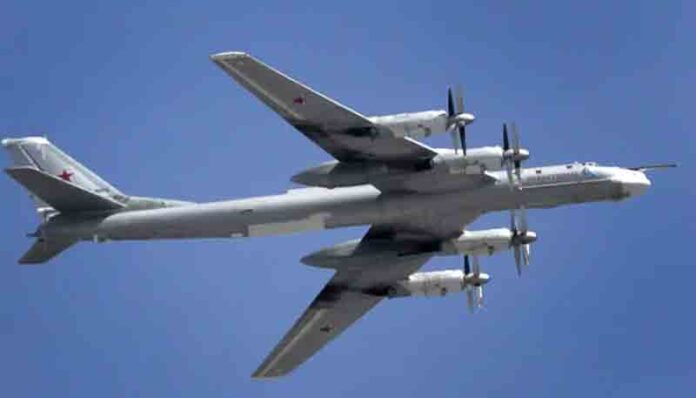
Tu-95 strategic long-range bomber

In a development that could significantly alter military dynamics in the region, Indonesia has reportedly received an official request from the Russian government to station long-range military aircraft, including nuclear-capable strategic bombers, on its territory.

An international defense intelligence source indicates that Moscow is seeking permission to utilize Manuhua Air Base in Papua, Indonesia’s easternmost province, for the deployment of its long-range assets, which may include the Tu-95 ‘Bear’ strategic bomber.

The proposed location, Manuhua Air Base, shares its runway with Frans Kaisiepo International Airport, underscoring the facility’s dual-use capabilities.

Sources within the Indonesian government have confirmed to Janes that the request was submitted to Defence Minister Sjafrie Sjamsoeddin’s office following his meeting with Sergei Shoigu, the Secretary of the Security Council of the Russian Federation, in February 2025.

The request outlines Russia’s intention to base several long-range aircraft at Manuhua Air Base, which operates alongside Frans Kaisiepo Airport, as detailed in documents provided to Janes.

Strategically positioned on Biak Island, Manuhua Air Base serves as the operational center for the Indonesian Air Force’s 27th Air Squadron, which operates CN235 maritime patrol aircraft to oversee crucial sea lanes. Additionally, it is home to the newly established 9th Air Wing, a unit currently lacking an assigned aircraft fleet, potentially making it an ideal candidate for joint or foreign operations.

The Russian request did not clarify the specific type or number of aircraft that its Aerospace Forces (VKS) plan to deploy at the facility.

Sources indicated that Moscow had previously sought temporary landing rights at Manuhua for aircraft like the Tu-95 strategic bomber and the Il-76 transport, highlighting a sustained interest in establishing a logistical presence in the area. Reports also suggest that Indonesia has occasionally granted temporary permission for Russian military aircraft to operate from the base.

In a prompt response, Indonesia’s Ministry of Defence categorically denied any claims that the government had accepted a proposal from Russia to station strategic aircraft on its soil. “Regarding the reports about Russia’s proposal to use an Indonesian air base, the Ministry of Defence firmly states that this information is false,” said ministry spokesperson Frega Wenas Inkiriwang, as reported by Antara news agency.

These reports raised alarms in Canberra, with Australian Prime Minister Anthony Albanese stating, “We clearly do not want to see Russian influence in our region.” Australian Defence Minister Richard Marles confirmed that he had spoken directly with his Indonesian counterpart, who reassured him that the reports were “simply not true.”

Despite the denials, the enduring military relationship between Indonesia and Russia indicates that a more profound strategic dialogue may already be underway. A report from ABC News Australia highlighted that defense cooperation between Jakarta and Moscow has been gradually increasing over the years, especially in the military-technical sector.

In October 2024, Russian Ambassador to Jakarta Sergei Tolchenov informed TASS that military collaboration is a crucial aspect of the bilateral relationship. He remarked, “For obvious reasons, I probably will not name any specific topics or projects now. But we are working quietly in this direction. Business, diplomacy, and especially the military-technical sphere thrive on discretion. I am confident that there will be significant agreements.”

The strengthening security ties between the two countries became evident last year when Indonesia and Russia held their inaugural joint naval exercise in the Java Sea, named Latma ORRUDA 2024.

The term “ORRUDA” combines the national symbols of both nations—Orel (the Russian eagle) and Garuda (Indonesia’s mythical bird)—highlighting the significance of this collaboration. Russia’s naval contingent for the exercise included three corvettes—RFS Gromky, RFS Rezkiy, and RFS Aldar Tsydenzhapov—along with the fleet tanker RFS Pechenga, a Kamov Ka-27 anti-submarine helicopter, the Ufa (B-588) submarine on a goodwill visit, and the rescue tug Alatau.

In response, Indonesia deployed KRI I Gusti Ngurah Rai-332, KRI Frans Kaisiepo-368, an AS565 MBe Panther helicopter, and CN235 maritime patrol aircraft, with around 500 personnel engaged in coordinated maritime operations.

Manuhua Air Base, located approximately 1,200 to 1,300 kilometers northeast of Darwin, Australia, is just a two-hour flight from northern Australian shores, emphasizing its strategic importance as a forward-operating base in the Indo-Pacific region. Its proximity to Australia adds significant weight to any potential shifts in regional power dynamics.

For Russia, establishing a presence in Biak offers a range of strategic advantages with significant implications.

Firstly, Biak’s location at the intersection of the Western Pacific and the Arafura Sea provides Moscow with a crucial observation point to monitor naval and aerial movements in contested areas, including the South China Sea, Guam, and northern Australia.

Secondly, it allows Russia to effectively counter the growing influence of AUKUS—a trilateral alliance involving Australia, the United Kingdom, and the United States—especially concerning submarine technology collaboration and forward deployment strategies.

Thirdly, the air base serves as a potential launchpad for Russia’s long-range military aircraft, such as the Tu-95 and Tu-160 strategic bombers, Tu-142 maritime patrol planes, and ISR (intelligence, surveillance, reconnaissance) systems, thereby expanding Russia’s operational capabilities into the Southern Hemisphere.

Fourth, Biak’s proximity to Indonesia’s space launch facilities and resource-rich maritime areas makes it an ideal site for electronic and signals intelligence operations, which could significantly improve Moscow’s situational awareness in the region.

Lastly, for Indonesia—a country that values its non-aligned and independent foreign policy—its partnership with Russia offers a means to diversify its defense collaborations beyond conventional Western alliances.

Finally, gaining access to Biak could bolster Russia’s long-term economic goals in the Indo-Pacific, particularly in terms of securing future access to resources or logistical pathways associated with Papua’s natural riches and key maritime chokepoints.

Should this materialize, Russia’s presence at Manuhua might transform the military dynamics of the Indo-Pacific, leading to adjustments in defense strategies from the United States, Australia, and ASEAN nations, thereby altering the region’s fragile balance of power.

India is offering affordable financing for weapons to target Russia’s existing clients

0
Indian Army soldiers participate in a mock drill exercise during the Army Day parade in New Delhi, India.

Prime Minister Narendra Modi‘s initiative to establish India as a global manufacturing hub has already yielded billions in affordable iPhones and pharmaceuticals. Now, he aims to expand this success to include missiles, helicopters, and battleships for foreign governments.

As the world’s second-largest arms importer after Ukraine, India is enhancing the capabilities of the state-owned Export-Import Bank (EXIM) to provide long-term, low-interest loans to clients, including those facing political or credit challenges that hinder access to traditional financing, according to two Indian officials and three industry insiders.

Additionally, New Delhi plans to significantly increase the number of defense attachés in its embassies as part of a new strategy that will involve the government directly negotiating certain arms contracts, as reported by four Indian officials. India is particularly focusing on nations that have historically depended on Russia for military supplies, according to two sources.

The plans, shared with Reuters by 15 individuals and previously unreported, represent a groundbreaking effort by the Indian government to engage in the recruitment and financing of international buyers amid a global arms buildup and shifting geopolitical alliances.

Historically, Indian officials have concentrated on acquiring fighter jets from Russia’s Sukhoi and artillery from the United States to counter threats from China and Pakistan, its two nuclear-armed neighbors. While India has maintained a small-arms manufacturing sector for some time, its private companies have only recently begun producing more advanced munitions and equipment.

The Indian ministries of defense and external affairs, along with Modi’s office, did not respond to requests for comments, and EXIM also declined to provide a statement. “India is progressing towards its goal of boosting defense exports,” stated Defense Minister Rajnath Singh on X this month.

A significant turning point occurred with Russia’s invasion of Ukraine in February 2022, as noted by an Indian official responsible for expanding arms exports. Similar to many individuals interviewed by Reuters for this report, the official requested anonymity to address sensitive governmental issues.

As Western stockpiles were sent to Kyiv, Russian factories focused their production almost entirely on munitions for the ongoing conflict. This situation left countries that had traditionally depended on Washington and Moscow— the two largest arms suppliers in the world— searching for new options. The official indicated that Delhi began receiving more inquiries due to its history of acquiring and integrating arms technology from both Western nations and Russia.

In response to inquiries from Reuters, Rosoboronexport, the Russian state arms exporter, referenced earlier statements indicating ongoing discussions with India regarding the joint production and promotion of military equipment for third-party nations that are “friendly to Russia.” The Pentagon declined to comment.

According to government data, India produced $14.8 billion worth of arms in the fiscal year 2023-2024, marking a 62% increase since 2020. Reports from Reuters have previously indicated that some Indian-manufactured artillery shells were discovered on the frontlines in Ukraine, aiding Kyiv’s defense efforts.

Delhi has begun facilitating meetings between visiting delegations and local arms manufacturers, as well as showcasing advanced equipment such as combat helicopters during military drills, according to four officials. Viraj Solanki, a research fellow at the International Institute for Strategic Studies in London, remarked that India faces obstacles in marketing its newer, high-end products. He stated, “Unless it starts utilizing its indigenous equipment more regularly and demonstrating its effectiveness, it is likely to struggle to persuade potential buyers.”

FAST AND AFFORDABLE

The government led by Modi aims to increase arms and equipment exports to $6 billion by 2029. The goal is to expand sales beyond the current focus on ammunition, small arms, and defense components that dominate military exports.

Delhi fell short of its $3.5 billion arms sales target for the most recent fiscal year by approximately one-third; however, this still represents a notable rise from the $230 million in weapons and defense components exported a decade ago.

In an era of constrained global budgets and rising defense needs, India is positioning itself as a cost-effective producer.

According to two Indian sources, India can manufacture 155 mm artillery ammunition for around $300 to $400 each, while European counterparts are priced at over $3,000.
Additionally, Indian companies have sold howitzers for about $3 million each, which is roughly half the cost of their European-made equivalents.

While Western countries that scaled back defense production after the Cold War are now working to revive their factories, state-owned Munitions India is among the Indian firms that maintained their production capabilities.

Delhi, which has recently engaged in conflicts with Pakistan and China, has faced a different strategic landscape, noted retired naval Commander Gautam Nanda, who heads KPMG’s aerospace and defense consulting in India. “Our production capacity was never reduced.”

Private companies such as Adani Defence and Aerospace, along with ammunition manufacturer SMPP, are starting to produce 155 mm artillery shells, which they report have already been requested by foreign governments.

“In light of this evolving situation, we anticipate a significant surge in demand for artillery ammunition,” stated Ashish Kansal, CEO of SMPP, whose company is establishing a facility to manufacture large caliber 155 mm artillery shells.

ENHANCED WEAPONS

India aims to leverage increased funding for arms exports through EXIM, which had a loan portfolio of $18.32 billion in the fiscal year 2023-24, to elevate its products within the value chain.

This financing will primarily be managed by EXIM’s commercial division, which has government support but does not rely solely on the national budget. According to an industry source, Indian arms manufacturers have strongly advocated for this initiative.

Many banks in India have been hesitant to provide commercial loans for arms exports due to concerns about engaging with countries that present higher credit and political risks, as noted by an Indian diplomat speaking to Reuters.

This reluctance has historically hindered India’s ability to compete for significant contracts with nations like France, Turkey, and China, which offer financing or credit guarantees, the diplomat added.

One market that India is looking to penetrate further is Brazil, where EXIM established an office in January.

Delhi is currently negotiating the sale of Akash missiles to Brasília, according to two industry sources and two Brazilian officials. Despite facing limitations in its own shipbuilding capabilities, India is also pursuing an agreement to construct battleships for Brazil, as confirmed by the same Brazilian officials and an Indian representative.

Bharat Electronics of India, which develops components for the Akash missile system, has opened a marketing office in São Paulo this year, according to two Indian industry sources.

EXIM is expected to assist in financing some of the transactions in Brazil, they noted.

Brazil’s military communicated via email to Reuters that the creators of Akash had replied to an inquiry for information, but no decision regarding the purchase has been made yet. Bharat Electronics has not provided any comments on the matter.

STRATEGIC AUTONOMY

New Delhi is concentrating its arms-export strategy on nations in Africa, South America, and Southeast Asia. According to three Indian defense officials, India intends to send at least 20 new defense attachés to its embassies abroad by March 2026.

The countries that will host these attachés include Algeria, Morocco, Guyana, Tanzania, Argentina, Ethiopia, and Cambodia. The officials noted that New Delhi is confident in its capacity to significantly boost arms exports to these nations. One official mentioned that this initiative would coincide with a decrease in the number of defense attachés assigned to Western embassies, who will be reassigned elsewhere.

These attachés are responsible for promoting Indian military equipment and have been equipped with resources to assess the defense needs of their host countries. Similar to India, many of these nations have historically procured military supplies from the Soviet Union and Russia, which contrasts with the NATO standards adopted by numerous Western manufacturers.

A notable success is Armenia, where India assigned a defense attaché for the first time last year. India has already diminished Russia’s dominance in supplying arms to Armenia, a former Soviet republic that has expressed a need to diversify away from Moscow.

Between 2022 and 2024, India accounted for 43% of the arms imported by Armenia, a significant increase from nearly zero between 2016 and 2018, according to data from the Stockholm International Peace Research Institute. Rosoboronexport stated in March that SIPRI, which relies on publicly available information, does not possess complete data.

Russia claims that achieving a peace agreement on Ukraine with the United States is difficult

0
Russian Foreign Minister Sergey Lavrov

Russian Foreign Minister Sergei Lavrov stated that reaching an agreement with the United States on critical elements of a potential peace settlement to conclude the conflict in Ukraine has proven challenging. He emphasized that Russia will not allow itself to become economically reliant on the West again.

U.S. President Donald Trump, who aspires to be remembered as a peacemaker, has consistently expressed his desire to end the “bloodbath” of the ongoing three-year war in Ukraine, although no agreement has been finalized.

In an interview with the Kommersant newspaper, Lavrov remarked, “It is not easy to agree on the key components of a settlement. They are currently under discussion,” when asked about the potential for consensus between Moscow and Washington regarding a peace deal.

He further explained, “We understand what a mutually beneficial agreement entails, which we have never dismissed, and what a deal might lead us into another trap,” as stated in the interview published in Tuesday’s edition. The Kremlin indicated on Sunday that it is premature to anticipate outcomes from the effort to restore more normalized relations with Washington.

Lavrov noted that President Vladimir Putin had clearly articulated Russia’s stance in June 2024, insisting that Ukraine must officially abandon its NATO aspirations and withdraw its forces from the entirety of the four Ukrainian regions claimed by Russia.

“We are discussing the rights of the people residing in these territories. This is why these lands hold significance for us, and we cannot relinquish them, allowing people to be displaced,” Lavrov asserted.

Currently, Russia occupies nearly one-fifth of Ukraine, including Crimea, which it annexed in 2014, along with parts of four other regions that Moscow now claims as Russian territory—a claim that is not recognized by the majority of nations. Lavrov commended Trump’s “common sense” and noted that previous U.S. support for Ukraine’s NATO membership bid was a significant factor contributing to the war in Ukraine.

According to him, Russia’s political leadership would not tolerate any actions that could lead the country back into economic, military, technological, or agricultural reliance on the West.

Lavrov stated that the globalization of the world economy has been undermined by the sanctions imposed on Russia, China, and Iran by the administration of former U.S. President Joe Biden.

Biden, along with Western European leaders and Ukraine, characterizes Russia’s invasion in 2022 as an imperialistic land grab and has consistently pledged to overcome Russian military forces.

In contrast, Putin frames the conflict in Ukraine as part of a struggle against a waning West, which he claims has humiliated Russia since the fall of the Berlin Wall in 1989 by expanding NATO and infringing upon what he views as Moscow’s rightful sphere of influence.

Vance sees a strong chance of a US-UK deal and criticizes Zelenskiy

0

There is a strong possibility that the United States and the United Kingdom will reach a significant trade agreement, according to President Donald Trump’s deputy, JD Vance, during an interview with UnHerd on Tuesday. Vance attributed this potential development to Trump’s affection for the UK and its royal family.

In Trump’s initial tariff announcement, Britain was not subjected to the harshest penalties, largely because the two nations maintain a relatively balanced trade relationship. However, British imports to the U.S. currently face a 10% tariff, while the steel and automotive sectors are subject to a 25% rate.

Officials from both countries have been engaged in discussions for several weeks, initially concentrating on enhancing collaboration in artificial intelligence and technology, with the possibility of extending these talks to include food and other products. Vance emphasized that the U.S. administration is diligently working with Prime Minister Keir Starmer’s government.

“The President has a deep affection for the United Kingdom,” Vance stated. “He admired the Queen and holds great respect for the King. This relationship is crucial, and as a businessman, he has numerous significant business connections in Britain.” Highlighting the cultural ties between the U.S. and the UK, Vance expressed optimism: “I believe there is a strong likelihood that we will reach a beneficial agreement for both nations.”

Since assuming the vice presidency in January, Vance has adopted a confrontational stance towards Europe, reiterating his desire for the continent to enhance its defense spending. He also criticized Ukrainian President Volodymyr Zelenskiy, responding to Zelenskiy’s recent remarks suggesting that Vance had somehow justified Russia’s invasion of Ukraine. Vance clarified that he has condemned Russia since 2022 but has sought to understand the strategic goals of both parties to facilitate a resolution.

This does not imply that you endorse the Russian agenda or the large-scale invasion; rather, it is essential to comprehend their strategic boundaries, just as it is important to grasp what the Ukrainians aim to achieve from the conflict, he stated.

He expressed that it is quite unreasonable for Zelenskiy to suggest to the American government, which is currently supporting his administration and military efforts, that the U.S. is somehow aligned with the Russians.

He remarked that such statements are “definitely unhelpful.”

Saudi Arabia is reportedly preparing to pay off Syria’s debts to the World Bank, sources say

0

Saudi Arabia is set to settle Syria‘s debts to the World Bank, according to sources with knowledge of the situation. This move could facilitate the approval of substantial grants aimed at reconstruction and revitalizing the country’s struggling public sector.

This initiative, which has not been reported before, marks the first instance of Saudi financial support for Syria since the Islamist-led opposition ousted former president Bashar al-Assad last year.

It may also indicate that essential support from Gulf Arab nations for Syria is starting to take shape, following previous initiatives, such as a plan from Doha to fund salaries, which were stalled due to uncertainties surrounding U.S. sanctions. Recently, Qatar revealed a strategy to supply gas to Syria through Jordan to enhance the country’s limited electricity resources, a decision that sources indicated had received approval from Washington.

A representative from the Saudi Ministry of Finance stated to Reuters, “We do not comment on speculation, but we will make announcements when they are official.” The Saudi government’s media office, a spokesperson for the World Bank, and a Syrian government official did not respond immediately to requests for comments.

Syria currently owes approximately $15 million to the World Bank, which must be cleared before the institution can approve grants or offer other assistance. However, Damascus is facing a shortage of foreign currency, and a previous plan to settle these debts using frozen assets abroad did not come to fruition, according to two sources familiar with the situation. World Bank officials have been in discussions about financing to aid in the reconstruction of the country’s power grid, which has suffered extensive damage due to years of conflict, as well as to support public sector salaries, according to two sources. A technical team from the World Bank met with Syria’s Finance Minister Mohammed Yosr Bernieh on Monday, as reported by the Syrian state news agency Sana.

The recent meeting marked the inaugural public dialogue between the Syrian government and the World Bank, focusing on enhancing financial and economic relations between the two parties.

Bernieh emphasized the detrimental impact of international sanctions on Syria, as well as the policies of the previous regime, on the nation’s financial and banking sectors.

According to a report from Reuters on Saturday, Syria plans to send a senior delegation to Washington for the upcoming annual spring meetings of the World Bank and IMF later this month. This visit will be the first by Syrian officials to the U.S. since the ousting of Assad.

It remains uncertain whether the Syrian delegation will engage with any U.S. officials during their visit. The stringent U.S. sanctions that were enacted during Assad’s administration are still in effect.

In January, the U.S. granted a six-month exemption for certain sanctions to facilitate humanitarian aid, although this measure has had limited success. Last month, the U.S. provided Syria with a list of conditions to meet in exchange for partial sanctions relief, but the administration of President Donald Trump has largely refrained from engaging with the new Syrian leadership.

This cautious approach is partly due to differing opinions within Washington regarding the strategy towards Syria. Some officials in the White House advocate for a tougher stance, citing the new Syrian leadership’s past connections to Al-Qaeda as justification for minimal engagement, according to diplomats and U.S. sources.

Zelensky’s request for $15 billion in Patriot missiles surprises US officials

0
Ukrainian service members walk next to a launcher of a Patriot air defence system, amid Russia's attack on Ukraine, in an undisclosed location, Ukraine.

Ukrainian President Volodymyr Zelensky has indicated that Ukraine is prepared to acquire 10 Patriot air defense systems from the United States for $15 billion, highlighting the nation’s pressing need to enhance its defense capabilities amid ongoing hostilities.

This announcement, initially shared on X by Clash Report and later confirmed by outlets like Euromaidan Press, comes as Ukraine continues to confront persistent aerial threats. The news has ignited conversations regarding the practicality of such a transaction, the strategic ramifications for both countries, and the evolving landscape of air defense in contemporary warfare.

Although Washington has reportedly opted not to sell the systems outright, this proposal underscores the intricate nature of military assistance and procurement during wartime.

The Patriot system, officially known as the Phased Array Tracking Radar for Intercept on Target, represents a fundamental component of American air defense technology. Developed by Raytheon Technologies (now RTX Corporation), it is engineered to address a variety of aerial threats, including tactical ballistic missiles, cruise missiles, and advanced aircraft.

Typically, each Patriot battery comprises a phased-array radar (either AN/MPQ-53 or -65), a command-and-control center (AN/MSQ-104), up to eight launchers with four missiles each, and a power generation unit. The system’s most sophisticated interceptors, the PAC-3 (Patriot Advanced Capability-3), utilize hit-to-kill technology, directly engaging targets at distances of up to 35 kilometers for ballistic missiles and 100 kilometers for aircraft.

A single battery, which costs around $1 billion, necessitates approximately 90 personnel for operation, with additional expenses for missiles—each PAC-3 interceptor is priced at about $4 million. The acquisition of ten systems, as proposed by Zelensky, would require not only a substantial financial investment but also significant infrastructure, training, and logistical support.

Ukraine’s interest in the Patriot missile system is driven by its demonstrated effectiveness. Since its first use in the 1991 Gulf War, where it successfully intercepted Iraqi Scud missiles, the system has seen substantial enhancements.

In Ukraine, the Patriot systems have been recognized for their success in intercepting Russian Kinzhal hypersonic missiles, highlighting their importance in addressing contemporary threats. The system’s radar is capable of tracking up to 100 targets at once, providing a 360-degree coverage area of approximately 150 kilometers, depending on the terrain.

For a nation the size of Ukraine, deploying 10 Patriot systems could theoretically safeguard major cities such as Kyiv, Odesa, or Lviv; however, a comprehensive defense of the entire country would necessitate a significantly larger number. When compared to alternatives like the Soviet-era S-300, which Ukraine continues to use, the Patriot system offers enhanced accuracy and better compatibility with NATO systems.

Nonetheless, it does not possess the same level of mobility as newer systems like Israel’s David’s Sling or Russia’s S-400, which can be redeployed more quickly but have their own challenges in countering low-flying drones.

The financial implications of President Zelensky’s proposal raise urgent concerns. The World Bank estimated Ukraine’s GDP for 2024 at $179 billion, making a $15 billion acquisition—almost 8% of its economy—a considerable strain.

According to a report by Euromaidan Press on April 10, 2025, Zelensky indicated a willingness to allocate between $30 billion and $50 billion for a more extensive U.S. defense package, suggesting potential flexibility in funding through loans or international assistance.

Since Russia’s invasion in 2022, the United States has allocated more than $83 billion in military support, contributing to a total aid package of $120 billion by early 2025, as reported by the Center for Strategic and International Studies.

A significant portion of this assistance has come in the form of grants or withdrawals from U.S. stockpiles rather than direct sales. A transaction of this scale would likely necessitate Congressional approval and could include offsets, such as future revenues from Ukrainian minerals, a subject that has been part of recent discussions between the U.S. and Ukraine.

From a logistical standpoint, supplying 10 Patriot systems poses significant challenges. Raytheon’s production capabilities are limited, with only a small number of batteries produced each year. A 2023 agreement with Japan and other partners for 1,000 PAC-3 interceptors, valued at $5.5 billion, highlights the lengthy lead times, with deliveries expected to extend through 2027.

The Patriots that Ukraine received in 2023 took several months to become operational due to the necessary training. Expanding to 10 systems would require hundreds of trained personnel for operation and maintenance, along with a consistent supply of interceptors, all while Russia continues to target Ukrainian infrastructure.

The U.S. Army, which operates 16 Patriot battalions worldwide, would be hesitant to reallocate systems from its own inventory or from allies such as Poland, which has two batteries, or Saudi Arabia, a key operator with ten.

Washington’s reported decision not to sell, as indicated by various sources, reflects a strategic approach. The U.S. has chosen to prioritize aid over sales to retain the ability to support Ukraine while safeguarding its own defense capabilities. Other allies, such as Germany and Romania, have either provided or committed to supplying Patriot systems, yet the global demand continues to exceed the available supply.

For example, Poland currently operates two Patriot batteries but is seeking additional units to address Russian threats along NATO’s eastern border. Both the Biden and Trump administrations have encountered domestic pressure to find a balance between supporting Ukraine and addressing national security concerns. A report from CSIS in 2025 anticipated that U.S. deliveries to Ukraine could increase to $920 million per month, although political changes may influence this forecast.

From a geopolitical perspective, the proposal holds significance beyond mere financial considerations and equipment. Ukraine’s interest in acquiring Patriot systems indicates a move towards greater long-term self-sufficiency, diminishing reliance on sporadic aid. President Zelensky’s remarks, as noted on the official Ukrainian presidential website on April 13, 2025, highlight this intention: “We are prepared to buy these additional systems.”

However, Russia is likely to respond aggressively. Moscow has already modified its strategies, employing low-cost drones like the Shahed-136 to overwhelm Ukrainian defenses. The S-400, which is Russia’s closest counterpart to the Patriot, has a longer range—up to 400 kilometers with specific missiles—but faces challenges against low-altitude threats. A Ukrainian enhancement of Patriot systems could lead Russia to escalate its use of drone swarms or increase the deployment of Iskander ballistic missiles, testing the limits of the defense system.

Historically, air defense has played a crucial role in shaping military conflicts. During the Cold War, the U.S. relied on systems such as the Nike Hercules, while the Soviets deployed the SA-2, which famously shot down a U-2 spy plane in 1960. Today, the Patriot’s involvement in Ukraine is reminiscent of the Stinger missile’s impact in Afghanistan during the 1980s, which shifted the balance against Soviet air superiority.

Modern warfare necessitates a multi-layered defense strategy. Ukraine’s combination of NASAMS, IRIS-T, and S-300 systems offers some level of protection, but vulnerabilities persist against Russia’s varied weaponry. European options, such as the Franco-Italian SAMP/T, provide mobility but do not match the missile interception capabilities of the Patriot system. Meanwhile, Israel’s Arrow system, which is tailored for exo-atmospheric interceptions, is overly specialized for Ukraine’s requirements.

In a broader perspective, there is a global competition for air defense dominance. China’s HQ-9, boasting a range of 200 kilometers, and India’s acquisition of the S-400 demonstrate how countries are preparing for missile threats.

Ukraine’s situation has accelerated this trend, highlighting that no single defense system can address all challenges. Drones, which can be procured for as little as $20,000, have the potential to overwhelm interceptors that cost millions, a phenomenon evident in the Houthi assaults on Saudi Arabia.

The U.S. Navy’s Aegis system, utilized on destroyers and incorporating the Patriot’s PAC-3 technology, is not suitable for land-based defense in Ukraine. Meanwhile, emerging laser defense systems, such as Israel’s Iron Beam, offer promising cost-effective alternatives but are still years away from operational readiness.

Public opinion in the U.S. adds complexity to the situation. A Pew Research poll from 2024 indicated that only one-third of Americans consider Russia’s invasion a significant threat, with many advocating for reduced assistance. This environment places pressure on lawmakers to carefully evaluate large-scale defense agreements. Zelensky’s proposal, while ambitious, may primarily serve as a diplomatic gesture to garner support rather than a definitive strategy.

European leaders, as reported by Reuters on March 1, 2025, have called for increased support for Ukraine, yet their own defense sectors are struggling. Germany’s commitment to provide three Patriot systems in 2024 has strained its resources, highlighting the limited availability of advanced defense systems.

Operationally, the Patriots in Ukraine have encountered significant obstacles. Russian attacks have compromised at least one battery, although repairs were executed quickly. The radar system, being a high-priority target, necessitates ongoing protection. Ukraine’s creative deployment of decoy radars has helped reduce losses, but expanding this strategy could stretch resources too thin.

Training programs, held in Germany and Poland, require several months, and the integration of Patriots with older Soviet-era systems demands considerable technical skill. The U.S. Army’s doctrine advocates for a layered defense approach, combining Patriots with THAAD to counter ballistic threats and Avengers for drone defense—an option that Ukraine cannot currently afford.

The timing of this proposal highlights Ukraine’s vulnerable situation. Reports from Reuters on April 9, 2025, indicate that Russian advances in Donetsk are increasing pressure on Kyiv to enhance its air defense capabilities. Cities such as Kharkiv are subjected to daily attacks, and safeguarding essential infrastructure—like power plants and rail stations—demands strong defensive measures.

While Patriots could help stabilize these regions, their deployment would likely focus on urban areas rather than frontline positions, where mobile systems like Buk-M1 are more effective. According to Euromaidan Press, Ukraine’s domestic production now accounts for over 40% of its military arsenal, but it is not yet sufficient to meet all needs.

From a strategic perspective, Washington’s rejection of the deal indicates a cautious approach. Providing Patriots could escalate tensions with Russia, which perceives NATO-grade systems as a provocation. However, withholding advanced capabilities from Ukraine may undermine its defense, forcing it to depend on less effective systems.

The U.S. is faced with a challenging decision: support an ally at the potential expense of its own military readiness or conserve resources for possible conflicts in other regions, such as the Indo-Pacific. Allies like South Korea, with their KAMD system, and Japan, utilizing Aegis Ashore, encounter similar dilemmas but do not face the immediate threats that Ukraine does.

Considering this, Zelensky’s proposal to acquire Patriots is less focused on immediate acquisition and more about demonstrating determination. It prompts the U.S. to enhance its commitment while revealing the shortcomings of existing aid frameworks. Although the Patriot system is highly capable, it is not a comprehensive solution; it requires infrastructure that Ukraine struggles to maintain amid ongoing conflict.

A more balanced strategy could involve a combination of fewer Patriots with more affordable systems, such as NASAMS, to establish a sustainable defense. However, sustainability presupposes time, which Ukraine does not have. As the conflict continues, the pressing question remains: can the West provide the necessary resources quickly enough to match Ukraine’s resolve, or will the airspace continue to be a battleground?

China and Vietnam reached agreements during Xi’s visit to Hanoi amid ongoing tariff disputes with the U.S.

0
Chinese President Xi Jinping speaks with Vietnam's President Luong Cuong, as he arrives for a two-day state visit, at Hanoi's Noi Bai International Airport, Vietnam.

On Monday, China‘s President Xi Jinping emphasized the need for enhanced trade and supply chain collaboration with Vietnam during his visit to Hanoi, where he witnessed the signing of numerous cooperation agreements between the two Communist nations. This visit, which had been in the works for several weeks as part of a broader Southeast Asia tour, occurs against the backdrop of significant U.S. tariffs, with China facing a 145% duty and Vietnam negotiating to reduce a potential 46% tariff set to take effect in July after a global moratorium ends.

In an article published in Nhandan, the official newspaper of Vietnam’s Communist Party, Xi stated, “The two sides should strengthen cooperation in production and supply chains.” He also called for increased trade and collaboration with Vietnam in areas such as artificial intelligence and the green economy. “There are no winners in trade wars and tariff wars,” he remarked, without directly referencing the United States.

Following a meeting with Vietnam’s top leader, To Lam, the two nations signed a series of cooperation agreements, as shown in footage reviewed by Reuters. These agreements included initiatives to enhance supply chains and collaborate on railway projects. However, the specifics of these agreements were not disclosed, and it remains uncertain whether they entail any financial or binding obligations.

On Saturday, Vietnam’s Deputy Prime Minister Bui Thanh Son indicated that approximately 40 agreements were expected to be signed. In response to pressure from Washington, Vietnam is tightening regulations on certain trade with China to ensure that goods exported to the United States under a “Made in Vietnam” label possess adequate added value within the country. One of the memorandums of understanding signed on Monday aims to strengthen cooperation between the China Council for the Promotion of International Trade and the Vietnam Chamber of Commerce and Industry, which is responsible for issuing certificates of origin for goods.

Vietnam serves as a significant industrial and assembly center in Southeast Asia. The majority of its imports come from China, while the United States stands as its primary export destination. The nation plays a vital role in supplying electronics, footwear, and clothing to the U.S. market.

In the first quarter of this year, Hanoi imported approximately $30 billion worth of goods from Beijing, while its exports to Washington reached $31.4 billion, according to Vietnam’s customs data. This reflects a consistent trend where imports from China closely align with the value and fluctuations of exports to the U.S.

RAIL CONNECTIONS, AIRCRAFT

Following a two-day visit to Hanoi, Xi will proceed with his Southeast Asian tour on Tuesday, making stops in Malaysia and Cambodia from April 15 to 18. His last visits to these countries occurred nine and twelve years ago, respectively.

Xi’s trip to Hanoi, his second in under 18 months, aims to strengthen ties with a strategic neighbor that has attracted billions in Chinese investments as manufacturers relocate south to evade tariffs imposed during the Trump administration.

In an article published on Monday in state media, Vietnam’s Lam expressed the desire to enhance collaboration in defense, security, and infrastructure, particularly regarding rail connections. Vietnam has agreed to utilize Chinese loans for the construction of new railways between the two nations, marking a significant step towards building trust and enhancing bilateral trade and connectivity. However, no formal loan agreement has been disclosed yet.

Additionally, Beijing is seeking Vietnam’s endorsement for its COMAC aircraft, which have faced challenges in attracting foreign buyers.

On Sunday, VietJet, Vietnam’s low-cost airline, and COMAC entered into a memorandum of understanding in Hanoi, as reported by an invitation to the event obtained by Reuters. A COMAC C909 regional aircraft, adorned with VietJet’s branding and the insignia of Chengdu Airlines, was observed at Hanoi International Airport on Monday.

Details of the agreement have yet to be disclosed; however, Reuters previously indicated that a draft proposal involves VietJet leasing two COMAC C909 aircraft, which would be operated by crews from Chengdu Airlines, for two domestic routes.

Despite robust economic relations, tensions often arise between the two nations due to disputed territories in the South China Sea. Additionally, Vietnam’s concessions to the U.S. to mitigate tariffs may provoke Beijing, particularly as these concessions include the introduction of Elon Musk’s Starlink satellite communication service in Vietnam, alongside restrictions on certain trade with China due to potential violations of origin rules.

In recent months, Vietnam has also implemented anti-dumping duties on various Chinese steel products and revoked a tax exemption for low-value parcels, a move officials claim is aimed at curbing the influx of inexpensive Chinese goods. Meanwhile, Cambodia and Malaysia, which are also on Xi’s Southeast Asia agenda, are contending with U.S. tariffs of 49% and 24%, respectively, and have begun reaching out to the U.S. for relief.

Canada and Finland promote distinct approaches to ‘icebreaker diplomacy’ with the United States

0
Lanes through the Baltic Sea ice are pictured from the deck of the icebreaker Polaris, which assists cargo ships in and out of ports, in Tornio, northern Finland

Canadian and Finnish shipbuilders have presented distinct proposals to the United States regarding the production of icebreakers, forcing the U.S. to weigh its priorities: speed versus the preservation of its domestic shipbuilding industry.

In January, President Donald Trump expressed interest in acquiring 40 new icebreakers for the U.S. Coast Guard, prompting Helsinki to pursue what could be a significant agreement with Washington.

Prior to his meeting with the American president in Florida last month, Finnish President Alexander Stubb expressed hope that “icebreaker diplomacy” would strengthen Finland’s relationship with the U.S. and Trump.

However, Finland is not the sole contender, as a prominent Canadian shipbuilder, known for its expertise in constructing such vessels, is also vying for a share of the market.

“Finland is certainly aiming to construct the U.S. icebreakers in Finland. … Our discussions with the U.S. revolve around the possibility of them adopting our design to build their icebreakers in their own shipyards,” stated David Hargreaves, senior vice president of business development at Seaspan, in an interview with Defense News.

“That idea appears to be gaining considerable traction in Washington at the political level,” he continued. “Last week, we hosted a visit from a U.S. congressman, and we have been engaging in various discussions with U.S. shipyards capable of building these types of vessels,” he added.

Under U.S. legislation, the majority of Coast Guard vessels and their key components are required to be built in American shipyards to bolster domestic industries and strengthen national security. Nevertheless, the president can grant exceptions.

Trump has emphasized the urgency of delivering these vessels promptly, as the current Coast Guard fleet is nearing the end of its operational lifespan. He also aims to revitalize the nation’s shipbuilding industry.

Hargreaves commented, “The decision hinges on where America places its priorities. If the focus is on speed, then Finland may be the best option. However, if the priority remains on developing a sovereign shipbuilding capability, then Finland may not be the ideal choice.”

He also suggested that Washington might consider a hybrid approach, purchasing one or more icebreakers from Finland for quicker delivery while simultaneously initiating a program to construct the remainder domestically.

While Trump has proposed acquiring 40 new vessels, a 2023 analysis of the Coast Guard’s fleet composition indicated that the service would require between 8 to 9 polar icebreakers, including four to five heavy ones and several medium ones, to effectively carry out its Arctic operations in the future.

In recent months, trade relations between Canada and the U.S. have become increasingly tense due to a series of tariffs and retaliatory measures. On April 9, Ottawa extended tariffs on U.S. automobiles and parts, while Washington announced a 90-day suspension of certain tariffs; however, the 10% tariff on most Canadian imports remained in effect.

The shipbuilding sector has largely avoided the economic pressures affecting other industries, with ongoing collaboration between the two neighboring countries, according to Hargreaves.

“We are a business focused on exploring opportunities. Offering our designs or services to assist them in constructing icebreakers represents a viable business prospect – we intend to remain above the current controversies and maintain a long-term perspective,” he stated, alluding to the Trump administration.

In the meantime, the three nations continue to work on the trilateral Icebreaker Collaboration Effort, or ICE Pact, which seeks to leverage Finnish, Canadian, and American expertise in Arctic matters.

Representatives from each country are scheduled to reconvene in May to discuss specific actions regarding icebreaker design and production, workforce development in shipyards, and research initiatives related to polar regions.

Greece has reached an agreement to purchase 16 anti-ship missiles from France

0

Greece has finalized an agreement to acquire 16 anti-ship missiles from France, as announced by Greek Defence Minister Nikos Dendias on Monday. The contract for the Exocet missiles, manufactured in France, was signed by Dendias and France’s Armed Forces Minister Sebastien Lecornu during his visit to Athens. The financial details of the agreement have not been revealed.

As part of a defense pact established in 2021, Greece committed to purchasing three French frigates and approximately 24 Rafale fighter jets produced by Dassault.

Furthermore, Greece plans to acquire a fourth Belharra frigate and cruise missiles from France, contributing to a comprehensive 25-billion-euro defense initiative aimed at modernizing its military by 2036, in response to the growing capabilities of its neighbor and historical adversary, Turkey.