Sunday, June 7, 2026
Home Blog Page 42

China expresses concern over escalating India-Pakistan tensions and vows to play a ‘constructive role’

0
A paramilitary trooper mans a gun atop a vehicle as he keeps guard during a media tour of the Karachi Port, Pakistan.

China has expressed significant concern regarding the rising tensions between India and Pakistan, pledging to take a proactive role in promoting de-escalation.

A spokesperson from China’s Foreign Ministry stated on Saturday that the nation is closely monitoring the situation and is alarmed by the increasing hostilities. They urged both nations to focus on the greater goal of peace and stability, to exercise calm and restraint, and to seek a political resolution through peaceful dialogue.

The spokesperson emphasized that preventing further escalation is essential for the fundamental interests of both countries, beneficial for regional peace and stability, and meets the expectations of the international community. China is prepared to continue its constructive involvement in this matter. Given its geographical proximity to both nations, China has consistently advocated for calm and restraint in light of the potential for conflict. The Foreign Ministry expressed regret and concern following India’s recent military actions against Pakistan and Pakistan-administered Kashmir.

Foreign Minister Wang Yi reaffirmed support for Pakistan during a phone conversation with his counterpart, highlighting China’s role as an ‘ironclad friend’ to Pakistan. Pakistan is regarded as China’s ‘all-weather strategic partner’ and plays a crucial role in the Belt and Road Initiative, a major global infrastructure project led by Chinese President Xi Jinping.

Furthermore, China is the primary supplier of arms to Pakistan, providing 81% of its weapon imports over the last five years.

Top US diplomat offered assistance for mediation in call with Pakistani army chief

0
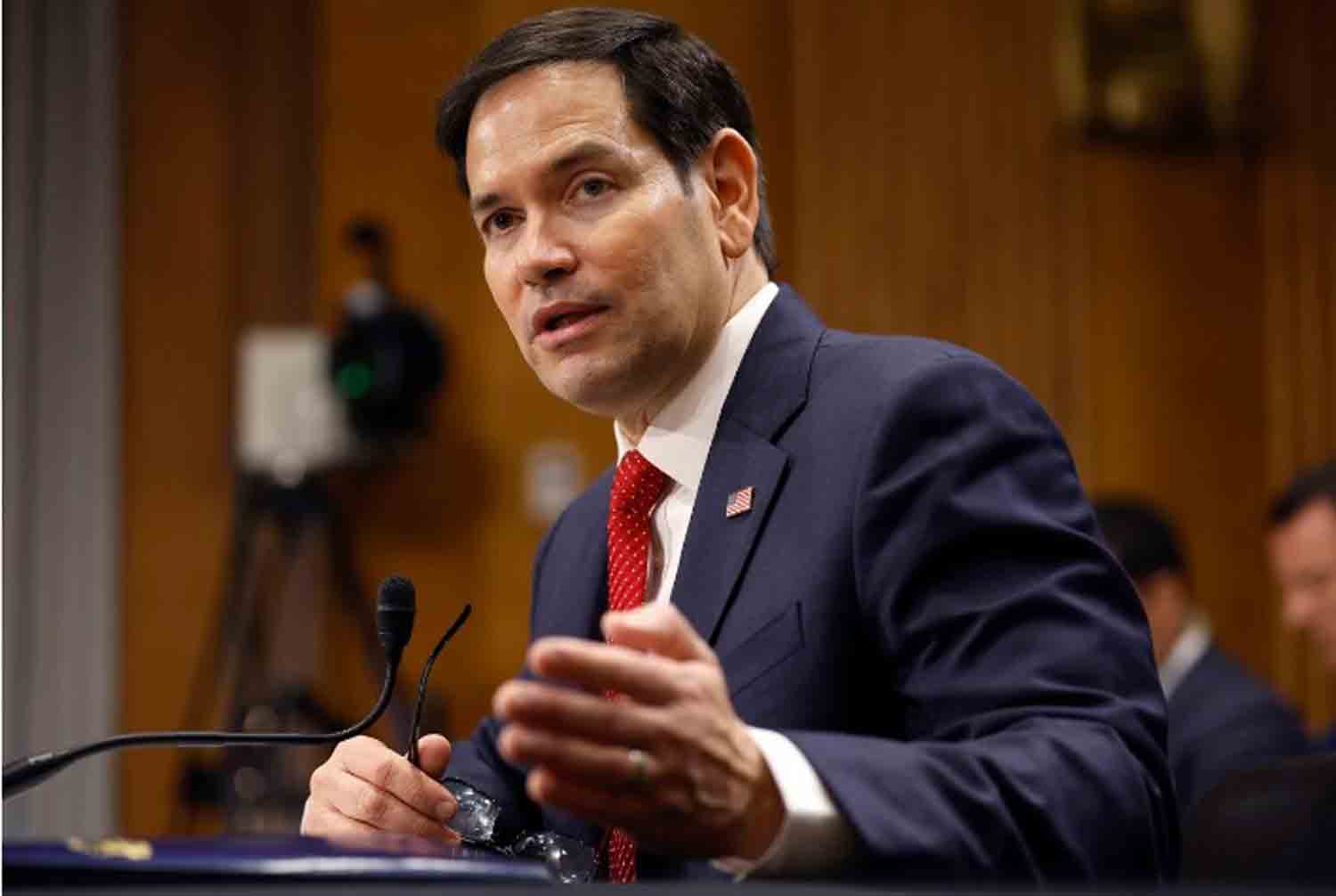
Secretary of State, Sen. Marco Rubio testifies during his Senate Foreign Relations confirmation hearing at Dirksen Senate Office Building.

On Friday, US Secretary of State Marco Rubio engaged in a conversation with Pakistani Army Chief Asim Munir, during which he proposed US mediation, as stated in a release from the State Department.

Rubio emphasized the importance of both parties seeking avenues for de-escalation and extended an offer of US support to initiate constructive discussions aimed at preventing future conflicts.

This marks the first instance of US assistance being offered in his communications with officials from Pakistan or India.

G7 countries encourage India and Pakistan to engage in direct discussions

0
A paramilitary trooper mans a gun atop a vehicle as he keeps guard during a media tour of the Karachi Port, Pakistan.

The Group of Seven (G7) major nations called for maximum restraint from both India and Pakistan on Friday, urging them to engage in direct dialogue amid escalating tensions between the two nuclear-capable neighbors.

Global powers have expressed concern over the recent intensification of the long-standing India-Pakistan conflict. Following airstrikes and missile attacks by India on Pakistan on Wednesday, both nations have experienced daily clashes resulting in numerous casualties.

Among the G7 nations, the U.S. has been in regular communication with both India and Pakistan in recent days, advocating for de-escalation; however, Vice President JD Vance remarked on Thursday that a war between the two countries would be “none of our business.”

In recent years, India has been viewed as a key ally by Western nations in countering China’s growing influence, while Pakistan, although a U.S. ally, has seen its significance wane since Washington’s withdrawal from Afghanistan in 2021.

In a statement issued by Canada, the foreign ministers of Canada, France, Germany, Italy, Japan, the U.S., Britain, and the European Union expressed their strong condemnation of a militant attack on April 22 that resulted in 26 fatalities in India-administered Kashmir.

India has attributed the attack to Pakistan, which has denied the allegations and called for an impartial investigation. The G7 statement emphasized the need for immediate de-escalation and encouraged both nations to pursue direct dialogue for a peaceful resolution.

Pakistan initiates a military campaign targeting several key installations in India

0
Smoke rises after a blast on the outskirts of Jammu city

On early Saturday, Pakistan initiated the military operation ‘Bunyan Marsoos’—translated as Iron Wall—targeting various strategic installations in India. According to security sources, seven locations were struck, including the significant Pathankot air base, Udhampur air base, and Gujarat air base, as well as the Rajasthan air base and a BrahMos storage facility.

This operation was a response to Indian missile attacks that impacted several sites within Pakistan. Late Friday, India launched missiles at three air bases in Pakistan; however, a military spokesperson confirmed that all Pakistan Air Force (PAF) assets remained unharmed.

Lieutenant General Ahmed Sharif Chaudhry, Director General of Inter Services Public Relations (ISPR), stated at a press conference that India targeted the Nur Khan base in Rawalpindi, Murid base in Chakwal, and Shorkot air base with air-to-ground missiles.

He assured that, by the grace of Allah Almighty, all PAF assets are secure and cautioned India to expect a strong retaliation, asserting, ‘Now just wait for our response.’ The DG ISPR also noted that India had launched missiles and drones into Afghanistan, emphasizing that India’s arrogance was contributing to regional instability.

Lieutenant General Ahmed Sharif Chaudhry, reported that India has launched six ballistic missiles, with one hitting Udhampur and the other five landing near Amritsar.

During a late-night press briefing, he indicated that these missiles were fired from Udhampur, raising concerns that India may be targeting its own citizens, particularly the Sikh minority, which is perplexing. The Sikh community appears to be under threat, and these strikes have sparked serious concerns regarding the Indian government’s motives.

In a separate media briefing, Lt. Gen. Chaudhry noted that India has also targeted Pakistan Air Force (PAF) airbases; while most ballistic missiles were intercepted by air defenses, a few managed to breach them, though initial assessments indicate no damage to PAF aircraft. He highlighted that the PAF successfully detected the electronic signatures of each missile at launch and identified their intended targets.

Furthermore, he mentioned that India has conducted missile and drone strikes against Afghanistan, a neighboring ally. Following the missile attack on its own territory in Indian Punjab, India seems to be attempting to instigate chaos in the region and beyond as part of a broader, malicious agenda.

He assured the people of Pakistan that their armed forces remain vigilant and ready to respond to any acts of aggression from India. These reckless actions by India reveal its increasing paranoia, which intensifies with each defeat. However, no level of aggression can diminish the resilient spirit of the Pakistani people. Rather than weakening us, these disgraceful actions only reinforce Pakistan’s resolve and unity. The desperation of India is akin to a ticking time bomb—its paranoia and failures will continue to escalate, he concluded.

What strategies enabled Pakistan to successfully down five Indian aircraft? What errors did India commit?

0
J-10C fighter

In their inaugural real-world air combat operation, the Pakistan Air Force (PAF) J-10C fighters, equipped with Chinese-manufactured Beyond Visual Range (BVR) missiles and operating under complete radio and radar silence, successfully executed an ambush that resulted in the downing of three Indian Air Force Rafale jets. This operation, characterized as a textbook ambush, also led to the loss of a Mirage 2000, a Su-30MKI, and a MiG-29 by India, with investigators retrieving Russian-made K-36DM ejection seats from the crash sites, confirming the involvement of these aircraft.

In a bold and unprecedented statement, Pakistan’s Foreign Minister Ishaq Dar asserted that the PAF had successfully shot down five Indian Air Force (IAF) fighter jets, including three advanced Rafales, utilizing Chinese-built J-10C fighters armed with PL-15E beyond-visual-range air-to-air missiles (BVRAAMs). “The much-publicized Rafale jets performed poorly, and Indian pilots demonstrated significant incompetence,” Dar remarked. “Our forces had the capability to take down 10 or 12 aircraft, but there was a strict directive to engage only those that fired first,” he added.

Importantly, the Rafales were intercepted and destroyed nearly 100 kilometers within Indian airspace, while the Pakistani fighters remained within their own borders throughout the engagement, indicating a strategic shift towards stand-off air superiority.

Analysis of the wreckage confirmed that the Indian aircraft were downed by Chinese-made PL-15E beyond-visual-range (BVR) air-to-air missiles, an export variant of the PL-15 with a range of up to 145 kilometers. The full-strength PL-15, exclusively utilized by the People’s Liberation Army Air Force (PLAAF), is believed to have a range of 200 to 300 kilometers depending on launch conditions such as altitude and speed. Capable of reaching speeds close to Mach 5, the PL-15 family employs active radar homing in the terminal phase, providing exceptional accuracy even against maneuvering or jamming targets.

Indian Rafales were reportedly on their way to deploy Storm Shadow/SCALP cruise missiles—stealthy deep-strike munitions with a combat range exceeding 550 kilometers—when they were intercepted. Sources indicate that the Rafales were equipped solely with the infrared-guided variant of the MICA missile, which has a range of 60 kilometers, while the longer-range radar-guided version (80 km) was not included in the mission. Indian crews may have mistakenly believed that their distance from the border provided safety, underestimating the potential for a long-range strike using advanced BVR missiles from Pakistani airspace.

The PAF J-10Cs maintained complete radar and radio silence throughout the operation, utilizing real-time guidance from airborne early warning and control (AEW&C) systems, including the Swedish Saab 2000 Erieye and the Chinese ZDK-03 Karakoram Eagle. As of 2025, the Pakistan Air Force operates nine Saab 2000 Erieye AEW&C aircraft equipped with AESA radars capable of detecting aerial targets at ranges up to 450 kilometers and securely sharing this information across the battlefield.

Additionally, the PAF acquired four ZDK-03 AEW&C aircraft between 2011 and 2015, based on the Shaanxi Y-8F600 airframe and outfitted with Chinese-developed radar systems. These AEW&C platforms transmitted targeting information to the J-10Cs via encrypted datalinks, allowing the fighters to remain electronically silent while maintaining comprehensive situational awareness. In contemporary military aviation, achieving total radar and radio silence entails completely disabling an aircraft’s radar and communication systems to evade detection by enemy sensors or electronic intelligence units.

Radar silence prevents radar warning receivers (RWRs) from detecting electromagnetic emissions, while radio silence hinders interception of voice or data communications like Link 16, enhancing deep-strike survivability. This electromagnetic stealth enabled PAF fighters to remain undetected until their weapons were deployed, at which point the AEW&C aircraft guided the missiles mid-course. In the last 20 to 30 kilometers of their flight, the PL-15E’s onboard X-band radar seeker activated, locking onto targets with deadly accuracy.

The Indian Rafales, despite their RBE2 AESA radar boasting a theoretical detection range of 200 kilometers, were unable to identify the incoming threat. Analysts largely attribute this failure to the PAF jets operating at very low altitudes, utilizing the mountainous terrain to remain below the Indian radar horizon and exploit blind spots. While some of India’s aircraft losses can be linked to tactical errors or inadequate threat assessment, this incident highlights a significant shift in modern air combat. It illustrates that air superiority is no longer determined solely by the platforms involved, but rather by the capacity to detect first, engage first, and communicate swiftly within a networked battlefield.

Contemporary air combat is primarily a contest for information dominance, where success relies on the seamless integration of sensors, weapon systems, and command nodes through real-time, high-bandwidth data links. Achieving victory now depends less on raw speed or maneuverability, and more on sustained situational awareness, coordinated beyond-visual-range (BVR) engagements, and the capability to operate discreetly within contested electromagnetic environments.

In December 2021, Pakistan officially confirmed its acquisition of J-10C fighter jets from China, a move interpreted as a direct counter to India’s introduction of the Rafale. The initial delivery of six jets took place on March 4, 2022, and they were integrated into No. 15 Squadron ‘Cobras’ at Minhas Air Base the following week. Originally ordered in a batch of 25, there are indications that the J-10C fleet may expand, with discussions underway to potentially increase the total to 60 aircraft.

Featuring AESA radar, sophisticated electronic warfare systems, and long-range missile capabilities, the J-10C represents a significant advancement for Pakistan, establishing itself as a vital component of the Pakistan Air Force’s strategy for achieving regional air dominance.

Experts believe the tensions between Pakistan and India could indicate a clash of Chinese and Western military technologies

0
JF-17 fighter equipped with PL-15 very long-range air-to-air missiles

The intensifying conflict between India and Pakistan may provide the world with its first significant insight into the performance of advanced Chinese military technology in comparison to Western equipment, leading to a notable increase in Chinese defense stocks. Shares of AVIC Chengdu Aircraft surged by 40% this week after Pakistan deployed AVIC-manufactured J-10C jets to down Indian fighter jets, including the advanced French Rafale, during an aerial confrontation on Wednesday.

India has yet to respond to Pakistan’s assertions or confirm any losses of aircraft. When questioned about the role of Chinese jets, a spokesperson for China’s Foreign Ministry stated on Thursday that he was not aware of the situation.

Nevertheless, as Pakistan’s main arms supplier, China is likely observing closely to assess the performance of its weapon systems in actual combat scenarios. As a rising military superpower, China has not engaged in a significant war for over forty years. However, under the leadership of Xi Jinping, it has rapidly modernized its military, investing heavily in the development of advanced weaponry and state-of-the-art technologies, while also extending this modernization effort to Pakistan, which has long been regarded by Beijing as its ‘ironclad brother.’

In the last five years, China has accounted for 81% of Pakistan’s arms imports, as reported by the Stockholm International Peace Research Institute (SIPRI). These imports encompass advanced fighter jets, missiles, radar systems, and air-defense technologies, which experts believe would be crucial in any military confrontation between Pakistan and India.

Additionally, some weapons produced in Pakistan have been co-developed with Chinese companies or utilize Chinese technology and expertise. ‘This transforms any conflict between India and Pakistan into a practical testing ground for Chinese military exports,’ stated Sajjan Gohel, the international security director at the Asia-Pacific Foundation, a London-based think tank.

Furthermore, the Chinese and Pakistani armed forces have participated in increasingly complex joint exercises across air, sea, and land, including combat simulations and crew-swapping drills. ‘Beijing’s enduring support for Islamabad—through military hardware, training, and now a growing emphasis on AI-driven targeting—has subtly altered the tactical landscape,’ remarked Craig Singleton, a senior fellow at the US-based Foundation for Defense of Democracies. ‘This situation transcends a mere bilateral conflict; it offers insight into how Chinese defense exports are influencing regional deterrence.’

The recent escalation in tensions between India and Pakistan, particularly following an attack on tourists in Kashmir, highlights a significant geopolitical shift in the region, where China is increasingly challenging American dominance.

Since gaining independence from Britain in 1947, India and Pakistan have engaged in three wars over Kashmir. During the Cold War, India received support from the Soviet Union, while the US and China backed Pakistan. Today, a new phase of great-power competition overshadows the enduring conflict between these nuclear-armed nations.

Despite its historical stance of nonalignment, India has strengthened its ties with the US, as various American administrations have sought to position India as a strategic counterbalance to China. India has significantly increased its defense acquisitions from the US and its allies, such as France and Israel, while decreasing its dependence on Russian military supplies. Conversely, Pakistan has fortified its relationship with China, designating it as its ‘all-weather strategic partner’ and actively participating in Xi Jinping’s Belt and Road Initiative.

Data from SIPRI indicates that in the late 2000s, the US and China each accounted for approximately one-third of Pakistan’s arms imports. However, in recent years, Pakistan has ceased purchasing American weaponry, opting instead for Chinese arms. Siemon Wezeman, a senior researcher at SIPRI, pointed out that while China has been a key arms supplier to Pakistan since the mid-1960s, its current preeminence is largely due to the withdrawal of US support. Over a decade ago, the US accused Pakistan of insufficient action against ‘terrorists,’ including Taliban operatives, which compounded Washington’s frustrations regarding Islamabad’s nuclear program.

The United States has identified India as a viable partner in the region, leading to a significant reduction in military support for Pakistan. Consequently, China’s arms supply to Pakistan has notably increased, positioning China as Pakistan’s primary ally. China has expressed disapproval of India’s military actions against Pakistan, urging for calm and restraint. Prior to the recent tensions, Chinese Foreign Minister Wang Yi reaffirmed China’s commitment to Pakistan during a phone conversation, labeling it as Pakistan’s ‘ironclad friend.’

With Pakistan primarily equipped by China and India obtaining over half of its military supplies from the US and its allies, any potential conflict between these two nations could represent a clash of Chinese and Western military capabilities.

Following a surge in hostilities after the tragic killing of 26 predominantly Indian tourists in Indian-administered Kashmir, India executed missile strikes early Wednesday, targeting what it described as ‘terrorist infrastructure’ in both Pakistan and Pakistan-administered Kashmir. Analysts suggest that these strikes were carried out using India’s French-manufactured Rafale and Russian-made Su-30 fighter jets.

Pakistan has proclaimed a significant triumph for its air force, asserting that five Indian fighter jets – including three Rafales, a MiG-29, and a Su-30 – were downed by its J-10C fighters during a one-hour confrontation involving 125 aircraft at distances exceeding 160 kilometers (100 miles).

Salman Ali Bettani, an international relations expert at Quaid-i-Azam University in Islamabad, remarked that this incident is now regarded as the most intense air-to-air combat between two nuclear-armed countries. He noted that this engagement marks a significant advancement in the operational deployment of sophisticated Chinese-origin systems. While India has not confirmed any losses, a source from the French Defense Ministry indicated that at least one of India’s latest and most advanced warplanes – a French-manufactured Rafale fighter jet – was lost during the conflict.

Bilal Khan, founder of the Toronto-based defense analysis firm Quwa Group Inc., stated that if this loss is verified, it suggests that Pakistan’s weapon systems are at least on par with contemporary offerings from Western Europe, particularly France.

Despite the lack of official validation and concrete evidence, Chinese nationalists and military enthusiasts have taken to social media to celebrate what they perceive as a victory for Chinese-made military technology. Consequently, shares of China’s state-owned AVIC Chengdu Aircraft, the manufacturer of Pakistan’s J-10C fighter jets, surged 17% on the Shenzhen exchange on Wednesday, prior to Pakistan’s foreign minister asserting that the jets had been utilized to down Indian aircraft. The company’s shares experienced an additional 20% increase on Thursday.

The J-10C represents the most recent iteration of China’s single-engine, multirole J-10 fighter, which was introduced to the Chinese air force in the early 2000s. With enhanced weaponry and avionics, the J-10C is categorized as a 4.5-generation fighter, comparable to the Rafale but positioned below 5th-generation stealth aircraft like China’s J-20 and the US F-35. In 2022, China supplied the initial batch of the J-10CE, its export variant, to Pakistan, as reported by state broadcaster CCTV. This aircraft is now the most sophisticated fighter jet in Pakistan’s inventory, alongside the JF-17 Block III, a lightweight 4.5-generation fighter co-developed by Pakistan and China.

The Pakistan Air Force (PAF) also maintains a larger fleet of American F-16s; however, these F-16s remain in an early-2000s configuration, significantly lagging behind the upgraded models currently available from the US. In contrast, the Chinese-manufactured J-10CEs and JF-17 Block IIIs are equipped with modern technologies, including active electronically scanned array (AESA) radars. According to Khan, while the F-16s remain a crucial asset for any PAF-led response, they are not the primary or essential component.

Senior Colonel (ret) Zhou Bo, a senior fellow at Tsinghua University’s Center for International Security and Strategy in Beijing, noted that if J-10Cs were indeed utilized to down French-made Rafales, it would significantly enhance confidence in Chinese weaponry. Zhou remarked that such an event would certainly attract attention, especially considering that China has not engaged in warfare for over forty years, potentially leading to a substantial increase in Chinese arms sales on the global stage.

The United States continues to be the leading arms exporter globally, representing 43% of worldwide weapon sales from 2020 to 2024, as reported by SIPRI. This figure is over four times that of France, which holds the second position, followed by Russia. China is in fourth place, with a significant portion of its arms exports directed towards Pakistan. Defense analyst Khan from Toronto noted that if the downing is verified, it could significantly enhance China’s defense sector, attracting interest from nations in the Middle East and North Africa that typically lack access to advanced Western technology. With Russia’s position weakened due to its invasion of Ukraine, it is likely that China is intensifying efforts to penetrate Moscow’s traditional markets, such as Algeria, Egypt, Iraq, and Sudan, to secure substantial sales.

Experts from Pakistan and China suggest that the J-10Cs utilized by the Pakistan Air Force are probably equipped with the PL-15, China’s most sophisticated air-to-air missile, which boasts a reported range of 200-300 kilometers (120-190 miles) beyond visual range. The export variant has a reduced range of 145 kilometers (90 miles). Recently, amid escalating tensions, the Pakistan Air Force released a three-minute video highlighting its warplanes, featuring the JF-17 Block III armed with PL-15 missiles, which were described as ‘PAF’s potent punch.’

Antony Wong Dong, a military observer based in Macau, commented that from China’s viewpoint, this serves as a significant promotional tool, stating, ‘It will astonish even countries like the United States — just how formidable is its adversary, really? This is a critical consideration for all nations contemplating the purchase of fighter jets, as well as for China’s regional competitors, who must reassess how to confront this new reality.’

Some analysts suggested that, if India’s reported losses are accurate, they may be attributed more to inadequate strategies and planning by the Indian Air Force rather than advancements in Chinese weaponry. Singleton, an analyst at the Foundation for Defense of Democracies, stated, ‘If the reports of India losing several jets are confirmed, it would cast significant doubt on the IAF’s preparedness, beyond just its equipment. While the Rafales are advanced, effective warfare relies on integration, coordination, and survivability, not merely on high-profile acquisitions.’

Additionally, it remains unclear what intelligence India had regarding the PL-15. For example, if India assumed that Pakistan only had access to the shorter-range export variant, Indian aircraft may have operated in exposed regions. Furthermore, engagement rules might have restricted Indian pilots from initiating fire or retaliating against Pakistani aircraft, as noted by Fabian Hoffman, a defense policy research fellow at the University of Oslo. In such scenarios, Indian miscalculations could have made Pakistani weaponry appear more formidable, as Hoffman discussed in his blog.

International armed forces to analyze the India-Pakistan aerial combat

0
Pakistani Air Force's Chengdu J-10C fighter

The recent aerial engagement involving Chinese-manufactured Pakistani jets and French-made Indian Rafale fighters is expected to attract significant attention from military analysts seeking valuable insights that could provide advantages in future confrontations. According to two U.S. officials who spoke to Reuters, a Chinese-made Pakistani fighter jet successfully downed at least two Indian military aircraft on Wednesday, representing a potential significant achievement for Beijing’s advanced fighter technology.

This incident presents a unique opportunity for military experts to evaluate the effectiveness of pilots, aircraft, and air-to-air missiles in real combat scenarios, allowing them to enhance their own air force strategies. Analysts noted that the real-time deployment of sophisticated weaponry will be scrutinized globally, particularly by China and the United States, both of which are bracing for possible conflicts over Taiwan or in the broader Indo-Pacific area.

A U.S. official, who requested anonymity, indicated a strong belief that Pakistan employed the Chinese-made J-10 aircraft to engage Indian fighter jets with air-to-air missiles. Discussions on social media have highlighted the performance of China’s PL-15 air-to-air missile in comparison to the Meteor missile, developed by the European consortium MBDA. However, there has been no official verification of the use of these weapons.

Douglas Barrie, a senior fellow for military aerospace at the International Institute for Strategic Studies, remarked that air warfare communities in China, the U.S., and several European nations will be keenly interested in gathering accurate information regarding tactics, techniques, procedures, and the effectiveness of the equipment used. Barrie emphasized the significance of this encounter, stating, ‘You have arguably China’s most capable weapon against the West’s most capable weapon, if indeed it was being carried; we don’t know that.’ He also noted that the French and Americans would likely be looking for similar intelligence from India.

The PL-15 poses a significant challenge, drawing considerable attention from the U.S. military, according to a defense industry executive.

information remains ambiguous

Analysts and industry insiders noted that key information remains ambiguous, particularly regarding the Meteor’s deployment and the extent of pilot training. Analysts emphasized the importance of distinguishing technical performance from operational realities.

Byron Callan, a defense expert and managing partner at Capital Alpha Partners, stated, ‘There will be evaluations of what is effective and what is not, but we must also consider the complexities of warfare.’ He added that U.S. arms manufacturers are receiving ongoing insights into the performance of their products in the Ukraine conflict, and similarly, India‘s European suppliers are likely experiencing the same.

He suggested that Pakistan and China are probably exchanging similar intelligence. If the PL-15 performs as claimed or exceeds expectations, it would be of great interest to the Chinese.

A defense industry insider from a Western nation utilizing the Meteor noted that an online image of a seeker seemed to show a missile component that had failed to hit its target. There are mixed reports regarding whether Pakistan possesses the domestic variant of the PL-15 from the Chinese air force or the lower-range export model introduced in 2021.

Barrie, an expert on the missile, expressed his belief that Pakistan most likely has the export version. A Western industry source refuted assertions that the rocket-powered PL-15 has a longer range than the air-breathing Meteor but conceded that its capabilities ‘might be more impressive than previously assumed.’ The Meteor’s range has not been officially disclosed. ‘Currently, it’s impossible to make any assessments. Our knowledge is quite limited,’ the industry source remarked.

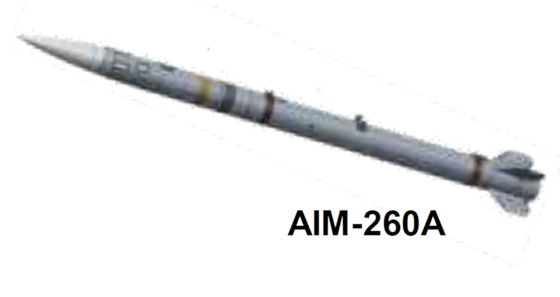
The PL-15 has garnered significant attention from the West due to its impressive range and performance over the years. Its introduction is viewed as a clear indication that China has advanced beyond its previous dependence on Soviet-era technology. In response to the PL-15’s capabilities, particularly its beyond-visual-range performance, the United States is developing the AIM-260 Joint Advanced Tactical Missile through Lockheed Martin, reflecting a shift in Western strategies towards China.

Meanwhile, European countries are considering a mid-life upgrade for the Meteor missile, which, according to the specialist publication Janes, may include enhancements in propulsion and guidance, although analysts note that progress has been sluggish.

In March, U.S. President Donald Trump awarded Boeing a contract to produce the most advanced fighter jet for the U.S. Air Force, expected to feature stealth technology, sophisticated sensors, and state-of-the-art engines.

US officials report a Chinese-made jet from Pakistan downed two Indian fighter planes

0
Pakistani Air Force's Chengdu J-10C fighter

A Pakistani fighter jet, manufactured in China, successfully shot down at least two Indian military aircraft on Wednesday, according to two US officials who spoke to Reuters. This event signifies a significant achievement for Beijing’s advanced fighter technology.

One US official, who requested anonymity, expressed strong confidence that Pakistan utilized the Chinese-made J-10 aircraft to fire air-to-air missiles at Indian jets, resulting in the downing of at least two.

Another official noted that one of the Indian aircraft shot down was a French-made Rafale. The Indian government has not confirmed the loss of any aircraft, instead asserting that it conducted successful operations within Pakistan.

In France, representatives from Rafale manufacturer Dassault Aviation and the MBDA consortium, which produces the Meteor missile, were unavailable for comment due to a public holiday.

Tensions escalate as India and Pakistan engage in drone and missile warfare

0
A member of the Crime Scene Unit (CSU), inspects the fregments, of what they say is a drone, after it was brought down on the outskirts of Karachi, Pakistan.

On Thursday, Pakistan and India exchanged accusations regarding drone strikes, with Islamabad’s Defence Minister warning that further retaliation is becoming increasingly likely amid escalating clashes between the two nuclear-armed nations.

Pakistan claimed to have intercepted 25 Indian drones, while India asserted that its air defenses thwarted Pakistani drone and missile assaults on military installations, undermining hopes for a resolution to their most severe conflict in over twenty years.

Global powers, including the U.S., Russia, and China, have urged for de-escalation in this highly volatile and densely populated nuclear flashpoint. The U.S. Consulate General in Lahore, Pakistan, has instructed its personnel to remain sheltered.

These developments followed India’s announcement of strikes on nine sites in Pakistan, which it claimed were in retaliation for a deadly attack in Indian Kashmir on April 22, allegedly backed by Islamabad. Pakistan denied involvement and refuted India’s claims that the targeted sites were militant bases, asserting that it downed five Indian aircraft on Wednesday, a claim dismissed as misinformation by the Indian embassy in Beijing.

Defence Minister Khawaja Muhammad Asif indicated to Reuters that Pakistani retaliation is becoming increasingly likely, stating, I will still refrain from saying it is 100%. But the situation has become very difficult. We have to respond.

The relationship between India and Pakistan has been marked by tension since their independence from British colonial rule in 1947, having fought three wars, two of which were over Kashmir, and experienced numerous clashes. Both nations, which claim Kashmir in its entirety while governing parts of it separately, acquired nuclear capabilities in the 1990s.

Trading on Pakistan’s benchmark share index (.KSE) was suspended after a 6.3% decline triggered by reports of drone attacks. The country’s international bonds also saw a drop, with the 2036 bond decreasing by 2.4 cents to a bid of 72.4 cents.

In India, equities, the rupee, and bonds experienced significant declines during late afternoon trading following a statement from the Indian defense ministry, resulting in the Nifty 50 stock market benchmark closing 0.58% lower in the most volatile session seen in a month.

Pakistan’s military spokesperson, Ahmed Sharif Chaudhry, reported that 25 Israeli-made drones from India were intercepted at various locations, including Karachi and Lahore, with debris being collected. Additionally, one drone was downed over Rawalpindi, where the Pakistan army’s headquarters is located. One drone struck a military target near Lahore, injuring four Pakistani army personnel. Chaudhry emphasized that Indian drones continue to intrude into Pakistani airspace, warning that India would face severe consequences for its aggression.

The Indian defense ministry countered that Pakistan had attempted to target several military sites in northern and western India from Wednesday night into Thursday morning, but these were neutralized by Indian air defense systems. In retaliation, Indian forces targeted air defense radars and systems in multiple locations within Pakistan, asserting that their response matched the intensity of Pakistan’s actions. The Indian ministry also accused Pakistan of escalating its firing across the ceasefire line in Kashmir, resulting in the deaths of sixteen individuals, including five children and three women, on the Indian side.

Pakistan reports that at least 31 civilians were killed and around 50 injured in strikes and cross-border shelling in Kashmir on Wednesday, while India claims 13 of its civilians died and 59 were injured.

On Thursday, Indian ministers informed a political meeting in New Delhi that the strikes on Pakistan resulted in the deaths of over 100 militants, with the count still being updated, according to government sources.

Pakistan’s Information Minister Attaullah Tarar stated in parliament that Pakistani forces had killed between 40 and 50 Indian soldiers along the de-facto border in Kashmir and had targeted Indian military installations.

Blackout drills were carried out in India’s border areas on Wednesday night. Local media reported instances of panic buying in several cities in Punjab, India, which borders Pakistan, as residents stockpiled essentials in anticipation of potential retaliation from Pakistan following the Indian strikes.

Indian Foreign Minister Subrahmanyam Jaishankar emphasized that New Delhi does not seek to escalate tensions, but warned that any military attacks would be met with a strong response. His Pakistani counterpart, Ishaq Dar, mentioned to Reuters that there have been communications between the national security advisers of both nations, and the hotline between their military operations heads is operational, though he did not provide further details.

An unexploded Indian drone missile discovered in Pakistan

0

A missile launched by an Indian drone, which failed to explode, was discovered in the Shakargarh area of Pakistan, close to the border with Indian-administered Kashmir.

This munition, known as a UAV-Launched Precision Guided Missile (ULPGM), was released from an Indian unmanned aerial vehicle (UAV) but did not reach its intended target or detonate upon landing.

According to local reports and publicly available images, the missile appears to have experienced a technical failure. Developed by Bharat Dynamics Limited (BDL) in partnership with India’s Defence Research and Development Organisation (DRDO), the ULPGM is notable for being India’s first domestically produced air-launched missile designed for use on UAV platforms like the TAPAS BH and Archer NG.

It weighs between 5 and 8.5 kilograms and is equipped with a 2-kilogram warhead, intended for anti-personnel, anti-bunker, and anti-armor operations. The missile has a range of 2 to 6 kilometers and features an IIR seeker, kinetic strike capability, and a jet vane maneuvering system.

This particular missile is one of the latest iterations of the ULPGM series, offering cost-effective standoff capabilities for UAVs, allowing for strike operations without endangering pilots.

Future iterations are expected to include a model with a 10-kilogram warhead and another variant designed to release submunitions, akin to a cluster bomb.

Pakistan acknowledges that the J-10 was pivotal in the conflict with India

0
Pakistani Air Force's Chengdu J-10C fighter

Pakistan has attributed its success in countering a series of Indian airstrikes to the Chinese-manufactured J-10C fighter jets, asserting that these aircraft were instrumental in downing Indian planes, including the French Rafales.

This statement comes amid heightened military tensions between the two nuclear-capable nations. As reported by the Associated Press of Pakistan, Foreign Minister Ishaq Dar informed lawmakers on Wednesday night that the J-10C jets, supplied by China, were deployed in response to the Indian attacks, and that China had been kept informed of the situation from the beginning. ‘The directive was to engage only those Indian jets that released munitions,’ Dar explained to parliament. ‘This is why only five jets were downed; had the orders been different, we could have targeted nearly 10 to 12 jets.’

Dar noted that Pakistan received intelligence around 10 p.m. on Tuesday regarding a potential Indian strike, prompting immediate defensive measures, including summoning the Chinese ambassador to the Foreign Ministry at 4 a.m. on Wednesday as events unfolded.

He stated that four Indian jets attempted to enter Pakistani airspace but were intercepted and forced to retreat. A follow-up wave of aircraft launching from Indian territory was subsequently targeted in a retaliatory operation.

The J-10C multirole fighters, produced by Chengdu Aerospace Corporation in China, were integral to this air response, he added. Bloomberg reported a rise in shares of Chinese defense companies following these developments, indicating a potential increase in demand for combat-proven military platforms.

‘Most modern Chinese platforms developed domestically have yet to see combat,’ noted Eric Zhu, an analyst at Bloomberg Intelligence. ‘Thus, having a combat record enhances their export appeal.’ India has not disclosed further information regarding the number or types of aircraft involved in the strike mission.

Putin asserts that Russia supports China in the fight against ‘neo-Nazism’

0
Russian President Vladimir Putin shakes hands with his Chinese counterpart Xi Jinping during a welcoming ceremony before their talks at the Kremlin in Moscow, Russia.

Russian President Vladimir Putin expressed gratitude to Chinese President Xi Jinping for participating in the 80th anniversary celebrations commemorating the ‘sacred’ victory over Adolf Hitler in World War Two.

He emphasized that both nations are united in their fight against ‘neo-Nazism’. Xi’s attendance at this week’s events significantly bolsters Putin, who has framed his military actions in Ukraine as a battle against contemporary Nazis.

Ukraine and its allies dismiss this narrative as a grotesque distortion, accusing Russia of waging an imperial-style invasion. ‘The victory over fascism, achieved through immense sacrifices, holds enduring importance,’ Putin remarked to Xi on Thursday. ‘Alongside our Chinese partners, we steadfastly uphold historical truth, honor the memories of wartime events, and combat modern forms of neo-Nazism and militarism.’

Xi stated that the two nations, as global powers and permanent members of the U.N. Security Council, would collaborate to oppose ‘unilateralism and bullying’, implicitly referring to the United States. He added that they would ‘jointly advocate for an accurate interpretation of World War Two history, uphold the authority and status of the United Nations, resolutely defend the rights and interests of China, Russia, and the majority of developing nations, and work together to foster an equal, orderly, multipolar, and inclusive global economic landscape.’

The two leaders met after walking towards each other along a red carpet in one of the Kremlin’s grandest halls, shaking hands in front of the media and addressing each other as ‘dear friend’. Xi stands out as the most influential among over two dozen foreign leaders visiting Moscow this week to commemorate the 80th anniversary of the conclusion of World War Two. The celebrations occur at a critical juncture in the ongoing conflict with Ukraine, as both Moscow and Kyiv face U.S. pressure to negotiate a peace agreement.

On Tuesday, Ukraine’s Foreign Ministry called on nations to refrain from sending military forces to the May 9 parade, arguing that such actions would contradict the stated neutrality of some countries in the ongoing conflict.

Xi, currently engaged in a trade dispute with the United States, is anticipated to finalize several agreements aimed at strengthening the ‘no limits’ strategic partnership established between the two nations in 2022, shortly before Putin launched his military invasion of Ukraine.

As Russia’s largest trading partner, China has provided significant economic support to help Moscow cope with Western sanctions, purchasing more Russian oil and gas than any other nation.

India has shown military aggression towards Pakistan, with the Pakistani army downing 12 Indian drones at different sites

0

On Wednesday night, one individual lost their life after the Pakistan Army intercepted Indian drones, amid escalating tensions between the two nations following unprovoked airstrikes by New Delhi.

Lt Gen Ahmed Sharif Chaudhry, Director General of Inter-Services Public Relations (DG ISPR), stated in a press conference today, ‘India executed yet another overt military aggression against Pakistan by deploying Herap drones at various sites last night.’ He added, ‘One of the drones from India targeted a military installation in Lahore, resulting in injuries to four Pakistani military personnel and some infrastructural damage. Additionally, one civilian was killed in Miano.’

The spokesperson reported that the Pakistan Army successfully shot down 12 Indian drones across multiple locations within Pakistan. ‘Debris from these drones is currently being retrieved from Lahore, Gujranwala, Chakwal, Rawalpindi, Attock, Miano, Chor, and areas near Karachi,’ the DG ISPR noted.

He also recalled that the Indian military had previously suffered the ‘destruction of five of their aircraft and incurred significant casualties along the Line of Control.’ He remarked that India has ‘clearly lost its way,’ stating, ‘Instead of pursuing a rational approach, it is escalating tensions in a highly volatile environment to appease the arrogant mindset of the Indian government.’

The DG ISPR assured that ‘the Pakistan armed forces remain fully alert to any potential threats, and I will provide further updates as they become available.’

In related news, at least 31 individuals were reported martyred and 57 injured due to Indian missile strikes at six locations in Pakistan during the early hours of Wednesday.

Indian officials forcibly deleted videos of the aircraft crash from witnesses’ devices

0
People look at a part of an aircraft in Wuyan, Indian-administered Kashmir.

Witnesses and a local official in Punjab, northern India, reported to CNN that a fighter jet fell from the sky on Wednesday, coinciding with Pakistan‘s assertion of having downed five Indian jets. India has yet to respond to these claims.

Eyewitnesses include an agricultural worker from Aklain Kalan village in Bathinda, who recounted hearing a loud explosion around 1:15 a.m. on Wednesday. He described the aircraft as unidentified and mentioned that they rushed to the scene where sparks were flying. He confirmed one fatality and several injuries due to the fire, adding that he recorded videos of the incident but was instructed by authorities to delete them.

A grocery store owner living nearby also reported hearing the explosions, describing the experience as terrifying. He noted that after the aircraft crashed, it continued to emit sounds while burning, and confirmed that injuries occurred in the village.

A local government official verified to CNN that an aircraft crashed into a wheat field in Aklain Kalan village around 2 a.m. that night, stating that while the aircraft was unidentified, it appeared to belong to India.

Although there has been no official acknowledgment of the crash from authorities, Indian media have reported on the incident, indicating one death and nine injuries.

Dr. Dheera Gupta from a nearby government hospital informed that ten individuals were admitted, with one pronounced dead.

Reasons behind Trump’s poor management of the India-Pakistan crisis

0

The ongoing violent conflict between India and Pakistan represents a significant international crisis that would have previously triggered a robust diplomatic initiative from the United States to de-escalate tensions and prevent a larger war.

However, this recent escalation over Kashmir may serve as a litmus test for the Trump administration’s capacity and limited ambitions for global engagement, as well as for a world that lacks American leadership.

On Tuesday, President Donald Trump provided a tepid initial reaction to the conflict, stating, ‘It’s a shame. I just hope it ends quickly.’ By Wednesday, he slightly expanded his comments, expressing a willingness to mediate without demonstrating much eagerness to intervene. ‘I get along with both, I know both very well, and I want to see them work it out,’ Trump remarked.

‘They’ve gone tit-for-tat. So hopefully they can stop now. … If I can do anything to help, I will be there.’

Secretary of State Marco Rubio has been in contact with senior officials from both India and Pakistan in recent weeks, particularly following India’s military actions deep within Pakistani territory on Tuesday, as noted by the State Department. However, there is currently no sign of a comprehensive US initiative to facilitate international mediation or manage the crisis.

This may be due in part to the prevailing belief that the timing for diplomatic efforts is not yet appropriate, as both nations are expected to escalate their actions further. While Pakistan have downed five Indian aircraft, its leaders have vowed to retaliate against Indian military targets.

The US response will be closely monitored in the upcoming days, as the second Trump administration has discarded the traditional US foreign policy framework, creating a void where American multinational leadership once thrived.

Trump shows minimal interest in fostering international coalitions or activating US alliances to achieve shared objectives. Instead, he prefers to leverage US economic and military strength to influence smaller nations for America’s benefit, perceiving little distinction between allies and adversaries in his limited win-loss perspective.

It would be quite paradoxical for a president with expansionist ambitions towards Greenland, Canada, and Panama to mediate one of the world’s most complex territorial conflicts. Although Trump has positioned peacemaking as a key focus of his new term, his attempts to alleviate global tensions amid ongoing conflicts in Ukraine and Gaza have yielded minimal results.

His diplomatic initiatives in Ukraine and regarding Israel’s conflict in Gaza, led by his inexperienced envoy Steve Witkoff, have also included transactional efforts aimed at securing financial or other benefits for the US. He pressured the Kyiv government into an agreement for the exploitation of rare earth metal resources.

Furthermore, the president proposed relocating Palestinians from Gaza — an act that could be seen as neocolonial ethnic cleansing — to facilitate the creation of ‘the Riviera of the Middle East.’ There appear to be no clear financial or other incentives for the US in Kashmir that would capture Trump’s interest.

Historical US peace initiatives — such as President Jimmy Carter’s role in the Israel-Egypt peace accords and President Bill Clinton’s resolution of the Yugoslav wars — required extensive periods of trust-building and meticulous diplomatic groundwork at lower levels. In the past three months, there has been no indication that Trump is inclined to pursue a similarly comprehensive strategy in any ongoing conflicts, let alone a new one in South Asia.

Kashmir is a region located in the northwest part of the Indian subcontinent, bordered by Afghanistan, China, India, and Pakistan. Both India and Pakistan assert claims over the entire territory, with each nation controlling a portion divided by a tense boundary known as the Line of Control. Additionally, China governs a segment of Kashmir.

The roots of the prolonged conflict trace back to the late 1940s when Britain, the departing colonial power, partitioned India into two distinct nations. Since that time, India and Pakistan have engaged in three wars over Kashmir, along with numerous smaller clashes and outbreaks of violence in the past 25 years.

A significant moment occurred in 1999 when President Clinton intervened during the Kargil conflict, driven by concerns from the US intelligence community that the situation could escalate into a catastrophic nuclear war between two nations that had both recently conducted nuclear tests.

In more recent years, both Pakistan and India have moderated their nuclear posturing, even during periods of heightened tension regarding Kashmir. As both countries have matured as nuclear powers, the fears of a catastrophic war involving weapons of mass destruction have diminished.

Nevertheless, the United States has determined that it is crucial to prevent the Kashmir conflict from escalating further, as evidenced by the actions taken during the first Trump administration when then-Secretary of State Mike Pompeo intervened to ease tensions between the two South Asian nations over Kashmir six years ago. In his memoir, Pompeo reflected, ‘I do not think the world properly knows just how close the India-Pakistan rivalry came to spilling over into a nuclear conflagration in February 2019.’

The global community is anxiously anticipating the next potential escalation regarding Kashmir. India has defended its missile strikes on Pakistan-administered Kashmir and Pakistan itself by claiming it targeted terrorist camps. In response, Pakistan has pledged retaliation, citing the deaths of 31 civilians due to India’s actions. Prime Minister Shehbaz Sharif of Pakistan cautioned in a national address that ‘they may have thought we would back down, but they overlooked that this is a nation of courageous individuals.’

The likelihood of further escalation from India increases if it perceives a need to react to new attacks from Pakistan. Political motivations for such a response are heightened, particularly following the terror attack and the loss of Indian aircraft, which are seen as personal setbacks for Modi. CNN has verified the downing of one Indian jet, which was French-made.

Additionally, the reluctance of the Trump administration to assume a conventional US global leadership role, along with other factors, suggests that previous diplomatic approaches may be less effective in today’s more fragmented and unstable world order.

The Kargil crisis of 1999 notably brought the United States closer to India, a nation that has become increasingly powerful, assertive, and affluent. Each subsequent administration has continued this trend initiated by Clinton. Trump, sharing a personal and political bond with Modi, a fellow nationalist, has further solidified this relationship.

Meanwhile, the US’s ability to exert pressure on Pakistan has diminished since the dissolution of their uneasy alliance in the war on terror and the US withdrawal from Afghanistan. Consequently, Pakistan has fully returned to its longstanding political alignment with China, resulting in both South Asian rivals having superpower allies.

Milan Vaishnav, director of the South Asia program at the Carnegie Endowment for International Peace, stated during an interview on Wednesday that the United States has undergone a significant shift in its foreign policy stance in recent years. He emphasized that India has emerged as a crucial strategic ally for the U.S., while Pakistan’s relevance has notably diminished. Vaishnav suggested that the U.S. anticipates a response from Pakistan, hoping that both nations can navigate the situation in a way that allows them to maintain dignity and find a resolution.

In the absence of U.S. involvement, mediation efforts in the Middle East may commence, with Qatar playing a pivotal role in facilitating ceasefires and hostage negotiations between Israel and Hamas. The Qatari government has expressed its condolences and condemned the recent attack in Indian Kashmir. Indian media, which can often escalate tensions, reported on a call between Qatar’s Emir Sheikh Tamim al-Thani and Prime Minister Modi, interpreting it as a deliberate slight towards Islamabad.

Additionally, Qatari Prime Minister Mohammed bin Abdulrahman Al-Thani engaged in separate discussions with India’s external affairs minister and Pakistani Prime Minister Sharif. The Qatari foreign ministry affirmed its commitment to supporting all regional and international initiatives aimed at resolving the disputes between India and Pakistan.

Some analysts pointed out that Pakistan’s creditors, including the United Arab Emirates and Saudi Arabia, possess the influence necessary to encourage restraint from Islamabad, particularly as Pakistan grapples with a severe economic crisis.

However, unless the situation deteriorates significantly, it is unlikely that the United States will take the lead in international efforts to address the crisis.

Aerial conflict between Pakistan and India was a major and prolonged event in modern aviation history, sources say

0
Pakistani Air Force's Chengdu J-10C fighter

The aerial confrontation between Pakistan and India, which Pakistani officials claim resulted in the downing of five Indian aircraft, was described by a senior Pakistani security source to CNN as one of the most significant and prolonged in modern aviation history.

A total of 125 fighter jets engaged in combat for over an hour, with both sides remaining within their respective airspaces. The source noted that missile exchanges occurred at distances sometimes exceeding 160 kilometers (100 miles). Neither side was willing to deploy their pilots across the border due to a previous smaller engagement in 2019, where an Indian Air Force pilot was shot down in Pakistani territory and publicly displayed before being returned to India—a situation both sides sought to avoid this time.

At times, the Indian Air Force had to make multiple attempts at striking targets, as per the source. Pakistan made efforts to alert civilians in areas identified as potential targets, and the military succeeded in reducing civilian casualties.

A senior French intelligence official informed CNN that Pakistan has shot down an Indian Air Force (IAF) Rafale fighter jet, marking the first instance of a French-made warplane being lost in combat.

Pakistan asserted that it downed five IAF jets in response to Indian airstrikes, which included three Rafales. Indian authorities have not yet addressed this assertion.

Today, President Donald Trump of the United States urged for a reduction in tensions between India and Pakistan after a significant increase in hostilities between the two nations.

Speaking from the Oval Office, he expressed his readiness to help mitigate the ongoing violence. ‘I have a good relationship with both countries. I am familiar with both, and I hope they can resolve their issues. I want to see an end to this conflict, and I hope it can happen soon,’ Trump remarked, describing the situation as ‘extremely unfortunate.’

Pakistani Prime Minister Shehbaz Sharif has pledged to take action in response to India’s attacks in Pakistan and Pakistan-administered Kashmir that occurred early Wednesday morning.

The nature of this response could determine whether the two nations can de-escalate tensions or become entrenched in a worsening conflict. One potential course of action for Pakistan is to assert a victory by highlighting the aircraft it claims to have shot down. This assertion hinges on the validity of Pakistan’s reports of having downed five Indian Air Force planes, including three Rafale fighter jets manufactured in France.

If India has indeed suffered losses, ‘Pakistan could declare victory by referencing the downed aircraft, even if the details remain unclear. This would enable Pakistan to assert that it has inflicted costs on Indian military assets,’ noted Milan Vaishnav, a senior fellow and director of the South Asia Program at the Carnegie Endowment for International Peace.

Trump proposes to help reduce tensions in the India-Pakistan conflict

0
U.S. President Donald Trump speaks, on the day of Tulsi Gabbard's swearing in ceremony as Director of National Intelligence, in the Oval Office at the White House in Washington, D.C.

Today, President Donald Trump of the United States urged for a reduction in tensions between India and Pakistan following a significant escalation in hostilities.

Speaking from the Oval Office, he expressed his readiness to help mitigate the ongoing violence. ‘I maintain good relations with both nations and wish to see them resolve their issues. It is my hope that they can cease hostilities immediately,’ Trump remarked, describing the situation as ‘extremely unfortunate.’

He noted the reciprocal nature of the conflict, stating, ‘They have been engaging in tit-for-tat actions, and I sincerely hope they can find a way to stop. I have strong ties with both countries, and I am committed to assisting in any way I can.’

However, the extent of the US’s involvement as a mediator in this conflict remains uncertain. Secretary of State Marco Rubio, who also serves as the interim national security adviser, communicated with officials from both nations last evening.

French official confirmed that Pakistan has downed a Rafale jet as authorities look into further losses

0
People look at a part of an aircraft in Wuyan, Indian-administered Kashmir.

A senior French intelligence official connfirmed today that a Rafale fighter jet belonging to the Indian Air Force was shot down by Pakistan, marking the first instance of one of these advanced French-made aircraft being lost in combat.

Earlier, Pakistan claimed to have downed five Indian Air Force jets in retaliation for Indian strikes, including three Rafales. Indian officials have yet to respond to this assertion.

The French official indicated to CNN that authorities in France are investigating the possibility that more than one Rafale jet was downed by Pakistan overnight. Images of debris from an aircraft that crashed in Indian-administered Kashmir display a label from a French manufacturer; however, experts noted that it is not possible to confirm if the part originated from a Rafale jet.

The Rafale is a 10-ton, twin-engine multirole fighter, armed with a 30mm cannon for aerial combat and ground support, as well as air-to-air missiles, laser-guided bombs, and cruise missiles. Prior to this recent escalation, India had acquired 36 Rafale jets for its Air Force from Dassault Aviation. The French military has not made any official statements regarding the incident.

Prime Minister Shehbaz Sharif of Pakistan commended the nation’s air force after military reports indicated the downing of five Indian fighter jets. He acknowledged the military’s preparedness to confront enemy aircraft during his address to parliament in Islamabad, marking his first appearance since India’s recent attack.

Sharif informed lawmakers that India deployed numerous warplanes in its offensive, which resulted in the deaths of at least 26 individuals, including a 3-year-old girl, and injured at least 46 others, as reported by a Pakistani military official.

While he refrained from detailing Pakistan’s potential response to what he termed an ‘act of war,’ his office indicated that the military had been granted the authority to take appropriate actions. ‘Recently, India showcased its acquisition of Rafale jets with great pride. However, such pride may be misplaced,’ Sharif remarked to the parliament. ‘These jets were deployed in combat, yet our air force was equally ready.’

He stated that the Pakistan Air Force had utterly destroyed the Indian aircraft, emphasizing that Pakistan would seek retribution for the lives lost due to India’s attacks. ‘During an hour-long aerial confrontation, our pilots obliterated the enemy’s jets,’ he declared in a televised address to the nation on Wednesday night.

He further remarked, ‘It took only a few hours for the adversary to be brought to its knees.’ The prime minister highlighted that Pakistan has been significantly affected by terrorism in the region, enduring the loss of tens of thousands of lives and incurring substantial financial damages in the ongoing battle against it over the years.

US and Israel are considering a US-led administration in Gaza

0
Buildings lie in ruin in North Gaza, amid the ongoing conflict between Israel and Hamas, as seen from Israel.

The United States and Israel are exploring the option of Washington overseeing a temporary administration in Gaza following the conflict, as reported by five sources familiar with the discussions. These high-level talks have focused on establishing a transitional government led by a U.S. official to manage Gaza until it is demilitarized and a stable Palestinian governance structure is in place.

The discussions, which are still in the early stages, do not include a set timeline for the duration of this U.S.-led administration, as it will be contingent on the evolving situation in the region. The sources, who requested anonymity due to the sensitive nature of the talks, likened this proposal to the Coalition Provisional Authority in Iraq, which was formed by Washington in 2003 after the invasion that ousted Saddam Hussein.

This authority was often viewed by many Iraqis as an occupying entity and handed over power to an interim Iraqi government in 2004 amid a rising insurgency. Other nations may be invited to participate in the U.S.-led administration in Gaza, although specific countries were not disclosed.

The administration is expected to include Palestinian technocrats but will exclude Hamas and the Palestinian Authority, which has limited control in the West Bank. Hamas, which has governed Gaza since 2007, ignited the current conflict when its militants attacked southern Israeli communities on October 7, 2023, resulting in approximately 1,200 deaths, primarily among civilians, and the capture of 251 individuals.

The sources indicated that it remains uncertain whether a consensus can be achieved, as discussions have not advanced to the point of identifying potential candidates for key positions, and they did not clarify which party proposed the initiative or provide additional details about the negotiations.

The spokesperson for the State Department refrained from directly addressing whether discussions had taken place with Israel regarding a U.S.-led provisional authority in Gaza, stating they could not comment on ongoing negotiations. ‘Our goal is peace and the prompt release of hostages,’ the spokesperson remarked, emphasizing that ‘our foundational approach remains steadfast: support Israel and advocate for peace.’ The office of Israeli Prime Minister Benjamin Netanyahu chose not to provide a comment.

In an April interview with Sky News Arabia, which is owned by Emirati interests, Israeli Foreign Minister Gideon Saar expressed his belief in a ‘transitional period’ following the conflict, during which an international board of trustees, including ‘moderate Arab nations,’ would oversee Gaza, with Palestinians operating under their direction. ‘We do not intend to control the civil life of Gaza’s residents. Our primary concern in the Gaza Strip is security,’ he stated, without specifying which countries he envisioned being involved.

The foreign ministry did not reply to a request for additional comments. Ismail Al-Thawabta, director of the media office for the Hamas-led Gaza government, dismissed the notion of a U.S.-led or foreign government administration, asserting that the Palestinian people of Gaza should determine their own leadership. The Palestinian Authority did not respond to a request for comment.

Potential negative response

A provisional authority in Gaza led by the U.S. would deepen Washington’s involvement in the Israeli-Palestinian conflict, representing its most significant intervention in the Middle East since the Iraq war. This action could provoke considerable backlash from both allies and adversaries in the region if the U.S. is viewed as an occupying force in Gaza, according to two sources.

The United Arab Emirates, which established diplomatic ties with Israel in 2020, has suggested that an international coalition manage Gaza’s governance after the conflict. However, Abu Dhabi’s participation is contingent upon the inclusion of the Western-supported Palestinian Authority and a viable route to Palestinian statehood.

The UAE foreign ministry has not commented on whether it would endorse a U.S.-led administration that excludes the PA. Israeli leaders, including Netanyahu, categorically oppose any involvement of the Palestinian Authority in Gaza, labeling it as anti-Israeli.

Netanyahu also stands against Palestinian sovereignty. On Monday, he stated that Israel would intensify its military actions in Gaza, asserting that more Gazans would be relocated ‘for their own safety.’ Israel continues to pursue the recovery of 59 hostages held in the area, while its military operations have reportedly resulted in over 52,000 Palestinian deaths, according to data from the Gaza health ministry.

Certain members of Netanyahu’s right-wing coalition have publicly advocated for what they term the ‘voluntary’ mass relocation of Palestinians from Gaza, alongside plans for the rebuilding of Jewish settlements within the coastal area. However, in private discussions, some Israeli officials are reportedly considering future scenarios for Gaza that do not anticipate a significant exodus of Palestinians, including a U.S.-led provisional administration.

These considerations involve limiting reconstruction efforts to specific security zones, partitioning the territory, and setting up permanent military installations, according to sources, including foreign diplomats and former Israeli officials familiar with the discussions.

Sources indicate that the UAE is facilitating confidential discussions between Israel and Syria

0

The United Arab Emirates (UAE) has initiated a discreet communication channel for discussions between Israel and Syria, according to the sources familiar with the situation. This move comes as Syria’s new leadership seeks regional assistance to navigate a growingly adversarial relationship with Israel.

These previously unreported indirect communications are centered on security, intelligence issues, and building trust between the two nations that lack formal diplomatic ties, as stated by a source with direct knowledge, a Syrian security official, and a regional intelligence representative. The initial source characterized the initiative, which commenced shortly after Syrian President Ahmed Sharaa‘s visit to the UAE on April 13, as currently concentrating on ‘technical matters,’ with no restrictions on potential future discussions.

A senior Syrian security source informed Reuters that the backchannel is strictly confined to security-related topics, particularly several counterterrorism issues. They noted that military concerns, especially those related to Israeli military operations in Syria, are not included in the current discussions.

The intelligence source revealed that the mechanism involves UAE security officials, Syrian intelligence representatives, and former Israeli intelligence personnel, among others, who requested anonymity due to the delicate nature of the matter. Neither Syria’s presidency nor the UAE foreign ministry responded to requests for comments, and the Israeli prime minister’s office also refrained from commenting.

This mediation effort occurred prior to recent Israeli airstrikes in Syria, including one striking just 500 meters from the presidential palace in Damascus, and Reuters has not confirmed whether the communication channel has been utilized since those strikes.

Israel has positioned its strikes as a warning to the new leadership in Syria, responding to threats against the Druze community, a minority sect related to Islam found in Syria, Lebanon, and Israel. Recent informal mediation efforts between Israel and Syria have occurred over the past week through various channels, as reported by a source and a regional diplomat, who chose not to provide further details.

The Syrian government has denounced Israel’s actions as provocative and an act of foreign interference, asserting that the new administration in Damascus is focused on unifying the nation after 14 years of conflict. The new leaders have also made consistent attempts to demonstrate that they do not pose a threat to Israel, engaging with representatives of the Jewish community both in Damascus and internationally, and detaining two senior figures from Palestinian Islamic Jihad, which was involved in the October 7, 2023, Hamas-led assault on Israel.

A letter from Syria’s foreign ministry to the U.S. State Department last month, which was reviewed by Reuters, stated, ‘We will not permit Syria to become a source of threat to any party, including Israel.’

For years, Israel has conducted operations in Syria as part of a covert strategy to diminish the influence of Iran and its allies, including Hezbollah, which expanded its power after supporting Bashar al-Assad during the civil war. Following the ousting of Assad by rebels in December, Israeli military actions have intensified, with officials stating they will not accept an Islamist militant presence in southern Syria.

Israel has targeted what it claims are military sites throughout the country, and its ground forces have also entered southwestern Syria. In February, Reuters reported that Israel has urged the U.S. to maintain a decentralized and isolated Syria, expressing concerns about Sharaa, who previously led an al-Qaeda faction before severing ties in 2016.

The UAE government shares worries regarding the Islamist tendencies of Syria’s new leadership, but a recent meeting between Sharaa and President Sheikh Mohammed bin Zayed Al Nahyan reportedly went positively, alleviating some of Abu Dhabi’s apprehensions.

Sources indicated that the meeting extended for several hours, causing Sharaa to be late for another appointment. A backchannel with Israel was reportedly established shortly after.

Damascus views the UAE’s relationship with Israel, which was formalized in a landmark U.S.-brokered agreement in 2020, as a crucial pathway to resolve issues with Israel, especially in light of the lack of direct diplomatic relations.

Israel’s recent airstrikes in Syria came after violent confrontations between Sunni Muslim and Druze factions, sparked by a controversial voice recording allegedly disparaging the Prophet Mohammed, resulting in over two dozen fatalities.

The Syrian government has successfully negotiated with Druze factions in the Suweida region to establish local security forces from within their community, which has helped to alleviate tensions. This conflict represents a significant challenge for Sharaa, who has consistently pledged to consolidate all of Syria’s military forces into a single entity and to govern a nation that has been fragmented by 14 years of civil war.

However, incidents of sectarian violence, including the deaths of hundreds of pro-Assad Alawites in March, have intensified concerns among minority groups regarding the now-prevalent Islamist factions and have drawn criticism from international powers.