Monday, April 13, 2026
Home Blog Page 57

G7 to discuss Ukraine after U.S. aid resumes and a proposed 30-day ceasefire

0
U.S. Secretary of State Marco Rubio at the State Department in Washington, U.S.

Foreign ministers from the G7, a coalition of major industrial nations, are scheduled to convene for several days of discussions in Quebec, Canada. The agenda will include efforts to resolve the Russia-Ukraine conflict and to bolster Ukraine’s ongoing resistance against the invasion, which has persisted for three years.

These discussions come in the wake of the United States’ decision to renew intelligence sharing and security support for Ukraine, following a meeting between senior officials from both nations in Jeddah, Saudi Arabia.

On Tuesday, after nearly eight hours of negotiations, Ukraine expressed its willingness to accept a U.S. proposal for an “immediate, interim 30-day ceasefire” in its conflict with Russia, contingent upon approval from the Kremlin.

U.S. Secretary of State Marco Rubio informed reporters during his journey to Canada on Wednesday that the U.S. plans to establish “multiple points of contact” with Russia to evaluate its openness to the proposed peace agreement.

“We are all anxiously awaiting the Russian response and strongly encourage them to consider halting all hostilities so that we can initiate a process toward achieving lasting peace,” Rubio stated to VOA on Wednesday.

He also emphasized the necessity for monitoring if Russia consents to a ceasefire.

“If they agree, one of the key considerations will be determining which parties both sides trust to be present on the ground to oversee any minor arms fire and exchanges that may occur,” Rubio explained to the press.

On Wednesday at the White House, President Donald Trump stated that the next move rests with Russia.

“Hopefully, we can secure a ceasefire from Russia,” he remarked. “If that happens, I believe we would be 80 percent closer to ending this tragic bloodshed.”

In Kyiv, Ukrainian President Volodymyr Zelenskyy expressed that a ceasefire would enable the involved parties to “thoroughly develop a step-by-step plan for concluding the war, which would include security assurances for Ukraine.”

German Chancellor Olaf Scholz endorsed the 30-day ceasefire proposal, stating on X that it represents “a significant and appropriate step towards achieving a just peace for Ukraine.”

“We stand united with Ukraine and the United States and support the proposals from Jeddah. The next move is now up to Putin,” Scholz added.

Kremlin spokesperson Dmitry Peskov informed reporters on Wednesday that Russia is awaiting a briefing regarding the proposal from the United States.

“The ball is now in Russia’s court.”

Late Tuesday, Senator Marco Rubio told reporters that Ukraine has made a tangible move towards resolving the conflict.

“Now, we hope to present this offer to the Russians, and we anticipate they will agree to peace. The ball is now in their court,” he stated.

National security adviser Mike Waltz, who accompanied Rubio in leading the U.S. delegation in Jeddah, mentioned that he plans to communicate with his Russian counterpart “in the coming days.”

NATO Secretary General Mark Rutte is set to visit the White House on Thursday. These discussions are all part of ongoing efforts to promote the peace process.

Zelenskyy did not take part in the discussions between the U.S. and Ukraine; however, during his evening address on Tuesday, he referred to the ceasefire proposal as a “positive initiative.”

“It is now the responsibility of the United States to persuade Russia to reciprocate,” Zelenskyy stated. “Should Russia comply, the ceasefire will be implemented immediately.”

Mineral deal?

Regarding mineral resources, Trump has expressed a desire to link ongoing military assistance to access to Ukraine’s natural resources.

Ukraine is rich in over forty minerals, including various rare earth elements, nickel, and lithium, all of which are vital to the U.S. economy and national security. The country possesses significant reserves of uranium, lithium, and titanium.

After the discussions on Tuesday, a joint statement indicated that both parties agreed to “swiftly finalize a comprehensive agreement aimed at developing Ukraine’s critical mineral resources to enhance the nation’s economy and ensure its long-term prosperity and security.”

An agreement on this issue was anticipated to be signed last month by Trump and Zelenskyy but was called off following their strained meeting in the Oval Office on February 28.

Swedish firm SAAB has partnered with Ukraine’s Radionix to work on defense systems

0
Swedish firm SAAB logo

On March 12, 2025, Saab, a prominent Swedish defense firm, and Radionix, a Ukrainian company, entered into a Memorandum of Understanding (MoU) to establish a strategic partnership centered on sensors and defense electronics.

This agreement, which was announced by Saab, comes at a time when efforts to enhance Ukraine’s military capabilities are crucial due to its complex geopolitical circumstances. The collaboration aims to leverage the technological expertise of both companies to improve Ukraine’s defense infrastructure, particularly in the development and maintenance of advanced systems across various domains.

Although the specific location of the signing was not revealed, the intent is evident: to empower Ukraine’s defense through state-of-the-art technology.

This partnership unites two entities with unique yet complementary strengths. Saab, located in Linköping, Sweden, is a recognized leader in the global defense sector, renowned for its contributions to fighter jets and radar systems.

With operations spanning over 30 countries and products distributed to more than 100 nations, Saab is known for its reliability and innovation. In contrast, Radionix, based in Kyiv, Ukraine, may not have the same global presence, but it plays a crucial role in supporting the defense industry within its home country.

The Ukrainian company specializes in radar and optical targeting systems, which have become increasingly vital as Ukraine addresses its security challenges.

The two firms intend to combine their expertise to meet requirements across air, land, and maritime sectors, although the specific details of their collaborative projects are not yet disclosed.

Anders Carp, the deputy CEO of Saab, expressed enthusiasm about the partnership in a company statement. “We are eager to collaborate with Radionix, utilizing the strengths of both organizations,” he stated. “This agreement highlights Saab’s strong dedication to enhancing Ukraine’s defense capabilities and supporting its defense industry.”

His remarks illustrate a growing trend of Western defense companies engaging with Ukraine, especially following the escalation of conflict in the region in 2022. For Saab, this collaboration is part of a broader strategy; earlier in March, the company signed a memorandum of understanding with Finnish radar company ICEYE to incorporate space-based radar data into its systems, indicating a trend of expanding technological partnerships.

Radionix offers a distinct viewpoint within Ukraine’s defense sector, having established a niche focused on systems that improve situational awareness and precision targeting.

Its expertise in radar technology and optical systems complements Saab’s extensive capabilities, potentially leading to innovations that neither company could achieve independently. Ukraine’s defense industry has historically been a blend of Soviet-era legacy and contemporary innovation, with Radionix representing the latter—a domestic initiative aimed at addressing the country’s urgent needs.

This partnership could enhance Ukraine’s local production capabilities, which have faced challenges due to the ongoing conflict and limited resources.

The timing of this agreement is crucial. Scheduled for March 12, 2025, it coincides with Ukraine’s ongoing efforts to garner international support for its sovereignty. Since Russia’s annexation of Crimea in 2014, Ukraine has faced persistent threats, with tensions significantly escalating in recent years.

Collaborations in defense, such as this one, indicate a transition from emergency assistance to more organized, long-term partnerships. Saab’s participation aligns with remarks made by its CEO, Micael Johansson, during a September 2024 interview with Reuters.

Johansson pointed out that the defense sector is shifting from merely providing equipment donations to engaging in direct collaboration with Ukraine’s military and government. “This has not fully materialized yet, but it is starting to happen,” he remarked, alluding to agreements like the one with Radionix.

For Saab, this partnership is part of a broader strategy to enhance its footprint in key markets. The company has been active on a global scale, with recent initiatives including a contract to deliver combat systems for Colombia’s navy and the introduction of advanced technologies at Lima’s airport in December 2024.

By partnering with Radionix, Saab may also be strategically positioning itself to strengthen connections in Eastern Europe, a region where security issues have heightened the demand for defense solutions. Ukraine, in particular, has emerged as a focal point for Western firms eager to contribute to stability while addressing a market with pressing needs.

The emphasis on sensors and defense electronics is significant. These technologies form the foundation of contemporary warfare, facilitating functions ranging from missile detection to communication on the battlefield. Sensors, which encompass radar and infrared systems, enable military forces to effectively perceive their surroundings, while defense electronics guarantee the reliable operation of equipment under challenging conditions.

For Ukraine, enhancing these capabilities could lead to improved defense against aerial threats and better ground coordination, although neither company has detailed which systems they intend to focus on. The Memorandum of Understanding (MoU) is not a legally binding agreement but rather an expression of intent, allowing for adaptability as the partnership develops.

On a larger scale, this agreement illustrates changes in the global defense environment. Analysts indicate that collaborations like the one between Saab and Radionix may herald a new era for Ukraine’s defense industry. They observe, “This indicates a shift towards self-sufficiency” in their evaluation of the deal.

“By collaborating with established entities like Saab, Ukrainian companies can access valuable expertise and resources that will aid in their reconstruction and innovation efforts, even amidst conflict.” This perspective underscores the dual objectives of the partnership: providing immediate assistance to Ukraine’s defense and fostering long-term growth in its industrial sector.

The financial specifics of the Memorandum of Understanding (MoU) have not been made public, which is common for initial agreements of this nature. According to its most recent sustainability report, Saab’s annual revenue for 2024 exceeded $5 billion, providing the company with significant resources to pursue new initiatives. In contrast, the financial situation of Radionix is less transparent, as private defense companies in Ukraine typically do not disclose detailed financial information.

Nonetheless, Radionix’s involvement in Ukraine’s military supply chain indicates it likely has government support, especially given the increased defense spending during the ongoing conflict. This collaboration may also pave the way for future contracts, particularly if it results in successful joint products.

This is not Saab’s first engagement in supporting Ukraine. The company has been involved in discussions about setting up production facilities in the country, as noted by Johansson in his 2024 interview with Reuters. While those discussions primarily revolved around drones and munitions, the partnership with Radionix shifts the focus to sensors and electronics, areas where both companies excel.

Additionally, Radionix has previously sought international partnerships. In 2022, the company participated in a defense exhibition in Istanbul to explore potential collaborations with Turkish firms, demonstrating its interest in expanding beyond Ukraine.

The geopolitical context adds further significance to this partnership. Sweden, Saab’s country of origin, has been a strong advocate for Ukraine, providing support and equipment since 2022. Its recent accession to NATO in 2024 further aligns it with Western efforts to counter Russian influence.

Meanwhile, Ukraine has relied heavily on foreign aid to maintain its military capabilities, with the United States alone pledging over $50 billion in assistance since the escalation of the conflict, according to U.S. government data. The Saab-Radionix partnership aligns with this trend of multilateral support, distinguishing itself by emphasizing industrial collaboration rather than direct financial aid.

The future remains uncertain. An MoU serves as an initial framework rather than a guarantee of success. The two companies must engage in detailed negotiations regarding timelines, funding, and project objectives before any concrete results can be realized.

For Ukraine, the implications are significant; any postponement in converting this agreement into functional technology could impede its defense initiatives. For Saab, this collaboration presents an opportunity to enhance its standing as a dependable partner in conflict zones, potentially leading to further opportunities in the area.

As of March 12, 2025, the partnership between Saab and Radionix is still in its nascent phase. The agreement was signed on a Wednesday afternoon, Eastern European Time, with Saab issuing a press release shortly thereafter. There were no reports of ceremonies or public events, indicating a discreet announcement.

This date also marks Saab’s second MoU of the month, following its agreement with ICEYE on March 5, highlighting a busy spring for the Swedish company. The success of the partnership with Radionix will hinge on effective execution, but for now, it signifies a modest yet important advancement in Ukraine’s ongoing pursuit of security.

Czechia: The F-35 cannot be operated remotely; the agreement moves forward

0
F-35 Lightning II

In recent weeks, numerous inquiries have arisen throughout Europe concerning the procurement of F-35 fighter jets, particularly in the Czech Republic and Germany. The Czech Ministry of Defense has issued a comprehensive statement to address questions from the public and media regarding its ongoing acquisition of 24 Lockheed Martin F-35 Lightning II aircraft from the United States.

This significant purchase, which was finalized in January 2024, represents the largest military expenditure in the country’s history, amounting to approximately $6.6 billion. Concurrently, Germany has expressed its own apprehensions regarding its $8.7 billion agreement for 35 F-35 jets, with deliveries scheduled to commence in 2026.

The decisions made by both nations come at a time of increased scrutiny of U.S. foreign policy, particularly with speculation surrounding the potential impact of Donald Trump’s possible return to the presidency on these agreements. These developments occur as NATO allies navigate a challenging geopolitical environment, balancing their national defense requirements with international collaborations.

The Czech Republic’s acquisition process has been underway for several months, with the government entering into a government-to-government contract with the United States through the Foreign Military Sales program. This agreement encompasses not only the aircraft but also logistics, maintenance, and training support, with the first jets anticipated to arrive in 2031.

The Czech Air Force plans to replace its existing fleet of 14 leased JAS-39 Gripen fighters from Sweden with these advanced fifth-generation jets. According to the Czech Ministry of Defense, the procurement is progressing as scheduled, with both parties meeting their commitments. “We are advancing with the F-35 acquisition according to the planned timeline,” the ministry affirmed, highlighting that the process remains unaffected by external speculation.

Germany’s choice to acquire F-35s is driven by the necessity to update its outdated Tornado fleet, which has been operational since the 1980s. The German government revealed its plans to purchase these aircraft in March 2022, shortly after Russia’s invasion of Ukraine raised security alarms across Europe.

The F-35s will also contribute to NATO’s nuclear-sharing strategy, enabling Germany to uphold its strategic obligations within the alliance. However, recent reports from German media, particularly an article in Bild published in early March 2025, have raised concerns.

The article indicates that some German officials are apprehensive that the United States could potentially disable the jets remotely through a so-called “kill switch” if U.S. and German policies were to diverge, particularly in a scenario involving Russia. This anxiety has intensified in light of discussions surrounding Trump’s previous criticisms of NATO and his unpredictable stance on alliances.

In response to similar concerns, the Czech Ministry of Defense rejected the idea of direct U.S. interference in the jets’ operations. The ministry stated, “There is no mechanism to remotely intervene in the aircraft itself.” However, it did acknowledge that the U.S. could restrict access to cryptographic keys or software updates, which could complicate operations.

Nevertheless, the ministry minimized this concern, emphasizing that such actions would ultimately harm U.S. interests by weakening an allied partner. “We do not anticipate the United States intentionally hindering the use of this equipment by its allies,” the statement concluded, reflecting a strong confidence in the bilateral relationship.

Germany’s concerns, although not officially acknowledged by its government, seem to stem from a broader unease regarding dependence on American technology. A report from Bild cited unnamed sources within the German defense sector who voiced apprehensions about the advanced software of the jets, which necessitates regular updates from Lockheed Martin and, consequently, U.S. approval.

There is a worry that a future U.S. administration—especially one under Trump, who has indicated a willingness to reassess NATO commitments—could exploit this reliance as a negotiating tool. An anonymous German military analyst shared with a European news outlet, “The F-35 is an exceptional piece of engineering, but it represents more than just an aircraft; it is a system under American oversight. That is the source of our discomfort.”

In contrast, the Czech Republic views the acquisition of the F-35 as a strategic imperative. The defense ministry underscored the importance of fifth-generation aircraft for future combat scenarios, particularly post-2040, when older models like the Gripen may no longer be competitive. “Without fifth-generation jets, our air force would struggle to meet NATO’s defense and deterrence objectives,” the ministry asserted.

Additionally, it noted that there are no alternative fifth-generation fighters available on the market, making the F-35 the sole feasible choice. This perspective is shared among NATO allies, with countries such as Poland, Belgium, and the United Kingdom already incorporating the aircraft into their fleets, thereby enhancing alliance interoperability.

The financial aspect of the Czech deal—approximately 150 billion Czech koruna—encompasses not only the aircraft but also necessary infrastructure improvements, pilot training, and ongoing support. Lockheed Martin has emphasized the potential economic advantages, with representatives suggesting that Czech industries could engage in the global F-35 supply chain.

In a statement made last year, Bridget Lauderdale, the vice president and general manager of the F-35 program at Lockheed Martin, expressed her enthusiasm for the Czech Republic becoming the 18th nation to participate in the program, describing it as a significant achievement for both the company and NATO.

The F-35 jets, which feature stealth technology and advanced sensors, are specifically designed to address complex threats, including Russian air defense systems—an issue of particular concern in Central Europe due to its proximity to Ukraine.

Germany’s situation is somewhat similar to that of the Czech Republic, but it involves additional complexities. The country’s €8.3 billion investment encompasses not only the aircraft but also munitions and support services, with the initial deliveries expected in 2026. Unlike the Czech Republic, which is moving away from a leased fleet, Germany faces the challenge of incorporating the F-35 into an already established air force framework.

This has ignited a domestic discussion regarding costs and national sovereignty. Some German lawmakers have raised concerns about whether the investment could be more effectively allocated to European-made alternatives, although no comparable fifth-generation aircraft is currently available. Nevertheless, the German Air Force has supported the decision, asserting that the F-35 enhances interoperability with NATO allies and bolsters collective defense efforts.

Public sentiment in both nations has been varied. In the Czech Republic, media reports indicate a growing interest in the capabilities of the jets and the implications of U.S. involvement. The ministry’s Q&A-style statement was crafted to address this curiosity and dispel any misunderstandings.

The ministry reassured citizens concerned about external influence by stating, “The contract imposes no limitations on utilizing the jets for our own defensive purposes, even if those needs diverge from U.S. policy.” In Germany, an article from Bild has sparked online debates, with some posts on X expressing doubts about the reliability of the United States.

One commenter raised a concern, asking, “If Trump decides to withdraw support, what will happen to our jets? Would that mean billions wasted?” Conversely, others believe these anxieties are exaggerated, citing a long history of successful cooperation between the U.S. and Germany.

From an analytical standpoint, BulgarianMilitary.com provides a nuanced perspective on the matter. The publication acknowledges the F-35’s technological superiority but warns that its reliance on U.S. support systems poses a certain level of risk for European purchasers.

“The jets represent more than mere hardware; they are integrated into a larger ecosystem managed by Washington,” the analysis states. “For countries like the Czech Republic and Germany, this presents a dilemma between advanced capabilities and strategic independence.”

However, it also contends that the likelihood of U.S. sabotage is low, given NATO’s interdependence. “Sabotaging an ally’s jets would damage the alliance, a scenario even a hardline administration would likely seek to avoid,” the article concludes.

The Czech Ministry of Defense supported this argument by likening the F-35’s software to that of a smartphone. “If updates cease, the device continues to function—it simply won’t receive new features,” the ministry clarified. This comparison aims to clarify the technology for a public that may not be well-versed in military systems.

Additionally, the ministry dismissed the possibility of canceling the agreement, emphasizing that both parties are already committing resources—U.S. teams are training Czech personnel, and preparations for infrastructure are in progress. “The contract is solid, designed to safeguard the interests of both parties,” the ministry stated, expressing confidence in its legal protections.

Germany’s concerns have been more prominently expressed in the media, yet they have not led to any official response from the government. The silence regarding the Bild report has left room for speculation. Defense analysts indicate that Berlin might seek guarantees from Washington as the delivery dates approach, potentially utilizing diplomatic channels or NATO structures.

Currently, the German Air Force is actively planning for the integration of the F-35, with joint training exercises scheduled with their Czech counterparts in the upcoming years, reflecting an increase in regional cooperation.

As of March 12, 2025, both countries remain dedicated to their F-35 initiatives, despite ongoing uncertainties. The Czech Republic expects to receive its first aircraft in 2031, with a goal of achieving full operational capability by 2035. Germany is also on schedule for deliveries in 2026, aiming to enhance its role within NATO amidst a fluctuating European security landscape.

The realization of concerns regarding U.S. interference will hinge on future political developments, particularly in Washington. In the meantime, the Czech and German air forces are gearing up to enter a new phase of aerial capabilities, relying on the F-35 to safeguard their airspace for many years ahead.

Trump warns of additional tariffs as the EU and Canada respond to existing ones

0
Donald Trump gestures at Turning Point USA's AmericaFest in Phoenix, Arizona, U.S.

On Wednesday, Donald Trump threatened to intensify a global trade conflict by introducing additional tariffs on goods from the European Union, as key U.S. trading partners indicated they would respond to the trade barriers already established by the president.

Shortly after the implementation of Trump’s 25% tariffs on all steel and aluminum imports into the U.S., he warned that further penalties would be enacted if the EU proceeded with its plans to impose counter-tariffs on certain American products next month. “Whatever they charge us, we’re charging them,” Trump stated to reporters at the White House.

Trump’s intense focus on tariffs has unsettled investor, consumer, and business confidence, raising concerns about a potential recession. His approach has also strained relations with Canada, a close ally and significant trading partner, due to his repeated threats regarding the annexation of the country.

Canada, the largest foreign supplier of steel and aluminum to the U.S., announced retaliatory tariffs of 25% on these metals, as well as on computers, sports equipment, and other products totaling $20 billion. In response to Trump’s broader tariffs, Canada has already imposed similar tariffs on U.S. goods.

“We will not stand idly by while our iconic steel and aluminum industries are being unfairly targeted,” stated Canada’s Finance Minister Dominic LeBlanc. Additionally, Canada’s central bank has lowered interest rates in anticipation of economic disruption.

Trump’s measures to enhance protections for American steel and aluminum producers reestablish effective tariffs of 25% on all imports and extend these duties to a wide range of downstream products, including nuts, bolts, bulldozer blades, and soda cans. U.S. Commerce Secretary Howard Lutnick also indicated that Trump would implement trade protections on copper.

A Reuters/Ipsos survey revealed that 57% of Americans believe Trump is acting too unpredictably in his attempts to revitalize the U.S. economy, while 70% anticipate that tariffs will lead to higher prices for consumers.

EU’S LOWER VULNERABILITY

According to Germany’s Kiel Institute, the 27 member states of the European Union are less vulnerable, as only a “small fraction” of the products targeted by tariffs are exported to the United States.

The EU’s retaliatory measures could affect up to $28 billion worth of American goods, including items such as dental floss, diamonds, bathrobes, and bourbon, which represent a minor segment of the extensive EU-U.S. trade relationship. Nevertheless, the liquor industry has warned that these tariffs would be “devastating” for their sector. Commission President Ursula von der Leyen stated that the EU would reinitiate discussions with U.S. officials, emphasizing that imposing such tariffs is not in the best interest of either economy.

In response, Trump indicated that he would “of course” impose additional tariffs if the EU proceeded with its plans. Standing alongside Irish Prime Minister Micheal Martin, Trump criticized the EU member state for attracting U.S. pharmaceutical companies. Later, during a White House event, Martin highlighted the longstanding history of free trade between the two nations, urging, “Let us continue to build on that foundation,” while Trump remained expressionless. He added, “Let us continue to collaborate to ensure that we uphold the mutually beneficial, two-way economic relationship that has fostered innovation, creativity, and prosperity.”

China’s foreign ministry asserted that it would protect its interests, while Japan’s Chief Cabinet Secretary Yoshimasa Hayashi noted that the tariffs could significantly affect U.S.-Japan economic relations.

Close U.S. allies, Britain and Australia, expressed their disapproval of the broad tariffs but have ruled out any immediate reciprocal measures. Brazil, the second-largest supplier of steel to the United States, also stated it would refrain from immediate retaliation.

STOCKS REMAIN STABLE, COMPANIES ON EDGE

Despite the anticipated tariff increase on Wednesday, global stock markets showed little movement. However, the ongoing trade tensions have left companies feeling anxious, particularly those in the luxury car and chemical sectors, who have painted a bleak outlook for both consumer and industrial health. According to LSEG data, over 900 of the 1,500 largest U.S. companies have referenced tariffs during earnings calls or investor meetings this year. “We are in a trade war, and once it starts, it tends to perpetuate itself,” remarked Airbus CEO Guillaume Faury in an interview on French television.

Shares of German sportswear brand Puma plummeted by nearly 25% after their earnings report highlighted concerns that trade issues are impacting American consumer spending. U.S. steel manufacturers welcomed the tariff increase, pointing out that Trump’s 2018 tariffs had been diluted by numerous exemptions. The prices of aluminum and steel in the U.S. remain close to recent highs.

JPMorgan’s chief economist predicted a 40% likelihood of a U.S. recession this year, warning of potential long-term damage to the country’s reputation as a reliable investment destination if trust in U.S. governance is compromised by Trump. A significant selloff in U.S. stocks in March has erased all gains made by Wall Street since Trump’s election.

TENSE RELATIONS WITH CANADA

The U.S.-Canada trade conflict intensified as Prime Minister Justin Trudeau prepares to transition leadership to his successor, Mark Carney. “I am open to meeting with President Trump at the right moment, provided there is mutual respect for Canadian sovereignty and a collaborative approach,”

Carney stated during his visit to a steel manufacturing facility in Ontario. Additionally, other Canadian officials are scheduled to engage with U.S. representatives in Washington on Thursday.

The U.S. national anthem has faced boos at hockey matches, and several retailers have opted to remove American products from their inventory. Furthermore, there has been a 20% decline in travel bookings to the United States compared to the previous year, as travelers are increasingly avoiding the country.

Russia has set its negotiation conditions with the U.S. over Ukraine, sources say

0
Russian President Vladimir Putin attends a press conference

Russia has submitted a list of conditions to the United States aimed at reaching an agreement to conclude its conflict with Ukraine and to reset diplomatic relations with Washington, as reported by two sources familiar with the situation.

The specifics of Moscow’s demands remain unclear, and it is uncertain whether Russia is prepared to engage in peace negotiations with Kyiv before these conditions are met. Over the past three weeks, Russian and American officials have discussed these terms through both in-person and virtual meetings, according to the sources.

The Kremlin’s demands are described as extensive and reminiscent of previous requests made to Ukraine, the U.S., and NATO. These earlier stipulations included prohibiting NATO membership for Ukraine, an agreement against the deployment of foreign troops in the country, and international acknowledgment of President Vladimir Putin’s assertion that Crimea and four other regions are part of Russia. Additionally, Russia has insisted that the U.S. and NATO address what it terms the “root causes” of the conflict, particularly NATO’s expansion eastward.

U.S. President Donald Trump is awaiting a response from Putin regarding a proposed 30-day ceasefire, which Ukrainian President Volodymyr Zelenskiy indicated he would accept as an initial step toward peace discussions. However, Putin’s willingness to commit to a ceasefire remains uncertain, with details still pending. Some U.S. officials, lawmakers, and analysts express concern that Putin, a former KGB officer, might exploit a truce to further his agenda of creating divisions among the U.S., Ukraine, and Europe, potentially undermining any negotiations. The Russian embassy in Washington and the White House have not yet responded to requests for comments.

In Kyiv, Ukrainian President Volodymyr Zelenskiy praised the recent meeting in Saudi Arabia between U.S. and Ukrainian officials, describing it as productive. He suggested that a possible 30-day ceasefire with Russia could serve as a foundation for drafting a more comprehensive peace agreement.

Over the past two decades, Moscow has reiterated many of these demands, some of which have entered formal discussions with the U.S. and European nations. Most recently, these issues were addressed in talks with the Biden administration during late 2021 and early 2022, coinciding with the buildup of tens of thousands of Russian troops along Ukraine’s border, poised for invasion.

Among the demands were restrictions on U.S. and NATO military activities extending from Eastern Europe to Central Asia. Although the Biden administration rejected certain conditions, it attempted to avert the invasion by engaging with Russia on several points, as indicated by U.S. government documents and insights from former officials.

This diplomatic effort ultimately failed, leading to Russia’s invasion on February 24, 2022. In recent weeks, U.S. and Russian officials have indicated that a draft agreement discussed in Istanbul in 2022 among Washington, Kyiv, and Moscow could serve as a basis for renewed peace negotiations, although the agreement was never finalized.

During those discussions, Russia insisted that Ukraine abandon its NATO aspirations and accept a permanent status free of nuclear weapons. Additionally, it sought a veto over actions taken by nations wishing to support Ukraine in the event of conflict.

The Trump administration has not clarified its strategy regarding negotiations with Moscow, as the two parties are engaged in separate dialogues: one focused on resetting U.S.-Russia relations and the other on a peace agreement for Ukraine. There appears to be a lack of consensus within the administration on the best course of action.

U.S. Middle East envoy Steve Witkoff, who is playing a key role in the discussions with Moscow, recently characterized the Istanbul negotiations as “cogent and substantive” during an appearance on CNN, suggesting they could serve as a valuable reference for achieving a peace deal.

Retired General Keith Kellogg, who served as Trump’s chief envoy for Ukraine and Russia, addressed an audience at the Council on Foreign Relations last week, stating that he does not view the Istanbul agreement as a viable starting point. “We need to create something completely new,” he remarked.

EXISTING DEMANDS

Analysts suggest that Russia’s demands are not solely aimed at influencing a potential agreement with Ukraine but also serve as a foundation for negotiations with its Western allies. Over the past twenty years, Russia has presented similar demands to the United States, which would restrict the West’s capacity to enhance its military presence in Europe and could enable Putin to extend his influence across the continent.

Angela Stent, a senior fellow at the Brookings Institution and former top U.S. intelligence analyst for Russia and Eurasia, noted, “There is no indication that the Russians are prepared to make any concessions. Their demands remain unchanged, and it seems they are not genuinely interested in achieving peace or a substantial ceasefire.” In an attempt to avert what U.S. intelligence officials assessed as an imminent Russian invasion, senior officials from the Biden administration engaged with their Russian counterparts regarding three of the Kremlin’s demands, as outlined in U.S. government documents reviewed by Reuters.

These included a prohibition on military exercises by U.S. and NATO forces in the territories of new alliance members and a ban on U.S. intermediate-range missile deployments in Europe or any locations within range of Russian territory, according to the documents.

The documents revealed that Russia aimed to prevent military exercises conducted by the U.S. or NATO from Eastern Europe to the Caucasus and Central Asia. Kori Schake, a former Pentagon official and current director of foreign and defense policy studies at the American Enterprise Institute, commented, “These demands from Russia have been consistent since 1945. Given the recent actions of the Trump administration, Europeans are not only concerned that we might be abandoning them, but they also fear that we have aligned ourselves with the adversary.”

Thousands of U.S. military vehicles have MAPS GEN II navigation systems

0
U.S. combat vehicles gain MAPS GEN II navigation

Collins Aerospace, a segment of RTX, has announced that it has received authorization to commence full-rate production of its Mounted Assured Positioning, Navigation, and Timing Generation II system, known as MAPS GEN II.

This achievement follows the successful completion of the fifth delivery order for the system, which is engineered to withstand jamming and spoofing attempts that could interfere with navigation during combat operations.

Production will occur in the United States, with plans for thousands of units to be installed on combat ground vehicles and military watercraft utilized by the U.S. Army and U.S. Marine Corps.

The system aims to provide reliable navigation and timing information for military personnel, even in scenarios where conventional GPS signals may be compromised, a concern that is increasingly relevant as electronic warfare techniques evolve.

This announcement represents a significant advancement for Collins Aerospace, which has been collaborating closely with the U.S. military to enhance this technology. Sandy Brown, vice president and general manager for Resilient Navigation Solutions at Collins Aerospace, highlighted the teamwork involved in the project.

She pointed out that the company has successfully addressed the military’s updated requirements while also identifying methods to reduce production costs. According to Brown, this system is crucial to the Department of Defense’s larger initiatives to modernize its equipment and ensure that troops have reliable tools in the field, especially when confronted with challenges to satellite-based navigation.

MAPS GEN II represents an advanced technological solution aimed at overcoming the limitations of conventional navigation systems. It integrates data from a variety of sources, including satellite signals and diverse sensors, to deliver a more robust navigation capability. The system comprises two primary components: the NavHub-100 navigation unit and the Multi-Sensor Antenna System (MSAS-100).

These components work in unison to aggregate information from multiple inputs, such as satellite navigation, terrain analysis, and secure timing data. This comprehensive data integration ensures precise positioning, even in scenarios where adversaries attempt to disrupt GPS signals through jamming or spoofing tactics.

Designed for both manned vehicles, such as tanks and troop carriers, and unmanned platforms like drones and robotic supply units, MAPS GEN II offers versatility across various military operations.

The underlying technology of MAPS GEN II is the result of extensive research and development focused on addressing the dynamic threats present in contemporary warfare. In combat environments, dependable navigation is crucial for effective movement coordination, enemy targeting, and communication.

Disruptions to GPS signals can severely hinder troops’ navigation capabilities, jeopardizing missions and endangering lives. MAPS GEN II mitigates this risk by employing sensor fusion algorithms, which combine data from non-radio frequency sensors with satellite information.

This methodology guarantees that personnel in vehicles or on vessels can accurately ascertain their location and maintain synchronized timing, which is vital for operations ranging from artillery strikes to logistical support. Additionally, the system’s scalability allows it to be tailored for various mission types, including ground combat, missile defense, or maritime operations.

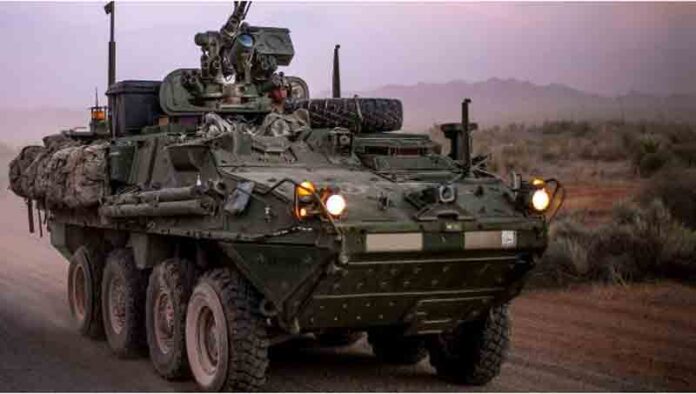
The introduction of MAPS GEN II is set to significantly enhance the operational effectiveness of vehicles and watercraft for the U.S. Army and Marine Corps. Ground combat vehicles, such as the Stryker and Abrams tank, depend on accurate navigation to traverse difficult terrains and effectively engage targets.

Similarly, military watercraft utilized for ship-to-shore operations require precise positioning to synchronize with land forces. The implementation of this advanced system will better prepare these platforms to function in contested environments where adversaries may attempt to disrupt navigation and communication.

With assured positioning and timing data, troops can operate with increased confidence, execute missions with enhanced accuracy, and swiftly adapt to evolving battlefield conditions.

This upgrade is particularly timely as the military places greater emphasis on resilience against electronic warfare. BulgarianMilitary.com highlights that the emergence of near-peer competitors like Russia and China has intensified the demand for systems such as MAPS GEN II.

These nations have showcased sophisticated jamming and spoofing capabilities, as evidenced by frequent GPS disruptions reported during the conflict in Ukraine. For the U.S. military, ensuring that its vehicles and vessels can operate effectively in such challenging environments is crucial, and MAPS GEN II serves as a direct response to this necessity.

By minimizing dependence on susceptible GPS signals, the system provides commanders and troops with a more robust basis for decision-making and action, even in high-pressure situations.

Prior to the introduction of MAPS GEN II, the U.S. military utilized earlier navigation systems, notably the first iteration known as MAPS GEN I. Launched in 2019, this initial MAPS system was part of a broader initiative aimed at enhancing navigation capabilities for mounted units, especially in environments where GPS signals were unavailable.

While it included some anti-jamming and anti-spoofing capabilities, its overall performance and scope were limited when compared to the advancements found in the newer version. MAPS GEN II enhances this original framework with cutting-edge technology, featuring improved sensor fusion and an expanded range of applications.

The second-generation system offers superior protection against interference by effectively integrating multiple data sources and utilizing upgraded hardware. It also provides increased versatility, enabling support for a wider array of platforms and mission types, a capability that the previous system struggled to deliver.

On a global scale, other countries have developed comparable navigation systems to counter similar threats. For instance, Russia employs its GLONASS satellite system as an alternative to GPS, which is incorporated into various military vehicles, including the T-90 tank and BMP infantry fighting vehicles.

GLONASS features its own anti-jamming capabilities, although its effectiveness can vary based on the specific platform and countermeasures employed. Additionally, China’s BeiDou navigation system serves as another equivalent, extensively utilized across its military assets, ranging from ground vehicles like the Type 99 tank to naval vessels.

BeiDou has evolved into a comprehensive global network, with significant investments from China aimed at enhancing its resistance to interference, mirroring a similar emphasis on resilience in challenging environments. In contrast to MAPS GEN II, which is developed by Collins Aerospace, a private entity under the RTX umbrella, both BeiDou and its counterparts are produced by state-supported organizations.

While Russia and China pursue their distinct strategies, companies in allied nations are also investigating reliable navigation solutions. BAE Systems, a British defense contractor, has created navigation technologies for the UK military, including systems integrated into vehicles like the Challenger 2 tank.

These systems are designed to ensure dependable positioning in scenarios where GPS is unavailable, although they are customized for specific platforms and lack the extensive scalability offered by MAPS GEN II. Israel’s Elbit Systems has developed navigation solutions for ground vehicles, such as the Merkava tank, incorporating features aimed at mitigating electronic threats.

These global instances highlight the widespread necessity for jam-resistant navigation, although the details of each system differ according to national priorities and technological strategies.

The authorization for full-rate production of MAPS GEN II represents a significant commitment from the U.S. military to equip its forces with advanced capabilities. Collins Aerospace intends to supply thousands of units in the upcoming years, with the Army earmarking $130 million in its 2025 budget for the acquisition of 619 systems, including spare parts and support equipment.

This investment will facilitate the integration of MAPS GEN II into Armored Brigade Combat Teams, Stryker Brigade Combat Teams, Infantry Brigade Combat Teams, Marine Corps units, and Army watercraft. The implementation is anticipated to commence in earnest by June 2025, leveraging the training and testing already in progress with units such as the 2nd Cavalry Regiment.

Once the system is operational, it will be instrumental in influencing the U.S. military’s approach to the complexities of contemporary warfare, ensuring that its vehicles and vessels maintain functionality regardless of the challenges encountered.

Russia dispatched military all-terrain vehicles to the Arctic for testing purposes

0
Russia sent military all-terrain vehicles to Arctic for tests

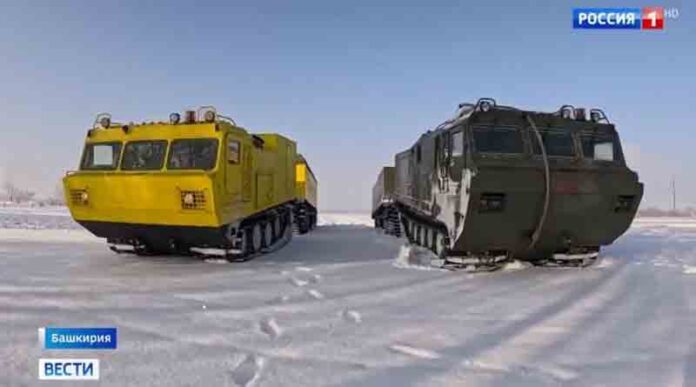
The Russian engineering firm Vityaz has sent a new shipment of its all-terrain vehicles, including military models, to the Arctic for rigorous testing in the region’s severe conditions. This initiative coincides with the company’s announcement of a nearly 30% increase in production over the past year, fueled by rising demand for both civilian and military variants.

The testing, conducted in Russia’s Far North and Arctic territories, is designed to assess the performance of these vehicles in extreme cold, heavy snowfall, and challenging landscapes. Vityaz, a well-established entity in Russia’s industrial landscape, is recognized for producing vehicles that excel in environments where conventional transport options struggle.

The introduction of this latest batch underscores the company’s engineering aspirations and aligns with Russia’s strategic interests in one of the planet’s most challenging regions.

These vehicles are part of Vityaz’s renowned series of articulated tracked carriers, engineered to transport substantial loads across swamps, sandy terrains, and deep snow. The lineup includes models such as the DT-10, DT-20, and DT-30, each named according to their respective payload capacities of 10, 20, and 30 tons.

Featuring a distinctive two-unit configuration, these machines have a front section that contains the engine and driver’s cabin, while the rear section is linked by a flexible joint, enabling them to maneuver around obstacles like ditches or ice floes that would hinder most other vehicles. The military variants, including the DT-30PM, are equipped with advanced features such as reinforced chassis and, in certain instances, mounts for weaponry.

The production of these models began several decades ago in the Soviet Union, but Vityaz has since enhanced them to align with contemporary requirements. In the past year, the company’s output has significantly increased, indicating a growing interest from both domestic and international markets, although specific production numbers remain confidential.

For the Russian military, these all-terrain vehicles are essential for transporting troops, equipment, and supplies across extensive and challenging terrains. In the Arctic, where road infrastructure is limited and temperatures can drop to minus 50 degrees Celsius, reliable mobility is crucial for logistical operations.

These vehicles have also been deployed closer to conflict zones. Since the onset of the war in Ukraine in 2022, Vityaz vehicles, including the DT-30, have been observed in active combat areas.

Ukrainian forces have reported instances of destroying or capturing several of these vehicles, with a notable case in the Kharkiv region during spring 2022, where one was captured intact. Open-source intelligence from organizations like Oryx has tracked losses, documenting at least one DT-10PM and multiple DT-30s that have been either destroyed or seized by Ukrainian forces.

In certain instances, Russia has modified these vehicles for specialized functions, equipping them with air defense systems such as the Tor-M2DT or artillery platforms like the 2S39 Magnolia. Their adaptability enhances their value, yet their deployment in Ukraine highlights how Russia has redirected resources initially intended for Arctic operations to a different combat environment.

The choice to evaluate this new batch in the Arctic goes beyond military tactics; it is also an engineering imperative. The harsh conditions of the region test the machines to their limits, exposing vulnerabilities that may not be evident in other settings. Deep snow can hinder mobility, ice can put stress on engines, and extreme cold can lead to metal brittleness or electronic failures.

For Vityaz, these trials serve as a critical testing ground to verify that their vehicles can withstand the harshest conditions of the Far North. Engineers assess the traction of the tracks on icy surfaces, evaluate engine performance after prolonged exposure to frigid temperatures, and determine if the articulated design can navigate uneven terrain without compromising structural integrity.

Achieving success in these tests not only enhances military equipment but also improves the civilian models utilized by oil and gas professionals, geologists, and others working in Russia’s remote northern regions. The Arctic’s remoteness necessitates reliable equipment that can function without immediate assistance, and Vityaz is committed to providing such solutions.

However, Russia’s interest in the Arctic extends beyond engineering challenges. The region possesses significant strategic importance for the nation, both economically and militarily. The melting ice, a consequence of climate change, has unveiled new shipping routes, such as the Northern Sea Route, which Russia envisions as a vital corridor for future global trade.

Beneath the Arctic seabed lie substantial reserves of oil and natural gas, with estimates indicating that up to 15% of the world’s remaining oil and 30% of its natural gas deposits are located in this region. For a country where energy exports constitute a major portion of its revenue, securing these resources is of utmost importance.

From a military perspective, the Arctic is home to essential assets, including the Northern Fleet stationed on the Kola Peninsula, which comprises submarines equipped with nuclear deterrents. Testing Vityaz vehicles in this area aligns with Moscow’s objective of maintaining a strong presence, ensuring rapid deployment of troops and equipment in the event of rising tensions. The Kremlin has invested years in rebuilding bases and positioning forces along its northern borders, signaling its intent to safeguard its territorial claims.

This ambition does not go unnoticed. Other Arctic-bordering nations—specifically the United States, Canada, Norway, Denmark, and Sweden—have their own interests in the region and are closely monitoring Russia’s activities. For example, the U.S. has increased its military exercises in Alaska and invested in icebreakers to remain competitive, although its fleet is significantly smaller than Russia’s extensive number of vessels.

Canada has enhanced its northern patrols with new ships, while Norway, a NATO member that shares a border with Russia, conducts allied exercises such as Cold Response to demonstrate its preparedness. Denmark, through Greenland, and Sweden, which recently joined NATO alongside Finland, also play important roles in this dynamic. All these nations are vying for the same advantages: resources, shipping routes, and security.

An analysis by BulgarianMilitary.com indicates that the competition extends beyond merely extracting oil or gas; it also involves the ability to project power effectively in a region where logistics are crucial.

Russia’s Vityaz vehicles provide it with a mobility advantage, but its competitors are responding with technologies such as drones and advanced surveillance systems to compensate for their smaller ground forces. The analysis suggests that the West’s challenge is to match Russia’s established infrastructure without escalating tensions into outright conflict.

The Arctic’s evolution from a remote, icy expanse to a focal point of geopolitical interest has attracted attention from non-Arctic nations as well. China has positioned itself as a “near-Arctic state,” investing significantly in research and shipping initiatives, particularly viewing the Northern Sea Route as a potential shortcut for its exports.

Similarly, Japan and South Korea are exploring opportunities in energy and maritime technology, which may lead to collaborations with Arctic countries. For Russia, the Vityaz tests represent a crucial element in a broader strategy to maintain its influence in a region where every strategic advantage is vital. The capability of these vehicles to operate in conditions that challenge others enhances Moscow’s position, whether for base defense or resource extraction support.

However, the ongoing conflict in Ukraine has strained Russia’s resources, raising concerns about the sustainability of its Arctic ambitions. The loss of Vityaz carriers in combat, coupled with sanctions impacting industrial supply chains, may hinder production or necessitate difficult trade-offs across different fronts.

As of March 2025, the latest series of Vityaz all-terrain vehicles is undergoing Arctic trials, with outcomes likely to influence the company’s future direction. The nearly 30% increase in production reported for 2024 indicates robust demand, though it remains uncertain how much of this growth is driven by military contracts versus civilian requirements.

The trials are currently in progress, with no public information available regarding the number of vehicles involved or their performance in the harsh conditions. What is evident is that Vityaz continues to be a vital component of Russia’s Arctic strategy, merging engineering excellence with strategic objectives. The extent to which this will lead to enduring dominance in the Far North—or provoke stronger resistance from other nations—will depend on factors that extend beyond the capabilities of the vehicles themselves.

At present, the snow-laden testing grounds of the Arctic hold the key insights, as both Vityaz and Russia push their boundaries in a region of increasing significance.

Russia’s intelligence chief engages in a phone conversation with the director of the CIA

0
Russian Foreign Intelligence Service (SVR) Director Sergey Naryshkin.

Russia’s foreign intelligence chief, Sergei Naryshkin, engaged in a phone conversation on Tuesday with John Ratcliffe, the director of the U.S. Central Intelligence Agency, as reported by the Interfax news agency on Wednesday.

The discussion focused on collaboration between their intelligence agencies and strategies for crisis management.

In 2018, Egypt nearly acquired F-35 fighter jets, but strong opposition from Israel and the Pentagon stopped the deal

0
F-35 Lightning II

Egypt is currently seeking alternative options for acquiring fifth-generation stealth fighters after facing significant pushback from Washington regarding its 2018 attempt to purchase 20 F-35 Lightning II jets manufactured in the U.S. During that year, under the Trump administration, Egypt received a verbal assurance from President Donald Trump for the acquisition of these advanced aircraft. However, strong opposition from the U.S. Department of Defense and Israel quickly derailed any chance of finalizing the deal.

In addition to Egypt, Trump also approved the sale of 100 F-35 jets to Türkiye and 50 to the United Arab Emirates during his first term. Following the setback with the F-35s, Egypt redirected its efforts towards Russia, beginning discussions to acquire 24 Su-35 fighters. This initiative also fell apart due to intense pressure from Washington, which threatened sanctions under the Countering America’s Adversaries Through Sanctions Act (CAATSA).

Major General Naser Salem, a former senior Egyptian military official, expressed Cairo’s frustration in remarks to Al-Monitor in 2020, questioning why the U.S. would not provide Egypt with F-35 fighters similar to those supplied to Israel, especially while opposing Cairo’s agreement with Moscow for Su-35 jets.

Two significant U.S. legislative measures have created substantial hurdles for Egypt in its pursuit of stealth fighter jets. The first, enacted in 2008, legally requires the maintenance of Israel’s Qualitative Military Edge (QME), which imposes strict limitations on the sale of advanced military technologies to countries in the Middle East. The second measure, the 2017 CAATSA law, imposes sanctions on nations acquiring defense equipment from countries classified as adversaries by the U.S. Consequently, Egypt’s efforts to secure fifth-generation aircraft from the U.S. are hindered by American obligations to maintain Israel’s military superiority, despite Egypt’s long-standing peace agreement with Israel. Defense analysts note that from Israel’s perspective, the F-35 represents a significant threat, as it could undermine Israel’s air dominance if relations between Egypt and Israel were to worsen. In light of U.S. restrictions, Egypt is reportedly shifting its focus to China to meet its needs for fifth-generation fighters.

Recent developments suggest that Cairo has shown interest in China’s FC-31 stealth fighter and its enhanced version, the J-35A, with discussions anticipated to occur in 2024. Last year, China officially unveiled the J-35A, a variant of the FC-31, during the Airshow China in Zhuhai. The J-35A, which is China’s second fifth-generation stealth aircraft following the J-20 “Mighty Dragon,” reflects Beijing’s increasing ambition to compete with the United States in advanced military aviation technology. Designed for both air superiority and ground attack missions, the J-35A positions China as only the second nation, alongside the United States, to develop two distinct fifth-generation stealth fighters.

The United States currently operates the F-35 and F-22 “Raptor” as its two primary fifth-generation fighter platforms. In contrast, Egypt appears to be advancing its military capabilities by integrating sophisticated Chinese military technology into its air force.

Recent information indicates that the Egyptian Air Force has likely received its first set of fourth-and-a-half generation J-10CE fighters from China, which are armed with PL-15 Beyond Visual Range (BVR) air-to-air missiles. Reports suggest that Egypt plans to acquire up to 40 J-10CE fighters, the export variant of the J-10C “Vigorous Dragon” manufactured by Chengdu Aircraft Corporation.

Israel’s defense community has expressed growing concern regarding Egypt’s expanding military capabilities, particularly with the introduction of J-10C fighters equipped with PL-15 missiles. Analysts in Israel warn that these advancements could significantly shift the aerial balance in the Middle East, which has historically been dominated by Israel.

The PL-15 missile, capable of reaching speeds of up to Mach 4 and featuring Active Electronically Scanned Array (AESA) radar, is reported to have an operational range exceeding 300 kilometers, positioning it among the longest-range air-to-air missiles currently available. According to the Israeli defense portal Nziv, Egypt’s pursuit of J-10C aircraft signifies a broader strategic effort to modernize its air force and reduce its dependency on U.S. military supplies.

Israeli apprehensions extend beyond the J-10C fighter to the specific integration of the advanced PL-15 missile, which could allow Egyptian aircraft to target adversaries at significantly increased ranges compared to previous capabilities.

Historically, Israel has maintained its air superiority in the region primarily through advanced American systems, particularly the F-35 fighter and AIM-120 AMRAAM missiles. However, the introduction of China’s PL-15 missile into Egypt’s military inventory could potentially challenge Israel’s established air dominance.

Outgoing Chief of Staff of the Israel Defense Forces (IDF), Lt. Gen. Herzi Halevi, has expressed significant concern regarding the rapid enhancement of Egypt’s military capabilities. In a recent interview with Channel 14, he characterized Egypt’s growing military strength, which includes advanced combat aircraft, submarines, warships, modern tanks, and a robust infantry, as “deeply troubling.”

While Egypt does not currently represent a direct threat, Halevi cautioned that the geopolitical landscape could change swiftly if there were a shift in Egypt’s political leadership. His remarks are consistent with recent Israeli intelligence evaluations indicating that Egyptian military activities in the Sinai Peninsula may already be in violation of the 1979 Camp David Accords.

Trump’s steel and aluminum tariffs are now in effect, escalating the U.S.-Canada trade conflict

0
Workers install steel rods at a construction site in Miami, Florida, U.S.

U.S. President Donald Trump’s heightened tariffs on steel and aluminum imports came into effect on Wednesday, following the expiration of previous exemptions, duty-free quotas, and product exclusions. This move marks a significant escalation in his efforts to reshape global trade practices to benefit the United States.

The implementation of these tariffs reinstates a 25% global tariff on all steel and aluminum imports and expands the duties to include numerous downstream products derived from these metals, such as nuts, bolts, bulldozer blades, and soda cans.

Leading up to the tariff deadline, tensions escalated on Tuesday when Trump threatened to increase the duty on Canadian steel and aluminum exports to the U.S. to 50%. However, he later retracted this threat after Ontario Premier Doug Ford agreed to delay a 25% surcharge on electricity exports to Minnesota, Michigan, and New York until the earlier U.S. tariffs were lifted.

Ford announced plans to travel to Washington on Thursday with Canadian Finance Minister Dominic LeBlanc to engage in discussions with Commerce Secretary Howard Lutnick and other officials regarding potential revisions to the U.S.-Mexico-Canada Agreement on trade.

This situation caused fluctuations in U.S. financial markets, which were already on edge due to Trump’s extensive tariff initiatives, but did not alter his original strategy to reinforce the Section 232 national security tariffs on steel and aluminum that were established during his first term in 2018.

A White House spokesperson characterized the U.S. pressure on Canada as a “win” for American citizens. The U.S. Customs and Border Protection agency had previously informed shippers that imports eligible for duty-free entry under quota arrangements needed to have their paperwork processed by 4:30 p.m. local time on Tuesday, or they would incur the full tariffs.

The decision was positively received by U.S. steel manufacturers, as it reinstates Trump’s original 2018 metals tariffs, which had been diluted by various country-specific exemptions and quotas, along with numerous product-specific exclusions.

“By eliminating loopholes in the tariff that have been taken advantage of for years, President Trump will once again invigorate a steel industry poised to help rebuild America,” stated Philip Bell, President of the Steel Manufacturers Association.

“The updated tariff will guarantee that American steel producers can continue to generate new, well-paying jobs and make significant investments, confident that they will not be undermined by unfair trade practices,” Bell further remarked.

The countries that will be most impacted by these tariffs include Canada, the largest foreign supplier of steel and aluminum to the U.S., as well as Brazil, Mexico, and South Korea, all of which have previously benefited from certain exemptions or quotas.

The intensification of the U.S.-Canada trade conflict coincided with Prime Minister Justin Trudeau’s transition of power to his successor, Mark Carney, who recently won the leadership of the ruling Liberal Party.

On Monday, Carney indicated that he would not be able to engage with Trump until he officially assumes the role of prime minister. Trump reiterated on social media his desire for Canada to become the “cherished Fifty First State.”

Canadian Energy Minister Jonathan Wilkinson informed Reuters that Canada might consider implementing non-tariff measures, such as limiting oil exports to the U.S. or imposing export duties on minerals, should the U.S. tariffs continue.

Canada currently exports approximately 4 million barrels of crude oil to the U.S. daily via pipeline, primarily to Midwest refineries. Wilkinson also mentioned that imposing tariffs on American ethanol is another potential option.

While most trade between the U.S. and Canada remains tariff-free under the USMCA trade agreement signed by Trump in 2020, he continues to express dissatisfaction with Canada’s elevated tariff rates on dairy products. Recently, Ottawa secured a one-month extension for USMCA-compliant exports from Trump’s general 25% tariffs, which were threatened due to fentanyl trafficking concerns.

In early April, Canada is confronted with reciprocal tariffs imposed by Trump, which aim to elevate U.S. tariffs to align with those of other nations and address non-tariff barriers. With its abundant hydropower resources, Canada has established a strong foothold in the U.S. aluminum market, as its primary aluminum production is more cost-effective than that of the U.S. This is notable even as U.S. smelters, which had seen a revival due to Trump’s tariffs, are now inactive.

China continues to be the second-largest supplier of aluminum and aluminum products, but it is already subject to significant tariffs intended to combat alleged dumping and subsidies, in addition to a new 20% tariff recently imposed by Trump in response to fentanyl trafficking concerns.

Since taking office in January, Trump’s intense focus on tariffs has unsettled investor, consumer, and business confidence, raising concerns among economists about a potential recession. A small business survey released on Tuesday indicated a decline in sentiment for the third consecutive month, completely reversing the confidence boost that followed Trump’s election victory on November 5. Additionally, a survey conducted by the New York Federal Reserve on Monday revealed that consumers are becoming increasingly pessimistic regarding their financial situations, inflation, and the job market.

Ukrainian Foreign Minister updates European allies on significant discussions with the United States

0
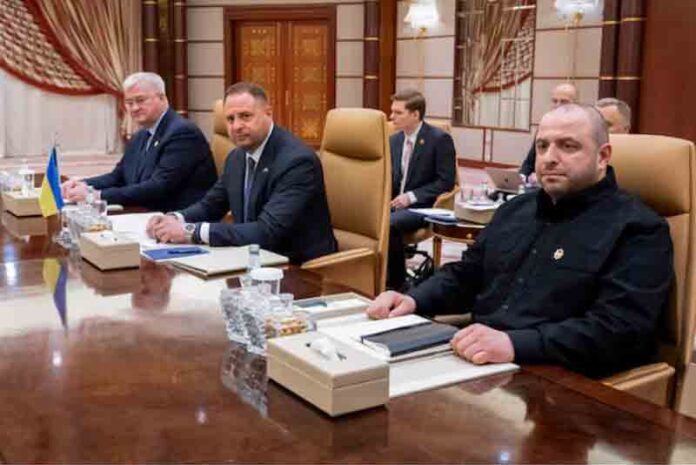
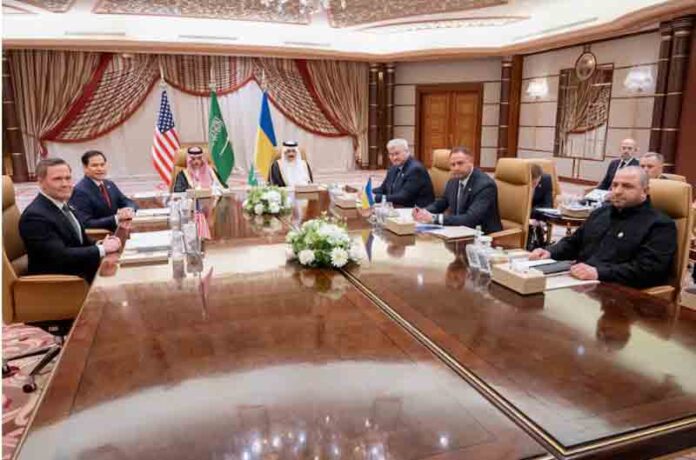
Ukrainian Foreign Minister Andrii Sybiha, Ukrainian Head of Presidential Office Andriy Yermak and Ukrainian Minister of Defense Rustem Umerov hold a meeting with U.S. officials in Jeddah, Saudi Arabia.

Ukrainian Foreign Minister Andrii Sybiha announced on Wednesday that he had briefed several European counterparts on the significant discussions held with the United States, during which Kyiv expressed its willingness to endorse Washington’s proposal for a 30-day ceasefire. Following over eight hours of discussions between Ukrainian and U.S. officials in Saudi Arabia on Tuesday, the U.S. committed to resuming military assistance and intelligence sharing with Ukraine.

Sybiha, who participated in the Jeddah negotiations, mentioned that he subsequently communicated with various European foreign ministers, including British Foreign Secretary David Lammy and EU foreign policy chief Kaja Kallas, regarding the results of this pivotal meeting. He emphasized that the Ukrainian delegation conveyed to U.S. officials the necessity for European partners to be involved in any peace talks. “We maintain the stance: no decisions regarding the long-term security of Europe should be made without Europe,” Sybiha stated in a social media update.

On Wednesday, Sybiha is scheduled to meet with his Polish counterpart Radoslaw Sikorski in Warsaw, as confirmed by the Polish foreign ministry. Poland, a NATO member and Ukraine’s neighbor, has consistently supported Kyiv since Russia’s full-scale invasion began three years ago, despite a decline in the number of Poles favoring ongoing military support for Ukraine. The agreement reached on Tuesday between the U.S. and Ukraine marks a significant shift from a contentious meeting at the White House on February 28, where U.S. President Donald Trump, known for his skepticism towards Ukraine aid, met with Ukrainian President Volodymyr Zelenskiy.

Zelenskiy, who was present in Saudi Arabia but did not engage in the discussions, described the ceasefire as a “positive proposal” that encompasses the entire frontline of the conflict, rather than being limited to aerial and naval engagements.

In his evening video address, he stated, “It is now the responsibility of the United States to persuade Russia to follow suit. If Russia consents, the ceasefire will be implemented without delay.”

China’s leadership in shipbuilding poses a national security threat to the United States, according to a report

0
Workers construct the hull of a vessel at the STX shipbuilding plant on Changxing Island in northeast China's Liaoning province.

In just twenty years, China has emerged as the leading force in shipbuilding, capturing over 50% of the global commercial shipbuilding market, while the U.S. share has plummeted to a mere 0.1%. This shift presents significant economic and national security challenges for the United States and its allies, as highlighted in a report published on Tuesday by the Center for Strategic and International Studies.

In 2024, a single Chinese shipbuilder produced more commercial vessels by tonnage than the entire U.S. shipbuilding sector has managed since the conclusion of World War II. According to the Washington-based bipartisan think tank, China now possesses the largest naval fleet in the world, as detailed in its comprehensive 75-page report.

The report emphasizes that the decline in U.S. and allied shipbuilding capabilities represents an immediate threat to military preparedness, diminishes economic prospects, and bolsters China’s ambitions for global power projection.

Concerns regarding the deteriorating state of U.S. shipbuilding have intensified in recent years, particularly as the nation confronts increasing challenges from China, which boasts the second-largest economy and seeks to alter the global order. During a congressional hearing in December, senior officials and lawmakers called for decisive action.

Recently, President Donald Trump informed Congress that his Republican administration would work to “revive” the American shipbuilding industry for both commercial and military vessels, proposing the establishment of “a new office of shipbuilding in the White House.”

Trump remarked, “We used to produce a significant number of ships. While our current output is limited, we are poised to ramp up production quickly, which will have a substantial impact.”

In February, leaders from four prominent labor unions urged Trump to enhance American shipbuilding efforts and implement tariffs along with other stringent measures against China, which has been increasingly dominating this industry.

Matthew Funaiole, a senior fellow at the China Power Project at CSIS and a co-author of the report, stated, “What we are witnessing is a growing acknowledgment of the strategic importance of shipbuilding and port security, alongside the challenges posed by China.” He noted that concerns regarding shipbuilding are largely bipartisan.

The report highlighted that China’s shipbuilding industry has undergone “a remarkable transformation” over the last twenty years, evolving from a “marginal player” to a leading force in the global market, primarily driven by the state-owned China State Shipbuilding Corporation (CSSC).

Simultaneously, China has significantly expanded its naval capabilities. A CSIS evaluation from last year indicated that China was operating 234 warships, compared to the U.S. Navy’s 219, although the U.S. maintained an edge in guided missile cruisers and destroyers.

In crafting recommendations for U.S. competitiveness against China, researchers focused on the Chinese company’s implementation of Beijing’s “military-civil fusion” strategy, which merges the defense and commercial sectors.

The findings revealed that CSSC, which manufactures both commercial and military vessels, exports three-quarters of its commercial output to international buyers, including U.S. allies such as Denmark, France, Greece, Japan, and South Korea. Consequently, these foreign companies are channeling billions of dollars to Chinese shipyards that also produce warships, thereby facilitating the modernization of China’s navy and supplying Chinese defense contractors with essential dual-use technology, according to the report.

CSIS researchers have recommended that the United States should focus on revitalizing its shipbuilding industry as a long-term solution, while also collaborating with allies to enhance shipbuilding capabilities beyond China. In the short term, they advised implementing measures to create a more equitable competitive environment and to “disrupt China’s opaque dual-use ecosystem.” This could include imposing docking fees on vessels manufactured in China and severing financial and business connections with CSSC and its subsidiaries.

The Trump administration has introduced proposals for new fees on vessels associated with China that dock at U.S. ports. Recently, a consortium led by BlackRock reached an agreement to acquire interests in 43 ports worldwide, including two located on either side of the Panama Canal, from a conglomerate based in Hong Kong.

Dutch defense minister states that F-35 partners are fully committed to the program

0
F-35 Lightning II

The nations participating in the Lockheed Martin F-35 program remain steadfast in their support for the fighter jet, and there is no indication that the United States plans to alter its commitment to the Joint Strike Fighter initiative, stated Dutch Minister of Defence Ruben Brekelmans.

“It is in our collective interest to ensure that the F-35 program continues to operate effectively and maintains its current level of success. I have not observed any indications that the United States is reconsidering its position,” Brekelmans remarked during a press briefing at the Paris Defence and Strategy Forum on Tuesday, addressing concerns regarding the potential for the U.S. to restrict allied access to their aircraft.

“I believe speculation on this matter is unwarranted,” he added.

Recently, some European researchers and lawmakers have voiced apprehensions that the U.S. might impede allies from utilizing their F-35s, particularly as U.S. President Donald Trump seems to be increasingly aligning with Russia and has made threats regarding the annexation of Canada and Greenland, which is an autonomous territory of Denmark.

European operators of the F-35 work in conjunction with the U.S. to develop mission data files essential for the aircraft’s operation, and many depend on a U.S.-managed cloud-based software system for maintenance and updates.

As of September, the Netherlands had acquired 40 out of the 52 F-35s it had ordered. In the same month, the Dutch government revealed intentions to purchase an additional six jets and formally decommissioned their F-16 fleet.

China, Iran, and Russia conduct collaborative naval exercises in the Middle East

0
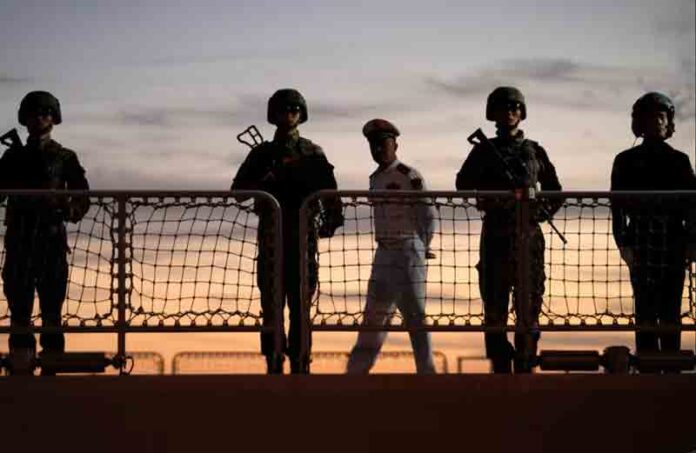
Chinese navy troops attending a joint naval drill with Iran and Russia stand on the deck of their warship in an official arrival ceremony at Shahid Beheshti port in Chabahar in the Gulf of Oman, Iran.

China, Iran, and Russia engaged in joint naval exercises on Tuesday in the Middle East, demonstrating military strength in a region that remains apprehensive about Tehran’s swiftly advancing nuclear program and the potential for renewed attacks on vessels by Yemen’s Houthi rebels.

The exercises, named Maritime Security Belt 2025, were conducted in the Gulf of Oman, close to the strategically significant Strait of Hormuz, through which approximately 20% of the world’s crude oil is transported. Historically, this area has witnessed Iran’s seizure of commercial vessels and alleged attacks since the United States, under President Donald Trump, withdrew from the nuclear agreement with Iran.

This year’s drills marked the fifth consecutive year of collaboration among the three nations.

The exercises likely prompted a warning from the United Kingdom Maritime Trade Operations center late Monday, indicating GPS interference in the strait that lasted several hours, compelling crews to utilize alternative navigation methods.

Shaun Robertson, an intelligence analyst at the EOS Risk Group, noted, “This was likely GPS jamming aimed at diminishing the targeting capabilities of drones and missiles. However, such electronic navigation disruptions have been reported in this region before during heightened tensions and military activities.”

China and Russia Conduct Naval Exercises in U.S. Navy-Patrolled Middle Eastern Waters

The Russian Defense Ministry has announced the participation of the corvettes Rezky and Hero of the Russian Federation Aldar Tsydenzhapov, along with the tanker Pechenega, in recent naval drills. In response, China’s Defense Ministry confirmed the deployment of the guided-missile destroyer Baotou and the comprehensive supply ship Gaoyouhu. However, neither country disclosed the number of personnel involved in these operations.

While China and Russia do not actively patrol the broader Middle East, a region vital for global energy supplies, they largely leave this responsibility to Western nations, primarily the U.S. Navy’s 5th Fleet based in Bahrain. Observers from several countries, including Azerbaijan, Iraq, Kazakhstan, Oman, Pakistan, Qatar, South Africa, Sri Lanka, and the United Arab Emirates, were present during the drills, with American forces likely monitoring the activities as well.

Both nations maintain significant interests in Iran. China continues to import Iranian crude oil despite facing Western sanctions, often at discounted rates compared to global market prices. Additionally, Beijing remains one of Iran’s largest trading partners.

On the other hand, Russia has depended on Iran for the supply of drones used in its ongoing conflict in Ukraine.

Iran Uses Naval Drills to Strengthen Domestic Support Following Israeli Attacks

The recent naval exercises have been prominently featured by Iran’s state-run television, showcasing live-fire operations during nighttime drills and sailors operating deck guns. These exercises follow an extensive series of drills that occurred after a direct Israeli attack on Iran, which targeted its air defense systems and facilities linked to its ballistic missile program.

Although Tehran attempted to minimize the impact of the Israeli assault, it has unsettled the Iranian populace, coinciding with a series of Israeli operations that have significantly weakened Iran’s so-called “Axis of Resistance,” a coalition of militant groups allied with the Islamic Republic. The overthrow of Syrian President Bashar Assad in December has further diminished Iran’s influence in the region.

Iran has been steadily increasing its stockpile of uranium enriched to near weapons-grade levels, a practice typically associated with nuclear-armed states. While Tehran insists that its nuclear program is intended for peaceful purposes, its officials have increasingly hinted at the possibility of developing nuclear weapons.

The nuclear initiative has prompted stern warnings from both Israel and the United States, indicating that they will not permit Iran to acquire a nuclear bomb, which raises the prospect of military intervention. Recently, former President Trump reached out to Iran’s Supreme Leader Ali Khamenei in an effort to negotiate a new nuclear agreement. Although Iran claims it has not received any correspondence, it has nonetheless made several statements regarding the matter.

Yemen’s Houthis renew threats to Mideast waterways

In Yemen, the Houthi rebels have renewed their threats concerning maritime security in the Middle East. As a fragile ceasefire persists in Israel’s conflict with Hamas in Gaza, the Houthis have indicated they may resume attacks on shipping routes in the Red Sea, Gulf of Aden, and Bab el-Mandeb Strait.

The group’s elusive leader, Abdul-Malik al-Houthi, warned that if humanitarian aid to Gaza does not resume, attacks on vessels associated with Israel would recommence within four days. That deadline has passed without incident, but it has left shipping companies anxious. The Houthis have previously targeted over 100 merchant ships with missiles and drones, resulting in the sinking of two vessels and the deaths of four sailors.

EU Chief Urges Member States to Use New Defense Loan for European Purchases, Not American Products

0

European Union nations are required to acquire military equipment produced within Europe through a new loan initiative aimed at enhancing the continent’s self-sufficiency in security, according to a senior EU official on Tuesday. This comes despite the fact that a significant portion of their defense supplies is sourced from U.S. manufacturers.

During a summit last week, the leaders of the EU’s 27 member states considered a proposal from the European Commission for a new loan program valued at 150 billion euros ($163 billion). This funding is intended for the procurement of air defense systems, drones, and essential strategic assets such as air transport, in addition to strengthening cybersecurity measures.

Commission President Ursula von der Leyen emphasized to EU lawmakers that these loans should be directed towards purchases from European manufacturers to bolster the continent’s defense industry. She also noted that contracts should be structured over multiple years to provide the necessary predictability for the industry, advocating for collaborative purchasing among countries to maximize effectiveness.

In recent years, European NATO allies have directed approximately two-thirds of their defense orders to U.S. firms. However, they are now being motivated to take action by the Trump administration’s insistence on self-reliance for their own security and that of Ukraine in the future.

France is advocating for the commission to increase funding for the loan initiative, emphasizing that the funds should be allocated exclusively within Europe. Meanwhile, Spain, one of five nations utilizing the euro and facing a debt exceeding 100%, is seeking grants instead of loans.

EU leaders are expected to approve the loan initiative at a summit scheduled for late next week, which the commission estimates will assist approximately 20 countries facing higher borrowing costs than the executive branch.

This initiative is part of a broader set of measures, which includes relaxing budgetary regulations for defense expenditures and reallocating EU funds, with the commission aiming to raise up to 800 billion euros ($874 billion) for security-related priorities.

Ten Russian warships held a training exercise simulating combat in the Kaliningrad region

0

On Tuesday, the Russian Navy conducted military drills in the Baltic Sea, involving approximately 10 vessels, as reported by Interfax, a Russian news agency, citing the Baltic Fleet’s press service.

The exercises featured what the military referred to as “group electronic launches” of missiles from the Bal and Bastion coastal defense systems. The objective was to target a simulated enemy squadron comprising over 10 ships, with Russian forces claiming successful strikes on all specified targets.

These drills occur amid rising tensions in the region, where NATO has recently intensified efforts to protect underwater infrastructure following a series of incidents that have sparked concerns about possible sabotage.

The operation included a diverse array of vessels, such as small missile ships, landing crafts, anti-submarine ships, minesweepers, and support vessels. Additionally, aircraft and helicopters from the Baltic Fleet’s naval aviation participated in the exercises.

The scenario depicted an enemy fleet attempting to execute missile and artillery strikes against Russian vessels and coastal positions, followed by a troop landing aimed at capturing the shoreline and advancing into Kaliningrad, a Russian enclave adjacent to NATO members Poland and Lithuania.

The press service clarified that the objective was to address a perceived threat and safeguard the maritime borders and coastlines of the Kaliningrad region, which holds strategic significance for Russia due to its location in the Baltic Sea.

During the drills, personnel from the missile units practiced departing from their bases, relocating combat vehicles to firing positions, and swiftly deploying the Bal and Bastion systems to counter the simulated threat. The Baltic Fleet highlighted that its missile units maintain a constant state of combat readiness, with the responsibility of protecting the approaches to Kaliningrad.

This region, which is geographically isolated from mainland Russia, depends significantly on the fleet for its defense and has historically been a focal point in the complex geopolitical landscape of the Baltic Sea, where NATO and Russian interests frequently converge.

The Bastion system, created by Russia’s NPO Mashinostroyenia and Tactical Missile Weapons Corporation, is engineered to defend coastlines extending over 370 miles. It is available in both mobile and stationary configurations and is equipped with the supersonic Onyx anti-ship missile, capable of carrying up to 36 cruise missiles in reserve.

Conversely, the Bal system is a highly mobile complex capable of striking targets up to 75 miles away, regardless of time or weather conditions. Its launchers can be discreetly positioned up to six miles inland from the coast, providing deployment flexibility. These systems are integral to Russia’s coastal defense strategy, aimed at deterring naval threats and securing its maritime boundaries.

This was not the first instance of the Baltic Fleet conducting such exercises. Similar drills were held in mid-January along the coastlines of the Baltic Sea and Gulf of Finland, utilizing the same missile systems.

Recent military operations also focused on simulated enemy vessels, allowing troops to evaluate system performance and practice the loading and unloading of munitions. According to the fleet’s press service, over 100 personnel and 15 military assets were involved in these earlier exercises.

The frequency of these drills indicates Russia’s ongoing commitment to maintaining operational readiness in a region where it perceives potential security threats.

The timing of the exercises on Tuesday is particularly noteworthy, as they align with heightened activity from NATO nations in the Baltic Sea. Since the autumn of 2024, there has been growing concern regarding attacks on underwater infrastructure, such as communication cables, which some Western officials suspect may involve Russian special operations.

These developments have led to actions from Northern European countries, including the detention of tankers believed to be part of Russia’s so-called shadow fleet—ships used to transport oil while circumventing international sanctions. This situation has heightened tensions, prompting NATO to initiate an operation named Baltic Sentry on January 14 to safeguard critical underwater assets in the area.

Baltic Sentry signifies a collaborative effort by NATO to confront these emerging threats. The operation includes ships, aircraft, and naval drones, with up to 10 vessels patrolling the Baltic Sea until at least April. In January, leaders from eight NATO countries bordering the Baltic—Denmark, Estonia, Finland, Germany, Latvia, Lithuania, Poland, and Sweden—convened in Helsinki to address the increasing incidents and formulate their strategy.

They expressed concerns regarding Russia’s shadow fleet, highlighting its potential risks to maritime security and the environment, as well as its role in supporting Russia’s military actions in Ukraine through sanctions evasion. The leaders committed to detecting and countering any sabotage attempts, asserting their right to take action against suspicious vessels in accordance with international law.

In February, Finland announced that U.S. Marines would be deployed to the country to work alongside its coast guard, complementing NATO’s response. This initiative aims to utilize drones for monitoring the Baltic Sea and to enhance surveillance capabilities in a region that is critical due to its extensive network of underwater cables and pipelines.

These infrastructures are vital for nearly all international data traffic and significant energy supplies, playing a crucial role in the economies of the Baltic states. The arrival of American forces highlights the strengthening collaboration among NATO allies as they strive to improve security in light of recent disruptions.

Since Russia’s invasion of Ukraine in February 2022, the Baltic Sea has emerged as a hotspot of tension. Various incidents have raised concerns about potential deliberate interference. Notably, in December 2024, Finnish authorities detained the Eagle S, a tanker registered in the Cook Islands, for allegedly damaging the Estlink 2 power cable and four telecommunications lines by dragging its anchor along the seabed.

This vessel is believed to be associated with Russia’s shadow fleet. Earlier, in November 2024, two communication cables were cut in Swedish waters, leading to scrutiny of the Chinese bulk carrier, the Yi Peng 3. While investigators are still determining whether these actions were intentional, the recurring incidents have raised alarms among European leaders.

Russia has denied any involvement in these occurrences, with the Kremlin consistently dismissing allegations of sabotage. Its embassy in London has characterized NATO’s actions as a military buildup based on a “fictitious pretext” of a Russian threat.

The proprietor of Eagle S, a firm located in the United Arab Emirates, has rejected allegations of sabotage as baseless, asserting that the cargo—Russian oil—was legally transported and that any damage occurred beyond Finnish territorial waters.

These assertions have not alleviated the apprehensions of NATO member states, which perceive the shadow fleet as a complex issue that intertwines security threats with environmental risks posed by aging and inadequately maintained tankers.

The intricacies of monitoring the Baltic Sea further complicate the situation. With approximately 2,000 vessels navigating its waters each day, tracking every ship presents a significant challenge. Latvian President Edgars Rinkevics recognized this issue in January, stating that while total protection is unattainable, a decisive message from NATO could help mitigate such occurrences.

The shallow seabed of the sea is home to numerous cables and pipelines, rendering it a vital yet susceptible region. International law governing freedom of navigation imposes additional constraints on NATO vessels, limiting their capacity to act unless there is clear evidence of hostile intent.

Experts at BulgarianMilitary.com have observed that the Baltic Sea is increasingly becoming a testing ground for hybrid tactics—strategies that do not escalate to open conflict but aim to disrupt opponents. They argue that Russia’s military exercises, while officially defensive, also serve as a demonstration of strength, indicating its readiness to counter perceived encirclement by NATO forces.

Concurrently, NATO’s Baltic Sentry initiative and the participation of U.S. Marines signify a transition towards more proactive strategies, balancing deterrence with the necessity to prevent escalation. This careful maneuvering illustrates the broader strategic rivalry in the region, where both parties are showcasing their capabilities without engaging in direct confrontation.

As of March 11, 2025, the situation continues to evolve. NATO’s Baltic Sentry operation is actively underway, featuring frigates, patrol aircraft, and drones that are ensuring a sustained presence in the region. U.S. Marines stationed in Finland have commenced their activities, deploying observation drones along the coastline. Meanwhile, the Russian Baltic Fleet has reported the successful completion of its latest exercises, which further solidifies their position in Kaliningrad.

Ongoing investigations into the cable incidents involve Finnish, Swedish, and other authorities who are diligently gathering evidence. Currently, no suspects have been officially charged, leaving the possibility open as to whether these occurrences were intentional or mere accidents. At this moment, the Baltic Sea remains a zone of vigilance, characterized by military exercises and security operations amid an atmosphere of uncertainty.

Ukraine: “Our F-16s are not capable of competing with Su-35s in direct combat”

0
Ukraine: ‘Our F-16s can’t match Su-35s in one-on-one combat’

Yuriy Ignat, the former spokesperson for Ukraine’s Air Force Command, recently made a notable assertion regarding the F-16 fighter jets that Ukraine has received. In an interview with Ukrainian media, Ignat expressed concerns that these aircraft, supplied by Western allies, do not possess the modern capabilities necessary to effectively engage Russia’s Su-35 jets in direct aerial confrontations.

His comments, which emerged early in the day, quickly gained traction across various news platforms and social media, prompting discussions about the operational effectiveness of the jets now in Ukraine’s arsenal.

Ignat’s observations are particularly significant given the ongoing conflict between Ukraine and Russia, where maintaining air superiority is crucial. His statements highlight the difficulties Ukraine faces in incorporating these long-awaited aircraft into its military operations.

The remarks have ignited conversations regarding the age and technological status of the donated F-16s, the expectations surrounding their performance, and their comparative effectiveness against Russia’s sophisticated fighter jets.

Drawing from his extensive background with Ukraine’s air forces, Ignat pointed out that the F-16s provided to Ukraine are older variants, lacking the advanced technology required to compete with the Su-35, a Russian aircraft renowned for its maneuverability and superior weapon systems.

Ignat has pointed out that the existing gap in capabilities places Ukrainian pilots at a disadvantage during direct aerial confrontations. While he did not detail specific aircraft models or their origins, his message was unmistakable: although these planes represent a valuable enhancement to Ukraine’s military resources, they do not possess the necessary capabilities to effectively counter Russia’s air superiority.

His remarks highlight a growing concern in Ukraine regarding the speed and quality of military assistance from allied nations, particularly as the conflict extends into its third year with no resolution in sight.

The process of acquiring F-16s for Ukraine has been slow, characterized by extensive negotiations and logistical challenges. By early 2025, Ukraine had received a limited number of these aircraft from Western allies, including the Netherlands, Denmark, and potentially the United States.

Current reports indicate that approximately 20 F-16s have been delivered, although precise numbers are unclear due to security issues and inconsistent statements from officials. The Netherlands committed to supplying 24 jets in 2023, with deliveries starting in mid-2024, while Denmark has pledged 19, some of which are already on the ground.

The United States has contributed by training Ukrainian pilots and offering support, but it remains uncertain whether any American F-16s have been transferred directly. Looking forward, Ukraine aims to acquire more jets—potentially up to 80—over the long term, based on earlier projections from its air force.

However, these aspirations hinge on the willingness of NATO nations to provide additional aircraft and the time required to prepare them for operational use.

Initially, the arrival of these jets was celebrated as a transformative development, symbolizing Western support for Ukraine’s defense efforts. Nevertheless, Ignat’s observations reveal a recurring challenge for Kyiv: the equipment received often comes with inherent limitations.

Numerous F-16s being supplied to Ukraine are older variants that have been retired from service in their original countries and subsequently refurbished. Although these aircraft are operational, they do not possess the modern upgrades found in the latest models utilized by NATO air forces.

Ukraine has expressed a pressing need for at least 128 fighter jets to achieve a comprehensive modernization of its air fleet, a target that appears challenging to reach given the slow pace of deliveries. Currently, the emphasis is on optimizing the existing resources, despite officials like Ignat acknowledging the obstacles that lie ahead.

From the Russian perspective, there has been a longstanding confidence in the Su-35’s capability to counter Ukraine’s F-16s, even before their deployment. In 2023, as discussions about providing Kyiv with Western aircraft intensified, Russian military analysts and state media conveyed optimism regarding the superiority of their own jets.

The Su-35, a cornerstone of the Russian air force, is a fourth-generation fighter equipped with enhancements that improve its maneuverability and firepower. Russian commentators have highlighted its sophisticated radar systems, long-range missiles, and thrust-vectoring engines, which enable it to outperform adversaries in aerial combat.

Additionally, they have suggested that the F-16s expected to arrive in Ukraine will likely be older models, a prediction that Ignat’s remarks seem to validate. This perception has reinforced Moscow’s narrative that, while Western support is substantial, it will not significantly alter the balance of power in favor of Ukraine.

Russian officials have also underscored their air force’s extensive combat experience, acquired through years of operations in Syria and now in Ukraine. The Su-35 has played a crucial role in Russia’s military strategy, being deployed to target ground installations and maintain dominance in contested airspace.

Military analysts in Russia assert that even with the introduction of F-16s, Ukraine would face significant challenges in countering Russian air superiority, primarily due to the differences in pilot training and the overwhelming number of aircraft that Moscow can deploy. Although these claims may contain elements of propaganda, they indicate a strategic confidence in the capabilities of the Su-35, which Ukraine’s current air fleet must confront in combat situations.

So, how is Ukraine utilizing its F-16s? Since their arrival in 2024, these jets have primarily been assigned to defensive operations, including intercepting Russian drones and cruise missiles.

A significant achievement occurred in January 2025, when a Ukrainian pilot reportedly shot down six cruise missiles in a single mission, demonstrating the aircraft’s effectiveness against specific threats. However, their involvement in direct air-to-air engagements seems to be limited. Comments from military officials suggest that Ukraine is cautious about engaging Su-35s in one-on-one confrontations, likely due to the associated risks.

Instead, the F-16s are being operated with caution, often remaining behind the front lines to safeguard urban areas and critical infrastructure from missile strikes. This strategy underscores their importance as a limited asset and the operational limitations they face.

One critical drawback is the absence of advanced armaments. The F-16s provided to Ukraine are said to be outfitted with older missile systems, such as the AIM-9 Sidewinder and AIM-120 AMRAAM, lacking the latest variants that could enhance their range and precision.

Without long-range munitions, Ukrainian pilots must approach their targets—Russian aircraft included—more closely than their Su-35 adversaries, who can engage from a safer distance. Furthermore, the jets’ radar and electronic warfare capabilities may not be as advanced as those of Russia, further skewing the balance in favor of Moscow.

Training also presents a challenge; while Ukrainian pilots have participated in rigorous training programs in the U.S. and Europe, they are still in the process of adapting to a platform that is significantly different from the Soviet-era MiGs and Sukhois they have previously operated.

Analysts from BulgarianMilitary.com have provided insights into the current situation, highlighting that Ukraine’s F-16s are being utilized across various roles—air defense, ground support, and occasional strikes—resulting in a dilution of their effectiveness due to insufficient numbers and equipment to excel in any specific area.

The analysis indicates that Kyiv’s strategy emphasizes survival over direct confrontation, opting to reserve the jets for critical missions instead of exposing them to aerial battles against Russia’s more numerous and advanced aircraft. While this prudent strategy is practical, it restricts the F-16s’ capacity to alter the dynamics of the air war, underscoring Ignat’s observations regarding their competitive limitations.

In examining the advantages of the Su-35, the differences become quite pronounced. The Su-35, which was introduced in the early 2000s and has undergone upgrades, can reach speeds of approximately 1,500 miles per hour and has a combat radius that exceeds 900 miles. Its Irbis-E radar is capable of tracking multiple targets at extended ranges, and it is equipped with the R-77 missile, which can engage aircraft from over 60 miles away.

The jet’s supermaneuverability, facilitated by thrust-vectoring engines, enables it to execute tight turns and evade threats effectively. In contrast, Ukraine’s F-16s—likely A/B or early C/D variants from the 1980s or 1990s—have a maximum speed of around 1,300 miles per hour and depend on less advanced radar systems.

While their maneuverability is commendable, it does not match the Su-35’s agility, and their weapon range is limited, placing pilots in a more reactive stance during combat situations.

The advantage of the Su-35 extends beyond its technical specifications; it is also a matter of numbers. Russia has more than 100 of these aircraft in service, significantly outnumbering Ukraine’s limited fleet of F-16s. This numerical superiority means that Ukrainian pilots may encounter several opponents simultaneously, a situation where even a contemporary F-16 could find itself at a disadvantage.

Additionally, Russia benefits from a robust maintenance and logistics framework, relying on a domestic supply chain for parts and repairs. In contrast, Ukraine’s reliance on foreign assistance can lead to delays in support. These elements contribute to a formidable challenge for Kyiv, a reality that Ignat’s remarks highlight with stark honesty.

What is the status of Ukraine’s F-16s? Most are thought to be F-16A/B variants, originally manufactured in the 1970s and 1980s, with some having undergone upgrades to the “Mid-Life Update” standard in the 1990s. These aircraft are equipped with the Pratt & Whitney F100 engine, available in single-seat or dual-seat configurations, and feature a radar system like the APG-66, which, while adequate for its era, is now considered outdated.

Although some jets may have received modern avionics or targeting pods during refurbishment, none seem to be equipped with the AESA radar or stealth capabilities found in the modern F-16Vs used by NATO.

Their armament includes short-range Sidewinders for close engagements and AMRAAMs for beyond-visual-range combat, although the missile variants are likely older, with effective ranges of 20 to 50 miles—significantly less than Russia’s R-77.

Standard defensive measures such as chaff and flares are present, but electronic countermeasures may not be sufficient to neutralize the Su-35’s advanced sensors.

As of March 11, 2025, Ignat’s comments serve as a stark reminder of the challenges facing Ukraine. While the F-16s have enhanced its defensive capabilities, with pilots like Vadim Voroshilov—known as “Karaya”—commending their role in safeguarding urban areas, the aspiration for air parity with Russia remains a distant goal.

Deliveries are ongoing, as Denmark and the Netherlands have committed to providing additional jets in the upcoming months, while training programs are being broadened to equip more crews. It remains uncertain whether these initiatives will bridge the existing gap or encourage allies to offer more advanced models. This question will significantly influence the aerial landscape over Ukraine in the months ahead.

Iran’s President Pezeshkian told Trump he won’t negotiate and urged him to act as he wishes

0

President Masoud Pezeshkian stated that Iran will not engage in negotiations with the United States under threats, advising President Donald Trump to “do whatever the hell you want,” according to reports from Iranian state media on Tuesday.

Pezeshkian emphasized that it is unacceptable for the U.S. to issue orders and threats, asserting, “I won’t even negotiate with you. Do whatever the hell you want,” as quoted by state media.

Iran’s Supreme Leader Ayatollah Ali Khamenei remarked on Saturday that Tehran would not be coerced into discussions, following Trump’s announcement that he had sent a letter encouraging Iran to participate in talks regarding a new nuclear agreement.

While Trump has indicated a willingness to negotiate with Tehran, he has also reinstated the “maximum pressure” strategy from his first term, aimed at isolating Iran economically and significantly reducing its oil exports.

In a recent interview with Fox Business, Trump stated, “There are two ways Iran can be handled: militarily, or you make a deal” to prevent Iran from obtaining nuclear weapons.

Iran has consistently denied any intention to develop a nuclear weapon. However, the International Atomic Energy Agency (IAEA) has warned that Iran is “dramatically” increasing its uranium enrichment to levels approaching 60% purity, which is close to the approximately 90% required for weapons-grade material.

Since 2019, Iran has intensified its nuclear activities, following the withdrawal of the U.S. from the 2015 nuclear agreement with six world powers and the subsequent reimposition of sanctions that have severely impacted the Iranian economy.

U.S. will restore security assistance to Ukraine as Kyiv considers a ceasefire proposal

0
U.S Secretary of State Marco Rubio, U.S National Security Advisor Mike Waltz, Ukrainian Foreign Minister Andrii Sybiha, Ukrainian Head of Presidential Office Andriy Yermak, and Ukrainian Minister of Defense Rustem Umerov hold a meeting in the presence of Saudi Foreign Minister Faisal bin Farhan and National Security Advisor Mosaad bin Mohammad Al-Aiban, in Jeddah, Saudi Arabia.

The United States announced on Tuesday its decision to reinstate military assistance and intelligence collaboration with Ukraine following discussions in which Kyiv expressed its willingness to accept a U.S. proposal for a 30-day ceasefire in its ongoing conflict with Russia, as stated in a joint declaration from both nations.

U.S. Secretary of State Marco Rubio indicated that the proposal would now be presented to Russia, emphasizing that the next move lies with Moscow. “We hope for a swift affirmative response from the Russians so we can advance to the next stage, which involves substantive negotiations,” Rubio remarked to the press, referencing U.S. President Donald Trump, after more than eight hours of discussions in Jeddah, Saudi Arabia.

Three years ago, the Kremlin initiated a comprehensive invasion of Ukraine, and Russia, which has made territorial gains, currently occupies approximately 20% of Ukraine, including Crimea, annexed in 2014. Rubio expressed that Washington aims for a comprehensive agreement with both Russia and Ukraine “as soon as possible.” He noted, “With each passing day, the conflict persists, resulting in casualties and suffering on both sides.”

The nature of Moscow’s response remains uncertain. Russian President Vladimir Putin has indicated a willingness to engage in peace negotiations; however, he and his officials have consistently opposed a ceasefire, insisting on a resolution that ensures Russia’s “long-term security.” Putin has dismissed any possibility of territorial concessions and has stated that Ukraine must completely withdraw from four regions that Russia claims and partially controls.

On Tuesday, Russia’s foreign ministry merely stated that it does not exclude the possibility of engaging with U.S. representatives.

Ukrainian President Volodymyr Zelenskiy, who was present in Saudi Arabia but did not engage in the discussions, described the proposed ceasefire as a “positive initiative” that encompasses the entire frontline of the conflict, extending beyond just aerial and naval engagements.

WILL RUSSIA CONCUR?

Zelenskiy indicated that the ceasefire would commence once Russia provides its consent. “Once the agreements are enacted, we will have a 30-day period of ‘silence’ to collaborate with our partners on preparing comprehensive documentation for sustainable peace and long-term security,” he stated. Rubio mentioned that the proposal would be communicated to the Russians through various channels. Trump’s national security adviser, Mike Waltz, is scheduled to meet with his Russian counterpart soon, while Trump’s special envoy, Steve Witkoff, plans to visit Moscow this week for discussions with Putin.

On Tuesday, Trump expressed optimism for a quick ceasefire and anticipated a conversation with Putin within the week. “I hope it will be resolved in the next few days,” he remarked to reporters during a White House event promoting his close adviser Elon Musk’s Tesla company.

The U.S.-Ukraine agreement marks a significant shift from a contentious meeting at the White House on February 28, where the new Republican president, known for his skepticism towards Ukraine aid, met with Zelenskiy. In a joint statement released on Tuesday, both nations affirmed their commitment to swiftly finalize a comprehensive agreement aimed at developing Ukraine’s critical mineral resources, which had been stalled due to the earlier meeting.

Following that meeting, the United States halted intelligence sharing and arms deliveries to Ukraine, highlighting Trump’s readiness to exert pressure on a U.S. ally as he shifts towards a more accommodating stance with Moscow. On Tuesday, Trump announced his intention to invite Zelenskiy back to the White House. Ukrainian officials later confirmed that both military aid and intelligence sharing from the U.S. had resumed.

EUROPEAN PARTNERS

A senior advisor to Zelenskiy indicated that discussions regarding security guarantees for Ukraine took place with U.S. officials. Securing these guarantees has been a primary objective for Kyiv, and several European nations have shown interest in the possibility of deploying peacekeepers. In a joint statement, Ukraine emphasized the necessity of involving European partners in the peace negotiations. NATO Secretary General Mark Rutte is scheduled to visit the White House on Thursday.

“It appears that the Americans and Ukrainians have made a significant move towards peace. Europe is prepared to assist in achieving a fair and enduring resolution,” stated Polish Prime Minister Donald Tusk on X. Waltz noted that the initial resumption of military support for Ukraine would include equipment from U.S. stockpiles that had been authorized by former President Joe Biden but were halted by Trump.

As diplomatic efforts unfold, Ukraine’s military positions are facing intense pressure, particularly in Russia’s Kursk region, where Moscow’s forces are attempting to dislodge Kyiv’s troops, who have been trying to maintain control over a strategic area as leverage. In a significant response, Ukraine launched its largest drone assault on Moscow and its vicinity to date, demonstrating its capability to strike back following a series of Russian missile and drone attacks, one of which resulted in 14 fatalities on Saturday. The operation, which saw 337 drones intercepted over Russia, led to the deaths of at least three workers at a meat warehouse and caused a temporary closure of four airports in Moscow.

U.S. has deployed AH-64 Apache helicopters with Spike NLOS missiles, capable of 32-kilometer range, in Iraq

0
AH-64 Apache with Spike NLOS

In a pivotal development for aerial combat, the United States has introduced AH-64 Apache attack helicopters equipped with Israeli-manufactured Spike NLOS (Non-Line of Sight) missiles in Iraq, marking the first operational deployment of this sophisticated missile system in an active conflict environment.

An AH-64 Apache from the U.S. Army was observed outfitted with Spike NLOS missiles at Erbil Air Base in Iraq, a key location that functions as an essential operational center for American military efforts throughout Iraq and the surrounding region.

The U.S. Army has a presence at Erbil Air Base, also referred to as Harir Air Base, situated in the Kurdistan Region of Iraq. This base plays a crucial role in supporting U.S. and coalition military operations against ISIS, as well as broader strategic initiatives in the Middle East.

It accommodates personnel from the U.S. Army, Air Force, and coalition allies who are engaged in training, advising, and assisting Iraqi and Kurdish security forces. The introduction of AH-64 Apaches armed with Spike NLOS missiles signifies a significant enhancement in the U.S. Army’s aerial combat capabilities, highlighting the rapidly changing landscape of air operations in this strategically vital area.

The incorporation of these precision-guided missiles greatly extends the operational range and improves the accuracy of strikes by U.S. forces.

In contrast to the conventional AGM-114 Hellfire and AGM-179 Joint Air-to-Ground Missiles (JAGM) typically utilized by Apache helicopters, the Spike NLOS missile features an exceptional operational range of up to 32 kilometers (20 miles). It is outfitted with an advanced multi-mode guidance system that allows for both autonomous targeting and direct operator control, offering remarkable tactical versatility.

The Spike NLOS (Non-Line of Sight) missile system, created by Rafael Advanced Defense Systems, generally operates within a range of 25 to 32 kilometers (around 20 miles), with enhanced variants capable of extending this range to 50 kilometers. It is recognized for its precision targeting capabilities through real-time guidance utilizing electro-optical seekers, facilitating effective strikes beyond visual range. In comparison, the AGM-114 Hellfire and AGM-179 JAGM missiles have operational ranges limited to 7 to 11 kilometers (4 to 7 miles) and 8 to 16 kilometers (5 to 10 miles), respectively.

This recent deployment comes after comprehensive operational testing and thorough training exercises carried out by the U.S. Army’s esteemed 101st Combat Aviation Brigade (101st CAB). Earlier this month, the brigade marked a significant achievement by successfully operating an AH-64 Apache helicopter equipped with training variants of the Spike NLOS missile, showcasing substantial advancements in the integration of this cutting-edge weapon system with the Apache’s onboard combat capabilities.

Colonel Tyler Partridge, the commander of the 101st Combat Aviation Brigade, highlighted the importance of this advancement in a statement from the Defense Visual Information Distribution Service (DVIDS): “The operational testing of Spike NLOS munitions integrated with the AH-64E V6 systems significantly boosts our readiness for real-world missions, enhancing the combat power and capabilities of our ground forces.”

The integration of this sophisticated missile system is expected to greatly enhance the effectiveness of U.S. military operations by facilitating accurate strikes against enemy targets from safer distances, thereby minimizing exposure to hostile air-defense systems.

Developed by the Israeli defense firm Rafael and tailored to meet U.S. military specifications by Lockheed Martin, the Spike NLOS missile has been in service with the Israeli Defense Forces (IDF) since the 1980s. Over the years, the missile system has seen considerable upgrades aimed at improving accuracy, operational range, and tactical flexibility.

In contrast to the laser-guided Hellfire missile, the Spike NLOS features a “man-in-the-loop” (MITL) targeting system, which allows real-time operator control through an onboard infrared camera. This cutting-edge capability enables operators to modify targeting during flight, accurately engage moving targets, and quickly adapt to changing battlefield conditions.