Monday, April 13, 2026
Home Blog Page 59

Canada’s Carney confronts Trump, trade tariffs, and an upcoming election

0
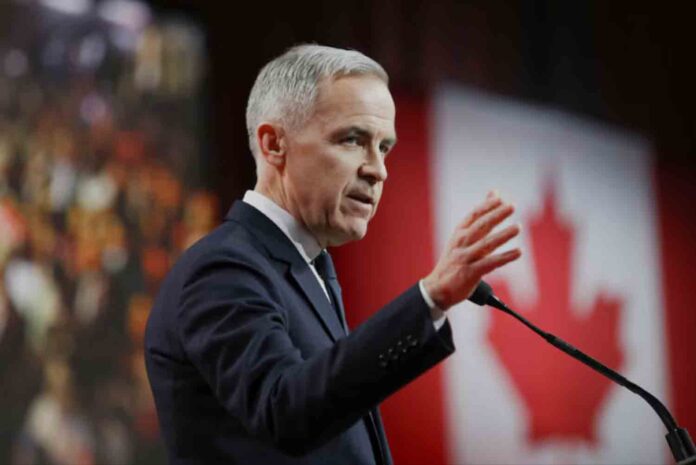
Former Bank of Canada and Bank of England governor Mark Carney speaks after he won the race to become leader of Canada's ruling Liberal Party and will succeed Justin Trudeau as Prime Minister, in Ottawa, Ontario, Canada.

Former central banker Mark Carney achieved a decisive victory on Sunday to lead Canada‘s Liberal Party and is set to become the next prime minister of the country.

The challenges ahead are significant: he must confront U.S. President Donald Trump, who has issued threats of annexation, navigate a trade war accompanied by punitive tariffs, and guide the party through what is expected to be a contentious general election on the horizon. Carney secured 86% of the votes from party members. In the upcoming days, Canada’s Governor-General, representing King Charles of Britain, will extend an invitation for him to form a government, positioning Carney to succeed Justin Trudeau as prime minister.

However, this newly formed Liberal government may face a brief tenure. Two sources within the Liberal Party indicated that Carney is likely to call for an election in the coming weeks, hoping to capitalize on the party’s renewed momentum in the polls. Should Carney refrain from initiating an election, his political adversaries have stated they would seek to unseat the government at the earliest opportunity when Parliament reconvenes.

For several months, the opposition Conservatives have maintained a lead in the polls, often surpassing the governing Liberals by double digits. Nevertheless, the political dynamics have shifted with the rise of Trump, the looming tariffs, and the threat of annexation, coinciding with a resurgence of support for the Liberals. Recent polls indicate that the party has gained significant ground, now closely competing with the opposition.

The upcoming challenge will be to sustain the current momentum and persuade Canadians to consider a party that governed for a decade under Trudeau once again, all while navigating a trade conflict that evolves rapidly.

Cameron Anderson, a political science professor at Western University, remarked, “The challenges we face are nearly unparalleled in Canadian history, particularly in the post-war era. We are confronted with significant domestic issues such as the cost of living, housing, healthcare, and immigration management. Additionally, on the global stage, Canada feels a level of threat that has not been experienced in many generations.”

Mark Carney is set to become the first individual to assume the role of Prime Minister in Canada without any previous electoral experience. The former governor of both the Bank of Canada and the Bank of England has surged to the forefront of the Liberal leadership contest, outpacing two women who previously served in Trudeau’s Cabinet.

On Sunday evening, Carney committed to eliminating the consumer price on carbon and halting a proposed increase in the capital gains tax. He expressed support for implementing dollar-for-dollar retaliatory tariffs in response to those imposed by Trump.

In line with others, Carney vowed to eliminate trade barriers within Canada and promised to accelerate the pace of new housing construction over the next decade while capping immigration, a policy shift initiated by Trudeau.

The Liberals have attempted to draw parallels between Conservative leader Pierre Poilievre and Trump in a recent advertisement, while Poilievre has intensified his criticisms of Carney.

Carney is expected to highlight the policy changes that were essential for addressing Poilievre, according to Richard Johnston, a politics professor at the University of British Columbia. He noted that the effectiveness of these reversals as sound policy is a separate issue. Johnston also pointed out that a significant focus will be on maintaining composure when dealing with Donald Trump.

Russia has expelled two British diplomats while negotiating to restore relations with the U.S.

0
A flag flies at the British embassy in Moscow, Russia.

Russia has accused two British diplomats of espionage and has given them a two-week deadline to exit the country, further straining diplomatic relations with Europe while simultaneously engaging in discussions to mend ties with the United States.

The British embassy has not yet responded to requests for comments, although it has previously dismissed similar accusations against its diplomats in Moscow.

These two diplomats appear to be the first Western officials expelled from Russia since discussions began between Moscow and Washington regarding the restoration of personnel at their respective embassies, which have been significantly reduced due to reciprocal expulsions. This situation has raised concerns among European allies regarding President Donald Trump’s efforts to improve relations with the Kremlin.

The expulsions have severely impacted the operations of Russian embassies in the West and Western missions in Russia, particularly following Russia’s extensive military actions in Ukraine that began in 2022.

According to Russia’s Federal Security Service, the diplomats allegedly provided false information to gain entry into the country and were found to have engaged in activities deemed harmful to Russian security, indicating signs of intelligence and subversive operations.

In response to the expulsions, the Russian Foreign Ministry summoned a representative from the British embassy. Moscow has expressed its displeasure over Britain’s ongoing military support for Ukraine, particularly in light of Prime Minister Keir Starmer’s recent comments about potentially deploying British troops and aircraft to Ukraine as part of a peacekeeping initiative.

Additionally, in February, Russian authorities launched a criminal investigation into an alleged attack on a freelance journalist, reportedly involving an individual believed to be associated with the British embassy. London has characterized this allegation as an “interference operation” aimed at intimidating legitimate diplomats.

The announcement was made one day following Britain’s decision to expel a Russian diplomat in response to Moscow’s expulsion of a British diplomat last November. Since the onset of the Ukraine conflict, relations between Britain and Russia have deteriorated to their lowest point since the Cold War. Britain has participated in multiple rounds of sanctions against Russia and has supplied arms to Ukraine.

China commits to making every effort towards achieving ‘peaceful reunification’ with Taiwan

0

China is committed to making every effort to achieve “peaceful reunification” with Taiwan, while also taking all necessary actions to protect its territorial integrity, as stated by the foreign ministry on Monday. Despite the Taiwanese government’s opposition, China asserts that Taiwan, which operates as a democracy, is part of its territory. Taiwanese President Lai Ching-te has emphasized that the future of Taiwan should be determined solely by its people.

During last week’s annual parliamentary meeting in China, Foreign Minister Wang Yi informed reporters that Taiwan would never be recognized as an independent “country,” asserting that support for “Taiwan independence” constitutes interference in China’s domestic matters.

Mao Ning, a spokesperson for the foreign ministry, expressed that China is “willing to do our utmost to strive for the prospect of peaceful reunification with the greatest sincerity” in response to inquiries about Wang’s statements regarding Taiwan. She added, “At the same time, China will take all necessary measures to safeguard national sovereignty and territorial integrity and resolutely oppose Taiwan independence and external interference.”

In recent years, Beijing has intensified its military pressure on Taiwan, conducting multiple rounds of military exercises and maintaining the possibility of using force to assert control over the island.

The United States remains Taiwan’s primary arms supplier, despite the lack of formal diplomatic relations, and there is no defense treaty in place as there is with Japan and South Korea. Mao urged the United States to halt its arms sales to Taiwan and to cease all military engagements with the island. She cautioned that “the Taiwan issue is the core of China’s core interests and the first insurmountable red line in Sino-U.S. relations.”

Russia Intensifies Efforts to Market Su-57 Fighter Jets to India, Offers Revolutionary Technology Transfer

0
Su-57 achieved takeoff in slightly more than 11 to 12 seconds from a compact runway.

Russia has ramped up efforts to secure India as a purchaser of its advanced fifth-generation fighter jet, the Sukhoi Su-57 “Felon.” To gain an edge over competitors, Moscow is not only proposing joint production but also an exceptional transfer of advanced technology, along with the establishment of a domestic fifth-generation fighter manufacturing industry in India.

Denis Alipov, Russia’s Ambassador to India, emphasized the importance of this initiative, describing it as a “highly lucrative deal” that could significantly enhance India’s air combat capabilities for many years.

“We are presenting our own fifth-generation fighter. The Su-57 is the best aircraft available. We showcased it at Aero India last month in Bangalore, where it garnered significant attention,” Alipov stated. “It is highly competitive; we are not just selling but also offering co-production. We provide technology sharing and are prepared to establish the necessary industrial facilities for its production. We are open to modifications as well.”

“This is a very lucrative deal that we are extending to India,” he added.

The United States and Russia are engaged in a fierce competition for influence, each striving to win India’s support in what could be one of the most significant fighter jet agreements of the decade.

At the center of this intense rivalry are two of the globe’s most sophisticated warplanes—the American F-35 and the Russian Su-57—both of which promise to transform the future of India’s air power. In a notable development, Russia has formally proposed its Su-57E fighter jet as a candidate for the Indian Air Force, coinciding with U.S. President Donald Trump’s personal promotion of the F-35 to India during Prime Minister Narendra Modi’s prominent visit to Washington.

Alipov emphasized the attractive nature of Moscow’s proposal shortly after Rosoboronexport, Russia’s state arms export agency, announced that India could expedite the licensed production of the Su-57 by enhancing its current Su-30MKI production line.

India has already manufactured at least 222 units of the Su-30MKI, a powerful “4+ generation” fighter jet, and Russia is now capitalizing on this established infrastructure to facilitate India’s entry into the exclusive group of fifth-generation fighter operators.

On March 7, the Russian state-owned news agency TASS reported that Rosoboronexport expressed its willingness to leverage India’s well-developed Su-30MKI production capabilities for the local assembly of the Su-57E.

Rosoboronexport further indicated that if India proceeds with the agreement, its aerospace sector—already adept at assembling Russian Su-30MKI fighter jets—could swiftly commence production of the Su-57E, marking the beginning of a new chapter in indigenous fifth-generation fighter jet manufacturing.

“Should the Indian side make a favorable decision, the production of the Russian fifth-generation Su-57E fighter jet can commence promptly at the same facilities currently engaged in the production of the Su-30MKI,” stated Rosoboronexport.

Rosoboronexport has reaffirmed its dedication to enhancing India’s air combat capabilities, offering comprehensive support for an extensive upgrade program aimed at transforming the Indian Air Force’s Su-30MKI fleet.

This initiative goes beyond standard modernization, promising to integrate advanced capabilities into India’s fighter jets while actively engaging the nation’s defense industry in a strategic partnership that could reshape its aerospace landscape.

The agency indicated that the combat capabilities of the Su-30MKI could be significantly improved through the incorporation of new air-launched munitions and upgrades to its avionics. Ongoing discussions are focused on the potential continuation of Su-30MKI production in India, with expectations for favorable outcomes in the near future.

India finds itself at a pivotal moment, facing the concerning prospect of being among the last nuclear-armed nations to operate a fifth-generation fighter aircraft. As the global air combat environment shifts, major powers have already taken decisive actions—the United States, the United Kingdom, and NATO’s nuclear-sharing partners have secured the advanced F-35, while Pakistan is set to introduce China’s J-35A by 2029, potentially alongside Türkiye’s ambitious KAAN fighter.

Additionally, North Korea has expressed its intention to acquire the formidable Su-57. This situation leaves India and France as the only nuclear-armed countries yet to establish a clear strategy for achieving fifth-generation air superiority, a gap that could have significant ramifications for their strategic positions.

In response to this urgency, Russia has significantly increased its production of the Su-57, with annual output rising from six aircraft in 2022 to twelve in 2023, and projections indicating it could reach twenty by 2024. For India, the acquisition of these advanced jets in substantial numbers could be transformative.

The Su-57’s sophisticated network-centric warfare capabilities would enhance frontline combat units and serve as a force multiplier, integrating seamlessly with MiG-29UPG and Su-30MKI fighters, S-400 air defense systems, and other strategic assets. The critical question now is whether India will capitalize on this opportunity to advance or risk lagging behind in the forthcoming era of aerial combat.

Morocco is seeking advanced military drones from China as Western alliances evolve

0
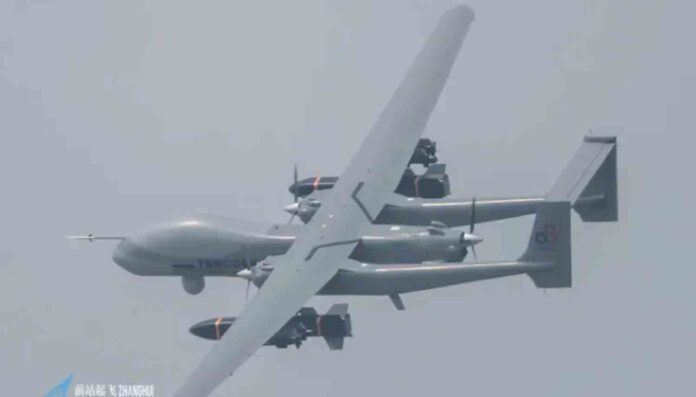
Chinese drone TB-001K Scorpion

In a strategic effort to broaden its defense procurement and strengthen relations with China, Morocco has once again sought advanced unmanned aerial technology from Beijing. This recent acquisition enhances its existing fleet of Chinese-manufactured Wing Loong II drones, highlighting the North African country’s transition towards expanding its military capabilities beyond traditional Western sources.

Central to this expansion is the TB-001K “Scorpion,” a sophisticated surveillance and strike drone developed by Sichuan Tengden Sci-Tech Innovation Co. The drone features twin engines and a unique dual-tail design, providing exceptional maneuverability and making it a versatile asset for aerial operations. With an impressive operational range of 6,000 km and an endurance of 35 hours, the TB-001K is designed for prolonged missions.

Its payload capacity exceeds 1,200 kg, enabling it to carry a variety of precision-guided munitions, including air-to-ground missiles and bombs, thus serving as a significant force multiplier in Morocco’s military inventory. Capable of operating at altitudes of 10,000 meters, the drone effectively supports both reconnaissance and strike missions, bolstering Morocco’s air dominance in the region.

Upon its delivery, the TB-001K is expected to greatly enhance Morocco’s offensive capabilities, especially in light of rising regional security challenges. However, specifics regarding the quantity of procurement, contract value, and delivery schedule have not been disclosed. Morocco’s UAV fleet has already proven its effectiveness in military operations throughout the Sahara, playing a crucial role in countering Polisario Front infiltrations. These drones have consistently targeted separatist movements while maintaining strong control over buffer zones.

The significance of drones as a force multiplier for Morocco became clear when the Royal Moroccan Armed Forces deployed Wing Loong II drones in the Sahara, following their acquisition in 2015 during King Mohammed VI’s visit to China. This development highlights Morocco’s strengthening defense ties with Beijing, which have resulted in a consistent supply of advanced military equipment, such as the Sky Dragon 50 long-range air defense system, AR2 multiple rocket launchers, and HJ-9A anti-tank guided missile systems.

Morocco’s military modernization efforts encompass more than just unmanned aerial vehicles. The nation is reportedly in advanced negotiations with Hongdu Aviation Industry Corporation (HAIC) regarding the potential purchase of the L-15 Falcon, a light fighter and advanced trainer aircraft. This initiative aims to replace the aging fleet of Franco-German Alpha Jets that have been operational for many years.

The L-15 Falcon, already utilized by the air forces of Zambia and the UAE, boasts cutting-edge features, including supersonic capabilities, modern avionics, and increased payload capacity, which align with Morocco’s evolving air combat strategies.

Morocco’s interest in the L-15 is driven by its demonstrated performance. The absence of a French-built advanced trainer, along with the high costs and lengthy delivery times associated with the U.S.-made Boeing T-7A, positions the L-15 as a compelling option. The aircraft’s reputation has been further bolstered by a significant agreement with the UAE, which is anticipated to acquire up to 48 L-15 units, marking a substantial endorsement from one of the leading air forces in the MENA region.

Morocco has been actively diversifying its defense procurement strategies over the years, aiming to decrease its dependence on Western suppliers by incorporating sophisticated weapon systems manufactured in China.

The country’s interest in the L-15 follows a series of significant acquisitions, such as the Sky Dragon 50 (FD-2000B) long-range air defense system, AR2 multiple rocket launchers, HQ-9 (FD-2000B) long-range surface-to-air missiles featuring semi-active radar homing (SARH) technology, HJ-9A anti-tank guided missiles, and Wing Loong II drones.

This recent acquisition marks a pivotal transformation in Morocco’s defense strategy, emphasizing modernization, enhancement of capabilities, and the pursuit of strategic independence. As Morocco continues to establish itself as a regional military force, its expanding collaboration with China highlights a wider shift in global defense partnerships.

Saudi Arabia and the UAE are focusing on Hyundai Rotem’s K2ME, set to lead in armored warfare

0
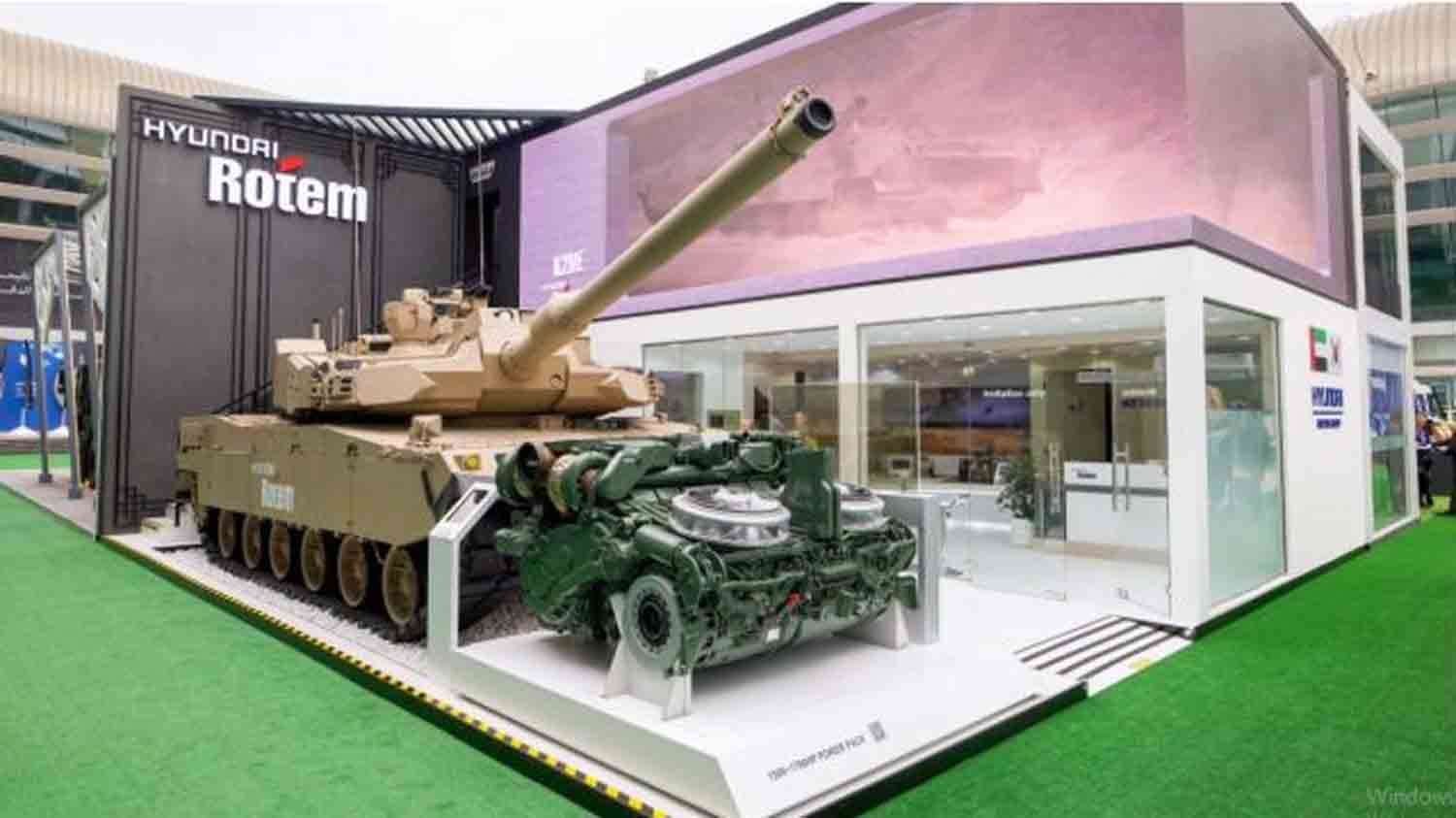
K2M tank South KoreaE

In a remarkable rise to prominence, South Korea has swiftly established itself as a significant player in the Middle East defense industry. Its advanced military technology, ranging from sophisticated fighter jets to innovative air defense systems, has become the preferred choice for various nations in the region.

The recent introduction of the K2ME, a powerful new variant of the K2 Black Panther main battle tank developed by Hyundai Rotem, is set to further solidify South Korea’s position in the Middle Eastern defense market. This new model was showcased at the IDEX 2025 exhibition and is specifically designed to address the operational requirements of Middle Eastern countries, particularly for desert combat scenarios.

Initial reports suggest that the K2ME has attracted interest from two key players in the region—Saudi Arabia and the United Arab Emirates (UAE)—both of which are in the market for new tanks to either replace outdated models or enhance their armored capabilities.

As these nations aim to modernize their tank fleets, South Korea recognizes a significant opportunity to provide next-generation solutions like the K2ME, crafted by Hyundai Rotem. The competition for supremacy in the Middle Eastern armored vehicle market is intense, and South Korea is strategically positioning itself to capitalize on this demand.

With Saudi Arabia and the UAE planning to invest approximately USD 12.42 billion (RM54.6 billion) in tank acquisitions, this lucrative sector has emerged as a critical arena for South Korean defense exports.

At the core of Hyundai Rotem’s K2ME is its groundbreaking feature: a completely domestically produced engine and transmission system, representing a significant technological advancement that eliminates reliance on foreign exports.

By implementing its proprietary Mobility and Transmission Optimization (MTO) system, South Korea has transformed the landscape of the arms trade, allowing the K2ME to be sold to any Middle Eastern country without external interference or restrictions.

This strategic move comes in response to previous difficulties encountered with the K2 Black Panther, which faced export limitations due to its reliance on German-made MTU engines and RENK transmissions.

Due to these foreign components, Hyundai Rotem was obligated to obtain explicit permission from the German government before exporting the tank to international clients. Without Germany’s consent, the company was unable to sell the K2 Black Panther to prospective buyers unless it substituted the engine and transmission with locally sourced options, a challenge it has successfully addressed with the K2ME.

In the competitive realm of global arms transactions, Western countries often utilize export controls as a strategic tool, determining who is permitted to enhance their military capabilities.

Saudi Arabia experienced this reality firsthand when its attempt to procure Eurofighter Typhoon jets was abruptly halted by Germany, which cited human rights concerns and the controversial assassination of journalist Jamal Khashoggi as reasons for the denial.

The multi-billion-dollar deal ultimately collapsed under the pressure of political scrutiny.

Turkey’s efforts to provide Pakistan with ATAK attack helicopters encountered a similar setback. The United States, controlling the essential engine supply, denied the export license, effectively stalling the agreement before it could progress. In a geopolitical landscape where the distribution of military resources is heavily influenced by international relations, certain nations find themselves vulnerable to external pressures—unless they choose to assert their independence.

The K2ME main battle tank boasts a 120mm smoothbore gun with an automatic loading mechanism, allowing for the use of programmable ammunition that enhances its combat adaptability. Additionally, it is equipped with a 12.7mm Remote-Controlled Weapon Station (RCWS) on the commander’s hatch and a 7.62mm coaxial machine gun, which augment its firepower and defensive capabilities.

Designed for peak performance in extreme environments, the K2ME features a sophisticated cooling and filtration system tailored to endure high-temperature desert conditions, ensuring reliable operation in demanding scenarios.

This main battle tank is operated by a three-member crew, consisting of a driver at the front and a commander and gunner within the turret, facilitating effective battlefield coordination and efficiency.

Weighing in at around 60 tons, the K2ME measures 10.9 meters in length, 3.6 meters in width, and 2.5 meters in height. It is powered by a 1,500-horsepower diesel engine from HD Hyundai Infracore, coupled with a fully automatic transmission that provides outstanding power and dependability. The tank can achieve speeds of 68 km/h on roads and 50 km/h on rough terrain, showcasing its superior mobility. It is equipped with an In-arm Suspension System (hydropneumatic) and a Dynamic Track Tension System, allowing for smooth maneuverability across diverse and challenging landscapes.

As South Korea solidifies its position as a prominent defense supplier in the Middle East, the K2ME exemplifies its growing impact on the region’s changing armored warfare dynamics.

UAE Boosts Aerial Supremacy with 300 METEOR Missiles and STORM SHADOW for Rafale F4

0
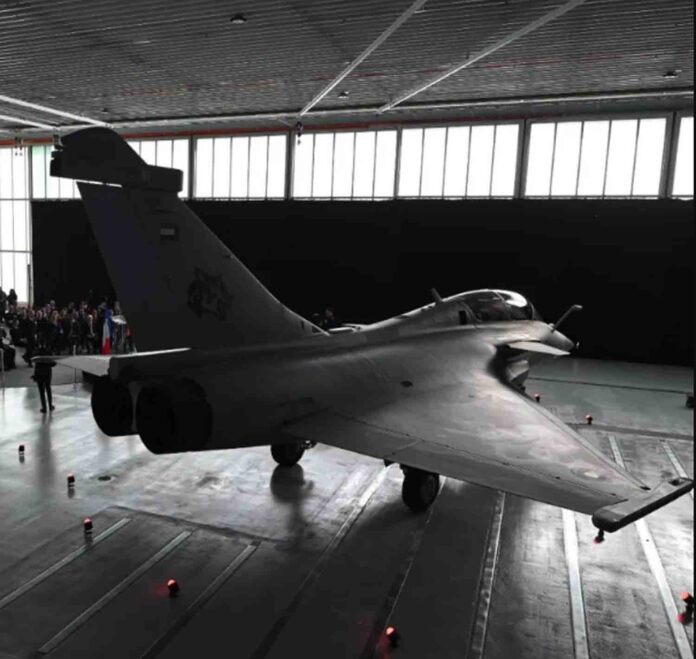
The first UAE's Rafale F4 fighter jet as unveiled by Dassault Aviation recently

The United Arab Emirates (UAE) is poised to enhance its military capabilities significantly as part of a landmark agreement made in 2021 to acquire 80 Rafale F4 fighter jets from France. This deal includes the procurement of 300 long-range METEOR air-to-air missiles, developed by the European defense firm MBDA. The recent announcement regarding the integration of these METEOR Beyond Visual Range (BVR) missiles with the UAE’s Rafale F4 fleet marks a pivotal development.

If this acquisition is finalized, it will greatly strengthen the aerial combat capabilities of the UAE Air Force, providing it with one of the most formidable air-to-air missile systems currently available.

Interestingly, Egypt, which operates over 50 Rafale fighters, has not been granted access to the METEOR missile, reportedly due to objections from Israel. In addition to the 300 METEOR missiles, reports suggest that the UAE Air Force will also acquire 600 MICA air-to-air missiles for short- to medium-range operations, with a significant number of these missiles to be produced locally within the UAE.

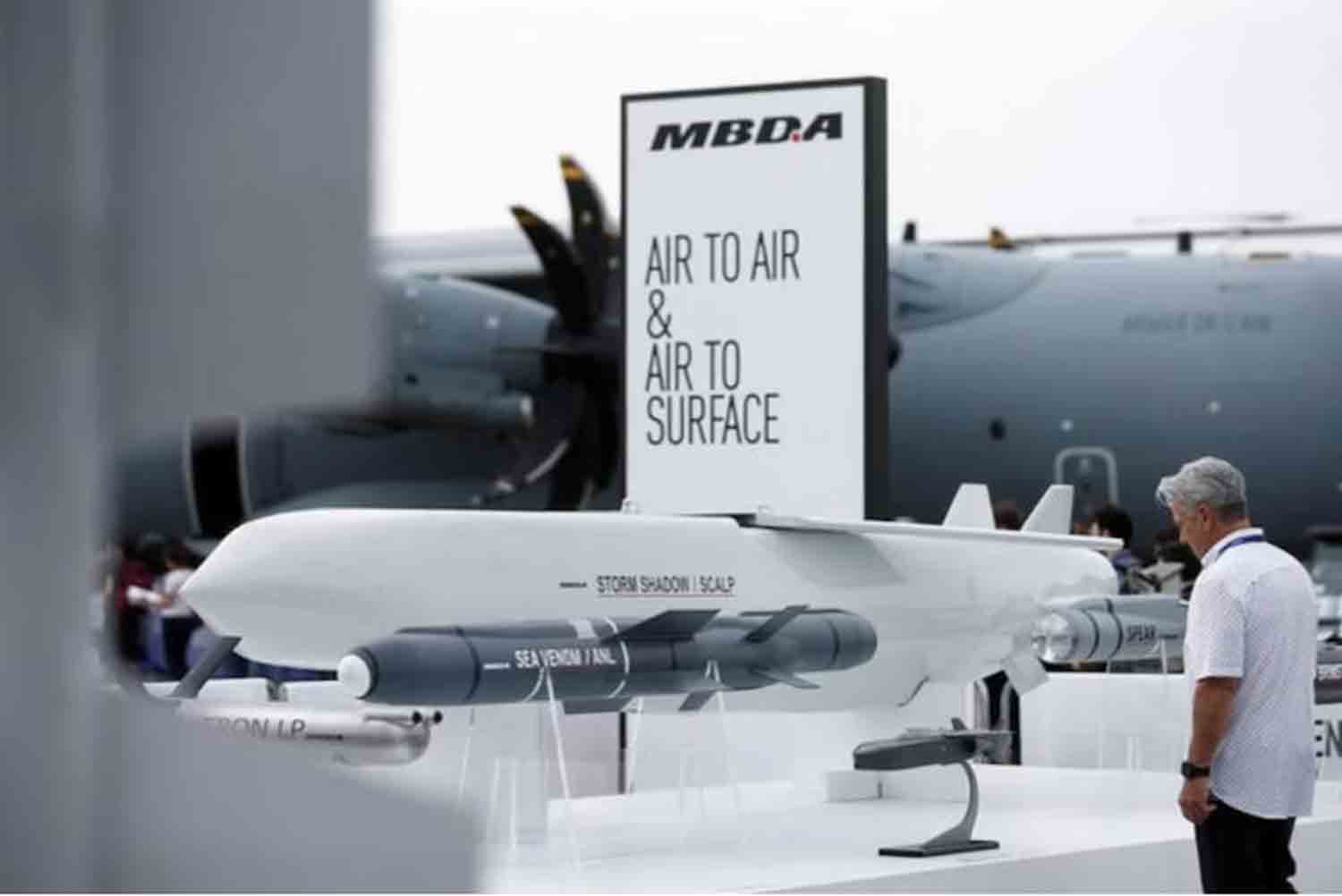
To further enhance its strike capabilities, the Rafale F4 fleet is expected to be outfitted with STORM SHADOW/SCALP EG air-launched cruise missiles, which have a range of 500 kilometers and are intended for targeting high-value assets.

The comprehensive armament package for the UAE’s Rafale F4 fighters will also encompass AM39 EXOCET anti-ship missiles and AASM HAMMER precision-guided bombs, thereby increasing the operational flexibility of the aircraft. Reports estimate the total value of this weapons package to be around €2 billion (approximately RM9.56 billion). The METEOR BVR air-to-air missile is recognized as one of the most advanced air-to-air weapons globally, outclassing the capabilities of the U.S.-developed AIM-120 AMRAAM.

The METEOR missile, engineered for radar-guided accuracy, achieves speeds of Mach 4 and can engage aerial targets at ranges of up to 200 kilometers. It is fully compatible with various fighter aircraft, including the Eurofighter Typhoon, Saab Gripen, Rafale, F-35, and South Korea’s KF-21 “Boramae.”

Measuring 3.65 meters in length, the METEOR is designed for exceptional long-range engagement, high kill probability, and improved survivability in contested airspace.

A significant contributor to its outstanding performance is its advanced propulsion system. Unlike traditional missiles that utilize solid-fuel rocket motors, the METEOR employs a state-of-the-art solid-fuel ramjet engine. This innovative propulsion technology enables the missile to maintain supersonic speeds—exceeding Mach 4—throughout its flight, providing a crucial advantage over conventional missiles that decelerate as they near their targets.

In December 2021, the UAE and France finalized a historic agreement for the purchase of 80 Rafale fighter jets, representing the largest defense contract ever awarded to France’s military aerospace sector and underscoring the longstanding partnership between the UAE Armed Forces and Dassault Aviation. The €19 billion (RM83.4 billion) deal is the most significant defense procurement in the history of France’s military aerospace industry. The UAE has opted for the latest Rafale F4 variant, which boasts cutting-edge avionics, weaponry, and combat capabilities.

In late January, Dassault Aviation officially introduced the first Rafale F4 fighter jet for the UAE, representing a significant achievement in the execution of the contract. The unveiling took place during a prominent event led by Dassault Aviation CEO Eric Trappier, with notable attendees including French Armed Forces Minister Sébastien Lecornu and UAE Minister of State for Defence Affairs Mohamed bin Moubarak Fadhel Mazrouei. Lecornu remarked on social media platform X, “This aircraft will undergo initial testing prior to the commencement of official deliveries in 2027, fulfilling the complete order of 80 Rafales placed by the UAE—highlighting the excellence of our defense industry.”

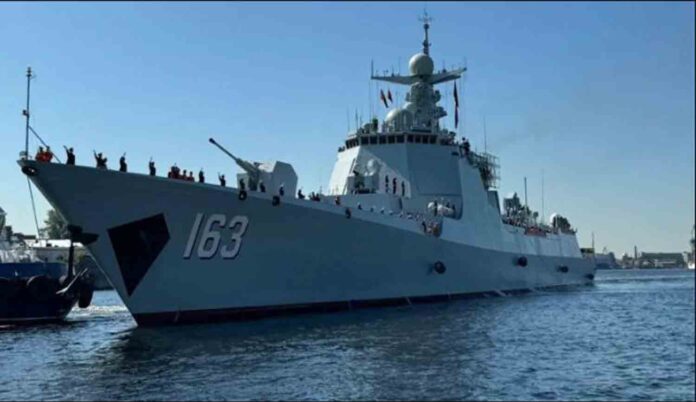
China plans to station a Type 052D missile destroyer near the coast of Iran

0
Type 052D guided-missile destroyer, China

The Chinese Ministry of Defense announced on Sunday that China will engage in joint naval exercises with Russia and Iran in the Indian Ocean later this month. The drills, titled “Security Belt-2025,” are set to occur near the Iranian port of Chabahar, adjacent to the Gulf of Oman.

The ministry stated that the purpose of the exercise is to enhance “military trust and pragmatic cooperation” among the three countries. Planned activities will include simulated maritime target attacks, collaborative search-and-rescue missions, and on-site inspections and apprehensions.

China will send a Type 052D guided-missile destroyer equipped with the Baotou missile system, along with the supply ship Gaoyouhu, both part of its 47th naval escort task force, to take part in the exercises. This announcement, reported by China’s state-run Xinhua news agency, highlights the ongoing trilateral military partnerships that have garnered international attention.

The previous exercise, known as “Maritime Security Belt-2024,” took place from March 11 to 15 in the same area and focused on anti-piracy and search-and-rescue operations, involving over 20 vessels from the three nations. China contributed three ships from its 45th escort task force, including the Type 052D guided-missile destroyer Urumqi, the Type 054A guided-missile frigate Linyi, and the Type 903A supply ship Dongpinghu.

Russia participated with the Pacific Fleet’s missile cruiser Varyag and the destroyer Marshal Shaposhnikov, while Iran contributed a variety of naval and Revolutionary Guard Corps vessels, including the frigates Alborz and Jamaran.

Observers from countries including Pakistan, Kazakhstan, Azerbaijan, Oman, India, and South Africa participated in the 2024 exercise, indicating a growing regional interest in the trilateral partnership. The exercises concluded with a shore phase and a debriefing session in Chabahar, highlighting the effective logistical coordination among the involved nations.

Regarding the forthcoming “Security Belt-2025,” details concerning the contributions from Russia and Iran are currently sparse. However, based on historical trends, it is anticipated that Russia will deploy warships from its Pacific Fleet, potentially including the Varyag, which has played a significant role in previous exercises. Iran, as the host nation near Chabahar, is expected to engage both its conventional navy and the Revolutionary Guard Corps, possibly utilizing frigates such as the Jamaran or other domestically manufactured vessels.

The Chinese Ministry of Defense has announced that the Type 052D destroyer and Gaoyouhu, part of the 47th naval escort task force operating in the Gulf of Aden since December, will participate in the drills. This task force also comprises the guided-missile frigate Honghe and two ship-borne helicopters, although it remains uncertain whether these additional assets will take part. The ministry’s statement highlighted that the exercise will encompass a variety of operations aimed at improving interoperability among the three navies.

The Type 052D destroyer, represented by the vessel equipped with the Baotou missile system, is a key element of China’s contemporary naval capabilities. Recently commissioned as part of the expansion of the People’s Liberation Army Navy, this class of warship is approximately 157 meters long and has a full-load displacement of around 7,500 tons.

The propulsion system of the Type 052D, which combines diesel and gas turbine technology, enables it to achieve speeds over 30 knots, enhancing its agility for both offensive and defensive operations. This destroyer is armed with a 130mm main gun that can effectively target surface vessels at considerable distances. However, its most notable feature is the vertical launch system, capable of accommodating up to 64 missiles.

Among these missiles are the HHQ-9 surface-to-air missiles for air defense, YJ-18 anti-ship cruise missiles for engaging enemy ships, and CJ-10 land-attack cruise missiles for precise strikes on land targets. Additionally, the destroyer is equipped with anti-submarine torpedoes and advanced radar systems, including the Type 346A active electronically scanned array, which enhances situational awareness.

For close-range defense, it incorporates the Type 730 or Type 1130 close-in weapon system, designed to intercept incoming threats such as missiles and aircraft. Typically, the Type 052D operates with a crew of approximately 280 personnel and can deploy a Harbin Z-9 or Kamov Ka-28 helicopter for reconnaissance and anti-submarine operations. The Gaoyouhu, a Type 903 supply ship, supports the destroyer by supplying fuel, ammunition, and provisions, thereby extending the operational range of the task force.

The capabilities of the Type 052D exemplify China’s strategic goal to extend its influence beyond its coastal regions. Since its introduction in 2014, this class has seen the commissioning of at least 25 vessels, with additional units currently under construction, as noted by naval analysts monitoring China’s shipbuilding initiatives.

Each destroyer is estimated to cost between $500 million and $600 million, although Beijing has not disclosed precise figures. The Baotou missile system, which is part of this class, enhances both offensive and defensive capabilities, but specific information regarding its deployment on this ship corresponds with the standard configuration of the Type 052D.

Equipped with a diverse armament and sensor suite, this destroyer is well-suited for multi-domain operations, a feature expected to be highlighted during the upcoming “Security Belt-2025.” Alongside the Gaoyouhu, which has the capacity to transport thousands of tons of fuel and supplies, this combination illustrates China’s growing capability for long-range missions—a development that has evolved since the nation initiated anti-piracy operations in the Gulf of Aden in 2008.

The announcement of “Security Belt-2025” arrives amid increased geopolitical scrutiny, leading analysts to assess its wider implications. The Gulf of Oman, the site of the exercises, is strategically located near vital maritime chokepoints such as the Strait of Hormuz, through which approximately 20% of the world’s oil is transported.

These trilateral exercises, now in their fifth iteration since 2019, reflect a strengthening military partnership among China, Russia, and Iran, three countries frequently at odds with Western nations. Sophie Kobzantsev, a Russia analyst at the Misgav Institute in Jerusalem, remarked in a recent interview with Voice of America that these drills serve both strategic and symbolic functions.

Russia perceives these actions as part of a broader strategy to alter global power structures, aiming to counterbalance U.S. and NATO influence. For China, the military exercises bolster its expanding naval footprint in the Indian Ocean, a crucial area for its Belt and Road Initiative trade routes. Iran, on the other hand, utilizes this opportunity to assert its significance in the region amidst ongoing tensions with the United States and its allies, particularly regarding nuclear discussions and disruptions in Red Sea shipping.

Opinions among analysts regarding the purpose of the exercises vary. Some view them as a standard display of interoperability, not directed at any particular adversary. China’s Ministry of Defense has characterized the drills as a collaborative initiative to enhance maritime security, a sentiment echoed by Iranian officials who emphasize objectives such as combating piracy and protecting trade routes.

A Global Times editorial from last year during the 2024 exercises emphasized, “The security of the waters in the Gulf of Oman is crucial to the interests of all countries and requires collective efforts to maintain,” asserting that there is no confrontational intent. Conversely, others interpret the timing and location of the drills as a signal to Western nations.

Meir Javedanfar, an expert in Iranian security studies at Reichman University in Israel, remarked to Voice of America that these exercises enable China and Russia to “demonstrate their presence and exert pressure on the West,” especially in light of ongoing conflicts such as the Russia-Ukraine war and Houthi assaults in the Red Sea.

While the U.S., which heads a naval coalition in the region, has not issued a direct response to “Security Belt-2025,” its 2024 Annual Threat Assessment Report underscored the precariousness of the global order, identifying China, Russia, and Iran as significant challengers.

The selection of Chabahar port as the venue adds significant context to the situation. Situated close to Iran’s border with Pakistan, it provides a route to the Indian Ocean, circumventing the more contentious waters of the Persian Gulf. India has made investments in the development of Chabahar as part of a trade corridor aimed at Central Asia; however, Iran’s military relationships with China and Russia continue to evolve independently of this collaboration.

The port’s strategic importance is highlighted by its location near key shipping routes, making it an optimal site for exercises designed to evaluate naval coordination and response capabilities. Historical records from previous drills indicate that “Security Belt-2025” will last several days, likely culminating in a ceremonial review, similar to the events of 2024 when vessels returned to Chabahar for debriefing. As preparations progress, the comprehensive details of “Security Belt-2025” will become more apparent.

The movement of the Chinese task force from the Gulf of Aden to participate in the exercise signifies a smooth transition from escort operations to multinational drills, showcasing operational adaptability. The specifics of Russia and Iran’s involvement will further clarify the extent of this collaboration.

At this moment, the announcement highlights a consistent trend of naval cooperation among the three countries, set against a backdrop of changing global alliances and regional security issues. The Gulf of Oman, currently calm, is poised to witness a demonstration of maritime strength that, whether collaborative or strategic, continues to influence perceptions of the evolving dynamics in the Indo-Pacific region.

Trump says the U.S. has “almost” ended its pause on sharing intelligence about Ukraine

0
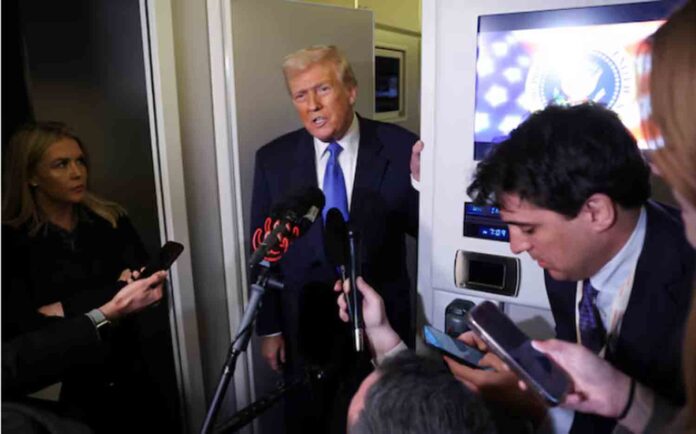
U.S. President Donald Trump speaks to reporters aboard Air Force One on his return to Washington, D.C., U.S.

U.S. President Donald Trump stated on Sunday that the United States is nearing the conclusion of its suspension of intelligence sharing with Ukraine, expressing optimism about the forthcoming discussions with Ukrainian officials in Saudi Arabia. When asked about the possibility of lifting the suspension, Trump remarked, “We just about have. We just about have.”

CIA Director John Ratcliffe indicated on Wednesday that the U.S. had indeed paused intelligence sharing with Ukraine, increasing the pressure on Ukrainian President Volodymyr Zelenskiy to collaborate with Trump in organizing peace negotiations with Russia.

This suspension, which could jeopardize lives by impairing Ukraine’s defense capabilities against Russian missile attacks, followed a cessation of U.S. military assistance to Kyiv. U.S. officials are scheduled to meet with a Ukrainian delegation on Tuesday in Saudi Arabia, partly to assess Ukraine’s willingness to make significant concessions to Russia to facilitate an end to the conflict. Additionally, the discussions in Jeddah will address the status of a minerals agreement between Washington and Kyiv.

Trump conveyed a positive outlook regarding the negotiations, stating, “We’re going to make a lot of progress, I believe, this week.”

Zelenskiy and Trump were initially set to sign the minerals agreement, which would grant the U.S. access to specific mineral resources in Ukraine, but the signing was derailed following a contentious meeting between the two leaders during Zelenskiy’s visit to the White House. Trump expressed his belief that Ukraine would ultimately sign the minerals deal, which Ukraine desires to include a U.S. security guarantee. “They will sign the minerals deal, but I want them to want peace… They haven’t demonstrated it to the extent they should,” he commented.

Furthermore, Trump mentioned that his administration is exploring various options regarding tariffs on Russia and that officials are not worried about military exercises involving Russia, China, and Iran.


European arms imports have risen sharply in the past four years, says SIPRI

0
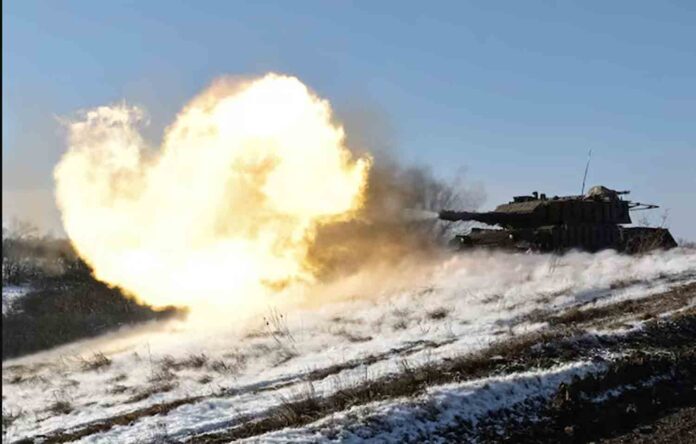
Servicemen of the 44th Separate Mechanised Brigade of the Armed Forces of Ukraine fire a Leopard 1A5 tank during a training, amid Russia's attack on Ukraine, in Zaporizhzhia region, Ukraine.

European arms imports surged by 155% from 2020 to 2024, with Ukraine emerging as the largest arms importer globally following Russia‘s invasion in 2022, according to a report published by a prominent conflict research organization on Monday.

The Stockholm International Peace Research Institute (SIPRI) reported that the United States maintained its leading position in the global arms market, increasing its share of global arms exports to 43% during 2020-2024, up from 35% in the previous five-year period of 2015-2019. Notably, U.S. arms exports represented a market share comparable to that of the next eight countries combined.

Overall, Europe accounted for 28% of global arms imports from 2020 to 2024, a significant increase from 11% between 2015 and 2019, as indicated by SIPRI. Ukraine itself represented 8.8% of global arms imports during this period, with nearly half of those imports sourced from the U.S., despite military aid to Kyiv being paused under President Donald Trump.

The conflict has sparked the most significant confrontation between the West and Russia since the Cuban Missile Crisis in 1962, with both the Kremlin and the White House warning that miscalculations could lead to World War Three.

This war has highlighted Europe’s reliance on U.S. arms, even as the transatlantic alliance, which has been the cornerstone of European security since World War II, faces increasing scrutiny. According to SIPRI data, the U.S. accounted for over 50% of Europe’s arms imports from 2020 to 2024, with the United Kingdom, the Netherlands, and Norway among the leading purchasers.

European leaders expressed their support last Thursday for increased defense spending in light of the recent shift in U.S. policies under Trump. Pieter Wezeman, a Senior Researcher at the SIPRI Arms Transfers Programme, noted, “Given the growing aggressiveness of Russia and the strain on transatlantic relations during Trump’s first term, European NATO countries have initiated efforts to lessen their reliance on arms imports and bolster the European defense industry.”

He added, “However, the transatlantic arms supply relationship is well-established. U.S. imports have increased, and European NATO nations currently possess nearly 500 combat aircraft along with numerous other weapon systems still on order from the United States.”

In the 2020-2024 timeframe, Russian arms exports fell to 7.8% of the global market, down from 21% in the preceding four years, largely due to international sanctions related to the conflict in Ukraine and a rise in domestic weapon demand.

Arms imports in Asia and Oceania decreased by 21%, primarily due to China’s enhanced domestic weapon production. According to SIPRI data, overall global arms transfers remained relatively stable during the 2020-2024 period compared to the previous four years.

Trump expresses optimism regarding the outcomes of discussions related to Ukraine

0
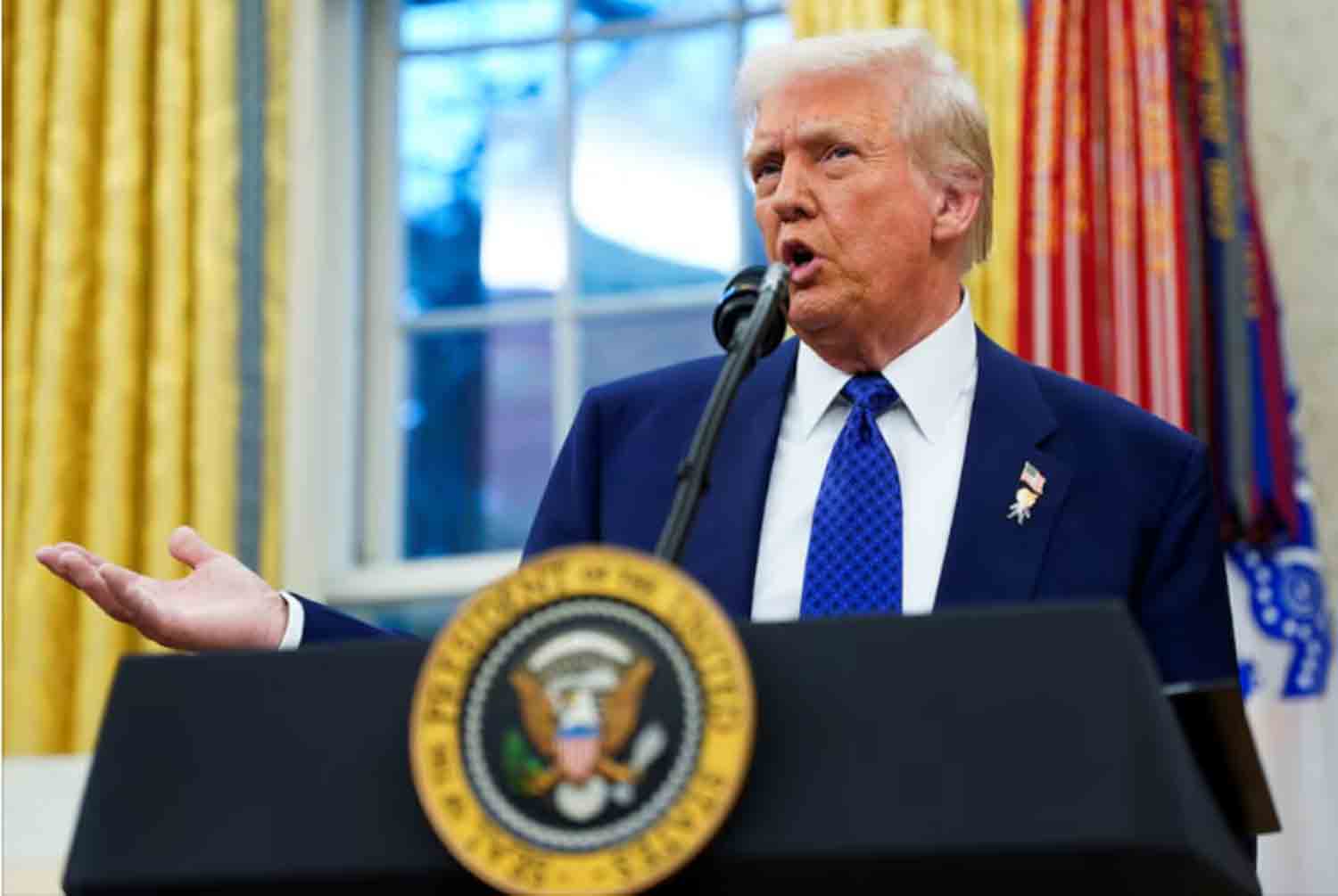
U.S. President Donald Trump speaks, on the day of Tulsi Gabbard's swearing in ceremony as Director of National Intelligence, in the Oval Office at the White House in Washington, D.C.

U.S. President Donald Trump stated on Sunday that he anticipates positive outcomes from discussions with Ukrainian officials in Saudi Arabia. He informed reporters that the administration is nearing the end of an intelligence pause regarding Ukraine and is evaluating various options concerning tariffs on Russia. Additionally, he expressed that there are no concerns about military exercises involving Russia, China, and Iran. “I believe we will achieve significant progress this week,” Trump remarked.

When questioned about the possibility of resuming intelligence sharing with Ukraine, Trump replied, “We are very close to doing so.” He expressed optimism that Ukraine would finalize a minerals agreement with the United States, adding, “I want them to desire peace.”

U.S. officials plan to utilize the meeting with the Ukrainian delegation on Tuesday to assess Ukraine’s willingness to make substantial concessions to Russia to facilitate an end to the conflict, according to two U.S. officials. The U.S. delegation will also be attentive to indications that Ukraine is serious about strengthening relations with the Trump administration, especially following a contentious meeting last month between President Trump and Ukrainian President Volodymyr Zelenskiy, as noted by one official who requested anonymity to discuss the private negotiations.

U.S. Secretary of State Marco Rubio is set to travel to Jeddah on Sunday for the bilateral discussions, which will be led by Andriy Yermak, a senior aide to Zelenskiy. Rubio is expected to be accompanied by National Security Adviser Mike Waltz and Trump’s Middle East envoy, Steve Witkoff. One U.S. official commented on the upcoming talks, stating, “You cannot express a desire for peace while simultaneously refusing to make any compromises.” Another official added, “We want to determine if the Ukrainians are genuinely interested in peace, particularly a realistic one. If their focus is solely on the borders of 2014 or 2022, that conveys a significant message.”

POSITION OF STRENGTH

Ukraine’s European allies contend that any agreement with Russia must come from a position of strength, emphasizing that Kyiv should not be hurried into negotiations with an aggressor. President Zelenskiy has asserted that Russian President Vladimir Putin is not interested in peace and warned that Russia may target other European nations if its invasion of Ukraine does not culminate in a decisive defeat.

In February, U.S. officials engaged in separate bilateral talks with Russian representatives in Riyadh, focusing primarily on re-establishing a functional relationship after a significant halt in official communications during former President Joe Biden’s administration.

Recently, Trump has voiced his dissatisfaction with Ukraine, claiming that the eastern European nation is depleting its manpower and resources and urging it to swiftly negotiate with Russia. His administration has recently halted weapons shipments and some intelligence sharing with Kyiv, accusing Ukrainian leaders of lacking sufficient openness to a potential peace process. Critics argue that Trump’s actions could extend the conflict by bolstering Russia’s position, making it less likely for the country to agree to a fair peace settlement.

Meanwhile, Russian forces have been making gradual yet consistent advances in eastern Ukraine, while many Ukrainian troops who had launched an offensive into Russia’s Kursk region last summer find themselves nearly encircled. National Security Council spokesperson Brian Hughes noted that Zelenskiy has made strides in mending the U.S.-Ukraine relationship following a contentious meeting with Trump on February 28.

He referenced remarks made by Trump during his address to the U.S. Congress the previous week, in which Trump mentioned receiving a conciliatory message from the Ukrainian president. “With meetings scheduled in Saudi Arabia next week, we anticipate hearing more encouraging developments that will hopefully lead to an end to this devastating conflict and loss of life,” Hughes stated. Witkoff, the envoy for the Middle East, expressed earlier this week his desire to discuss a “framework” for a potential ceasefire and peace agreement during the upcoming discussions.

The outcome of a minerals agreement between the U.S. and Ukraine looms over Jeddah. Zelenskiy and Trump were expected to finalize this agreement—granting the U.S. access to specific mineral resources in Ukraine—during Zelenskiy’s visit to the White House. However, following a fallout between the two leaders, the signing did not take place. Since that time, both parties have shown a renewed interest in finalizing the deal, but it remains unsigned. The State Department and the Ukrainian embassy in Washington have not yet responded to requests for comments.

Russia is making progress in Kursk, posing a risk to Ukraine’s only significant territorial leverage

0
A Ukrainian soldier walks past Sudzha's city center in Kursk region, Russia.

Ukraine’s position in Russia’s Kursk region has significantly weakened, as the Russian offensive poses a serious threat to Kyiv’s only leverage in territorial negotiations at a critical juncture in the conflict.

Military analysts from both sides indicate that Ukraine is currently on the defensive, while the Ukrainian military reports that Russian troops utilized a gas pipeline to execute a surprise attack in one area. On Sunday, Russia’s defense ministry announced that its forces had seized control of four settlements within a matter of days.

Ukraine’s unexpected incursion into Kursk occurred in August, resulting in the rapid acquisition of territory, marking the first ground invasion of Russia by a foreign entity since World War II.

In addition to gaining land that could be exchanged for territories occupied by Russia, the operation aimed to redirect Moscow’s military resources away from the eastern front.

However, Ukraine has since faced challenges in maintaining its territorial gains in Kursk and is confronted with a significantly altered diplomatic landscape, as U.S. President Donald Trump has increased pressure on Kyiv to pursue peace by suspending military aid and intelligence support.

On Sunday, Russia’s defense ministry reported that its troops had regained control of the settlements of Malaya Loknya, Cherkasskoye Porechnoye, and Kositsa from Ukrainian forces.

Dmitry Medvedev, the former president of Russia and current deputy chairman of the Security Council, remarked on Sunday regarding the situation in Kursk, stating, “The lid of the smoking caldron is nearly shut. The offensive is ongoing. Keep pushing forward!”

Military analysts from both Ukraine and Russia caution that Kyiv’s control over the region is increasingly fragile, as Russian forces, supported by North Korean troops, launch relentless assaults.

Increased surveillance of gas pipelines

Recent reports indicate that Russia is focusing on Sudzha, a border town, in an effort to disrupt a vital supply line for Ukrainian forces operating in Kursk.

Ukrainian military blogger Yuriy Butusov reported that Russian troops had infiltrated Sudzha via a gas pipeline on Saturday.

“The Russians managed to deploy an assault company through the gas pipeline without detection by drones, embedding themselves within our combat formations,” Butusov noted. He mentioned that the pipeline is now under heightened surveillance and that Russian forces in the area are being “neutralized.”

Nevertheless, Butusov cautioned that Russian and North Korean troops in the Kursk region possess a “significant strength advantage” and are “launching continuous attacks.”

Approximately 12,000 North Korean soldiers have been sent to Kursk, enhancing Russia’s offensive capabilities within its territory. If Russia regains full control of Kursk, it could potentially redirect its forces into eastern Ukraine.

“It’s challenging, but we are making progress,” a Ukrainian serviceman told CNN. “The Koreans keep advancing.”

An unofficial Russian military blogger reported a similar situation in the town of Sudzha, asserting that approximately 100 Russian soldiers had entered the area by infiltrating through the pipeline. This maneuver, he noted, was facilitated by Kyiv’s decision to halt Russian gas exports to the European Union via Ukraine on January 1.

The Ukrainian military communicated via Telegram that Russian forces had established a “foothold” on the outskirts of Sudzha, stating: “Currently, we are identifying, blocking, and eliminating the Russian special forces. The enemy’s losses in the Sudzha region are substantial.”

Challenging logistics situation

According to Yuriy Kotenok, a Russian military blogger, Russian forces are launching attacks on Sudzha from multiple directions.

“Any movements by the enemy in this area are being monitored by our drones, and their personnel and equipment are being targeted,” he stated on Telegram.

Kotenok also mentioned that there are indications Ukraine may withdraw from the Kursk region, “given the current circumstances.”

Ukrainian blogger Sternenko described the logistics situation as “already critical.”

He highlighted another challenge: the “poor condition of the roads.” With the arrival of spring and rising temperatures, the ground will soften, leading to muddier roads that will be even more difficult to navigate. “All these factors are highly advantageous for the Russians,” he remarked.

Kyiv is concerned that Russia’s advances could sever supply lines to Ukrainian forces in Kursk. A significant report released last month by the Institute for the Study of War, a US-based conflict analysis organization, estimated that Ukraine has a maximum of 30,000 troops deployed in the area.

The incursion into Kursk has been a source of embarrassment for Moscow, raising doubts about its capability to secure its own borders. In response, Russian President Vladimir Putin has consistently vowed to restore full control over the region.

Kyiv has lost approximately half of the territory it previously held in Kursk.

In light of Russia’s progress, some Ukrainian commentators have proposed that the Kursk incursion may have exhausted its strategic significance.

“I never thought I would say this, but perhaps it’s time to reconsider our approach from the Kursk front. Our forces are facing significant challenges there,” remarked Serhii Flesh. “As a means to divert enemy resources, I believe this operation has already proven its worth. However, its value as a political leverage point is now uncertain.”

China sends a clear message to Trump: the U.S. won’t impede its rise

0
Chinese President Xi Jinping

As President Donald Trump intensified economic pressure on China over the past week, Beijing responded with a clear message: its ascent will not be hindered.

The ongoing major political meeting in the capital provided an opportune moment for Beijing to articulate its stance. The “two sessions” event, which includes China’s legislative body and its top advisory group, serves as a platform for the government to unveil its strategies and set the agenda for the upcoming year.

At the forefront of its agenda is the enhancement of consumer demand, aimed at reducing reliance on exports to sustain its expansive yet decelerating economy. Following this, the government is focused on advancing President Xi Jinping’s vision of establishing China as a technological powerhouse through increased investment and collaboration with the private sector.

These initiatives come as Beijing braces for a potentially extended economic confrontation with the United States. Trump announced a doubling of tariffs on all Chinese imports to 20% on Tuesday and has indicated that further measures, including stricter regulations on American investments in China, may follow.

“We can overcome any challenges in our pursuit of development,” stated Li Qiang, China’s second-highest official, addressing thousands of delegates at the National People’s Congress in Beijing’s Great Hall of the People. He emphasized that the “giant ship of China’s economy” will “sail steadily toward the future.”

A spokesperson for the foreign ministry was more forthright regarding trade tensions on Tuesday, asserting, “If the US insists on engaging in a tariff war, trade war, or any other form of conflict, China will fight to the end,” as he addressed reporters.

Beijing’s current priorities and rhetoric may resemble those of previous years, but they now emanate from a nation that is beginning to regain its confidence after enduring the impacts of stringent Covid restrictions, a crisis in the property sector, and a technological rivalry with the United States.

The concept of “confidence” has emerged as a recurring theme throughout the weeklong event, which concludes on Tuesday. It was mentioned nearly a dozen times during a press conference led by China’s economic leaders on Thursday, prominently featured in state media reports, and highlighted in a significant reminder during Li’s nationally televised address: “confidence builds strength.”

However, this optimism may be more of a hopeful vision than a tangible reality. Many individuals in China are facing an uncertain future, preferring to save rather than spend. Young people, in particular, are grappling with job scarcity and questioning whether their prospects will surpass those of their parents.

In contrast to last year, the nation is approaching 2025 with renewed momentum, driven by the achievements of its firms and advancements in technology. While the potential return of Trump raises concerns about economic challenges for Beijing, it also presents opportunities for China’s ascent.

“By the conclusion of Trump’s second term, America’s global standing and credibility will have diminished,” stated People’s Liberation Army Senior Colonel (ret) Zhou Bo, a senior fellow at Tsinghua University’s Center for International Security and Strategy, in an interview with CNN. “As American influence wanes, China will naturally appear more significant.”

Confidence Surge

This sentiment is not confined to the corridors of power.

In the capital’s streets, sleek domestically produced electric vehicles navigate through traffic, including models from BYD, which is now competing directly with Tesla for global market share—highlighting China’s successful initiative to establish itself as a frontrunner in green technology.

Additionally, the animated film “Ne Zha 2” has shattered box office records, while the privately owned Chinese AI company DeepSeek has emerged as a significant player, surprising Silicon Valley and challenging Western beliefs regarding the expenses tied to AI development.

In Beijing this week, the phrase “you can ask DeepSeek” has become a lighthearted yet proud reference in everyday discussions.

“Last year, many were influenced by the US narrative suggesting that China is in decline, that we have reached our peak,” remarked Wang Yiwei, director of the Institute of International Affairs at Renmin University in Beijing. “We certainly face numerous challenges and issues, but it is incorrect to claim that we have reached peak China.”

Even former President Trump’s emphasis on economic competition with Beijing, as he implements tariffs on US trading partners, is viewed by some as indicative of China’s progress. On a recent afternoon in downtown Beijing, several individuals interviewed by CNN cited competition with the US as evidence of their nation’s increasing strength.

“China is advancing rapidly, which has drawn international attention, particularly from the United States,” noted a medical graduate student named Xia. “Trump’s tariff increases signify competition… and without competition, perhaps China’s independent development would not be sustainable.”

High-stakes competition

Despite efforts by Chinese officials to convey a sense of confidence, international analysts suggest that the economic stimulus measures introduced this week indicate that Beijing is preparing for significant challenges ahead.

In his opening remarks, Premier Li acknowledged this reality, stating, “The external environment is becoming more complex and severe, which may have a greater impact on the country’s trade, science and technology and other fields.”

China is keen to avoid navigating this volatility while simultaneously addressing a sluggish domestic economy. This is one of the reasons behind its push to enhance consumption and stimulate growth, with an ambitious target of “around 5%” expansion for the year. Additionally, Beijing recognizes that ongoing trade tensions necessitate a reduced reliance on exports for economic stability.

Bert Hofman, a professor at the East Asian Institute at the National University of Singapore and former World Bank country director for China, noted, “It is likely that Beijing has considered the possibilities of Trade War 2.0, but it is evident that China’s growth will increasingly depend on domestic demand.”

However, some analysts argue that the initiatives put forth by Beijing lack sufficient detail and are less aggressive than what is required to invigorate the economy and enhance consumer confidence.

Michael Hirson, a fellow at the Asia Society Policy Institute’s Center for China Analysis, remarked, “This reflects a leadership intent to refocus on growth and development, yet there remains a tendency to implement only the necessary measures in terms of stimulus to achieve that goal.”

Xi may be navigating the dual objectives of maintaining strategic resources to bolster the economy while preparing for potential challenges posed by a difficult four years under Donald Trump.

Additionally, Beijing aims to allocate resources towards the high-tech transformation of its economy and industries, which is a crucial element of the government’s 2025 agenda and a long-term vision for Xi, who, unlike U.S. presidents, is not constrained by term limits.

The Chinese government is actively promoting advancements in artificial intelligence, robotics, 6G technology, and quantum computing. It has announced a state-supported fund to foster technological innovation and has even adopted a more welcoming stance towards foreign companies, marking a notable shift in Xi’s approach.

China continues to feel the impact of the previous Trump administration’s efforts to exclude its tech leader, Huawei, from global mobile networks, as well as the Biden administration’s initiatives to persuade allies to restrict Chinese access to advanced semiconductor technology.

Recently, Washington indicated it might broaden restrictions on U.S. investments in sensitive technologies within China.

Despite these challenges, Beijing has expressed confidence in its ability to progress regardless of external obstacles.

“Whether in space science or semiconductor manufacturing, unjustified external pressures have never hindered our progress,” Chinese Foreign Minister Wang Yi stated to reporters on Friday. “Where there is a blockade, there is a breakthrough; where there is suppression, there is innovation.”

“We are witnessing an ever-expanding horizon for China to emerge as a leader in science and technology,” he added.

The Trump Challenge?

The extent to which Trump’s policies will confront China remains a pressing and unresolved issue for Beijing.

Thus far, the US president has not implemented the sweeping tariffs of 60% or more on Chinese imports that he had previously threatened during his campaign.

His attention has been directed elsewhere, particularly towards enacting significant changes in US global leadership by drastically reducing foreign aid, asserting control over other nations’ sovereign territories, and disrupting US alliances in Europe, while fostering closer ties with Russia at the expense of Ukraine.

This shift presents potential challenges for Beijing. For instance, a warming of relations between Washington and Moscow could distance Xi from his closest ally, Russian President Vladimir Putin, or a reduction in American security commitments in Europe might lead to increased focus on Asia.

Conversely, Chinese diplomats have leveraged these changes to position their nation as a responsible and stable global leader, despite ongoing criticisms of Beijing’s assertive actions in Asia.

“A major nation should respect its international commitments and fulfill its responsibilities. It should prioritize principles over self-interest and refrain from using its power to intimidate the vulnerable,” stated Foreign Minister Wang Yi in response to a CNN inquiry regarding Trump’s “America First” policy. Wang further emphasized that China “firmly opposes power politics and hegemony.”

In terms of tariffs, analysts suggest that Beijing is attempting to temper its reaction, hoping for a possible meeting between Xi and Trump or even a resolution that could prevent a worsening trade conflict.

Although China swiftly responded to two rounds of US tariffs this year, including imposing duties on US energy and essential agricultural products, its counteractions have been relatively restrained.

Given the trade deficit with the US, China has limited options for retaliation if tensions escalate, but it is anticipated that Beijing will consider alternative strategies, such as export controls, to gain leverage.

Some observers believe that while tariffs may inflict short-term difficulties on the Chinese economy, the long-term consequences will be more detrimental to the US. China remains a crucial component of global supply chains and is better equipped to endure this trade conflict compared to the previous one, as it now exports to a broader range of markets, according to data.

Zhou, a Beijing-based expert and author of the upcoming book “Should the World Fear China?”, noted, “When imposing tariffs against a peer competitor, the effectiveness is diminished compared to targeting smaller nations or medium powers.”

He emphasized that China seeks collaboration rather than conflict. However, he acknowledged that since the US holds a stronger position in this dynamic, it will ultimately dictate the nature of the relationship. Consequently, he stated, “If this must evolve into a competition, then we must be prepared to engage in that fight.”


Bangladesh’s Pursuit of Sino-Pak JF-17 Jets Provokes India’s Anger Amid Rising Regional Tensions

0
JF-17 Block III

As Bangladesh aims to acquire up to 32 JF-17 “Thunder” fighter jets—an advanced military aircraft developed collaboratively by Pakistan and China—regional tensions are escalating. India has responded with strong opposition, pledging to prevent Dhaka from obtaining these jets at any cost.

Reports suggest that New Delhi is resolute in its efforts to obstruct Bangladesh’s acquisition, expressing serious concerns regarding the aircraft’s origins, given that they are produced by two of India’s primary strategic adversaries—Pakistan and China. India’s apprehension is further exacerbated by the strengthening defense relationships among Dhaka, Islamabad, and Beijing, which New Delhi perceives as a direct threat to its regional dominance and security.

The JF-17 Thunder, co-developed by the Pakistan Aeronautical Complex (PAC) and Chengdu Aircraft Industry Group (CAIG) of China, is currently in service with the Pakistan Air Force, including its latest Block III variant. The aircraft has also been sold to several other nations.

Tensions between Bangladesh and India have intensified significantly following the dramatic removal of Prime Minister Sheikh Hasina in August of last year, a political upheaval sparked by widespread, student-led protests that rocked the country. The previously stable alliance now finds itself on precarious ground, with diplomatic relations deteriorating in the aftermath of her sudden exit.

The sudden downfall of Sheikh Hasina’s Awami League government has created a significant upheaval in Bangladesh, compelling the former prime minister to seek refuge in India, where she now resides in exile under stringent security measures.

In the meantime, the newly established Bangladeshi government, headed by Nobel laureate Muhammad Yunus, has intensified its demands on New Delhi for the extradition of Sheikh Hasina, along with her former cabinet members and senior officials, to face serious allegations, including murder.

India’s firm refusal to meet these demands has exacerbated the diplomatic divide, pushing the relationship between the two nations to a critical point.

Tensions escalated further last year when India reportedly threatened to intercept Bangladeshi Bayraktar TB2 drones—acquired from Türkiye—if they approached the Indian border. These advanced unmanned aerial vehicles, primarily utilized for intelligence, surveillance, and reconnaissance (ISR) operations, are operated by Bangladesh’s elite 67th Army unit and are stationed at Tejgaon Air Base in Dhaka.

Bangladesh has enhanced its aerial capabilities with the purchase of 12 Bayraktar TB2 drones, six of which are already operational, heightening regional concerns.

In a significant development that has reverberated throughout the region, a senior Bangladeshi military delegation, led by Lt. Gen. SM Qamarul Hassan, visited Pakistan in January, indicating Dhaka’s growing interest in Islamabad’s advanced defense technology, particularly the JF-17 fighter jet.

During crucial discussions at the Pakistan Air Headquarters in Islamabad, the delegation engaged with Pakistan Air Force Chief Air Chief Marshal Zaheer Ahmad Babar, exploring opportunities to strengthen military cooperation, with a particular emphasis on aviation. This visit has sparked speculation that the Bangladesh Air Force may soon select the JF-17 as part of its ambitious fleet modernization initiative.

The Bangladesh Air Force is confronted with a pressing requirement for next-generation fighter jets, as its aging fleet of F-7s and MiG-29s struggles to meet contemporary aerial threats. This challenge has been intensified by Western sanctions on Russia, which have hindered the supply chain for essential MiG-29 spare parts.

The JF-17 Block III, the most advanced variant of this fighter, incorporates state-of-the-art fifth-generation technologies inspired by China’s stealthy J-20 “Mighty Dragon.” This aircraft has the potential to significantly enhance Bangladesh’s air combat capabilities.

Equipped with the advanced KLJ-7A Active Electronically Scanned Array (AESA) radar, developed by China Electronics Technology Group, the JF-17 Block III stands out as a technological marvel. Its radar performance is said to be on par with the U.S. AN/APG-81 used in the F-35 and Russia’s Su-57 phased-array radar, positioning it among the leading combat systems in its category.

In terms of armament, the Block III is formidable, featuring next-generation air-to-air missile systems such as the PL-10 short-range missile, which is comparable to the U.S.-made AIM-9X, and the powerful PL-15 long-range missile, boasting an impressive operational range of 200-300 kilometers.

This advanced arsenal provides the JF-17 with a significant advantage over many Indian Air Force fighters, thereby altering the regional balance of power. Bangladesh’s potential acquisition of the JF-17 represents not merely an upgrade but a bold assertion of military ambition. However, this quest for aerial dominance may escalate tensions with India, which perceives this development as a direct strategic challenge in the already unstable South Asian region.

Sanctions pour in from the West, while Russia secures financial gains from tank sales in the East

0
T-72 tanks

The Indian Ministry of Defense has concluded a $248 million agreement with Russia’s state-owned Rosoboronexport to acquire advanced engines for its T-72 tank fleet, representing a crucial advancement in the modernization of one of the Indian Army’s key armored platforms.

The contract, signed on March 7, 2025, involves the provision of 1,000-horsepower engines intended to replace the current 780-horsepower units that power the T-72s, thereby enhancing battlefield mobility and operational efficiency.

In addition to the hardware procurement, the agreement includes a technology transfer to India’s Armoured Vehicles Nigam Limited in Avadi, Chennai, supporting the country’s “Make in India” initiative aimed at strengthening domestic defense manufacturing capabilities.

This development occurs within a context of changing global dynamics, as India balances its longstanding defense relationship with Russia while increasingly engaging with Western allies such as the United States. The decision to upgrade the T-72 fleet, a Soviet-era model that has been a cornerstone of India’s armored forces since the late 1970s, illustrates a pragmatic strategy for sustaining a strong military presence.

The new engines will be delivered in fully assembled, semi-knocked-down, and completely knocked-down formats, enhancing the approximately 2,400 T-72 tanks in India’s inventory with improved power and reliability, ensuring their effectiveness in modern combat situations.

The roots of this agreement lie in India’s strategic needs and the evolving requirements of its military. The T-72, which was first introduced during the Cold War, has seen numerous upgrades over the years to maintain its status as a valuable asset.

The original 780-horsepower engine, while functional, has increasingly fallen short of contemporary standards, especially in demanding terrains such as the deserts of Rajasthan and the elevated regions of Ladakh, where Indian forces have encountered adversaries in recent years.

The 2020 confrontation with China along the Line of Actual Control highlighted the necessity for improved mobility, leading the Army to deploy both T-72 and T-90 tanks in the area. The introduction of new 1,000-horsepower engines is anticipated to overcome these challenges, providing enhanced speed, endurance, and the capability to navigate varied landscapes.

In addition to the technical advancements, the agreement with Russia has significant implications for India’s defense framework. The technology transfer to Armoured Vehicles Nigam Limited, a government-owned entity under the Heavy Vehicle Factory, is a key aspect of this arrangement.

This initiative will allow India to locally integrate the engines and eventually manufacture them under license, thereby decreasing reliance on foreign suppliers over time. Officials from the Ministry of Defense have highlighted that this initiative bolsters the “Make in India” campaign, a flagship policy designed to promote self-sufficiency in essential sectors.

By establishing a domestic production line for these engines, India seeks to enhance maintenance efficiency, reduce costs, and cultivate expertise that could be applied to future armored vehicle initiatives.

India’s T-72 fleet boasts a rich history, mirroring the country’s military engagements and strategic objectives. First introduced in the late 1970s, these tanks were deployed by the Indian Peacekeeping Force in Sri Lanka during the late 1980s, successfully navigating the challenging jungles of Jaffna. More recently, they have been utilized in high-altitude regions like Ladakh, where their adaptability has been tested against both environmental and operational challenges.

In 2024, a significant event occurred when a T-72 tank sank during a river-crossing exercise in Ladakh due to sudden flash floods, leading to the tragic loss of five soldiers. This incident underscored the dangers associated with operating outdated equipment in harsh environments. Although the recent engine upgrade does not directly prevent such occurrences, it reflects a commitment to modernizing the fleet for enhanced durability.

This agreement also highlights the intricate dynamics of India’s relationship with Russia, its longest-standing and most reliable defense partner. More than 60% of India’s military arsenal is derived from Soviet or Russian sources, including the T-72 and its successor, the T-90, of which over 1,300 units have been integrated into the Indian military.

The timing of this contract is notable, coming shortly after Prime Minister Narendra Modi’s visit to the United States, where he and President Donald Trump discussed expanding defense collaboration, including the potential co-production of Javelin anti-tank missiles and Stryker infantry combat vehicles. This contrast illustrates India’s strategy of multi-alignment, balancing its historical connections with Moscow against an increasingly robust partnership with Washington.

Russia’s involvement in this deal is facilitated by Rosoboronexport, the state-owned arms exporter that has historically been a key player in military trade with India. The new 1,000-horsepower engines, likely variants of the V-92S2F model utilized in contemporary Russian tanks, represent established technology designed for challenging conditions.

The engines will be delivered in various assembly states—fully assembled, semi-knocked-down, and completely knocked-down—providing India with the flexibility to focus on immediate operational needs while simultaneously developing long-term manufacturing capabilities. This phased delivery approach is reminiscent of past collaborations, such as the licensed production of T-90 tanks at Avadi, which has significantly enhanced India’s armored forces over the last twenty years.

India continues to rely on the T-72 as a key component of its armored forces while simultaneously preparing for future advancements. The Army intends to retire its outdated Soviet-era tanks by 2030, transitioning to Future Ready Combat Vehicles that are tailored for modern warfare. The engine upgrade for the T-72 serves as a temporary solution, prolonging its operational lifespan during this transition to more sophisticated platforms.

This strategy illustrates the challenges of modernizing a large military force, as it seeks to address immediate operational requirements while pursuing long-term goals. The upgraded T-72s will work in conjunction with the T-90 fleet, which is already equipped with superior engines and advanced electronic systems, ensuring a robust deterrent along India’s disputed borders.

The significance of the new engines is substantial. With an output of 1,000 horsepower, the T-72s will experience enhanced acceleration and climbing capabilities, which are essential for swift maneuvers in combat situations. In the plains and deserts, where armored engagements typically occur, this enhancement will bolster India’s power projection.

In high-altitude regions such as Ladakh, where engine performance is compromised by thinner air, the additional power could be crucial for maintaining tactical advantages. The Ministry of Defense has indicated that these upgrades will significantly enhance the offensive capabilities of the Indian Army, ensuring that the T-72 remains a potent asset against potential adversaries.

From an economic perspective, this initiative aligns with India’s goals for industrial development. The Heavy Vehicle Factory in Avadi, a center for tank manufacturing, is poised to gain from the introduction of new technology and expertise. The local production of engines could generate employment, stimulate innovation, and lessen dependence on imported components, which has long been a logistical challenge for India’s military.

The $248 million investment, which is approximately 2,156 crore rupees, signifies a substantial commitment. Officials maintain that this investment will provide significant returns through improved security and enhanced industrial capabilities. However, critics may question the rationale behind investing in an outdated platform when funds could be directed towards accelerating the transition to more modern systems.

From a geopolitical perspective, this agreement underscores India’s balanced approach in a divided global landscape. While the United States has encouraged India to lessen its dependence on Russian military equipment—highlighted by Trump’s offer of F-35 jets and increased military sales set to begin in 2025—New Delhi remains focused on maintaining operational continuity.

Russia’s readiness to share technology, which is uncommon among major arms suppliers, is a crucial element of this longstanding partnership. Concurrently, India’s collaboration with European and American manufacturers indicates a strategy of diversification, ensuring that it does not become overly reliant on any single country.

For the Indian Army, the primary objective is integration. Retrofitting thousands of T-72 tanks with new engines will necessitate careful planning, including crew training and adjustments to maintenance procedures. The staggered delivery of engines in various assembly states provides a practical timeline, enabling units to upgrade progressively without compromising operational readiness.

The Army’s experience with T-90 production indicates that it is well-prepared for this transition, although the size of the T-72 fleet presents a distinct challenge. Achieving success in this endeavor could establish a benchmark for future upgrades across India’s extensive inventory of legacy systems.

The broader implications of this deal highlight a nation at a pivotal moment. India’s military modernization extends beyond mere hardware; it is about asserting its position in a changing global order. The T-72 upgrade, while incremental, reflects India’s capacity to adapt, utilizing established alliances to confront new challenges.

Zelenskiy has stated that Ukraine is fully committed to constructive talks with the United States

0
Ukraine's President Volodymyr Zelenskiy gives a press conference in Kyiv, Ukraine, on February 19, 2025, amid the Russian attack on Ukraine.

Ukrainian President Volodymyr Zelenskiy announced on Saturday that Ukraine is “fully committed” to engaging in constructive discussions with U.S. representatives in Saudi Arabia next week regarding strategies to conclude the ongoing war with Russia.

Since his inauguration in January, U.S. President Donald Trump has suspended military assistance to Ukraine and halted intelligence-sharing with Kyiv. He has criticized Zelenskiy for allegedly lacking seriousness in pursuing a peace agreement with Russia, which invaded Ukraine three years ago and currently occupies approximately 20% of its territory.

“From the very beginning of this war, Ukraine has been striving for peace. We have realistic proposals ready. The priority is to act swiftly and effectively,” Zelenskiy stated on the social media platform X. He confirmed his upcoming visit to Saudi Arabia, where he will meet with Crown Prince Mohammed Bin Salman on Monday, followed by a meeting on Tuesday with the U.S. delegation, which will include Ukrainian diplomatic and military representatives.

“We are fully dedicated to a constructive dialogue and hope to discuss and finalize the necessary decisions and actions,” he added.

The Ukrainian delegation will comprise Foreign Minister Andrii Sybiha, Chief of Staff Andriy Yermak, and Defence Minister Rustem Umerov. Additionally, Trump’s special envoy, Steve Witkoff, has indicated ongoing discussions with Ukraine regarding a framework agreement to end the three-year conflict with Russia, with a meeting scheduled for next week in Saudi Arabia. In February, Riyadh facilitated a meeting between U.S. and Russian officials to explore ways to end the most lethal conflict in Europe since World War II, but Ukraine was not part of those discussions, raising concerns in Kyiv and among its European allies.

Zelenskiy met with Trump at the White House on February 28, but the meeting turned contentious as they publicly disagreed about peace initiatives in front of the global press.

At least 14 people have died and 37 were injured in a Russian missile attack on Ukraine, according to reports from Kyiv

0
Aftermath of Russian missile strike in Dnipro, Ukraine.

At least 14 individuals lost their lives and 37 were injured, including five children, due to Russian missile and drone strikes on the eastern Ukrainian city of Dobropillia and a nearby settlement in the Kharkiv region overnight, as reported by the Ukrainian Interior Ministry on Saturday.

The attacks on Dobropillia involved ballistic missiles, multiple rocket systems, and drones, resulting in damage to eight high-rise buildings and 30 vehicles. This assault claimed the lives of 11 people, including five children, and left 30 others injured.

Additionally, the ministry indicated that three civilians were killed and seven others wounded in a separate drone strike in the Kharkiv region in the northeast.

“These attacks demonstrate that Russia’s goals remain unchanged. It is essential that we continue our efforts to safeguard lives, enhance our air defense systems, and impose stricter sanctions on Russia. Any support that enables Putin to finance the war must be dismantled,” stated President Volodymyr Zelenskiy on Facebook.

On Friday, Russian forces targeted Ukrainian energy and gas infrastructure in their first significant missile assault since the U.S. halted intelligence sharing with Ukraine, increasing pressure on Kyiv as President Donald Trump aims for a rapid resolution to the conflict.

Military analysts suggest that the suspension of U.S. military aid and intelligence could weaken Ukraine’s air defenses, as the country faces shortages of advanced missiles and struggles to effectively monitor attacks.

Dobropillia, which had a population of approximately 28,000 before the conflict, is located in the Donetsk region of eastern Ukraine, about 22 kilometers (13.67 miles) from the front line north of the strategically important hub of Pokrovsk, which has been under sustained attack by Russian forces for several weeks.

Ongoing Hostilities

Despite U.S. initiatives to facilitate negotiations between Kyiv and Moscow, both sides remain engaged in active combat as they seek to secure a strategic advantage. A tank at the Kirishi oil refinery, one of Russia’s largest, sustained damage from falling debris during a significant overnight drone assault by Ukraine, according to local officials.

In recent weeks, Russian forces have intensified their efforts to drive Ukrainian troops out of Kursk, following a rapid incursion by Kyiv’s forces last August that resulted in the capture of a portion of Russian territory. The Russian Defence Ministry reported on Saturday that its troops have successfully reclaimed three villages in the Kursk region from Ukrainian control.

UK’s Storm Shadow is rendered ineffective without U.S. intelligence support

0
Air-launched long-range Storm Shadow/SCALP cruise missile, manufactured by MBDA, pictured at the 54th International Paris Air Show at Le Bourget Airport near Paris, France.

In the extensive conflict that has characterized Eastern Europe for over three years, Ukraine’s armed forces have relied significantly on advanced Western weaponry to maintain their position against Russian troops. Among the most formidable assets in their inventory are the Storm Shadow cruise missiles supplied by the United Kingdom, a state-of-the-art system engineered for precise strikes deep within enemy lines.

However, a recent change in U.S. policy under President Donald Trump poses a risk of rendering these advanced weapons virtually useless, revealing a critical reliance on American intelligence and technology that Kyiv may struggle to overcome.

This concern was emphasized this week when Andrey Marochko, a Russian military analyst, stated to the state-run TASS news agency that without U.S.-provided guidance systems and intelligence, the Storm Shadow would merely become an ineffective piece of metal.

His remarks highlight a broader strategic vulnerability for Ukraine as the Trump administration moves to suspend military aid and intelligence-sharing, a decision that took effect on March 4 following a contentious exchange with Ukrainian President Volodymyr Zelensky on February 28.

While Marochko’s comments are framed from a Russian viewpoint, they underscore a technical reality recognized by Western military experts: the effectiveness of the Storm Shadow is contingent upon a complex network of NATO-supplied data and U.S.-controlled systems. As Washington reduces its support, the consequences for Ukraine—and its allies, including the United Kingdom—are significant.

The decision to halt military assistance to Ukraine represents a notable shift from the bipartisan backing that Kyiv has received since Russia’s invasion in February 2022. Following a contentious meeting with President Zelensky, Trump mandated the suspension of all U.S. military support, which includes equipment currently en route through Poland and the sharing of intelligence with Ukrainian forces.

A report from the Daily Mail in the UK indicates that the White House has also prohibited London from relaying its intelligence to Kyiv, effectively cutting Ukraine off from the real-time information necessary for operating advanced systems such as the Storm Shadow and U.S.-manufactured HIMARS rocket launchers. Trump has linked this pause to a requirement for Ukraine to show a commitment to peace negotiations with Russia.

On March 5, he informed reporters that Zelensky had indicated a readiness to engage in talks, although the president has not yet lifted the aid suspension. “We’re not here to fund endless wars,” Trump stated, reiterating his campaign pledge to reassess America’s international obligations. For the time being, the freeze remains effective, leaving Ukraine’s military strategists in a challenging position as they seek to adapt.

This decision has faced backlash from certain U.S. lawmakers and NATO allies, who caution that it may embolden Moscow at a crucial moment. Additionally, it raises a significant question: Can Ukraine maintain its advanced military operations without the support of the United States? To fully appreciate the implications, one must first understand the capabilities and limitations of the Storm Shadow missile itself.

Developed collaboratively by Britain and France in the 1990s and entering service in 2002, the Storm Shadow (known as SCALP-EG in France) is a stealthy, air-launched cruise missile engineered to penetrate heavily fortified airspace and strike high-value targets with exceptional accuracy. Its use in Ukraine, confirmed by British officials in 2023, has enabled Kyiv to target Russian command centers, ammunition storage facilities, and logistical hubs situated well behind the front lines.

The technical specifications of the missile exemplify cutting-edge engineering. Weighing around 2,866 pounds (1,300 kilograms), the Storm Shadow has a length of 16.7 feet (5.1 meters) and a wingspan of 9.8 feet (3 meters) when its retractable wings are deployed during flight.

It is powered by a Turbomeca Microturbo TRI 60-30 turbojet engine, allowing it to cruise at a subsonic speed of Mach 0.8, which is approximately 600 miles per hour (965 kilometers per hour). The missile has a range that exceeds 155 miles (250 kilometers), with some estimates indicating it could extend up to 348 miles (560 kilometers) with certain modifications.

The warhead, featuring a 992-pound (450-kilogram) BROACH (Bomb Royal Ordnance Augmented Charge) system, employs a two-stage mechanism that first penetrates fortified targets such as bunkers or concrete structures before detonating a high-explosive charge internally. This capability has been effectively utilized by Ukraine to disrupt Russian military operations.

The true advantage of the Storm Shadow lies in its advanced guidance systems, which integrate various technologies to ensure precision. Prior to launch, the missile is programmed with specific target coordinates and a flight trajectory, typically sourced from NATO’s comprehensive electronic databases.

Once in flight, it utilizes a combination of inertial navigation—employing gyroscopes and accelerometers to monitor its position from the initial launch point—and real-time satellite updates from the Global Positioning System, managed by the U.S. Space Force.

A terrain contour matching system, initially created in the United States, enables the missile to fly as low as 100 feet (30 meters) by comparing radar altimeter data with preloaded digital maps, thereby enhancing its ability to avoid detection.

During its final approach, an infrared seeker targets the objective with remarkable precision, achieving a circular error probable of only a few meters—an impressive capability for a missile of this range. However, this advanced technology has limitations: without GPS and NATO intelligence, the missile struggles to adapt to real-time changes on the battlefield.

Marochko’s claim that the Storm Shadow would be rendered ineffective without U.S. assistance is somewhat of an oversimplification, yet it holds some truth. Although its inertial and terrain-matching systems could theoretically direct it to a fixed target using preloaded information, the lack of GPS would hinder its responsiveness to moving or newly identified threats.

More importantly, Ukraine does not possess the independent satellite infrastructure and intelligence network necessary to fully program and update the missile’s flight paths—responsibilities that the U.S. has managed since the onset of the conflict. The implications extend beyond the Storm Shadow; a report from The Daily Mail indicates that Britain, limited by directives from Washington, is unable to independently address the intelligence gap.

Additionally, The Arms Echo has reported that U.S.-provided HIMARS systems, which also depend on American targeting data, may encounter similar operational difficulties, revealing a significant strategic vulnerability. For Kyiv, the immediate focus is on mitigating damage.

While military officials have not publicly addressed the aid freeze, analysts propose that Ukraine might seek support from alternative allies—such as France, a co-developer of the Storm Shadow—or work to enhance its own reconnaissance capabilities through drones and ground-based intelligence.

These temporary measures are unlikely to achieve the same level of seamless integration as the systems provided by the United States. President Zelensky seems to be navigating a delicate balance between assertiveness and negotiation. His recent outreach to Trump on March 5, as reported by The New York Times, indicates a readiness to engage, although it has not yet resulted in any tangible concessions. With Russian forces gaining ground in eastern Ukraine, Kyiv is under increasing pressure as time is not in its favor.

Trump’s choice signifies a significant shift in U.S. foreign policy, emphasizing domestic priorities over extended international commitments. For Ukraine, this serves as a stark reminder of the limitations of relying on external support.

The Storm Shadow, a remarkable feat of British engineering, may still dominate the battlefield; however, its effectiveness is compromised without American guidance. As the conflict continues, a pressing question arises: Can Ukraine achieve self-sufficiency, or will its advanced weaponry become outdated? For the moment, the skies above Kyiv remain tense.

EU leaders have agreed to boost defense efforts and support Zelenskiy after U.S. aid was suspended

0

European leaders on Thursday endorsed initiatives to increase defense spending and reaffirmed their commitment to supporting Ukraine in a global landscape altered by Donald Trump’s shift in U.S. policies. The EU’s defense summit in Brussels was convened amid concerns that Russia, encouraged by its actions in Ukraine, might target an EU nation next, highlighting Europe’s diminished reliance on U.S. assistance.

Antonio Costa, the chairman of the meeting, informed reporters, “Today we have demonstrated that the European Union is rising to the occasion, developing a robust defense framework and standing firmly with Ukraine.”

EU leaders praised the European Commission’s recent proposals aimed at providing fiscal flexibility for defense expenditures and facilitating joint borrowing of up to 150 billion euros ($160 billion) to support EU governments in enhancing their military capabilities. In a unified statement from all 27 member states, leaders urged their ministers to urgently review these proposals.

“Europe must confront this challenge and prevail in this arms race,” stated Polish Prime Minister Donald Tusk during the special defense summit in Brussels. He emphasized, “Europe as a collective is fully capable of overcoming any military, financial, or economic confrontation with Russia—we are simply stronger.”

French President Emmanuel Macron, who had previously warned French citizens about the threat posed by Russia to both France and Europe, remarked that these measures represent merely the initial steps. “Regardless of the situation in Ukraine, we must establish autonomous defense capabilities within Europe,” he asserted following the EU summit.

SUPPORTING UKRAINE

The EU leaders also expressed their backing for Ukraine, although this consensus was reached without the participation of Hungary’s nationalist leader Viktor Orban, an ally of Trump who is fostering relations with Moscow. In their statement, the remaining 26 EU leaders emphasized that negotiations regarding Ukraine cannot proceed without its involvement and pledged to continue providing assistance, as outlined in a recent draft.

Costa expressed, “We are here to defend Ukraine,” as he and European Commission President Ursula von der Leyen warmly greeted Ukrainian President Volodymyr Zelenskiy at the summit, their smiles contrasting sharply with the recent tensions between Trump and Zelenskiy in the Oval Office.

However, the EU’s long-standing dependence on U.S. protection, along with differences in funding and the potential role of France’s nuclear deterrent for Europe, highlighted the challenges the EU faces in compensating for the gap left by Washington’s suspension of military aid to Ukraine. According to NATO, the U.S. accounted for over 40% of military assistance to Ukraine last year, a level of support that Europe may struggle to match. Some leaders maintained a public optimism that the U.S. could be persuaded to re-engage.

Germany’s outgoing Chancellor Olaf Scholz emphasized the need for “cool and wise heads” to ensure continued U.S. support in the months and years ahead, noting Ukraine’s reliance on this assistance for its defense. Meanwhile, Macron indicated that leaders supported Zelenskiy’s appeal for a truce between Russian and Ukrainian forces, both in the air and at sea. Zelenskiy conveyed to EU leaders that such a truce would provide an opportunity to gauge Moscow’s willingness to conclude its three-year invasion.

Nuclear Deterrence

In light of recent developments, President Macron has indicated that France is willing to consider extending the protective umbrella of its nuclear capabilities to its European allies. This proposal has been met with cautiously optimistic responses. For instance, Lithuania’s President Gitanas Nauseda remarked that such a “nuclear umbrella” could serve as a significant deterrent against Russia. Poland expressed that the concept merits further discussion, while others, including representatives from the Czech Republic, emphasized the importance of maintaining U.S. involvement in European security matters.

Former President Trump has previously stated that Europe needs to assume greater responsibility for its own security. Recently, he cast doubt on his commitment to defend NATO allies, suggesting that he would not do so if they are not adequately contributing to their own defense budgets.

His shift from strong U.S. support for Ukraine to a more accommodating approach towards Moscow has raised significant concerns among Europeans, who view Russia as a primary threat. Reflecting this anxiety, parties negotiating to form Germany’s next government have agreed to remove constitutional borrowing limits to increase defense spending.

In a related development, Norway announced plans to more than double its financial support for Ukraine this year, alongside a substantial increase in its own defense budget, as stated by the Prime Minister.

China’s warships are appearing in unexpected locations, raising concerns among U.S. allies

0

Chinese warships have been navigating around Australia’s coastline for over three weeks, coming within 200 miles of Sydney and conducting unprecedented live-fire exercises in collaboration with New Zealand.

These drills, which were carried out without prior notification, have raised significant concerns in both countries. The presence of China’s military might is no longer limited to the far-off waters of the South China Sea or the Taiwan Strait—areas where territorial tensions have intensified under Xi Jinping—but is now a pressing issue much closer to home.

Additionally, Chinese naval vessels have been spotted near Vietnam and Taiwan, demonstrating China’s naval capabilities in the Pacific, which often unsettles US allies.

China has remained defiant, asserting that its actions are in accordance with international law, with state media suggesting that Western nations should acclimate to the presence of Chinese warships in nearby waters.

Historically, Washington’s allies have found reassurance in their strong relationships with the US. However, this sentiment has shifted following Donald Trump’s controversial meeting with Ukrainian President Volodymyr Zelensky and his subsequent decision to suspend aid to Ukraine amid its conflict with Russia.

This incident in the Oval Office has heightened concerns among nations across the Pacific: If the US is prepared to abandon Ukraine—effectively rewarding Russian President Vladimir Putin’s aggression in Europe—might it also do the same in Asia when confronted with an assertive Beijing?

Trump’s alignment with Russia and his dismissive attitude towards Europe—characterized by a transactional mindset that Singapore’s defense minister compared to a “landlord seeking rent”—has intensified concerns in the Indo-Pacific region. Many countries in this area depend on the US to counteract Chinese assertiveness.

Collin Koh, a research fellow at the S. Rajaratnam School of International Studies (RSIS) in Singapore, noted, “This raises questions about the US’s commitment to regional security. Even if the US remains engaged, what will the Trump administration demand in return?”

Experts argue that this is a legitimate concern for allies who have historically depended on the US for security guarantees, allowing them to minimize their own defense expenditures.

They suggest that now may be an opportune moment for American allies, such as Australia and New Zealand, to reassess their defense budgets and strengthen regional partnerships with other nations that could be vulnerable as Trump continues his “America first” policy.

‘Test of resolve’

Australia has taken steps to ensure global awareness of China’s activities in international waters within the South Pacific, providing daily updates on the locations of Australian Navy vessels and surveillance aircraft.

Defense Minister Richard Marles stated that the information would be scrutinized to ascertain China’s actions and the implications behind them.

China’s ambassador to Australia, Xiao Qian, asserted that China does not pose a threat to Australia while indicating that more naval visits should be anticipated. “As a major power in this region, it is normal for China to deploy its vessels to various areas for different activities,” Xiao told Australia’s public broadcaster, the ABC.

Meanwhile, in Washington, Trump was conveying a message to US allies in Europe, urging them to increase military expenditures in support of Ukraine.

Prior to his contentious meeting with Zelensky, Trump had planned to finalize a mineral resources agreement with the Ukrainian president, aiming for the U.S. to recover some of the expenses incurred from its aid to Ukraine following Russia’s invasion. However, the signing ceremony was ultimately called off, with Trump advising Zelensky on his social media platform, Truth Social, to “return when he is prepared for Peace.”

By subsequently halting military assistance to Ukraine, Trump aimed to compel affluent European nations to take on a greater share of the burden, according to experts.

“He believes they have been benefiting from the United States without contributing for the past fifty years,” stated Peter Dean, director of foreign policy and defense at the United States Studies Centre at the University of Sydney.

This strategy appeared to yield results when, on Tuesday, the European Union announced a plan allowing member states to borrow €150 billion ($158 billion) to enhance their defense budgets and significantly increase military support for Kyiv.

Dean asserts that Trump desires a peace agreement in Ukraine; however, he overlooks Zelensky’s apprehensions regarding the sustainability of that peace without measures to restrain Putin.

“It seems that (Trump) is inclined towards achieving peace at any cost, rather than a just and lasting peace,” he remarked. “The critical question is, what does the agreement entail? That is the concern for many. What concessions is he prepared to make?”

As Trump disrupts the transatlantic alliance—a cornerstone of Western security for decades—his administration has indicated a desire for the U.S. to conclude conflicts in other regions to concentrate on countering China in the Pacific.

The urgency of this objective was underscored by China’s recent demonstrations of military strength.

“It’s undoubtedly a test of resolve,” commented Drew Thompson, a senior fellow at RSIS in Singapore, regarding China’s military exercises. “China is establishing a sphere of influence in the Pacific to gauge whether regional countries will oppose it.”

AUKUS: What is it?

Prior to the confrontation between Trump and Zelensky, the presence of Chinese naval vessels along Australia’s southern coastline had shifted the nation’s focus towards AUKUS, its significant security partnership with the United States and the United Kingdom.

Doubts arose regarding the deal’s stability under the unpredictable nature of Trump’s administration when a British journalist inquired if the US president had discussed AUKUS with his UK counterpart.

“What does that mean?” Trump responded. Treasury Secretary Scott Bessent later downplayed the incident, attributing it to a misunderstanding of accents. “I think we’re going to have to limit the questions to Americans he can understand,” he remarked.

According to Dean from the University of Sydney, it may not be detrimental that Trump was unfamiliar with the acronym, as the agreement enjoys strong backing from his key advisors.

This backing was reinforced by Australia’s initial investment of $500 million aimed at enhancing American submarine production, with the understanding that some nuclear-powered submarines will be provided to Australia to strengthen its military presence in the Indo-Pacific region.

Dean noted that this is precisely the type of agreement Trump would be inclined to prioritize moving forward.

“He aims to generate revenue for the United States and secure more advantageous deals. AUKUS serves as a prime example of such a deal for them,” Dean stated.

“For European nations, I wouldn’t underestimate Trump’s perspective on this; if Australia can achieve this, why can’t you?”

No leniency for those who benefit without contributing

In the Pacific region, US allies expressed concern over the unprecedented events unfolding in the Oval Office.

Japan’s Prime Minister Shigeru Ishiba adopted a measured stance on Monday, stating he had “no intention of taking sides” when questioned about the confrontation between Trump and Zelensky.

However, he committed to doing everything possible to “sustain US engagement and foster unity” among the Group of Seven nations, indicating rising apprehension regarding the weakening of the Western alliance.

“Today’s Ukraine could be tomorrow’s East Asia,” he remarked. “We must also contemplate steadily enhancing our deterrent capabilities to avert conflict.”

Japan, which faces territorial disputes with China in the East China Sea, has voiced concerns over the increasing military activities of China in its adjacent waters. Last year marked the first instance of a Chinese aircraft carrier entering Japan’s contiguous waters.

South Korea, another US ally in East Asia, refrained from commenting on the Trump-Zelensky meeting but indicated it was closely observing the US’s halt of military assistance to Ukraine.

Trump has consistently urged allies like South Korea to contribute more towards the costs of US troops stationed on their soil. In a speech to Congress on Wednesday, he once again issued a subtle warning regarding what he termed unfair tariffs imposed by South Korea on US products—an assertion that Seoul disputes.

“We provide extensive military and various other forms of assistance to South Korea. But this is the reality, occurring with both friends and adversaries,” Trump stated.

In Taiwan, a self-governing democracy that China aims to eventually incorporate, Defense Minister Wellington Koo sought to instill confidence amid what he characterized as “rapid and bizarre changes” in the global environment.

During a press briefing on Tuesday, he expressed his belief that the United States will maintain its presence in the Indo-Pacific region, as it is integral to its core interests. He highlighted the shared goals between Taiwan and Washington in areas such as economic growth, geopolitics, and military security.

Koo also acknowledged the implications of Trump’s “America first” policy. “In the realm of international politics, we understand that discussions about values must also encompass discussions about interests. Naturally, the United States must prioritize its own national interests,” he remarked.

Analysts indicate that the US has grown increasingly frustrated with countries that do not contribute adequately to their own defense.

“The Trump administration has clearly demonstrated its intolerance for free riders,” noted Thompson from RSIS in Singapore.

He added, “The nations that grasp this message quickly and clearly are likely to become the United States’ most reliable partners. The US is not abandoning its allies; rather, it is focusing on those that are most capable.”