Monday, April 13, 2026
Home Blog Page 62

American and Russian officials have discussed the Ukraine conflict through a Swiss intermediary

0

U.S. and Russian representatives have engaged in discreet meetings in Switzerland over the past few months to discuss the Ukraine conflict, with the most recent gathering occurring last week, according to three informed sources. These discussions are characterized as a side channel, with some interactions taking place during the transition period following President Donald Trump’s election victory on November 5.

The participants possess diplomatic and security expertise, but they are not official government representatives, and it remains unclear whether any were dispatched by their respective governments, as noted by two of the sources. The identities of the attendees have not been disclosed.

One source with direct knowledge indicated that a small number of Trump’s advisers are aware of these meetings. Many aspects of the discussions are still uncertain, including the specific agendas, the presence of Ukrainian representatives, and the timeline of when these meetings commenced. However, these previously unreported gatherings underscore the ongoing U.S. and Russian initiatives to seek resolutions to the Ukraine war, despite a significant reduction in official communications under former President Joe Biden.

Since taking office just a month ago, Trump has notably shifted the U.S. stance on the three-year-old Ukraine crisis, directly engaging with Russian President Vladimir Putin and advocating for a swift resolution to the conflict.

On Tuesday, senior U.S. officials convened with Russian counterparts in Saudi Arabia, including Russian Foreign Minister Sergei Lavrov. One source referred to the discussions in Switzerland as Track Two dialogues, a term used in diplomacy to describe unofficial conversations aimed at enhancing communication and exploring ideas rather than formulating specific proposals.

The White House National Security Council, the Ukrainian government, and the Russian foreign ministry did not provide comments when approached. Two sources mentioned that at least one meeting occurred in Geneva during last week’s Munich Security Conference, which brought together international political leaders and security officials in Germany.

Last year, Reuters covered separate Track Two discussions that took place in 2023 and early 2024, during which Putin indicated a potential openness to a ceasefire in Ukraine. However, these discussions ultimately did not yield any results.

Traditionally, Track Two dialogues have been instrumental in fostering communication between parties with significant distrust, aiming to pave the way for diplomatic advancements. In 2023, NBC reported that former U.S. national security officials engaged in clandestine discussions with individuals believed to have close ties to the Kremlin, with some eventually meeting with Foreign Minister Lavrov.

One source indicated that the significance of Track Two talks may have diminished, as U.S. and Russian officials have recently established formal communication channels.

CENTCOM Executes Bomber Task Force Operation in the Middle East

0
Aircraft air refueling during US Central Command (CENTCOM) Bomber Task Force Mission.

The US Central Command (CENTCOM) has executed a Bomber Task Force Mission in the Middle East aimed at bolstering its operational capabilities in the area.

For this operation, two B-52 bombers were deployed from the Royal Air Force Base Fairford in the UK.

The mission also saw participation from nine partner nations, which contributed to aerial refueling and live munitions drops.

Additionally, US F-15s and allied aircraft provided escort for the bombers throughout the operation.

“Bomber Task Force missions showcase the US’s ability to project power, reaffirm its commitment to regional security, and respond effectively to any state or non-state actors attempting to escalate conflicts within the CENTCOM region,” stated CENTCOM Commander Gen. Michael Erik Kurilla.

Bomber Task Force

Bomber Task Force missions entail the systematic deployment of bomber units to enhance deterrence and foster peace and stability by ensuring the availability of safe, secure, and combat-ready forces for both nuclear and conventional global strike operations.

These operations utilize three types of bomber aircraft: the B-52 Stratofortress, the B-1 Lancer, and the B-2 Spirit.

All three bombers are capable of carrying conventional munitions, while the B-52 Stratofortress and B-2 Spirit also possess nuclear capabilities.

CENTCOM

CENTCOM’s area of responsibility spans over 4 million square miles (10.4 million square kilometers) and encompasses 21 countries, ranging from Northeast Africa through the Middle East to Central and South Asia.

This region, with a population exceeding 560 million, intersects three continents and includes vital sea lanes, flight paths, pipelines, and trade routes.

Forces assigned to CENTCOM are responsible for managing regional conflicts, countering cyber threats, and preventing the spread of weapons of mass destruction, all of which influence stability and security in the region.

Korean K2ME tank targets UAE and Saudi Arabia as part of its export strategy shift

0
K2M tank South KoreaE

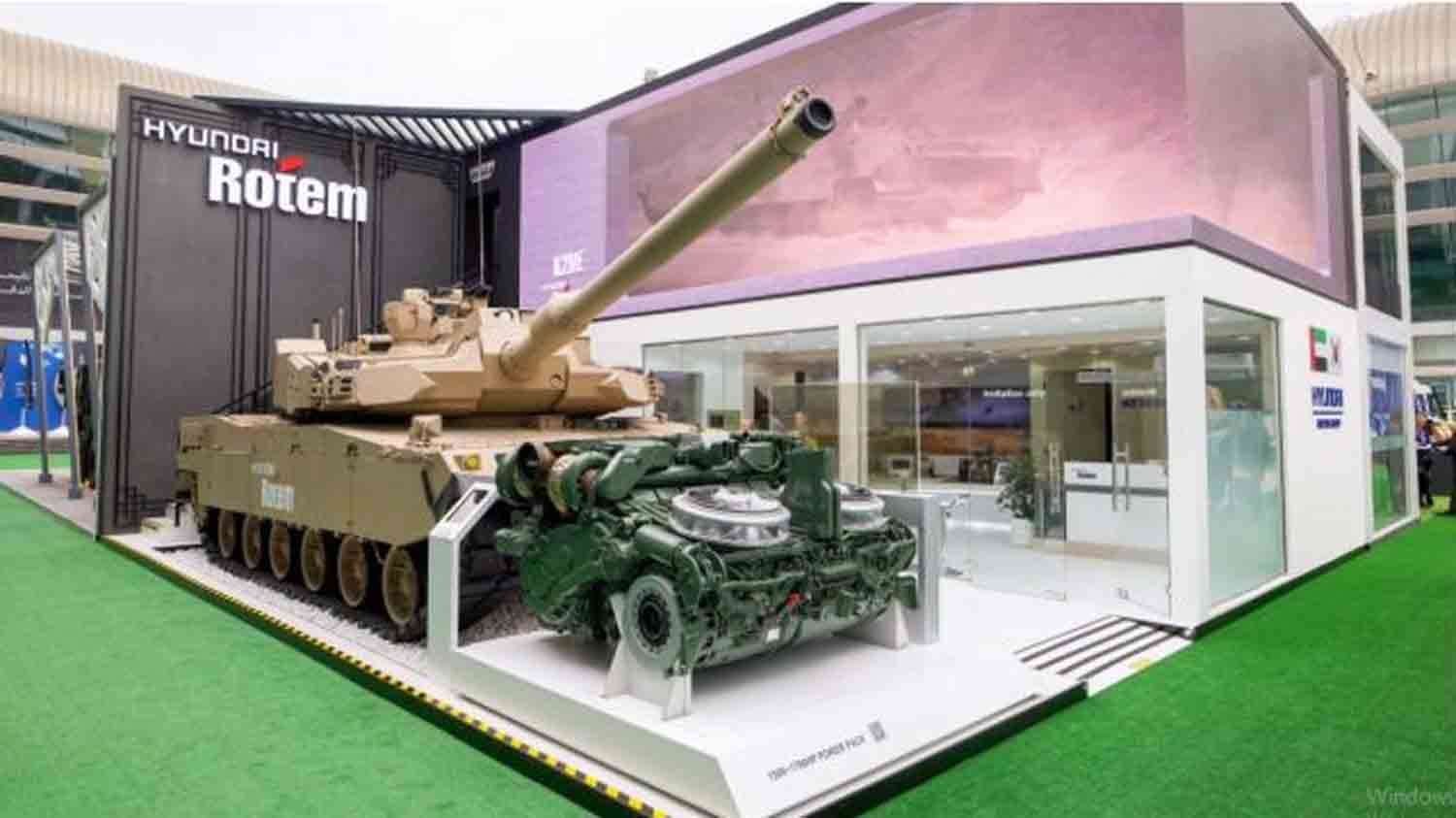
At IDEX 2025, Hyundai Rotem from South Korea introduced the K2ME, a variant of its advanced K2 Black Panther main battle tank specifically designed for the Middle Eastern market. This development represents a crucial advancement in South Korea’s strategy to enhance its defense exports to the Gulf region, with a particular focus on the United Arab Emirates and Saudi Arabia.

Initially showcased as a scale model at IDEX 2023, the K2ME has now been transformed into a fully operational platform that meets the unique requirements of Middle Eastern armed forces. Hyundai Rotem is currently in negotiations with the UAE for a potential contract that may involve significant technology transfer.

The latest version of the K2ME features a completely domestically manufactured powertrain, which eliminates export restrictions and improves long-term sustainability for international users.

The transition to a fully Korean-engineered engine and transmission system, referred to as the MTO (Mobility and Transmission Optimization) package, marks a pivotal moment in South Korea’s defense industry approach.

Previously, the K2 Black Panther was constrained by export limitations due to its dependence on German MTU engines and Renk transmissions, which necessitated approval from the German government for third-party sales.

By integrating an entirely indigenous power unit into the K2ME, Hyundai Rotem has successfully removed these obstacles, providing South Korea with increased flexibility in promoting the tank to prospective clients.

This initiative also improves maintenance and logistical support capabilities, positioning the K2ME as a more appealing choice for nations aiming for long-term operational autonomy from Western suppliers.

In February 2025, SNT Dynamics, a South Korean company, finalized a $92.86 million agreement to provide the South Korean Army with K2 tanks featuring the new Korean powertrain, with deliveries expected to commence in 2026.

This development not only underscores South Korea’s dedication to equipping its armored forces with entirely domestic systems but also acts as a robust endorsement for international clients assessing the K2ME.

Saudi Arabia and the UAE are both actively exploring significant main battle tank acquisitions, making the K2ME a formidable candidate in the regional arms market. These countries have traditionally depended on a combination of American, European, and Russian tank models, including the M1A2 Abrams, Leopard 2, and T-90 series.

However, with a growing focus on diversifying procurement sources and establishing technology transfer agreements, South Korea’s offering is well-positioned to compete effectively against Western and Russian options.

The K2ME maintains the fundamental design principles of the original K2 Black Panther while incorporating modifications for the challenging desert conditions of the Middle East. It is equipped with an advanced cooling system capable of managing extreme temperatures, enhanced air filtration for operations in sandy environments, and upgraded armor configurations to address regional threats such as anti-tank guided missiles (ATGMs) and drone attacks.

The K2ME is an advanced combat vehicle constructed on a state-of-the-art composite armor chassis, featuring explosive reactive armor (ERA) and an active protection system (APS) designed to neutralize incoming threats.

Weighing around 55 tons, the tank is powered by a robust 1,500-horsepower Doosan DV27K diesel engine paired with an SNT Dynamics automatic transmission, enabling it to achieve speeds of up to 70 km/h (43 mph) on highways and navigate challenging terrains with remarkable agility. Its hydropneumatic suspension system allows for ride height adjustments, enhancing stability on uneven surfaces and improving crew comfort.

The primary weaponry includes a 120mm L/55 smoothbore gun developed by Hyundai WIA, capable of firing a variety of NATO-standard munitions, such as armor-piercing fin-stabilized discarding sabot (APFSDS), high-explosive anti-tank (HEAT), and programmable airburst rounds.

Equipped with an autoloader, the K2ME reduces the crew size to three members—a commander, a gunner, and a driver—while ensuring a rapid rate of fire. Its secondary armament features a coaxial 7.62mm machine gun and a roof-mounted 12.7mm heavy machine gun, effective for anti-personnel and counter-drone operations.

A notable highlight of the K2ME is its sophisticated fire control and targeting system. The tank incorporates a cutting-edge ballistic computer, thermal imaging sights for both the gunner and commander, and a hunter-killer capability, allowing the commander to designate targets independently while the gunner engages other threats.

This system significantly improves battlefield awareness and response times, providing the K2ME with a notable advantage in contemporary armored combat. The tank is also equipped with a radar-based active protection system that can detect and neutralize incoming anti-tank guided missiles (ATGMs), further boosting its survivability.

For military forces in the Gulf region, logistical sustainability and maintenance simplicity are vital considerations in procurement processes. Hyundai Rotem has highlighted the K2ME’s modular architecture, which allows for quick component replacements and efficient maintenance.

Moreover, South Korea has shown a strong commitment to collaborating on local production and technology transfer, which is an attractive option for Middle Eastern nations aiming to enhance their domestic defense capabilities. Should a deal with the UAE or Saudi Arabia be finalized, it could lead to expanded defense partnerships between South Korea and the Gulf countries.

The launch of the K2ME at IDEX 2025 establishes South Korea as a formidable contender in the global main battle tank (MBT) market. With Western suppliers facing limitations due to political factors and Russia’s defense sector struggling amid ongoing geopolitical issues, South Korea has a unique opportunity to address a significant market need.

While it remains uncertain whether the K2ME will secure contracts in the Middle East, its introduction indicates Hyundai Rotem’s ambition to extend its reach beyond the Asia-Pacific region. If successful, the K2ME could revolutionize the modernization initiatives of Gulf militaries, providing a state-of-the-art yet economically viable alternative to older systems.

Russia and China’s foreign ministers discuss relations with the U.S. and the Ukraine situation

0
Russian Foreign Minister Sergei Lavrov attends a meeting with Chinese Foreign Minister Wang Yi on the sidelines of a Group of 20 (G20) summit in Johannesburg, South Africa.

Russian Foreign Minister Sergei Lavrov met with his Chinese counterpart, Wang Yi, to address various issues, including U.S. relations and the situation in Ukraine, as reported by the Russian foreign ministry on Thursday. The meeting took place during the G20 ministerial gathering in South Africa.

According to the ministry, both ministers acknowledged the positive development of political dialogue and practical cooperation between Russia and China, viewing it as a stabilizing influence amid ongoing global uncertainties.

Earlier on Thursday, the Russian state news agency TASS quoted Lavrov as stating that he would soon meet Wang again in Moscow. In late January, Russian President Vladimir Putin and Chinese President Xi Jinping discussed strategies for engaging with U.S. President Donald Trump, the potential for a peace agreement to resolve the conflict in Ukraine, and Moscow’s unwavering support for Beijing’s stance on Taiwan.

United States will not participate as a co-sponsor for the United Nations resolution supporting Ukraine

0
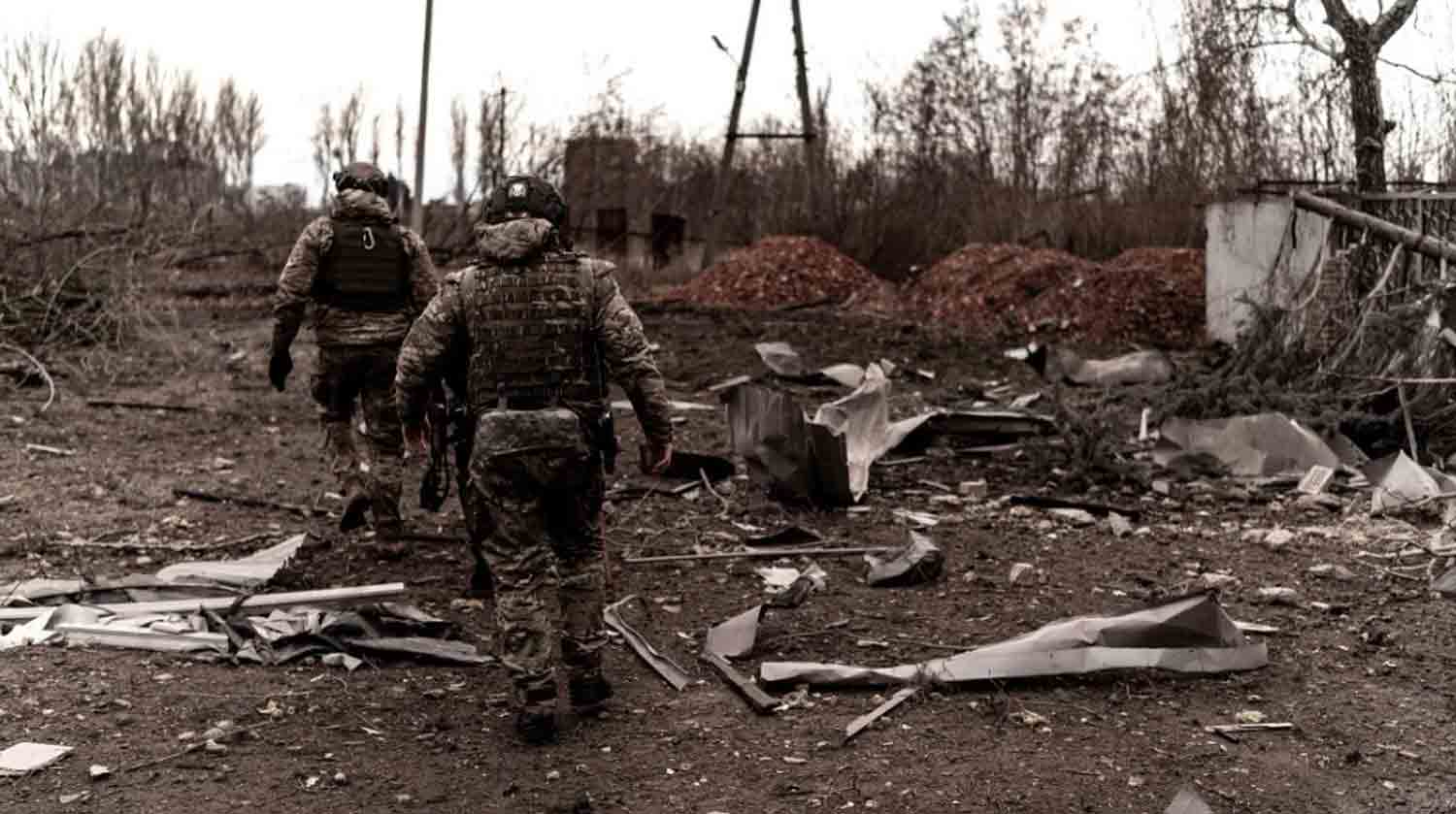
Soldiers walk among debris as civilians evacuate Pokrovsk in eastern Ukraine.

The United States has declined to co-sponsor a proposed U.N. resolution commemorating three years since Moscow’s invasion of Ukraine, which supports Kyiv’s territorial integrity and denounces Russian aggression, according to three diplomatic sources who spoke to Reuters. This decision may indicate a significant shift in the stance of Ukraine’s most influential Western ally.

This development seems to reflect a growing divide between Ukrainian President Volodymyr Zelenskiy and U.S. President Donald Trump, who is seeking a swift conclusion to the conflict in Ukraine and has engaged in discussions with Russia without involving Kyiv.

This disagreement represents a significant political challenge for Ukraine, which has relied on tens of billions of dollars in U.S. military assistance approved by the previous administration to withstand Russia’s invasion, in addition to receiving diplomatic backing. The draft resolution for the U.N. General Assembly, reviewed by Reuters, condemns Russian aggression and reaffirms the commitment to “the sovereignty, independence, unity, and territorial integrity of Ukraine within its internationally recognized borders.”

According to one source, who requested anonymity due to the sensitive nature of the topic, the United States has historically co-sponsored such resolutions advocating for a just peace in Ukraine. The first diplomatic source informed Reuters that the resolution is backed by over 50 countries, although they did not disclose their identities. A spokesperson for the U.S. diplomatic mission to the United Nations in Geneva did not provide an immediate response to a request for comment.

Russia currently occupies approximately 20% of Ukraine and is gradually expanding its territory in the eastern region. Moscow claims that its “special military operation” is a response to an existential threat posed by Ukraine’s aspirations for NATO membership, while Ukraine and its Western allies characterize Russia’s actions as an imperialist land grab. The United States has co-sponsored nearly all U.N. resolutions supporting Ukraine against Russia during this major conflict, the largest in Europe since World War II.

The exact deadline for backing the draft resolution remains uncertain, and there is still a possibility that Washington may reconsider its stance. The upcoming U.N. vote is viewed as a significant indicator of international backing for Ukraine, especially in light of the Trump administration’s apparent pivot towards Russia regarding the conflict.

While the vote could proceed without U.S. endorsement, its chances of garnering widespread support in the General Assembly may diminish. A second diplomatic source, who requested to remain unnamed, stated, “Currently, the U.S. is not inclined to endorse it.” The source further noted that efforts are being made to garner support from other nations, particularly from the Global South.

African nations are eyeing the Russian Typhoon-PVO for their defense needs in regional conflicts

0
Russia’s Typhoon-PVO

African countries are increasingly expressing interest in Russia‘s Typhoon-PVO, a mobile air defense system tailored for safeguarding against local military conflicts. While the Typhoon-PVO is not intended for high-intensity warfare characterized by large-scale air attacks or cruise missile usage, it serves as a tactical solution for nations engaged in smaller, localized disputes.

Vyacheslav Dzerkaln, Deputy General Director of the Almaz-Antey air defense organization, noted that the system has attracted considerable interest from various African nations grappling with ongoing insurgencies and less advanced military threats.

A significant factor fueling this interest in the Typhoon-PVO is its suitability for regions with limited capabilities for conventional warfare. Many African nations are not contending with major threats from sophisticated air forces or ballistic missiles; instead, they are focused on combating insurgent groups, armed militias, and minor conflicts.

The Typhoon-PVO is specifically engineered to counter these threats by offering essential protection to mobile military units, a critical need in African conflict zones.

The primary function of the vehicle is to safeguard troops on the move, which is vital for forces operating in volatile environments where maintaining mobility and adaptability is crucial in unpredictable combat scenarios.

The design of the Typhoon-PVO is tailored to meet the specific requirements of various regions. It features the ability to engage targets while in motion, an essential capability for units that need to maintain mobility to evade ambushes or surprise assaults.

This aspect is especially crucial for African nations that frequently encounter asymmetrical warfare tactics, where insurgent groups utilize hit-and-run strategies to avoid direct engagements. The vehicle is equipped with a rotating turret on its roof, which accommodates a Kord machine gun, allowing gunners to operate the weapon from within the vehicle’s protective confines.

Moreover, the Typhoon-PVO can be outfitted with a man-portable air defense system (MANPADS), enabling operators to defend against low-flying aircraft or drones, which are increasingly prevalent threats in contemporary conflicts.

The vehicle’s adaptability positions it as a valuable asset for African military forces seeking effective, mobile solutions. In areas such as Central Africa, the Sahel, and parts of East Africa, where armed groups often engage in irregular warfare, ensuring troop protection during movement is vital.

The Typhoon-PVO provides both mobility and protection, making it a pragmatic addition to the military inventories of nations grappling with the challenges of modern warfare.

This advancement also signifies the strengthening security relationships between Russia and several African countries. Russia has historically been a key supplier of military equipment to African nations, often offering alternatives to Western weapon systems.

For numerous African countries, sourcing military equipment from Russia is not only a cost-effective choice but also a strategy to diversify their defense technology sources, thereby decreasing reliance on traditional Western suppliers.

The Russian defense sector is increasingly establishing a presence in Africa through the provision of weaponry and military training initiatives, which are perceived as more suited to the unique requirements of the region.

The interest in the Typhoon-PVO exemplifies a wider pattern of growing defense collaboration between Russia and various African nations. This is particularly pertinent as numerous African countries grapple with persistent instability, often stemming from internal issues such as armed insurgencies, regional disputes, or terrorist activities.

The Typhoon-PVO’s emphasis on mobile defense and its capability to counter low-tech threats, including small arms and improvised explosive devices (IEDs), is particularly attractive to nations facing these challenges.

Its performance in challenging and fluid combat situations, where air dominance and long-range missile capabilities are not typically available, renders it a significant asset for African armed forces.

Furthermore, the rising interest in this air defense system reflects the changing military requirements across Africa. Historically, African nations have depended on light infantry and guerrilla strategies for conflict engagement.

However, as the nature of warfare evolves and the spectrum of threats expands, there is a growing necessity for specialized systems like the Typhoon-PVO that can provide customized protection in specific conflict contexts.

This developing trend also indicates a transformation in the geopolitical landscape, with African countries increasingly seeking defense solutions from non-Western powers, such as Russia and China.

These countries frequently provide more adaptable terms, faster delivery, and systems that align better with the operational conditions present in Africa. The Typhoon-PVO is an integral part of this approach, serving as a practical and deployable solution for nations that lack extensive, sophisticated military infrastructure.

Now, let us explore the technical specifications of the Typhoon-PVO system, which further underscore its appropriateness for African military forces. The Typhoon-PVO is a highly mobile and durable air defense vehicle that incorporates several advanced features, ensuring its effectiveness in challenging combat situations.

Constructed on a KAMAZ 4×4 chassis, renowned for its dependability in off-road environments, the vehicle is designed to traverse difficult terrains, ranging from arid deserts to muddy paths, making it well-suited for the varied landscapes of numerous African conflict areas.

In terms of dimensions, the Typhoon-PVO measures approximately 7.2 meters in length, 2.5 meters in width, and 3.2 meters in height, offering sufficient space for the crew while maintaining a compact size that enhances tactical mobility.

The vehicle is equipped with a 300-horsepower diesel engine, allowing it to achieve speeds of up to 100 km/h on paved roads and 50 km/h off-road. This degree of mobility is essential for enabling swift responses to threats, especially in regions where insurgents may launch attacks and quickly withdraw.

The Typhoon-PVO features a turret that rotates 360 degrees, housing a Kord 12.7mm heavy machine gun. Recognized as one of Russia’s most formidable automatic weapons, the Kord delivers powerful and sustained fire against both ground and aerial targets. This capability makes it an effective defense against drones, light aircraft, and potential threats from infantry or light vehicles targeting the convoy.

The machine gun can be operated from within the vehicle, which enhances crew safety while preserving offensive capabilities. Furthermore, the vehicle is equipped to carry a man-portable air defense system (MANPADS), enabling the crew to counter low-flying aircraft or UAVs, which are increasingly relevant threats in contemporary warfare.

Regarding ammunition, the Kord machine gun is compatible with various 12.7mm rounds, including armor-piercing, tracer, and high-explosive types, allowing operators to effectively engage a diverse array of targets.

Additionally, the Typhoon-PVO is fitted with a smoke screen system that can obscure its position, helping it evade detection by enemy surveillance and targeting systems.

The vehicle’s armor is engineered to withstand light arms fire, shrapnel, and explosive fragments. Although it is not designed to resist heavy artillery or direct missile strikes, its armor provides protection against small-arms fire and IEDs, which are prevalent threats faced by African forces in asymmetrical conflicts.

Complementing the armor is an advanced fire suppression system, ensuring the vehicle remains operational even if an internal fire occurs due to a hit.

In summary, the appeal of the Typhoon-PVO to African nations is diverse and significant. Its capacity to deliver mobile and robust protection for military forces in transit positions it as an optimal solution for areas affected by localized conflicts.

African nations are confronted with distinct security issues, particularly those stemming from insurgencies, terrorism, and guerrilla tactics. Systems like the Typhoon-PVO provide a vital edge in ensuring the safety of troops and enhancing operational efficiency.

As Russia continues to bolster its military partnerships with African nations, the Typhoon-PVO is poised to play a pivotal role in transforming defense strategies throughout the continent, presenting a flexible and economical option for addressing local conflicts that demand swift, adaptable, and resilient military responses.

This blend of mobility, sophisticated weaponry, and tactical defense capabilities positions the Typhoon-PVO as a valuable asset in combating contemporary asymmetric warfare in Africa.

Kremlin stated that any UK troop deployment to Ukraine would be unacceptable to Russia

0
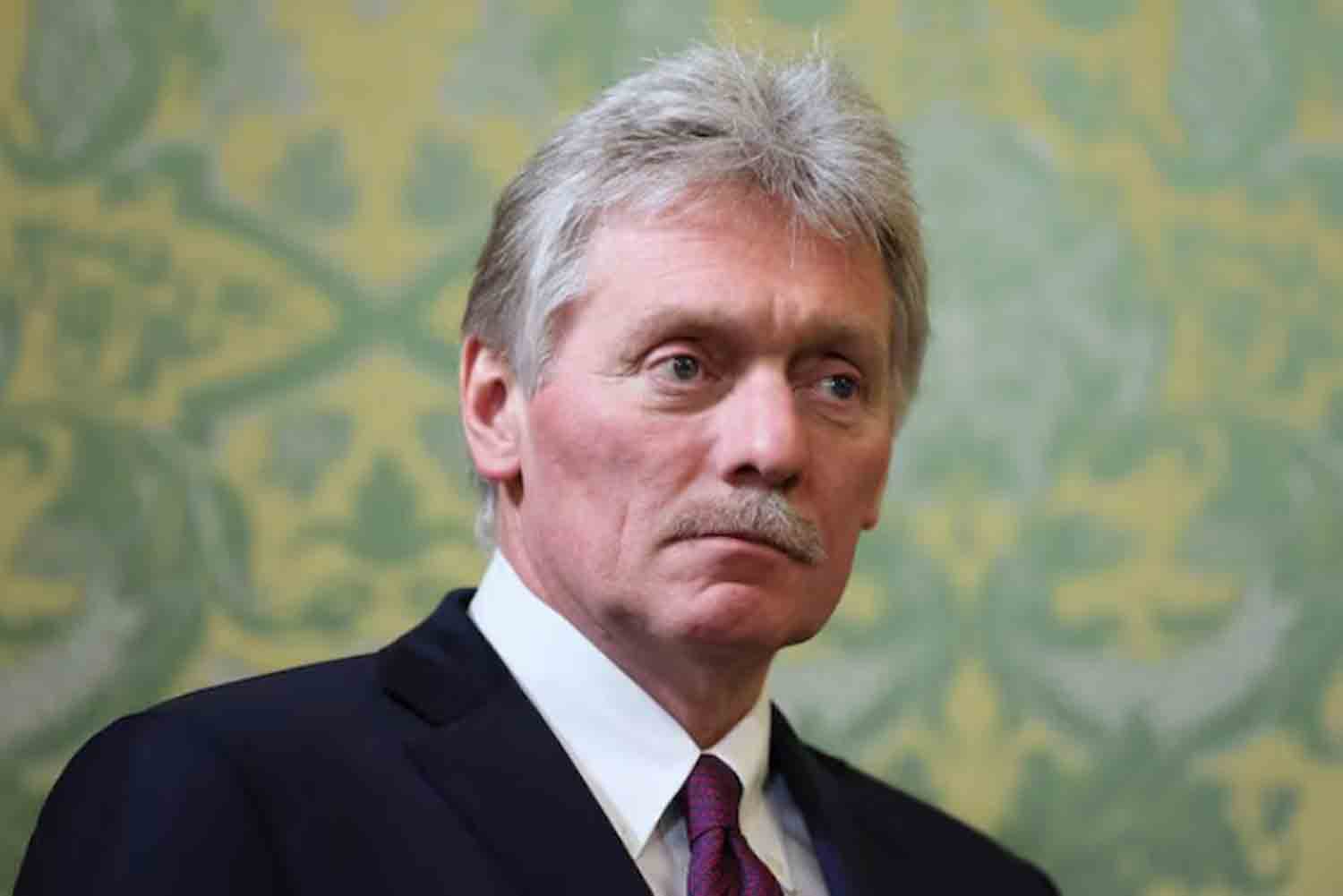
Kremlin spokesman Dmitry Peskov

The Kremlin stated on Thursday that any British initiative to deploy troops to Ukraine as part of a potential peacekeeping effort would be deemed unacceptable by Russia, expressing concern over remarks made by British Prime Minister Keir Starmer. Starmer has indicated his “readiness and willingness” to send UK forces to Ukraine as a security assurance should a ceasefire agreement be reached between Moscow and Kyiv.

According to the Telegraph, Starmer intends to propose to U.S. President Donald Trump the deployment of fewer than 30,000 European troops to Ukraine in exchange for American protection for these forces. Kremlin spokesperson Dmitry Peskov remarked that such a proposal is unacceptable, as it would involve troops from a NATO member state, which could have implications for Russia’s security.

“This raises concerns for us, as it pertains to the potential deployment of military contingents from NATO countries to Ukraine,” Peskov informed reporters during a daily briefing. “This fundamentally alters the security landscape from our perspective,” he added. “We are closely monitoring the situation.”

Russia has consistently opposed the presence of NATO troops in Ukraine, with Foreign Minister Sergei Lavrov asserting this week that Moscow would consider such a deployment a “direct threat” to its sovereignty, regardless of the troops’ operational flag. During discussions with the United States in Riyadh on Tuesday, Russia insisted that NATO retract its 2008 commitment to eventually grant Ukraine membership in the alliance and dismissed the notion that NATO forces could serve as peacekeepers in a ceasefire arrangement.

US Air Force conducts a pre-dawn test of an unarmed nuclear missile

0
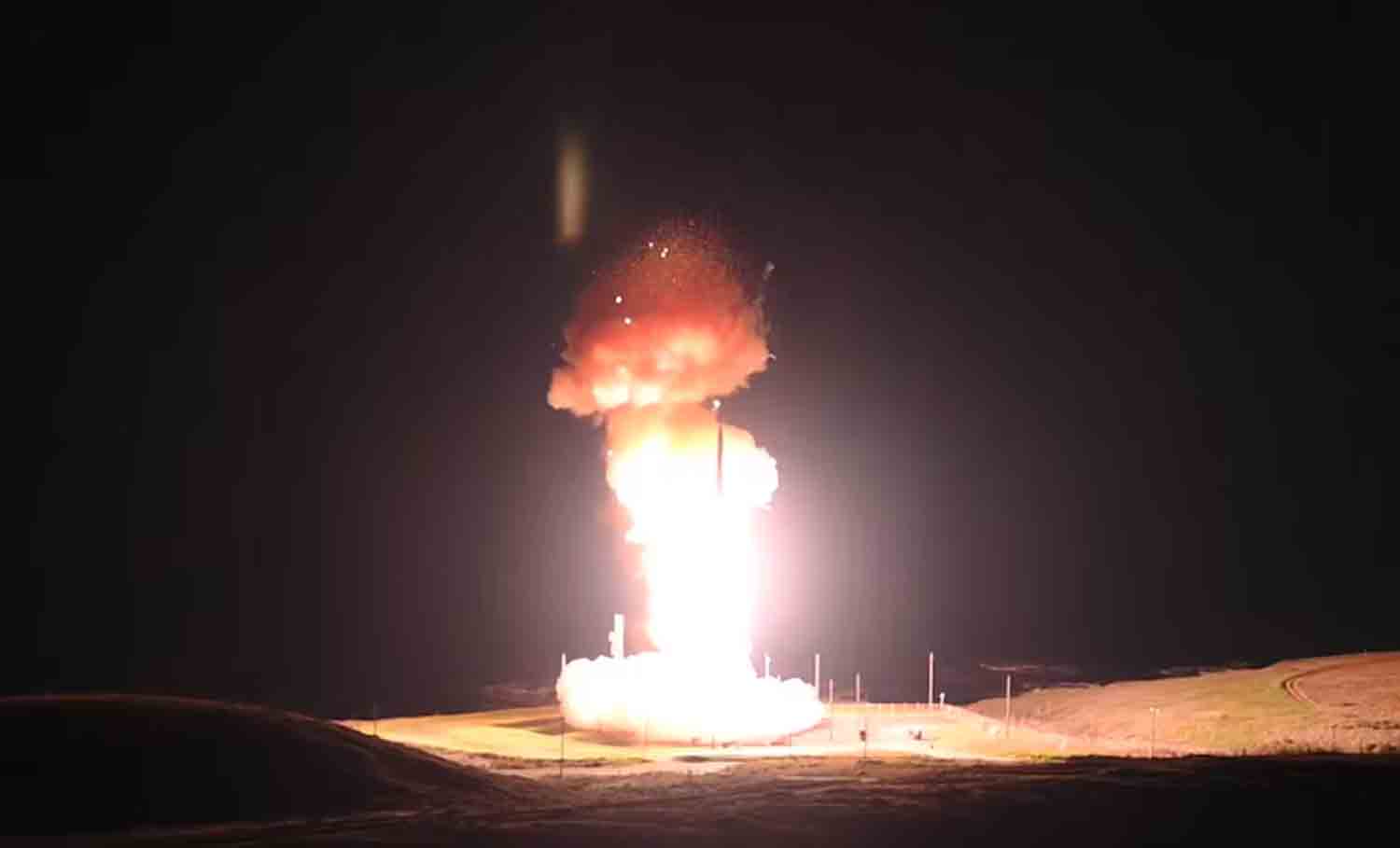
Minuteman III missile test launch

The United States Air Force executed a test launch of an unarmed Minuteman III missile early Wednesday to verify the operational safety and effectiveness of its land-based nuclear capabilities.

Airmen from the Air Force Global Strike Command initiated the launch from Vandenberg Space Force Base in California at 1 a.m. Pacific Standard Time, as reported by the department. The Minuteman missile did not carry a nuclear warhead; instead, it was fitted with a test re-entry vehicle designed to relay data.

The missile traveled approximately 4,200 miles at speeds exceeding 15,000 mph, reaching the Ronald Reagan Ballistic Missile Defense Test Site located at Kwajalein Atoll in the Marshall Islands. Personnel at the test site, managed by the Army Space and Missile Defense Command, gathered radar, optical, and telemetry information as the missile approached to assess its performance.

“Today’s Minuteman III test launch exemplifies one of the methods the Department of the Air Force employs to showcase the readiness, precision, and professionalism of U.S. nuclear forces,” stated acting Air Force Secretary Gary Ashworth. “It also reinforces confidence in the effectiveness and lethality of the nation’s nuclear deterrence strategy.”

The Air Force maintains an arsenal of approximately 400 Minuteman III intercontinental ballistic missiles, which play a vital role in the nation’s nuclear triad, alongside bombers and submarines capable of carrying and deploying nuclear arms.

The Minuteman III system, over 50 years old, is nearing the end of its operational lifespan. The Air Force, in collaboration with Northrop Grumman, is developing a successor, the LGM-35A Sentinel, which is expected to begin deployment in the 2030s.

The ground-based systems for Sentinel, especially its control infrastructure, turned out to be more complex than the Pentagon had initially anticipated, leading to a significant increase in projected future costs. This situation raised concerns within the Pentagon and Congress in early 2024, prompting a thorough review of the program.

Ultimately, the military concluded last summer that Sentinel was too vital to be scrapped, and the Air Force was directed to continue its development to succeed the Minuteman III. However, the Pentagon mandated the Air Force to reorganize the program to reduce the expected costs.

According to Pentagon officials in 2024, this restructuring of Sentinel is likely to postpone its deployment by several years, necessitating the Air Force to depend on the Minuteman III for a longer period than initially planned. Andrew Hunter, the Air Force’s then-acquisition chief, stated in July 2024 that the Air Force would “do what it takes to sustain Minuteman III to meet these warfighter requirements in the interim,” until Sentinel is operational.

Col. Dustin Harmon, commander of the 377th Test and Evaluation Group at Vandenberg, which oversaw the test launch, emphasized that the data gathered from this test is essential for maintaining the Minuteman III while preparing for Sentinel.

“During this test, we collected and analyzed performance and other critical data points to assess the current missile system’s capabilities,” Harmon explained. “This enables our team to evaluate and report on the accuracy and reliability of the existing system while confirming anticipated improvements in the missile system.”

The Air Force indicated that this test had been planned for several months and is part of a series of over 300 similar test launches routinely conducted by the department.

Vandenberg’s Western Range serves as the primary testing site for Global Strike’s ICBMs. In a video released shortly after the test, a silo cover at Vandenberg can be seen opening before the test Minuteman launches in a blaze of fire, soaring into the pre-dawn sky.

The missile was chosen at random from the Air Force’s inventory at F.E. Warren Air Force Base in Wyoming. Personnel then transported the missile over 13,000 miles to Vandenberg, where it was reassembled for testing.

Additional Minuteman III missiles are stationed in Colorado, Montana, Nebraska, and North Dakota, distributed over an area of nearly 32,000 miles.

Competition to replace the Army Stinger missile is advancing to the flight testing phase

0
A Stinger missile launches from the new Maneuver-Short Range Air Defense system.

RTX and Lockheed Martin are set to begin flight tests this year as they compete to create a successor to the U.S. Army’s Stinger missile.

The Army is seeking a replacement for the Stinger missile that enhances short-range air defense capabilities, focusing on increased speed, resilience against jamming, and improved accuracy against challenging targets such as drones.

In September 2023, the Army awarded contracts to both RTX and Lockheed Martin to collaboratively develop this Stinger replacement. The Stinger missiles produced by RTX are currently utilized in the Army’s interim Maneuver-Short Range Air Defense (MSHORAD) system, as well as in a portable format for air defense operations.

The Army has long intended to advance a next-generation interceptor for short-range air defense, but this initiative has gained urgency following the deployment of Stinger missiles to Ukraine in response to the Russian invasion.

While the Army no longer manufactures new Stinger missiles, it continues to refurbish existing stock. To restore its inventory, the Army aims to replace outdated missiles with new alternatives.

RTX recently announced the successful completion of 10 subsystem demonstrations for its Next-Generation Short-Range Interceptor (NGSRI), as stated in a release on Tuesday.

Successful demonstrations of these subsystems represent a vital advancement in fulfilling the U.S. Army’s requirements for range and performance in this innovative short-range air defense capability, stated Tom Laliberty, president of land & air defense systems at the company. “We are assured of our capacity to swiftly provide the Army with an affordable, low-risk, and highly producible NGSRI solution.”

The subsystem evaluations included tests that confirmed the advanced seeker’s range surpassed that of the existing Stinger, both in laboratory settings and outdoor conditions. Additionally, the company validated that its flight rocket motor could enhance the intercept range during engagements.

The new system also showcased improved capabilities in detecting and identifying aerial targets, even under low-visibility conditions. In arena testing, the new Stinger’s warhead exhibited “precise and repeatable lethality” against a wide array of threat targets, as noted in the statement.

Further demonstrations “focused on essential missile functions such as tracking, guidance, aerodynamic control, fuzing, and safety,” the statement highlighted.

The new missiles are set to be delivered to U.S. soldiers and Marines for a touchpoint exercise, where they will gather feedback, according to the company. A system flight demonstration is also anticipated to take place later this year, as mentioned in the statement.

Lockheed Martin informed Defense News that following its contract award for the development of a Stinger replacement, it has engaged in two soldier touchpoints, both of which garnered positive feedback from the participating warfighters, according to Randy Crites, vice president of advanced programs for Lockheed Martin’s missiles and fire control division.

The company is gearing up for several flight tests this year.

“Our solution enhances performance for both mounted and dismounted MSHORAD operations, offering dismounted soldiers and marines capabilities that are comparable to those of mounted platforms,” Crites stated.

The Stinger competition is projected to span five years for the development and qualification of the new interceptor, leading into low-rate production, as noted by Maj. Gen. Frank Lozano, head of the Program Executive Office Missiles and Space, in late 2023 shortly after the contracts were awarded.

In the initial two years, each of the two competing companies will focus on missile development and produce a “very small quantity” of these missiles. At the conclusion of this phase, a “fly-off” will be conducted, Lozano explained.

Should both missile designs perform satisfactorily, the Army will advance both vendors into the second phase of the rapid prototyping initiative. During this phase, the Army will request modifications and enhancements to the missiles, leading to the creation of another set of prototypes. The competitors will then participate in another round of fly-offs.

Subsequently, the service will choose a single vendor to enter the production phase.

Lozano emphasized that the Army intends to maintain flexibility in this process.

“If one vendor excels while the other underperforms, we have the option at the conclusion of the two-year period to discontinue one vendor and continue with just one for the remaining three years of the program,” Lozano explained. “However, we would prefer to avoid that scenario; our goal is to sustain competition for as long as we can.”

Ukrainian engineers are creating affordable ‘STANAG’ armor for HMMWVs

0
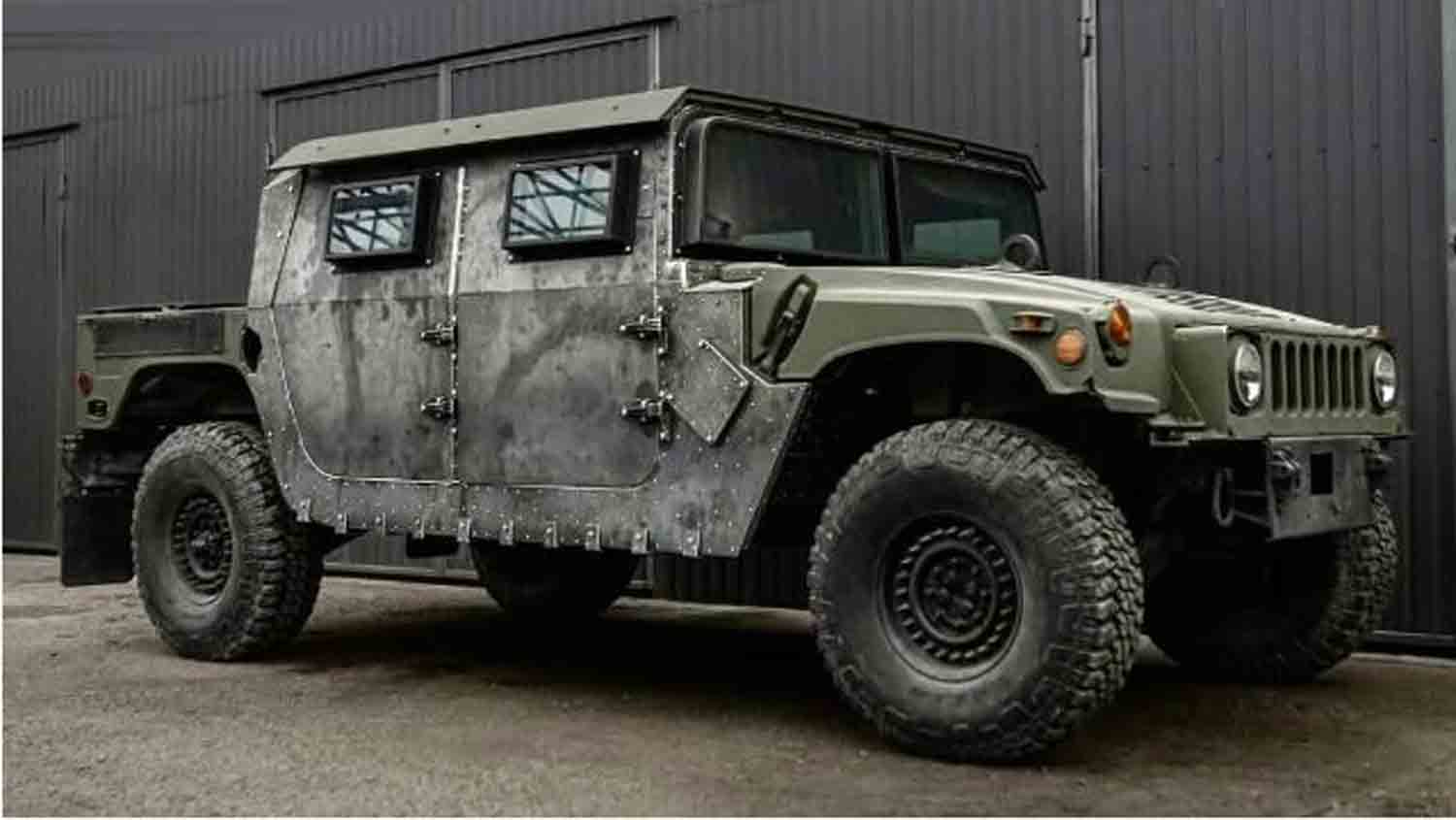
High Mobility Multipurpose Wheeled Vehicle, Ukraine.

In a notable advancement that could enhance the survivability of Ukrainian forces, engineers at the Central Research Institute of Armored Vehicles (CRAF) have successfully created and implemented a budget-friendly armor kit tailored for the soft-skinned High Mobility Multipurpose Wheeled Vehicles (HMMWVs) supplied by the United States.

These vehicles, widely recognized as “Humvees,” have been integral to military operations due to their mobility and adaptability; however, they have historically lacked adequate protection against contemporary battlefield threats.

As Ukraine confronts a severe and dynamic conflict with Russia, the urgency for enhanced troop protection has intensified, making this new armor kit an essential enhancement to their vehicle fleet.

The armor kit has been engineered to comply with STANAG 3 standards, a NATO-established criterion for vehicle protection. This level of defense is designed to withstand 7.62x51mm armor-piercing rounds and offers resilience against 8kg landmines and the nearby explosions of 155mm artillery shells.

Such threats are prevalent in the ongoing conflict in Ukraine, where unprotected vehicles face constant risks from heavy artillery and small-arms fire on the front lines. The introduction of an armor kit that meets these rigorous standards represents a significant improvement, delivering vital protection without the burden and expense associated with traditional, heavier armor options.

The initiative to develop this economical armor solution is part of a larger strategy by Ukrainian defense engineers to optimize the effectiveness and capabilities of the equipment available to them.

The constraints of supply chains, coupled with the persistent demand for more sophisticated armored vehicles, have made it essential to adapt current resources. Although the HMMWV was not originally intended for the challenges of contemporary combat, it remains valuable due to its mobility and versatility.

The introduction of this new armor kit enhances the vehicle’s ability to endure the types of attacks it faces in combat, providing a crucial asset for Ukrainian forces.

The development and manufacturing of this armor kit signify a significant engineering milestone for the Ukrainian defense sector. It integrates cutting-edge materials with innovative engineering methods to deliver a strong yet lightweight solution.

This is particularly important in a conflict where rapid movement and adaptability can be critical to survival. The armor kit is designed for straightforward installation on existing soft-skinned HMMWVs, allowing for quick upgrades without extensive downtime or expensive alterations.

This straightforward installation process also renders it a highly adaptable solution, which is vital for a military that is under constant pressure to enhance its fleet of armored vehicles.

The mass production of this armor kit is anticipated to greatly influence battlefield dynamics. As the Ukrainian military confronts heavily armored Russian forces, the capacity to protect soft vehicles from small arms fire, mines, and artillery strikes will significantly enhance the effectiveness of tactical operations.

Ukrainian forces will benefit from improved mobility and enhanced protection against threats, which will help reduce casualties and increase the chances of successful missions.

This upgraded protection is especially crucial in scenarios where HMMWVs are utilized for troop transport, reconnaissance, and logistics—functions that frequently place these vehicles in direct contact with enemy forces.

The introduction of this new armor kit carries strategic significance that extends beyond the battlefield. As Ukraine continues to receive backing from Western nations, particularly the United States, the development of homegrown solutions to upgrade and safeguard military assets reflects a commitment to self-sufficiency and innovation, bolstering its standing on the global stage.

The combination of domestically produced solutions with Western-supplied equipment creates a vital synergy in the ongoing struggle against Russian aggression. Additionally, the successful implementation of this armor kit could serve as a blueprint for future enhancements to other vehicle platforms, strengthening Ukraine’s capacity to innovate and respond to rapidly evolving military challenges.

Cost-effectiveness is another essential aspect of this new armor solution. In a protracted conflict where resources are limited and supply chains are frequently disrupted, it is imperative to find ways to enhance the survivability of existing vehicles without incurring significant expenses.

By improving the protection of the HMMWV without substantially increasing operational costs, Ukraine can better allocate its resources to other critical needs, such as additional ammunition, advanced weaponry, and logistical support.

The affordability of the armor kit facilitates large-scale production, making it an appealing option for swiftly increasing the fleet of protected vehicles in operation.

As the production of these armor kits progresses, Ukrainian forces are anticipated to experience a notable enhancement in their operational effectiveness. The kits will be utilized not only on the currently deployed soft-skinned HMMWVs but also on upcoming vehicles, contributing to the development of a more robust and agile force capable of addressing various threats with increased assurance.

This initiative to bolster the protection of current vehicles, particularly against a well-armed opponent, underscores the significance of innovation and cost-effectiveness in contemporary military engagements.

In summary, the creation of this economical armor kit for HMMWVs marks a significant advancement in Ukraine’s capacity to safeguard its personnel while preserving operational adaptability.

With its compliance with STANAG 3 standards and ability to defend against diverse threats, it is set to play a crucial role in improving the survivability of Ukrainian soldiers in combat. As the kit moves into mass production, it is expected to serve as a benchmark for future vehicle enhancements and exemplify the impact of innovation in challenging circumstances.

Pentagon is reallocating $50 billion to defense priorities from the Trump administration

0

On Wednesday, the Pentagon announced that it is instructing military leaders to compile a list of potential budget cuts amounting to approximately $50 billion from the fiscal year 2026 budget. This funding is intended to be redirected towards initiatives aligned with President Donald Trump‘s national defense priorities.

This review may pave the way for Defense Secretary Pete Hegseth to implement plans that focus on increased investment in the Asia-Pacific region and enhancing security along the U.S.-Mexico border, among other reforms.

It remains uncertain how this initiative will align with other cost-reduction efforts spearheaded by Elon Musk’s government downsizing teams, which have begun their work at the Pentagon as civilian employees prepare for potential layoffs.

Robert Salesses, who is currently fulfilling the role of deputy defense secretary, indicated that the military will identify possible savings by reviewing the budget established by the previous Biden administration. “The offsets are aimed at 8% of the Biden administration’s FY26 budget, totaling around $50 billion, which will subsequently be allocated to programs that reflect President Trump’s priorities,” Salesses stated.

This announcement elaborates on a memo from Hegseth, reported by Reuters, in which he requested various military branches to suggest potential cuts as part of a proposed 8% reduction in their budgets over the next five years, according to U.S. officials.

There are numerous exemptions from these cuts, including U.S. Indo-Pacific Command, funding for military operations along the U.S. border with Mexico, missile defense, and autonomous weapons, as noted by one official. However, military commands responsible for operations in Europe, the Middle East, and Africa are not exempt from these budget considerations.

The Pentagon’s budget is nearing $1 trillion annually. In December, former President Joe Biden approved a bill that allocated $895 billion for defense spending for the fiscal year concluding on September 30.

Hegseth has publicly stated that the Pentagon’s priorities are centered on U.S. border security and the threats posed by China, asserting that the U.S. can no longer maintain a “primary focus on the security of Europe.” As Musk’s teams initiate their review, some civilian military employees reported receiving emails on Thursday indicating that they could be separated from government service due to their employment duration of less than a year.

Political leaders from various parties have consistently criticized the Defense Department for its waste and inefficiency. However, Democrats and civil service unions argue that Musk, as the wealthiest individual globally, lacks the necessary expertise to effectively restructure the Pentagon, raising concerns that his team’s efforts may jeopardize classified programs.

Efforts to cancel defense programs could provoke resistance from lawmakers eager to protect spending in their electoral districts, a reality that defense contractors are acutely aware of. For instance, the F-35 fighter jet has suppliers in all 50 states, a fact highlighted by Lockheed Martin on its website, which illustrates the economic benefits associated with the production of these jets. Musk, a significant U.S. defense contractor himself, has expressed particular criticism of certain defense initiatives, notably the F-35. He has remarked on X that while “Some U.S. weapons systems are good, albeit overpriced,” it is imperative to “stop the worst military value for money in history that is the F-35 program!”

U.S. plans to cut its diplomatic mission in China by up to 10%, reports the South China Morning Post

0
The flags of the United States and China fly from a lamppost in the Chinatown neighborhood of Boston, Massachusetts, U.S.

The United States is poised to reduce the size of its diplomatic mission in China by as much as 10%, according to a report from the South China Morning Post (SCMP) on Wednesday, which cited sources familiar with the matter.

American diplomats stationed in mainland China and Hong Kong, along with local staff, may receive notifications as early as Friday regarding this unprecedented downsizing. The reductions are expected to impact the embassy in Beijing and the consulates in Guangzhou, Shanghai, Shenyang, Wuhan, and Hong Kong, as reported by SCMP.

It remains uncertain whether any of those affected will be reassigned within the diplomatic service, although layoffs are anticipated. Two sources informed Reuters that the leadership of the mission to China had communicated to embassy personnel that they were “refuting” the report. Embassy representatives did not provide immediate comments, and the U.S. State Department had no immediate response.

The administration of President Donald Trump has instructed U.S. embassies globally to prepare for staff reductions, as part of the Republican president’s initiative to reform the U.S. diplomatic corps, according to sources who spoke to Reuters last week.

Since taking office on January 20, Trump and his billionaire associate Elon Musk have been working to eliminate what they perceive as unnecessary government expenditures. The United States maintains a significant diplomatic presence in China, with the Beijing embassy situated on a 10-acre compound that includes six buildings, one of which was completed in 2016. The U.S. Embassy and Consulates in China website indicates that the Beijing embassy complex accommodates over 1,300 American and locally employed staff from nearly 50 different U.S. federal agencies.

Trump expects a visit from Chinese President Xi but hasn’t given a timeline

0
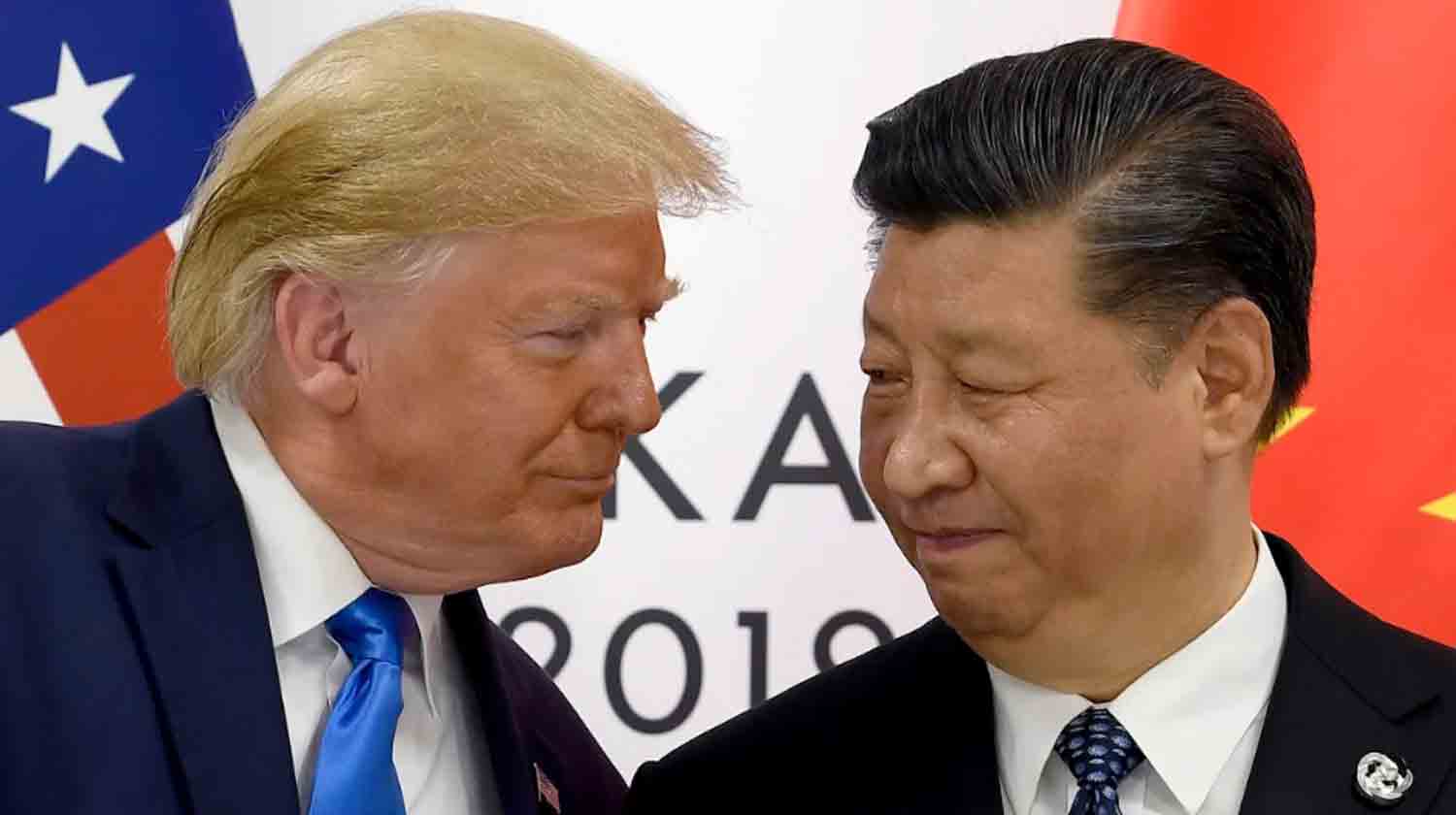
Donald Trump meets with Chinese President Xi Jinping

U.S. President Donald Trump stated on Wednesday that he anticipates a visit from Chinese President Xi Jinping to the United States, although he did not provide a specific timeline for the trip. Trump made these comments to reporters aboard Air Force One, expressing that a new trade agreement between the U.S. and China is “possible.” He emphasized the importance of dialogue between himself and Xi as a key factor in potentially alleviating or postponing trade tariffs.

“We will ultimately have President Xi and other leaders visiting the U.S.,” Trump remarked, highlighting the significance of such visits.

Xi’s most recent trip to the U.S. occurred in November 2023, marking his fifth visit as Chinese president, during which he met with then-President Joe Biden. This summit led to agreements aimed at resuming military communications and addressing fentanyl production.

Prior to taking office on January 20, Trump had a conversation with Xi, discussing various topics including TikTok, trade, and Taiwan.

On Wednesday, Trump mentioned ongoing discussions with China regarding TikTok, as the U.S. seeks to facilitate a sale of the widely-used app, which is owned by the Chinese company ByteDance. He noted that he had also spoken with Xi since assuming office but did not disclose the specifics of their conversation. The Chinese foreign ministry did not directly address Trump’s comments, instead referring to their previously scheduled call before he took office.

The relationship between Washington and Beijing has been strained for years, with tensions arising from issues such as trade tariffs, cybersecurity, TikTok, Taiwan, Hong Kong, human rights, and the origins of COVID-19. Additionally, Trump indicated that he believes a deal could be reached with Russia regarding the ongoing conflict in Ukraine, stating, “We can make a deal with Russia to stop the killing,” and suggesting that Russia may be inclined to end the war due to territorial gains.

Trump urges ‘dictator’ Zelenskiy to act swiftly or risk losing Ukraine

0

U.S. President Donald Trump criticized Ukrainian President Volodymyr Zelenskiy as a “dictator” on Wednesday, cautioning that he must act swiftly to secure peace or risk losing his nation. This statement has intensified the ongoing conflict between the two leaders, raising concerns among European officials.

Trump’s remarks came just a day after he suggested that Ukraine was responsible for Russia’s invasion in 2022, further alarming U.S. allies in Europe about the potential implications of his strategy for resolving the Russia-Ukraine conflict, which may inadvertently favor Moscow.

In a significant shift in U.S. policy regarding the war, Trump has moved away from efforts to isolate Russia, initiating a phone call with President Putin and facilitating discussions between senior officials from both nations, effectively sidelining Ukraine.

“A Dictator without Elections, Zelenskyy better move fast or he is not going to have a Country left,” Trump stated on social media, using an alternative spelling of the Ukrainian president’s name. In response, Ukrainian Foreign Minister Andrii Sybiha asserted that no external pressure could compel Ukraine to capitulate.

“We will defend our right to exist,” Sybiha declared on X. Later, while addressing investors and executives in Miami, Trump reiterated his accusations, labeling Zelenskiy a “dictator” and implying that the Ukrainian leader was prolonging the conflict to maintain U.S. military aid.

Zelenskiy’s current term is set to conclude in 2024; however, elections are not feasible under the martial law imposed in February 2022 due to Russia’s invasion. Trump’s comments followed Zelenskiy’s assertion that the U.S. president was echoing Russian disinformation by claiming that Ukraine “should never have started” the war, which began with Russia’s full-scale invasion three years ago. U.S. Vice President JD Vance also cautioned Zelenskiy against “badmouthing” Trump.

Vance remarked in his West Wing office, as reported by the Daily Mail, that anyone familiar with the president would agree that this is a deplorable approach to managing the current administration. Russia has taken control of approximately 20% of Ukraine and continues to gradually expand its territory in the eastern region. Moscow claims that its “special military operation” is a response to an existential threat stemming from Kyiv’s aspirations for NATO membership, while Ukraine and its Western allies characterize Russia’s actions as an imperialistic land grab.

The Ukrainian president countered Trump’s claim that his approval rating was merely 4%, labeling it as Russian disinformation and asserting that any efforts to oust him would be unsuccessful. “We have evidence that these figures are being discussed between America and Russia. Unfortunately, President Trump exists within this disinformation framework,” Zelenskiy stated during an interview with Ukrainian television.

A recent poll conducted by the Kyiv International Institute of Sociology in early February indicated that 57% of Ukrainians express trust in Zelenskiy. In response to Trump’s recent comments, U.N. spokesperson Stephane Dujarric emphasized that Zelenskiy remains in office following legitimate elections. When questioned about the origins of the conflict, Dujarric affirmed that Russia was the aggressor in the invasion of Ukraine.

German Chancellor Olaf Scholz criticized Trump’s characterization of Zelenskiy as a dictator, calling it “false and dangerous,” according to the German newspaper Spiegel. Additionally, Australia, a U.S. security ally that has contributed A$1.5 billion in support to Ukraine amid its conflict with Russia, dismissed Trump’s claims regarding Ukraine.

Australia’s Defence Minister Richard Marles emphasized that the resolution of the conflict in Ukraine must align with Ukraine’s conditions, asserting that Russia is the aggressor in this situation. Opposition leader Peter Dutton expressed his disagreement with former President Trump, stating, “I believe President Trump is mistaken.”

Dutton further articulated that Australia should firmly support the Ukrainian people, highlighting that Ukraine is a democracy engaged in a struggle for civilization. He characterized Vladimir Putin as a “murderous dictator” and insisted that no concessions should be made to him.

Some of Trump’s Republican colleagues in Congress voiced their dissent regarding the characterization of Ukrainian President Zelenskiy as a dictator, suggesting that Ukraine shares some responsibility for the invasion by Russia. However, they refrained from directly criticizing Trump, with Senate Majority Leader John Thune, a consistent advocate for Ukraine, indicating that Trump should be given “space” to negotiate a peace agreement.

EUROPE LEFT SCRAMBLING

Zelenskiy has proposed allowing U.S. companies to extract valuable minerals from Ukraine in exchange for U.S. security assurances. He recently turned down a U.S. proposal that would have allocated 50% of Ukraine’s critical minerals, including lithium, to the United States, arguing that the deal prioritized American interests over Ukraine’s, stating, “I can’t sell our country.”

While speaking to reporters aboard Air Force One, Trump claimed that Ukraine had “more or less” accepted the proposal and expressed dissatisfaction with the treatment of U.S. Treasury Secretary Scott Bessent during his visit to Kyiv. He indicated his intention to revive discussions regarding the minerals deal.

European officials have been left astonished and unprepared by the recent actions of the Trump administration concerning Ukraine.

During a subsequent gathering of European leaders in Paris, which was quickly organized by French President Emmanuel Macron earlier in the day, there were renewed calls for urgent measures to assist Ukraine and enhance Europe’s defense capabilities; however, few definitive actions were taken. Macron and British Prime Minister Keir Starmer are scheduled to visit Washington next week, as noted by White House national security adviser Mike Waltz.

In light of recent criticisms from Trump, Zelenskiy engaged in discussions regarding potential peace agreements with NATO Secretary General Mark Rutte, Macron, and Starmer, emphasizing the necessity of security guarantees. Starmer reaffirmed his support for Zelenskiy as Ukraine’s democratically elected leader, as stated by his office on Wednesday.

Keith Kellogg, the U.S. envoy to Ukraine, arrived in Kyiv on Wednesday to meet with Zelenskiy, expressing his understanding of the “need for security guarantees” and indicating that part of his role would be to “sit and listen.”

On the same day, the 27-member European Union approved a 16th package of sanctions against Russia, targeting aluminum and vessels suspected of transporting sanctioned Russian oil. Trump mentioned the possibility of meeting with Putin this month. In Moscow, Putin indicated that Ukraine would not be excluded from peace talks, but success would hinge on building trust between Moscow and Washington.

Putin, speaking a day after the first discussions between Russia and the U.S. in Riyadh aimed at resolving the conflict, noted that establishing a summit with Trump would require time, although both leaders have expressed a desire for such a meeting.

Ukraine and European nations were not included in the discussions held in Saudi Arabia on Tuesday, raising concerns that Russia and the U.S. might reach an agreement that overlooks their critical security interests. Zelenskiy stated in a video address on Wednesday that Ukraine was relying on “the unity of Europe and the pragmatism of America.” Trump asserted that Europe must take greater responsibility to ensure any ceasefire agreement.

Unconfirmed reports have surfaced regarding a second flight of China’s J-36

0
China's J-36

Social media platforms, particularly X, are buzzing with reports suggesting that the People’s Liberation Army Air Force of China has conducted a second flight of the J-36, a fighter jet believed to be of the sixth generation. This excitement appears to have originated from a recently released photo that did not circulate on December 26, the date when the first flight was reportedly confirmed.

As of now, there has been no official confirmation from China regarding a second flight of the J-36, and all related reports remain unverified. Additionally, detailed information about this alleged second flight is absent from the Chinese social media site Weibo. However, it was on Weibo that the previously unseen photo first emerged, accompanied by a succinct remark stating, “Chinese J-36 second flight done.”

In a remarkable demonstration of technological advancement, China has astonished the global military community with the initial test flight of what seems to be its sixth-generation stealth fighter, informally referred to as the J-36.

The aircraft, characterized by its unique tailless, delta-wing configuration, ascended into the skies over Chengdu, Sichuan, in an event that has since ignited discussions within defense analysis circles. The flight, which took place on December 26, 2024, was more than just a standard test; it represented a significant assertion of China’s growing capabilities in military aviation, potentially altering the dynamics of air power in the Asia-Pacific region and beyond.

The J-36, marked with the serial number 36011, was observed alongside a Chengdu J-20S twin-seat stealth fighter, which acted as a chase plane. This combination provided a rare opportunity for visual comparison, highlighting the J-36’s considerable size and sophisticated aerodynamic characteristics.

Observers have remarked on the aircraft’s capability to sustain control without conventional stabilizers, showcasing its advanced flight control systems, likely utilizing cutting-edge fly-by-wire technology. This design not only minimizes drag but also enhances stealth by reducing the radar cross-section from multiple angles, a crucial feature for a fighter designed to penetrate sophisticated air defense systems.

The timing of the flight, which coincided with Mao Zedong’s birthday, was seen by some as a symbolic statement, underscoring China’s technological progress since its establishment. However, the true surprise stemmed not only from the flight itself but also from the broader implications it suggested.

The emergence of the J-36 was unforeseen, even among those closely monitoring China’s military advancements. Intelligence reports had indicated that a sixth-generation fighter was under development, but many anticipated its inaugural flight around 2028, making this event three years ahead of expectations.

The response from the United States was cautious yet revealing. Senior officials, including Secretary of the Air Force Frank Kendall, acknowledged the flight while downplaying its immediate significance for American programs. Kendall noted that China’s progress was expected and did not require changes to the paused Next Generation Air Dominance (NGAD) initiative, which aims to develop the U.S.’s own sixth-generation fighters.

However, Bryan Clark from the Hudson Institute suggested that the J-36 could pose a serious challenge to NGAD, potentially prompting U.S. strategists to accelerate their plans. Andrew P. Hunter, another USAF official, admitted that while the J-36 might achieve operational status before its U.S. counterparts, he remained confident in the superiority of American technology.

The global reaction has been characterized by a blend of admiration, apprehension, and strategic reevaluation. Countries such as India, Japan, and Australia, which have significant stakes in maintaining regional power dynamics, are now confronted with the reality of a more powerful Chinese air force.

Experts are thoroughly analyzing the ramifications, with commentators like Justin Bronk from the Royal United Services Institute labeling the flight as “captivating” and reflective of China’s overarching strategic ambitions. The aircraft’s stealth capabilities, along with its potential for extended-range missions, pose challenges to existing air defense frameworks and necessitate a reassessment of military strategies.

The design of the J-36 indicates that it is not solely a fighter jet; it is capable of fulfilling various roles, including air superiority and deep strike missions, and may be equipped with a combination of air-to-air and air-to-ground weapons.

This adaptability, paired with its sophisticated propulsion and sensor technologies, suggests the dawn of a new combat era where sixth-generation fighters could transform air warfare, emphasizing network-centric operations and collaboration with unmanned systems.

Consequently, the J-36’s flight marks a significant milestone, not just for China but for the broader context of global military aviation. As nations rush to comprehend and counter this emerging capability, the competition for air supremacy has escalated, indicating a future where sixth-generation fighters will be essential components of geopolitical strategy rather than mere technological achievements.

The anticipation surrounding a possible second test flight of China’s J-36 sixth-generation stealth fighter has generated significant excitement within the defense sector, resonating throughout military analysis circles like a powerful tremor.

Should these reports prove accurate, it would represent more than just another achievement in China’s unwavering quest for air dominance; it would reflect a clear intention, a demonstration of technological advancement, and potentially a pivotal shift in the dynamic landscape of global military power.

The J-36, characterized by its tailless architecture and sophisticated stealth features, transcends the typical fighter jet; it symbolizes the future of aerial warfare. This aircraft, believed to have completed its second flight, may be outfitted with cutting-edge sensors, advanced propulsion systems, and the capability to manage unmanned aerial vehicles (UAVs) within a connected battlefield.

If the second flight has indeed taken place, it would suggest that China is progressing not only in secrecy but also at a speed that could disrupt the existing military hierarchies of the United States and its allies.

The ramifications are significant. A successful second flight would indicate that the J-36 is transitioning from the prototype stage to more extensive testing and eventual operational deployment. This stage is crucial, as it entails evaluating the aircraft’s systems under diverse conditions, confirming that its stealth capabilities are not merely theoretical but effective in real-world scenarios.

This jet’s ability to maintain its low observable features while executing high-speed maneuvers or carrying substantial payloads could potentially set new benchmarks for stealth technology.

Additionally, this advancement would highlight China’s goal to surpass conventional military technology development timelines. The United States, with its sixth-generation Next Generation Air Dominance (NGAD) program still under wraps, may find itself compelled to expedite its initiatives to avoid falling behind in technological warfare.

This issue extends beyond air superiority; it is crucial for preserving a strategic advantage in a region marked by heightened tensions.

The absence of official confirmation from Beijing adds an element of intrigue. This tactic aligns with state secrecy strategies, where silence can serve as a powerful tool. It keeps opponents uncertain, stimulates speculation, and, crucially, enables China to pursue its advancements without the burden of international oversight or the necessity to align public expectations with actual capabilities.

Nevertheless, in the absence of definitive evidence, these assertions remain conjectural. The defense sector must navigate this landscape with caution, balancing skepticism with the recognition that China has demonstrated a capacity for swift military technological progress.

If verified, this second flight would not only confirm the J-36’s design but also indicate China’s preparedness to incorporate such technology into its strategic military framework, potentially altering the power dynamics in the Indo-Pacific region.

In a wider strategic framework, should the J-36 perform as anticipated, it could play a crucial role in situations such as a conflict over Taiwan, where long-range capabilities and stealth are essential. This aircraft could enable China to penetrate deeply into contested areas, potentially reshaping the dynamics of conflict deterrence and response.

In conclusion, although the reports regarding a second test flight of the J-36 have yet to be confirmed, the mere speculation surrounding it highlights a significant moment in global military aviation. It serves as a reminder of the rapid advancements in warfare technology, where the next major breakthrough may emerge unexpectedly from the realms of strategic secrecy.

Zelenskiy urges greater transparency after Trump’s claims that Ukraine started the conflict

0
Ukraine's President Volodymyr Zelenskiy gives a press conference in Kyiv, Ukraine, on February 19, 2025, amid the Russian attack on Ukraine.

Ukrainian President Volodymyr Zelenskiy responded on Wednesday to Donald Trump’s claim that Ukraine bore responsibility for Russia’s full-scale invasion in 2022, asserting that the former U.S. president was ensnared in a web of Russian disinformation. Speaking prior to discussions with Trump’s envoy to Ukraine, Zelenskiy expressed a desire for Trump’s team to possess a more accurate understanding of the situation in Ukraine, particularly after Trump stated that Ukraine “should never have started” the conflict.

Zelenskiy countered Trump’s claim that his approval rating was merely 4%, labeling it as Russian disinformation and asserting that any efforts to unseat him would be unsuccessful. “We have evidence that these figures are being discussed between America and Russia. Unfortunately, President Trump … lives in this disinformation space,” Zelenskiy remarked during an interview with Ukrainian television. According to a recent poll conducted by the Kyiv International Institute of Sociology in early February, 57% of Ukrainians expressed trust in Zelenskiy.

In the early days of his presidency, Trump significantly altered U.S. policy regarding Ukraine and Russia, effectively ending Washington’s strategy to isolate Russia following its invasion of Ukraine through a phone call with Putin and subsequent discussions between high-ranking U.S. and Russian officials.

Trump indicated the possibility of meeting with Putin this month. While the Kremlin suggested that preparations for such a meeting might take longer, Russia’s sovereign wealth fund anticipated that several U.S. companies could return to Russia by the second quarter. Putin remarked that he viewed the U.S.-Russia discussions in Saudi Arabia regarding the resolution of the war in Ukraine positively, stating, “There are results,” although no further details were provided.

These discussions have notably excluded both Ukraine and Europe, with Trump asserting that Europe must take greater responsibility to ensure any ceasefire. Zelenskiy proposed granting U.S. companies the rights to extract valuable minerals in Ukraine in exchange for U.S. security guarantees, but indicated that Trump was not presenting such an offer. During a press conference, Zelenskiy highlighted that the U.S. had provided Ukraine with $67 billion in military aid and $31.5 billion in budgetary support, while American demands for $500 billion in mineral rights were also mentioned.

U.S. Ukraine envoy Keith Kellogg was anticipated to meet with officials in Kyiv, where he expressed his expectation for significant discussions as the conflict nears its three-year anniversary. “We recognize the necessity for security guarantees,” Kellogg stated to reporters, adding that part of his role would involve “listening attentively.”

Russian Foreign Minister Sergei Lavrov praised Trump for attributing the war in Ukraine to the previous U.S. support for Ukraine’s NATO aspirations.

EUROPE READIES NEW SANCTIONS AGAINST RUSSIA

Trump’s shift in U.S. policy has created a rift with allies in the 27-member European Union, whose representatives convened on Wednesday to finalize a 16th sanctions package against Russia, targeting aluminium and vessels suspected of transporting sanctioned Russian oil. France expressed confusion over Trump’s assertion that Ukraine bore responsibility for Russia’s invasion.

French President Emmanuel Macron planned to hold an informal discussion on Ukraine with several European leaders and NATO ally Canada at 4 p.m. (1500 GMT), following a similar meeting with leaders from Britain, Italy, Germany, Spain, Denmark, the Netherlands, and the European Union earlier in the week.

Swedish Prime Minister Ulf Kristersson noted that while consensus among the 27 EU nations on a unified approach was lacking, significant progress had been made. “We must remain calm and continue our support for Ukraine,” he emphasized.

Russia currently controls approximately one-fifth of Ukraine and frequently targets towns and cities well beyond the 1,000-km (600-mile) front line in the east and south, where it is aggressively seeking to expand its territory. President Zelenskiy reported that Russia had launched a series of drone attacks on the southern city of Odesa on Wednesday, injuring four individuals, including a child, and damaging energy infrastructure. He indicated that at least 160,000 residents were left without heating amid freezing temperatures.

Russia claims that its strikes on Ukraine’s energy infrastructure aim to weaken the nation’s military capabilities. The Kremlin asserts that it does not intentionally target civilians, despite the fact that thousands have lost their lives in the ongoing conflict.

In response, Ukraine has intensified its assaults on Russian oil pipelines and gas storage facilities. On Tuesday, Ukrainian forces reportedly reduced oil flows through a significant pipeline to Kazakhstan and global markets by 30-40%, as stated by Russian officials. President Putin remarked on Wednesday that the damage inflicted could not be repaired swiftly and accused Europe of orchestrating these actions.

In the village of Novopavlivkia, located near the front lines, homes damaged by precision bombs line streets that were once peaceful but now serve as vital routes for Ukrainian armored vehicles. Helicopters fly low overhead, accompanied by a continuous barrage of explosions and heavy machine gun fire.

Mykola Havrylov, the former village head, expressed his disappointment that Ukraine’s Western allies have not provided more immediate military and diplomatic assistance as Russian forces advance. “I don’t understand it, and I believe I’m not alone in this sentiment,” he stated.

New Zealand Launches Penguin Missile for the First Time

0
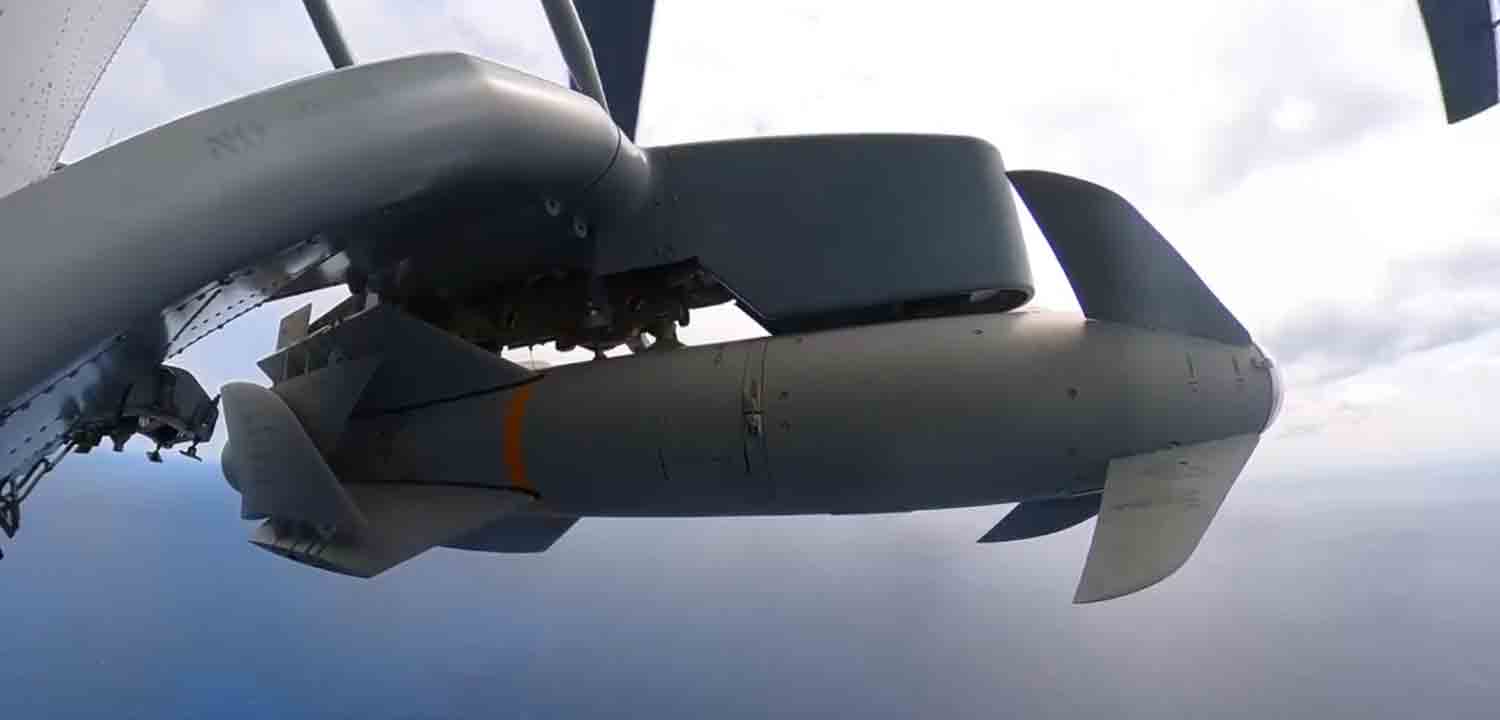
An AGM-119 Penguin Mk 2 Mod 7 prepares to drop from a No. 6 Squadron SH-2G(I).

A Royal New Zealand Navy helicopter has successfully launched a Penguin anti-ship guided missile for the first time since its acquisition in 2013.

The Kaman SH-2G Super Seasprite maritime helicopter executed the launch of the Kongsberg-manufactured missile during training exercises last week, subsequently returning to the HMNZS Te Kaha, an Anzac-class frigate.

This helicopter-frigate combination will be deployed with the Combined Task Force 150 in the Arabian Sea.

With its primary role focused on maritime patrols, the Seasprite will engage in proactive identification and surveillance of potentially suspicious vessels during the mission.

Furthermore, it will provide force protection as the frigate undertakes operations aimed at intercepting illegal narcotics and weapons trafficked by terrorists and criminal organizations.

The Penguin Missile

In 2013, the New Zealand Defence Force procured an undisclosed quantity of Penguin Mk2 Mod 7 anti-ship missiles from Kongsberg to replace its AGM-65 Maverick air-to-ground missiles.

The first missile was launched over a decade later due to the necessity of a re-motoring program, which involved upgrades to the missile’s rocket motor, expected to be completed in the first quarter of 2024.

The inaugural launch took place in February 2025.

This anti-ship missile, powered by a solid rocket engine, boasts an operational range exceeding 34 kilometers (21 miles) and is equipped with a 120-kilogram (264 pounds) warhead featuring a delay fuze designed to detonate upon impact within the target.

The Penguin Mk2 missiles, referred to as the AGM-119 in the United States military, measure 120.48 inches (3.06 meters) in length and have a weight of 847 pounds (385 kilograms).

Stunning Discovery: Russian Pantsir-S1 Air Defense System Found at U.S. Base in California!

0
Pantsir-S1E air defense system

In a startling development that has reverberated throughout the defense sector, a Russian Pantsir-S1E air defense system, an advanced combination of missiles and anti-aircraft artillery, has been discovered at a highly classified US military installation in California.

Striking images and footage of the Russian air defense system being securely transported to the American base have circulated widely on social media, igniting fervent speculation regarding its intended use on US territory.

The presence of this formidable and sophisticated Russian air defense system at a US facility is likely aimed at in-depth technical evaluation and reverse engineering, representing a significant intelligence opportunity for the Pentagon.

The Pantsir-S1E, reportedly acquired from a Libyan armed group during a bold operation in June 2020, was initially flown to Ramstein Air Base in Germany aboard a US Air Force C-17 transport aircraft before being transferred to the United States.

In a covert operation reminiscent of a spy novel, elite US special forces conducted a high-stakes mission in mid-2020, penetrating Libyan territory to retrieve one of Russia’s most advanced air defense systems.

Their mission? To dismantle and reveal the secrets of the Kremlin’s esteemed anti-aircraft technology, a system regarded as a key element of Russia’s contemporary battlefield dominance.

At the time of its capture, the Pantsir-S1 was under the control of General Khalifa Haftar’s Libyan National Army (LNA), which had obtained it from the United Arab Emirates (UAE) as part of a larger military collaboration.

By obtaining the Pantsir-S1, the United States not only gained invaluable insights into Russian air defense systems but also thwarted the potential acquisition of this technology by extremist factions, which could have significantly shifted the regional power dynamics. As reported by The Times, a covert operation in June 2020 necessitated the use of a large C-17A Globemaster, given the considerable size and strategic importance of the Russian system. The mission took place at Zuwarah Airport, located west of Tripoli, where the US Air Force executed a nighttime operation to capture, secure, and transport the Pantsir-S1 out of Libya. The transport aircraft then embarked on a critical flight to Ramstein Air Base in Germany, a key hub for US military activities in Europe.

Upon arrival at Ramstein Air Base, a specialized team of US military engineers and intelligence experts carefully disassembled the Pantsir-S1, revealing the intricacies of Russian technology.

This advanced hybrid defense system, engineered to eliminate aerial threats with exceptional accuracy, comprises the following elements:
– Six advanced surface-to-air missiles
– Two powerful 30mm autocannons
– Innovative radar, sensors, and electronic warfare technologies

Developed as a successor to the Tunguska air defense system, the Pantsir-S1 is capable of engaging targets at distances of up to 20 kilometers and altitudes reaching 50,000 feet, establishing it as a significant threat to enemy aircraft.

The Pantsir system has seen extensive deployment by Russian forces, not only in Libya but also in Syria and, importantly, on the battlefields of Ukraine.

The acquisition of the Pantsir-S1 in Libya has likely yielded vital intelligence that has influenced US military strategies, playing a crucial role in assisting Ukrainian forces in countering persistent Russian aerial attacks in the ongoing conflict in Eastern Europe.

By examining the system’s components, US military analysts have gained valuable insights into the materials and engineering behind Russian defense technology, revealing the true capabilities of Moscow’s military-industrial complex.

More importantly, the Pentagon has been able to devise advanced countermeasures, effectively neutralizing the threats, tactics, and standard operating procedures (SOPs) linked to the Pantsir-S1, which could potentially alter the dynamics of modern air defense warfare.

What was once regarded as Russia’s esteemed protector of the skies has now become a valuable resource for US military strategists—a war trophy that may have already influenced the trajectory of global conflicts.

Erdogan has suggested a prime location for talks on resolving the Ukraine conflict

0

Turkish President Recep Tayyip Erdogan has expressed that his nation would serve as the optimal venue for new discussions aimed at resolving the Ukraine conflict. This remark was made during a meeting with Ukrainian President Vladimir Zelensky on Tuesday, who was notably absent from the prominent Russian-US talks occurring simultaneously in Saudi Arabia.

“Our country is well-suited to host potential negotiations involving Russia, Ukraine, and the United States,” Erdogan stated, as reported by the Anadolu news agency.

He emphasized at a press conference alongside Zelensky in Ankara that for a fair peace to be achievable, influential nations must demonstrate a commitment to peace.

Erdogan recalled that Russia and Ukraine had previously engaged in negotiations in Istanbul in March 2022, and that Türkiye played a crucial role in facilitating an agreement later that summer to ensure the safe transport of grain from Ukraine’s Black Sea ports.

“In all these endeavors, we have genuinely strived to act as a trustworthy mediator for both parties, yielding tangible outcomes,” Erdogan remarked.

During the same event, Zelensky highlighted the importance of Türkiye, along with the EU, the UK, and the US, in formulating “essential security guarantees” for Ukraine. He expressed gratitude to Ankara for its support of Ukraine’s “sovereignty and territorial integrity.”

Zelensky had earlier voiced his discontent regarding Ukraine’s exclusion from the US-Russian discussions in Riyadh, asserting that he would not accept any agreements made without Ukraine’s participation. Officials in Kyiv and the EU have expressed their dissatisfaction with the direct negotiations initiated by Trump with Russia, which occurred without their consultation or consent.

On Tuesday, Trump expressed his “very disappointed” sentiments regarding Kiev’s response, attributing the failure to reach an agreement with Russia during the ongoing conflict to Ukraine’s actions.

Russian President Vladimir Putin stated that the negotiations in Istanbul collapsed when Ukraine unexpectedly retracted from previously established agreements, which included the proposal for Ukraine to become a permanently neutral state with a reduced military presence.

Victoria Nuland, a former high-ranking official at the State Department, later affirmed that the United States and other Western nations had advised Ukraine against accepting the terms proposed by Russia. In a recent interview with the Guardian, Zelensky maintained that he independently rejected Moscow’s demands in 2022.

Moscow has recently reiterated that Ukraine must abandon its aspirations to join NATO and relinquish its claims over Crimea and four other regions currently recognized as part of Russia. Putin further remarked that he no longer views Zelensky as a legitimate leader of Ukraine, citing the expiration of his five-year presidential term in May 2024 and the absence of new elections due to martial law.

Leopard 2A8 tank now costs $30 million, similar to a used F-16 fighter jet

0

Austria is actively enhancing its armored capabilities, yet the financial implications of acquiring modern tanks are proving to be quite daunting. At present, the Austrian Army operates a single tank battalion, known as Panzerbataillon 14, which is equipped with 58 Leopard 2A4 tanks.

Although these tanks remain effective in combat, they have undergone only minor upgrades, primarily in their electronic systems and turret mechanisms. To strengthen its military readiness, Austria intends to procure an additional 58 Leopard 2A8 tanks, with an astonishing projected expenditure of €1.7 billion (approximately $1.78 billion).

The anticipated cost per Leopard 2A8 tank is around €29 million, or about $30.3 million. This significant price tag has raised concerns, and while some may contend that this reflects a premium for export clients, it is noteworthy that Germany is facing similar costs for its own fleet.

The justification for such high pricing often centers on the inclusion of the Trophy active protection system. However, a closer examination reveals that Trophy is not the primary driver of these costs. For instance, the U.S. Army acquired Trophy HV systems for its M1A2SEPv2 and M1A2SEPv3 Abrams tanks at a total expense of $193 million, averaging approximately $482,500 per unit.

Even without the Trophy system, the Leopard 2A8 remains a costly investment, with estimates suggesting a price of around €28 million (about $30 million) per unit, contingent on order volume and specific needs. European procurement practices typically favor larger orders, which could potentially lower unit costs, but this does not mitigate the reality that acquiring a single battalion of tanks represents a substantial financial commitment.

Poland has recently allocated $4.75 billion for the acquisition of 250 M1A2SEPv3 Abrams tanks, 26 M88A2 armored recovery vehicles, and 17 M1110 assault bridges, alongside expenses for training, logistics, ammunition, and spare parts. When calculated, the cost per vehicle stands at approximately $16.2 million, which is considerably less than that of the Leopard 2A8.

However, the financial aspect is not the only concern; significant logistical hurdles are also on the horizon. The delivery timeline for a complete tank battalion, typically comprising 44 to 58 units, could extend from 6 to 8 years. This situation highlights a broader issue: the diminishing industrial capacity in Europe, which is leading the defense sector to depend on costly, small-scale orders that result in prolonged wait times and restricted availability.

In light of these factors, it may be prudent for Austria to consider investing those resources into more versatile and operationally adaptable options. While tanks like the Leopard 2A8 have their strategic value, in the context of modern, rapidly changing battlefields, fighter jets offer greater adaptability, enhanced range, and superior strike capabilities. Although the upfront investment for a fighter squadron may be higher, the operational flexibility gained is substantial.

With the budget allocated for a Leopard 2A8 tank battalion, Austria could potentially acquire three to four complete fighter squadrons equipped with advanced aircraft. Older variants of the Saab Gripen or F-16 Fighting Falcon, available for approximately $30 million each, could afford Austria a distinct strategic edge—one that emphasizes mobility, speed, and the ability to engage aerial targets rather than solely ground-based ones.

Austria’s choice to invest in new tanks transcends mere cost considerations; it reflects a broader strategic vision. The defense landscape in Europe is at a pivotal moment, characterized by diminishing industrial capabilities and an increasing dependence on small, expensive procurement initiatives. Austria must judiciously assess the equilibrium between air and land forces, ensuring that its investments are both effective and economically sound to safeguard national security.

The Leopard 2A8 represents the latest advancement in Germany’s renowned Leopard 2 main battle tank series, a collaborative endeavor by Krauss-Maffei Wegmann (KMW) and Rheinmetall. This tank variant has garnered significant interest from military analysts and enthusiasts, offering a combination of superior protection, firepower, and operational capabilities designed to address the challenges of contemporary warfare.

Initially presented as a demonstrator at the International Defence and Security Technologies Fair (IDET) in Brno, Czech Republic, in May 2023, the Leopard 2A8 has progressed from a conceptual design to a production-ready model, making its global debut at Eurosatory 2024. This version of the Leopard series is not just a minor enhancement but a substantial advancement in tank technology, aiming to transform the capabilities of main battle tanks on the battlefield.

At its essence, the Leopard 2A8 builds on the groundwork established by its predecessor, the Leopard 2A7+. However, it incorporates several significant improvements, with one of the most prominent being the integration of advanced armor systems.

The Leopard 2A8 tank features an advanced multilayer armor system that integrates steel, tungsten, composite materials, and ceramic elements, providing exceptional defense against contemporary threats such as anti-tank guided missiles and rocket-propelled grenades. This armor is further enhanced by the EuroTrophy Active Protection System (APS), which offers comprehensive 360-degree radar surveillance and the capability to intercept incoming projectiles.

In terms of firepower, the Leopard 2A8 is equipped with a 120mm/L55 A1 smoothbore gun, an advancement over its predecessor, the L55, delivering increased muzzle velocity for enhanced accuracy, range, and penetration capabilities.

The main armament is supported by an advanced fire control system that incorporates third-generation thermal imaging for both the commander and gunner, ensuring effective target engagement in all conditions, whether day or night. Additionally, the tank is fitted with a remotely operated weapon system featuring a machine gun, enabling the crew to address threats while remaining protected.

Mobility is a key aspect of the Leopard 2A8’s design. With a powerful 1,600 hp engine, the tank is capable of maneuvering across various terrains, from challenging landscapes to urban settings. It can reach a maximum speed of approximately 70 km/h on roads and has an operational range of around 450 km, making it suitable for extended missions.

The suspension system has also been upgraded to better accommodate the increased weight resulting from the tank’s enhanced armor and additional equipment.

The Leopard 2A8 features an array of systems designed to enhance situational awareness. Its omnidirectional observation system, complemented by an optional laser beam radiation warning system, keeps the crew vigilant against threats from any direction.

These systems are seamlessly integrated into the tank’s digital framework, facilitating a more interconnected combat approach where information can be swiftly exchanged both within the tank and throughout a wider military network.

On the international stage, the Leopard 2A8 has garnered interest from multiple nations. Germany, Norway, and the Netherlands have committed to acquiring these tanks, each intending to incorporate them into their armored forces as part of a strategic enhancement to address modern security challenges.

For instance, the Netherlands has placed an order for 46 units, signaling a substantial reinvestment in heavy armor capabilities following a period of reduced presence.

In summary, the Leopard 2A8 signifies a major leap forward in tank warfare technology. With its combination of advanced armor, firepower, and mobility, it is set to become a fundamental element of contemporary armored divisions for the foreseeable future. As military strategies continue to evolve, the Leopard 2A8 is prepared to adapt, safeguard, and project power in an increasingly unstable global environment.