Monday, June 8, 2026
Home Blog Page 61

Russia positions armed submarines 37 miles from the NATO border

0

On March 11, 2025, satellite images revealed a substantial concentration of Russian naval forces at Zapadnaya Litsa, a covert military installation situated on the Kola Peninsula near the border with Norway.

The imagery showed five nuclear-powered guided missile submarines (SSGNs) docked at the naval facilities, including three Oscar II-class submarines, one Yasen-class submarine, and one advanced Yasen-M-class submarine.

This uncommon view into one of Russia’s key Arctic installations, obtained through commercial satellite data, sheds light on the nation’s submarine activities as spring approaches in the northern regions.

Located merely 37 miles (60 kilometers) from NATO territory, Zapadnaya Litsa is a vital center for Russia’s Northern Fleet. The presence of these sophisticated vessels highlights Moscow’s continued commitment to enhancing its underwater capabilities amid rising regional tensions.

This observation occurs at a crucial juncture for Arctic geopolitics. Positioned along the Litsa Fjord, Zapadnaya Litsa has historically been a fundamental element of Russia’s naval strategy, accommodating some of its most formidable submarine assets.

The base’s closeness to the Barents Sea and its significance in supporting Russia’s “bastion defense” strategy—aimed at safeguarding its nuclear ballistic missile submarines—render it a key point of interest for military analysts.

The submarines depicted in the imagery showcase a combination of Soviet-era designs and advanced technology, reflecting Russia’s strategy of maintaining a strong naval presence through a dual approach.

The Oscar II-class submarines, which were first commissioned in the 1980s, have been upgraded to launch modern cruise missiles. In contrast, the Yasen and Yasen-M classes represent some of the most advanced vessels in Russia’s fleet, engineered for stealth and long-range strike capabilities.

Three Oscar II-class submarines, visible at the piers, are remnants of the Cold War, originally designed to counter U.S. aircraft carriers with volleys of anti-ship missiles.

As reported by the U.S. Naval Institute, these 19,000-ton giants have been modernized in recent years to deploy Kalibr cruise missiles, which demonstrated their effectiveness during Russia’s military actions in Syria.

With a striking range of up to 2,500 kilometers, the Kalibr system enables these submarines to target locations across Europe or deep into the Arctic, a capability that has drawn the attention of Western defense strategists. According to Jane’s Defence Weekly, at least six Oscar II submarines remain operational in Russia’s fleet, with modernization efforts ensuring their service life extends well into the 2030s.

On the other hand, the Yasen-class submarine marks a significant advancement in Russian naval technology. The lead vessel of this class, Severodvinsk, was commissioned in 2014 after facing several years of development delays, and it is recognized as one of the quietest submarines in Russia’s inventory, a crucial attribute for avoiding detection.

Analysts from the Center for Strategic and International Studies (CSIS) highlight that the Yasen class submarines are capable of carrying a combination of Kalibr, Oniks, and potentially Zircon hypersonic missiles, with the latter achieving speeds over Mach 8 and a range of up to 1,000 kilometers.

The Yasen-M, an advanced version observed alongside its predecessor, enhances these capabilities. Vessels such as Kazan and Arkhangelsk, which are either already in service or nearing completion, are reported to possess improved stealth features, upgraded electronics, and a reduced crew size, as stated by Russia’s Ministry of Defense and reported by TASS in 2023.

The gathering of these submarines at Zapadnaya Litsa raises concerns regarding Russia’s strategic intentions as the Arctic ice begins to melt with the arrival of spring. Traditionally, this base has been less accessible during winter due to ice and severe weather conditions that restrict naval operations.

The timing of this development indicates that the Northern Fleet may be gearing up for heightened activity in the Barents Sea or beyond, potentially as part of a scheduled exercise or a strategic realignment.

“The Arctic serves as a testing ground for Russia’s submarine fleet,” remarked Dr. Michael Petersen, director of the Russia Maritime Studies Institute at the U.S. Naval War College, during an interview. “Spring typically signals the commencement of operational cycles following winter maintenance, and Zapadnaya Litsa is where they deploy some of their most vital assets.”

While Russia’s Ministry of Defense has not specifically addressed the satellite images, recent official statements have underscored the Northern Fleet’s importance in protecting national interests.

In a January 2025 speech covered by RIA Novosti, Admiral Alexander Moiseev, the commander of the Russian Navy, emphasized the importance of addressing “external threats” in the Arctic, where the melting ice has created new shipping routes and resource opportunities.

The strategic significance of the region has increased alongside rising tensions between Russia and NATO, especially as the alliance has expanded its presence with the inclusion of Finland and Sweden, which joined in 2023 and 2024, respectively.

For NATO, the accumulation of submarines at Zapadnaya Litsa serves as a stark reminder of the challenges posed by Russia’s underwater capabilities. The base’s proximity to the Norwegian Sea places it within reach of critical maritime routes for the alliance.

The Yasen-M class submarines, in particular, have garnered attention from Western naval forces. A 2022 report from the U.S. Office of Naval Intelligence characterized this class as a “significant leap” in Russia’s power projection capabilities, highlighting its ability to operate undetected in contested waters.

Norway, which shares a 196-kilometer land border with Russia, has ramped up its surveillance efforts in the region, deploying P-8 Poseidon aircraft and underwater sensors to track submarine movements, as stated by the Norwegian Armed Forces in late 2024.

Satellite imagery has also offered a rare glimpse into Zapadnaya Litsa, a base that has remained largely secretive since its inception during the Soviet era. Unlike larger installations such as Severomorsk, the headquarters of the Northern Fleet, Zapadnaya Litsa is smaller and primarily focused on submarine operations.

Its remote location—accessible solely via military routes or by sea—has rendered it largely off-limits to outsiders, resulting in a scarcity of unclassified imagery until recently. The commercial satellite provider that captured the images on March 11 has not been disclosed, but firms such as Maxar Technologies and Planet Labs have previously provided similar data, which is frequently utilized by open-source analysts to monitor military activities.

This observation aligns with a larger trend of Russian naval operations in the Arctic. In August 2024, the Northern Fleet executed a significant exercise that included submarines, surface vessels, and aircraft, simulating a defense of the Northern Sea Route, as reported by the Russian Defense Ministry.

The presence of both older and modern submarines at Zapadnaya Litsa indicates a strategy that combines traditional platforms with advanced technology to ensure operational flexibility.

“Russia lacks the capacity to completely overhaul its fleet in a short time,” stated Katarzyna Zysk, a professor at the Norwegian Institute for Defence Studies. “The upgrades to the Oscar II class provide them with a temporary solution while they introduce the Yasen series, keeping NATO uncertain about their future actions.”

The ramifications of this naval configuration reach beyond the Arctic region. The Kalibr and Zircon missiles equipped on these submarines enable Russia to target locations far from its borders, including European capitals and U.S. naval installations, should tensions rise.

The Pentagon’s Arctic Strategy for 2024, published in July, highlights the modernization of Russia’s submarine fleet as a significant concern, emphasizing that these advancements “enhance its ability to challenge U.S. and allied forces across various domains.”

However, the report also pointed out the logistical hurdles that Moscow encounters, such as maintenance delays and budget limitations, which have hindered the progress of the Yasen-M program.

Currently, the submarines stationed at Zapadnaya Litsa are docked, with their crews likely preparing for missions that may take them under the Arctic ice or into open waters. The upcoming spring thaw will offer increased operational flexibility, prompting military analysts to closely monitor any signs of deployment.

It remains uncertain whether this buildup indicates routine maintenance, a demonstration of strength, or the onset of a larger operation. What is clear is that Russia’s submarine fleet, both aging and modern, remains integral to its Arctic strategy, keeping the region a contested area in an increasingly strained global environment.

As satellites continue to observe from above, the forthcoming actions of these underwater vessels are expected to influence the security dynamics for both Russia and its neighboring countries.

The imagery captured on March 11 provides a glimpse into the situation, but the complete narrative—encompassing intent, capability, and implications—will develop in the coming weeks and months as the Northern Fleet operates in the thawing northern waters.

Riyadh rejects the J-35 and distances itself from Beijing on Saudi Air Force initiatives

0
J-35A stealth aircraft

Reports from Indian media indicate that Saudi Arabia has turned down an offer to acquire China’s J-35 stealth fighter jet, a move that could hinder Beijing’s efforts to enhance its presence in the Middle Eastern arms market.

A recent article from india.com highlights that this decision underscores Riyadh’s inclination to collaborate with Western defense partners, particularly as it engages in discussions with the United Kingdom, Italy, and Japan regarding the development of a sixth-generation fighter jet.

There has been no official confirmation from either Saudi or Chinese officials to substantiate this claim, leaving room for speculation. If true, this development raises concerns about China’s strategy to establish itself as a significant arms supplier in the Gulf and the long-term military procurement strategies of Saudi Arabia.

This situation unfolds amid changing geopolitical alliances and a competitive global aerospace industry, where advanced fighter jets are crucial for national security and international relations.

The india.com report, released earlier this month, portrays Saudi Arabia’s apparent dismissal of the J-35 as a setback for Chinese President Xi Jinping’s attempts to encourage Gulf countries to transition from American-made weapons to Chinese options.

The article references unnamed experts who suggest that Beijing viewed the J-35 as a potential disruptor, capable of challenging U.S. supremacy in the Middle Eastern arms market. China has been actively promoting the J-35, a fifth-generation stealth fighter developed by the Shenyang Aircraft Corporation, at regional defense exhibitions, including the International Defence Exhibition in Abu Dhabi earlier this year.

Chinese officials have characterized their aircraft as being on par with the U.S.-produced F-35, highlighting its affordability and design that is conducive to exports. Given its significant defense budget and strategic positioning, Saudi Arabia is seen as a key target for these initiatives.

However, Saudi Arabia’s history in military procurement indicates a cautious stance towards Chinese strategic assets. While the kingdom has purchased some Chinese equipment, including drones, and participated in joint military exercises with China, it has not committed to major acquisitions like fighter jets.

Instead, Riyadh has predominantly depended on Western suppliers, especially the United States, for its air force, which features F-15 Eagles and Eurofighter Typhoons.

A report from India.com mentions discussions that took place during the G-20 summit in India, where Saudi officials are said to have progressed negotiations with the UK, Italy, and Japan regarding a next-generation fighter under the Global Combat Air Programme (GCAP).

These negotiations, reportedly at an advanced stage, suggest a preference for advanced technology from reliable allies rather than the untested J-35.

To grasp the implications of this potential choice, it is essential to consider the J-35 itself. Known as the J-35A in its export version, this aircraft marks China’s second attempt at fifth-generation stealth technology, following the J-20 Mighty Dragon, which is exclusively operated by the People’s Liberation Army Air Force.

First introduced to the public in late 2024, the J-35 is a single-seat, twin-engine aircraft designed for various roles, including air superiority and ground attack. It boasts a stealth-optimized design, cutting-edge avionics, and a radar cross-section aimed at minimizing detection.

Chinese state media assert that the J-35’s capabilities are comparable to those of the F-35 Lightning II; however, independent evaluations are limited due to the aircraft’s nascent operational phase.

The engines of the J-35, likely derivatives of the WS-15 or the interim WS-10C, deliver substantial thrust, although concerns about their reliability in comparison to Western engines, such as the Pratt & Whitney F135, remain.

In terms of armament, the J-35 is equipped with a combination of air-to-air and air-to-ground weapons, including the PL-15 long-range missile. Its sensor suite features an active electronically scanned array radar alongside infrared search-and-track systems.

With an estimated unit cost of $70 million—significantly lower than the F-35’s price exceeding $100 million—the J-35 presents a cost-effective option for countries seeking advanced stealth technology. Nonetheless, its export potential depends on performance data that China has not fully released and the willingness of potential buyers to strengthen ties with Beijing.

Pakistan is currently the only confirmed international customer, reportedly placing an order for 40 units, with deliveries anticipated within two years, as stated by Defense Security Asia. Analysts suggest that Islamabad’s choice may be influenced by both economic factors and strategic considerations from its long-time ally, China.

In contrast, Saudi Arabia’s choices go beyond the J-35, encompassing a competitive array of fifth- and sixth-generation aircraft programs. The U.S. F-35, which Riyadh has long sought, remains out of reach due to Washington’s hesitance to broadly export it in the Middle East, where Israel is the sole operator of the aircraft.

The Turkish KAAN, a fifth-generation fighter being developed by Turkish Aerospace Industries with assistance from BAE Systems, has attracted Saudi interest, with reports from Turkish media suggesting a potential order of 100 units.

At the same time, the GCAP initiative is set to deliver a sixth-generation platform designed for the 2040s, incorporating artificial intelligence, directed-energy weapons, and advanced stealth capabilities—features that surpass the anticipated timeline of the J-35.

The U.S. Next Generation Air Dominance (NGAD) program, while primarily intended for domestic purposes, establishes a similar standard, with projected costs around $250 million per aircraft, reflecting significant technological advancements.

A comparison of these programs underscores the J-35’s standing. The F-35, operational since 2015, has benefited from years of enhancements and a strong support infrastructure, although its high maintenance expenses have faced criticism.

The KAAN, currently in the prototype stage with its inaugural flight scheduled for 2023, trails the J-35 in development but presents Saudi Arabia with potential co-production prospects. GCAP and NGAD, aiming for service entry in the mid-2030s, signify a forward-looking advancement, while the J-35, approaching operational readiness with the Chinese Navy, offers an immediate fifth-generation solution.

The untested combat history of the J-35 and its dependence on Chinese supply chains may dissuade buyers who are used to the interoperability standards of Western alliances, such as NATO or the Gulf Cooperation Council.

Saudi Arabia’s shift towards Western partnerships reflects its broader strategic objectives. The kingdom has sought to diversify its arms acquisitions, as seen in previous discussions with Russia regarding Su-35 fighter jets and S-400 missile systems, while still maintaining strong ties with Western nations.

An article from India.com indicates that Saudi Arabia’s decision to reject the J-35 could have repercussions for other countries in the Middle East, potentially hindering China’s ambitions in the region. However, this perspective fails to acknowledge earlier signs of Saudi engagement with China. In 2024, Chinese representatives presented the J-35 at the World Defence Show in Saudi Arabia, suggesting initial discussions had taken place.

A report from the South China Morning Post during that period highlighted Beijing’s strategy to attract Gulf buyers, capitalizing on the region’s demand for advanced aircraft and its financial capability to invest.

Analysts have differing opinions on the matter. Dr. James Dorsey, a Middle East security expert, stated in a recent Al Jazeera interview, “Saudi Arabia’s military connections with China are genuine but limited. They serve as a safeguard against excessive dependence on the U.S., rather than a complete shift. While the J-35 may be attractive due to its cost, Riyadh values established systems and enduring partnerships more highly.”

On the other hand, a Chinese aerospace official, who spoke anonymously to Eurasian Times, argued that “it is too early to deem the rejection of the J-35 as final—interest in the Middle East remains robust, and the deal with Pakistan demonstrates its potential.” These differing viewpoints highlight the ambiguity surrounding Saudi Arabia’s ultimate decision, as no official statement has clarified its position.

The broader landscape of arms dynamics in the Middle East adds layers of complexity. The United Arab Emirates, a significant player in the Gulf, has also pursued fifth-generation fighter jets but has encountered U.S. restrictions on F-35 sales. This situation has led to increased interest in alternatives such as France’s Rafale and South Korea’s KF-21 Boramae, which is also being marketed to Saudi Arabia as a viable option.

China’s entry into this market aligns with its expanding economic presence in the region, highlighted by Saudi Arabia’s recent membership in the BRICS bloc. However, the procurement of military equipment involves unique challenges—issues of reliability, training, and compatibility with existing forces are critical considerations.

For the United States, the speculation surrounding Saudi Arabia’s potential rejection of the J-35 underscores its status as the leading arms supplier in the Gulf, despite ongoing tensions regarding access to the F-35. The discussions surrounding the Global Combat Air Programme (GCAP), if concluded by the end of the year as predicted by india.com, could further solidify this partnership, providing Riyadh with involvement in a forward-looking initiative.

For China, the outcome of this situation will test its capacity to convert economic influence into military power, a challenge it has largely faced only in Pakistan. As noted by Sarah Carter, an analyst at Jane’s Defence Weekly, “The Middle East is a tough nut to crack for new players. Trust and track records matter more than price tags.”

As developments unfold, the lack of official confirmation leaves room for various interpretations. Saudi Arabia might still be evaluating the J-35 against other options, or the report from india.com could be a reflection of speculation fueled by regional rivalries, particularly in light of India’s own tensions with China.

What is evident is the significant stakes involved—technologically, economically, and geopolitically. The outcome regarding the J-35 in the Gulf, along with Saudi Arabia’s subsequent decisions, will influence the aerial power dynamics for years to come, with repercussions extending well beyond the Middle East.

UAE officials are reportedly urging the Trump administration to reject the Arab League’s Gaza plan

0
Egypt's President Abdel Fattah el-Sisi

The UAE is actively seeking to persuade the Trump administration to undermine a post-war initiative for the Gaza Strip that was developed by Egypt and has received support from the Arab League, according to US and Egyptian officials speaking to Middle East Eye.

Tensions are escalating, with US diplomats expressing concern that this rift could negatively impact American interests in the region. This situation highlights the increasing rivalry among Arab nations regarding control over the future governance and reconstruction of the Gaza Strip, as well as differing views on the extent of Hamas’s influence in the area.

The Emirati pressure creates a challenging situation for Cairo, as both the UAE and Egypt generally support the same Palestinian leader for Gaza, Mohammed Dahlan, a former Fatah official now in exile.

“A lone opposition from the UAE to the Arab League plan, which was previously agreed upon, is not feasible, yet they are now undermining it with the Trump administration,” a US official informed MEE.

The UAE is leveraging its unique access to the White House to label the plan as impractical and to accuse Cairo of granting excessive power to Hamas.

Yousef al-Otaiba, the UAE’s influential ambassador to the US, has been engaging with President Donald Trump’s close advisors and US lawmakers to urge Egypt to accept forcibly displaced Palestinians, as reported by one US official and one Egyptian briefed on the situation.

Otaiba has previously stated that he did not perceive “an alternative” to Trump’s earlier proposal for the forced displacement of Palestinians from the Gaza Strip.

Hamas, which originated from the Muslim Brotherhood founded in Egypt, is an organization that the UAE has sought to eliminate throughout the Middle East.

Egypt’s military-led administration has effectively dismantled the Muslim Brotherhood while permitting some degree of movement for Hamas officials. Egyptian intelligence has maintained established connections with Hamas members, including the Qassam brigades, which have been instrumental in mediating ceasefires in Gaza.

The UAE has expressed frustration over the US-Hamas discussions.

Critics in the UAE have pointed out that Egypt’s plan for Gaza lacks specific details on how to disarm and eliminate Hamas from the region. However, Egyptian officials assert that the plan clearly designates governance to the Palestinian Authority. It proposes the establishment of a security force in Gaza, trained by Jordan and Egypt, and suggests the potential deployment of UN peacekeepers in both Gaza and the occupied West Bank. While Hamas has indicated its acceptance of the plan, Israel opposes the internationalization of the conflict, according to regional diplomats.

In January, the US facilitated a ceasefire in the Gaza conflict, but it has since deteriorated, with the besieged area nearing a return to hostilities. Israel has cut off electricity to the enclave and conducted airstrikes over the weekend that resulted in at least 15 fatalities, according to Palestinian health officials.

The US has proposed that Hamas release the 27 remaining captives in the Gaza Strip in exchange for an extension of a temporary truce. Hamas, however, is demanding a permanent cessation of hostilities, as outlined in the January ceasefire agreement.

The Trump administration has voiced its support for Israel’s return to military action in Gaza. American diplomatic efforts were shaken when Adam Boehler, Trump’s former nominee for hostage affairs, recently met directly with Hamas in Doha, Qatar.

The White House announced that Boehler engaged in discussions with Hamas to secure the release of the last American hostage. However, the envoy publicly stated that he also talked about a potential truce lasting five to ten years, during which Hamas would renounce political activities, while the US and its Arab partners would oversee the demilitarization of Gaza.

These comments, along with Boehler’s assertion to CNN that he was open to future discussions with Hamas, provoked criticism from the Israeli government and pro-Israel lawmakers in the US. Consequently, Boehler was withdrawn as the nominee for hostage affairs on Friday.

The meeting also caused tensions with the UAE, as reported by Egyptian and US officials to MEE.

Advisors to Trump have shown mixed feelings regarding the Arab League’s post-war plan for Gaza.

During a visit to the region in March, Trump’s Middle East envoy, Steve Witkoff, refrained from endorsing the plan but referred to it as a “foundation for reconstruction efforts.”

US officials are currently reevaluating military aid to Egypt

Some officials from the US and Egypt believe that the Emirati initiative has already influenced US-Egyptian relations, with the US warning Egypt of a potential cut in military aid by 2026, according to an Egyptian official and a US official speaking to MEE.

The initial reports of the White House’s intention to reduce military assistance to Egypt were first published by the London-based news outlet Al-Araby Al-Jadeed last week.

A US official informed MEE that Egypt has been made aware of the US’s review of its military assistance, but has not been explicitly told that any potential reduction would be contingent upon Egypt agreeing to the forced displacement of Palestinians.

The Trump administration has been implementing cuts to foreign aid globally. Both Egypt and Israel received exemptions from the 90-day suspension of American foreign assistance. Additionally, other Arab nations, including Lebanon, have also been granted exceptions in recent weeks.

In March, the Trump administration executed a plan initiated by the previous Biden administration to reallocate $95 million in military aid intended for Egypt to the Lebanese Armed Forces.

Last month, a group of former senior Egyptian officials traveled to Washington to engage with policymakers and think tanks, aiming to strengthen Egypt’s standing with the Trump administration. According to an Egyptian source familiar with the discussions, they did not address the US’s warnings during their public engagements.

Egyptian officials have conveyed to their US counterparts that it is mutually beneficial for both Israel and Egypt to preserve US aid, as reported by US and Egyptian officials to MEE.

They have also emphasized that this aid is a fundamental element of the Camp David Accords, which resulted in the peace treaty established in 1979 between the two countries.

However, there is growing skepticism among Egypt’s elite.

The military establishment in Egypt is currently experiencing significant frustration towards the United States for its allegations regarding Egypt’s inadequate management of the Rafah border crossing with Gaza. Republican Senator Jim Risch, who chairs the Senate Foreign Relations Committee, previously criticized Egypt for allegedly undermining Israel’s efforts against Hamas in an interview with MEE.

Egypt receives $1.3 billion in military assistance annually, with the US already tying $300 million of that aid to human rights issues. The influence of the US over Egypt has waned since the signing of the peace treaty with Israel. In 1978, US aid accounted for six percent of Egypt’s GDP, but today it has dropped to less than half a percent. It remains uncertain whether the Trump administration considers this aid to be a valuable asset.

US officials have warned the White House that a reduction in aid could lead Egypt to seek military supplies from Russia or China, although Trump is currently reshaping US relations with Russia.

Egypt’s military aid is provided through foreign military financing, which allows the US to procure military equipment for Egypt from American defense contractors. In contrast, oil-rich Gulf states typically purchase American weaponry using their sovereign funds through foreign military sales.

Frenemies: UAE and Egypt

Complicating the situation further is the relationship between Egypt and the UAE, both of which regard Dahlan as a key power broker in the post-war landscape of Gaza.

Following the endorsement of the Egyptian-drafted plan by the Arab League, Palestinian President Mahmoud Abbas granted pardons to former Fatah officials living in exile.

This was largely interpreted as a signal to Dahlan, who served as Fatah’s enforcer in Gaza prior to Hamas’s victory in the Palestinian legislative elections of 2006. Following a fallout with Abbas in the occupied West Bank, Dahlan moved to the UAE.

According to MEE, the UAE is advocating for Dahlan to lead a committee that would govern Gaza and eventually succeed the aging Abbas as president.

Sisi maintains a strong relationship with Dahlan, and the UAE is a significant supporter of Sisi’s financially challenged government. In 2024, the UAE committed to a $35 billion investment in Egypt’s Mediterranean coast. However, the UAE and Egypt are backing rival factions in the ongoing civil war in Sudan.

Adding to the complexity, The Financial Times reported that the Trump administration is persistently urging Sudan and the unrecognized government of Somaliland to accept forcibly displaced Palestinians.

Peter Pham, the anticipated nominee for Africa Affairs at the State Department under the Trump administration, is a prominent advocate for both the UAE and Somaliland’s independence. The UAE plays a crucial role in Somaliland, where it trains local security forces and manages the primary port through its state-owned enterprise, DP World.

The Trump administration’s dismissive stance towards Egypt’s Gaza plan has frustrated career officials within the US State Department, who have observed that France, Germany, Italy, and Britain have all supported the framework.

American diplomats indicated that the White House was ignoring warnings from career officials against pressuring Egypt to accept forcibly displaced Palestinians, as previously reported by MEE.

Trump later retracted that demand after being persuaded not by US officials but during a private conversation with Jordan’s King Abdullah II at the White House in February. The following month, Trump told reporters, “Nobody is expelling any Palestinians.”

Gaza’s ceasefire has been broken as Israel launches a series of lethal airstrikes

0
Injured Palestinians are transported to Nasser hospital following Israeli strikes, in Khan Younis in the southern Gaza

Gaza’s tenuous ceasefire was abruptly broken early Tuesday as Israel launched lethal airstrikes throughout the region, with Israeli Prime Minister Benjamin Netanyahu pledging to escalate military action against Hamas.

According to Gaza’s Civil Defense, at least 66 individuals have lost their lives and many more have been injured due to the recent Israeli bombardments.

The assault on Gaza intensified early Tuesday, with Israeli officials stating that the strikes were aimed at Hamas leadership.

Mahmoud Bassal, a spokesperson for Civil Defense, reported that among the casualties were at least five children, and several individuals remain trapped beneath the debris.

Israel consulted the Trump administration before launching strikes in Gaza

The Israeli government informed the Trump administration prior to initiating its “extensive strikes” in Gaza, as stated by White House press secretary Karoline Leavitt.

“The Trump administration and the White House were consulted by the Israelis regarding their actions in Gaza tonight. President Trump has made it clear that Hamas, the Houthis, and all those who aim to terrorize not only Israel but also the United States will face consequences. There will be significant repercussions,” Leavitt remarked during an interview with Fox News.

“All terrorists in the Middle East, including Iranian-backed proxies and Iran itself, should heed President Trump’s warning that he is committed to defending law-abiding citizens.”

Israeli Prime Minister Benjamin Netanyahu and Defense Minister Israel Katz authorized the military operation, accusing Hamas of consistently refusing to release hostages and dismissing all proposals from U.S. presidential envoy Steve Witkoff and other mediators.

Israeli officials accuse Hamas of refusing to release hostages

Israeli Prime Minister Benjamin Netanyahu and Defense Minister Israel Katz have initiated military operations in Gaza, citing Hamas’s persistent refusal to release hostages and its rejection of mediation efforts.

A statement from the Prime Minister’s Office indicated, “The IDF is actively targeting Hamas terrorist organization sites across the Gaza Strip, aiming to fulfill the war objectives set by the political leadership, which includes securing the release of all hostages, both living and deceased.”

An Israeli official described the extensive assault on Gaza that began early Tuesday as “preemptive,” although they refrained from disclosing specific details regarding Hamas’s alleged preparations for terrorist activities, force buildup, and rearmament.

“We cannot provide further details to avoid giving the enemy any advantage,” the official stated.

The official noted that the strikes are aimed at Hamas’s mid-level military commanders, leadership figures, and terrorist infrastructure.

The operations will persist “for as long as necessary and will extend beyond airstrikes,” according to the Israeli official.

The operation is being coordinated from Israel’s military headquarters in Tel Aviv, under the supervision of the chief of staff of the Israel Defense Forces (IDF) and the head of Shin Bet, Israel’s internal security agency.

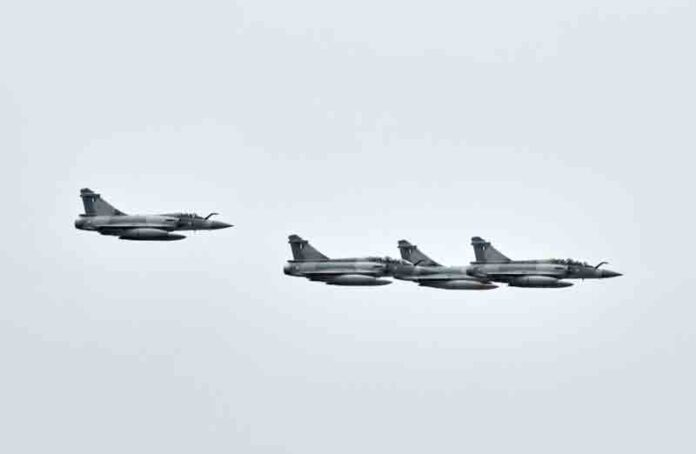
Macron suggests replacing the F-35s with Rafale fighter jets

0

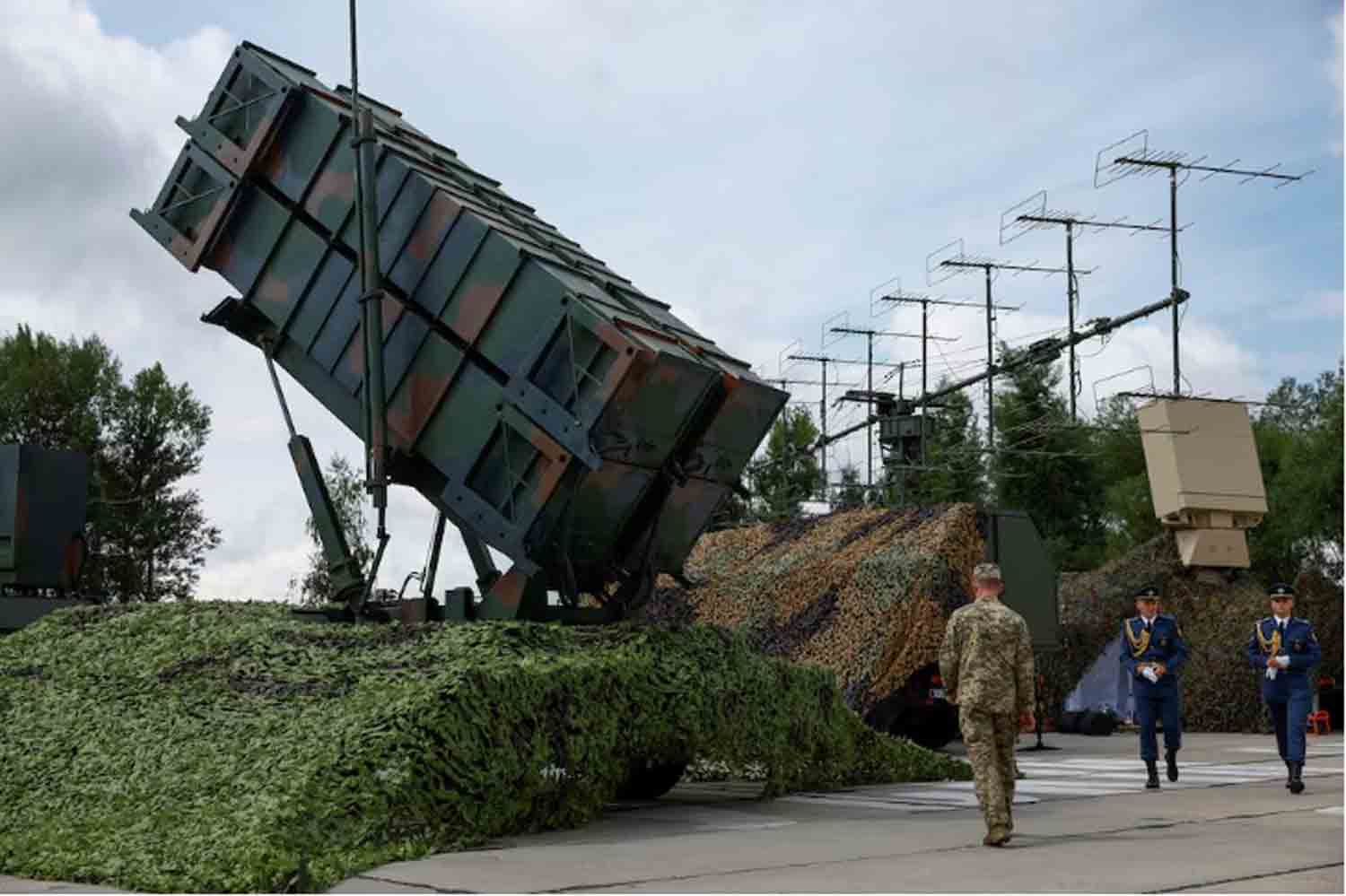
French President Emmanuel Macron has urged European nations to reconsider their dependence on American military equipment. He advocates for the replacement of Lockheed Martin’s F-35 fighter jets with France’s Rafale and suggests substituting the U.S. Patriot air defense system with the Franco-Italian SAMP/T. This appeal was made during an interview published on March 14, 2025, by Le Parisien and Nice-Matin. Speaking from Paris, Macron’s message comes at a time of evolving transatlantic relations, as European countries are increasingly pressured to enhance their own defense capabilities amid uncertainties in U.S. foreign policy following Donald Trump’s return to the presidency in January.

His comments are intended to persuade NATO allies and other European partners to invest in European defense solutions, thereby creating jobs and fostering autonomy while addressing what he perceives as an excessive reliance on American technology, which has been fundamental to the continent’s security for many years.

The timing of Macron’s remarks is closely linked to recent geopolitical developments. With the Trump administration indicating a potential reduction in NATO commitments—mirroring his previous skepticism about the alliance—European leaders are actively discussing ways to fortify their own defense systems.

As a longstanding advocate for European strategic independence, Macron took this opportunity to advance his argument. “We must provide European alternatives to nations accustomed to American equipment,” he stated to the French media, highlighting the Rafale, manufactured by Dassault Aviation, and the SAMP/T, created by Eurosam, a collaboration between France’s Thales and Italy’s MBDA.

He contended that increasing the production of these systems could reduce costs and establish a self-sufficient defense network throughout Europe, less reliant on Washington’s agenda.

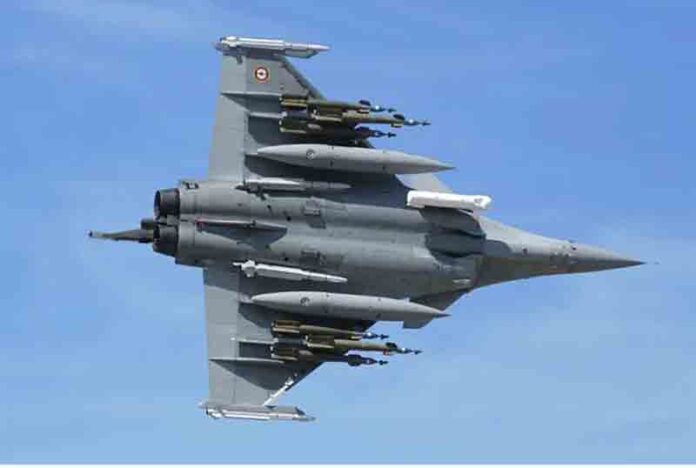
The Rafale, a twin-engine multirole fighter, has served as France’s premier military aircraft since its introduction in 2001. In contrast to the F-35, which prioritizes stealth with its low radar signature, the Rafale is designed for versatility, excelling in air-to-air engagements, ground attacks, and reconnaissance missions. It boasts a maximum speed of Mach 1.8 and a combat radius of approximately 1,000 miles.

President Macron’s proposal comes at a time when several European countries, such as Poland and Finland, have chosen the F-35 in recent years, attracted by its sophisticated sensors and compatibility with NATO operations. For example, Poland finalized a $4.6 billion agreement in 2020 for 32 F-35 aircraft, while Finland placed an order for 64 in 2021, according to records from the U.S. State Department.

France, which has not pursued the F-35, regards the Rafale as a reliable alternative, having delivered over 200 units to its own military and exported them to nations like India and Egypt.

On the other hand, the SAMP/T is a ground-based air defense system designed to intercept missiles and aircraft at distances of up to 75 miles. It features Aster 30 missiles and a radar system capable of tracking multiple targets, positioning it as a competitor to the Patriot system, which has a longer range of up to 100 miles but comes with a higher cost and more complex maintenance requirements.

Ukraine’s effective use of Patriot systems against Russian aircraft, widely reported by sources such as Reuters, has solidified their reputation. However, Macron is advocating for Europe to invest in the SAMP/T instead. France and Italy have already provided one system to Ukraine in 2023, with plans for a second system underway, as reported by the defense news outlet Militarnyi.

Macron aims to enhance the deployment of its defense systems throughout Europe, intending to replace the numerous Patriot missile batteries currently operated by countries such as Germany and the Netherlands.

Responses to Macron’s initiative are mixed across the continent. French Defense Minister Sébastien Lecornu expressed support for the proposal during an interview with France Info Radio, emphasizing that European taxpayer funds should remain within Europe rather than being directed to American companies.

He noted that France is set to acquire an additional 42 Rafale jets in 2025 as part of a €50.5 billion defense budget and is urging Eurosam to optimize the production of the SAMP/T system. However, not all nations share this enthusiasm.

Polish officials, who spoke anonymously to Politico, indicated that their agreement for F-35 jets is firmly established, highlighting the integration with U.S.-led NATO operations as an essential benefit. “We’re not turning back now,” one source remarked, echoing a common perspective among Eastern European countries that are cautious of Russia and depend on American security assurances.

The statistics provide insight into the situation. The F-35 program, overseen by Lockheed Martin, has successfully sold over 900 aircraft globally, with a significant portion of those orders coming from Europe, as reported in the company’s 2024 annual report.

Each F-35 jet is priced at approximately $80 million, but when factoring in maintenance and training, the total lifetime cost can soar to around $1.7 trillion for the U.S. fleet, according to estimates from the Government Accountability Office. In contrast, the Rafale is priced at about $70 million per unit, with Dassault asserting that its simpler design results in lower operating expenses.

In terms of air defense, a Patriot battery is estimated to cost around $1 billion, which includes the missiles, while a SAMP/T system is approximately $600 million, according to industry data referenced by Defense News. Macron’s argument is based on the premise that these savings would increase if more nations participate.

Historical context supports his advocacy. France has consistently resisted U.S. dominance in arms sales, opting out of the F-35 program in the early 2000s to safeguard its aerospace industry. Although the Rafale faced challenges initially, losing contracts to American aircraft in countries like the Netherlands and Switzerland, recent successes—such as Greece’s order for 24 planes in 2021—have strengthened its position.

The SAMP/T has also encountered doubts, with France and Italy being its main users until its deployment in Ukraine demonstrated its effectiveness. Defense analysts on X, including DefenceGeek, have commended its performance, highlighting its interception of a Russian missile in March 2023, a claim corroborated by Ukraine’s Air Force.

Meanwhile, the U.S. response has been cautious yet clear. A State Department spokesperson, as reported by CNN, expressed that while America supports European defense investments, it emphasized that NATO’s strength is rooted in shared systems like the F-35 and Patriot. The official remarked, “Interoperability matters more than ever,” suggesting that a transition to European alternatives could complicate collaborative operations.

Lockheed Martin and Raytheon, the manufacturers of the Patriot system, refrained from commenting directly on Macron’s statements, although both companies have actively lobbied to secure European contracts. A Raytheon briefing to Congress in 2024 highlighted the Patriot’s record of over 240 successful intercepts worldwide, claiming no competitor matches this achievement.

European leaders are divided on the proposal. German Chancellor Olaf Scholz, addressing a security conference in Munich earlier this month, recognized the necessity for increased European production but did not fully endorse Macron’s specific proposal. Germany’s investment in 12 Patriot batteries, some of which are being sent to Ukraine, complicates the situation, as any switch would require retraining personnel and reevaluating logistics.

Italy, a co-developer of the SAMP/T system, is showing increased willingness to engage in discussions. Prime Minister Giorgia Meloni expressed to reporters in Rome her openness to negotiations, particularly if they could lead to job creation in Turin and Milan. Smaller countries, such as Portugal, which recently delayed a decision on the F-35, may represent a significant opportunity for Macron, according to a report from Defense Procurement International.

Analysts recognize the complexities on both sides. Sophia Besch from the Carnegie Endowment remarked in a recent webinar, “Macron raises valid points regarding sovereignty. However, the technological advantages of the F-35 and its compatibility with NATO are formidable.” She pointed out that while the Rafale lacks the stealth capabilities of its American counterpart, Dassault claims to compensate for this deficiency through enhancements in electronic warfare.

Regarding air defense, the SAMP/T’s limited range diminishes its effectiveness against long-range threats, such as Russia’s hypersonic missiles, a concern highlighted by Bronk of RUSI in a piece for Defense One. Nevertheless, Besch noted that financial incentives and political considerations could influence potential buyers if France offers attractive financing options or opportunities for joint production.

Macron is not merely making statements; he is taking action. He has urged Thales and Dassault to streamline processes and reduce costs, a strategy that Lecornu indicated could lead to a 10% reduction in Rafale prices if order volumes increase.

Speculation on X from FrenchDefTech suggested that a new variant of the SAMP/T, hinted at during a Paris air show last year, could enhance its range to 100 miles, thereby narrowing the gap with the Patriot system. Meanwhile, the U.S. is also advancing its capabilities, with Lockheed working on an F-35 Block 4 upgrade featuring improved sensors, expected to be available by 2026, as reported by Aviation Week.

The discussion remains unresolved. Since 2014, Europe has invested over $100 billion in U.S. military equipment, according to SIPRI data, a trend that Macron aims to change. Whether he can persuade enough stakeholders to move away from the F-35 and Patriot in favor of the Rafale and SAMP/T will depend on more than just technical specifications; it will hinge on trust, budgetary constraints, and the level of risk that nations are prepared to assume independently.

UK and EU to intensify pressure on Russia and enhance defense initiatives

0

Britain and the European Union are set to intensify their efforts against Russia and enhance defense initiatives. This comes as the EU’s foreign policy chief, Kaja Kallas, meets with British Foreign Minister David Lammy and Defense Minister John Healey in London on Tuesday.

The discussions aim to align strategies regarding Ukraine and explore ways to increase economic sanctions on Russia, as stated by the UK’s Foreign, Commonwealth and Development Office on Monday.

Additionally, the talks will address the need for stronger measures against hybrid threats, including cyberattacks, election meddling, and widespread Russian disinformation. Kallas and Lammy will also review strategies to enhance European defense spending through innovative initiatives and improve military readiness in support of NATO. Lammy emphasized the importance of strengthening the partnership with the EU to work towards ending the war and ensuring the security of all citizens.

Kallas remarked to reporters in Brussels on Monday that Russia’s conditions for a ceasefire indicate a lack of genuine interest in achieving peace. Earlier that day, U.S. President Donald Trump announced plans to speak with Russia’s Vladimir Putin on Tuesday morning regarding the resolution of the Ukraine conflict. Trump has been seeking Putin’s backing for a 30-day ceasefire proposal that Ukraine accepted the previous week.

Carney of Canada asserts that Trump should avoid comments prior to starting bilateral discussions

0
Former Bank of Canada and Bank of England governor Mark Carney speaks after he won the race to become leader of Canada's ruling Liberal Party and will succeed Justin Trudeau as Prime Minister, in Ottawa, Ontario, Canada.

U.S. President Donald Trump needs to refrain from making “disrespectful” remarks about Canada before meaningful discussions regarding future relations can commence, stated Prime Minister Mark Carney on Monday.

Trump has been threatening significant tariffs on Canadian imports and often suggests the idea of Canada becoming the 51st state of the U.S.

“We have addressed those comments. They are disrespectful, unproductive, and must cease before we can engage in a dialogue about our broader partnership with the United States,” Carney informed reporters in London.

These comments represent Carney’s strongest criticism of Trump since he began his political career in January. Having been sworn in just last Friday, Carney has not yet communicated with Trump, who has not publicly acknowledged his appointment.

Carney emphasized that Canada seeks a more in-depth discussion and negotiation regarding the overall commercial and security relationship between the two nations. “When the United States is prepared to have that conversation, we are fully ready to engage,” he remarked.

In response, Canada has imposed tariffs on a significant amount of U.S. imports. Carney noted that Ottawa would only take measures it believes could influence U.S. actions.

He stated, “This process will be intentional, and there is a definitive limit. We cannot match these tariffs dollar for dollar, especially considering that our economy is only one-tenth the size of that of the United States.”

Canada is reassessing its fighter jet agreement amid concerns about reliance on the United States for national security

0
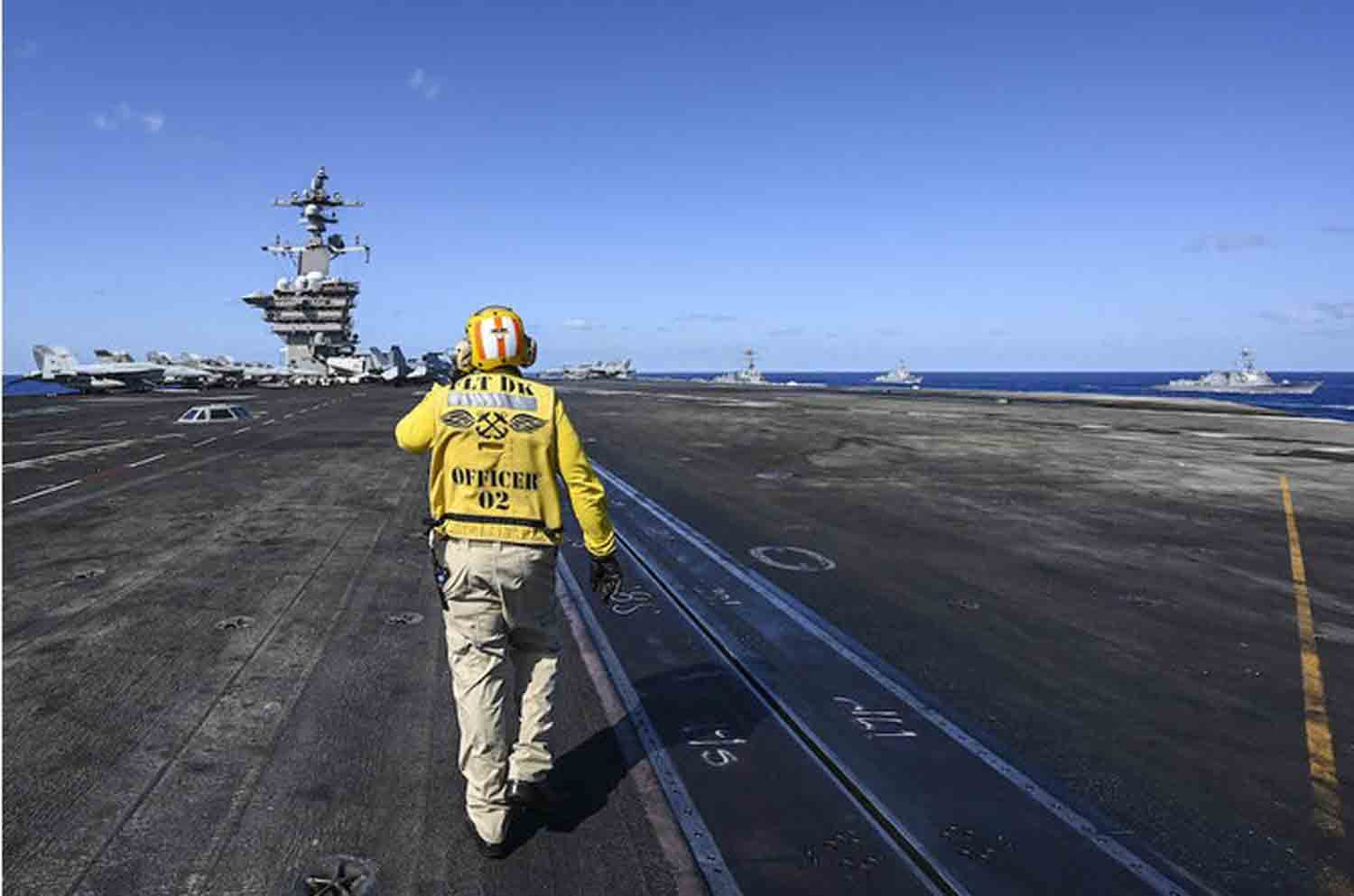
F-35 jet lands on the USS Carl Vinson aircraft carrier during the Rim of the Pacific (RIMPAC) military exercises about 100 miles south of Oahu, Hawaii, U.S.

Canada is exploring potential alternatives to its agreement for purchasing U.S. fighter jets, as Prime Minister Mark Carney expressed concerns about the nation’s heavy reliance on the United States for security. His remarks came shortly after he initiated a review of a C$19-billion ($13.29 billion) contract for 88 F-35 fighter jets from Lockheed Martin, amid ongoing trade tensions with the U.S.

The Canadian defense ministry has stated that the contract is still active, and Ottawa has committed funds for the initial 16 F-35 aircraft. However, Carney emphasized the need for Canada to seek options beyond the U.S. “Our security relationship is overly concentrated on the United States. We need to diversify,” he told reporters during a visit to London, highlighting that approximately 80% of Canada’s defense budget is allocated to American military equipment.

He added, “Considering the importance of obtaining value for money and the potential for significant production of alternative aircraft within Canada, it is wise and beneficial for Canada to explore these options.”

While Carney did not specify any particular companies, Sweden’s Saab, which lost the fighter jet contract to Lockheed Martin, had previously offered to manufacture its aircraft in Canada. Canadian companies also stand to gain from this relationship. Bombardier’s CEO, Eric Martel, expressed concerns that if Canada were to cancel the Lockheed Martin contract, Washington might retaliate by targeting the planemaker’s U.S. contracts.

U.S. President Donald Trump has imposed tariffs on Canada and has suggested the idea of making Canada the 51st state. Philippe Lagasse, a procurement expert at Carleton University, noted that acquiring 16 F-35s and subsequently adding another jet could prove to be costly.

Canada, under pressure from successive U.S. administrations to enhance its defense budget, committed last year to significantly increase funding for its military, aiming to align its expenditures with NATO targets by 2030. Lockheed Martin expressed its appreciation for its relationship with Canada and directed procurement inquiries to the Canadian government. The U.S. Defense Department did not provide a comment when approached.

In a related development, Washington temporarily halted intelligence sharing and arms shipments to Ukraine this month, prompting concerns about the risks associated with over-reliance on U.S. military systems. Canada and its allies depend heavily on the United States for critical support, including target identification, data processing, and the suppression of enemy air defenses. David Perry, a defense analyst and president of the Canadian Global Affairs Institute, noted, “Many are reconsidering the reliability of access to American military technology.”

He added, “All alternatives, aside from maintaining our current plans, appear significantly less favorable.” Canada finalized its F-35 agreement in 2023, anticipating the first aircraft delivery in 2026. Ottawa has consistently extended the operational life of its Boeing CF-18 fighter jets, some of which are over 40 years old, with plans for them to remain in service until 2032, by which time all 88 F-35s are expected to be operational. Carney mentioned that increased defense spending by European nations could create opportunities for Canadian companies.

Trump pledges to hold Iran accountable for the Houthi assaults

0
People gather on the rubble of a house hit by a U.S. strike in Saada, Yemen

On Monday, U.S. President Donald Trump declared that Iran would be held accountable for any assaults conducted by the Houthi group it supports in Yemen, coinciding with his administration’s escalation of the largest U.S. military operation in the Middle East since his return to the presidency.

In response to the Houthi movement’s threats against international shipping, the U.S. initiated a new series of airstrikes on Saturday. According to Houthi-operated Al Masirah TV, the Red Sea port city of Hodeidah and the Al Jawf governorate, located north of the capital Sanaa, were among the targets on Monday.

Trump stated on his Truth Social platform, “From this moment on, every shot fired by the Houthis will be regarded as a shot fired from the weapons and leadership of IRAN, which will be held accountable and face severe consequences!” The White House emphasized that Trump’s warning was intended to convey the seriousness of the U.S. stance to Iran.

The Pentagon reported that it had targeted over 30 locations thus far and would employ overwhelming force against the Houthis until they ceased their attacks. Pentagon spokesperson Sean Parnell clarified that the objective was not to pursue regime change.

Lieutenant General Alex Grynkewich, the director of operations at the Joint Staff, noted that the current campaign against the Houthis differs from the previous one under former President Joe Biden, as it encompasses a wider array of targets, including senior Houthi drone specialists. Grynkewich indicated that dozens of Houthi members were killed in the recent strikes, whereas the Biden administration is not believed to have focused on high-ranking Houthi leaders.

The Houthi-controlled health ministry reported on Sunday that at least 53 individuals had died as a result of the attacks, including five children and two women, with 98 others injured.

The Houthis, an armed faction that has seized control of Yemen’s most densely populated regions despite nearly ten years of Saudi-led airstrikes, have initiated numerous attacks on vessels off the Yemeni coast since November 2023, thereby disrupting international trade.

A U.S. official informed Reuters that these strikes could persist for several weeks. In response, Washington has intensified sanctions against Iran while seeking to engage it in discussions regarding its nuclear program.

Last week, an Emirati official conveyed a letter from President Trump, who assumed office in January, suggesting nuclear negotiations with Tehran. However, this proposal was dismissed by Supreme Leader Ayatollah Ali Khamenei, who labeled it as “deception” from Washington.

On Monday, Iranian foreign ministry spokesperson Esmaeil Baghaei stated that Tehran would reply to the letter “after thorough examination.” The Houthis assert that their attacks, which have compelled shipping companies to divert vessels on longer and costlier routes around southern Africa, are in solidarity with Palestinians amid Israeli strikes on Gaza. The U.S. and its allies view these actions as indiscriminate and a threat to global commerce.

Houthi leader Abdul Malik al-Houthi declared on Sunday that the militants would target U.S. ships in the Red Sea as long as American assaults on Yemen persist. Under al-Houthi’s leadership, the once disorganized group has transformed into a formidable force of tens of thousands of fighters, amassing a stockpile of armed drones and ballistic missiles. Saudi Arabia and Western nations claim these weapons originate from Iran, a charge Tehran denies.

While Iran supports the Houthis, the Houthis reject the notion of being Tehran’s puppets, and experts on Yemen suggest their motivations are primarily rooted in domestic issues.

The military spokesperson for the Houthis claimed in a televised address early Monday, without presenting any evidence, that the group had executed a second assault on the U.S. aircraft carrier USS Harry S. Truman in the Red Sea.

“AXIS OF RESISTANCE”

The Houthis are part of what is referred to as the “Axis of Resistance,” an alliance of regional militias opposing Israel and the West, which also includes the Palestinian militant organization Hamas and Lebanon’s Hezbollah, with support from Iran. Since the Hamas attacks in October 2023, Israel has significantly diminished the strength of many of Iran’s regional allies. Israel has targeted and eliminated key leaders from both Hamas and Hezbollah, and the decline of another Iranian ally, Bashar al-Assad of Syria, has further weakened Tehran’s influence. Nevertheless, the Houthis and pro-Iranian militias in Iraq remain active.

In related violence in the Middle East, an Israeli airstrike reportedly killed three Palestinian men in Rafah, located in the southern Gaza Strip, according to local medical sources. Family members indicated that the three men had ventured out to gather firewood.

Israel’s military, which initiated its Gaza operations following the deadly Hamas-led assaults in October 2023, stated that it had carried out strikes in central Gaza and Rafah targeting “terrorists” who were operating near Israeli forces and attempting to plant explosives.

This ongoing violence highlights the precarious nature of a three-phase ceasefire agreement between Israel and Hamas, facilitated by Qatar, Egypt, and the U.S. There has been no indication of progress in the renewed discussions aimed at maintaining a ceasefire between the two parties.

Last week, the Houthis announced their intention to resume attacks on Israeli vessels navigating the Red Sea unless Israel lifts its blockade on aid entering Gaza. The blockade, which has restricted goods from entering Gaza for 16 days, has exacerbated the humanitarian crisis for the enclave’s 2.3 million residents, the majority of whom have been displaced due to the ongoing conflict. Israel has stated that the blockade is a strategy to exert pressure on Hamas during ceasefire negotiations, affecting essential supplies such as food, medicine, and fuel.

Additionally, Houthi forces have launched drones and missiles targeting Israel. In response, Israel has conducted strikes on various Houthi-related sites in Yemen and has cautioned the militants to cease their attacks, warning that they could face a fate similar to that of Hamas, Hezbollah, and Assad.

Reporting by Idrees Ali, Phil Stewart, Yomna Ehab, Hatem Maher, Ahmed Tolba; with additional contributions from Nidal al-Mughrabi in Cairo; Written by Michael Georgy, Edited by Timothy Heritage and Nia Williams.

Turkish Navy Marks Milestone with Successful Test of Submarine-Launched ATMACA Missile

0
ATMACA Anti-Ship Missile

In a notable achievement for its naval strike capabilities, the Turkish Navy has successfully executed the inaugural test launch of the submarine-launched version of the ATMACA anti-ship missile. This event signifies a substantial leap forward in the nation’s indigenous defense technology.

The successful trial highlights Türkiye’s increasing proficiency in developing and deploying next-generation maritime strike systems, thereby bolstering its strategic deterrence and operational capabilities.

The landmark test launch occurred in the eastern Mediterranean Sea from the Turkish Navy’s Type 209/1400 diesel-electric attack submarine, TCG Preveze (S-353), which has been extensively modernized to incorporate advanced combat and weapon systems.

The submarine-launched ATMACA adds a new facet to Türkiye’s undersea warfare strategy, enabling its submarines to engage enemy surface vessels from extended ranges while preserving acoustic stealth. Unlike traditional torpedo attacks that necessitate submarines to approach their targets closely, this long-range capability allows Turkish submarines to conduct precise strikes from hidden positions, significantly complicating the defensive measures of adversaries.

The successful test was officially announced by Prof. Haluk Görgün, President of the Turkish Defence Industries Secretariat (SSB), through the social media platform X (formerly Twitter), underscoring Türkiye’s advancements toward achieving self-reliance in high-end naval weaponry.

The missile was launched utilizing the advanced Müren Combat Management System (CMS), a state-of-the-art digital battle network aimed at improving situational awareness, targeting precision, and coordination among multiple weapons. The Müren CMS was incorporated into TCG Preveze during its Mid-Life Upgrade (MLU) program, ensuring that Türkiye’s older submarines remain effective against changing maritime threats.

In contrast to its ship-launched version, the submarine-launched ATMACA is housed in a specially designed watertight launch canister, which is crafted to be expelled from the submarine’s 533 mm torpedo tubes. This encapsulation technology allows the missile to endure the significant pressures encountered during deep-sea operations before surfacing to commence its engagement sequence.

Once launched, the capsule propels itself away from the submarine, reducing both acoustic and thermal signatures prior to the missile’s activation and release, thereby facilitating a stealthy, long-range strike against enemy vessels. The ATMACA missile measures between 4.8 and 5.2 meters in length and weighs less than 800 kilograms. It is equipped with a 250-kilogram high-explosive, penetration-type warhead, specifically designed to breach the heavily armored hulls of warships and detonate internally for maximum destructive impact.

ATMACA boasts an impressive range of over 220 kilometers, specifically engineered for stealthy, high-precision attacks on enemy naval forces. The development of the ATMACA anti-ship missile project began in 2009, led by ROKETSAN, which was responsible for creating the missile’s airframe and propulsion system.

In parallel, ASELSAN contributed by designing the sophisticated radio frequency (RF) seeker and precision guidance system, while Kale Arge provided the missile’s high-performance engine. After its inaugural land-based test launch in 2017, ATMACA was successfully launched from a warship for the first time in November 2019, when it was fired from TCG Kınalıada, the fourth Ada-class (MILGEM) corvette of the Turkish Navy, in the Black Sea.

A significant achievement occurred in February 2021, when ATMACA was tested with a live warhead, confirming its operational effectiveness in actual combat scenarios. Presently, ATMACA is the primary anti-ship missile for the Turkish Navy, gradually replacing the long-serving American-made Boeing RGM-84 Harpoon, which has been a cornerstone of Türkiye’s naval strike capabilities for many years. The missile is currently deployed on Ada-class corvettes and is being integrated into the Barbaros-class frigates as part of their mid-life upgrade (MLU) program, ensuring that Türkiye’s naval surface fleet is equipped with state-of-the-art strike capabilities.

The ATMACA anti-ship missile has swiftly attracted global interest, presenting itself as a cost-effective yet highly proficient alternative to Western missile systems like the Harpoon, Exocet, and NSM (Naval Strike Missile).

Indonesia and Malaysia, two significant maritime nations in Southeast Asia, are among the first to export customers, seeking advanced naval capabilities at a reasonable price.

In November 2022, Indonesia finalized a deal to acquire 45 ATMACA missiles, enhancing its naval deterrence amid escalating maritime security challenges in the region. Malaysia has also opted for the ATMACA missile system, intending to incorporate it into its forthcoming three Littoral Mission Ship (LMS) Batch 2 vessels, which are based on the Turkish Ada-class corvette design. This decision is part of Malaysia’s broader naval modernization strategy, focused on strengthening coastal defense and blue-water operations.

The successful development and testing of the submarine-launched ATMACA marks a significant milestone for Türkiye’s defense industry, placing it among a select group of nations capable of producing and deploying advanced submarine-launched missile systems.

As the Turkish Navy enhances its underwater warfare capabilities, the ATMACA will act as a force multiplier, broadening the operational range of Türkiye’s submarine fleet and reinforcing its strategic position in the Mediterranean, Aegean, and Black Sea regions.

The growing global interest in the ATMACA indicates a transformation in naval armament procurement, with non-Western defense manufacturers gaining prominence in the competitive international arena. As Türkiye continues to advance its indigenous defense technology, the ATMACA missile family—now including land, sea, and submarine-launched variants—represents the nation’s increasing defense self-sufficiency and its aspirations to emerge as a global leader in advanced missile systems.

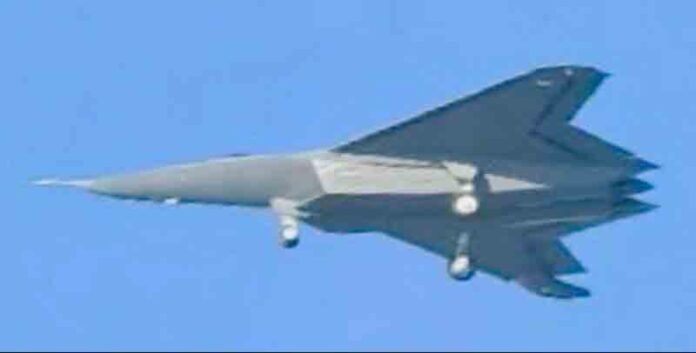
Second test flight of the Chinese J-36 fighter jet documented in a blurry image

0
China's J-36

Reports from military observers indicate that China has successfully conducted a second test flight of its next-generation J-36 fighter jet, a development that continues to attract international attention to Beijing’s evolving military aviation capabilities.

Social media, especially the platform X, has been lively with discussions following the release of a photograph that allegedly depicts this recent flight. In contrast to the clearer images that emerged after the first test, this latest photo is of much lower quality, leading to considerable speculation.

Experts believe that higher-resolution images may be available by the end of the day, potentially providing a more detailed view of the aircraft’s design and features. This event represents another milestone in China’s ambition to position itself as a frontrunner in advanced aerospace technology, although official confirmation from Beijing is still pending.

The inaugural test flight of the J-36 occurred on December 26, 2024, over Chengdu, the capital of Sichuan province, where the Chengdu Aircraft Corporation, thought to be the jet’s manufacturer, is located.

The initial flight garnered significant attention after images and videos circulated online, showcasing a tailless, diamond-shaped aircraft accompanied by a J-20S twin-seat stealth fighter serving as a chase plane. The timing of this event, coinciding with the birthday of Mao Zedong, a pivotal figure in Chinese history, led some analysts to suggest that the date was intentionally chosen for its symbolic significance.

The aircraft, identified with the serial number 36011, has been tentatively referred to as the J-36 by observers, following the naming conventions of the People’s Liberation Army Air Force, although no official designation has been confirmed.

The initial images provided a clear view that enabled analysts to identify unique characteristics, such as the jet’s three-engine layout and its design focused on stealth, igniting discussions regarding its potential function within China’s military strategy.

Information regarding the J-36 remains largely conjectural, as China has yet to disclose any official specifications or statements about the aircraft. However, based on the available imagery and expert evaluations, the jet seems to exhibit traits typical of sixth-generation fighters, a loosely defined category that generally encompasses advanced stealth capabilities, improved sensors, and the capacity to operate alongside unmanned systems.

The aircraft’s tailless, double-delta wing design indicates an emphasis on minimizing radar detection, a feature consistent with contemporary stealth technologies. Analysts have noted its three-engine configuration—comprising two side air intakes and one dorsal intake—as atypical, which may suggest a design tailored for high-speed, long-range missions.

Discussions regarding its propulsion system revolve around the potential use of modified WS-10 or WS-15 engines, although this remains unconfirmed. The jet’s dimensions, estimated to be around 22.5 meters in length with a wingspan of 24 meters, imply it could accommodate a significant payload, possibly including advanced munitions or additional fuel for extended operations.

Some analysts estimate a combat radius of approximately 3,000 kilometers, which would position it as a powerful asset in regional conflicts, especially in the Indo-Pacific region. However, in the absence of official information, these estimates are educated assumptions based on visual analysis and comparisons with existing aircraft.

The role of the J-36 remains a topic of debate. Its design has sparked various interpretations; some analysts propose it may act as an air superiority fighter, capable of engaging enemy aircraft, while others believe it could serve as a multirole platform or even a regional bomber, similar to the speculated JH-XX concept.

The aircraft’s spacious fuselage is likely to accommodate substantial internal weaponry, which enhances its stealth capabilities by reducing external features. Additionally, experts have pointed out the potential inclusion of advanced avionics, such as side-looking radar or electro-optical sensors, which would improve its situational awareness during combat.

The absence of vertical stabilizers, substituted with control surfaces like split flap rudders, suggests a sophisticated flight control system aimed at ensuring stability. While some have classified it as a sixth-generation fighter, others warn that this designation may be premature due to the lack of established criteria and the uncertainty regarding its complete capabilities.

In response to the J-36’s inaugural flight, the United States adopted a cautious yet observant approach. Senior officials at the Pentagon acknowledged the milestone, referencing a recent annual report on Chinese military capabilities that was published shortly before the test.

The report underscored China’s expanding capabilities in aviation, highlighting that the People’s Liberation Army Air Force possesses the largest aerial fleet in the Indo-Pacific, comprising over 3,150 aircraft, including around 2,400 combat jets.

Secretary of the Air Force Frank Kendall commented on this development, indicating that while China’s advancements were expected, they did not immediately change the direction of U.S. military programs. He pointed out that the Next Generation Air Dominance (NGAD) initiative is still under evaluation, a process that commenced earlier in 2024 due to budget limitations and evolving technological priorities.

Bryan Clark, a senior fellow at the Hudson Institute, provided an alternative viewpoint, suggesting that the J-36 could represent a significant threat to U.S. air superiority if its stealth and payload capabilities are as advanced as anticipated. The Pentagon’s response highlighted a growing acknowledgment of China as a pacing challenge, especially amid escalating tensions regarding Taiwan and the South China Sea.

When comparing the J-36 to other next-generation fighter initiatives, it becomes clear that the global landscape is intricate. The U.S. NGAD program, designed to replace the F-22 Raptor, has made progress, with a prototype reportedly taking flight in September 2020, although specific details remain classified.

This initiative seeks to incorporate artificial intelligence, advanced stealth technology, and networked operations with unmanned drones. However, its substantial cost—estimated at nearly $250 million per aircraft—has led to a reassessment pause. Air Force officials have suggested a pivot towards integrating existing platforms like the F-35 and F-15EX with new technologies, such as Collaborative Combat Aircraft, to achieve air superiority in a more cost-effective manner.

The U.S. Navy’s F/A-XX program, aimed at succeeding the F/A-18E/F Super Hornet, is advancing with an emphasis on modularity and compatibility with current engine technologies, with plans for deployment in the 2030s. Both this initiative and others exhibit a measured strategy that balances innovation with financial and operational constraints.

In Europe, the Future Combat Air System (FCAS) brings together France, Germany, and Spain in a joint venture to create a sixth-generation fighter, referred to as the Next-Generation Fighter. This initiative prioritizes stealth, versatility, and integration with unmanned systems, with an anticipated entry into service in the 2040s.

Similarly, the Global Combat Air Programme, which includes the United Kingdom, Italy, and Japan, is progressing with the Tempest project, which aims for advanced networking capabilities and optional unmanned operations, targeting operational readiness in the 2030s. Meanwhile, Russia’s PAK DP, designed to replace the MiG-31 interceptor, is under development, although doubts about its timeline persist due to previous delays in projects like the Su-57.

These ambitious programs encounter challenges related to cost-sharing, technological obstacles, and geopolitical collaboration, contrasting sharply with China’s more centralized approach to the J-36.

China’s initiative seems to have exceeded expectations, as evidenced by the J-36’s second test flight occurring just months after its initial flight, a timeline that surprised analysts who anticipated a first flight closer to 2028. This swift advancement indicates substantial preparatory work, potentially including earlier, unreported tests.

The opacity of Beijing’s operations contributes to uncertainty, yet the public nature of the test flights—conducted during the day and near populated regions—suggests a strategic showcase of capabilities. In contrast, the U.S. NGAD demonstrator flights have been conducted under a veil of secrecy, with no images released, highlighting differing approaches to managing public perception and development processes.

The introduction of the J-36 has sparked discussions regarding its ability to alter regional power structures, especially when considered alongside China’s expanding drone and missile technologies.

Throughout the day, defense analysts are eager for more detailed visuals of the J-36’s recent flight, which may enhance insights into its design and intended function. The evolution of this aircraft is expected to shape international military aviation strategies, leading countries to reevaluate their own defense initiatives.

At this stage, the J-36 stands as a testament to China’s technological aspirations, with its overall influence still unclear as testing progresses and additional information becomes available.

Russian satellites conduct drills for offensive and defensive maneuvers in low Earth orbit

0
Russian satellites rehearse attack and defense in low orbit.

The U.S. Department of Defense has disclosed that several Russian satellites recently conducted maneuvers characterized as practicing “attack and defense” strategies in space, as reported by CNN.

These activities, noted by American military officials last week, involved synchronized movements of Russian spacecraft in low Earth orbit, situated about 500 miles above the Earth’s surface.

A spokesperson from the Pentagon indicated that the satellites seemed to be preparing for scenarios that could improve their operational effectiveness in a potential conflict, including the capability to encircle and isolate another satellite.

The operations focused on three Russian satellites designated as Cosmos 2581, 2582, and 2583, which were launched from the Plesetsk Cosmodrome in northern Russia on February 14, 2025, using a Soyuz-2.1v rocket.

These maneuvers have raised renewed concerns regarding the militarization of space, prompting U.S. officials to closely monitor the situation as part of their ongoing efforts to protect American orbital assets.

The Pentagon’s observations suggest a complex operation. A U.S. defense official explained to CNN that “multiple Russian satellites collaborated to surround and isolate another satellite, demonstrating their ability to target adversarial spacecraft in a future conflict.” Although the targeted satellite was not identified as American, the potential implications of such tactics are significant for military strategists.

Astronomer Jonathan McDowell, a noted expert in space tracking, proposed that the Pentagon’s description likely pertains to the Cosmos 2581-82-83 group. Data from the Orbital Focus website, which aggregates publicly accessible orbital information, indicates that Cosmos 2583 made a slight trajectory adjustment last week, which McDowell interpreted as a possible engine test.

This adjustment coincided with what the Pentagon referred to as proximity operations between Cosmos 2581 and 2582, suggesting a coordinated effort among the three satellites.

These maneuvers are not a recent development in Russia’s space endeavors. Towards the end of the previous decade, U.S. officials expressed concerns regarding Russian “inspector satellites,” which are designed to approach and scrutinize other satellites, whether they belong to Russia or other nations. In 2019, Cosmos 2542 tracked a U.S. spy satellite, USA 245, leading then-Chief of Space Operations General John “Jay” Raymond to describe the incident as “unusual and disturbing.”

The ability to maneuver closely to another satellite implies potential applications beyond mere inspection, such as intelligence collection or even the incapacitation of a target. The Pentagon’s recent statement builds on this context, interpreting the latest actions as a move towards enhancing combat-oriented strategies in space, although no direct hostile actions were reported in this case.

From a military standpoint, the significance of such maneuvers is considerable. Retired U.S. Air Force Colonel Cedric Leighton, a defense analyst, noted that rehearsing offensive and defensive tactics in space serves various objectives. “It’s about establishing dominance in the orbital domain,” he stated in an interview.

“By neutralizing an adversary’s satellites—whether for communications, reconnaissance, or navigation—you hinder their ability to coordinate ground forces.” Satellites are crucial to modern warfare, providing real-time information on everything from troop movements to missile targeting. Disabling even a few could severely impair a military’s effectiveness, making it susceptible to errors.

The capability to surround a satellite, as indicated by the Pentagon, may also reflect Russia’s intention to develop countermeasures against anti-satellite weapons, ensuring that its own assets remain functional in a contested space environment.

The advantages of these tactics reach beyond immediate combat situations. Operations in space can significantly influence outcomes on Earth, albeit indirectly. For instance, GPS satellites are essential for guiding precision munitions, while reconnaissance platforms deliver critical imagery.

Victoria Samson, director of the Secure World Foundation’s Washington office, stated, “When Russia poses a threat to these capabilities, it compels adversaries to reassess their strategies.” She emphasized that such actions could deter hostile behavior by presenting a credible counter-space threat, which may help stabilize conflicts before they escalate.

On the other hand, a successful strike on a satellite could undermine an adversary’s command and control systems, leading to delayed responses and increased confusion—factors that could be crucial in a rapidly evolving ground conflict.

The Cosmos 2581, 2582, and 2583 satellites constitute a group with limited publicly available information, characteristic of Russian military operations. Launched from Plesetsk, located 500 miles north of Moscow, they were placed into orbit using a Soyuz-2.1v, a lightweight and reliable variant of the Soyuz series.

While the Russian Ministry of Defense has not revealed their specific functions, their designations imply a military intent, adhering to the Cosmos naming convention established during the Soviet period. Orbital data monitored by amateur astronomers and shared on platforms like X indicates that they are operating in a near-polar orbit at an altitude of approximately 500 miles, a typical position for reconnaissance and inspection activities.

Analysis by McDowell, supported by Orbital Focus, indicates that Cosmos 2583 made a positional adjustment of several kilometers last week, a subtle yet intentional maneuver.

Speculation regarding their design is informed by previous Russian inspector satellites. Reports suggest that Cosmos 2581 and 2582 were involved in proximity operations from late February to mid-March, maintaining close distances—sometimes within a few miles—before overtaking Cosmos 2583 at a higher relative speed.

This behavior corresponds with what experts refer to as rendezvous and proximity operations (RPO), a technique that necessitates precise propulsion and navigation systems. Brian Weeden, a space policy expert at the Secure World Foundation, noted, “These satellites likely possess small thrusters for precise maneuvers.”

He noted that their payloads might consist of high-resolution cameras for imaging or electronic sensors for signal detection, although there has been no official confirmation from Russia regarding this. Their compact size—estimated to be under a ton each—improves their maneuverability, making them more difficult to track and counter.

The coordinated actions of the trio indicate a certain level of sophistication. Posts on X by satellite tracker Michael Thompson, who has monitored similar Russian operations, reveal that Cosmos 2581 and 2582 maintained a close formation while approaching Cosmos 2583, a tactic that could mimic the isolation of a target.

It remains uncertain whether Cosmos 2583 served as a proxy for a foreign satellite, but the Pentagon’s description suggests it may have been a practice for such a situation. Unlike larger spacecraft, these satellites do not possess the mass necessary for kinetic impacts; however, they could utilize jamming devices or low-power lasers to interfere with a target’s optics or communications, as noted by Weeden.

Russia’s history with “nesting doll” satellites—where one satellite releases another, as demonstrated by Cosmos 2542 and 2543 in 2019—adds to the speculation about their capabilities, although no such deployment has been reported in this instance.

This initiative is not exclusive to Russia. The United States has also engaged in similar orbital maneuvers, often with less publicity. In 2020, the U.S. Space Force’s X-37B, a covert reusable spaceplane, deployed small satellites during its fifth mission, an action that some analysts viewed as a test of rendezvous and proximity operations (RPO) capabilities.

The specific objectives of the mission remain undisclosed; however, the Pentagon has confirmed that it involved experimental payloads. In 2005, the U.S. launched the XSS-11, a microsatellite intended to approach and inspect other spacecraft, showcasing technology similar to that of Russia’s inspection capabilities. Todd Harrison, an aerospace analyst at the Center for Strategic and International Studies, remarked, “Both nations are playing the same game.”

He noted that the U.S. operates satellites such as the Geosynchronous Space Situational Awareness Program (GSSAP), which tracks other spacecraft in high orbits, mirroring the role of Russia’s Cosmos series.

Other countries have also joined this competitive field. For instance, China’s SJ-17 satellite, launched in 2016, executed complex maneuvers near another satellite, raising concerns among Western analysts who speculated it might serve as an anti-satellite system.

In 2018, France accused Russia’s Olymp-K of coming too close to a Franco-Italian communications satellite, leading then-Defense Minister Florence Parly to label it an act of espionage.

These events highlight a larger trend: major powers are refining their capabilities to navigate space, motivated by an increasing dependence on satellites for both military and civilian applications. The key distinction lies in transparency; while Russia’s activities often face criticism for their lack of clarity, U.S. and allied initiatives typically remain confidential until they are officially declassified.

The recent statements from the Pentagon align with a long-standing trend of increasing tensions in space. In 2021, Russia demonstrated its capabilities by destroying its own Cosmos 1408 satellite using a ground-based missile, which resulted in the creation of over 1,500 debris fragments and drew widespread international criticism for jeopardizing the safety of the International Space Station.

In response, the United States expedited its Space Command initiatives, with General Dickinson, the then-leader of SPACECOM, labeling Russia’s actions as “irresponsible.” While the maneuvers of Cosmos 2581-82-83 may not exhibit the same level of destruction, they represent a more nuanced threat, emphasizing precision over sheer force. Samson remarked that this reflects a display of control, indicating that Russia seeks to convey its capabilities without resorting to overtly aggressive actions.

As these developments progress, their consequences extend further. According to a 2023 Department of Defense report, the U.S. military depends on more than 160 satellites for various functions, including weather monitoring and missile defense.

Russia’s capacity to simulate attacks in orbit may compel American strategists to enhance the protection of these assets, potentially through redundancy or defensive measures such as the proposed “guardian satellites.”

Currently, the actions of the Cosmos trio serve as a case study, with their true intentions remaining unclear due to Moscow’s lack of communication. The Pentagon is actively monitoring their movements, cautious about what future actions may disclose regarding Russia’s ambitions in space.

Trump says he and Putin will discuss power plants, land in talks to end Ukraine war

0
Russia's President Vladimir Putin and U.S. President Donald Trump shake hands during a bilateral meeting at the G20 leaders summit in Osaka, Japan.

U.S. President Donald Trump announced that he plans to discuss the resolution of the Ukraine conflict with Russia’s Vladimir Putin on Tuesday, with potential territorial concessions from Kyiv and the management of the Zaporizhzhia nuclear power plant expected to be key topics.

“We aim to see if we can bring this war to a conclusion,” Trump stated to reporters aboard Air Force One while traveling from Florida to the Washington area. “There’s a possibility we can achieve this, and I believe we have a strong chance.”

“I will be in conversation with President Putin on Tuesday. Significant progress has been made over the weekend,” he added.

Trump is seeking Putin’s backing for a 30-day ceasefire proposal that Ukraine accepted the previous week, even as both sides engaged in intense aerial bombardments early Monday, and Russia appeared to be advancing towards dislodging Ukrainian forces from their established position in the western Russian region of Kursk.

When asked about the concessions being discussed in the ceasefire talks, Trump replied, “We will discuss land. We will discuss power plants… We are already in talks about dividing certain assets.”

While he did not provide specifics, it is likely he was referencing the Zaporizhzhia facility, the largest nuclear power plant in Europe, which is currently under Russian occupation. Both Russia and Ukraine have accused each other of endangering the plant’s safety through their military actions.

Kremlin spokesperson Dmitry Peskov confirmed on Monday that Putin would have a phone conversation with Trump but refrained from commenting on Trump’s statements regarding land and power plants.

The Kremlin indicated on Friday that Putin had communicated with Trump about the ceasefire proposal through U.S. envoy Steve Witkoff, who had discussions in Moscow, expressing “cautious optimism” about the possibility of reaching an agreement to end the three-year conflict.

In separate appearances on U.S. television shows on Sunday, Witkoff, Secretary of State Marco Rubio, and Trump’s National Security Adviser, Mike Waltz, highlighted that significant obstacles remain before Russia would agree to a ceasefire, let alone a comprehensive peace settlement to the war.

When asked on ABC if the U.S. would consider a peace agreement allowing Russia to retain the Ukrainian territory it has occupied, Waltz responded, “We must evaluate whether this aligns with our national interests and if it is a feasible option. Are we prepared to remove every Russian presence from Ukrainian land?”

He emphasized the importance of discussing not only moral considerations but also the practical realities on the ground, warning that failing to reach compromises on territorial and other issues could lead to “endless warfare” or even a potential World War Three.

‘IRONCLAD’ GUARANTEES

Ukrainian President Volodymyr Zelenskiy expressed optimism about the possibility of ending the conflict after Kyiv agreed to a U.S. proposal for a 30-day temporary ceasefire. Nevertheless, Zelenskiy has firmly maintained that his country’s sovereignty is non-negotiable and that Russia must withdraw from the territories it has occupied. Since seizing Crimea in 2014, Russia has also taken control of significant portions of four eastern Ukrainian regions following its invasion in 2022.

Zelenskiy has not publicly addressed Waltz’s comments. Meanwhile, Russian Deputy Foreign Minister Alexander Grushko stated in an interview with the Russian media outlet Izvestia that Russia will demand “ironclad” guarantees in any peace agreement, specifically that NATO countries exclude Ukraine from membership and that Ukraine remain neutral. Grushko’s remarks, published on Monday, did not mention the ceasefire proposal.

President Putin claims that his actions in Ukraine are intended to safeguard Russia’s national security against what he describes as a threatening and aggressive West, particularly in light of NATO’s expansion eastward. Conversely, Ukraine and its Western allies assert that Russia is conducting an unprovoked war of aggression and engaging in an imperialistic land grab.

Moscow has insisted that Ukraine abandon its aspirations for NATO membership, that Russia retain control over all territories it has seized in Ukraine, and that the size of the Ukrainian military be restricted. Additionally, Russia seeks a reduction in Western sanctions and the holding of a presidential election in Ukraine, which Kyiv argues is premature given the current martial law situation.

Kaja Kallas, the European Union’s foreign policy chief, stated on Monday that the conditions set by Russia for a ceasefire indicate that Moscow is not genuinely interested in achieving peace.

Finland’s Foreign Minister Elina Valtonen emphasized that the responsibility for making concessions lies with Russia, as the aggressor, rather than Ukraine, to avoid undermining international law.

British Prime Minister Keir Starmer mentioned on Monday that a “significant number” of countries, including Britain and France, are prepared to deploy peacekeeping forces to Ukraine if a peace agreement with Russia is reached. Defence leaders are scheduled to meet this week to finalize these plans.

Russia has dismissed the idea of peacekeepers being deployed until the conflict concludes. Grushko from Russia stated, “If they are present, it implies their involvement in the conflict zone, which would have implications for these forces as participants in the conflict.” He added, “We can discuss unarmed observers or a civilian mission to oversee specific aspects of the agreement, but for now, it remains mere rhetoric.”

India’s ASTRA BVRAAM Exhibits Deadly Accuracy in Recent Testing

0
Tejas Light Combat Aircraft launched the ASTRA Beyond Visual Range Air-to-Air Missile (BVRAAM) during a trial conducted recently.

In a notable advancement towards achieving self-sufficiency in cutting-edge defense technology, India has successfully executed a test launch of its homegrown ASTRA Beyond Visual Range Air-to-Air Missile (BVRAAM) from the Tejas LCA AF MK1 light combat aircraft. This indigenous missile, engineered to target aerial threats at long ranges, is positioned as a superior option compared to Russia’s R-77 (RVV-AE), which is currently the primary air-to-air missile for India’s Sukhoi Su-30MKI fleet.

Conducted on March 12, 2025, at a test range off the coast of Chandipur, Odisha, this latest test signifies a pivotal achievement in the operational integration of the ASTRA BVRAAM into India’s frontline fighter aircraft.

The successful launch represents a significant leap in India’s indigenous missile capabilities, reinforcing the nation’s role as a prominent player in the global defense and aerospace industry. The Indian Ministry of Defence (MoD) stated, “This successful trial marks an important milestone in enhancing the missile’s integration with the Tejas LCA AF MK1A variant. Further tests are scheduled to assess its performance comprehensively.”

During the live-fire exercise, the missile effectively intercepted and destroyed an aerial target, showcasing remarkable accuracy, reliability, and readiness for mission deployment. All subsystems operated without issues, adhering to rigorous operational standards and confirming the missile’s readiness for full-scale combat deployment.

Developed by the Defence Research and Development Organisation (DRDO), the ASTRA BVRAAM represents a significant advancement in India’s air superiority strategy, equipping the Tejas MK1 and its upgraded MK1A variant with beyond visual range (BVR) strike capabilities that surpass 100 km.

The ASTRA initiative is a crucial element of India’s comprehensive effort to achieve self-reliance in defense manufacturing, in line with the government’s ‘Make in India’ campaign aimed at decreasing dependence on foreign weaponry.

Additionally, the missile is being integrated into India’s Su-30MKI fighter jets, which are essential to the Indian Air Force (IAF), as well as the MiG-29K fleet of the Indian Navy, ensuring that India’s indigenous air combat capabilities remain at the forefront of technology.

The strategic importance of the ASTRA program goes beyond national defense, as India aims to establish itself as a global provider of high-performance air-to-air missile systems.

The ASTRA BVRAAM is designed with advanced guidance and navigation technologies, significantly boosting its effectiveness in complex aerial combat scenarios.

Measuring 3.8 meters in length and weighing 154 kg at launch, it is propelled by a solid-fuel rocket motor for rapid interception.

The missile is equipped with a 15 kg high-explosive warhead, triggered by a proximity fuse, and employs inertial navigation, mid-course updates, and terminal active radar homing to achieve precise targeting against fast-moving aerial threats.

The missile is equipped with sophisticated onboard radar seekers and electronic counter-countermeasures (ECCM) systems, enabling it to overcome enemy jamming and deception tactics, thereby enhancing its combat effectiveness.

The ASTRA BVRAAM is developing into a multi-tier missile family, with each version aimed at broadening India’s operational capabilities and combat flexibility:

ASTRA Mk-1 – Currently operational, boasting a range of over 110 km.
ASTRA Mk-2 – In the testing phase, featuring an increased range of 160 km.
ASTRA Mk-3 – In development, aiming for an impressive range of 350 km, positioning it among the leading long-range air-to-air missiles globally.

With the Mk-3 variant, India seeks to close the capability gap with Western and Chinese beyond-visual-range (BVR) missile systems, such as the MBDA Meteor and the PL-15.

The Tejas LCA AF MK1A, now in mass production, marks a significant enhancement over its predecessor, incorporating cutting-edge avionics and combat systems, including:
The Tejas LCA AF MK1A features the Elta Systems EL/M-2052 AESA radar, an electronic warfare (EW) suite for improved survivability, and an air-to-air refueling probe to extend its combat range and mission duration.

Hindustan Aeronautics Limited (HAL) is actively manufacturing 83 units of the Tejas MK1A, which will augment the Indian Air Force’s existing Tejas MK1 squadrons, ensuring that India maintains a credible, domestically produced fighter fleet capable of addressing contemporary aerial threats.

India is actively promoting the ASTRA BVRAAM to international markets, particularly targeting operators of the Su-30 fighter aircraft. With successful integration and testing on the Su-30MKI, the ASTRA missile offers an attractive option for countries in search of an advanced and cost-effective beyond-visual-range missile solution.

Potential buyers include nations in Southeast Asia and other regions, specifically:

– Malaysia
– Indonesia
– Vietnam
– Myanmar

These countries operate various Sukhoi Su-30 models, making them prime candidates for India’s export strategy with the ASTRA missile. Additionally, India is reaching out to air forces in the Middle East and Africa, which are looking to modernize their air-to-air weaponry for both legacy and next-generation fighter aircraft.

As India strengthens its presence in the global defense sector, the ASTRA BVRAAM program represents New Delhi’s rise as a credible exporter of high-tech weaponry. By providing a cost-effective and high-performance alternative to Western and Russian missile systems, India is strategically aligning itself with leading nations in air-to-air combat technology.

With ongoing investments in domestic research, development, and production, India is set to transform the global air warfare landscape, establishing new standards in missile innovation, operational effectiveness, and export potential. The successful testing of the ASTRA BVRAAM signifies more than just a technical milestone; it marks the beginning of a new era of dominance in India’s air combat capabilities.

Modi expressed a sincere hope for wisdom to guide Pakistan’s decisions towards peace

0
Indian Prime Minister Narendra Modi attends the narrow format meeting of the BRICS summit in Kazan.

Indian Prime Minister Narendra Modi expressed that U.S. President Donald Trump appears to be “far more prepared” for his second term, equipped with a definitive strategy, during a podcast interview conducted weeks before the implementation of reciprocal tariffs by the United States.

India is among the countries that will be affected by these tariffs starting in April, which could pose challenges for its exporters across various sectors, including automobiles and agriculture.

Following a meeting between Modi and Trump last month, both nations committed to addressing tariff disputes and collaborating on the initial phase of a trade agreement by the fall of 2025, with the goal of achieving bilateral trade of $500 billion by 2030.

“This time, he seems far more prepared than before,” Modi remarked in a podcast with American computer scientist and podcaster Lex Fridman, which was released on Sunday, referring to Trump’s second term that commenced in January. “He has a clear roadmap in his mind with well-defined steps, each designed to guide him toward his objectives,” he added.

In the extensive three-hour discussion, Modi covered a range of topics, including diplomacy, artificial intelligence, and his early life, which Fridman described as one of the most “powerful” conversations he has experienced. Modi commended Trump for his graciousness and humility, highlighting the strong rapport between the two leaders. “His (Trump’s) reflections embody his ‘America First’ ethos, just as I advocate for ‘India First.’ This shared perspective is why we connect so well,” Modi stated.

INDIA’S NEIGHBORS

India’s relationship with China saw significant improvement last year, following the establishment of a key agreement aimed at reducing military tensions along their Himalayan border. This development came after discussions between Prime Minister Modi and Chinese President Xi Jinping in Russia.

“Trust, enthusiasm, and energy will gradually return,” Modi remarked during a podcast, as both nations strive to restore their relationship to its pre-2020 state, prior to a military confrontation at the border. “However, this process will require time, given the five-year gap,” he noted, emphasizing that both countries aim to ensure their differences do not escalate into conflicts.

Regarding relations with its long-time rival Pakistan, Modi expressed optimism for a peaceful coexistence. “Every sincere effort to promote peace has been met with hostility and betrayal,” he stated, adding, “We genuinely hope that wisdom prevails and they opt for the path of peace.” The foreign ministries of both China and Pakistan did not respond to requests for comments from Reuters.

Trump plans to speak with Putin on Tuesday to discuss resolving the Ukraine conflict

0
President Donald Trump and President Vladimir Putin.

U.S. President Donald Trump announced his intention to speak with Russian President Vladimir Putin on Tuesday to discuss the possibility of ending the war in Ukraine, following constructive discussions between U.S. and Russian officials in Moscow.

“I’ll be speaking to President Putin on Tuesday. A lot of progress has been made over the weekend,” Trump informed reporters aboard Air Force One during a late return flight from Florida to the Washington area.

“We aim to see if we can bring this conflict to a close. It’s uncertain whether we will succeed, but I believe we have a strong chance,” Trump stated.

Trump is seeking Putin’s backing for a 30-day ceasefire proposal that Ukraine accepted last week, even as both sides continued to engage in significant aerial strikes over the weekend, with Russia advancing towards displacing Ukrainian forces from their established position in the western Russian region of Kursk.

When questioned about potential concessions in the ceasefire discussions, Trump replied, “We’ll be discussing land and power plants.” He added, “I think a lot of these topics have already been extensively discussed by both Ukraine and Russia. We are already in talks about dividing certain assets.”

Trump noted that considerable work had been accomplished on this matter over the weekend, which he spent at his residence in Florida. He arrived back at Joint Base Andrews, near Washington, in the early hours of Monday and subsequently returned to the White House.

Having altered U.S. policy to align more closely with Moscow, Trump has characterized Ukraine as more challenging to negotiate with than Russia. He previously had a contentious meeting with Ukrainian President Volodymyr Zelenskiy last month, which concluded with Zelenskiy leaving the White House prematurely.

However, Ukraine’s acceptance of the proposed ceasefire places pressure on Russia to comply with Trump’s requests and will test the U.S. president’s more favorable perspective of Putin, who initiated the invasion of Ukraine three years ago.

Turkish-manufactured Kirpi-II armored vehicle seized by Russian forces

0
Turkish-made Kirpi-II armored vehicle captured by Russians

Russian forces have seized a Turkish-made Kirpi-II armored vehicle in the Kursk region following the withdrawal of Ukrainian troops from the city of Sudzha.

This retreat was prompted by Russian assaults that disrupted vital supply lines and destroyed bridges on key routes to the city, complicating the evacuation of some Ukrainian equipment.

On March 17, Ukrainian officials confirmed their loss of control over Sudzha but emphasized that Ukrainian forces were not encircled, aiming to clarify conflicting reports about their operational status in the area.

It was previously understood that Ukraine had only received the initial version of the Kirpi Mine-Resistant Ambush Protected (MRAP) vehicles from Turkey. However, recent reports indicate that Turkey has supplied Ukraine with approximately 500 units of the first-generation Kirpi-I and an additional 180 units of the more advanced Kirpi-II model.

The Kirpi-II is an upgraded version that offers enhanced protection, improved maneuverability, and advanced technological features designed to boost survivability in combat. It is characterized by its monocoque armored cabin, which includes specialized armored windshields, shock-absorbing seats, a weapon station, and an emergency exit hatch. The vehicle is powered by an 8.9-liter, 375hp Cummins ISL9E3 turbo diesel engine and can transport 13 personnel, including a three-member crew (driver, commander, and gunner).

Weighing 19,050 kg when empty and 20,825 kg in combat configuration, the Kirpi-II complies with STANAG 4569 level 4 mine protection and level 3 ballistic protection standards, enhanced by a spall liner. It can traverse water up to 80 cm deep (with an optional upgrade to 120 cm), manage 30° side slopes and 60% gradients, and measures 7.375 m in length, 2.865 m in width, and 3.81 m in height, achieving a maximum speed of 100 km/h and a range of 750 km.

NATO ‘peacekeepers’ in Ukraine mean war – Medvedev

0
Dmitry Medvedev, deputy chairman of Russia’s National Security Council

The potential deployment of “peacekeepers” from NATO countries to Ukraine could provoke a full-scale conflict between the military alliance and Moscow, former Russian President Dmitry Medvedev has cautioned.

Recently, discussions regarding such a mission have intensified among the leaders of the UK and France.

In a post on X this past Sunday, Medvedev, who is currently the deputy chair of Russia’s Security Council, accused French President Emmanuel Macron and British Prime Minister Keir Starmer of feigning ignorance.

“They have been repeatedly informed that peacekeepers should come from non-NATO nations. Instead, they insist on sending tens of thousands of troops—let’s be clear—you wish to provide military assistance to the neo-Nazis in Kiev,” Medvedev asserted.

“This would mean war with NATO. Consult with [US President Donald] Trump, you scoundrels,” he added.

Russian Foreign Minister Sergey Lavrov has previously stated that the presence of NATO troops in Ukraine, even under the pretext of peacekeeping, would represent the “direct, official, and overt involvement of NATO countries in the conflict against Russia.”

Earlier this month, Starmer declared that the UK and France were prepared to spearhead a “coalition of the willing” to offer military assistance to Kiev, which includes the deployment of troops and aircraft. Following an emergency summit in London, he remarked that “not every nation will feel able to contribute, but that cannot mean we remain passive. Instead, those willing will urgently ramp up planning.”

“The UK is ready to support this with ground troops and air support, alongside others,” Starmer further emphasized.

Macron stated that Western forces would only be deployed to Ukraine when the conditions on the ground are deemed safe for their presence.

Italian Prime Minister Giorgia Meloni, who participated in the meeting alongside other leaders, emphasized that the deployment of Italian troops to Ukraine has never been part of the discussion.

In contrast, former Canadian Prime Minister Justin Trudeau mentioned that Ottawa is exploring all available options and has not dismissed the possibility of sending troops to Ukraine.

Earlier this month, Starmer reiterated his willingness to send British military personnel to the conflict area, noting that this would depend on obtaining support from the United States.

On Monday, Danish Foreign Minister Lars Lokke Rasmussen informed DR radio that Denmark is, in principle, prepared to contribute if a European presence becomes necessary for achieving a ceasefire or peace agreement.

Regarding the potential arrival of NATO troops in Ukraine, Kremlin spokesman Dmitry Peskov remarked last month that such a scenario would be “completely unacceptable” to Russia, highlighting the implications it would have for the country’s national security.

Pakistan Navy Unveils Second Hangor-Class Submarine in China

0
Hangor-class Submarines are equipped with Babur-lll (Hatf-VII) Nuclear Cruise Missiles, capable of showcasing Pakistan's Second Strike Capability in worst case Scenarios.

The Pakistan Navy has made a notable advancement in its naval modernization efforts with the unveiling of its second Hangor-class submarine, PNS/M Shushuk, during a ceremony held in Wuhan, China. This achievement highlights Pakistan’s dedication to enhancing its undersea warfare capabilities in response to the changing geopolitical landscape of the Indian Ocean region.

The Hangor-class submarine initiative is part of an ambitious agreement for eight vessels signed in 2015 between Pakistan’s Ministry of Defence and China Shipbuilding and Offshore International Company (CSOC) during Chinese President Xi Jinping’s significant visit to Islamabad. This deal is considered one of the most crucial defense acquisitions in Pakistan’s history, reflecting the strengthening strategic partnership between Islamabad and Beijing in maritime affairs.

Construction of the first Hangor-class submarine officially began in Pakistan in December 2024, and the introduction of PNS/M Shushuk further propels the Pakistan Navy’s objective of establishing a formidable submarine fleet. According to the agreement, four submarines are being built in China, while the other four will be assembled at Karachi Shipyard and Engineering Works (KSEW) as part of a technology transfer program, enhancing Pakistan’s domestic shipbuilding capabilities.

During the launch ceremony, Vice Chief of Naval Staff Ovais Ahmed Bilgrami emphasized the growing significance of maritime security in light of the region’s evolving geopolitical dynamics.

During the ceremony, the Vice Chief of the Naval Staff underscored the critical role of maritime security within the current geo-strategic landscape of the region, as well as the Pakistan Navy’s dedication to protecting national interests and fostering a secure maritime environment for all, according to a statement from the Pakistan Navy’s Directorate General of Public Relations.

He pointed out that the Hangor-class submarines, which are outfitted with advanced weapons and sensors, will be essential in preserving the balance of power and maritime stability in the area. These submarines are designed for stealth operations, featuring a very low acoustic signature that significantly minimizes the chances of detection by enemy anti-submarine warfare (ASW) systems.

Incorporating Air Independent Propulsion (AIP) technology, the Hangor-class submarines offer extended submerged endurance, enabling them to operate undetected for extended periods—an essential advantage in asymmetric naval conflicts. Defence officials indicate that these submarines will bolster Pakistan’s sea denial strategy by complicating the operational considerations of adversarial forces in the Arabian Sea and beyond.

Additionally, they are anticipated to have the capability to execute precision strikes at standoff distances, potentially transforming the underwater combat dynamics in the region.

Defence analysts propose that the Hangor-class submarines could be equipped with Pakistan’s Babur-3 Submarine-Launched Cruise Missile (SLCM), a strategic asset that significantly enhances Pakistan’s second-strike capability. Developed by the National Defence Complex (NDC) of Pakistan, the Babur-3 missile is reported to have a range of 450 km and can be armed with both conventional and nuclear warheads.

If verified, this capability would grant Pakistan a significant sea-based deterrent, potentially establishing a credible nuclear triad in conjunction with its current land-based and air-launched missile systems.

The introduction of the Hangor-class submarines is part of Pakistan’s wider initiative to enhance its naval capabilities. In 2018, Islamabad entered into a defense agreement with Türkiye to acquire four MILGEM-class corvettes, thereby augmenting its surface fleet. Furthermore, a Turkish company has been engaged to upgrade Pakistan’s Agosta 90B-class submarines, which are presently undergoing a Mid-Life Upgrade (MLU) to incorporate advanced combat systems.

Currently, Pakistan operates three Agosta 90B-class submarines, each equipped with Air-Independent Propulsion (AIP) technology. The upgrade, carried out by the Turkish defense firm STM, includes improvements to the Fire Control System, Sonar Suite, Electronic Warfare System, Radar, and Periscope Systems. The first upgraded Agosta-class submarine, PNS Hamza, was delivered in 2020 as part of this initiative.

The Hangor-class project is a crucial element of the Pakistan-China defense collaboration, which is expanding beyond just naval cooperation. These submarines are an export version of China’s Type 039A/041 Yuan-class submarines, currently in service with the People’s Liberation Army Navy (PLAN). According to the contractual timeline, all eight submarines are anticipated to be delivered to the Pakistan Navy between 2022 and 2028, significantly enhancing Islamabad’s underwater combat capabilities. With a length of 76 meters and a displacement of 2,800 tons, the Hangor-class submarines are a formidable addition to Pakistan’s maritime defense strategy.

As New Delhi enhances its naval capabilities, including the acquisition of Scorpène-class submarines and the domestic development of nuclear-powered ballistic missile submarines (SSBNs), Pakistan’s submarine procurement initiative is strategically timed to offset its eastern neighbor’s expanding blue-water ambitions. The launch of PNS/M Shushuk signifies a significant step in Pakistan’s ongoing efforts to establish a credible undersea deterrent.

Amid ongoing tensions in the Indian Ocean and South Asian waters, the Pakistan Navy’s submarine fleet is poised to play an increasingly critical role in shaping regional power dynamics. By integrating next-generation undersea assets, Islamabad is not only bolstering its maritime defenses but also conveying a strong message—its navy stands ready to safeguard the nation’s interests with exceptional strategic depth and operational capability.

Pickup truck serves as a launch platform for Russia’s Geran-2 drone

0
Pickup truck becomes launchpad for Russia’s Geran-2 drone

Recently, distinctive video footage emerged on social media, allegedly depicting the launch of a Russian long-range OWA-Shahed-136/Geran-2 drone from a moving pickup truck, followed by its impact on a target in Ukraine.

The video, which does not provide a clear timestamp or verified source, has ignited conversations among military analysts and observers regarding the changing tactics in the ongoing conflict between Russia and Ukraine.

The footage shows a drone taking off from a makeshift platform on the back of a vehicle traveling along an unspecified road, providing a rare insight into the potential deployment of such weapons in real-time combat situations.

Although the video’s authenticity has not been confirmed by official sources, its release prompts inquiries about adaptability, improvisation, and the future of drone warfare in the area.

The Shahed-136, initially developed by Iran and modified by Russia under the name Geran-2, has become a significant asset in Moscow’s military strategy since its introduction into the conflict, frequently targeting Ukrainian infrastructure and military sites.

The method of launching a Shahed-136 drone from a moving pickup truck, as shown in the footage, marks a significant departure from its conventional deployment techniques. Traditionally, these drones are launched in groups from stationary racks, a system designed for ease of use and mass production.

According to specifications from military research organizations, including the Royal United Services Institute, the Shahed-136 is a loitering munition featuring a delta-wing design, approximately 11 feet long with a wingspan of around 8 feet. It carries a warhead weighing between 66 and 110 pounds and has an operational range estimated to be between 600 and 1,500 miles, depending on modifications.

The portability of the system has been a notable characteristic, featuring launch frames that can be affixed to military or commercial trucks. However, recent video footage indicates a new advancement: a mobile launch platform that can function while in motion, potentially enhancing its operational flexibility and unpredictability.

Military analysts have observed that the design of the Shahed-136 facilitates this level of adaptability. Weighing around 440 pounds and utilizing a simple propulsion system—often compared to a lawnmower engine due to its unique sound—this drone can be launched from various platforms.

A report from the Institute for Science and International Security emphasizes that the drone’s assembly and launch mechanism is deliberately basic, enabling quick deployment in a range of environments. The video shows what appears to be a standard pickup truck, likely modified with a metal frame to ensure the drone’s stability during launch.

The vehicle’s movement does not seem to impede the drone’s takeoff, indicating that operators have optimized the launch process to accommodate both speed and stability.

Although there has been no official confirmation from Russian or Ukrainian officials regarding the widespread adoption of this method, the video corresponds with reports of Russia’s growing dependence on the Geran-2, with production increasing at sites such as the Alabuga Special Economic Zone in Tatarstan.

The transition to a mobile launch platform highlights a significant trend towards flexibility in Russia’s drone operations. Analysts indicate that this strategy may hinder Ukrainian forces’ ability to detect and intercept these drones. While fixed launch sites can be effective, they are susceptible to satellite monitoring and preemptive attacks.

In contrast, a mobile platform reduces the targeting window, as it can swiftly relocate after launching. “Launching from a moving platform showcases a degree of tactical creativity,” stated Samuel Bendett, a defense technology advisor at the Center for Naval Analyses, in a recent interview with a defense magazine. “It’s less about precision engineering and more about optimizing available resources in a dynamic combat environment.”

The video evidence reveals the drone’s smooth ascent despite the vehicle’s movement, suggesting a level of proficiency rather than a mere trial run. This adaptability is consistent with reports of Russia deploying over 6,000 Shahed drones against Ukraine since early 2024, according to data from the Ukrainian Armed Forces, highlighting the increasing significance of this weapon in the ongoing conflict.

Moreover, the choice of a pickup truck for launching reflects a broader philosophy of improvisation that has been prevalent throughout the drone warfare in this conflict.

The Shahed-136 was not designed to be a state-of-the-art weapon. Its main advantage is its affordability, estimated at approximately $20,000 per unit, and its capacity to saturate defenses through large numbers.

Ukrainian President Volodymyr Zelenskyy has referred to the drone as “one of the primary instruments of Russian terror,” highlighting its significant impact on civilian infrastructure despite its basic design. The use of a pickup truck as a launch platform represents a pragmatic approach that values functionality over complexity.

Military analysts have drawn comparisons to historical instances, such as the employment of civilian vehicles in guerrilla tactics, where traditional resources are limited. In this scenario, the truck’s mobility offsets the absence of sophisticated launch systems, enabling operators to execute strikes from unforeseen positions.

This trend of improvisation is supported by more than just video evidence. Reports from Ukrainian military officials indicate that downed Geran-2 drones have been found to contain a combination of foreign and locally sourced components, including electronics from the United States, China, and Switzerland, as highlighted by Ukraine’s National Agency on Corruption Prevention in late 2023.

Additionally, Russia has enhanced the drone with its own navigation systems, such as the GLONASS satellite network, replacing the earlier Iranian designs that depended on civilian-grade GPS.

Recent discoveries of debris from downed drones have revealed the incorporation of Starlink communication systems and thermal imaging cameras, indicating a continuous effort to improve capabilities without fundamentally changing the original design.

If confirmed, the use of a pickup truck for launching drones aligns with this trend of gradual adaptation, utilizing available technology to address immediate needs on the battlefield.

Looking forward, the potential impact of mobile launch platforms like the one depicted in the video could significantly alter the landscape of drone warfare.

The Shahed-136 presents a significant challenge for Ukrainian air defense systems. Its minimal radar profile, ability to fly at low altitudes—typically between 60 and 4,000 meters—and cost-effectiveness make it a viable alternative to traditional cruise missiles, which can be priced in the hundreds of thousands of dollars.

Ukrainian forces have successfully intercepted thousands of these drones, with the General Staff reporting the destruction or neutralization of 1,185 in just one month last year.

However, this defensive effort comes at a considerable cost, as intercepting a $20,000 drone with a missile that may cost ten to twenty times more places a strain on limited resources. The use of mobile launch systems further complicates the situation by making it harder to predict the origin of attacks, compelling defenders to allocate their resources more thinly.

The potential for further advancements is significant. If launching from a moving pickup truck proves effective, it could pave the way for other platforms. Drones launched from boats, trains, or even camouflaged civilian vehicles may become part of evolving tactics.

A British report to the United Nations Security Council highlighted a variant of the Shahed-136 that was utilized against moving vessels in the Gulf of Oman in 2023, featuring sensors and possibly operated in real-time through satellite communication.

These developments suggest a future where low-cost drones could become increasingly adaptable, merging reconnaissance and strike functions. “We’re witnessing the democratization of precision strike technology,” noted a Western defense analyst who wished to remain anonymous due to the sensitive nature of the discussion. “The critical question is how far this can progress before countermeasures are developed.”

Russia’s drone strategy is exhibiting clear signs of escalation. The Alabuga facility is set to produce 6,000 Shahed-136 units by mid-2025, as indicated by leaked documents from Defense Express, a Ukrainian news outlet.

Recent upgrades include the incorporation of thermobaric warheads, which enhance destructive capabilities, and stealth coatings designed to minimize detection. The introduction of mobile launch platforms could further enhance these developments, making the Geran-2 a more elusive and persistent threat.

Ukrainian officials are advocating for increased Western assistance to strengthen air defenses, with President Zelenskyy emphasizing in a previous address that combating drones is a daily challenge.

At the same time, Russia’s reported halt in deploying its more advanced long-range missiles, as noted by The War Zone, indicates a strategic pivot towards more economical drones like the Shahed-136.

A video depicting a pickup truck launch, although unverified, illustrates this shifting dynamic. It highlights a scenario where necessity fosters innovation, merging rudimentary methods with effective outcomes. Whether this approach will become commonplace remains to be seen, as neither Russian nor Ukrainian officials have provided direct commentary on the footage.

Nonetheless, its dissemination on social media has sparked discussions among analysts and the public. As the conflict continues, the role of the Shahed-136 is expanding, with its low-tech origins overshadowed by the complex challenges it presents. The final frame of the video, showing the drone ascending into the sky, leaves viewers contemplating what other unexpected developments may arise from the ongoing conflict.