Monday, April 13, 2026
Home Blog Page 64

Europe emphasizes increased defence spending amid divisions over a Ukraine peacekeeping proposal

0
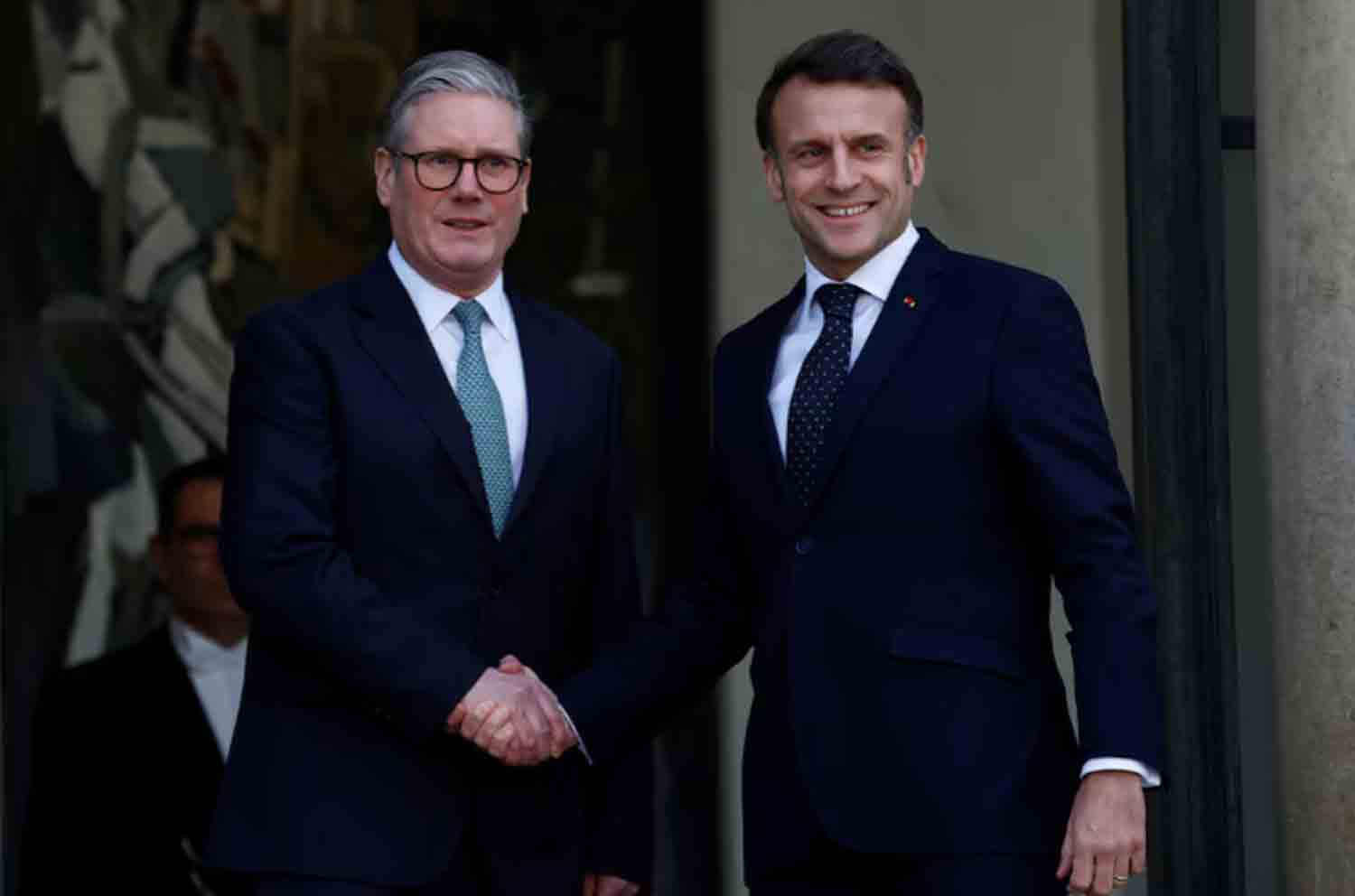
French President Emmanuel Macron welcomes Britain's Prime Minister Keir Starmer as he arrives for a meeting with European leaders on Ukraine and European security at the Elysee Palace in Paris, France.

European leaders convened in Paris for urgent discussions on Monday, advocating for increased investment to enhance the continent’s defence capabilities. However, they remained divided on the proposal to send peacekeepers to Ukraine to support any potential peace agreement.

The leaders concurred that it would be perilous to establish a ceasefire in Ukraine without simultaneously securing a peace deal. They expressed readiness to offer security guarantees to Ukraine, contingent on the level of support from the United States, according to a European official.

“We align with President Trump on a ‘peace through strength’ strategy,” the official stated, requesting anonymity.

The Paris summit was initiated by French President Emmanuel Macron following U.S. President Donald Trump‘s arrangement of bilateral peace discussions with Russia, which excluded European allies and Ukraine from the negotiations aimed at resolving the conflict, set to commence in Saudi Arabia on Tuesday.

Macron had a conversation with Trump prior to the meetings, as confirmed by officials from both nations. A White House representative described the call as “friendly,” during which they discussed the Paris gathering and the upcoming talks in Saudi Arabia.

Ukrainian President Volodymyr Zelenskiy also reported having an extensive conversation with Macron regarding security guarantees. “We share a common vision: security guarantees must be robust and reliable,” Zelenskiy stated on X, adding that any decision made without such guarantees, like a fragile ceasefire, would merely be another deception by Russia and a precursor to renewed aggression against Ukraine or other European countries.

Trump surprised Ukraine and its European allies last week by announcing his call with Russian President Vladimir Putin, who has been largely isolated by the West, to discuss ending the war without prior consultation. This has forced them to face the reality of a future with diminished U.S. support. The U.S. decision has prompted European nations to recognize the necessity of taking greater responsibility for Ukraine’s security.

British Prime Minister Keir Starmer expressed his willingness to deploy peacekeeping troops to Ukraine prior to a recent meeting. However, he emphasized on Monday that a U.S. security commitment is essential for European nations to consider sending their forces. He noted that it is premature to determine the number of British troops that could be dispatched.

The introduction of a peacekeeping force could heighten the risk of direct conflict with Russia, which initiated its full-scale invasion of Ukraine in 2022. Additionally, it would place a strain on European military resources, which have been diminished due to ongoing support for Ukraine and a prolonged period of relative peace.

There are also significant concerns regarding how some European countries, facing strained public finances, would fund these increased military obligations. Keith Kellogg, who served as Trump’s envoy to Ukraine, announced his upcoming visit to Ukraine and was questioned about the possibility of the U.S. providing security guarantees for European peacekeepers. He remarked, “I’ve been with President Trump, and the policy has always been: You take no options off the table.”

DEFENSE SPENDING

Starmer’s advocacy for peacekeepers seemed to create a rift among the attendees in Paris, which included German Chancellor Olaf Scholz, as well as the prime ministers of Italy, Poland, and Spain—Giorgia Meloni, Donald Tusk, and Pedro Sanchez. Scholz stated that any peace agreement must have Ukraine’s approval, labeling discussions of a German peacekeeping mission in Ukraine as “highly inappropriate” without a formal peace agreement. Both he and Tusk suggested that strict EU fiscal regulations should be relaxed to facilitate increased defense spending without risking violations of the EU’s deficit criteria.

Meloni raised concerns regarding the peacekeeping strategy, as reported by her office sources. She stated, “Today’s discussions on the various proposals were beneficial. However, the option involving the deployment of European troops in Ukraine appears to be the most complicated and potentially the least effective, and I expressed Italy’s reservations on this matter.”

Danish Prime Minister Mette Frederiksen expressed her willingness to consider troop deployments, emphasizing the need for Europe to enhance its support for Ukraine while increasing domestic defense expenditures. “Unfortunately, Russia poses a threat to all of Europe now,” she remarked to the press.

US AND RUSSIA TO MEET IN SAUDI ARABIA

On Tuesday, senior officials from the U.S. and Russia are set to convene in Saudi Arabia. This marks the highest-level in-person discussions between the two nations in several years, intended to pave the way for a meeting between Trump and Putin.

On Monday, Saudi Crown Prince Mohammed bin Salman held discussions in Riyadh with U.S. Secretary of State Marco Rubio, U.S. National Security Adviser Mike Waltz, and Middle East envoy Steve Witkoff, all part of the U.S. negotiating team. Russian participation will include Foreign Minister Sergei Lavrov and Kremlin foreign policy advisor Yuri Ushakov, according to the Kremlin.

However, indications of differing approaches have emerged. Rubio’s spokesperson, Tammy Bruce, noted that the discussions would assess whether the Russians are genuinely committed to peace talks and whether the initial steps toward that goal are feasible.

The Kremlin announced that discussions will aim at “restoring the full spectrum of Russian-American relations,” while Russia has firmly stated that it will not entertain any territorial concessions. Upon arriving in Riyadh, Ushakov indicated that the discussions regarding Ukraine would be strictly bilateral, as reported by Russia’s RIA state news agency. Ushakov was quoted by RIA saying, “We are here to negotiate with our American counterparts. There will be no trilateral discussions in Riyadh.”

Kirill Dmitriev, head of Russia’s sovereign wealth fund, is scheduled to meet with a U.S. delegation in Saudi Arabia on Tuesday to enhance bilateral relations and promote economic collaboration, according to a source in Riyadh. CNN reported that Dmitriev mentioned he had already engaged with several members of the Trump administration in Riyadh, describing them and Trump as “great problem-solvers.”

He expressed optimism about the potential for dialogue, stating, “Let’s have a conversation and determine the best solutions for our nations, for others, and for the global community.” Furthermore, Dmitriev refuted the notion that Russia’s primary goal was to ease sanctions, asserting that both the U.S. and Russian economies could gain from cooperative efforts. “Building bridges is crucial. U.S.-Russia relations hold significant importance for the world,” he remarked.
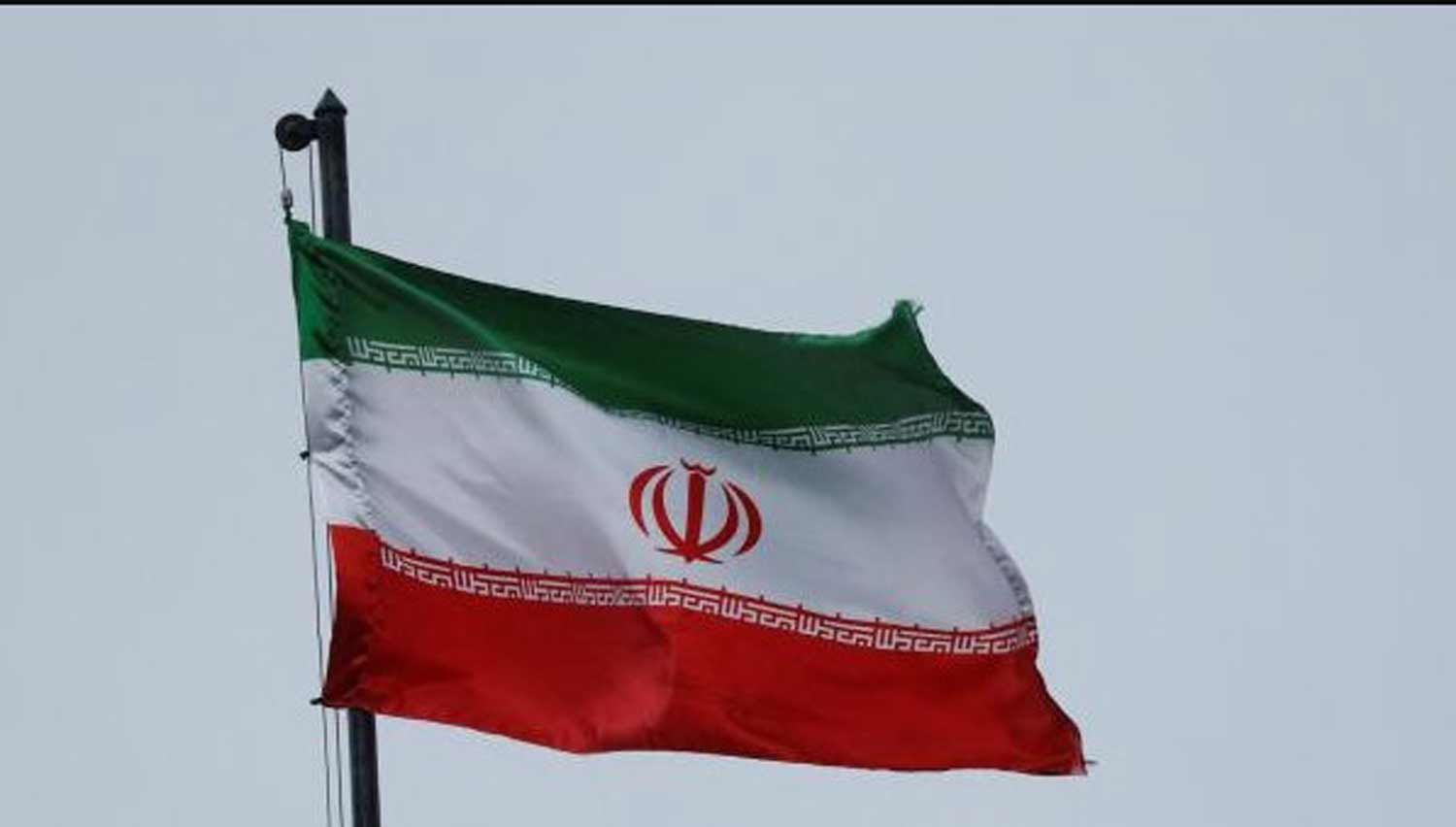
Iran says Israel, US ‘cannot do a damn thing’ against Tehran

0

Iran asserted on Monday that the threats posed by the United States and Israel represent a clear infringement of international law, emphasizing that they are incapable of inflicting harm on Tehran.

These remarks followed a meeting in Jerusalem between Israeli Prime Minister Benjamin Netanyahu and U.S. Secretary of State Marco Rubio, during which they reaffirmed their commitment to countering Iran‘s nuclear aspirations and its regional influence.

Netanyahu claimed that Israel has delivered a significant setback to Iran since the onset of the Gaza conflict, expressing confidence that, with the backing of U.S. President Donald Trump, they would successfully complete their objectives.

In a weekly press briefing on Monday, Iran’s Foreign Ministry spokesman Esmaeil Baghaei countered, stating, “In the case of a nation like Iran, they cannot do anything.” He further remarked, “You cannot issue threats against Iran while simultaneously professing to support dialogue,” as reported by state media.

Trump has indicated a willingness to negotiate with Tehran, yet he has also reinstated the “maximum pressure” strategy aimed at preventing Iran from acquiring nuclear weapons, a policy that was in effect during his first term.

While not explicitly renewing a ban on direct negotiations with Washington that was established in 2018, Iran’s Supreme Leader Ayatollah Ali Khamenei has criticized the previous U.S. administration for failing to uphold its commitments.

In 2018, Trump withdrew the U.S. from the 2015 nuclear agreement with world powers and reinstated sanctions that severely impacted Iran’s economy. In response, Iran began to breach the nuclear limitations set by the agreement, increasing uranium enrichment to levels approaching 60% purity, which is close to the 90% required for weapons-grade material. Iran maintains that its nuclear program is intended solely for peaceful purposes.

Spokesman Baghaei’s assertive statements contrast sharply with the reality that Tehran’s influence in the region has significantly diminished. Its regional allies, collectively referred to as the “Axis of Resistance,” have either been dismantled or severely weakened since the onset of the Hamas-Israel conflict in Gaza and the downfall of Bashar al-Assad in Syria in December.

This Axis comprises not only Hamas but also Hezbollah in Lebanon, the Houthis in Yemen, and various Shi’ite militia groups in Iraq and Syria. In the 16 months following the outbreak of the Gaza war, Israel has targeted and eliminated key leaders from both Hamas and Hezbollah, while limited confrontations have occurred between Israel and Iran.

Ukraine peace negotiations represent a pivotal moment for Europe

0
Ukraine's President Volodymyr Zelenskiy speaks with U.S. President Donald Trump via a phone line, amid Russia's attack on Ukraine, in Kyiv.

Since the conclusion of World War Two, Europe has relied on the United States as a protective ally against Russia. However, the current geopolitical landscape presents challenges with strong leaders in both Washington and Moscow—U.S. President Donald Trump and Russian President Vladimir Putin. Europe’s ability to navigate this dual pressure will hinge on its financial resources, resolve, and political cohesion.

The pivotal question for select leaders, including French President Emmanuel Macron, who has convened a summit in Paris on Monday, is whether Europe can effectively confront both the U.S. and Russia simultaneously. This task is daunting, as Europe currently faces significant weaknesses and divisions. Nevertheless, European Union member states, along with non-EU nations like the United Kingdom, may still find a way to assert their interests through collaborative efforts.

Recent developments have underscored Europe’s precarious situation. Trump initiated peace discussions regarding Ukraine with Putin before reaching out to Ukrainian President Volodyr Zelenskiy. Subsequently, U.S. envoy to Ukraine, Keith Kellogg, indicated that Europe would not play a role in the upcoming peace talks set to take place in Saudi Arabia. There is a concern that Trump might broker a deal perceived as a surrender by Kyiv, presenting it as an accomplished fact.

Additionally, U.S. Defense Secretary Pete Hegseth informed European NATO allies that they must take on greater responsibility for their own defense, as the U.S. is shifting its focus. U.S. Vice President JD Vance further criticized European governments for allegedly stifling free speech and far-right political movements. To compound matters, Trump has threatened to impose “reciprocal” tariffs on countries that impose higher trade taxes than the U.S., a move that could significantly impact Europe, especially since he mistakenly equates high value-added taxes in Europe with tariffs.

PLAN A AND B

Europe’s foremost objective should be to prevent Trump from compromising Ukraine’s interests. While the likelihood of achieving this is low, the most effective strategy would be for Europe to pledge the majority of the security assistance that Ukraine will require in the event of a ceasefire agreement—contingent upon consensus among European nations and Kyiv regarding the terms.

However, this approach faces two significant challenges. Firstly, European countries have limited troop availability, with some, like Poland, preferring to retain their forces for potential defense against Russian aggression. Secondly, it is likely that Putin will reject any proposals, and Trump may align with his Russian counterpart’s wishes.

Thus, while it is beneficial for Europe to bolster the U.S. president’s resolve, it must also prepare a contingency plan should Trump attempt to enforce an unacceptable agreement on Ukraine. In this scenario, Europe’s most viable option would be to enhance its military and financial backing for Kyiv.

This alternative plan, however, presents its own set of challenges. One issue is that Europe may find it difficult to compensate for any withdrawal of support from the Trump administration. The continent is not producing weapons quickly enough to match American supply levels and would struggle to provide critical military capabilities, such as the timely intelligence that the U.S. offers to assist Ukraine in effectively targeting Russian forces. Even with maximum effort, there remains a risk that Kyiv could ultimately face defeat.

Another concern is that Trump might react negatively if Europe undermines a potential agreement with Putin. He could respond by lifting U.S. sanctions on Russia, thereby enabling the Kremlin to replenish its military resources. Additionally, he may threaten European leaders with abandonment in the event of a Russian incursion.

Trump is likely to be cautious about giving the impression that he is abandoning Ukraine while Europe continues to support it, which may influence him to remain steadfast in negotiations. However, Europe cannot rely solely on this possibility and must prepare a Plan C.

PLAN C

Should other strategies prove ineffective, European nations should focus on establishing a robust European component of NATO capable of deterring a Russian offensive, even in the event of U.S. withdrawal. This strategy would be prudent regardless of the outcome. However, if Ukraine suffers defeat, European countries must act swiftly and decisively, as they could become the next target for Russia.

There are significant challenges to this approach. One major obstacle is the substantial financial investment required. Increasing European defense spending to the widely accepted minimum of 3% of GDP would necessitate an additional $2.2 trillion in current terms. Furthermore, the process of building up defenses will take years, leaving the continent exposed during that time.

Another critical issue is whether European nations are willing to share their sovereignty to achieve this goal. As Friedrich Merz, the German opposition leader and frontrunner in the upcoming elections, emphasized at the Munich Security Conference, Europe must simplify, streamline, and enhance its defense production. However, this would likely require the elimination of many smaller national programs.

The most challenging issue is whether Europe would still gain from the security of a nuclear umbrella if it cannot depend on the United States. While France and Britain possess nuclear arsenals, it remains uncertain if they would be inclined to deploy them in the event of a Russian aggression against other nations.

Moreover, Europe must maintain cohesion while navigating such a complicated and high-stakes strategy. This task is complicated by the increasing influence of right-wing nationalist parties in several European nations, which resist deeper integration.

Conversely, Trump’s actions may have served as a crucial impetus for Europe to unify. His administration’s confrontational approach could provide mainstream political parties in Europe with an opportunity to counter their right-wing opponents in upcoming elections. For instance, Trump’s threats regarding Canada have seemingly aided the ruling Liberal Party in narrowing the gap with Conservative contenders in public opinion surveys.

Achieving this will not be straightforward. However, Europe has limited options unless it chooses to align with Trump in pressuring Ukraine into an unfavorable agreement with Russia.

Rubio reaches Saudi Arabia ahead of discussions with Russia aimed at resolving the Ukraine conflict

0
U.S. Secretary of State Marco Rubio waves as he departs Israel for Saudi Arabia, at Ben Gurion Airport in Tel Aviv, Israel.

U.S. Secretary of State Marco Rubio is set to arrive in Saudi Arabia on Monday for anticipated discussions with Russian officials aimed at resolving Moscow’s nearly three-year conflict in Ukraine. These talks follow a recent phone conversation between President Donald Trump and Russian President Vladimir Putin, during which Trump instructed senior officials to initiate negotiations to end the war, a commitment he made during his presidential campaign.

Saudi Arabia, which is also engaged in discussions with Washington regarding the future of the Gaza Strip, has facilitated initial communications between the Trump administration and Moscow since taking office on January 20, including assisting in a prisoner exchange last week. Rubio, who spoke with Russian Foreign Minister Sergei Lavrov on Saturday, will be joined in Saudi Arabia by Trump’s national security adviser Mike Waltz and White House Middle East envoy Steve Witkoff, according to a U.S. lawmaker and a source who spoke to Reuters. The specific Russian officials they will meet have not been disclosed.

According to the Russian newspaper Kommersant, the discussions are scheduled for Tuesday in Riyadh, citing unnamed sources. This meeting marks one of the first significant in-person dialogues between U.S. and Russian officials in years and is intended to pave the way for a future meeting between the presidents of the two nations. Rubio stated on Sunday that the upcoming days and weeks will be crucial in determining Putin’s sincerity regarding peace efforts. Meanwhile, Ukrainian President Volodymyr Zelenskiy is also in the region; he arrived in the United Arab Emirates on Sunday and plans to visit Saudi Arabia and Turkey, although no specific dates have been announced. Zelenskiy has indicated that he does not intend to meet with Russian or U.S. officials, and Ukraine is not expected to be included in the Saudi-hosted discussions.

GAZA TALKS

Rubio is anticipated to engage with Crown Prince Mohammed bin Salman (MbS) in Saudi Arabia. The discussions are likely to center around Trump’s suggestion for relocating Palestinian residents of Gaza to other Arab countries, with the U.S. taking the lead in the reconstruction of their homeland. This proposal has sparked outrage across the Arab World and intensified concerns among Palestinians in Gaza about the possibility of being displaced from the coastal region.

The situation in Gaza has been catastrophic following the conflict that erupted when Iran-backed Hamas militants launched an attack on southern Israel on October 7, 2023, resulting in approximately 1,200 fatalities and 250 hostages, according to Israeli reports. In retaliation, Israel’s military response has claimed the lives of over 48,000 Palestinians, as reported by Gaza health officials, until a fragile ceasefire was established last month.

Saudi Arabia, along with other Arab nations, has firmly opposed any plans that entail the resettlement of Palestinians. Riyadh is leading efforts among Arab states to formulate a counterproposal, which may include a Gulf-led reconstruction initiative and a strategy to marginalize Hamas.

MbS has also made it clear that Saudi Arabia will not pursue normalization of relations with Israel—a long-standing objective of the U.S.—without a clear agreement on establishing a Palestinian state. Rubio visited Israel on Sunday, where he met with Prime Minister Benjamin Netanyahu, reaffirming support for Israel in its ongoing regional conflict with Iran.

UK plans to send peacekeeping forces to Ukraine ahead of talks in Paris

0

British Prime Minister Keir Starmer has emerged as the first European leader to express readiness to deploy peacekeeping troops in Ukraine. This commitment was made prior to an emergency leaders’ meeting in Paris, aimed at addressing Europe’s involvement in a potential ceasefire.

Starmer’s remarks highlight an increasing awareness among European nations of the necessity to assume a more significant role in safeguarding Ukraine’s security, particularly as the United States engages directly with Russia regarding a possible resolution to the ongoing conflict.

Sweden’s Prime Minister Ulf Kristersson indicated on Monday that the country would contemplate contributing to post-war peacekeeping forces in Ukraine, although he emphasized that negotiations must advance before any decision is finalized.

Last week, U.S. President Donald Trump surprised Ukraine and its European allies by revealing he had spoken with Russian President Vladimir Putin about ending the war, without prior consultation with them. This initiative is set to progress with discussions this week in Saudi Arabia involving U.S. and Russian officials.

Keith Kellogg, Trump’s envoy to Ukraine, stated on Saturday that Europe would not be included in any peace negotiations. Meanwhile, Washington has circulated a questionnaire to European capitals to assess their potential contributions to security guarantees for Kyiv.

At the Paris summit on Monday, President Emmanuel Macron was scheduled to host leaders from Germany, Italy, Britain, Poland, Spain, the Netherlands, and Denmark, representing Baltic and Scandinavian nations, along with European Union leadership and NATO Secretary General Mark Rutte. A French presidency official noted that the agenda would focus on “the security guarantees that can be provided by Europeans and Americans, either jointly or independently,” with peacekeeping being one aspect of these security assurances.

Starmer, who is anticipated to visit Washington for discussions with Trump next week, stated on Sunday that Europe is experiencing a “once in a generation moment” regarding the continent’s collective security, emphasizing the need for close collaboration with the United States. He expressed that Britain is prepared to take a prominent role in providing security assurances for Ukraine, including the potential deployment of “our own troops on the ground if necessary.”

In an article for the Daily Telegraph, he cautioned that the conclusion of this conflict should not merely serve as a temporary respite before further aggression from Putin. The upcoming European meeting in Paris follows numerous similar summits, which have highlighted the EU’s struggle to formulate a unified strategy to resolve the Ukraine crisis. Although Britain is not part of the EU, it has been a staunch ally of Ukraine.

EUROPE MUST ‘ENHANCE EFFORTS AND IMPROVE’

A Ukrainian official informed Reuters last week that only Britain and France had indicated any readiness to deploy troops in the future. However, this situation may be evolving. Sweden’s Kristersson remarked on Monday that there is “absolutely a possibility” of sending peacekeeping forces. He noted that a clear mandate for such forces is essential, but it may not be established until further progress is made in ongoing negotiations.

A peacekeeping force could increase the likelihood of a direct clash with Russia and would place additional strain on European military resources, which have been diminished due to their support for Ukraine. These forces have also become accustomed to significant U.S. assistance for major operations.

An official from the French presidency emphasized that Europe must enhance its efforts in a more effective and coordinated way to ensure collective security. Nonetheless, certain nations expressed dissatisfaction that the gathering in Paris did not constitute a complete EU summit, according to EU officials.

The French presidency representative noted that this meeting would pave the way for further discussions in Brussels and at NATO.

UNSC Approves 23-Day Travel Exemption for Mullah Abdul Ghani Baradar

0
Mullah Abdul Ghani Baradar, deputy prime minister for economic affairs, Afghanistan.

The United Nations Security Council sanctions committee has granted a 23-day travel exemption to Mullah Abdul Ghani Baradar, who serves as the deputy prime minister for economic affairs.

According to the committee’s announcement, this exemption is intended for Baradar’s travel to Doha for medical treatment.

The Security Council’s announcement specifies that the exemption is issued under resolution 1988 and is effective from February 9 to March 3, 2025.

The UN Security Council sanctions committee noted: “On February 7, 2025, the Security Council Committee established under resolution 1988 (2011) approved a travel ban exemption for Abdul Ghani Baradar Abdul Ahmad Turk (TAi.024) for his trip to Doha, State of Qatar, from February 9, 2025, to March 3, 2025, for medical purposes.”

Zalmai Afghanyar, a political analyst, remarked, “If Mullah Abdul Ghani Baradar’s travel is for medical reasons, I hope it also serves a political purpose to assist Afghanistan in overcoming its economic and political isolation.”

Additionally, the statement indicated that a three-day travel exemption has been granted to the head of Afghanistan’s Central Bank for his visit to Yekaterinburg, Russian Federation, to attend the Ural Cybersecurity in Finance Forum, scheduled for February 19 to 21.

Samim Shamsi, another political analyst, stated, “For Afghanistan’s economic development and to alleviate the country’s isolation, Mr. Baradar and his colleagues should take proactive measures during this trip.”

Earlier this year, the UN Security Council sanctions committee also provided travel exemptions for three officials of the Islamic Emirate, including the acting ministers of interior, foreign affairs, and Hajj and religious affairs.

Taliban delegation makes a rare visit to Japan, marking an unusual trip beyond their regional boundaries

0
File photo of Tokyo Skytree

A delegation from the Taliban government arrived in Japan on Monday for its inaugural diplomatic visit outside the region. The Afghan representatives departed from Kabul on Saturday, with local media reporting that the trip is expected to last one week and includes officials from the ministries of higher education, foreign affairs, and economy.

Latif Nazari, a deputy minister of economy and a member of the delegation, expressed on Twitter, “We aim for dignified engagement with the world to foster a strong, united, advanced, prosperous, and developed Afghanistan, aspiring to be an active participant in the international community.”

While the Taliban government frequently engages in diplomatic visits to neighboring and regional nations, including those in Central Asia, Russia, and China, its official visits to Europe have been limited to diplomatic summits held in Norway in 2022 and 2023.

Following the Taliban’s takeover in 2021, Japan’s embassy in Kabul was temporarily relocated to Qatar. However, it has since reopened and resumed its diplomatic and humanitarian efforts in Afghanistan.

Trump indicates a potential meeting with Putin regarding Ukraine could occur ‘very soon’

0

U.S. President Donald Trump stated on Sunday that he anticipates a potential meeting with Russian President Vladimir Putin in the near future to address the resolution of the conflict in Ukraine.

In remarks to the press, Trump emphasized his commitment to pursuing peace and expressed his belief that both Putin and Ukrainian President Volodymyr Zelenskiy are inclined to end the hostilities. His statements coincide with the upcoming preliminary discussions between the United States and Russia scheduled to take place in Saudi Arabia in the coming days.

An official says rapid developments in Ukrainian diplomacy require European nations to intensify their efforts

0
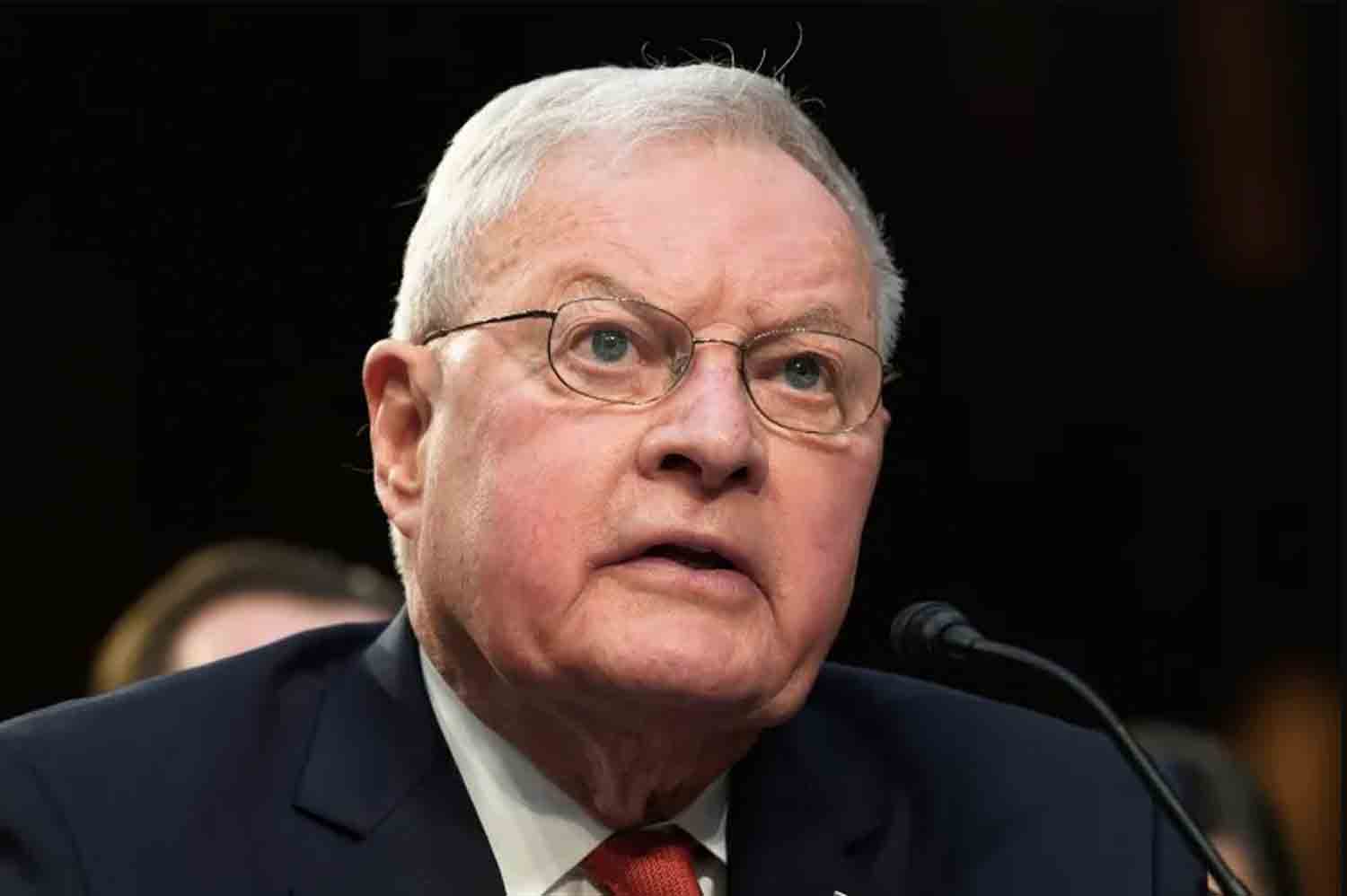
Keith Kellogg during a Senate armed services committee hearing on the conflict in Ukraine.

The recent intensification of diplomatic efforts regarding Ukraine indicates that Europe must enhance its contributions and improve its approach, according to a French presidency official prior to informal discussions among several prominent European leaders in Paris on Monday.

Last week, U.S. President Donald Trump surprised NATO allies and Ukraine by revealing that he had spoken with Russian President Vladimir Putin without prior consultation and intended to initiate a peace process.

Further unsettling European nations, Trump’s envoy for Ukraine, Keith Kellogg, stated on Saturday that Europe would not be included in the peace negotiations, despite Washington reaching out to European capitals with a questionnaire regarding their potential contributions to security guarantees for Kyiv. This six-point questionnaire, which was reviewed by Reuters on Sunday, also inquired what European allies would require from the U.S. to engage in security arrangements for Ukraine.

The official remarked, “Given the urgency surrounding the Ukrainian situation and the statements from American leaders, it is essential for Europeans to step up their efforts in a more effective and unified manner to ensure our collective security.”

Numerous summits have highlighted the European Union’s struggles, revealing a lack of unity and a coherent strategy to address the ongoing war in Ukraine and respond to Russia, now three years into its invasion. Leaders from Germany, Italy, Britain, Poland, Spain, the Netherlands, and Denmark, representing Baltic and Scandinavian nations, were expected to participate, alongside EU leadership and the NATO Secretary General.

The official noted, “These initiatives present an opportunity to potentially expedite the resolution of the conflict in Ukraine, but we must still reach an agreement on the conditions necessary for achieving peace.”

The conversation, he noted, would focus on “the security assurances that can be provided by both Europeans and Americans, either collectively or individually.” Certain nations expressed dissatisfaction that the gathering was limited to a select group of leaders rather than being a comprehensive EU summit, according to EU officials.

A representative from the French presidency indicated that the meeting would pave the way for further discussions in Brussels and at NATO. “Everyone should have the opportunity to engage in the dialogue,” he stated.

A recent report raises concerns about China’s military readiness and arms expansion

0
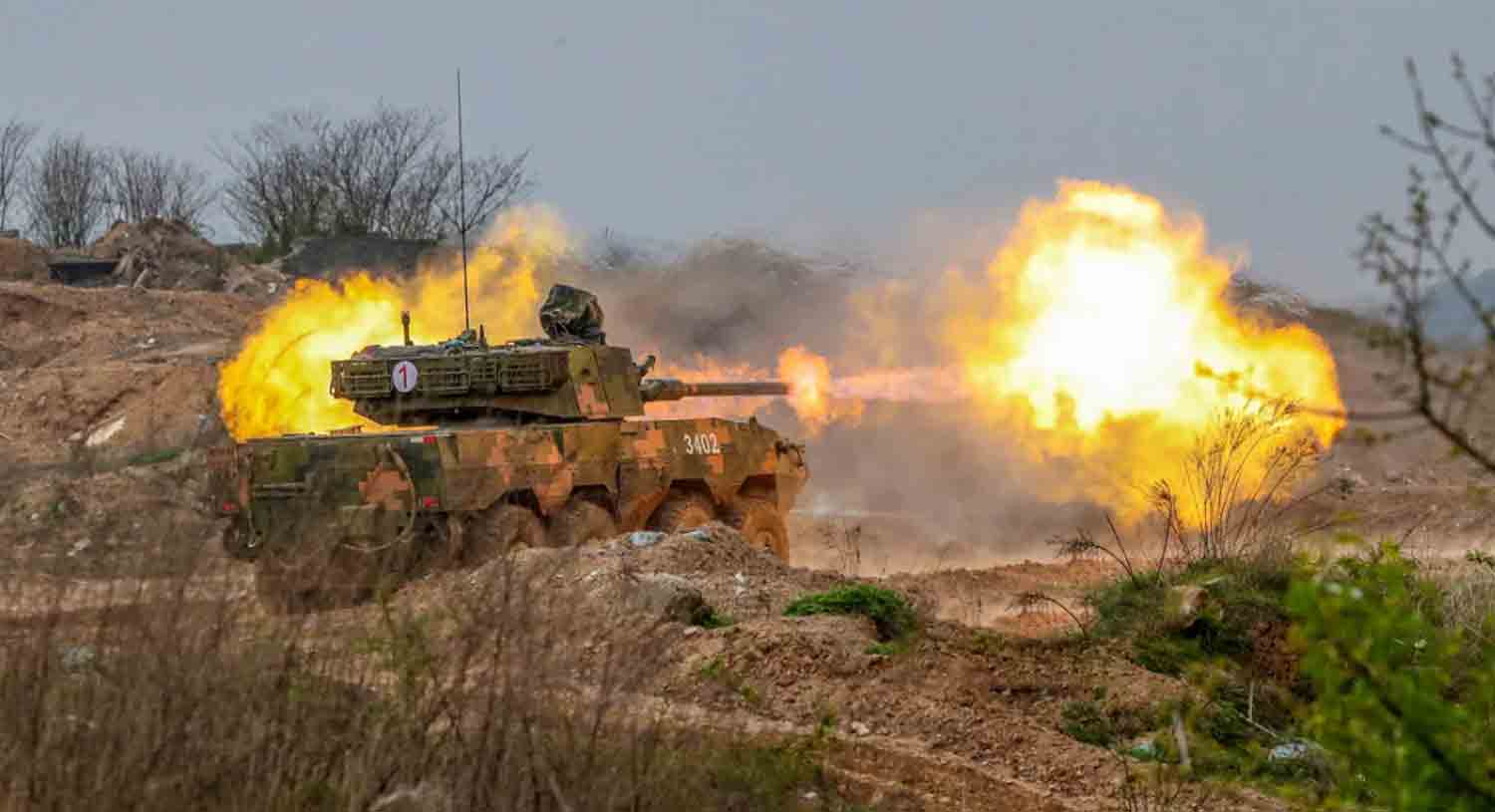
An assault vehicle unit carries out a fire strike during actual combat training in Ningbo, China.

A controversial report from a US think tank suggests that China is not prepared for war, asserting that the primary aim of the ruling Communist Party’s extensive military modernization efforts is to maintain its authority rather than to engage in conflict abroad.

Under the leadership of Xi Jinping, Beijing has embarked on a significant military expansion, transforming the People’s Liberation Army (PLA) from a relatively weak force in Asia to one that is now considered to rival, and in some areas even surpass, the capabilities of the US military, according to analysts.

US defense simulations have consistently indicated that the US, recognized as the world’s most powerful military, would face considerable challenges in confronting the PLA in a conflict near China’s coastline, particularly regarding Taiwan, which Beijing claims as its territory.

However, a recent report from the RAND Corporation, based in Washington, contends that despite the PLA’s impressive growth, political factors—especially the Communist Party’s need to maintain control over military forces and Chinese society—could hinder the PLA’s effectiveness in combat, particularly against a formidable opponent like the US.

Timothy Heath, a seasoned expert on China at RAND, noted in the report titled “The Chinese military’s doubtful combat readiness” that “the PLA remains fundamentally focused on upholding Chinese Communist Party (CCP) rule rather than preparing for war.”

Heath further emphasized that the advancements in China’s military capabilities are primarily aimed at enhancing the legitimacy and appeal of CCP governance, which makes the likelihood of war less probable. He pointed out that one instance of political priorities interfering with military training is the PLA dedicating up to 40% of its training time to political education.

Heath expressed concerns regarding the time investment required to master essential combat skills, suggesting it raises doubts about the PLA’s readiness for modern warfare. He pointed out that PLA units are not only commanded by military officers but also by political commissars, whose emphasis on party loyalty may detract from combat effectiveness.

He noted that this dual command structure could hinder commanders’ ability to respond swiftly and adaptively to unforeseen circumstances. He characterized the likelihood of a conventional war between the US and China as a “remote possibility,” urging Pentagon strategists to consider a broader spectrum of Chinese threats beyond just missiles and bombs.

However, some analysts dismissed his assertions, arguing that Xi has clearly prioritized the military objective of asserting control over Taiwan, even if it requires military action. They indicated that the PLA’s expansion suggests China is preparing for such an eventuality, despite internal governance challenges.

Andrew Erickson, a strategy professor at the US Naval War College, remarked that there are simpler and less risky methods to enhance party security than the extensive military capabilities Xi is actively developing.

John Culver, a former US intelligence officer focused on East Asia, also expressed skepticism about the report’s conclusions. He stated that while war may not be the primary plan, it remains a viable option if circumstances necessitate, and the PLA’s capabilities are robust and continually improving.

Weapons and advancing technology

China has made significant strides in military development since Xi implemented comprehensive reforms a decade ago. The country’s aggressive shipbuilding initiative has resulted in the largest navy in the world, capable of operating further from its coastlines, including from its inaugural overseas military base in Djibouti. Additionally, advancements in stealth technology and hypersonic weaponry, along with the transformation of vast desert areas into missile silo fields, underscore China’s military progress.

Heath raised concerns about the effectiveness of Beijing’s new military arsenal in actual combat situations.

His report highlighted that history has consistently demonstrated that advanced military equipment does not always translate into success on the battlefield, referencing the ongoing conflict in Ukraine as a recent example where a better-equipped military has not achieved victory.

Critics of Heath’s analysis argue that it is misguided to assume the People’s Liberation Army (PLA) shares the same vulnerabilities.

“Xi has consistently undertaken challenging military reforms aimed at enhancing realistic combat capabilities, imposing some of the most rigorous standards on China’s military,” stated Erickson from the US Naval War College.

He pointed out that China is not only increasing the quantity of its arsenal— with Pentagon estimates suggesting an annual growth of approximately 100 nuclear warheads— but is also advancing its technology, particularly through ambitious hypersonic weapon projects.

The human element

There is widespread agreement that the PLA has significantly improved both the quantity and quality of its weaponry. A prime example is its fleet of warships, particularly the Type 055 destroyer, which many analysts regard as the most formidable surface combatant globally.

The PLA Navy launched its tenth Type 055 last year, with projections of up to six additional vessels in the near future, each requiring a crew of around 300 sailors.

Collin Koh, a research fellow at the S. Rajaratnam School of International Studies in Singapore, remarked that constructing advanced warships may be less challenging than staffing them. Modern naval vessels require young sailors capable of handling intricate tasks, which necessitates comprehensive training.

“The military can likely integrate individuals from rural areas who may have limited education and train them to become infantry soldiers. However, training someone to operate and maintain the systems in a warship’s combat information center, launch missiles, and ensure their upkeep demands a higher level of expertise,” Koh explained.

At the same time, the People’s Liberation Army (PLA) faces another significant issue: corruption. A Pentagon report from December highlighted that a broad anticorruption initiative within the upper echelons of the Chinese military and government is hindering Xi Jinping’s defense expansion efforts.

“A senior US defense official noted in December that this issue has been recognized as a substantial threat to the political reliability and, ultimately, the operational effectiveness of the PLA,” he stated.

Understanding Chinese military preparedness

When experts discuss the readiness of the Chinese military, attention often shifts to Taiwan. US intelligence assessments indicate that Xi has instructed the PLA to be prepared for a potential invasion of the island by 2027, if deemed necessary.

However, Heath contends that despite this directive from the Chinese leader, he and other senior party officials have not made a significant effort to prepare the Chinese populace for military engagement.

“Chinese leaders have not delivered speeches that glorify war, promote it, or depict it as unavoidable or desirable,” Heath noted, adding that “the Chinese military has yet to release any analysis on how it might occupy and govern Taiwan.”

Some experts warn against interpreting Beijing’s motives through a Western lens, emphasizing that Xi’s definition of success regarding Taiwan remains unclear.

The extent of the pain that the People’s Liberation Army (PLA) and Chinese society could endure to seize the island is known only to those in Beijing, they argue.

“We must consider the possibility of Beijing employing force in a manner that aligns with its political objectives,” Koh stated.

This force could manifest as a blockade aimed at suffocating the island without direct conflict. It might involve sufficient airstrikes to demonstrate to Taipei and its allies that China possesses the advantage in any potential cross-strait confrontation. Alternatively, it could escalate to a full-scale invasion and occupation.

Another possibility is the continuation of Beijing’s persistent political pressure, coupled with the near-constant presence of the PLA around Taiwan, which includes numerous warplanes and naval vessels. Analysts suggest that this strategy has proven effective for the Communist Party thus far.

So, what is the rationale behind the significant investment in new military capabilities?

“China’s military modernization efforts are not intended to facilitate a military takeover of Taiwan. Rather, they are aimed at enabling the PLA to more effectively fulfill its enduring mission of maintaining the authority of the Chinese Communist Party,” Heath noted.

New warships and stealth fighter jets captivate the public’s attention, facilitating societal control, according to him.

Drew Thompson, a senior research fellow at the Lee Kuan Yew School of Public Policy at the National University of Singapore, concurred with this observation. “In politics, propaganda takes precedence over military outcomes,” he stated.

However, Koh emphasized that the advancements of the PLA under Xi should not be dismissed as merely a domestic narrative.

“Despite the acknowledged challenges within China and the PLA, I believe no military strategist in the region would regard the PLA as a mere paper tiger,” he remarked.

Thompson also noted that the PLA poses a significant threat to both Taiwan and the United States.

“China has the capability to initiate a conflict and engage in it. The question remains: can they achieve victory? How do we define what victory means?” Thompson inquired.

“Is it a zero-sum game, or is it merely a series of compromises?”

Turkish government secures naval and drone agreements during its visit to Asia

0
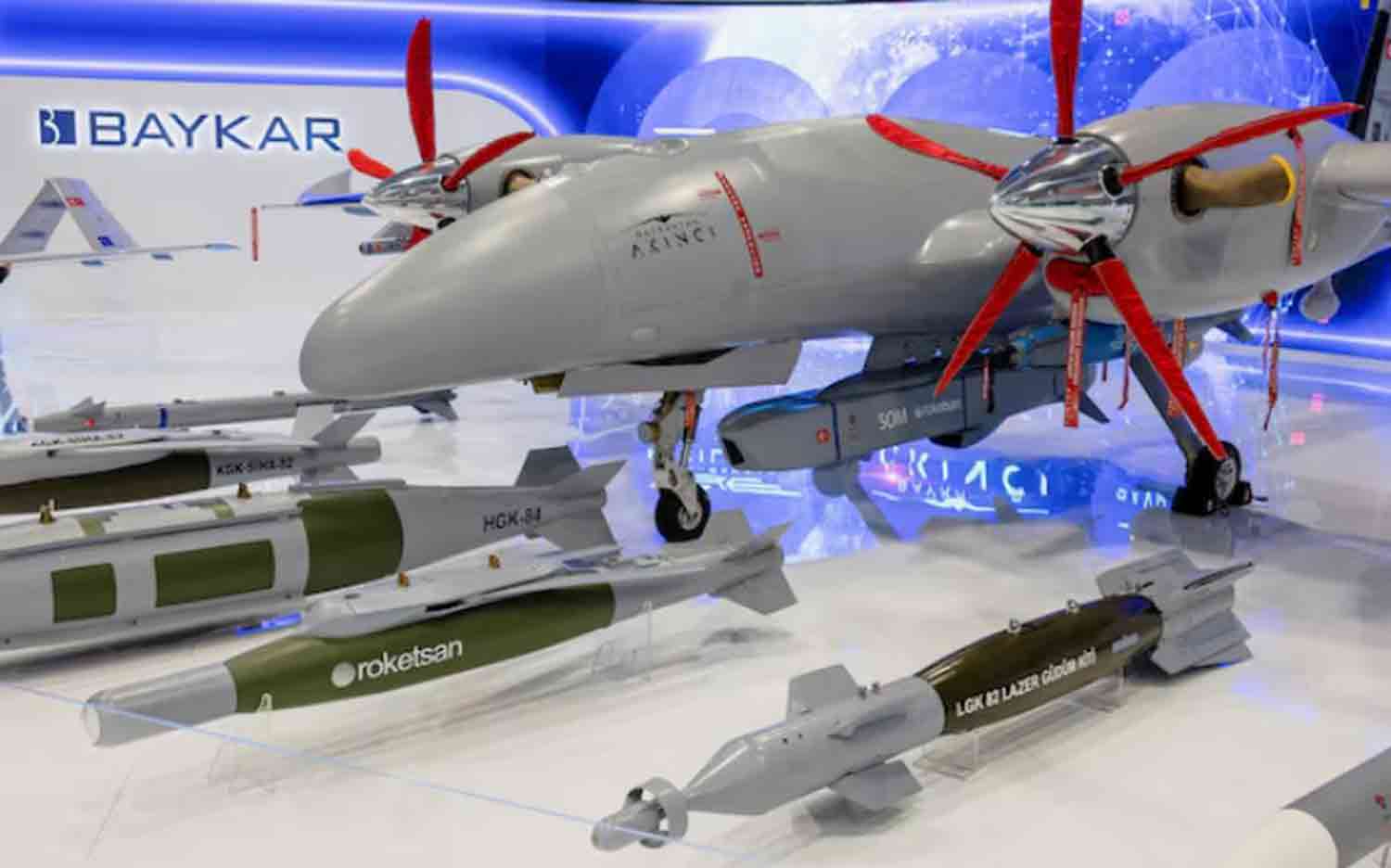
A Bayraktar Akinci unmanned combat drone is pictured at SAHA EXPO Defence & Aerospace Exhibition in Istanbul, Turkey.

President Recep Tayyip Erdoğan‘s recent visit to Asia has resulted in several defense cooperation agreements aimed at enhancing business opportunities for Turkish defense firms.

Earlier this week, Erdoğan traveled to Malaysia and Indonesia before proceeding to Pakistan.

He was joined by Foreign Affairs Minister Hakan Fidan, National Defense Minister Yaşar Güler, Industry and Technology Minister Mehmet Fatih Kacır, Agriculture and Forestry Minister İbrahim Yumaklı, and Trade Minister Ömer Bolat.

During the delegation’s initial stop in Malaysia, a total of 11 agreements were finalized between the two nations. Among these was a preliminary acceptance letter for the acquisition of multipurpose mission vessels, established between Desan Shipyard and the Malaysian Ministry of Home Affairs.

The financial details of the contract have not been made public by the involved parties.

The Malaysian government indicated that the vessel is anticipated to be fully operational by the first quarter of 2027, with the capability to operate continuously for 30 days. It will feature a helideck, two aerial drones, and four fast interceptor boats.

According to a senior navy official, “This 99-meter-long vessel, designed to accommodate 70 crew members and 30 passengers, will primarily focus on monitoring activities in the South China Sea, particularly in addressing foreign vessel intrusions, illegal fishing, and cross-border crimes such as smuggling and human trafficking.”

The shipbuilding initiative is an extension of the ongoing LMS batch 2 corvette construction project in Turkey, spearheaded by STM shipyard.

During the second segment of his journey, Erdoğan traveled to Indonesia, where leaders from both countries formalized 13 agreements. Among these was a collaborative agreement between Republikorp and Baykar to establish a drone manufacturing facility in Indonesia.

As stated in a press release from Republikorp, the new company will concentrate on the production and maintenance of unmanned aerial vehicles.

The key products to be localized will include up to 60 units of Bayraktar TB3 adrones and up to nine units of Bayraktar Akinci drones. Baykar will provide its manufacturing expertise, technology transfer, and training, while Republikorp will handle regulatory compliance, infrastructure development, local expert certification, and integration into Indonesia’s defense framework.

Russian military possesses a greater number of Javelin anti-tank guided missiles compared to the British military

0
Javelin anti-tank missiles

In a striking turn of events, Russian media are now derisively asserting that Moscow has a greater stockpile of Javelin anti-tank missiles than the entire British armed forces. This assertion highlights a critical concern regarding the alarming rate at which Ukrainian forces are losing Western-supplied armaments during combat.

British military officials have expressed serious concerns about the swift depletion of costly NATO-supplied weaponry in Ukraine. Reports indicate that Ukrainian forces are utilizing these advanced systems in large, indiscriminate volleys rather than employing them with the necessary precision. This purported overreliance on Javelin and NLAW systems has resulted in a rapid reduction of available stock, prompting London to worry that Kyiv is overlooking NATO’s tactical principles.

However, the issue extends beyond mere battlefield tactics. Many Ukrainian soldiers, still adhering to Soviet-era military doctrines, are reportedly disregarding Western training, perceiving little benefit from NATO’s strategies in the intense, close-quarters combat they face against Russia.

British officials contend that this reluctance to embrace Western methodologies has led to considerable losses on the battlefield, with weapons being abandoned or misused in ways that advantage Russian forces.

Reports from the front lines reveal that Russian troops have consistently overrun Ukrainian positions, capturing well-stocked depots filled with Western-supplied arms. Even more alarming, Ukrainian soldiers have been observed leaving behind reusable Javelin launchers—each valued at approximately $100,000—often unaware that these can be reloaded and utilized multiple times.

The irony of Russian forces seizing these weapons has not gone unnoticed by Moscow’s state media, which has taken pleasure in ridiculing Western military support efforts. The assertion that Russia now possesses more Javelins than the UK serves as a pointed critique, while the more serious concern persists: Western arms continue to be delivered to Ukraine, yet a significant number of these valuable weapons are being captured by Russian forces due to battlefield losses.

Since the beginning of the Russian invasion in February 2022, there have been numerous reports of Russian troops capturing abandoned Ukrainian weapon stockpiles, including Javelin and NLAW anti-tank missiles.

In the early stages of the conflict, Russian forces reportedly took control of a substantial cache of Western-supplied arms that had been left behind by retreating Ukrainian troops. The Russian Ministry of Defense highlighted these captures, releasing images of American and British weaponry now under their control. As the conflict has evolved, similar occurrences have continued, especially during rapid Ukrainian retreats under intense Russian assault.

In addition to merely capturing these weapons, there are indications that Russian forces may be adapting them for their own operations or even transferring them to allies like Iran for potential reverse-engineering. Although the full scope of these activities is not entirely clear, the trend of abandoned Western arms underscores the logistical and tactical difficulties confronting Ukraine’s military.

The British Army currently has around 9,000 Javelin Anti-Tank Guided Missiles (ATGMs) in its inventory, which have been a vital component of the UK’s military capabilities since they replaced the older Milan system in 2005. These missiles play a crucial role in the operations of British rapid-reaction forces, including air assault brigades, commando units, and mechanized infantry.

Since the onset of the Russian invasion, Ukraine has received more than 12,000 Javelins from the United States and the United Kingdom. Although these figures may vary with the announcement of new military aid packages, the substantial quantity of weapons transferred highlights the extent of Western support.

Nevertheless, the increasing reports of abandoned or captured weapons raise concerns about the long-term implications of these supplies and whether Ukraine can effectively manage the battlefield assets it acquires.

As the conflict continues, the risk of Western weapons falling into Russian hands remains a significant worry for NATO and its allies. The combination of logistical challenges, battlefield withdrawals, and a reluctance to fully embrace Western combat strategies has resulted in a situation where some of the most advanced anti-tank systems are, paradoxically, becoming part of Russia’s military inventory.

In the complex landscape of modern anti-tank warfare, the FGM-148 Javelin is recognized as a prime example of American military innovation, engineered for effectiveness, mobility, and the safety of its operators.

Created through a collaboration between Raytheon and Lockheed Martin, the Javelin has established itself as a fundamental asset for infantry operations against armored threats, continuously evolving through various versions to meet both present and future battlefield demands.

The Javelin represents more than just a missile; it is an advanced weapon system that features a “fire-and-forget” capability. This allows the missile to autonomously navigate to its target using an infrared seeker after launch, enabling the operator to take cover immediately.

This capability, along with its soft launch technology, permits deployment from confined spaces, thereby minimizing the user’s exposure to enemy fire or the missile’s backblast, which is particularly advantageous in urban warfare scenarios.

Since its introduction in the mid-1990s, the Javelin has undergone numerous upgrades that have significantly enhanced its performance. The early models, such as the FGM-148A, B, and C, established the foundation with basic fire-and-forget features. However, it was the later versions that truly showcased the system’s versatility and effectiveness. The FGM-148E, released in 2017, included advancements in electronics, resulting in reduced weight and cost while preserving its operational capabilities.

The FGM-148F, which began production around 2020, represented a major enhancement with a multi-purpose warhead designed to engage not only armored vehicles but also softer targets like personnel and fortifications. This warhead incorporates an advanced tandem charge that effectively addresses modern reactive armor technologies, ensuring the Javelin’s continued relevance against evolving threats.

Further advancements were made with the FGM-148G model, which introduced an uncooled seeker that significantly shortens the time from deployment to launch, providing operators with increased opportunities to engage targets with minimal preparation. This model also benefits from ongoing improvements aimed at enhancing the missile’s range, accuracy, and resilience against emerging defensive systems, such as active protection systems found on tanks.

The Command Launch Unit (CLU) of the Javelin system has undergone significant enhancements. The original CLU, which weighs approximately 6.4 kg, functions not only as a launcher but also as a surveillance device, equipped with integrated day and thermal imaging sights.

The new Lightweight CLU, set for wider deployment, is designed to be 70% smaller and 40% lighter than its predecessor, while also boasting a 50% increase in battery life. These improvements greatly enhance the system’s portability and operational efficiency in the field.

The Javelin’s widespread adoption by various nations, including Australia, Bahrain, and the United Kingdom, along with its crucial role in conflicts such as the one in Ukraine, highlights its international importance. It has demonstrated its effectiveness in neutralizing Russian armored vehicles, often targeting from above where armor is most vulnerable, showcasing its top-attack capability.

The design philosophy of the Javelin has consistently focused on empowering infantry in anti-armor confrontations, allowing them to engage from a safe distance, under diverse weather conditions, both day and night, while minimizing exposure to enemy fire.

Success stories from Afghanistan, Iraq, and more recently Ukraine illustrate the system’s effectiveness, having successfully destroyed tanks, armored personnel carriers, and fortified positions with remarkable precision.

As military strategies evolve and new threats arise, the Javelin is continuously being refined, with new models and upgrades in ongoing development. This commitment ensures that the Javelin remains at the cutting edge of anti-tank warfare technology, serving as a critical asset for soldiers where precision is paramount and the stakes are high.

In the dynamic realm of modern warfare, the Javelin ATGM stands as a testament to innovation, reliability, and formidable destructive power, encapsulating the qualities that render contemporary military equipment both feared and respected on the global stage.

Rubio states that Ukraine and Europe will be part of real peace talks as the U.S. evaluates Putin’s intentions

0
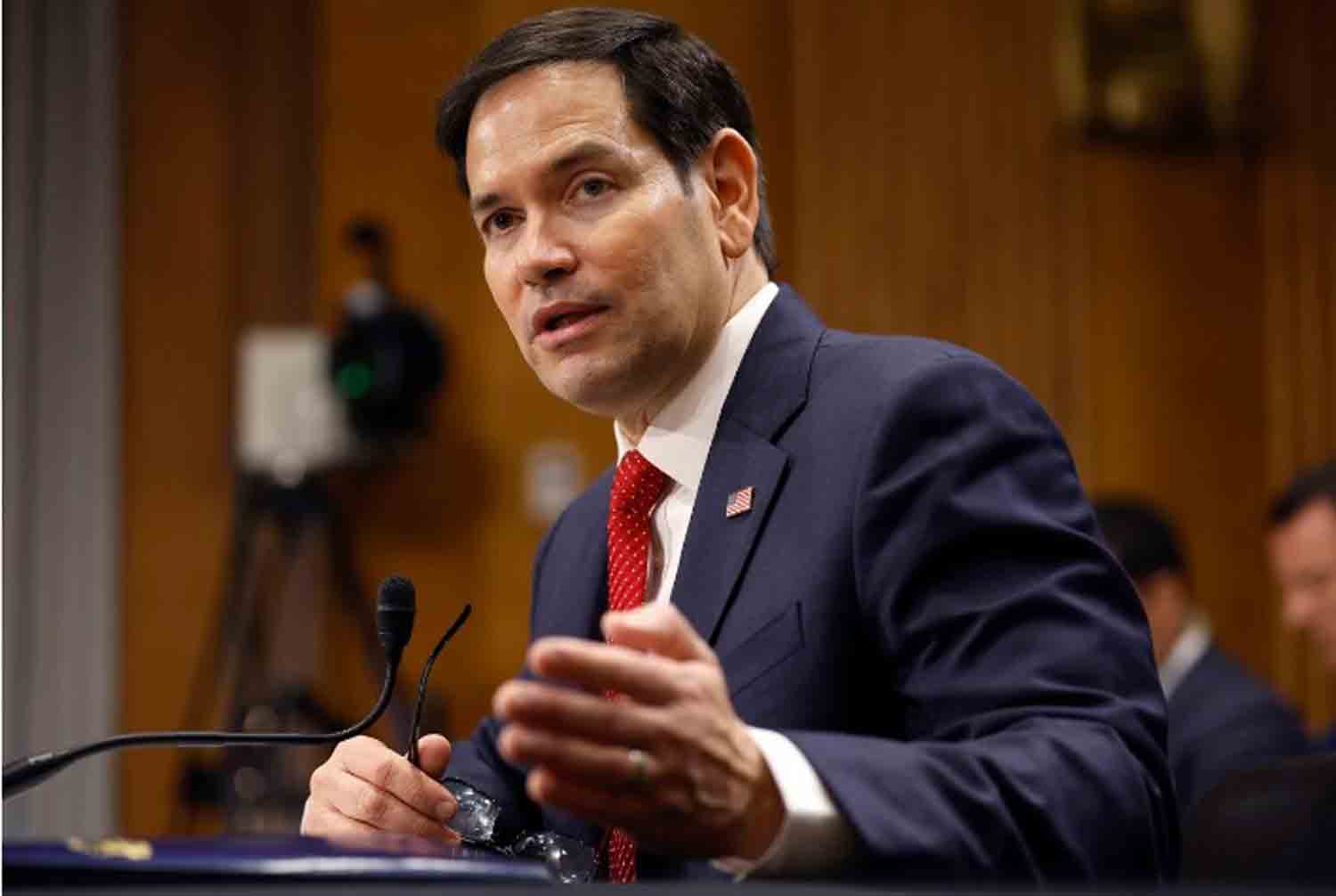
Secretary of State, Sen. Marco Rubio testifies during his Senate Foreign Relations confirmation hearing at Dirksen Senate Office Building.

U.S. Secretary of State Marco Rubio stated on Sunday that any genuine negotiations aimed at resolving the conflict initiated by Moscow would involve Ukraine and Europe. This indicates that the upcoming discussions between the U.S. and Russia could provide insight into Russian President Vladimir Putin‘s commitment to achieving peace.

Rubio addressed European apprehensions regarding their exclusion from the initial talks scheduled to occur in Saudi Arabia in the coming days. In an interview with CBS, he emphasized that a substantial negotiation process had not yet commenced, and should discussions progress, Ukrainian and other European representatives would be included.

Earlier reports from Reuters indicated that U.S. officials had provided European counterparts with a questionnaire inquiring about their potential troop contributions to uphold a peace agreement between Ukraine and Russia.

Rubio mentioned, “President Trump spoke to Vladimir Putin last week, during which Putin conveyed his interest in peace, and the president expressed his hope for a resolution that would be lasting and safeguard Ukrainian sovereignty,” in an appearance on CBS’s “Meet the Press.”

He added, “However, this must be followed by concrete actions, and the forthcoming days and weeks will reveal the seriousness of the intentions. Ultimately, a single phone call does not equate to peace.”

U.S. Middle East envoy Steve Witkoff and national security adviser Mike Waltz were scheduled to depart for Saudi Arabia on Sunday evening, as Witkoff shared in a Fox News interview. Rubio also mentioned that he was already set to travel to Saudi Arabia for previously scheduled official duties, noting that the details of the Russian delegation had yet to be confirmed.

The upcoming discussions in Saudi Arabia align with a U.S. initiative aimed at negotiating a deal with Kyiv to facilitate American investment in Ukraine’s abundant natural resources. In an NBC interview aired on Sunday, Ukrainian President Volodymyr Zelenskiy raised concerns about whether minerals located in Russian-occupied territories would be handed over to Putin.

Former President Trump, who spoke with Putin on Wednesday and asserted that the Russian leader desires peace, expressed confidence on Sunday that Putin would not attempt to seize control of all of Ukraine. “That would have posed a significant issue for me, as such an action cannot be permitted. I believe he wants to bring this to a conclusion,” Trump stated to reporters in West Palm Beach, Florida. He also mentioned that Zelenskiy would participate in discussions aimed at resolving the conflict.

CONCERNS ABOUT EUROPEAN PARTICIPATION IN PEACE TALKS

Senators Rubio and Witkoff dismissed worries that Ukraine and other European leaders would be excluded from peace negotiations, despite comments made by Trump’s Ukraine envoy, Keith Kellogg, suggesting otherwise at the Munich Security Conference over the weekend. Witkoff highlighted in an interview on Fox News’ “Sunday Morning Futures” that Ukrainian officials had engaged with several U.S. representatives at the conference, and Trump had spoken with Zelenskiy the previous week.

Rubio emphasized that Ukrainians and other European nations would be integral to any substantial negotiations. “Eventually, if genuine negotiations occur—and we are not at that stage yet—Ukraine must be involved since they are the ones who faced invasion, and European nations must participate due to their sanctions against Putin and Russia,” Rubio remarked. “We are simply not at that point yet.” French President Emmanuel Macron is set to convene European leaders on Monday for an emergency summit regarding the Ukraine conflict, as announced by Macron’s office.

European officials have expressed their astonishment and concern regarding the recent actions taken by the Trump administration related to Ukraine, Russia, and European defense. Their primary worry is the potential loss of U.S. military support and the possibility that Trump may pursue a peace agreement with Putin that could compromise Ukraine’s interests and the overall security of Europe.

When asked about discussions on lifting sanctions against Russia during a phone call with Russian Foreign Minister Sergei Lavrov, Rubio refrained from confirming any specifics, stating only that they “did not go into any details.” Following the conversation, Moscow indicated that the two had talked about the removal of “unilateral barriers” imposed by the previous U.S. administration in their bilateral relations.

Rubio mentioned that he raised the issue of the “difficult” operational conditions faced by the U.S. embassy in Moscow with Lavrov. He emphasized that for any meaningful progress in peace negotiations regarding Ukraine, it is essential for both Russia and the U.S. to have fully functioning embassies in each other’s countries.

Royal Malaysian Navy Participates in AMAN 2025 Multinational Exercise Led by Pakistan Navy

0
Special Forces Involved in Exercise AMAN 2025.

The Royal Malaysian Navy (RMN) took part in Exercise AMAN 2025, hosted by the Pakistan Navy (PN) from February 7 to 11, 2025, in Karachi and its adjacent waters. This biennial exercise, which began in 2007, has reached its ninth iteration, with RMN participating for the seventh time in this esteemed event.

As reported by the Strategic Communications Division of the Western Fleet Command Headquarters, AMAN 2025 has attracted assets and delegations from more than 60 nations, establishing it as one of the largest multilateral naval exercises in the region.

The RMN contingent included KD TERENGGANU, along with the Naval Special Warfare Forces (PASKAL) and the RMN Explosive Ordnance Disposal (EOD) Team. The exercise, themed “Together for Peace,” aims to promote regional collaboration and stability, improve interoperability among the participating naval forces, and showcase a unified commitment to maritime security, particularly in addressing challenges such as terrorism and transnational maritime crime.

AMAN 2025 is structured into two main phases: the Harbor Phase and the Sea Phase. The Harbor Phase featured a variety of activities, including:
– An Opening Ceremony at the Pakistan Navy Dockyard
– The AMAN Dialogue at the Pakistan Naval Academy
– Sports and cultural events, such as the AMAN Sports, International Food Gala & Cultural Show, Table Top Discussions (TTD), International Band Display, and a Maritime Counter-Terrorism Demonstration.

During the AMAN Dialogue, Rear Admiral Dato’ Baharudin Wan Md Nor, Commander of Maritime Region 1 and head of the RMN delegation, participated as a panelist in the fourth session titled “Blue Economy,” where he discussed “Maritime Security Cooperation for Marine Ecosystem Preservation.”

This participation underscores the international acknowledgment of RMN’s significant role in the global maritime arena.

The Sea Phase encompassed a range of prominent naval exercises, which included:
An International Fleet Review (IFR), where warships from various nations gathered in an esteemed maritime formation.
A Joint Counter-Piracy Demonstration, featuring the Royal Malaysian Navy’s PASKAL unit working in conjunction with special forces from other countries to exhibit their skills in addressing piracy and maritime terrorism.
Moreover, the Personnel Exchange Programme (PXP) facilitated the sharing of experiences and the development of professional networks among officers and crew members from different navies.

The Royal Malaysian Navy’s involvement in AMAN 2025 not only enhances collaborative operational capabilities but also strengthens defense partnerships with both regional and international allies. The deployment of KD TERENGGANU, along with PASKAL and the RMN EOD Team, highlights the RMN’s dedication to actively promoting maritime security and regional stability through strategic defense diplomacy.

Russian Yak-130M light combat aircraft is attracting increasing interest

0
Yak-130M light combat jet.

Russia’s state arms exporter, Rosoboronexport, reports a consistent demand for its upgraded Yak-130M light combat jet and trainer, with current market interest estimated at approximately 40 units. Alexander Mikheev, the Director General of Rosoboronexport, indicated that potential buyers from the Asia-Pacific region and Africa have expressed interest in this aircraft.

Mikheev emphasized that the Yak-130M is tailored for combat operations in low-intensity conflicts, providing an economical option for countries looking for both training and light-attack capabilities. However, he refrained from naming specific governments that are evaluating the aircraft.

Available information suggests that several nations in the Asia-Pacific and African regions are considering the acquisition of the Yak-130M trainer and light combat aircraft. In the Asia-Pacific, countries such as Vietnam, Laos, and Myanmar, which already operate earlier models of the Yak-130, may be inclined to pursue the upgraded version.

In Africa, Algeria has previously purchased the Yak-130, hinting at a potential interest in the Yak-130M for their military needs. Various reports also mention interest from other African nations, although no specific countries have been identified.

Rosoboronexport acknowledges the growing foreign interest in the Yak-130M, but as of now, no contracts have been finalized—only expressions of “interest,” a term frequently used by Russian defense companies to maintain excitement around their offerings.

The Yak-130M is not currently in production. According to Yakovlev, three prototypes are under development, with ongoing system and equipment installations. This indicates that the trainer/light attack aircraft variant is far from entering serial production or being delivered.

Nevertheless, Russian media are promoting the idea that the Yak-130M will achieve significant export success. Analysts note that Rosoboronexport is actively marketing the aircraft internationally, but it remains uncertain whether any genuine buyers will emerge.

The Yakovlev Yak-130M represents the latest version of Russia’s advanced jet trainer and light combat aircraft, aimed at enhancing the capabilities of the original Yak-130 model. It was first introduced at the Army-2024 forum, highlighting substantial improvements designed to broaden its combat functionality while preserving its primary role as a training aircraft.

Developed by PJSC Yakovlev, a part of Rostec’s United Aircraft Corporation [UAC], the Yak-130M features a range of modern systems to enhance its operational flexibility. A key upgrade is the integration of the BRLS-130R active electronically scanned array [AESA] radar, which significantly enhances its air-to-air and air-to-ground engagement capabilities. This radar system improves target detection, thereby increasing the aircraft’s effectiveness in both training and combat situations.

Additionally, the aircraft’s armament has been upgraded to accommodate a broader selection of air-to-air missiles and precision-guided air-to-ground munitions, utilizing satellite and laser guidance systems. This transformation positions the Yak-130M as more than just a trainer, with some experts referring to it as a “fully capable light fighter.”

This claim is predicated on the assumption that the aircraft can accommodate a combat load of up to 3,000 kg, which encompasses both guided and unguided munitions, thus enabling it to perform light attack missions in addition to its training functions.

The aircraft’s digital avionics system remains a standout feature, boasting an open architecture that facilitates future upgrades and modifications. This adaptability is viewed as a significant advantage, allowing the Yak-130M to transition into various combat roles throughout its operational lifespan.

The inclusion of a glass cockpit, sophisticated fly-by-wire controls, and systems such as the SOLT-130K optical-laser thermal television system and the President-S130 onboard defense mechanism further highlight its preparedness for both training and combat operations.

Nevertheless, critics and analysts express caution, noting that while the Yak-130M presents improved capabilities, its actual combat performance in high-intensity situations has yet to be validated. Concerns have been raised regarding its subsonic speed and whether its enhancements adequately address the challenges of competing against more advanced opponents. These issues are subjects of ongoing debate among defense analysts, who emphasize the necessity of empirical combat data over theoretical benefits.

The Yak-130M signifies a bold initiative by Russia to modernize and promote its training aircraft with notable combat functionalities. Its development illustrates a strategic combination of cost-effectiveness and tactical flexibility, aiming to attract a global market where financial limitations frequently influence defense procurement choices.

The ultimate effectiveness of any military technology, including this one, will ultimately be assessed based on its performance, reliability, and adaptability in actual operational settings.

The Yakovlev Yak-130, which precedes the Yak-130M, has established a notable presence in the international aviation sector, functioning as both an advanced trainer and a light combat aircraft. This adaptable jet is recognized for its capability to simulate the flight dynamics of fourth and fifth-generation fighters, and it has been adopted by various air forces globally.

Russia, the origin of the Yak-130, is the primary operator of this aircraft. The Russian Air Force has incorporated the Yak-130 into its training programs to equip pilots for more sophisticated fighter jets such as the Su-30 and MiG-29. Current estimates indicate that Russia has approximately 109 Yak-130s in operation, with intentions to increase this fleet.

Algeria has procured the Yak-130 as part of its air force modernization efforts, receiving 16 units to improve its pilot training and possibly for light attack missions. This move highlights Algeria’s strategy to diversify its military equipment beyond conventional Western sources.

Belarus, a close ally of Russia, also utilizes the Yak-130, maintaining a fleet of four aircraft. These were obtained to replace outdated Soviet-era trainers and light combat aircraft, demonstrating the Yak-130’s dual functionality in smaller air forces.

Bangladesh has adopted the Yak-130 to advance its air service capabilities, focusing on enhancing training and potential counter-insurgency operations. The nation has received an initial set of these jets, with plans to have a total of 16 operational by 2030.

Myanmar has actively employed the Yak-130, reportedly operating a fleet of at least 18 aircraft. These planes are utilized not only for pilot training but also for combat missions against insurgent factions within the nation, demonstrating their adaptability in various operational roles.

Laos has also integrated the Yak-130 into its air force, although the precise number of aircraft in service remains unclear. The Yak-130 fulfills their requirements for an economical training solution while offering light combat capabilities.

Syria’s plans to acquire the Yak-130 were interrupted by domestic unrest; however, with the recent thaw in relations with Russia, there is a possibility that deliveries could resume. Initially, Syria had expressed interest in purchasing 36 aircraft, but the current status of this deal is uncertain.

Vietnam has placed an order for 8 Yak-130 aircraft to modernize its aging fleet of training aircraft. This acquisition is part of Vietnam’s broader strategy to strengthen its military capabilities in the region.

Moreover, countries such as Kazakhstan, Mongolia, Nicaragua, and Uruguay have shown interest in the Yak-130, although no definitive orders or deliveries have been reported. The aircraft’s cost-effectiveness and dual role in training and light combat make it an appealing choice for nations with constrained defense budgets seeking to upgrade their air forces.

In summary, the Yak-130 has proven to be a versatile and dependable platform, addressing the training requirements of pilots while also offering an affordable option for light attack operations across various air forces worldwide.

U.S. is consulting European nations on their security assurance requirements for Ukraine

0
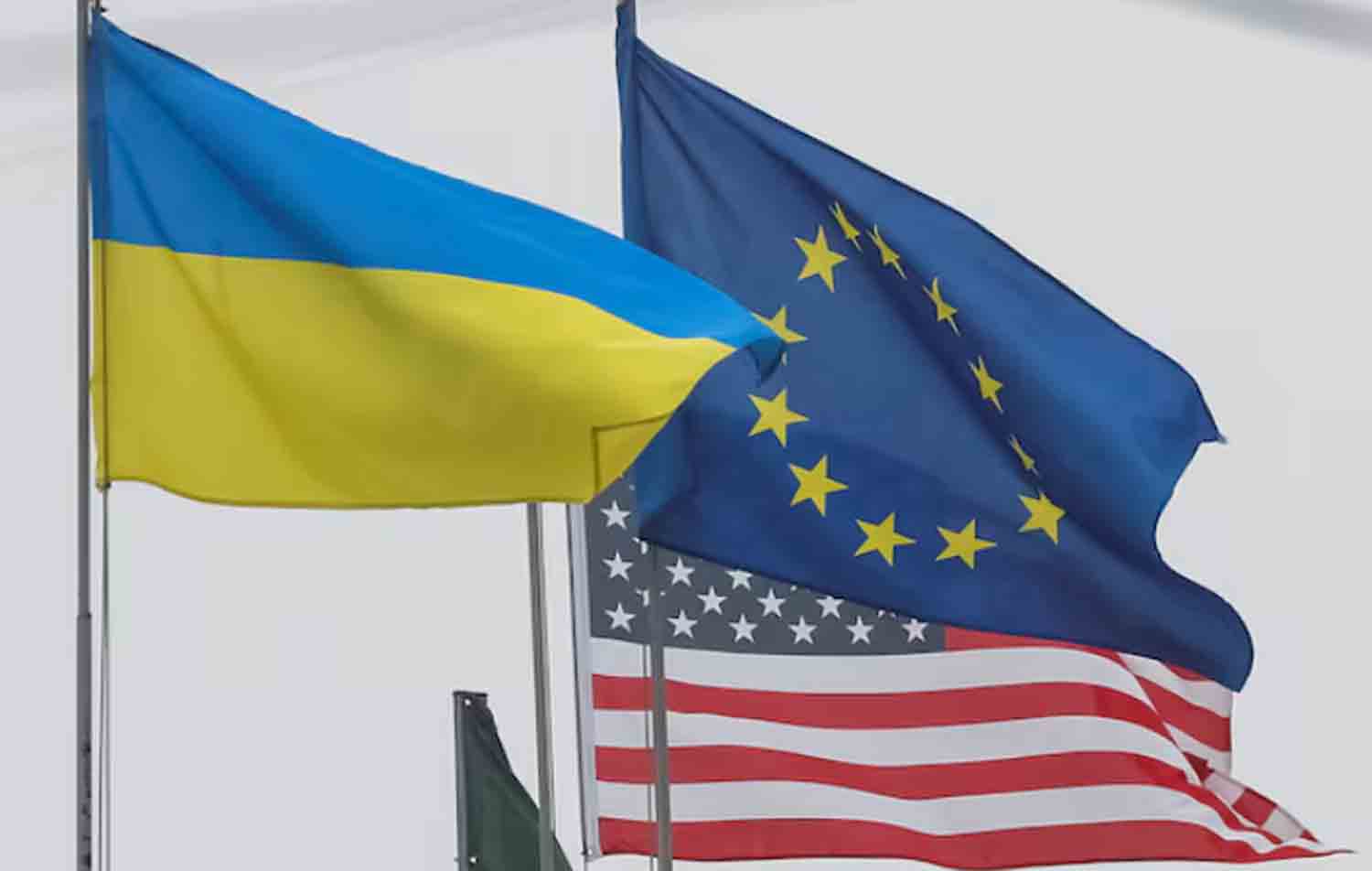
flags of Ukraine, European Union and U.S.

The United States has inquired with its European allies regarding their requirements from Washington to engage in security arrangements for Ukraine, as indicated by a document reviewed by Reuters.

This diplomatic initiative, which was communicated last week, outlines six key points and questions. It seeks to identify which nations might contribute to the security guarantees, those willing to send troops to Ukraine as part of a peace agreement, and the potential size of any European-led military force.

Recently, U.S. President Donald Trump surprised European partners by reaching out to Russian President Vladimir Putin—whose military invaded Ukraine three years prior—without prior consultation with them or Kyiv, and announced an immediate commencement of peace negotiations.

Reports from various news outlets, including Reuters, revealed that the U.S. had circulated a document to European governments inquiring about their potential contributions to security guarantees. However, the complete text obtained by Reuters indicates that the U.S. is also interested in understanding what support they would require from Washington to facilitate their involvement.

This aspect is likely to be positively received by numerous European governments, which have expressed that they could only offer security guarantees with U.S. support. One of the questions posed was, “What, if any, U.S. support requirements would your government consider necessary for its participation in these security arrangements? Specifically, which short-term and long-term resources do you think will be required from the U.S.?”

Two European diplomats noted that discussions are ongoing regarding how European capitals should respond, with some advocating for a unified response. Additionally, several European leaders, including those from Britain and Germany, are scheduled to convene in Paris on Monday for an urgent summit focused on Ukraine.

The document inquires about which European or third countries might be willing to engage in such an arrangement and whether their nation would consider sending troops to Ukraine as part of a peace agreement. It poses the question, “If military forces from a third country were to be deployed to Ukraine under a peace framework, what do you believe would be the appropriate size for a European-led contingent? Additionally, how and where should these forces be stationed, and for what duration?”

Furthermore, countries were prompted to consider what actions the U.S., allies, and partners should be ready to undertake in the event of a Russian attack on these forces. The questionnaire also seeks to understand what additional capabilities, equipment, and maintenance support their government is willing to offer Ukraine to enhance its negotiating position and exert more pressure on Russia.

Lastly, it queries what measures governments would be prepared to implement to escalate sanctions against Russia, including the stricter enforcement of current sanctions.

Netanyahu pledges to complete the mission against Iran with backing from Trump

0
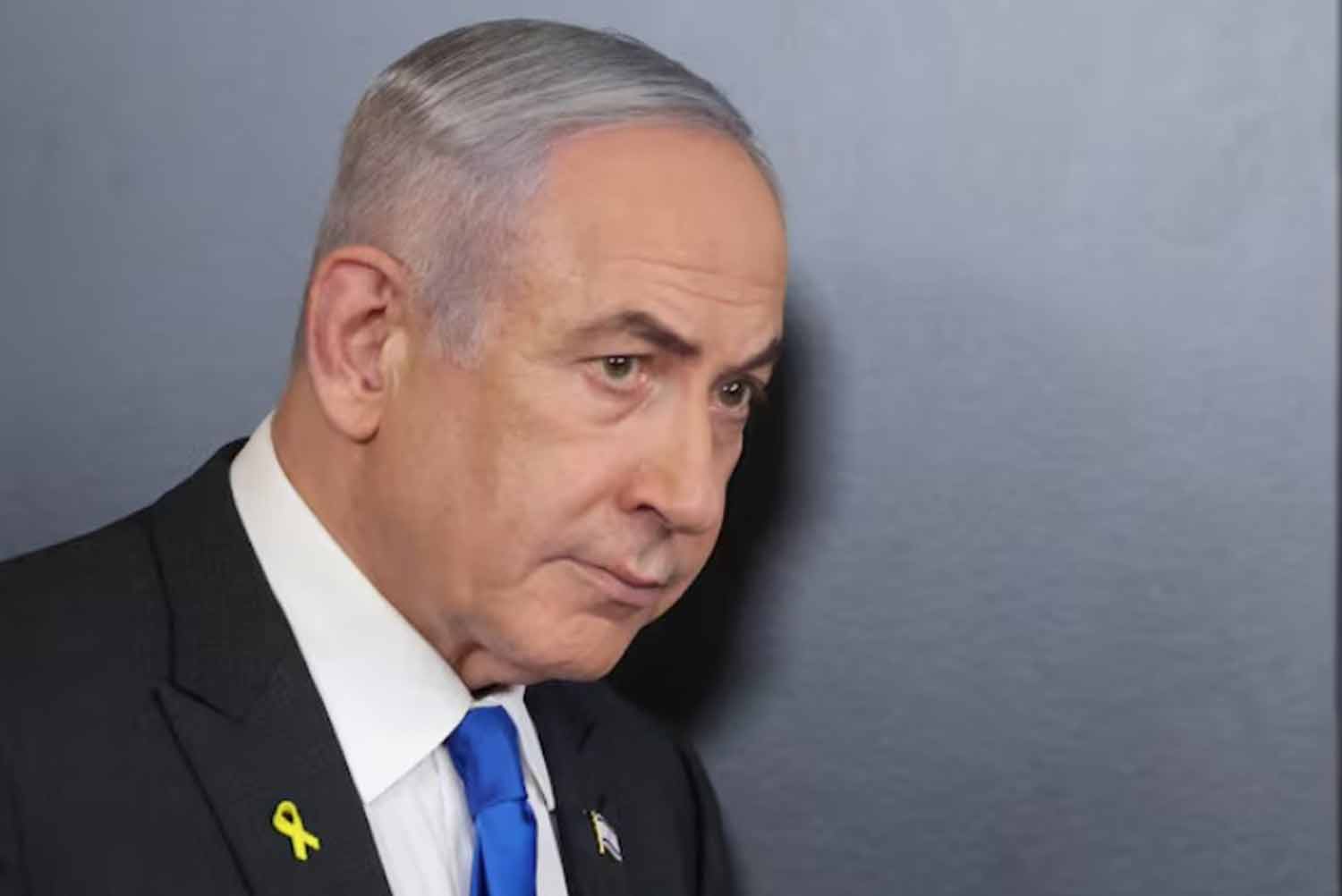
Prime Minister Benjamin Netanyahu

Israel’s Prime Minister Benjamin Netanyahu declared on Sunday his commitment to “complete the mission” against Iran, with backing from US President Donald Trump.

Netanyahu made these remarks during a joint appearance with US Secretary of State Marco Rubio, who is on his inaugural official visit to Israel since taking office.

“In the past 16 months, Israel has delivered a significant blow to Iran’s terror network. With President Trump’s strong leadership, I am confident that we can and will complete this mission,” Netanyahu stated.

Rubio emphasized that a nuclear Iran is unacceptable.

“It is crucial to recognize that whether we discuss Hamas, Hezbollah, violence in the West Bank, instability in Syria, or the militias in Iraq, they all share a common thread – Iran,” Rubio noted.

“This issue must be addressed,” he added.

Recent warnings from US intelligence agencies to both the Biden and Trump administrations indicate that Israel is likely to target facilities critical to Iran’s nuclear program this year, according to sources familiar with the situation.

Israel’s readiness to employ military action contrasts with President Trump’s current aim for a peace agreement with Tehran, and recent US intelligence assessments suggest that significant strikes on Iranian nuclear sites could heighten the risk of a broader conflict in the Middle East.

Additionally, Israel continues to pursue the overarching objective of regime change in Iran, as indicated by a recent US intelligence report.

The Israeli Prime Minister asserted that he shares a unified strategy with Trump regarding Gaza and its future, threatening to unleash severe consequences if all hostages are not released.

This month, Trump suggested that the United States should take control of Gaza and permanently relocate Palestinians from the war-torn region, sparking widespread backlash.

Rubio commented on the proposal, stating, “While it may have shocked and surprised many, we cannot continue the same cycle that leads us back to the same situation repeatedly.”

Heavy bombs shipment

Coinciding with Rubio’s visit, the United States dispatched a shipment of heavy bombs to Israel. This delivery followed the Trump administration’s recent decision to lift a hold on these munitions, as confirmed by Israel’s Ministry of Defense on Sunday.

Israel’s Defense Minister, Israel Katz, remarked that the MK-84 munitions shipment “is a significant asset for the Air Force and the IDF, further demonstrating the strong alliance between Israel and the United States.” He expressed gratitude to Trump and the U.S. administration for their “steadfast support.”

The current administration’s approval of the heavy bomb shipments reversed one of the few policies from the Biden era aimed at applying pressure on Israel during its conflict in Gaza. Former President Joe Biden had imposed restrictions on the delivery of the 2,000-pound bombs due to concerns about their potential indiscriminate use by Israel’s military in densely populated areas of Gaza.

The decision to send heavy bombs has created tensions between Biden and Netanyahu, yet it did not signal any significant shifts in the ongoing conflict. Additionally, it failed to enhance Biden’s reputation among war critics, who have been advocating for stricter limitations on American arms sales to Israel.

Salama Maroof, head of Gaza’s Government Media Office, condemned the US’s choice to supply heavy munitions. “Rather than providing food, medicine, water, or shelter and construction materials to the victims in the Gaza Strip, the United States, which prides itself as the first democracy and a champion of human rights, is instead backing the occupying forces with 1,800 heavy MK bombs,” Maroof stated.

Senator Rubio arrived in Tel Aviv on Saturday evening, where he was welcomed by Israel’s Foreign Minister Gideon Sa’ar at the start of his regional visit. He met with Netanyahu at his office in Jerusalem the following morning.

This visit followed the release of three Israeli hostages by Hamas as part of a US-brokered ceasefire agreement. However, the fragile nature of this truce was highlighted again on Sunday when Hamas reported that an Israeli airstrike resulted in the deaths of three police officers in Gaza, which they termed a “serious violation.”

Prior to his meeting with Netanyahu, Secretary Rubio participated in a mass at the historic Church of the Holy Sepulchre, as noted by a State Department official.

Saudi Arabia aims to facilitate discussions between Trump and Iran regarding a new nuclear agreement

0
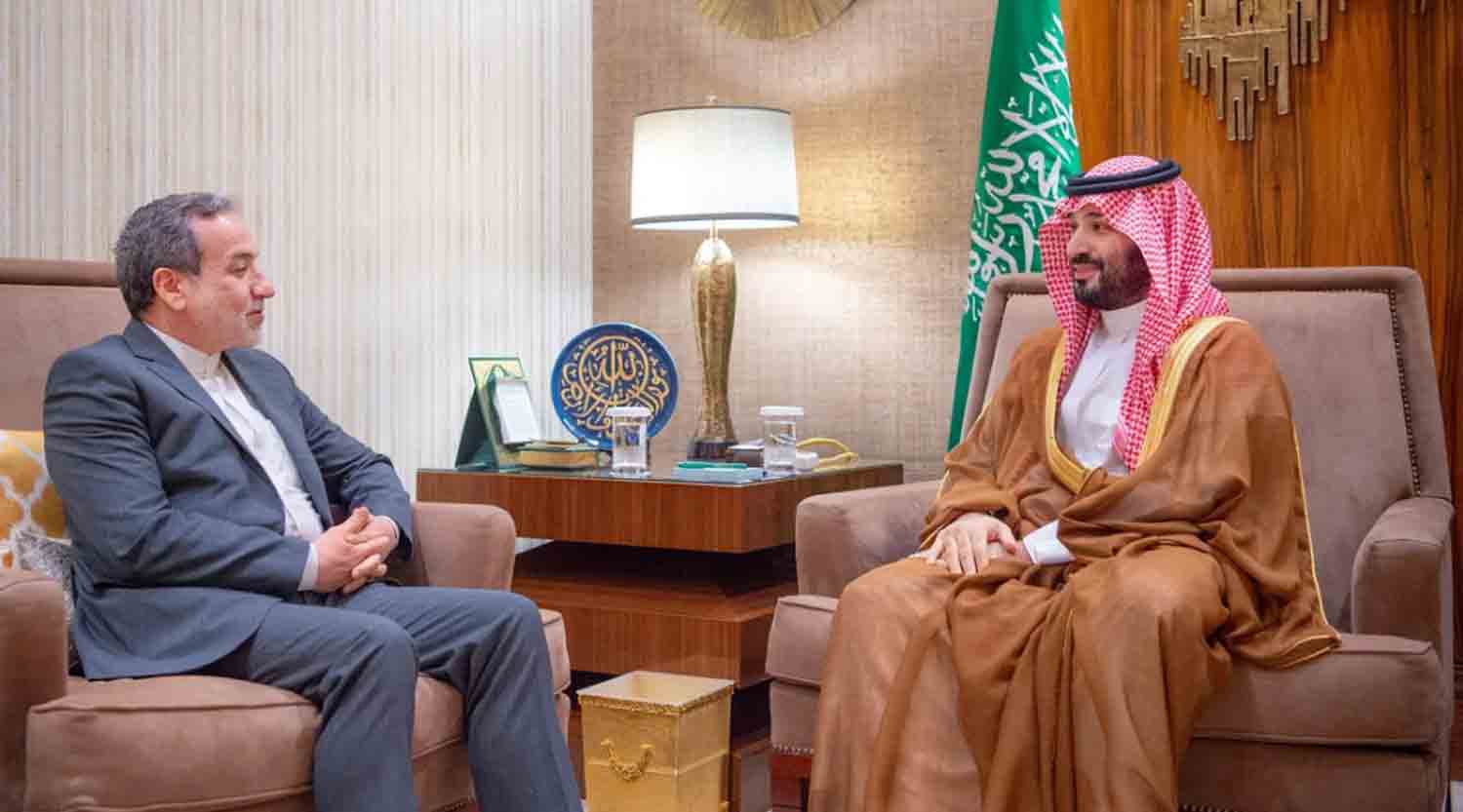
Saudi Crown Prince Mohammed bin Salman receives Iranian Foreign Minister Abbas Araqchi in Riyadh.

Saudi Arabia is willing to act as a mediator between the Trump administration and Iran in an effort to establish a new agreement aimed at curbing Tehran’s nuclear ambitions, according to CNN.

The kingdom is apprehensive that Iran might be more likely to pursue nuclear weapons now that its regional proxies, which have historically served as a deterrent against Israeli aggression, have been considerably diminished. Saudi Arabia aims to utilize its strong relationship with President Donald Trump to facilitate a diplomatic connection between Iran and the White House.

It remains uncertain whether Saudi Arabia has formally proposed this mediation, but the initiative highlights Riyadh’s intention to capitalize on its improved relations with its former adversary and to secure a role in the discussions for a potential new agreement.

While Trump has expressed a desire to negotiate a new deal, Iran’s response has been ambiguous, with Supreme Leader Ayatollah Ali Khamenei stating last week that engaging in talks with the United States was “not wise.”

Publicly, Saudi Arabia supported the 2015 nuclear deal between Iran and global powers, but privately harbored frustrations over the Obama administration’s inability to address its concerns regarding Tehran’s regional activities—especially its missile program and proxy forces in Yemen, Iraq, and Lebanon, which Riyadh perceived as threats to regional security. Subsequently, it welcomed Trump’s withdrawal from the agreement in 2018.

A year following Trump’s exit from the deal, Saudi Arabia experienced a significant drone and missile attack on its oil facilities, which halved the crude production of the world’s largest oil exporter. The Iran-aligned Houthi group in Yemen claimed responsibility for the attack, while the US attributed it to Iran, ultimately refraining from military action to defend its Saudi ally.

Tensions between Saudi Arabia and Iran have notably diminished in recent months. In March 2023, the two nations unexpectedly announced a normalization of relations through an agreement facilitated by China. Saudi officials regard this development as a significant achievement, asserting that Riyadh has benefited from it—Houthi attacks on Saudi territory have ceased, and the kingdom avoided involvement in last year’s reciprocal strikes between Israel and Iran, despite concerns that Tehran might target Gulf Arab oil facilities if its own were attacked by Israel.

In the last 15 months, Israel has effectively diminished the influence of Iran-aligned groups in Lebanon and Gaza, while also conducting strikes in Syria, Iraq, and even Yemen. Coupled with the decline of the Assad regime in Syria, these events have severely undermined Iran’s capacity to extend its influence beyond its borders.

Saudi officials perceive the current regional dynamics as a unique opportunity to reduce tensions with Iran and enhance diplomatic relations, emphasizing their desire to avoid any involvement in conflicts instigated by the United States or Israel against Iran.

They are also wary that a pressured Tehran might be more inclined to pursue nuclear weapons, viewing a new nuclear agreement as a preventive measure. They believe that a significantly weakened Iran does not align with Saudi interests, as Riyadh has adjusted its foreign policy to focus on economic priorities and sees further regional instability as a barrier to advancement.

A ‘grand celebration in the Middle East’

Since resuming office, Trump has expressed his intention to negotiate a new agreement with Iran. He has, albeit reluctantly, intensified sanctions related to the country’s nuclear program while stating his desire to reach a deal and improve bilateral relations.

“I want Iran to be a prosperous and successful nation, but one that cannot possess a nuclear weapon. Claims that the United States, in collaboration with Israel, plans to obliterate Iran are greatly exaggerated,” Trump stated on Truth Social last week.

He expressed, “I would greatly favor a Verified Nuclear Peace Agreement, which would allow Iran to develop and thrive in peace. We should initiate efforts towards this immediately and celebrate with a significant event in the Middle East once it is finalized. God Bless the Middle East!”

With Iran’s economy severely impacted by US sanctions, President Masoud Pezeshkian – who campaigned last year on a platform of global reconciliation – faces mounting pressure from his reformist supporters and ordinary Iranians to address a declining currency, high youth unemployment, and persistent power shortages.

However, signals from Tehran have been inconsistent. Pezeshkian and other Iranian officials have consistently expressed their readiness to engage with the Trump administration regarding a new agreement and indicated that discussions could extend to “other issues.”

Yet, on Monday, Pezeshkian raised doubts about Trump’s genuine interest in pursuing a new nuclear agreement. Additionally, last week, Supreme Leader Ayatollah Ali Khamenei, who possesses ultimate authority over state matters, stated that negotiations with the US were “not smart, wise, or honorable,” referencing the US withdrawal from the 2015 agreement. Nevertheless, he did not explicitly prohibit communication with Washington.

Riyadh’s Expanding Role on the Global Stage

Firas Maksad, a senior fellow at the Middle East Institute in Washington, noted that although Saudi Arabia’s foreign policy is fundamentally rooted in its strategic partnership with the United States, Riyadh has actively pursued a diversification of its diplomatic options on both regional and international fronts. This approach enables the kingdom to exhibit flexibility and pragmatism as situations evolve.

He pointed out that by expressing a willingness to mediate between President Trump and Iran, Saudi Arabia is subtly distancing itself from Trump’s stringent pressure tactics against Tehran. However, he cautioned that the persistent mistrust between Saudi Arabia and Iran makes it improbable for this initiative to progress beyond mere diplomatic gestures.

The dynamics of Riyadh’s relationship with Trump, particularly the influence of Crown Prince Mohammed Bin Salman (MBS), may face challenges due to the president’s contentious proposal for the US to “take over” Gaza and displace its Palestinian residents. This plan could jeopardize the normalization efforts between Saudi Arabia and Israel, which have been vigorously championed by both Trump and Israeli Prime Minister Benjamin Netanyahu.

Recently, Trump expressed optimism regarding Saudi-Israeli normalization, suggesting that Riyadh was not insisting on an independent Palestinian state as a condition. In response, Saudi Arabia promptly rejected any proposals that involve the displacement of Palestinians, reiterating that normalization cannot occur without the establishment of a Palestinian state.

Despite these tensions, Saudi Arabia’s relationship with Trump remains robust. While other US allies navigate cautiously to avoid antagonizing him, the kingdom’s international stature and influence are likely to continue to rise during Trump’s presidency. Trump has even indicated that Saudi Arabia could be the site of his first foreign visit as president, where MBS might unexpectedly assume the role of mediator between the US and Russia in efforts to resolve the ongoing conflict in Europe, the largest since World War II.

United States removes language from its website indicating a lack of support for Taiwan’s independence

0
Flags of Taiwan and U.S. are placed for a meeting.

The U.S. State Department has updated its website by removing a statement indicating its lack of support for Taiwan’s independence, a change that the Taiwanese government commended on Sunday as a sign of support for the island.

The updated fact sheet on Taiwan maintains Washington’s stance against any unilateral changes from either Taiwan or China, which asserts sovereignty over the democratically governed island. In addition to omitting the phrase “we do not support Taiwan independence,” the page now includes a mention of Taiwan’s collaboration with a Pentagon technology and semiconductor development initiative, as well as a commitment to support Taiwan’s participation in international organizations “where applicable.”

Although the United States, like most nations, does not have formal diplomatic relations with Taiwan, it remains the island’s most significant international ally, legally obligated to provide defense support. The updated State Department website states, “We oppose any unilateral changes to the status quo from either side,” and emphasizes the expectation that cross-Strait issues be resolved peacefully and without coercion, in a manner acceptable to the populations on both sides of the Taiwan Strait.

Taiwan’s Foreign Minister Lin Chia-lung expressed appreciation for the support and positive outlook on U.S.-Taiwan relations reflected in the website’s content, according to a statement from his ministry on Sunday.

The State Department and China’s foreign ministry did not respond immediately to inquiries outside of office hours. The language changes were initially reported by Taiwan’s official Central News Agency on Sunday. Notably, the wording regarding Taiwan’s independence was previously removed in 2022, only to be reinstated a month later. Taiwan’s government firmly rejects Beijing’s claims of sovereignty, asserting that only the island’s residents can determine their future. Taiwan identifies itself as an independent nation known as the Republic of China, its official designation. Beijing regards Taiwan as a “core interest” and frequently criticizes any expressions of support for Taipei from Washington.

U.S. President Donald Trump’s recent comments regarding Taiwan’s semiconductor industry have raised concerns in the region since he took office last month. However, his administration has consistently expressed strong support for Taiwan.

Last week marked the first passage of U.S. Navy vessels through the strategically important Taiwan Strait since Trump’s inauguration. Additionally, Taiwan’s foreign ministry reported that a Canadian warship, the Ottawa, transited the strait on Sunday. Canada’s Department of National Defence has not provided a response to inquiries regarding this matter.

Taiwan is currently experiencing increased military pressure from Beijing, characterized by frequent incursions of Chinese military aircraft and vessels into the surrounding waters and airspace. On Sunday, Taiwan’s defense ministry reported the detection of 24 Chinese military aircraft engaged in a “joint combat readiness patrol” alongside Chinese naval forces near the island.

China’s defense ministry has not responded to requests for comments concerning the U.S. State Department’s statements, the Canadian warship, or the heightened military activities.

Israel has received a delivery of heavy bombs that were authorized during Trump’s administration

0

Israel has received a delivery of heavy MK-84 bombs from the United States following the decision by U.S. President Donald Trump to lift an export ban that had been imposed by the previous administration under Joe Biden, as reported by the defense ministry on Sunday.

The MK-84 is a 2,000-pound unguided bomb capable of penetrating thick concrete and metal, resulting in a substantial blast radius. The Biden administration had previously withheld approval for their export to Israel due to concerns regarding potential impacts on densely populated areas in the Gaza Strip.

After the October 7, 2023, attack by Hamas militants from Gaza, the Biden administration had sent thousands of 2,000-pound bombs to Israel but subsequently paused one of the shipments. This hold was lifted by Trump last month.

“The munitions shipment that arrived in Israel tonight, released by the Trump Administration, represents a significant asset for the Air Force and the IDF and serves as further evidence of the strong alliance between Israel and the United States,” stated Defense Minister Israel Katz late Saturday.

The shipment comes amid ongoing concerns about the stability of a fragile ceasefire in Gaza, which was agreed upon last month, as both parties have accused each other of breaching the terms intended to halt hostilities and facilitate the exchange of hostages held in Gaza for Palestinian prisoners in Israeli custody. Since the onset of the conflict, Washington has announced billions of dollars in assistance for Israel.