Monday, April 13, 2026
Home Blog Page 66

Gaza ethnic cleansing plan predates Trump, being part of U.S. policy since 2007

0
Smoke rises after an explosion in northern Gaza, before a ceasefire deal between Israel and Hamas goes into effect, as seen from Israel.

Israeli Prime Minister Benjamin Netanyahu‘s objective from the outset of his “revenge” campaign against Gaza, initiated 16 months ago, appears to be either ethnic cleansing or genocide.

For the subsequent 15 months, former US President Joe Biden acted as an accomplice in this genocide, while current US President Donald Trump is now seen as an ally in the ethnic cleansing efforts.

Biden supplied the 2,000-pound bombs used in the genocide, whereas Trump is reportedly providing the even more powerful 11-ton MOAB, or massive ordnance air blast bomb, designed to further encourage the population’s displacement.

Biden asserted that Israel was assisting the people of Gaza through what he termed “carpet bombing” to “eradicate” Hamas. In contrast, Trump claims he is aiding the people of Gaza by “cleaning them out” from the aftermath of the resulting “demolition site.”

Biden referred to the destruction of 70 percent of Gaza’s infrastructure as “self-defense,” while Trump describes the impending destruction of the remaining 30 percent as “all hell breaking loose.”

Biden has stated he is “working tirelessly for a ceasefire,” yet he has simultaneously supported Israel’s ongoing attacks on children month after month.

Trump, on the other hand, claims to have brokered a ceasefire, despite ignoring Israel’s violations of its terms, which include continued assaults on Palestinians in Gaza and the West Bank, obstructing the entry of essential aid trucks, allowing minimal supplies of promised tents or mobile homes, denying many injured Palestinians access to treatment abroad, blocking the return of displaced Palestinians to their homes in northern Gaza, and neglecting to advance the second phase of ceasefire discussions.

Israeli violations, although frequently characterized by the media as mere “claims” from Hamas, were substantiated to the New York Times by three Israeli officials and two mediators.

In essence, Israel has contravened the agreement on all fronts, with Trump unwaveringly supporting this favored ally, just as Biden did previously.

“let hell break loose”

As Israel was well aware when it violated the ceasefire, Hamas had only one means of leverage to enforce the agreement: withholding the release of additional hostages. This is exactly what the Palestinian group declared last Monday, stating they would not release more hostages until Israel began to comply with the agreement.

In a predictable display, Israel and Washington feigned outrage.

Trump quickly escalated the situation, granting Israel—or perhaps the US, as he was ambiguous—the go-ahead to “let hell break loose,” presumably referring to the resumption of violence.

This escalation is contingent not only on Hamas’s refusal to release the three scheduled hostages by the noon deadline this Saturday but also on Trump’s insistence that Hamas must now release all hostages.

The US president stated he would no longer tolerate the gradual release of hostages over the six-week initial phase of the ceasefire. In effect, Trump is undermining the very terms of the ceasefire that his own administration negotiated.

It is evident that neither Netanyahu nor Trump is making any effort to preserve the agreement; instead, they are actively seeking to dismantle it.

According to a report from Israel’s Haaretz newspaper last weekend, Israeli sources indicated that Netanyahu aims to “derail” the ceasefire before it progresses to the second phase, which involves the complete withdrawal of Israeli troops from the enclave and the initiation of reconstruction efforts.

A source mentioned to the publication, “If Hamas understands that a second stage is off the table, they may not fulfill the first.”

Hamas has insisted on a phased release of hostages to gain time, fully aware that Israel would be eager to resume military actions as soon as the hostages are returned.

The situation for the Palestinians in Gaza has reverted to its original state.

They must either accept the prospect of ethnic cleansing to allow Trump and his wealthy associates to profit from transforming the enclave into the “Riviera of the Middle East,” funded by appropriating the revenues from Gaza’s gas fields, or confront the possibility of renewed genocide.

Israel has not succeeded in achieving its declared goals

Netanyahu’s agreement to Washington’s so-called “ceasefire” was clearly insincere, as it was merely a temporary pause. This pause allowed the U.S. to shift from a narrative of “humanitarianism” and “security” associated with Biden to the more direct and aggressive approach favored by Trump.

Currently, the focus has shifted to the “art of the deal” and potential real estate ventures.

However, Trump’s intention to “own” Gaza and subsequently “clean it out” has left his European allies—essentially his subordinates—uncomfortable.

Trump has a troubling tendency to vocalize what others keep hidden, stripping away the fragile facade of Western decency and making everyone appear unfavorable.

The reality is that over the past 15 months, Israel has not succeeded in achieving its declared goals in Gaza—eliminating Hamas and securing the return of hostages—because these objectives were never genuinely pursued.

Even Antony Blinken, Biden’s Secretary of State, acknowledged that Israel’s extensive military actions had only succeeded in increasing Hamas’s recruitment, matching the number of fighters killed.

Israeli military whistleblowers disclosed to the website +972 last week that numerous hostages had been killed by Israel through the use of indiscriminate bunker-buster bombs supplied by the United States.

These bombs not only created extensive blast zones but also acted as chemical agents, inundating Hamas’ tunnels with carbon monoxide and leading to the asphyxiation of the hostages.

The Israeli leadership’s disregard for the hostages’ well-being was corroborated by former defense minister Yoav Gallant during an interview with Israeli TV Channel 12.

He acknowledged that the army had implemented the so-called Hannibal directive during Hamas’ breakout from Gaza on October 7, 2023, which permitted soldiers to kill Israelis rather than allow them to be captured by the Palestinian group.

These revelations, which provide a different perspective on Israel’s actions in Gaza, have largely been ignored by the mainstream Western media.

Damage control

From the beginning, Israel’s objective has been the ethnic cleansing of Gaza, a stance that Trump has now made explicit.

So explicit, in fact, that the media has been compelled to engage in extensive damage control, executing one of the most intense psychological operations against their own audiences on record.

A plethora of euphemisms has been employed to obscure the reality that Trump and Israel are preparing to ethnically cleanse the remaining 2.3 million Palestinians residing in Gaza.

The BBC discusses terms such as “resettling,” “relocating,” and “moving away” regarding the population of Gaza.

In various reports, Palestinians are described as being on the verge of “leaving” without clear explanation.

The New York Times refers to ethnic cleansing in a favorable light as Trump’s “development plan,” while Reuters casually describes it as “moving out” the population of Gaza.

Western governments and their aligned media find themselves in a difficult situation because Washington’s allied states in the Middle East have declined to support Israel and Trump’s plan for ethnic cleansing.

Despite the escalating violence, Egypt has not opened its limited border with Gaza to allow the bombarded and starving population to enter the neighboring Sinai region.

There has never been any expectation that Israel would permit Gaza’s families to return to the lands from which they were forcibly removed in 1948 to establish a self-proclaimed Jewish state.

Western powers have historically collaborated in Israel’s ethnic cleansing efforts, a context that is often overlooked by the media. When they do acknowledge any background, it is typically framed through a lens of presumed Palestinian violence rather than the broader historical narrative. Instead of addressing the root causes, the media frequently resorts to vague phrases like “cycles of violence” and “historic enmities.”

In light of recent comments from Trump, Western politicians and media outlets have attempted to portray his administration’s “development plan” for Gaza as a novel approach.

However, the reality is that the president is not proposing anything new in his call for the ethnic cleansing of Palestinians in Gaza. The distinction lies in his unusually candid acknowledgment of a policy that has been in place for some time.

Israel has consistently aimed to remove Palestinians from Gaza to Egypt and from the West Bank to Jordan.

United States has supported the Gaza aspect of this expulsion strategy since the latter part of George W. Bush’s second term in 2007. For those keeping track, that was 18 years ago.

Every U.S. president, including Barack Obama, has sought the cooperation of Egypt’s leaders to permit Israel to push Gaza’s residents into Sinai, yet each attempt has been met with resistance.

Widely Acknowledged Secret

This widely acknowledged secret remains obscure for the same reason that many Western commentators and politicians are now feigning shock at Trump’s actual promotion of it.

Why is this the case? Because it presents a negative image, especially when framed within Trump’s crude real estate rhetoric during a supposed ceasefire.

Western leaders had aimed to execute the ethnic cleansing of Gaza with greater subtlety—through a “humanitarian” approach that would more effectively mislead Western audiences and preserve the West’s assertion of upholding civilized values against alleged Palestinian savagery.

Since 2007, the collaborative ethnic cleansing initiative between Washington and Israel has been referred to as the “Greater Gaza Plan.”

The siege imposed by Israel on the small enclave, which commenced in late 2006, was intended to inflict such extreme hardship and deprivation that the inhabitants would desperately seek to escape.

This was the period when Israel began to devise a so-called “starvation diet” for Gaza’s population, meticulously calculating calories to ensure survival, albeit barely.

Israel viewed Gaza as a tube of toothpaste that could be squeezed; once Egypt agreed to open the border, the population would pour into Sinai out of sheer desperation.

Every Egyptian president—Hosni Mubarak, Mohamed Morsi, and General Abdel Fattah el-Sisi—was pressured and incentivized to comply, yet all stood firm in their refusal.

Egypt was acutely aware of the implications following October 7, 2023. It recognized that Israel’s extensive bombardment of Gaza aimed to exert such pressure that it would lead to a complete breakdown of the region.

Pressure on Egypt

From the beginning, figures such as Giora Eiland, Israel’s former national security adviser, openly declared that the objective was to render Gaza “a place where no human being can exist.”

Just a week into the violence in October 2023, military spokesperson Amir Avivi informed the BBC that Israel could not guarantee the safety of civilians in Gaza. He stated, “They need to move south, out to the Sinai Peninsula.”

The following day, Danny Ayalon, a close associate of Netanyahu and former Israeli ambassador to the US, reinforced this message: “There is almost endless space in the Sinai Desert… We and the international community will prepare the infrastructure for tent cities.”

He concluded with the assertion: “Egypt will have to cooperate.”

Israel’s strategy was further revealed in a leaked policy document from its intelligence ministry, which suggested that after their displacement, Gaza’s residents would initially be accommodated in tent cities, with plans for permanent settlements to be established in northern Sinai.

Simultaneously, the Financial Times disclosed that Netanyahu was advocating to the European Union for the relocation of Palestinians from the enclave to Sinai under the guise of war.

Certain EU nations, notably the Czech Republic and Austria, reportedly showed interest and raised the proposal during a meeting of member states. An anonymous European diplomat informed the FT: “This is the moment to intensify pressure on the Egyptians to consent.”

In the meantime, the Biden administration provided munitions to sustain the pressure.

Sisi was acutely aware of the challenges facing Egypt: a coordinated Western initiative aimed at the ethnic cleansing of Gaza. This situation had no connection to Trump, who was still over a year away from his presidential election.

In mid-October 2023, just days into the violence, Sisi addressed the issue in a press conference alongside German Chancellor Olaf Scholz, stating: “What is currently occurring in Gaza is an effort to compel civilian residents to seek refuge and migrate to Egypt, which must not be tolerated.”

He invested considerable effort in reinforcing the short border between Gaza and Sinai, both prior to and following the onset of Israel’s actions.

Peace sales pitch

What makes Trump’s sales pitch particularly surreal is his lackluster adherence to the original narrative, attempting to frame the plan in a somewhat humanitarian light.

While simultaneously rearming Israel and cautioning that “all hell will break loose,” he has mentioned the possibility of identifying “parcels of land” in Egypt and Jordan where the residents of Gaza “can live very happily and very safely.”

He juxtaposes this with their current situation: “They are being killed there at levels that nobody’s ever seen. No place in the world is as dangerous as the Gaza Strip… They are living in hell.”

This seems to reveal Trump’s perspective on the genocide that Israel claims it is not perpetrating and that the US asserts it is not supporting.

However, the discussion about aiding Gaza’s population appears to be mere remnants of the previous sales pitch, reminiscent of earlier US administrations that sought to present ethnic cleansing as a necessary component of the much-touted “peace process.”

Washington became involved in the Greater Gaza Plan as early as 2007. The initial proposal suggested that Egypt would allocate a 1,600 square kilometer area in Sinai—five times larger than Gaza—to the Palestinian leadership in the West Bank, led by Mahmoud Abbas.

Palestinians residing in Gaza would be “encouraged” to relocate, which effectively meant they would face pressure through the ongoing siege, aid blockades, and sporadic military operations referred to as “mowing the lawn.”

In exchange, Abbas would need to relinquish the pursuit of a Palestinian state within historic Palestine, compromise the right of return for Palestinian refugees as recognized by international law, and shift the responsibility for managing Palestinian repression onto Egypt and the broader Arab community.

From 2007 to 2018, Israel promoted the Sinai plan with the intention of undermining Abbas’ efforts at the United Nations to gain recognition for Palestinian statehood.

It is significant to note that Israel’s extensive military operations in Gaza during the winters of 2008, 2012, and 2014 coincided with reported Israeli and U.S. pressures on successive Egyptian leaders to agree to cede portions of Sinai.

Waterfront property

Trump has a comprehensive understanding of the Greater Gaza Plan from his previous presidency. Reports from 2018 indicate that he intended to incorporate it into his “deal of the century,” aimed at fostering normalization between Israel and the Arab nations.

In March of that year, the White House convened a conference with representatives from 19 countries to explore innovative solutions for Gaza’s escalating crisis, which was largely attributed to Israeli actions.

Participants included not only Israel but also delegates from Egypt, Jordan, Saudi Arabia, Qatar, Bahrain, Oman, and the United Arab Emirates. The Palestinian representatives chose to boycott the event.

Later that summer, Jared Kushner, Trump’s son-in-law and the main architect of his Middle East strategy, traveled to Egypt. Shortly thereafter, Hamas dispatched a delegation to Cairo to gain insights into the proposals being discussed.

At that time, as is the case now, Trump was proposing a specially designed zone in Sinai, featuring a solar power grid, a desalination facility, a seaport, and an airport, along with a free trade area comprising five industrial zones, funded by the affluent Gulf states.

Notably, veteran Israeli journalist Ron Ben-Yishai reported that Israel was threatening to invade and divide Gaza into distinct northern and southern regions to compel Hamas to comply. This strategy was precisely what Israel prioritized during its invasion last year, which aimed to evacuate northern Gaza of its inhabitants.

Trump aimed to exacerbate the situation in Gaza by withholding funds from the United Nations Relief and Works Agency for Palestine Refugees in the Near East (UNRWA). This approach was similarly adopted by Israel and the Biden administration amid the ongoing humanitarian crisis.

Since Trump assumed the presidency, Israel has prohibited UNRWA operations throughout the occupied Palestinian territories.

Trump’s administration reignited its interest in the ethnic cleansing strategy as soon as Israel initiated its campaign of violence, well before Trump was aware of the outcome of the November 2024 election.

In March of the previous year, Kushner echoed sentiments similar to those expressed by Trump today. He remarked that “there’s not much of Gaza left at this point,” emphasizing the need to “clean it up” and referring to it as “valuable waterfront property.” He asserted that the residents of Gaza would need to be “moved out.”

Counter-proposal

If Trump remains steadfast in his position, the future for the people of Gaza largely depends on the responses of neighboring Egypt and Jordan. They face a choice: either accept the ethnic cleansing plan or witness Israel continue its campaign against Gaza’s population.

Should they refuse, Trump has warned of potential cuts to U.S. aid—essentially long-standing incentives for both nations to refrain from assisting the Palestinians while Israel carries out its actions.

King Abdullah of Jordan appeared visibly apprehensive during his recent visit to the White House, resembling a deer caught in headlights.

He refrained from directly confronting Trump about the proposed plan, instead suggesting a wait-and-see approach regarding Egypt’s response, given its status as a more influential Arab nation.

However, Abdullah harbors deep concerns about the potential destabilization that could arise from Jordan’s involvement in what he perceives as Gaza’s ethnic cleansing—an issue he considers critical to his regime’s survival. He has even hinted at the possibility of military action against Israel to prevent this.

Egypt, too, has expressed its dissatisfaction. Following Abdullah’s uncomfortable visit, President Sisi has reportedly delayed his upcoming meeting with Trump, signaling his disapproval until the ethnic cleansing proposal is withdrawn.

Cairo is believed to be formulating its own plan for Gaza’s reconstruction. Even Saudi Arabia, a key ally of the U.S. with significant oil wealth, is showing signs of dissent.

It is uncommon for Arab nations to exhibit such assertiveness towards a U.S. president, particularly one as self-absorbed and erratic as Trump.

This may account for the apparent softening of Trump’s stance. On Wednesday, his press secretary, Karoline Leavitt, indicated that Trump is now looking for a counter-proposal from “our Arab partners in the region,” suggesting a desire for a “peace plan to present to the president.”

In another indication of Trump’s wavering position, Netanyahu has retracted his ultimatum regarding the resumption of military action, now only insisting on the release of the three hostages originally mentioned.

Reports from Gaza indicate that Israel has also significantly increased its aid deliveries, which is encouraging news and may provide the people of Gaza with some additional respite.

It is essential to maintain perspective on the broader context. Both Israel and the United States remain dedicated to the objective of “clearing out” Gaza, a goal they have pursued for the last 18 years. They are merely waiting for a more favorable opportunity to act again.

This could occur as soon as this weekend or perhaps in a month or two. However, one significant outcome of the actions taken by both Biden and Trump is that they have ensured that the devastation of Gaza can no longer be misconstrued as a strategy for peace.
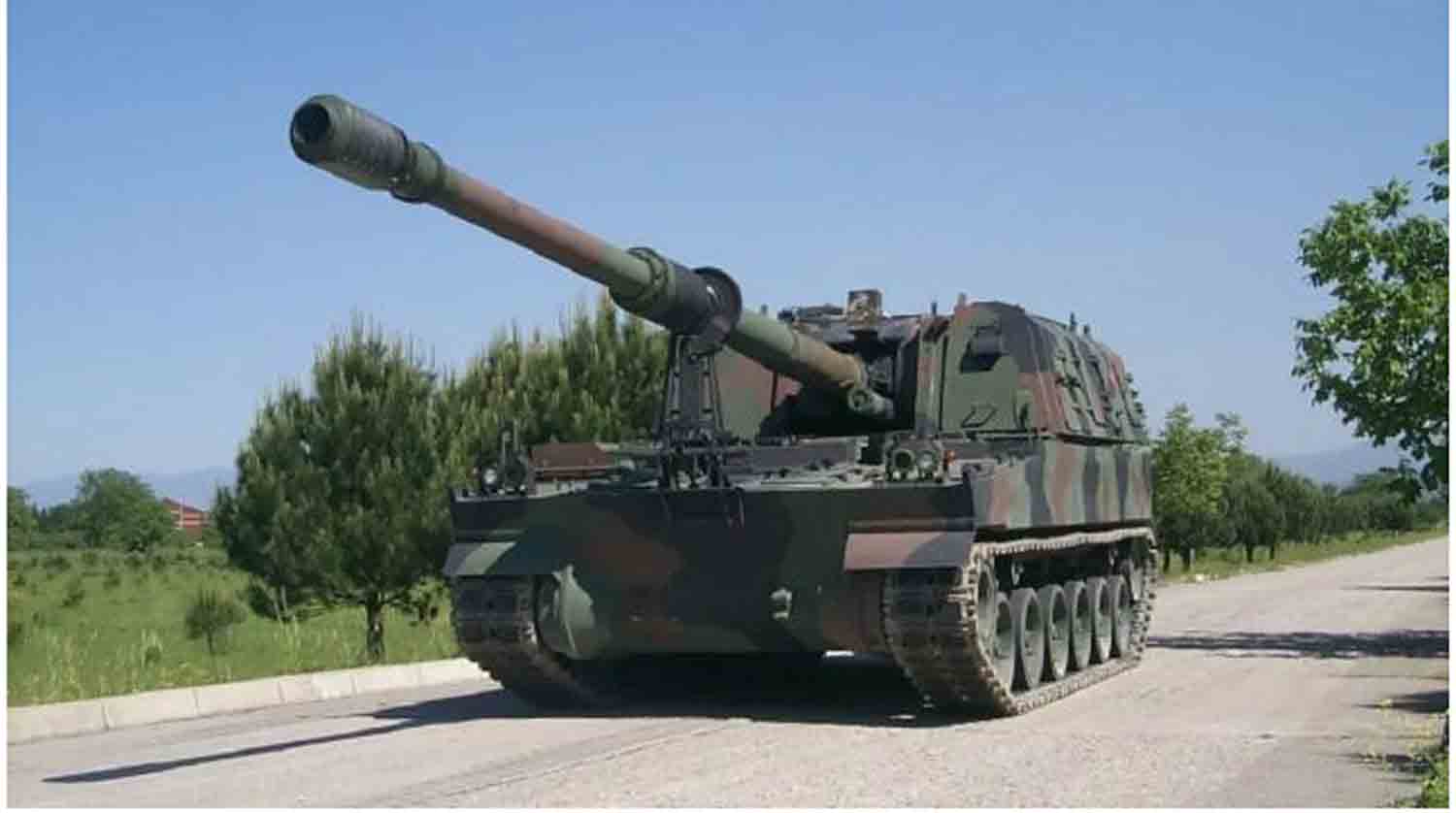
K9 Thunder SPH makes its debut in the UAE, featuring a locally produced 1,000 hp engine

0
K9 Thunder howitzer

South Korean defense leader Hanwha Defense is poised to unveil its K9 Thunder howitzer featuring a domestically produced engine for the first time. A recent announcement on its Facebook page confirmed that the new engine has successfully completed testing and boasts a power output of 1,000 horsepower.

Reports from South Korea indicate that the engine has been under development for the last three years and has already been tested in the challenging conditions of Egypt’s deserts, which may facilitate potential exports to Egypt, Saudi Arabia, and the UAE. The initiative to create this new engine was prompted by Germany’s restrictions on business within the Middle Eastern defense sector.

The K9 Thunder self-propelled howitzer is recognized as one of the most effective in its category, but until now, it has depended on foreign engines for its mobility. With its introduction in Abu Dhabi, now equipped with a new 1,000-horsepower domestically developed engine, the K9 signifies a significant advancement for South Korea’s defense capabilities. This development not only diminishes reliance on foreign suppliers but also underscores the nation’s increasing proficiency in creating its own propulsion technologies.

The creation of a new engine for the K9 is part of a broader trend. South Korea previously undertook a similar initiative with its K2 Black Panther main battle tank, which necessitated the development of an indigenous power system after a German supplier failed to meet engine delivery requirements.

The initial domestic version encountered technical difficulties; however, it was ultimately integrated into the serial production of the K2. With the introduction of the K9, the nation is making significant strides toward achieving complete autonomy in military vehicle production.

This development holds strategic importance not only for South Korea but also for international customers of the K9 Thunder. Nations like Turkey, Australia, Poland, and Finland, which currently utilize or intend to procure the K9, stand to gain from the new propulsion system, thereby mitigating potential risks associated with foreign engine import restrictions.

Additionally, the launch of the K9 featuring its new engine in Abu Dhabi highlights Seoul’s aspirations to reinforce its status as a global supplier of artillery systems.

South Korea’s advancements in this sector mirror a wider trend, as countries that have historically depended on foreign technology are increasingly focusing on domestic solutions to minimize strategic risks.

Should the K9’s engine demonstrate reliability, South Korea will further cement its reputation not only as a manufacturer of high-performance artillery systems but also as a significant contributor to military propulsion technology.

The K9 Thunder is a 155mm self-propelled howitzer developed by Hanwha Aerospace, a South Korean firm. It is engineered for contemporary high-mobility artillery operations, delivering exceptional firepower, improved mobility, and advanced protection for its crew.

The K9 features a welded steel armored hull that safeguards against 14.5mm armor-piercing projectiles and shrapnel from artillery shells. It can be further enhanced with modular armor systems to bolster its defense against mines and improvised explosive devices.

Equipped with a 155mm howitzer boasting a 52-caliber barrel, the K9 Thunder can engage targets at distances of up to 40 kilometers with standard munitions and reach up to 54 kilometers when utilizing rocket-assisted projectiles.

Its automatic loading mechanism enables a rapid-fire capability of three rounds within 15 seconds, while maintaining a sustained firing rate of two to eight rounds per minute.

The howitzer is capable of executing the Multiple Rounds Simultaneous Impact (MRSI) function, allowing several shells to strike a target at the same time, thereby amplifying its destructive capability. Additionally, it is armed with a 12.7mm machine gun for self-defense against enemy infantry and low-flying aerial threats.

The vehicle is equipped with an MTU MT 881 Ka-500 diesel engine that delivers 1,000 horsepower, combined with an Allison automatic transmission. This configuration allows it to achieve a maximum speed of 67 km/h and an operational range of up to 480 kilometers.

Its suspension system utilizes torsion bars along with hydraulic dampers, providing exceptional mobility over difficult terrains such as swamps, deserts, and snowy landscapes. Additionally, the chassis features a central tire pressure control system, enhancing traction across diverse ground conditions.

The K9 Thunder carries a diverse array of 155mm ammunition, including standard high-explosive (HE) shells, rocket-assisted projectiles for extended range, armor-piercing rounds, illumination and smoke shells, as well as sophisticated GPS-guided munitions like the KSTAM (Korean Smart Top-Attack Munition), which can autonomously engage armored targets.

The fire control system is equipped with a ballistic computer, laser rangefinder, inertial navigation, and is compatible with network-centric warfare systems, ensuring precise targeting and the capability to quickly reposition after firing to avoid counterattacks.

While primarily operated by the South Korean military, the K9 Thunder is also utilized by several other nations, including Turkey, Finland, Norway, Australia, India, Poland, and Estonia.

The system features several variants, including the K9A1 and K9A2, which come with advancements such as automated loading systems, upgraded electronics, and an increased firing range.

The Polish variant, known as K9PL, is equipped with local communication and command systems, whereas the Indian version, K9 Vajra-T, is specifically designed for operations in desert environments. Planned enhancements for the K9A2 include a fully automated loading system to boost the rate of fire and the incorporation of cutting-edge digital combat technologies.

Austria has commenced production of its inaugural C-390 Millennium aircraft

0
C-390 Millennium

Brazilian aerospace leader Embraer has officially commenced the construction of the first of four C-390 Millennium airlifters designated for the Austrian Air Force. This development represents a significant advancement in Austria’s initiative to enhance its tactical airlift capabilities, as it seeks to replace its long-serving C-130K Hercules fleet.

The inaugural Austrian C-390 is anticipated to be completed in 2026, initiating a gradual transition from the aging C-130Ks, which have been integral to Austria’s strategic and tactical airlift operations for many years. The subsequent aircraft will be delivered according to a staggered schedule, facilitating a seamless integration of the new fleet.

The C-390 Millennium has gained international recognition as a state-of-the-art multi-mission airlifter, providing superior payload capacity, increased speeds, and lower operating costs compared to older models like the C-130. Austria joins an expanding roster of users, including Brazil, Portugal, Hungary, and the Netherlands, reflecting growing confidence in the aircraft’s performance.

With production now in progress, Austria is poised to introduce the C-390 Millennium into service by the latter part of the decade, significantly enhancing its airlift capabilities with this modern and versatile aircraft.

Austria’s decision to procure four Embraer C-390 Millennium aircraft to replace its outdated Lockheed C-130 Hercules fleet highlights a substantial enhancement of its military airlift capabilities. This agreement, part of a collaborative procurement effort with the Netherlands, was finalized during the Farnborough International Airshow on July 22, 2024, marking a crucial milestone in European defense cooperation.

The agreement encompasses a total of nine aircraft, with five designated for the Netherlands, and is valued at over €600 million for Austria’s share, with each C-390 priced between €130 million and €150 million. This procurement is intended to modernize the air fleets of both countries, enhancing their transport capabilities for military and humanitarian missions.

Austrian Defense Minister Klaudia Tanner underscored the strategic significance of the C-390, remarking that “Embraer’s aircraft system is the only one in the 20-ton category that fulfills all our specifications.” She also highlighted the advantages of the collaborative order with the Netherlands, stating, “This exemplifies successful cooperation among European nations.”

From Brazil, Embraer Defense & Security’s President and CEO, Bosco da Costa Jr., conveyed his excitement regarding the agreement, noting, “We are pleased to welcome Austria and the Netherlands as the latest countries to join the expanding group of nations that have chosen the C-390 Millennium, the most advanced and efficient military tactical transport currently available.”

The choice of the Brazilian-manufactured C-390 was influenced not only by its operational capabilities but also by its cost efficiency and the opportunity for collaborative training and maintenance initiatives with other NATO allies in Europe. Austria’s existing fleet of C-130Ks, which were purchased secondhand from the UK in 2003, has been in service for nearly 56 years and has become increasingly expensive to maintain.

Embraer’s C-390 Millennium exemplifies Brazilian ingenuity in military aviation, establishing itself as a versatile medium-lift tactical transport aircraft.

Originally designated as the KC-390, the aircraft has been rebranded to highlight its extensive capabilities that extend beyond aerial refueling. Its development was driven by the necessity to modernize aging fleets, such as the Lockheed C-130 Hercules, which have been in service with various air forces around the world for many years.

The C-390 Millennium features a high-wing design that facilitates cargo loading and improves short-field performance on unpaved runways. Its T-tail and rear loading ramp reflect the classic design of tactical transport aircraft, while it integrates advanced technologies that distinguish it from its predecessors.

Equipped with two IAE V2500-E5 turbofan engines, each producing 31,330 pounds of thrust, the aircraft can reach a cruising speed of Mach 0.8, positioning it among the fastest in its category. This speed enhances its responsiveness for a range of missions, including troop transport and humanitarian assistance.

The cargo bay of the C-390 is impressively spacious, designed to accommodate various military and humanitarian payloads. It can transport two fully-tracked M113 armored personnel carriers, one Boxer or VBTP-MR Guarani wheeled armored vehicle, or a Sikorsky H-60 helicopter. In personnel transport configuration, it has the capacity to carry up to 80 soldiers or 66 fully-equipped paratroopers.

The adaptability of the C-390 encompasses medical evacuation capabilities, allowing for the configuration of up to 74 litters for patient transport, equipped with essential life-support systems. This adaptability is further augmented by its dual role in aerial refueling, functioning both as a receiver and a tanker, which significantly enhances the operational reach of allied forces.

A notable aspect of the C-390 is its advanced cargo handling and aerial delivery system, engineered by DRS Defense Solutions. This system facilitates air drops of payloads weighing up to 42,000 pounds, demonstrating the aircraft’s proficiency in precise cargo delivery across diverse operational contexts.

The aircraft’s interior is thoughtfully designed to balance functionality with comfort, incorporating features such as a galley, accessible restrooms, automatic climate control, and sound and vibration dampening measures. These elements ensure that both troops and medical evacuees experience reduced stress during flights.

The avionics suite, developed by Collins Aerospace’s Pro Line Fusion, offers cutting-edge situational awareness capabilities, including synthetic vision, compatibility with night vision, and graphical flight planning tools.

This technology not only assists pilots in navigating challenging environments but also enhances mission effectiveness in low visibility or nighttime conditions, which is vital for military operations.

Embraer has prioritized survivability in the C-390, outfitting it with an advanced self-protection suite that features radar warning receivers, missile approach warning systems, laser warning systems, and chaff and flare dispensers.

This protective suite, along with ballistic armor designed to withstand small arms fire, ensures the aircraft can operate safely in hostile environments.

The operational record of the C-390 includes notable humanitarian missions, such as its involvement in the response to the 2020 Beirut explosion and various disaster relief efforts in Haiti and Brazil.

The aircraft’s agility was further showcased during joint exercises with U.S. forces, demonstrating its alignment with NATO standards, which was essential for its acceptance by nations such as Portugal, Hungary, and the Netherlands.

The market response to the aircraft has been favorable, with several NATO countries placing orders and ongoing negotiations with additional nations, highlighting a widespread recognition of its capabilities.

Embraer’s approach encompasses not only the sale of the aircraft but also the development of partnerships for local production and maintenance, as evidenced by agreements with Dutch and Czech firms, aimed at enhancing its presence in the global defense sector.

In summary, the Embraer C-390 Millennium transcends the role of a mere transport aircraft; it serves as a multi-role platform that represents the future of tactical airlift, characterized by its speed, payload capacity, and operational flexibility.

Its design exemplifies a thoughtful equilibrium between addressing the tactical requirements of contemporary warfare and supporting humanitarian missions, establishing it as a crucial asset in the 21st-century aerial landscape.

Reports indicate that Russia has proposed to India the enhanced Pantsir-S1M surface-to-air missile system

0
Pantsir-S1M air defense system

At Aero India 2025 in Bangalore, Russia unveiled significant enhancements to its Pantsir-S1M air defense system. Rosoboronexport, the defense export agency of Moscow, presented the system’s advanced electro-optical (EO) suite, multifunction radar, and target acquisition radar, all aimed at improving its tracking and engagement performance.

There is increasing speculation that Russia may have already proposed this upgraded system to India. In November 2024, Rosoboronexport signed a Memorandum of Understanding (MoU) with Bharat Dynamics Limited (BDL), a state-owned enterprise in India, indicating a potential partnership concerning the Pantsir self-propelled anti-aircraft system. However, the agreement lacks detailed information, particularly about which variant is being considered.

A representative from Rosoboronexport elaborated on the Pantsir-S1M’s EO system, which facilitates both automatic and semi-automatic scanning, target locking, and tracking. It is capable of engaging a single target with a surface-to-air missile (SAM), featuring an automatic tracking range of up to 26 km. This indicates an enhanced target acquisition capability, which is crucial for contemporary air defense systems.

The enhanced electro-optical (EO) system on the Pantsir-S1M significantly strengthens modern air defense capabilities, providing a robust alternative to traditional radar tracking. With features such as automatic and semi-automatic scanning, target locking, and tracking, this system can autonomously engage threats without relying on radar, which is a crucial advantage in environments dominated by electronic warfare. This capability ensures that the system remains effective even in scenarios involving radar jamming or anti-radiation missiles.

With an automatic tracking range of 26 kilometers, the Pantsir-S1M broadens its operational reach, allowing operators additional time to respond to incoming aerial threats. In a landscape increasingly challenged by drone swarms and low-flying cruise missiles, the ability to detect and track threats from a distance is essential.

The EO system excels in identifying stealthy or low-radar-cross-section targets that are engineered to evade conventional detection techniques. Unlike radar, optical tracking is not deceived by radar-absorbing materials or stealthy designs, making it a formidable countermeasure against contemporary low-observable aircraft and small unmanned aerial vehicles (UAVs).

A significant benefit of this system is its resilience. In contrast to radar, which can be jammed or targeted, the EO system offers a passive and undetectable method for target acquisition and tracking. This characteristic enhances its survivability on the battlefield, particularly in advanced conflicts where electronic warfare is prevalent.

Additionally, the system’s capability to engage a target with a single surface-to-air missile (SAM) while maintaining lock enhances both accuracy and response time, thereby reducing the likelihood of munitions waste during high-intensity confrontations.

The Pantsir-S1M serves as a crucial component of a multi-layered air defense system, utilizing its electro-optical (EO) capabilities to act as an effective final defense against precision-guided munitions and drones that may evade larger, long-range missile systems.

If Russia is promoting this system to India, its EO tracking features could be a significant advantage, particularly in light of India’s growing emphasis on addressing drone threats and challenges in regional airspace. The integration of this system into India’s developing air defense strategy is yet to be determined, but its technology is designed for contemporary combat scenarios.

The Pantsir-S1M is a sophisticated upgrade of the Pantsir-S1, a self-propelled anti-aircraft gun and missile system created by Russia’s KBP Instrument Design Bureau. This iteration marks a notable advancement in technology, operational effectiveness, and tactical versatility, specifically targeting modern aerial threats such as drones, stealth aircraft, and high-velocity missiles.

While retaining the fundamental features of its predecessor, the Pantsir-S1M introduces several key improvements. It integrates surface-to-air missiles with anti-aircraft artillery on a single, highly mobile platform, typically mounted on a KAMAZ-53958 Typhoon 8×8 chassis, which provides enhanced mobility and adaptability to various terrains compared to the earlier KAMAZ-6560 used in the Pantsir-S1. This new chassis accommodates the system’s increased weight and complexity resulting from advanced technology integrations.

A significant enhancement in the Pantsir-S1M is its missile capabilities. The system is capable of launching two types of missiles: the standard 57E6 missile and the new high-speed 57E6M missile, which expands the engagement range to 30 km and the operational altitude to 18 km.

The 57E6 missile is designed with a two-stage configuration and is equipped with a 20 kg blast-fragmentation warhead. In contrast, the 57E6M variant incorporates hypersonic technology, significantly improving the system’s effectiveness against fast-moving and stealthy targets. Furthermore, a new short-range missile, designated TKB-1055, has been introduced, broadening the range of engagement options available for addressing diverse threat scenarios.

The Pantsir-S1M’s artillery system consists of two 30 mm 2A38M autocannons, which serve as a critical last line of defense against threats that penetrate the missile’s minimum engagement range. These autocannons can target objects up to 4 km away and at altitudes of up to 3 km, with a firing rate of 40 rounds per second, ensuring a swift response to imminent dangers.

Significant advancements have been made to the radar and fire control systems. The Pantsir-S1M is equipped with a new SOTS S-band radar, which extends the detection range to 75 km and allows for the simultaneous tracking of up to 40 targets.

This upgrade from the previous Pantsir-S1 model is vital for contemporary battlefield conditions, where multiple threats may approach from various angles. The radar system not only detects but also tracks and engages targets with enhanced accuracy, leveraging a combination of phased array technology and sophisticated signal processing techniques.

An additional critical element is the incorporation of an optical-electronic system for target detection and tracking, which functions across various spectral bands, including infrared. This feature serves as a reliable alternative to radar systems in scenarios where electronic countermeasures may be utilized. The dual-mode capability significantly bolsters the system’s resilience against jamming, ensuring sustained combat effectiveness even in electronic warfare situations.

The Pantsir-S1M’s control system facilitates automated target prioritization and engagement, minimizing the potential for human error and expediting response times. Operators can oversee the system from within the vehicle, utilizing advanced multi-function displays that provide detailed information on threats, system performance, and engagement results.

The system can function autonomously or as part of a network, enabling multiple Pantsir units to exchange data for a synchronized defense strategy, thereby improving the overall efficiency of the air defense network.

Regarding deployment, the Pantsir-S1M is capable of safeguarding both stationary and mobile military assets, such as airfields, command centers, and troop formations. Its modular design supports various mounting configurations, including a tracked chassis suitable for operations in challenging or arctic environments, exemplified by the Pantsir-SA variant tailored for extreme cold conditions.

The Pantsir-S1M has been developed to address the growing challenges presented by drones and precision-guided munitions, which are increasingly common in contemporary combat scenarios.

Its ability to target various aerial threats across a range of distances and altitudes positions it as a key element in Russia’s multi-tiered air defense framework, working in conjunction with systems such as the S-400 to ensure thorough protection.

Trump’s team begins Ukraine diplomacy with a lack of clarity

0

This week proved to be confusing for those concerned about how the new Trump administration would honor Donald Trump‘s commitment to end the Ukraine conflict. As the U.S. president initiated diplomatic efforts regarding the nearly three-year-long war, statements from his senior officials left many uncertain about his strategy for addressing the most significant security challenge Europe has faced in decades.

On Wednesday, Trump engaged in phone conversations with Russian President Vladimir Putin and Ukraine’s Volodymyr Zelenskiy, instructing his team to begin negotiations and indicating that a summit with Putin in Saudi Arabia was probable.

These discussions caught European allies off guard, especially in light of comments made by Trump’s defense secretary, Pete Hegseth. Earlier that day, Hegseth informed NATO allies that it was unrealistic to expect Ukraine to join the alliance as part of a negotiated settlement with Russia, labeling Kyiv’s aspirations to restore its 2014 borders as an “illusionary goal.” He also stated that the U.S. would not deploy troops as part of a security force in Ukraine. However, he seemed to revise his stance the following day, asserting at a press conference that “everything is on the table” regarding negotiations for the Ukraine war.

On Friday, Vice President JD Vance added to the confusion by suggesting in a Wall Street Journal interview that the U.S. might consider options to pressure Moscow, including the potential deployment of U.S. troops to Ukraine, which would represent a significant departure from former President Joe Biden’s policy of keeping American forces out of the conflict. Vance later clarified on X that the Journal had misrepresented his comments, emphasizing that “American troops should never be put into harm’s way where it doesn’t advance American interests and security.” Ambassador Daniel Fried, a former U.S. diplomat now affiliated with the Atlantic Council think tank, noted that while the administration’s messaging appeared inconsistent, officials had left themselves the flexibility to negotiate a viable resolution with Russia.

The situation appears disorganized, with a lack of a clear and disciplined approach, yet no options have been dismissed. The administration has shrouded the issue in ambiguity and uncertainty, he remarked.

CONCESSIONS TO PUTIN?

The remarks from the administration have led some European allies to believe that the Trump administration is making concessions to Putin prior to any negotiations. German Defense Minister Boris Pistorius described the administration’s strategy as “clumsy” and a “mistake” on Friday. He noted that Putin had “not budged an inch” from his negotiating stance, suggesting that it was not in the West’s best interest to make concessions. This statement was made during the Munich Security Conference, where defense officials and diplomats convened this week. “It would have been far more productive to discuss potential NATO membership and territorial adjustments at the negotiating table,” Pistorius added.

Republican U.S. Senator Roger Wicker, who chairs the Senate Armed Services Committee, criticized what he termed a “rookie mistake” by Hegseth for seemingly conceding Ukraine’s borders before negotiations had even started. He expressed that he was “puzzled” and “disturbed” by Hegseth’s remarks. “Everyone understands… and those in the administration are aware that you do not disclose your positions before your initial meeting,” Wicker stated to Politico on Friday. Additionally, there were concerns regarding who would implement Trump’s Ukraine policy. In a social media post, he mentioned negotiators such as Middle East envoy Steve Witkoff, who traveled to Russia on Tuesday for a prisoner exchange, but notably omitted Ukraine envoy Keith Kellogg.

The White House subsequently clarified that Kellogg remained engaged in Ukraine policy. Fried noted that, despite the mixed messages, Trump’s objectives regarding Ukraine were becoming clearer and could potentially result in a favorable resolution for the country. These objectives seemed to include a swift ceasefire, the necessity for security guarantees for Ukraine, and the deployment of European troops, rather than U.S. forces, to maintain peace, according to Fried.

“A favorable resolution entails the cessation of hostilities, with 80% of Ukraine liberated, alongside adequate security guarantees to prevent Russia from reigniting the conflict. This would represent a strategic triumph for Ukraine,” Fried stated.

Zelenskiy told NBC that the country’s survival is less likely without U.S. support

0
Ukraine's President Volodymyr Zelenskiy appears at a joint press conference

Ukrainian President Volodymyr Zelenskiy stated in an interview with NBC’s “Meet the Press with Kristen Welker” that the country faces a slim chance of enduring Russia’s aggression without assistance from the United States.

He remarked, “It will likely be extremely challenging. In tough circumstances, there is always a possibility, but our chances of survival are significantly diminished without U.S. support.” A preview of the interview was shared on Friday, with the complete episode set to air on Sunday.

Zelenskiy’s remarks follow recent discussions between U.S. President Donald Trump, himself, and Russian President Vladimir Putin.

Ukraine and the U.S. ended discussions in Munich without agreeing on a critical minerals partnership

0
Ukraine and American flags are seen inside the conference room at Ramstein airbase in Germany.

Discussions between Ukrainian President Volodymyr Zelenskiy and U.S. Vice President JD Vance concluded in Munich on Friday without the announcement of a crucial minerals agreement, which is vital for Kyiv’s efforts to gain support from President Donald Trump.

Kyiv returned to the U.S. with a revised draft of the agreement that could potentially unlock its extensive reserves of essential minerals for U.S. investment, following concerns regarding a U.S. proposal presented to Ukraine earlier in the week.

Zelenskiy shared on X that their teams would continue refining the document, describing his meeting with Vance as productive and expressing Kyiv’s readiness to swiftly pursue a genuine and guaranteed peace.

Two members of the Ukrainian delegation informed Reuters that “some details” remain to be finalized. The specific issues causing delays were not immediately clear, but Ukraine is advocating for strong security assurances from both Europe and the United States to safeguard against future threats from Russia if a peace agreement is established.

In a Reuters interview last week, Zelenskiy outlined the framework of the deal, presenting a map that highlighted various mineral deposits and emphasizing a partnership approach to their development rather than simply transferring ownership. The minerals under discussion include rare earth elements, titanium, uranium, and lithium, among others.

Trump, who has yet to commit to ongoing critical military support for Ukraine, has indicated a desire for $500 billion in rare earth minerals from Kyiv, asserting that U.S. backing must be “secured.” When asked if a deal would be finalized on Friday, Vance responded, “Let’s see.”

On Wednesday, Ukraine received a draft agreement from the United States during Treasury Secretary Scott Bessent’s visit to Kyiv. President Zelenskiy indicated that Ukraine would review the proposal with the intention of reaching a consensus in Munich.

In an interview with Fox Business Network on Friday, Bessent explained that the Trump administration’s strategy to resolve the conflict would involve integrating Ukraine’s economy with that of the United States, incorporating American “best practices” in privatization. He stated, “The initiative begins with a closer integration of the Ukrainian economy with the U.S., ensuring that American taxpayers see a return on their investment.”

CONCERNS OVER A ‘ONE-SIDED’ OFFER?

During a 90-minute closed-door meeting with a bipartisan group of U.S. senators in Munich, Zelenskiy expressed apprehension regarding the U.S. proposal presented earlier in the week, according to three sources familiar with his remarks.

He reportedly felt pressured to agree to terms he had not fully reviewed, with one source noting, “He didn’t appreciate being presented with a take-it-or-leave-it situation.” Zelenskiy also shared his own proposal for a mineral agreement with the United States, which he claimed was designed to align with the Ukrainian constitution.

Two additional sources described Bessent’s proposal as “one-sided,” although they chose not to provide further details. When asked if Zelenskiy viewed the U.S. proposal as one-sided, Democratic Senator Brian Schatz replied, “I think that’s fair to say.”

Russian warship Victor Veliky has commenced its trials in the Gulf of Finland

0
Russian warship Victor Veliky.

Russia’s latest Project 22160 patrol vessel, Victor Veliky, has commenced essential sea trials in the Gulf of Finland. This ship, the newest member of the Project 22160 class, is anticipated to enhance the capabilities of the Russian Black Sea Fleet upon the completion of its trials.

Photographs of the vessel’s departure were shared on February 12, 2025, by the “Ship in Art” community, featuring contributions from sailors based in St. Petersburg.

Constructed at Zelenodolsk Shipyard and laid down in 2016, Victor Veliky is the fifth ship in its class. Although it was launched in May 2024, the official transfer to the Russian Navy has been delayed. The initial expectation was for delivery by the end of 2024, but that deadline has now passed without fulfillment.

The ship is named after Viktor Ivanovich Veliky, a World War II hero and Captain First Rank, which adds to its significance within the Russian naval fleet.

To reach the Black Sea from the Gulf of Finland, Victor Veliky will navigate a series of internal waterways linking the Baltic Sea to Russia’s inland and southern seas.

From the Gulf of Finland, the vessel will proceed southward along the Neva River, passing through St. Petersburg and continuing onto the Volga-Baltic Waterway. This network of canals and rivers connects the Baltic Sea with the Caspian Sea, with the Volga River acting as the primary route for larger ships.

After navigating the Volga, the vessel will head south to join the Don River, which ultimately leads to the Sea of Azov. From there, it will enter the Kerch Strait, connecting the Sea of Azov to the Black Sea.

The extensive internal waterway system in Russia serves as a vital logistical corridor for vessels navigating between the northern and southern regions of the country, allowing them to avoid open sea travel in certain areas.

The Victor Veliky, a Project 22160 patrol ship, is part of a series of versatile vessels aimed at bolstering the operational capabilities of the Russian Navy across diverse environments. These ships are designed to undertake a broad spectrum of missions, including anti-piracy operations, surveillance, search and rescue, and the safeguarding of maritime borders.

As the fifth vessel in this class, the Victor Veliky is equipped with state-of-the-art technology to support both offensive and defensive missions.

A notable aspect of the Project 22160 design is its modular structure, which enables the ship to be outfitted with various mission-specific modules tailored to meet operational requirements.

The vessel boasts an array of advanced radar, communication, and weapon systems, ensuring comprehensive operational coverage across multiple roles. Additionally, it features a combat information center (CIC) that consolidates data from various sensors, enhancing situational awareness for the crew.

The vessel features an advanced navigation and radar system, with the Fregat-M2EM radar being a key component for both surface and aerial surveillance. This system enables the ship to accurately track aerial and surface targets, which is essential for safeguarding Russian maritime interests and executing reconnaissance operations.

The radar is adept at detecting and monitoring a diverse range of objects, including small, high-speed targets, thereby ensuring the ship’s effectiveness in both peacetime and conflict scenarios.

The Victor Veliky is outfitted with an array of weaponry tailored to its operational requirements. For defensive measures, it is equipped with the Pantsir-M air defense system, which can intercept and neutralize various aerial threats, such as missiles, aircraft, and drones.

This system significantly bolsters the ship’s close-range defense against aerial attacks, enhancing its resilience in hostile situations. Furthermore, the vessel is capable of deploying anti-ship missiles, providing a formidable offensive capability in times of conflict.

The primary artillery on board is a 100mm A-190 naval gun, which is versatile enough to engage multiple target types, including surface vessels, coastal installations, and aerial threats. Its accuracy and rapid-fire functionality make it suitable for a variety of combat situations. Additionally, the Victor Veliky is armed with a selection of smaller caliber automatic guns for close-range defense, effectively targeting smaller threats like speedboats or drones.

The Victor Veliky utilizes a diesel-electric propulsion system, which enhances fuel efficiency and minimizes noise during operations. This technology enables the vessel to perform effectively across a range of scenarios, from coastal patrols to extended missions in open waters.

With an operational endurance of several weeks, the ship can remain at sea for prolonged periods without the necessity for frequent resupply, a vital attribute for conducting patrol and surveillance activities.

Designed with an emphasis on crew comfort and operational effectiveness, the ship includes modern living quarters that support the crew’s performance during long deployments.

The vessel can house up to 80 crew members, providing designated areas for specialists engaged in various mission-related functions. Additionally, it features facilities for training and meetings, which are crucial for ensuring operational preparedness and effective crew collaboration.

Regarding its surveillance and reconnaissance functions, the Victor Veliky is outfitted with an array of sensors and cameras, including infrared and electro-optical systems. These technologies are critical for identifying threats and monitoring maritime activity, particularly in low-visibility conditions or during nighttime operations.

The vessel is equipped with a helipad and a hangar, enabling the deployment of unmanned aerial vehicles (UAVs) or manned helicopters, which greatly enhance its surveillance capabilities and operational versatility.

Designed for adaptability, the Victor Veliky employs a modular framework that allows for reconfiguration to undertake diverse missions, ranging from anti-piracy initiatives to humanitarian aid.

It can accommodate additional mission-specific modules tailored for amphibious operations, environmental monitoring, or maritime law enforcement. These attributes render the Victor Veliky a significant asset for the Russian Navy, enabling it to undertake multiple roles while upholding a robust defense posture.

Equipped with state-of-the-art radar and weapon systems, along with its flexible design, the Victor Veliky is strategically positioned to be an essential component of Russia’s maritime security initiatives.

Its multi-functional capabilities and adaptability contribute to the Russian Navy’s modernization strategy, ensuring readiness to address a broad spectrum of challenges in various areas of naval warfare and international security.

Vance cautions Russia about potential sanctions should it reject a favorable peace agreement with Ukraine

0

JD Vance cautioned Russia that Washington may impose sanctions on Moscow if it fails to reach a favorable peace agreement with Ukraine.

These remarks were made during an interview with the Wall Street Journal.

The Kremlin indicated on Friday that Russia is seeking clarification on Vance’s statements regarding the economic and military “leverage” that Washington possesses, which could be utilized against Russia if it does not agree to a peace deal ensuring Ukraine’s long-term sovereignty.

In the interview published by The Wall Street Journal on Thursday, Vance stated, “There are economic tools of leverage, and there are, of course, military tools of leverage” that the U.S. could deploy against Putin.

He emphasized the importance of Ukraine’s sovereign independence, noting, “There are various formulations and configurations we can consider.”

The situation in Ukraine was a significant topic of discussion in Munich, especially after Trump surprised U.S. allies by engaging with Putin and initiating talks aimed at resolving the conflict in Ukraine.

Prior to his meeting with NATO Secretary General Mark Rutte at the Munich conference, Vance remarked, “We will certainly discuss the Ukraine-Russia conflict and explore ways to achieve a negotiated settlement.”

Saudi Arabia leads the Arab initiative to find an alternative to Trump’s Gaza proposal

0
U.S. President Donald Trump speaks with Saudi Arabia's Crown Prince Mohammed bin Salman during family photo session with other leaders and attendees at the G20 leaders summit in Osaka, Japan.

Saudi Arabia is leading urgent Arab initiatives to formulate a strategy for Gaza‘s future, countering U.S. President Donald Trump‘s vision of a Middle East devoid of its Palestinian population, according to sources.

Draft proposals are set to be reviewed at a meeting in Riyadh this month, which will include representatives from Saudi Arabia, Egypt, Jordan, and the United Arab Emirates. These proposals may feature a Gulf-led reconstruction fund and a strategy to marginalize Hamas, as indicated by five of the sources.

The reaction from Saudi Arabia and its Arab partners was one of shock at Trump’s plan to “remove” Palestinians from Gaza and relocate many to Jordan and Egypt, a suggestion that was promptly dismissed by both Cairo and Amman and regarded as highly destabilizing across the region.

Sources noted that Saudi Arabia’s frustration was heightened because the plan undermines the kingdom’s insistence on a definitive pathway to Palestinian statehood as a prerequisite for normalizing relations with Israel. This normalization is also seen as a potential precursor to a significant military agreement between Riyadh and Washington, aimed at bolstering the kingdom’s defenses against Iran.

Reuters consulted 15 sources from Saudi Arabia, Egypt, Jordan, and other locations to illustrate the swift actions being taken by Arab nations to consolidate existing proposals into a new plan that could be presented to the U.S. president, possibly branding it as a “Trump plan” to gain his endorsement. All sources requested anonymity due to the sensitive nature of the topic and their lack of authorization to speak publicly.

An Arab government source indicated that at least four proposals for Gaza’s future have been drafted, with an Egyptian initiative now emerging as a focal point in the Arab effort to present an alternative to Trump’s plan.

THE EGYPTIAN INITIATIVE

The most recent Egyptian initiative proposes the establishment of a national Palestinian committee to oversee Gaza’s governance, excluding Hamas, facilitating international involvement in reconstruction efforts without displacing Palestinians, and advancing towards a two-state solution, according to three Egyptian security officials.

Representatives from Saudi Arabia, Egypt, Jordan, the United Arab Emirates, and the Palestinian territories will convene in Riyadh to review and discuss the proposal prior to its presentation at the upcoming Arab summit scheduled for February 27, as noted by the Arab government source.

The involvement of Saudi Crown Prince Mohammed bin Salman, commonly referred to as MbS, is expected to be pivotal. A Jordanian official remarked, “We are informing the Americans that we have a viable plan. Our meeting with MbS will be crucial, as he is taking the lead.” The crown prince has maintained a positive rapport with the previous Trump administration and is becoming increasingly significant in shaping Arab relations with the United States in the current Trump era.

Historically a key regional ally for the United States, the crown prince is enhancing Saudi Arabia’s global influence through business initiatives and geopolitical strategies. This month, Saudi Arabia’s sovereign wealth fund is hosting a conference in Miami, where Trump is anticipated to be present. Additionally, Riyadh is expected to facilitate his upcoming discussions with Russian President Vladimir Putin aimed at resolving the Ukraine conflict.

U.S. Secretary of State Marco Rubio addressed the upcoming Arab meeting on Thursday, stating, “Currently, the only available plan—despite its unpopularity—is the Trump plan. If there is a more viable alternative, now is the time to share it.”

Representatives from Saudi Arabia, Egypt, Jordan, the UAE, and Israel did not respond promptly to requests for comments from Reuters.

BUFFER ZONE

Establishing clear plans for Gaza’s post-conflict future has proven challenging, as it necessitates addressing contentious issues related to the territory’s governance, security, funding, and reconstruction. Israel has dismissed any involvement of Hamas or the Palestinian Authority in governing or securing Gaza. Additionally, both Arab nations and the United States have expressed reluctance to deploy troops for this purpose.

Gulf states, which have traditionally financed reconstruction efforts in Gaza, have indicated they will not do so this time without assurances that Israel will not again dismantle their investments.

During a meeting with Trump at the White House on Monday, Jordan’s King Abdullah highlighted his collaboration with Saudi Arabia and Egypt on a workable Gaza plan, according to a Jordanian official. Following the meeting, Abdullah stated in televised remarks that the nations would evaluate an Egyptian proposal and “we will convene in Saudi Arabia to discuss how we can collaborate with the president and the United States.”

Following Abdullah’s discussion with Trump, Jordan’s Foreign Minister Ayman Safadi remarked, “We are currently focused on finalizing the Arab plan.”

Initial proposals from three Egyptian security sources regarding reconstruction and funding appear to be well-developed. A buffer zone and a physical barrier are set to be constructed to prevent the establishment of tunnels along the Gaza-Egypt border. Once the debris is cleared, 20 designated areas will be created as temporary living spaces. Approximately 50 Egyptian and other international companies are expected to be involved in the execution of these plans.

Funding is anticipated to come from international and Gulf sources, according to a regional insider. An emerging idea is to establish a fund potentially named the Trump Fund for Reconstruction, as mentioned by the Arab government official.

Nevertheless, significant challenges concerning Gaza’s governance and internal security still need to be addressed, the official noted. The removal of Hamas from any governing role in Gaza is deemed essential, according to the Arab official and the three Egyptian sources.

Hamas has previously indicated its willingness to relinquish control in Gaza to a national committee, but it insists on having a say in the selection of its members and will not agree to the presence of any ground forces without its approval.

Three Egyptian sources indicated that although the proposal was not particularly innovative, they felt it had the potential to persuade Trump and could be enforced upon Hamas and the Palestinian Authority led by Mahmoud Abbas.

SAUDI DISCONTENT

Saudi frustration regarding Gaza had been escalating prior to Trump’s announcement. The kingdom had consistently maintained that normalization with Israel was contingent upon establishing a Palestinian state in the Israeli-occupied West Bank, Gaza Strip, and East Jerusalem. This position became more rigid as public outrage in Saudi Arabia intensified over the devastation and loss of life in Gaza. In November, the crown prince publicly accused Israel of committing genocide during an Islamic summit and reiterated the necessity for a two-state solution. According to two regional intelligence sources, frustration within the kingdom regarding the ongoing conflict was palpable.

Washington seemed poised to overlook Riyadh’s insistence on a two-state solution. The day before his announcement concerning Gaza, Trump was questioned about the possibility of a normalization agreement proceeding without a two-state resolution. He responded, “Saudi Arabia is going to be very helpful.” Trump’s Middle East envoy, Steve Witkoff, had conducted meetings in Riyadh in late January, where he presented a three-month timeline for the normalization process. However, Saudi frustration quickly shifted to surprise and then anger following Trump’s Gaza proposal. “He is not pleased,” remarked a source close to the Saudi royal court regarding Prince Mohammed’s response.

The intensity of anger was swiftly apparent in state media broadcasts, which analysts suggest often reflect official Saudi perspectives. Television news segments directly criticized Israeli Prime Minister Benjamin Netanyahu.

“They are furious,” remarked Aziz Alghashian, a Saudi analyst well-versed in official sentiments, characterizing the atmosphere among senior Saudi officials. “This is unacceptable. Beyond mere frustration, this reaches an entirely different level.”

Many analysts believe that Trump might be employing a familiar negotiation tactic, presenting an extreme stance as a starting point for discussions. Throughout his first term, he frequently made what were perceived as exaggerated foreign policy statements, many of which did not materialize.

Nevertheless, this has complicated the normalization discussions.

Former Saudi intelligence chief Prince Turki al-Faisal, who currently holds no official position, stated in a CNN interview last week that if Trump were to visit Riyadh, “I’m certain he would receive a strong message from the leadership here.” When asked about the potential for advancing normalization talks with Israel, he responded, “Not at all.”

Gaza is initiating another chapter in its extensive history of attempts at peacebuilding

0
Palestinians react after a school sheltering displaced people was hit by an Israeli strike, at Beach camp in Gaza City .

Arab nations are actively working to formulate a pragmatic strategy for the future of Gaza in response to U.S. President Donald Trump’s proposal, which suggests that the United States would assume control over the territory while displacing its Palestinian residents to Egypt and Jordan.

The following outlines key Middle East peace initiatives since the Six-Day War in 1967, during which Israel captured the West Bank, East Jerusalem, the Sinai Peninsula, the Gaza Strip, and the Golan Heights:

1967 – U.N. Security Council Resolution 242

The U.N. calls for the “withdrawal of Israeli armed forces from territories occupied in the recent conflict” in exchange for mutual respect for sovereignty, territorial integrity, and independence among all states.

1978 – Camp David Agreement

Israel and Egypt establish a framework that culminates in a 1979 treaty mandating Israel’s withdrawal from Sinai, marking the first peace agreement between Israel and an Arab nation.

1991 – Madrid Summit

Delegates from Israel and the Palestine Liberation Organization (PLO) participate in a peace conference. Although no agreements are finalized, the groundwork is laid for future direct negotiations.

1993-95 – Oslo Accords

Israel and the PLO reach a consensus during secret discussions in Norway, resulting in an interim peace agreement that acknowledges each party’s “mutual, legitimate, and political rights.” The accord outlines provisions for Palestinian elections, self-governance during a five-year transitional phase, Israeli troop withdrawals, and discussions regarding a permanent resolution.

1994 – Israel-Jordan agreement

In 1994, Jordan became the second Arab nation to formalize a peace treaty with Israel. However, this agreement faced significant unpopularity, as pro-Palestinian sentiments were prevalent among the Jordanian populace.

2000 – Camp David summit

In 2000, a summit at Camp David brought together Israeli and Palestinian leaders in the United States, but they were unable to reach a consensus, leading to a subsequent Palestinian uprising.

2002 – Saudi Plan

In 2002, Saudi Arabia introduced a peace initiative endorsed by the Arab League, which called for Israel’s complete withdrawal from occupied territories and the recognition of a Palestinian state in exchange for normalized relations with Arab nations.

2007 – Annapolis summit

The Annapolis summit in 2007 saw Palestinian and Israeli leaders once again fail to achieve an agreement, which was soon followed by a conflict in Gaza in 2008.

2009 – Netanyahu’s Bar-Ilan address

In 2009, Israeli Prime Minister Benjamin Netanyahu delivered a speech at Bar-Ilan University, expressing his willingness to support a peace agreement that would establish a demilitarized Palestinian state, contingent upon Palestinian recognition of Israel as the “state of the Jewish people.”

2020 – Abraham Accords

The Abraham Accords in 2020 marked a significant development, as leaders from Israel, the United Arab Emirates, and Bahrain reached an agreement to normalize relations in September. This was followed by Israel and Sudan announcing their intention to normalize ties in October, and Morocco establishing diplomatic relations with Israel in December.

Algerian TV: Pilots Training on Su-57 Felon in Russia.

0
Su-57 achieved takeoff in slightly more than 11 to 12 seconds from a compact runway.

Algeria’s state-run television has made a significant announcement, confirming that the North African country is the inaugural export customer for Russia’s advanced fifth-generation fighter jet, the Sukhoi Su-57 Felon, thus putting an end to months of speculation.

This pivotal confirmation follows a recent statement by ROSOBORONEXPORT Director Alexander Mikheev, who indicated that the first export customer of the Su-57E fighter jet is expected to receive and operationalize the advanced multirole aircraft within the year. Mikheev shared this information at Aero India 2025, where Russia prominently displayed its powerful Su-57 fighter.

The Algerian television report noted, “Algerian pilots are currently receiving training in Russia, and the delivery of the Su-57 fighter jet is anticipated within this year.” However, specifics regarding the quantity of Su-57s being procured by Algeria or the financial details of the deal were not disclosed.

Unofficial sources suggest that Algeria may initially acquire just six Su-57 fighter jets, indicating a strategic approach where the country could deploy a small initial batch for assessment before increasing future orders.

At the Airshow China 2024 aerospace exhibition in Zhuhai, China, last November, Mikheev also revealed that Russia had finalized its first export contract for the Su-57E Felon, the export version of the fifth-generation fighter jet, although he did not reveal the identity of the first export customer. “We have signed our first contract with a foreign customer,” he stated, emphasizing the strong global interest in Russia’s fifth-generation fighter.

Algeria was widely anticipated to be the inaugural export customer for the Su-57 at the time of the announcement. The North African country has consistently ranked as one of Russia’s key arms markets in Africa, following India.

The Algerian Air Force operates a range of significant Russian-made fighter aircraft, such as the Su-30MKA, MiG-29, and Su-24. For several years, Algeria has expressed interest in the Su-57 fighter jet, with earlier reports indicating that the Algerian Air Force intended to procure as many as 14 units of this fifth-generation aircraft.

In 2020, it was reported that the Algerian government had set aside funds for the purchase of modern weaponry as part of its military modernization initiative for the 2021-2027 timeframe. The decision to acquire Su-57 fighter jets is thought to be a strategic move in response to Morocco’s acquisition of F-16 Block 70/72 fighter jets from the United States. Recent reports also indicate that Morocco, which has established strong defense relationships with the U.S. and Israel, is contemplating the purchase of Lockheed Martin’s fifth-generation F-35 fighter jets.

The Su-57E features cutting-edge avionics that incorporate artificial intelligence (AI) to support the pilot, functioning effectively as a virtual co-pilot. Its radar system, the N036 Byelka, utilizes an Active Electronically Scanned Array (AESA) design, providing enhanced detection and tracking capabilities compared to the Irbis-E radar found on the Su-35BM. The latest iteration of the Su-57 is believed to be equipped with the advanced Product 30 (Izdeliye 30) or AL-51F1 engine, which includes a flat nozzle and deflectable thrust vectoring control.

The AL-51F1 engine, designated for the second stage, is the essential element that enables the Su-57 to fulfill the requirements of Russia’s fifth-generation fighter program. These requirements encompass a range of capabilities, including multirole functionality, stealth features, exceptional maneuverability, enhanced situational awareness for pilots, a substantial payload capacity for long-range precision-guided munitions, and the ability to maintain supersonic speeds without the use of afterburners.

The achievement of the final requirement—sustained supersonic flight without afterburners—is made possible by the second-stage engine. The Su-57 fighter jet stands as a remarkable engineering accomplishment. Its capacity to achieve speeds of Mach 2 without relying on afterburners underscores its sophisticated design and state-of-the-art technology.

Washington entices New Delhi with a proposal for an F-35 deal

0
F-35 Lightning II

The United States is poised to provide India with its premier fighter jet, the F-35 Lightning II. This commitment was articulated by U.S. President Donald Trump during a joint press conference with Indian Prime Minister Narendra Modi.

“Beginning this year, we will significantly increase military sales to India by several billion dollars. We are also laying the groundwork for the eventual delivery of F-35 stealth fighters to India,” Trump stated at the White House alongside Modi.

The indication that the U.S. is ready to sell F-35 stealth fighter jets to India represents a notable shift in the geopolitical and military landscape of the Indo-Pacific region. If this agreement is finalized, it would enhance India’s aerial capabilities and alter the strategic dynamics among key regional players, including China and Pakistan.

This initiative is part of a broader effort to strengthen U.S.-India defense relations, which have intensified over the last decade as both nations aim to counterbalance China’s expanding influence in Asia.

Central to this development is the increasing convergence of U.S. and Indian strategic interests. Over the years, the United States has progressively eased restrictions on advanced military technology transfers to India, recognizing it as a Major Defense Partner.

The potential sale of F-35s—among the most sophisticated fighter jets globally—marks a significant milestone in this policy evolution. Traditionally, the U.S. has reserved F-35s for its closest allies, including NATO members, Israel, and Japan. Extending this offer to India underscores Washington’s strategic intent to enhance India’s military strength.

The F-35 Lightning II, created by Lockheed Martin, is a fifth-generation stealth fighter engineered to avoid radar detection, perform electronic warfare, and integrate effectively with networked battle management systems.

Should India proceed with the acquisition of the F-35, it would represent a significant advancement for the Indian Air Force (IAF), greatly improving its air superiority and reconnaissance capabilities. Currently, India operates a diverse fleet of aircraft from Russian, French, and domestic sources, including the Su-30MKI, Rafale, and Tejas. While these aircraft are impressive, they lack the stealth features and sophisticated sensor fusion technology found in the F-35.

This potential acquisition, however, brings forth several important considerations. Firstly, how would India incorporate the F-35 into an air force predominantly composed of Russian-made aircraft? The existing infrastructure of the IAF is designed to support Sukhoi and MiG fighters, necessitating substantial logistical and maintenance changes.

Additionally, India’s ongoing acquisition of Rafale jets from France and the development of indigenous fighter programs such as the Advanced Medium Combat Aircraft (AMCA) add complexity to the decision-making process. Would New Delhi be prepared to revise its air combat strategy to integrate a completely new aircraft framework?

Cost is another significant factor. The F-35 is among the most expensive fighter jets ever produced, with unit prices ranging from $80 million to over $100 million, depending on the variant and additional systems.

The overall cost of ownership, which encompasses maintenance, pilot training, and spare parts, can be exceedingly high. Considering India’s budget limitations and its competing defense priorities—such as the modernization of its navy and ground forces—would it be financially viable to pursue an F-35 fleet?

The geopolitical ramifications of this potential deal are equally significant. India has historically adhered to a policy of strategic autonomy, carefully managing its relationships with the U.S., Russia, and other influential nations. For decades, Russia has been India’s main arms supplier, and any move to acquire F-35s could jeopardize New Delhi’s rapport with Moscow.

Currently, Russia is providing India with the S-400 air defense system, a decision that has previously raised alarms in Washington and even prompted threats of sanctions under the CAATSA [Countering America’s Adversaries Through Sanctions Act]. Should India proceed with the F-35 acquisition, it might need to reassess its dependence on Russian defense technology to mitigate the risk of U.S. sanctions or interoperability issues.

China and Pakistan are likely to monitor this situation closely. Beijing, which has been actively enhancing its air force capabilities with the J-20 stealth fighter, would perceive India’s potential F-35 acquisition as a direct challenge to its regional air superiority.

Pakistan, India’s longstanding adversary, heavily relies on both Chinese and American aircraft, including F-16s. If India successfully acquires the F-35, Pakistan may respond by seeking to bolster its capabilities with additional Chinese J-31 stealth fighters or by strengthening its military collaboration with Beijing.

This agreement extends beyond immediate military interests, highlighting the broader strategic partnership between the U.S. and India, especially in the context of countering China’s influence in the Indo-Pacific region. The Quadrilateral Security Dialogue (Quad), which includes the U.S., India, Japan, and Australia, has played a crucial role in countering Beijing’s assertive actions in the South China Sea and along the India-China border.

By providing India with F-35s, the U.S. aims to fulfill its long-term objective of equipping regional allies with advanced military technology to ensure stability in the area.

The potential sale of F-35 stealth fighters to India may signify more than just an enhancement of the Indian Air Force; it could also represent a strategic initiative to diminish India’s historical defense connections with Russia.

For many years, India has depended on Russian military equipment, with collaborative projects like the BrahMos missile program and past partnerships on fighter jets reinforcing a strong defense alliance. However, the potential acquisition of F-35s indicates a shift in focus that could notably alter Russia’s status as India’s main arms supplier.

A significant concern for Washington is the possibility of India obtaining Russia’s Su-57 fifth-generation fighter. Although still in limited production, the Su-57 is Russia’s response to the F-35 and F-22, featuring advanced stealth capabilities, supercruise technology, and a formidable arsenal.

India’s previous withdrawal from the joint FGFA (Fifth Generation Fighter Aircraft) initiative with Russia has not diminished its interest in the Su-57, especially as the country aims to enhance its air force capabilities. Should India decide to acquire the Su-57, it would not only strengthen its defense relationship with Russia but also create interoperability issues with Western aircraft.

In offering the F-35 to India, the United States may be seeking to preempt any potential Su-57 acquisition and further distance India from Russian defense technologies. This strategy is consistent with Washington’s broader objective of reducing Russian influence in the global arms market, particularly as Moscow grapples with economic challenges stemming from sanctions and the ongoing conflict in Ukraine.

By decreasing India’s reliance on Russian military equipment, the U.S. could also diminish Russia’s leverage over New Delhi in geopolitical contexts, particularly as India navigates its relationships with Western nations and the Russia-China partnership.

While the prospect of F-35 sales to India represents a significant development, the path to finalizing such a deal is fraught with complexities. Various challenges, including logistical issues, budget limitations, and geopolitical consequences, must be resolved before any sale can be realized.

If India moves forward with this purchase, it would signify a pivotal change in its military strategy and alliances, reinforcing its status as a leading global military power and strengthening its partnership with the United States amid a rapidly changing global landscape.

China has charged Australia with intentional provocation in the South China Sea

0

China accused Australia on Friday of intentionally provoking tensions with a maritime patrol in the contested South China Sea earlier this week, claiming that Australia was disseminating “false narratives.” In contrast, Australia asserted that its actions were in compliance with international law.

The incident involved a statement from Australia’s defense minister, who reported that a Chinese PLA J-16 jet released flares within 30 meters (100 feet) of an RAAF aircraft. This event occurs against a backdrop of strained relations, characterized by what Australia has described as dangerous interactions between their navy and air force.

The remarks from Friday followed Australia’s earlier assertion of “unsafe and unprofessional” conduct by the Chinese jet during a routine surveillance operation in international waters on Tuesday, a claim that Beijing contests.

“Australia has deliberately violated China’s rights in the South China Sea and provoked China, yet it is the one portraying itself as a victim while spreading false narratives,” stated Zhang Xiaogang, a spokesperson for the Chinese defense ministry.

Zhang further accused the Australian military aircraft of neglecting established routes in the heavily trafficked waterway, asserting that it “intruded into the territory” of others. He emphasized that China’s response was a reasonable and legitimate defense of its sovereignty.

“We call on Australia to relinquish its misguided notions of speculation and adventure,” Zhang remarked, urging Australia to exercise restraint with its naval and air forces rather than “creating disturbances” in the South China Sea that could harm both others and itself.

Australia’s Prime Minister Anthony Albanese stated to reporters, “We consider this action to be unsafe. We have made that position clear,” prior to the comments from China. Defence Minister Richard Marles emphasized that the Australian aircraft was operating in international airspace, noting, “The pilot of the Chinese J16 had no control over where the flares would land.” Marles also highlighted the increasing risks associated with the Australian military’s exercise of freedom of navigation in the South China Sea.

“We conduct our operations in line with international law,” he mentioned in a previous interview with the Australian Broadcasting Corporation on Friday. “We are not the only nation engaged in this practice. It is crucial that we uphold the established rules of engagement.” China asserts extensive claims over the South China Sea, which conflict with claims from Brunei, Indonesia, Malaysia, the Philippines, and Vietnam. Furthermore, China dismisses a 2016 ruling by the Permanent Court of Arbitration in The Hague, which stated that its broad claims lack support under international law.

India and the U.S. will resolve trade disputes after talks between Trump and Modi

0
U.S. President Donald Trump meets with Indian Prime Minister Narendra Modi at the White House in Washington, D.C.

India and the United States reached an agreement on Thursday to initiate discussions aimed at finalizing an early trade deal and addressing their ongoing tariff disputes. New Delhi has committed to increasing its purchases of U.S. oil, gas, and military equipment, as well as tackling illegal immigration.

These agreements were established following a meeting between U.S. President Donald Trump and Indian Prime Minister Narendra Modi at the White House. This occurred shortly after Trump expressed concerns regarding the business environment for U.S. companies in India and presented a framework for reciprocal tariffs on nations imposing duties on U.S. imports.

“Prime Minister Modi has recently announced reductions to India’s excessively high tariffs that restrict our access to the Indian market, which is a significant issue,” Trump stated. India’s Foreign Secretary Vikram Misri indicated that a resolution to trade issues could be achieved within the next seven months.

A joint statement released after the meeting noted that Washington appreciated New Delhi’s recent actions to lower tariffs on certain U.S. products and enhance market access for U.S. agricultural goods, with the aim of negotiating the initial components of a trade agreement by the fall of 2025.

While both leaders had differing views on tariffs, Misri emphasized that the more significant development is the establishment of a path forward on this matter. Some of the agreements made by the leaders are ambitious, with India aiming to significantly boost its purchases of U.S. defense equipment and potentially position Washington as its primary supplier of oil and gas, as stated by Trump during a joint press conference with Modi.

Delhi aims to double its trade with Washington by 2030, as stated by Modi. The leaders also addressed long-standing collaboration on nuclear energy, which continues to encounter legal hurdles.

Trump mentioned, “We are also working towards ultimately supplying India with the F-35 stealth fighters.” However, Misri, the Indian official, clarified that the F-35 deal is currently just a proposal, with no formal negotiations in progress. The White House did not provide any comments regarding the potential deal.

TRUMP’S OBJECTIVES

Despite having a cordial relationship with Modi during his first term, Trump reiterated on Thursday that India’s tariffs are “very high” and indicated a willingness to impose equivalent tariffs, following his previous tariffs on steel and aluminum that significantly impacted India’s metal industry.

“We are reciprocating with India,” Trump stated at the press conference. “Whatever India imposes, we will impose in return.” Modi assured that he would safeguard India’s interests.

“I greatly value and learn from President Trump’s approach of prioritizing national interest,” Modi remarked. “Like him, I also place India’s national interest above all else.” The two leaders commended each other and agreed to enhance security collaboration in the Indo-Pacific, subtly referencing their competition with China, as well as to initiate joint production in areas such as artificial intelligence.

In discussions prior to the meeting regarding India’s initiatives, one source characterized the actions as a “gift” for Trump aimed at alleviating trade tensions. An aide to Trump indicated that the president views defense and energy transactions with India as a means to reduce the U.S. trade deficit.

According to India’s Misri, energy imports from the U.S. could rise to $25 billion in the near term, up from $15 billion last year, which could aid in diminishing the trade deficit. Richard Rossow, who leads the India program at the Center for Strategic and International Studies, noted that tariffs will remain a significant factor in the bilateral relationship. “It’s going to be a boxing match,” he remarked. “India is prepared to endure some challenges, but there are limits.”

Currently, the U.S. faces a $45.6 billion trade deficit with India. The average trade-weighted tariff rate in the U.S. is approximately 2.2%, as reported by the World Trade Organization, in contrast to India’s 12%.

ADDRESSING ILLEGAL IMMIGRATION

Trump is seeking increased cooperation from India regarding unauthorized immigration. India is a significant source of immigrants to the U.S., particularly in the technology sector, where many enter on work visas, while others are undocumented.

The joint statement indicated that both nations have committed to tackling illegal immigration and human trafficking through enhanced law enforcement collaboration. India may play a crucial role in Trump’s strategy to counter China, which is perceived by many in his administration as the primary U.S. adversary. India remains cautious of China’s military expansion and competes for similar markets.

Modi expresses concern that Trump might negotiate an agreement with China that leaves India out, as noted by Mukesh Aghi, president of the U.S.-India Strategic Partnership Forum.

Meanwhile, India has maintained its relationship with Russia amid the ongoing conflict in Ukraine, continuing to be a significant consumer of Russian energy, even as Western nations strive to reduce their own consumption since the onset of the war.

“There is a perception that India is neutral in this situation,” Modi stated. “However, this is not accurate. India has a stance, and that stance is one of peace.”

China might have commenced the construction of the Type 004 supercarrier

0
Chinese Nuclear Carrier

Recent satellite imagery indicates that China might have initiated the construction of its latest nuclear-powered Type 004 super aircraft carrier. Observers have noted this possibility, although there are several inconsistencies between the images and the typical construction procedures for such vessels.

The primary concern is that the images appear to depict a flight deck module, leading to speculation that this could merely be a test module, implying that actual construction may not have commenced. Experts in the field have suggested that the image does indeed show a test module, while others dispute this interpretation.

“I tend to be skeptical, but this might actually be the first evidence that the Type 004 is under construction,” commented @Rupprecht_A on his X account, which closely monitors developments in the Chinese military sector.

Another analyst, Húrin, pointed out that one of the images includes a full-scale mock-up of the J-15 carrier-based fighter. “This could be our first glimpse of the Type 004 Chinese Nuclear Carrier modules at Dalian, and even the J-15 mock-up is present,” Húrin noted.

The potential construction of China’s first nuclear-powered aircraft carrier, the Type 004, signifies a major transformation in naval power dynamics and a substantial technological advancement for the People’s Liberation Army Navy (PLAN).

Recent satellite images and reports indicate that the vessel has been spotted at the Dalian shipyard, suggesting that China may be rapidly progressing its carrier program. However, there is no conclusive evidence that China has set aside plans for a second Type 003-class carrier. If accurate, this development could significantly reshape the strategic environment in the Indo-Pacific region and beyond.

A nuclear-powered aircraft carrier provides the People’s Liberation Army Navy (PLAN) with an unparalleled capacity for operational endurance and power projection. In contrast to conventionally powered carriers that depend on fossil fuels and necessitate frequent refueling, a nuclear carrier can function for extended periods, constrained only by the availability of food, supplies, and crew stamina.

This capability enables prolonged deployments well beyond Chinese territorial waters, bolstering Beijing’s aspirations to position itself as a formidable blue-water navy capable of conducting global operations. The United States has long enjoyed this advantage with its Nimitz- and Ford-class carriers, and China’s initiative to enter this exclusive group indicates its intention to contest U.S. naval supremacy on a larger scale.

The decision to expedite the development of the Type 004 carrier is also noteworthy. The Type 003, named Fujian, marks China’s shift from ski-jump carriers to those utilizing electromagnetic catapult-assisted takeoff, akin to the technology found in America’s Ford-class carriers.

However, despite its technological advancements, the Type 003 remains conventionally powered, which restricts its operational endurance and necessitates substantial logistical support for long-range missions. By prioritizing the development of a nuclear-powered carrier, China is signaling its ambition to overcome the limitations of conventional carriers and enhance its naval aviation capabilities more rapidly.

Nonetheless, there is no definitive indication that the PLAN has opted to abandon a second Type 003 in favor of the Type 004; it is possible that both classes will be developed simultaneously.

The strategic ramifications of a nuclear-powered Chinese supercarrier are significant. Primarily, it equips Beijing with a platform capable of conducting sustained operations across the Pacific, Indian Ocean, and beyond, thereby diminishing its reliance on regional bases and logistical support.

This capability is especially vital in the context of a potential Taiwan scenario, where China would aim to deter U.S. and allied intervention by establishing a continuous presence of carrier strike groups in contested waters. A nuclear-powered carrier would enable the People’s Liberation Army Navy (PLAN) to exert pressure over prolonged periods, bolstering its expanding anti-access/area denial (A2/AD) strategies and complicating U.S. strategic assessments.

Furthermore, the introduction of the Type 004 would enhance China’s power projection into critical maritime chokepoints, including the Malacca Strait, the South China Sea, and potentially the Persian Gulf.

The capacity to maintain carrier operations in these areas would amplify China’s influence over vital global trade routes and energy security, posing a challenge to the traditional supremacy of the U.S. Navy and its allies.

Considering that approximately one-third of global maritime trade transits through the South China Sea, Beijing’s ability to deploy a nuclear carrier in this region would further solidify its territorial claims and deter potential challengers.

The technological implications of developing the Type 004 extend beyond the carrier itself. A successful nuclear-powered carrier initiative would likely lead to advancements in nuclear propulsion technologies applicable to other naval assets, including next-generation Chinese submarines and surface vessels.

The United States has historically utilized nuclear propulsion in its most sophisticated warships, and China’s interest in similar technology indicates its intention to modernize its naval fleet, potentially altering the dynamics of maritime power in the future.

Should China succeed in mastering the intricate engineering necessary for a nuclear aircraft carrier, it is likely that the nation will soon develop nuclear-powered cruisers or destroyers, thereby significantly enhancing its expeditionary capabilities.

The introduction of a Chinese nuclear supercarrier is bound to elicit a reaction from the United States and its allies in the region. In response, Washington has ramped up efforts to strengthen its naval presence in the Pacific, fostering closer collaboration with Japan, Australia, and India through initiatives such as the Quadrilateral Security Dialogue (Quad) and the AUKUS security agreement.

The U.S. Navy is expected to increase the frequency of its carrier strike group deployments to the area as it aims to counter China’s growing military influence. Furthermore, nations like Japan and South Korea may expedite their own carrier development programs, potentially exploring nuclear propulsion options to keep pace with China’s expanding naval capabilities.

A critical question remains regarding the timeline for China to operationalize the Type 004 carrier. The development of a nuclear-powered carrier is an exceptionally complex task, necessitating not only advanced shipbuilding skills but also a well-trained nuclear engineering workforce and a robust support infrastructure.

The U.S. Navy spent decades refining its nuclear carrier operations, and while China has demonstrated a capacity for rapid technological progress, it will still encounter considerable obstacles in reactor design, propulsion efficiency, and long-term maintenance.

The swift emergence of the Type 004 at the Dalian shipyard indicates that China is advancing at a remarkable rate. Should the People’s Liberation Army Navy (PLAN) succeed in deploying a fully operational nuclear aircraft carrier within the next ten years, it would represent a significant achievement, reinforcing China’s status as a formidable naval force capable of challenging U.S. dominance on the world’s oceans.

Regardless of whether this ship fulfills its anticipated role or encounters challenges, its development unmistakably demonstrates Beijing’s determination to alter the dynamics of maritime power in the 21st century.

Russia is set to unveil a new variant of the T-90MS tank at the upcoming showcase in Abu Dhabi

0
T-90MS main battle tank Russia

In a recent interview with the Russian news agency RIA Novosti about the forthcoming IDEX-2025 exhibition, scheduled for February 17-21 in the UAE, Bekhan Ozdoev, the industrial director of the weapons, ammunition, and special chemicals cluster at Rostec, revealed that the event will feature “the best serial production tank in the world.” He indicated that this tank could represent a significant opportunity for foreign partners.

Ozdoev noted, “The T-90MS tank that Rosoboronexport will showcase at the exhibition is not the same model we presented at IDEX-2015. This is an export variant that has been tested in the Special Military Operation [the conflict in Ukraine]. It includes substantial enhancements across all systems. We have not previously displayed this version internationally.”

Sources from Rostec have reported that the tank is equipped with an upgraded, comprehensive multi-layered protection system designed to defend against RPGs, anti-tank guided missiles, and the increasingly common FPV drones. Additionally, it features state-of-the-art fire control systems, advanced optics, modernized interfaces, and a wide array of ammunition options. “It offers remarkable firepower,” Ozdoev highlighted.

The latest iteration of the T-90MS seems to be a direct answer to the changing threats seen in contemporary warfare. While specific details regarding its upgrades remain confidential, the focus on survivability and lethality indicates that Russian engineers have learned valuable lessons from the battlefield. The decision to unveil this enhanced version at IDEX-2025 underscores Moscow’s strategy to strengthen its foothold in the competitive global arms market, particularly targeting Middle Eastern and Asian clients.

Russia has consistently promoted the T-90 series as a budget-friendly alternative to Western main battle tanks, emphasizing its effective combination of firepower, protection, and mobility. The latest iteration, the T-90MS, incorporates modifications based on frontline experiences, aiming to reinforce this established reputation.

“At IDEX 2025, Rosoboronexport is showcasing a wide array of new products from the Russian defense sector, marking a significant development in recent years. Featured prominently are the T-90MS, touted as the best MBT globally in its upgraded form, alongside the Pantsir-SMD-E SAM system, KUB next-generation loitering munitions, the Kornet-EM ATGM system with remote control capabilities, the new Bulat missile, and the Berezhok crew compartment. Our exhibit reflects Russia’s holistic strategy in the development and enhancement of various weapon systems, informed by insights gained from contemporary combat experiences. This approach has already facilitated contracts exceeding $4.5 billion with 15 allied nations in 2025,” stated Rosoboronexport Director General Alexander Mikheev in a communication to BulgarianMilitary.com.

The extent to which the T-90MS will resonate in a market increasingly favoring Western and domestic armored solutions remains uncertain; however, its introduction at IDEX-2025 is expected to attract significant interest from military analysts and prospective buyers.

The T-90M Proryv represents the pinnacle of the T-90 series, featuring substantial advancements in firepower, protection, mobility, and battlefield situational awareness.

As an upgrade to the T-90A, it boasts a modernized fire control system, enhanced armor, and improved communication capabilities, positioning it as one of the most powerful main battle tanks currently in service with the Russian military.

While maintaining the fundamental design of its predecessors, which includes a three-person crew comprising a commander, gunner, and driver, it integrates cutting-edge technologies that greatly augment its combat capabilities.

The T-90M’s primary weapon is the 125mm 2A46M-4 smoothbore gun, which enhances precision and is compatible with a diverse array of munitions. This includes armor-piercing fin-stabilized discarding sabot (APFSDS) rounds, high-explosive anti-tank (HEAT) rounds, high-explosive fragmentation shells, and guided missiles like the 9M119M Refleks, which can effectively target both armored vehicles and aerial threats at considerable distances.

This main armament is supported by an upgraded autoloader that increases the rate of fire and lessens the burden on the crew. Additionally, the tank is equipped with a coaxial 7.62mm PKTM machine gun and a 12.7mm Kord heavy machine gun mounted on the roof in a remotely operated station, allowing the commander to engage threats while remaining protected from enemy fire.

The fire control system has seen substantial enhancements with the Kalina system, which features a multi-channel sighting complex, an automatic target tracking capability, and a sophisticated ballistic computer.

The gunner utilizes the Sosna-U sight, which includes a thermal imaging camera, a laser rangefinder, and an independent stabilization system, ensuring high accuracy in various lighting conditions. The commander benefits from a panoramic sight with comparable features, facilitating hunter-killer tactics where the commander can assign targets to the gunner while actively monitoring the battlefield for additional threats.

The digital battlefield management system significantly improves coordination among units and delivers real-time situational awareness, keeping the crew updated on enemy locations and the movements of friendly forces.

The protection capabilities have been substantially upgraded with the implementation of Relikt explosive reactive armor, which provides enhanced defense against contemporary armor-piercing and tandem-charge munitions, surpassing the previous Kontakt-5 ERA. Additionally, the tank features bar-slat armor at the rear to defend against rocket-propelled grenades, along with an advanced composite armor package for the turret and hull.

In certain configurations, the T-90M is equipped with the Afghanit active protection system, capable of detecting and neutralizing incoming anti-tank guided missiles. Furthermore, the Shtora-1 electro-optical jamming system offers soft-kill protection by disrupting enemy laser guidance and rangefinding capabilities. The tank also includes an automatic fire suppression system and overpressure NBC protection to shield the crew from chemical, biological, and nuclear threats.

Mobility enhancements are achieved through the installation of the V-92S2F diesel engine, which generates 1,130 horsepower, providing a power-to-weight ratio that supports high-speed maneuvers across challenging terrains.

The tank features an upgraded transmission system and enhanced running gear, including reinforced torsion bars and hydraulic shock absorbers, which improve ride quality and stability during off-road operations. The tracks have been optimized for superior grip and durability, thereby extending the tank’s operational range and reliability.

Designed with modularity in mind, the T-90M allows for future upgrades and adaptability to various combat situations. The integration of digital communication systems ensures compatibility with contemporary command and control networks, thereby enhancing its capability to engage in network-centric warfare.

The Proryv variant of the T-90 presents a more ergonomic crew compartment than its predecessors, featuring enhanced instrumentation and displays that help minimize crew fatigue and boost combat effectiveness. With its integration of advanced sensors, both active and passive protection systems, along with enhanced mobility, the T-90M stands out as a formidable and resilient main battle tank in contemporary combat scenarios.

Germany misses military targets despite Scholz’s overhaul

0
A member of German army Bundeswehr exercises during a presentation to German Defence Minister Boris Pistorius during his visit to the airborne brigade of German army Bundeswehr in Saarlouis, Germany.

The readiness of the German military has diminished compared to the period when Russia launched its invasion of Ukraine in 2022, according to insights from military officials, lawmakers, and defense experts shared with Reuters. Even with a potential increase in defense spending from a new government, significant challenges will persist for years, particularly due to shortages in air defense, artillery, and personnel.

Colonel Andre Wuestner, the head of the German Armed Forces Association, noted in an interview with Reuters that prior to Russia’s invasion, the army maintained eight brigades at approximately 65% readiness. He explained that the transfer of weapons, ammunition, and equipment to Ukraine, along with the acceleration of Germany’s own military exercises, has adversely affected the availability of resources.

As a result, he indicated that the readiness of the German land forces has now dropped to about 50%. Chancellor Olaf Scholz had committed to reforming Germany’s outdated military following Russia’s aggression, but three years later, the goal of supplying NATO with two divisions—approximately 40,000 troops—by 2025 and 2027 is encountering significant obstacles, as reported by numerous military officials, lawmakers, and defense experts.

The information provided by these sources, some of whom requested anonymity due to the sensitive nature of the military details, highlights Berlin’s vulnerable situation as Europe navigates a new geopolitical landscape under U.S. President Donald Trump. Germany, along with Poland, has been assigned by NATO to supply the majority of ground forces that would serve as the initial response to any potential Russian incursion on the alliance’s eastern front.

Scholz’s ambitious commitment to initiate a Zeitenwende, or turning point, in Germany’s military strategy has not materialized, according to sources who attribute this failure to a lack of urgency, an ineffective procurement system, and financial constraints.

Berlin has not managed to fully equip its troops for a NATO division by the beginning of this year and lacks the necessary air defenses to support them, the sources indicated.

A military source remarked that the goal of establishing a NATO division by 2027 is “far beyond our capabilities.” Opposition lawmaker Ingo Gaedechens, a defense expert on the parliamentary budget committee, noted that the second division is only approximately 20% equipped. “Even if we were to place orders immediately, we would not be able to equip it in time,” Gaedechens stated. Polls indicate that his Christian Democrats (CDU), led by candidate chancellor Friedrich Merz, are expected to form a new government following Germany’s election on February 23.

GERMANY’S MILITARY CHALLENGES

Germany’s military shortcomings are becoming increasingly apparent as President Trump urges European nations to take on a greater share of their defense responsibilities. Additionally, discussions in Washington regarding a potential agreement to end the war in Ukraine could impose further demands on Germany’s military capabilities, particularly if they are required to oversee a ceasefire.

Trump mentioned on Wednesday that he had engaged in talks with Russian President Vladimir Putin about initiating negotiations to conclude the conflict in Ukraine.

All of Germany’s major political parties have committed to maintaining military expenditures at NATO’s stipulated minimum of 2% of GDP. In contrast, former President Trump has advocated for NATO members to increase their spending targets to 5% of GDP, while NATO is contemplating a rise in its military spending goal to approximately 3%.

Germany’s Defence Minister, Boris Pistorius, indicated last month that military spending of around 3% of GDP will be essential for preparing the Bundeswehr for potential conflict. However, he noted that Trump’s proposed 5% target would represent over 40% of Germany’s total government expenditure.

Regardless of the election outcome, the next government will encounter significant challenges post-2027, when the special fund of 100 billion euros (approximately $104 billion) is expected to be depleted. To meet the 2% target thereafter, Germany will require an annual budget of around 30 billion euros.

“There are currently problems everywhere and no solutions,” remarked Gaedechens.

A particularly pressing issue is air defense, which Johann Wadephul, deputy leader of the CDU/CSU conservative faction in parliament overseeing defense matters, emphasized as needing immediate attention.

Defense analysts assert that the ongoing conflict in Ukraine has highlighted the critical roles of drones and artillery—large-caliber weapons operated by crews. The Bundeswehr is currently falling short in both areas. Wadephul stated, “The Bundeswehr has nothing at all in terms of drones. We are essentially empty-handed.”

He advocated for simplified procurement standards and an increase in defense spending to 3% of GDP. Alongside the CDU, he also supports the reintroduction of conscription in Germany, which was halted in 2011.

A representative for Scholz did not directly address the claim that the Zeitenwende initiative had failed but referenced comments made by Scholz in February. At that time, he described the national debate regarding funding for increased defense spending as “somewhat irritating” and urged for an agreement to relax Germany’s stringent debt restrictions to finance these costs.

He noted that Germany was already experiencing a funding shortfall for its requirements, remarking that it was “almost spooky” that there was no conversation about how to finance these needs.

The defense ministry refrained from commenting on the army’s readiness status, citing it as classified information. However, a spokesperson indicated that Germany’s land forces have been “providing a combat-ready division in high availability” to meet NATO mission requirements on its eastern flank since January 1, 2025.

A NATO spokesperson stated that Scholz’s Zeitenwende had significantly impacted Germany’s security and the alliance’s strength. They emphasized that increasing defense spending remains a top priority, although further efforts are necessary.

THE SNOOZE BUTTON

Russian President Vladimir Putin is increasing his military forces to 1.5 million troops, aiming to be prepared for conflicts in two separate regions. Colonel Wuestner noted that Germany is not the only European nation slow to react to Russia’s military actions in Ukraine since 2014, but specifically mentioned that “we Germans hit the snooze button.”

According to a survey conducted by public broadcaster ARD in January, defense ranks third among the most urgent issues for the new government, following immigration and the economy. In 2021, Germany committed to supplying 10 brigades—each consisting of approximately 5,000 troops—to NATO by 2030. Currently, it has eight brigades and is in the process of establishing a ninth in Lithuania, which is expected to be operational by 2027.

This summer, NATO is anticipated to set more stringent targets in response to the worsening security landscape, with Germany likely being asked to contribute at least two additional brigades, as indicated by two experts speaking to Reuters. The German NATO division scheduled to be operational this year is not fully functional; following contributions to Ukraine, it is short of 155mm howitzers, its primary artillery system, and has resorted to using parts from other artillery pieces, according to military and parliamentary sources.

Additionally, around 80 advanced RCH 155 howitzers required for the second division by 2027 have yet to be ordered. Both divisions also require approximately 200 short-range air defense systems, such as Gepard anti-aircraft tanks, to safeguard against drones and aircraft, as reported by two military sources and a parliamentary source.

Germany decommissioned the Gepard in 2012 as a cost-saving measure and is gradually beginning to replace it, with the first delivery of 19 Rheinmetall Skyrangers anticipated in 2027 and 2028. A military source indicated, “We won’t have the air defenses for the division operational before 2029.”

“BLEEDING OUT WITHIN MONTHS”

During the Cold War, Germany allocated between 3% and 4.5% of its GDP to defense, maintaining a force of 500,000 active personnel and 800,000 reserves. However, the Bundeswehr has failed to meet the 2018 target of 203,000 troops and currently faces a shortfall of approximately 20,000 regular soldiers, as reported by the defense ministry.

Since the suspension of conscription in 2011, there has been a pressing need for more reservists. In November, Scholz’s government enacted a law requiring young men to complete a questionnaire regarding their willingness to serve, with the aim of eventually increasing the number of reservists by 200,000. This would allow Germany to rapidly scale its military to around 460,000 troops in the event of conflict—almost double its current capacity.

“Considering the casualty rates we are anticipating, the Bundeswehr will be depleted within months,” stated CDU lawmaker Roderich Kiesewetter, a former colonel in the German military, who refrained from disclosing specific rates. His CDU colleague Wadephul emphasized the necessity for Germany to maintain a combat-ready force of approximately 250,000 active troops and 500,000 reserves.

Recent polling indicates that a coalition between the CDU and the SPD is the most probable outcome of the upcoming elections. Meanwhile, smaller radical parties such as the AfD and BSW may be positioned to create a blocking minority, potentially controlling one-third of the parliamentary seats.

This scenario could hinder the establishment of new special funds aimed at increasing investments in the Bundeswehr. Additionally, the military’s preparedness could be challenged if Trump negotiates a deal regarding Ukraine that requires European nations to contribute troops for a ceasefire.

Joe Weingarten, an SPD lawmaker with a focus on defense issues, raised concerns by asking, “Considering the length of the frontline, how many brigades will we need to supply?” He emphasized that this would add to existing commitments.

EU warns against a harmful agreement on Ukraine after a Trump-Putin call

0
A view shows residential buildings destroyed by Russian military strikes in the frontline town of Orikhiv, amid Russia's attack on Ukraine, in Zaporizhzhia region, Ukraine.

Kyiv and its European partners expressed their demands on Thursday for inclusion in any peace negotiations, following a phone conversation between U.S. President Donald Trump and Russia’s Vladimir Putin. During this call, Trump indicated that Ukraine would not be able to reclaim all of its territory or join NATO.

In response, Russia’s financial markets experienced a significant uptick, and the value of Ukraine’s debt increased, signaling optimism for the first peace discussions since the conflict began nearly four years ago.

However, Trump’s unilateral approach to Putin, which seemed to involve concessions on key Ukrainian issues, raised concerns among Kyiv and NATO’s European allies. They worried that the U.S. might reach an agreement without their involvement. “Any agreement made without our participation is destined to fail, as both Europe and Ukraine are essential for its implementation,” stated EU foreign policy chief Kaja Kallas. “A hasty solution would be a flawed arrangement.”

Ukrainian Foreign Minister Andrii Sybiha emphasized, “Discussions regarding Ukraine cannot occur without Ukraine, nor can matters concerning Europe proceed without Europe.” Trump, who made the first publicly acknowledged call to Putin since the full-scale invasion in February 2022, later reached out to Ukrainian President Volodymyr Zelenskiy, expressing his belief that both leaders desired peace.

Nonetheless, the Trump administration publicly acknowledged for the first time that it was unrealistic for Kyiv to anticipate a return to its 2014 borders or NATO membership as part of any agreement, and it confirmed that no U.S. troops would participate in any security force in Ukraine that might be established to ensure a ceasefire.

In 2014, Russia annexed Crimea and its proxies took control of territories in eastern Ukraine, preceding a full-scale invasion in 2022 that resulted in further territorial gains in the east and south. Ukrainian officials have previously acknowledged that immediate full NATO membership might be unattainable and that a potential peace agreement could result in some occupied areas remaining under Russian control. However, Kyiv and its European partners expressed concern over Trump’s initiation of negotiations that appeared to include concessions to Moscow without first establishing a unified stance.

In response, Ukrainian Foreign Minister Syrbiha reaffirmed Kyiv’s commitment to pursuing NATO membership, asserting that this was the most straightforward and cost-effective means for the West to provide the necessary security assurances to deter future Russian aggression. “All our allies have stated that Ukraine’s path to NATO is irreversible. This goal is enshrined in our constitution and aligns with our strategic interests,” he noted.

EU foreign policy chief Kallas emphasized that conceding to Russian demands prior to negotiations would not be a wise strategy. She stated that Europe would continue to back Ukraine if it chose to reject any agreements made between Moscow and Washington without its involvement. “Why are we conceding to Russia’s demands even before negotiations have commenced?” Kallas questioned. “This is appeasement, and history shows it has never been effective.”

The Kremlin expressed its admiration for Trump’s stance, highlighting it in contrast to that of his predecessor, Joe Biden. Kremlin spokesman Dmitry Peskov noted, “There is a political will, which was emphasized during yesterday’s conversation, to engage in dialogue aimed at finding a resolution.” He added, “The previous U.S. administration believed that all efforts should focus on prolonging the conflict.

In contrast, the current administration appears to support the idea that all measures should be taken to end the war and establish peace.” When questioned about European calls for inclusion in Ukraine peace negotiations, Peskov remarked, “Regarding Europe’s involvement, there is currently no clarity on the format of a potential negotiation process, making it too early to discuss.”

Germany’s Helsing is set to supply Ukraine with 6,000 HX-2 strike drones

0
HX-2 strike drones, Germany

Helsing, the German defense technology firm, has announced plans to produce 6,000 HX-2 strike drones for delivery to Ukraine. This new order follows a previous commitment to supply 4,000 HF-1 strike drones, which are currently being delivered in collaboration with the Ukrainian defense industry.

Introduced in late 2024, the HX-2 is an electrically powered X-wing precision munition with a range of up to 100 kilometers. It is equipped with sophisticated onboard artificial intelligence that provides robust resistance to electronic warfare tactics. When paired with Helsing’s Altra reconnaissance-strike software, multiple HX-2 drones can function as a coordinated swarm, all managed by a single operator. The design of the HX-2 allows for mass production at a significantly reduced unit cost compared to traditional weaponry, addressing the increasing demand for precision-strike capabilities in contemporary land warfare.

In a related initiative, Helsing has completed its first Resilience Factory in Southern Germany. These facilities aim to equip nation-states with localized and sovereign drone manufacturing capabilities, ensuring continuous production during times of conflict. Helsing intends to set up several Resilience Factories throughout Europe, each with the potential to scale production to tens of thousands of units as required.

The inaugural operational Resilience Factory (RF-1) in Southern Germany boasts an initial monthly production capacity exceeding 1,000 HX-2 drones. The company anticipates that this capability will significantly bolster Ukraine’s operational effectiveness on the battlefield, especially in countering Russia’s numerical superiority in conventional military resources.

Gundbert Scherf, co-founder of Helsing, underscored the critical need to increase production in light of Ukraine’s changing defense requirements. “We are ramping up the production of HX-2 due to new orders from Ukraine, where precision mass is effectively countering the numerical limitations of older systems on a daily basis. It is evident that NATO must quickly learn significant lessons. Through our Resilience Factories, we are adopting a decentralized approach to mass manufacturing these systems throughout Europe, enabling individual nations to produce locally and maintain sovereignty over their production and supply chains.”

Niklas Köhler, another co-founder of Helsing, pointed out the innovative nature of the company’s manufacturing strategy. “We have brought together Europe’s top manufacturing experts to completely reimagine and create a new generation of mass-producible solutions. Our Resilience Factories integrate software-first design with scalable manufacturing methods. We tackle the complex challenges at the software level rather than the electronics. This approach yields affordable precision mass, deters potential threats, and safeguards our democracies. HX-2 is merely the first in a series of products built on this foundation.”

Helsing’s initiative is in line with ongoing efforts to bolster Ukraine’s defense capabilities, as European nations increasingly back advancements in drone warfare. The HX-2, engineered for quick deployment and versatility, signifies a new era in unmanned aerial combat, with its mass production potential likely to transform modern battlefield strategies.