Monday, June 8, 2026
Home Blog Page 67

Sanctions pour in from the West, while Russia secures financial gains from tank sales in the East

0
T-72 tanks

The Indian Ministry of Defense has concluded a $248 million agreement with Russia’s state-owned Rosoboronexport to acquire advanced engines for its T-72 tank fleet, representing a crucial advancement in the modernization of one of the Indian Army’s key armored platforms.

The contract, signed on March 7, 2025, involves the provision of 1,000-horsepower engines intended to replace the current 780-horsepower units that power the T-72s, thereby enhancing battlefield mobility and operational efficiency.

In addition to the hardware procurement, the agreement includes a technology transfer to India’s Armoured Vehicles Nigam Limited in Avadi, Chennai, supporting the country’s “Make in India” initiative aimed at strengthening domestic defense manufacturing capabilities.

This development occurs within a context of changing global dynamics, as India balances its longstanding defense relationship with Russia while increasingly engaging with Western allies such as the United States. The decision to upgrade the T-72 fleet, a Soviet-era model that has been a cornerstone of India’s armored forces since the late 1970s, illustrates a pragmatic strategy for sustaining a strong military presence.

The new engines will be delivered in fully assembled, semi-knocked-down, and completely knocked-down formats, enhancing the approximately 2,400 T-72 tanks in India’s inventory with improved power and reliability, ensuring their effectiveness in modern combat situations.

The roots of this agreement lie in India’s strategic needs and the evolving requirements of its military. The T-72, which was first introduced during the Cold War, has seen numerous upgrades over the years to maintain its status as a valuable asset.

The original 780-horsepower engine, while functional, has increasingly fallen short of contemporary standards, especially in demanding terrains such as the deserts of Rajasthan and the elevated regions of Ladakh, where Indian forces have encountered adversaries in recent years.

The 2020 confrontation with China along the Line of Actual Control highlighted the necessity for improved mobility, leading the Army to deploy both T-72 and T-90 tanks in the area. The introduction of new 1,000-horsepower engines is anticipated to overcome these challenges, providing enhanced speed, endurance, and the capability to navigate varied landscapes.

In addition to the technical advancements, the agreement with Russia has significant implications for India’s defense framework. The technology transfer to Armoured Vehicles Nigam Limited, a government-owned entity under the Heavy Vehicle Factory, is a key aspect of this arrangement.

This initiative will allow India to locally integrate the engines and eventually manufacture them under license, thereby decreasing reliance on foreign suppliers over time. Officials from the Ministry of Defense have highlighted that this initiative bolsters the “Make in India” campaign, a flagship policy designed to promote self-sufficiency in essential sectors.

By establishing a domestic production line for these engines, India seeks to enhance maintenance efficiency, reduce costs, and cultivate expertise that could be applied to future armored vehicle initiatives.

India’s T-72 fleet boasts a rich history, mirroring the country’s military engagements and strategic objectives. First introduced in the late 1970s, these tanks were deployed by the Indian Peacekeeping Force in Sri Lanka during the late 1980s, successfully navigating the challenging jungles of Jaffna. More recently, they have been utilized in high-altitude regions like Ladakh, where their adaptability has been tested against both environmental and operational challenges.

In 2024, a significant event occurred when a T-72 tank sank during a river-crossing exercise in Ladakh due to sudden flash floods, leading to the tragic loss of five soldiers. This incident underscored the dangers associated with operating outdated equipment in harsh environments. Although the recent engine upgrade does not directly prevent such occurrences, it reflects a commitment to modernizing the fleet for enhanced durability.

This agreement also highlights the intricate dynamics of India’s relationship with Russia, its longest-standing and most reliable defense partner. More than 60% of India’s military arsenal is derived from Soviet or Russian sources, including the T-72 and its successor, the T-90, of which over 1,300 units have been integrated into the Indian military.

The timing of this contract is notable, coming shortly after Prime Minister Narendra Modi’s visit to the United States, where he and President Donald Trump discussed expanding defense collaboration, including the potential co-production of Javelin anti-tank missiles and Stryker infantry combat vehicles. This contrast illustrates India’s strategy of multi-alignment, balancing its historical connections with Moscow against an increasingly robust partnership with Washington.

Russia’s involvement in this deal is facilitated by Rosoboronexport, the state-owned arms exporter that has historically been a key player in military trade with India. The new 1,000-horsepower engines, likely variants of the V-92S2F model utilized in contemporary Russian tanks, represent established technology designed for challenging conditions.

The engines will be delivered in various assembly states—fully assembled, semi-knocked-down, and completely knocked-down—providing India with the flexibility to focus on immediate operational needs while simultaneously developing long-term manufacturing capabilities. This phased delivery approach is reminiscent of past collaborations, such as the licensed production of T-90 tanks at Avadi, which has significantly enhanced India’s armored forces over the last twenty years.

India continues to rely on the T-72 as a key component of its armored forces while simultaneously preparing for future advancements. The Army intends to retire its outdated Soviet-era tanks by 2030, transitioning to Future Ready Combat Vehicles that are tailored for modern warfare. The engine upgrade for the T-72 serves as a temporary solution, prolonging its operational lifespan during this transition to more sophisticated platforms.

This strategy illustrates the challenges of modernizing a large military force, as it seeks to address immediate operational requirements while pursuing long-term goals. The upgraded T-72s will work in conjunction with the T-90 fleet, which is already equipped with superior engines and advanced electronic systems, ensuring a robust deterrent along India’s disputed borders.

The significance of the new engines is substantial. With an output of 1,000 horsepower, the T-72s will experience enhanced acceleration and climbing capabilities, which are essential for swift maneuvers in combat situations. In the plains and deserts, where armored engagements typically occur, this enhancement will bolster India’s power projection.

In high-altitude regions such as Ladakh, where engine performance is compromised by thinner air, the additional power could be crucial for maintaining tactical advantages. The Ministry of Defense has indicated that these upgrades will significantly enhance the offensive capabilities of the Indian Army, ensuring that the T-72 remains a potent asset against potential adversaries.

From an economic perspective, this initiative aligns with India’s goals for industrial development. The Heavy Vehicle Factory in Avadi, a center for tank manufacturing, is poised to gain from the introduction of new technology and expertise. The local production of engines could generate employment, stimulate innovation, and lessen dependence on imported components, which has long been a logistical challenge for India’s military.

The $248 million investment, which is approximately 2,156 crore rupees, signifies a substantial commitment. Officials maintain that this investment will provide significant returns through improved security and enhanced industrial capabilities. However, critics may question the rationale behind investing in an outdated platform when funds could be directed towards accelerating the transition to more modern systems.

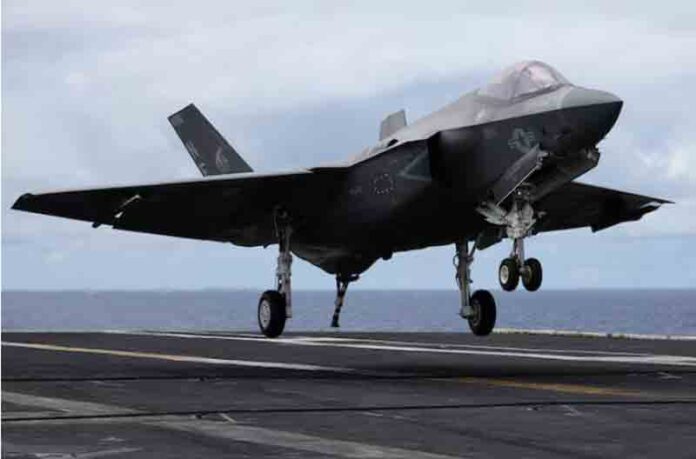
From a geopolitical perspective, this agreement underscores India’s balanced approach in a divided global landscape. While the United States has encouraged India to lessen its dependence on Russian military equipment—highlighted by Trump’s offer of F-35 jets and increased military sales set to begin in 2025—New Delhi remains focused on maintaining operational continuity.

Russia’s readiness to share technology, which is uncommon among major arms suppliers, is a crucial element of this longstanding partnership. Concurrently, India’s collaboration with European and American manufacturers indicates a strategy of diversification, ensuring that it does not become overly reliant on any single country.

For the Indian Army, the primary objective is integration. Retrofitting thousands of T-72 tanks with new engines will necessitate careful planning, including crew training and adjustments to maintenance procedures. The staggered delivery of engines in various assembly states provides a practical timeline, enabling units to upgrade progressively without compromising operational readiness.

The Army’s experience with T-90 production indicates that it is well-prepared for this transition, although the size of the T-72 fleet presents a distinct challenge. Achieving success in this endeavor could establish a benchmark for future upgrades across India’s extensive inventory of legacy systems.

The broader implications of this deal highlight a nation at a pivotal moment. India’s military modernization extends beyond mere hardware; it is about asserting its position in a changing global order. The T-72 upgrade, while incremental, reflects India’s capacity to adapt, utilizing established alliances to confront new challenges.

Zelenskiy has stated that Ukraine is fully committed to constructive talks with the United States

0
Ukraine's President Volodymyr Zelenskiy gives a press conference in Kyiv, Ukraine, on February 19, 2025, amid the Russian attack on Ukraine.

Ukrainian President Volodymyr Zelenskiy announced on Saturday that Ukraine is “fully committed” to engaging in constructive discussions with U.S. representatives in Saudi Arabia next week regarding strategies to conclude the ongoing war with Russia.

Since his inauguration in January, U.S. President Donald Trump has suspended military assistance to Ukraine and halted intelligence-sharing with Kyiv. He has criticized Zelenskiy for allegedly lacking seriousness in pursuing a peace agreement with Russia, which invaded Ukraine three years ago and currently occupies approximately 20% of its territory.

“From the very beginning of this war, Ukraine has been striving for peace. We have realistic proposals ready. The priority is to act swiftly and effectively,” Zelenskiy stated on the social media platform X. He confirmed his upcoming visit to Saudi Arabia, where he will meet with Crown Prince Mohammed Bin Salman on Monday, followed by a meeting on Tuesday with the U.S. delegation, which will include Ukrainian diplomatic and military representatives.

“We are fully dedicated to a constructive dialogue and hope to discuss and finalize the necessary decisions and actions,” he added.

The Ukrainian delegation will comprise Foreign Minister Andrii Sybiha, Chief of Staff Andriy Yermak, and Defence Minister Rustem Umerov. Additionally, Trump’s special envoy, Steve Witkoff, has indicated ongoing discussions with Ukraine regarding a framework agreement to end the three-year conflict with Russia, with a meeting scheduled for next week in Saudi Arabia. In February, Riyadh facilitated a meeting between U.S. and Russian officials to explore ways to end the most lethal conflict in Europe since World War II, but Ukraine was not part of those discussions, raising concerns in Kyiv and among its European allies.

Zelenskiy met with Trump at the White House on February 28, but the meeting turned contentious as they publicly disagreed about peace initiatives in front of the global press.

At least 14 people have died and 37 were injured in a Russian missile attack on Ukraine, according to reports from Kyiv

0
Aftermath of Russian missile strike in Dnipro, Ukraine.

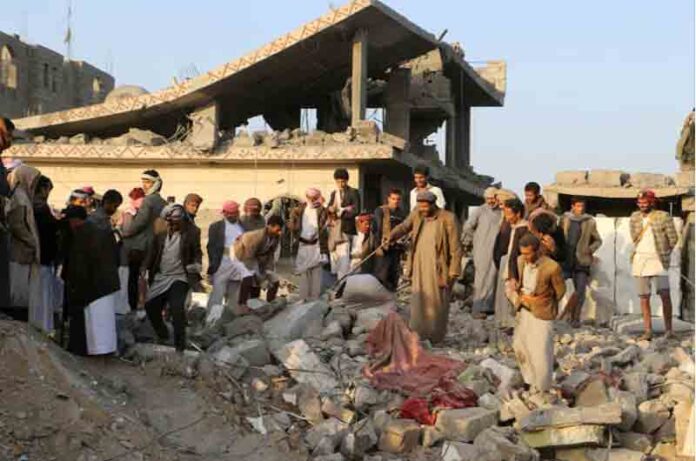
At least 14 individuals lost their lives and 37 were injured, including five children, due to Russian missile and drone strikes on the eastern Ukrainian city of Dobropillia and a nearby settlement in the Kharkiv region overnight, as reported by the Ukrainian Interior Ministry on Saturday.

The attacks on Dobropillia involved ballistic missiles, multiple rocket systems, and drones, resulting in damage to eight high-rise buildings and 30 vehicles. This assault claimed the lives of 11 people, including five children, and left 30 others injured.

Additionally, the ministry indicated that three civilians were killed and seven others wounded in a separate drone strike in the Kharkiv region in the northeast.

“These attacks demonstrate that Russia’s goals remain unchanged. It is essential that we continue our efforts to safeguard lives, enhance our air defense systems, and impose stricter sanctions on Russia. Any support that enables Putin to finance the war must be dismantled,” stated President Volodymyr Zelenskiy on Facebook.

On Friday, Russian forces targeted Ukrainian energy and gas infrastructure in their first significant missile assault since the U.S. halted intelligence sharing with Ukraine, increasing pressure on Kyiv as President Donald Trump aims for a rapid resolution to the conflict.

Military analysts suggest that the suspension of U.S. military aid and intelligence could weaken Ukraine’s air defenses, as the country faces shortages of advanced missiles and struggles to effectively monitor attacks.

Dobropillia, which had a population of approximately 28,000 before the conflict, is located in the Donetsk region of eastern Ukraine, about 22 kilometers (13.67 miles) from the front line north of the strategically important hub of Pokrovsk, which has been under sustained attack by Russian forces for several weeks.

Ongoing Hostilities

Despite U.S. initiatives to facilitate negotiations between Kyiv and Moscow, both sides remain engaged in active combat as they seek to secure a strategic advantage. A tank at the Kirishi oil refinery, one of Russia’s largest, sustained damage from falling debris during a significant overnight drone assault by Ukraine, according to local officials.

In recent weeks, Russian forces have intensified their efforts to drive Ukrainian troops out of Kursk, following a rapid incursion by Kyiv’s forces last August that resulted in the capture of a portion of Russian territory. The Russian Defence Ministry reported on Saturday that its troops have successfully reclaimed three villages in the Kursk region from Ukrainian control.

UK’s Storm Shadow is rendered ineffective without U.S. intelligence support

0
Air-launched long-range Storm Shadow/SCALP cruise missile, manufactured by MBDA, pictured at the 54th International Paris Air Show at Le Bourget Airport near Paris, France.

In the extensive conflict that has characterized Eastern Europe for over three years, Ukraine’s armed forces have relied significantly on advanced Western weaponry to maintain their position against Russian troops. Among the most formidable assets in their inventory are the Storm Shadow cruise missiles supplied by the United Kingdom, a state-of-the-art system engineered for precise strikes deep within enemy lines.

However, a recent change in U.S. policy under President Donald Trump poses a risk of rendering these advanced weapons virtually useless, revealing a critical reliance on American intelligence and technology that Kyiv may struggle to overcome.

This concern was emphasized this week when Andrey Marochko, a Russian military analyst, stated to the state-run TASS news agency that without U.S.-provided guidance systems and intelligence, the Storm Shadow would merely become an ineffective piece of metal.

His remarks highlight a broader strategic vulnerability for Ukraine as the Trump administration moves to suspend military aid and intelligence-sharing, a decision that took effect on March 4 following a contentious exchange with Ukrainian President Volodymyr Zelensky on February 28.

While Marochko’s comments are framed from a Russian viewpoint, they underscore a technical reality recognized by Western military experts: the effectiveness of the Storm Shadow is contingent upon a complex network of NATO-supplied data and U.S.-controlled systems. As Washington reduces its support, the consequences for Ukraine—and its allies, including the United Kingdom—are significant.

The decision to halt military assistance to Ukraine represents a notable shift from the bipartisan backing that Kyiv has received since Russia’s invasion in February 2022. Following a contentious meeting with President Zelensky, Trump mandated the suspension of all U.S. military support, which includes equipment currently en route through Poland and the sharing of intelligence with Ukrainian forces.

A report from the Daily Mail in the UK indicates that the White House has also prohibited London from relaying its intelligence to Kyiv, effectively cutting Ukraine off from the real-time information necessary for operating advanced systems such as the Storm Shadow and U.S.-manufactured HIMARS rocket launchers. Trump has linked this pause to a requirement for Ukraine to show a commitment to peace negotiations with Russia.

On March 5, he informed reporters that Zelensky had indicated a readiness to engage in talks, although the president has not yet lifted the aid suspension. “We’re not here to fund endless wars,” Trump stated, reiterating his campaign pledge to reassess America’s international obligations. For the time being, the freeze remains effective, leaving Ukraine’s military strategists in a challenging position as they seek to adapt.

This decision has faced backlash from certain U.S. lawmakers and NATO allies, who caution that it may embolden Moscow at a crucial moment. Additionally, it raises a significant question: Can Ukraine maintain its advanced military operations without the support of the United States? To fully appreciate the implications, one must first understand the capabilities and limitations of the Storm Shadow missile itself.

Developed collaboratively by Britain and France in the 1990s and entering service in 2002, the Storm Shadow (known as SCALP-EG in France) is a stealthy, air-launched cruise missile engineered to penetrate heavily fortified airspace and strike high-value targets with exceptional accuracy. Its use in Ukraine, confirmed by British officials in 2023, has enabled Kyiv to target Russian command centers, ammunition storage facilities, and logistical hubs situated well behind the front lines.

The technical specifications of the missile exemplify cutting-edge engineering. Weighing around 2,866 pounds (1,300 kilograms), the Storm Shadow has a length of 16.7 feet (5.1 meters) and a wingspan of 9.8 feet (3 meters) when its retractable wings are deployed during flight.

It is powered by a Turbomeca Microturbo TRI 60-30 turbojet engine, allowing it to cruise at a subsonic speed of Mach 0.8, which is approximately 600 miles per hour (965 kilometers per hour). The missile has a range that exceeds 155 miles (250 kilometers), with some estimates indicating it could extend up to 348 miles (560 kilometers) with certain modifications.

The warhead, featuring a 992-pound (450-kilogram) BROACH (Bomb Royal Ordnance Augmented Charge) system, employs a two-stage mechanism that first penetrates fortified targets such as bunkers or concrete structures before detonating a high-explosive charge internally. This capability has been effectively utilized by Ukraine to disrupt Russian military operations.

The true advantage of the Storm Shadow lies in its advanced guidance systems, which integrate various technologies to ensure precision. Prior to launch, the missile is programmed with specific target coordinates and a flight trajectory, typically sourced from NATO’s comprehensive electronic databases.

Once in flight, it utilizes a combination of inertial navigation—employing gyroscopes and accelerometers to monitor its position from the initial launch point—and real-time satellite updates from the Global Positioning System, managed by the U.S. Space Force.

A terrain contour matching system, initially created in the United States, enables the missile to fly as low as 100 feet (30 meters) by comparing radar altimeter data with preloaded digital maps, thereby enhancing its ability to avoid detection.

During its final approach, an infrared seeker targets the objective with remarkable precision, achieving a circular error probable of only a few meters—an impressive capability for a missile of this range. However, this advanced technology has limitations: without GPS and NATO intelligence, the missile struggles to adapt to real-time changes on the battlefield.

Marochko’s claim that the Storm Shadow would be rendered ineffective without U.S. assistance is somewhat of an oversimplification, yet it holds some truth. Although its inertial and terrain-matching systems could theoretically direct it to a fixed target using preloaded information, the lack of GPS would hinder its responsiveness to moving or newly identified threats.

More importantly, Ukraine does not possess the independent satellite infrastructure and intelligence network necessary to fully program and update the missile’s flight paths—responsibilities that the U.S. has managed since the onset of the conflict. The implications extend beyond the Storm Shadow; a report from The Daily Mail indicates that Britain, limited by directives from Washington, is unable to independently address the intelligence gap.

Additionally, The Arms Echo has reported that U.S.-provided HIMARS systems, which also depend on American targeting data, may encounter similar operational difficulties, revealing a significant strategic vulnerability. For Kyiv, the immediate focus is on mitigating damage.

While military officials have not publicly addressed the aid freeze, analysts propose that Ukraine might seek support from alternative allies—such as France, a co-developer of the Storm Shadow—or work to enhance its own reconnaissance capabilities through drones and ground-based intelligence.

These temporary measures are unlikely to achieve the same level of seamless integration as the systems provided by the United States. President Zelensky seems to be navigating a delicate balance between assertiveness and negotiation. His recent outreach to Trump on March 5, as reported by The New York Times, indicates a readiness to engage, although it has not yet resulted in any tangible concessions. With Russian forces gaining ground in eastern Ukraine, Kyiv is under increasing pressure as time is not in its favor.

Trump’s choice signifies a significant shift in U.S. foreign policy, emphasizing domestic priorities over extended international commitments. For Ukraine, this serves as a stark reminder of the limitations of relying on external support.

The Storm Shadow, a remarkable feat of British engineering, may still dominate the battlefield; however, its effectiveness is compromised without American guidance. As the conflict continues, a pressing question arises: Can Ukraine achieve self-sufficiency, or will its advanced weaponry become outdated? For the moment, the skies above Kyiv remain tense.

EU leaders have agreed to boost defense efforts and support Zelenskiy after U.S. aid was suspended

0

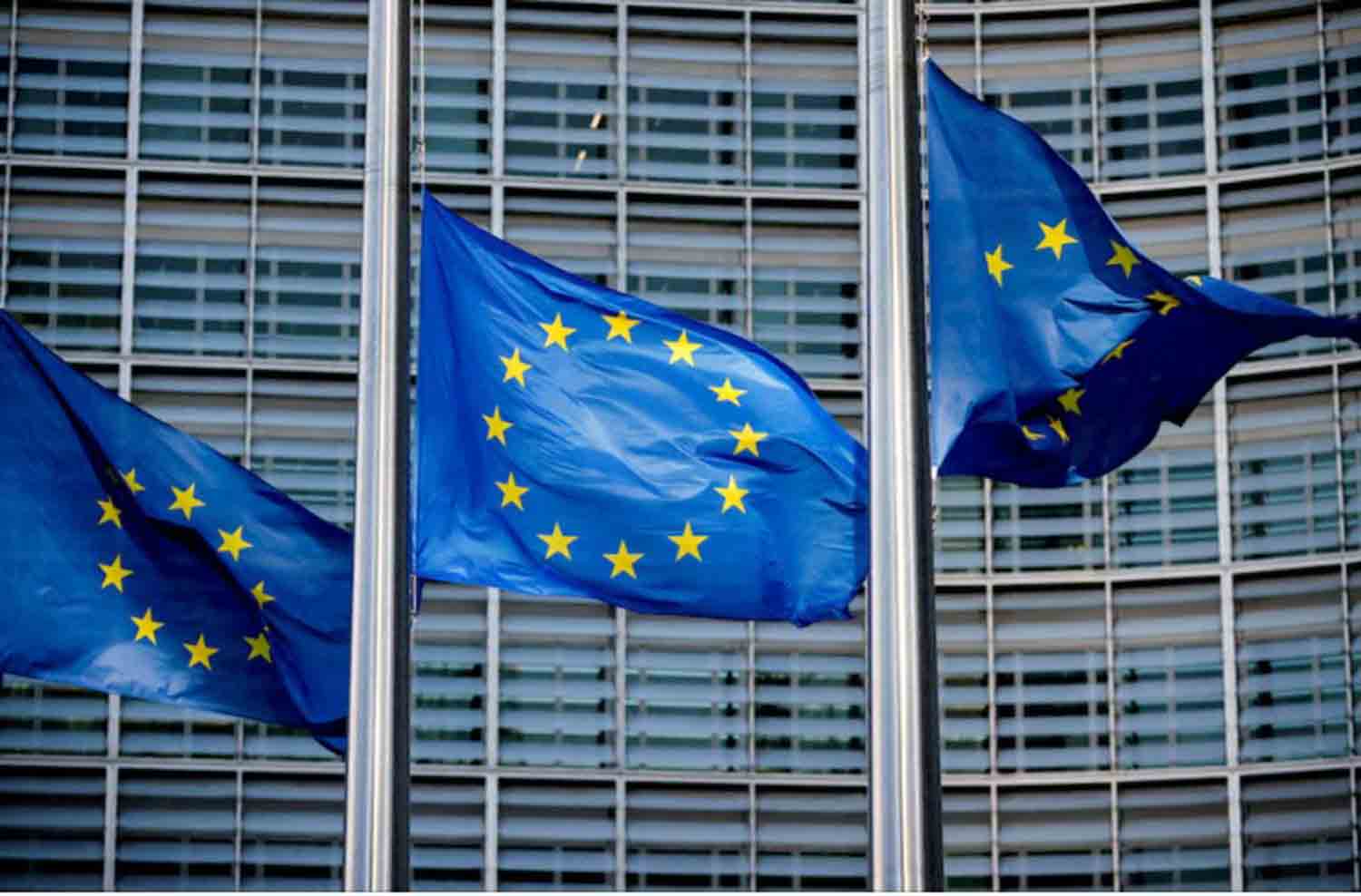
European leaders on Thursday endorsed initiatives to increase defense spending and reaffirmed their commitment to supporting Ukraine in a global landscape altered by Donald Trump’s shift in U.S. policies. The EU’s defense summit in Brussels was convened amid concerns that Russia, encouraged by its actions in Ukraine, might target an EU nation next, highlighting Europe’s diminished reliance on U.S. assistance.

Antonio Costa, the chairman of the meeting, informed reporters, “Today we have demonstrated that the European Union is rising to the occasion, developing a robust defense framework and standing firmly with Ukraine.”

EU leaders praised the European Commission’s recent proposals aimed at providing fiscal flexibility for defense expenditures and facilitating joint borrowing of up to 150 billion euros ($160 billion) to support EU governments in enhancing their military capabilities. In a unified statement from all 27 member states, leaders urged their ministers to urgently review these proposals.

“Europe must confront this challenge and prevail in this arms race,” stated Polish Prime Minister Donald Tusk during the special defense summit in Brussels. He emphasized, “Europe as a collective is fully capable of overcoming any military, financial, or economic confrontation with Russia—we are simply stronger.”

French President Emmanuel Macron, who had previously warned French citizens about the threat posed by Russia to both France and Europe, remarked that these measures represent merely the initial steps. “Regardless of the situation in Ukraine, we must establish autonomous defense capabilities within Europe,” he asserted following the EU summit.

SUPPORTING UKRAINE

The EU leaders also expressed their backing for Ukraine, although this consensus was reached without the participation of Hungary’s nationalist leader Viktor Orban, an ally of Trump who is fostering relations with Moscow. In their statement, the remaining 26 EU leaders emphasized that negotiations regarding Ukraine cannot proceed without its involvement and pledged to continue providing assistance, as outlined in a recent draft.

Costa expressed, “We are here to defend Ukraine,” as he and European Commission President Ursula von der Leyen warmly greeted Ukrainian President Volodymyr Zelenskiy at the summit, their smiles contrasting sharply with the recent tensions between Trump and Zelenskiy in the Oval Office.

However, the EU’s long-standing dependence on U.S. protection, along with differences in funding and the potential role of France’s nuclear deterrent for Europe, highlighted the challenges the EU faces in compensating for the gap left by Washington’s suspension of military aid to Ukraine. According to NATO, the U.S. accounted for over 40% of military assistance to Ukraine last year, a level of support that Europe may struggle to match. Some leaders maintained a public optimism that the U.S. could be persuaded to re-engage.

Germany’s outgoing Chancellor Olaf Scholz emphasized the need for “cool and wise heads” to ensure continued U.S. support in the months and years ahead, noting Ukraine’s reliance on this assistance for its defense. Meanwhile, Macron indicated that leaders supported Zelenskiy’s appeal for a truce between Russian and Ukrainian forces, both in the air and at sea. Zelenskiy conveyed to EU leaders that such a truce would provide an opportunity to gauge Moscow’s willingness to conclude its three-year invasion.

Nuclear Deterrence

In light of recent developments, President Macron has indicated that France is willing to consider extending the protective umbrella of its nuclear capabilities to its European allies. This proposal has been met with cautiously optimistic responses. For instance, Lithuania’s President Gitanas Nauseda remarked that such a “nuclear umbrella” could serve as a significant deterrent against Russia. Poland expressed that the concept merits further discussion, while others, including representatives from the Czech Republic, emphasized the importance of maintaining U.S. involvement in European security matters.

Former President Trump has previously stated that Europe needs to assume greater responsibility for its own security. Recently, he cast doubt on his commitment to defend NATO allies, suggesting that he would not do so if they are not adequately contributing to their own defense budgets.

His shift from strong U.S. support for Ukraine to a more accommodating approach towards Moscow has raised significant concerns among Europeans, who view Russia as a primary threat. Reflecting this anxiety, parties negotiating to form Germany’s next government have agreed to remove constitutional borrowing limits to increase defense spending.

In a related development, Norway announced plans to more than double its financial support for Ukraine this year, alongside a substantial increase in its own defense budget, as stated by the Prime Minister.

China’s warships are appearing in unexpected locations, raising concerns among U.S. allies

0

Chinese warships have been navigating around Australia’s coastline for over three weeks, coming within 200 miles of Sydney and conducting unprecedented live-fire exercises in collaboration with New Zealand.

These drills, which were carried out without prior notification, have raised significant concerns in both countries. The presence of China’s military might is no longer limited to the far-off waters of the South China Sea or the Taiwan Strait—areas where territorial tensions have intensified under Xi Jinping—but is now a pressing issue much closer to home.

Additionally, Chinese naval vessels have been spotted near Vietnam and Taiwan, demonstrating China’s naval capabilities in the Pacific, which often unsettles US allies.

China has remained defiant, asserting that its actions are in accordance with international law, with state media suggesting that Western nations should acclimate to the presence of Chinese warships in nearby waters.

Historically, Washington’s allies have found reassurance in their strong relationships with the US. However, this sentiment has shifted following Donald Trump’s controversial meeting with Ukrainian President Volodymyr Zelensky and his subsequent decision to suspend aid to Ukraine amid its conflict with Russia.

This incident in the Oval Office has heightened concerns among nations across the Pacific: If the US is prepared to abandon Ukraine—effectively rewarding Russian President Vladimir Putin’s aggression in Europe—might it also do the same in Asia when confronted with an assertive Beijing?

Trump’s alignment with Russia and his dismissive attitude towards Europe—characterized by a transactional mindset that Singapore’s defense minister compared to a “landlord seeking rent”—has intensified concerns in the Indo-Pacific region. Many countries in this area depend on the US to counteract Chinese assertiveness.

Collin Koh, a research fellow at the S. Rajaratnam School of International Studies (RSIS) in Singapore, noted, “This raises questions about the US’s commitment to regional security. Even if the US remains engaged, what will the Trump administration demand in return?”

Experts argue that this is a legitimate concern for allies who have historically depended on the US for security guarantees, allowing them to minimize their own defense expenditures.

They suggest that now may be an opportune moment for American allies, such as Australia and New Zealand, to reassess their defense budgets and strengthen regional partnerships with other nations that could be vulnerable as Trump continues his “America first” policy.

‘Test of resolve’

Australia has taken steps to ensure global awareness of China’s activities in international waters within the South Pacific, providing daily updates on the locations of Australian Navy vessels and surveillance aircraft.

Defense Minister Richard Marles stated that the information would be scrutinized to ascertain China’s actions and the implications behind them.

China’s ambassador to Australia, Xiao Qian, asserted that China does not pose a threat to Australia while indicating that more naval visits should be anticipated. “As a major power in this region, it is normal for China to deploy its vessels to various areas for different activities,” Xiao told Australia’s public broadcaster, the ABC.

Meanwhile, in Washington, Trump was conveying a message to US allies in Europe, urging them to increase military expenditures in support of Ukraine.

Prior to his contentious meeting with Zelensky, Trump had planned to finalize a mineral resources agreement with the Ukrainian president, aiming for the U.S. to recover some of the expenses incurred from its aid to Ukraine following Russia’s invasion. However, the signing ceremony was ultimately called off, with Trump advising Zelensky on his social media platform, Truth Social, to “return when he is prepared for Peace.”

By subsequently halting military assistance to Ukraine, Trump aimed to compel affluent European nations to take on a greater share of the burden, according to experts.

“He believes they have been benefiting from the United States without contributing for the past fifty years,” stated Peter Dean, director of foreign policy and defense at the United States Studies Centre at the University of Sydney.

This strategy appeared to yield results when, on Tuesday, the European Union announced a plan allowing member states to borrow €150 billion ($158 billion) to enhance their defense budgets and significantly increase military support for Kyiv.

Dean asserts that Trump desires a peace agreement in Ukraine; however, he overlooks Zelensky’s apprehensions regarding the sustainability of that peace without measures to restrain Putin.

“It seems that (Trump) is inclined towards achieving peace at any cost, rather than a just and lasting peace,” he remarked. “The critical question is, what does the agreement entail? That is the concern for many. What concessions is he prepared to make?”

As Trump disrupts the transatlantic alliance—a cornerstone of Western security for decades—his administration has indicated a desire for the U.S. to conclude conflicts in other regions to concentrate on countering China in the Pacific.

The urgency of this objective was underscored by China’s recent demonstrations of military strength.

“It’s undoubtedly a test of resolve,” commented Drew Thompson, a senior fellow at RSIS in Singapore, regarding China’s military exercises. “China is establishing a sphere of influence in the Pacific to gauge whether regional countries will oppose it.”

AUKUS: What is it?

Prior to the confrontation between Trump and Zelensky, the presence of Chinese naval vessels along Australia’s southern coastline had shifted the nation’s focus towards AUKUS, its significant security partnership with the United States and the United Kingdom.

Doubts arose regarding the deal’s stability under the unpredictable nature of Trump’s administration when a British journalist inquired if the US president had discussed AUKUS with his UK counterpart.

“What does that mean?” Trump responded. Treasury Secretary Scott Bessent later downplayed the incident, attributing it to a misunderstanding of accents. “I think we’re going to have to limit the questions to Americans he can understand,” he remarked.

According to Dean from the University of Sydney, it may not be detrimental that Trump was unfamiliar with the acronym, as the agreement enjoys strong backing from his key advisors.

This backing was reinforced by Australia’s initial investment of $500 million aimed at enhancing American submarine production, with the understanding that some nuclear-powered submarines will be provided to Australia to strengthen its military presence in the Indo-Pacific region.

Dean noted that this is precisely the type of agreement Trump would be inclined to prioritize moving forward.

“He aims to generate revenue for the United States and secure more advantageous deals. AUKUS serves as a prime example of such a deal for them,” Dean stated.

“For European nations, I wouldn’t underestimate Trump’s perspective on this; if Australia can achieve this, why can’t you?”

No leniency for those who benefit without contributing

In the Pacific region, US allies expressed concern over the unprecedented events unfolding in the Oval Office.

Japan’s Prime Minister Shigeru Ishiba adopted a measured stance on Monday, stating he had “no intention of taking sides” when questioned about the confrontation between Trump and Zelensky.

However, he committed to doing everything possible to “sustain US engagement and foster unity” among the Group of Seven nations, indicating rising apprehension regarding the weakening of the Western alliance.

“Today’s Ukraine could be tomorrow’s East Asia,” he remarked. “We must also contemplate steadily enhancing our deterrent capabilities to avert conflict.”

Japan, which faces territorial disputes with China in the East China Sea, has voiced concerns over the increasing military activities of China in its adjacent waters. Last year marked the first instance of a Chinese aircraft carrier entering Japan’s contiguous waters.

South Korea, another US ally in East Asia, refrained from commenting on the Trump-Zelensky meeting but indicated it was closely observing the US’s halt of military assistance to Ukraine.

Trump has consistently urged allies like South Korea to contribute more towards the costs of US troops stationed on their soil. In a speech to Congress on Wednesday, he once again issued a subtle warning regarding what he termed unfair tariffs imposed by South Korea on US products—an assertion that Seoul disputes.

“We provide extensive military and various other forms of assistance to South Korea. But this is the reality, occurring with both friends and adversaries,” Trump stated.

In Taiwan, a self-governing democracy that China aims to eventually incorporate, Defense Minister Wellington Koo sought to instill confidence amid what he characterized as “rapid and bizarre changes” in the global environment.

During a press briefing on Tuesday, he expressed his belief that the United States will maintain its presence in the Indo-Pacific region, as it is integral to its core interests. He highlighted the shared goals between Taiwan and Washington in areas such as economic growth, geopolitics, and military security.

Koo also acknowledged the implications of Trump’s “America first” policy. “In the realm of international politics, we understand that discussions about values must also encompass discussions about interests. Naturally, the United States must prioritize its own national interests,” he remarked.

Analysts indicate that the US has grown increasingly frustrated with countries that do not contribute adequately to their own defense.

“The Trump administration has clearly demonstrated its intolerance for free riders,” noted Thompson from RSIS in Singapore.

He added, “The nations that grasp this message quickly and clearly are likely to become the United States’ most reliable partners. The US is not abandoning its allies; rather, it is focusing on those that are most capable.”

Trump postpones tariffs on products covered by the trade agreement with Mexico and Canada

0

On Thursday, President Donald Trump announced the suspension of the 25% tariffs he had recently placed on most goods imported from Canada and Mexico. This decision marks another development in a volatile trade policy that has significantly impacted financial markets and raised concerns about inflation and economic growth.

The exemptions for these two major U.S. trading partners will remain in effect until April 2, at which point Trump has indicated he may implement a global system of reciprocal tariffs affecting all U.S. trading partners.

Initially, Trump had enacted a 25% tariff on imports from both nations on Tuesday and had only mentioned an exemption for Mexico earlier that day. However, the amendment he signed later that afternoon also included Canada. These three countries are part of a North American trade agreement.

In reaction to this announcement, Canada has decided to postpone a planned second round of retaliatory tariffs on C$125 billion worth of U.S. goods until April 2, as stated by Finance Minister Dominic LeBlanc in a post on X. The revised order from the White House also exempts potash, an essential fertilizer for U.S. agriculture, but does not fully eliminate tariffs on energy products, which are subject to a separate 10% levy imposed by Trump. A White House official explained that this is due to the fact that not all energy imports from Canada are included in the U.S.-Mexico-Canada Agreement negotiated during Trump’s first term.

The tariffs were introduced following Trump’s declaration of a national emergency on January 20, his first day in office, citing the opioid crisis linked to fentanyl overdoses. He claimed that the dangerous opioid and its precursor chemicals are trafficked from China to the U.S. through Canada and Mexico. Additionally, Trump has enforced a 20% tariff on all imports from China as part of his broader trade strategy.

Trump initially announced the tariffs in early February but postponed their implementation for Canada and Mexico until Tuesday. Earlier this week, he opted not to delay them further and increased the existing 10% tariff on Chinese imports, which had been in effect since February 4.

“On April 2, we will proceed with the reciprocal tariffs, and I hope that Mexico and Canada will have effectively addressed the fentanyl issue so that we can focus solely on the reciprocal tariff discussions,” stated Commerce Secretary Howard Lutnick during an interview with CNBC. “However, if they have not made sufficient progress, these tariffs will remain in place.”

Additionally, Trump confirmed that the 25% tariffs on steel and aluminum imports would take effect as planned on March 12. Canada and Mexico are significant suppliers of these metals to the U.S., with Canada being the primary source of aluminum imports.

On Wednesday, Trump announced exemptions for automotive products from the 25% tariffs imposed on imports from Canada and Mexico, effective Tuesday. Economists viewed these tariffs as potential catalysts for inflation and a hindrance to growth across all three economies. The exemptions followed discussions with executives from major U.S. automakers, including Ford, General Motors, and Stellantis.

MARKET REACTION

U.S. stock markets continued their recent decline on Thursday, with investors expressing concerns over the rapid and fluctuating developments regarding tariffs, which are contributing to market uncertainty. Economists have cautioned that these levies could reignite inflation, which has been challenging to control, and may dampen demand and economic growth.

The S&P 500 index fell by 1.8% and has decreased nearly 7% since mid-February.

Bill Sterling, a global strategist at GW&K Investment Management in Boston, noted that the ongoing fluctuations in tariffs, especially concerning Mexico and Canada, are contributing to market uncertainty. He explained, “In an environment marked by such significant uncertainty, the logical economic response for business leaders is to refrain from making decisions.” He posed the question, “How can one decide on the location of an auto plant between the U.S. and Canada under these circumstances?”

Lutnick emphasized that the White House is not influenced by market fluctuations. “The daily ups and downs of the stock market, even by half a percent, do not dictate our outcomes,” he stated. “Our focus is on increasing factory production in America.”

On Thursday, Prime Minister Justin Trudeau, who will resign as Canada’s leader on Sunday, expressed that he does not foresee an end to the trade conflict initiated by Trump in the near future. “I can confirm that we will remain in a trade war instigated by the United States for the foreseeable future,” he told reporters in Ottawa.

While there was no immediate comment from Mexican officials, President Claudia Sheinbaum mentioned earlier on Thursday that she had a productive call with Trump, during which they agreed to a delay. “We had an excellent and respectful conversation, agreeing that our collaboration has produced unprecedented results while respecting our sovereignties,” Sheinbaum posted on X.

Sources from both Mexico and Canada indicated that officials are frustrated with the tariff negotiations under the Trump administration, citing a lack of clarity regarding U.S. intentions, which makes reaching a resolution seem unattainable.

UN Secretary-General warns that global security frameworks are deteriorating at the nuclear disarmament conference

0
United Nations Secretary-General Antonio Guterres speaks during a meeting of the United Nations Security Council on, maintenance of international peace and security at U.N. headquarters in New York City, U.S.

The leader of the United Nations expressed concern on Monday regarding the deterioration of long-standing security frameworks that have maintained global peace, urging nations to collaborate towards achieving a world free of nuclear weapons.

UN Secretary General Antonio Guterres addressed the Conference on Disarmament in Geneva, stating, “The bilateral and regional security frameworks that have ensured global peace and stability for many years are disintegrating before our eyes.”

He emphasized that “Trust is diminishing, while uncertainty, insecurity, impunity, and military expenditures are on the rise.” Guterres highlighted that these issues are undermining the principle of “mutual restraint” and called for countries to fulfill their commitments and obligations related to nuclear disarmament and non-proliferation. The Conference, established in 1979 and supervised by the United Nations Office for Disarmament Affairs (UNODA), includes 65 member states, among them the United States, China, and Russia.

Europe is wary of a significant shift in U.S. foreign policy under Trump, marking a new chapter for the region

0
EU foreign policy chief Kaja Kallas

European foreign ministers expressed their concerns on Monday regarding a significant shift in U.S. foreign policy under President Donald Trump, marking a new era for the region. Despite their apprehensions, they remain hopeful that the transatlantic relationship can withstand these changes.

European officials have been caught off guard by Trump’s decision to engage in discussions with Russia about ending the war in Ukraine, sidelining both Kyiv and European interests. Additionally, his administration’s indication that the U.S. is no longer primarily focused on European security has raised alarms.

EU foreign policy chief Kaja Kallas remarked after a meeting in Brussels, “The statements from the United States are certainly concerning for all of us.” However, she emphasized that Europe and the U.S. have previously resolved their differences and are expected to do so again.

Kallas acknowledged that the transatlantic relationship would inevitably evolve, stating, “It is evident that changes are coming, but we should not discard what has been effective thus far.”

Friedrich Merz, the newly elected leader in Germany, raised questions about the future of NATO, suggesting it may not remain in its current form by June, and urged Europe to develop an independent defense capability swiftly.

Dutch Foreign Minister Caspar Veldkamp commented on the situation, stating, “The era that began with the fall of the Berlin Wall has come to an end.” He stressed the need for Europeans to organize collectively, not just within the EU but also with the UK, Norway, and other interested nations, to address the new challenges posed by Trump’s policies.

Analysts from the Eurasia Group noted that recent developments indicate “Europe is on the brink of a significantly more perilous world,” suggesting that EU leaders are increasingly anxious about the future.

It is now evident that the capacity to respond in the upcoming weeks and months may significantly influence the future structure of the international order and the role it will play within that framework for many years ahead, they stated.

EXTRAORDINARY SUMMIT

EU ministers have reached an agreement on yet another sanctions package targeting Moscow, timed to coincide with the third anniversary of Russia’s invasion of Ukraine. This comes ahead of a series of meetings scheduled in Brussels, Kyiv, and Washington regarding Ukraine in the near future.

On March 6, EU leaders will convene for an extraordinary summit to deliberate on further support for Ukraine, security guarantees for Europe, and funding for European defense requirements.

“I never imagined I would have to express this on a television program, but following Donald Trump’s comments last week, it is evident that this government shows little concern for Europe’s future,” Merz remarked to German public broadcaster ARD after his party’s electoral success.

Czech Foreign Minister Jan Lipavsky emphasized the need for Europe to demonstrate strength while maintaining its relationship with the United States.

“We can all sense a shift in U.S. rhetoric, particularly over the past two to three weeks,” Lipavsky noted in Brussels. “However, this does not imply that we should cease our engagement; quite the contrary,” he added.

On the same day, several EU leaders and ministers visited Kyiv to express solidarity with Ukraine, while the leaders of France and Britain are set to meet Trump in the United States this week.

“We must expedite the immediate provision of weapons and ammunition,” stated European Commission President Ursula von der Leyen during her visit to Kyiv. “This will be central to our efforts in the weeks ahead.”

The EU’s 16th sanctions package against Russia, which foreign ministers approved on Monday, includes a ban on primary aluminum imports and the sale of gaming consoles, as well as the listing of owners and operators of 74 so-called shadow fleet vessels that are used to circumvent sanctions.

Ukraine welcomes European leaders as U.S. support wanes three years post-invasion

0
Ukraine's President Volodymyr Zelenskiy with his wife Olena, European Commission President Ursula von der Leyen, European Council President Antonio Costa, Canada's Prime Minister Justin Trudeau, Spanish Prime Minister Pedro Sanchez, Latvia's President Edgars Rinkevics, President of Lithuania Gitanas Nauseda, Estonian Prime Minister Kristen Michal, Denmark's Prime Minister Mette Frederiksen, Icelandic Prime Minister Kristrun Frostadottir, Norwegian Prime Minister Jonas Gahr Stoere, Finnish President Alexander Stubb, Sweden's Prime Minister Ulf Kristersson visit a makeshift memorial place displaying Ukrainian flags with the names of fallen service members, at the Independence Square, amid Russia's attack on Ukraine, in Kyiv, Ukraine.

Ukraine marked the beginning of its fourth year of full-scale conflict with Russia on Monday, hosting numerous European and global leaders for a summit, while grappling with uncertainty regarding its reliance on its strongest ally, the United States.

Last week, Donald Trump criticized Volodymyr Zelenskiy, labeling him an unpopular “dictator” who must negotiate a swift peace deal or risk losing his nation. In response, the Ukrainian president asserted that the U.S. leader was ensnared in a “disinformation bubble.”

In a significant shift in policy, U.S. officials initiated direct discussions with Russian representatives in Saudi Arabia last week, effectively excluding Kyiv and European nations from the dialogue. Washington has made it clear that it will not deploy troops as a security guarantee that Kyiv desires if a peace agreement is reached, thereby placing the onus on European nations that may struggle without American support.

Zelenskiy, who has urged Europe to establish its own military while calling on Washington to adopt a pragmatic approach, has engaged in over a dozen phone conversations since Friday, primarily with European leaders, to explore potential paths forward.

“Three years after the onset of Putin’s ‘three-day’ special military operation, Ukraine remains resilient, fighting, and our nation has more allies globally than ever before,” Zelenskiy stated during the summit attended by visiting leaders in Kyiv to commemorate the anniversary. Among them were European Commission President Ursula von der Leyen, European Council President Antonio Costa, and the leaders of Canada, Denmark, Iceland, Latvia, Lithuania, Finland, Norway, Spain, and Sweden. Leaders from Albania, Britain, Croatia, the Czech Republic, Germany, Japan, Moldova, the Netherlands, Poland, Switzerland, and Turkey participated via video link, with no immediate indication of U.S. representation.

Visitors gathered in Kyiv’s central square to honor Ukrainian soldiers who lost their lives in the ongoing conflict, observing a moment of silence in front of a memorial adorned with flags. As discussions commenced later, air raid sirens echoed through the city, although no missile strikes occurred.

“In this struggle for survival, the fate of Ukraine is intertwined with that of Europe,” von der Leyen expressed on X.

Since Russian President Vladimir Putin initiated the invasion by land, sea, and air, thousands of Ukrainian lives have been lost, and over six million people have sought refuge abroad, marking the most devastating conflict in Europe since World War II.

The military toll has been severe, though exact figures remain closely guarded. Public estimates from Western intelligence sources vary significantly, but most suggest that both sides have suffered hundreds of thousands of casualties.

The impact of this tragedy is felt across Ukraine, with military funerals becoming a regular occurrence in both urban centers and remote villages. The population is weary from countless sleepless nights filled with air raid sirens.

‘THEY ARE TIRED’

The Ukrainian air force reported that Russia launched 185 drones overnight, resulting in no substantial damage. In response, Kyiv claimed to have targeted Russia’s Ryazan oil refinery, continuing its efforts to undermine the enemy’s energy capabilities.

Ukrainian forces are contending with a numerically superior adversary, raising concerns about the future of crucial U.S. military support. It remains uncertain how much European allies could compensate if American assistance diminishes or ceases.

Evhen Kolosov, the chief medic for Ukraine’s Spartan brigade operating in the east, noted that the troops are experiencing significant psychological fatigue.

The ongoing struggle continues, yet those who have been present since the outset are experiencing significant fatigue, particularly on a psychological level, akin to the challenges faced by medical personnel. The situation is undeniably tough, but this is warfare; it was never promised to be simple.

Pavlo Klimkin, who served as Ukraine’s foreign minister from 2014 to 2019, emphasized the importance for Zelenskiy to maintain strategic connections with Washington while also strengthening ties with Europe and engaging with nations such as China and India. Klimkin expressed that he does not believe relations with Washington have deteriorated to a crisis level, despite the provocative statements from Trump.

“A tornado is not sustainable; it will eventually pass, but it is crucial not to exacerbate the situation in any way,” he remarked. Klimkin does not foresee a peace agreement this year that would align with Ukraine’s aspirations for a fair and enduring resolution, although he mentioned that elements of a ceasefire could be possible.

Central to the U.S. relationship is a proposed agreement that would potentially allow access to Ukraine’s mineral resources for the U.S., with Trump aiming to secure hundreds of billions of dollars to offset Washington’s support. Earlier this month, Zelenskiy declined to endorse a draft agreement, arguing that it did not serve Ukraine’s interests and lacked the necessary security assurances. A senior Ukrainian official indicated on Monday that discussions with the United States regarding the minerals deal are nearing completion, with most key aspects already settled.

U.S. negotiators, according to Reuters, have suggested the possibility of limiting Ukraine’s access to Elon Musk’s Starlink satellite internet system, which has been crucial for Kyiv’s military efforts.

Meanwhile, Trump has urged Ukraine to conduct a wartime election, seemingly aligning with Russia, which has consistently claimed that Zelenskiy is no longer a legitimate leader. Zelenskiy’s term was set to end last May; however, elections have not taken place due to the martial law imposed at the onset of the invasion, which prohibits such events. On Sunday,

Zelenskiy expressed his willingness to resign from the presidency if it would lead to peace, humorously proposing that he could trade his departure for Ukraine’s accession to NATO.

Xi and Putin discuss the Ukraine conflict in a phone call on the war’s anniversary, state media reports

0
Chinese President Xi Jinping meets with Russian President Vladimir Putin in Kazan, Russia.

Chinese President Xi Jinping held a phone conversation with his ally, Russian President Vladimir Putin, on Monday, as reported by China’s state media, marking the third anniversary of Russia’s large-scale invasion of Ukraine.

In the lead-up to Putin’s deployment of tens of thousands of troops into Ukraine in February 2022, China and Russia established a “no limits” strategic partnership. Over the past decade, Xi has met with Putin more than 40 times, and in recent months, Putin has referred to China as an “ally.”

Beijing has opted not to condemn Moscow for its actions in the conflict, which has led to strained relations with both Europe and the United States. This call was the second between the two leaders this year; they previously discussed strengthening ties with U.S. President Donald Trump and the potential for a peace agreement to resolve the ongoing war in Ukraine during a January conversation.

Trump is advocating for a swift resolution to the conflict, which has raised concerns among Washington’s European allies, as he has excluded them and Ukraine from initial discussions with Russia while attributing blame to Ukraine for the invasion that occurred in 2022, a stance that could yield significant economic advantages for Moscow.

Russia has deployed the new Kalashnikov RPL-20 machine gun to the front lines

0
RPL-20 machine gun

In the extensive conflict area that Russia refers to as its “special military operation” in Ukraine, a new weapon has quietly emerged on the battlefield. The RPL-20, a lightweight machine gun chambered in 5.45mm, is now actively deployed, as confirmed by Sergey Urzhumtsev, the chief designer at Kalashnikov Concern, Russia’s leading firearms manufacturer.

In a statement to the state-owned news agency TASS, Urzhumtsev acknowledged the weapon’s presence, remarking, “I can say that there are machine guns in the area where the special military operation is being conducted.” This understated yet significant announcement highlights Russia’s ongoing efforts to enhance its infantry capabilities amid a protracted conflict.

The RPL-20 has made a rapid yet careful journey to the front lines. Its development concluded in September 2024, shortly after its official introduction at the end of August. By late September, Kalashnikov Concern declared that the weapon—a belt-fed design aimed at neutralizing enemy personnel and light equipment—was fully operational.

What distinguishes the RPL-20 is its versatility, featuring modern capabilities that enable it to accommodate a variety of accessories and function reliably in the unpredictable conditions of combat. Its deployment in Ukraine reflects Russia’s commitment to refining its military arsenal, even as the conflict enters its third year.

This weapon represents more than just another addition to military hardware; it signifies a strategic evolution. The RPL-20 was officially presented at the 5th International Defense Industry Exhibition, ADEX 2024, which took place in Baku from September 24 to 26.

Amid the activity of global arms dealers and military representatives, it attracted the attention of the Russian National Guard, a unit known for monitoring Kalashnikov’s latest innovations. The gun’s adaptability and advanced design generated interest, suggesting its potential use beyond the immediate battlefield.

For Russia, a country historically associated with robust and dependable weaponry, the RPL-20 signifies a blend of heritage and innovation.

The RPL-20 is a testament to contemporary engineering, specifically designed for the complexities of infantry combat. Weighing between 5.2 and 5.5 kilograms—similar to a fully loaded backpack—it strikes a balance between mobility for soldiers and the durability needed for sustained fire.

It utilizes the widely used 5.45x39mm cartridge, the same ammunition found in the AK-12 assault rifle, which ensures compatibility with current Russian logistics. In contrast to earlier magazine-fed models, the RPL-20 employs a belt-fed mechanism, utilizing non-disintegrating steel belts stored in semi-rigid boxes that can accommodate either 100 or 200 rounds.

This design enhances its ability to provide suppressive fire, a vital asset in the trench-heavy, urban conflicts that characterize much of the ongoing fighting in Ukraine.

What sets the RPL-20 apart is its versatility across various combat situations. It is available in two configurations: a long-barreled variant with a 590mm barrel for engaging targets at distances up to a kilometer, and a shorter 415mm version tailored for close-quarters combat, akin to the effective range of the AK-74.

The long barrel version weighs approximately 5.5 kilograms when unloaded, while the shorter variant is designed to be lighter for enhanced maneuverability. Both models utilize a gas-operated mechanism featuring a long-stroke piston situated above the barrel, a signature element of Kalashnikov’s time-tested design approach, and are equipped with a rotating bolt that ensures a secure lock for each firing.

Designed to fire from an open bolt, this weapon is exclusively for automatic fire, delivering rounds at a rapid rate of around 600 per minute during sustained bursts.

The ergonomics of the firearm demonstrate a careful integration of aesthetics and practicality. It includes a folding telescopic stock with an adjustable cheek rest and shoulder support, providing shooters with comfort and accuracy in various shooting positions.

The receiver is equipped with an extensive Picatinny rail on the top, allowing for the attachment of optical sights, night vision devices, or laser designators, while the lower rail is suitable for mounting bipods or foregrips. Although the barrel is not designed for quick changes in the conventional sense, it can be replaced during disassembly, catering to the needs of extended combat scenarios.

Kalashnikov has also included a specially engineered suppressor that can endure prolonged firing without performance degradation, a feature not commonly found in standard-issue silencers. With a service life rated for 20,000 rounds, the RPL-20 is constructed to withstand the rigors of warfare.

To appreciate the RPL-20’s role within Russia’s military inventory, it is essential to consider the machine guns it is intended to augment or replace. The RPK-74, a magazine-fed light machine gun that has been in service since the 1970s, has historically been a fundamental asset for Soviet and Russian infantry units.

Chambered for the 5.45x39mm cartridge, this weapon utilizes 45-round magazines or, in certain instances, 75-round drums, providing a lighter alternative to belt-fed systems, albeit with a compromise in sustained fire capability. Weighing approximately 4.7 kilograms, it is a robust and dependable option; however, its limitations have become evident in contemporary conflicts where the need for high volume fire often overshadows precision.

The RPK-16, introduced in 2016, sought to rectify these issues by incorporating a 96-round drum and interchangeable barrels. Unfortunately, it faced challenges during testing due to overheating and reliability concerns, leading Kalashnikov to shift focus towards the belt-fed RPL-20.

On the heavier side, the PKM is a 7.62x54mmR general-purpose machine gun that has served as a cornerstone for Russian forces since the 1960s. Weighing in at 7.5 kilograms without its 100- or 250-round belts, it is designed for suppressive fire at the company level rather than for squad-level mobility.

Its impressive range and firepower—effective up to 1,500 meters—make it a powerful asset, but its weight and caliber distinguish it from the lighter, intermediate-cartridge role that the RPL-20 occupies. The RPD, a belt-fed predecessor from the 1940s chambered in 7.62x39mm, provides a historical context for the RPL-20, although it was retired by the 1960s in favor of the RPK series.

Consequently, the RPL-20 serves as a bridge, merging the portability of the RPK with the firepower of the PKM, designed to meet the dynamic and high-intensity requirements of modern warfare.

Kalashnikov has played a crucial role in supporting Russia’s military operations in Ukraine over the last three years. Following the escalation of the conflict in February 2022, the company significantly increased its production to satisfy the growing demands of the Ministry of Defense.

The AK-12, which became the standard rifle for the Russian Ground Forces in 2018, has experienced substantial deliveries, with 2023 and 2024 alone accounting for 65% of the annual state order. This rifle, weighing 3.7 kilograms and utilizing 5.45x39mm ammunition from 30-round magazines, has been refined based on combat experiences from the front lines in Ukraine.

In addition to the AK-12, the AK-15 [7.62x39mm] and AK-19 [5.56x45mm NATO] have been adopted by specialized units, demonstrating Kalashnikov’s capacity to expand its product range.

Kalashnikov has also provided a variety of other military equipment. The PKP Pecheneg, an upgraded version of the PKM, has been observed in Ukraine, delivering 7.62x54mmR rounds capable of penetrating fortifications, and featuring a quick-change barrel for extended firing capabilities. Weighing 8.2 kilograms, it is favored by troops requiring heavy fire support.

Additionally, the company introduced the GP-46, a 40x46mm underbarrel grenade launcher revealed in August 2024, which can be used with AK rifles or independently with a detachable stock—ideal for targeting trenches or light vehicles.

The production of drones, optics, and body armor has surged from Kalashnikov’s facilities, with increases in output announced in 2023 to meet the ongoing demand for military equipment. By mid-2024, the RPL-20 was added to their offerings, with its initial batch delivered for operational testing, underscoring Kalashnikov’s unwavering production pace.

This surge of innovation occurs amidst significant economic challenges. Western sanctions, initially enacted after Russia’s annexation of Crimea in 2014 and intensified following the 2022 invasion of Ukraine, were designed to undermine Moscow’s military capabilities. These sanctions specifically targeted Russia’s defense industry, including the Kalashnikov Concern, by limiting access to foreign technology, capital, and markets.

The European Union, the United States, and their allies implemented asset freezes, prohibited the export of dual-use goods, and restricted financial transactions, aiming to weaken Russia’s military-industrial complex. By 2023, the ruble had significantly depreciated, and inflation had surged; however, Kalashnikov and the wider Russian arms sector continued to operate effectively.

How was this achieved? Through adaptation and resilience. Kalashnikov utilized domestic resources and increased in-house research and development to reduce dependence on imports. The RPL-20, developed without direct military funding and driven by Kalashnikov’s initiative following the RPK-16 trials, serves as a prime example of this self-reliance.

Russia’s shift towards trading with friendly nations such as China, India, and Iran allowed it to circumvent sanctions, while a war economy—bolstered by state contracts—pumped billions into defense. At ADEX 2024, Kalashnikov showcased the RPL-20 alongside plans for 7.62x39mm and 5.56x45mm variants, indicating aspirations that extend beyond Russia’s borders, targeting export markets despite Western pressures.

While sanctions have impeded progress, they have not completely stifled it; Russia’s arms manufacturers, led by Kalashnikov, have demonstrated their ability to innovate under challenging circumstances—both literally and figuratively—ensuring that the RPL-20 and similar products make it to the battlefield against the odds.

Potential next German chancellor Merz raises concerns about NATO’s future structure

0
Christian Democratic Union (CDU) party leader Friedrich Merz speaks at the party headquarters, after the exit poll results are announced for the 2025 general election, in Berlin, Germany.

Germany’s prospective next Chancellor, Friedrich Merz, raised concerns on Sunday regarding the future of NATO, questioning whether it would continue in its “current form” by June, particularly in light of statements from U.S. President Donald Trump‘s administration. He emphasized the urgent need for Europe to develop an independent defense capability.

“I never anticipated that I would have to express such sentiments on a television program, but following Donald Trump’s comments last week, it is evident that this administration is not particularly invested in Europe’s future,” Merz stated during an interview with German public broadcaster ARD, following his party’s victory in the national elections.

Recently, the Trump administration surprised European allies by urging them to take greater responsibility for their own security and to reduce their dependence on the United States. This announcement coincided with discussions about negotiating with Russia to resolve the conflict in Ukraine without European involvement. U.S. Secretary of Defense Pete Hegseth cautioned that “stark strategic realities” would limit the U.S. focus on European security.

With a NATO summit approaching in June, Merz expressed his curiosity about whether NATO would still be discussed in its existing format or if there would be a pressing need to establish a more autonomous European defense capability.

In response to Merz’s comments, Dutch Foreign Minister Caspar Veldkamp remarked, “This indicates we are entering a new era.” He noted that the period that began with the fall of the Berlin Wall has now concluded, urging Europeans to maintain “realistic expectations” regarding their relationship with the United States.

On Friday, Merz conveyed to public broadcaster ZDF that Germany must prepare for the possibility that Trump may not fully uphold NATO’s mutual defense commitments. He suggested that this could necessitate Berlin reducing its reliance on the U.S. nuclear umbrella and proposed initiating discussions with France and Britain about enhancing their nuclear protection for Europe.

Merz, who aligns with transatlantic interests, has adopted a more aggressive stance towards Russia compared to the departing Chancellor Olaf Scholz, a member of the Social Democratic Party. He has proposed the potential transfer of medium-range Taurus missiles to Kyiv, a move that Scholz has previously resisted.

Trump provides support to the Russian economy following three years of conflict

0

Russia’s economy, which is currently experiencing overheating, is on the verge of a significant downturn due to substantial fiscal stimulus, rising interest rates, persistently high inflation, and the impact of Western sanctions. However, after three years of conflict, Washington may have inadvertently provided Moscow with a potential opportunity for relief.

U.S. President Donald Trump is advocating for a swift resolution to the war in Ukraine, which has raised concerns among European allies as he has excluded them and Ukraine from preliminary discussions with Russia, attributing blame for the 2022 invasion to Ukraine. This approach could yield political advantages for Moscow, along with considerable economic gains.

According to Oleg Vyugin, a former deputy chairman of Russia’s central bank, Moscow is confronted with two unfavorable choices. Russia can either curtail its military expenditures while attempting to expand its territory in Ukraine or continue its current spending levels, which would result in prolonged slow growth, elevated inflation, and declining living standards, all of which pose political challenges.

While government spending typically promotes growth, the excessive allocation of funds towards military resources at the expense of civilian needs has led to overheating, with interest rates at 21% hindering corporate investment and inflation remaining unmanageable.

Vyugin stated, “For economic reasons, Russia is interested in negotiating a diplomatic end to the conflict. This will prevent further misallocation of limited resources for unproductive purposes and is the only way to avert stagflation.” Although a rapid reduction in defense spending is unlikely—given that it constitutes approximately one-third of the national budget—the possibility of a diplomatic agreement could alleviate some economic strains, potentially lead to sanctions relief, and facilitate the return of Western businesses.

Alexander Kolyandr, a researcher at the Center for European Policy Analysis (CEPA), noted that Russia would be hesitant to abruptly halt arms production, fearing a recession and the need to rebuild its military capabilities.

Allowing some soldiers to return could alleviate some of the pressure on the labor market.

The ongoing recruitment efforts and emigration linked to the war have led to significant labor shortages, resulting in a record low unemployment rate of 2.3% in Russia. Kolyandr noted that inflationary pressures might also diminish, as improved prospects for peace could reduce the likelihood of Washington imposing secondary sanctions on companies from nations such as China, thereby simplifying and reducing the cost of imports.

NATURAL SLOWDOWN

Russian markets have already experienced an uptick, with the rouble reaching a near six-month high against the dollar on Friday, driven by expectations of sanctions relief. Following a slight contraction in 2022, Russia’s economy has rebounded robustly, but authorities anticipate that the projected growth of 4.1% for 2024 will decelerate to approximately 1-2% this year, and the central bank has yet to identify sustainable conditions for a rate cut.

During the decision to maintain rates at 21% on February 14, Central Bank Governor Elvira Nabiullina indicated that demand growth has consistently outpaced production capacity, leading to a natural deceleration in growth.

The central bank faces the challenge of balancing economic growth with inflation reduction, a task made more complex by significant fiscal stimulus. Russia’s fiscal deficit surged to 1.7 trillion roubles ($19.21 billion) in January alone, marking a 14-fold increase compared to the previous year as Moscow accelerates spending plans for 2025. “It is crucial for us that the budget deficit remains aligned with the government’s current plans,” Nabiullina stated.

The finance ministry anticipates a total deficit of 1.2 trillion roubles for 2025 and revised its budget plans three times last year.

CARROT & STICK

The ongoing conflict has created economic benefits for some Russians while causing hardship for others. Workers in military-related sectors have seen significant wage increases due to fiscal stimulus, whereas those in civilian industries are grappling with skyrocketing prices for essential goods. Certain businesses have capitalized on the substantial changes in trade dynamics and diminished competition.

For instance, Melon Fashion Group has experienced consistent revenue growth by tapping into rising consumer demand. The company reported to Reuters that its brand portfolio has notably expanded over the past two years, and since 2023, the average size of its new stores has doubled.

However, many others face significant challenges due to high interest rates. “With current lending rates, it is challenging for developments to initiate new projects,” stated Elena Bondarchuk, founder of warehouse developer Orientir. “The previously broad pool of investors has shrunk, and those that remain are increasingly reliant on the terms set by banks.”

Economic risks confronting Russia include declining oil prices, budget limitations, and an increase in problematic corporate debt, according to internal documents reviewed by Reuters. Meanwhile, Trump has offered potential concessions regarding Ukraine but has also warned of further sanctions if an agreement is not reached.

Chris Weafer, CEO of Macro-Advisory Ltd, stated to Reuters, “The United States holds considerable economic leverage, which is why the Russians are willing to engage in discussions. The U.S. is essentially communicating: ‘We can reduce sanctions if you comply, but if you fail to do so, we can escalate the situation significantly.'”

France: Turkey secures Meteor AAM; we lack control over the transaction

0

France has clearly stated that it will not obstruct Turkey‘s acquisition of Meteor air-to-air missiles, despite strong objections from Greece, which perceives this as a betrayal by a significant European ally.

During a parliamentary session, French Armed Forces Minister Sébastien Lecornu directly addressed the matter, stating that Paris does not have the power to prevent the deal. Greece had requested France’s intervention, accusing it of facilitating Turkey’s efforts to equip its future Eurofighter Typhoon jets with these advanced missiles.

Lecornu firmly asserted that this is not a matter for France to engage in. “While Greece has asked France to block the sale of Meteor missiles to Turkey,” he explained, “this issue is beyond the authority of President Emmanuel Macron’s administration.”

He clarified that France does not oversee the export of British military equipment, thereby distancing Paris from the deal. “We are not the ones selling this platform to Turkey,” Lecornu reiterated, reinforcing France’s position that diplomacy, rather than intervention, is the appropriate course for Greece.

The rationale behind France’s non-interventionist stance is rooted in the intricate landscape of international arms production and export regulations. The Meteor missile, an advanced weapon designed for beyond-visual-range engagements, is manufactured by MBDA, a multinational consortium in which France has a stake through Airbus, alongside Britain’s BAE Systems and Italy’s Leonardo.

However, despite France’s involvement, the missile’s development was primarily led by the United Kingdom, with BAE Systems at the forefront. The Meteor was originally commissioned by six countries—Britain, France, Germany, Italy, Spain, and Sweden—but export decisions ultimately rest with the individual national governments based on their respective contributions.

The sale of Meteor missiles to Turkey is linked to the Eurofighter Typhoon, a fighter jet developed by a consortium primarily led by Britain and Germany. Lecornu emphasizes that while France plays a role in MBDA, it does not control the terms of exports led by the UK.

The responsibility for the Typhoon deal, and consequently the Meteor missiles, lies with London rather than Paris. This delineation of roles exemplifies European defense collaboration, where joint projects do not compromise the export independence of individual nations. France may participate in discussions, but it does not have the final say in this instance.

Turkey’s journey to acquiring the Eurofighter Typhoon has been complex. For several years, Ankara encountered obstacles, mainly from Germany, a significant member of the Eurofighter consortium alongside Britain, Italy, and Spain. The initial opposition was rooted in political issues, as Germany hesitated to approve arms sales to Turkey due to concerns over human rights and Ankara’s military actions in Syria.

Additionally, Turkey’s removal from the U.S.-led F-35 program in 2019, following its acquisition of Russia’s S-400 air defense system, left its air force urgently needing upgrades. The aging F-16s that have long been the backbone of Turkey’s fleet required more than just enhancements.

By 2023, Britain, Italy, and Spain began advocating more vigorously for the sale, recognizing Turkey as a vital NATO ally deserving of support. Germany remained resistant until late 2024, when Chancellor Olaf Scholz indicated a change in stance during a visit to Istanbul, allowing negotiations to progress under British leadership.

Current reports suggest that Turkey is poised to acquire 40 Typhoons in two phases: the first phase will involve 20 used jets from the UK starting in 2026, followed by 20 newly manufactured aircraft, with full operational capability anticipated by 2030.

The introduction of the Eurofighter Typhoon into service will significantly enhance Turkey’s air force, providing a versatile platform for both peacetime and combat operations. During peacetime, these aircraft will be tasked with patrolling Turkey’s extensive airspace, a vital responsibility given the region’s instability, particularly with borders adjacent to Syria, Iraq, and the Black Sea, where Russian military presence is notable.

Armed with sophisticated radar systems and the Meteor missile, the Typhoons will serve as a deterrent against potential threats, demonstrating military strength without the need for engagement. They will also take part in NATO exercises, further solidifying Turkey’s position as a key ally within the alliance. In times of conflict, the Typhoon’s multi-role capabilities become particularly advantageous.

It excels in air superiority missions, leveraging the Meteor’s extended range, while also delivering precision strikes on ground targets. Whether intercepting hostile aircraft or providing support for ground forces in scenarios like the Syrian conflict, the Typhoon equips Turkey with a dynamic and high-performance asset to assert its influence in the region.

Greece’s apprehension regarding Turkey’s acquisition of the Meteor missile is understandable, as it pertains to national security in a long-standing rivalry. The two NATO allies have experienced tensions over maritime boundaries, airspace disputes in the Aegean Sea, and the contentious issue of Cyprus, often leading to military posturing.

In response, Greece has invested significantly in modernizing its air force, acquiring 24 Rafale jets from France, which are also equipped with Meteor missiles to counter Turkey’s advancements. The Meteor’s impressive range—exceeding 100 kilometers and potentially reaching up to 200—enables pilots to engage targets from a safe distance, a strategic advantage in the confined Aegean region.

Should Turkey integrate the Typhoon with the Meteor missile system, it would diminish Greece’s tactical advantage, forcing Athens into a more defensive posture. Greek officials are concerned that this development could encourage Turkey to assert its claims more forcefully, escalating tensions in a region where aerial confrontations and close encounters are already commonplace. For Greece, the issue transcends mere military hardware; it represents a potential shift in the balance of power that could influence future confrontations.

The Meteor represents a significant advancement in missile technology, engineered to surpass all competitors in its class. Created by MBDA, this active radar-guided, beyond-visual-range air-to-air missile features a unique throttleable ramjet engine, enabling it to maintain speeds exceeding Mach 4 throughout its flight.

In contrast to conventional rockets that quickly deplete their fuel, the Meteor’s ramjet allows for continuous acceleration, providing exceptional kinetic energy to targets located far beyond the visible range.

Its range is conservatively estimated to exceed 100 kilometers, with the potential to reach double that under ideal conditions, establishing a “no-escape zone” that is significantly larger than that of older missiles, such as the U.S.-manufactured AIM-120 AMRAAM.

Another remarkable aspect of the missile is its two-way data link, which empowers pilots to update target information during flight or redirect the missile based on real-time intelligence from other sources, including AWACS or allied aircraft.

Equipped with an active radar seeker, the Meteor can lock onto fast-moving and agile targets, such as fighter jets or drones, even amidst intense electronic jamming. Its design incorporates both proximity and impact fuses to maximize destruction with its blast-fragmentation warhead.

Measuring 3.65 meters in length, 178 millimeters in diameter, and weighing 190 kilograms, the Meteor is streamlined enough to integrate seamlessly with aircraft like the Typhoon, Rafale, or Gripen. While specific variants remain closely guarded by MBDA, there are indications of potential enhancements, such as improved seekers or extended-range versions, suggesting its ongoing development. For Turkey, the Meteor is more than just a missile; it symbolizes a significant technological achievement.

German election winner Merz intends to shift focus away from the US as coalition negotiations approach

0
Friedrich Merz

Friedrich Merz is poised to become Germany‘s next chancellor following the victory of his conservative party in the national election on Sunday. He has pledged to work towards granting Europe “true independence” from the United States as he embarks on the task of forming a government.

At 69 years old, Merz faces the challenge of navigating complex coalition talks after the far-right Alternative for Germany (AfD) achieved a historic second-place finish in a fragmented election, which saw the collapse of Chancellor Olaf Scholz’s unpopular three-party coalition.

Mainstream political parties have ruled out any collaboration with the AfD, which has garnered support from notable U.S. figures, including tech billionaire Elon Musk, a known ally of former President Donald Trump. Merz, who lacks prior governmental experience, is set to lead Europe’s largest economy at a time when it is grappling with economic difficulties, societal divisions over migration, and security concerns amid tensions with both the U.S. and assertive powers like Russia and China.

Following his electoral success, Merz made pointed remarks about the U.S., criticizing what he termed the “ultimately outrageous” statements emanating from Washington during the campaign, likening them to hostile interventions from Russia.

“We are facing immense pressure from both sides, and my top priority is to foster unity in Europe. Achieving this unity is indeed possible,” he stated during a roundtable discussion with fellow leaders.

Despite President Trump’s positive reception of the election results, Merz, previously viewed as an atlanticist, expressed that Trump’s administration has been “largely indifferent to the fate of Europe.” He emphasized that his primary goal will be to rapidly enhance Europe’s strength to gradually attain genuine independence from the United States.

He even took the initiative to inquire whether the upcoming summit of the North Atlantic Treaty Organisation, which has been a cornerstone of Europe’s security for many years, would still maintain “NATO in its current form.”

In a campaign marked by violent incidents that led to the arrest of individuals from migrant backgrounds, the conservative CDU/CSU coalition secured 28.5% of the votes, followed by the AfD with 20.5%, according to a projection released late Sunday by ZDF broadcaster. The AfD, anticipating a significant increase from their previous performance, viewed the results of Sunday as merely a starting point. “Our hand remains outstretched to form a government,” stated leader Alice Weidel to her supporters, adding, “next time we’ll come first.”

MERZ’S JUGGLING ACT

Merz is entering coalition negotiations without a robust bargaining position. Although his CDU/CSU emerged as the largest faction, it achieved its second-lowest result since World War II. It remains unclear whether Merz will require one or two coalition partners to secure a majority, as the status of smaller parties is uncertain, potentially complicating parliamentary calculations.

A three-way coalition could prove to be more cumbersome, hindering Germany’s capacity to demonstrate decisive leadership. Chancellor Scholz’s Social Democrats (SPD) experienced their worst electoral outcome since World War II, garnering only 16.5% of the vote, with Scholz acknowledging a “bitter” result, as per the ZDF projection, while the Greens received 11.8%. Strong backing, particularly from younger voters, propelled the far-left Die Linke party to 8.7% of the vote. The pro-market Free Democrats (FDP) and the newly formed Sahra Wagenknecht Alliance (BSW) party were both hovering around the 5% threshold necessary to enter parliament.

A coalition involving three parties may face increased confusion and stagnation unless all members recognize that this is their final opportunity to instigate change and curb the rise of the AfD, stated Carsten Brzeski, global head of macro at ING. He emphasized that without substantial reforms from the new government, foreign investment will likely remain subdued, further diminishing Germany’s economic prospects.

According to exit polls, voter turnout reached 83%, the highest since before reunification in 1990, with male voters leaning more towards right-wing parties, while female voters exhibited greater support for leftist options.

CARETAKER SCHOLZ

In the context of caretaker Chancellor Scholz, Friedrich Merz, a bold economic liberal who has shifted the conservative agenda further right, stands in stark contrast to former Chancellor Angela Merkel, who governed Germany for 16 years.

Merz has expressed conditional support for supplying Ukraine with longer-range Taurus missiles, a move that Scholz’s administration has hesitated to endorse, and he views Europe as firmly integrated within NATO.

The recent election followed the collapse of Scholz’s coalition, which included the SPD, the Greens, and the pro-market FDP, due to disputes over budgetary issues last November.

Prolonged coalition negotiations could leave Scholz in a caretaker position for an extended period, hindering essential policies needed to rejuvenate the German economy after two years of contraction and as businesses face competition from global counterparts.

Such a delay could also result in a leadership void in Europe, particularly as the continent grapples with various challenges, including threats of a trade war from Trump and efforts to expedite a ceasefire in Ukraine without European participation.

U.S. urges countries not to support the European resolution on Ukraine in the UN General Assembly

0
Ukrainian service members of the 68th Jaeger Brigade named after Oleksa Dovbush attend military exercises at a training ground, amid Russia's attack on Ukraine, in Dnipropetrovsk region, Ukraine.

The United States is calling on the United Nations General Assembly to support its resolution commemorating the third anniversary of Russia‘s invasion of Ukraine on Monday. It is urging member states to reject any amendments and to oppose an alternative proposal put forth by Ukraine and its European allies.

In a diplomatic communication sent on Sunday and reviewed by Reuters, the U.S. characterized its concise resolution as “a forward-looking resolution centered on a singular objective: ending the war.”

The note emphasized that through this resolution, member states could generate significant momentum towards achieving international peace and security, which is the primary mission of the United Nations. It requested that countries “vote no on any other resolutions or amendments presented” during the upcoming meeting.

The U.S. draft resolution, introduced on Friday, stands in contrast to the efforts of Ukraine and the European Union, which have been engaged in discussions with U.N. member states over the past month regarding their own resolution on the conflict. Their proposal reiterates the U.N.’s call for Russia to withdraw its forces and cease hostilities.

Since the onset of the war, the 193-member U.N. General Assembly has consistently affirmed Ukraine’s sovereignty and territorial integrity within its internationally recognized borders. Notably, the U.S. draft does not address this issue. Instead, it expresses sorrow over the loss of life during the “Russia-Ukraine conflict,” reiterates the U.N.’s fundamental role in maintaining international peace and security, and advocates for a prompt resolution to the conflict, urging a sustainable peace between Ukraine and Russia.

The 15-member Security Council is also expected to vote on the same U.S. resolution later on Monday, according to diplomatic sources. For a council resolution to be adopted, it requires at least nine votes in favor and must not face a veto from any of the five permanent members: the U.S., Russia, China, Britain, or France.

The U.S. initiative for U.N. intervention follows President Donald Trump’s efforts to mediate an end to the conflict, which has created tensions with Ukrainian President Volodymyr Zelenskiy and raised alarms among European allies about potentially being excluded from peace negotiations. On Tuesday, officials from the U.S. and Russia convened for discussions.

The General Assembly is preparing to vote on various proposed amendments to the U.S. draft resolution. Russia has suggested modifications to include a focus on addressing the “root causes” of the conflict, referring to its 2022 invasion as a “special military operation” aimed at “denazifying” Ukraine and countering NATO’s expansion.

Additionally, Britain and 24 EU member states have put forward their own amendments to the U.S. draft within the General Assembly. Their proposals aim to characterize the situation as “the full-scale invasion of Ukraine by the Russian Federation,” affirm Ukraine’s sovereignty and territorial integrity, and advocate for a “just, lasting and comprehensive peace” in accordance with the U.N. Charter and the principles of sovereign equality and territorial integrity.

While General Assembly resolutions do not have binding authority, they carry significant political influence, representing a collective international perspective on the conflict. No nation possesses veto power within the assembly.

Su-57 Visits Iran, Offering Military Close-Up of Russia’s Fifth-Generation Fighter

0
Su-57 achieved takeoff in slightly more than 11 to 12 seconds from a compact runway.

In an unusual and surprising development, senior military officials from Iran had the opportunity to closely observe Russia’s advanced Su-57 Felon stealth fighter. This encounter occurred when the fifth-generation fighter jet made a refueling stop at a military base in Bandar Abbas, Iran, while returning to Russia after its prominent appearance at Aero India 2025.

Footage of the Su-57, piloted by esteemed Russian test pilot Sergey Bogdan, taking off from the Bandar Abbas military air base post-refueling has gained significant traction on social media platforms. The Russian fighter was accompanied by a support team traveling in a military transport aircraft, following its participation in the Aero India 2025 event in Bengaluru.

The showcase also included the U.S.-made F-35 Lightning II, although the American fighter was restricted to a static display. During its stay in India, the Su-57 Felon captured the attention of aviation enthusiasts, demonstrating impressive aerial maneuvers and stealth features, while the F-35 remained stationary for exhibition purposes. Iranian military analysts noted that this marks the first instance of a Russian Su-57 landing in Iran.

The stealth fighter’s unexpected visit was prompted by the recent collapse of Syrian President Bashar al-Assad’s regime, which rendered Russia’s Khmeimim Air Base in Syria unavailable for transit operations. Previously, Russian combat aircraft would utilize Khmeimim Air Base for refueling and resupply before proceeding to Russia or other locations. With this option no longer accessible, the Su-57 had to refuel in Iran, inadvertently providing Tehran with a unique opportunity to view Russia’s most advanced fighter jet up close.

The unexpected presence of the Su-57 in Iran coincides with Tehran’s anticipation of receiving Russian Su-35 fighter jets, a transaction that has drawn considerable international attention. While some sources indicate that Iran may have already taken delivery of its initial batch of Su-35s, officials in Iran have not disclosed specific information regarding the matter.

In a notable development, a senior figure from Iran’s Islamic Revolutionary Guard Corps (IRGC) has confirmed the acquisition of Sukhoi Su-35 (Flanker-E) fighters from Russia, marking a crucial advancement in the modernization of Iran’s outdated air force.

This confirmation was made by Ali Shamdani, Deputy Coordinator of Iran’s Khatam-ol-Anbia Central Headquarters, during an interview with the Student News Network, with the information subsequently reported by Reuters.

However, Shamdani did not specify the number of Su-35s received or confirm whether all units have been delivered. In November 2023, Iran’s Tasnim News Agency indicated that Tehran had completed preparations for the acquisition of Russian fighter jets, signaling a significant transformation in the region’s military dynamics. Recently, Defence Security Asia reported that Iran’s Su-35s are expected to officially enter service within the Iranian Air Force this year, according to sources shared by Iran Observer on the social media platform X.

The Sukhoi Su-35, a 4.5-generation multirole fighter, is poised to enhance Iran’s air combat capabilities significantly, providing a much-needed upgrade to an air force that has suffered from years of sanctions.

At present, the most advanced aircraft in Iran’s Air Force are the MiG-29s, which were acquired many years ago, along with aging American-made F-4 Phantoms and F-14 Tomcats, which were purchased prior to the 1979 Iranian Revolution during the Shah’s regime.

According to the German aviation magazine Flugrevue, Iran took delivery of its first two Sukhoi Su-35SE fighter jets on November 18, 2023. The report indicates that the aircraft were transferred during a low-profile ceremony at the Komsomolsk-on-Amur (KnAAPO) manufacturing facility located in Russia’s Far East. To maintain secrecy, the two Su-35s were disassembled into multiple components and transported via a Russian Air Force Antonov An-124-100 strategic airlifter to Mehrabad Airport in Tehran.

Once they arrived, the aircraft were relocated to an Iranian Air Force base in Hamadan, where they were reassembled and readied for operational deployment—signifying Iran’s inaugural acquisition of a 4.5-generation fighter jet. Reports indicate that Iran intends to replace its F-14 Tomcats, currently based in Isfahan, with the Su-35SE.

While earlier reports suggested a total of 24 Su-35s, recent intelligence indicates that Iran may ultimately receive as many as 50 units, positioning it as one of the largest operators of the Su-35 outside of Russia. The introduction of these advanced fighter jets is anticipated to transform Iran’s aerial combat strategy, significantly enhancing its air defense capabilities in light of escalating tensions in the Middle East.

Italy’s tank destroyers spotted close to Ukraine, images generate excitement

0
tank destroyers,Italy

Reports from the Italian segment of the social media platform X indicate that Italy might be preparing to send its B1 Centauro light wheeled tanks to Ukraine.

While information is limited, some observant users claim to have seen a photograph of a convoy transporting these armored vehicles, raising questions about their intended destination. Although there has been no official statement from Rome, the online discussions suggest a possible increase in Italy’s military assistance to Ukraine as the conflict continues.

Speculation regarding Italy’s potential transfer of these nimble tank destroyers to Ukraine’s military has been circulating since 2022, yet tangible proof has been hard to come by.

In April of that year, Italian media, including la Repubblica, reported that the Italian Ministry of Defense was considering a new round of military support for Ukraine, with the B1 Centauro—an eight-wheeled vehicle equipped with a cannon—among the options being evaluated.

The aim was to enhance Kyiv’s military capabilities without jeopardizing Italy’s own security, a challenging task for a nation that has traditionally been discreet about its military contributions to Ukraine. Subsequently, in May 2023, videos emerged showing a train carrying Centauros traveling through southern Italy near Naples, leading to theories that they were en route north—potentially to Ukraine via a European supply chain.

Analysts observed that the vehicles displayed Italian markings, but the absence of an official declaration left the rumors unconfirmed. Some speculated that refurbished units, which had been retired as Italy phased them out, might be discreetly dispatched.

Rome’s history of discreet military deliveries, such as the unannounced transfer of M109L self-propelled howitzers, has only intensified speculation. However, despite ongoing discussions, there have been no confirmed sightings of Centauros in Ukraine—until now, as this recent observation has reignited the conversation.

The B1 Centauro is an impressive example of military design, born from Italy’s Cold War-era demand for a rapid, effective, and deployable anti-tank vehicle. Developed in the 1980s by a collaboration between Iveco Fiat and Oto Melara, it was introduced into service with the Italian Army in 1991 and concluded production in 2006, with approximately 400 units manufactured.

Engineered to deliver firepower comparable to that of a main battle tank like the Leopard 1 while maintaining the agility of a wheeled vehicle, the Centauro has a base weight of around 24 tons—light enough for air transport yet formidable in combat.

Its main weapon is a 105mm rifled gun, a high-pressure, low-recoil cannon that can fire NATO-standard ammunition, including armor-piercing fin-stabilized discarding sabot (APFSDS) rounds capable of engaging tanks at distances of up to 3,000 meters.

Certain variants, particularly those supplied to Oman, are equipped with a more powerful 120mm gun, while the Italian fleet primarily utilizes the 105mm configuration. Additionally, it features a pair of 7.62mm machine guns—one coaxial and another for anti-aircraft purposes—providing adaptability against both infantry and low-flying threats.

The vehicle is powered by an Iveco V6 turbocharged diesel engine, generating 520 horsepower and enabling its eight wheels to reach speeds over 60 miles per hour on roadways. With a full tank, it boasts a range of approximately 500 miles, making it well-suited for swift maneuvers.

Constructed from welded steel, the Centauro’s hull is designed to withstand 14.5mm rounds and shell fragments, offering frontal protection against 25mm fire, with the option for additional bolt-on armor that enhances resistance to 30mm. Its sophisticated fire control system, which includes a thermal imager, laser rangefinder, and digital ballistic computer, allows for accurate targeting while in motion, regardless of the time of day.

The platform’s versatility is demonstrated by variants such as the Freccia infantry fighting vehicle, equipped with a 30mm autocannon, and the Draco anti-aircraft prototype featuring a 76mm gun. However, the B1 model remains the quintessential tank-destroyer, now speculated to be heading to Ukraine.

Should these Centauros be integrated into Ukrainian forces, they could provide advantages that heavier tanks like the Leopard 2 or Abrams may lack: agility and strategic adaptability. The expansive and varied terrain of Ukraine, characterized by extensive road networks and muddy fields, necessitates vehicles capable of quick movements in and out of combat zones without becoming mired.

Weighing half as much as a standard main battle tank, the Centauro’s wheeled configuration alleviates the logistical challenges associated with tracks, which tend to wear out quickly and require significant maintenance—an essential consideration for a military facing prolonged conflict.

Its 105mm gun offers firepower sufficient to engage and destroy tanks, comparable to older Western models already present in Ukraine, such as the Leopard 1, while its chassis allows for rapid repositioning to support infantry or capitalize on breakthroughs.

In contrast to tracked vehicles that typically operate at speeds of 40 miles per hour or less, the Centauro’s highway capabilities and ability to climb 60% gradients could enable Ukrainian commanders to swiftly redeploy it across extensive fronts, from Donbas to the southern steppes.

The Centauro is not without its weaknesses; its lighter armor renders it susceptible to contemporary anti-tank systems such as Javelins and Russian Kornet missiles. However, its superior mobility may allow it to evade threats, offering a hit-and-run capability that heavier tanks find difficult to match. This agility could prove advantageous for Ukrainian offensives, particularly in fast-paced operations where time is of the essence.

Italian analysts have expressed a range of opinions regarding the potential deployment of the Centauro to Ukraine, balancing skepticism with cautious hope. Defense analyst Gianandrea Gaiani, editor of Analisi Difesa, commented in 2023 on the speculation surrounding this transfer: “It’s plausible that Italy might send some B1 Centauros to Ukraine, especially as they are being phased out in favor of the Centauro II. This aligns with our approach of providing discreet support to Kyiv.”

In a tactical assessment, military historian and commentator Paolo Mauri noted: “The Centauro is well-suited for the open terrains of Ukraine, given its speed and firepower. Nevertheless, its light armor makes it vulnerable to modern anti-tank threats. Should it be deployed in Ukraine, it will serve as a significant test of its current operational effectiveness.”

Industry expert Nicholas Drummond, a consultant specializing in land warfare, expressed optimism: “If the B1 Centauro performs successfully in Ukraine, as I anticipate, it will highlight the necessity for larger-caliber weapons on 8×8 platforms. This presents a valuable opportunity to demonstrate its capabilities.”

These perspectives reflect the blend of practicality, intrigue, and strategic considerations surrounding the potential transfer, as observers in Italy await further developments.

Zelensky and the Dutch Prime Minister support deploying F-16 fighter jets to bolster Ukraine’s airspace security

0

In a recent conversation with Dutch Prime Minister Dick Schoof after a meeting in Munich, Ukrainian President Volodymyr Zelensky highlighted the enduring partnership between Ukraine and the Netherlands. He stressed the importance of achieving a fair resolution to the war and enhancing European unity.

Zelensky utilized the social media platform X to provide insights into their discussion, emphasizing a shared principle: no decisions regarding Ukraine should be made without Ukraine, and no decisions concerning Europe should occur without Europe.

He pointed out their collective recognition of the necessity to strengthen military capabilities, which serves as a protective measure not just for Ukraine, but for the entire European region. Zelensky expressed appreciation for the Netherlands’ unwavering support, commending the nation’s readiness to maintain and even increase its assistance, which he deemed essential for the overall stability of Europe.

A significant aspect of their dialogue was the expected continuation of F-16 fighter jet deliveries this year. Zelensky reiterated the need for “the sky over Ukraine to be closed and safe.” This appeal is part of a broader diplomatic effort with global leaders on February 21, as reported by ArmyInform, reflecting Ukraine’s determination to bolster its defenses amid the ongoing conflict.

The Netherlands has played a crucial role in enhancing Ukraine’s air capabilities, having already delivered some of the pledged F-16 jets. Dutch officials have confirmed that the initial batch of these advanced aircraft—estimated to be between 10 and 14 jets—has arrived in Ukraine, as part of a larger commitment of 24 aircraft promised by the Dutch government.

Following the completion of initial deliveries, there are still around 10 to 14 jets scheduled for transfer in the upcoming months, a topic discussed by Zelensky and Schoof in their recent conversation.

This initiative is part of a larger coalition effort, with contributions from countries such as Denmark, Norway, and Belgium, aiming to provide Ukraine with a total of up to 79 jets from Western allies. The ongoing deliveries into 2025 indicate a commitment to strengthening Ukraine’s capacity to address Russian aerial threats.

Historically, Dutch military experts have emphasized the significant role these F-16s could play in Ukraine’s military operations. In March 2023, former Dutch Defense Minister Kajsa Ollongren stated, “The F-16s will provide Ukraine with a substantial enhancement in its air defense capabilities. They are adaptable, dependable, and capable of engaging Russian aircraft that have been attacking Ukrainian cities and infrastructure.”

Her successor, Ruben Brekelmans, reinforced this view during his visit to Kyiv in October 2024, asserting, “These jets will enable Ukraine to drive Russian planes further from the front lines and safeguard cities like Kharkiv, which have endured continuous bombardment.”

Lieutenant General André Steur, commander of the Dutch air force, remarked at a NATO conference in 2023, “The F-16’s radar and missile systems can contest Russian air dominance, allowing Ukraine to manage its airspace more effectively.” These remarks illustrate a shared belief among Dutch officials that the jets could alter the dynamics in favor of Ukraine, providing both defensive and offensive capabilities against a formidable Russian air force.

Ukraine has commenced utilizing the F-16 fighter jets it has received, with several significant reports emerging in the media highlighting their impact on the battlefield. In early August 2024, President Zelensky confirmed the arrival of the jets and their initial combat operations, which included intercepting Russian missiles during a large-scale aerial assault on August 26.

Ukrainian military officials indicated that an F-16 successfully intercepted multiple incoming drones and missiles, safeguarding civilian areas from potential destruction. However, on the same day, one jet was lost, with the Ukrainian General Staff attributing the incident to a non-combat-related cause—likely pilot error or a technical malfunction—rather than enemy action.

Additionally, Bloomberg reported in October 2024 that F-16s played a crucial role in countering Russian glide bomb strikes near the eastern front, compelling Russian aircraft to operate from greater distances. While these early achievements are modest, they illustrate the jets’ potential to enhance Ukraine’s air defense capabilities and provide a morale boost to both military personnel and civilians.

Nevertheless, analysts and military experts warn that the F-16s are not a panacea for Ukraine’s broader wartime challenges. Their effectiveness is limited by several factors, including the relatively small number of jets delivered and the significant learning curve faced by Ukrainian pilots transitioning from Soviet-era MiG-29s and Su-27s.

Jens Stoltenberg, the former NATO Secretary General, cautioned in late 2023 that while F-16s would enhance Ukraine’s military capabilities, they would not lead to an immediate transformation of the situation on the ground. Russian air defenses, particularly the advanced S-400 systems, present a considerable threat, capable of engaging F-16s from considerable distances.

Moscow’s significant advantage in aircraft, with estimates exceeding 300 combat jets in the region, far surpasses Ukraine’s developing fleet. The loss of an F-16 in August highlighted the susceptibility of even advanced Western technology in contested airspace. Additionally, limitations imposed by certain donors, such as Belgium’s requirement that the jets operate solely over Ukrainian territory, restrict their offensive capabilities.

Logistical hurdles, including the procurement of spare parts and the establishment of secure airbases, further hinder the effective deployment of these aircraft, indicating that while the F-16s are valuable assets, they alone cannot shift the dynamics of the conflict.

The F-16s provided by the Netherlands are mainly from the F-16AM/BM variants, which underwent modernization through the Mid-Life Update (MLU) program. These single-engine, multirole fighters can reach speeds of up to Mach 2 (approximately 1,500 mph) and have a combat radius of around 340 miles when equipped with external fuel tanks, making them versatile for both air-to-air and air-to-ground operations.

They are outfitted with the AN/APG-66[V]2 radar, which enhances the detection of low-flying targets, and can carry a variety of munitions, including AIM-120 AMRAAM missiles for beyond-visual-range combat and AGM-65 Maverick missiles for precision strikes.

The Dutch aircraft also incorporate upgraded avionics, featuring digital cockpit displays and advanced electronic warfare systems that enhance pilot situational awareness. Although they are not the latest Block 70/72 variants, these MLU F-16s remain powerful, boasting a thrust-to-weight ratio of 1.095 and a service ceiling of 50,000 feet.

The adaptability of these systems enables Ukraine to engage Russian aircraft, neutralize enemy air defenses, and conduct ground strikes. However, their success is contingent upon the incorporation of Western-supplied munitions and the robustness of Ukraine’s supporting infrastructure in the face of continuous Russian assaults.