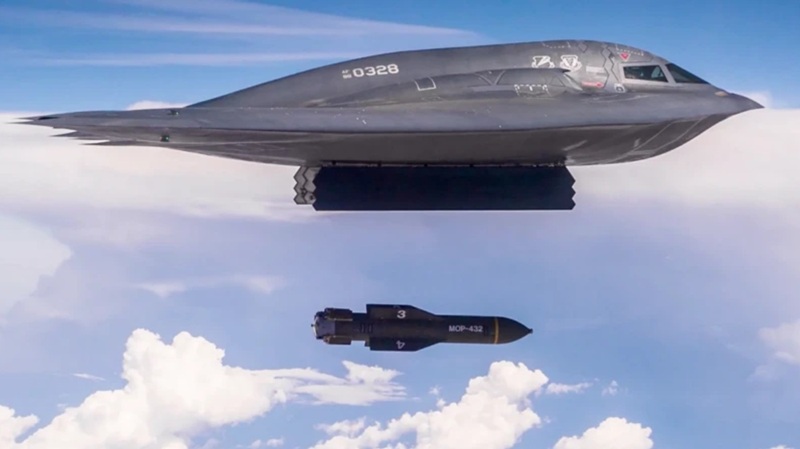
The United States is preparing for a “major uptick” in attacks against Iran within the next 24 hours, according to a senior US official, signaling a significant escalation in the ongoing conflict.
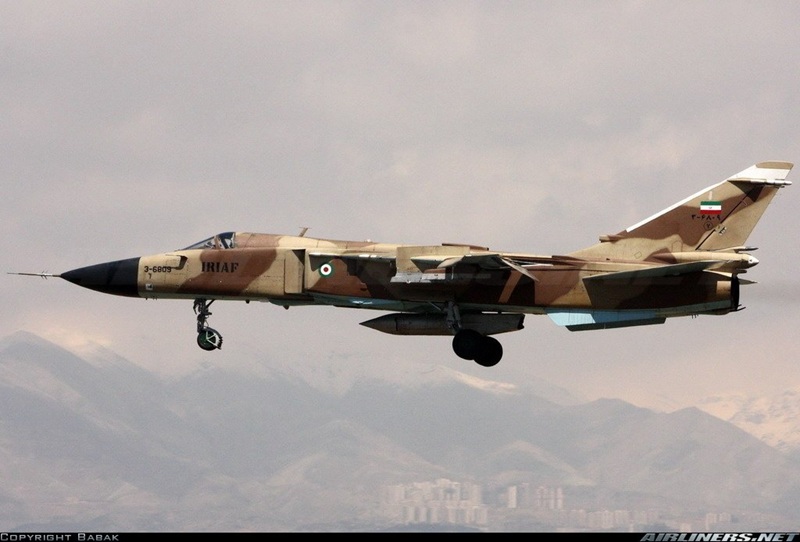
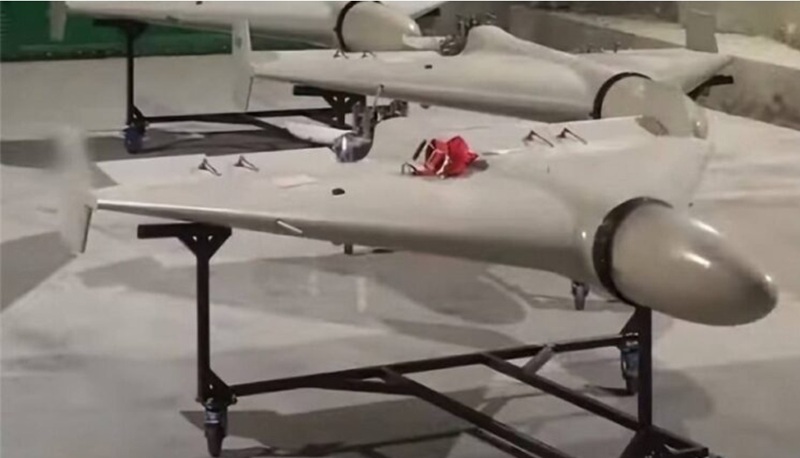
US officials assess that the initial round of strikes successfully weakened Iranian air defenses. The next phase, they say, will focus heavily on destroying Iran’s missile production facilities, unmanned aerial vehicle (UAV) programs, and naval capabilities.
Trump Signals “Big Wave” of Strikes
President Donald Trump previewed intensified operations in an interview with CNN, stating:
“We haven’t even started hitting them hard. The big wave hasn’t even happened. The big one is coming soon.”
Trump also suggested the war may last around four weeks but said operations are currently running “ahead of schedule.”
In comments to NewsNation, he warned retaliation would follow attacks on the US Embassy in Riyadh and the killing of US service members, though he added that “boots on the ground” are unlikely to be necessary.
Missile Stockpiles Running Low
A senior US official acknowledged that certain missile inventories are under pressure, particularly:
- Tomahawk Land Attack Missiles
- SM-3 interceptors used for ballistic missile defense
Sustained operations and defensive interceptions have reportedly reduced available stockpiles, raising questions about long-term sustainability if the conflict expands further.
Secretary of State: Hardest Hits Yet to Come
US Secretary of State Marco Rubio said “the hardest hits are yet to come,” while emphasizing that the administration believes its objectives can be achieved without deploying ground forces.
Washington’s stated goals include dismantling Iran’s missile capability and neutralizing its ability to conduct drone and naval operations across the region.
US Embassies Targeted by Iranian Drones
The US Embassy in Saudi Arabia was struck by two suspected Iranian drones, according to sources familiar with the matter.
Saudi Arabia’s Defense Ministry confirmed the incident, describing it as causing “limited fire and minor material damages.”
The attack on the US Embassy in Riyadh follows earlier strikes on the US Embassy in Kuwait over the weekend.
In response, the US Mission to Saudi Arabia issued a “shelter in place” advisory for Jeddah, Riyadh, and Dhahran, urging American citizens to remain indoors and avoid non-essential travel to military installations.
Separately, the US State Department issued a broader advisory instructing US citizens to “DEPART NOW” from several countries in the region due to serious safety risks.
IRGC Signals Retaliation Campaign
Following the embassy strike, Iran’s Islamic Revolutionary Guard Corps (IRGC) announced it had begun efforts to target what it described as “American political centers” in the region.
This suggests a widening campaign that could extend beyond strictly military targets.
USS Arlington Activity Raises Questions
Meanwhile, reports indicate that USS Arlington is loading continuously in Norfolk under heightened security.
USS Arlington (LPD-24) is a San Antonio–class amphibious transport dock designed to carry hundreds of Marines, vehicles, ammunition, and supplies. It serves as a floating logistics and deployment hub capable of launching landing craft and helicopters.
Heavy loading activity typically signals preparation for:
- Rapid Marine deployment
- Logistical reinforcement
- Evacuation support
- Crisis-response operations
The move raises strategic questions about whether the US is preparing for evacuation, deterrence posture reinforcement, or potential expansion of operations.
Strategic Outlook: Escalation or Containment?
The coming days could determine whether the conflict remains limited to air and missile exchanges or expands into a broader regional confrontation.
Key developments to watch:
- Whether the “big wave” of US strikes materializes
- The sustainability of US interceptor stockpiles
- Iran’s continued targeting of diplomatic and military installations
- Possible activation of additional naval or Marine forces
With embassies under attack, missile stocks tightening, and amphibious assets mobilizing, the conflict appears to be entering one of its most consequential phases.