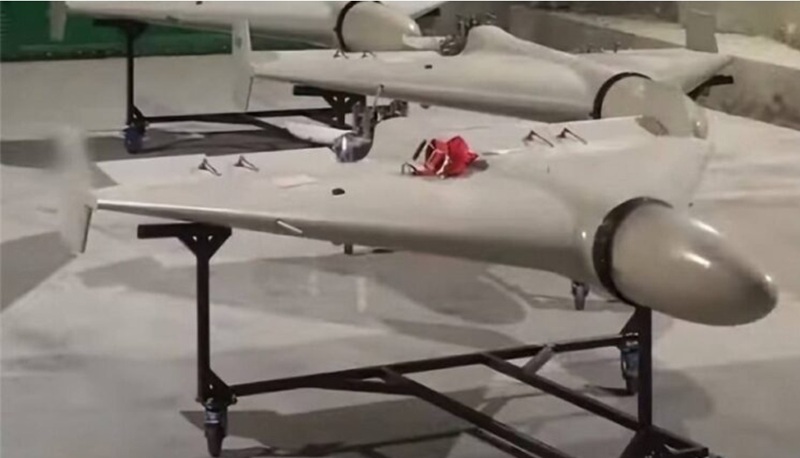
US defense sources now describe Iranian Shahed drones as one of the most serious operational threats in the current conflict, citing their increasing ability to penetrate air defense systems.
The concern comes amid reports that Iran’s drone fleet has been significantly upgraded with Russian battlefield technology and may also be benefiting from Chinese satellite and radar support.
It seems the missile defense systems (Patriot, THAAD, Arrow) for the most part are working to intercept the ballistic and cruise missiles, but the Shahed drones are managing to get through the layered defenses. The people who have the most experience with anti drone tactics…
— Jennifer Griffin (@JenGriffinFNC) March 3, 2026
Russian Technology Inside Iranian Drones?
According to multiple defense analysts, Iranian Shahed drones now appear to include upgraded Russian components — particularly anti-jamming antenna systems.
One key system reportedly integrated into some drones is the Russian “Comet” antenna module, which features GLONASS satellite navigation capability and strong resistance to electronic jamming.
GLONASS is Russia’s equivalent to GPS. The Comet module is considered highly resistant to signal disruption, a capability that has allowed Russia to continue daily drone operations in Ukraine despite heavy Western jamming efforts.
Reports suggest similar upgraded drones were used in attacks targeting a British base in Cyprus.
If accurate, this would indicate a reverse technology flow:
- Iran initially supplied Russia with Shahed drones.
- Russia enhanced the systems with combat-tested upgrades.
- Upgraded variants are now potentially returning to Iran.
Geran Variants: More Than Just Drones
Russia operates Shahed-type drones under the name “Geran.” Modified versions such as Geran-3 and Geran-5 reportedly feature:
- Higher speeds (up to 600 km/h)
- Improved anti-jamming systems
- Enhanced navigation precision
- Cruise missile-like capabilities
Some analysts describe these systems as inexpensive cruise missiles rather than simple loitering munitions.
The Alabuga Special Economic Zone in Russia is reported to be producing more than 500 drones per month, with ongoing expansion. Such production capacity could allow Moscow to export updated, battle-tested versions back to Iran.
Shaheds as Air Defense Penetrators
US sources suggest that Shahed drones are currently among the most difficult threats to intercept due to:
- Low cost and mass production
- Anti-jamming satellite guidance
- Low radar cross-section
- Ability to overwhelm defenses in large numbers
Iran is reportedly increasing drone deployments in the Gulf region, potentially using Shaheds to conserve ballistic missile stocks while still inflicting damage.
This creates a “cost-exchange problem” for US and allied forces: relatively cheap drones forcing expensive interceptor launches.
China’s Expanding Role: Beidou and Beyond
Separate reports indicate that Iran has transitioned much of its military navigation architecture from US GPS signals to China’s Beidou satellite system.
Beidou offers:
- Encrypted military-grade positioning signals
- Resistance to Western jamming
- Short message communication services
China’s satellite constellation — reportedly exceeding 500 satellites — may also support Iran with signals intelligence (SIGINT) and maritime tracking capabilities in the Persian Gulf.
Additionally, reports suggest Chinese systems supplied to Iran include:
If verified, this combination of Russian drone upgrades and Chinese satellite infrastructure could significantly enhance Iran’s ability to contest US naval and air dominance.
Strategic Implications
The convergence of:
- Russian battlefield drone modifications
- Chinese satellite navigation systems
- Expanding Iranian drone production
…creates a multi-layered challenge for US and allied forces.
Meanwhile, US missile stockpiles — particularly interceptors — are reportedly under strain, raising concerns about sustainability in a prolonged high-intensity conflict.
What to Watch Next
Key questions moving forward include:
- Are upgraded Shahed variants becoming effectively “jam-proof”?
- Will Russia formally expand drone exports back to Iran?
- How deeply is China involved in satellite and intelligence support?
- Can Western air defenses adapt quickly enough to evolving drone tactics?
As drone warfare becomes increasingly central to modern conflict, technological alliances may shape the battlefield as much as traditional firepower.