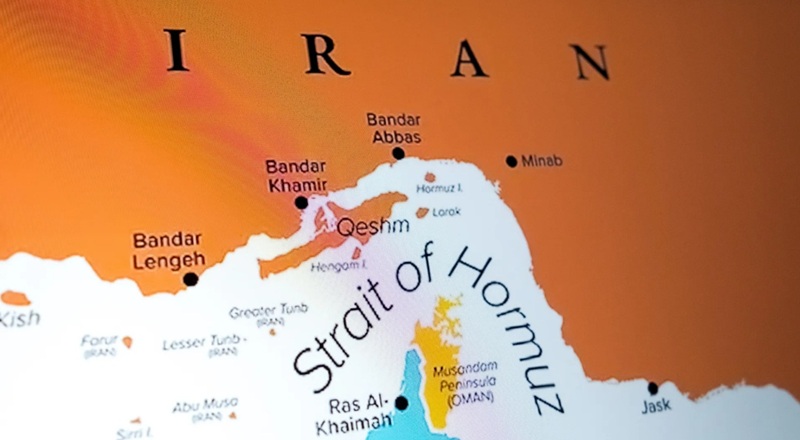
The closure of the Strait of Hormuz during the Iran conflict has triggered a major shift in global energy politics.
In response to the disruption of Gulf oil flows, the U.S. Treasury issued a temporary waiver allowing Indian refiners to continue purchasing Russian crude oil, even though Washington had spent years trying to restrict those imports through sanctions.
The waiver, authorized by the Office of Foreign Assets Control (OFAC), lasts 30 days and is intended to stabilize global energy supplies while shipping disruptions continue in the Gulf.
President Trump’s energy agenda has resulted in oil and gas production reaching the highest levels ever recorded.
To enable oil to keep flowing into the global market, the Treasury Department is issuing a temporary 30-day waiver to allow Indian refiners to purchase Russian oil.…
— Treasury Secretary Scott Bessent (@SecScottBessent) March 6, 2026
Officially, the move is framed as a temporary market stabilization measure.
But in strategic terms, it reveals deeper tensions within the global sanctions system.
What the U.S. Waiver Allows
The U.S. Treasury authorization allows Indian refiners to purchase Russian oil without facing secondary sanctions penalties.
According to U.S. officials, the waiver aims to:
- prevent a global oil supply shock
- stabilize energy prices
- keep crude oil flowing to international markets
The exemption is scheduled to expire April 4, after which sanctions rules could again apply.
Washington has also suggested that India will eventually increase purchases of U.S. crude oil, framing the waiver as a short-term solution.
The Sanctions Architecture Before the Crisis
Before the Hormuz crisis, the United States had spent several years building one of the most complex sanctions systems ever applied to an energy exporter.
Following Russia’s invasion of Ukraine, Western governments implemented measures designed to limit Russian oil revenues without collapsing global energy markets.
These policies included:
- secondary sanctions on companies buying Russian oil
- price caps on Russian crude shipments
- pressure on major importers to reduce purchases
India quickly became a central battleground in this sanctions effort.
Before the Ukraine war, Russia supplied only 2–3 percent of India’s oil imports.
By 2024, Russian crude had grown to around 40 percent of India’s total oil purchases.
To slow this expansion, Washington imposed significant tariffs and economic pressure on Indian trade flows, pushing New Delhi to reduce Russian imports.
By late 2025, Russian oil shipments to India had fallen to their lowest level in two years.
The sanctions framework appeared to be working.
The Strait of Hormuz Shock

The situation changed dramatically when Iran disrupted traffic through the Strait of Hormuz, one of the world’s most critical energy chokepoints.
Roughly:
- 20% of global petroleum shipments
- a large share of liquefied natural gas exports
normally pass through the narrow waterway connecting the Persian Gulf to global markets.
During the crisis:
- tanker transit reportedly dropped 80–90 percent
- several Gulf energy facilities were struck
- global oil supply risks surged
With shipments from the Gulf under threat, the market suddenly needed alternative crude sources.
One of the few large volumes already available on tankers was Russian oil moving through global trade routes.
Why the United States Issued the Waiver
Faced with the risk of a major supply shock, U.S. policymakers were forced to balance two competing priorities:
- Maintaining sanctions pressure on Russia
- Preventing a global energy crisis
Allowing India to continue purchasing Russian oil became a short-term stabilizing measure.
Without the waiver, restrictions on Russian crude could have worsened a market already strained by disruptions in the Gulf.
In other words, energy security temporarily took priority over sanctions enforcement.
What This Reveals About Sanctions Power
The Hormuz crisis highlights a fundamental limitation of economic sanctions.
Sanctions work most effectively when global supply alternatives exist.
When a major supply disruption occurs—especially in energy markets—those alternatives may disappear.
In this case, a war-driven disruption in the Persian Gulf forced policymakers to temporarily relax the sanctions framework that had taken years to construct.
That does not necessarily mean sanctions have failed.
But it does demonstrate that energy sanctions operate within the limits of global supply realities.
The Strategic Consequences
For governments observing the situation, the waiver carries several implications.
First, it shows that energy markets can override sanctions policy during supply emergencies.
Second, it illustrates how interconnected global oil flows have become.
Finally, it reinforces the strategic importance of the Strait of Hormuz as the most critical oil chokepoint in the world.
Even temporary disruptions there can ripple across the entire global energy system.
The Bigger Picture
The U.S. waiver allowing Indian purchases of Russian oil may last only 30 days, but its broader implications could persist much longer.
It demonstrates how quickly global energy policy can shift when geopolitical shocks disrupt supply chains.
For energy analysts and policymakers alike, the episode serves as a reminder that the architecture of sanctions, trade, and energy security is deeply interconnected—and vulnerable to sudden geopolitical stress tests.