U.S. President Donald Trump said he believes Iran’s newly appointed Supreme Leader Mojtaba Khamenei is still alive but may have been injured during the opening stages of the ongoing war between Iran, the United States, and Israel.
Speaking in an interview on Fox News’ “The Brian Kilmeade Show,” Trump suggested the new Iranian leader had survived the early strikes but might have been wounded.
“I think he probably is (alive). I think he is damaged, but I think he’s probably alive in some form,” Trump said during the interview, according to remarks published by Fox News.
Leadership Uncertainty in Tehran
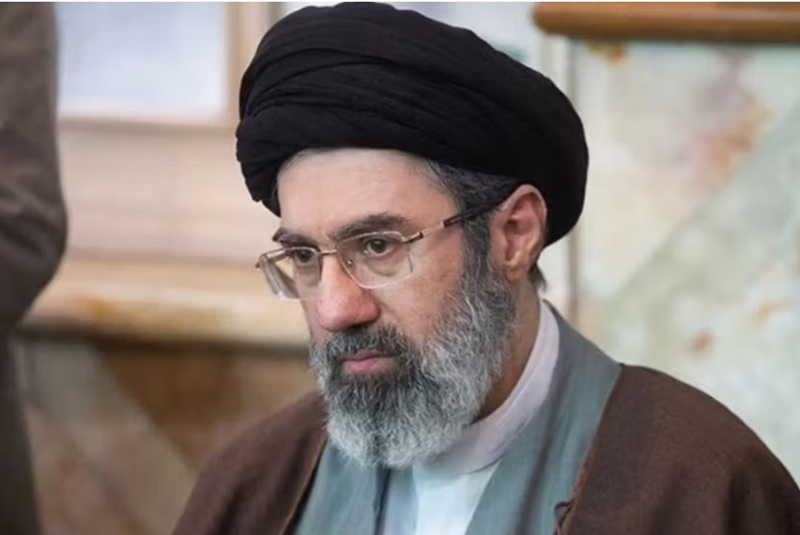
Mojtaba Khamenei, the son of former Supreme Leader Ali Khamenei, was selected as Iran’s new leader by a clerical assembly after his father was reportedly killed on the first day of the conflict.
However, the new leader has not appeared publicly since his appointment.
His first remarks were delivered indirectly when a state television presenter read a statement attributed to him, raising questions about his condition and whereabouts.
According to a Reuters report citing an Iranian official, Mojtaba Khamenei was lightly injured during the conflict but continues to direct affairs.
Iranian state television later described him as “war-wounded.”
Khamenei’s First Message Since Appointment
In his first reported statement, the new supreme leader vowed that Iran would continue to confront its adversaries during the conflict.
He warned that Iran would keep the Strait of Hormuz closed, a move that could significantly disrupt global oil shipments.
The statement also called on neighboring countries to shut down U.S. military bases on their territory, warning that Iran could target those installations if they continue supporting American military operations.
War Between Iran, the US and Israel Intensifies
The current war began on February 28, when the United States and Israel launched coordinated strikes against Iranian military and strategic targets.
Iran has responded with missile and drone attacks against Israel and Gulf states hosting U.S. military bases.
As the conflict approaches the two-week mark, thousands of casualties have been reported and tensions across the Middle East have intensified.
Global Impact and Rising Tensions
The escalating conflict has also shaken global financial markets and raised concerns about energy supply disruptions.
The Strait of Hormuz, through which a large share of the world’s oil exports pass, remains a central flashpoint in the crisis.
Meanwhile, the leaders of Iran, Israel, and the United States have all issued statements signaling determination to continue fighting despite mounting international concerns about a broader regional war.