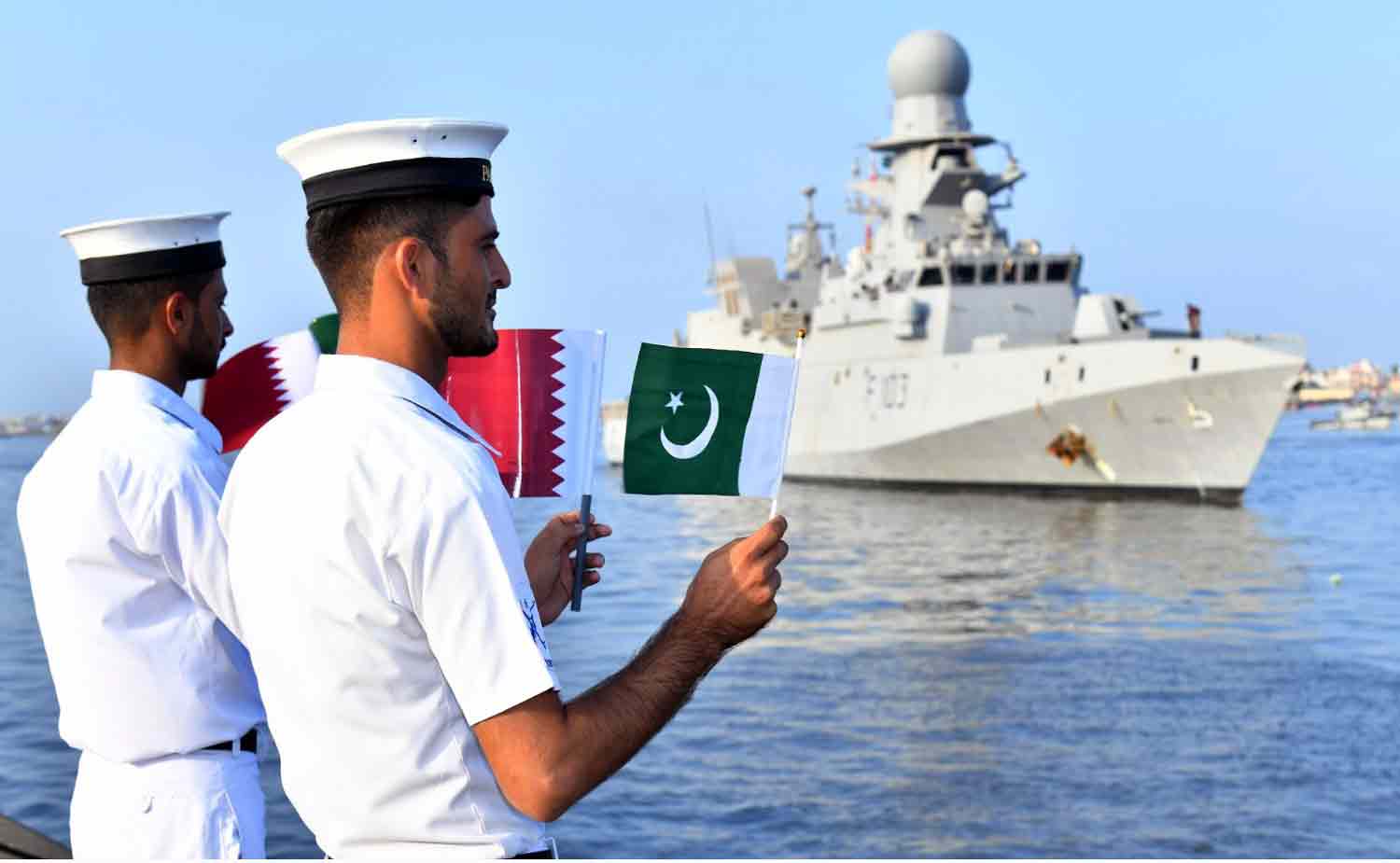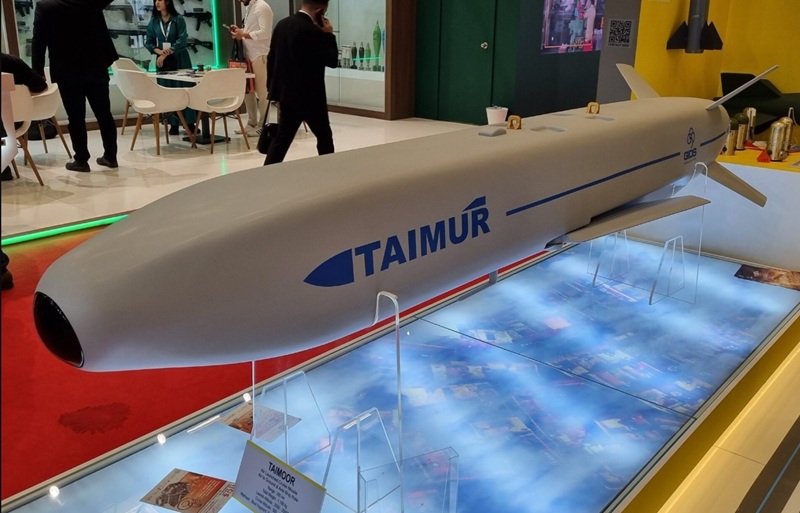
Pakistan’s successful live firing of the Taimoor air-launched cruise missile marks a significant step in its evolving maritime strategy, introducing a new level of uncertainty into the Arabian Sea security environment.
With a reported range of up to 600 kilometers, the missile allows Pakistan to target hostile naval vessels from stand-off distances, potentially altering long-standing assumptions about India’s naval superiority.
#ISPR
Rawalpindi, 21 April, 2026Pakistan Navy has conducted successful live weapon firing of Taimoor Air-Launched Cruise Missile – an indigenously developed Anti-Ship Weapon System – in a powerful demonstration of precision strike capability and operational readiness.
The… pic.twitter.com/OleFVYMvBP
— Pakistan Armed Forces News 🇵🇰 (@PakistanFauj) April 21, 2026
A New Layer in Pakistan’s Deterrence Strategy
The Taimoor is not just another missile test—it represents a broader shift.
Pakistan appears to be building a layered anti-access/area-denial (A2/AD) network, combining:
- air-launched missiles
- ship-launched systems
- future submarine-based capabilities
This approach aims to complicate adversary planning rather than match naval power directly.
What Makes the Taimoor Missile Significant
Developed indigenously, the missile is believed to be derived from the Ra’ad family but optimized for maritime strike missions.
Key features include:
- range of up to 600 km
- subsonic speed (~Mach 0.8)
- low-altitude flight profile to evade radar
- multiple warhead configurations (400–450 kg class)
- high-precision guidance systems
Its ability to fly at low altitude reduces detection time for shipborne defenses, increasing its effectiveness against naval targets.
Implications for India’s Naval Strategy
India maintains a clear advantage at sea, with:
- aircraft carriers like INS Vikramaditya and INS Vikrant
- advanced destroyers and frigates
- layered air-defense systems such as Barak-8
However, the introduction of Taimoor introduces a new air-launched strike vector that could force operational changes.
Indian naval planners may now need to:
- operate farther from Pakistan’s coastline
- increase reliance on airborne surveillance
- allocate more resources to missile defense
This could complicate strategies such as blockade operations near Karachi or Gwadar.
Stand-Off Warfare and Asymmetric Advantage
One of the missile’s key advantages is its stand-off capability.
Aircraft launching Taimoor can remain outside engagement range of many naval defenses, reducing risk to pilots and platforms.
Pakistan has already tested the missile on Mirage III aircraft, suggesting even older platforms can play a role in modern warfare.
This reflects a broader shift toward:
- low-cost precision strike
- dispersed launch platforms
- asymmetric deterrence
Part of a Broader Military Build-Up
The April 21 test is part of a wider pattern.
Pakistan has recently:
- tested ship-launched anti-ship missiles
- inducted new naval platforms
- expanded indigenous weapons programs
Together, these developments point to a deliberate effort to reduce reliance on imported systems and improve wartime sustainability.
Deterrence vs Escalation Risk
While the Taimoor strengthens Pakistan’s conventional deterrence, it also introduces new risks.
In a crisis:
- both sides may fear early strikes
- pressure to act preemptively could increase
- escalation timelines could shorten
Given that any India-Pakistan conflict operates under a nuclear backdrop, these dynamics are particularly sensitive.
Not a Game-Changer — But a Strategic Signal
Despite its significance, the Taimoor does not fundamentally overturn India’s naval advantage.
Challenges remain:
- subsonic speed makes interception possible
- production scale is unclear
- operational integration is still ongoing
Indian forces also possess advanced systems like:
- BrahMos supersonic missiles
- Rafale-launched SCALP systems
- S-400 air defense
However, the missile represents a meaningful incremental shift that increases uncertainty and raises the cost of conflict.
Conclusion: A More Complex Arabian Sea Battlespace
The introduction of the Taimoor missile reflects a broader transformation in regional warfare:
- precision strike over platform dominance
- deterrence through uncertainty
- layered defense against stronger adversaries
The Arabian Sea is no longer just a domain of naval superiority.
It is becoming a contested battlespace shaped by missiles, drones, and stand-off warfare.