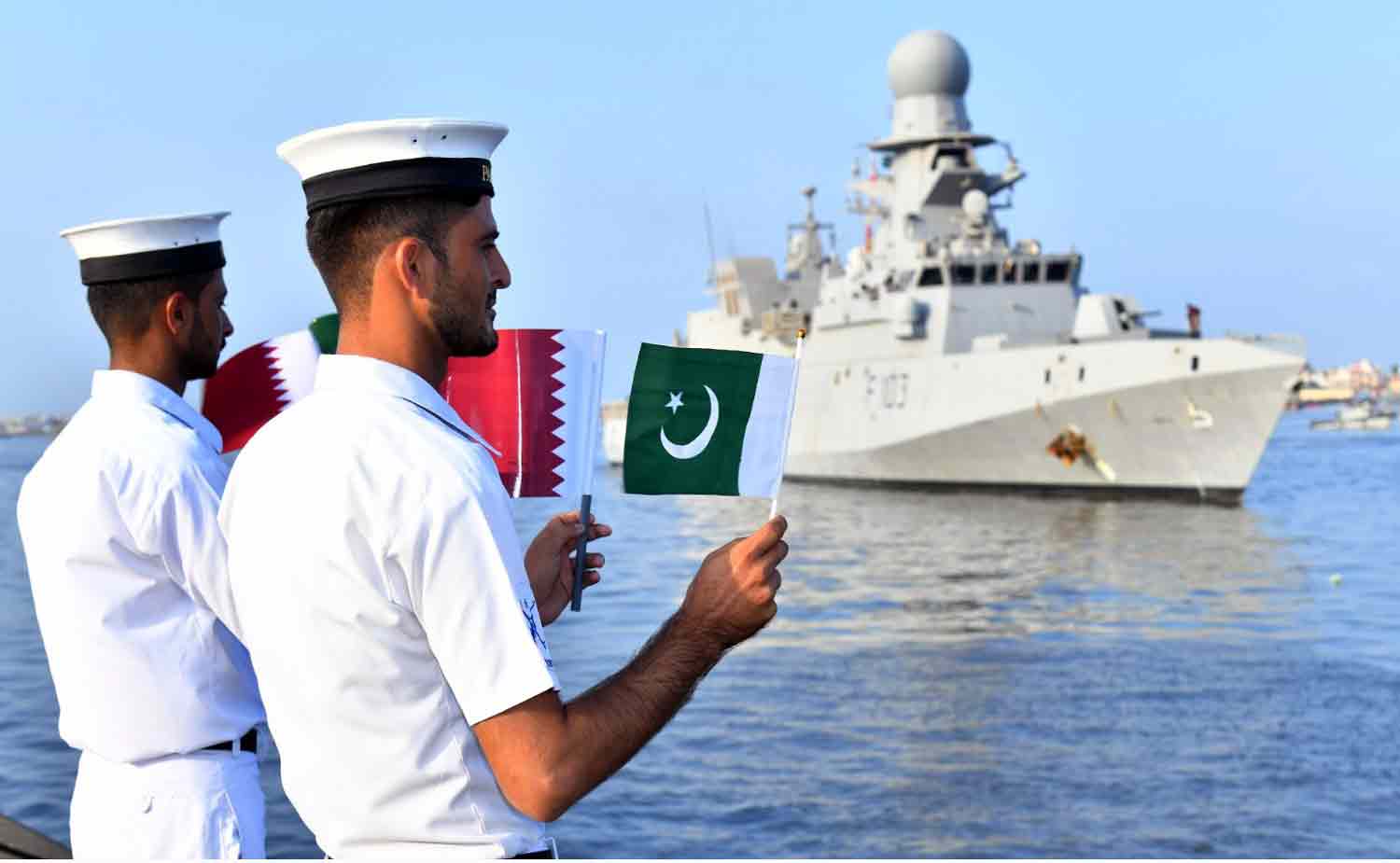
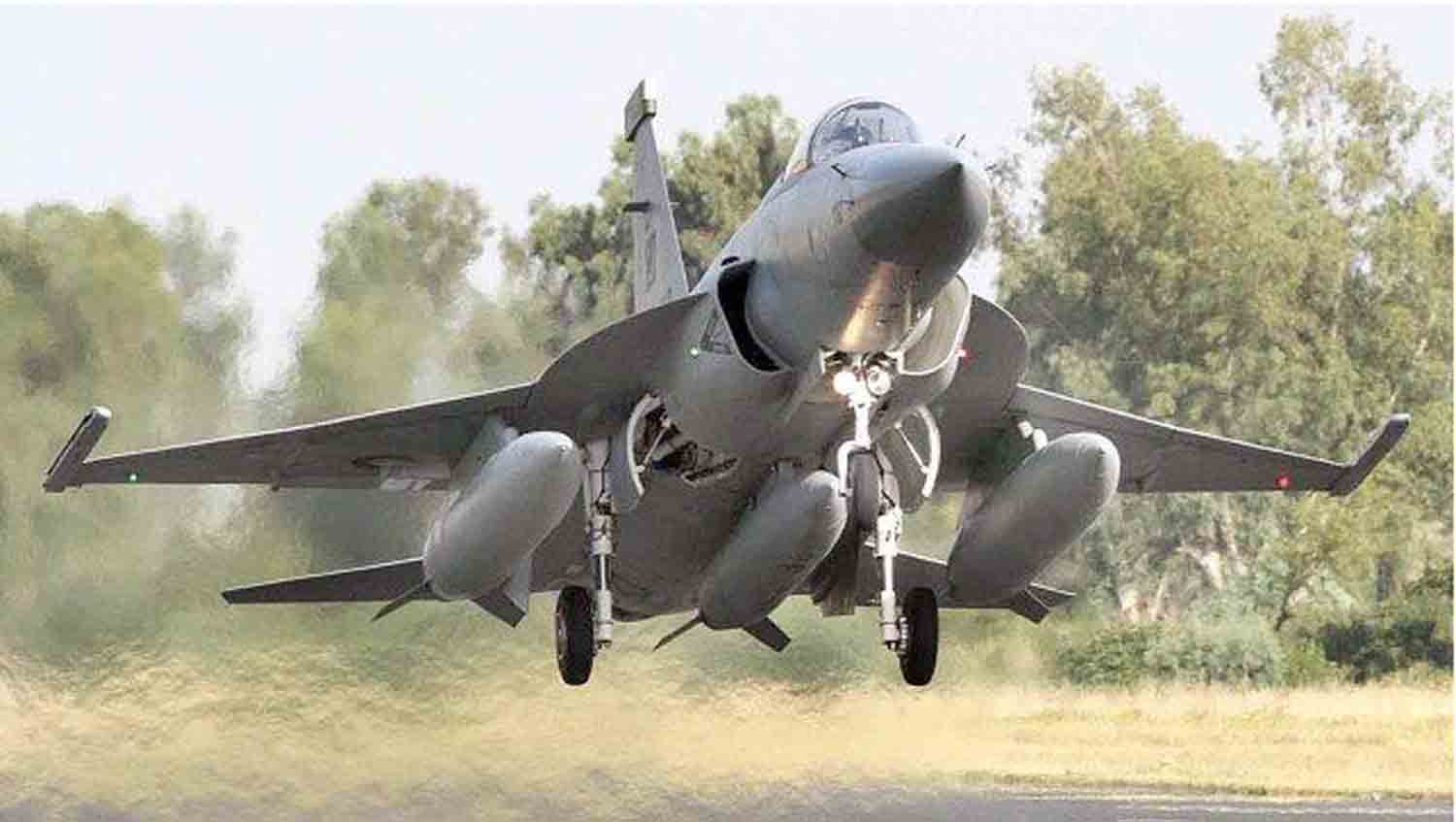
Pakistan has put a planned $1.5 billion arms deal with Sudan on hold after Saudi Arabia withdrew financial backing and urged Islamabad to terminate the agreement, according to security and diplomatic sources cited by Reuters.
The deal, which included the supply of weapons and aircraft, had reportedly reached its final stages earlier this year.

Saudi Arabia Withdraws Financing
Sources indicate that Riyadh played a key role in brokering the agreement but later decided not to finance the deal.
Saudi Arabia “signaled that Pakistan should terminate the deal” after backing away from funding, a security source said.
The move reflects Saudi Arabia’s cautious approach to involvement in conflict zones and proxy dynamics, particularly in Africa.
Sudan Conflict at the Center of Tensions
The deal comes against the backdrop of Sudan’s ongoing war between:
- the national army
- the paramilitary Rapid Support Forces (RSF)
The conflict has triggered one of the world’s worst humanitarian crises and drawn in competing foreign interests.
Sudan’s strategic importance — including its Red Sea access and gold resources — has made it a focal point for regional competition.
External Pressure Influenced Decision
According to sources, some Western countries advised Saudi Arabia to avoid deeper involvement in proxy conflicts in Africa.
This external pressure may have contributed to Riyadh’s decision to step back from financing the deal.
The situation highlights how defense trade is increasingly shaped by geopolitical calculations, not just commercial interests.
Pakistan-Saudi Strategic Ties Remain Key
The decision also underscores the importance of Pakistan’s relationship with Saudi Arabia.
The two countries:
- maintain close economic ties
- signed a mutual defense pact last year
- rely on each other for strategic support
Pakistan has historically depended on Saudi financial backing, particularly during periods of economic stress.
This makes Riyadh’s position a critical factor in Islamabad’s major defense decisions.
UAE-Saudi Rivalry in Sudan
The development also reflects broader regional dynamics.
While Saudi Arabia is seen as backing Sudan’s army, the United Arab Emirates has been accused of supporting the RSF — an allegation it denies.
This divergence highlights a growing strategic competition between Gulf powers across Africa.
Impact on Pakistan’s Defense Exports
The halted deal is significant for Pakistan’s defense sector.
The agreement was part of a broader push by Islamabad to expand arms exports, particularly after increased attention on its military capabilities following tensions with India last year.
A delay or cancellation could:
- affect export momentum
- impact defense revenues
- signal limits of expansion in politically sensitive markets
Conclusion: Geopolitics Overrides Defense Trade
The suspension of the Sudan deal illustrates a broader reality:
Defense agreements are increasingly vulnerable to geopolitical pressure.
While Pakistan continues to pursue new markets, major deals — especially in conflict zones — will remain subject to:
- financing constraints
- regional rivalries
- external diplomatic pressure
For now, the Sudan agreement remains on hold, with its future uncertain.