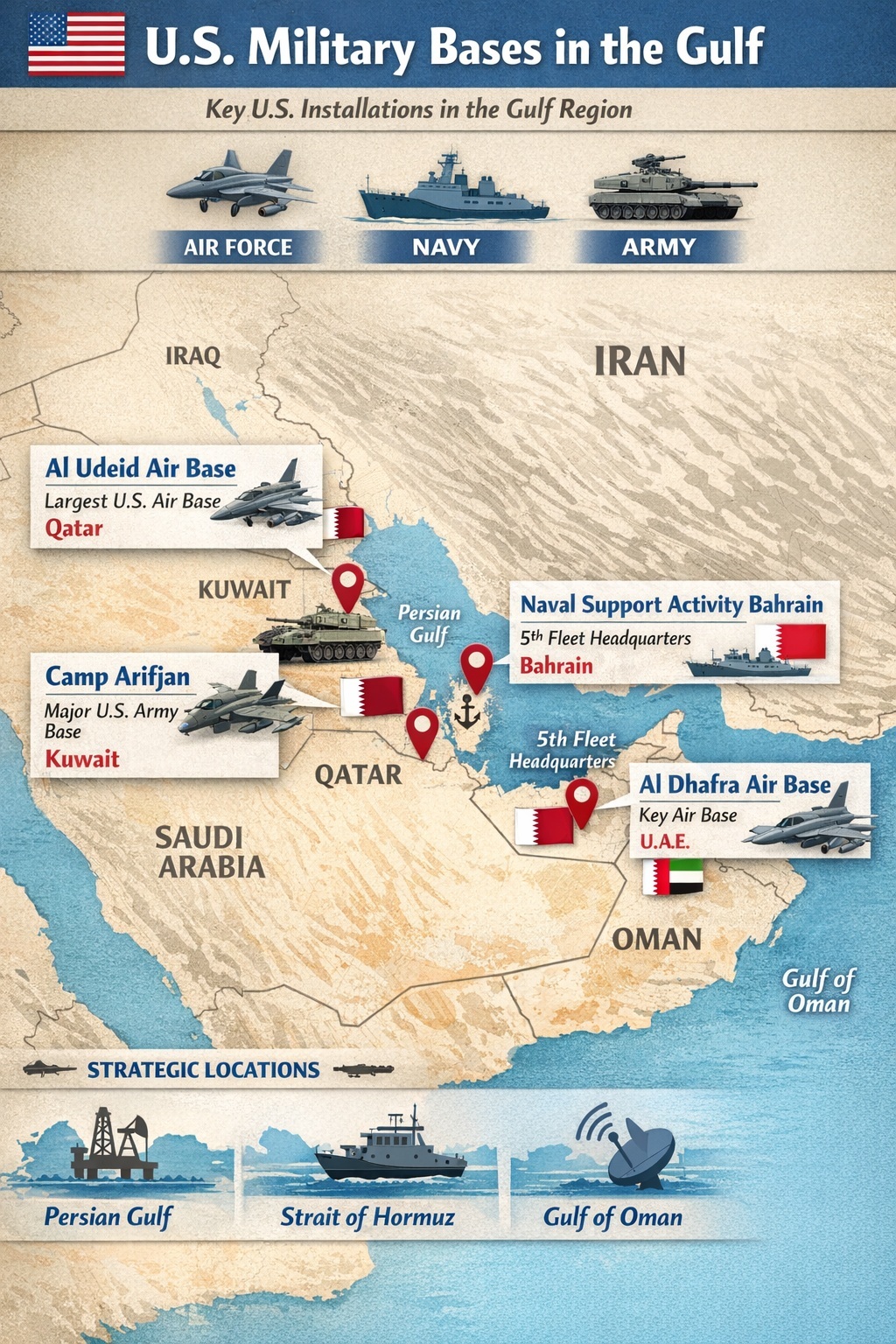
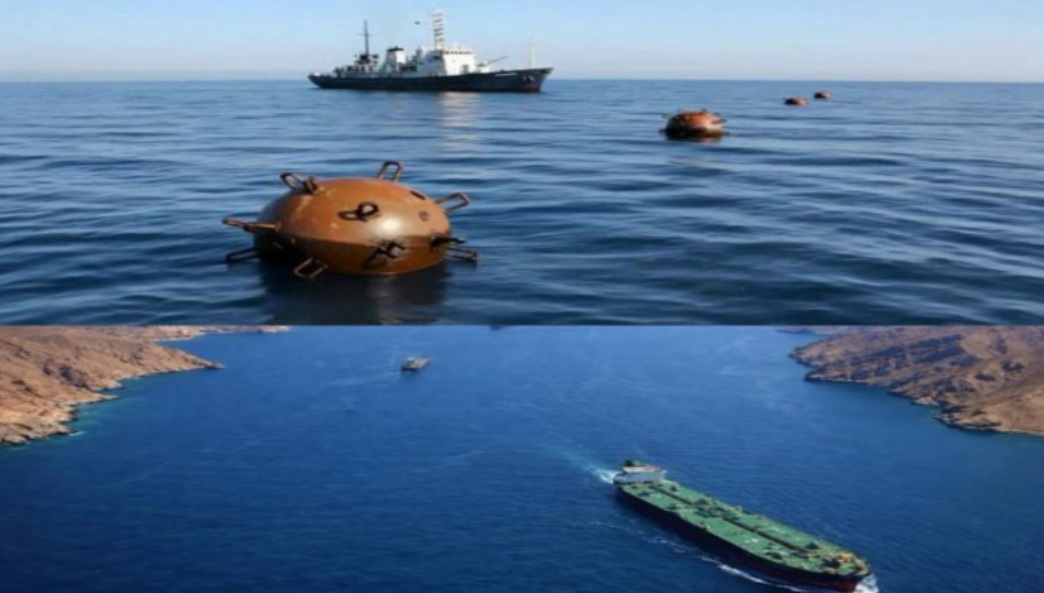
Tensions in the Strait of Hormuz are rising once again after Iranian military officials signaled renewed restrictions on maritime traffic, linking the situation to ongoing U.S. naval pressure in the region.
Statements attributed to Iran’s Khatam al-Anbiya Central Headquarters, reported by Fars News Agency, suggest that Tehran is once again willing to use the strait as a strategic lever.

Whether formally “closed” or simply restricted, the message is clear:
Iran retains the ability to disrupt one of the world’s most critical energy chokepoints.
وضعیت تنگه هرمز بهشدت کنترل و در حالت قبلی باقی میماند
سخنگوی قرارگاه مرکزی حضرت خاتمالانبیاء (ص):
جمهوری اسلامی ایران پیرو توافقات قبلی در مذاکرات صورت گرفته با حسن نیت با عبور تعداد محدودی از کشتیهای نفتکش و تجاری از تنگه هرمز بهصورت مدیریت شده موافقت نمود
— خبرگزاری تسنیم – خبر فوری (@Tasnimbrk) April 18, 2026
Control Without Formal Closure
In practical terms, control of the Strait does not require a full shutdown.
Iran can influence traffic through:
- routing restrictions
- naval presence
- inspection regimes
- selective disruption
This creates a situation where the waterway remains technically open, but operationally constrained on Tehran’s terms.
For global markets and shipping companies, the distinction matters little — uncertainty alone is enough to drive risk.
Pressure Is Being Answered With Pressure
It would be a mistake to interpret Iran’s behavior as restraint.
The current approach suggests a calibrated strategy:
- avoid immediate large-scale escalation
- gradually increase pressure points
- raise costs for adversaries and global stakeholders
The Strait of Hormuz is the most effective tool available for that purpose.

Rather than direct confrontation, Tehran appears to be signaling capability and intent, while leaving room for negotiations.
Hardline Influence Remains Dominant
Internal dynamics in Iran also shape this posture.
Public messaging from figures like Mohammad Bagher Ghalibaf points to a continued dominance of hardline elements within the political and security establishment.
This matters because it defines the limits of compromise.
Iran’s red lines remain unchanged:
- uranium enrichment
- missile capabilities
- regional influence
- control over Hormuz dynamics
There is little indication that Tehran is prepared to concede on any of these under pressure alone.
Escalation Without Clear Endgame

The central strategic question is not whether escalation is possible — it clearly is.
The real question is:
what does escalation achieve?
History suggests that sustained pressure on Iran tends to produce:
- internal consolidation
- stronger hardline positioning
- increased strategic resilience
rather than political capitulation.
A Regime Built to Absorb Pressure
Iran’s system is structurally different from many past U.S. adversaries.
It is built around:
- ideological cohesion
- long-term strategic patience
- willingness to absorb economic and military costs
This makes it particularly resistant to coercive strategies.
Even significant military pressure may not fundamentally alter its trajectory.
The Hormuz Lever and Global Impact
The stakes extend far beyond regional politics.
The Strait of Hormuz carries roughly 20% of global oil shipments, making it one of the most important chokepoints in the world.
Any sustained disruption could impact:
- global energy markets
- shipping insurance costs
- inflation trends
- supply chains
That gives Iran leverage not just over the United States, but over the global economy.

Negotiation vs Confrontation
The current situation presents a familiar dilemma:
- Negotiation may stabilize the situation but leave Iran’s core capabilities intact
- Escalation may weaken Iran in the short term but strengthen its long-term resolve
Neither path offers a clean or immediate solution.
Conclusion: A Predictable Pattern
When reduced to its essentials, the pattern is clear:
- pressure leads to counter-pressure
- constraints trigger resistance
- escalation risks unintended consequences
Iran’s strategy is not about immediate victory.
It is about shaping the cost environment until a more favorable balance emerges.
And in that equation, the Strait of Hormuz remains its most powerful tool.